Tag: Australia

  • Funday Natural Sweets and Cotton on Kids Partner on Apparel Range

    Funday Natural Sweets and Cotton on Kids Partner on Apparel Range

    Confectionery brand Funday Natural Sweets has partnered with Australian childrenswear retailer Cotton On Kids in September 2026 to launch a limited-edition apparel collection based on its core product range.

    The apparel run is designed for children aged two to 10 years and sells exclusively through the Cotton On website. Graphic designs across the garments replicate four confectionery variants: Strawberry & Cream, Sour Peach Hearts, Sour Cola, and Fruity Koalas.

    Candy Graphics for Digital Shelves

    Cotton On is keeping the release confined to its online channels rather than distributing inventory across its physical store fleet. Digital exclusivity lowers supply chain overhead for short-run collaborative merchandise while testing customer demand before committing floor space in suburban shopping centres.

    For Funday, the partnership puts grocery-aisle branding into everyday childrenswear. Apparel licensing gives fast-moving consumer goods makers repeated household visibility without requiring an increase in trade marketing expenditure inside supermarkets.

    Brand Collaborations in Childrenswear

    Fashion retailers across Asia-Pacific continue to use branded novelty drops to drive direct web traffic. Cross-category partnerships between food brands and apparel chains have expanded rapidly as fast-fashion operators look for distinctive graphic intellectual property that appeals directly to parents buying for young children.

    The operational risk in food-to-fashion licensing sits squarely on inventory velocity. Themed capsule collections lose consumer appeal quickly once seasonal promotional cycles end, making web-only fulfillment a calculated choice to prevent discounted stock overhang in physical stores.

    Licensing Growth in Apparel

    Cotton On has built a steady business model around limited licensing deals across its adult and youth divisions, drawing on entertainment properties, beverage brands, and food labels to refresh basic garment blanks.

    Online performance data from this initial confectionery run will determine whether Cotton On expands the licensed grocery range into retail stores across Australia and its broader Asia-Pacific store network.


  • Australian Retail Health Index Drops to Negative 1.07 as Insolvencies Rise

    Australian Retail Health Index Drops to Negative 1.07 as Insolvencies Rise

    Australian retail conditions worsened sharply in the three months ending June 2026, dragging KPMG’s Retail Health Index down to negative 1.07 from negative 0.37 in the previous quarter.

    A steep 11.4 per cent drop in consumer sentiment drove the decline, even as total household spending and producer prices recorded modest gains.

    Pressures on cash flow and demand led to 254 retail insolvencies during the three-month period. Employers pulled back hiring across store networks, cutting job vacancies by 15.3 per cent to leave 26,000 open roles across the country. The index measures spending, sentiment, turnover, pricing and underlying business performance to gauge sector viability.

    Value Hunting Alters Store Economics

    Shoppers across Australia have shifted their habits toward planned, price-sensitive purchases rather than halting expenditure entirely. Foot traffic and checkout totals increasingly concentrate around major promotional windows such as End of Financial Year sales, thinning margins for operators between events.

    For regional retail groups and brand distributors, this concentration creates sharp operational volatility. Inventory holding costs rise between discount periods, while staffing models must flex quickly to handle brief spikes in transaction volume without blowing out payroll costs.

    Digital Channels and Labour Adjustments

    Suppliers face renegotiations on wholesale terms as storefront operators fight to protect gross margins against higher input costs. Landlords in secondary shopping centres risk longer lease negotiations, particularly where specialty fashion and discretionary merchants struggle to sustain standard rent-to-sales ratios.

    The contraction follows a prolonged period of cautious buying that started when higher borrowing costs began constraining disposable income across major metropolitan centres. Earlier quarters had managed to absorb rising operational overheads through modest price adjustments, but consumer pushback against shelf prices has now limited further retail pass-through.

    Promotional Execution Takes Centre Stage

    Relief for the sector depends heavily on whether lower supply chain disruptions and sustained population growth can offset cautious household budgets. Retailers are directing investment into automated personalisation and inventory tracking systems to lift conversion rates ahead of high-volume seasonal trading.

    Merchant performance across the market now hinges on order execution during the upcoming Black Friday and Cyber Monday discounting calendar.

  • Virtue Mirage Launches 17-Tool Fashion Personalisation Platform

    Virtue Mirage Launches 17-Tool Fashion Personalisation Platform

    Australian entrepreneur Lukas Cervenan launched Virtue Mirage in September 2026, introducing a hyper-personalisation platform designed to reshape the online fashion shopping experience.

    The system offers 17 tools that create a digital twin of a shopper using photos or exact measurements, extending personalisation across entire online stores rather than limiting it to individual products.

    By replacing traditional model imagery across every product gallery, the platform allows shoppers to see garments on their real body sizes across participating stores running on services such as Shopify and BigCommerce.

    How the Network Functions

    Shoppers manage their profiles through a central dashboard that stores saved outfits, real-time stock availability, and tailored size advisories for specific garments. A semantic search engine pairs items across a merchant’s inventory directly onto the user’s avatar, rather than displaying isolated product grids. New inventory drops can be pre-rendered for registered customer profiles before users land on the store page.

    To our knowledge, we are the only platform in the world that is transforming entire websites. So a size-16 shopper is never looking at a professional size-6 model; she sees her real size, on her real body, in every image across a brand’s entire store.

    The Return Problem Across Regional Fashion

    Retail margins across Asia-Pacific e-commerce continue to erode under the weight of reverse logistics. Fit failures drive the bulk of fashion returns, worsened by bracket-buying habits where shoppers purchase several sizes of a single item with the intention of returning most of them. Eliminating the disconnect between model proportions and real customer bodies attacks reverse logistics costs at the point of discovery.

    Standalone virtual fitting widgets rarely alter overall conversion because they sit isolated on individual product detail pages. By transforming whole catalogues into personalised galleries, operators attempt to lift checkout completion while defending independent web stores against dominant regional marketplaces like Shein and Zalora. The primary technical hurdle remains rendering fidelity, as artificial intelligence tools frequently struggle with drape and textile weight across edge sizes.

    Decade of Commercial Imaging Preceded Launch

    The platform builds directly on Cervenan’s commercial imaging business, Virtue Creative Studios, which produced e-commerce and campaign photo shoots for more than 500 apparel brands over the past ten years. That production background informed the platform’s visual architecture, which formats store catalogs to allow external AI shopping agents and semantic web scrapers to parse inventory data directly.

    Participating merchants on Shopify and BigCommerce are now integrating the software into their live storefronts ahead of peak year-end trading cycles.

  • GetUp Targets Hundreds of Coles Stores over Palantir AI Deal

    GetUp Targets Hundreds of Coles Stores over Palantir AI Deal

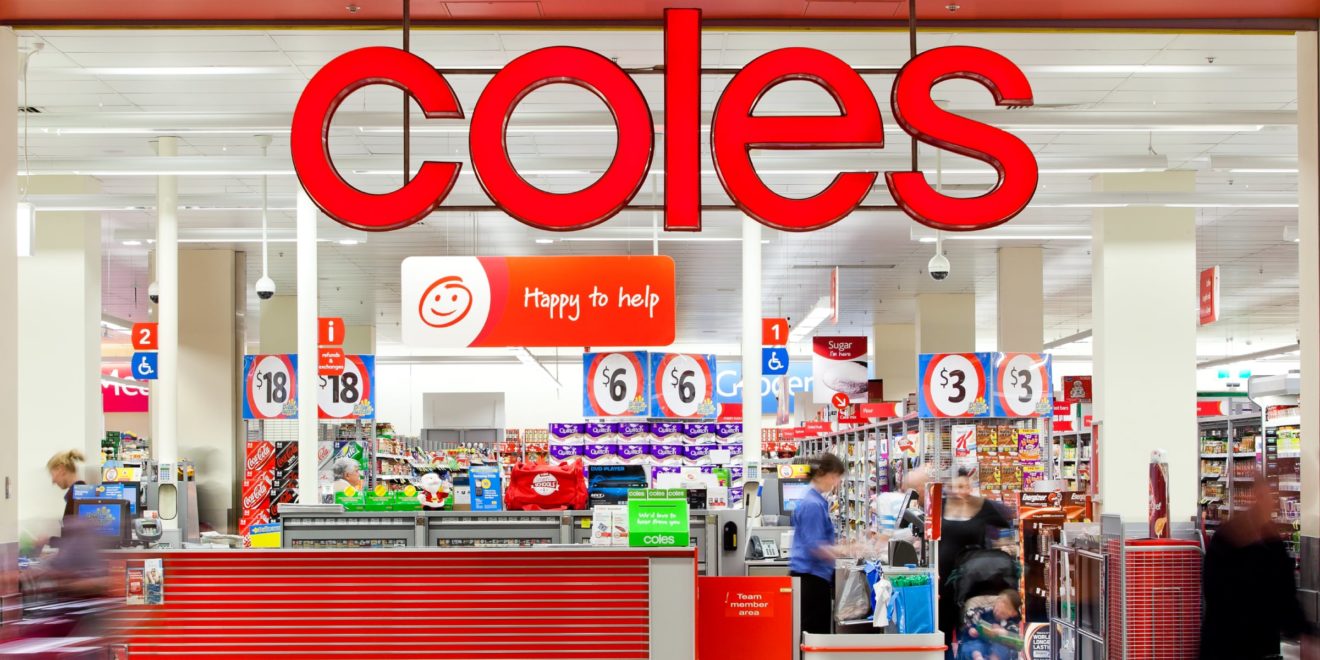
    Community advocacy group GetUp targeted hundreds of Coles stores across Australia with spoof digital billboards, challenging the supermarket operator over its enterprise partnership with US analytics vendor Palantir. The advertisements ran outside store entrances in July, mimicking the retailer’s signature red and white branding with the slogan: “Here at Coles, we’re always watching you.”

    The pushback followed Coles deploying software from the controversial US technology company to sharpen artificial intelligence and operational efficiency across its supermarket network. While the digital billboards were taken down quickly, the campaign triggered public debate over how large grocery chains handle customer data and explain tracking tools to shoppers.

    Public Scrutiny Over Store Analytics

    Supermarket operators across the Asia-Pacific region have accelerated investments in predictive analytics, automated inventory forecasting, and computer vision systems. Enterprise partnerships with overseas defence and intelligence contractors carry brand risks that standard retail IT upgrades do not. Consumer groups increasingly scrutinise the boundary between back-end supply chain optimisation and customer-facing surveillance.

    For grocery chains operating in concentrated retail markets, transparency around data architecture has become an operational necessity rather than an investor relations footnote. When retailers fail to define where data processing stops, third-party advocacy groups easily fill the information vacuum with negative messaging right at the store entrance.

    Retail AI Strategy Under Pressure

    The dispute reflects broader friction across Australian retail as grocers test advanced algorithmic tools to cut shrink and streamline operations. Coles had framed its AI rollout as an efficiency play, intended to modernise store workflows and stock management across its national footprint. Linking store-level operations to specialised analytics vendors has instead tested customer goodwill at a time of heightened consumer sensitivity around commercial data collection.

    Grocers managing similar automation rollouts across regional markets now face tighter questions regarding data sovereignty, third-party software governance, and in-store customer communications. Retailers will need to clarify operational boundaries as advocacy campaigns continue tracking corporate technology procurements.

  • QIC Opens 6,842-Square-Metre Racquet Club at Robina Town Centre

    QIC Opens 6,842-Square-Metre Racquet Club at Robina Town Centre

    QIC Real Estate opened a 6,842-square-metre Racquet Club venue at Robina Town Centre on the Gold Coast in September 2026, adding 13 courts to the shopping complex.

    Built outdoors, the project features seven padel courts, six pickleball courts, athlete recovery facilities and a clubhouse food and beverage venue.

    Landlords pivot to social sports

    The project gives major retail space to racquet sports over traditional specialty stores or standard entertainment anchors. Sally Harding, head of alternative income at QIC, noted the shift in asset management: “Some of the most exciting opportunities in our portfolio come from looking at land in new ways; not just where the next store goes but how we create places that get people active and connected.”

    Retail landlords across Asia-Pacific face structural shifts in department store footprints and apparel tenancies. Turning outdoor land and rooftops into sports hubs drives footfall during weekday evenings and weekend mornings. Conventional mall traffic softens during those periods. The risk lies in operational intensity: leisure operators need steady community engagement to justify square footage that produces lower base rent per square metre than luxury or specialty retail tenancies.

    Alternative income and regional footprint

    Founded in Sydney in 2023, Racquet Club previously built permanent facilities in Sydney and Canberra alongside temporary pop-ups. The Gold Coast venue serves as the company’s third permanent Australian location and its second-largest site to date.

    Robina Town Centre celebrated its 30th anniversary in April 2026. That milestone followed a 2024 institutional marketing partnership between QIC, the Australian Sports Commission and the Australian Institute of Sport to lift on-site sports participation.

    Clubhouse launch schedule

    Court bookings at the Robina venue are active now. The adjoining clubhouse food and beverage operation opens before the end of September 2026.

  • Jonathan Waecker Completes First Year as Michael Hill CEO

    Jonathan Waecker Completes First Year as Michael Hill CEO

    Jonathan Waecker marked his first 12 months as chief executive of jeweller Michael Hill on August 27. His arrival followed an international search and a sombre period for the retailer.

    Former chief executive Daniel Bracken died unexpectedly in February 2025, followed by founder Sir Michael Hill in July.

    Leadership Transition at the Jeweller

    Waecker took charge of the retail network just weeks after Sir Michael died. The double loss forced the company to manage executive succession and institutional continuity at the same time.

    Directors turned to Waecker to execute long-term strategy while protecting brand equity across the store fleet. Maintaining operational discipline during senior turnover remains the board’s primary focus.

    “I’ve approached it with enormous respect for what Sir Michael and Lady Christine built,” Waecker said. “There’s so much magic in this brand and its history.”

    Succession After Twin Losses

    Retail chains facing sudden leadership gaps often risk strategic drift. Michael Hill countered that threat by moving rapidly through a global search to fill the vacancy left by Bracken.

    Executive stability gives regional landlords and investors clear assurance on leasing commitments and store funding. Sector rivals continue to fight for discretionary spend, leaving management little room for operational disruption.

    Stewardship Across Core Markets

    Before Waecker took charge in August 2025, the group relied on Bracken to direct brand elevation and store network refinements. Losing both the operational chief and the founder within five months tested governance across the business.

    Attention now turns to annual trading performance and network expansion targets across the brand’s core markets.

  • Tetra Pak Names Michael Wu Managing Director for Oceania Operations

    Tetra Pak Names Michael Wu Managing Director for Oceania Operations

    Tetra Pak appointed Michael Wu as managing director of its Oceania business, taking charge of operations across Australia and New Zealand effective September 1.

    Wu brings 18 years of executive experience across the Swiss-Swedish packaging giant, stepping into the role after serving as market operations quality and sustainability director.

    Leadership Track Across Southeast Asian Markets

    Before his latest global role, Wu led Tetra Pak businesses across Malaysia, Singapore, the Philippines and Indonesia. His appointment shifts an executive with deep Southeast Asian operating experience into the mature Oceania dairy, beverage and liquid food packaging market.

    Food manufacturers across Australia and New Zealand face tight regulatory mandates on packaging circularity and emissions reductions. Placing a former quality and sustainability lead in charge of Oceania reflects packaging producers aligning commercial leadership directly with compliance demands from major supermarket chains and brand owners.

    Shifting Packaging Demands in Oceania

    For beverage processors and dairy co-operatives in the region, processing and packaging machinery upgrades require heavy capital expenditure. Wu inherits client relationships across Australia and New Zealand where processors are balancing automation investments against shifting retail carton consumption.

    Competition from alternative barrier packaging and local carton converters adds pressure on supply agreements. Tetra Pak has relied on integrated equipment and service contracts across Australasia to protect its volume footprint against cheaper imported carton blanks and plastic formats.

    Regional Supply Chain Realities

    Wu oversaw rapid packaging volume growth across Southeast Asian beverage markets before his transition into global sustainability and operations quality management. That background gives him direct insight into regional raw material flows and converting plant efficiency.

    His immediate focus turns to commercial execution across key Oceania accounts as dairy and beverage brand owners finalise processing equipment budgets for the coming operating cycle.

  • Australian Grocery Baskets Rise 8.5% as Shoppers Trade Down

    Australian Grocery Baskets Rise 8.5% as Shoppers Trade Down

    Australian households face an 8.5 per cent jump in standard grocery costs, pushing four-person families to spend an average of $245 weekly at supermarket checkouts. That identical basket of goods climbed to $232 in July 2026 from $214 in March 2025, according to tracking data from consumer research firm Canstar.

    Overall household grocery spending rose two per cent year on year from an average of $240 per week, held down only because shoppers are actively ditching premium items and buying cheaper alternatives. Research from ANZ Institutional shows consumers are managing higher food costs by swapping beef for chicken, picking private-label staples like pasta and canned tomatoes, and structuring purchases around promotional cycles.

    Trading down to private labels

    Price scrutiny has altered basket composition across major supermarket chains. Canstar survey data indicates 40 per cent of shoppers cut back on discretionary treats and snacks, while 38 per cent spend extra time evaluating unit pricing on shelves. Another 30 per cent target marked-down stock, and 25 per cent now buy supermarket home brands instead of proprietary labels.

    The shift demonstrates how consumer adaptation blunts headline shelf inflation. Families who alter their purchasing baskets shield their weekly budgets, while those maintaining rigid preferences for items like fresh beef, dairy and convenience foods absorb the full weight of cumulative price gains.

    “Food inflation doesn’t just change prices; it changes habits,” said Matthew Mann, director of research and analysis at ANZ Institutional.

    Margin squeeze for national brands

    For packaged goods manufacturers and tier-one food brands, this behavioral pivot threatens market share in key dry-grocery and dairy categories. Major supermarket operators in Australia continue to expand their private-label ranges, securing margin while offering entry-level price points that squeeze branded suppliers off shelf space.

    Suppliers unable to fund trade promotions or justify premium pricing risk permanent volume losses as private-label loyalty solidifies. The margin pressure sits heavily on domestic food processors, who must navigate higher logistical and ingredient costs without full pricing power at the retail negotiating table.

    Tracking the checkout shift

    Cost pressures built steadily through 2025 before escalating into mid-2026, compounded by wider supply chain friction and energy costs. University of Sydney retail researcher Lisa Asher noted that real wage growth has failed to keep pace with cumulative food cost increases over that window.

    The key metric for Australian retail suppliers through the final quarter of 2026 is volume recovery in branded meat and snack categories as promotional discounting deepens.

  • Destination Italy Adds Two Frozen Pizza Lines Across Australia and New Zealand

    Destination Italy Adds Two Frozen Pizza Lines Across Australia and New Zealand

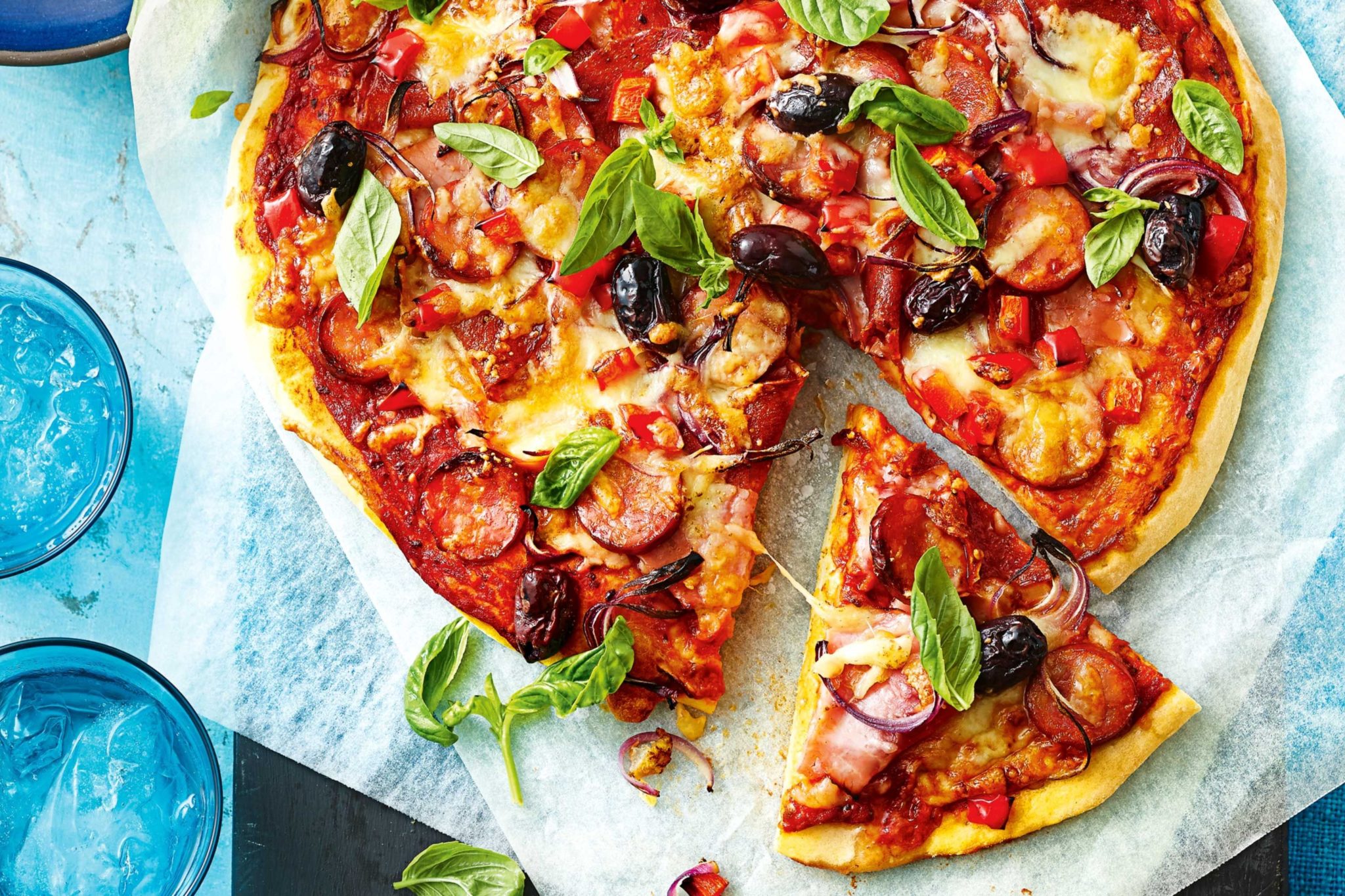
    Destination Italy expanded its frozen pizza lineup across Australia and New Zealand on September 7, 2026, launching two Italian-made varieties into regional supermarket freezers.

    Made in Italy, Woodfired Puttanesca and Woodfired Salame ship directly to Australian and New Zealand retailers catering to demand for imported convenience meals.

    Ingredients and Recipe Formats

    The Woodfired Puttanesca pizza uses a traditional tomato and mozzarella base topped with black olives, capers, and oregano. Woodfired Salame pairs that same base with sliced salami, produced in Italy before frozen transport.

    Both products rely on Italian-baked woodfired crusts to stand out from local alternatives. The format targets shoppers who want regional recipes without paying foodservice prices.

    Premium Competition in the Freezer Aisle

    Major grocers across Australia and New Zealand have steadily reallocated freezer space to imported and specialty private-label items over the past three years. Mainstream frozen pizzas face ongoing margin compression. That pressure has prompted distributors to push higher-value imported SKUs onto shelves.

    For retailers, imported lines offer higher basket values in a category historically dominated by discount domestic labels. Cold-chain freight costs and exchange-rate swings between the euro and the Australian dollar remain key operational hurdles, squeezing margins when shipping volumes fluctuate.

    Retail Distribution Timelines

    Destination Italy built its initial ANZ footprint around core woodfired SKUs before widening the range with specialized regional flavor profiles. Across the supermarket frozen sector, brands are taking similar premium routes, using origin-certified manufacturing to defend shelf share.

    Supermarkets will roll out the two new varieties across national freezer networks through the remainder of the month.

  • Bonds Launches Resale Marketplace After Tracking 30,000 Secondary Listings

    Bonds Launches Resale Marketplace After Tracking 30,000 Secondary Listings

    Australian apparel brand Bonds launched a dedicated secondhand marketplace called Village Marketplace on September 1, aiming to capture transactions after tracking more than 30,000 listings across third-party platforms.

    The service lets shoppers buy and sell pre-owned Bonds garments directly on the retailer’s primary website. Bonds built the peer-to-peer system in partnership with re-commerce technology provider Treet, focusing initially on children and baby clothing before rolling the model out to other high-demand product lines.

    Reclaiming Secondary Market Traffic

    Third-party resale platforms have built sizable volumes on staple family apparel, pulling consumer traffic and margin away from brand storefronts. By creating an owned resale channel, Bonds captures secondary transaction data and keeps existing shoppers inside its digital network rather than losing them to generalist marketplaces like eBay or Depop.

    Brand-managed resale platforms also solve authentication and condition concerns for parents buying second-hand children’s wear. Operating the marketplace directly gives the retailer a steady engagement loop with families as children outgrow sizes every few months.

    “Our new ‘Kids & Baby’ marketplace gives pre-loved Bonds items a new lease of life, making it easier for parents to pass on pieces they’ve loved and discover quality items for their own little ones,” said Kedda Ghazarian, head of marketing at Bonds.

    The Economics of Owned Re-Commerce

    Apparel retailers across the Asia-Pacific region are shifting toward structured resale platforms to protect brand equity and extract incremental revenue from garments already in circulation. For basic apparel brands with high unit volumes, customer retention often hinges on whether the trade-in process offers immediate digital store credit to fund the next full-price basket.

    Managing peer-to-peer fulfillment carries operational friction, particularly around customer disputes and reverse logistics. Partnering with specialized software vendors allows apparel groups to run resale storefronts without holding used inventory on their own warehouse balance sheets.

    Expanding Beyond Babywear

    Bonds developed the dedicated exchange after an internal audit revealed tens of thousands of its branded garments circulating unmonitored on independent peer-to-peer networks. That audit prompted the company to formalize an in-house channel rather than let external platforms monetize its secondary market.

    The company plans to expand Village Marketplace from children’s wear into higher-margin adult basics and seasonal apparel categories as listing volumes scale across Australia.

  • Coles Drops Palantir Contract After Activist Campaign over Data Use

    Coles Drops Palantir Contract After Activist Campaign over Data Use

    Coles will end its enterprise partnership with United States software vendor Palantir. The decision follows an 85,000-signature petition against deploying military-grade data systems in Australian supermarkets.

    Company officials confirmed the business will let the three-year agreement expire in 2027 rather than sign an extension.

    Rostering and Supply Chain Deployment

    The grocer brought in Palantir in early 2024 to manage backend administration across its store network. The software scheduled shift rosters and coordinated bakery production runs. It also modelled inventory flow through distribution centres.

    Community advocacy group GetUp launched a campaign against the deal shortly after the contract took effect. Activists cited Palantir’s contracts with the United States Immigration and Customs Enforcement agency and the Israeli Defence Forces. They argued military-grade systems had no place in retail operations.

    A spokesperson for the chain rejected claims that the platform ever tracked shoppers or gathered aisle surveillance feeds. “Palantir’s technology has delivered value across Coles’ operations, particularly in rostering, store operations and supply chain planning,” the spokesperson said.

    The Enterprise Risk in Retail AI

    Supermarket operators across the Asia-Pacific region are rushing to automate workforce management and stock replenishment. Yet vendor selection brings brand exposure that procurement teams often underestimate. When enterprise software providers run heavy defence and state intelligence divisions, consumer-facing retailers absorb the reputational fallout directly at the checkout.

    Coles chose to let the contract lapse quietly at its natural term rather than terminate immediately. That approach lets the grocer run down existing IT commitments while scouting replacement platforms for store-level forecasting and labor scheduling.

    A Push Toward Neutral Systems

    Earlier, the company maintained Palantir never controlled internal grocer data or held rights to repurpose operational metrics. It declined to detail commercial reasons for walking away from the contract when asked for clarification.

    Chains across Australia and the wider region face sharper scrutiny over in-store data management. Woolworths and Coles both encountered customer resistance in recent years when testing automated checkout monitoring and digital loss-prevention systems.

    Attention now turns to how the retailer will transition its store scheduling and supply chain workflows to alternative software providers before the agreement concludes in 2027.

  • Mecca Opens 285-Square-Metre Store at Sydney International Airport

    Mecca Opens 285-Square-Metre Store at Sydney International Airport

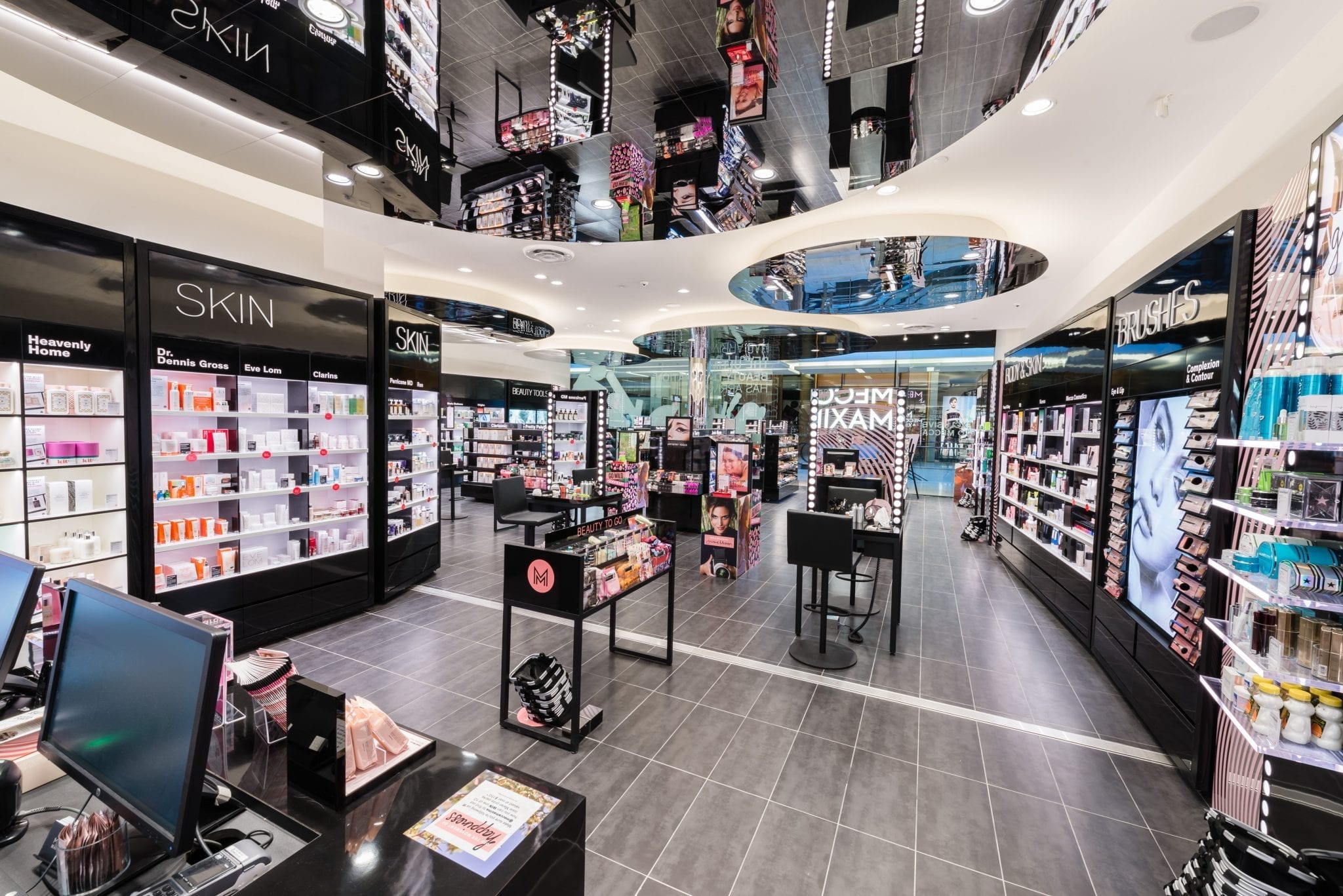
    In September 2026, Mecca opened a 285-square-metre retail space in Sydney’s T1 International terminal, marking the Australian beauty brand’s first international airport store.

    The footprint sits inside the Heinemann Tax and Duty Free concession, trading standard duty-free product walls for interactive service stations and dedicated brand zones. That footprint is roughly half the size of a standard Mecca high-street flagship, forcing the retailer to compress its inventory into high-velocity skincare, cosmetics, and travel exclusives.

    Shifting airport beauty from transaction to service

    Airport beauty retail across Asia-Pacific has historically relied on branded island counters, multi-buy discounts, and quick transactions before boarding gates call. Operators like Shilla, Lotte, and Heinemann have traditionally built duty-free concessions around volume and liquor-tobacco margins rather than high-touch advisory services.

    Mecca is testing whether hands-on consultations, application stations, and curated indie labels can extract higher basket values from outbound passengers who have cleared customs with dwell time to spare. The risk falls on staffing costs and turnaround speed: consultative beauty takes ten to twenty minutes per shopper, a cadence that clashes directly with flight departure windows.

    Heinemann’s concession strategy in Sydney

    For Heinemann, integrating a domestic specialty powerhouse allows the German travel retailer to defend sales against competing downtown duty-free stores and suburban flagship locations. Domestic travelers familiar with the Mecca brand loyalty ecosystem get an immediate reason to spend before departure rather than waiting for overseas destinations.

    Sydney Airport restructured its T1 luxury and retail precincts over recent years to capture higher average spends from returning international traffic, particularly routes across East Asia and North America. Adding specialized domestic operators inside wholesale duty-free concessions gives landlords a blueprint to raise sales per square metre without carving out independent tenancy leases.

    The travel retail rollout pipeline

    The Sydney terminal opening establishes the operating template Mecca needs before negotiating similar airside locations in Melbourne, Brisbane, or Auckland. The immediate metric to monitor is sales productivity per square metre against Heinemann’s conventional multi-brand cosmetic floorplates during peak morning departure banks.

  • 87% Of Australians Have AI Privacy Concerns, Report Finds

    87% Of Australians Have AI Privacy Concerns, Report Finds

    Eighty-seven per cent of Australians have concerns about privacy for artificial intelligence, according to Australian Retail Council research discussed at an industry roundtable in September 2026.

    The findings, highlighted by Diebold Nixdorf, show that only 5 per cent of Australians say they trust AI companies, presenting a live commercial risk for retailers integrating automation into everyday operations.

    Senior retail leaders at the gathering noted that while the technology for age verification, customer service, and loss prevention is ready, customer trust remains the primary barrier to adoption across Australian stores.

    Designing privacy into the checkout lane

    Automated age verification and theft detection represent the front line of store deployment. In international grocery markets, automated systems now approve most age-restricted purchases at self-checkout within seconds by processing visual data locally without retaining personal files.

    Hardware suppliers argue that keeping customer records off retail servers prevents chains from becoming targets for regulatory scrutiny. Similarly, loss prevention algorithms in newer self-checkouts prompt shoppers to scan missed items before store staff intervene, reducing confrontation at the register.

    Operating standards across store networks

    Supermarket operators across the Asia-Pacific region have accelerated camera-assisted checkout rollouts over the past three years to curb inventory shrink. Australian grocers that run uncoordinated systems across point-of-sale, payments, and security cameras risk alienating shoppers if privacy safeguards vary between store departments.

    For regional retail executives, deploying store AI without clear boundaries creates legal and operational liabilities. While Asian retailers in markets such as Singapore and Japan have integrated automated kiosks with high public compliance, Australian consumers push back when surveillance feels unchecked.

    Industry proposals for shared rules

    The push toward automation follows earlier disputes between major Australian supermarket chains and privacy regulators over facial recognition testing in retail aisles. Industry participants at the roundtable raised support for a retail-specific AI code of practice to set standard data retention limits across the sector.

    Diebold Nixdorf published the findings alongside its research report on self-service systems in Australia. Retailers now weigh whether to adopt voluntary operating rules or wait for formal regulatory guidelines on customer data capture at the till.

  • Hims Enters Australia with Pilot Rebrand in $1 Billion Global Push

    Hims Enters Australia with Pilot Rebrand in $1 Billion Global Push

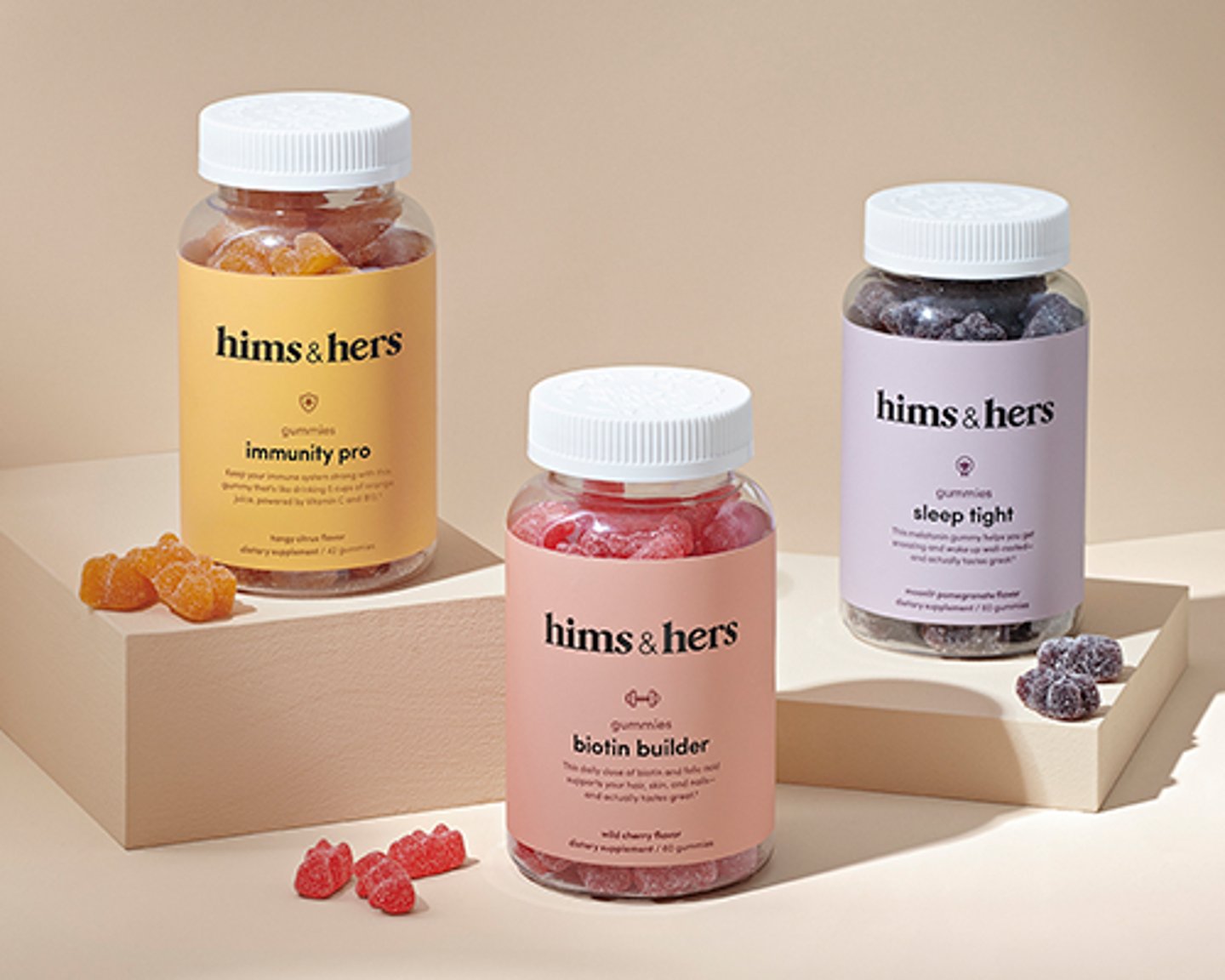
    Hims & Hers Health has launched operations in Australia by rebranding local men’s clinic Pilot, setting its sights on a 1 billion dollar international annual revenue target within three years.

    The transition gives the New York-listed group immediate access to a domestic telehealth market projected to reach 2.56 billion dollars by 2034. It also establishes the company’s first operating foothold in the Asia-Pacific region following its takeover of Sydney-based parent Eucalyptus earlier this year.

    How the Transition Operates

    Existing Pilot patients will transfer directly to the Hims platform, keeping their current treatment plans and practitioner links. Roughly 30 percent of the platform’s patient base lives in regional and rural Australia, where physical clinic access remains thin and appointment wait times run long.

    Former Eucalyptus chief executive Tim Doyle leads the international division as senior vice president, running Australian operations alongside country general manager Gus Wood. Dr Matt Vickers serves as chief medical officer for the local entity to oversee clinical governance and domestic regulatory standards.

    Pilot proved that Australian men want a different model of healthcare: one that is proactive, personal, and built around their lives.

    The Read Across for Digital Health

    Consolidating Eucalyptus under the core Hims identity shows how direct-to-consumer health brands are moving away from multi-brand regional stables toward single global flags. Maintaining separate platforms in every territory drives up customer acquisition costs and fragments marketing spend. By putting its primary brand on Australian screens, Hims can funnel global brand marketing and technology infrastructure straight into a market with high average revenue per user.

    The risk lies in consumer attachment and regulatory scrutiny. Digital health platforms in Australia face strict advertising rules around prescription treatments and compounding pharmacies, alongside tight supervision from medical boards. Pilot built significant local recognition, and erasing the name risks alienating repeat customers if the migration disrupts prescription delivery or doctor consultations.

    The Steps That Led Here

    Hims & Hers completed its buyout of Eucalyptus earlier this year, securing established patient networks in Australia and the United Kingdom. Eucalyptus had originally built discrete vertical brands including Pilot for men, Kin for fertility, and Software for dermatology, proving out direct-to-door medicine across Australasia before selling to the San Francisco operator.

    Market watchers will track whether Hims rebrands the remaining Eucalyptus product lines across women’s health and dermatology, and whether Australian patient numbers keep the company on course for its 1 billion dollar international revenue goal by 2029.

  • Solum Expands Electronic Shelf Labels Across Australian Retailers

    Solum Expands Electronic Shelf Labels Across Australian Retailers

    Retail technology provider SOLUM has expanded its electronic shelf label network across Australia. The deployment covers rollouts with appliance chain Bing Lee and The Natural Grocery Company.

    Bing Lee is extending digital price tags across multiple consumer electronics stores. The chain aims to eliminate paper ticketing and curb pricing discrepancies on shop floors.

    Centralised Pricing at Scale

    The system connects in-store tags directly to a central management platform. Store managers can push real-time price updates and promotions instantly. Staff no longer need to replace physical shelf tags manually.

    Across its grocery aisles, The Natural Grocery Company has deployed the same digital setup. Freeing employees from manual repricing shifts floor labor toward customer service. It also cuts paper waste from recurring promotional cycles.

    “For The Natural Grocery Company, our ESL solution supports real-time pricing, rapid promotional updates, and greater pricing accuracy,” said Paul Kyriakos, General Manager at SOLUM Australia.

    Automation on Shop Floors

    Australian retailers face elevated labor costs and high operational overheads. Automated shelf-edge tools have become an operational priority across electronics and food retail. Supermarket operators and specialty chains across the Asia-Pacific region have accelerated similar rollouts to compete with dynamic pricing used online.

    SOLUM plans to roll out additional digital store infrastructure across retail partners in Australia and the wider Oceania region.