Tag: Australia

  • Woolworths to Shift 130 Support Roles from New Zealand to Australia

    Woolworths to Shift 130 Support Roles from New Zealand to Australia

    Woolworths plans to shift roughly 130 customer support roles from New Zealand to Australia as part of a restructuring across the Tasman.

    The proposal includes shuttering the retailer’s dedicated customer care centre in New Zealand to streamline operations across its grocery division.

    Cost Cuts and Centralisation

    Closing the customer care facility will save the business $4.1 million by the 2029 financial year. Woolworths plans to absorb these contact functions into its Australian network rather than maintaining separate customer support centres across both countries.

    Union officials pushed back immediately against the announcement. The Workers First Union condemned the proposal as “corporate greed”, warning that local staff are paying the price for trans-Tasman cost rationalisation.

    Regional Margin Pressure

    Supermarket operators across Australasia face persistent margin pressure from elevated operating costs and cautious consumer spending. Consolidating back-office and contact centre functions allows major grocers to trim overheads, mirroring broader retail trends across the region where administrative operations are pooled into single hubs.

    Consultation over the proposed customer care shutdown remains underway ahead of the company’s 2029 financial milestone.

  • Anaconda Opens 6,000-Square-Metre Flagship in Queensland

    Anaconda Opens 6,000-Square-Metre Flagship in Queensland

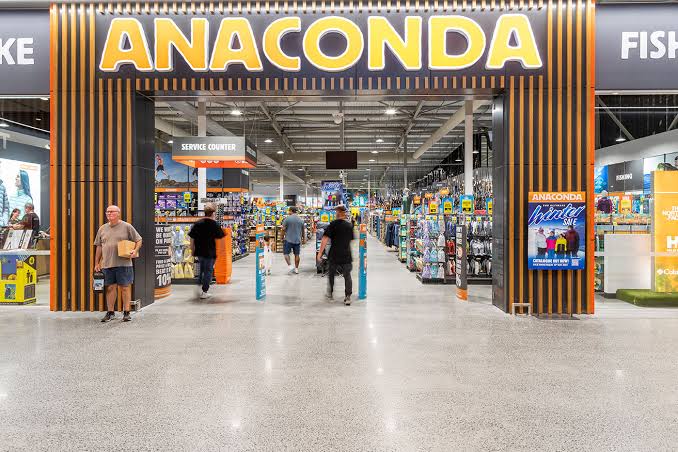
    Anaconda opened a 6,000-square-metre flagship store in Brendale, Queensland, anchoring a 92 million Australian dollar retail development in Moreton Bay. The site, branded Anaconda Adventure HQ, is the outdoor equipment retailer’s largest purpose-built location in Australia.

    Built along South Pine Road and Old North Road, the destination gives shoppers dedicated zones to test equipment before purchase. Chief executive Chris Lude stated the layout targets campers, skiers, and anglers looking for practical demonstrations inside the building.

    Interactive gear testing and live displays

    The Brendale floor plan allocates substantial square footage to working trial areas. Facilities include an alpine-themed snow cave, an indoor boat show with a simulated marina, an outback camping ground, a fishing simulator, and a 12-metre aquarium holding live barramundi.

    Big-box specialty retailers across Asia-Pacific are increasingly turning floor space over to active trials. Dedicating thousands of square metres to live environments raises capital expenditure per site, but operators use the experiential footprint to pull shoppers away from pure-play online merchants.

    Spotlight Group shifts toward destination formats

    Parent company Spotlight Group Holdings financed the expansion as part of a wider push into regional destination centres. Executive deputy chairman Zac Fried said customer buying habits now favor testing gear on site over selecting items directly from warehouse racking.

    Spotlight Group will track trading performance at the Brendale complex as it evaluates whether to scale similar mega-format builds across other high-growth suburban corridors in Australia.

  • Adidas Reopens 569-Square-Metre Chadstone Store Under Home of Sports Concept

    Adidas Reopens 569-Square-Metre Chadstone Store Under Home of Sports Concept

    Adidas reopened its Chadstone store in Melbourne with 569 square metres of selling space, making it the first location in the region built around the Home of Sports concept.

    The store returned to trading following a three-month renovation designed to expand floor capacity and introduce new merchandising layouts.

    Customisation and Footwear Ranges

    Part of the expanded floor plan houses a dedicated Originals shop-in-shop, using the brand’s Collection V2 design for the first time in the Australian market. Two main footwear walls show inventory spanning running, training, football and lifestyle lines.

    Shoppers can also use a dedicated Made for You counter near the point of sale. The station applies heat-pressed patches and personalised name sets directly onto apparel and shoes during purchase.

    Foot Traffic and Format Rollouts

    Securing prime space matters for sportswear operators chasing high-volume sales. The Chadstone shopping centre draws more than 22 million visitors each year, giving the brand direct exposure to one of the highest-density retail corridors in the country.

    Sportswear majors across Asia-Pacific continue to replace standard mall units with larger experience-led stores that combine performance categories with lifestyle streetwear under one roof. Nike and Puma have followed similar paths across regional gateway hubs, using flagship remodels to push direct-to-consumer sales and higher-margin personalised gear.

    The business opened the upgraded doors with a weekend roster of local pop-up collaborations, with attention now turning to how the Home of Sports layout performs ahead of wider network updates across Australia.

  • Australian Shoppers Shift to Private Labels as Discretionary Sales Drop

    Australian Shoppers Shift to Private Labels as Discretionary Sales Drop

    Australian supermarket chains lifted private-label grocery sales by up to 6.1 per cent in fiscal 2026 as stubborn inflation squeezed household budgets. Coles Group reported that own-brand revenue outpaced overall company growth, with one in three customer baskets now containing its private-label lines.

    Woolworths Group recorded a 5.5 per cent increase in own and exclusive brand sales over the same period. Budget department store Kmart, operated by Wesfarmers, delivered resilient sales, while rival Big W returned to profitability before early fiscal 2027 trading slowed.

    Private Labels Win Margin and Volume

    Household goods retailers experienced a sharp pullback in consumer demand. Furniture chain Nick Scali reported that customer traffic fell by up to 15 per cent in the quarter to August as residential property turnover slowed. Australian same-store sales at Harvey Norman dropped 3.4 per cent, and electronics chain JB Hi-Fi posted its largest single-day share price decline since 2020 after missing consensus sales estimates.

    Quick-service dining networks faced similar pressure. Retail Food Group, which operates Gloria Jean’s and Donut King, booked an annual decline of roughly 3 per cent in domestic network sales. Automotive parts maker ARB posted a 3.3 per cent drop in Australian aftermarket revenue, while used-car transactions across the country fell 16.2 per cent in June.

    Property Slump Stalls Discretionary Demand

    Consumer price inflation has held above 3 per cent since 2025, outpacing wage growth of 3.2 per cent in the June quarter. With Commerzbank calculating that 60 per cent of Australian household wealth is tied up in residential real estate, higher borrowing costs and property tax adjustments targeting investors have directly curbed big-ticket purchases.

    The divergence across retail categories mirrors trends across Asia-Pacific markets, where food retailers expand low-price private lines to capture defensive trade while durable goods sellers rely on promotional financing to prevent transaction volumes from falling further.

    Trading updates for the first eight weeks of fiscal 2027 show sales at Big W have already started to decline, making the upcoming quarterly retail trade data the next key benchmark for consumer demand.

  • Haigh’s Chocolates Enters Queensland with First Brisbane Store

    Haigh’s Chocolates Enters Queensland with First Brisbane Store

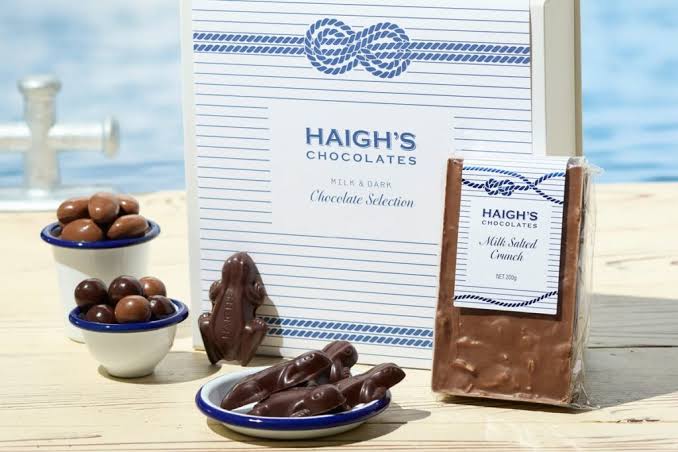
    Haigh’s Chocolates has launched its first physical store in Queensland at Westfield Mt Gravatt in Brisbane. The opening establishes a direct retail footprint in the state ahead of two further Brisbane outlets scheduled for November.

    The family-owned South Australian confectioner took space on Level 2 of the shopping centre next to cosmetics retailer Mecca. The store sells the brand’s core artisan chocolate lines alongside complimentary tasting counters.

    Queensland Footprint Expands

    Online sales in Queensland prompted the physical rollout. Customer order volumes across the state showed sufficient local demand to justify bricks-and-mortar leases, according to the company.

    “Since announcing that we were coming to Brisbane, we have had so many Haigh’s fans and online customers reaching out, asking where they can visit and when we will be open,” said Haigh’s Chocolates chief executive Peter Millard.

    Two more retail sites are in the pipeline. Outlets at Westfield Chermside in Brisbane’s north and Westfield Carindale in the east will open before the end of the year.

    Supply Chain Backing

    The Queensland rollout relies on supply chain capacity completed last year. Haigh’s opened a 120 million Australian dollar production and logistics facility in Salisbury South, South Australia, designed to support national distribution and higher store volumes.

    Converting digital customer density into shopping centre tenancies mirrors how regional specialty retailers derisk capital expenditure in Australia. By validating regional demand through online fulfilment first, brands reduce opening risk in major retail malls before committing to long-term leases.

    Fit-out work is continuing at both the Chermside and Carindale locations ahead of their planned November trade debut.

  • Ikea Installs Miniature Home Exhibits Across Melbourne, Beijing and Chengdu

    Ikea Installs Miniature Home Exhibits Across Melbourne, Beijing and Chengdu

    Ikea has installed miniature home displays across stores in Melbourne, Beijing and Chengdu to promote compact, affordable living.

    Stockholm artist Christopher Nordstrom built the three displays at a one-to-12 scale. They serve as the Swedish retailer’s latest visual merchandising test in the Asia-Pacific region.

    Scale Models for Compact Urban Spaces

    Each model tailors its interior details to local culture. In Melbourne, the display features a bookcase filled with novels, art prints and nods to local sports.

    Storage and decluttering for smaller homes sit at the centre of the push. “When you build in miniature, you cannot include everything,” Nordstrom said. “Every object has to earn its place.”

    Ingka Group, Ikea’s primary global operator, is steering marketing funds toward entry-level home organisation. Urban shoppers face increasingly tight quarters across major metro markets.

    Shifting Formats in Asia-Pacific

    This rollout ties into broader footprint adjustments across the region. Ikea continues to balance compact city-centre locations against traditional suburban big-box warehouses.

    Regional home furnishing chains are leaning on interactive features to lift foot traffic and basket sizes. Discretionary spending has seen several volatile quarters.

    Next, Ingka Group will track customer engagement around the three micro-exhibits across its Australian and Chinese locations.

  • Aldi Loses Appeal in Little Bellies Copycat Packaging Case

    Aldi Loses Appeal in Little Bellies Copycat Packaging Case

    Aldi has lost an appeal against Australian baby food maker Little Bellies over copyright infringement in its private-label snack packaging. An appellate court upheld the 2024 Federal Court ruling against the discounter. It also extended the infringement finding to cover additional products.

    At issue is the grocer’s Mamia toddler snack line, which copied packaging created by Little Bellies. Brothers Clive and Steven Sher founded the Australian snack business before expanding it across supermarket shelves.

    Expansion of the 2024 ruling

    Federal Court judges in 2024 found that three products in the Mamia range infringed Little Bellies’ design copyright. That verdict was a rare legal defeat for the retailer’s Australian packaging strategy.

    Judges dismissed the appeal and widened the scope of that finding. The extended ruling confirms Mamia’s visual similarities went beyond allowable category cues to breach copyright protections.

    Private-label scrutiny across the region

    Aldi built its global discount model on private-label goods that mimic market-leading national brands. Across the Asia-Pacific region, grocers often test the line between standard category cues and intellectual property infringement to win value-focused shoppers.

    The decision narrows legal leeway for store-brand lookalikes across grocery aisles. The court will now determine final orders and damages for the affected product lines.

  • Lion Launches Kirin Asobi Alcoholic Iced Tea in Australia

    Lion Launches Kirin Asobi Alcoholic Iced Tea in Australia

    Lion launched Kirin Asobi in Australia on September 3, entering the alcoholic iced tea category with a 4 per cent alcohol by volume premixed drink.

    The zero-sugar line rolls out across national liquor chain Liquorland in 330ml cans.

    Shochu Base and Flavour Options

    Lion formulated Kirin Asobi with a blend of Japanese shochu, brewed black tea, sparkling water, and fruit juice. The lineup debuts with two options: Lemon and Peach.

    Each 330ml can contains no sugar. That profile places the brand directly in the low-sugar premix segment, where major beverage makers are fighting for younger drinkers who avoid standard beer.

    Premix Competition in Oceania

    Japanese brewing group Kirin Holdings continues to push Asian spirit profiles into Western retail channels through its regional subsidiaries. Shochu and chuhai-style ready-to-drink cans have taken significant shelf space from malt-based seltzers across Australasia over the past two years.

    Liquorland carries the range across its store network starting this week, with initial retail sell-through over the southern hemisphere spring determining whether Lion broadens distribution to independent banner groups.

  • Country Road Group Returns to Profit on Disciplined Inventory Management

    Country Road Group Returns to Profit on Disciplined Inventory Management

    Country Road Group posted an operating profit of $2.3 million for the year ended June 28, rebounding from a loss in the prior year. Earnings before interest and tax climbed 113 per cent as the Australian apparel group trimmed inventory by 14 per cent and curbed promotional discounting.

    Total sales edged up 1 per cent across the portfolio, while comparable sales rose 1.5 per cent. Gross profit increased 3 per cent over the twelve-month period.

    Brand splits and inventory cuts

    Repositioning efforts drove the bulk of the gains across the group’s standalone menswear and womenswear banners. Witchery recorded comparable sales growth of 9.5 per cent, and Politix delivered a 10.2 per cent increase in comparable sales.

    Stock levels dropped 14 per cent as management focused on inventory turnover rather than clearance sales to support margins. Chief executive Steven Cook said the retailer focused on tighter cost control and establishing clearer product positioning across individual labels to support sustainable expansion.

    Fashion groups across the region have spent the past year paring back stock purchases to protect margins against sluggish discretionary spending, swapping aggressive discounting cycles for smaller, targeted product drops.

    Leadership shifts into FY27

    Flagship brand Country Road recorded sales improvements in the second half of the financial year following management adjustments. Trenery tightened its product assortments, while accessories brand Mimco began initial restructuring for its next operational phase.

    The group enters the 2027 financial year tracking whether the reconstituted leadership team at the Country Road banner can sustain full-price sales momentum in a cautious retail market.

  • Woolworths to Drop Tasmanian Beef Sourcing in 2027 over Rising Freight Costs

    Woolworths to Drop Tasmanian Beef Sourcing in 2027 over Rising Freight Costs

    Woolworths will stop selling Tasmanian beef across its supermarket network from 2027, ending a supply pipeline of 80 cattle per week. The Australian grocer is cutting ties with meat processor JBS Foods and its Longford abattoir after shipping expenses across Bass Strait made island sourcing unviable.

    Rising production expenses and maritime freight rates prompted the decision to consolidate beef procurement on the mainland. Tasmanian beef producers, including long-term suppliers such as farmer Jerrod Nichols, now face finding alternative buyers in an increasingly volatile livestock market.

    Freight Pressures Across Bass Strait

    Transporting livestock and processed meat across Bass Strait requires dedicated cold-chain shipping that adds fixed overheads to wholesale purchasing costs. Supermarket operators have faced mounting transport inflation across island supply chains over the past three years. Woolworths concluded those logistics costs could no longer be absorbed without passing price increases directly to shelf prices.

    The exit shows how major retailers across Asia-Pacific are rationalizing local sourcing contracts in favour of centralized, lower-cost mainland processing hubs. When transport costs spike, regional supply arrangements often become the first casualty in margin defense strategies.

    Supply Pipeline Until 2027

    Local farmers will continue to supply the supermarket giant for the remainder of the current agreement. Woolworths confirmed it will maintain its regular weekly intake through the end of 2026 before shifting volume to its existing mainland abattoir partners.

  • Pizza Hut Owner Flynn Group Pledges $10 Million to Expand in Australia

    Pizza Hut Owner Flynn Group Pledges $10 Million to Expand in Australia

    Flynn Group will invest $10 million to overhaul Pizza Hut Australia and open 100 outlets across the country. The expansion aims to add 300 jobs and lift the chain from its current footprint of roughly 300 stores.

    US-based Flynn Group, which acquired the master franchise from private equity firm Allegro Funds in 2023, plans to roll out redesigned store layouts, updated menus and upgraded ordering hardware. The chain has traded in Australia since 1970, but recent financial filings from Flynn Group’s local operating division showed a $1 million loss for the previous financial year.

    Digital Sales And Store Redesigns

    Online channels now generate roughly 80 per cent of all sales for the brand in Australia. Flynn Group said the business has recorded seven straight years of same-store revenue growth, with average sales per location doubling over the past five years despite the recent bottom-line loss.

    “This isn’t a lick of paint; it’s a complete reinvestment in the product, the stores, and the people behind them, moving at a pace this category has never seen,” said Richard Wallis, president of Flynn Group Apac.

    Turning Around Australian Losses

    Across Asia-Pacific, legacy quick-service restaurant chains face tight margins from wage inflation and delivery aggregator fees, forcing operators to downsize dining rooms and automate order processing. Flynn Group is testing whether streamlined formats and higher store density can convert steady same-store sales momentum into sustainable net profits in a crowded fast-food sector.

    The group has not named the locations for the first batch of new outlets, leaving the timeline for reaching the 400-store mark as the primary metric for the turnaround plan.

  • Beauticate Launches Curated Marketplace Beauticate Shop

    Beauticate Launches Curated Marketplace Beauticate Shop

    Australian beauty platform Beauticate has relaunched its digital publication and debuted Beauticate Shop, an online marketplace built on selective product curation rather than high-volume inventory.

    Founder Sigourney Cantelo, former beauty director at Vogue Australia, established the digital editorial site in 2014 before integrating the new direct-to-consumer sales arm.

    Editorial Selection Over Infinite Shelves

    The new marketplace operates against the prevailing trend in beauty e-commerce, where digital platforms compete primarily on catalogue depth, customer reviews and automated recommendation engines. Beauticate Shop is structuring its inventory around professional editorial selection, pitching verified product evaluation to shoppers facing decision fatigue across digital channels.

    Cantelo is positioning the platform to bridge content and transaction directly on the site. Rather than relying purely on affiliate links or third-party retail referrals, the marketplace model allows Beauticate to capture transactions directly from its readership base.

    Content-to-Commerce in Asia-Pacific

    Content-led retail models have gained steady traction across Asia-Pacific as customer acquisition costs climb on standard advertising networks. Digital publishing brands and specialist creators in Australia and Southeast Asia increasingly launch proprietary storefronts to monetize existing organic traffic directly.

    Beauty retailers across the region have traditionally scaled through expansive brand partnerships and aggressive discounting. Beauticate is testing whether smaller, curated product edits can achieve sustainable conversion rates against established category giants.

    The marketplace rollout will test consumer appetite for tight editorial edits as the broader online beauty market continues its consolidation around algorithmic discovery.

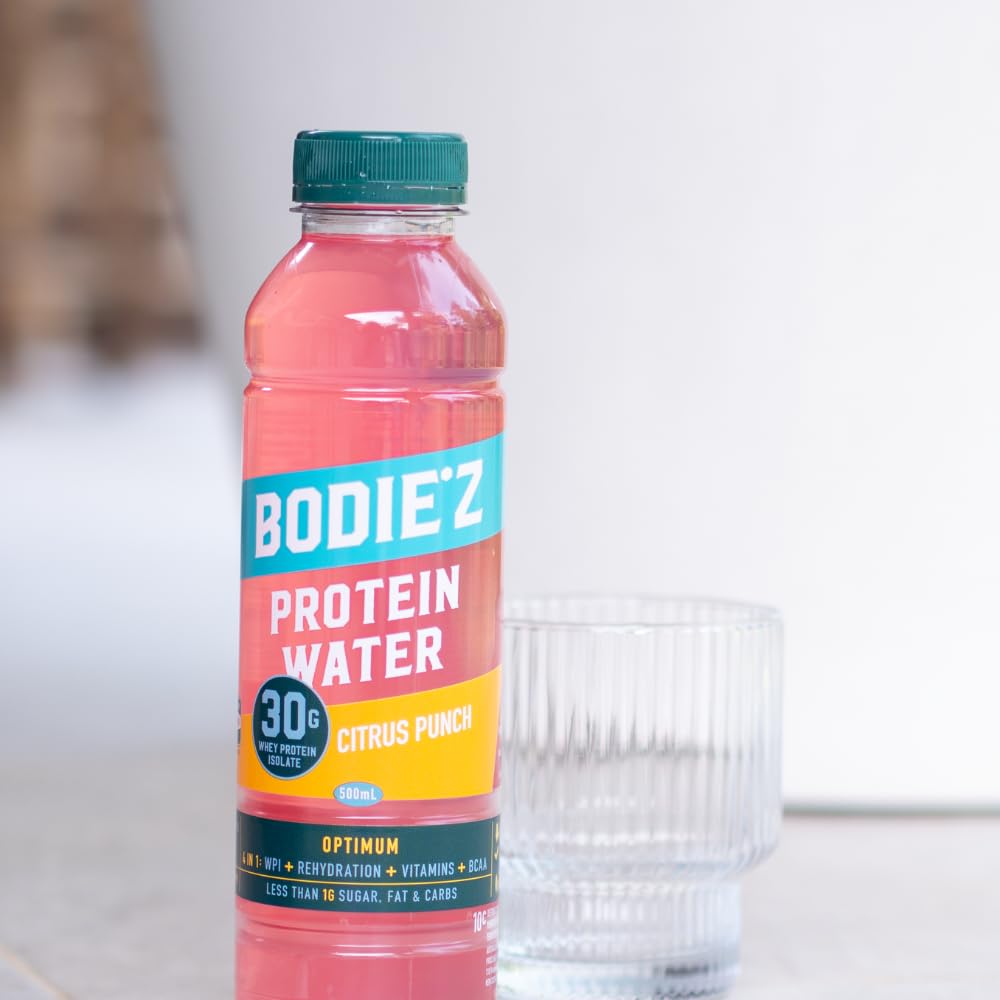
  • Bodie’z Rolls Out Waterless Functional Sherbet Sachets Across Kmart

    Bodie’z Rolls Out Waterless Functional Sherbet Sachets Across Kmart

    Sydney sports nutrition brand Bodie’z has launched a waterless functional sherbet range called Fizzers across Australia, pricing single-serve sachets at $2.50. The rollout puts the direct-to-mouth powders into discount department store chain Kmart alongside Amazon and the company’s direct retail site this September.

    The launch shifts the company beyond its established ready-to-drink protein water products into portable dry formats. Each sachet delivers active nutritional compounds without requiring water or shaker bottles, targeting consumers seeking faster daily supplement habits.

    Three functional recipes

    Bodie’z built the Fizzers lineup around three specific formulations. Electrolyte Fizz focuses on hydration and mineral replenishment, while Creatine Fizz provides 3 grams of creatine monohydrate per serving. The third option, Lock In Fizz, combines L-tyrosine, matcha, and vitamin B6 for cognitive support.

    Every variant is low in sugar and uses natural flavouring. Founder Bodie Lazar designed the recipes to eliminate common points of friction in sports nutrition, including measuring scoops and swallowing large capsules.

    Waterless formats and retail reach

    Functional food manufacturers across the Asia-Pacific region are increasingly testing waterless and confectionery-inspired formats to capture shoppers who find standard powders and pills inconvenient. Moving into Kmart gives Bodie’z direct access to high-footfall general retail shelves, broadening its consumer base beyond specialist supplement channels.

    Distribution begins this month across Kmart’s national store network, Amazon Australia, and the brand’s e-commerce platform.

  • Who Gives A Crap Targets A$100 Million Annual Donations on Retail Push

    Who Gives A Crap Targets A$100 Million Annual Donations on Retail Push

    Melbourne consumer brand Who Gives A Crap has distributed more than A$50 million to global sanitation initiatives as it expands into mainstream supermarket chains worldwide.

    The company, which gives half of its profits to water and hygiene projects, is now mapping a growth path aimed at generating A$100 million in annual donations by 2050. That target requires building a commercial footprint large enough to challenge legacy paper giants such as Kimberly-Clark.

    From web stunt to supermarket shelves

    Co-founders Simon Griffiths, Danny Alexander and Jehan Ratnatunga launched the business in 2012 by raising A$50,000 through a 50-hour crowdfunding web feed. Bootstrapped for its first nine years, the company took outside institutional funding in 2021 and expanded its workforce to nearly 300 employees.

    While direct-to-consumer delivery drove early revenue across Australia, the United States, Britain, Canada, France and Germany, long-term growth now depends on physical grocery distribution. In the United States, placement with Whole Foods Market opened access to shoppers who do not buy paper goods online. Supermarket distribution across Australian chains followed a similar pattern, forcing the brand to compete directly against entrenched multinational FMCG lines on store shelves.

    Targeting global scale in paper goods

    Entering physical stores presents distinct margin and packaging challenges for direct-to-consumer challengers across the Asia-Pacific region. Brand visibility in high-traffic aisles requires heavy inventory commitments and immediate shelf recognition, especially in staple categories where consumers buy on autopilot.

    The company plans to use expanded supermarket listings in North America and Europe to fund its target of A$100 million in yearly charitable disbursements by 2050.

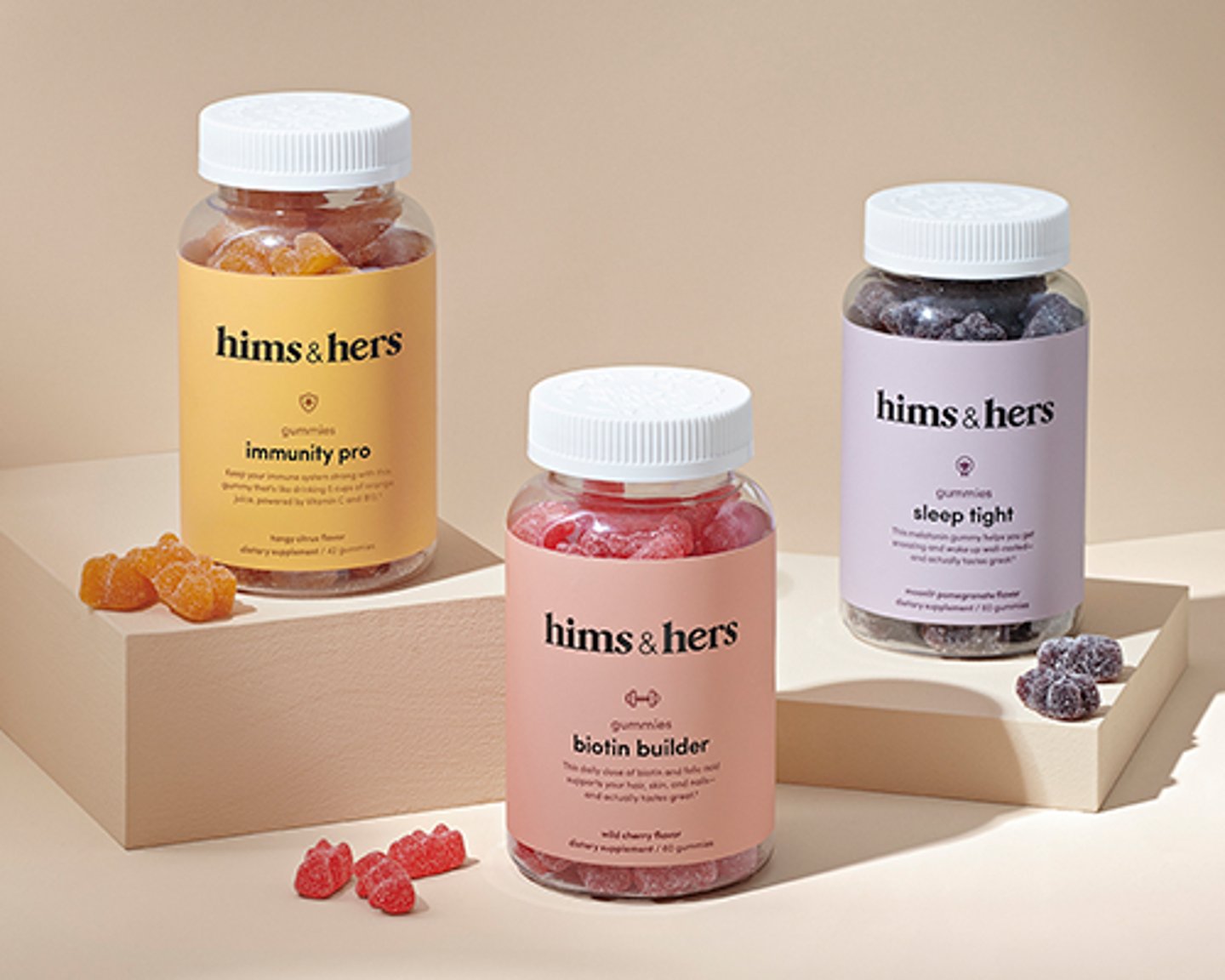
  • Hims & Hers Rolls Out Weight-Loss and Prescription Platform in Australia

    Hims & Hers Rolls Out Weight-Loss and Prescription Platform in Australia

    Telehealth group Hims & Hers has launched branded GLP-1 weight-loss drugs and prescription treatments in Australia, chasing a global revenue target of US$6.5 billion by 2030.

    The rollout follows the completed acquisition of Sydney-based digital health firm Eucalyptus, which gave the US provider control of local men’s telehealth brand Pilot. Australian patients can now access treatments for sexual health, cholesterol and weight management directly through the combined digital channel.

    Integration of Pilot and Juniper

    Existing Pilot clinicians are shifting directly over to the Hims platform. A spokesperson for the company confirmed that the weight-loss catalogue includes access to branded GLP-1 medications, mirroring its US lineup of treatments such as Novo Nordisk’s Wegovy and Eli Lilly’s Zepbound.

    Former Eucalyptus chief executive Tim Doyle, who now serves as senior vice president at Hims & Hers, will oversee the Australian rollout. The company plans to bundle consultations and products that consumers previously bought as separate transactions, focusing on suburban and regional areas where physical access to specialists is limited.

    Digital health platforms across the Asia-Pacific region are consolidating fast to capture soaring consumer demand for metabolic care and discreet direct-to-consumer treatments. Local pharmacy operators face stiffer competition as international platforms buy up homegrown startups rather than building customer rosters from scratch.

    International Expansion and Margins

    Expanding across foreign markets has lifted monthly revenue per subscriber by 21 per cent year-on-year. That top-line gain comes with a cost: management told investors during its second-quarter earnings call that gross profit margins will stay below historical levels while international operations scale.

    The Australian launch builds on the 2025 purchase of London-based Zava, which distributes weight-loss drugs across the UK, Germany, France and Ireland. Next on the Australian schedule is the launch of its dedicated women’s health service through Eucalyptus brand Juniper before the end of the year.