Tag: Laos

  • Cafe Amazon Drives Record-breaking Quarter For Thailand’s Ptt Oil And Retail Business

    Cafe Amazon Drives Record-breaking Quarter For Thailand’s Ptt Oil And Retail Business

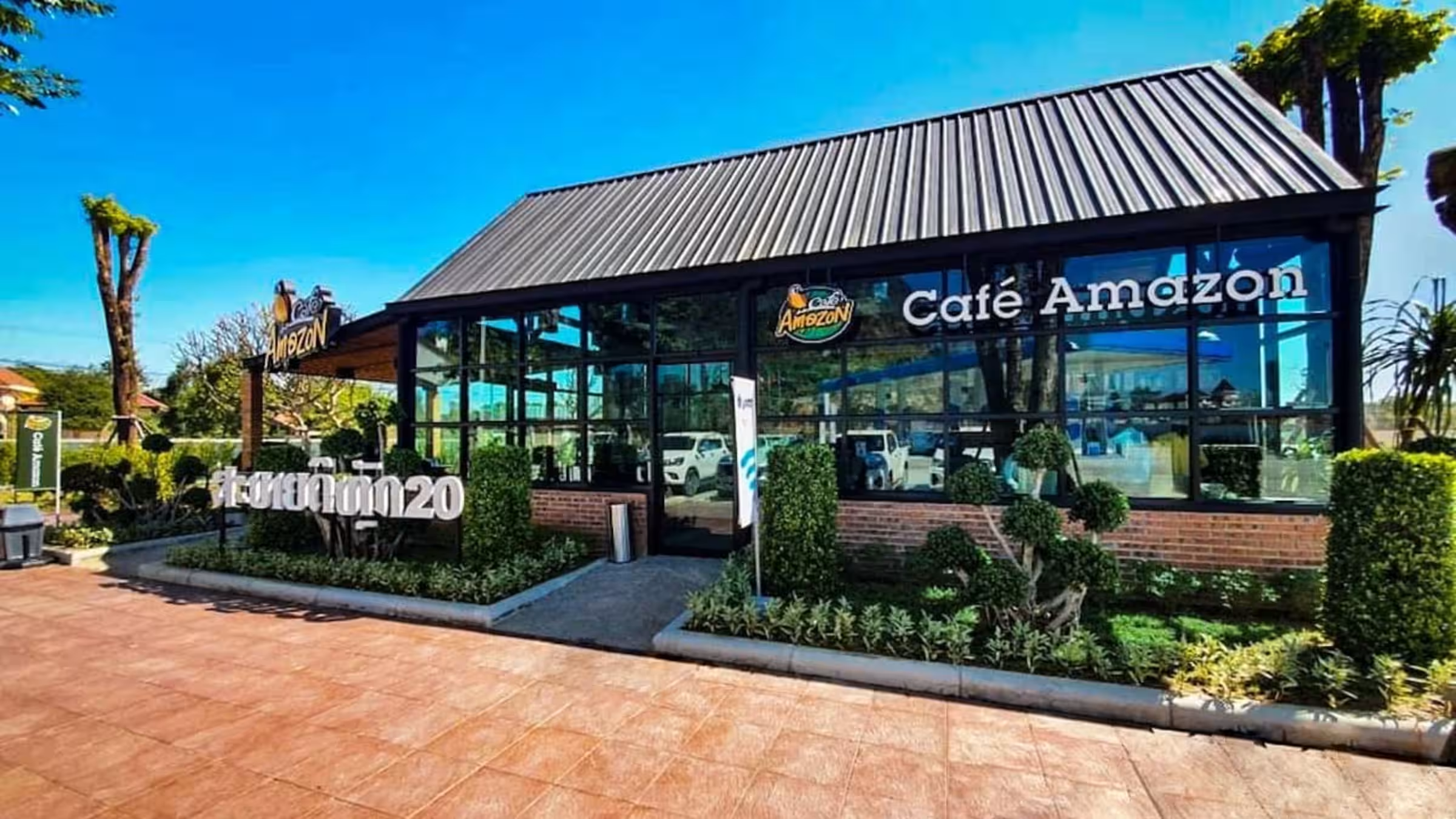
    PTT Oil and Retail Business (OR), the lifestyle and retail subsidiary of Thailand’s PTT Group, has announced a record-breaking financial performance for the first quarter of this year. This success is largely attributable to its leading brand Cafe Amazon, which experienced a period of significant expansion throughout Southeast Asia.

    Noteworthy Performance

    Cafe Amazon sold over 112 million cups of coffee during the first quarter, emphasizing the strength of the brand. With 391 stores now in operation outside of Thailand, the cafe chain has become a key driver of OR’s earnings growth. The company’s total revenue hit an impressive US$5.6 billion, with net profits increasing by 46 per cent from the last quarter to approximately $134 million. This represents a 17.6 per cent growth year-on-year.

    ML Peekthong Thongyai, CEO of OR, credited the robust performance to the resilience of the business model. “Our strong performance this quarter underscores our long-term strategic direction. We are expanding with a clear purpose, delivering value for individuals, contributing to community prosperity and demonstrating our commitment to environmental responsibility.”

    Global Expansion

    Cafe Amazon’s reach extends to nine markets. These include Cambodia, Laos, Vietnam, the Philippines, Malaysia, Oman, Saudi Arabia, Bahrain, and Japan.

    The cafe chain is part of OR’s wider Global Business segment. This segment reported a 30.8 per cent year-on-year increase in sales volume together with an 81.5 per cent rise in EBITDA.

    Peekthong reiterated the company’s mission beyond monetary profit. “We’re not just about selling fuel or coffee. Our goal is to build platforms that strengthen local economies, encourage entrepreneurship, and facilitate long-term, sustainable growth.”

    OR oversees 415 PTT Stations and 391 Cafe Amazon outlets across Asia and the Middle East.

    Questions & Answers

    What factors contributed to OR’s record-breaking financial performance?
    The company attributes its success to the significant expansion of Cafe Amazon, which sold over 112 million cups of coffee in the first quarter.

    What markets does Cafe Amazon currently operate in?
    The cafe chain operates in nine markets, including Cambodia, Laos, Vietnam, the Philippines, Malaysia, Oman, Saudi Arabia, Bahrain, and Japan.

    What is OR’s greater mission beyond selling products?
    OR aims to build platforms that strengthen local economies, promote entrepreneurship, and facilitate sustainable, long-term growth.
  • Pomelo Fashion to Celebrate Exciting Store Opening in Laos

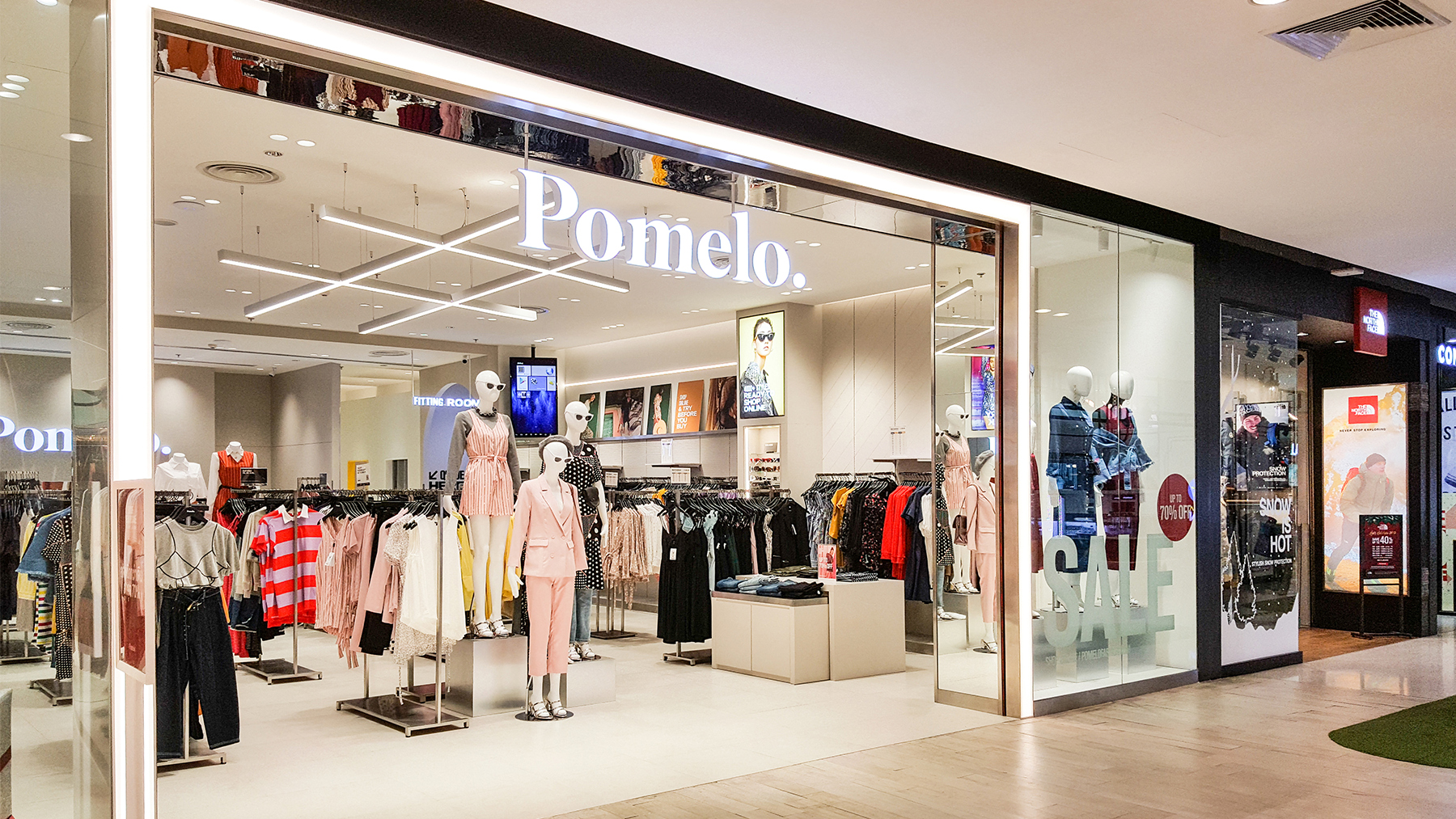
    Pomelo Fashion to Celebrate Exciting Store Opening in Laos

    In the ever-evolving landscape of retail, companies are taking bold steps to expand their footprint in response to surging consumer demand. This trend highlights the dynamic nature of today’s retail environment, where adaptability and innovation are key.

    Strong Growth in Consumer Trends
    Recent industry reports indicate that consumer spending is on the rise, with retail sectors such as e-commerce and health & wellness experiencing particularly robust growth. This surge is prompting brands to rethink their market strategies. Companies like XYZ Retail are leading the charge, implementing new initiatives to cater to this growing appetite.

    Strategic Brand Expansion
    XYZ Retail has announced plans to broaden its geographical presence by opening new stores in key metropolitan areas. This strategic move not only aims to capture a larger market share but also seeks to enhance customer engagement. By aligning their offerings with local preferences, XYZ Retail is poised to strengthen brand loyalty across diverse consumer segments.

    Leveraging Digital Platforms
    Additionally, many brands are recognizing the importance of digital platforms in driving sales. The integration of e-commerce with traditional retail operations is becoming standard practice, enabling companies to reach consumers in more efficient ways. This digital-first approach is expected to revolutionize customer experiences, as brands strive to meet the expectations of tech-savvy shoppers.

    The Impact on the Retail Sector
    The current trajectory of brand expansion and innovation is set to reshape the retail sector significantly. As companies amplify their efforts to meet evolving consumer preferences, shoppers can anticipate an increasingly diverse range of products and services. This transformation has the potential not only to boost the variety available to consumers but also to create a more competitive marketplace.

    Questions & Answers


    1. What are the current trends in consumer spending? Consumer spending is increasing, particularly in sectors like e-commerce and health & wellness, prompting brands to adapt their strategies.

    2. How is XYZ Retail expanding its presence? XYZ Retail is opening new stores in strategic urban locations to better engage with customers and capture more market share.

    3. What role does digital integration play in retail evolution? Brands are increasingly integrating e-commerce with traditional retail to enhance customer experiences and meet the demands of tech-savvy consumers.

  • Tealive set to expand into Thailand, India

    Tealive set to expand into Thailand, India

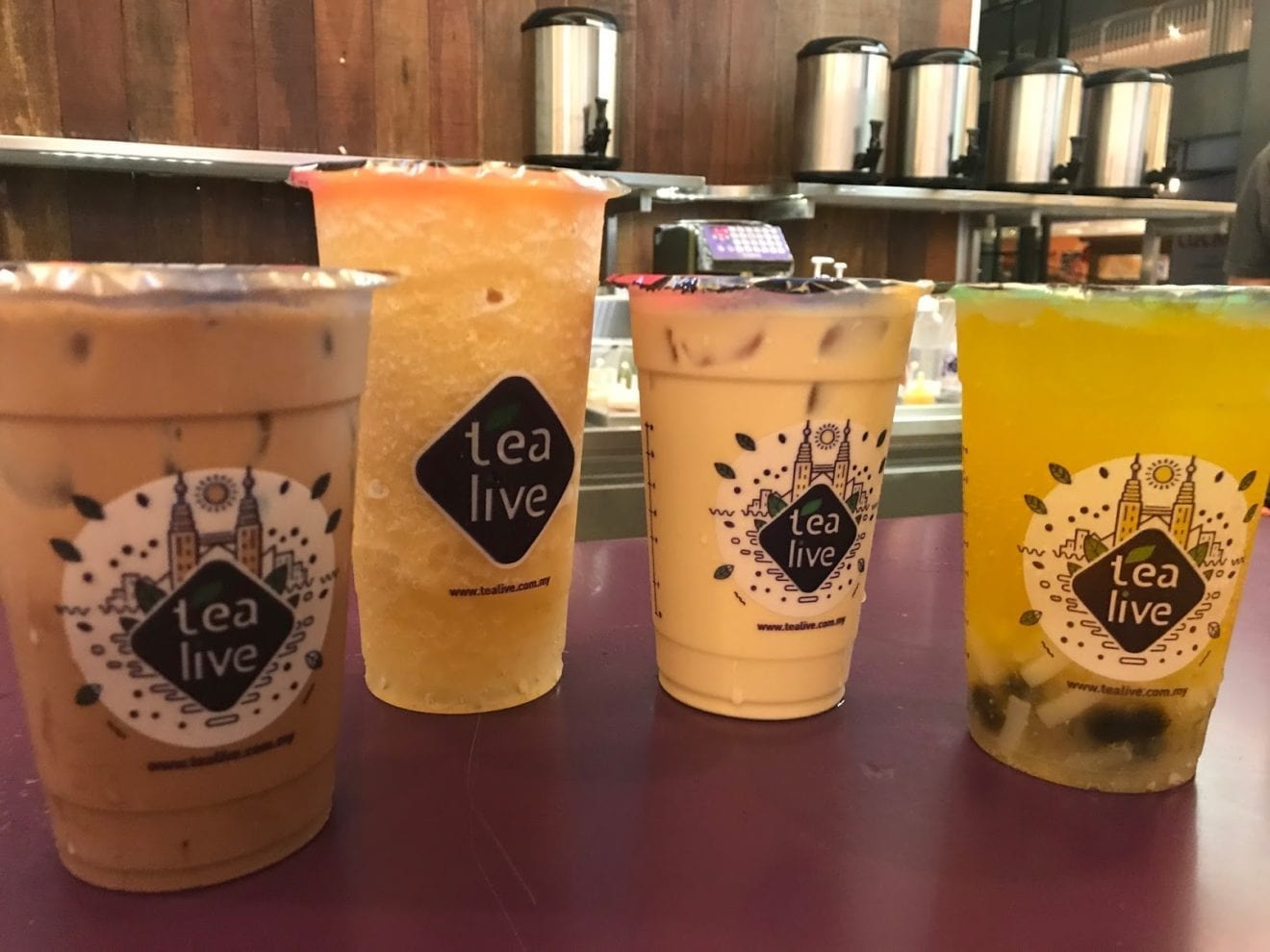
    Malaysian bubble tea chain Tealive is expanding its presence in Asia with exclusive franchise arrangements entered into for India and Thailand.

    Tealive, which launched successfully in the UAE last year, has signed a master franchise agreement with Indian QSR operator Devyani International Limited (DIL) to expand into India.

    DIL is India’s largest Yum! Brands franchisee, running KFC and Pizza Hut locations, as well as the country’s official Costa Coffee operator. DIL operates around 2000 stores in India, Thailand, Nigeria, and Nepal under several brands.

    “Partnering with a strong local operator like DIL gives us the ability to adapt and thrive in India while also extending the Tealive lifestyle to millions of new consumers,” said Loob Holding founder and CEO Bryan Loo.

    Loo also stated that Tealive is planning a “significant presence” in India, beginning with outlets in major cities this year.

    Tealive also intends to expand into Thailand with the local partner RD Group – the Thai KFC franchise holder.

    “We’re thrilled to kick off Tealive’s expansion in Thailand, just like we did in Malaysia,” Loo wrote in his LinkedIn post.

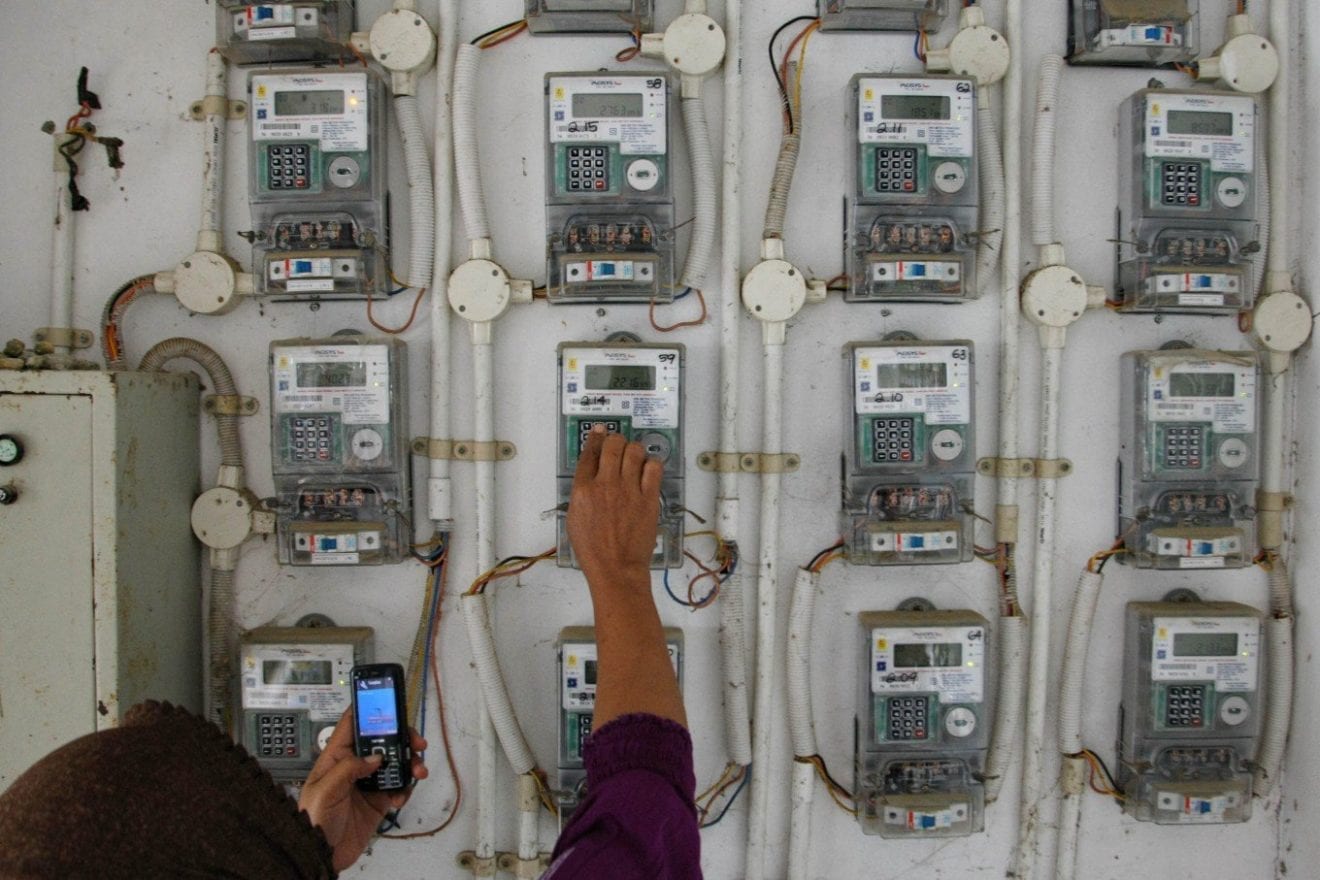
  • Vietnam electricity imports from China, Laos set to soar by 2030

    Vietnam electricity imports from China, Laos set to soar by 2030

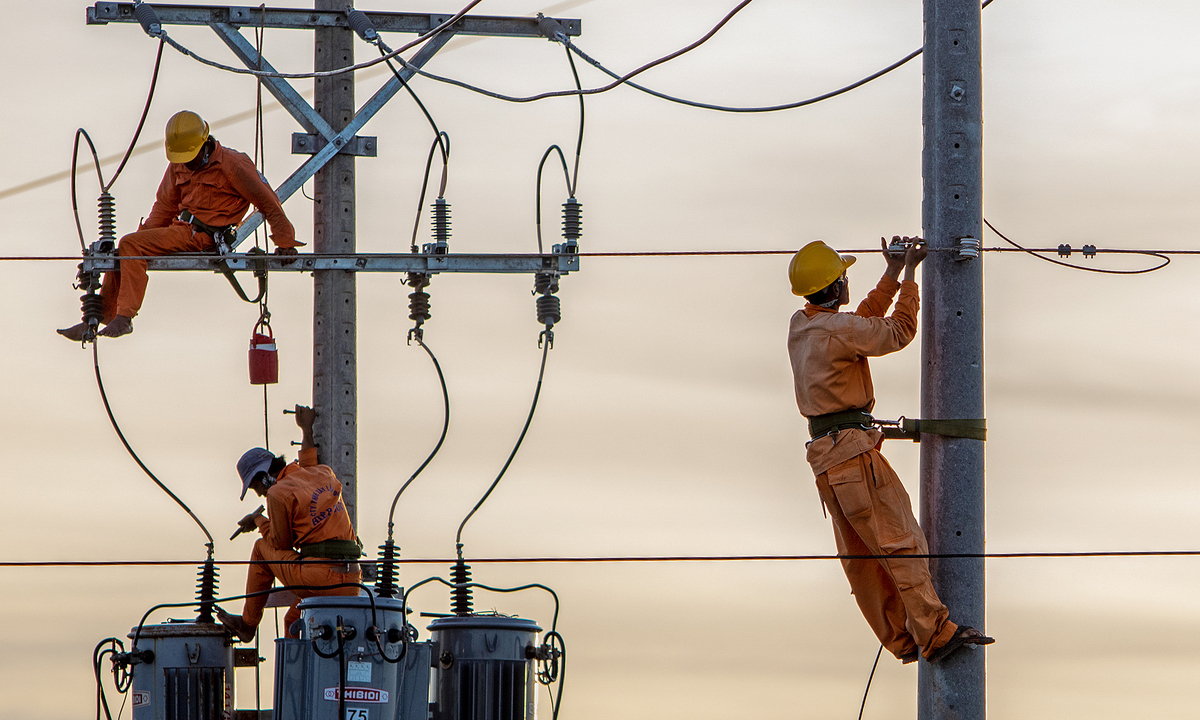
    The Ministry of Industry and Trade plans to increase electricity imports from China and Laos by 1.6 to five times from between now and 2030.

    Vietnam’s electricity demand is set to rise by 12-14% annually as the government targets an ambitious double-digit growth rate annually to achieve high-income status for the country by 2045.

    This means by 2030 Vietnam’s power capacity would need to reach 210,000 megawatts, up 35% from the current nationwide power plan.

    Imports will therefore play an important role in meeting electricity demand.

    By 2030 imports might account for 5% of total supply as against 4% last year, according to the ministry.

    It wants to import up to 3,700 MW in capacity from China by 2030, a five-fold increase from now.

    But the two sides have made no agreement for this yet. “The governments need to negotiate and sign deals soon,” the ministry said.

    It also wants to buy 6,800 MW from Laos by 2030, 1.6 times the current import.

  • Laos’ sprouting durian industry strives for exports to China

    Laos’ sprouting durian industry strives for exports to China

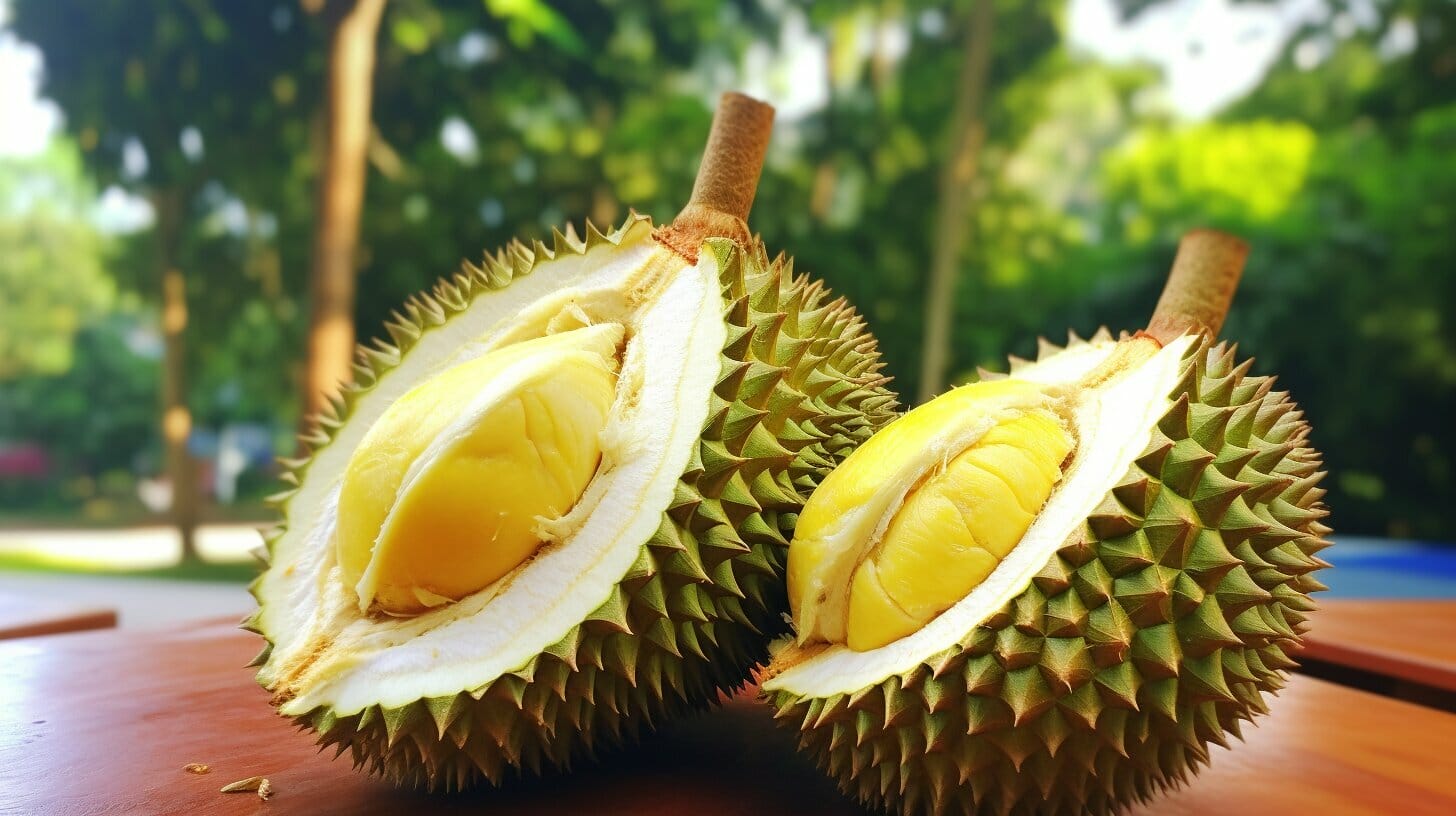
    Durian production in Laos has come to fruition and the industry is seeking opportunities to export to China – the world’s largest consumer of the stinky fruit. Tao Jian, a 54-year-old Chinese entrepreneur and the owner of Jinguo, a company with 50,000 durian trees planted on the Bolaven Plateau in southern Laos, recently celebrated the first harvest from his.

    Though the region is primarily known as Laos’ coffee hub, it could soon gain recognition for durians.

    Tao said the country’s fertile soil is ideal for farming the fruit and a hybrid durian variety, a mix between Malaysian and local cultivars, has been successfully developed there, leading to high-quality produce.

    “I believe Laos will soon become the world’s fourth-largest durian producer, after Thailand, Vietnam and Malaysia,” he told Nikkei Asia.

    While the durian industry has been expanding rapidly in several Southeast Asian countries, large-scale durian farming has only been sprouting recently in Laos, where the fruit used to be grown mostly in the backyards of local families.

    At a meeting between the Lao Agricultural Business Association, representatives of Lao durian growers, and Chinese agricultural importers in August, Bounthieng Latthanavong, president of the association, stated that durian production methods in Laos have become more professional and robust, positioning the industry for success in global markets, as reported by the official Lao News Agency.

    Elavanh Latpakdee, a representative of durian farmers in Laos, said the association has 170 farms spanning 20,000 hectares and many trees have started producing fruits, yielding around 900 tons of durian per year. It expects production to rise to 24,300 tons worth more than US$155.5 million.

    Durian farming in Laos has come a long way, but the country has not yet been allowed to export the fruit to China.

    However, that goal might not be too far off. Bounchanh Kombounyasith, Laos’ director general of the Department of Agriculture, said market access documents were being prepared and Lao durians will soon be exported to China, a state-owned Chinese newspaper reported late last month.

    As the top importer of the fruit, China procured 1.4 million tons of durians worth $6.7 billion in 2023, with Thailand and Vietnam being the top suppliers.

    In the second quarter of this year, Thailand shipped about $2.67 billion worth of durian to China, accounting for 75% of imports. Vietnam supplied most of the remaining shipments during the period, the South China Morning Post reported, citing Chinese customs data.

    China’s burgeoning demand has been transforming the durian industry in Southeast Asia.

    Many farmers in Thailand and Vietnam have become wealthy from the fruit.

    And it might also turn the sprouting durian industry in Laos into an economic boon for the country.

    China is Laos’ second largest trading partner and its top investor, China Daily reported, citing Chinese customs data.

    Bilateral trade between the two nations hit a record $7.1 billion in 2023. It amounted to $4.9 billion in the first seven months of this year, a 30.3% increase from a year ago.

    Besides the natural advantages noted by Tao, Laos’ durian industry has been attracting investment from Chinese businessmen who possess the resources to develop the sector. Many of these investors are turning to Laos to establish durian farms with the aim of shipping the fruit back to China.

    The Laos-China railway, launched in December 2021, might add to this momentum by reducing the travel time from Vientiane, the capital of Laos, to Kunming, a key trade center in southwestern China, to under 10 hours.

    The industry also receives the support of foreign professionals like Duangdavone Sulayavongsa, a durian cultivation expert with nearly 20 years of experience in Thailand.

    He believes that Lao durians hold the potential to become a major export commodity, greatly benefiting the country’s economy.

  • Laos wind farms offer Vietnam 4,150 MW of electricity

    Laos wind farms offer Vietnam 4,150 MW of electricity

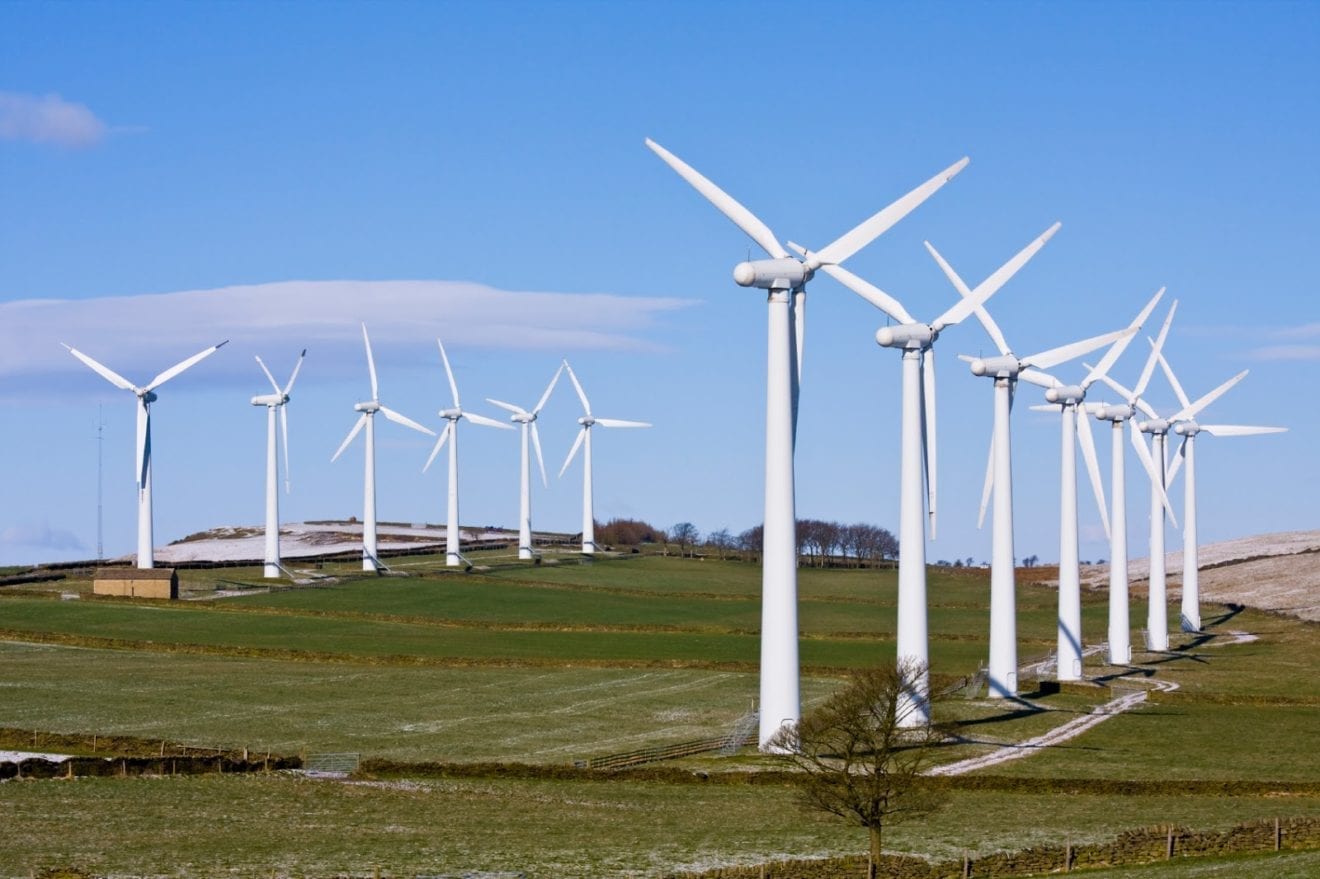
    According to national utility Vietnam Electricity, seven Lao wind energy plants want to sell a total of 4,150 MW to Vietnam. It will be done in phases, with 682MW supplied before 2025 and the rest gradually after that.

    Vietnam will be keen on accepting the offer.

    If the National Energy Master Plan is carried out on schedule, the central and southern regions would have enough power until 2030, but the north is likely to face shortages from 2025, especially during the dry season from May to July, EVN said.

    Importing energy from Laos would help alleviate the shortfall, it said.

    Affordability is also a factor, with wind energy from Laos currently costing 6.95 cents per kilowatt-hour compared to Vietnam’s 8.5-9.8 cents, depending on whether the plant is on land or offshore.

    Vietnam has been importing energy, mainly hydroelectricity, from Laos since 2016 through intergovernmental agreements.

    Increasing electricity purchases from neighbors is in the trade ministry’s power plans for this year.

    However, there are certain challenges.

    Electricity from Laos is expected to pass through transmission lines in Quang Tri Province, meaning the quantity of purchase will largely depend on infrastructure in this area.

    EVN’s calculations show that the proposed 4,149 MW exceeds the capacity of the local power grid.

    Most of its 200 kV and 110 kV lines operate at 80-100% of capacity. The region can only manage a maximum of 300 MW of transmission during the dry season and even less at other times.

    “Before the Lao Bao 500 kV substation is put into operation, this area [Quang Tri Province] can hardly take in more electricity from Laos because all the existing 220 kV lines are operating at high loads,” EVN said.

    Once the grid infrastructure is improved, such as with the construction of the Huong Hoa 500 kV substation and connecting lines in late 2027, Vietnam can get 2,500 MW from Laos, which will still be 1,650 MW short of the quantity it is seeking to sell.

    Furthermore, adding more renewable energy to the national grid will throw plans out if kilter. Domestic renewable energy accounted for 27% of grid capacity at the end of 2023 and is only expected to grow to 34% by 2030, according to the National Energy Master Plan.

    So, to ensure grid stability, EVN said the trade ministry should only buy a maximum of 300 MW of wind power from Laos before 2025, and only during the peak demand season.

    From 2026 to 2030 a maximum of 2,500 MW could be bought, it said.

    It also urged the government to import more hydroelectricity to increase flexibility.

    More grid infrastructure and transmission lines, including 220 kV and 500 kV dual-circuit lines from the border to the Lao Bao substation, should be added to the national master plan, it added.

  • South Korean hypermarket Emart to launch in Laos

    South Korean hypermarket Emart to launch in Laos

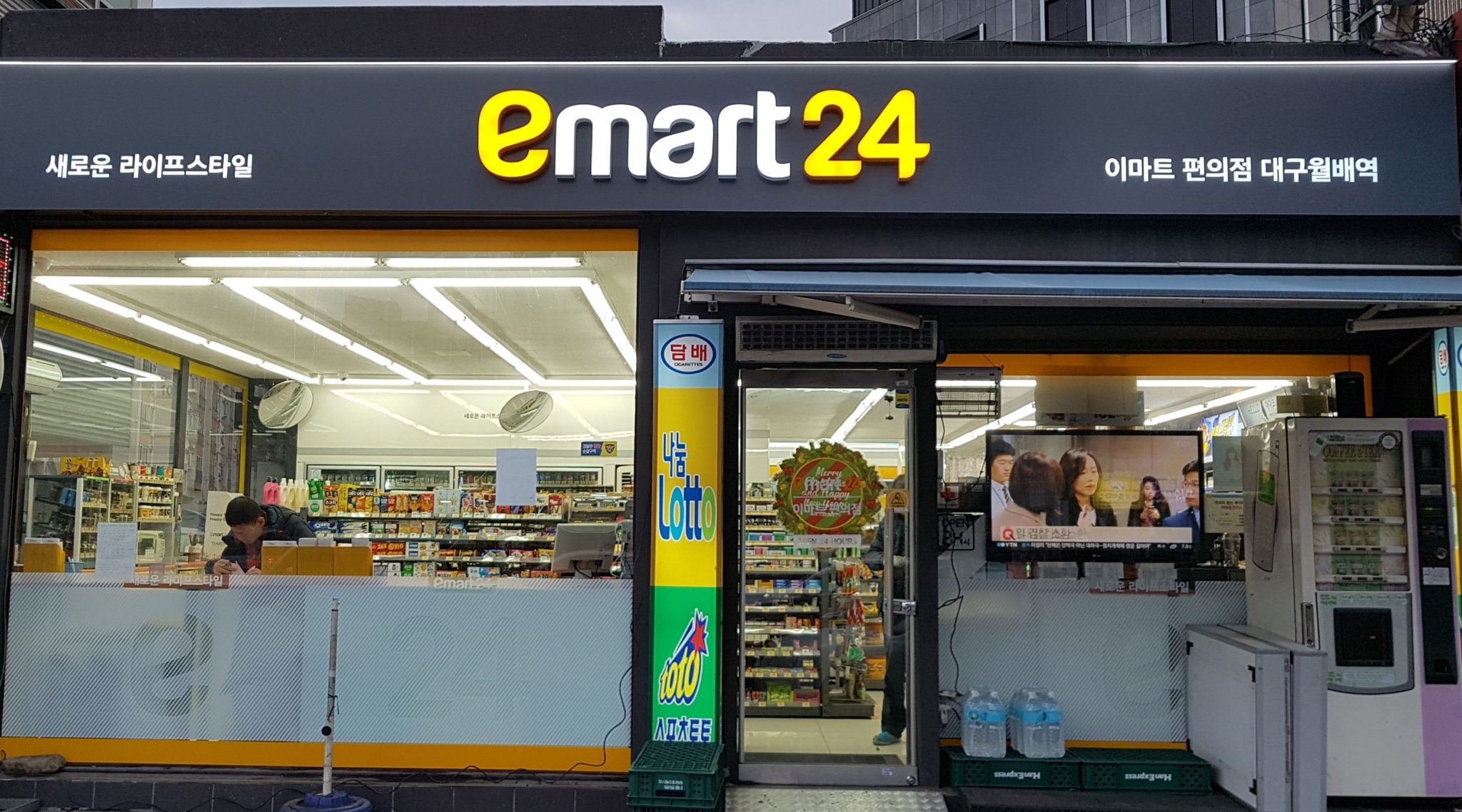
    Emart, the South Korean hypermarket retailer, will expand into Laos this year through a master franchise deal with U-Dee, an investment entity owned by LVMC Holdings.

    The move follows the company’s announcement earlier this month that it would expand into Cambodia in June.

    The agreement includes opening one Emart discount retail outlet and three hard-discount outlets under the brand name No Brand – Emart’s house label – in Laos later this year.

    Emart operates three Emart stores in Vietnam, four in Mongolia, and 17 No Brand stores in the Philippines.

    The firm intends to open 20 E-Mart locations and 70 No Brand stores in Southeast Asia during the next 10 years.

    LVMC Holdings, originally known as Kolao Group, was founded in 1997 by South Korean businessman Oh Se-young. The group debuted its footprint in the retail market with a local hypermarket chain dubbed Kok Mega Mart in Laos last year.

  • Vietnam Electricity eyes wind power import from Laos

    Vietnam Electricity eyes wind power import from Laos

    Vietnam Electricity wants to import wind power from Laos as it seeks to combat a looming shortage in the northern region.

    Several wind power investors in Laos with a combined capacity of 4,149 megawatts want to sell electricity to Vietnam, the national utility said in a report to the Ministry of Industry and Trade.

    The imports will help bridge a supply gap in the northern region between 2024 and 2030, especially in summer when water levels plummet in hydropower dams.

    Power Development Plan 8 focuses on the development of liquefied natural gas and renewable power sources, which are costly, and does not prioritize cheaper sources such as hydropower.

    This means importing power from Laos will help reduce costs somewhat.

    Laos’s maximum wind power feed-in tariff is 6.95 U.S. cents per kilowatt-hour for plants that become operational by the end of 2025, which is much more competitive than Vietnam’s 8.5 cents for onshore and 9.8 cents for offshore plants that went on stream before November 2021. But the Laos price is higher than for some plants in Vietnam that went on stream after that date. Their tariffs start at 6.42 cents.

    Some hydropower plants in Laos with whom it has signed purchase agreements would only begin generating power after 2025, meaning alternative sources are needed in the next two years, EVN said.

    It called on the government to install more transmission lines to increase imports from Laos.

    In the first 11 months of this year Vietnam’s electricity imports – from Laos but also China — accounted for 1.5% of total supply.

  • New transmission line proposed to import more electricity from Laos

    New transmission line proposed to import more electricity from Laos

    The Ministry of Industry and Trade has proposed installing another power transmission line to Laos to increase supply.

    It would help ensure energy security for northern Vietnam, especially during the dry season, as no new major power plant is set to go on stream until 2025, Minister of Industry and Trade Nguyen Hong Dien said at a recent meeting.

    Vietnam imports 3,000 megawatts of electricity from Laos through a 220-kilovolt line.

    In October Vietnam Electricity already began laying a 500-kilovolt line strong spanning 45 kilometers to connect the two countries.

    The work, to cost VND1.1trillion ($45.26 million), will be completed by the end of next year when it will increase import capacity to 2,500 MW a year.

    Vietnam signed a deal with Laos in 2019 to buy 3,000 MW until 2025 and 5,000 MW a year in 2026-30.

    In the first 11 months of this year Vietnam’s imports – also from China — accounted for 1.5% of total electricity supply.

  • EVN seeks to speed up electricity imports from Laos

    EVN seeks to speed up electricity imports from Laos

    Vietnam Electricity (EVN) is seeking approval from the government to speed up the import of electricity from Laos since shortages are forecast in the northern region.

    It plans to import electricity equivalent to 225 MW from the Nam Mo and Houay Koauan hydropower plants.

    It is also seeking permission to link up the Savan 1 and 2 wind power plants in Laos with the Vietnamese grid.

    Until 2025 no new major power plant is set to enter the grid in northern Vietnam, which is expected to face shortages.

    By 2025 the shortage is estimated to be 3,630 MW.

    Purchasing from Laos is economical since its hydropower costs only 6.95 cents per kilowatt-hour, lower than local prices, EVN said.

    In August Prime Minister Pham Minh Chinh approved a proposal to import 2,698 MW worth of power from Laos, with EVN signing purchase contracts for around 83% of it.

    The north suffered a crippling power shortage in summer this year, with many localities resorting to load shedding. Imports from Laos and China met 10% of demand during the period.


  • 7-Eleven opens its first store in Laos

    7-Eleven opens its first store in Laos

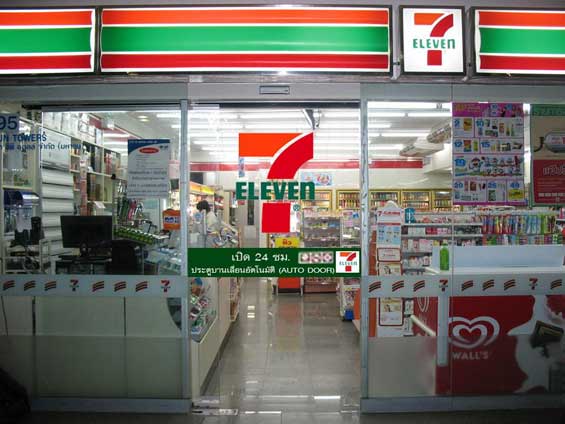
    In a press release, CP ALL Laos, a master franchisee of 7-Eleven International, which is a joint venture between 7-Eleven, Inc. and Seven-Eleven Japan, opened its first 7-Eleven store in Laos. The store is located in the capital city of Vientiane.

    “CP ALL Laos is excited to serve the community of Vientiane as it experiences significant economic growth and surge in tourism following the opening of the Laos-China Railway high-speed train,” according to the release.

    The store features 7-Eleven’s signature retail model and serves a variety of internationally-popular products and beverages–including bean-to-cup coffee and Slurpee and Big Gulp drinks. Customers can enjoy hamburgers, toasted sandwiches and freshly baked bread. CP ALL Laos is looking into opportunities to offer Laotian meals.

    “With its thriving economy and growing population, Laos offers an excellent environment for 7‑Eleven’s first retail venture in the region,” said 7-Eleven International Co-CEOs Shin Abe and Ken Wakabayashi. “Our entrance into the country brings Laotian customers a one-stop-shop solution with quality fresh food and convenience needs, via a store format not currently prevalent in the market. The store opening in Laos marks the 20th country and region for 7-Eleven. We are excited to continue providing citizens and tourists with world-class convenience.”

    Meanwhile, in China’s Guangdong province, WeChat Pay announced that its palm payment service is now available at over 1,500 7-Eleven convenience stores. Currently, users wanting to use the payment method can activate it on WeChat’s digital payment devices in offline 7-Eleven stores. Once activated, users will be able to pay by simply placing their palms above a palm-reading device in the participating stores.

    Panera Bread began testing Amazon’s palm-scanning technology in two locations earlier this year. The identification technology, dubbed Amazon One, is already used in dozens of Amazon-owned Whole Foods locations, Amazon Go stores and some stadiums and arenas.

  • Newly registered enterprises in Laos increases sharply

    Newly registered enterprises in Laos increases sharply

    In 2022, Laos had a total of 18,076 newly registered enterprises, with a total registered capital of about US$7.5 billion, an increase of 42.94% compared to 2021, statistics of the country’s Ministry of Industry and Trade revealed.

    The positive signals from the business registration situation in 2022 have proved Laos’s determination in bringing the economy through a difficult period to recover and develop.

    According to the ministry, the country’s reopening of its door after the pandemic has created favorable conditions for international visitors to enter Laos, which has created a positive impact on the tourism industry.

    With the recovery of the economy post Covid-19 pandemic and the Lao Government’s efforts in prioritizing macroeconomic stability and controlling inflation, the confidence of the country’s businesses has gradually bounced back.

    Besides, the increase in the number of newly registered businesses in 2022 has partly shown that the macroeconomic management solutions are implemented in the right direction, creating confidence and optimism for the people and business community after two years of Covid-19 outbreak.

    Currently, the Lao Government, ministries and branches are supporting businesses to grab opportunities to grow, while improving the business investment environment, as well as issuing timely, transparent and favorable policies, creating motivation for businesses in the country.

  • Vietnamese fruit exports to China and Laos surge

    Vietnamese fruit exports to China and Laos surge

    The export of bananas, durians, and jackfruit from Vietnam to China and Laos surged in the year’s first four months.

    The export value of vegetables and fruits reached $1.39 billion, up 19.4% over the same period last year, according to the Ministry of Agriculture and Rural Development.

    China led the consumption of Vietnamese fruits and vegetables with 58.7% market share, valued at $576.4 million in the first quarter of the year, up 27.4% over the same period in 2022.

    Laos, South Korea and Japan also increased imports of Vietnamese fruits. Exports of Vietnamese vegetables and fruits to Laos increased the most, by 2.8 times.

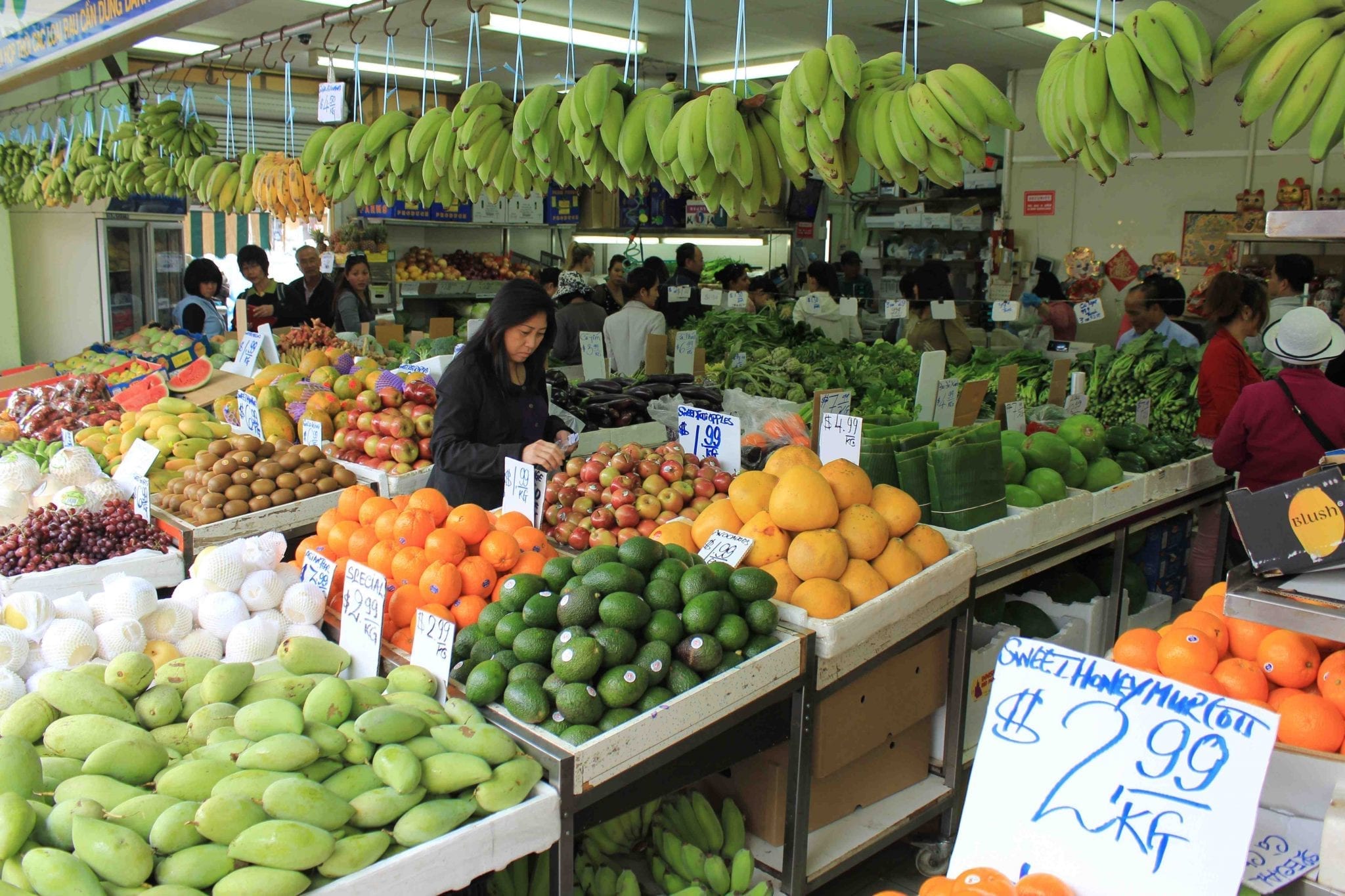
    Durian, jackfruit and banana had a significant increase in exports. In the first quarter, Vietnam’s durian export turnover reached $153.5 million, up more than 8.3 times over the same period last year. China accounted for 87% of the market share with a turnover of $133.6 million.

    Thousands of tons of durian have been exported to China every month. Vietnamese durians are ordered in large quantities because of their good quality, suitability for local tastes and prices that are more attractive than produce from Malaysia and Thailand.

  • Laos raises minimum wage for workers

    Laos raises minimum wage for workers

    The Lao Government has decided to raise the monthly minimum wage from LAK1.2 million (nearly US$70) to LAK1.3 million starting May 1 to ease workers’ difficulties amid soaring inflation and economic uncertainties.

    The decision was made at the Lao Government’s meeting held on April 25 – 26 under the chair of Prime Minister Sonexay Siphandone.

    In 2022, as workers’ lives were hit hard by soaring inflation, the Lao Federation of Trade Unions Central Committee proposed increasing the monthly minimum wage to 1.5 million LAK.

    However, the Lao National Chamber of Commerce and Industry opposed it, saying that the wage hike would negatively impact enterprises that were also struggling with difficulties.

    Aside from the minimum wage rise, PM Sonexay Siphandone told the Ministry of Labour and Social Welfare to work with related sectors to consider how the increase is relevant to the current economic situation.

    He also asked ministries and sectors to conduct an in-depth study on wage hikes and report results to the Government in the third quarter of this year.

  • MB launches banking app in Laos

    MB launches banking app in Laos

    Military Commercial Joint Stock Bank Laos branch (MB Laos) released a new banking application for individual customers in Vientiane, Laos, on Monday.

    Several Laotian government officials and representatives of the State Bank of Laos and MB attended the app launch ceremony.

    MB Laos app will increase customers’ convenience and optimize their banking experience on digital channels with advanced technology.

    The app helps customers manage their finances by providing online savings services, loans application, as well as local and foreign currency account management. Other features include bill payment, scanning Laos QR codes for payment, phone recharging, and money transfers from payment accounts to Umoney E-Wallet.

    It also provides users with a safe, secure and fast online money transfer and saving services.

    “With the new digital banking product, MB Laos is expected to bring the best experience to existing customers, while also attracting new ones,” an MB Laos representative said.

    The MB Laos app is available to download on the App Store and Google Play.

    Customers will have the opportunity to receive 20,000 Lak when opening a new account in the app.

    Find more information on this website.

    Email: ebanking.lao@mbbank.com.vn.

    Hotline: 021 752 777

    Address: MB Building, No 10 Kaysone Phomvihane Avenue, Phonexay Village, Saysettha District, Vientiane Capital, Laos PDR, Vientiane, Laos.