Tag: Korea

  • Mom’s Touch Sees Strong Singapore Debut with Sales More Than Doubling

    Mom’s Touch Sees Strong Singapore Debut with Sales More Than Doubling

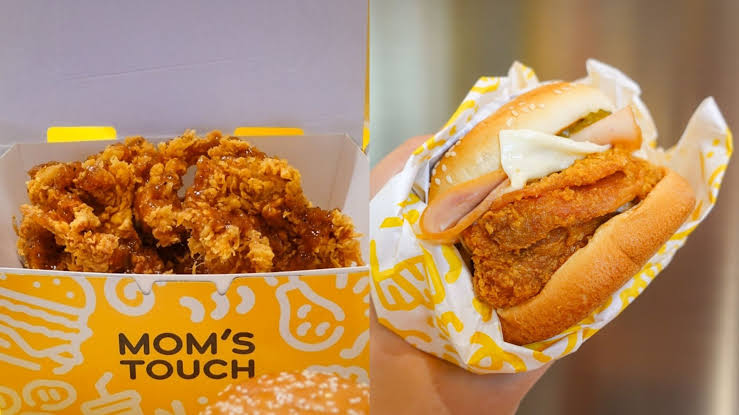
    Korean fast-food chain Mom’s Touch has reported strong initial performance for its first store in Singapore, with opening sales more than doubling its target. The outlet, located on South Bridge Road in Singapore’s Central Business District, launched last Friday and attracted over 200 diners on its opening day.

    This Singapore debut marks the first venture under a master franchise agreement between Mom’s Touch and FairPrice Group, Singapore’s largest retailer. FairPrice Group operates a diverse portfolio including supermarkets, food outlets, convenience stores, and pharmacies. Despite having a capacity of 90 seats, the store has maintained queues before opening each day, consistently exceeding its daily sales target by more than twofold during its first five days of operation.

    Local Adaptations and Expansion Plans

    Mom’s Touch dedicated over two years to developing ingredients, sauces, and a supply chain to meet halal dietary requirements and cater to local tastes in Singapore. The company ensured its signature items, such as the Thigh Burger, maintained their quality equivalent to those offered in Korea. The Singapore menu features market-specific items, including a spicy pepper-sauce burger, a fish fillet burger, and a burger with Australian Angus beef, egg, and cheddar cheese. Morning options like egg toast were also introduced to suit the store’s office district clientele. Prices for menu items range from 3.95 to 6.95 Singapore dollars.

    Dennis Quek, General Manager for Mom’s Touch Singapore and General Manager of FairPrice Group’s Kopitiam division, highlighted the aim of offering local customers a distinctive dining experience. Following this successful launch, Mom’s Touch plans to open a second store in a residential area of Singapore later this year, with broader expansion across the country slated for next year. The brand has been actively expanding its international footprint, having entered Thailand in 2022 and subsequently establishing a presence in Japan, Mongolia, Laos, and Uzbekistan. The company aims to operate 220 overseas stores by 2027.

    Asia’s Growing Fast Food Market

    Mom’s Touch’s strategic entry into Singapore, partnering with a retail giant like FairPrice Group, reflects a common approach for international brands seeking rapid market penetration and local relevance in Asia. Other global and regional fast-food chains have similarly adapted menus and forged local alliances to succeed in diverse Asian markets. RetailNews Asia has observed this trend across various F&B sectors, where localization and strong distribution partnerships are key to overcoming operational challenges and appealing to distinct consumer preferences in a competitive landscape.
  • South Koreans Bid Farewell to Dog Meat Tradition Ahead of Nationwide Ban

    South Koreans Bid Farewell to Dog Meat Tradition Ahead of Nationwide Ban

    Historically, the three warmest days of summer were the busiest times for South Korea’s dog meat eateries, with customers seeking traditional foods reputed to boost stamina during the intense heat. However, on the third of the hottest days, known as “boknal,” in 2026, a sense of finality was felt. This marked the last boknal before the total ban on breeding, slaughtering, and selling dogs for meat, which is set to be fully implemented in February 2027.

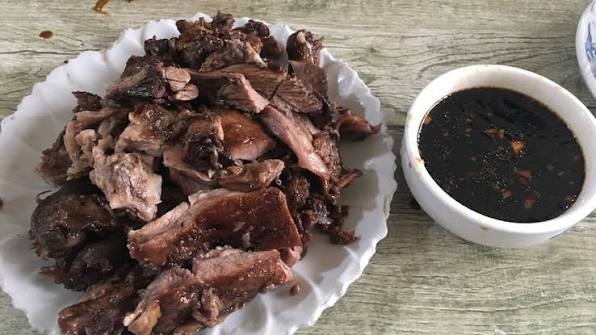
    At the Moran Market in Seongnam, once the country’s most prominent center for dog meat, lunch-goers continued to flock to the alleys filled with restaurants. Yet, many of these eateries have transitioned to serving other options like black goat stew, and the majority of customers who still ordered “bosintang” or dog meat stew, were predominantly elderly.

    Changing Times

    Kim Yong-book, the head of the Moran Market Merchants’ Association, lamented the decline. Kim, who has been working in the area near Seoul for over 40 years, described it as now being “a town of old people.” The ban marks a significant shift in South Korean culture, reflecting changing attitudes towards animal welfare as pet ownership increases.

    A 2024 survey showed that over 90% of 2,000 respondents had no intention of eating dog meat in the future, and over 80% supported the ban. Almost 95% stated they hadn’t eaten dog meat in the preceding year.

    The ban’s implementation will impact over 5,600 businesses, according to government data. However, officials have noted that most dog farms had already ceased operations in anticipation of the upcoming 2027 deadline.

    The Uncertain Road Ahead

    While some, like restaurant owner and former merchants’ association chairman Lee Kang-chun, agree with the ban considering South Korea’s global image and evolving societal attitudes, they also feel a sense of melancholy. Lee finds it particularly distressing when elderly customers, who believe the dish restores strength, leave his restaurant disappointed after traveling long distances only to find no dog meat available.

    Despite increasing supply costs and dwindling profits, Lee continues to serve the dish primarily for his loyal customers. He believes the authorities should provide more assistance to elderly vendors transitioning to new business models. Many Moran Market restaurants have switched to serving black goat stew, marketed as a health food, but owners report that the transition has been challenging and the new dish hasn’t compensated for the lost dog meat sales.

    Questions & Answers

    What is behind the shift away from dog meat consumption in South Korea?
    The shift away from dog meat consumption in South Korea is largely due to changing attitudes towards animal welfare and an increase in pet ownership.

    When will the ban on breeding, slaughtering, and selling dogs for meat be fully enforced?
    The ban will be fully enforced from February 2027.

    What is the impact of the ban on dog meat-related businesses in South Korea?
    Over 5,600 businesses are expected to be affected by the ban, with most dog farms already having ceased operations ahead of the 2027 deadline.

  • Starbucks Korea Hit Hard by Backlash over Controversial Marketing Campaign

    Starbucks Korea Hit Hard by Backlash over Controversial Marketing Campaign

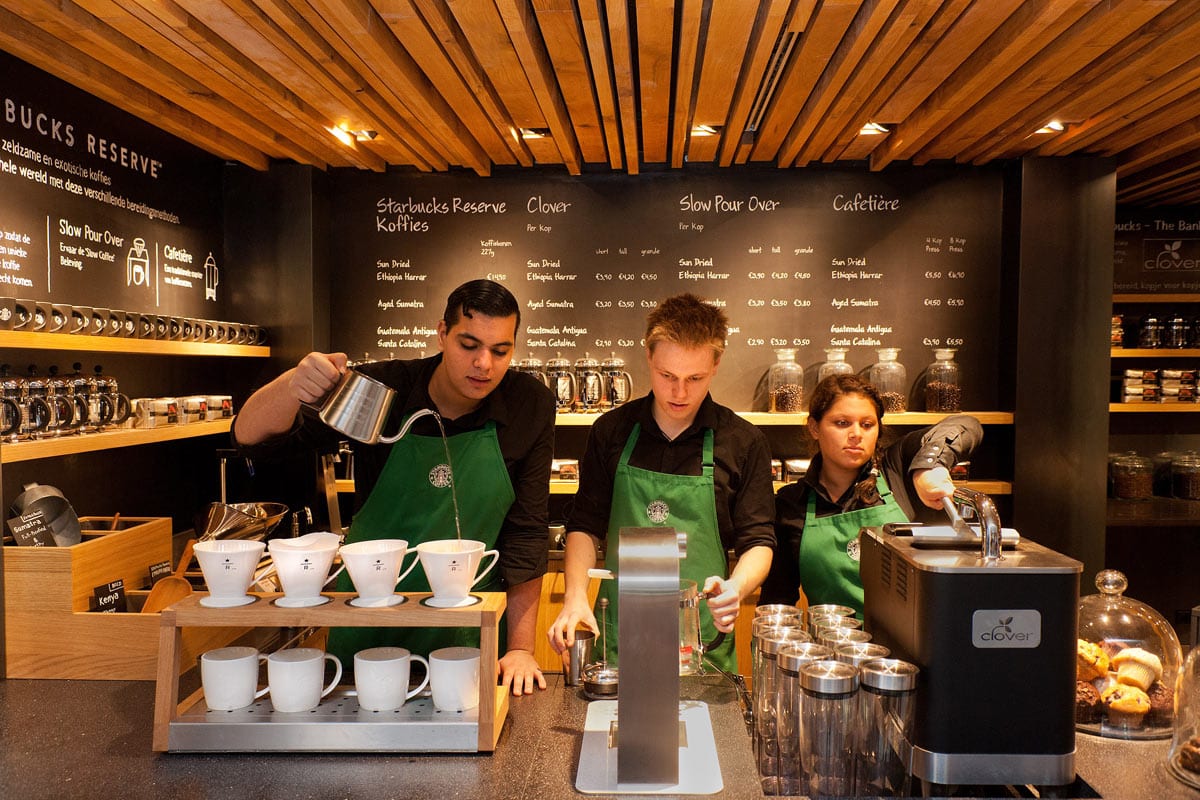
    In the second quarter, Starbucks Korea’s operator, SCK Company, suffered an operating loss due to a decrease in sales. This followed negative reactions to an ill-received marketing campaign and the suspension of its high-profile summer promotion.

    The operating loss for the second quarter amounted to 18.4 billion won (US$13.4 million), in contrast to the 40.3 billion won operating profit registered in the same period the previous year and the 29.3 billion won profit of the preceding quarter.

    The summer promotional campaign, regularly held in June by SCK, the Starbucks Korea operator, was conspicuously absent this year. This decision was confirmed during an earnings announcement made by E-Mart, SCK’s parent company.

    In a related incident in May, Starbucks Korea came under fire for their ‘Tank Day’ tumbler campaign, which coincided with May 18, triggering criticism for its inappropriate reference to the 1980 Gwangju pro-democracy uprising. In response to the public outcry, Starbucks Korea suspended the campaign and issued an apology.

    As a result of the controversy, the Shinsegae Group, the parent company of Starbucks Korea, dismissed the head of Starbucks Korea. Following this, the group reported a “very significant” drop in sales. They further addressed the issue by implementing historical awareness and social sensitivity training for their staff.

    Despite these events, E-Mart did not directly attribute the controversy or the subsequent calls for a boycott as the immediate cause for the decline experienced in the quarter.

    Questions & Answers

    What was the operating loss of Starbucks Korea’s operator, SCK Company, in the second quarter?
    The operating loss of SCK Company in the second quarter was 18.4 billion won (US$13.4 million).

    What was the controversy regarding Starbucks Korea’s marketing campaign?
    The ‘Tank Day’ tumbler campaign by Starbucks Korea faced criticism for its inappropriate reference to the 1980 Gwangju pro-democracy uprising, leading to public outcry and a subsequent boycott.

    How did the parent company of Starbucks Korea respond to the controversy?
    The Shinsegae Group, the parent company of Starbucks Korea, dismissed the head of Starbucks Korea following the controversy. They also reported a significant drop in sales and initiated historical awareness and social sensitivity training for their staff.

  • Uniqlo Expands Global Reach with Debut Flagship Store in Kyoto

    Uniqlo Expands Global Reach with Debut Flagship Store in Kyoto

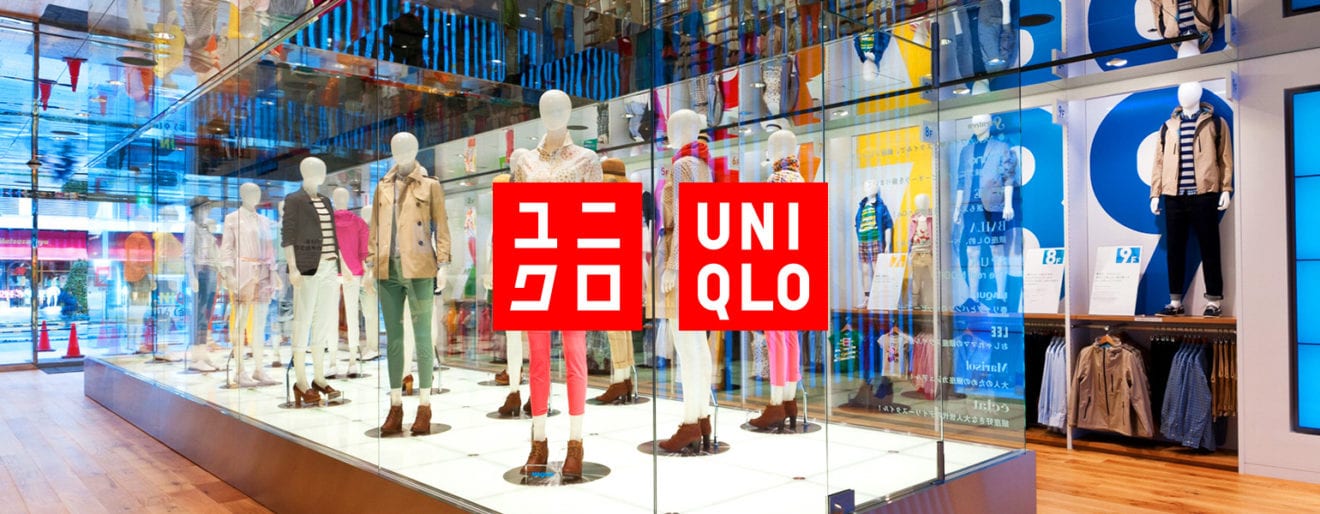
    Uniqlo, the renowned global retail brand, is expanding its presence in Kyoto by launching its pioneering global flagship store in the city. The strategic decision aims to leverage the city’s high domestic and international visitor traffic.

    The Kyoto-based Uniqlo store, spanning an impressive 3200 square meters, is set to open its doors on November 6th. The launch follows a comprehensive renovation of Uniqlo’s existing Kawaramachi store, which is currently the largest retail outlet for the brand in Kyoto.

    The Store’s Unique Layout

    Uniqlo’s new flagship store is a multi-level marvel with three airy floors above ground and a spacious basement level. It will offer a comprehensive range of LifeWear products, catering to men, women, children, and infants.

    Uniqlo is intentionally blending the brand’s LifeWear concept and service offerings with the rich traditions and cultural elements of Kyoto. The retailer’s primary aim is to mirror the city’s burgeoning popularity as an international destination.

    In a statement, Uniqlo expressed its aspiration to build a long-lasting relationship with its customers by offering them a shopping experience steeped in the multifaceted appeal of Kyoto. The brand aims at sharing Kyoto’s inherited traditions and evolving charm through their store, targeting a global audience.

    Global Expansion Plans

    Uniqlo’s decision to open a flagship store in Kyoto aligns with its ongoing efforts to penetrate international markets. As a part of its global expansion strategy, the brand reportedly plans a significant boost in its presence in India. The move involves a five-fold increase in its store network in the country, expanding from its current count to over 100 stores within the next five years. The primary focus of this ambitious expansion will be New Delhi and other major Indian cities.

    Questions & Answers

    What is the significance of Uniqlo’s new store in Kyoto?
    The global flagship store in Kyoto represents a strategic expansion in a city with high domestic and international visitor traffic. It also reflects Uniqlo’s aim to integrate local culture and traditions into its store concept.

    What can customers expect from the new Uniqlo store in Kyoto?
    Customers can look forward to a comprehensive range of Uniqlo’s LifeWear products across various categories — men, women, kids, and babies. Additionally, the store seeks to provide a unique shopping experience that blends the brand’s concept with Kyoto’s cultural elements.

    What are Uniqlo’s future expansion plans?
    Uniqlo plans to significantly enhance its presence in India, targeting a five-fold increase in its store network within the next five years. The expansion will primarily focus on New Delhi and other major cities in India.

  • Satur: South Korean Fashion Sensation Makes a Stylish Debut in Thailand

    Satur: South Korean Fashion Sensation Makes a Stylish Debut in Thailand

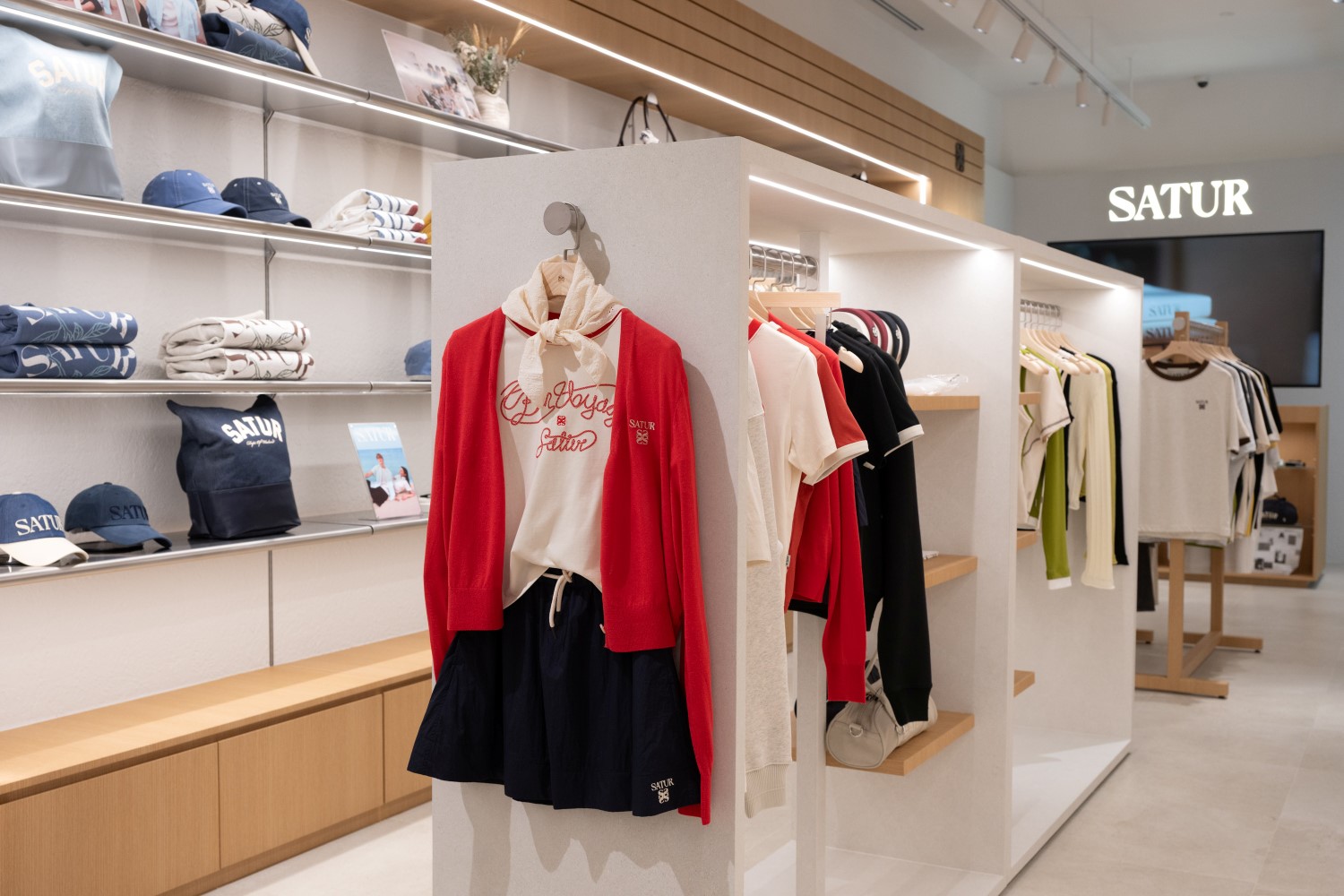
    South Korean fashion house, Satur, has announced its expansion into the Thai market, with its first flagship store opening in Central Ladprao. This move was made feasible through an exclusive partnership with the Jaspal Group, a renowned lifestyle and fashion conglomerate.

    About Satur

    Established in 2020 in Seoul by designer Son Ho-chul, Satur represents the leisurely and effortless spirit synonymous with Saturdays. The brand has garnered a reputation for its gender-neutral everyday wear, modern streetwear silhouettes, and resort-contemporary aesthetics. Its unique designs and fashion-forward approach has solidified Satur as a prominent player in the fashion industry.

    Jaspal Group’s CEO, Damien Corcoran, states that this strategic move aligns perfectly with their company’s ambition to evolve into a regional hub for fashion and lifestyle brands. Corcoran expressed his eagerness to introduce innovative and engaging brands from around the world to Thai consumers.

    He further stated, “Our mission is to leverage our strengths in nurturing and expanding our own brands, while also acting as a forward-thinking partner for international brands aiming to diversify their opportunities in Thailand and across the region.”

    Questions & Answers

    What is the South Korean fashion label that is expanding into Thailand?
    Satur, a fashion and lifestyle brand established in Seoul in 2020, is expanding into Thailand.

    Who is the exclusive distributor for Satur in the Thai market?
    The Jaspal Group will serve as Satur’s exclusive distributor in the Thai market.

    What kind of fashion does Satur offer?
    Satur is known for its gender-neutral everyday wear, modern streetwear silhouettes, and resort-contemporary aesthetics.

  • Heartland 66 Adds Fresh Retail Flavors: 24KR Korean Trend Zone and Greenhouse by Edgestreet Sprout in Wuhan Mall

    Heartland 66 Adds Fresh Retail Flavors: 24KR Korean Trend Zone and Greenhouse by Edgestreet Sprout in Wuhan Mall

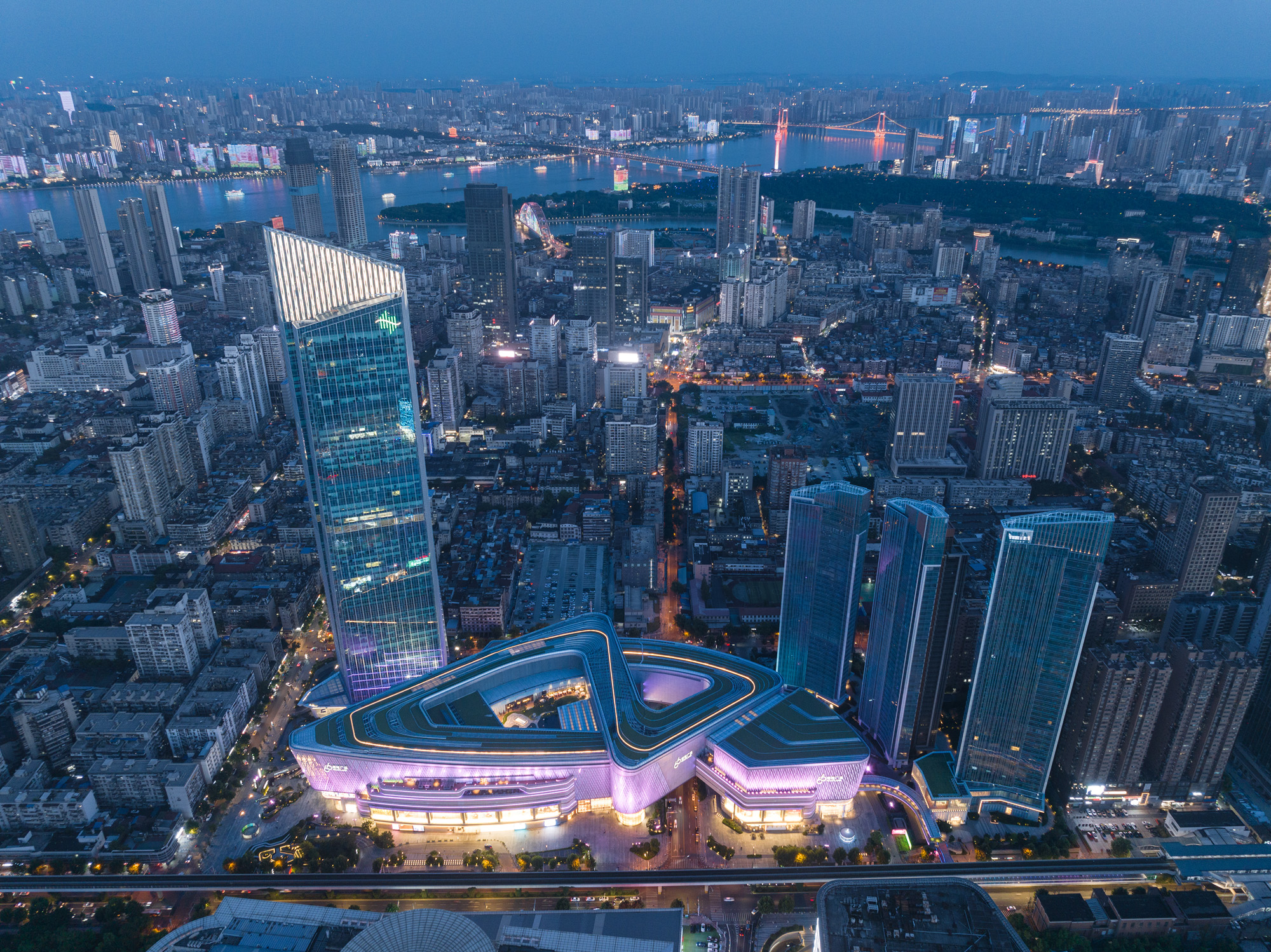
    Heartland 66, located in Wuhan, China, is broadening its retail landscape with the introduction of two novel concepts: the 24KR Korean Trend Zone and Greenhouse by Edgestreet. This move is part of a larger strategy to transition away from conventional retail, and instead focus on integrating immersive retail experiences, Korean fashion and culture into a more lifestyle-oriented hub.

    Introducing the 24KR Korean Trend Zone and Greenhouse by Edgestreet

    Occupying an expansive area of 10,400 square meters, both the 24KR Korean Trend Zone and Greenhouse by Edgestreet are set to showcase over 150 brands from diverse sectors such as lifestyle, fashion, and home living. The 24KR Korean Trend Zone is designed to tap into the ongoing fascination for Korean culture among the younger demographic. On the other hand, Greenhouse by Edgestreet, with its botanical-themed retail concept, will offer a range of products encompassing fashion, pet items, and homeware.

    In its inaugural phase, the 24KR Korean Trend Zone will serve as a host to 11 brands making their first appearance in China and another 15 brands penetrating the Central China market for the first time. Meanwhile, Greenhouse by Edgestreet will welcome 20 brands opening their debut stores in Wuhan.

    Harvey Ye, General Manager of Heartland 66, suggests that these launches are geared towards attracting a younger clientele and enhancing the retail mix offered by the brand. According to Ye, the simultaneous launch of 24KR Korean Trend Zone and Greenhouse by Edgestreet signifies a pivotal step towards engaging this demographic and stimulating the rejuvenation and advancement of their retail spaces. He further emphasizes the enormous potential of the emerging consumer market and the booming economic vigor of Central China.

    Questions & Answers

    What are the new concepts introduced by Heartland 66?
    Heartland 66 has launched two new concepts: the 24KR Korean Trend Zone, which will focus on the Korean culture popular with younger consumers; and the Greenhouse by Edgestreet, a botanical-themed retail concept offering a range of fashion, pet, and homeware products.

    What is the significance of these launches?
    The launch of these novel concepts represents a crucial step in Heartland 66’s strategy to engage younger consumers, revitalize their commercial spaces, and transition the shopping center into a lifestyle-focused hub.

    How many brands will be featured in the 24KR Korean Trend Zone and Greenhouse by Edgestreet?
    Both the 24KR Korean Trend Zone and Greenhouse by Edgestreet will feature over 150 brands across lifestyle, home living, and fashion categories.

  • Starbucks Korea HQ Searched amid Controversial Marketing Investigation

    Starbucks Korea HQ Searched amid Controversial Marketing Investigation

    South Korean authorities have recently conducted a search at the main offices of Starbucks Korea. The search forms part of an ongoing inquiry into a contentious marketing campaign released earlier this year that led to extensive criticism.

    The campaign in question is alleged to have made reference to the 1980 military imposition on pro-democracy advocates in Gwangju, an action that sparked a significant public outcry due to its perceived insensitivity. As a result of the public backlash, Starbucks Korea reported a drastic dip in sales in May.

    The Shinsegae Group, the parent company of Starbucks Korea, had previously submitted documentation and other pieces of evidence. However, the recent search aimed to uncover additional documents and evidence not included in the earlier submission.

    Implications on Shinsegae

    The controversy has also had an adverse effect on the Shinsegae Group, with the aftermath leading to a decrease in its share value. The chairman of Shinsegae, Chung Yong-jin, issued a public apology in response to the controversy surrounding the marketing campaign. The retail giant also terminated its contract with Starbucks Korea’s chief, Sohn Jeong-hyun, attributing his dismissal to his responsibility for the inappropriate marketing endeavor.

    Both Starbucks Korea and Shinsegae have confirmed their understanding of the search as part of the ongoing investigation into the company.

    Questions & Answers

    **What was the cause of the investigation into Starbucks Korea?**
    The investigation was launched in response to a marketing campaign released by Starbucks Korea. The campaign reportedly referenced the 1980 military crackdown on pro-democracy protestors in Gwangju, which led to widespread public criticism due to its perceived insensitivity.

    **What was the impact of the controversial campaign on Starbucks Korea?**
    The backlash from the controversial campaign caused Starbucks Korea to report a significant decrease in sales in May.

    **What action did Shinsegae Group take in response to the controversy?**
    In the wake of the controversy, Shinsegae’s chairman, Chung Yong-jin, issued a public apology. The group also dismissed Starbucks Korea’s chief, Sohn Jeong-hyun, attributing his dismissal to his role in the controversial marketing campaign.

  • Coupang’s Financial Rollercoaster: From Massive Profits to Significant Losses Amidst Data Breach Crisis

    Coupang’s Financial Rollercoaster: From Massive Profits to Significant Losses Amidst Data Breach Crisis

    Coupang, the South Korean e-commerce giant, reported a revenue of US$8.9 billion and a loss of $570 million for the second quarter. The loss is a significant reversal from the same period last year, which saw an operating income of $149 million and a marginal net profit. This abrupt change in financial standing is the most significant since the company went public in New York in 2021.

    The shift primarily arises from a data breach that exposed the sensitive information of Coupang customers, including over four million non-members who were recorded as delivery recipients. The Personal Information Protection Commission of South Korea determined that the breach resulted from basic security lapses rather than a sophisticated cyber attack. Consequently, Coupang was fined 423.6 billion won for the breach and an additional 201.1 billion won for illegally collecting user data. These fines totalled $410 million and were largely responsible for the company’s shift from profit to loss.

    Recovering Customer Base and Revenue

    Despite the significant loss, Coupang’s CEO Bom Kim remains optimistic. He explained that the reported revenue growth doesn’t fully represent customer behaviour. According to him, the majority of Coupang’s customers retained their spending levels, which are at an all-time high. While a minority of customers did reduce their spending, most have already returned. Excluding the customers who left permanently, Kim stated that spending is growing around 16 per cent year over year, similar to the growth rate prior to the data breach.

    Coupang reported an increased number of active customers, with 24.7 million customers marking a 3 per cent increase from the previous quarter. Coupled with the company’s ‘Wow’ membership returning to pre-incident levels, these statistics support Kim’s claim of recovery.

    How Profit Margins are Affected?

    Kim observed that their gross profit was $2.27 billion, but EBITDA fell to $382 million from $663 million. This was due to the company maintaining its capacity and fixed costs, despite temporary revenue decline. The company believes in growing into the existing capacity in the long term, rather than curtailing costs significantly.

    Additionally, Kim noted a considerable volume-based savings in its supply chain that the company is missing this year, and a deliberate increase in marketing spend to regain customers. This spending is set to be reduced once the recovery is complete.

    Questions & Answers

    What were the main factors contributing to Coupang’s Q2 loss?
    The primary factors were a data breach that resulted in significant fines and a temporary decline in revenue as some customers reduced their spending.

    What measures is Coupang taking to recover from the loss?
    Coupang is focusing on customer retention and growth, maintaining its existing capacities and costs, and increasing marketing spend to win customers back.

    What future plans does Coupang have to avoid such losses?
    Coupang plans to grow into its existing capacity, implying an expectation of increased demand. The company also plans to reduce its marketing spend once customer growth stabilises.

  • South Korea’s Startup Boom: How Flexible Digital Regulations Could Unleash a ₩2.4 Trillion Venture Capital Upsurge

    South Korea’s Startup Boom: How Flexible Digital Regulations Could Unleash a ₩2.4 Trillion Venture Capital Upsurge

    South Korea has the potential to draw an extra ₩2.4 trillion in yearly venture capital investment and launch numerous additional startups if it were to adopt more favorable digital regulations, a recent study conducted by Oxford Economics for Digital Prosperity Asia (DPA) suggests.

    The study claims that while digital regulations are vital to ensuring trust, security, and consumer protection, growing compliance requirements are exerting additional pressure on startups. This burden impacts their innovation capabilities, their potential to raise capital, and their ability to scale their businesses.

    Statistical modeling by Oxford Economics suggests that a more lenient regulatory framework from 2026 to 2035 could escalate the annual startup formation by nearly 15 percent, which translates to about 240 additional startups per year. It could also support around 21,000 startup jobs by 2035. In contrast, a tighter regulatory atmosphere could decrease startup formation by 8 percent and diminish annual venture capital investment by an estimated ₩1.3 trillion.

    Despite South Korea boasting one of the most robust startup ecosystems in Asia, the research indicates that regulatory design is increasingly becoming a crucial factor in future growth. While regulation is critical to building trust and safeguarding consumers, the economic implications are considerable. A more conducive regulatory environment could stimulate increased startup formation, lure more investment, and aid job creation over the coming decade, thereby ensuring South Korea maintains its status as a premier destination for digital innovation.

    The research was based on a survey of 500 participants in South Korea’s startup ecosystem, reinforced by expert interviews and economic modeling.

    The Increasing Cost of Compliance

    The study posits that compliance has shifted from a regulatory obligation to a significant business cost for many startups. The survey reveals that 86 percent of South Korean startups believe that digital regulation imposes operational constraints, with almost a quarter describing the impact as major or severe. Over 75 percent allocate more than 5 percent of their operating costs to compliance, with 44 percent spending above 15 percent of their operating expenses on meeting regulatory requirements.

    Nearly 80 percent of startups reported restructuring their operations to comply with digital rules, including adopting compliant cloud infrastructure, implementing new compliance processes, and leaning more on external legal and advisory services.

    The report also suggests that regulatory requirements are increasingly channeling resources away from innovation. Approximately 77 percent of startups reported that digital regulations had affected their capacity for innovation, while 58 percent had to redirect financial resources from research and development towards compliance. Almost half stated that regulatory obligations had caused delays in product launches or extended time-to-market.

    Investor Worries

    The study further reveals that digital regulations also impact fundraising. Half of the startups surveyed indicated that digital regulations create uncertainty about investment returns, thereby complicating the process of raising capital. Among venture capital investors, 58 percent claimed that regulatory requirements make expected returns less predictable. Half of them indicated that they would lessen their exposure to higher-risk startups if regulations became stricter.

    The study emphasizes the necessity of ensuring that regulatory frameworks are risk-based, proportionate, and practical, taking into account businesses of various sizes and stages. It concludes that the design of digital regulation will play an increasingly influential role in determining South Korea’s competitiveness as one of Asia’s premier technology and innovation hubs, particularly as policymakers aim to strike a balance between consumer protection and economic growth and investment.

    Questions & Answers

    What is the potential impact of more enabling digital regulations in South Korea?
    A more enabling regulatory environment could boost the annual startup formation by nearly 15 percent, equating to about 240 additional startups per year, and could support about 21,000 startup jobs by 2035.

    How are regulatory requirements affecting startups in South Korea?
    Regulatory requirements place operational constraints on startups, with compliance now representing a significant business cost. These obligations are increasingly diverting resources away from innovation and leading to delays in product launches or extended time-to-market.

    How do digital regulations impact fundraising for startups?
    Digital regulations create uncertainty around investment returns, making it more difficult for startups to raise capital. Regulatory requirements also make expected returns less predictable, causing some investors to reduce their exposure to higher-risk startups.

  • South Korea Plans Tax Hike on Wealthy Homeowners to Stabilize Surging Property Market

    South Korea Plans Tax Hike on Wealthy Homeowners to Stabilize Surging Property Market

    South Korea has put forth a proposal that seeks to introduce amendments to the existing property tax laws to levy higher rates on affluent property owners in an effort to stabilize the country’s overheated housing market. This development was made public on Monday following a confidential discussion led by the country’s President, Lee Jae Myung, who held deliberations on the local stock and property markets. The measures come as the government is attempting to calm public resentment over rocketing house prices and an unpredictable stock market.

    Finance Minister, Koo Yun-cheol, stated, “Our aim is to reform the real estate taxes in a sensible way to establish a housing market that prioritizes residence. It is important to remember that a house is meant for living, not for speculative buying.”

    Key Changes in the Proposed Tax Code

    The proposed revisions in the annual tax code, which were announced on Monday, include various changes. The finance ministry has suggested increasing property tax exemptions for individuals who own and live in a single house, while reducing them for others. The proposal also includes a rise in real estate holding tax rates, which could go up by as much as 2.3 percentage points, depending on the property’s price. Furthermore, the tax burden on multiple homeowners and high-priced houses is set to increase due to other changes in the tax code.

    Koo Yun-cheol further explained: “For households with a single property, if the value of their house is under 3 billion won (US$2.1 million), their tax burden will decrease. From 3 billion won to 4 billion won, the tax will incrementally increase, and it will normalize for properties valued between 4 billion and 5 billion.”

    In the previous month, a series of public discussions were organized by Lee’s administration regarding property market policies. This was in response to a surge in house prices for the 13th consecutive month in June, which marked the highest increase since November 2021.

    Other Measures to Stabilize the Economy

    The Bank of Korea has also raised concerns about the significant profits in the semiconductor industry leading to high inflation and escalated housing prices. As a result, the bank increased interest rates last month for the first time in over three years and signaled further hikes in the future.

    In addition to property tax changes, the ministry is planning to introduce tax exemptions on domestically produced goods for local sales in sectors such as solar energy, wind energy, rechargeable batteries, semiconductors, key materials, and AI robots. The proposed changes are expected to be submitted to parliament by September 3.

    Questions & Answers

    What is the primary aim of the proposed tax code revisions in South Korea?
    The principal goal of the proposed tax code changes is to stabilize the country’s overheated housing market by increasing taxes on affluent property owners.

    How will the tax revisions affect homeowners in South Korea?
    For individuals who own and reside in a single house, their tax burden will decrease if the house is valued under 3 billion won. From 3 billion won to 4 billion won, the tax will incrementally increase. The tax will normalize for properties valued between 4 billion to 5 billion won.

    What other measures are being taken in South Korea to stabilize the economy?
    Apart from the proposed tax code changes, the Bank of Korea has also increased interest rates for the first time in over three years due to concerns about high inflation and escalating housing prices. The finance ministry also plans to introduce tax exemptions on domestically produced goods for local sales in several sectors.

  • Brochu Walker Makes Luxurious Asian Debut with Flagship Store in Seouls Gangnam District

    Brochu Walker Makes Luxurious Asian Debut with Flagship Store in Seouls Gangnam District

    Brochu Walker, a well-known luxury womenswear label from the US, has unveiled its first global flagship store in Seoul, South Korea. This venture marks the brand’s initial foray into the Asian market.

    The store, recognized as ‘Maison’, is situated in the fashionable district of Gangnam in Seoul. The store spans a total of 664 square meters, with two floors dedicated to retail and additional space reserved for private client consultations. The establishment bears the distinction of being both the debut international flagship and the first Asian outpost for the Los Angeles-based brand.

    Earlier this year, South Korean actress Cha Joo Young was named the brand’s first Korean ambassador, emphasizing the growing significance of the Korean market to the US-based label. This strategic partnership illuminates the brand’s commitment to building a robust presence in Asia, particularly South Korea.

    The design of the flagship store, a collaboration with Seoul’s Blurker Design Studio, combines modern aesthetic with nods to traditional Korean craftsmanship. The decor incorporates a variety of materials such as oak, marble, Hanji paper, and bronze, with specially commissioned artwork from local artists enhancing the ambiance.

    “Maison Seoul has been a dream we nurtured for years. It’s a product of design, creativity, and thoughtful collaboration,” said Karine Dubner, CEO and Chief Creative Officer of Brochu Walker.

    She added, “Walking through the final product fills me with immense pride. The space embodies everything we envision Brochu Walker to be – quiet, beautiful, intentional, and deeply personal. The warm reception from the Korean community has left us humbled, and we are tremendously grateful for the welcome we’ve received.”

    Established in Los Angeles, Brochu Walker is celebrated for its exquisite knitwear and understated ready-to-wear collections, which are nested within the ‘quiet luxury’ segment. The label has progressively increased its physical presence in the US with stores in California, Connecticut, Georgia, and New York. It also intends to inaugurate more boutiques in upcoming locations like Nashville and Austin.

    Questions & Answers

    What market is Brochu Walker entering for the first time?
    Brochu Walker is entering the Asian market for the first time, with its international flagship store in Seoul, South Korea.

    Who is the brand’s first Korean ambassador?
    South Korean actress Cha Joo Young has been appointed as Brochu Walker’s first Korean ambassador.

    What are the materials used in the design of the flagship store in Seoul?
    Materials including oak, marble, Hanji paper, and bronze have been used in the design of the flagship store, alongside commissioned works by local artists.

  • Calvin Klein Amplifies Fashion Footprint in South Korea with New Seongsu Lifestyle Boutique

    Calvin Klein Amplifies Fashion Footprint in South Korea with New Seongsu Lifestyle Boutique

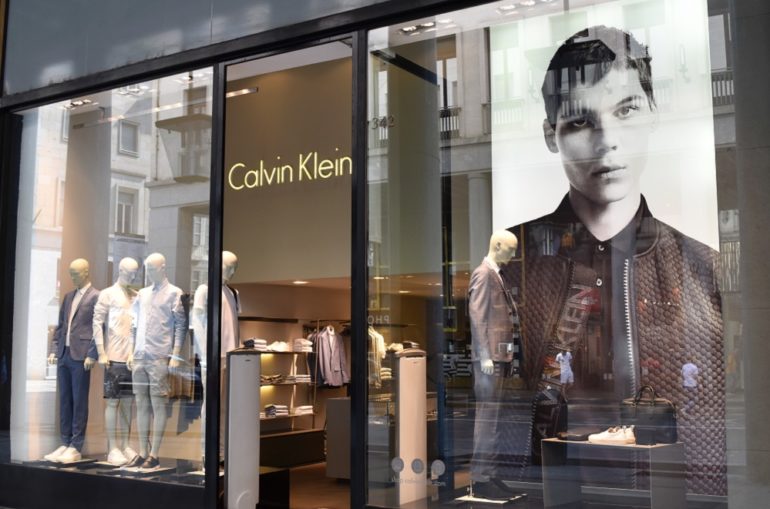
    Calvin Klein continues to solidify its footprint in South Korea with the recent opening of a chic lifestyle boutique in the stylish district of Seongsu, Seoul. The new outlet marries the sleek minimalism that is synonymous with Calvin Klein, with the industrial charm of the Seongsu neighborhood.

    The boutique, nestled in Seongdong-gu, gracefully spans three floors and cleverly integrates elements of the building’s original blueprint. An atrium breathes life into the space, which also boasts customized fixtures contributing to its unique aesthetic.

    A Shopping Experience Across Three Levels

    The boutique’s ground floor is a homage to Calvin Klein’s renowned denim collection. Here, shoppers can explore a variety of fits, fabrics, and the brand’s seasonal styles, promising something to suit every fashion-forward client.

    Moving to the second floor, Calvin Klein’s array of lingerie and underwear take the spotlight. This level also showcases the brand’s outerwear, knitwear, and accessory lines, as well as other seasonal collections, offering a comprehensive shopping experience for the discerning buyer.

    The boutique reserves its third floor for personal styling appointments, ensuring that customers receive a dedicated and personalized service to help them put together their perfect Calvin Klein ensemble.

    “We are thrilled to strengthen our brand’s presence in what is arguably one of Asia’s leading fashion and cultural hubs,” stated representatives from Calvin Klein.

    Questions & Answers

    What is unique about the new Calvin Klein boutique in Seongsu, Seoul?
    The new boutique blends Calvin Klein’s minimalist aesthetic with the industrial character of Seongsu. It spans three levels, each dedicated to different collections, and features an atrium and custom fixtures.

    What collections does the new boutique feature?
    The boutique showcases Calvin Klein’s popular denim and underwear collections. It also offers outerwear, knitwear, accessories, and other seasonal collections.

    What services does the boutique offer?
    In addition to showcasing Calvin Klein’s wide range of collections, the boutique offers personal styling appointments on the third floor. This service allows customers to receive personalized advice on creating their perfect Calvin Klein look.

  • Starbucks Korea Closes for Sensitivity Training Following Historic Campaign Controversy

    Starbucks Korea Closes for Sensitivity Training Following Historic Campaign Controversy

    Following public disapproval over a marketing campaign, Starbucks Korea, operated by Shinsegae Group, has announced it will close all stores across the country at 3pm on June 22 for employee training related to historical awareness and social sensitivity. The coffee giant came under fire for a campaign last month that was reminiscent of a harsh military suppression of pro-democracy demonstrators in 1980, leading to significant sales losses.

    Training and Education Initiative

    E-Mart, an affiliate of Shinsegae and owner of Starbucks Korea, initiated the promotional campaign named ‘Tank Day’ tumbler on the anniversary of the Gwangju Uprising on May 18. The historical event saw the military government deploy troops and tanks to quell pro-democracy rallies. In response to the backlash, staff and executives from Starbucks Korea and E-Mart division at Shinsegae will undertake the same training on June 17 at the group’s internal training center. Shinsegae Chairman Chung Yong-jin and affiliate CEOs will partake in a separate session on June 24. Shinsegae’s decision to implement these measures reflects the gravity with which it views the recent marketing misstep and signifies its dedication to avoiding similar situations in the future. Chairman Chung has previously issued a public apology for the controversy.

    The training will be spearheaded by a history professor from Sungkyunkwan University and will delve into significant events in South Korea’s modern and contemporary history since the 1950s. A separate social sensitivity training, facilitated by a sociology professor from the same university, will focus on how businesses should take into account societal factors such as history, labor, gender, and human rights in marketing and all corporate activities.

    Introducing New Measures

    This will be the first nationwide early closure for Starbucks Korea since its establishment in the country in 1999. In light of recent events, Starbucks Korea also intends to revamp its marketing approval procedures. This includes the introduction of a social-sensitivity checklist that covers history, commemorative dates, politics, disasters, military issues, gender, violence, and hate expressions.

    As of the end of 2024, Starbucks Korea had more than 2000 stores in the country and is regarded as the leading coffee chain in terms of customer payments.

    Questions & Answers

    What spurred Starbucks Korea to close its stores for employee training?
    Starbucks Korea faced public criticism due to a marketing campaign reminiscent of a harsh military suppression in 1980, which led to a significant drop in sales. The company has decided to close all stores in the country for staff training on historical awareness and social sensitivity.

    What will the training sessions entail?
    The history awareness lecture will be conducted by a history professor from Sungkyunkwan University and will review significant events in South Korea’s modern and contemporary history. Another professor from the same university will conduct a separate social sensitivity training, focusing on how companies should consider societal issues in their operations and marketing activities.

    What changes does Starbucks Korea plan to implement moving forward?
    Starbucks Korea plans to overhaul its marketing approval procedures by introducing a social-sensitivity checklist that covers history, commemorative dates, politics, disasters, military issues, gender, violence, and hate expressions. This is aimed at ensuring such marketing missteps do not recur in the future.

  • South Korea Slaps Coupang with Record $409M Fine Over Unprecedented Data Breach

    South Korea Slaps Coupang with Record $409M Fine Over Unprecedented Data Breach

    South Korea has handed down a massive fine of 625 billion won (US$409.30 million) to e-commerce behemoth, Coupang. This follows an extensive breach of customer information and illicit collection of personal data, marking the country’s most substantial data violation penalty ever levied on a corporation.

    The nation’s Personal Information Protection Commission revealed that the New York-listed company had leaked the personal data of over 33 million customers. Notably, the company failed to identify and address the leak within the legally mandated 72-hour window.

    The fine represents approximately 1.4 per cent of Coupang’s revenue of 45 trillion won in 2025. The commission’s chairperson, Song Kyung-hee, pointed out during a Thursday briefing that the data breach happened due to Coupang’s inadequate safety measures and systems – not because of advanced hacking techniques.

    Acknowledgement and Apology

    In response to the announcement of the fine, Coupang expressed regret and offered an apology for the public distress and concern caused to its customers. Although, the company expressed disappointment that their proactive efforts to mitigate the aftermath of last year’s data leak were not fully recognized by the regulatory body’s decision.

    Coupang, headquartered in Seattle, generates the majority of its earnings in South Korea by offering speedy delivery of groceries, food, and other goods. The penalty comes on the heels of a government-led investigation earlier this year, attributing the data breach to a managerial failure.

    Investigation Findings and Implications

    The science ministry in South Korea reported that a former employee, a Chinese national, had unlawfully procured a security key, allowing unauthorized access to customer accounts. Song noted that Coupang’s flawed security system allowed a hacker to undeterredly access the personal information of all customers, even after the alleged culprit had left the company.

    In addition to the breach, the firm did not notice an abnormal increase in traffic to its customer data until alerted by a customer inquiry. Moreover, the regulator discovered that Coupang’s marketing program had illicitly collected information on the online activities of around 11 million customers without obtaining their consent.

    Song remarked that Coupang had significantly expanded its e-commerce service based on extensive customer data. However, despite its business scale, the company lacked a system to protect and manage customer information.

    Questions & Answers

    Why was Coupang fined 625 billion won by South Korea?
    Coupang was fined for a substantial breach of customer data and illegal collection of personal information, marking the largest data violation penalty ever issued by South Korea.

    What are the details of the data breach?
    The company leaked the personal data of over 33 million customers and failed to identify and address the breach within the legally mandated 72-hour window. A former employee was found to have unlawfully accessed customer accounts.

    What was Coupang’s response to the fine?
    Coupang apologized for the concern caused to the public and its customers. However, the company expressed disappointment that their proactive efforts to prevent further harm from the data leak were not fully acknowledged by the regulatory authority.

  • Uniqlo Unveils Mega-Store in Seoul: New Shopping Landmark in Koreas Myeongdong District

    Uniqlo Unveils Mega-Store in Seoul: New Shopping Landmark in Koreas Myeongdong District

    Uniqlo, a leading Japanese clothing retailer, has recently launched its most expansive store yet in South Korea. The new flagship location, situated in the Myeongdong shopping district in Seoul, marks the brand’s renewed commitment to experiential retail and targeting growth driven by tourism in the country.

    The Uniqlo Myeongdong store, comprised of three floors, covers an approximate area of 3200 square meters. The expansive space offers shoppers an exhaustive selection of the brand’s LifeWear products, including womenswear, menswear, childrenswear, and babywear.

    Personalised Shopping Experience

    The flagship store also includes distinctive UT and UTme! sections, where customers have the opportunity to design custom T-shirts and tote bags. These designs are exclusively inspired by the Myeongdong district, allowing customers to carry a piece of the area with them.

    Popular among both locals and tourists, Myeongdong is a prime shopping destination. The reopening of Uniqlo in this district comes approximately five years after the brand shuttered its previous flagship store due to the Covid-19 pandemic.

    Takao Kuwahara, co-CEO of FRL Korea, expressed that the new flagship store was envisioned as more than just a shopping destination. “Our goal is for this store to become an iconic landmark in Myeongdong. While it will cater to Korean customers, we also envision welcoming numerous international visitors,” said Kuwahara.

    Experiential Elements and Community Engagement

    The store goes beyond retail, integrating several experiential features to enhance customer engagement and strengthen community relations. The third floor is home to a ‘ReUniqlo Studio’ where customers can mend, alter, and personalize garments, extending their lifespan as part of the company’s sustainability efforts.

    Another highlight of the flagship store is a series of exhibitions showcasing Myeongdong’s rich history and culture. This initiative reflects Uniqlo’s intentions to foster a deeper connection with the local community and pay tribute to the district’s heritage.

    Earlier this year, Uniqlo’s parent company raised its full-year forecast. The anticipation of a new record year comes on the back of robust international growth and an unexpected surge in quarterly profit.

    Questions & Answers

    What does the new Uniqlo store offer to customers?
    The new Uniqlo flagship store in Myeongdong offers a comprehensive range of the brand’s LifeWear products, a personalized shopping experience through UT and UTme! zones, and a repair and customization studio called ‘ReUniqlo Studio’.

    How does the Uniqlo store aim to engage with the local community?
    Uniqlo aims to foster community ties through several experiential features, including a ‘ReUniqlo Studio’ for garment repair and customization and exhibitions that highlight Myeongdong’s history and culture.

    What are the expectations for Uniqlo’s growth?
    Following a stronger-than-expected boost in quarterly profit, the parent company of Uniqlo raised its full-year forecast, indicating the anticipation of another record year driven by strong international growth.