Tag: Korea

  • South Korean Coffee Giant, The Venti, Brews Expansion into Middle East through Key Franchise Agreement

    South Korean Coffee Giant, The Venti, Brews Expansion into Middle East through Key Franchise Agreement

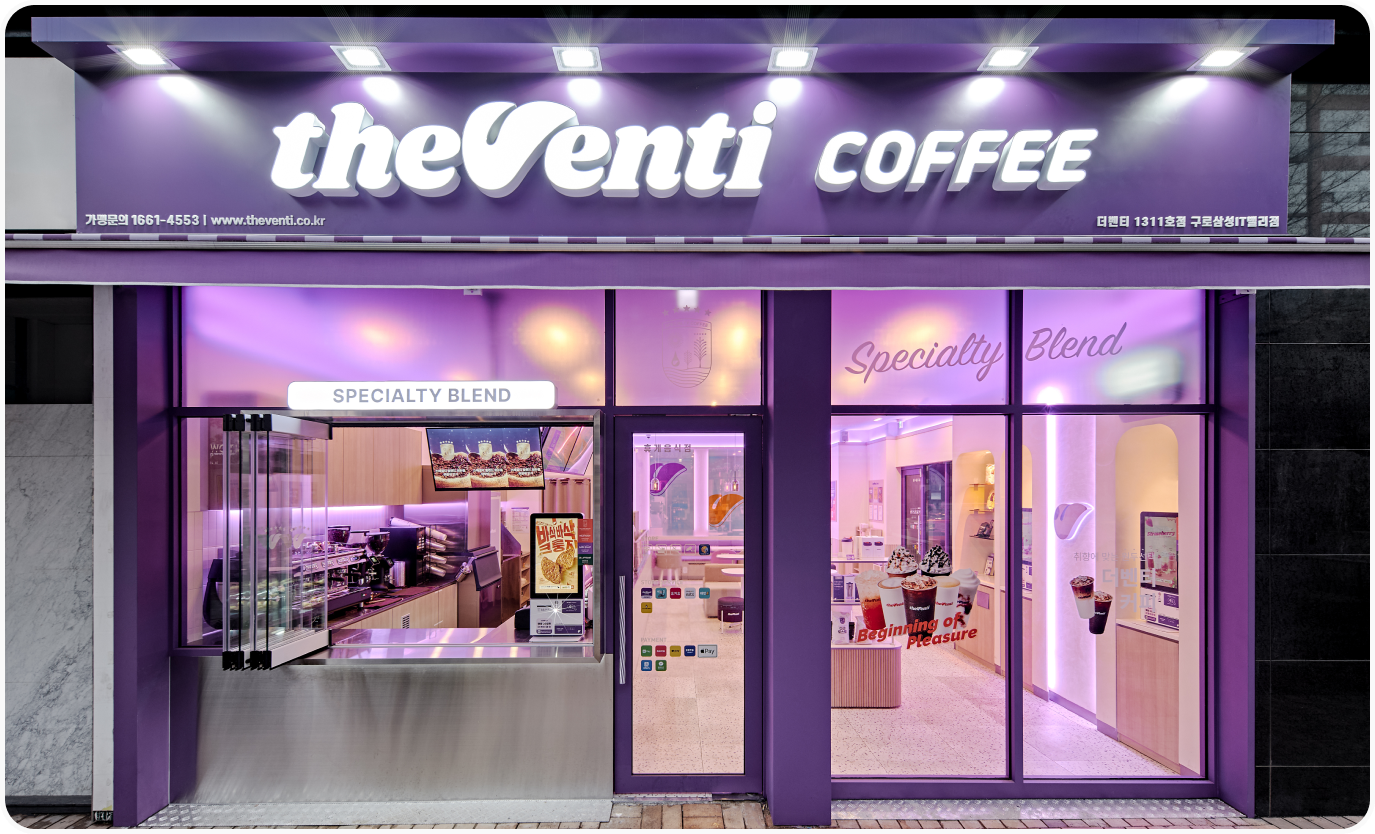
    South Korean coffee powerhouse, The Venti, has recently entered into a strategic master franchising agreement with JKT Networks. This strategic partnership aims at further expanding The Venti’s presence into the Middle Eastern market.

    First Steps Into the Middle East

    Established in Busan in March 2014, The Venti has made its first foray into the Middle East with the opening of a new outlet in Amman, Jordan. The move is part of the company’s broader strategy to expand its footprint beyond Asia, further into the Middle East and North Africa.

    A spokesperson for The Venti explained the significance of this market entry, stating, “This entry into Jordan serves as a strategic foothold aimed at expanding beyond Asia into the Middle East and North Africa. It will mark an important milestone in The Venti’s global roadmap.”

    The Venti’s Global Aspirations

    The Venti has clear intentions to become a sensory brand that forms connections between the global and local. The company is committed to respecting the cultural sensitivities of each country it operates in and strives to provide consistent brand value to its customers worldwide.

    JKT Networks: The Ideal Partner

    JKT Networks, a distributor of Korean products, is The Venti’s chosen partner for its expansion into the Jordanian market. JKT Networks’ core competency lies in catering to markets in Jordan, making it an ideal fit for The Venti. Its partner, UiL Trading, exports over 20,000 Korean products, adding further value to the partnership.

    Questions & Answers

    What is the significance of The Venti’s entry into the Middle East?
    The entry marks an important milestone in The Venti’s global expansion roadmap, serving as a strategic foothold for further expansion into the Middle East and North Africa.

    Who is The Venti’s partner for its Middle East expansion?
    The Venti has entered into a partnership with JKT Networks for its expansion into the Middle Eastern market.

    What are The Venti’s global aspirations?
    The Venti aims to become a sensory brand that connects the global and local by respecting the cultural sensitivities of each country it operates in while providing consistent brand value to customers worldwide.

  • Tim Hortons Brews Up Localization Strategy to Double South Korean Presence in 2022

    Tim Hortons Brews Up Localization Strategy to Double South Korean Presence in 2022

    Renowned Canadian coffee company, Tim Hortons, is ramping up its efforts to establish a stronger operational presence in South Korea. The firm’s objective is to more than double its store tally to a total of 50 locations within this calendar year. This strategy is underpinned by a recognition of the importance of localization in propelling its growth in an increasingly competitive coffee industry.

    Currently, Tim Hortons operates 24 outlets, with the majority situated in Seoul and its surrounding metropolitan areas. This year, the company plans to increase its store count by an additional 26, one of which will be a flagship “signature store”. This special location will feature a larger floor space and a more extensive food menu, setting it apart from the standard outlets.

    An Tae Yeol, the Chief Brand Officer of BKR, stated at a recent press conference that the company’s focus for this year would be on stores directly operated by Tim Hortons. This approach is part of their strategy to successfully navigate the fiercely competitive South Korean coffee market. The introduction of franchising is projected to commence next year, albeit with a select group of partners.

    Tim Hortons’ operations in South Korea are managed by BKR, which is also responsible for the operation of Burger King outlets in the country. Previously, the brand had set a goal to open 150 outlets within the first five years of its entry into the South Korean market in 2023.

    Questions & Answers

    What are Tim Horton’s expansion plans in South Korea?
    Tim Hortons aims to more than double its store presence in South Korea within this year, increasing its footprint from 24 to 50 outlets. The company plans to establish a flagship “signature store” with a larger floor space and a broader food menu.

    How does Tim Hortons plan to manage its growth in the highly competitive South Korean coffee market?
    Tim Hortons plans to focus on company-operated stores for the upcoming year as a strategy to remain competitive in the South Korean coffee industry. The company also plans to introduce franchising by next year with a limited number of partners.

    Who operates Tim Hortons in South Korea?
    Tim Hortons in South Korea is operated by BKR, the same company that runs Burger King outlets in the country.

  • Damiani Debuts First Flagship Store in Seoul: A Taste of Italian Luxury in Korea’s Gangnam District

    Damiani Debuts First Flagship Store in Seoul: A Taste of Italian Luxury in Korea’s Gangnam District

    Damiani, the esteemed Italian jewellery manufacturer, has proudly unrolled its first flagship store in South Korea. This exciting new venture is nestled in the bustling Gangnam District of Seoul.

    The Essence of Casa Damiani Seoul

    The boutique, christened Casa Damiani Seoul, draws its inspiration from the warmth and charm of traditional Italian homes. The space has been thoughtfully designed to foster a hospitable and inviting atmosphere, where customers can explore and appreciate fine jewellery in a relaxed and comfortable setting.

    The exterior of the store is marked by a series of vertical frames that encapsulate the structure, all bathed in a sophisticated champagne-gold hue.

    The Interior Design

    Inside, the boutique boasts a distinctive selection of Italian materials. Among these are Calacatta marble, leather, and various textile finishes. The décor is further enhanced by geometric designs that are reminiscent of the Maison’s Belle Epoque collection, serving as a recurring motif throughout the interior.

    Moreover, exquisite glass creations and chandeliers, crafted by Venini—an entity within the Damiani Group—infuse an extra touch of artistry into the space.

    Celebrating the Flagship Store

    In celebration of the store’s opening, Damiani showcased the Belle Epoque Marea Cross necklace, an exquisite piece adorned with Paraiba tourmalines. The name ‘Marea’, which translates to ‘the movement of the sea’ in Italian, serves as an ode to the ocean-like hues that Paraiba tourmalines are renowned for.

    Questions & Answers

    What is the inspiration behind Casa Damiani Seoul?
    The boutique is inspired by the warmth and charm of traditional Italian homes, providing a hospitable and inviting atmosphere for its customers.

    What unique design elements are incorporated in Casa Damiani Seoul?
    The store’s design incorporates a selection of Italian materials, including Calacatta marble, leather, and textile finishes. Geometric designs inspired by the Maison’s Belle Epoque collection serve as a recurring motif.

    What is the Belle Epoque Marea Cross necklace?
    The Belle Epoque Marea Cross necklace is an exquisite piece adorned with Paraiba tourmalines. The name ‘Marea’ references the ocean-like hues for which Paraiba tourmalines are known.

  • Musinsa in Race for Hoka’s South Korean Distribution Rights Amid High Competition and Growing Market Demand

    Musinsa in Race for Hoka’s South Korean Distribution Rights Amid High Competition and Growing Market Demand

    South Korean fashion and lifestyle company, Musinsa, is said to be currently in discussions to obtain the local distribution rights for Hoka, a well-known performance footwear brand. The talks are reportedly taking place with Deckers Outdoor Corporation, the American parent company of Hoka, as Musinsa seeks to handle the brand’s import and distribution within South Korea.

    Interest From Major Fashion Groups

    Musinsa is not alone in its interest in the brand. Other notable fashion companies, such as Shinsegae International and LF Corp, are also rumored to be considering placing their bids. This interest underscores the intense competition for the distribution rights of Hoka within the domestic market.

    Scrutiny Over Hoka’s Current Distribution

    Hoka’s current distribution within Korea has fallen under public scrutiny due to allegations of misconduct by the CEO of its current local partner, Joyworks & Co. This has resulted in significant public backlash. Whilst Deckers has not formally announced any changes or terminations to its current distribution arrangement, these developments have led to speculation that the company might be reconsidering its local strategy.

    Increasing Demand for Hoka in South Korea

    Hoka’s footwear has been experiencing growing demand amidst a surge in participation in outdoor activities and running in South Korea. The brand’s shoes have been gaining popularity amongst consumers focused on performance and lifestyle shoppers alike.

    Musinsa’s Expansion Strategy

    Musinsa’s interest in Hoka fits perfectly into its wider expansion strategy. Last year, Musinsa established a presence in the Chinese market through a joint venture with Anta Sports, leading to the creation of Musinsa China. This move was aimed at supporting growth across both online and offline retail channels.

    Questions & Answers

    What is the current status of Hoka’s distribution within South Korea?
    Hoka’s current distribution within South Korea, managed by Joyworks & Co, has recently come under public scrutiny due to allegations of misconduct by Joyworks & Co’s CEO.

    Who is interested in obtaining the domestic distribution rights for Hoka?
    South Korean fashion and lifestyle company Musinsa, along with other major fashion groups such as Shinsegae International and LF Corp, have expressed interest in acquiring the distribution rights.

    What is driving the growing demand for Hoka in South Korea?
    The increasing participation in outdoor activities and running in South Korea is driving the growing demand for Hoka’s footwear. The brand’s shoes are gaining popularity amongst performance-focused consumers and lifestyle shoppers.

  • US Investors Seek Govt. Probe into South Korea over Alleged Unfair Treatment Post Coupang’s Data Breach

    US Investors Seek Govt. Probe into South Korea over Alleged Unfair Treatment Post Coupang’s Data Breach

    Two prominent American investors in South Korean e-commerce giant, Coupang Inc., have lodged formal complaints with the US government. They are seeking an investigation into what they perceive as prejudiced actions by the South Korean government against the company.

    Investors Call for Investigation

    Greenoaks and Altimeter, the two tech investment firms, have also initiated arbitration proceedings against South Korea. They cite the US–Korea Free Trade Agreement (KORUS) and accuse Seoul of leading an aggressive campaign against Coupang in the wake of a significant consumer data breach. This breach, they claim, has led to billions of dollars in investor losses.

    The petition follows Coupang’s disclosure in November that the personal data of approximately 33 million South Korean customers had been compromised. The breach led to substantial public and political backlash, resulting in comprehensive investigations and multiple lawsuits from both investors and consumers.

    The investors have petitioned the US Trade Representative (USTR) to scrutinize South Korea’s actions and impose “appropriate trade remedies.” These could potentially include sanctions and tariffs, as they assert that the response to the data incident exceeds standard regulatory enforcement measures.

    Potential Implications

    The situation could escalate this corporate dispute into a potential intergovernmental trade conflict, leveraging US trade law and international treaties to challenge the actions of South Korean authorities. However, there has been no comment thus far from the USTR.

    South Korean President Lee Jae Myung has previously advocated for stringent penalties following the Coupang data incident. He reiterated at a recent press conference that South Korea will address this issue impartially, adhering strictly to the country’s legal framework and principles.

    South Korea’s Trade Minister, Yeo Han-koo, earlier dismissed accusations of discrimination against Coupang. He argued that significant data leaks, coupled with Coupang’s inadequate response, should be viewed separately from trade and diplomatic issues. He stated that in a similar situation, US authorities would naturally retaliate in the same manner against a Korean business operating in the US.

    Investor Accusations

    The investors accuse the South Korean government of initiating an extensive government response to undermine Coupang’s operations, including labor, financial, and customs investigations seemingly unrelated to the data breach.

    Marney Chee, a partner at Covington representing Greenoaks, expressed concerns over both the magnitude and speed of the government’s response. He stated that such actions have led to substantial damages and pose a threat to their Coupang investment’s value.

    Since the company disclosed the data breach at the end of November, Coupang’s shares listed on the New York Stock Exchange have fallen by around 27%. The investors aim to halt what they deem as prejudiced conduct and seek to reinstate fair and predictable business conditions for US companies operating in South Korea.

    Future Implications

    The formal notice sent via KORUS initiates a 90-day ‘cooling-off’ period for consultation before the commencement of full arbitration proceedings. Separately, the USTR has up to 45 days to determine whether to initiate a formal investigation. This step could pave the way for public comments, hearings, and possible US countermeasures, including tariffs on South Korean goods and services.

    Greenoaks, one of the alleging parties, was founded by Coupang board member Neil Mehta. Greenoaks and related entities hold more than $1.4 billion worth of Coupang shares. In 2023, Coupang also partnered with Greenoaks to acquire luxury fashion platform Farfetch in a deal worth $500 million.

    Questions & Answers

    What are the investors accusing the South Korean government of?
    The investors, Greenoaks and Altimeter, accuse the South Korean government of discriminatory treatment of Coupang following a significant consumer data breach.

    What is the potential impact of this dispute?
    This disagreement could escalate from a corporate dispute to a government-to-government trade issue, potentially resulting in US sanctions and tariffs against South Korea.

    What is the investors’ ultimate goal?
    The investors are seeking an end to what they perceive as prejudiced conduct by the South Korean government and are calling for the reinstatement of fair and predictable business conditions for US companies operating in South Korea.

  • Amouage Makes a Fragrant Debut in Seoul with Exotic Pop-Up Store Ahead of Permanent Expansio

    Amouage Makes a Fragrant Debut in Seoul with Exotic Pop-Up Store Ahead of Permanent Expansio

    Amouage, a luxury fragrance house, has made its inaugural entry into the South Korean market with the establishment of its first pop-up boutique in Seoul. This marks a major step in the company’s broader growth strategy across Asia.

    Strategically Located Temporary Boutique

    The temporary boutique is conveniently situated in Apgujeong, in proximity to Dosan Park. This pop-up store is a precursor to a permanent flagship store, which is slated to open in the same location in the near future.

    The primary objective of the pop-up boutique is to build Amouage’s brand recognition and gauge consumer response prior to making a long-term commitment to a retail presence in the region.

    Inspiration and Design

    The design of the boutique draws inspiration from Oman, the birthplace of Amouage. Architectural elements echo the country’s mountainous landscapes and traditional falaj water systems. The interior design incorporates stone textures, geometric details, and a warm colour palette to create a refined, minimalist space with subtle nods to Omani culture.

    Services and Collection

    In addition to its fragrance collection, the boutique provides a variety of personalised services such as engraving and gift wrapping. The store layout promotes exploration and discovery, offering a shopping experience that deviates from the traditional, high-density retail format.

    Amouage initially made its presence felt in South Korea through a personalised space at Hyundai Duty Free. The recent launch in Seoul is in line with the brand’s ongoing expansion efforts in the Asia-Pacific region. In 2024, Amouage collaborated with Luxasia to penetrate markets in Australia, India, Indonesia, New Zealand, and the Philippines.

    Questions & Answers

    What is the main purpose of Amouage’s pop-up boutique in Seoul?
    The main purpose of the pop-up boutique is to build Amouage’s brand recognition and gauge consumer response in South Korea prior to making a long-term commitment to a retail presence in the region.

    What unique characteristics define the design of the boutique?
    The boutique’s design draws inspiration from Oman, the birthplace of Amouage, with architectural elements reflecting the country’s mountain landscapes and traditional falaj water systems. The interior design integrates stone textures, geometric details and a warm colour palette to create a refined, minimalist space with subtle references to Omani culture.

    What services are offered by the boutique apart from its fragrance collection?
    In addition to its fragrance collection, the boutique provides personalised services such as engraving and gift wrapping. The layout of the store encourages exploration and discovery, deviating from the traditional high-density retail experience.

  • Franchise Industry Jolted: Korean Supreme Court Orders Pizza Hut to Refund Billions Amid Unlawful Fee Controversy

    Franchise Industry Jolted: Korean Supreme Court Orders Pizza Hut to Refund Billions Amid Unlawful Fee Controversy

    The franchise industry in South Korea is preparing for potentially significant legal and financial repercussions following a recent Supreme Court of Korea mandate. The court has ordered Pizza Hut Korea to reimburse billions of won in illicitly charged fees to franchise owners. This verdict could potentially initiate a chain reaction of similar lawsuits across various sectors, including food, retail, and service chains.

    Reimbursement of ‘Margin Franchise Fees’

    Earlier this week, the court upheld previous rulings necessitating Pizza Hut to refund 21.5 billion won (approximately US$16 million), termed as “margin franchise fees”. These fees were amassed from 94 franchisees between 2016 and 2022.

    The controversial charges surrounded markups included in the prices of ingredients and supplies sold by the franchisor. The fees were declared unlawful because they were not explicitly agreed upon in the franchise contracts. This was in addition to separate royalties and advertising fees charged by Pizza Hut.

    Potential Implications of the Ruling

    Legal experts and industry officials have speculated that this ruling could have far-reaching effects. Around 20 brands, spanning major fried chicken, burger, and coffee chains, are presently facing lawsuits from franchisees demanding reimbursement of similar margin-based expenses. As store owners re-examine older contracts inked before the disclosure rules were strengthened, more cases are anticipated.

    The court discovered that Pizza Hut had been charging a fixed royalty of 6% of gross revenue in addition to advertising fees of around 5%. Moreover, the company was also making undisclosed profits on compulsory supplies. The franchise agreements did not explicitly authorize these margins, leading the court to conclude that the company had been unjustly enriched.

    Pizza Hut began disclosing margin rates in its information statements starting in 2020. However, the courts ruled that disclosure alone did not equate to consent. In the absence of clear disclosure for several years, judges accepted estimated rates derived from subsequent data. This was due to Pizza Hut’s failure to fully comply with the orders to produce documents.

    Concerns and Criticism

    Franchise operators have cautioned against universally applying the Pizza Hut precedent. Some have argued that different brands do not charge royalties or have varying contractual structures. Hence, the specific circumstances of each case should be evaluated independently.

    Moreover, South Korea had revised its franchise law in 2024 to mandate explicit disclosure of margin-based fees in contracts. This could potentially protect more recent agreements from challenges.

    Nevertheless, industry groups are apprehensive about a potential influx of retrospective claims targeting older contracts. Historically, many franchisors have relied on supply margins rather than transparent royalties for their profits. According to a government survey from last year, over 60% of franchisors either solely depended on margin fees or combined them with royalties.

    Critics argue that the ruling has brought to light the longstanding lack of transparency in the sector. Hwang Yong-sik, a business professor at Sejong University, has advocated for a gradual transition towards clearer, royalty-based models, which are more prevalent in the United States.

    At present, the verdict has increased uncertainty within South Korea’s franchise industry. Companies are assessing potential liabilities, and franchisees are contemplating whether the Pizza Hut verdict could provide a blueprint for recovering past payments.

    Questions & Answers

    What was the ruling of the Supreme Court of Korea in the Pizza Hut Korea case?
    The court ordered Pizza Hut Korea to reimburse billions of won in improperly charged ‘margin franchise fees’ to 94 franchisees, collected between 2016 and 2022.

    What are the potential implications of this ruling?
    The verdict could lead to similar lawsuits across various sectors, including food, retail, and service chains. Around 20 brands are currently facing similar lawsuits. More cases are expected as store owners reassess older contracts.

    What changes have been suggested for the franchise industry in South Korea?
    Some critics, including business professor Hwang Yong-sik, have called for a gradual shift towards clearer, royalty-based models. This would increase transparency in the franchise sector and align it more closely with practices common in the United States.

  • Salady, the Korean Salad Chain, Makes Fresh and Flavorful Debut in the Philippines

    Salady, the Korean Salad Chain, Makes Fresh and Flavorful Debut in the Philippines

    Salady, a popular salad chain from Korea, has recently inaugurated its first outlet in the Philippines. This strategic move was made possible through a master franchise agreement with a local partner, Palette Passion Inc.

    Salady has opted for a franchise-led model, which permits a more streamlined and efficient expansion of their brand. Instead of directly entering new markets, this model enables Salady to license out its brand, facilitating faster growth and brand recognition.

    Signature Offerings

    Salady’s menu merges the comfort of Korean-inspired food with the health benefits of salads and wraps. Their signature dishes include the Bulgogi Bibim Grain Bowl, Bulgogi Soba Bowl, and a range of Mexican-style wraps.

    In addition to their pre-set menu, Salady also offers customers the opportunity to customize their own bowls and wraps. A wide assortment of meats, sauces, and vegetables are available for patrons to select and create their unique culinary masterpiece.

    Expansion into the Southeast Asian Market

    Oh Se-deok, the head of Salady’s international business division, expressed that venturing into the Philippine market was a logical progression for the brand’s expansion in Southeast Asia.

    He noted, “The wellness dining market in the Philippines is witnessing exponential growth, primarily driven by a young and dynamic consumer base.”

    Se-deok further added that through collaboration with their local partner, the company aims to introduce premium ingredients and distinctive Korean-style healthy dining options. This initiative is expected to organically infuse Korean’s healthy food culture into everyday life around the globe.

    Questions & Answers

    What is Salady’s strategy for global expansion?
    Salady employs a franchise-led model for global expansion, allowing local partners to license its brand for new outlets rather than directly opening new stores in foreign markets.

    What does Salady’s menu offer?
    Salady offers Korean-inspired comfort food in the form of salads and wraps. Their menu includes signature dishes like the Bulgogi Bibim Grain Bowl and Bulgogi Soba Bowl. They also provide an option for customers to custom-make their own bowls and wraps.

    What is the driving force behind Salady’s expansion into the Philippines?
    The rapidly growing wellness dining market, propelled by a young and dynamic consumer base, makes the Philippines an attractive destination for Salady’s expansion in Southeast Asia.

  • Arirang 6 Satellite: South Korea’s High-Tech Hope Battles New Launch Setbacks

    Arirang 6 Satellite: South Korea’s High-Tech Hope Battles New Launch Setbacks

    South Korea’s multipurpose practical satellite, Arirang 6, has experienced another postponement in its launch schedule, further emphasizing the nation’s dependence on foreign launch services and the consequential lack of control over scheduling. The Korean AeroSpace Administration (KASA) has been informed of the delay by the European launch service provider Arianespace. Initially set for launch in early 2025, the launch of Arirang 6 is now slated for the third quarter of 2026 or later.

    Arirang 6: A High-Resolution Satellite

    Arirang 6, also known as KOMPSAT-6, is a high-resolution synthetic aperture radar (SAR) Earth observation satellite that can operate irrespective of weather conditions or time of day. The satellite boasts the capability to identify objects as small as 50 centimeters in both horizontal and vertical dimensions. This has led the South Korean government to invest around KRW 370 billion in the program, acknowledging its significance in national security, disaster response, and environmental monitoring.

    Despite the completion of its development several years ago, the satellite has not yet entered orbit owing to recurring delays associated with foreign launch vehicles. The latest delay is due to problems affecting Platino-1, Italy’s high-resolution SAR satellite, slated to share the launch on Arianespace’s Vega C rocket.

    European Payloads Take Priority

    As the Vega C is a European-developed launch vehicle spearheaded by the Italian Space Agency, European payloads are given priority. This means that the launch timeline of Arirang 6 remains dependent on the progress of Platino-1’s development. In the previous year, issues related to Platino-1 resulted in an earlier delay of the Korean satellite’s launch.

    Arirang 6 finished the final assembly and space environment testing in August 2022, marking the culmination of a development effort that commenced in 2012. Since then, the satellite has been stored at the Korea Aerospace Research Institute’s satellite development facility in Daejeon, awaiting a confirmed launch window.

    Multiple Disruptions

    The mission has encountered several disruptions over the past few years. Initially, South Korea planned to launch Arirang 6 from Russia in 2020, but development delays moved the schedule to the latter half of 2022. The Russia-Ukraine conflict subsequently made Russian launch options impossible, compelling Seoul to look for an alternative provider.

    In 2023, South Korea chose Arianespace’s Vega C rocket for the launch. However, another setback occurred when Vega C had a mission failure in December 2022, leading to a suspension of flights and a thorough safety review. These concerns resulted in further postponements: first to December 2024, then to the latter half of 2025, before the most recent delay pushed the timeline to 2026.

    Industry experts caution that countries without independent launch capabilities are extremely susceptible to schedule disruptions in the international launch market. Major providers like SpaceX and Arianespace prioritize domestic or strategic payloads, often leaving foreign customers vulnerable to delays beyond their control.

    Although South Korea has improved its domestic launch capabilities through the Nuri (KSLV-II) rocket program, analysts observe that the country has not yet fully incorporated its indigenous launch systems with high-value, operational satellites like Arirang 6.

    Questions & Answers

    What is Arirang 6?
    Arirang 6, also known as KOMPSAT-6, is a high-resolution synthetic aperture radar (SAR) Earth observation satellite that can operate irrespective of weather conditions or time of day.

    Why has the launch of Arirang 6 been delayed?
    The launch of Arirang 6 has been postponed due to recurring delays related to foreign launch vehicles. The most recent delay is due to problems with Italy’s high-resolution SAR satellite, Platino-1.

    What challenges is South Korea facing in its satellite launch capabilities?
    Although South Korea has improved its domestic launch capabilities, the country has not yet fully integrated its indigenous launch systems with high-value, operational satellites. This has left it vulnerable to schedule disruptions in the international launch market, as seen with the repeated delays in the Arirang 6 launch.

  • Revolutionizing AI: SK Telecom Unveils A.X K1, Korea’s First Hyperscale AI Model

    Revolutionizing AI: SK Telecom Unveils A.X K1, Korea’s First Hyperscale AI Model

    SK Telecom has launched ‘A.X K1’, the first hyperscale artificial intelligence (AI) model in South Korea with an impressive 519 billion parameters. This ambitious project is aimed at helping the country emerge as a major global player in the AI arena, following in the footsteps of AI giants like the U.S. and China. The comprehensive AI ecosystem that A.X K1 creates spans a multitude of areas, from semiconductors to services.

    Boosting Global Competitiveness of Korean AI

    A.X K1 is a significant leap forward in enhancing the worldwide competitiveness of Korean AI, a field currently controlled by the U.S and China. Unlike conventional AI models that absorb knowledge, A.X K1 functions as a ‘Teacher Model’, imparting knowledge to smaller models, notably those below 70 billion parameters. It also serves as a critical digital social overhead capital (SOC) that underpins the AI ecosystem. The SKT consortium plans to extend its research, enabling A.X K1 to transmit its knowledge to smaller, specialized models, thereby fuelling innovation in Korea.

    AI models, particularly those with over 500 billion parameters, demonstrate enhanced stability in complicated mathematical reasoning and multilingual comprehension. This capability makes them suitable for complex tasks such as high-complexity coding and agent-based execution.

    Enhancing Nationwide AI Accessibility

    The SKT consortium is committed to improving AI accessibility across the nation by disseminating A.X K1 through A (A-DoT), a service that boasts over 10 million subscribers. The consortium’s objective is to establish an ‘AI for Everyone’ framework enabling the public to readily access AI via various means, including phone calls, text messages, web-based services, and mobile applications.

    Liner, part of the SKT consortium, offers expert knowledge search services to its 11 million global subscribers. With A.X K1, it is poised to provide highly accurate, reliable multi-language search services.

    Boosting Industrial Competitiveness

    A.X K1 is expected to enhance industrial competitiveness by providing AI solutions such as A. Biz for manufacturing, real-time character dialogue for Krafton’s games, and autonomous behavior for humanoid AI robots.

    The AI model will also play a pivotal role in testing the competitiveness of Korea’s semiconductor industry. AI models that can handle a non-standard workload scale of 500 billion operations or more are crucial for practically verifying memory bandwidth and inter-GPU communication speed, two key performance bottlenecks in high-performance AI semiconductors.

    The SKT Consortium

    The SK Telecom-led SKT consortium comprises eight organizations: SK Telecom, Krafton, 42dot, Rebellions, Liner, SelectStar, Seoul National University, and KAIST. These organizations have collaborated to construct a fully sovereign AI platform based on proprietary technologies across the entire value chain, including AI semiconductors, AI data centers (AIDCs), AI models, and AI services.

    Plans for the Future

    The SKT consortium intends to make A.X K1 available as open-source software to businesses in Korea’s AI ecosystem. The consortium plans to provide open-source access and APIs through major developer communities and SK Telecom platforms, aiming to foster seamless AI agent development.

    The consortium also aims to establish an integrated support framework for AI model development and will disclose portions of the training data used for model development. This will be done through public and private platforms, thereby increasing Korea’s overall AI competitiveness.

    Kim Tae-Yoon, the Head of Foundation Model Office at SK Telecom, commented on the development, stating that it marks a significant moment in Korea’s journey to become one of the top three AI nations in the world.

    Questions & Answers

    What is the A.X K1 AI model?
    A.X K1 is the first hyperscale artificial intelligence model introduced in South Korea. It has 519 billion parameters and is designed to enhance the country’s global AI competitiveness.

    What role will A.X K1 play in Korea’s AI ecosystem?
    A.X K1 will serve as a ‘Teacher Model’, transferring knowledge to smaller AI models. It will enhance AI accessibility nationwide and boost industrial competitiveness. The model will also serve as a testbed for the country’s semiconductor industry.

    What is the aim of the SKT consortium?
    The consortium aims to build a comprehensive AI ecosystem in South Korea, improve AI accessibility, and boost the country’s global AI competitiveness. It plans to make A.X K1 available as open-source software to businesses and provide support for AI model development.

  • Tourism Trends Shift in South Korea: Visitors Opt for Affordable, Lifestyle Retail Over Luxury Shopping

    Tourism Trends Shift in South Korea: Visitors Opt for Affordable, Lifestyle Retail Over Luxury Shopping

    Tourists visiting South Korea are increasingly opting for value-driven shopping experiences that align with their personal preferences, marking a departure from the previously popular high-end, large-scale purchases. This shift in consumer behaviour has been highlighted in recent data from the Korea Tourism Organization (KTO).

    Shift in Shopping Patterns

    A comprehensive analysis of foreign credit card transactions from 2018 to September 2024 reveals that shopping remains the primary expenditure for tourists, accounting for 51 percent of total spending. Notably, the nature of these purchases has transitioned over time. The average amount spent per transaction has dropped from 150,000 won in 2019 to 120,000 won in the current year, despite an overall increase in per-person spending by 83 percent. This surge can be attributed to a significant 124 percent rise in the number of purchases, indicating tourists are buying a larger quantity of items at lower prices.

    According to KTO, this change signifies a growing predilection for moderately priced goods and lifestyle products that embody a unique Korean aesthetic. For instance, sales at ‘gacha’ toy capsule shops have seen a remarkable 142 percent rise in the first nine months of the current year compared to the same period in the previous year. Similarly, transactions at stationery stores and bookstores have increased by 48.7 percent and 39.9 percent, respectively. The iconic stationery brand Artbox has seen substantial growth across transportation hubs and regional commercial districts.

    Rise in Fashion and Beauty Purchases

    The fashion sector has also benefited from this trend, recording an increase of 23.4 percent from the previous year. This is largely driven by significant growth in the purchases of underwear, sportswear, and accessories.

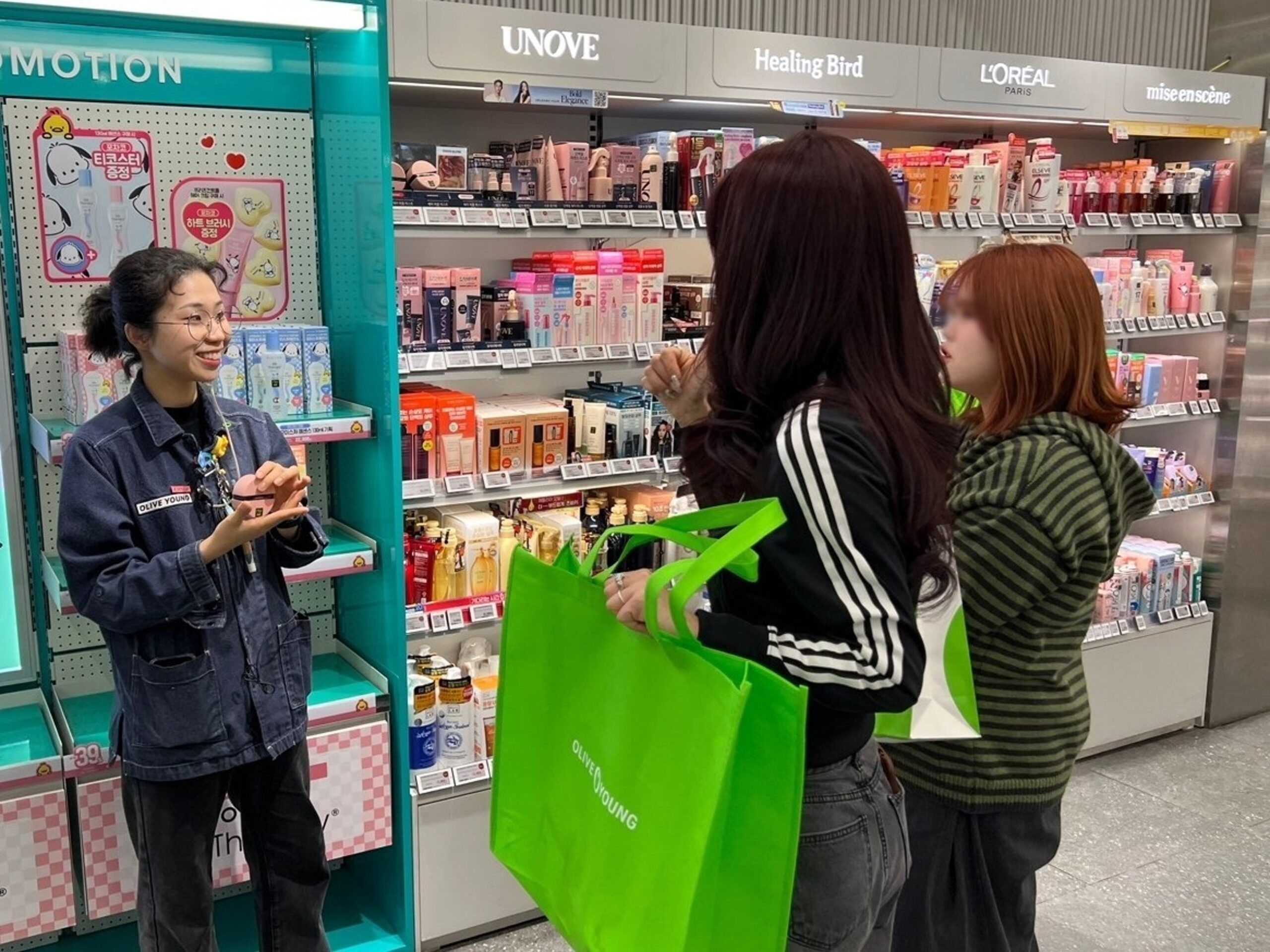
    Korean beauty and wellness-related products continue to be strong contenders in the market. Spending in these categories has seen a steady annual growth rate of 19.1 percent from 2018 to 2023, and further expanded by 40.4 percent this year. Retailer Olive Young has experienced phenomenal growth in emerging commercial areas such as Seongsu and around Gyeongbokgung. Pharmacy sales have also seen a boost due to the rising trend of everyday wellness, while the demand for traditional health foods like red ginseng and ginseng continues to ascend.

    Influence of Korean Culture

    Lee Mi-suk, head of KTO’s tourism data strategy team, commented on this evolving consumer behavior. She stated, “The move toward practical, lifestyle-driven consumption shows how Korean culture and K-content are increasingly shaping global tastes.”

    Questions & Answers

    What is the primary expenditure for tourists in South Korea?
    The primary expenditure for tourists in South Korea is shopping, accounting for 51 percent of total spending.

    How has the nature of tourist purchases in South Korea changed over time?
    The average amount spent per transaction has decreased, but the total per-person spending has increased. This suggests that tourists are buying a larger quantity of items at lower prices.

    What are some of the key sectors benefiting from the shift in tourist spending in South Korea?
    Mid-priced goods and lifestyle products have experienced a significant increase in sales. Additionally, the fashion sector, K-beauty, and wellness-related product sectors have also seen a rise in purchases.

  • CJ Olive Young Revolutionizes Wellness with New ‘Olive Better’ Store Concept in South Korea

    CJ Olive Young Revolutionizes Wellness with New ‘Olive Better’ Store Concept in South Korea

    CJ Olive Young, a prominent beauty chain in South Korea, has plans to roll out Olive Better, a wellness-oriented retail concept, in January.

    Olive Better’s Debut

    The initial Olive Better branch will be located in Gwanghwamun, a critical business hub in the heart of Seoul. A subsequent outlet is slated for Gangnam – the city’s bustling commercial precinct. These specific sites are chosen with an aim to draw in office-goers, local inhabitants, and tourists who are interested in easily getting their hands on wellness goods as a part of their daily habits.

    Olive Better will revolve around endorsing regular health and wellness. The store will offer a well-thought-out assortment of ‘inner-beauty foods’, nutritional supplements, wholesome snacks, fitness aids, aromatherapy goods, sleep aids, oral hygiene products, and dermacosmetics.

    The selection is particularly targeted at consumers ranging from the mid-20s to mid-30s who are progressively viewing wellness as a crucial aspect of their lifestyle rather than a specialized category.

    Digital Expansion

    In addition to its physical presence, Olive Better will also be accessible via the Olive Young app and website, thereby proliferating the concept throughout the retailer’s digital platforms.

    Global Scaling

    This initiative springs up as Olive Young fast-tracks its worldwide growth. The retailer announced its intention to inaugurate its first store in the US and penetrate the UAE market just last month.

    The company has also experienced robust demand from tourists. Overseas visitors spent a whopping 1 trillion won (equating to US$680 million) at its brick-and-mortar stores around the nation from January to November, marking a 26-fold surge from 2022.

    Questions & Answers

    What is the Olive Better concept?
    Answer: Olive Better is a wellness-oriented retail concept by CJ Olive Young, aiming to make wellness products a part of consumers’ daily routines.

    Who is the target consumer for Olive Better?
    Answer: The target consumers for Olive Better are individuals in their mid-20s to mid-30s who view wellness as a core lifestyle priority.

    Is Olive Better planning any international expansion?
    Answer: Yes, Olive Young, the parent company, is planning global expansion with the opening of its first store in the US and entry into the UAE market.

  • Korean Lifestyle Giant, Iicombined, Expands Retail Footprint with Haus Nowhere in Bangkok: Introduces Tamburins and Gentle Monster Flagships

    Korean Lifestyle Giant, Iicombined, Expands Retail Footprint with Haus Nowhere in Bangkok: Introduces Tamburins and Gentle Monster Flagships

    Iicombined, a Korean lifestyle conglomerate, has broadened its retail footprint by launching its multi-brand initiative, Haus Nowhere, in Bangkok, Thailand.

    Situated on IconSiam’s M floor, the store introduces two major brand flagships. One is the inaugural Tamburins store in Southeast Asia, while the other is the most expansive Gentle Monster store in Thailand.

    The novel retail destination forms part of the conglomerate’s ‘Future Retail’ idea, which is being rolled out in crucial cities worldwide. With this addition, Bangkok now houses the fifth Haus Nowhere location, following Seoul, Shanghai, Shenzhen, and Dosan.

    Tamburins, a fragrance and beauty label founded in Seoul in 2017, has now made its foray into Southeast Asia. The store maintains a complete range of products, along with unique store-only items. These exclusive offerings include a Blue Hinoki version of its Egg Perfume and a 2ml fragrance enclosed in a Puppy Case.

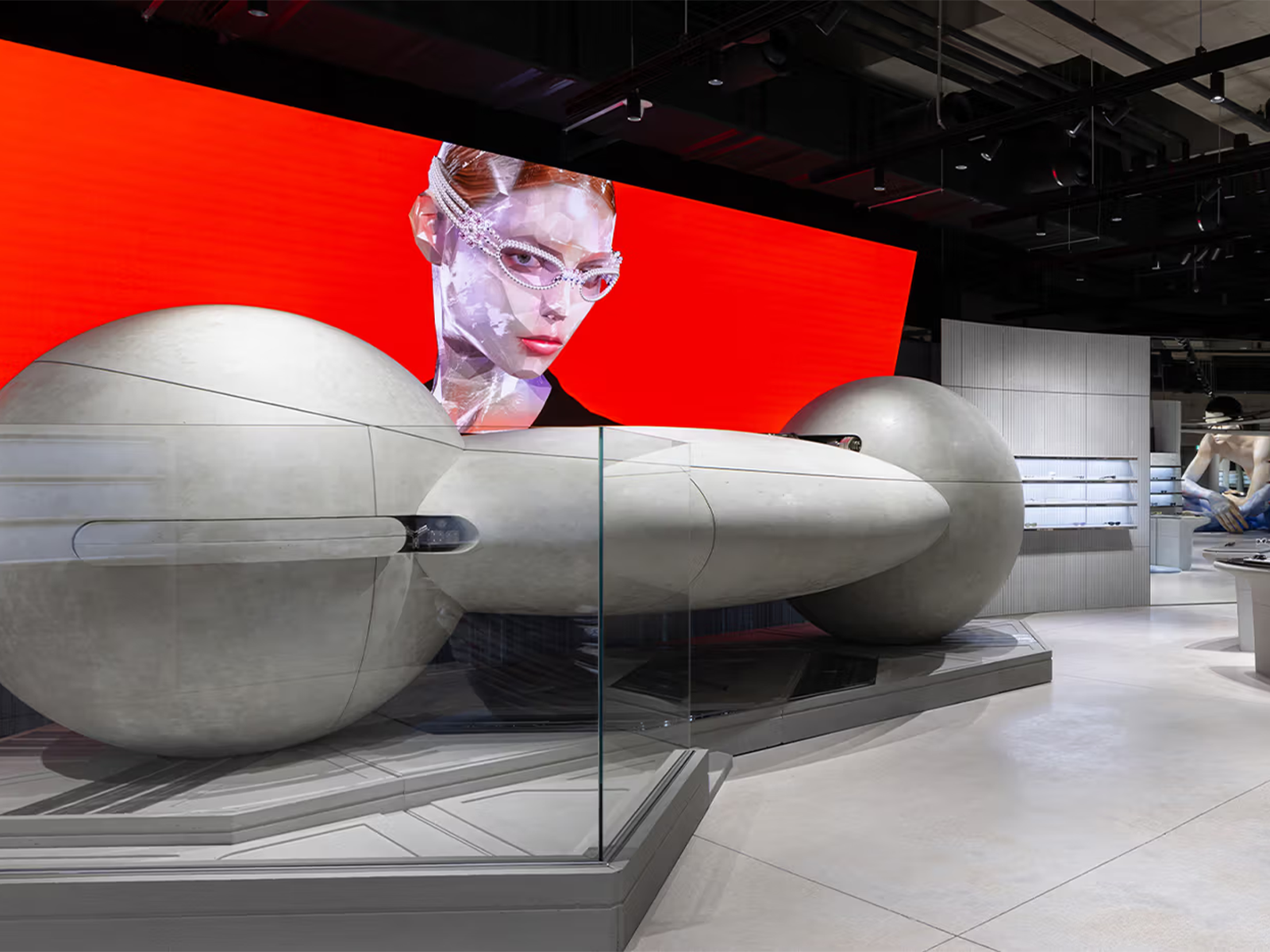
    Gentle Monster, an eyewear brand, has opened its third and largest store in Bangkok. This expansion solidifies Thailand’s position as one of the brand’s most dynamic markets in Southeast Asia.

    The new flagship store is designed based on Gentle Monster’s signature installation-led theme. This positioning further solidifies Bangkok as a critical market for the label, drawing support from both local customers and regional visitors.

    The store also showcases the ‘Sunshine Giant Dog’ art installation.

    Questions & Answers

    What is the significance of Iicombined’s new store in Bangkok?
    The new store in Bangkok introduces two significant brand flagships in Southeast Asia – Tamburins store and the largest Gentle Monster store. It represents Iicombined’s ‘Future Retail’ concept expansion into global cities.

    What are some of the exclusive products available at the new Tamburins store?
    The Tamburins store offers exclusive store-only items including a Blue Hinoki version of its Egg Perfume and a 2ml fragrance presented in a Puppy Case.

    How does the new Gentle Monster store contribute to the brand’s presence in Thailand?
    The new Gentle Monster store, being the brand’s third and largest in Bangkok, reinforces Thailand as one of its most active markets in Southeast Asia.

  • Coupang CEO Steps Down Amidst South Korea’s Largest Data Breach Scandal: Security Measures Revamped

    Coupang CEO Steps Down Amidst South Korea’s Largest Data Breach Scandal: Security Measures Revamped

    In light of a severe data breach, one of the most significant in South Korea’s history, Coupang Corp’s CEO, Park Dae-jun, has resigned. The cyberattack exposed the personal details of approximately 33.7 million customers, including their names, email addresses, phone numbers, shipping addresses, and certain order histories. However, payment details and login credentials were not compromised in the breach.

    Park’s Tenure and Resignation

    Park Dae-jun had been a part of Coupang Corp since 2012, ascending to the position of co-CEO in 2020, and subsequently becoming the sole CEO in May amid a company-wide leadership restructuring. Following the data breach incident, Park accepted responsibility for the breach and its handling, expressing his deep regret for letting down the public. He announced his decision to resign from all his positions within the company.

    In response to the significant breach, the e-commerce giant issued an apology, expressing deep regret for the anxiety caused by the data leak. The company pledged to work diligently to regain customer trust and strengthen security protocols to prevent future data breaches.

    Leadership Transition

    In the wake of Park’s resignation, Coupang Inc., Coupang Corp’s US-based parent company, has appointed Harold Rogers, the company’s chief administrative officer, as the interim CEO for the Korean branch.

    The appointment comes in the aftermath of one of South Korea’s most devastating data breaches, believed to have originated in June.

    South Korean Prime Minister Kim Min-seok announced earlier this week that the government would be investigating any possible legal violations made by the company. In response, police subsequently initiated a raid on the company’s office in Seoul.

    Under the new interim CEO, the company’s key focus will be on relieving customer anxiety, resolving the data breach issue both from within and outside the company, and restoring stability to the organization. The leadership transition signifies the parent company’s proactive approach to managing the fallout from the data leak incident.

    Questions & Answers

    Why did Coupang Corp’s CEO, Park Dae-jun, resign?
    Park Dae-jun resigned from his position due to a major data breach that exposed personal information of about 33.7 million customers.

    Who has been appointed as the interim CEO following Park’s resignation?
    Harold Rogers, the chief administrative officer of Coupang Inc., the US-based parent company of Coupang Corp, has been appointed as the interim CEO.

    What are the company’s plans following the data breach?
    The company has pledged to restore customer trust, enhance security measures, and focus on resolving the data breach issue, both internally and externally, under the new interim CEO.

  • Starlink Soars into South Korea: A Game-Changer for Maritime, Aviation, and Emergency Connectivity

    Starlink Soars into South Korea: A Game-Changer for Maritime, Aviation, and Emergency Connectivity

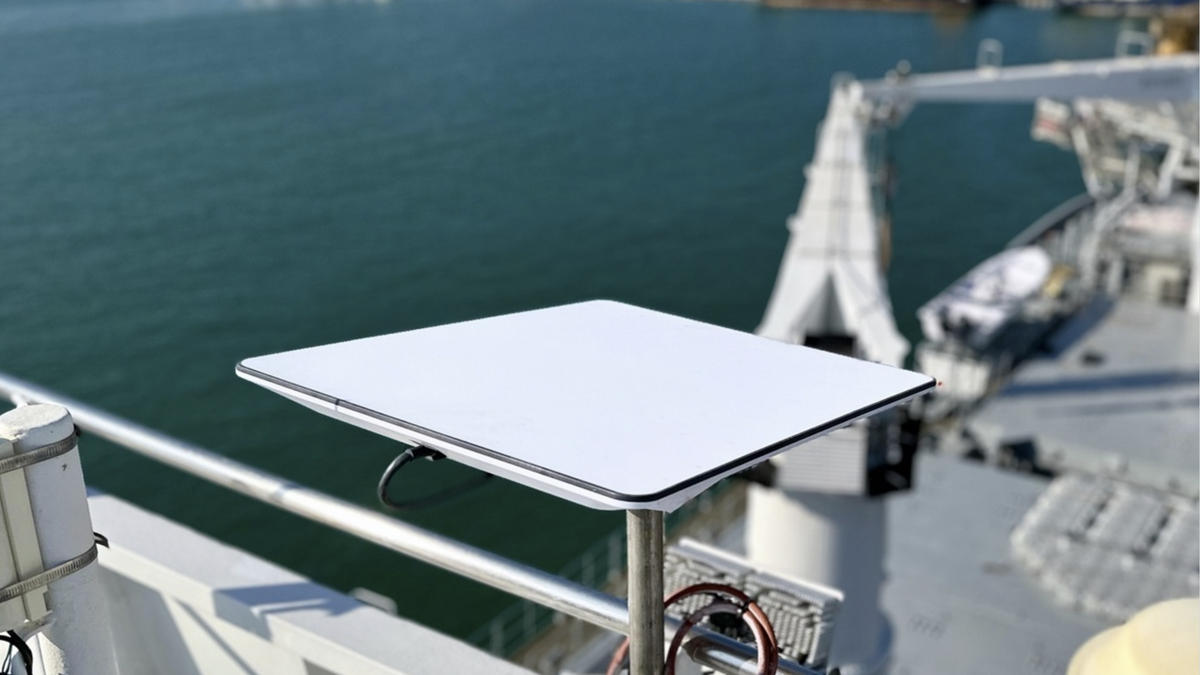
    SpaceX’s Starlink has officially extended its services to South Korea, building upon its global Low Earth Orbit (LEO) satellite system. This expansion has positioned it as a crucial facilitator of consistent connectivity for South Korea’s maritime, aviation, and emergency-response sectors.

    Starlink Korea’s Offerings

    Starlink Korea has initiated nationwide subscriptions through its official platform, providing services to both residential and enterprise customers. The residential package costs KRW 87,000 (USD 59) per month and offers unlimited data with projected download speeds of 135 Mbps and upload speeds of 40 Mbps. The pricing for customer hardware is set at KRW 550,000.

    Experts believe that Starlink’s most significant market potential in Korea is beyond residential use. Given that Korea already operates one of the world’s fastest terrestrial networks, with an LTE speed averaging 179 Mbps, LEO satellite broadband is likely to function as an additional layer in areas with limited ground-based coverage.

    The demand is anticipated to increase in the maritime, aviation, and emergency-response sectors, where traditional satellite services are expensive and provide slower performance. Despite Korea’s global rank of fifth in commercial shipping capacity, numerous vessels still encounter difficulties maintaining real-time connectivity at sea. LEO constellations, which orbit the Earth significantly closer than geostationary satellites, offer lower latency and more stable connections for ships and aircraft, thereby bolstering digital operations and mission-critical communication.

    Enterprise Services

    Starlink’s enterprise offerings aim at land-based mobile and fixed commercial users. The plans begin at KRW 90,000 per month for 50 GB and go up to KRW 755,000 for 2 TB. Data caps result in throttling to 1 Mbps download speeds and 0.5 Mbps upload speeds, although users have the option to purchase more data. These business packages incorporate prioritized bandwidth and service-level guarantees.

    Sales and technical support will be managed by local operators SK Telink and KT Sat. They will also create bespoke offerings for commercial vessels, low-cost airlines, and government agencies.

    Korea’s Strategic Direction

    The launch of Starlink also aligns well with Korea’s strategic intent to enhance disaster-resilient networks. LEO connectivity, which remains operational even when terrestrial base stations are compromised, offers a crucial backup layer for remote or mountainous areas or places with challenging infrastructure, as stated by the Electronics and Telecommunications Research Institute (ETRI).

    “This is the inception of a multi-layered communications architecture that integrates terrestrial and satellite networks,” said Song Young-geun, Head of Future Strategy at ETRI.

    Globally, Starlink operates over 7,600 satellites and caters to more than 8 million users across 115 countries, highlighting its increasing role in next-generation connectivity ecosystems.

    Questions & Answers

    What is the cost of Starlink’s residential package in Korea?

    The cost of the residential package is KRW 87,000 (USD 59) per month, which includes unlimited data with expected download speeds of up to 135 Mbps and upload speeds of up to 40 Mbps.

    Which industries are projected to benefit from increased demand for Starlink’s services in Korea?

    The maritime, aviation, and emergency-response sectors in Korea are projected to see increased demand for Starlink’s services due to their need for high-availability connectivity.

    What is the role of local operators SK Telink and KT Sat in Starlink’s operations in Korea?

    SK Telink and KT Sat will manage sales and technical support for Starlink in Korea. They will also develop tailored offerings for commercial vessels, low-cost airlines, and government agencies.