Tag: Korea

  • Monclos Unveils Flagship Store In Seoul: A Sensory Experience In Farm-to-beauty Retail Innovation

    Monclos Unveils Flagship Store In Seoul: A Sensory Experience In Farm-to-beauty Retail Innovation

    Monclos, a renowned South Korean beauty brand, recently announced the unveiling of its premiere flagship store, located in the bustling neighborhood of Hannam-dong in Seoul.

    Store Design and Layout

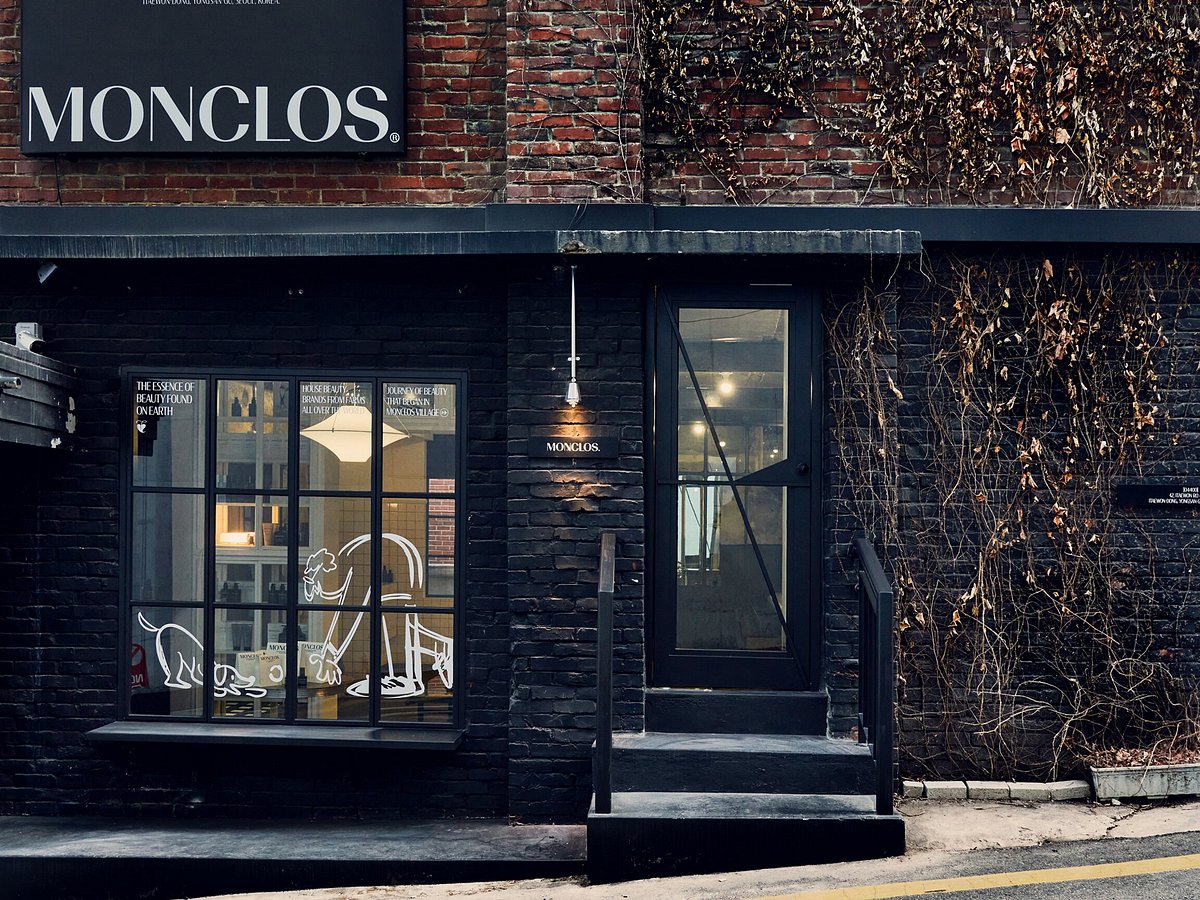
    The store’s design is a reflection of Monclos’ unique farm-to-beauty ethos, with its exterior adorned with a lush curtain of vines, an industrial-style framework, and domestic-style tiles. The interior of the store is partitioned into three distinct areas: a product testing zone dedicated to hair and body care items, a home fragrance section, and a gift area.

    Monclos places a strong emphasis on sensory engagement, creating an inviting environment where products are artfully displayed to mimic common home settings, a departure from the more traditional retail shelving approach.

    Unique Features and In-Store Experience

    The home fragrance zone offers a stunning view of a seasonal mini-garden that transforms throughout the year, adding a dynamic touch of nature to the shopping experience. Additionally, elements of the brand’s farm-inspired characters are subtly integrated into the store’s design.

    The store also offers customers the chance to put a personalized touch on their shopping experience, with the ability to create their own customized hand creams while in-store.

    A Living, Evolving Space

    Monclos describes its Hannam flagship store as a vibrant, living entity that evolves and matures with its visitors. The company emphasizes that the products on offer are not merely for purchase but are designed to infuse everyday life with a refreshing touch and awaken the senses in new and exciting ways.

    Questions & Answers

    What are the unique features of Monclos’ flagship store?
    Monclos’ flagship store features a design inspired by their farm-to-beauty ethos, with areas dedicated to product testing, home fragrances, and gifts. The store is also home to a seasonal mini-garden and offers customers the opportunity to create personalized hand creams.

    How does Monclos’ new flagship store differ from traditional retail spaces?
    Monclos’ new flagship store veers away from conventional retail layouts, instead featuring product displays that mimic everyday home settings. This creates an engaging, sensory shopping experience that offers a refreshing departure from more traditional retail environments.

    What is the vision behind Monclos’ Hannam flagship store?
    Monclos views its new flagship store as a dynamic and evolving space that grows and matures with its visitors. Products are presented not just as items for purchase, but as elements designed to rejuvenate daily life and awaken the senses.
  • CJ Foods Launches First Production Plant in Japan, Bolstering K-Food’s Global Reach!

    CJ Foods Launches First Production Plant in Japan, Bolstering K-Food’s Global Reach!

    CJ Foods has embarked on an ambitious journey in Japan by inaugurating its first production facility, marking a significant milestone in the expansion of Korean cuisine in one of Asia’s most discerning markets. The new plant, strategically located in Kisarazu City, Chiba Prefecture, spans 8,200 square meters on a sprawling 42,000-square-meter site and comes with a hefty investment of approximately $73 million (KRW 100 billion). This facility is noteworthy not only for its size but also as the first production site established by a Korean food company in Japan, with plans to manufacture the popular bibigo mandu for nationwide distribution.

    While CJ Foods already operates four dumpling factories in Japan following its acquisition of Gyoza Keikaku in 2020, the Chiba facility stands out as the company’s inaugural plant built from the ground up. This development is part of a broader strategy to enhance local sourcing capabilities, optimize supply chain efficiency, and expand market share in Japan’s vibrant frozen dumpling sector.

    The Japanese frozen dumpling market, valued at approximately $825 million (KRW 1.1 trillion), is currently dominated by gyoza-style dumplings, which account for more than half of total sales. The love affair with bibigo products is clearly on the rise — alongside the 28% surge in CJ Foods’ dumpling sales, the company also reported a striking 27% uptick in overall food sales within Japan during the first half of 2025.

    To further bolster its reach, CJ Foods has entered into a partnership agreement with ITOCHU Corporation, a formidable player in food distribution that owns the major distributor NIPPON ACCESS and the convenience store chain FamilyMart. This collaboration promises to enhance CJ Foods’ distribution network across the country.

    “The Chiba plant is a key step for our growth and sustainability in Japan,” remarked CJ Foods Vice Chairman Kang Sin-ho during the opening ceremony. “Through continuous innovation, we will speed up the global expansion of K-food.” With the Korean Wave showing no signs of slowing down, Japan emerges as CJ Foods’ next strategic market following its endeavors in the United States.

    CJ Foods’ offerings, including bibigo mandu, frozen gimbap, and an array of Korean sauces, are already available through major retailers such as AEON, Costco, Amazon, Rakuten, Don Quijote, and Ito-Yokado. In a remarkable showing, bibigo gimbap alone sold around 2.5 million units at AEON and Costco in 2024.

    Questions & Answers

    What is the significance of CJ Foods opening its new plant in Japan?
    The new plant in Kisarazu City marks CJ Foods’ first facility built in Japan by a Korean food company, aiming to enhance local sourcing and efficiency while expanding its market share in the growing frozen dumpling sector.

    How have CJ Foods’ sales performed in Japan recently?
    In early 2025, CJ Foods reported a 28% increase in dumpling sales and a 27% rise in overall food sales in Japan, reflecting a growing demand for its products.

    What strategic partnerships has CJ Foods established to strengthen its presence in Japan?
    CJ Foods has signed a partnership with ITOCHU Corporation, enhancing its distribution network through ITOCHU’s extensive reach, which includes major food distribution and convenience retailing.

  • South Korea’s Warehouse-style Pharmacies: Consumer Convenience Vs. Public Health Concerns

    South Korea’s Warehouse-style Pharmacies: Consumer Convenience Vs. Public Health Concerns

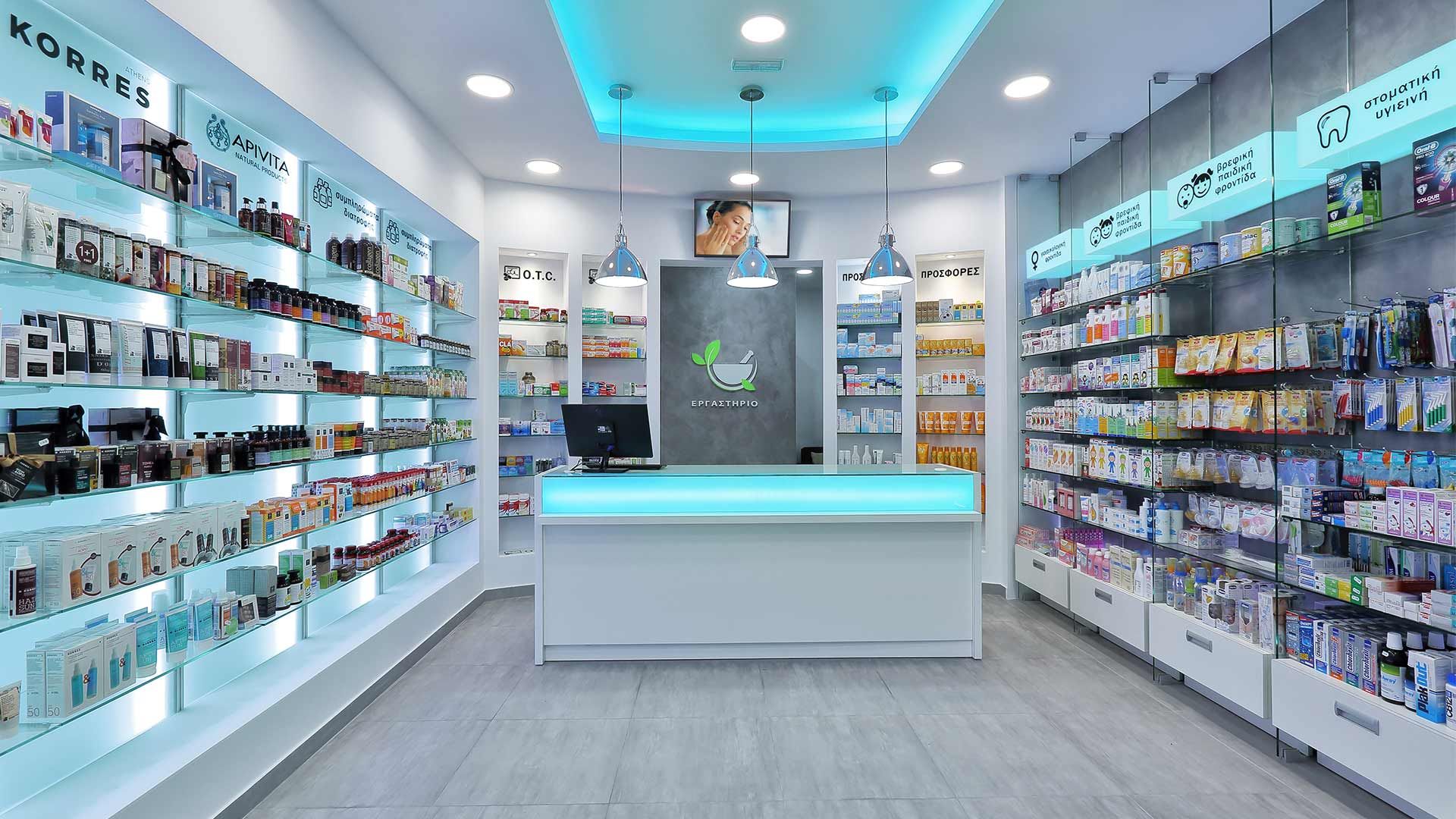
    South Korea is currently experiencing the rapid proliferation of large-scale ‘warehouse-style’ pharmacies, establishments that sell medications and wellness supplements in large quantities. This trend has sparked an intense discussion around public health and market equity.

    The Emergence of Warehouse-Style Pharmacies

    The trend of warehouse-style pharmacies was first noticed earlier this year in Seongnam, located to the south of Seoul. It has since spread to Gwangju, where two sizable pharmacies are preparing to commence operations this month. One of these pharmacies spans an area of 262 square meters, while another, yet to be launched, is expected to cover 760 square meters. Current registration guidelines allow these establishments to operate as long as they comply with legal requirements, thereby making it impossible for local governments to prevent their opening.

    Pharmacists’ Concerns

    Pharmacists’ associations have expressed serious concerns about this trend, warning about the potential risks it poses to patients and smaller community-owned pharmacies. The Gwangju Pharmaceutical Association, in particular, has issued a public statement urging a halt to the opening of new large-scale pharmacies. They emphasized that drugs are not mere consumer products but bioactive substances requiring extensive management and professional counseling.

    The Association further warned that if medicines are treated as commonplace household items in these large establishments, their misuse and abuse would inevitably increase. Such a scenario could also put more than 700 local pharmacies at risk of going under.

    Statistics support these concerns. The daily per-capita consumption of drugs in Korea has risen from 1123 in 2021 to 1432 in 2023. Over the past ten years, drug-associated fatalities have also risen by 1.7 times.

    Pharmacists also caution about the potential risks for patients with chronic illnesses who might face dangerous side effects from common analgesics or allergies caused by certain components without personalized guidance.

    Consumer Perspectives

    On the other hand, consumers see benefits in the new model. They are attracted to the cost competition and bulk display that promise more affordable medicines and increased convenience. Many shoppers, particularly those from Gwangju’s Seo district, appreciate the opportunity to have a wider variety of vitamins and supplements available under one roof.

    This debate mirrors previous conflicts around the sale of basic over-the-counter drugs at convenience stores in 2012, and the more recent surge in online sales of supplements.

    Local governments have admitted their inability to limit these openings under the current laws but have committed to rigorous monitoring. They underscored their commitment to prioritizing citizen safety by closely inspecting facilities, staffing, and adherence to regulations while working in tandem with local pharmacist groups.

    This ongoing debate underscores the growing friction between the consumer’s need for convenience and affordability and the health sector’s concerns regarding safety and societal costs.

    Questions & Answers

    What is the concern of local pharmacists about the trend of warehouse-style pharmacies?
    Local pharmacists express concern about the potential risks it may pose to both the smaller community pharmacies and patients. They worry that treating medicines as common consumer goods could lead to their misuse and abuse, jeopardizing public health.

    How has the daily per-capita consumption of drugs changed in Korea from 2021 to 2023?
    The daily per-capita consumption of drugs in Korea has increased from 1123 in 2021 to 1432 in 2023, according to the statistics.

    What is the stance of local governments on the proliferation of warehouse-style pharmacies?
    While local governments currently cannot restrict the opening of these establishments, they have pledged to maintain rigorous monitoring efforts. They aim to prioritize citizen safety by closely inspecting facilities, staffing, and regulatory compliance.

  • Lotte Shopping Expands Horizons with Plans for New Shopping Malls Across Vietnam

    Lotte Shopping Expands Horizons with Plans for New Shopping Malls Across Vietnam

    South Korean retail behemoth Lotte Shopping is poised to expand its footprint in Vietnam, planning to open two to three new large-scale shopping malls in key cities by 2030. This initiative emphasizes Vietnam’s burgeoning significance within Lotte’s global strategy for growth.

    The announcement, made by Lotte Shopping CEO and Vice Chairman Kim Sang-hyun during the “CEO IR Day” event in Seoul on September 15, aligns with the company’s ambitious “Transformation 2.0” strategy. This roadmap is designed to bolster international operations while also embracing innovative, technology-driven retail ventures as pathways for future growth.

    Currently, Lotte Shopping has established a solid presence in Vietnam with three department stores and 16 supermarkets, complementing its operations in Indonesia, which include one department store and 48 supermarkets. The company highlights the triumph of its flagship Lotte Mall West Lake Hanoi, opened in 2023; it serves as a prototype for upcoming premium shopping complexes. Kim expressed ambitions to replicate this successful model in other major cities throughout Vietnam.

    As of now, Lotte’s international ventures contribute 13% to its consolidated revenue and account for 18% of its operating profit, illustrating a robust growth trajectory. The company targets an overseas sales milestone of 3 trillion KRW (approximately US$2.2 billion) by 2030. Key components driving this expansion include initiatives such as retail consulting and collaboration with local partners to leverage distribution systems across Southeast Asia.

    In 2024, Lotte Shopping reported substantial figures, with revenue hitting KRW 13.98 trillion and an operating profit of KRW 473.1 billion. By 2030, the company anticipates reaching a revenue target of KRW 20.3 trillion, along with a goal of boosting its operating profit to 1.3 trillion KRW, nearly tripling its profit compared to levels recorded in 2024. Sounds like a retail thriller in the making!

    The CEO IR Day drew over 100 participants, including asset management experts, institutional investors, securities analysts, and banking officials. It served as a platform for Lotte to present its performance goals and strategic plans aimed at enhancing its corporate value.

    Questions & Answers

    What is Lotte Shopping’s plan for expansion in Vietnam?
    Lotte Shopping intends to open two to three large-scale shopping malls in key Vietnamese cities by 2030, as part of its broader international growth strategy.

    How does Lotte Shopping currently operate in Vietnam?
    In Vietnam, Lotte Shopping operates three department stores and 16 supermarkets, while also establishing a successful presence with its Lotte Mall West Lake Hanoi, which opened in 2023.

    What financial goals has Lotte Shopping set for 2030?
    Lotte Shopping aims to achieve KRW 20.3 trillion in revenue and increase its operating profit to 1.3 trillion KRW by 2030, significantly boosting its current profit levels.

  • Chipotle Set to Spice Up Asia with New Outlets in South Korea and Singapore!

    Chipotle Set to Spice Up Asia with New Outlets in South Korea and Singapore!

    Chipotle Mexican Grill is set to make its Asian debut in 2026, launching new locations in South Korea and Singapore as the fast-casual chain seeks to broaden its international reach amid changing consumer habits in the United States.

    The California-based chain announced it will partner with South Korea’s SPC Group to develop these new restaurants. This strategic move marks the brand’s first venture into the bustling Asian market, driven by a desire to tap into shifting dining preferences that lean towards convenience and diversity.

    “The rapidly changing dining landscape presents an incredible growth opportunity for Chipotle in Asia,” said CEO Scott Boatwright. His enthusiasm is echoed by the shifting preferences of diners who now crave more variety and convenience in their meals.

    In a series of bold moves, Chipotle also aims to open restaurants in Mexico for the first time, having recently made a splash in the Middle East through a deal with Alshaya Group targeting locations in Dubai and Kuwait.

    However, it hasn’t all been smooth sailing. The company adjusted its annual sales growth target following disappointing quarterly results driven by a decline in restaurant visits amid economic uncertainty. The impact of U.S. trade tariffs has also escalated supply-chain costs, demanding a nimble approach as the company navigates these challenges.

    Chipotle’s current international footprint includes owned and operated restaurants in Canada, the U.K., France, and Germany. With over 3,800 locations in total, the company plans to open between 315 and 345 new outlets this year alone, expressing ambitions of reaching 7,000 locations across the U.S. and Canada in the long run.

    Questions & Answers

    What markets is Chipotle entering next year?
    Chipotle plans to open its first Asian restaurants in South Korea and Singapore, marking its expansion into the Asian market.

    Who is Chipotle partnering with in South Korea?
    The company is collaborating with SPC Group, a South Korean food company, to launch these new locations.

    What challenges has Chipotle faced recently?
    Chipotle has struggled with fewer customer visits in an uncertain economy and rising supply-chain costs due to U.S. trade tariffs, which led to a lowered sales growth target.

  • South Korea Takes Action: New Restrictions on Foreign Homebuyers Aim to Stabilize Soaring Property Prices

    South Korea Takes Action: New Restrictions on Foreign Homebuyers Aim to Stabilize Soaring Property Prices

    In a bid to temper the escalating housing market, the South Korean government has stepped in, targeting particularly the vibrant skyline of Seoul and surrounding regions. The surge in property purchases by foreign buyers, especially from mainland China and Hong Kong, is significantly inflating the prices of middle and high-end homes, according to a report from the South China Morning Post.

    Data reveals a staggering rise in acquisitions: as of May, 96,955 properties have shifted hands to buyers from these territories, marking a dramatic 78.5% increase since 2020. These transactions encompass residential units, commercial spaces, and land, highlighting a trend that has not gone unnoticed by local officials.

    “We anticipate the ban will contribute to market cooling, price stabilisation, and improved access for local buyers, to some extent, as domestic buyers face strict mortgage caps, whereas foreign buyers often circumvent these through overseas financing,” commented JoAnn Hong, senior director for research and consultancy at Savills Korea.

    This new wave of restrictions, implemented recently, represents the government’s latest effort to tackle rampant speculation in the housing sector, an issue that has become politically charged for President Lee Jae-myung, who promised to alleviate living costs upon assuming office in June.

    Prior to this regulatory shift by the Ministry of Land, Infrastructure and Transport, South Korea had emerged as the ninth most sought-after destination for Chinese property investors, as reported by real estate broker Juwai IQI.

    Data indicates that foreign buyers constituted approximately 20% of residential transactions in the middle and upscale segments, particularly in and around the Seoul metropolitan area, which encompasses Incheon and Gyeonggi province. Notably, there has been a significant uptick in foreign investments in high-end properties since 2022, according to Savills’ findings.

    By the end of last year, foreigners owned just over 100,000 homes in South Korea, with Chinese nationals accounting for more than 56% of this figure. In Seoul, the influence is even more striking, with about 70% of foreign buyers hailing from China.

    This influx of Chinese investors has been a notable driver in the prime districts, frequently purchasing properties with cash or via offshore financing, thereby intensifying pressure on the upper end of the real estate market.

    The newly instituted rules stipulate that foreign buyers must now comply with a residency requirement, mandating that they reside in any property purchased. Specifically, the land ministry’s policy dictates that foreigners obtain prior approval and, once granted, must move into their new home within four months and remain there for at least two years.

    Despite these changes, skepticism lingers among experts regarding the potential effectiveness of the policy in striking a blow against soaring housing prices. Christine Li, head of research for Asia-Pacific at Knight Frank, expressed reservations, noting that foreign investment alone has had minimal impact on overall real estate prices in South Korea, particularly in Seoul.

    “The extraordinary price growth seen over the past five years was overwhelmingly driven by domestic factors,” Li said. “Foreign transactions are too small in scale to meaningfully influence overall pricing trends, though their activity can feel more visible in a handful of high-end districts.”

    Li added that demand will likely remain robust in Seoul despite the constraints, with supply shortages keeping upward pressure on prices. In a striking twist, Seoul has topped global rankings for prime residential price growth among 46 cities, boasting a staggering 25.2% annual increase, as highlighted in a recent Knight Frank study. This suggests that the city’s property prices are set to continue their upward trajectory in the foreseeable future.

    Questions & Answers

    What measures is the South Korean government taking to regulate foreign property purchases?
    The South Korean government has implemented new restrictions that require foreign buyers to obtain prior approval before purchasing property. Additionally, they must live in the property for at least two years after moving in within four months of purchase.

    How significant is the impact of foreign buyers on the South Korean housing market?
    While foreign buyers account for about 20% of residential transactions in upscale segments, experts suggest that the overall impact on housing prices is minimal, as domestic factors are the primary drivers of price fluctuations.

    What recent trends have been observed in Seoul’s real estate market?
    Seoul has witnessed a dramatic increase in property prices, with a 25.2% annual growth rate making it the top city globally for prime residential price increases, largely fueled by domestic demand and ongoing supply shortages.

  • Chipotle Announces Expansion Into Asian Market Starting With South Korea And Singapore

    Chipotle Announces Expansion Into Asian Market Starting With South Korea And Singapore

    Chipotle, a popular American fast-casual restaurant chain, has announced plans to penetrate the Asian market in the coming year. The expansion will begin in South Korea and Singapore, through a strategic collaboration with SPC Group.

    Chipotle’s Asian Debut

    The rapidly growing interest in international food and exceptional culinary experiences among Koreans and Singaporeans makes these two markets the perfect launching pad for Chipotle’s Asian journey. This perspective was shared by Heesoo Hur, the Executive Vice President and Owner of SPC Group, who underscored the familiarity and appreciation for the brand in these countries.

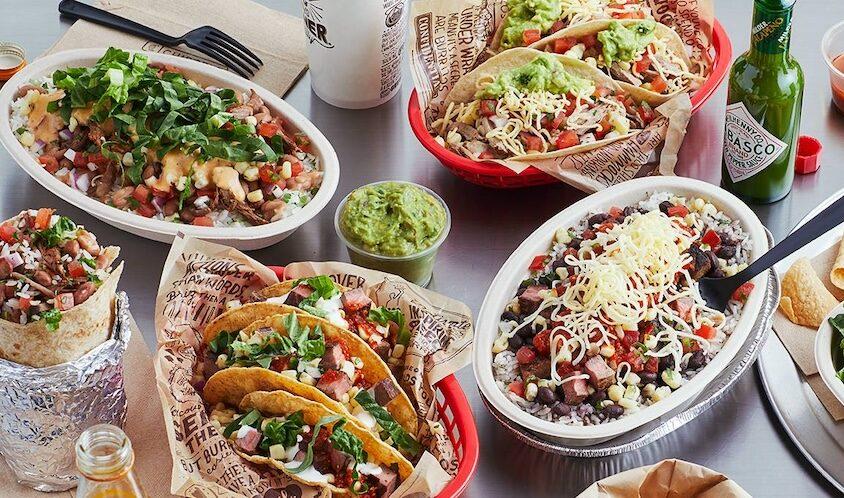
    Chipotle’s reputation for offering personalized meals using fresh ingredients, with an assortment of burritos, bowls, tacos, and salads, resonates well with the evolving food preferences in these markets. Customers can craft their meals from an array of fillings served from an assembly line, making each meal a unique dining experience.

    A Promising Growth Opportunity

    According to Chipotle’s CEO, Scott Boatwright, the move to expand into Asia represents an enormous growth potential for the brand. With the increasing demand for real, fast-prepared food coupled with significant brand recognition among consumers, he anticipates strong adoption rates from the onset.

    This expansion to Asia trails Chipotle’s series of international openings. In 2023, the company started its Middle Eastern operations by signing an agreement with Alshaya Group, resulting in six Chipotle restaurants across Kuwait and the UAE. Furthermore, Chipotle has already announced plans to establish its first eatery in Mexico next year through a deal with Alsea.

    Currently, Chipotle operates over 3,800 restaurants across the globe, with plans to inaugurate up to 345 additional locations this year. The company also aims to reach a long-term target of 7,000 restaurants in the US and Canada.

    Questions & Answers

    Why has Chipotle chosen South Korea and Singapore as its entry points in Asia?
    These markets were selected due to their familiarity with the brand and their evolving interest in international culinary experiences.

    What makes Chipotle’s dining experience unique?
    Chipotle offers customers the opportunity to customize their meals with fresh ingredients, creating a personalized dining experience.

    What are Chipotle’s future expansion plans?
    In addition to its Asian debut, Chipotle aims to open up to 345 new restaurants this year, with a long-term target of 7,000 locations in the US and Canada.

  • Haglofs Unveils Flagship Store In South Korea, Melding Nature And Retail In A Unique Outdoor Experience

    Haglofs Unveils Flagship Store In South Korea, Melding Nature And Retail In A Unique Outdoor Experience

    Swedish outdoors company Haglofs has launched its premier flagship store in South Korea, leveraging a partnership with local distributor Hayl. The store, situated at the base of Dobongsan National Park, spans 421 square meters and houses the brand’s complete lineup of clothing, equipment, and accessories.

    Embracing Seoul’s Outdoor Culture

    According to Ji-Hwan Lee, CEO of Hayl, opening the flagship store at Dobongsan National Park means integrating into Seoul’s thriving outdoor culture, where the bustling cityscape converges with the serenity of the mountains. The park boasts a variety of trails suitable for both novice hikers and seasoned mountaineers, and is accessible throughout the year. This setting mirrors Haglofs’ core belief that nature should be accessible, inviting, and within everyone’s grasp.

    Nature Inside, Life Outdoors

    The store exemplifies the ‘Nature Inside, Life Outdoors’ concept, aiming to spotlight both the human and technical facets of the brand. This approach is designed to offer consumers an engaging and immersive retail experience that transcends traditional shopping.

    Exploring the Korean Frontier

    Daniel Stiller Cohn, head of distribution sales at Haglofs, declared that Korea represents a new and untapped market for the brand. He expressed confidence in their trusted distributor, Hayl, to lay a robust groundwork for the brand in the region. He cited Hayl’s passion and expertise as crucial elements as the brand introduces its focus on innovation and sustainability to the Korean market.

    Questions & Answers

    What is the concept behind Haglofs’ new store in South Korea?
    The store exemplifies the ‘Nature Inside, Life Outdoors’ concept, emphasizing both the human and technical facets of the brand. This approach aims to offer consumers an immersive retail experience.

    What does the location of the store symbolize for the brand?
    The location at the base of Dobongsan National Park, which offers trails for all levels of hikers and is accessible year-round, aligns with Haglofs’ belief that nature should be welcoming and accessible to everyone.

    How does Haglofs view its entry into the South Korean market?
    The brand sees South Korea as a fresh and untapped market. They have expressed confidence in their local distributor, Hayl, to establish a strong presence for the brand in the region, with a particular emphasis on innovation and sustainability.

  • SK Telecom Launches Enhanced AI Agent Technology Through Exciting Partnership with TimeTree

    SK Telecom Launches Enhanced AI Agent Technology Through Exciting Partnership with TimeTree

    SK Telecom has forged a strategic partnership with TimeTree, a burgeoning global platform for schedule sharing, to jointly develop AI agent services that promise to streamline user experience across both platforms. TimeTree’s popular application houses around 67 million users worldwide, a testament to its rapid growth and importance in the market.

    Pioneering AI Technology in a Global Context

    As part of this collaboration, SK Telecom plans to integrate its advanced AI agent technologies, honed through its own platform known as ‘A.’ (A-DoT), into the TimeTree application. This initiative will leverage the company’s cutting-edge Agentic Workflow, which was rolled out in August 2025. Significantly, this partnership marks the debut of SK Telecom’s AI agent technology being utilized in an international context, broadening its influence beyond local shores.

    Revolutionizing Calendar Management with AI

    At the core of the Agentic Workflow lies a transformative approach where AI agents go beyond simply responding to user inquiries. Instead, these agents learn from users’ activity histories to set goals and execute actions to fulfill them. Widely acknowledged in the industry, this framework is pivotal for enhancing the functionality of AI agents. SK Telecom has big plans in store for TimeTree, with features aimed at providing proactive recommendations and personalized calendar management, creating a far more dynamic user experience.

    Investment for Innovation

    The company is also backing this venture with a significant investment of JPY 2.2 billion into TimeTree. SK Telecom views TimeTree’s rich data and expansive user base as essential assets for enhancing its AI capabilities and tapping into international markets. This investment aims to notch up SK Telecom’s strategic footing in the global AI sector. You could say they’re crafting a digital compass for the future of scheduling.

    Leadership Perspectives

    Chajin Park, CEO of TimeTree, expressed enthusiasm for the partnership, stating, “The essence of TimeTree’s AI agent is to utilize schedules as natural action triggers. SK Telecom recognized both our unique approach and the value of our 67-million-user dataset, making them not only our lead investor but also a true strategic partner. This alliance marks a turning point as we expand from Japan to Korea and beyond, leading a new paradigm of schedule-centered AI.”

    Ryu Young-sang, CEO of SK Telecom, echoed this optimism, commenting, “Partnering with TimeTree offers SK Telecom a powerful opportunity to extend our AI agent technologies into global markets. Together, we will expand the AI ecosystem across Korea, Japan, and beyond.”

    Questions & Answers

    What key technology will SK Telecom bring to TimeTree?
    SK Telecom will integrate its advanced AI agent technologies, particularly the innovative Agentic Workflow, into TimeTree’s application, enhancing user experience through proactive recommendations and personalized calendar management.

    How much is SK Telecom investing in TimeTree?
    SK Telecom is investing JPY 2.2 billion in TimeTree, seeing its extensive data assets and user base as crucial for advancing AI services and expanding into international markets.

    What does TimeTree’s CEO say about the partnership?
    Chajin Park highlighted that the collaboration signifies a shift in how AI can utilize schedules, positioning TimeTree to lead a new wave of schedule-centered technology across international borders.

  • Haglofs Unveils Flagship Store In South Korea, Bridging Urban Culture With Outdoor Exploration

    Haglofs Unveils Flagship Store In South Korea, Bridging Urban Culture With Outdoor Exploration

    Swedish outdoor apparel company, Haglofs, has inaugurated its premier flagship store in South Korea, in collaboration with local distributor, Hayl. The store is strategically situated at the foot of Dobongsan National Park, encompassing a sprawling space of 421 square meters, and houses the brand’s comprehensive collection of clothing, gear, and accessories.

    A location that mirrors the Brand’s Philosophy

    Opening a flagship store in Dobongsan National Park allows Haglofs to become a part of Seoul’s thriving outdoor culture, which seamlessly blends the urban landscape with the natural allure of mountains. As articulated by Ji-Hwan Lee, CEO of Hayl, the location resonates with Haglofs’ philosophy of making nature accessible, welcoming, and within everyone’s reach. Benefiting both novice hikers and seasoned mountaineers, the park is easily accessible all year round.

    ‘Nature Inside, Life Outdoors’ Concept

    The store introduces a unique concept: ‘Nature Inside, Life Outdoors.’ This conceptual approach aims to emphasize the human and technical facets of the brand. By enveloping customers in an immersive retail ambiance, it seeks to enrich their shopping experience.

    Expanding into Untapped Markets

    South Korea offers a new avenue for Haglofs to tap into. Daniel Stiller Cohn, Head of Distribution Sales at Haglofs, believes that their trusted distributor, Hayl, will lay a solid groundwork for the brand in the region. Their enthusiasm and proficiency make them an apt partner as they introduce Haglofs’ commitment to innovation and sustainability in South Korea.

    Questions & Answers

    What is the philosophy behind Haglofs’ new store at Dobongsan National Park?

    The location is envisioned to reflect Haglofs’ belief that nature should be accessible, welcoming, and within everyone’s reach. It is conveniently accessible all year round and caters to both novice hikers and seasoned mountaineers.

    What unique concept does the new Haglofs store introduce?

    The store presents a unique ‘Nature Inside, Life Outdoors’ concept, designed to emphasize the human and technical aspects of the brand, and provide an immersive retail experience.

    What does the new market in South Korea represent for Haglofs?

    The South Korean market represents a new and untapped frontier for Haglofs. The brand has faith in its distributor, Hayl, to establish a strong foundation for them in the region, and to carry forward their focus on innovation and sustainability.

  • Chipotle Sets Sights On Asian Market With South Korea And Singapore Expansion

    Chipotle Sets Sights On Asian Market With South Korea And Singapore Expansion

    Next year, Chipotle is set to expand its international footprint into Asia, launching its first establishments in South Korea and Singapore. This expansion is facilitated by a partnership with SPC Group.

    Chipotle Finds Its Ideal Entry Points in Asia

    Executive Vice President and owner of SPC Group, Heesoo Hur, has conveyed his excitement about the venture, stating that due to the widespread recognition of the brand and the keen interest in high-quality culinary experiences among Koreans and Singaporeans, these two markets pose perfect entry points for Chipotle’s Asian expansion.

    Chipotle, a US-based fast-casual chain, has gained popularity for its customizable offerings that include burritos, bowls, tacos, and salads created from fresh ingredients. Patrons are allowed the liberty to choose their fillings from an assembly line, enabling them to tailor their meals according to their preferences.

    Chipotle Eyes Growth in Asia

    Scott Boatwright, CEO of Chipotle, has expressed his enthusiasm about the move into Asia. He believes this expansion will provide an exceptional growth opportunity for the company. He stated that there is considerable demand for fresh, quickly prepared food in the Asian markets and, coupled with existing brand recognition, he anticipates a strong initial acceptance of the brand.

    This alliance with SPC Group is the latest in a series of international moves by Chipotle. In 2023, Chipotle formed a partnership with Alshaya Group to introduce the brand to the Middle East, where it currently operates six outlets spread across Kuwait and the UAE. Earlier this year, Chipotle revealed a collaboration with Alsea, planning to inaugurate its first Mexican outlet next year.

    At present, Chipotle operates over 3,800 restaurants globally. The company harbors ambitious plans for the future, targeting the opening of up to 345 new sites this year, with an ultimate aim of reaching a total of 7,000 locations in the US and Canada.

    Questions & Answers

    What is Chipotle’s expansion plan for Asia?
    Next year, Chipotle will be launching its first outlets in Asia, beginning with South Korea and Singapore, via a partnership with SPC Group.

    What kind of dining experience does Chipotle offer?
    Chipotle is a fast-casual chain that offers personalised dining experiences. Customers can customise their burritos, bowls, tacos, and salads with fresh ingredients chosen from an assembly line.

    What are Chipotle’s broader expansion plans?
    Chipotle operates over 3,800 restaurants worldwide and aims to open up to 345 new locations this year. In the long term, the company targets a total of 7,000 outlets in the US and Canada.

  • Iicombined Unveils Fourth Haus Nowhere In Seoul; A New Era Of Experiential Retail

    Iicombined Unveils Fourth Haus Nowhere In Seoul; A New Era Of Experiential Retail

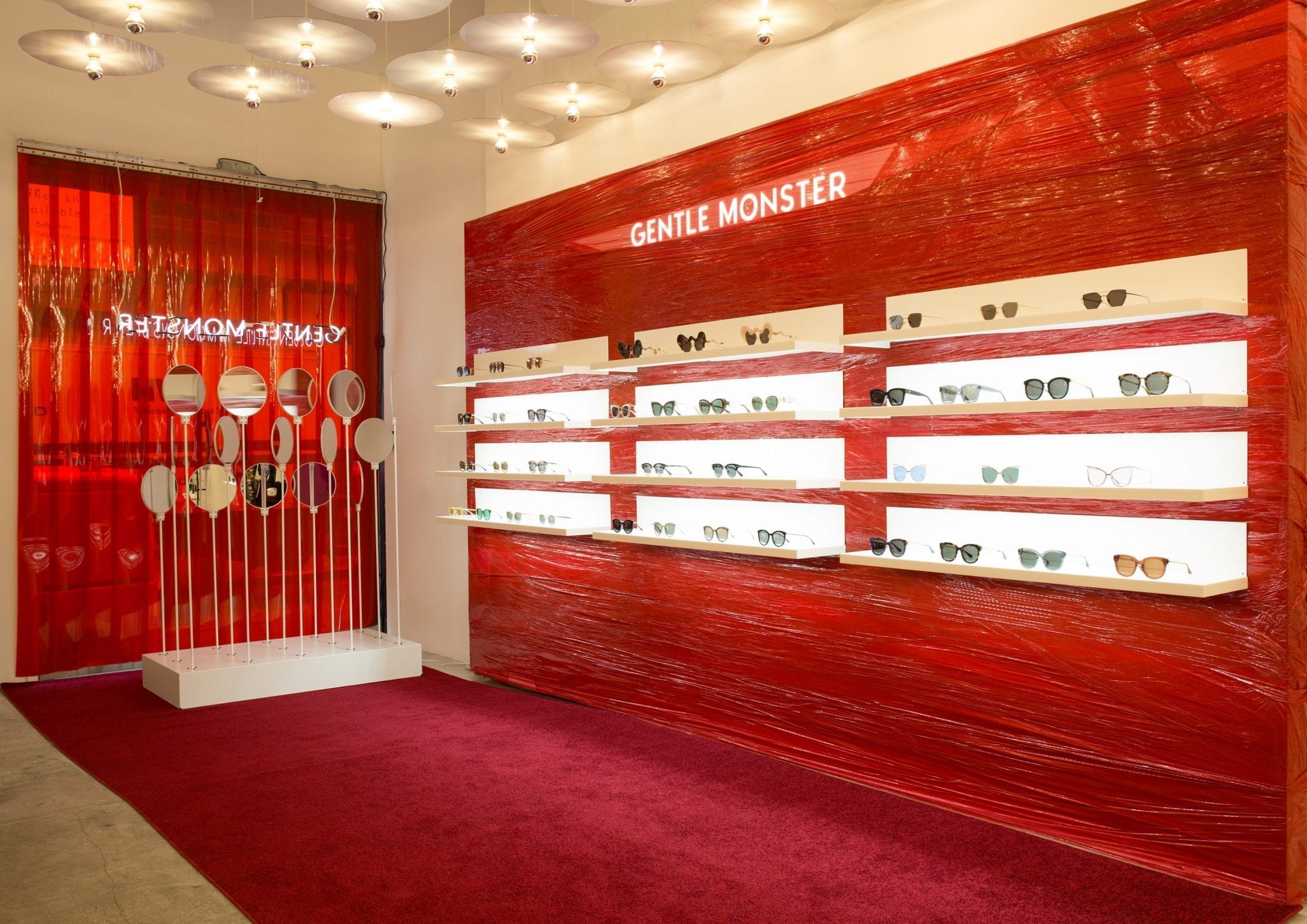
    Iicombined, the parent company of Gentle Monster, continues to expand its unique, experiential retail approach with the opening of its fourth Haus Nowhere location in Seoul. This recent addition to their portfolio further solidifies the company’s commitment to blending retail and immersive experiences.

    Experiential Retail in Seoul

    The new Haus Nowhere flagship in Seoul spreads over four floors, providing a unique and conceptual retail environment. The location houses various brands, such as Tamburins, Nudake, Atiissu, and the freshly launched tableware brand, Nuflaat.

    In addition to these brands, the new location also serves as the headquarters for Iicombined. The launch of this new Haus Nowhere in Seoul coincides with the unveiling of Gentle Monster’s 2025 Bold Collection. This new collection is highlighted through pop-ups in Seoul, Beijing, and Tokyo, with each display featuring sculptural installations that echo the architectural aesthetic of Haus Nowhere.

    New Concepts and Installations

    The Seoul location introduces new concepts that contribute to the immersive retail experience. Nudake’s Tea House offers aromatic teas complemented with desserts, and Tamburins unveils its latest fragrance, Sunshine, showcased with an AI-powered photo booth. Atiissu reveals the Tracker Collection that combines fashionable headwear with knitwear, while Nuflaat debuts its inaugural line of fashion-inspired tableware under the theme “Dress Your Table.”

    Another highlight of the space is the ‘More is More’ installation by Max Siedentopf. This display features a realistic animatronic figure surrounded by black plastic bags with a single gold bag, an exhibit also planned to appear at Haus Nowhere locations in Dosan, Shanghai, and Shenzhen.

    A New Approach to Retail

    Iicombined views Haus Nowhere not just as a retail space, but as a platform for its experimental approach to the industry. Rather than focusing mainly on traditional sales, the company emphasizes the importance of emotion, narrative and spatial design in creating a unique and immersive shopping experience.

    Questions & Answers

    What is the 2025 Bold Collection by Gentle Monster?
    The 2025 Bold Collection is a new line from Gentle Monster unveiled at the Seoul Haus Nowhere location. This collection is featured in pop-ups across Seoul, Beijing, and Tokyo through unique sculptural installations.

    What is the concept behind ‘More is More’ installation?
    The ‘More is More’ installation, created by Max Siedentopf, features a lifelike animatronic figure surrounded by an array of black plastic bags with a lone gold bag. This installation is set to appear at other Haus Nowhere locations.

    What is the approach of Iicombined towards retail?
    Iicombined seeks to revolutionize the retail industry by focusing on immersive experiences. It aims to emphasize emotion, narrative, and spatial design over traditional sales models, creating a unique shopping experience for consumers.

  • South Korean Retailers Innovate To Welcome Returning Chinese Tour Groups Amid Changing Consumer Trends

    South Korean Retailers Innovate To Welcome Returning Chinese Tour Groups Amid Changing Consumer Trends

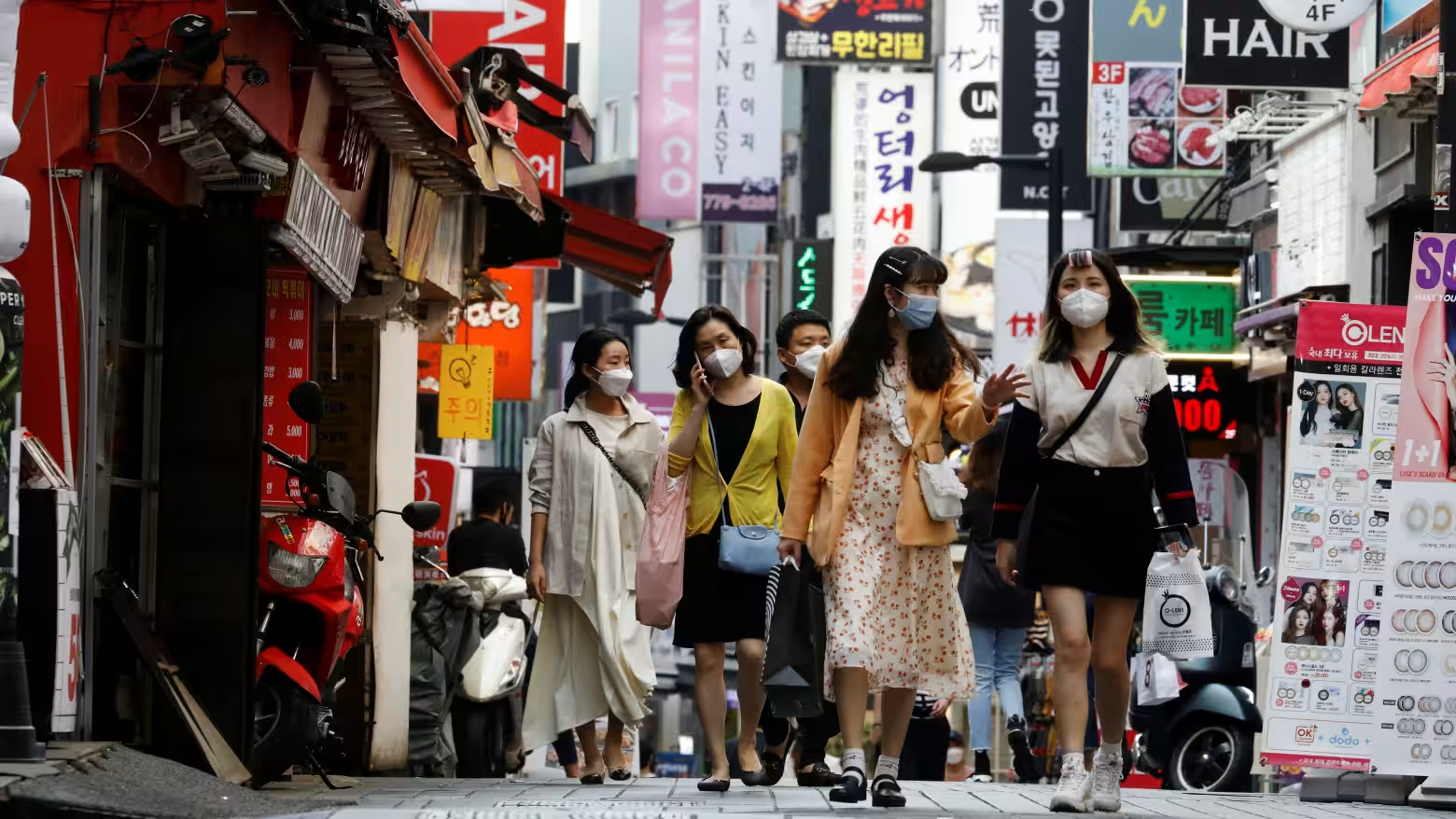
    As South Korea prepares for the much-anticipated return of Chinese tour groups from September 29, retailers are taking proactive measures to welcome them. To cater to these visitors, who will be allowed visa-free entry, a wave of new promotions is on the horizon, and retailers are expanding their product ranges. Instead of focusing solely on luxury cosmetics, retailers are branching out to incorporate fashion, lifestyle, and even convenience store exclusive items.

    Change in Chinese Tourists’ Preferences

    In the mid-2010s, Chinese travelers, often referred to as “Youke,” were known for their bulk purchases of high-end skincare products. However, recent industry data indicates a significant shift in their preferences. Currently, eyewear brands such as Gentle Monster, K-fashion labels, health foods, and lifestyle goods are gaining popularity among these travelers.

    Retailers’ Innovative Strategies

    In response to these changing demands, Lotte Department Store has launched curated boutiques as part of the “Kinetic Ground” platform. These boutiques will feature trendy domestic brands. In addition, the department store’s duty-free branch has plans to inaugurate a new “K-Beauty Hall” in Myeongdong, accompanied by an expansion of local specialty food offerings.

    Shinsegae Department Store is orchestrating a “Global Shopping Festa” around the Chuseok holiday, with a focus on categories popular with foreign shoppers. Convenience chains are also making preparations. GS25 is advertising Greek yogurt, highballs, and K-pop albums as emerging favorites. They have even released a “K-Convenience Store Guidebook,” presenting product rankings and celebrity snack choices. Additionally, 7-Eleven is promoting souvenir items that represent Korean symbols like the national flag and old currency.

    Duty-Free Shops Gear Up

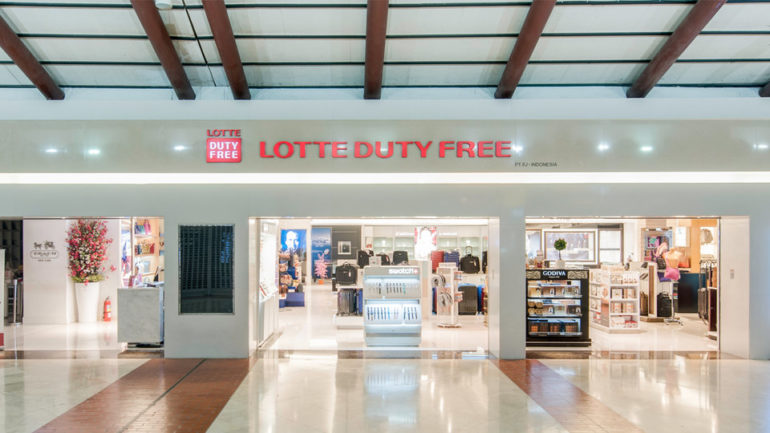
    Duty-free shops, known to benefit most from group tourism, are also gearing up. Lotte Duty Free is bolstering relationships with agents in second- and third-tier Chinese cities such as Chongqing and Qingdao, while Shilla is setting its sights on corporate travel groups. Shinsegae Duty Free is honing in on smaller groups that tend to spend more. Retailers are further enhancing the shopping experience by introducing experiential attractions like revamped “Star Avenues” and Artificial Intelligence (AI)-aided translation services to facilitate shopping for international visitors.

    Challenges Ahead

    Despite these proactive measures, retailers face several challenges. One critical issue is the shift in travel patterns towards individual tourism, making it uncertain whether duty-free operators will regain their past dominance. Another concern is the increase in hotel costs since the pandemic, which could potentially impact package competitiveness.

    A duty-free executive expressed optimism, stating that visa-free entry for Chinese group tourists might signal a turning point for Korea’s tourism recovery. However, the real litmus test lies in whether spending bounces back. The industry is eagerly waiting for the APEC summit in late October, hosted by Seoul, as it could provide more clarity on the situation. The event is also likely to attract China’s President Xi Jinping.

    Questions & Answers

    What changes are South Korean retailers making to accommodate the return of Chinese tour groups?
    Retailers in South Korea are launching new promotions and expanding their product offerings. They are diversifying their product lineups to include not just luxury cosmetics, but also fashion items, lifestyle goods, and exclusive convenience store products.

    How are duty-free shops preparing for the return of Chinese tour groups?
    Duty-free shops are looking to strengthen ties with agents in Chinese cities, targeting corporate travel groups, and focusing on smaller, high-spending groups. They also aim to improve the shopping experience by introducing experiential attractions and AI-powered translation services.

    What challenges do retailers face with the return of Chinese tour groups?
    Retailers are facing challenges such as the shift in travel patterns towards individual tourism, which raises questions about the future dominance of duty-free operators. Additionally, rising hotel costs since the pandemic could impact package competitiveness.

  • Perfumer H Marks Global Expansion With Inaugural Store Launch In South Korea’s Apgujeong-dong District

    Perfumer H Marks Global Expansion With Inaugural Store Launch In South Korea’s Apgujeong-dong District

    Perfumer H, a prominent fragrance brand originating from the UK and established by Lyn Harris, has recently launched its inaugural store in South Korea, marking a crucial milestone in the brand’s ongoing international expansion efforts.

    A Strategic Location

    The newly-opened flagship outlet is situated within the high-end Apgujeong-dong district in Seoul. This strategic location was chosen in collaboration with the local architecture firm, Chak Chak.

    The store, a standalone two-storey structure, showcases a minimalist design aesthetic which mirrors the brand’s principal focus on aroma, craftsmanship, and building a community.

    Continued Growth in Asia

    The introduction of the Perfumer H store in Seoul signifies the brand’s consistent expansion within the Asian market. It complements the brand’s existing presence in other prominent markets like Taiwan, China, and Japan.

    Since its inception in 2015, Perfumer H has received high praise for its sophisticated, personality-filled fragrances which are artfully crafted to complement an array of individual styles.

    Questions & Answers

    What is Perfumer H?
    Perfumer H is a British fragrance brand that was established by Lyn Harris in 2015. It’s known for creating elegant, character-rich fragrances.

    Where has Perfumer H opened its first South Korean store?
    Perfumer H has opened its first South Korean store in the upscale Apgujeong-dong district of Seoul.

    What is the significance of the new Perfumer H store in Seoul?
    The new store in Seoul signifies Perfumer H’s continued growth in the Asian market, adding to its presence in other markets such as Taiwan, China, and Japan.

  • South Korea Unveils Bold National AI Strategy Committee to Drive Innovation and Growth

    South Korea Unveils Bold National AI Strategy Committee to Drive Innovation and Growth

    South Korea has taken a significant step forward in its pursuit of leadership in artificial intelligence by unveiling the National AI Strategy Committee. The Ministry of Science and ICT announced that the Cabinet endorsed the committee’s formation during a meeting led by President Lee Jae-Myung at the Yongsan Presidential Office on September 2.

    Elevating AI Governance and Vision

    In a move that fulfills a key campaign promise, President Lee has restructured the former Presidential Committee on AI, expanding its authority to transform it into a central command hub for AI initiatives. This new body is endowed with the responsibility to oversee strategic plans, coordinate efforts across various ministries, and assess the effectiveness of AI projects.

    Aiming for the Global AI Top Tier

    The revamped committee is tasked with setting South Korea’s national AI vision and defining medium- to long-term strategies aimed at catapulting the nation into the ranks of the world’s top three AI leaders. Its membership has grown from 45 to 50 commissioners, and now includes three vice chairs, one of whom will be a full-time representative from the private sector, enhancing operational efficiency. The Chief Secretary to the President for AI Future Planning will serve as the committee’s secretary, alongside 13 ministers representing sectors like finance, education, and defense.

    Boosting Efficiency with New Structures

    To further strengthen execution capabilities, the committee will establish a Council of Chief AI Officers, which will include deputy ministers and regional government officials. A chairperson will be appointed by the president from among the commissioners, ensuring a seamless connection between high-level decision-making and the grassroots implementation of AI initiatives.

    “Through the establishment of this presidential decree, a systematic foundation has been prepared to build the national AI command center, marking the first step in challenging the bold vision of the Lee Jae-myung administration to leap to become one of the top three countries in AI,” explained Bae Kyung-Hoon, Minister of Science and ICT.

    As South Korea charts its course towards becoming an AI powerhouse, it remains to be seen how quickly it will race ahead of the competition—will they be able to outpace the digital cheetahs of China, the US, and beyond?

    Questions & Answers

    What is the primary goal of the National AI Strategy Committee?
    The primary goal of the National AI Strategy Committee is to set South Korea’s national AI vision and establish strategies aimed at positioning the country among the top three AI leaders globally.

    How has the committee’s structure changed under the new presidential decree?
    The committee’s membership has increased from 45 to 50 commissioners, with the number of vice chairs rising from one to three, each aimed at enhancing operational efficiency and strategic oversight.

    What additional body will work alongside the committee to support its initiatives?
    The committee will operate a Council of Chief AI Officers, which will include deputy ministers and regional officials, facilitating a connection between national strategies and local implementation.