Tag: Korea

  • South Korean Convenience Stores See Sales Boom Following Government-issued Consumption Vouchers

    South Korean Convenience Stores See Sales Boom Following Government-issued Consumption Vouchers

    In the week following the introduction of government-issued consumption vouchers, South Korea’s convenience store chains reported a significant rise in sales. The four major chains – CU, GS25, 7-Eleven, and Emart24 – witnessed an increase of more than 10% in weekly sales from July 22 to 28 as compared to the same period in the previous month. Middle-aged consumers and families were primarily responsible for the surge in sales, using the vouchers to make large purchases, especially within the ₩20,000–₩30,000 range.

    Redemption Points at Convenience Stores

    Department stores and hypermarkets were not directly eligible for the voucher scheme due to their corporate-owned structure. On the other hand, convenience stores, which are mainly franchise-based, served as accessible redemption points. This led to a noticeable increment in basket sizes, with customers spending considerably more than the average pre-voucher spend of approximately ₩7000 per visit.

    Emart24 experienced a sales growth of over 10%, while GS25 observed a comparable rise in average transaction value. More customers were using shopping baskets and purchasing a broader range of products such as fresh food, daily necessities, and even rice and meat – items not usually associated with convenience stores.

    Beverages and Cigarettes Sales

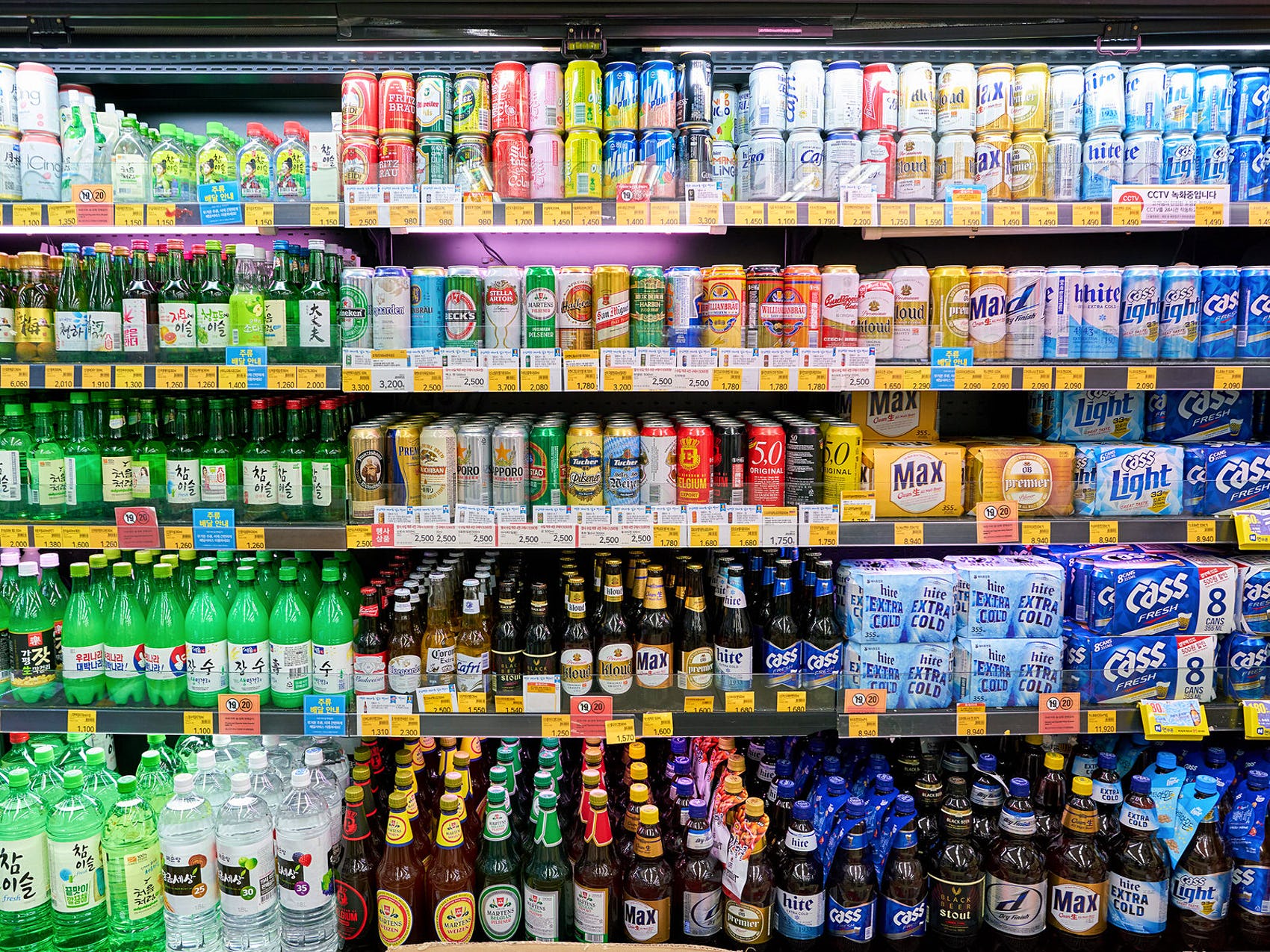
    Sales of alcoholic beverages, specifically beer and soju, saw a significant increase. Beer sales were up by 31.7% at GS25, 30.0% at 7-Eleven, 29.2% at CU, and 20.0% at Emart24. Soju sales increased by 16.2% at GS25 and 12.4% at CU. Overall, liquor sales were up by over 10%.

    Cigarettes, which were also eligible for voucher use, reported a rise in sales with more customers buying full cartons instead of single packs. However, due to potential concerns surrounding “stockpiling” and illegal resale for cash, the exact figures were withheld due to the sensitivity of the product.

    Increased Demand for Health Supplements and Meal Replacements

    Voucher-driven expenditure also led to a surge in demand for health supplements and meal replacements, categories that convenience stores have been emphasizing in their long-term growth strategies.

    According to retail analysts, this trend underlines a significant shift in consumer behaviour. With an increase in single and two-person households, more people have been turning to grocery shopping at convenience stores. The introduction of government vouchers has accelerated this shift, causing large retailers to worry about the potential loss of customers permanently.

    Questions & Answers

    Why did the government issue consumption vouchers?
    The government-issued vouchers were part of a stimulus strategy to boost consumer spending and support local businesses impacted by the COVID-19 pandemic.

    What impact did these vouchers have on convenience stores?
    The launch of these vouchers led to a significant increase in sales at convenience stores, with customers making larger than average purchases and buying a broader range of products.

    Are larger retailers affected by this change in consumer spending habits?
    Yes, larger retailers are concerned about losing customers permanently as the introduction of government vouchers has accelerated a shift towards shopping at local convenience stores.

  • Korean e-commerce firms under fire over hidden review rankings

    Korean e-commerce firms under fire over hidden review rankings

    Approximately 40% of significant online shopping portals in South Korea utilize proprietary algorithms to order product reviews, but the metrics behind these rankings are not publicly disclosed. This lack of transparency has caused some concerns about consumer trust, as per a recent study by the Seoul Metropolitan Government.

    Algorithm-Based Ranking in Online Retail

    The Seoul Electronic Commerce Center’s latest survey, published on Friday, revealed that 66% (33 out of 50) of the country’s top online retail platforms arrange customer feedback using algorithm-based rankings. These kinds of rankings are often labeled as “most popular” or “best”. However, 36% (18 out of 50) of these platforms do not provide any explanation about how these algorithms work.

    The systems used for review rankings can vary across different platforms, but they often prioritize high-star ratings and positive comments. Only a handful of platforms allow visibility for critical yet constructive reviews or let users sort reviews based on their valuable positives and negatives.

    While most platforms offer basic filtering options like “photo/video reviews” or “newest first”, more sophisticated controls are a rarity. Only a single platform allowed users to sort by “most commented”, while merely four platforms provided options to exclude reviews from promotional testers.

    The Importance of Reviews in Online Shopping

    In the report, the city stated, “In online shopping, where consumers cannot inspect the product in person, reviews are a vital factor in the decision-making process. Overemphasis on positive reviews undermines trust and limits informed consumer choice.”

    International platforms such as Costco, Rakuten, Amazon and Sephora have implemented more transparent and user-friendly review systems. For instance, Costco and Rakuten highlight one positive and one critical review deemed most helpful, while Sephora marks incentivised reviews and enables users to filter them out completely. Amazon provides tools to highlight both positive and negative reviews that other consumers have found useful.

    Seoul officials are planning to propose regulatory changes that would require online retailers to reveal their review-sorting algorithms to ensure better oversight.

    Kim Myung-sun, director of Seoul’s Fair Economy Division, commented, “A balanced review policy aids consumers in making quicker decisions and reduces unnecessary returns and disputes. We will continue to advocate for policies that protect consumer rights.”

    Questions & Answers

    What percentage of South Korean online shopping platforms use proprietary algorithms for ranking product reviews?
    Approximately 40% of major online shopping platforms in South Korea employ proprietary algorithms to rank product reviews.

    Why is there a concern about the use of algorithm-based rankings?
    The concern arises from the fact that the criteria behind these algorithm-based rankings are not disclosed to the public, which raises issues about consumer trust and transparency.

    What do Seoul officials plan in response to these findings?
    Seoul officials plan to propose regulatory changes requiring online retailers to disclose their review-sorting algorithms, which aims to strengthen oversight in the online retail sector.

  • CJ Foods Launches Locally-sourced Bibigo Korean-style Fried Chicken In Australia

    CJ Foods Launches Locally-sourced Bibigo Korean-style Fried Chicken In Australia

    CJ Foods Oceania, a division of the international CJ Group, has introduced its Bibigo Korean-Style Fried Chicken line, produced and procured locally in Australia.

    New Korean-Inspired Chicken Range Launched

    The Bibigo Korean-Style Fried Chicken range boasts two enticing flavours: ‘Sweet & Spicy’ and ‘Soy & Honey’. Nationwide sourced whole chicken breast cuts form the heart of this product line, which are then coated with a light, crispy batter.

    Convenient and Quick Preparation

    Each product comes with a separate sauce pack for easy and quick preparation, providing options for oven-cooking or air-frying. This launch is a continuation of the company’s introduction of other frozen food items, such as Mandu (Korean dumplings), Gimbap (Seaweed rice rolls), Rice balls, Bao (Chinese steamed buns), Soup Mandu (Soup dumplings), and Seaweed Chips.

    A Taste for Authentic International Flavours

    Eugene Cha-Navarro, Managing Director and CEO of CJ Foods Oceania, noted Australia’s well-developed taste for bold, internationally influenced flavours and its ongoing preference for traditional Korean cuisine. “Our focus is not solely on packaging, but also on sourcing local ingredients, understanding local tastes, and cultivating relationships with Australian farmers and producers,” he added.

    The Bibigo Korean-Style Fried Chicken range is now available nationally across Woolworths and will be available from IGA starting from mid-August.

    Questions & Answers

    What flavours does the Bibigo Korean-Style Fried Chicken range offer?
    The range currently offers two flavours, ‘Sweet & Spicy’ and ‘Soy & Honey’.

    How can the product be prepared?
    The product comes with a separate sauce pack for quick and easy preparation, including options for oven-cooking or air-frying.

    Where can the Bibigo Korean-Style Fried Chicken range be purchased?
    The range is available nationally across Woolworths outlets and will be available in IGA stores from mid-August.

  • South Korea’s ‘mallcations’ Trend: Unprecedented Weather Boosts Indoor Retail Sales

    South Korea’s ‘mallcations’ Trend: Unprecedented Weather Boosts Indoor Retail Sales

    As South Korea experiences an intense summer marked by unprecedented heatwaves and monsoon downpours, there’s been a noticeable uptick in customers choosing to spend their leisure time indoors. This trend, known as “mallcations,” is resulting in a significant surge in sales for department stores and outlet malls.

    Increased Footfall and Sales

    Major retailers have reported a sharp increase in foot traffic from July 1 to 17, compared to the same time frame last year. Lotte Department Store noted a 10% surge in visitor numbers, while Shinsegae and Hyundai Department Store registered increases of 14% and 13% respectively, translating into sales growth of 11.1% and 10.7%. Meanwhile, Hyundai Premium Outlet, which boasts an underground parking feature, saw its sales skyrocket by 21.2%.

    This changing consumer behavior is largely attributed to the unpredictable weather conditions, making air-conditioned indoor spaces far more appealing than outdoor venues. Notably, families are driving an increase in food and beverage (F&B) sales: Lotte observed a 10% rise, while Shinsegae and Hyundai reported increases of 15.8% and 12.4% in F&B revenue respectively.

    Seasonal Products and Experiences

    As the summer vacation season looms, seasonal product categories have also shown strong sales performance. Sales of swimwear at Lotte have jumped by 15%, supported by a government tax incentive for cultural activities. Appliance sales have increased by 10% under an energy efficiency rebate program.

    Cooling bedding has emerged as another hot-selling item. Shinsegae saw a 33.7% surge in its bedding category, while Hyundai recorded growth of 23.9% in sportswear and 18.8% in home living products.

    In addition to the increase in sales, retailers are also rolling out immersive, summer-themed experiences to capitalize on the increased footfall. Lotte is set to launch a “Summer Gourmet Week” across all its locations, complete with sweepstakes for F&B customers. The retail chain will also host a “Summer Wine Festa”, offering discounts on spirits, and pop-up jewelry boutiques catering to seasonal accessory shoppers.

    Shinsegae, on the other hand, has introduced pop-ups featuring surfing gear and is hosting art exhibitions. Hyundai Department Store is revamping its spaces with a Hawaiian resort theme under the “Hu’i Hu’i Maui” campaign which will run through August 21.

    Reinventing Retail

    With the Korean climate becoming increasingly erratic, retailers are adopting climate-proof leisure strategies. They are redefining malls as not just shopping centers, but as cool and curated summer destinations.

    Questions & Answers

    What is a “mallcation”?
    A “mallcation” refers to the trend of consumers spending their leisure time indoors at malls due to unfavorable weather conditions.

    What factors have contributed to the growth in foot traffic and sales for retailers?
    Unpredictable weather conditions, the appeal of air-conditioned indoor spaces, and the introduction of immersive, summer-themed experiences by retailers have contributed to the increase.

    How are retailers capitalizing on the rising trend of “mallcations”?
    Retailers are rolling out immersive, summer-themed experiences and pop-up shops, hosting art exhibitions, and transforming their spaces to provide a more engaging and enjoyable shopping experience for consumers.

  • South Korean Eyewear Innovator, Gentle Monster, To Launch Flagship Store In Canada

    South Korean Eyewear Innovator, Gentle Monster, To Launch Flagship Store In Canada

    South Korean eyewear brand, Gentle Monster, is poised to make its debut in Canada with a flagship store set to open later this year at the Yorkdale Shopping Centre in Toronto. The store, which will span over 5,300 square feet, is located in the luxury wing of the mall, keeping company with other high-end brands such as Louis Vuitton, Thom Browne, and Acne Studios. The brand, known for its bold, trendsetting eyewear and unconventional store designs, is expected to bring a unique shopping experience to the Canadian retail landscape.

    A Unique Retail Experience

    Founded in Seoul in 2011 by Hankook Kim, Gentle Monster treats each of its stores as a standalone creative installation. Every location showcases a distinctive theme, emphasizing the brand’s commitment to providing not just a shopping venue, but a complete immersive experience for its customers. The upcoming Canadian flagship is anticipated to follow this creative trend, offering an art gallery-style environment that marries fashion, design, and immersive experiences.

    Product Offering

    Gentle Monster’s eyewear is typically priced between US$200 to $500. The brand launches over 20 new styles annually, maintaining a catalogue of more than 50 silhouettes. This steady stream of new products, along with the brand’s distinctive designs, helps to ensure Gentle Monster stays at the forefront of the fashion industry.

    Global Presence

    Gentle Monster currently runs 78 flagship stores across 13 countries, and its products can be found in over 200 partner retail locations worldwide. The brand’s expansion into Canada demonstrates its continuing ambition to increase its global reach.

    Questions & Answers

    What is Gentle Monster known for?

    Gentle Monster is recognized for its innovative, fashion-forward eyewear and unique store designs. Each store is treated as a unique creative installation, offering an immersive shopping experience for its customers.

    Where is Gentle Monster’s Canadian flagship store located?

    Gentle Monster’s Canadian flagship store will be located at the Yorkdale Shopping Centre in Toronto.

    What is the price range for Gentle Monster’s eyewear?

    Gentle Monster’s eyewear is typically priced between US$200 and $500. The brand launches over 20 new styles annually, maintaining a catalogue of more than 50 silhouettes.

  • Hanwha Group Mulls Sale Of Fg Korea, Operator Of Five Guys Franchise In South Korea

    Hanwha Group Mulls Sale Of Fg Korea, Operator Of Five Guys Franchise In South Korea

    The South Korea-based conglomerate, Hanwha Group, is reported to be contemplating the sale of FG Korea, the operator of the American burger franchise Five Guys in South Korea.

    FG Korea and Hanwha Group

    FG Korea functions as a fully-owned subsidiary of Hanwha Galleria, which is the retail division of Hanwha Group. The company recently disseminated documents to private equity firms via a local accounting firm, Samil PwC. This action is seen as an indicator of a possible sale. It is anticipated that if a sale does occur, it would likely result in the complete transfer of ownership of the company.

    FG Korea’s Expansion

    FG Korea was instrumental in introducing Five Guys to the South Korean market in 2023, with the inaugural restaurant opening in the Gangnam district of Seoul. Since then, the chain has grown to include seven branches, with plans for an eighth location to open later this month in Yongsan, central Seoul.

    In the previous year, FG Korea had entered into an agreement with Five Guys International to spearhead the brand’s expansion into Japan, with an ambitious goal of establishing more than 20 outlets within the span of seven years.

    FG Korea’s Financial Performance

    In the past fiscal year, FG Korea reported significant sales of 46.5 billion won (approximately US$33.4 million) and a net income of 2 billion won.

    This potential sale is understood to be part of Hanwha Galleria’s attempts to optimize its portfolio and reduce expenses.

    Questions & Answers

    What is the relationship between FG Korea and Hanwha Group?
    FG Korea is a wholly-owned subsidiary of Hanwha Galleria, which is the retail branch of Hanwha Group.

    What has been FG Korea’s role in the expansion of Five Guys?
    FG Korea brought Five Guys to South Korea in 2023 and has since helped the brand grow to seven locations. Furthermore, they have also signed a memorandum of understanding with Five Guys International to lead the brand’s expansion into Japan.

    What is the financial performance of FG Korea in the past fiscal year?
    FG Korea reported 46.5 billion won (approximately US$33.4 million) in sales and a net income of 2 billion won in the last fiscal year.

  • Hyundai Card Leverages Data Insights to Propel Global Expansion Plans

    Hyundai Card Leverages Data Insights to Propel Global Expansion Plans

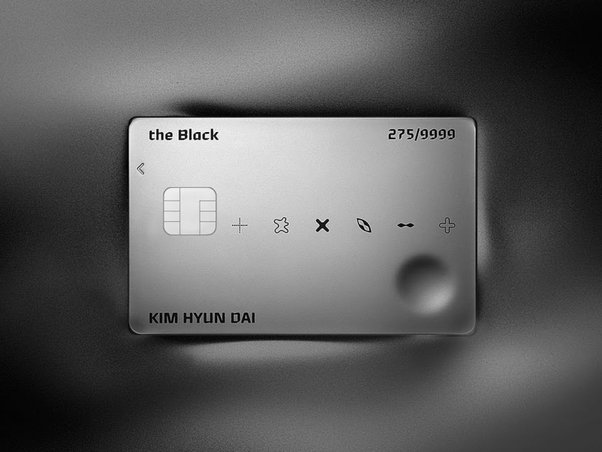
    Hyundai Card Co. Ltd., a pioneer in the South Korean fintech space, is steering its global ambitions with a sharp focus on data science, dedicating over 30% of its annual operating income to enhance its capabilities in this arena. The company is not just crunching numbers; it’s transforming them into actionable insights that predict and analyze customer spending patterns through advanced data structuring and artificial intelligence (AI).

    UNIVERSE: The Engine Behind Global Expansion

    At the heart of Hyundai Card’s international strategy is its innovative AI platform, UNIVERSE, which the company considers pivotal for its future growth. This powerful tool recently made waves in Japan by partnering with Sumitomo Mitsui Card Co. Ltd., a leading credit card issuer, following a six-month proof-of-concept trial that proved UNIVERSE’s mettle in a demanding market.

    UNIVERSE excels at tagging data into structured formats and employing AI to forecast consumer behavior — a function Sumitomo Mitsui Card plans to utilize across various operations, from credit assessments to fraud detection and merchant promotions. “Navigating the rigorous Japanese market has not only validated UNIVERSE but also paved the way for its expansion into additional territories,” commented Hyundai Card, emphasizing the platform’s potential to significantly bolster its global enterprise.

    Strategic Investments and Global Aspirations

    In a bid to fuel its global expansion, Hyundai Card is also pursuing credit ratings from major agencies including Fitch Ratings, S&P Global, and Moody’s Investors Service. Over the past decade, the company has poured more than $724 million (KRW1 trillion) into AI and data science initiatives, leading to a substantial increase in its workforce dedicated to these areas — from just 20 employees in 2015 to around 500 today, constituting a notable 25% of the overall staff.

    In 2023, Hyundai Card became the first in South Korea to launch Apple Pay, reaffirming its strong position in the mobile payments landscape alongside established giants like Europay, Mastercard, and Visa. It has also recently expanded its mobile payment services to Taiwan through a partnership with Line Pay.

    Dominance in South Korea’s Private Label Credit Market

    The company holds a commanding 78% share in South Korea’s private label credit card (PLCC) market, thanks to strategic alliances that enable it to offer co-branded services with major retailers such as Costco, Korean Air, Emart, and Olive Young. These partnerships have not just enhanced customer benefits but have also cemented Hyundai Card’s position as a leader in data utilization and collaborative marketing.

    With over 12 million cardholders, Hyundai Card is making significant strides in international markets. Its annual credit sales are projected to hit $120 billion in 2024, and overseas payment transactions have witnessed an impressive 32.6% year-on-year increase, reaching $2.4 billion.

    Questions & Answers

    What is Hyundai Card’s main strategy for global expansion?
    Hyundai Card is focusing on data science, allocating over 30% of its annual operating income to enhance its capabilities, particularly through its AI platform, UNIVERSE.

    How has Hyundai Card’s UNIVERSE platform been received in Japan?
    The UNIVERSE platform has been successfully adopted by Sumitomo Mitsui Card, one of Japan’s largest credit card companies, after passing a rigorous six-month proof-of-concept trial.

    What is Hyundai Card’s market position in South Korea’s private label credit card sector?
    Hyundai Card commands an impressive 78% share of the private label credit card market in South Korea, supported by strategic partnerships with major retailers.

  • South Korean Banks See Growth in Deposits and Household Loans in June

    South Korean Banks See Growth in Deposits and Household Loans in June

    In a striking shift within South Korea’s banking landscape, deposits and household loans surged in June 2025, surpassing previous month’s figures, according to the latest data released by the Bank of Korea (BOK). This trend reflects an increasing consumer confidence amid dynamic housing market activities.

    Deposits Take the Lead

    June saw South Korean banks enjoy a robust increase in transferable deposits, which rose by $19.88 billion (KRW 27.3 trillion). This marks a notable jump from the $14.7 billion (KRW 20.2 trillion) expansion observed in May. Such a significant uptick suggests that households are not just saving — they are preparing for something big.

    Household Lending on the Rise

    When it comes to lending, banks extended an additional $4.5 billion (KRW 6.2 trillion) to the household sector in June, continuing from a healthy increase of $3.78 billion (KRW 5.2 trillion) in the prior month. This momentum indicates a thriving demand for loans, particularly in the mortgage market, which has been buoyed by a recent wave of housing transactions.

    Corporate Lending Struggles

    Yet, not all areas of the banking sector are flourishing. In a somewhat ironic twist, corporate lending took a downturn, with banks issuing $2.62 billion (KRW 3.6 trillion) less in loans to businesses. While large corporations faced a setback, small and medium enterprises (SMEs) managed to hold their ground with a slight increase in funding.

    Asset Management Funds Take a Hit

    Adding to the mixed signals, funds managed by asset management companies experienced a decline of $946 million (KRW 1.3 trillion). This drop underscores a cautious outlook among investors, perhaps reflecting a general uncertainty in market conditions.

    As South Korean banks navigate this uneven landscape, the growing consumer deposits and household loans inject a sense of optimism, even as corporate sectors reel from decreased lending. In this balancing act, only time will tell how these trends evolve.

    Questions & Answers

    What drove the significant increase in household loans in June 2025?
    The increase in household loans can be attributed to the rising demand for mortgages amidst an uptick in housing transactions across the market.

    How did corporate lending perform in June 2025?
    Corporate lending saw a decline of $2.62 billion (KRW 3.6 trillion), indicating challenges within the business sector, particularly for large corporations.

    What does the decline in asset management funds suggest?
    The reduction of $946 million (KRW 1.3 trillion) in asset management company funds may point to a cautious investment sentiment among consumers, reflecting broader market uncertainties.

  • Global Bunjang Further Expands into Singapore, A Key Market in Asia Growth Strategy

    Global Bunjang Further Expands into Singapore, A Key Market in Asia Growth Strategy

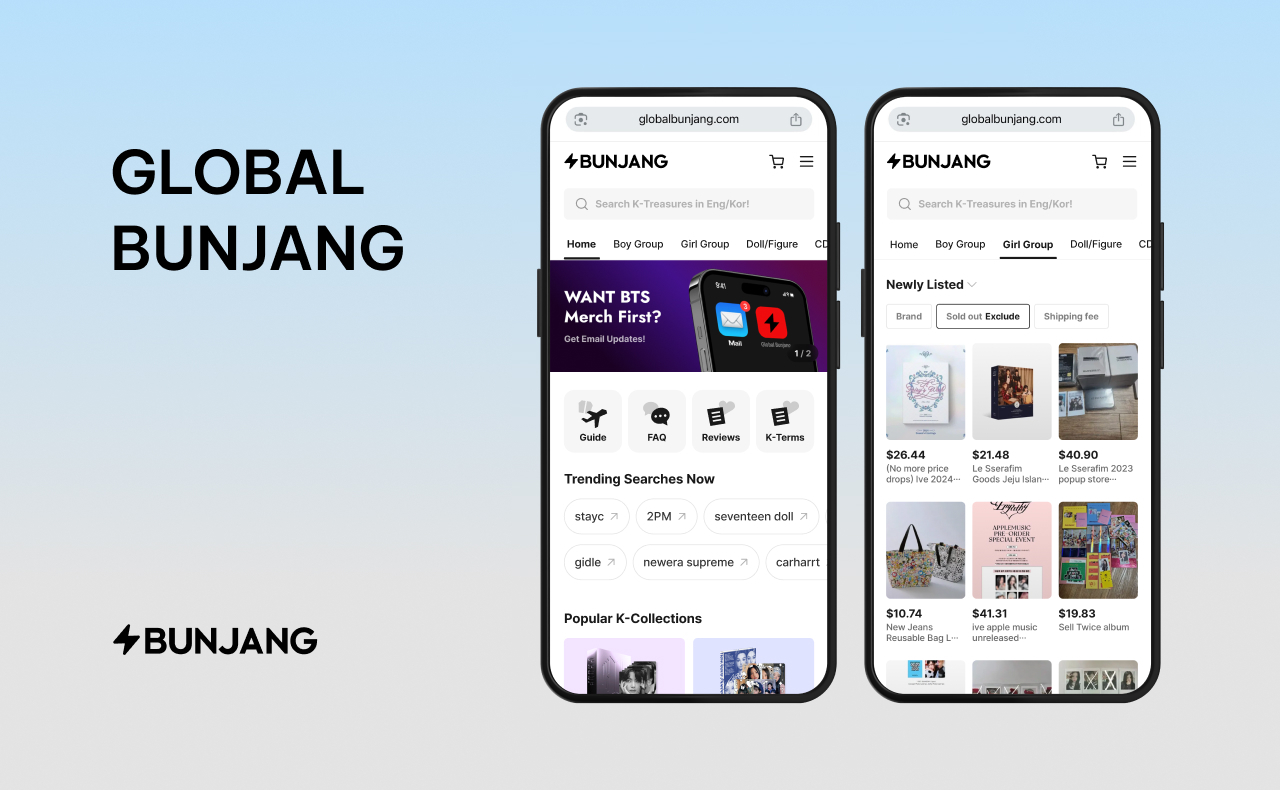
    Bunjang, South Korea’s leading C2C secondhand marketplace platform, reaffirmed its commitment to Singapore as a strategic growth engine in its broader Asia strategy. The company is launching targeted marketing efforts for Singapore users via Global Bunjang – the platform’s global site – positioning the city-state as a critical gateway in its broader push across Asia.

    Launched in July 2023, Global Bunjang is a dedicated mobile site operated by Bunjang to serve users around the world. It offers a wide range of categories, including K-pop merchandise, kidult items, branded fashion, collectibles, and more. Powered by a deep learning-based large language model (LLM) trained on extensive socio-cultural data, Global Bunjang features advanced AI technology capable of understanding and responding to natural languages—making it easy for global users to search, browse, and purchase Korean products without language barriers.

    Importance of Singapore and Why Now

    While Global Bunjang has previously seen Singapore-based users utilizing the platform, the company is now ramping up investment in the market through dedicated marketing initiatives and community engagement efforts, especially as K-wave continues to sweep the streets of Singapore. This includes plans to drive awareness among Singapore’s K-culture fans and value-conscious shoppers.

    In a time when businesses are scaling down on investments, Global Bunjang’s strategic focus comes as Singapore has rapidly emerged as one of the company’s fastest-growing markets outside South Korea. As of June 2025, the cumulative number of users in Singapore has grown by 452% compared to January. Platform engagement continues to show strong momentum, with Singapore-based users showing a strong preference towards high-value categories such as Korean lifestyle and entertainment goods. Among users from over 50 countries accessing Global Bunjang, Singapore ranks 3rd in sales and 10th in overall active users.

    Moreover, the re-commerce market in Singapore is projected to reach US$2.37 billion this year, and projected to grow 14.5% annually, driven by increasing consumer consciousness around sustainability and circular economy principles.

    “Singapore represents the perfect intersection of digital savviness, sustainability values, and a deep affinity for Korean culture. Our goal is to make it easy for users in Singapore and beyond to shop directly from Korean sellers and redefine the cross-border re-commerce experience,” said Jaewha Choi, CEO of Bunjang.

    Tapping into Singapore’s Love for All Things Korean

    Unlike conventional secondhand platforms, Bunjang offers direct access to Korea’s dynamic and trend-driven re-commerce ecosystem. From sold-out K-pop concerts to trending Korean streetwear brands, Singapore continues to lead the region in embracing K-lifestyle trends.

    Global Bunjang taps directly into this demand by offering rare and authentic goods from Korean sellers, especially items that are difficult to find through traditional e-commerce platforms. Through the English-language platform and cross-border logistics support, the global fanbase of K-culture can now tap into Korea’s dynamic secondhand ecosystem more easily than ever.

    This cultural alignment has translated into strong platform engagement and organic growth in Singapore, with metrics such as a repeat purchase rate of over 50% and increasing demand for K-style re-commerce. The most popular items among Singaporean users include K-pop merchandise—such as photocards, albums, and light sticks—and Pokémon trading cards. Fashion items like T1 Esports uniforms, KBO baseball jerseys, and rare apparel and footwear are also seeing steady sales.

    What’s Next for Singapore and Asia     

    Singapore combines deep cultural affinity, digital savviness, and demand for sustainable consumption — making it a natural fit for Bunjang’s global ambitions. Its performance to date reaffirms the market’s importance, not just in numbers, but in its role shaping what re-commerce can look like beyond Korea.

    To build on this strong growth trajectory, Bunjang will also be further reinvesting into its regional offerings such as expanding partnership with local platforms, leveraging data-driven curation of globally popular items, and enhancing buyer protection across Asia. In addition to its Singapore-focused marketing efforts, Bunjang is preparing targeted go-to-market strategies in Hong Kong and Taiwan, where demand for K-culture and sustainable consumption is similarly accelerating.

    These efforts are part of Bunjang’s broader commitment to laying the groundwork for long-term growth in Asia Pacific, positioning Singapore as the launchpad for scaling its cross-border re-commerce model across key markets in the region.

  • Louis Vuitton Korea Customer Data Breach: No Financial Details Compromised, Other Luxury Brands Under Investigation

    Louis Vuitton Korea Customer Data Breach: No Financial Details Compromised, Other Luxury Brands Under Investigation

    In June, Louis Vuitton Korea experienced a systems breach that resulted in the exposure of certain customer data, including contact information. However, the company’s South Korean division clarified last Friday that the breach did not compromise customers’ financial details.

    Unauthorized Access to Company System

    Regrettably, an unauthorized third party gained temporary access to the company’s system, leading to the leak of some client information. The company released a statement in response to the incident, expressing their concern and regret over the breach.

    The organization first became aware of the breach on Wednesday and promptly alerted the relevant government authorities. Additional measures are now in place to contain the situation and enhance the existing system security.

    Government Investigations Into Other Luxury Brands

    In related news, the South Korean divisions of two other major luxury brands are currently facing government investigations. Christian Dior Couture and Tiffany, both part of the world’s largest luxury group, are under investigation for customer data leaks they reported earlier in the year. The investigations were initiated by the Personal Information Protection Commission, South Korea’s main authority for data protection.

    Questions & Answers

    What type of data was leaked in the Louis Vuitton Korea’s system breach?
    Client contact information was exposed in the breach. However, no financial information was compromised.

    Who is investigating the data leaks at Christian Dior Couture and Tiffany?
    The Personal Information Protection Commission in South Korea is conducting the investigations into these two luxury brands’ reported data leaks.

    What measures has Louis Vuitton Korea taken in response to the breach?
    Following the breach, Louis Vuitton Korea took action to contain the situation and augment its system security. They also alerted the relevant government authorities about the breach.

  • US Tariffs Set to Launch on August 1: What Retailers Need to Know

    US Tariffs Set to Launch on August 1: What Retailers Need to Know

    The United States is on the verge of finalizing a series of trade agreements, with higher tariff rates set to be communicated to various countries by July 9, as announced by President Donald Trump on Sunday. These new tariffs are scheduled to come into effect on August 1.

    Trump Signals Tariff Changes Amid Trade Deals

    Trump’s announcement follows his earlier unveiling of a base tariff rate of 10% applicable to most nations, with additional duties that could soar to 50%. Initially scheduled for July 9, this new timeline offers countries a fleeting three-week pause to prepare.

    As reporters gathered before Trump returned from a weekend golf outing in New Jersey, he reiterated the August 1 deadline for higher tariffs, although it remains uncertain whether all tariff rates will rise simultaneously on that date.

    Commerce Secretary Confirms Rates in Flux

    To clarify, Commerce Secretary Howard Lutnick acknowledged that the elevated tariffs would indeed take effect on August 1, adding that Trump is actively negotiating the specific rates and agreements. Trump later posted on his Truth Social account, revealing that tariff notifications would start rolling out at noon ET on Monday.

    In a seemingly casual yet crucial update, U.S. Treasury Secretary Scott Bessent told CNN that several significant trade agreements would soon be announced, noting positive developments in discussions with the European Union.

    In a move reminiscent of a game of poker, Trump plans to send letters to about 100 smaller trading partners, primarily nations with limited trade ties to the U.S., informing them of the impending tariff hikes.

    Bessent warned, “President Trump’s going to be sending letters to some of our trading partners saying that if you don’t move things along, then on August 1 you will boomerang back to your April 2 tariff level.”

    Deadline Urgency and Future Negotiations

    The air is charged with anticipation as Kevin Hassett, director of the White House National Economic Council, expressed optimism about the potential for negotiations to extend beyond the deadline. “There are deadlines, and there are things that are close, and so maybe things will push back past the deadline,” he commented, leaving the ultimate decision in Trump’s hands.

    As the clock ticks closer to August, the outcome of these trade negotiations could reshape the landscape of global commerce, with far-reaching implications not just for the United States but also for its trading partners across Asia and beyond.

    Questions & Answers

    What is the significance of the August 1 tariff deadline?
    The August 1 deadline represents a critical turning point as the U.S. prepares to implement higher tariffs in the face of ongoing trade negotiations, impacting various trading partners.

    How are smaller countries reacting to the tariff notifications?
    Many smaller countries, which typically have limited trade with the U.S., are likely reassessing their strategies to avoid the escalating tariff rates and may seek to negotiate favorable terms quickly.

    What role do negotiations with the European Union play in this context?
    Negotiations with the European Union are pivotal, as the U.S. aims to finalize key trade agreements, potentially easing tensions and influencing broader trade relations.

  • South Korea’s Retail Sales Surge 7% in May, Signaling Strong Consumer Confidence

    South Korea’s Retail Sales Surge 7% in May, Signaling Strong Consumer Confidence

    South Korea’s retail sector demonstrated remarkable resilience in May 2025, achieving a 7% year-on-year growth, spurred primarily by an ongoing boom in online sales. Data from the Ministry of Trade, Industry and Energy (MOTIE) revealed that this robust performance marks a continued recovery for both digital and traditional retail.

    Online Sales Take the Lead

    The online retail landscape saw a significant surge, with sales climbing by an impressive 13% compared to the same month last year. Meanwhile, the offline segment showed modest growth, with sales up a slight 0.9%, marking a positive turnaround for hypermarkets and department stores following the Seollal holiday season in January.

    Positive Trends in Hypermarkets and Department Stores

    Hypermarkets enjoyed a 0.2% bump in sales, whereas department stores reported a 2.3% increase, driven by high demand for luxury items and an uptick in customer spending during visits. Super supermarkets (SSMs) also continued their winning streak for the third consecutive month, with a 1% growth attributed to a steady flow of shoppers. However, not all segments experienced growth; convenience store sales dipped slightly by 0.2%.

    A Mixed Bag for Offline Goods

    Within the offline categories, food products increased by 1%, while luxury goods, particularly jewelry and watches, saw a remarkable 8.1% rise. But the picture wasn’t entirely rosy—home appliances and cultural items faced a sharp decline of 7.8%, with kids and sports goods decreasing 2.5% and fashion and miscellaneous items falling by 3.7%. If retail were a game of musical chairs, some segments might want to consider making a quick exit.

    Online Retail Remains a Powerhouse

    Online retail retains its status as the primary growth engine, with exceptional gains in services (up 37.3%) and food products (up 18.2%). The rising popularity of food delivery, e-coupons, travel packages, and cultural content significantly bolstered these statistics. Yet, it wouldn’t be the retail world without some hiccups; fashion and clothing sales saw a 4.6% decline, while sports-related items plummeted by a staggering 12.7%, extending a worrying downward trend.

    MOTIE’s analysis is derived from a comprehensive survey of 23 major retailers, encompassing 13 offline businesses—including department stores, hypermarkets, convenience stores, and super supermarkets—alongside 10 online platforms. As South Korea’s retail landscape evolves, it paints a vivid picture of changing consumer preferences and the dynamic interaction between online and offline shopping environments.

    Questions & Answers

    What drove the growth in South Korea’s retail sector in May 2025?
    The 7% year-on-year growth was primarily driven by a significant increase in online sales, which surged by 13% compared to the previous year.

    How did physical stores perform during this period?
    Offline sales saw a modest rise of 0.9%, with department stores and hypermarkets showing positive trends after the Seollal holiday season.

    Which retail categories witnessed the strongest and weakest performances?
    Luxury goods like jewelry and watches experienced an 8.1% increase, while fashion and sports-related items struggled, with declines of 4.6% and 12.7%, respectively.

  • SK Telecom Launches Ambitious $500 Million Cybersecurity Initiative to Fortify Digital Defense

    SK Telecom Launches Ambitious $500 Million Cybersecurity Initiative to Fortify Digital Defense

    In a decisive move to bolster public confidence and enhance its cybersecurity measures, SK Telecom has unveiled a substantial KRW 700 billion (approximately USD 500 million) investment plan. This initiative comes on the heels of a significant cybersecurity breach that cast a shadow over customer privacy and data security, raising urgent questions within the telecom sector.

    Introducing the Accountability and Commitment Program

    The company has rolled out its Accountability and Commitment Program, a comprehensive four-part strategy aimed not only at restoring trust but also at enhancing operational transparency. This program features key components such as the Customer Assurance Package, the Information Protection Innovation Plan, a dedicated Customer Appreciation Package, and a Subscription Cancellation Fee Waiver.

    Strengthening Customer Trust

    SK Telecom has reinforced its Customer Assurance Package, initially launched in response to the incident, to ensure robust protection for its users. The company has firmly committed to safeguarding customer data and has vowed to resolve any lingering issues promptly.

    Financial Commitment to Cybersecurity

    Addressing the root of the crisis, SK Telecom plans to invest in an extensive overhaul of its information protection system over the next five years. This effort will be anchored by the Information Protection Innovation Plan, which aims to align the company’s security framework with the stringent standards set forth by the U.S. National Institute of Standards and Technology’s Cybersecurity Framework (CSF). The ambitious target? To establish itself as a leader in cybersecurity within Korea by 2028 and to gain global recognition in the same domain within five years. Talk about setting the bar high!

    For Customers’ Peace of Mind

    To express gratitude to customers for their loyalty amid recent trials, SK Telecom has introduced the Customer Appreciation Package. The company intends to waive subscription cancellation fees for those choosing to end their contracts, an action that underscores its commitment to transparency and fairness during this challenging time.

    A Breach of Historic Proportions

    The company first detected suspicious activity on April 19 and swiftly alerted the Korea Internet and Security Agency (KISA). An ensuing investigation revealed that the breach, which lasted nearly three years from August 2021 to April 2024, allowed hackers to infiltrate SK Telecom’s systems using 33 different types of malware. Alarmingly, this breach exposed sensitive data related to 25 million users, including phone numbers and international mobile subscriber identity (IMSI) numbers. CEO Yoo Young-sang labeled this incident as “the worst hacking case in the history of the telecom industry” during a National Assembly hearing in May.

    Questions & Answers

    What prompted SK Telecom’s recent investment in cybersecurity?
    The investment follows a significant cybersecurity breach that raised serious concerns about customer privacy and data protection, prompting the company to take immediate action to rebuild trust.

    What are some key features of SK Telecom’s Accountability and Commitment Program?
    The program includes the Customer Assurance Package, Information Protection Innovation Plan, Customer Appreciation Package, and a Subscription Cancellation Fee Waiver, all designed to enhance transparency and strengthen customer relationships.

    How extensive was the cybersecurity breach affecting SK Telecom?
    The breach, which lasted nearly three years, compromised sensitive information from up to 25 million users, marking it as a catastrophic incident in the telecom sector’s history.

  • Kolmar Korea Takes the Global Stage with Its Expansive Line of Natural K-Beauty Products

    Kolmar Korea Takes the Global Stage with Its Expansive Line of Natural K-Beauty Products

    In a bold move that underscores its commitment to innovation, Kolmar Korea is cementing its foothold in the global skincare arena by harnessing the power of traditional Korean ingredients. The rising tide of consumer interest in natural, ingredient-centric beauty products has given Kolmar the perfect platform to showcase its pioneering creations.

    Global Success Forged by Tradition

    Among its standout products is the Mung Bean pH-Balanced Cleansing Foam, developed in collaboration with skincare brand Beplain. This remarkable cleanser taps into a 1,000-year-old tradition of using mung beans for skin care and has witnessed staggering global sales, surpassing 10 million units. Its popularity has soared not just in South Korea, but also in the United States, France, China, and Vietnam, proving that ancient wisdom can indeed ride the wave of contemporary beauty trends.

    Deep Clean with a Local Touch

    Another flagship offering is Kolmar’s Relief Mud Mask, crafted with over 30% Boryeong mud and ultra-fine particles designed to deliver a deep cleanse. This product reflects Kolmar’s dedication to merging local resources with scientific advancement, ensuring a skincare experience that is both effective and uniquely Korean. One could say that Kolmar is digging deep—literally and figuratively—into the beauty pot!

    Commitment to Innovation and Research

    Behind Kolmar’s burgeoning success lies a robust focus on research and development, with more than 30% of its workforce dedicated to this crucial area. The company allocates an impressive 6% of its annual revenue to R&D efforts. Recent innovations include demonstrating the anti-aging properties of Spiraea Salicifolia and the potential for Sophora flavescens to prevent hair loss. These groundbreaking studies exemplify Kolmar’s mission to merge nature with science in the pursuit of beauty.

    Bringing Nature’s Fragrance to Consumers

    In addition to skincare, Kolmar is keen on commercializing the mesmerizing scents of Korean flora. By introducing fragrances from plants like the Rose of Sharon and lotus, the company aims to enhance sensory appeal in its product lineup. It’s an exciting endeavor that not only showcases Korea’s rich botanical heritage but also tantalizes the olfactory senses of consumers worldwide.

    Questions & Answers

    How has Kolmar Korea integrated traditional ingredients into its products?
    Kolmar Korea leverages centuries of traditional practices by incorporating ingredients like mung beans in their cleansing foam, which has garnered massive global popularity.

    What significant investments is Kolmar making in its future?
    The company invests 6% of its annual revenue in research and development, focusing on innovative products and new ingredient discoveries.

    What makes Kolmar’s Relief Mud Mask unique?
    It contains over 30% Boryeong mud and ultra-fine particles, designed for deep cleansing that reflects a blend of local resources and scientific research.

  • IKEA Unveils Global Price Reductions on Restaurant Menus for Savvy Shoppers Everywhere!

    IKEA Unveils Global Price Reductions on Restaurant Menus for Savvy Shoppers Everywhere!

    In a striking move that underlines its ambition to reshape the retail landscape in Asia, IKEA has announced plans to establish a significant new presence in South Korea. Following the successful unveiling of its first store in 2004, the Swedish furniture giant is set to expand its footprint with an innovative concept store slated to open in Seoul’s bustling Yeongdeungpo district by the end of next year. This development highlights IKEA’s commitment to adapting its offerings to align closely with local consumer preferences while maintaining its core brand ethos.

    A Shift Towards Urban Convenience

    The new store will feature an extensive range of IKEA’s popular product lines, as well as access to online shopping services. Set to occupy a prominent space, this store will focus on urban convenience, catering to the growing demand for home goods among city dwellers who favor accessibility and efficiency in shopping. Not just a shopping destination, this outlet aims to serve as a community hub, hosting workshops and events that engage local customers and bolster brand loyalty.

    Creating a Local Touch

    IKEA has been keen on incorporating local elements into its designs and product offerings. This latest venture will showcase products that resonate with South Korean tastes, ensuring that the store feels tailor-made for its environment. The emphasis will be on creating functional, stylish living spaces that reflect the unique aesthetics of the region. Perhaps we can expect a few surprises that may even spark fresh trends in home décor, but time will tell!

    Expanding Horizons amid a Competitive Market

    The announcement comes amidst a highly competitive retail climate in South Korea, where local and international brands vie for consumer attention. With online shopping gaining traction, IKEA’s approach to hybrid shopping—melding physical and digital experiences—could attract a diverse range of customers, from tech-savvy millennials to time-starved parents. As the famed brand leverages its years of experience in creating iconic and sustainable home furnishings, the spotlight is on whether this new venture can capture the imagination of a discerning South Korean market.

    Looking Ahead

    The potential for growth in South Korea is evidenced not only by IKEA’s ambitions but by the broader global expansion strategy of major retailers that seek to tap into emerging market trends. Analysts suggest that this strategic move might not only solidify IKEA’s foothold in Asia but also enhance its reputation as a versatile and customer-centric brand. As South Koreans increasingly prioritize home aesthetics, this store could create a significant shift in how they approach home furnishings.

    Questions & Answers

    What is the primary focus of IKEA’s new store in South Korea?
    The store aims to provide urban convenience, emphasizing a blend of online shopping options and engaging community activities that resonate with local consumers.

    How will IKEA tailor its offerings for the South Korean market?
    IKEA plans to incorporate local elements into its product lines, ensuring that the store’s offerings align with the unique tastes and preferences of South Korean customers.

    What can customers expect from the new store’s design and experience?
    Customers can look forward to a space designed to reflect stylish and functional living, incorporating interactive elements like workshops and events to enhance the shopping experience.