Tag: Korea

  • POP MART Connects with Southeast Asia’s Toy Collectors Through Lazada

    POP MART Connects with Southeast Asia’s Toy Collectors Through Lazada

    Southeast Asia’s blind box obsession is now mainstream, and POP MART is at the heart of it, fuelling demand with exclusive IPs, sought-after collectibles and even real-life fan events. The global designer toy brand, best known for turning characters like MOLLY, DIMOO, and SKULLPANDA into household names, is tapping on Lazada’s LazMall to connect with millions of fans across the region through surprise drops, unboxings, and community events.

    With LazMall, POP MART is now reaching fans in a more direct and hyper-personalised way. Since joining the platform in 2023, it has grown over fivefold to become one of LazMall’s fastest-growing toy brands, a testament to the region’s deep love for collectibles and character storytelling.

    From live-streamed unboxings to data-backed product launches, POP MART’s success reflects how digital discovery and fandom go hand-in-hand. The global blind box collectibles market is set to hit USD 38.4 billion by 203, a boom fuelled by Gen Z and millennial collectors seeking rarity, emotional connection, and a bit of playful nostalgia.

    “Whether it’s the thrill of the mystery or the joy of finding your favourite character, our collectors are looking for more than just toys — they’re seeking stories,” said a POP MART spokesperson. “With Lazada, we’re able to deliver those stories in a more seamless way.”

    Global Exclusives Launching in June

    This month, POP MART will release two globally limited figures — MOLLY and Zsiga, and also unveil the second-generation SKULLPANDA plush toys, adding a soft and huggable twist to its cult-favourite character lineup.

    These products will be available on Lazada’s LazMall from June 2025 onwards. POP MART will also increase its stock levels and scale up visibility on its LazMall storefront to meet fan demand.

    Where Community Meets Commerce

    On Lazada, POP MART fans don’t just shop, they discover and experience. Using AI-powered recommendations and region-specific insights, the brand curates its releases based on what collectors love most in each market. SKULLPANDA, for instance, has become a breakout favourite in Thailand, while DIMOO charms fans in Malaysia.

    Collectors also benefit from prompt deliveries, with 85% of orders in all key Southeast Asian cities like Bangkok and Manila guaranteed to arrive within 48 hours upon order confirmation. Collectibles are also delivered in custom shock-proof packaging to ensure they arrive in pristine, collector-worthy conditions, and the parcel can be tracked in real time on the Lazada app.

    POP MART collectibles are not just toys, they are a lifestyle and the epitome of luxury and exclusivity that has been fuelled by the energy of its fans and creators. More than one-third (34%) of its sales on Lazada now come from affiliate creators in Southeast Asia — livestreamers, toy reviewers, and content creators who bring the world of POP MART to life through their own lens. Their curated content, character deep-dives, and unboxing videos don’t just sell toys — they build community and elevate collecting into a shared lifestyle.

    Taking the Experience Offline

    Fans in Singapore can look forward to experiencing the magic in-person next month. On 27 July, Lazada X POP MART 5KM run will be happening in Singapore. Designed to be a vibrant, community-driven event that blends fitness, music, and fandom, POP MART will be hosting an exclusive booth at the event, creating a playground for pop culture lovers to meet iconic characters, explore exclusive new drops, and immerse themselves in the joyful surprise of the trend culture and brand stories.

    IRL experiences like this are part of POP MART’s strategy to connect more deeply with its community – both online and offline.

    “POP MART’s world is built on creativity and connection,” said Kaya Qin, Chief Business Officer at Lazada Group. “Through Lazada’s platform, brands like POP MART are able to inspire and engage a new generation of collectors with stories that extend beyond the digital channels.”

  • Xiaomi Opens Its First Offline Store in Korea: A New Era for Retail Enthusiasts!

    Xiaomi Opens Its First Offline Store in Korea: A New Era for Retail Enthusiasts!

    Retail giants across Asia are diving deep into the realm of experiential shopping, and the recent emergence of live-streaming commerce is reshaping the retail landscape. As consumer preferences evolve, companies are jostling to innovate and offer a more immersive shopping experience that transcends traditional retail boundaries.

    Live-Streaming Commerce: A Game Changer

    Powered by the meteoric rise of social media platforms, live-streaming commerce is captivating audiences and transforming how consumers shop. Countries like China are at the forefront of this trend, with live-streaming events racking up billions of dollars in sales within just hours. This format combines entertainment with commerce, allowing brands to showcase products while engaging viewers in real time. One moment shoppers are catching a glimpse of a trendy handbag, and the next they’re in on a lively Q&A about its features—not your average shopping experience!

    Asia’s Retail Arena: A Feast for Innovation

    Retailers throughout Asia are seizing this opportunity to enrich customer engagement. Brands are harnessing influencers and charismatic presenters to enhance the entertainment factor, driving traffic and sales through these events. For instance, in Hong Kong, a popular cosmetics brand recently hosted a live-streaming session that not only showcased new products but also featured well-known beauty experts, pulling in thousands of views and a considerable spike in sales.

    Bridging Online and Offline Experiences

    As online and offline retail environments blend, brands are increasingly focused on creating seamless shopping experiences. Retailers are integrating technology, such as augmented reality and AI, to offer personalized recommendations. Imagine trying on clothes virtually through your smartphone — a prospect that’s no longer just a futuristic concept but a reality for many retailers.

    The Impact on Supply Chains and Beyond

    However, this shift isn’t without its challenges. As retailers amplify their online strategies, supply chains must adapt to cope with the swift transitions between virtual engagement and real-world purchases. The pressure is on to optimize inventory and logistics to prevent the dreaded “out of stock” message from surfacing during high-demand live-streams.

    The interplay of technology and retail is indeed a delicate dance, and Asia is falling in step with aplomb. With shoppers eager for more engaging experiences, as they say, “the best is yet to come.”

    Questions & Answers

    What is live-streaming commerce?
    Live-streaming commerce combines entertainment and e-commerce, allowing brands to showcase products while engaging live with viewers, often resulting in immediate sales boosts.

    How are retailers in Asia adapting to this trend?
    Retailers in Asia are enhancing customer engagement by utilizing influencers, interactive features, and integrating technology like augmented reality to create richer shopping experiences.

    What challenges do retailers face with the growth of live-streaming?
    The rapid shift to online sales has put pressure on supply chains, requiring retailers to optimize logistics and inventory to meet heightened demand during live-stream events.

  • South Korea’s Mobile Service Revenue Set to Skyrocket to $24.5 Billion by 2029!

    South Korea’s Mobile Service Revenue Set to Skyrocket to $24.5 Billion by 2029!

    South Korea’s mobile service revenue is on an upward trajectory, poised to increase at a compound annual growth rate (CAGR) of 2.5%. This rise will see revenues escalate from USD 21.6 billion in 2024 to USD 24.5 billion by 2029, according to the latest report from GlobalData.

    Driving Forces Behind Growth

    The anticipated growth is primarily driven by the ongoing expansion of mobile data services and a significant surge in machine-to-machine (M2M) and Internet of Things (IoT) connections. These connections are projected to grow at an impressive CAGR of 8.4% during the same period, spurred by widespread adoption of IoT applications in sectors such as asset management, fleet tracking, and telehealth services. In a world where your washing machine could soon be sending you reminders about laundry day, this trend certainly adds intrigue to the industry landscape.

    Challenges in Mobile Voice Services

    However, it’s not all rosy in the telecom world. The report details a decline in mobile voice service revenue, expected to decrease at a rate of 4.9% CAGR from 2024 to 2029. This downturn is largely attributed to a growing preference for over-the-top (OTT) communication platforms and a decreasing average revenue per user (ARPU), signaling a paradigm shift in how consumers communicate.

    The Rise of Mobile Data Usage

    On a brighter note, mobile data service revenue is set to rise at a robust 5.4% CAGR. This growth is buoyed by increasing mobile internet subscriptions and a broader acceptance of premium 5G plans. Monthly data usage is anticipated to more than double, jumping from 16.8 GB in 2024 to 35.9 GB in 2029, as users indulge in video streaming and social media, leaving traditional voice service in the dust.

    5G Revolutionizing Connectivity

    GlobalData also points to a rapid acceleration in 5G adoption in the years ahead, driven by consumer demand for lightning-fast connectivity and increasingly affordable 5G plans. The South Korean government’s ambitious 5G+ Strategy aims to secure over 90% mobile user access to 5G by 2026, promoting hefty investments and regulatory reforms while establishing testbeds for cutting-edge services such as smart factories, autonomous vehicles, smart healthcare, and smart cities. By 2029, 5G subscriptions are forecasted to account for nearly 89% of total mobile connections in the nation, heralding a new era of connectivity.

    Business Landscape Shifts

    In this evolving landscape, SK Telecom is expected to maintain its top position in mobile subscriptions through 2029, bolstered by substantial investments in 5G and IoT technologies. The operator is also broadening its focus on enterprise M2M/IoT solutions to facilitate digital transformation across various sectors.

    As consumer data usage continues to soar and the demand for smart solutions from enterprises accelerates, telecommunications companies are reinventing themselves from traditional connectivity providers to key players in a burgeoning digital ecosystem.

    Questions & Answers

    What is driving the growth of mobile service revenue in South Korea?
    The growth is driven by the expansion of mobile data services and a significant increase in M2M and IoT subscriptions, with these connections expected to grow at a CAGR of 8.4% by 2029.

    How is mobile voice service revenue expected to change?
    Mobile voice service revenue is projected to decline at a CAGR of 4.9% due to a shift towards over-the-top communication platforms and a decrease in average revenue per user.

    What role does 5G play in the future of mobile services in South Korea?
    5G is set to revolutionize connectivity, with government-backed strategies aiming for over 90% mobile user access to 5G by 2026, leading to an expected 89% of total mobile connections being 5G by 2029.

  • Seoul Bankruptcy Court Approves Homeplus Sale To Repay Debt, Protect Jobs

    Seoul Bankruptcy Court Approves Homeplus Sale To Repay Debt, Protect Jobs

    The Seoul Bankruptcy Court has given the green light to the sale of South Korean grocery retailer, Homeplus. The decision was driven by a need to generate capital for debt repayment and to safeguard jobs within the company.

    Earlier this year, MBK Partners, the private equity firm that owns Homeplus, sought court intervention for the restructuring of the company. This marked a significant reversal in fortunes for a deal that originally cost US$6.1 billion over ten years ago.

    A representative from MBK announced on Friday that the firm is fully supportive of the successful sale of Homeplus. They also revealed plans to negate 2.5 trillion won (US$1.83 billion) worth of common shares they hold in the company as part of the sale.

    The court has mandated the appointment of accounting firm Samil PricewaterhouseCoopers to oversee the sale. This process is expected to take two to three months, according to a court statement.

    The sale is seen as a pivotal move to raise funds for the company, repay debts to creditors, and secure the employment of Homeplus workers. Simultaneously, the court believes this strategy will safeguard partner firms by averting bankruptcy.

    Questions & Answers

    Why is Homeplus being sold?
    The sale of Homeplus was approved by the Seoul Bankruptcy Court to generate funds to repay debts and to ensure job security for the company’s employees.

    Who is managing the sale of Homeplus?
    The court has appointed the accounting firm Samil PricewaterhouseCoopers to manage the sale of Homeplus.

    What role does MBK Partners play in the sale of Homeplus?
    MBK Partners, the private equity firm that currently owns Homeplus, has expressed full support for the sale. They plan to write off 2.5 trillion won ($1.83 billion) of common shares they hold in the company as part of the sale.

  • Card Payments Lead the Way as South Koreans Embrace Convenient Transactions

    Card Payments Lead the Way as South Koreans Embrace Convenient Transactions

    As the retail landscape in Asia continues to evolve at a rapid pace, the spotlight shines on innovative marketing strategies and the power of community engagement. Major players in the retail sector are embracing the digital age, maximizing their reach through targeted advertising, both online and offline. The potential for collaboration is endless, and businesses are beginning to understand the importance of crafting campaigns that resonate with their audience on multiple platforms.

    Reimagining Advertising in Retail

    In today’s vibrant market, retailers are not just sellers; they are storytellers, weaving narratives that captivate customers and build loyalty. An effective advertising campaign can make all the difference, and the right partnership can amplify these efforts. By combining print and digital strategies, brands can engage with their customers like never before, creating a seamless experience that bridges the gap between traditional and modern marketing.

    Creating Memorable Events

    Organizing engaging events—whether in-person or virtual—has never been more crucial. Retailers are discovering that the right event can spark creativity and collaboration. By bringing together industry leaders and innovators, brands can forge valuable connections and explore potential partnerships. These gatherings are more than just networking opportunities; they are platforms for inspiration and breakthroughs that could spark the next big trend in retail.

    Awards That Shine a Spotlight

    Recognition plays a vital role in motivating businesses to reach new heights. Retail awards not only celebrate achievements but serve as a benchmark of excellence within the industry. Participating in or sponsoring these awards can elevate a brand’s profile and foster a sense of community among peers. It’s a chance to showcase what sets a company apart—think of it as the retail equivalent of the Academy Awards!

    With the retail environment constantly shifting, staying ahead of the curve is essential. As businesses strive to innovate and connect authentically with their customers, there has never been a better time to invest in meaningful partnerships and campaigns that elevate the retail experience. After all, in the world of retail, it’s not just about selling products; it’s about creating memories and building relationships.

    Questions & Answers

    What are the key benefits of combining print and digital advertising?
    Combining print and digital advertising allows brands to reach a wider audience, engage customers in diverse ways, and create a cohesive brand narrative across multiple platforms.

    Why are events important for retailers?
    Events foster networking opportunities, stimulate creativity, and enable brands to connect directly with customers and industry leaders, paving the way for future collaborations.

    How do awards influence retail companies?
    Awards provide recognition, boosting morale and motivation within a company, while also enhancing its reputation in the industry and attracting potential partnerships.

    Isn’t it exciting to think about how retailers will continue to revolutionize their approach in an ever-changing marketplace?

  • Samsung ‘shock’ as profits start to droop

    Samsung ‘shock’ as profits start to droop

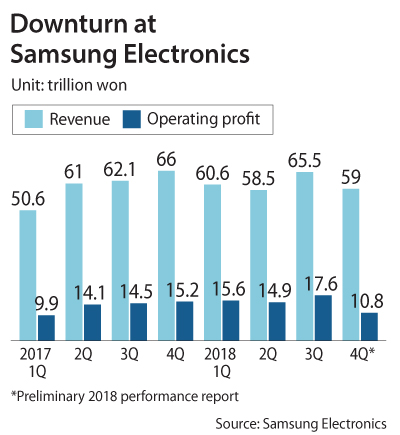
    Samsung Electronics announced sharply lower earnings for the fourth quarter, an earnings “shock” that suggested that the “supercycle” in the global semiconductor market is nearing an end. Preliminary 2018 performance numbers released Tuesday predicted the local IT giant’s operating profit between October and December of last year would be 10.8 trillion won ($9.6 billion), down 28.71 percent year on year.

    This is the lowest figure since the first quarter of 2017’s 9.9 trillion won. Between those two quarters, operating profit had consistently stayed in the 14 to 17 trillion won range.

    Revenue for last year’s fourth quarter slumped 10.58 percent year on year to 59 trillion won. Last year’s third quarter saw record quarterly highs of 65.5 trillion won in revenue and 17.6 trillion won in operating profit.

    Local analysts had expected 13.4 trillion won in operating profit for the fourth quarter and 63.2 trillion won in revenue, according to the stock information provider FnGuide.

    Samsung did not reveal performance figures for different business divisions, but the company cited “slow demand” in semiconductors as a major factor in a public announcement the same day. The IT giant has three major business divisions: chips, smartphones and home electronics.

    The results for all of 2018 showed that the company had a record high operating profit of 58.89 trillion won, a 9.77 percent jump from last year, and 243.5 trillion won in revenue, up 1.64 percent year on year.

    Before starting to slow, semiconductors were the main contributors to Samsung’s high performance over the last two years.

    In the announcement, the company added that demand from data center clients in the fourth quarter had fallen short of expectations.

    “Shipping of memory chips retreated from the third quarter, and the price decline turned out to be bigger than what we expected earlier this year,” it said.

    One reason is because companies with data centers such as Amazon, Facebook and Microsoft bought large amounts of dynamic random-access memory (DRAM) chips during the last two years, which are now piling up.

    DRAM prices started to fall after more than a year of increases – another factor that is affecting demand as companies anticipate more price cuts.

    Slow growth in smartphone sales and one-off expenses including the company’s offering of incentives to staff at the year’s end also affected the profit level.

    Worries that the semiconductor supercycle was ending have surfaced for years, but Samsung and other chipmakers have reported strong earnings – until the fourth quarter.

    December’s chip exports from Korea retreated for the first time in 27 months. The general consensus among local analysts is that Samsung’s revenue will continue to shrink in the first half of this year.

    But they have a more positive outlook for the second half.

    “Memory chip prices will bounce back in the second half of 2019,” said analyst Lee Jae-yun of Yuanta Securities. “Because the supply growth rate of major chipmakers in 2019 will be 19 percent [year on year], whereas demand growth is expected to reach 20 percent.”

  • Samsung Galaxy Tab A (2016) Makes it to Home Market in South Korea

    Samsung Galaxy Tab A (2016) Makes it to Home Market in South Korea

    A few days ago, the mid-range tablet of the Korean tech giant, the Samsung Galaxy Tab A (2016), officially made it to its home market in South Korea with a retail price of $430.
    While the tablet has a lot of market and sales potentials outside of South Korea, reports have it that its international release is still up in the air. Although it seems likely to happen, the Korean tech giant has not given an official word as of yet.

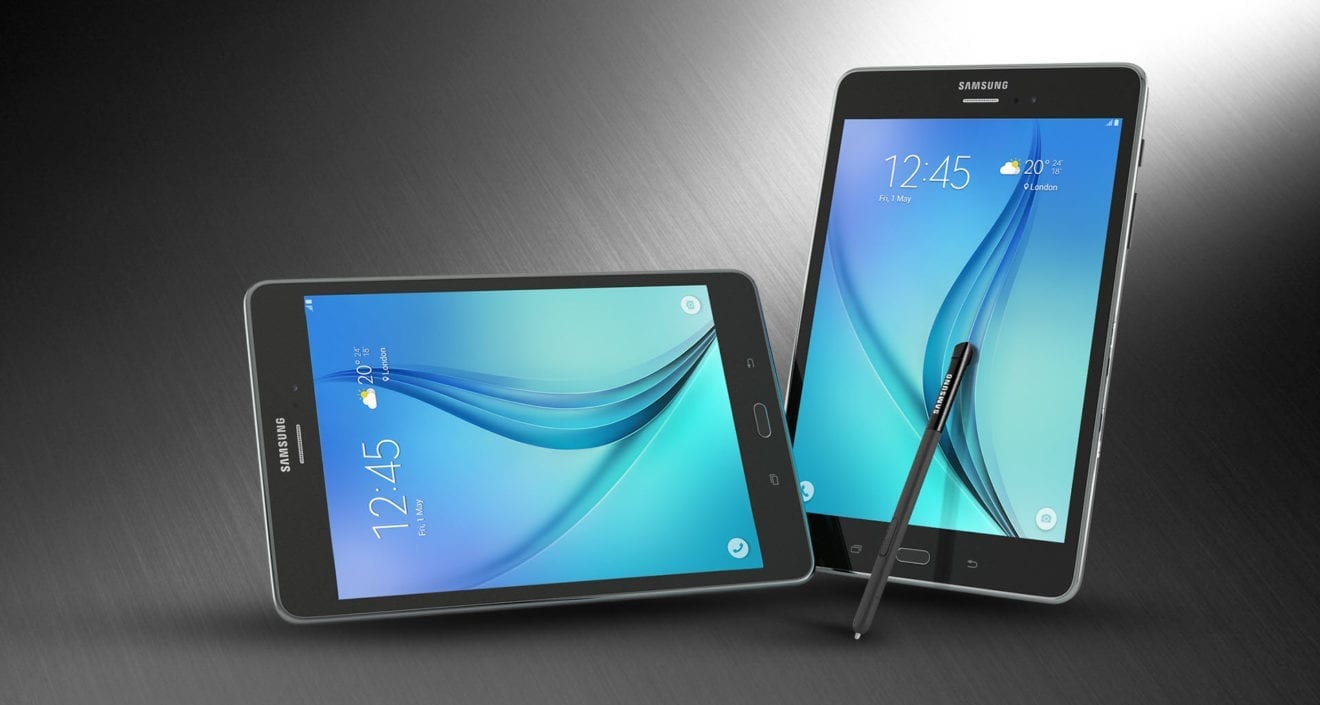
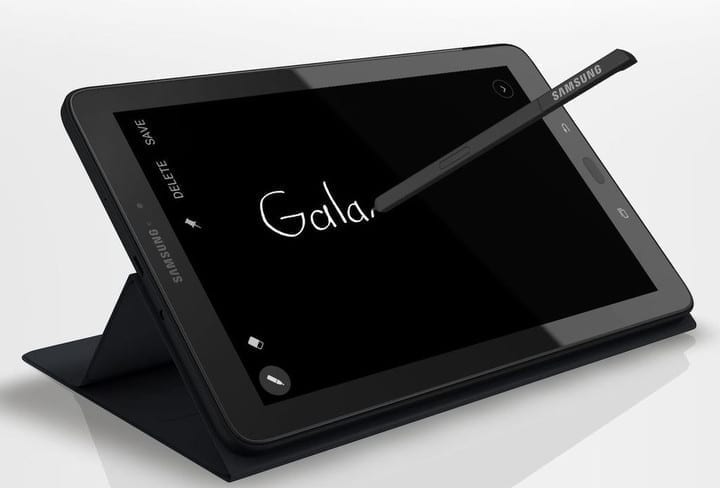
    One of the most interesting features of the Samsung Galaxy Tab A (2016) is the S Pen stylus, which previously comes only with its flagship tablets or phablets.

    The S Pen is actually what separates the new Galaxy Tab A (2016) from its predecessor models, which all came out without any stylus, reports Digital Trends.

    Samsung’s new S Pen has a thinner and more precise tip compared to its previous models. It also operates a revised menu system on the display and can be used to scribble notes on the lock screen and has various new features too.

    It also includes a translation mode, where hovering the pen over a foreign word will bring up a Google translation.

    More than commensurate to its price

    Launched in March 2016, the Samsung Galaxy Tab A (2016) tablet features a 7-inch display with a resolution of 800 pixels by 1280 pixels. For a mid-range tablet, its features are more than commensurate with its retail price.

    The Samsung Galaxy Tab A (2016) is powered by 1.3GHz quad-core and it comes with 1.5GB of RAM. The tablet packs 8GB of internal storage that can be expanded up to 200GB via a microSD card.

    As far as the cameras are concerned, the Samsung Galaxy Tab A (2016) packs a 5-megapixel primary camera on the rear and a 2-megapixel front shooter for selfies, details NDTV Gadgets.

    The Samsung Galaxy Tab A (2016) runs on Android 5.1 Lollipop out of the box and is powered by a 4000mAh nonremovable battery. It measures 186.90 x 108.80 x 8.70 (height x width x thickness) and weighs 283 grams. It is likely that it shall be readily upgradeable to Android 6.0.1 Marshmallow or the Android 7.0 Nougat.

    Connectivity options of the tablet include Wi-Fi, GPS, and Bluetooth. The various sensors on the tablet include a proximity sensor, an ambient light sensor, an accelerometer, and a gyroscope.

    A higher-end variant

    Despite its flagship features, the Samsung Galaxy Tab A (2016) is retaining its mid-range lineup category because its design and specifications, and most importantly its price, are quite similar to that of the Samsung Galaxy Tab A launched in April last year.

    There has been a report of a higher-end variant of the Samsung Galaxy Tab A (2016) which shall reportedly feature a 10.1-inch display, an Exynos 7870 processor, paired with 2GB of RAM.

    It shall also have 16GB of internal storage with an option to expand because of its microSD support.

    It shall feature an 8-megapixel rear camera, a 2-megapixel front-facing camera, a 7,300 mAh battery, and shall reportedly come laden with Android 6.0.1 Marshmallow already. Though with the official release last month of the Android 7.0 Nougat, it seems likely that the 10.1-inc version of the Samsung Galaxy Tab A (2016) shall have a free upgrade to the latest Google mobile operating system.

    samsung galaxy tab a

    It has also been said that the Samsung Galaxy Tab A (2016) shall have a widescreen ratio of 16:10, which is far better than the 4:3 ratio found on last year’s models.

    As far as the design of the device is concerned, the Samsung Galaxy Tab A (2016) looks very much like its predecessor but it will have a more rectangular shape because its display is going to be widescreen. The device shall reportedly be offered in black and white color options.

    The signature home button and capacitive buttons for back and tasks shall also be featured.

    Prior to its official roll out a few days ago, there have been reports saying that the Galaxy Tab A (2016) will come out of the market next year. The rumors are quite absurd considering the 2016 in the name of the tablet. It is likely that the 10.1-inch variant of the Samsung Galaxy Tab A (2016) and its international release shall happen before the end of the year.

    It should be worth noting that the flagship tablet line of Samsung, the Galaxy Tab S has 8-inch and 9.7-inch variants, and is quite different from the Galaxy Tab A (2016) which shall have a 10.1-inch and 7-inch models.

    However, only the 7-inch model of the Samsung Galaxy Tab A (2016) has been released to the Korean market thus far., It could be that the 10.1-inch version is meant for the international market. If the 7-inch version has a $430 price, then it is likely that the bigger variant shall come out with a higher price.

    The pricing seems more realistic now compared to reports before the official release of the 7-inch Samsung Galaxy Tab A (2016) this month indicating that the two variants of the mid-range tablet from the South Korean tech giant shall have a price range from only $190 to $240, which seems more like the prices of tablet made by manufacturers from China rather than Samsung.

  • Ex McDonald’s Korea CEO to take leading role in Homeplus

    Ex McDonald’s Korea CEO to take leading role in Homeplus

    South Korean supermarket chain Homeplus has appointed former CEO of McDonald’s Korea Cho Ju-yeon as its new chief marketing officer, in an executive reshuffle announced on Thursday.

    Cho made headlines in 2016 when she became the first female CEO at the South Korean unit of the fast-food restaurant.

    Hwang Jeong-wook, who formerly served as the chief financial officer at the Korean unit of AstraZeneca, will become the new chief financial officer at Homeplus.

    The move comes as the company seeks to strengthen professionalism and product sourcing capabilities by hiring new executives externally and separating the department in charge of products into two, the supermarket chain said.

    One team, led by the company‘s executive Kim Woong, will focus on fresh food, bakeries, home appliances and product support and safety. The other team, which will be led by newly appointed executive Oh Jae-yong, will focus on groceries, private label products and fashion and interior design products.

    The decision follows the appointment of current CEO Lee Jea-hoon earlier this year.

    “Through the reorganization, we want to present a clear reason why customers want to visit Homeplus,” Lee said in a statement.

  • LOEWE’s 4th store in Korea opens

    LOEWE’s 4th store in Korea opens

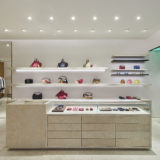
    Spanish brands LOEWE opened a women’s store on the second floor of the Hyundai Department Store. LOEWE is a Spanish leather brand with over 170 years of history and is now attracting the attention of global fashion people, led by designer Jonathan Anderson.

    According to LOEWE, the store is the 4th one to open in Korea, and Loewe plans on developing women’s bags, clothing, accessories and eye-wear in its newly opened store. In addition, the brand will present exclusive products for Hyundai Department Store in commemoration of the store opening.

    The concept of this store is known as ‘Casa Loewe’, designed by Brand Creative Director Jonathan Anderson, using materials such as Spanish limestone, walnut wood and concrete to feature strong mood.

    Eye-catching furniture exclusive to the store are displayed around the space. The brand had a specially-made carpet to show the LOEWE DNA “craftsmanship”.

    With the upcoming holiday season, LOEWE plans on releasing its “Mackintosh” capsule collection. Some items of the collection are exclusive to the Hyundai department store.

    While the newly opened store is one for women, LOEWE opened the men’s store in Galleria department store last October.

    View gallery below for pictures (5 images) :

  • Lotteria to debut in Mongolia

    Lotteria to debut in Mongolia

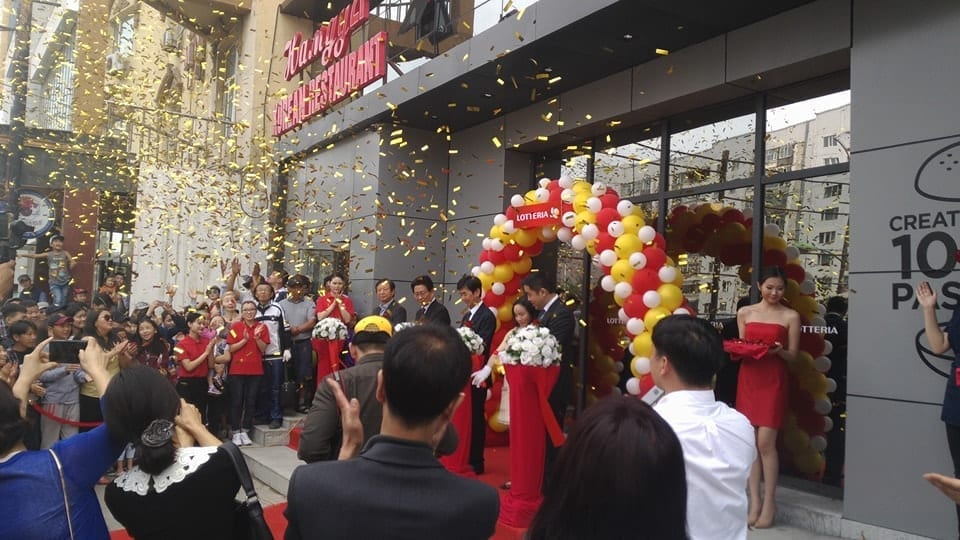
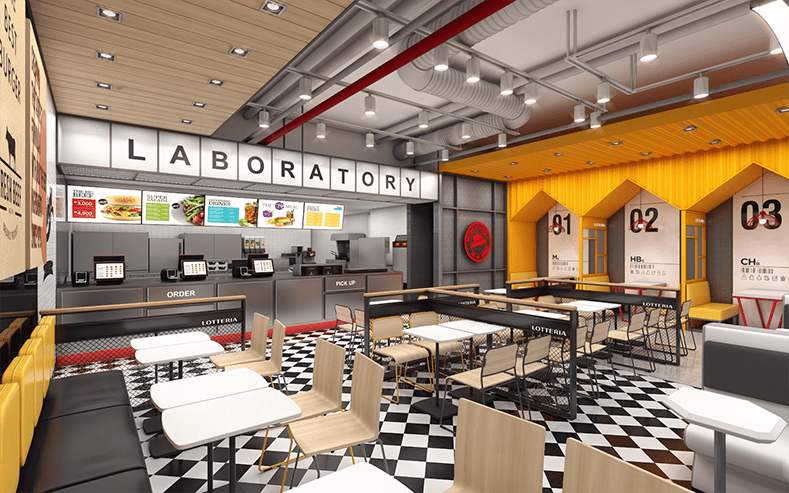
    Korean conglomerate Lotte is launching its fast-food chain Lotteria in Mongolia.

    The brand’s restaurant franchise unit, Lotte GRS, will open its first location in the capital city of Ulaanbaatar and increase outlets to 10 over the next four years. The move follows an agreement with Mongolian restaurant and theatre operator Eugenetek Mongolia, which has signed on as master franchisor.

    A spokesperson for Lotte GRS said the flagship store’s prime location within the city’s commercial district, together with Mongolia’s young population and local enthusiasm for Korean culture, should contribute to the success of the new restaurant.

    Lotte GRS has previously expanded into China, Vietnam, Indonesia, Myanmar and Cambodia with its Lotteria chain as well as its Angel-in-us cafe franchise.

  • Hong Kong is next destination for Korean fashion retailer F&F

    Hong Kong is next destination for Korean fashion retailer F&F

    Korean fashion retailer F&F has revealed plans to open in Hong Kong.

    Details are sketchy, but the company has signed an affiliate and will open its first standalone store in January, according to Korean analysts.

    F&F - MBL

    The expansion follows a stunning 28.6 per cent increase in sales in its home market in the fourth quarter of its latest financial year, which has promoted stock market analysts to rate the stock a “buy”. Profit has soared 36 per cent this year and is on track for a further 20 per cent growth in the 2018 financial year, according to analysts.

    F&F - MBL Kids

    F&F manufactures and retails fashion apparel and accessories for men, women and children under eight brands: MLB, MLB Kids, Discovery, Discovery Kids, Banila, B. By Banila, Collected and Lost Garden. The company focuses on casual apparel, dresses, blouses and sportswear.

    F&F Banila

    Besides its own retail outlets, it sells through department stores and wholesalers.

  • Kia pins hopes on overhauled K9

    Kia pins hopes on overhauled K9

    Kia Motors on Tuesday started to receive preorders for the overhauled version of its K9 large-size sedan, a model which is expected to play a decisive role as the company seeks to change its image and diversify its brand.

    The automaker sees the success of the K9 as representative of the entire K series. If the K9 sells well, the company will be free to shift its resources from revitalizing the struggling K lineup to introducing an electric car lineup, a segment which the automaker has not yet had the chance to fully enter.

    “Kia Motors needs to build up its brand since it is still more known for its recreational vehicle lineup,” said Kwon Hyug-ho, executive vice president at the auto company at a media event for the K9 on Tuesday.

    “After successfully launching the overhauled K9, Kia Motors may make a separate brand for the electric vehicle lineup. The K series survives only when the K9 survives,” he added.

    Kia Motors, the second-largest carmaker in Korea by sales figures, is not particularly well known for its eco-friendly vehicles, while its affiliate Hyundai Motor has been arduously developing a range of emission-free vehicles including the hydrogen-fueled Nexo.

    Kia Motors has only one fully electric car model under its roof, the Soul, and a couple more models with hybrid engines such as the Niro SUV and the K5 and K7 sedans.

    “The premium E emblem at Kia Motors is currently exclusive to the Stinger,” Kwon said. “We may incorporate the future electric car range under the E brand,” he added.

    Kia Motors is known to have considered launching the Stinger as an independent premium brand last year just like Hyundai Motor did with Genesis. Concluding that the global market still lacks understanding of the Kia brand, the automaker resorted to launching it topped with the distinctive E emblem.

    The new K9 is the first fully overhauled version since it was introduced to the Korean market in 2012.

    Standing at the top of the auto company’s K series – the name of its sedan lineup – the latest K9 came with a range of new design elements and top-notch safety technology.

    Changes in the front and rear lamp design stand out among the upgrades, with dual LED lights featured within the lamps. Kia Motors calls the new design “Duplex lamps.”

    The new K9 also came with a revamped grille design that offers a more energetic and dynamic ambience, according to the carmaker.

    In terms of safety features, Kia Motors officials said the new K9 is equipped with some of the most cutting-edge technology.

    One notable new feature in the K9 is the windows, which automatically close when the car goes through a tunnel. The K9 is the first vehicle produced by Hyundai Motor Group to include the feature.

    The technology has been designed to operate on Korean roads and is linked with domestic map data. It is also equipped with other functions such as lane following assist, blind-spot view monitor and rear cross-traffic collision-avoidance assistance systems.

    The automaker plans to sell some 20,000 units of the K9 per year in Korea, rivaling not only domestic models such as the Genesis G80 and EQ900 and SsangYong Motor’s Chairman, but also imported cars such as the Mercedes-Benz’s E-Class.

    Kia Motors plans to sell 6,000 units overseas this year, though the exact timeline for exports has not been determined.

    The price for the lowest trim equipped with a 3.8-liter petrol engine starts at 54.9 million won ($51,600). There are two other engine options: the 3.3-liter turbo petrol and 5.0-liter petrol.

  • DFS Group Whiskey Festival at Hong Kong airport

    DFS Group Whiskey Festival at Hong Kong airport

    More than 100 whiskies are available for sampling in-store, including Suntory Chita Single Grain; Johnnie Walker Blender’s Batch 2: Bourbon Cask & Rye Finish; Royal Salute Polo Collection 2017; Bowmore’s new travel retail exclusive age statement range of 10 Year Old, 15 Year Old and 18 Year Old expressions; and Woodford Reserve Personal Selection.

    “As interest in whiskey continues to grow, we’re thrilled to provide travellers with a chance to celebrate all things whiskey with the launch of our first-ever global Whiskey Festival,” said Brooke Supernaw, DFS Group’s senior vice president, wines, spirits, tobacco, food and gifts.

    “From collectors to those trying whiskey for the first time, the Whiskey Festival is designed for discovery, offering a way to explore this multifaceted spirit.”

    The DFS Whiskey Festival is taking place in the during the DFS, Hong Kong International Airport from the 1st to 30th of June.

    Earlier this year DFS Group hosted its sixth Masters of Wines and Spirits event, which saw more than 60 rare Cognacs, wines and whiskies from over 50 houses showcased at a gala event in Singapore.

  • Hanwha gets smart about solar cell production

    Hanwha gets smart about solar cell production

    Hanwha Group has been striving to make the solar business its future growth engine since it first entered the industry in 2010, and that hard work is starting to pay off. Hanwha Q Cells, the group’s solar cell producer, is now one of the largest manufacturers in the industry, but competition is getting much tougher. Even some of the more established companies in Europe and the United States are struggling due to fast-growing Chinese manufacturers, according to Hanwha. As a result, the United States imposed tariffs on solar cell and module imports earlier this year.

    In a bid to tackle fierce competition and fortify its leadership, the group invested in making its new solar cell plant smarter using wearable gadgets, big data and robots.

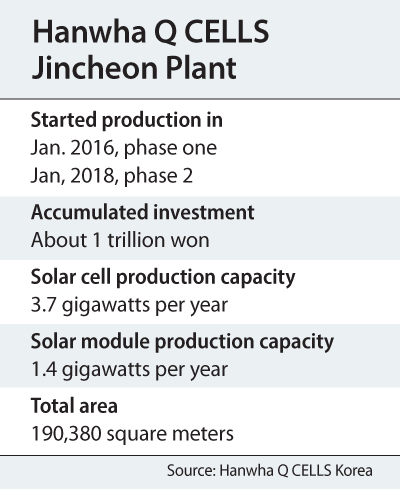
    The Jincheon 2 plant, which started mass production of solar cells and modules in January, is an addition to the original complex built in 2016. With the first and second plant combined, the Jincheon facility is the largest single solar cell production site in the world, according to Hanwha, with 3.7 gigawatt production capacity.

    When we visited the solar cell production line on the third and fourth floor of the newly-built plant on Tuesday, some workers were moving busily from machine to machine wearing what looked like a smart watch.

    “It looks like a smart watch because we took the hardware from electronics companies like Samsung,” a spokesperson from Hanwha said. “But we applied our own software so that workers receive alarms when there are problems with the machines.”

    According to the solar cell maker, the watch does not provide a detailed cause or explanation of the problems, but it makes workers respond immediately to issues by alarming them with notices categorized into four stages – S, A, B and C – depending on the severity and complexity of the problem.

    The system means that just 40 workers are required to manage 220 machines lined-up horizontally in five production lines in the 330-meter-long (1082 feet) solar cell production room, according to Hanwha.

    Another unusual scene inside the plant was a huge stack of 200 solar cells moving around over workers’ heads.

    “We call it a cassette,” said Yang Byung-ki, a manager of cell production at Hanwha Q Cells Korea, the company in charge of cell production in Korea. “This automated overhead logistics system delivers solar cells quickly and safely to the next destination.”

    The automated delivery system moves cells through the 10 stages of production.


  • Espoir enhances customer experience by new concept store “MAKE-UP MARKET”

    Espoir enhances customer experience by new concept store “MAKE-UP MARKET”

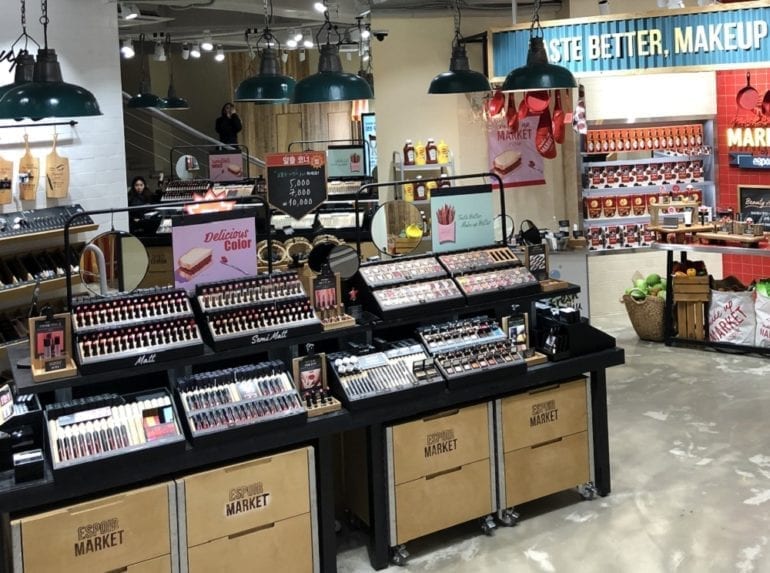
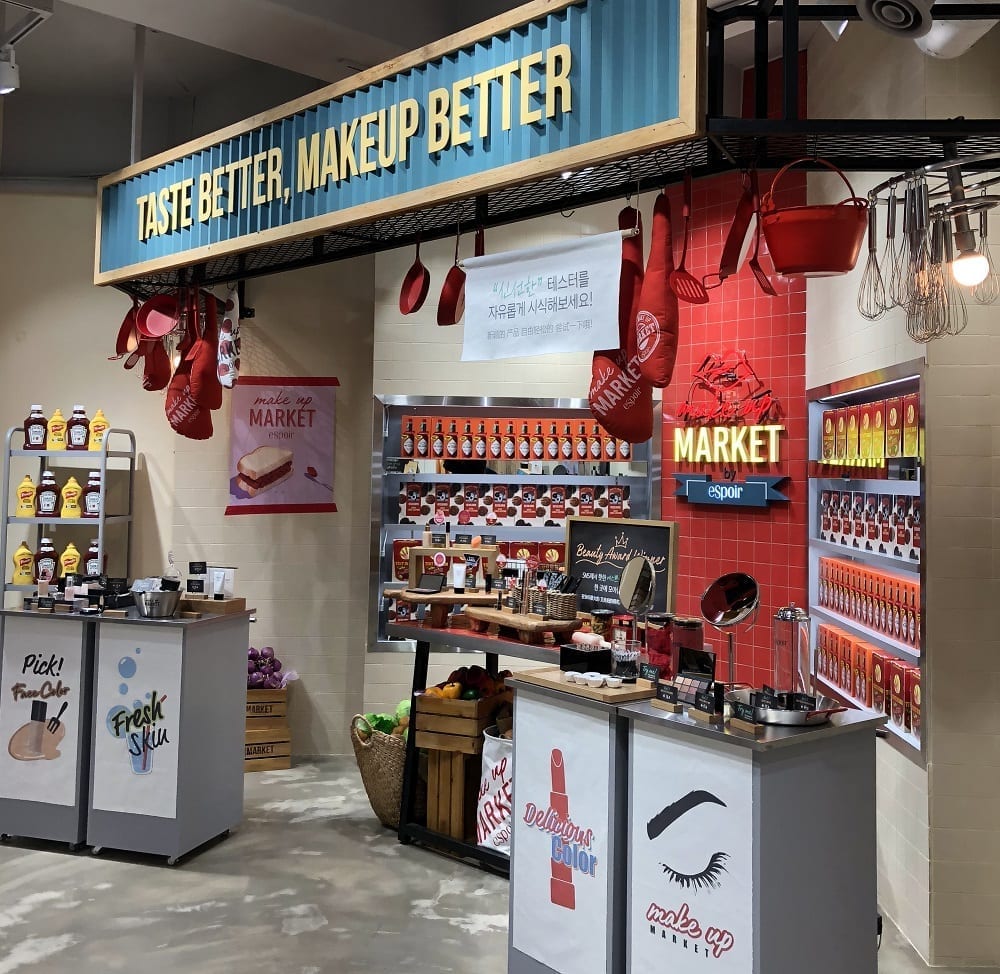
    Espoir opened new concept store with the theme ‘Market’ in order to provide a new brand experience in Shinsa-dong, Seoul.

    Inspired by the European market, the ‘MAKE-UP MARKET’ of Espoir brings a feeling of a colorful  interior to the actual food market.

    The make-up market store is the first self-picking concept store.

    Espoir has introduced a self-picking process that allows customers to test and buy their own products through a space configuration that considers the customer’s movement.

    Additionally, they provide free stamps, ribbons, etc. in the self-packing zone so that customers can freely wrap their own products when they have finished all their purchases.

    There is a tasting zone in the market  so that anyone who visits the store can test the best-selling products of Espoir. There is also a flea market zone on the first floor and the basement floor for best-selling items at special price.

    In this concept store, pre-sales promotions that were only offered online will be carried out in the off-line store alone so that customers can experience new more quickly than anyone else.

    There are also a variety of exclusive set items available only in ‘MAKE-UP MARKET’ store.  Customers will receive a ‘slim fit air puff’ or a special market sticker on a first-come, first-served basis for customers purchasing from a concept store during February 2018.

    “We hope that customers will be able to experience various aspects of our products through the new concept store of ‘MAKE-UP MARKET’ following the concept store of Hongdae ‘MAKE-UP PUB concept store’, and we will prepare a various event that will provide fun and new products for customers in the future,” company said.