Tag: Korea

  • CJ Olive Young Boosts Brand Growth with Skin Analyser Service in 100 Stores

    CJ Olive Young Boosts Brand Growth with Skin Analyser Service in 100 Stores

    In an innovative stride toward personalized beauty services, CJ Olive Young is set to dramatically expand its self-operated skin analyser machines across South Korea. By the end of 2025, the popular health and beauty retailer plans to install approximately 100 machines in major cities, catering to the rising consumer demand for customized skincare solutions.

    Expanding Access to Advanced Skin Analysis

    CJ Olive Young’s new initiative offers customers a complimentary service that analyzes scalp and skin conditions. The technology provides insights on hydration and sensitivity, affording personalized skincare advice to meet individual needs. This expansion not only aligns with evolving consumer trends but also strengthens Olive Young’s commitment to offering tailored shopping experiences.

    Leveraging Technology for Customer Engagement

    At the core of this initiative is “SELLY,” an exclusive counseling app used by store staff that suggests products based on each customer’s unique skin type, texture preferences, and ingredient requirements. The app enhances in-store consultations, making it a vital tool in bridging the gap between customers and products.

    Strong Evidence of Consumer Interest

    The significance of this expansion is underscored by recent data from Olive Young’s flagship store in N Seongsu, where customers using the “Skin Scan Pro” service exhibited a purchase conversion rate of 78%. This figure contrasts sharply with the 43% conversion rate observed among non-users, highlighting the effectiveness of personalized engagement strategies in the retail landscape.

    The Shift Toward Discovery-Based Shopping

    This growth strategy comes at an opportune moment. With a marked shift in retail dynamics—from a search-driven approach to one grounded in discovery—CJ Olive Young is poised to lead the way in fulfilling the desires of Gen Z and Millennials for authentic and meaningful shopping experiences.

    As CJ Olive Young expands its personalized beauty services, the impact on the retail sector and consumers is substantial. Enhanced consumer engagement through technology is likely to redefine shopping habits, making personalized beauty advice more accessible and leading to increased customer loyalty across the industry.

    Questions & Answers:

    1. What is CJ Olive Young planning for 2025? CJ Olive Young aims to install approximately 100 self-operated skin analyser machines in major cities across South Korea by the end of 2025.
    2. How does the skin analyser service work? The free service provides customers with scalp and skin condition analysis, offering personalized skincare advice based on metrics like hydration and sensitivity through the use of an exclusive app called “SELLY.”
    3. What impact has this service had on purchase behavior? Customers who engaged with the “Skin Scan Pro” service experienced a 78% purchase conversion rate, compared to 43% for those who did not use it, indicating strong interest in personalized beauty experiences.
  • IKEA Unveils First Mixed-Use Store in South Korea, Boosting Retail Growth

    IKEA Unveils First Mixed-Use Store in South Korea, Boosting Retail Growth

    IKEA Expands Footprint in South Korea with New Mixed-Use Store

    Dive into IKEA’s latest venture in Seoul as the global home furnishings giant enhances its local presence in a rapidly evolving retail landscape.

    A Strategic Investment in South Korea

    IKEA has officially opened its fifth store in South Korea, a significant milestone that is part of the brand’s ambitious strategy to invest over $341 million (approximately €300 million) in the country. This latest store, located in the Gangdong I-Park The River complex in eastern Seoul, marks IKEA’s first foray into a mixed-use facility, innovatively combining shopping, entertainment, and business spaces.

    Innovative Offerings for Modern Consumers

    The IKEA Gangdong store showcases a robust selection of 7,400 products, with 3,700 available for immediate purchase. Among its notable features are a sustainable living shop, designed to promote eco-friendly practices, and a circular hub that encourages recycling and repurposing. Furthermore, the introduction of electric vehicle deliveries aligns with IKEA’s commitment to achieving zero emissions and underscores its dedication to addressing emerging consumer trends toward sustainability.

    Reinforcing Digital and Physical Presence

    This opening is a key component of IKEA’s broader strategy to deepen its engagement within the South Korean market. The company is focused not only on expanding its physical stores but also on enhancing its digital presence to cater to the evolving needs of consumers. With this investment, IKEA aims to provide an elevated shopping experience that meets the demands of today’s discerning customers.

    Impact on the Retail Sector

    IKEA’s strategic expansion in South Korea reflects a dynamic shift in the retail landscape, responding to the rising consumer demand for integrated shopping experiences. As brands evolve to embrace sustainability and innovation, the implications for consumers and the broader retail sector are significant, paving the way for more versatile shopping environments that foster convenience and eco-consciousness.

  • JD Logistics Targets South Korea for Domestic Supply Chain Expansion

    JD Logistics Targets South Korea for Domestic Supply Chain Expansion

    JD Logistics, a pivotal division of JD.com—China’s retail behemoth—has announced the launch of two state-of-the-art logistics centers in Icheon and Incheon, marking a significant entry into South Korea’s logistics market. The centers will offer enhanced third-party logistics (3PL) services and sophisticated supply chain solutions across the region.

    Enhancing Regional Supply Chains

    The newly operational facilities in Icheon and Incheon are pivotal in JD Logistics’ strategy to bolster its presence in South Korea. Offering rapid delivery services, these centers promise shipment times as quick as 12 hours within Seoul and its adjacent areas. This initiative not only sets a new standard in delivery speed but also strengthens the company’s service capacity in the region.

    Incheon and Icheon: Centers of Innovation

    The Icheon center is equipped with advanced automated systems for packing and sorting, drastically boosting operational efficiency. Serving a major South Korean e-commerce entity, this facility was equipped to stabilize operations and minimize fulfillment risks within a mere month of implementation. Moreover, it incorporates a batch-based inventory system specifically for food products, enhancing both accuracy and expiration date management. Its AI-powered warehouse optimally positions popular items in high-turnover zones to maintain the promise of 12-hour delivery windows.

    Conversely, the Incheon center is designed to support comprehensive logistics from end-to-end for South Korean beauty brands and a significant U.S. consumer goods firm, showcasing its versatile operational capabilities.

    Bridging Korean and Chinese Markets

    JD Logistics doesn’t stop at local expansion; it integrates the South Korean market with global e-commerce opportunities. Through JD.com’s cross-border platform, JD Worldwide, the company facilitates a direct connection between Korean products and Chinese consumers, enhancing market reach for South Korean brands internationally.

    With a network of over 100 warehouses globally, JD Logistics commits to impressive delivery times of 2-3 days in major international markets and even offers same-day services in select locales, setting a high industry standard for logistics efficiency.

    Implications for the Retail Sector and Future Consumer Trends

    The expansion of JD Logistics in South Korea is expected to induce significant shifts in consumer expectations and retail dynamics within the region. Faster delivery times, coupled with robust logistics solutions, are poised to elevate consumer satisfaction and could pressurize local competitors to enhance their logistical frameworks. This strategic move by JD Logistics not only amplifies their global footprint but also signals a new era of efficiency and connectivity in retail and e-commerce logistics.

  • SK Telecom Hit by Cyber Attack

    SK Telecom Hit by Cyber Attack

    The mobile carrier reported that the breach occurred due to malicious code infiltrating its systems. While the exact scope and nature of the data leak are still under investigation, the company stated it took immediate steps to report the incident to the Korea Internet and Security Agency (KISA), aligning with regulatory requirements.

    In a message to employees, CEO, Ryu Young-sang, conveyed his regret and accepted responsibility for the breach. He urged staff to take stronger measures to improve the company’s cybersecurity framework and enhance efforts to protect customer data.

    SK Telecom confirmed it has notified the Personal Information Protection Commission of the incident and is working closely with investigators. The company added that it promptly deleted the malicious code and isolated the affected equipment upon detecting a possible breach. There have been no confirmed reports of the leaked data being misused.

    The company said it will adopt stronger security measures, including comprehensive system inspections, upgraded detection and blocking systems for illegal SIM-related activities, and improved alert protocols in cases of potential threats. A free SIM protection service is also being offered through its website and T World platform.

    In response to the incident, the Ministry of Science and ICT (MSIT) has set up an emergency task force in collaboration with the Cyber Security and Network Policy Bureau. The ministry requested that SK Telecom preserve and submit relevant data for analysis. Officials from KISA were dispatched to the telecom provider’s Seoul headquarters for an on-site investigation.

    Depending on the outcome of the investigation, the government may form a joint task force encompassing both the public and private sectors to co

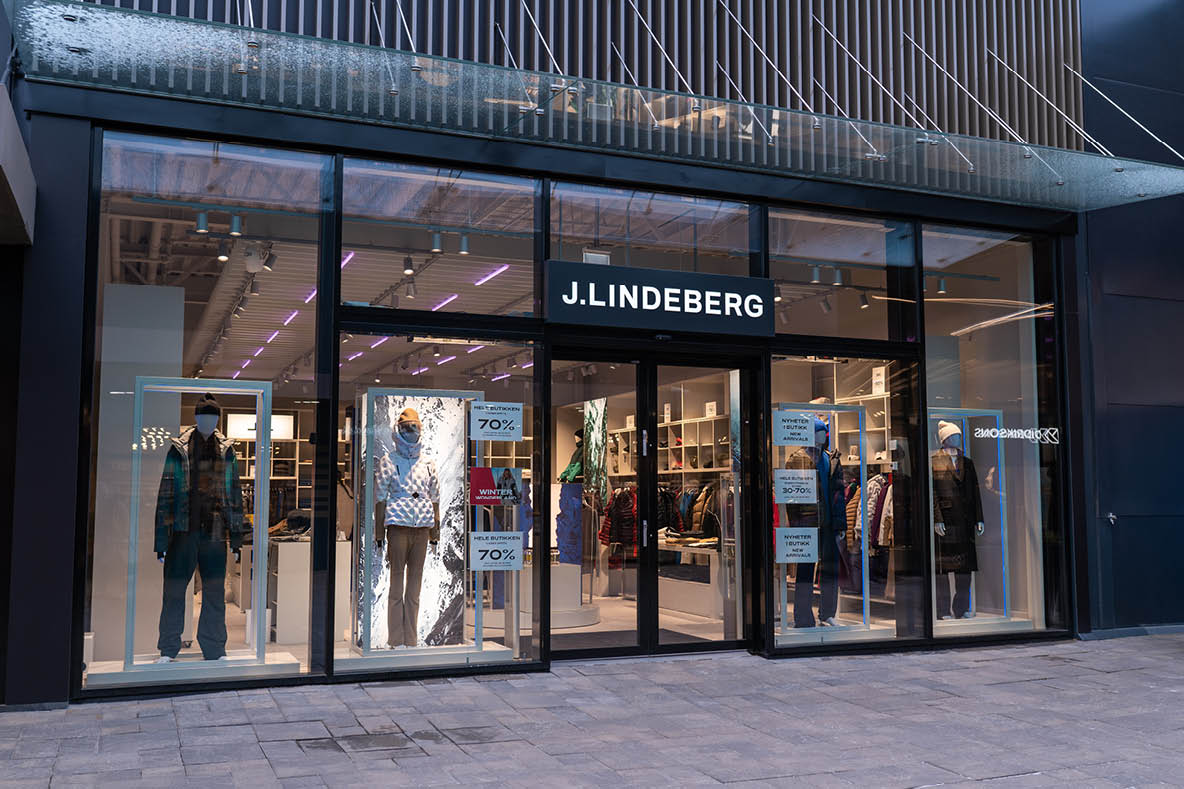
  • J Lindeberg opens five-story flagship in Seoul’s Gangnam district

    J Lindeberg opens five-story flagship in Seoul’s Gangnam district

    In Seoul’s trendy Gangnam district, Swedish apparel label J Lindeberg has opened its largest store yet, a five-storey flagship.

    The concept store is inspired by the rhythm of golf and each floor showcases the company’s apparel as if navigating a golf course.

    The store was designed in collaboration with interior creatives, Showmakers, to celebrate movement, performance, and modern luxury through its furniture, themed zones and hangout spaces.

    The store offers different services on each floor,

  • Zara to open first cafe in South Korea

    Zara to open first cafe in South Korea

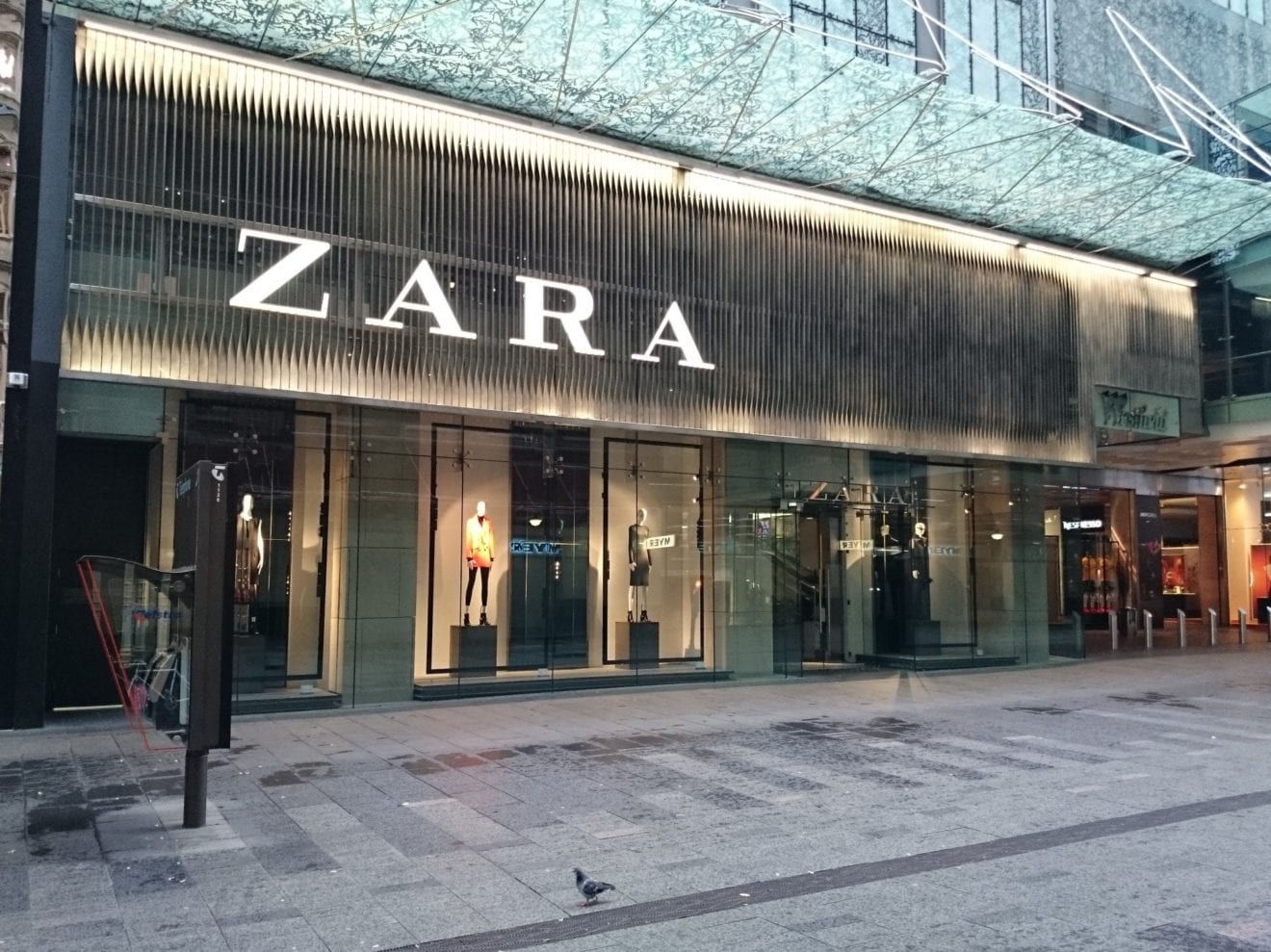
    Zara, the Spanish fashion giant, is set to open its first Zacaffe location in South Korea this May, launching inside the brand’s newly renovated flagship store in Myeong-dong, Seoul.

    The move reflects a growing trend among global fashion brands incorporating cafes into their retail spaces, offering customers a more immersive brand experience.Zara introduced Zacaffe in Madrid in November 2024, integrating a cafe space within select stores to serve coffee, desserts, and branded merchandise, including tumblers, hats, eco-bags, and t-shirts. Following its China debut in Nanjing this month, the Seoul location will be its third global outpost, with an Osaka store also in the pipeline.

    “Myeong-dong is a prime shopping and fashion district, attracting both locals and tourists, making it the perfect location for a flagship Zara store and our cafe experience,” a Zara representative said.

    Zara also plans to introduce Korean-inspired desserts and a cafe design that reflects local aesthetics, aiming to attract both domestic customers and international visitors. The company is considering further expansion within South Korea.Zara is not alone in blending retail and café culture. Luxury fashion brands have increasingly adopted coffeehouse ventures to strengthen their brand presence and enhance customer engagement.

    Ralph Lauren introduced Ralph’s Coffee to South Korea in September 2024, opening a cafe in Seoul’s Garosu-gil district, a decade after launching the brand in New York in 2014. The cafe, featuring classic green-and-white interiors and American-style menu offerings, has drawn long queues, even on weekdays. Ralph’s Coffee also opened a popular pop-up store at The Hyundai Seoul last month.
    Maison Kitsune, the Parisian-Japanese brand under Samsung C&T fashion division, launched cafe Kitsune in Seoul’s Garosu-gil in 2018. The brand has since expanded to Hyundai Department Store’s Mokdong and Pangyo locations, as well as Shinsegae’s Centum City branch, where the cafe welcomes over 400 customer groups daily on weekends.

    Gelato Pique, a Japanese homewear brand, entered the cafe scene in September 2024 by opening Pique cafe in Hannam-dong, Seoul. The cafe offers specialty crepes and gelato, aligning with the brand’s “comfortable luxury” ethos and attracting foot traffic to the store.The trend underscores a strategic shift in the fashion industry. With the rise of e-commerce reducing in-store foot traffic, brands are reinventing retail spaces as lifestyle destinations.

    “Online shopping has made it harder for brands to showcase their identity in physical stores,” a fashion industry insider noted. “By launching cafés and selling branded merchandise, fashion labels create a more tangible, memorable experience for customers.”

    As more brands adopt cafe-driven retail strategies, the industry’s shift toward experiential shopping is expected to accelerate, blurring the lines between fashion, lifestyle, and hospitality.

  • South Korean firms plan to expand investment in Vietnam

    South Korean firms plan to expand investment in Vietnam

    South Korean conglomerates, including SK Group, Samsung, and LG, are expanding their investments in Vietnam, focusing on energy, high-tech manufacturing, and sustainable development.

    SK Group, the second-largest conglomerate in the country, has planned to invest in three LNG-fueled power projects in Vietnam, aiming to develop a new energy hub integrating artificial intelligence development, hydrogen, logistics, eco-friendly agriculture, and innovation in the Southeast Asian nation.

    In meetings with Party General Secretary To Lam and Prime Minister Pham Minh Chinh last week, SK Group Chairman Chey Tae Won said his firm is actively seeking opportunities to enhance support for and cooperation with Vietnam to promote long-term, sustainable economic growth.

    SK has already invested around $3.5 billion in Vietnam. However, most of the sum is indirect investment, involving equity purchases worth hundreds of millions to over a billion dollars in major companies such as Vingroup, Masan, Pharmacity, and Imexpharm.

    The Ecovance high-tech biodegradable materials plant in the northern port city of Hai Phong is the first direct investment project of SK in Vietnam. SK is investing in the project through a subsidiary at the DEEP C Industrial Park, with a total investment of $500 million. The project targets the rapidly growing global biodegradable materials market.

    Chey stated SK considers Vietnam a priority partner in its investment strategy in the coming time, adding the firm is eager to participate in Vietnam’s green transition, especially in energy and industry, thus contributing to the Southeast Asian nation’s goal of cutting emissions to net zero by 2050.

    Meanwhile, Samsung Display of South Korea has been approved to inject an additional $1.2 billion into its existing next-generation display manufacturing plant in the northern province of Bac Ninh. This investment aims to establish Vietnam as a key production hub for Samsung’s next-generation displays.

    In a recent meeting with Prime Minister Pham Minh Chinh, General Director of Samsung Vietnam Choi Joo Ho, and his successor, Na Ki Hong, stated that, in addition to its traditional investment areas, Samsung will expand its investments in Vietnam into new sectors.

    Samsung has invested over $23 billion in Vietnam, and continues to inject billions of dollars annually. With its new plans, more billion-dollar projects are likely to be added to Samsung’s investment portfolio in the Southeast Asian nation.

    Besides Samsung, LG has also been steadily increasing its investments in Vietnam. Last year, it poured billions of dollars into the LG Display project in Hai Phong. Looking ahead, LG plans to further expand its investments in the country.

    Other giants such as Hyosung, Amkor, and Hana Micron are also looking to expand their investment and business in Vietnam.

    After investing $520 million, Amkor decided to inject an additional $1.07 billion into its plant in Bac Ninh, 11 years ahead of its schedule. Recent reports indicate that Amkor’s plant is expected to triple its production capacity in the near future.

    South Korea’s registered investment in Vietnam hit $1.25 billion in January alone, much higher than the figure of $93.46 million recorded in January last year.

    South Korean investors have poured $92 billion into Vietnam, ranking first among countries and territories investing in the Southeast Asian nation, statistics showed as of January 2025.

  • Oatly Barista Edition rolls out in Circle K stores in Northern Europe

    Oatly Barista Edition rolls out in Circle K stores in Northern Europe

    Swedish plant-based alt-milk producer Oatly has partnered with the convenience store chain Circle K to introduce its Barista Edition beverage across stores in Estonia, Lithuania, and Latvia.

    The Oatly Barista Edition is a plant-based, dairy-free alternative that the company claims provides the same creamy taste, frothy texture, and functionality as traditional coffee creamers.

    Skirmantas Maciukas, VP of Circle K Baltics, stated that the collaboration with Oatly is part of its mission to provide plant-based options for customers throughout the Baltics.

    “Our mission is to make our customers’ lives a little easier every day,” he added.

    Circle K is owned by Canadian convenience store giant Alimentation Couche-Tard, which operates the brand in more than 20 markets worldwide.

    Recently, Oatly also partnered with Nespresso for a limited-release Barista Edition coffee capsules.

  • Korean sandwich brand Eggdrop lands in the Philippines

    Korean sandwich brand Eggdrop lands in the Philippines

    Korean sandwich brand Eggdrop has opened its first store in the Philippines, located in the SM Mall of Asia.

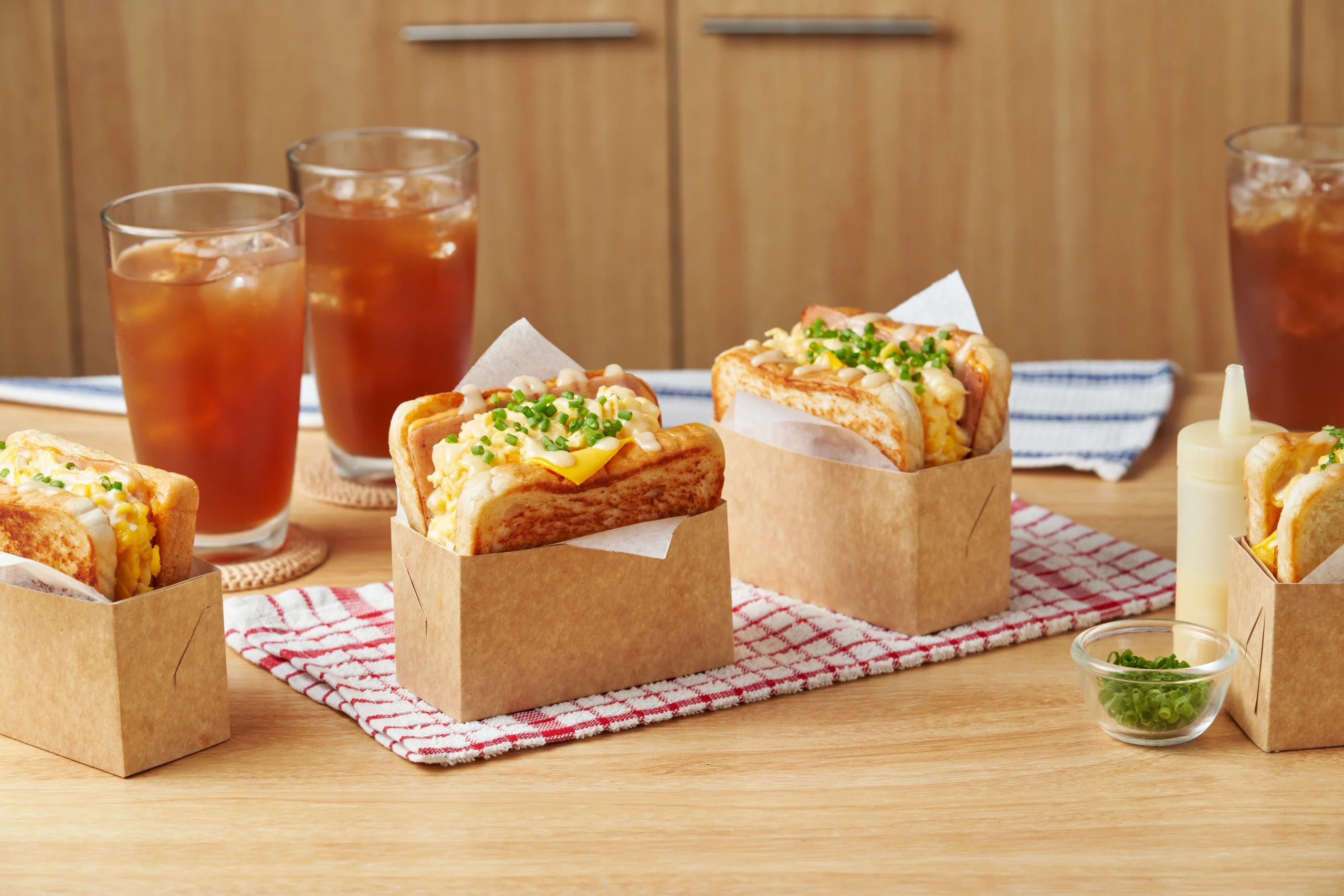
    The brand is known for making egg sandwiches using brioche buns, organic eggs, and other fresh ingredients. Some of its signature offerings are Garlic Bacon Cheese, Avo Holic, and Mr Egg.

    Eggdrop said to maintain its standards; the company uses a local supply chain to guarantee freshness while supporting Filipino farmers.

    Stuart Wong, head of Eggdrop Philippines, said he was inspired by seeing Eggdrop in the Korean drama Hospital Playlist.

    “It made me want to share this experience with Filipinos,” he added.

    “The joy of taking that first bite of an Eggdrop sandwich is unforgettable.”

    The company plans to open a second store in Bonifacio Global City (BGC) early this year to advance its expansion across Asia.

  • Starbucks to open store near North Korea border

    Starbucks to open store near North Korea border

    Starbucks Korea plans to open a new location near the border between South Korea and North Korea, with a view into the latter country.

    The outlet will open on Nov. 27 on the second floor of the Jogang Observatory in Gimpo, Gyeonggi Province, South Korea, about 1.4 kilometers from the border with North Korea.

    The 136-square-meter store, with around 10 seats, will provide patrons a view into Kaepung County in North Korea’s North Hwanghae Province. It will also reportedly sell exclusive drinks and merchandise, including a cup featuring the Aegibong peak, where the observatory is situated.

    The Aegibong Peace Eco Park, which surrounds the observatory, is recognized for its environmental preservation and serves as a breeding ground for endangered species due to strict limits on civilian access. The military must screen all visitors before entering the park.

    The Gimpo government plans to add more buses running from the Marine Corps checkpoint to the park.

    South Korea has 1,893 Starbucks stores as of 2023, the fourth-highest number globally.

    Starbucks Korea reported sales of 2.93 trillion won (US$2.1 billion and an operating profit of 139.8 billion won last year.

  • Italian luxury brand N21 debuts in South Korea

    Italian luxury brand N21 debuts in South Korea

    Italian luxury fashion brand N21 (Numero Ventuno) has opened its first store in South Korea at the Hyundai Department Store Trade Center, marking its entry into the Korean market.

    Founded in 2010 by designer Alessandro Dell’Acqua, N21 is known for its modern yet feminine designs, offering a range of clothing, handbags, shoes, and accessories.

    The new store incorporates the brand’s signature design elements, featuring a nude colour palette with materials like lava stone and translucent surfaces, creating a “bold yet luxurious” ambience.

    It currently showcases the Fall/Winter 2024 collection, with key pieces such as the ‘Jewelry Sweater’ with signature jewellery buttons, oversized wool jackets, and long silk dresses.

    Kolon FnC – which secured exclusive distribution rights for N21 in South Korea  – said it plans to use the new store to strengthen N21’s presence and name awareness.

    With this addition, the company expands its portfolio of international brands, which includes Marc Jacobs, Neil Barrett, Valextra, and Khaite.

  • Korean Air selects Air Incheon as preferred bidder of Asiana Airlines’ freighter business

    Korean Air selects Air Incheon as preferred bidder of Asiana Airlines’ freighter business

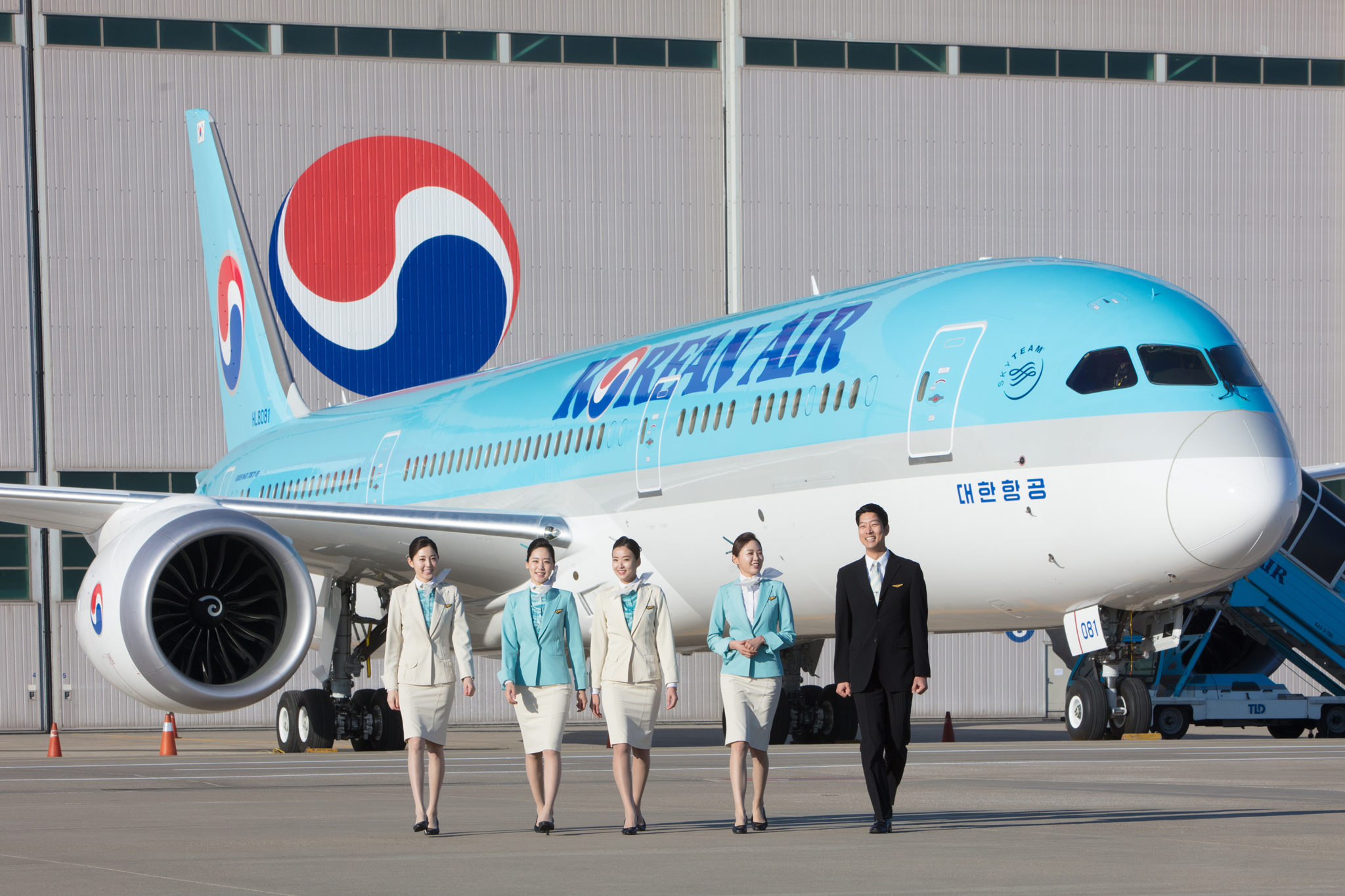
    Korean Air has selected Air Incheon as the preferred bidder for the sale of Asiana Airlines’ global cargo freighter business. The decision was made at the Board of Directors meeting held on June 17.

    Korean Air selected Air Incheon as the preferred bidder based on several key criteria: the certainty of completing the transaction, the ability to maintain and enhance long-term competitiveness of the air cargo business, and the capability to mobilize funds through a competent consortium.

    Founded in 2012, Air Incheon is Korea’s only all-cargo airline, with operations focused in Asia. Air Incheon is expected to strengthen its competitiveness by utilizing Asiana Airlines’ long-haul network to the Americas and Europe, and fleet of larger cargo aircraft.

    Korean Air plans to sign a framework agreement with Air Incheon in July after agreeing on the contract conditions. The agreement is subject to review by the European Commission.

    “The preferred bidder was selected through a comprehensive evaluation of all factors crucial to the growth of the air cargo industry, a key national industry, while maintaining the existing competitive environment,” said a Korean Air representative. “We are committed to quickly finalizing the sales process through flexible negotiations, and completing the acquisition of Asiana Airlines.”

  • Shein clothes found to contain high levels of toxic chemicals in Korean tests

    Shein clothes found to contain high levels of toxic chemicals in Korean tests

    Clothing purchased from Shein for scientific testing has been found to contain “significant quantities” of potentially dangerous chemicals.

    The investigation found that one pair of shoes contained 428 times the permitted levels of phthalates – the highest observed during the Seoul government tests – and three bags had amounts as high as 153 times the limit.

    Phthalate is a chemical compound used in the production of plastics that is thought to be hazardous to human health. The city has urged the Chinese e-commerce platform to stop selling the products.

    Shein responded that it takes product safety “very seriously” and that the firm has undertaken 400,000 chemical safety tests of products within the past year.

  • Korean Air to launch new route to Macau

    Korean Air to launch new route to Macau

    Flights depart from Incheon International Airport at 9:15 pm and arrive at Macau International Airport at 11:55 pm. The return flight departs from Macau International Airport at 1:10 am the next day and arrives at Incheon International Airport at 6:00 am. The flight time is approximately 3 hours and 40 minutes.

    Macau, a special administrative region of China, offers a unique blend of Chinese and Portuguese cultures. With its mild winters, it is considered a great travel destination year round. Visitors can explore exotic streets, historic buildings and the vibrant skyline as well as enjoy many activities such as night bus tours and fountain shows.

    Macau’s proximity to Hong Kong, accessible within an hour by ferry or bus, offers further travel convenience. Korean Air also operates four daily flights between Seoul Incheon and Hong Kong.

    In response to growing travel demand, Korean Air is restoring services and exploring new markets to strengthen its China network. The airline has resumed three weekly flights between Seoul Incheon and Zhangjiajie and four weekly flights between Seoul Incheon and Zhengzhou from April 23 and 24, respectively.

  • South Korean burger chain Mom’s Touch enters Japan

    South Korean burger chain Mom’s Touch enters Japan

    Korean burger and chicken fast food chain Mom’s Touch is set to open its first directly managed Japanese store in Shibuya, Tokyo.

    Scheduled to open on April 16, the new 418 sqm Shibuya store will sit in a location that used to be occupied by McDonald’s and have a seating capacity of 200 people. According to local media, the new store will be adjacent to Shibuya Scramble Square where the daily floating population reaches about 3 million people.

    “We believe this is an important first step for Mom’s Touch to make the leap to become a global brand and make full-fledged overseas expansion,” the company said in a statement.

    As part of the expansion plan, Mom’s Touch has participated in the Tokyo Franchise Show as it seeks to further expand internationally and promote its Korean burger in the country, which has a burger market estimated at US$5.3 billion.

    The company launched a pop-up store in Shibuya last October, luring about 33,000 visitors. As of February, Mom’s Touch operates 1420 stores in its home market.

    The Japan expansion follows the chain’s launch into Mongolia last year.