Tag: Korea

  • Coupang launches overseas direct purchase service in Japan

    Coupang launches overseas direct purchase service in Japan

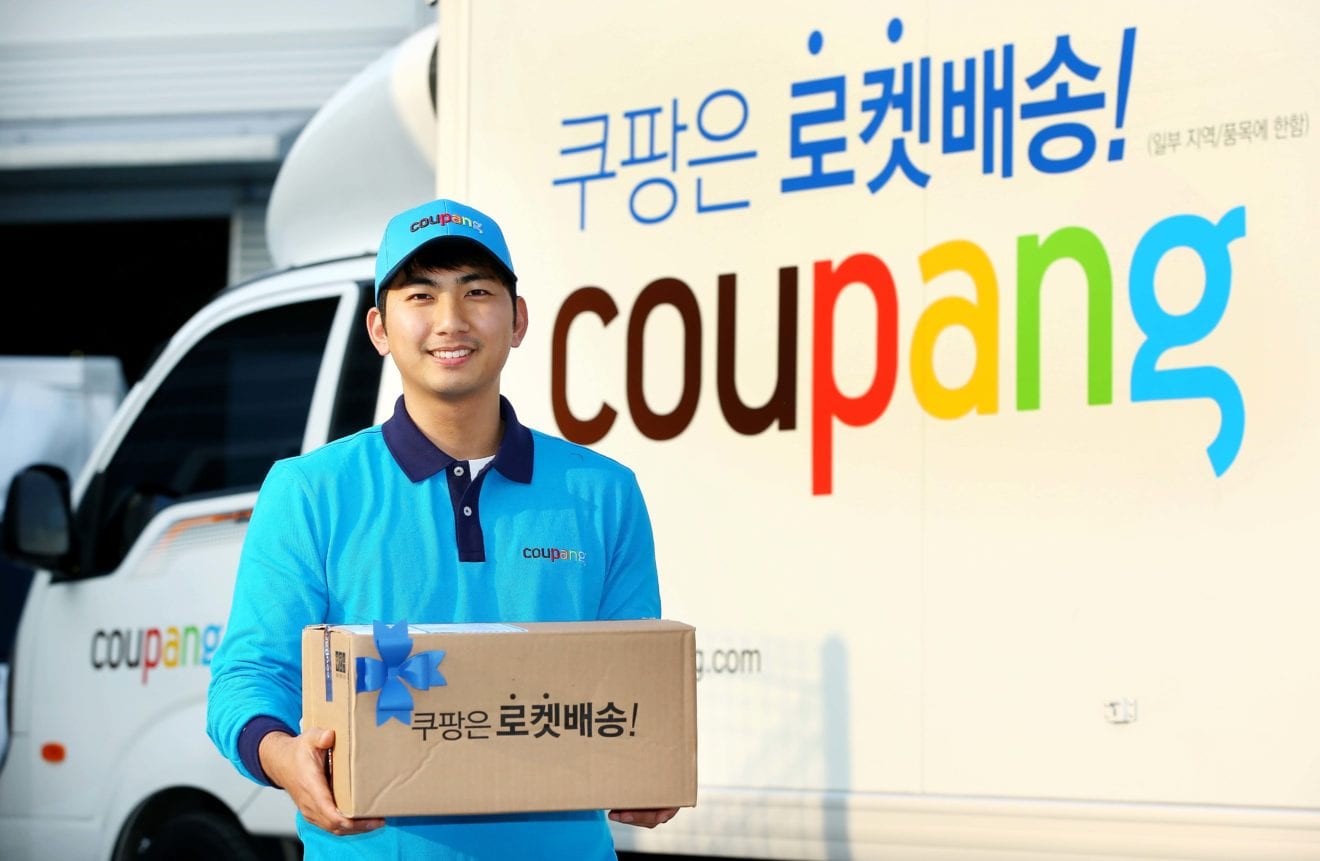
    Coupang customers in South Korea can now directly purchase products from Japan, thanks to the e-commerce platform’s expansion of its overseas direct purchase service.

    With Japanese products now available through the Rocket Jikgu direct purchase service, customers can now purchase food from brands such as Nissin, Meiji, LeTao, and AGF, and beauty items from brands such as Senka, Bioré, Fino, Tsubaki and P&G Japan.

    The platform will also offer home improvement brands Ishida and Joseph Joseph and stationery products from Zebra, Mitsubishi, and Pentel.

    The company first launched Rocket Jikgu in the US in 2017 and has expanded the direct purchase service since.

    The South Korean online retailing giant has then added China to its Rocket Jikgu network in 2021 and Hong Kong in 2022.

    Last year, the Japanese overseas direct purchase market grew by 11 percent, with food purchases surging about 45 percent.

  • Ikea Korea further cuts costs due to the continued downturn in sales

    Ikea Korea further cuts costs due to the continued downturn in sales

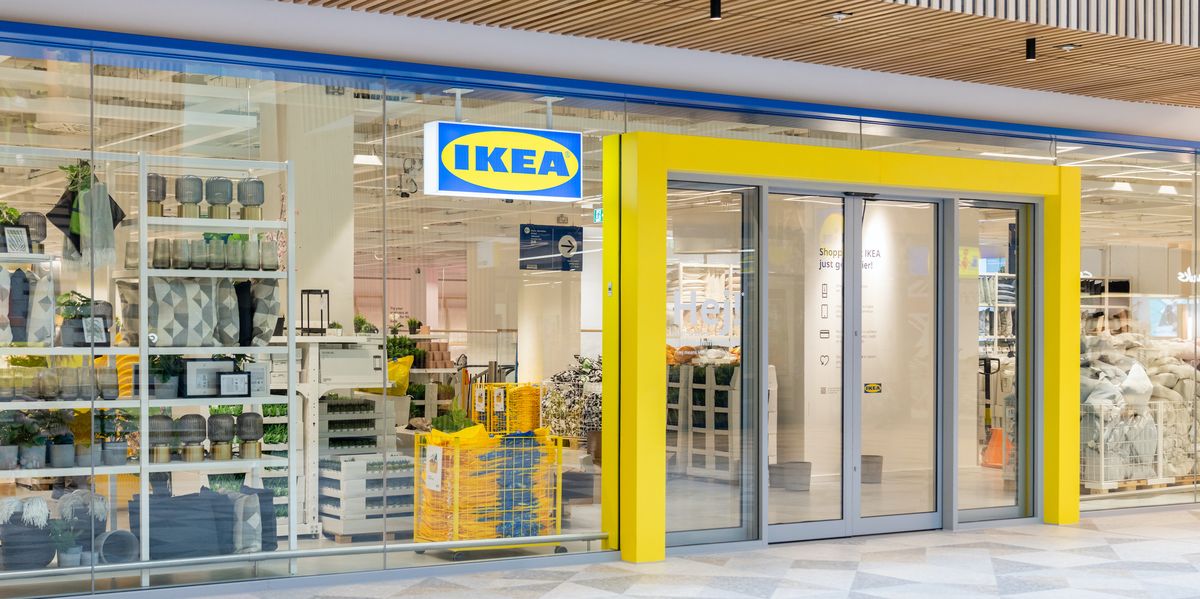
    Ikea Korea, the South Korean branch of the world’s largest furniture brand, has faced a continued downturn in its performance, reversing the growth observed last year. After experiencing a sales decline for the first time since entering the Korean market, Ikea Korea also posted its first fiscal-year loss this year.

    Since last year, Ikea has been implementing cost-cutting measures by adjusting the business hours of its stores, with a reduction in operating hours at its first Korean store in Gwangmyeong starting next month.

    According to the Financial Supervisory Service’s electronic disclosure system on December 14, Ikea’s sales for the last fiscal year (August 2022-September 2023) amounted to US$469.128 million, marking a 3.5 per cent decrease from the same period last year. Operating profit experienced an 88 per cent decline to 2 million, while net profit turned into a loss of $4.019 million, down from $10.2 million in the corresponding period last year.

    Ikea attributed last year’s sales decline to the impact of the Covid-19 Omicron virus, which led to a reduction in the number of customers visiting large stores. Despite the reopening of stores as the pandemic situation improved, sales continued to decline. The ongoing real estate downturn and high interest rates have been identified as significant factors affecting the furniture industry, as furniture demand typically correlates with housing transactions.

    A source from the furniture industry emphasized that despite an increase in apartment transaction volume, overall housing transactions have not stabilized. High interest rates are seen as a substantial burden, making it challenging for Ikea to sustain sales through smaller items alone.

    In response to the challenging business environment, Ikea Korea has been proactively cutting costs by adjusting store hours and reducing SG&A expenses. Even the Gwangmyeong store, which had not previously adjusted its business hours, will implement changes starting next year. Commencing next month, Ikea Gwangmyeong will delay its weekday opening time by one hour to 11 am and close 30 minutes earlier at 8:30 p.m. These adjustments come as Ikea aims to navigate the current economic challenges and maintain a resilient business model.

  • Italian outerwear label Herno makes global duty-free debut in Korea

    Italian outerwear label Herno makes global duty-free debut in Korea

    Italian luxury brand Herno has made its first presence in South Korea, in partnership with Shinsegae International. The launch also marks Herno’s first presence in a duty-free shop.

    Located on the ninth floor of the Shinsegae Duty-Free Myeongdong branch, the store offers its latest winter collection in a variety of colors, with products made primarily of cashmere, silk, goose down, and nylon.

    “Even though outerwear is expensive, there is a perception that people buy high-quality products and wear them for a long time, so the demand for luxury padding is steadily increasing,” said a representative for Shinsegae International Herno.

    “As the number of travelers leaving overseas, including foreign tourists, is rapidly increasing ahead of the end of the year. We are expecting a good response from the Shinsegae Duty Free Myeongdong branch.”

    Herno, founded in 1948 by Giuseppe Marnezi, is notable for not showing its logos, in line with the quiet luxury trend. The decision to create a duty-free store was made in reaction to South Korea’s emergence as a centre of luxury fashion, the recent growth in international tourists visiting Korea, and the rapid increase in overseas travel by Koreans.

  • South Korea’s retail sales increase in October

    South Korea’s retail sales increase in October

    South Korea’s retail sales increased 6.4 per cent year-on-year in October amid higher demand for food items and daily necessities.

    The combined sales of 25 major offline and online merchants grew to 15.3 trillion won (US$11.87 billion) during the month from last year’s 14.4 trillion won, Ministry of Trade, Industry and Energy (MOTIE) data showed.

    Online sales grew 12.6 percent to 7.95 trillion won attributed to an increase in bulk economy-size purchases and strong demand for travel packages and outdoor autumn season activities-related items.

    Online food products sales rose 23.4 per cent while sales of cosmetic products and living/furniture items increased 21.5 per cent and 16.9 per cent, respectively.

    However, online fashion/clothing sales dropped 3.7 per cent while sporting goods sales slid 4.1 per cent.

    Meanwhile, offline sales climbed 0.5 percent to 7.36 trillion won, led by a 6.8 per cent rise in sales at convenience stores. Sales at super supermarkets advanced 3.1 percent.

    On the other hand, sales at hypermarket chains dropped 4.1 per cent as sales of innerwear and miscellaneous goods fell 10.5 per cent. Home/living, home appliances/culture sales at hypermarkets also declined 5.6 per cent and 1.5 per cent, respectively.

    Sales at department store chains went down 2.6 per cent as sales declined across all categories except women’s casual, which grew 1.0 per cent.

  • Chanel Korea fined for excessive collection of personal information

    Chanel Korea fined for excessive collection of personal information

    Chanel Korea has been fined for requesting names and contact numbers from waiting customers and their companions.

    The Personal Information Protection Commission announced on Thursday that it had decided to impose a fine of $2.761 on Chanel Korea for violating the Personal Information Protection Act during its 19th plenary meeting.

    Chanel Korea faced criticism for excessive collection of personal information when its boutique in a Seoul department store asked waiting customers and their companions for their names, contact numbers, birthdates, and addresses.

    Chanel Korea argued that it collected these details to prevent proxy purchasing since customers were only allowed to purchase a limited number of items. However, the company received widespread criticism, with people stating that it treated customers as potential criminals.

    The commission concluded that Chanel Korea’s actions violated the Personal Information Protection Act, and the measures taken went beyond the scope of their original purpose of managing waiting customers.

    Additionally, the commission noted that denying services to customers who refused to comply with personal information collection was also considered a violation of related laws.

    An official from the commission stated, “Businesses should collect the minimum personal information needed for their services. This case serves as a reminder that businesses must not refuse services to customers on the grounds that they refused to agree to the collection of personal information.”

  • Lazada Group and Seoul Business Agency sign strategic partnership

    Lazada Group and Seoul Business Agency sign strategic partnership

    Lazada Group and the Seoul Business Agency (SBA) have signed a Memorandum of Understanding to allow South Korean SMEs to expand into the Southeast Asia market.

    The SBA will take the lead in promoting Lazada as a prominent Southeast Asian e-commerce marketplace destination among SMEs in Seoul under the terms of this partnership. The collaboration will begin in Singapore, where the SBA and Lazada will collaborate to onboard and nurture chosen new cross-border sellers from Seoul onto the Lazada Singapore platform.

    “This collaboration not only strengthens our commitment to offering buyers an extensive variety of products but also reinforces our dedication to fostering cross-border shopping and welcoming brands and sellers from across the globe to our e-commerce ecosystem,” said Jason Chen, chief business officer, Lazada Group and CEO, Lazada Singapore

    “South Korean SMEs have much to offer, and together with Seoul Business Agency, we aim to unlock their potential in Southeast Asia.”

    This agreement intends to expand chances for South Korean businesses and empower them to grow the Southeast Asian digital commerce arena by utilising Lazada’s technology, resources, and solutions. This will also broaden the selection of items and brand alternatives available to Lazada customers.

    According to Bloomberg, e-commerce behemoth Alibaba Group Holding spent an additional US$845 million on its Southeast Asia affiliate Lazada in July, despite the region’s tough competition.

  • South Korea sees retail sales grow in August

    South Korea sees retail sales grow in August

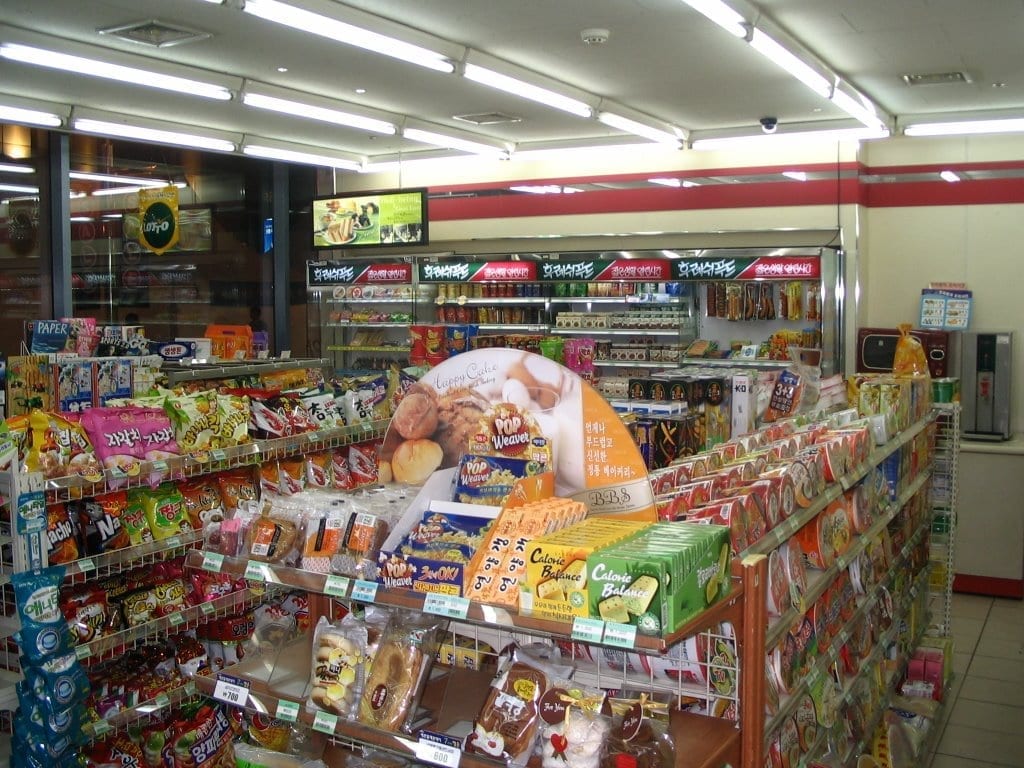
    South Korea’s retail sales grew 3.3 percent year over year in August on the back of higher sales in convenience stores super super market (SSM) operators, and online cosmetics and food retailers.

    The Ministry of Trade, Industry, and Energy (MOTIE) surveyed 13 brick-and-mortar retailers and 12 online retailers and saw a 7.6 percent increase in convenience stores sales due to close proximity, small purchase shopping, and increased outdoor activities during the summer holiday season.

    SSM operators reported a 3.2 percent increase due to higher demand for fresh/prepared food products and processed food products, however, flagging a sales decline in daily necessities.

    Overall online sales during the month increased 8.1 percent, thanks to sales in cosmetics and food, which grew 14.1 percent and 13.0 percent, respectively. Online home/living sector grew 8.7 percent, while online services sold jumped 13.3 percent.

    Overall brick-and-mortar hypermarket sales fell 8.4 percent as home/living and food sales dropped 12.8 percent and 7.9 percent, respectively, due to slow demand for gift sets, and fresh and processed food products.

    Total department store sales 4.9 percent as food products, foreign designer labels and men’s clothing sold declined.

    The data also noted a 2 percent decrease in fashion/clothing sales and 5.6 percent decline in sports sales as consumers cut purchases of non-essential items amid lower consumer sentiment.

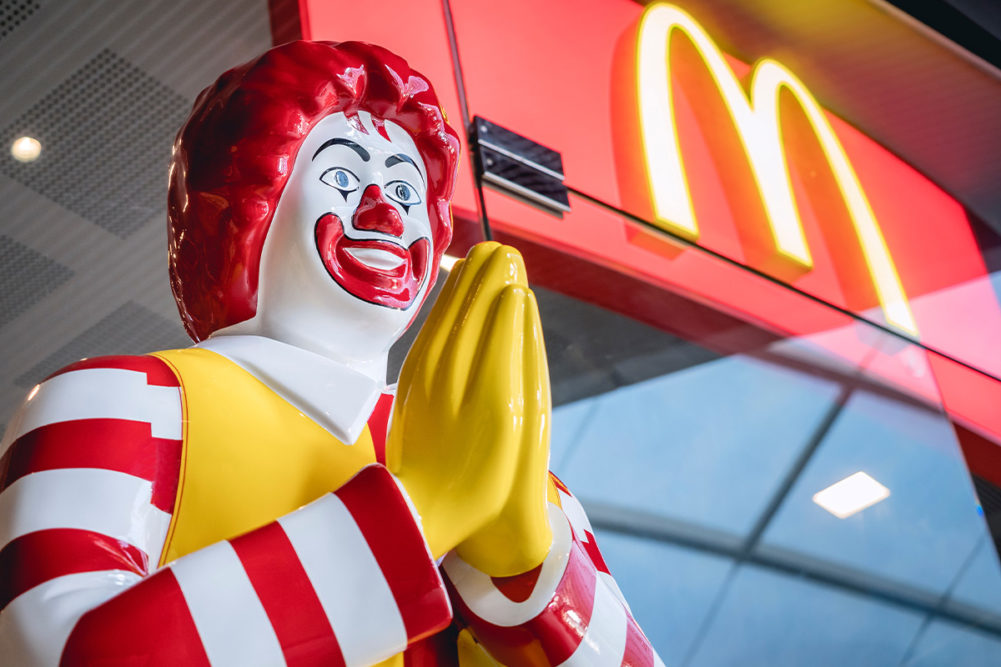
  • McDonald’s Korea launches voice-guided kiosks

    McDonald’s Korea launches voice-guided kiosks

    McDonald’s Korea has introduced voice-guided self-service kiosks at some of its Seoul locations, making it the first fast-food chain in South Korea to do so. They did this to make it easier for visually impaired customers to order.

    These special kiosks, equipped with voice guidance software and touch pads, were first installed at 15 McDonald’s stores near centres that assist visually impaired individuals and schools for the blind. People with vision problems can plug in their own earphones to hear instructions and menus, even in noisy environments.

    This move by McDonald’s in South Korea is the second of its kind, with the first being in the US. It’s also a groundbreaking step for fast-food restaurants in South Korea. McDonald’s Korea plans to extend this service to all of its stores in the country.

    A company representative emphasised their commitment to meeting the needs of visually impaired customers, noting that they had been working on this service for a long time.

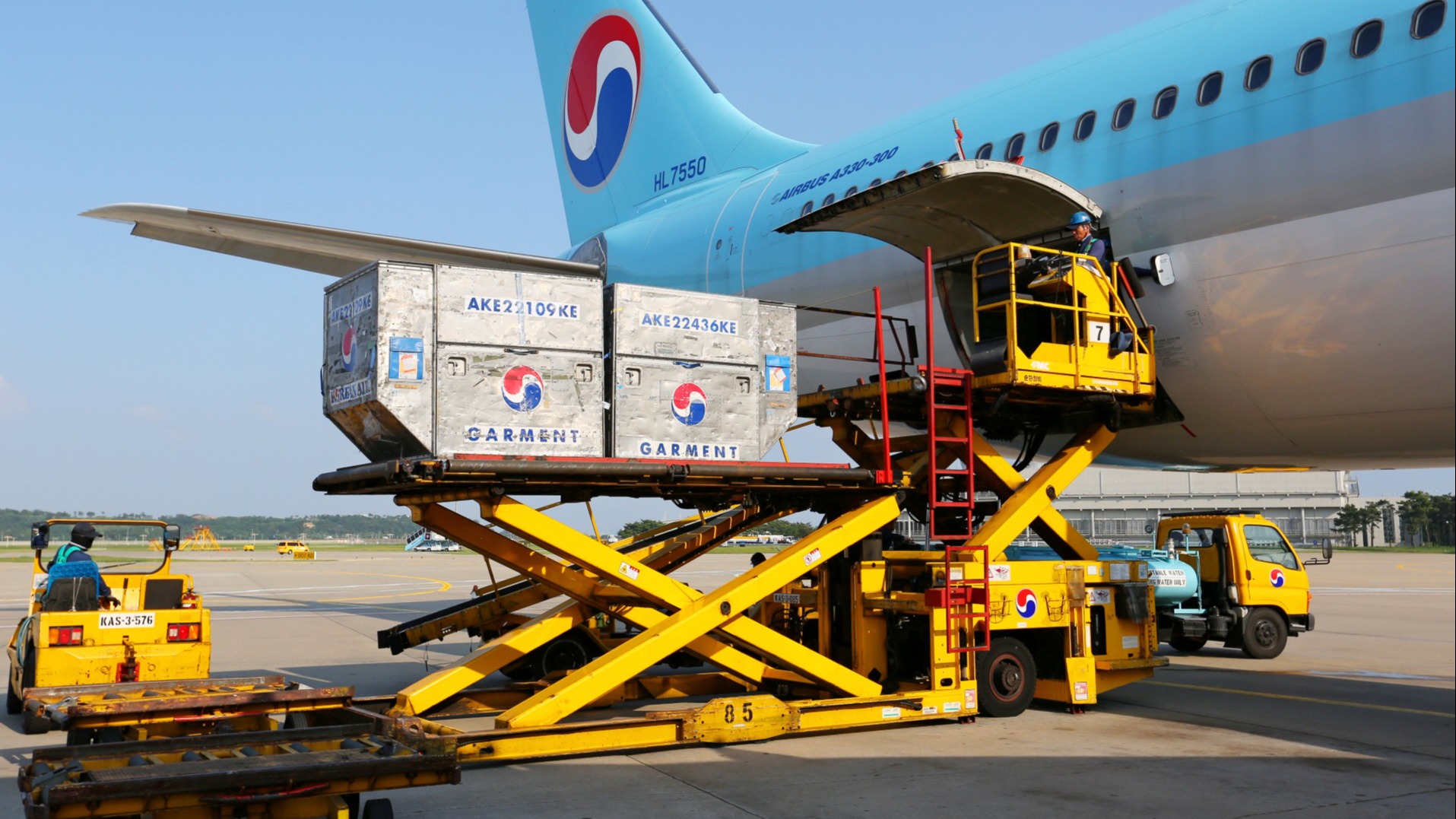
  • Korean Air mandates e-AWBs for general cargo starting January

    Korean Air mandates e-AWBs for general cargo starting January

    Korean Air will begin its full-scale digital transition to electronic air waybill (e-AWB) to replace conventional paper documents and will apply to general cargo departing from Korea bound for North America, Europe, Japan and other select markets.

    The airline said the paperless transition will streamline the entire process from reservations to final delivery and enhance data quality and accuracy. It will also enable the airline to practice its ESG initiatives.

    Korean Air held consultations and completed trial operations with all stakeholders, cargo clients and forwarders to prepare for the transition. The airline will mandate e-AWB for Korea-outbound cargo starting January next year, with plans to include all loaded cargo departing from global stations in due course.

  • South Korea e-commerce market to surpass $160 billion mark in 2027

    South Korea e-commerce market to surpass $160 billion mark in 2027

    South Korea continues to evolve as a major e-commerce market and is expected to register a strong compound annual growth rate (CAGR) of 7.7% between 2023 and 2027 to reach KRW202.6 trillion ($160.4 billion) in 2027, forecasts GlobalData, a leading data and analytics company.

    GlobalData’s E-Commerce Analytics reveals that South Korea e-commerce market has been on growth trajectory, registering a CAGR of 17.4% between 2018 and 2022 to reach KRW136.6 trillion ($108.2 billion) in 2022. This trend is expected to continue in 2023, with e-commerce sales expected to grow by 10.0%.

    Shivani Gupta, Senior Analyst Banking and Payments at GlobalData, comments: “South Korea has a well-developed e-commerce market supported by high-speed internet, rising smartphone penetration, availability of secure online payment systems and increasing consumer confidence in online shopping.”

    South Koreans are frequent online shoppers with over 80% of the consumers reported to have shopped online in the past six months, while only 10% indicated that they never shopped online, according to GlobalData’s 2023 Financial Services Consumer Survey*.

    The availability of new and innovative mode of online shopping such as video live streaming is also encouraging shoppers to go online. South Korean e-commerce giant Naver leads this space by enabling merchants to live stream their products on its “Naver Shopping Live” platform. Customers can view the product details, interact with the seller and buy from the platform on real-time.

    International brands are also venturing into this space, contributing to the e-commerce growth in the country. In June 2023, YouTube launched its first official online shopping channel in South Korea, live-streaming products in Korean language.

    Gupta adds: “Koreans increasingly prefer shopping online even for day-to-day products, a trend that continued post COVID-19. GlobalData’s survey revealed that everyday essentials such as food and drinks account for nearly one fourth of the e-commerce purchases by value in 2023, while clothing and footwear account for 12.2%.

    Gupta concludes: “South Korea’s e-commerce market registered sustainable growth during the last five years. The uptrend in e-commerce sales is likely to continue over the next few years supported by the growing consumer preference, improving payment infrastructure, and growing popularity of innovative online shopping modes.”

    *GlobalData’s 2023 Financial Services Consumer Survey was carried out in Q2 2023. Approximately 50,000 respondents aged 18+ were surveyed across 40 countries.

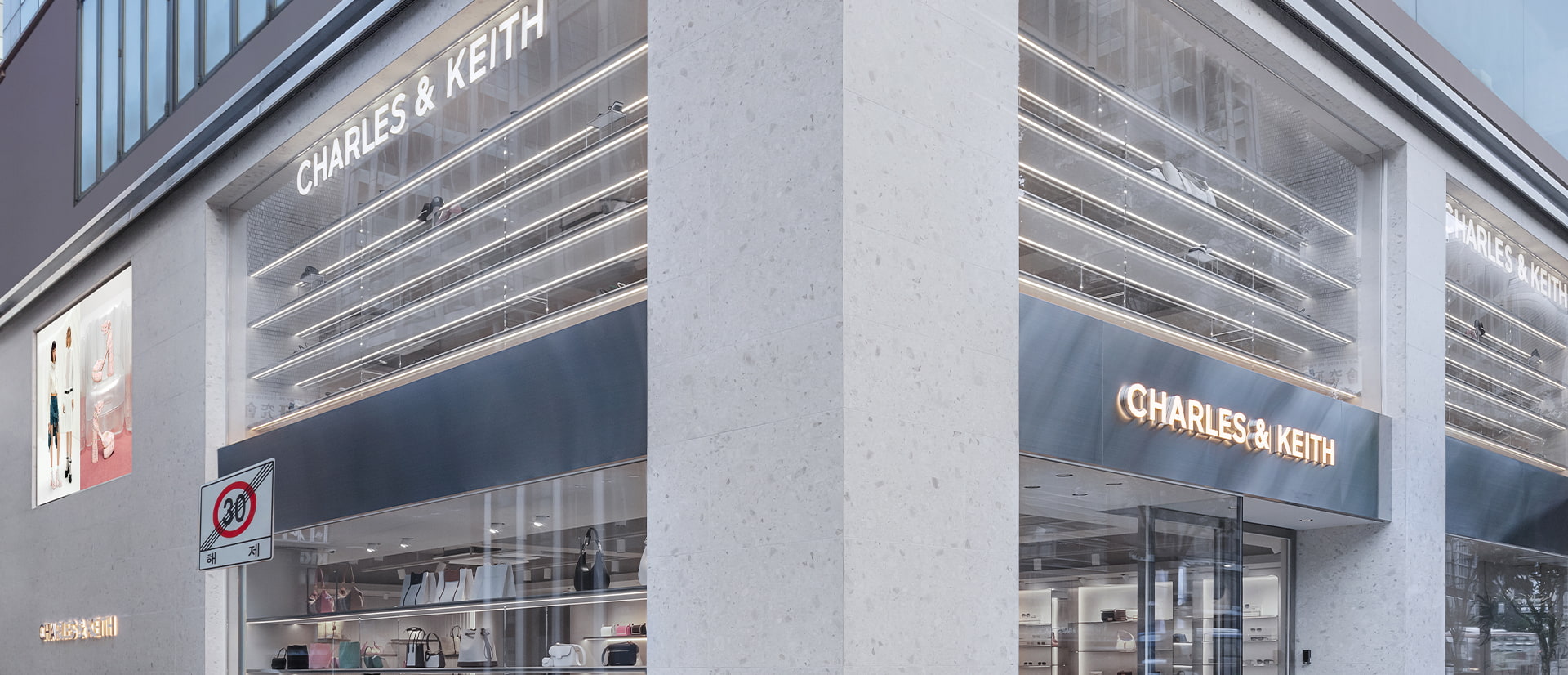
  • Charles & Keith opens first flagship store in South Korea

    Charles & Keith opens first flagship store in South Korea

    CHARLES & KEITH’s inaugural duplex flagship store in South Korea, situated in the vibrant shopping district of Gangnam, Seoul, is now open. Spanning an expansive area of over 330 sqm, the two-storey flagship store stands as the largest CHARLES & KEITH boutique in South Korea. Staying true to the brand’s signature minimalist aesthetic, the brand-new flagship store showcases a thoughtfully designed interior characterized by gradual curves and fluid lines. These design elements are seamlessly integrated with a clean and understated colour scheme, resulting in a space that emanates a modern and refined ambiance.

    The flagship store features striking sculptural artworks by South Korean artist Jeesun Park, making a bold statement throughout the space. These sculptures, while harmoniously complementing the spatial design, stand out with their unique shapes and artistic presence. Fragmented hemispheres, arcs, cut-out shapes, ellipses, and other unfinished forms intertwine to create new compositions.

    In addition to its remarkable features, the flagship store in South Korea is the first in the country to introduce Made for Me by CHARLES & KEITH, an exclusive in-house personalization service. This offering empowers customers to express their unique individuality by embroidering their names onto selected items. The embroidery also includes two exclusive icons inspired by Seoul: a magpie and a graphic artwork depicting the city’s vibrant essence. Going beyond the celebration of creativity and individuality, the Made for Me service adds an invaluable personal touch that brings deeper meaning to the act of gifting.

  • South Korean cafe chain Compose Coffee to launch in Singapore

    South Korean cafe chain Compose Coffee to launch in Singapore

    The popular coffee chain from Korea, Compose Coffee, is set to open in Singapore at Suntec City.

    The scaffolding of the number one coffee in Korea can be seen around the shop, showing off the brand with two simple words: “Coming soon”.

    Its menu boasts a wide range of beverages, from its usual coffee to teas, frappés and even milkshakes.

  • South Korean c-store chain CU launches in Kazakhstan

    South Korean c-store chain CU launches in Kazakhstan

    South Korean convenience store chain CU is setting its eyes on the Central Asian region, entering Kazakhstan under a partnership with CU Central Asia, the c-store operation arm of local ice cream manufacturer Shin Line.

    CU’s first store there is set to open next year. The chain’s parent company BGF Retail said it plans to open more than 500 locations in the country in the next five years and is also considering expanding into neighbouring markets.

    The company expanded into Malaysia in 2020 through a 10-year franchise agreement with MyNews. Since then, the chain has opened more than 130 stores in the country. Before Malaysia, BGF Retail also launched the CU chain in Mongolia and currently operates about 320 stores in the market.

    Founded in 2012 by BGF Retail, CU is one of South Korea’s biggest c-store chains with more than 16,000 outlets as of last year, according to Statista.

    BGF Retail reported a 6.5 per cent increase in net income for the first quarter of this year, reaching 27.7 billion won (US$20.6 million).

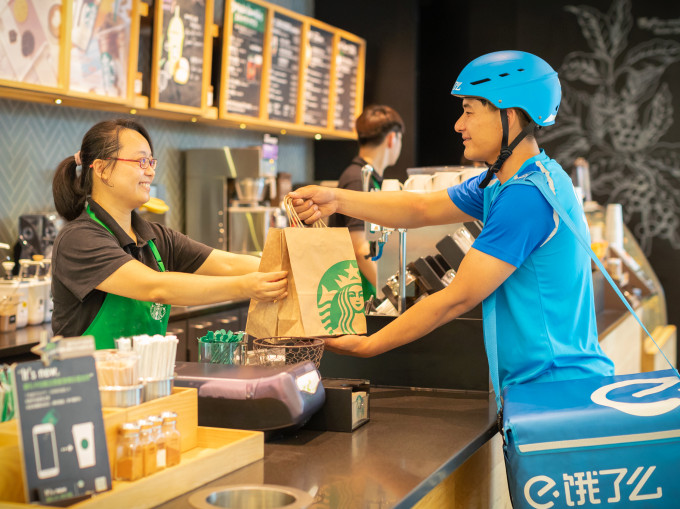
  • Starbucks Coffee Korea seeks new ventures amid sales slowdown

    Starbucks Coffee Korea seeks new ventures amid sales slowdown

    Starbucks Coffee Korea, which experienced a slowdown in sales growth last year, is seeking new ventures to secure a fresh growth engine.

    The company held a board meeting in late March and revised its articles of association to include 65 additional business purposes, according to industry sources.

    Among the newly added business purposes are electric vehicle charging services, construction, property development and supply, real estate leasing and management, and the operation of golf courses and ski resorts.

    Regarding electric vehicle charging, Starbucks collaborated with Mercedes-Benz Korea to open a charging station at its its The Bukhan riverR outlet in January.

    The company has also expanded its business scope to include lunch box and prepared meal manufacturing, wholesale of processed foods related to its existing business, as well as industrial robot manufacturing and biologic agent manufacturing.

    Furthermore, various types of franchise businesses have been introduced. As of late March, Starbucks Coffee Korea operated all of its 1,813 stores under direct management.

    This photo by Mercedes-Benz Korea shows a electric vehicle charging station at Starbucks Coffee Korea’s The Bukhan riverR outlet.

    This initiative aims to explore diverse new businesses in response to the sales growth slowdown.

    In the previous year, Starbucks Coffee Korea recorded sales of 2.59 trillion won (US$1.94 billion), representing an 8.7 percent increase yearly.

    This growth rate was more than 50 percent lower than the average annual sales growth rate observed from 2012 to 2021.

    The company’s operating profits in 2022 decreased by 48.8 percent to 122.4 billion won, with estimated net profits of 99.3 billion won, down 51.7 percent year on year.

    The poor performance of the previous year can be partly attributed to the recall of giveaway picnic bags due to the detection of harmful substances.

    According to the company, the one-off recall-related expense amounted to 44.4 billion won, which accounted for 38 percent of the decline in its operating profits.
  • Apple launches Apple Pay in South Korea

    Apple launches Apple Pay in South Korea

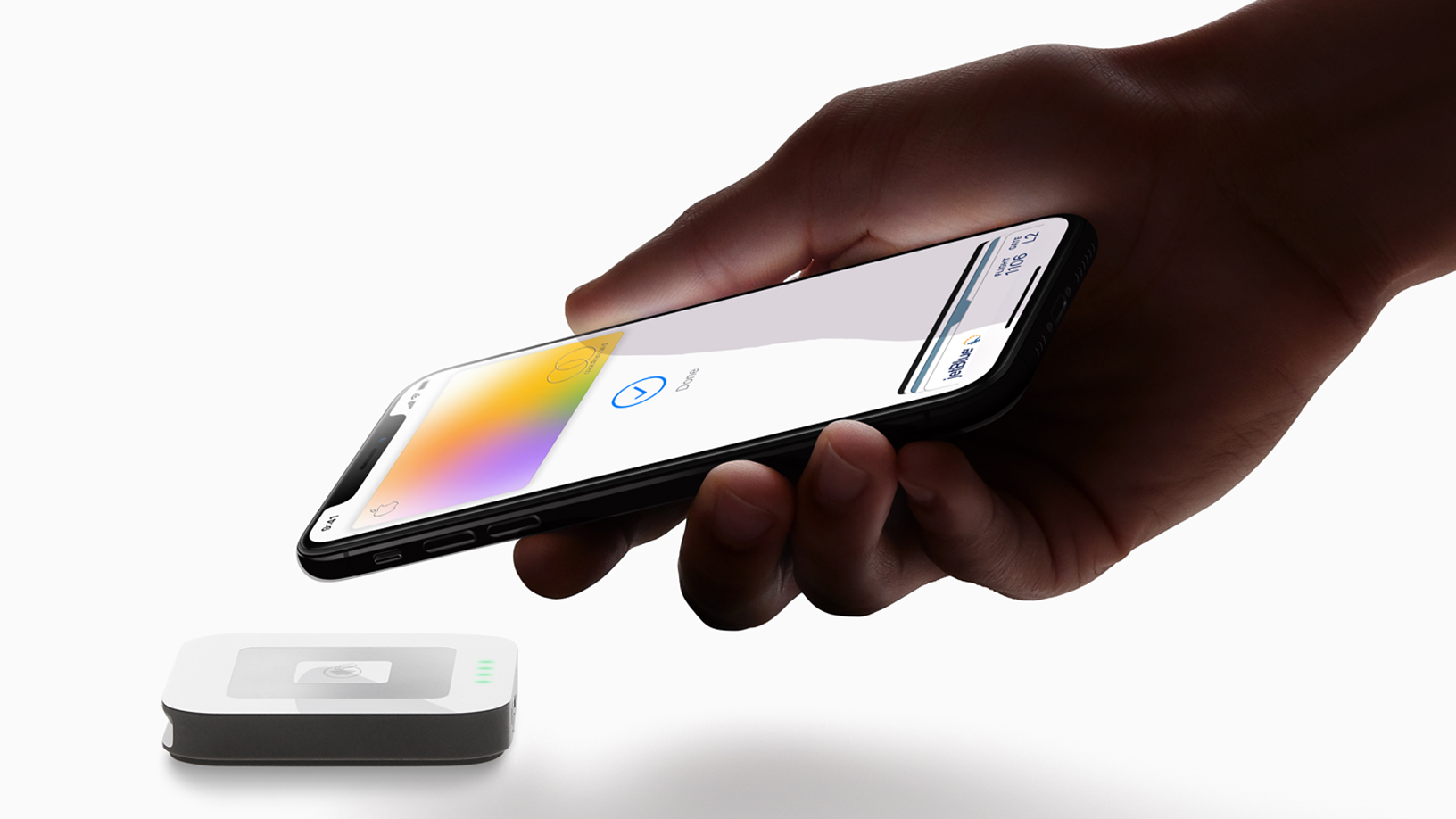
    After a years-long wait, Apple Pay today launched in South Korea, allowing those living in the country to use Apple’s payment system to make contactless payments using the iPhone or Apple Watch.

    Apple has been working to bring ‌Apple Pay‌ to South Korea since 2017, but Apple was unable to be registered as an electronic financial business operator because regulators were investigating whether ‌Apple Pay‌ violated local regulations and laws. Apple was finally approved by financial regulators back in February.

    NFC terminal adoption was also low in retail stores in South Korea around when ‌Apple Pay‌ first launched, which continues to be an issue. There are more NFC terminals than there were six years ago, but The Korea Times suggests ‌Apple Pay‌ will face “significant challenges” in Korea due to the limited number of NFC terminals.

    With ‌Apple Pay‌, credit and debit cards from supported banks in South Korea can be added to the ‌iPhone‌ and Apple Watch to make purchases at stores that have contactless payment options. ‌Apple Pay‌ cards can be used on ‌iPhone‌, iPad, and Mac to make ‌Apple Pay‌ purchases on the web.

    At the current time, ‌Apple Pay‌ is limited to Hyundai Card users, which could see South Koreans interested in using the service picking up a Hyundai Card. No other card companies are participating in ‌Apple Pay‌ as of yet.