Tag: Korea

  • Berjaya Food Reports Rising Losses: Starbucks Malaysia’s Struggles Amid Middle East Conflict

    Berjaya Food Reports Rising Losses: Starbucks Malaysia’s Struggles Amid Middle East Conflict

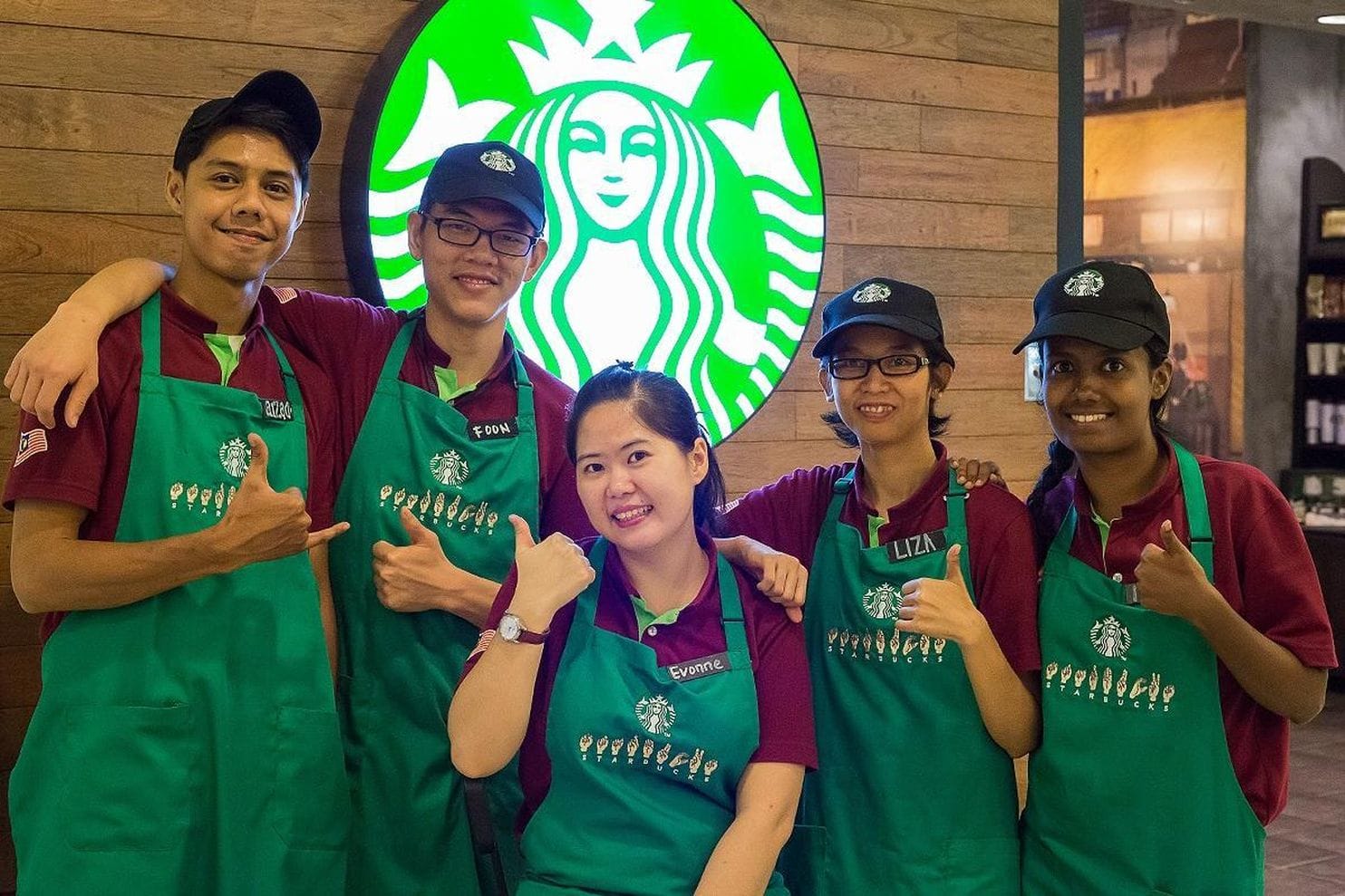
    Berjaya Food, a Malaysia-based company, has recently reported a significant increase in losses and a decrease in sales for both their fourth quarter and the entire fiscal year. Berjaya Food, which operates Starbucks Coffee in Malaysia and Brunei, along with Kenny Rogers Roasters and Paris Baguette in Malaysia, experienced reduced sales due to a decrease in store numbers.

    Quarterly Report

    The revenue for the group, for the quarter ending on June 30, experienced a decrease of 11 per cent compared to the previous year, settling at RM115.8 million (US$27.4 million). This reduction is mainly attributable to the decrease in the number of store locations. However, the management has noted a slight increase in sales compared to the third quarter. This increment is primarily due to an improved sales performance from Starbucks Malaysia.

    In this quarter, the loss before tax increased from RM42.6 million to RM183.7 million. The primary reason for this increase was the impairment of property, plant, and equipment (PPE) and right-of-use (ROU) assets linked to non-performing stores.

    Annual Report

    For the entire fiscal year, the revenue dropped by 36 per cent, amounting to RM476.7 million. This drop is linked to the ongoing sentiment surrounding the Middle East conflict, which has affected market dynamics and altered customers’ purchasing behaviours.

    The pre-tax loss for the year broadened from RM89 million to RM288.7 million. This loss was due to the necessary impairment provision to PPE and ROU assets, resulting from the downsizing of Starbucks Malaysia’s operations.

    Questions & Answers

    What were the main reasons for the loss in Berjaya Food’s fourth quarter and fiscal year?
    The primary reasons were the impairment of property, plant, and equipment (PPE) and right-of-use (ROU) assets of non-performing stores, and also the downsizing of Starbucks Malaysia’s operations.

    Did Berjaya Food see any improvement in the fourth quarter compared to the third quarter?
    Yes, sales were slightly higher in the fourth quarter compared to the third, primarily due to improved sales performance at Starbucks Malaysia.

    How did the Middle East conflict affect Berjaya Food’s annual results?
    The ongoing conflict in the Middle East has influenced customers’ spending patterns and affected market dynamics, which contributed to the significant drop in the annual revenue.

  • Chanel Unveils Signature Duplex Boutique At Seoul’s Incheon Airport, Partners With Shilla Duty Free

    Chanel Unveils Signature Duplex Boutique At Seoul’s Incheon Airport, Partners With Shilla Duty Free

    Chanel, the renowned French luxury brand, has recently launched a duplex store in partnership with Shilla Duty Free at Seoul’s Incheon International Airport. This store, situated in Terminal 2, is a reflection of the brand’s signature style, featuring a colour scheme of black and white, adorned with touches of modern art.

    At this duplex store, customers can look forward to browsing through Chanel’s vast collection. The offerings include ready-to-wear clothing, footwear, and accessories. The ground floor is dedicated to showcasing iconic Chanel bags as well as the brand’s newest products, like the Chanel 25 handbag.

    A representative from Shilla Duty Free expressed their optimism regarding the new store. They anticipate the Chanel duplex boutique will become a significant attraction at Incheon International Airport due to its size, unique interior design, comprehensive product range, and superior customer service.

    Chanel is not the only luxury brand under Shilla Duty Free’s umbrella. Other high-end names, such as Tiffany & Co, Omega, and Dior, are also managed by Shilla Duty Free, with plans for these brands to open stores next year.

    In related news, Chanel has also taken a significant step towards sustainability. The company has set up Nevold, a separate division that focuses exclusively on waste management and recycling.

    Despite challenges faced by the luxury sector, resulting in a 4.3% decrease in revenues to $18.7 billion for the year ending on December 31, Chanel remains committed to providing high-quality luxury products and outstanding customer experiences.

    Questions & Answers

    What is unique about Chanel’s new duplex store at Incheon International Airport?
    The store stands out for its size, stylish interior design inspired by Chanel’s brand colours of black and white, its extensive range of products, and its outstanding customer service.

    What can customers expect to find in this new Chanel store?
    Customers can explore a wide selection of Chanel’s collection including ready-to-wear clothing, footwear, accessories, and iconic bags like the Chanel 25 handbag.

    What other luxury brands are operated by Shilla Duty Free?
    Shilla Duty Free also operates other high-end brands such as Tiffany & Co, Omega, and Dior, which are all planning to open stores next year.

  • South Korea’s Payment Card Market Set to Hit $1 Trillion by 2025: A Game Changer for Retail!

    South Korea’s Payment Card Market Set to Hit $1 Trillion by 2025: A Game Changer for Retail!

    In a remarkable shift towards digital finance, South Korea’s payment card market—encompassing both point-of-sale (POS) payments and ATM withdrawals—is projected to grow by 3.8%, reaching an impressive $1 trillion (KRW1.4 quadrillion) by 2025, as revealed in a recent report by GlobalData. This growth is largely fueled by a burgeoning preference for digital payment solutions among consumers.

    Between 2020 and 2024, card payments in South Korea are anticipated to experience a robust compound annual growth rate (CAGR) of 7.8%, spiking to about $972.4 billion (KRW1.3 quadrillion) by 2024. In stark contrast, cash withdrawals from ATMs are expected to grow only marginally at 0.9%, as more consumers opt for card-based transactions over traditional cash withdrawals.

    “South Korea’s cards and payments industry is well-developed, with each individual estimated to hold more than six cards as of July 2025,” noted Shivani Gupta, a banking and payments analyst at GlobalData. Gupta also highlighted that the frequency of card usage is on the rise, increasing from an average of 86.2 transactions per card in 2021 to a projected 97.8 transactions per card by 2025.

    By 2025, POS transactions are expected to dominate the landscape, accounting for a striking 96.1% of all card payments, leaving a minuscule share for cash withdrawals. The total number of card payment transactions is forecasted to increase from 24.2 billion in 2021 to 30.7 billion by 2025, achieving a CAGR of 6.2%, and advancing further to 35.9 billion by 2029.

    Efforts to enhance card usage are evident in recent industry initiatives. In January 2025, payment company NHN KCP partnered with Verifone to launch the all-in-one POS terminal “KCP Terminal The Black,” specifically designed to assist small and medium-sized businesses. Additionally, a collaborative agreement signed in July on Jeju Island between six organizations, including the Korea Payment Service Promotion Agency, aims to broaden the use of contactless cards on local bus services. Who knew public transport could be this tech-savvy?

    Looking ahead, the payment cards market is expected to continue its upward trajectory, forecasted to grow at a CAGR of 3.6% from 2025 to 2029, ultimately reaching KRW1.6 quadrillion ($1.2 trillion) by 2029, according to Gupta.

    Questions & Answers

    What is driving the growth of the South Korean payment card market?
    The growth is largely attributed to a rising preference for digital payments among consumers, significantly influencing both POS payments and ATM withdrawals.

    How many cards does the average South Korean hold?
    As of July 2025, it is estimated that each individual in South Korea will hold more than six payment cards, reflecting the market’s robust development.

    What innovations are being introduced to enhance card usage?
    Recent innovations include the launch of the all-in-one POS terminal “KCP Terminal The Black” by NHN KCP and Verifone, aimed at supporting small and medium-sized businesses, as well as initiatives to expand contactless card use in public transport on Jeju Island.

  • Starlink Wins Final Approval to Launch Exciting Satellite Services Across South Korea!

    Starlink Wins Final Approval to Launch Exciting Satellite Services Across South Korea!

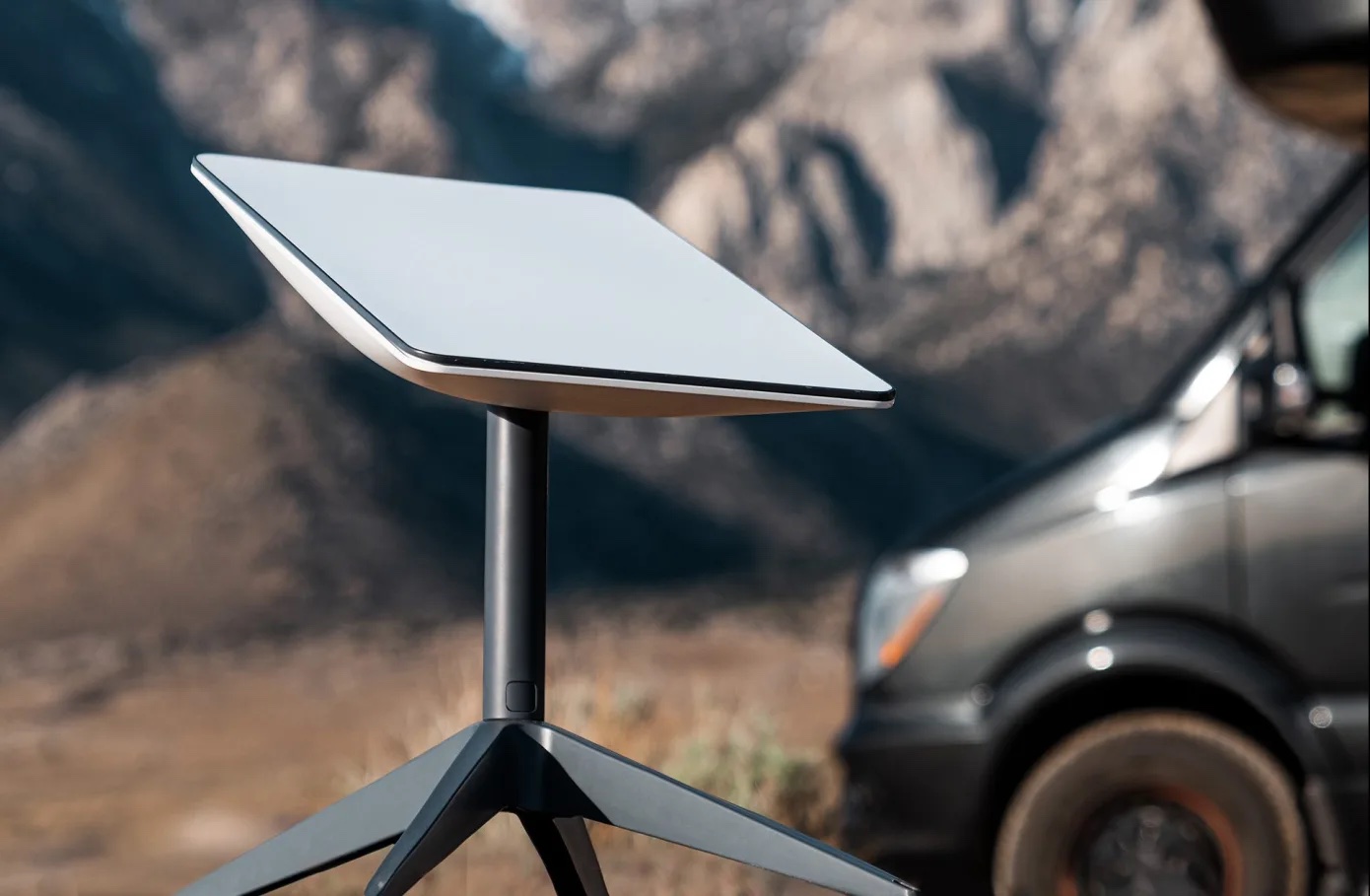
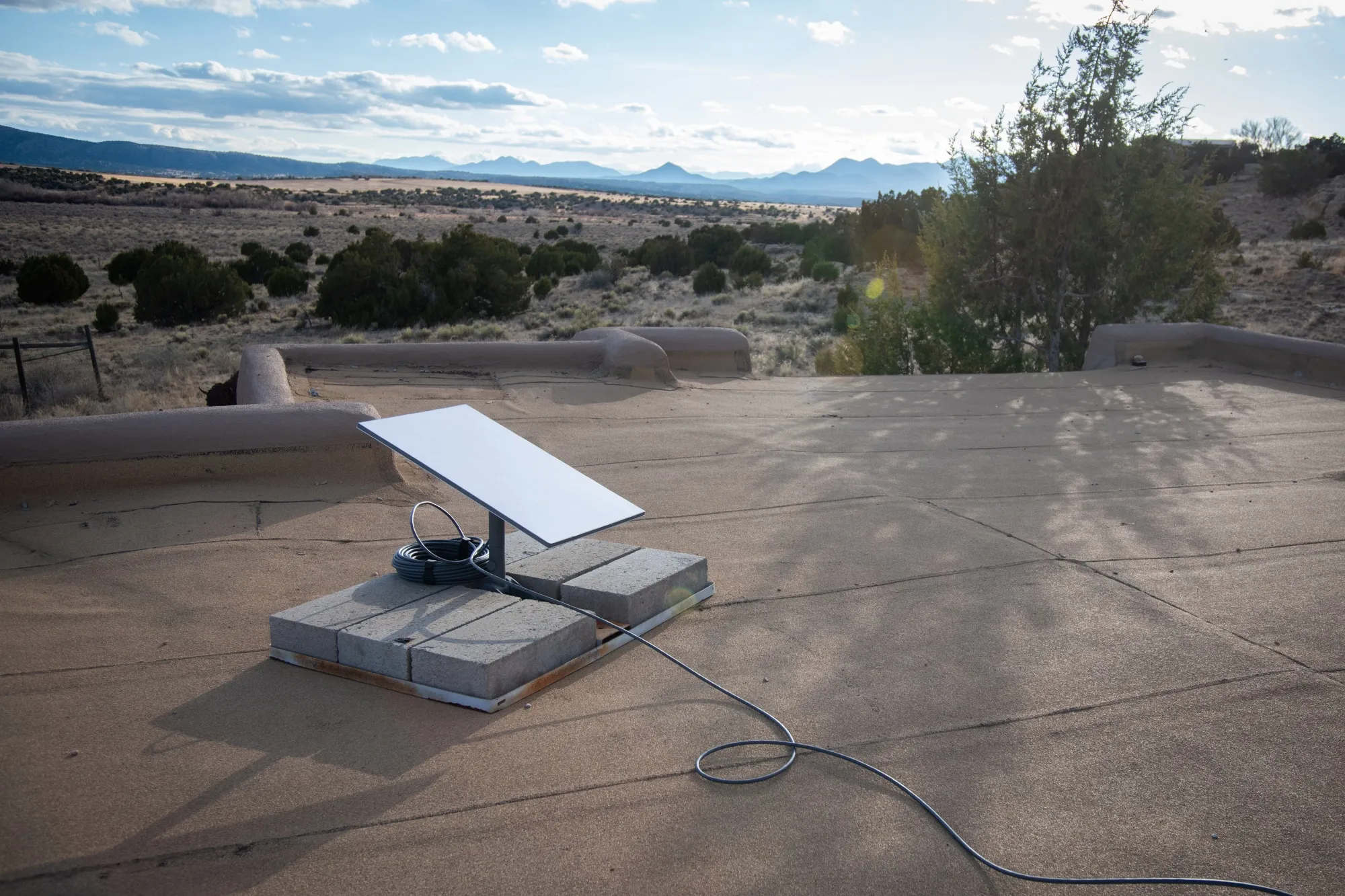
    Starlink has navigated the final regulatory waters needed for its satellite communication services to make a significant entry into South Korea. The Ministry of Science and ICT, along with the National Radio Research Agency (RRA), confirmed that the suitability assessment for SpaceX’s low-Earth orbit (LEO) satellite communication ground station radio equipment—specifically the UTA-252 model—was finalized on August 11. This approval allows Starlink Korea to provide user antennas and related equipment domestically, successfully eliminating the last remaining regulatory hurdle.

    Local Presence, Global Ambitions

    To comply with South Korean regulations that restrict foreign companies from directly offering telecommunications services, SpaceX established Starlink Korea as a local subsidiary. This entity has been officially recognized as a telecommunications business operator after securing approval in May under a cross-border supply agreement for low-orbit satellite services, which enables collaboration with its U.S. parent company.

    Eyes on the September Launch

    Industry analysts had originally predicted that Starlink would initiate its services in July following its May approval. Now, with the RRA’s device assessment concluded, the market is buzzing with anticipation for a commercial launch that could happen as soon as September.

    Targeting Businesses and Governments

    In its initial phase, Starlink Korea is poised to focus on the business-to-business (B2B) and business-to-government (B2G) segments, eyeing sectors where non-terrestrial networks (NTN) hold distinct advantages, including maritime, aviation, industrial plants, public services, and disaster response. SK Telink, the official reseller for Starlink Korea, plans to offer tailored packages that cater to specific industries, such as maritime and aviation connectivity bundles, as well as hybrid solutions for public institutions.

    Expanding the Satellite Universe

    Starlink’s ambitious constellation comprises roughly 7,000 satellites, making it a leader in LEO infrastructure on a global scale. Since its first satellite deployment in May 2019, the company has maintained a brisk launch schedule of about three satellites per day, with a goal to provide connectivity speeds that could soar up to 2 Gbps. If that isn’t the pace of a space race, we don’t know what is!

    Questions & Answers

    What recent regulatory approvals has Starlink achieved in South Korea?
    Starlink has completed the suitability assessment for its ground station radio equipment, which has allowed the company to provide user antennas and related equipment domestically.

    What approach will Starlink Korea take in its initial phase?
    The company will primarily target business-to-business (B2B) and business-to-government (B2G) segments, focusing on industries where non-terrestrial networks offer competitive advantages.

    When is the expected launch date for Starlink’s services in South Korea?
    Following the completion of the regulatory assessments, a commercial launch is anticipated around September.

  • VAST Data and SK Telecom Join Forces to Launch Korea’s Largest AI Infrastructure Initiative

    VAST Data and SK Telecom Join Forces to Launch Korea’s Largest AI Infrastructure Initiative

    VAST Data has announced an ambitious partnership with SK Telecom (SKT) to create Korea’s most advanced sovereign artificial intelligence (AI) infrastructure, utilizing the latest NVIDIA Blackwell accelerated computing platform. This collaboration aims to not only virtualize graphics processing unit (GPU) resources but also enhance AI data pipelines, paving the way for national-scale AI model training and inference.

    Haein Cluster: A Central Hub for AI Development

    Dubbed the Haein Cluster, this cutting-edge infrastructure has been selected for the Ministry of Science and ICT’s ‘AI Computing Resource Utilization Enhancement (GPU Rental Support) Program.’ It is set to play a pivotal role in the development of national AI foundation models, positioning Korea at the forefront of AI innovation.

    Transforming AI Deployment with VAST Data

    The partnership combines VAST Data’s AI Operating System with SKT’s Petasus AI Cloud to deliver a fully-virtualized GPU-as-a-service (GPUaaS) solution. This innovative framework significantly reduces GPU provisioning time to under 10 minutes—a stark contrast to traditional bare-metal deployments that can stretch into days or weeks, all while retaining near bare-metal performance.

    The infrastructure is powered by Supermicro’s NVIDIA HGX server architecture, synergized with VAST’s disaggregated, shared-everything (DASE) storage platform. The outcome is a high-throughput, secure, multi-tenant environment capable of efficiently handling the AI workloads of government entities, research institutions, and enterprise customers, all safely within the borders of Korea.

    A Leap into the Future

    DK Lee, Vice President and Head of the AI DC Lab at SK Telecom, expressed enthusiasm about the collaboration, stating:

    “VAST Data’s unified architecture has been instrumental in helping us move from legacy bare-metal deployments to a fully-virtualized, production-grade AI cloud. The VAST AI OS powers the performance, simplicity, and flexibility needed to support the next generation of sovereign AI workloads and gives us the confidence to scale fast and securely.”

    He noted that this platform is tailored to meet the specific demands of government, research, and enterprise AI customers in South Korea, fundamentally changing the landscape of how AI infrastructure is perceived in the country.

    Security and Scalability at its Core

    The architecture distinguishes itself with its secure, multi-tenant framework that isolates workloads while maintaining strict data privacy standards. A unified AI pipeline seamlessly integrates training and inference processes. Furthermore, its elastic scalability permits dynamic allocation of GPU and storage resources as demand fluctuates, ensuring both carrier-grade uptime and operational efficiency.

    Collaborative Efforts to Propel Innovation

    Supermicro is also crucial to the deployment of this groundbreaking infrastructure. Cenly Chen, Chief Growth Officer at Supermicro, conveyed their commitment to supporting SKT’s vision of a national AI infrastructure:

    “Supermicro supports SK Telecom’s vision of a national AI infrastructure and is proud to collaborate with VAST Data on deploying its AI Operating System, and with NVIDIA Blackwell platforms, to make this a reality.”

    Sunil Chavan, Vice President for APAC at VAST Data, remarked on the impact of SKT’s initiative, saying:

    “From our earliest conversations, it was clear that SKT needed cutting-edge infrastructure to match the speed and complexity of enterprise-grade uptime and nation-state inference and training. By eliminating traditional bottlenecks around data movement, provisioning, and security, VAST is enabling SKT to launch a sovereign and secure AI infrastructure that offers speed and flexibility at scale for Korea.”

    Questions & Answers

    What is the main goal of the collaboration between VAST Data and SK Telecom?
    The partnership aims to create a sovereign AI infrastructure in Korea, enhancing GPU virtualization and streamlining AI data pipelines for national-scale model training and inference.

    How does the Haein Cluster improve AI resource management?
    The Haein Cluster allows for under-10-minute provisioning of GPU resources, dramatically improving deployment times compared to traditional setups, which can take weeks.

    What role does Supermicro play in this collaboration?
    Supermicro provides the server architecture that powers the Haein Cluster, collaborating with VAST Data to support the development of this national AI infrastructure.

  • Starlink Wins Final Approval to Bring Satellite Services to South Korea!

    Starlink Wins Final Approval to Bring Satellite Services to South Korea!

    Starlink is all set to beam into South Korea, having cleared the final administrative hurdles needed to launch its satellite communication services in the region. The Ministry of Science and ICT, along with the National Radio Research Agency (RRA), confirmed that SpaceX’s low-Earth orbit (LEO) satellite communication ground station radio equipment underwent a successful suitability assessment on August 11. This milestone grants Starlink Korea the green light to supply user antennas and pertinent equipment domestically, effectively eliminating the last regulatory obstacle for its market entry.

    Starlink’s Pathway To Local Operations

    Under South Korean law, foreign companies face strict prohibitions against directly offering telecommunications services. In response, SpaceX established Starlink Korea as a local subsidiary, enabling it to register as a telecommunications business operator. This strategic move allowed Starlink Korea to secure the necessary approval in May under the cross-border supply agreement for low-orbit satellite services, paving the way for cooperation with its U.S.-based parent company.

    Service Launch Expectations Shifting

    Initially, industry analysts were optimistic about a potential service launch as early as July, following the earlier May approval. However, with the RRA’s device assessment wrapping up in August, the current projections now suggest that a commercial debut could occur around September. Clearly, the anticipation is palpable, as customers eagerly await the possibilities of satellite internet service.

    A Focus on Strategic Business Segments

    Starlink Korea plans to focus its early efforts on the business-to-business (B2B) and business-to-government (B2G) sectors, particularly in industries where non-terrestrial networks (NTN) can provide significant competitive advantages. These fields include maritime, aviation, industrial operations, public services, and disaster response scenarios. SK Telink, the official reseller for Starlink Korea, is preparing to roll out tailored packages, including unique offerings for maritime and aviation connectivity, specialized plans for public institutions, and hybrid solutions combining fixed and mobile devices.

    Expanding Connectivity Horizons

    Currently, Starlink operates a constellation of approximately 7,000 satellites, solidifying its status as one of the largest LEO infrastructures globally. Since its inception in May 2019, the company has launched satellites at a breakneck pace, averaging three daily, and aims to deliver connectivity speeds that could reach up to 2 Gbps. It’s clear that Starlink isn’t just playing the game; it’s aiming to change it forever. After all, who wouldn’t want their internet service delivered from the sky?

    Questions & Answers

    What regulatory steps did Starlink take to enter the South Korean market?
    Starlink established a local subsidiary, Starlink Korea, to comply with South Korean regulations prohibiting foreign companies from directly providing telecommunications services. This allowed them to register as a telecommunications business operator and secure necessary approvals.

    When can consumers expect to see Starlink’s services launch?
    After completing final assessments, the market now anticipates a commercial launch of Starlink’s services around September, shifting from initial expectations of a July rollout.

    What sectors will Starlink Korea primarily focus on initially?
    Starlink Korea plans to concentrate on the business-to-business and business-to-government segments, particularly targeting industries such as maritime, aviation, and disaster response where satellite connectivity offers significant advantages.

  • Misto Holdings Reports Robust Q2 Performance: Fila And Acushnet Divisions Drive Revenue Growth

    Misto Holdings Reports Robust Q2 Performance: Fila And Acushnet Divisions Drive Revenue Growth

    Misto Holdings, the parent company of Fila, has announced robust performance for its second quarter, with its consolidated revenue showcasing a 4.5 percent leap from the previous year to reach 1.23 trillion won ($888.8 million).

    The growth in operating profit was particularly noteworthy, surging by 29.8 percent to 181.9 billion won ($131 million). This uptick was powered by strong results from both the Misto and Acushnet business divisions.

    Misto Segment’s Performance

    The Misto segment reported revenues of 216.3 billion won ($156.3 million), maintaining the promising trend initiated by Fila’s Echappe franchise. The segment introduced new product lines, Peito and Panthera, generating notable momentum.

    The establishment of the Fila 1911 Myeong-dong concept store, which opened its doors in Seoul in April, bolstered the brand’s prominence in Korea. Simultaneously, the company has been widening its presence in Greater China, with the first Marithe Francois Girbaud store launching in the Xintiandi district of Shanghai.

    Acushnet’s Contribution

    Misto’s golf equipment subsidiary, Acushnet, also made significant contributions, with a year-over-year revenue increase of 7.9 percent, amounting to 1.01 trillion won. This boost was spearheaded by the enduring demand for Pro V1 and Pro V1x golf balls, GT Series clubs, and Scotty Cameron putters. Acushnet achieved steady growth in the US, Europe, and key Asian markets.

    “Even with external policy uncertainties and adjustments in certain operating areas, our strong brand competitiveness, particularly with Acushnet, and the restructure of certain overseas operations, have positively influenced the overall performance of the company,” stated Ho Yeon (Aaron) Lee, CFO of Misto Holdings.

    Lee added, “The Misto segment is also committed to enhancing product competitiveness and streamlining distribution efficiency as part of its mid- to long-term strategy, while also continuing to support balanced growth throughout our brand portfolio.”

    Rebranding to Misto Holdings

    Earlier in the year, Fila Holdings underwent a rebranding exercise to become Misto Holdings. This change was made to better represent the company’s diverse brand portfolio and its global aspirations.

    Questions & Answers

    What were the key drivers of Misto Holdings’ profit growth in Q2?
    The robust performances of both the Misto and Acushnet segments contributed to the rise in profits. The Misto segment benefited from the successful launch of new product lines and the Acushnet segment reported significant growth due to sustained demand for its golf equipment.

    How is Misto Holdings expanding its footprint in Asia?
    Misto Holdings is increasing its presence in Asia through the opening of new stores, such as the Fila 1911 Myeong-dong concept store in Seoul and the first Marithe Francois Girbaud store in Shanghai.

    Why did Fila Holdings rebrand to Misto Holdings?
    Fila Holdings rebranded as Misto Holdings to more accurately reflect the diversified nature of its brand portfolio and to affirm its global ambitions.

  • Starbucks Korea Eliminates Printers and Desktops as Café Workspaces Gain Popularity Among Customers

    Starbucks Korea Eliminates Printers and Desktops as Café Workspaces Gain Popularity Among Customers

    In a strategic move to enhance customer satisfaction, Starbucks has implemented a new policy across all its locations in South Korea, urging patrons to leave behind bulky devices when they step away from their tables. Announced Thursday, every store has displayed notices banning large equipment, including power strips and extensive cubicle-style dividers.

    These signs serve a dual purpose: they remind customers to take their belongings if they plan to leave for an extended period and encourage the efficient use of shared tables. A representative from Starbucks elucidated that this policy aims to maintain a comfortable environment for all guests. “While laptops and smaller personal devices are welcome, customers are asked to refrain from bringing desktop computers, printers, or other bulky items that may limit seating and impact the shared space,” the spokesperson explained to Business Insider. Importantly, these guidelines do not impose time restrictions on those who choose to dine in.

    Starbucks boasts over 2,000 outlets in South Korea, making it the company’s third-largest market after the United States and China. This recent policy aligns with a rapidly burgeoning trend in the country known as “cagongjok,” which describes individuals who occupy coffee shops for long hours to work or study.

    While the majority of these patrons use laptops, the trend has also seen some customers bringing in considerably larger equipment such as monitors and printers, as well as—wait for it—partition panels. A social media post illustrating a customer in South Korea with a three-sided partition and a computer exemplifies this phenomenon, showcasing just how far some have taken the concept of a “mobile office.”

    The rise of this trend is rooted in South Korea’s changing labor landscape and the widespread shift toward remote work. Post-pandemic, many employees adjusted to working from home, and as they gradually returned to their offices, skyrocketing rents and limited redevelopment opportunities in Seoul restricted available commercial space. In a city where businesses fiercely compete for every square foot, cafés have flourished as makeshift workspaces.

    Jo Elfving-Hwang, an associate professor of Korean society and culture at Australia’s Curtin University, noted that businesses have adapted by turning to co-working spaces or allowing employees to work remotely. “People just started working from home more, and [businesses] discovered that they didn’t necessarily need a space in the same way,” she shared with Fortune.

    However, not everyone is pleased with the emergence of “cagongjok.” Some café owners voice frustration, labeling these long-term patrons as “electricity thieves” who commandeer tables for hours while purchasing just a single beverage, thereby limiting availability for other guests. As such, it seems only natural for cafés to strive to reclaim their identity as spaces for leisure and relaxation rather than simply functioning as remote work hubs, according to Elfving-Hwang.

    Questions & Answers

    What prompted Starbucks to implement this new policy in South Korea?
    The new policy was introduced to enhance customer experience by preventing the overcrowding of space caused by bulky devices like desktop computers and printers.

    What does the term “cagongjok” refer to in the context of South Korea’s café culture?
    “Cagongjok” describes individuals who occupy coffee shops for extended periods to work or study, often occupying tables for hours with minimal purchases.

    How is the rise of remote work influencing café dynamics in South Korea?
    As more employees work from home and the demand for physical office space decreases, many have turned to cafés as alternative workspaces, leading to a shift in how these establishments are utilized.

  • South Korean Fast-food Chain Lotteria Targets Malaysian Market In Strategic Expansion

    South Korean Fast-food Chain Lotteria Targets Malaysian Market In Strategic Expansion

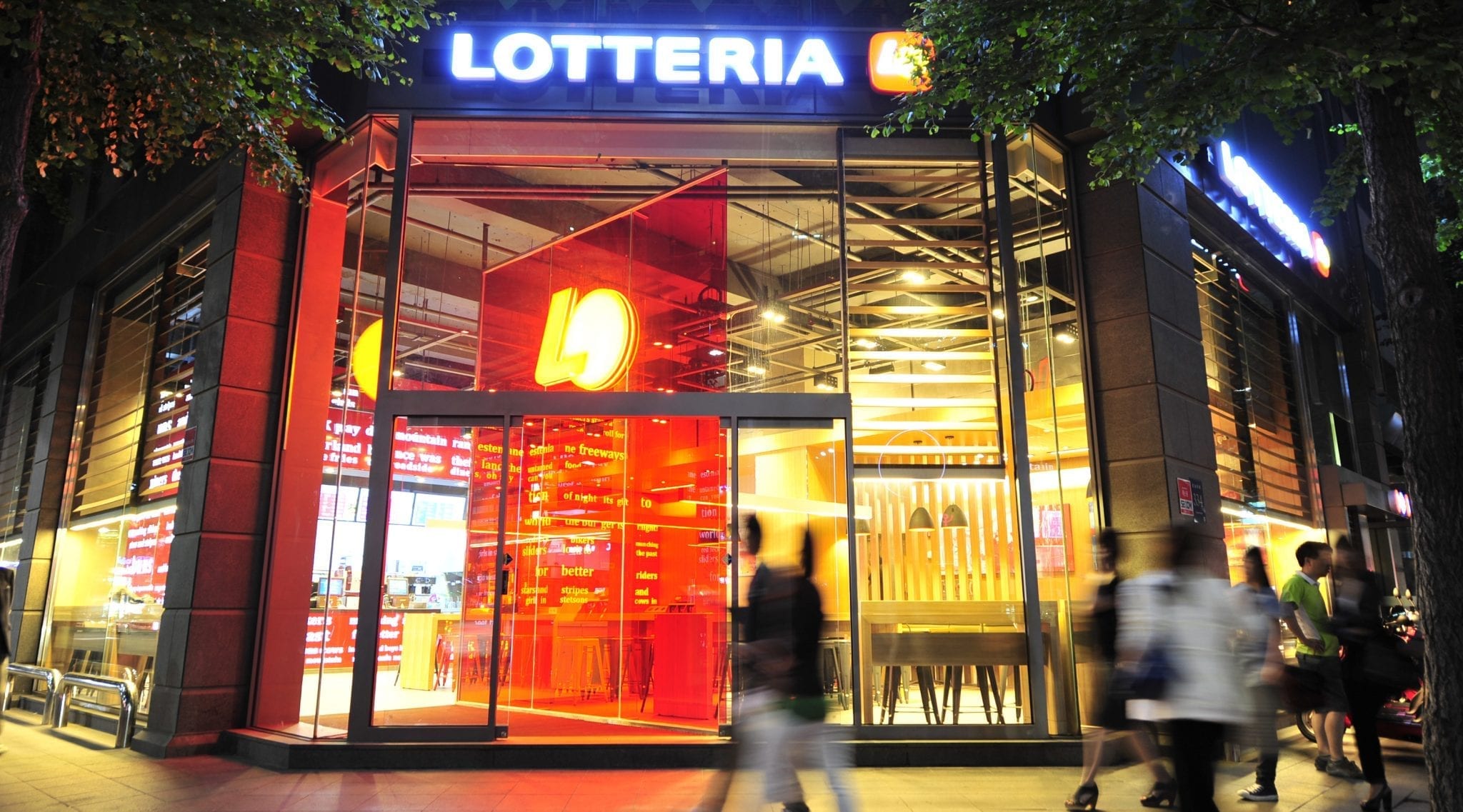
    The South Korean quick-service restaurant chain, Lotteria, is set to enter the Malaysian market by the end of the current year. This move is a result of a strategic alliance with the local firm, Serai Group.

    Exclusive Partnership with Serai Group

    As part of the collaboration, Serai Group has secured exclusive privileges to establish and manage Lotteria stores throughout Malaysia. Furthermore, it is authorized to sub-franchise the brand to other parties.

    Lotteria’s Expansion Strategy

    The venture in Malaysia is a component of Lotteria’s extensive growth strategy in Southeast Asia. This initiative is spearheaded by its parent organization, Lotte GRS Co., which is a branch of the South Korean conglomerate, Lotte Group.

    Lotte GRS has an ambitious plan to open an additional 30 Lotteria outlets throughout Malaysia in the next half-decade.

    Past Ventures and Future Prospects

    The decision to expand in Malaysia was made after Lotte GRS’s leadership, including CEO Cha Woo-cheol, conducted feasibility assessments in the region, and in Singapore, earlier in 2023. The company was exploring master franchise possibilities in these areas, indicating a strong desire to grow beyond Lotteria’s existing international markets, which include Vietnam, Myanmar, Laos, and Mongolia.

    A significant international market for Lotteria has been Vietnam, where the chain has been active since 1998. As per the 2024 financial report of Lotte Group, there are currently 253 Lotteria outlets operating across Vietnam.

    In tandem with its growth in Southeast Asia, Lotte GRS is also gearing up to open its inaugural US outlet in Orange County, California, in the middle of August.

    Questions & Answers

    What are Lotteria’s expansion plans in Malaysia?
    Lotteria plans to establish an additional 30 outlets throughout Malaysia in the next five years.

    What is the role of Serai Group in Lotteria’s expansion into Malaysia?
    Serai Group has secured exclusive rights to open and manage Lotteria stores across Malaysia, and it also has the authority to sub-franchise the brand to other parties.

    What are some of Lotteria’s established overseas markets?
    Lotteria has a strong presence in several international markets, including Vietnam, Myanmar, Laos, and Mongolia.

  • Shiseido Plans to Trim 300 U.S. Jobs Amid Challenges with Acquired Skin-Care Brand

    Shiseido Plans to Trim 300 U.S. Jobs Amid Challenges with Acquired Skin-Care Brand

    In a promising turn of events, Shiseido reported an uptick in net profits for the first half of the year, crediting proactive restructuring moves in Japan and China. Yet, while the Japanese cosmetics powerhouse shows signs of recovery, turbulence within its U.S. subsidiary has prompted a reevaluation of strategies, including potential job cuts to streamline operations.

    This dual narrative of recovery and challenge unfolded during Shiseido’s latest financial briefing, where executives revealed their contrasting fortunes across global markets. Though the company has successfully revitalized its operations in Asia, the American segment remains a troublesome spot, leading to uncertainty regarding its growth trajectory.

    Despite achieving growth milestones domestically, the question of how to conquer the U.S. market looms large, akin to trying to win a game of chess with the opponent always a step ahead. Shiseido must now navigate this complex landscape to redefine its American presence—an endeavor both urgent and fraught with risk.

    As the company looks to the future, industry insiders are awaiting clearer signals about its strategic direction, particularly in the wake of significant restructuring. Will Shiseido find the right moves to flourish in a demanding market, or will this shake-up lead to a sidestep rather than a leap forward? Only time will tell.

    Questions & Answers

    What factors contributed to Shiseido’s improved net profit?
    Shiseido’s net profit for January to June improved due to successful restructuring efforts in Japan and China.

    What challenges is Shiseido facing in the U.S. market?
    The U.S. subsidiary continues to struggle, leading the company to consider significant restructuring measures, including potential job cuts.

    What does the future hold for Shiseido in terms of growth?
    While the company shows positive signs in Asia, uncertainty persists regarding its growth strategy in the U.S. market, leaving many questions about its next steps.

  • Coupang Surpasses $8 Billion Mark: Record Revenue And Profit Turnaround Amid Taiwan Expansion

    Coupang Surpasses $8 Billion Mark: Record Revenue And Profit Turnaround Amid Taiwan Expansion

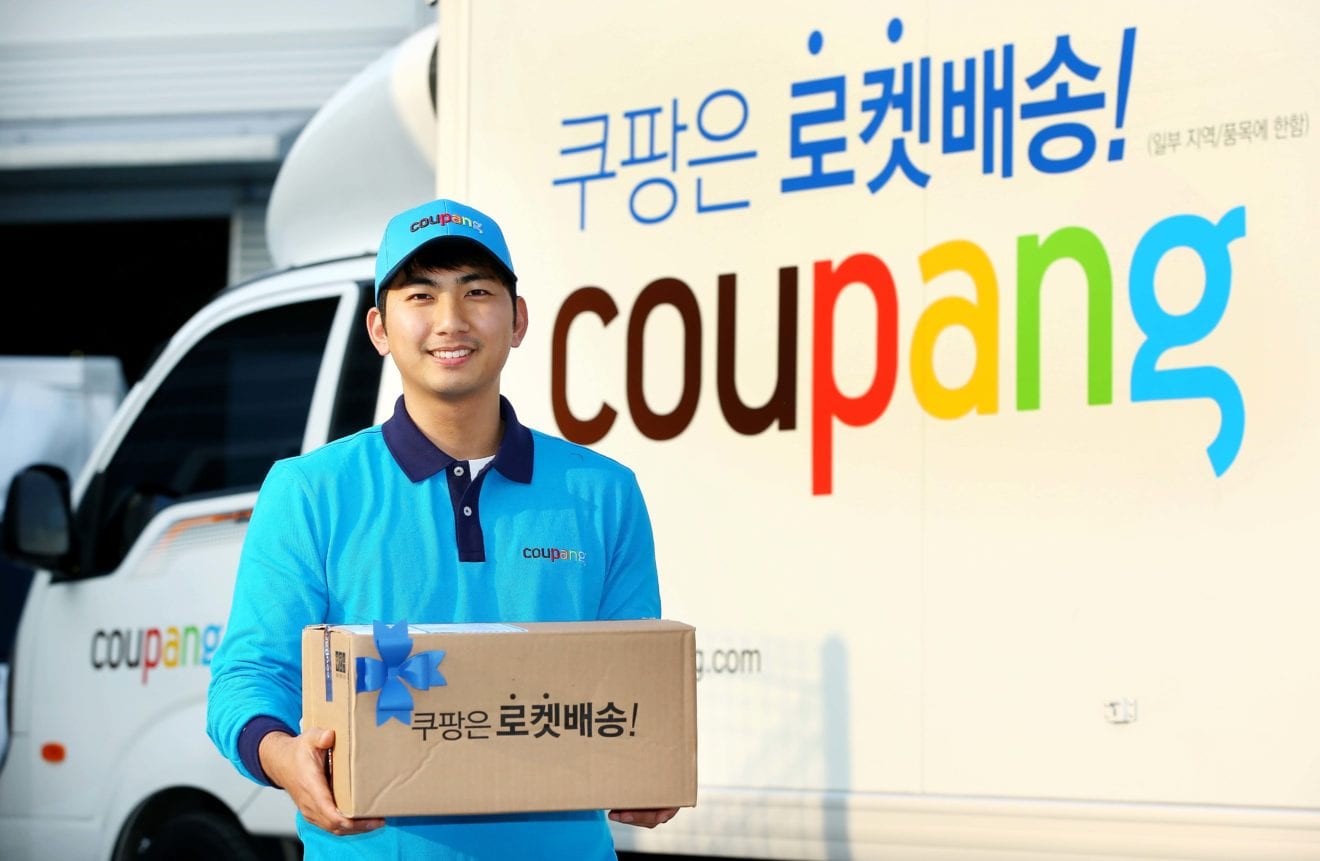
    South Korean retail behemoth Coupang has experienced substantial growth this year, boasting a record revenue of $8.52 billion in Q2, a rise of 19% year-over-year with an FX-neutral basis. This marks the first time the company has surpassed the $8 billion mark.

    Additionally, Coupang achieved a net profit of $31 million, a significant turnaround from last year’s Q2 deficit of $105 million. The company’s adjusted EBITDA hit $428 million.

    Core Strengths

    Coupang’s primary source of income comes from its Product Commerce sector, which encompasses Rocket Delivery, Rocket Fresh, Rocket Growth, and the marketplace. The adjusted EBITDA for this segment climbed to $663 million, and margins reached an unprecedented 9%.

    Most of the revenue growth in Q2 came from existing customers. According to Bom Kim, Coupang’s founder and CEO, even the oldest customer cohorts demonstrated robust spending increases in the double digits.

    Kim stated, “As we expand our selection to match customer preferences, they’re also purchasing across a broader number of categories.”

    The Rocket Delivery model, previously criticized for its extravagant spending and capital intensity, is now viewed as a competitive advantage. Same-day and dawn delivery volumes soared over 40% year-over-year, primarily due to the addition of over half a million new Rocket SKUs in Q2.

    Taiwan’s Progress

    Coupang’s Developing Offerings segment, which encompasses Taiwan Rocket Delivery, Coupang Eats, Coupang Play, and Farfetch, posted a revenue of $1.19 billion, an increase of 33% year-over-year. Although this unit is still not profitable, with an adjusted EBITDA loss of $235 million, a majority of this loss can be attributed to increased investment in Taiwan.

    Coupang’s CFO, Gaurav Anand, noted that Taiwan is the main reason behind a revised full-year EBITDA loss prediction for the segment, estimated to be between $900 million and $950 million.

    Coupang launched its Wow membership program in Taiwan in March, targeting a population of 23 million and a retail sector valued at $152.7 billion. Since entering the market in 2022, the company has invested approximately $355 million in expanding its logistics infrastructure and product selection.

    This investment appears to be producing early results, with Taiwan’s revenue surging 54% quarter-over-quarter and recording triple-digit growth year-over-year. These improvements are not only due to customer acquisition but also improved customer retention and spending.

    Kim commented, “Our Taiwan offering is growing faster and stronger than even the most optimistic forecasts we set at the beginning of the year.” He added that they see a similar growth trajectory in Taiwan as they did in the early years of scaling their retail offering in Korea.

    Despite initial concerns, Coupang’s aggressive investment indicates growing belief that Taiwan could become a second profitable market in the long term.

    While Taiwan’s progress overshadows other areas, Coupang’s other businesses continue to develop. Food delivery service Coupang Eats showed continuous double-digit growth, benefiting from the company’s established logistics infrastructure.

    Additionally, Coupang Play, its streaming platform, has added new features like a Sports Pass, providing access to premium sports leagues ranging from the Premier League to Nascar.

    Although these businesses are not yet profitable, they help to retain users within the Coupang ecosystem.

    Looking forward, Coupang faces significant challenges. The South Korean retail sector has been declining for 13 consecutive quarters – the longest recorded downturn. With limited room for further growth at home, the company’s future hinges on maximizing each customer’s value or finding new customers abroad. Taiwan is off to a strong start, but expanding it into a second growth engine may prove challenging, and the level of investment required could test investor patience if results don’t keep up the pace.

    Questions & Answers

    What contributed to the growth of Coupang’s Q2 revenue?
    Existing customers contributed to most of the growth, with spending increases across all cohorts. Additionally, the company expanded its product selection, leading to customers buying across a wider range of categories.

    What is the role of Taiwan in Coupang’s financial strategy?
    Taiwan is a significant focus for Coupang’s investment, aimed at expanding its market beyond South Korea. The company’s aggressive investment in Taiwan indicates a growing belief that it could become a second profitable market in the long term.

    What challenges does Coupang face moving forward?
    Coupang is challenged by the continuous decline in the South Korean retail sector. With limited potential for domestic growth, the company’s future success increasingly relies on maximizing value from each customer and expanding its customer base abroad. Additionally, the level of investment required in markets like Taiwan could test investor patience if results don’t match the pace of investment.
  • SKT Consortium Takes Charge of Korea’s Next Big Leap with Proprietary AI Foundation Model

    SKT Consortium Takes Charge of Korea’s Next Big Leap with Proprietary AI Foundation Model

    SK Telecom has made waves in the tech sector with its selection as a core team for the ‘Proprietary AI Foundation Model’ project, an initiative spearheaded by the Ministry of Science and ICT (MSIT). This collaborative effort aims to create a robust full-stack artificial intelligence (AI) platform leveraging proprietary technology across semiconductors, models, data, and services, setting a strong precedent for local innovation in South Korea.

    Aiming for an AI Renaissance

    A cornerstone of this partnership with MSIT involves open sourcing the project’s capabilities, a move anticipated to empower local businesses and significantly enhance the country’s AI innovation landscape. The SK Telecom Consortium, comprising industry giants and research institutions, is committed to advancing proprietary AI. Their impressive track record includes publishing over 800 research papers, securing 736 patents, and launching upwards of 270 open-source projects.

    Bringing Together Experts

    Leading the core research for the MSIT project is Kim Tae-yoon, who oversees the Foundation Model Office at SK Telecom. He is joined by esteemed colleagues, including Professors Lee Kangwook and Dimitris Papailiopoulos from the University of Wisconsin-Madison. The consortium also features a variety of contributors, from gaming powerhouse Krafton to mobility AI firm 42dot, and chip manufacturer Rebellions, not to mention a host of eminent professors from Seoul National University and KAIST.

    Next-Gen AI Models on the Horizon

    SK Telecom is gearing up to “embark on the development of next-generation large-scale AI models” through this initiative. The company plans to harness omni-modal technology, enabling it to process text, images, speech, and video simultaneously—because who doesn’t want their AI multitasking like a seasoned professional?

    Advancements in Large Language Models

    Since 2018, SK Telecom has been on a mission to develop its own large language model (LLM), known as A.X. This year marked the introduction of two iterations of A.X 4.0—both standard and light versions—crafted through extensive continual pre-training. The company has also created two distinct versions of A.X 3.1, initiated from scratch. These models boast performance on par with GPT-4o, demonstrating exceptional prowess in understanding the nuances of the Korean language.

    Equipping the Future of AI

    To date, these A.X models have been trained on SK Telecom’s state-of-the-art TITAN supercomputer. Looking ahead, the SKT Consortium is set to provide substantial computing resources autonomously for advanced research and development (R&D). Moreover, consortium partner Rebellions will deploy its domestically developed neural processing units (NPUs) for optimizing high-performance, energy-efficient AI services.

    Shaping a Smarter Future

    The ultimate vision for this consortium is to pave the way for making AI agents accessible and practical for all Koreans. The focus spans a range of key sectors, including office work, manufacturing, automotive, gaming, and robotics—it’s clear that AI isn’t just a trend; it’s becoming part of the fabric of everyday life in South Korea.

    In the words of Kim Jiwon, Head of AI Model Lab at SK Telecom:

    With our proven technological capabilities and operational expertise, we will deliver the highest-quality, Korean-style, proprietary AI foundation model to empower AI for daily life in Korea.

    Questions & Answers

    What is the main goal of the SKT Consortium’s project with the MSIT?
    The primary aim is to develop a proprietary artificial intelligence platform that promotes local innovation and enhances the South Korean AI ecosystem through open-source capabilities.

    Who are some key figures involved in the research for the project?
    Kim Tae-yoon leads the initiative, supported by notable researchers including Professors Lee Kangwook and Dimitris Papailiopoulos, along with representatives from various companies and universities.

    What technologies will be emphasized in the development of new AI models?
    The consortium plans to integrate omni-modal technology, enabling simultaneous processing of text, images, speech, and video data, positioning it at the forefront of AI advancements.

  • Rodrigo Pizarro Appointed As New Ceo Of L’oreal Korea: A Vision For Innovation And Deepened Collaboration

    Rodrigo Pizarro Appointed As New Ceo Of L’oreal Korea: A Vision For Innovation And Deepened Collaboration

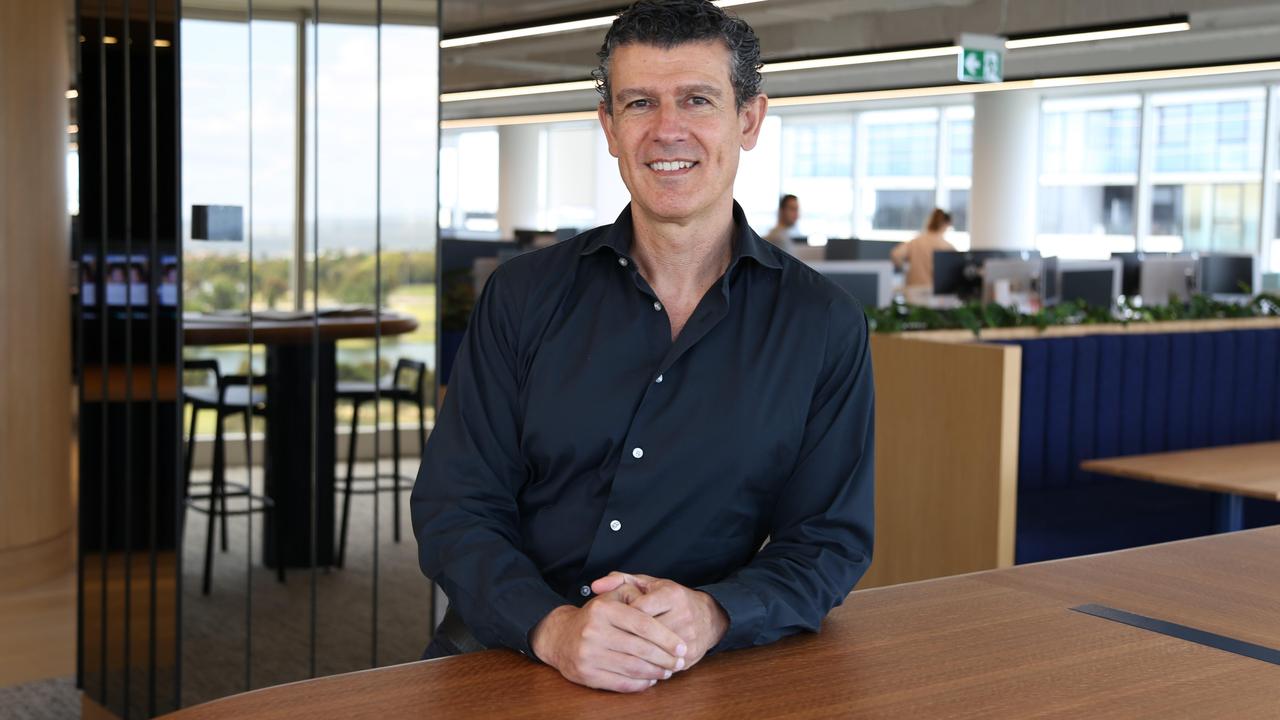
    Rodrigo Pizarro has been announced as the new Chief Executive Officer for L’Oreal Korea, effective immediately. Pizarro brings an impressive 30-year experience from within the L’Oreal organization to the role.

    Three Decades of L’Oreal Experience

    Pizarro’s history with L’Oreal dates back to 1993 when he joined the company’s Portugal division. Over the years, his expertise in digital and data-driven initiatives has made significant impacts within the organization, spanning multiple regions.

    Throughout his career at L’Oreal, Pizarro has been in leadership positions in various regions including Europe, South America, and the Asia-Pacific. His ability to lead across different cultures and markets demonstrates his adaptability and capacity to understand diverse consumer behavior.

    Multiple Leadership Roles

    Pizarro’s leadership roles within L’Oreal have been extensive and diverse. He has successfully led the consumer products division in both Venezuela and Hungary, displaying a strong understanding of different market dynamics.

    Moreover, Pizarro has also held the position of country manager for several regions, including Venezuela, Portugal, Australia, and New Zealand. His time in Australia and New Zealand was particularly noteworthy as he spearheaded the company’s digital transformation in these countries, implementing AI-powered business models.

    Contributions to L’Oreal’s Digital Transformation

    In 2020, Pizarro served as the Chief Transformation Officer for the Sapmena region, which includes South Asia Pacific, the Middle East, and North Africa. In this role, he played a significant part in advancing decision-making initiatives across multiple facets of the business: commercial, marketing, and operations.

    Upon his appointment, Pizarro emphasized the importance of L’Oreal Korea’s relationship with the Korean industry since its establishment in 1993. He expressed his enthusiasm about the opportunity to deepen this collaboration and pledged to continue promoting Korea’s innovative spirit on the global stage.

    Questions & Answers

    What is Rodrigo Pizarro’s background with L’Oreal?
    Rodrigo Pizarro has been with L’Oreal since 1993 and has held various leadership roles in multiple regions, including Europe, South America, and the Asia-Pacific.

    What significant role did Pizarro play in Australia and New Zealand?
    Pizarro led L’Oreal’s digital transformation efforts in Australia and New Zealand, which included the implementation of AI-powered business models.

    What are Pizarro’s plans for L’Oreal Korea?
    Pizarro intends to deepen the collaboration between L’Oreal Korea and the Korean industry, with an aim to further highlight Korea’s innovative spirit on the world stage.

  • South Korea’s Nuclear Power Output Set to Hit 222.7 TWh by 2035: A Bright Energy Future Ahead!

    South Korea’s Nuclear Power Output Set to Hit 222.7 TWh by 2035: A Bright Energy Future Ahead!

    South Korea is gearing up for a significant boost in its nuclear power generation, with projections indicating an increase to 222.7 terawatt-hours by 2035. This growth reflects a compound annual growth rate (CAGR) of 2.4% from 2024 to 2035, according to insights from GlobalData.

    Rising Nuclear Capacity Amid Energy Demands

    The recent report titled “South Korea Power Market Outlook to 2035, Update 2025 – Market Trends, Regulations, and Competitive Landscape” reveals that the nation’s nuclear power capacity rose to 24.4 gigawatts (GW) in 2024, up from 23.2 GW in 2020. This capacity is expected to expand further to 29.8 GW by 2035, marking a steady growth of 1.8% over the same period.

    Nuclear Power: A Key Player in Electricity Consumption

    Nuclear energy plays a crucial role in fueling nearly one-third of South Korea’s electricity needs. Currently, the country operates 25 reactors, with four more under construction to help meet the escalating energy demands. Attaurrahman Ojindaram Saibasan, a senior power analyst at GlobalData, highlighted South Korea as a major energy consumer and one of the world’s top greenhouse gas emitters.

    Transitioning from Fossil Fuels

    Saibasan pointed out that while the nation depends heavily on both thermal and nuclear power to meet its electricity requirements, this approach contributes to rising emissions. The country’s reliance on fossil fuels for thermal power—compounded by limited natural resources—forces South Korea to import coal and gas, which can be a costly endeavor. It seems some compromises will have to be made on the path to cleaner energy.

    Aiming for Nuclear Leadership

    In line with its ambitious energy strategy, the South Korean government plans to enhance the share of nuclear power in its electricity generation to 35.2% by 2038. This target will be supported by the construction of three additional reactors along with a small modular reactor, contributing an extra 4.4 GW to the grid. Notably, South Korea is not just looking inward; the country aims to become a global leader in nuclear energy, aspiring to secure contracts for the construction of ten nuclear reactors overseas by 2030.

    Questions & Answers

    What is the projected nuclear power generation for South Korea by 2035?
    South Korea is expected to increase its nuclear power generation to 222.7 terawatt-hours by 2035.

    How much does nuclear energy currently contribute to South Korea’s electricity needs?
    Nuclear energy accounts for nearly one-third of South Korea’s electricity consumption.

    What are South Korea’s plans for nuclear energy exports by 2030?
    The country aims to become a leading exporter of nuclear energy, targeting contracts for the construction of ten nuclear reactors overseas by 2030.

  • South Korean Retailers Combat Rising Food Prices With Ultra-affordable Products

    South Korean Retailers Combat Rising Food Prices With Ultra-affordable Products

    In South Korea, the rise in food prices has led to an increase in demand for ultra-low-cost products, specifically those priced under 1000 won. This surge in demand has prompted convenience stores to grow their range of super-value items.

    7-Eleven’s Affordable Coffee Selection

    On the 30th of July, the famous convenience store chain, 7-Eleven, introduced two new coffee products to its line: “Seven Select Black Coffee” and “Seven Select Cafe Latte.” Retailing at only 900 won each, these offerings are approximately 36% cheaper than the average market price of 1400 won for similar items. The black coffee offers a clean, Americano-style flavor, while the cafe latte provides a lightly sweet taste and aroma that appeals to a wide range of customers.

    This addition to 7-Eleven’s product line follows the mid-July release of “Seven Select Venti Coffee” in 600ml PET bottles. Available in black and hazelnut varieties, these beverages retail at 1800 won, making them 33% less expensive than typical 500ml bottled coffees. These products experienced a 70% increase in sales from July 18 to 25, compared to the preceding month, indicating robust consumer interest in large volume, low-cost options.

    According to 7-Eleven, reflecting the wider economic pressures, sales of all differentiated products priced under 1000 won increased by 30% from July 1 to 25 compared to the same period the previous month.

    CU Embraces the Ultra-Value Trend

    CU, another popular convenience store chain, has also responded to the ultra-value trend. In preparation for Korea’s traditional midsummer days, CU introduced two affordable traditional chicken dishes to its private-label “Duktem” series. These are the “Samgyetang Chicken Breast,” priced at 1900 won, and the “Samgyetang Whole Chicken Leg,” available for 3500 won.

    Easily prepared in a microwave in under two minutes, these dishes offer a cost-effective alternative to Samgyetang. This traditional Korean chicken soup, generally considered a restorative dish, has become increasingly expensive. Data from Korea Price Information shows the cost of making Samgyetang at home has risen to 9000 won per serving, while dining out costs an average of 17,654 won, a 4.6% increase from the previous year.

    Other Retailers Join the Trend

    Large retailers, such as Emart, Homeplus, and Lotte Mart, have also recognized this trend and begun offering aggressive promotions on fresh poultry and ready-to-eat health foods. For instance, Emart offered two antibiotic-free young chickens for 3580 won with a member card, while Homeplus sold first-grade whole chickens for 3650 won each with bulk purchases.

    As consumer spending power declines and economic uncertainty persists, ultra-affordable, high-value products are fast becoming a key strategy for retailers. The aim is to attract cost-conscious shoppers looking for reasonably priced alternatives to expensive meals and beverages.

    Questions & Answers

    What effect is the rise in food prices having in South Korea?
    South Koreans are increasingly seeking ultra-low-cost products. This demand has prompted convenience stores to expand their range of super-value items.

    How have 7-Eleven and CU responded to this demand?
    7-Eleven has introduced affordable coffee products, while CU has released cost-effective traditional chicken dishes to cater to this growing demand.

    What is the overall retail strategy in response to these economic pressures?
    Retailers, recognizing the need for affordable options amid declining consumer spending power and economic uncertainty, are focusing on providing ultra-affordable, high-value products to attract cost-conscious shoppers.