Tag: Korea

  • Experience a Blend of Tradition and Innovation at Lego’s Largest Store in South Korea, Now Open in Seoul

    Experience a Blend of Tradition and Innovation at Lego’s Largest Store in South Korea, Now Open in Seoul

    Lego has inaugurated its biggest retail outlet in Yongsan, Seoul, South Korea, with an objective to increase its attractiveness for millennial and Generation Z consumers.

    Store Overview

    The flagship location spans an expansive 396 square meters and showcases a vibrant fusion of traditional and modern elements under its “K-culture” theme.

    Exhibits and Features

    The store features a variety of large-scale Lego installations. These include a massive five-meter wide ‘Irolobongdo’ mosaic and a detailed diorama of Gwanghwamun and Geunjeongjeon, constructed using over 185,000 Lego bricks. The installations draw inspiration from various elements of Korean culture, including the Gwangjang Market and the country’s popular fried chicken.

    Interactive Zones

    In addition to the exhibits, the store also offers interactive areas for visitors. The Pick-a-Brick Zone allows customers to choose from a variety of Lego bricks in different shapes and sizes. The Build Your Own Minifigure Zone provides an opportunity for visitors to design and create their own custom mini figures. Free assembly is offered at brick play tables within the store.

    Future Plans

    Lego has expressed plans to continuously revamp and innovate, with an aim to ensure new experiences for visitors each time they visit the store. The company has announced year-end festive events as part of their initial initiatives to bring this vision to life.

    Questions & Answers

    What is the size of the new Lego store in Yongsan, Seoul?
    The Lego store in Yongsan, Seoul spans an expansive 396 square meters.

    What are the interactive areas in the new Lego store?
    The store offers a Pick-a-Brick Zone, where customers can select from a variety of Lego bricks, and a Build Your Own Minifigure Zone, where visitors can create custom mini figures.

    What does the future hold for this new Lego store?
    Lego has expressed its commitment to continuously evolve and innovate, ensuring new experiences for visitors every time they visit. The company’s plans include hosting festive year-end events.

  • Mega MGC Coffee Celebrates Opening of 4000th Store in South Korea: A Decade of Caffeinated Success Story

    Mega MGC Coffee Celebrates Opening of 4000th Store in South Korea: A Decade of Caffeinated Success Story

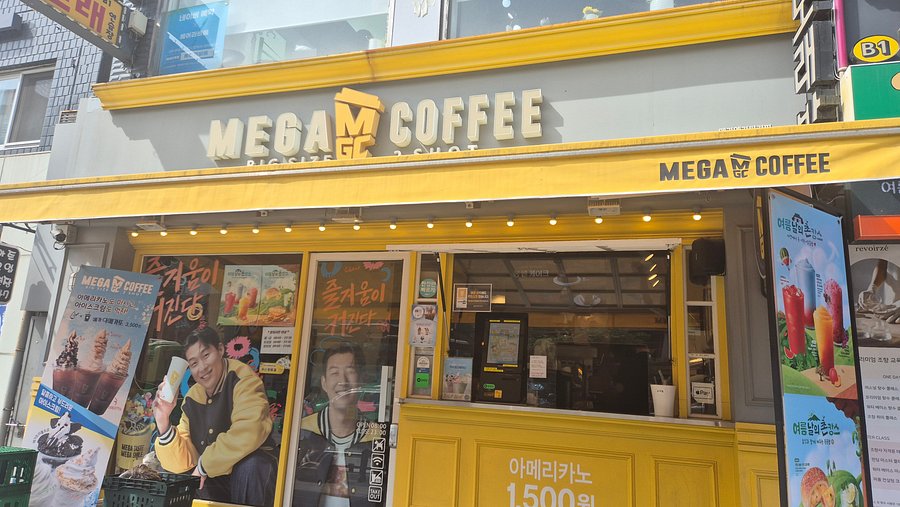
    Mega MGC Coffee, a prominent coffee chain, has proudly announced the opening of its 4000th outlet in South Korea. This new store is situated at Ilsan Lake Park in Goyang, Gyeonggi province. The achievement marks a decade since the brand set up its initial location in Hongdae.

    A Family Venture

    The franchisee for this new outlet, An Su-hyeon, is no stranger to the brand. Su-hyeon manages nine other outlets for the company and states that the family-run business has ambitions to increase their portfolio to include 30 locations. These plans signal further expansion and growth for the coffee chain.

    Comment from Mega MGC Coffee CEO

    Kim Dae-young, CEO of Mega MGC Coffee, views the successful establishment of 4000 outlets as an affirmation of the brand’s growth in cooperation with its franchisees. He expressed satisfaction in seeing more owners of multiple outlets expand their businesses, attributing it to their trust in the brand.

    Future Developments

    Nhouse, the operator of Mega MGC Coffee, has indicated its intention to continue evolving its menu based on customer preferences. The company also has plans to extend its presence by opening additional outlets in South Korea and abroad.

    The coffee chain, founded in 2015, is well-known for offering affordable coffee, beverages, pastries, and desserts. This focus on value for money and quality produce has contributed significantly to its success and popularity.

    Questions & Answers

    What is Mega MGC Coffee?
    Mega MGC Coffee is a popular coffee chain, known for its affordable and quality coffee, beverages, pastries, and desserts.

    Where has Mega MGC Coffee opened its 4000th outlet?
    Mega MGC Coffee has opened its 4000th outlet at Ilsan Lake Park in the Goyang, Gyeonggi province of South Korea.

    Who runs the new outlet at Ilsan Lake Park?
    The new outlet at Ilsan Lake Park is managed by franchisee An Su-hyeon, who also operates nine other outlets for the brand.

  • French Luxury Chocolatier La Maison du Chocolat Expands Korean Presence with New Pop-Up in Seoul’s Lotte Department Store

    French Luxury Chocolatier La Maison du Chocolat Expands Korean Presence with New Pop-Up in Seoul’s Lotte Department Store

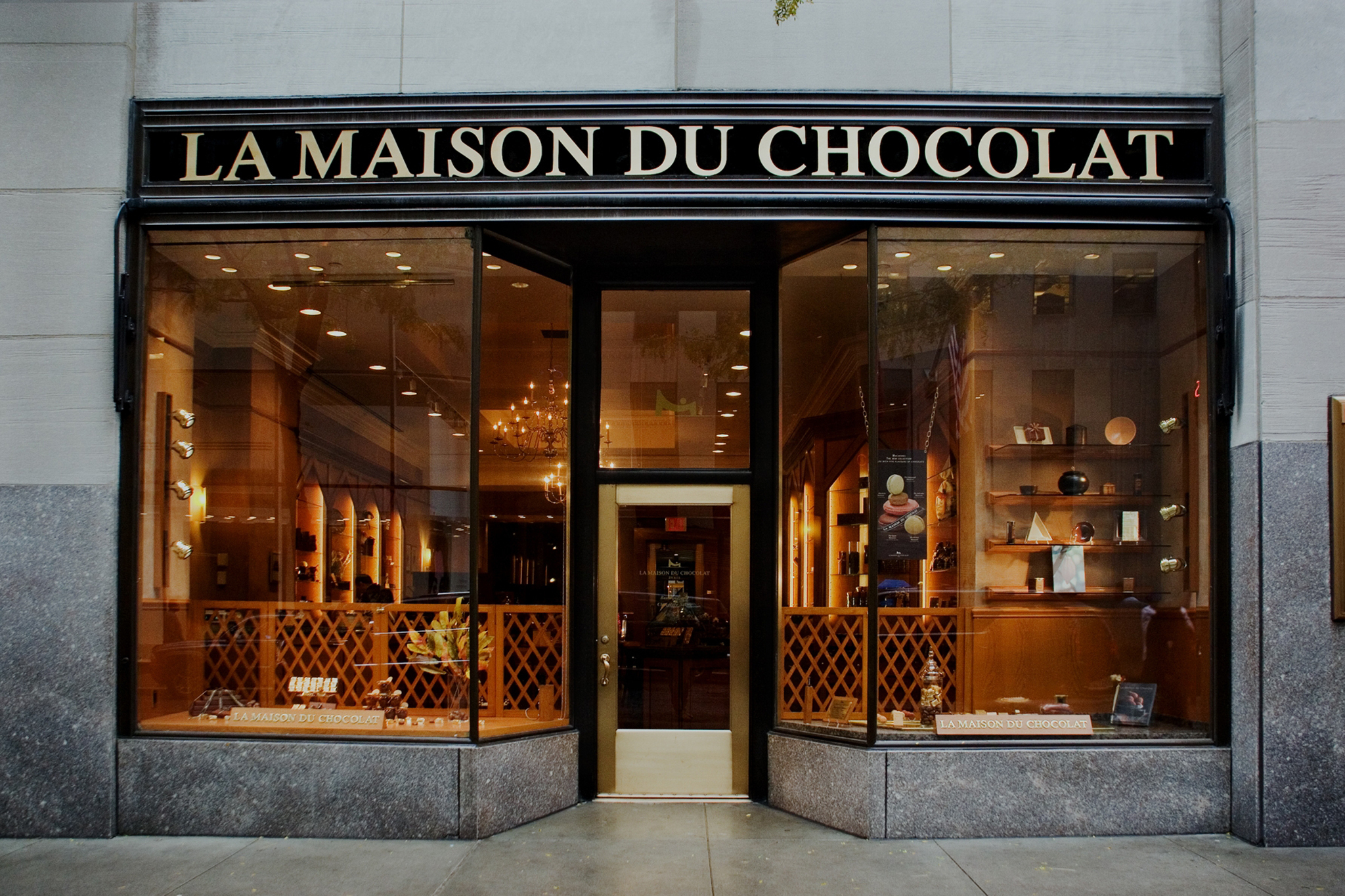
    La Maison du Chocolat, a renowned French luxury chocolatier, is expanding its presence in South Korea, launching a new pop-up boutique in the central Seoul location of the Lotte Department Store Main B1.

    Expanding Partnership with Bluebell Korea

    This latest venture is in cooperation with Bluebell Korea, a notable distributor recognized for handling an assortment of luxury and premium labels throughout the broader Asian region. The partnership serves to introduce La Maison du Chocolat’s revitalized branding and retail design to the Korean market, using the pop-up boutique as an experimental platform for potential future growth.

    Exquisite Chocolate Selection

    The temporary store will exhibit a curated selection of La Maison du Chocolat’s signature offerings. Their variety of products range from truffles, chocolate tablets, and macarons, to a host of seasonal creations, offering a tantalizing treat for all chocolate connoisseurs.

    Brand History

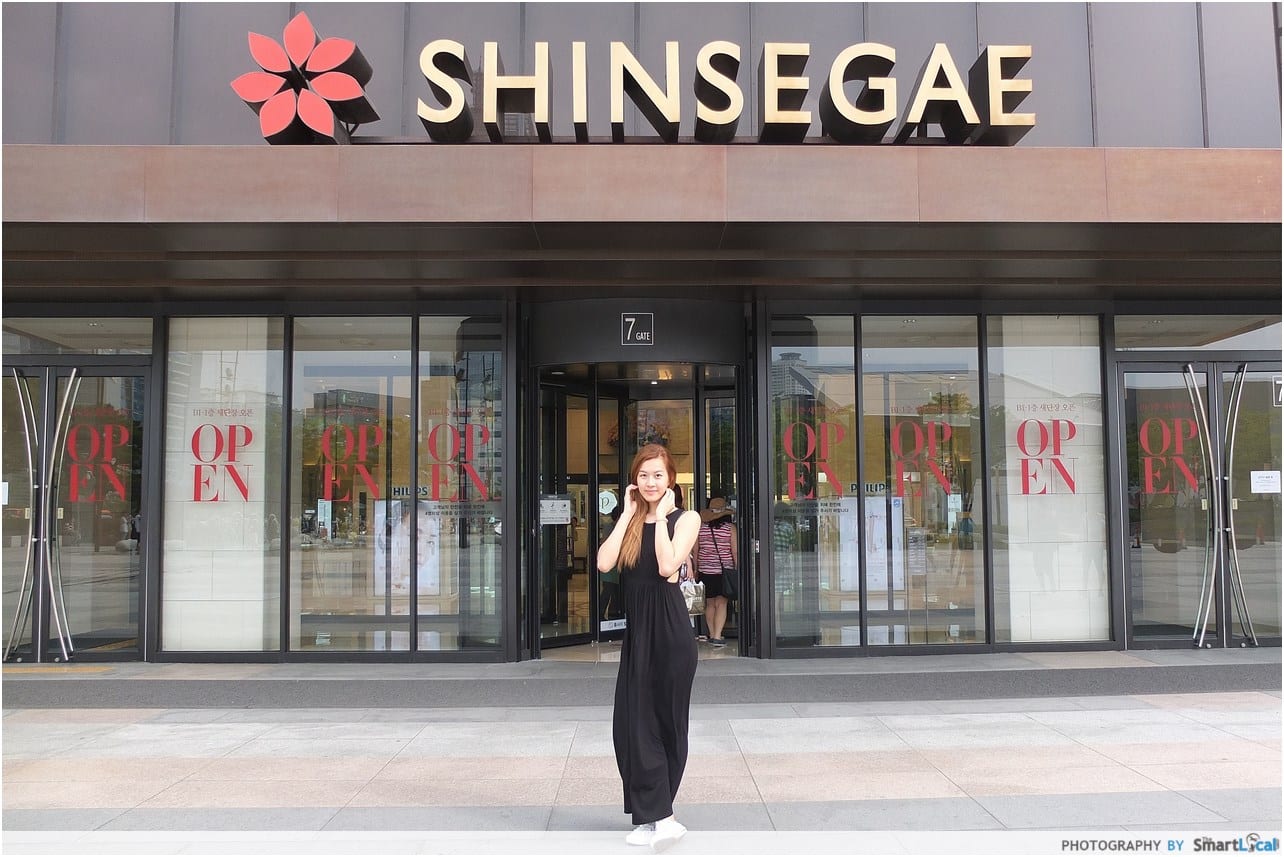
    Established in 1977 by chocolatier Robert Linxe, La Maison du Chocolat has since been spearheaded by Nicolas Cloiseau, who stepped into his role as creative director in 2011. The brand made its debut in the Korean market in 2015, opening a boutique in the main branch of Shinsegae Department Store situated in Sogong-dong.

    Questions & Answers

    Who is the current leader of La Maison du Chocolat?
    Nicolas Cloiseau has led La Maison du Chocolat as its creative director since 2011.

    When did the brand first enter the Korean market?
    The brand made its first foray into the Korean market with a boutique in Shinsegae Department Store’s main branch in Sogong-dong in 2015.

    What products does the new pop-up boutique in Seoul offer?
    The boutique offers a range of La Maison du Chocolat’s offerings, including truffles, chocolate tablets, macarons, and seasonal creations.

  • Shinsegae-Alibaba Alliance: A New Chapter in South Korean E-commerce Landscape

    Shinsegae-Alibaba Alliance: A New Chapter in South Korean E-commerce Landscape

    The commencement of a new joint venture between South Korea’s Shinsegae Group and China’s Alibaba International has been viewed by many as an indication of impending transformation in the country’s e-commerce market.

    The New Venture: Grand Opus Holdings

    Recently, the joint venture, Grand Opus Holdings, finalized its board structure. Shinsegae’s chairman, Chung Yong-jin, will take on the role of board chair. The board will also include four other directors, three of whom are representatives of Alibaba-affiliated entities. This board composition brings to light the significant influence of the Chinese group within the partnership.

    Retail industry experts consider this joint venture as Alibaba’s most direct expansion into South Korea’s domestic market. They believe that Shinsegae’s local brand power will be used as a conduit for this expansion. There are concerns that the introduction of highly affordable Chinese goods, which have been a driving force in the global e-commerce market, will exacerbate price competition and put additional pressure on local manufacturers.

    The Expansion of Chinese Commerce Platforms

    Chinese commerce platforms are steadily growing within the market. Based on data from WiseApp Retail, AliExpress and Temu have the second and third highest number of monthly active users nationwide. They have surpassed 11th Street and are closing in on the market leader, Coupang. Furthermore, Jingdong, another Chinese commerce platform, is gearing up to start logistics operations in Korea, implying yet another possible market entrant.

    In a bid to maintain its leading position, Coupang is planning new investments. Its founder, Bom Kim, has acknowledged Korea as a resilient market with high potential, assuring the introduction of more products, an expanded marketplace, and improved automation in logistics. Coupang also unveiled plans to invest 3 trillion won (about 2 billion USD) in the upcoming year to enhance domestic infrastructure.

    Intensifying Competition and Public Concerns

    Another major competitor in the market, Naver, announced its shift towards an e-commerce-focused strategy earlier this year. The company launched its new open marketplace application, Naver Plus Store, in March and teamed up with fresh-food delivery company Kurly to launch the ‘Kurly N Mart’ service in September.

    The escalating competition has raised concerns about Shinsegae’s collaboration with Alibaba. Some marketing specialists cautioned that a leading Korean retail conglomerate partnering with a Chinese e-commerce behemoth may lead to consumer backlash. Public perceptions of Chinese platforms have been tarnished by issues related to counterfeit goods, safety hazards, and inferior quality products.

    A recent survey conducted in Seoul to evaluate “consumer trust” in major online platforms ranked Shinsegae’s SSG.com at the top and AliExpress at the bottom. Consumer advocates have also warned of potential personal data risks, particularly in relation to overseas data access.

    In a recent Gmarket media event, executives tried to allay these concerns. Kim Jung-woo, head of the company’s PX division, stressed that customer information is exclusively managed by Gmarket and that AI training data is kept in a separate cloud system.

    Looking Ahead

    As the Shinsegae–Alibaba venture officially commences, industry analysts foresee Korea’s e-commerce market, which is already one of the world’s most competitive, to experience further disruption. This upheaval is expected to be instigated by global players seeking to penetrate the market and domestic giants striving to retain their territory.

    Questions & Answers

    What is the new joint venture between South Korea’s Shinsegae Group and China’s Alibaba International?
    The new joint venture, named Grand Opus Holdings, is expected to reshape South Korea’s e-commerce market.

    How is Alibaba planning to expand into South Korea’s market?
    Industry experts believe Alibaba will utilize Shinsegae’s domestic brand power as a bridge to penetrate the South Korean e-commerce market.

    What are some concerns about the partnership between Shinsegae and Alibaba?
    Some people worry that this partnership might lead to consumer backlash due to issues associated with Chinese platforms, such as counterfeit goods, safety hazards, and inferior quality products. Additionally, there are concerns related to the potential risks of personal data, especially regarding overseas data access.

  • South Korean Coffee Phenomenon ‘The Venti’ Brews US Expansion, Starting with Las Vegas Debut

    South Korean Coffee Phenomenon ‘The Venti’ Brews US Expansion, Starting with Las Vegas Debut

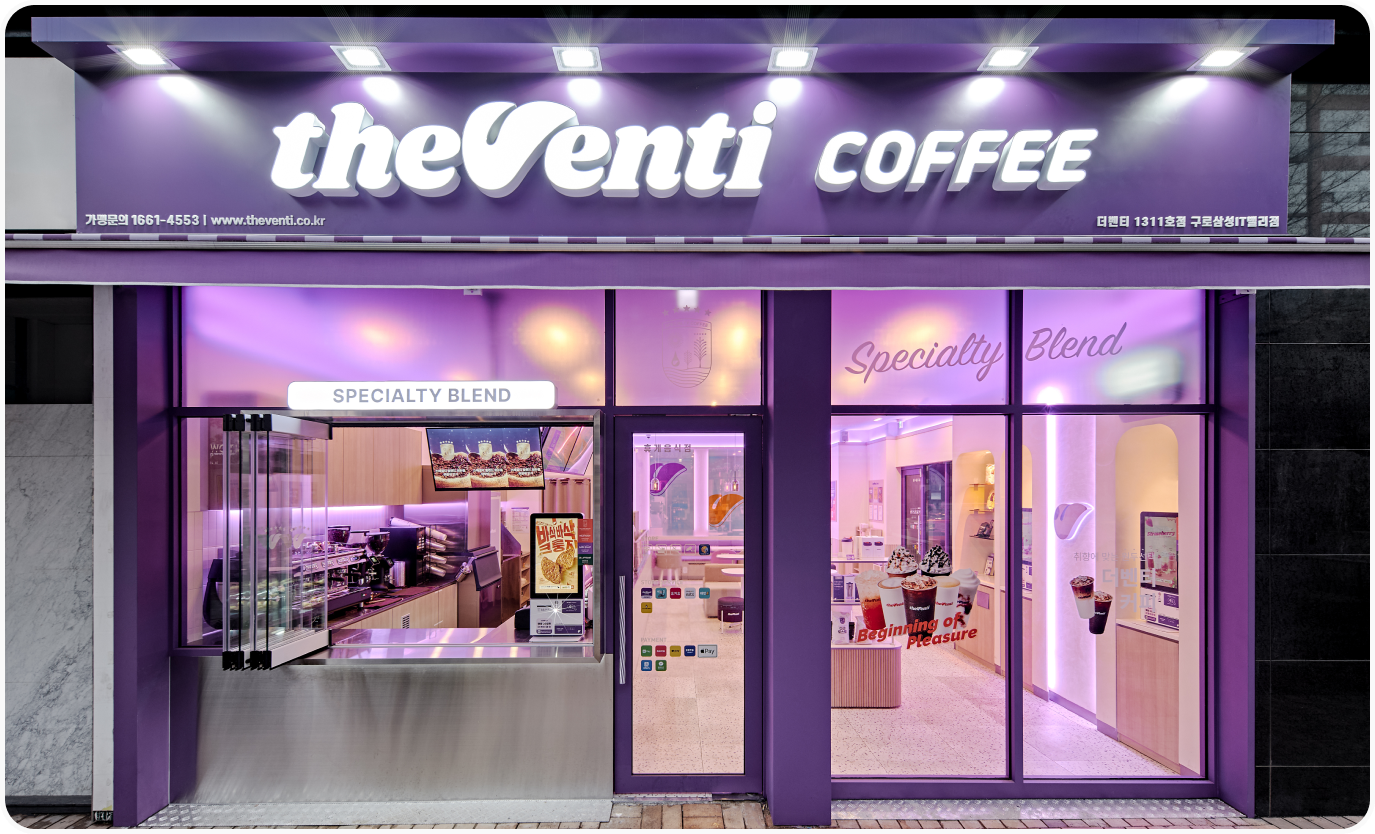
    South Korea’s popular coffee brand, The Venti, has announced plans to make a grand entrance into the American market in the coming year, starting with a flagship store in Las Vegas.

    Strategic Partnership for Expansion

    The strategic decision to tap into the American market is a result of a fresh partnership between SNC Sein, The Venti’s parent company, and JINP. This collaboration will facilitate the establishment of multiple The Venti outlets across the western regions of the United States.

    From Humble Beginnings to Global Reach

    The Venti, since its inception in 2014, has been known for its affordable, high-quality coffee. The company has shown impressive growth, with over 1,000 stores currently operating in its home country, South Korea. In addition, The Venti has successfully expanded its reach beyond the Korean borders, with branches in Canada, Jordan, and Vietnam.

    Brand Enhancement through Celebrity Endorsement

    The coffee chain has also endeavored to elevate its global brand image by appointing internationally acclaimed K-pop artist, G-Dragon, as its worldwide ambassador. This move is expected to bolster the brand’s image and visibility as it continues to branch out into new international territories.

    Questions & Answers

    When is The Venti expected to enter the US market?
    The Venti is planning to venture into the US market in the next year.

    Where will the first US store of The Venti be located?
    The first US store of The Venti will be located in Las Vegas.

    Who has been appointed as the global ambassador of The Venti?
    K-pop star G-Dragon has been appointed as the global ambassador of The Venti.

  • Lululemon Makes Stylish Strides in South Korea: Unveils First Asian Global Flagship Store in Seoul’s Gangnam District

    Lululemon Makes Stylish Strides in South Korea: Unveils First Asian Global Flagship Store in Seoul’s Gangnam District

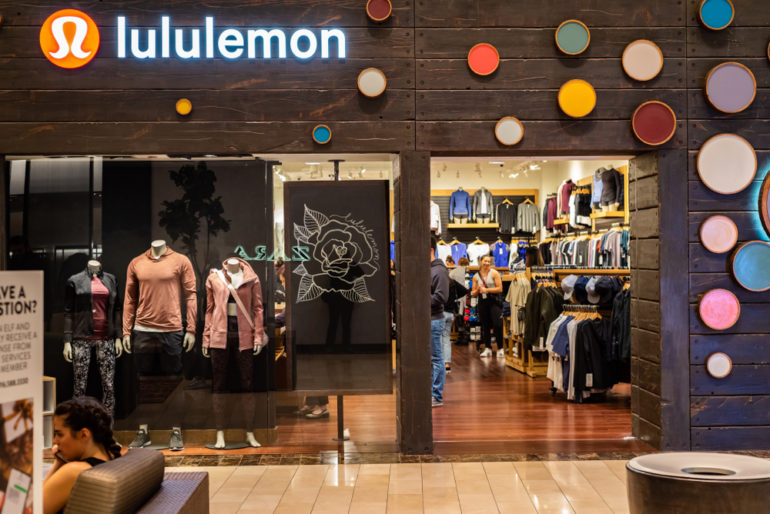
    Sportswear brand Lululemon has established its inaugural global flagship store in the heart of South Korea’s bustling Gangnam district. This 9000sqft, three-story location showcases the brand’s commitment to its growth strategy in the Asia Pacific region.

    A Fresh Retail Concept

    This new Korean flagship store introduces a unique retail design focused on movement and sensory engagement. Drawing inspiration from its Pacific Northwest roots, the store showcases structural materials and a sophisticated colour scheme to represent the brand’s heritage.

    The exterior of the store prominently features custom 3D-printed recycled materials. The design is influenced by the distinctive lines found in some of Lululemon’s most popular products.

    Expanding the Assortment

    In an effort to cater to a wider audience, the flagship store has allocated an entire floor to menswear. This expanded assortment targets not just sports and training wear, but also everyday and travel wear, meeting a range of consumer needs.

    Investing in the South Korean Market

    Gareth Pope, GM of Lululemon for the Asia Pacific region, spoke on the brand’s enthusiasm for the South Korean market. He stated, “Korea is one of the fastest-growing markets in our APAC portfolio. This flagship store represents a strategic investment in a market that continues to show significant momentum. This is driven by a vibrant community and an increasing demand for premium activewear.”

    Building on this momentum, the brand is keen on expanding its presence in Korea through new store formats, community events, and localized product assortments. “We are determined to deepen our connection with Korean consumers through personalized experiences, exclusive offerings, and continuous innovation in digital and physical retail,” Pope added.

    Strong Footprint in the Region

    The launch of the new flagship store in Korea takes the total number of Lululemon stores in Korea to 23. These stores are spread across key regions including Seoul, Gyeonggi, Busan, Daejeon and Daegu. Notably, the Gangnam location is the brand’s first flagship store in Asia and the fourth street-front store in Seoul, alongside existing stores in Cheongdam, Itaewon and Myeong-dong.

    Questions & Answers

    Where is Lululemon’s first global flagship store located?
    The store is located in Seoul’s Gangnam district in South Korea.

    What is the new retail design concept introduced by Lululemon in their flagship store?
    The new retail design is centered on movement and sensory engagement, with a colour palette and structural materials inspired by the brand’s Pacific Northwest origins.

    What does the establishment of the flagship store signify for Lululemon?
    The new flagship store represents Lululemon’s strategic investment in the South Korean market, and underpins the brand’s commitment to growth and deepening customer relationships in the Asia Pacific region.

  • South Korean Footwear Giant, Sappun, Makes Strides in Southeast Asia with Exclusive Indonesian Expansion

    South Korean Footwear Giant, Sappun, Makes Strides in Southeast Asia with Exclusive Indonesian Expansion

    South Korean female-oriented shoe brand, Sappun, has drawn out plans to broaden its global presence, beginning with Southeast Asia, Indonesia specifically.

    Expanding Footprints in Indonesia

    The footwear brand, which operates under the management of FNS Retail Co, has embarked on an exclusive alliance with Surya Bumi Retailindo. This Indonesian retail firm oversees over 20 international brands spread across sports, fashion, and lifestyle verticals, Salomon and Dickies included.

    The collaboration gives Surya Bumi Retailindo the exclusive distribution rights for Sappun within Indonesia while also setting a sturdy framework for sustained retail growth.

    Establishing Retail Presence

    Sappun, in accordance with this new partnership, has launched standalone outlets in three of Jakarta’s prime shopping precincts, such as Lippo Mall Puri, Plaza Senayan, and Grand Indonesia. Initial sales at these outlets have been reportedly on par with its flagship stores in South Korea, an indication of the strong demand from Indonesian shoppers.

    FNS Retail has plans to inaugurate five additional Sappun stores inside Indonesia by the conclusion of this year, with a future goal of reaching a total of 30 stores within the next five years.

    The entrance into the Indonesian market marks a noteworthy milestone as the first international expansion of a K-fashion women’s shoe brand. FNS Retail expressed their ambition to extend their presence further across Southeast Asia and Japan.

    The Growth of Sappun

    Sappun was founded in 2014 initially as an online-only brand which later expanded its operations to offline outlets across prominent Korean cities, including Seoul and Busan. To further extend its global reach, the brand continues to exploit e-commerce platforms like Shopee and Lazada.

    Sappun also has plans in the pipeline to launch operations in Vietnam in the near future.

    Questions & Answers

    What is Sappun’s expansion strategy?
    Sappun plans to broaden its global presence starting with Southeast Asia, specifically Indonesia. They aim to establish a robust retail presence through local partnerships and open standalone stores in prime shopping areas.

    How is the brand performing in Indonesia?
    Sappun has launched standalone outlets in three of Jakarta’s prime shopping precincts. The sales at these outlets have been reportedly on par with its flagship stores in South Korea, indicating strong demand from Indonesian shoppers.

    What are Sappun’s future plans?
    Sappun aims to extend its presence further across Southeast Asia and Japan. The brand also has plans to launch operations in Vietnam in the near future.

  • 5G Power Play: How China, South Korea, and Singapore Race to Champion Smart, Ultra-Fast Networks

    5G Power Play: How China, South Korea, and Singapore Race to Champion Smart, Ultra-Fast Networks

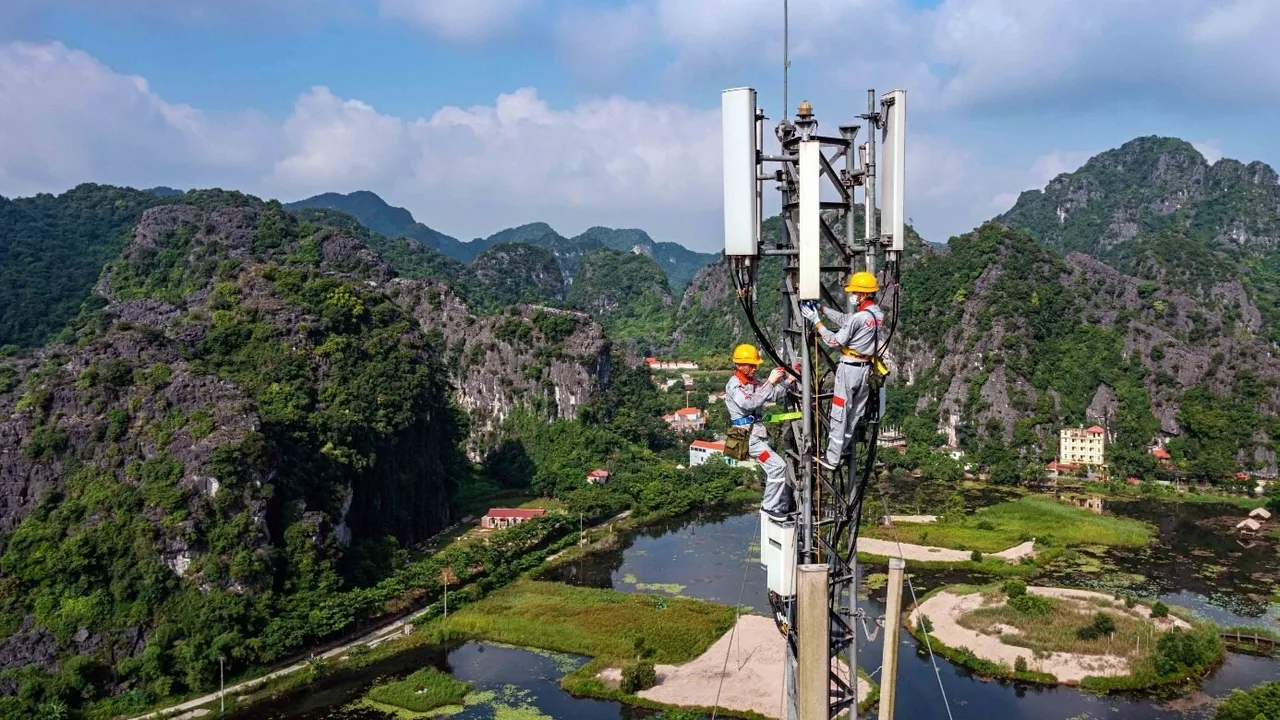
    Asia’s broadband and mobile landscapes are quickly transforming, spurred on by economic goals, digital sovereignty, and leadership in industries powered by artificial intelligence (AI). Significant investments are being poured into denser radio networks, more rapid fixed connections, and smart AI automation, particularly in China, South Korea, and Singapore. But what advantages do these leaders hope to reap from such extensive efforts?

    The Economic Imperative

    In the Asia-Pacific region, mobile technologies have already become a major economic cornerstone. The sector was responsible for approximately $950 billion and 5.6% of the regional GDP in 2024, and these numbers are expected to rise with the expansion of 5G.

    Rapid strides are being made in China to roll out both 5G and 5G-Advanced (5G-A) networks. The country now hosts over 4.486 million 5G cell sites, accounting for 35.3% of all mobile base stations, as of May 2025. In just the first five months of that year, 235,000 new 5G base stations were installed, highlighting the government’s ongoing dedication to expanding connectivity. Furthermore, China’s move toward 5G-A signifies a shift from basic connectivity to intelligent networking.

    South Korea’s 5G rollout is similarly comprehensive and widespread. By the third quarter of 2024, the country had approximately 36.1 million 5G connections, and operators had achieved nationwide 5G coverage that same year. Additionally, South Korea ranks highest in terms of 5G infrastructure density.

    Singapore, too, is making substantial strides in the 5G domain. By early 2024, key operators such as StarHub reported over 99% outdoor 5G coverage. The city-state has also dedicated SGD 25 billion (~USD 18 billion) in R&D funding to back enterprise testbeds for 5G in sectors like smart estates, Industry 4.0, and urban mobility.

    The Consumer Imperative

    Both consumers and businesses in Asia are pressing for lower latency, higher capacity, and full coverage. Emerging technologies such as cloud gaming, immersive video, and factory automation depend on low-latency, robust connections and are transitioning to actual deployment.

    In the race for speed, South Korea and Singapore often rank among the fastest worldwide. High speeds are essential to support business workloads, AR/VR services, and AI tasks.

    In China, where average 5G download speeds exceed 400 Mbps, operators like China Mobile and China Unicom report an increase in customer satisfaction and a reduction in churn rates as users upgrade to premium 5G plans.

    Networks are not only becoming faster but also more adaptive. Vendors and carriers are incorporating AI into the radio access network, core, and operations stacks, supporting functions like energy optimization, traffic prediction, and self-healing.

    The Geopolitical Imperative

    Networks play a critical role as key geopolitical assets. As such, governments are diversifying their suppliers and promoting investments in backup cables, localized cloud and edge computing, and corporate cloud services. Security and economic objectives further propel the demand for faster, more reliable networks.

    The advent of software as the primary differentiator in a market where hardware has become largely standardized, along with subsidies and targeted policies, is accelerating deployment. The large-scale rollouts in China underscore how favorable policy can rapidly reduce costs and expand coverage.

    A Pragmatic Race with High Stakes

    Rapid progress, however, comes with its own set of challenges. Densely packed networks are expensive, and some countries still grapple with spectrum and backhaul limitations. AI networks are complex to manage, and privacy, localization, and cybersecurity rules introduce additional regulatory hurdles.

    Yet, the pursuit by China, South Korea, and Singapore of the fastest, smartest networks revolves around maintaining economic competitiveness, enabling AI and cloud services, achieving digital resilience and independence, and unlocking future business verticals.

    Network investment has now become a central pillar for economic growth and national strategy. AI and smart infrastructure drive continuous upgrades; resilience and digital sovereignty guide policy-making; and vendor competition hastens rollout. The real victors in this race won’t simply have the highest speeds, but the ability to balance speed, intelligence, regulatory clarity, and expenditure effectively.

    By pushing forward with 5G and 5.5G leadership, China, South Korea, and Singapore are poised to benefit economically through new digital industries and productivity growth, satisfy consumer demands for faster, smarter connectivity, and solidify their geopolitical influence as global frontrunners in next-generation technology.

    Questions & Answers

    What is driving the rapid evolution of Asia’s broadband and mobile landscape?
    Economic ambitions, digital sovereignty, and leadership in AI-powered industries are the key drivers behind the swift transformation of Asia’s broadband and mobile landscape.

    How is 5G contributing to the economies of China, South Korea, and Singapore?
    5G is expected to boost the economies of these countries through the creation of new digital industries, productivity growth, and by meeting consumer and business demands for faster, smarter connectivity.

    What challenges are being faced in the deployment of 5G and AI networks?
    The key challenges include the high costs of dense network deployments, limitations related to spectrum and backhaul, complexity of managing AI networks, and regulatory hurdles related to privacy, localization, and cybersecurity.

  • Korean Air Takes Flight with A350F: New Era of Eco-Friendly and Efficient Cargo Transport Unveiled

    Korean Air Takes Flight with A350F: New Era of Eco-Friendly and Efficient Cargo Transport Unveiled

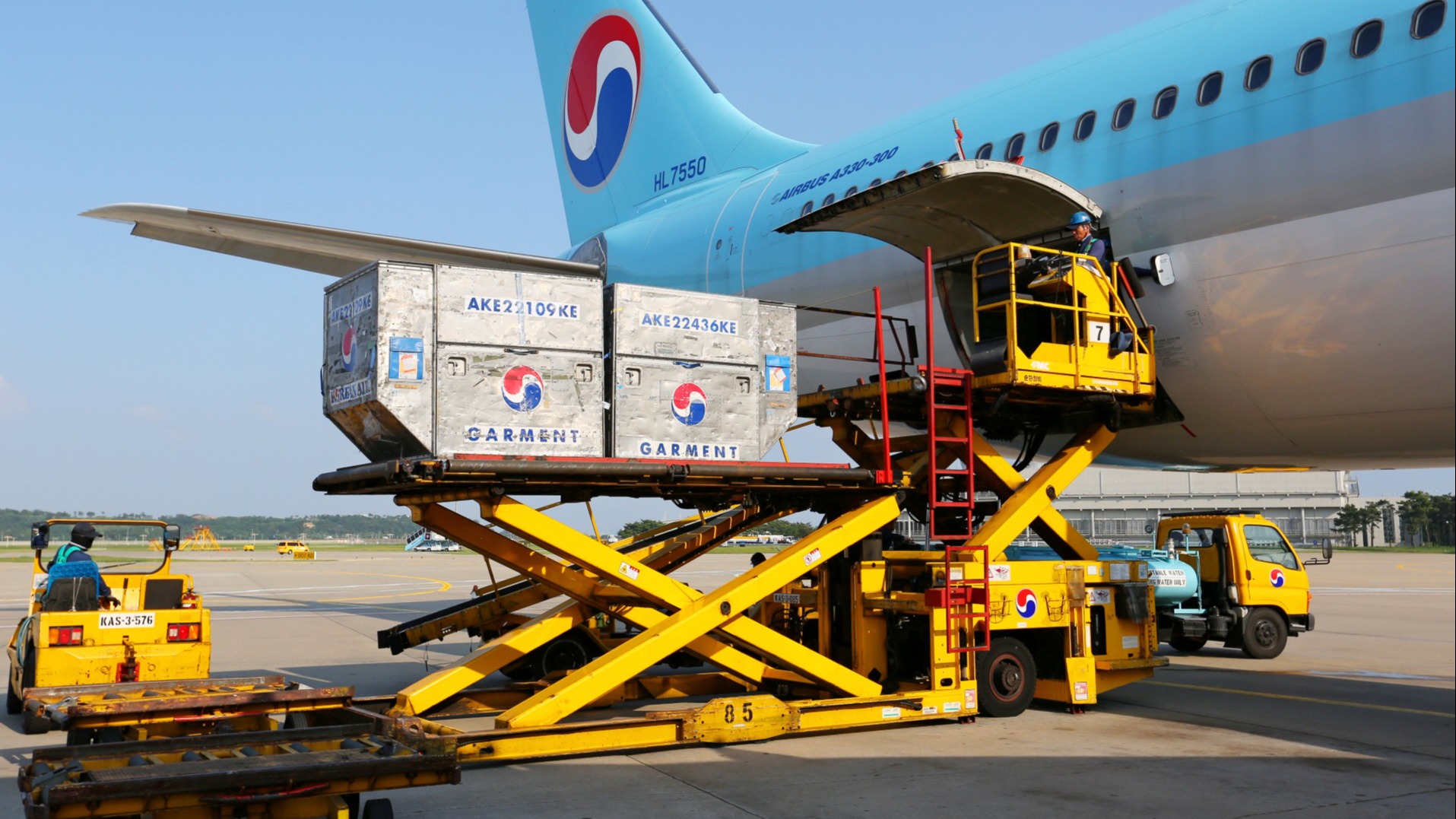
    Korean Air has joined the ranks of customers for the world’s only newly designed large freighter, the A350F, by modifying seven of its current A350-1000 passenger aircraft orders to the freighter model.

    Endorsement from a Major Cargo Operator

    Korean Air is a leading global cargo operator, making its choice to incorporate the A350F into its fleet a significant endorsement of the freighter’s unique capabilities. The A350F is set to provide Korean Air with the most efficient solution in the large freighter segment.

    The A350F’s Unique Features

    The A350F stands out with the industry’s largest main deck cargo door, its fuselage length and capacity optimally designed for standard pallets and containers. More than 70% of its airframe boasts advanced materials, resulting in a take-off weight that is 46 tonnes lighter than its nearest competitor. Indeed, the A350F is the only freighter aircraft that completely complies with the International Civil Aviation Organization’s (ICAO) forthcoming CO₂ emissions standards, set to take effect in 2027.

    Technological Advancements and Payload Capacity

    The A350F, which is currently under development, can carry an impressive payload of up to 111 tonnes and can fly up to 4,700 nautical miles or 8,700 kilometers. It’s equipped with the latest Rolls-Royce Trent XWB-97 engines, which will enable the aircraft to reduce its fuel consumption and carbon emissions by up to 40% compared to previous generation aircraft with similar payload-range capabilities.

    A350 Family’s Growing Popularity

    As of the end of September 2025, the newest generation A350 family had secured 1,445 orders from 63 global customers. This includes 65 orders for the brand-new A350F from 10 cargo carriers and one leasing company.

    Korean Air’s total order of A350 aircraft now stands at 33, which includes 20 A350-1000s, seven A350Fs, and six A350-900s. The first two of these have already been delivered.

    Questions & Answers

    What is significant about Korean Air’s decision to incorporate the A350F into its fleet?
    Korean Air is a major global cargo operator. Its decision to include the A350F in its fleet is seen as a significant endorsement of the aircraft’s unique capabilities.

    What sets the A350F apart from other freighter aircraft?
    The A350F has the industry’s largest main deck cargo door and has a fuselage length and capacity designed to optimize standard pallets and containers. The airframe uses advanced materials in more than 70% of its construction, making the aircraft lighter and more efficient.

    What can be expected from the A350F in terms of its payload and emissions?
    The A350F can carry a payload of up to 111 tonnes and fly up to 4,700 nautical miles or 8,700 kilometers. Powered by the latest Rolls-Royce Trent XWB-97 engines, the aircraft is expected to reduce fuel consumption and carbon emissions by up to 40%, meeting the ICAO’s enhanced CO₂ emissions standards due in 2027.

  • Rush for Retail Reign: AI Firm Harex InfoTech Joins Bid War for Korean Giant Homeplus

    Rush for Retail Reign: AI Firm Harex InfoTech Joins Bid War for Korean Giant Homeplus

    In the quest for acquiring the South Korean retail giant Homeplus, two contenders have stepped forward. The attempt to secure new ownership for Homeplus is aimed at stabilizing its operations.

    AI company Harex InfoTech and an anonymous bidder have expressed their interest by submitting their respective letters of intent (LOIs) before the cut-off date of October 31, as informed by investment banking insiders.

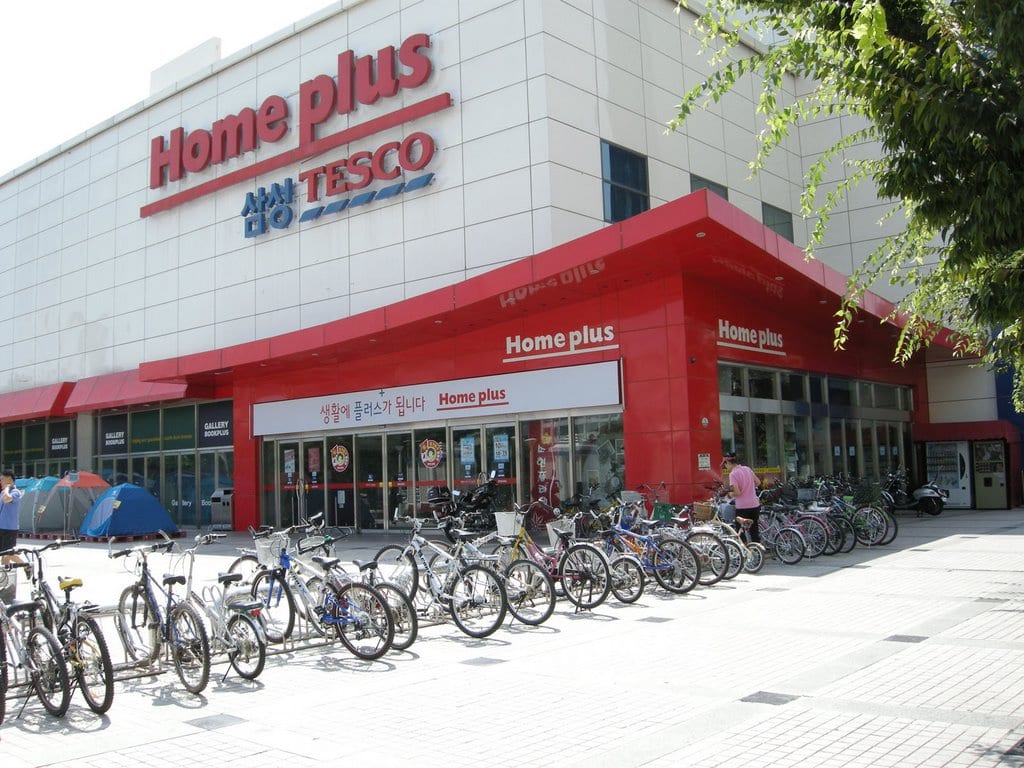
    Homeplus, a retail arm which MBK Partners took over from Tesco in 2015, went bankrupt following years of falling sales and liquidity crunches. It was reportedly grappling with basic expenditures, such as electricity bills. However, in March, the court gave Homeplus the green light to look for a buyer under its rehabilitation scheme.

    In preparation of its bid, Harex InfoTech is said to be strategizing to amass approximately 2 billion US dollars in the United States. With the proposed deal, all regular shares owned by MBK Partners would be voided. In contrast, new shares would be allocated to the bidder who succeeds.

    It is obligatory for the triumphant bidder to assume Homeplus’ debts. These include a debt of 940 million US dollars owed to Meritz Financial Group and preferred shares amounting to 405.8 million US dollars held by the National Pension Service (NPS).

    The process of due diligence for qualified bidders will persist through to November 21, with ultimate bids scheduled to be submitted by November 26.

    While the existing deadline for presenting Homeplus’ rehabilitation plan is November 10, those keeping a close watch on the industry anticipate the court to prolong it to sync with the bidding timeline.

    Questions & Answers

    What is the current development with Homeplus’ ownership?
    Two firms have submitted their letters of intent to bid for the ownership of Homeplus.

    Who are the current bidders for Homeplus?
    AI firm Harex InfoTech and an undisclosed bidder have shown interest in acquiring the South Korean retail giant.

    What financial obligations will the successful bidder of Homeplus have to assume?
    The winning bidder is required to tackle Homeplus’ debts, which consist of a 940 million US dollar debt to Meritz Financial Group and preferred shares valued at 405.8 million US dollars held by the National Pension Service.

  • Korea Secures $9 Billion in Cloud and AI Investments from Global Tech Giants at APEC Summit

    Korea Secures $9 Billion in Cloud and AI Investments from Global Tech Giants at APEC Summit

    During the APEC Global Investment Partnership event, which was held in conjunction with the APEC CEO Summit in Gyeongju, an announcement was made that underscores the determination of Seoul to lure high-value investment into the areas of digital infrastructure and advanced manufacturing. This is part of Seoul’s drive to expedite its aspirations in the field of artificial intelligence (AI).

    Investments in South Korean Digital Infrastructure

    Matt Garman, the CEO of Amazon Web Services (AWS), disclosed a plan to invest $5 billion by 2031 in order to expand the company’s cloud data centers and enhance its AI competencies in South Korea. He pointed out that South Korea is swiftly becoming a hub of AI innovation in Asia, and the continuous investments by AWS reveal their faith in South Korea’s technological ecosystem. He also believes that these investments will bolster South Korea’s place in the global AI economy.

    President Lee Jae Myung of South Korea, who met with Garman during the event, expressed his approval of AWS’s investment, deeming it a crucial aspect of Seoul’s AI strategy. His endorsement comes on the heels of AWS’s announcement of their $4 billion AI data center project in Ulsan earlier this year. President Lee is confident that this collaboration with AWS will stimulate Korea’s AI ecosystem and solidify their mutual path to prosperity.

    Investments from Other Multinational Corporations

    Additionally, six other multinational companies, namely Renault, Amkor Technology, Corning, Air Liquide, Siemens Healthineers, and Umicore, also communicated their new investment commitments. Renault Korea is set to transform existing production lines for the manufacture of electric vehicles, designating Korea as one of its five global strategic hubs. Siemens Healthineers has plans to construct a new 9,917-square-meter facility in Pohang for the production of components for cardiovascular ultrasound systems. Amkor Technology is preparing to extend its semiconductor packaging operations, while Umicore has intentions to build a cathode materials plant to cater to Korea’s rapidly expanding battery supply chain.

    As per the Ministry of Trade, Industry, and Energy of Korea, approximately $660 million of the declared amount is to be immediately registered as foreign direct investment.

    Korea’s Leadership in AI Development

    President Lee, during his keynote speech at the APEC CEO Summit, expressed Korea’s intention to propose an AI Initiative at the upcoming APEC leaders’ meeting, advocating for inclusive and cooperative AI development in the Asia-Pacific region. He envisions a future where AI is accessible to all, hopeful that this vision will become the new standard for APEC. This places Korea in a leadership position in the Asia-Pacific region in terms of digital transformation and ethical AI governance.

    The APEC CEO Summit, organized by the Korea Chamber of Commerce and Industry (KCCI), saw a record turnout of 1,700 business and political leaders, the largest in the summit’s 30-year history. The summit boasted the attendance of top executives and heads of state, including U.S. President Donald Trump, NVIDIA CEO, Jensen Huang, and several Asia-Pacific leaders.

    The summit was represented by the chairmen of Korea’s biggest conglomerates, including Samsung, Hyundai, LG, SK Group, and POSCO, reinforcing the country’s pivotal role in shaping the region’s technological future. The summit’s sessions over the three days centered around AI, digital currencies, supply chain resilience, green transition, and economic cooperation.

    Questions & Answers

    What was the primary focus of the APEC Global Investment Partnership event?
    The event was centered around Seoul’s efforts to attract high-value investments in digital infrastructure and advanced manufacturing to accelerate its AI ambitions.

    What is AWS’s planned investment in South Korea?
    AWS announced a plan to invest $5 billion by 2031 to expand its cloud data centers and boost its AI capabilities in South Korea.

    How are other multinational corporations contributing to South Korea’s AI strategy?
    Six multinational corporations have committed to new investments in South Korea. These include Renault’s conversion of production lines to electric vehicle manufacturing, Siemens Healthineers’ construction of a new facility for cardiovascular ultrasound systems, and Amkor Technology’s expansion of semiconductor packaging operations.

  • Shinsegae Duty Free to Exit Incheon Airport’s DF2 Zone Amid Rising Losses: A Strategic Shift or an Economic Warning?

    Shinsegae Duty Free to Exit Incheon Airport’s DF2 Zone Amid Rising Losses: A Strategic Shift or an Economic Warning?

    Shinsegae Inc, a major retail conglomerate in South Korea, announced on Thursday that it plans to shut down its duty-free business unit in Incheon International Airport’s DF2 zone. This decision has been prompted by growing losses.

    Motivation Behind the Decision

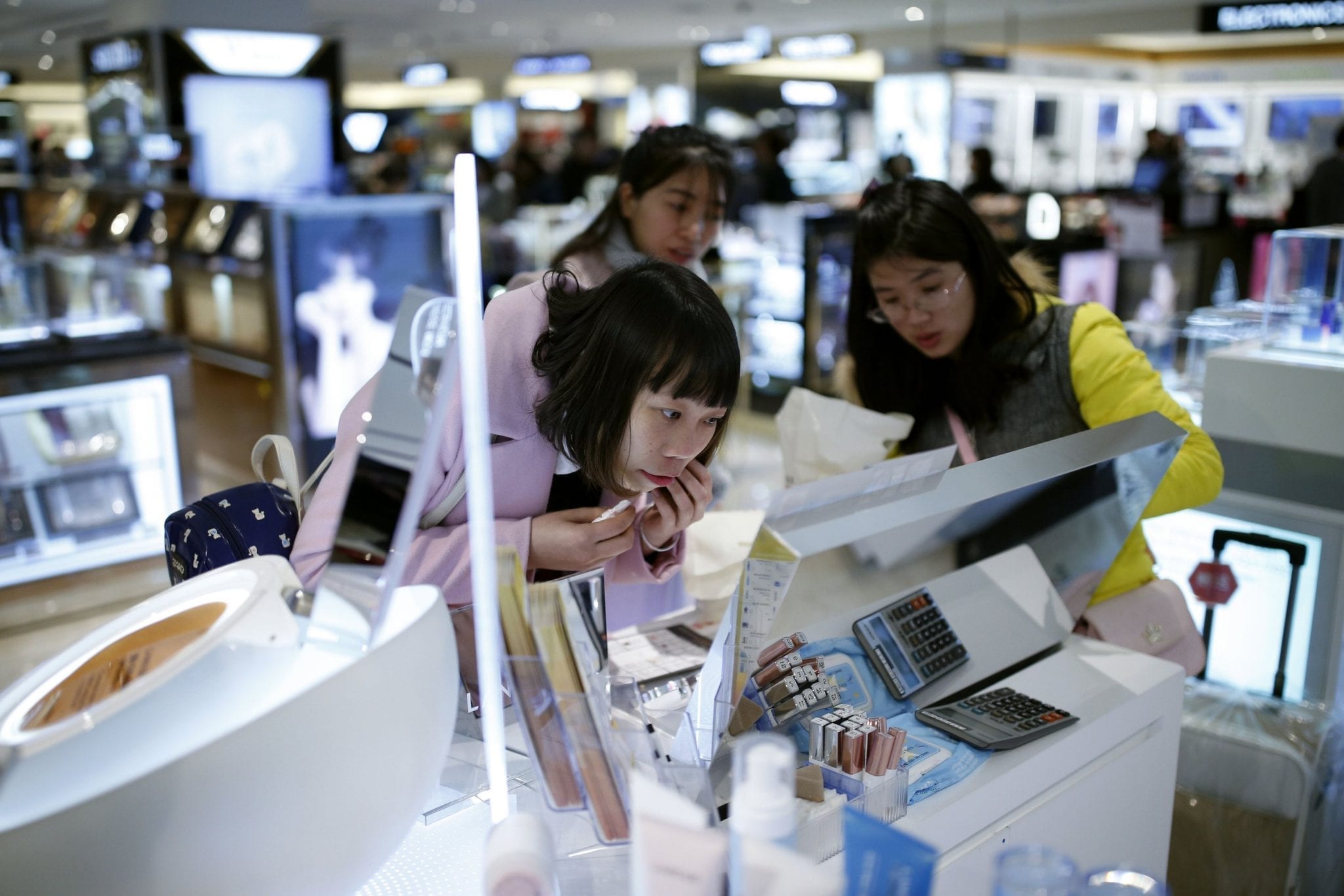
    As South Korea’s second-largest department store chain, Shinsegae has resolved to enhance the operational efficiency of its duty-free business by confronting escalating losses head-on. The company intends to cease operations within the DF2 zone, which houses cosmetics, perfumes, liquor, and tobacco offerings, by April 27, 2026.

    However, Shinsegae DF Inc’s duty-free outlets in the airport’s DF4 zone will continue business as usual.

    Challenging Market Conditions

    A representative from Shinsegae cited a myriad of adverse and unpredictable circumstances plaguing the duty-free market, such as high exchange rates, economic downturn, and diminished spending among primary consumers. The company had previously sought rent modifications from the Incheon International Airport Corp (IIAC), but the airport authority denied these requests.

    Future Business Focus

    With the impending shutdown of its DF2 zone outlet, Shinsegae DF plans to concentrate on its continuing operations in the airport’s DF4 zone and its city center store in Myeongdong, central Seoul.

    Just last month, Hotel Shilla Co relinquished its DF1 zone license to the airport due to mounting losses. The IIAC is predicted to initiate a new bidding process for the DF1 zone license previously held by Shilla Duty Free later this year.

    Questions & Answers

    Why is Shinsegae closing its duty-free business in the DF2 zone?
    Shinsegae is closing its duty-free operations in the DF2 zone due to escalating losses and a desire to improve overall operational efficiency.

    What areas does the DF2 zone cover?
    The DF2 zone houses a variety of products, including cosmetics, perfumes, liquor, and tobacco.

    What will be the future focus of Shinsegae DF?
    Following the closure of its DF2 zone outlet, Shinsegae DF will focus on its remaining operations in the airport’s DF4 zone and its downtown store in Myeongdong.

  • Escalating Dropout Rate Among South Korean Teacher-training Students Raises Concerns

    Escalating Dropout Rate Among South Korean Teacher-training Students Raises Concerns

    There has been an escalating trend of South Korean students abandoning their teacher-training colleges due to progressively unfavorable working conditions, static wages, and dwindling career outlooks. According to the Korea Educational Development Institute, the student attrition rate in education colleges reached a record high of 4.2% last year, a rate that has remained constant since the preceding year.

    Even Top Schools Are Not Spared

    Data from the Ministry of Education indicates that this issue is prevalent even among top-tier institutions. Both Seoul National University of Education and Gyeongin National University of Education experienced over 100 students opting out of their programs, in spite of these institutions being renowned for producing elementary school teachers.

    The dropout rate among students in education universities has seen a gradual increase over the years. In 2018, the dropout rate was less than 1%, which increased to 1.5% in 2019 and 1.7% in 2020, rose to 2.4% in 2021 and 3.2% in 2022, and eventually leveled at approximately 4% in 2023 and 2024.

    Factors Driving the Trend

    Surveys suggest that the key factors contributing to this trend are the diminishing authority of teachers and increased parental pressure. A poll conducted by the Korean Federation of Teachers’ Unions in May, involving 8,254 teachers across elementary, middle, and high schools, showed that 58% considered transferring or resigning within a year. Of these, a whopping 77.5% cited excessive parental complaints as the primary reason.

    A different survey by the Korea Federation of Teachers’ Associations revealed that only 19.7% would pursue teaching again given the opportunity. This is the lowest percentage since the poll’s inception in 2012.

    Experts attribute this disillusionment to more challenging classroom environments, heightened emotional labor, and relatively mediocre salaries, especially in comparison with major corporations. Furthermore, there is a deficiency in safeguards for teachers’ authority.

    Increased Attention to the Issue

    The spotlight on this issue intensified following a tragic incident in 2023 at Seoul’s Seoi Elementary School, where a young teacher took her own life reportedly due to mounting parental pressure. A similar case occurred on Jeju Island this year involving a teacher who allegedly faced ceaseless complaints prior to her death.

    The future prospects for teaching jobs are also becoming less promising. Along with the dwindling school-age population resulting from the low birthrate, the teacher certification exam increasingly fails to guarantee employment, thereby further dissuading potential educators.

    Questions & Answers

    What factors are contributing to the increasing dropout rate among South Korean education university students?
    Several factors are contributing to this trend, including worsening working conditions, stagnant wages, diminishing teacher authority, and escalating parental pressure.

    How is this dropout trend affecting even the leading education universities?
    Despite the prestigious status of institutions like Seoul National University of Education and Gyeongin National University of Education, they have not been spared from this trend. Both universities have seen over 100 students leaving their programs.

    Are the job prospects for teachers in South Korea getting worse?
    Yes, job prospects are declining for teachers in South Korea. This is largely due to the decreasing school-age population resulting from the low birthrate, which makes the teacher certification exam less effective in securing employment.

  • Korean Air Leverages Airbus’ Advanced Data-driven Maintenance Program To Boost Operational Efficiency

    Korean Air Leverages Airbus’ Advanced Data-driven Maintenance Program To Boost Operational Efficiency

    Korean Air recently entered into a contract to implement Airbus’ sophisticated data-driven predictive maintenance program, Skywise Fleet Performance+ (S.FP+). The agreement was finalized on October 16.

    Upgraded Platform

    This advanced solution is an enhancement of the airline’s existing systems, Skywise Predictive Maintenance+ (SPM+) and Skywise Health Monitoring (SHM). Through the introduction of S.FP+, the airline aims to improve operational efficiency and harmonize maintenance systems. This move is critical in preparing for the anticipated expansion of the airline’s fleet, which will occur following the merger with Asiana Airlines.

    S.FP+ is designed to optimize aircraft availability and operational reliability by employing advanced data analytics. This system identifies potential component issues before they arise. The “Control” tier, chosen by Korean Air, offers features like pre-departure check support and smart troubleshooting tools powered by natural language processing (NLP). The proactive strategy is projected to noticeably decrease Aircraft on the Ground (AOG) situations and their related costs.

    Application to Fleets

    This solution will be used on Korean Air’s A321neo, A330, A350, and A380 fleets. After the full integration of Korean Air and Asiana Airlines, the tool will also be applied to the Asiana Airlines’ Airbus fleet.

    The head of the Predictive Maintenance Team at Korean Air, Jong Hoon Oh, highlighted the success of their data-driven maintenance strategy. He said, “This approach has successfully prevented over 100 potential flight disruptions in 2024 alone. This advancement to S.FP+ is a strategic move as we prepare for the incorporation of the Asiana fleet. We aim to uphold the highest levels of operational reliability and efficiency on a larger scale.”

    The partnership underscores a mutual dedication to innovative solutions, and Airbus is honored to assist Korean Air in achieving higher levels of operational reliability through data-driven maintenance.

    Questions & Answers

    What is the Skywise Fleet Performance+ (S.FP+) program?

    The S.FP+ program is an advanced data-driven predictive maintenance solution developed by Airbus to enhance operational efficiency and unify maintenance systems.

    What benefits does the “Control” tier of S.FP+ offer?

    The “Control” tier, chosen by Korean Air, provides pre-departure check support and intelligent troubleshooting tools powered by natural language processing. This proactive approach is aimed at decreasing Aircraft on the Ground (AOG) situations and associated costs.

    What is the impact of the data-driven maintenance strategy on Korean Air’s operations?

    The data-driven maintenance strategy has proved effective in preventing potential flight disruptions. In 2024 alone, it averted over 100 possible flight interruptions. This strategy is anticipated to maintain high levels of operational reliability and efficiency as the airline expands.

  • South Korea’s Retail Industry Expands Private Label Business Beyond Food And Household Items

    South Korea’s Retail Industry Expands Private Label Business Beyond Food And Household Items

    South Korea’s retail industry is swiftly growing its private label (PB) business by extending beyond food and household items to include clothing, innovative digital platforms, and even international markets. This expansion comes as firms ranging from convenience stores and hypermarkets to e-commerce businesses vie to fortify their brand identities and profitability.

    Private Label Sales on the Rise

    BGF Retail, the parent company of the CU convenience store chain, reported noteworthy growth in PB sales. The years 2023 and 2024 saw increases of 17.6 percent and 21.8 percent, respectively, followed by an additional 19.1 percent surge during the first nine months of 2025.

    GS25, another retail chain, offers around 800 PB items via the YouUs line, which now make up nearly 30 percent of total sales. Their affordable Real Price range saw a significant year-on-year increase of 125 percent.

    Leading supermarkets are also jumping on the bandwagon. Approximately 8 percent of Emart’s sales and 10 percent of Lotte Mart’s sales come from private-label goods. Emart boasts well-known PB labels such as No Brand, Peacock, 5K Price, and Days, while Lotte Mart promotes Today’s Good and Cookit.

    Online retailers aren’t left behind either. Kurly, for example, reported a year-on-year increase of over 10 percent in sales of its flagship PB lines, echoing the growing consumer demand for retailer-exclusive products.

    Expanding Across Platforms and Borders

    The once rigid boundaries between retailers are now blurring as PB products start to appear across rival platforms. Even Coupang, an e-commerce platform, sells Lotte Mart’s Today’s Good and Homeplus’s Simplus brands, while Emart’s Peacock products can be found on Kurly’s online marketplace.

    Convenience chains are also making their mark on the global stage. GS25 exports PB products to 33 countries, including the United States, Australia, Japan, and China. CU also sells its own-label items in more than 20 countries, through outlets such as Japan’s Don Quijote stores.

    Earlier this year, BGF Retail forged a partnership with China’s Ningxing Youbei, a prominent importer and distributor. The partnership’s goal is to introduce CU-branded sections on Chinese e-commerce platforms and operate pop-up stores that showcase its products.

    In addition, 7-Eleven Korea ventured into the clothing sector in April, launching its own line of socks, underwear, and T-shirts, and recently, knitwear.

    A spokesperson from the retail industry emphasizes that selling robust PB products via external channels provides both marketing and revenue advantages. The more positive experiences that customers have with a retailer’s PB products, the more likely they are to become loyal to that retailer’s own platform.

    The Challenges and Risks of Brand Identity

    Despite the success of the PB trend, it has stirred concerns about potential conflict with national brands. For instance, Coupang was previously accused of allegedly manipulating search rankings to favor its own PB products.

    Experts also caution that expanding PB lines too broadly across platforms could blur brand identity and complicate logistics and inventory management, thereby undermining the very benefits that PB lines are intended to provide.

    Kurly, which previously sold select CU PB products, reverted to an in-house-only model. A spokesperson stated that the company is more interested in preserving brand integrity than achieving broader exposure, and has no plans to offer its PB products on external platforms.

    Questions & Answers

    What is the trend of private label sales growth in South Korea’s retail industry?
    The trend shows consistent growth, with companies like BGF Retail reporting significant year-on-year increases in private label sales.

    How is the expansion of private labels affecting the retail industry?
    The expansion is blurring boundaries between retailers, causing them to compete on multiple platforms. It’s also leading retailers to venture into new markets like clothing and international sales.

    What are the potential risks associated with the expansion of private label lines?
    Potential risks include conflicts with national brands, the blurring of brand identity, and complications with logistics and inventory management.