Tag: Korea

  • Korean Air Marks Half a Century of Flying High on the Seoul-Zurich Route: A Legacy of Connection and Culture

    Korean Air Marks Half a Century of Flying High on the Seoul-Zurich Route: A Legacy of Connection and Culture

    Korean Air celebrates its golden jubilee of the Seoul-Zurich route, highlighting half a century of unifying Korea and Switzerland through travel and cultural exchange.

    In honor of this significant achievement, a gala reception was held at Zurich’s Widder Hotel on May 27. About 70 esteemed attendees, including Woosik Shin, the Chargé d’Affaires of the Republic of Korea to Switzerland, Stefan Gross, the Chief Commercial Officer of Zurich Airport, and prominent members from the Swiss-Korean community, graced the occasion. Representing Korean Air were Jungho Choi, the Executive Vice President and Head of Sales, Sukwoo Lee, the Managing Vice President of Passenger Sales, and Euisuk Byun, the Regional Manager for Switzerland.

    Seoul-Zurich Route: A Long-standing Bridge Between Two Nations

    Korean Air pioneered the first direct flight between Korea and Switzerland on July 14, 1976, with the launch of the Seoul-Zurich route. Over half a century, the route has played a crucial role in fostering bilateral ties, and catalyzing business, tourism, and cultural exchanges between the two nations.

    The airline constantly broadens its reach via Zurich, one of its fundamental European entry points. A recent collaboration with Swiss Federal Railways (SBB) has led to the launch of a Rail & Fly service, facilitating seamless post-flight journey to major Swiss cities from Zurich Airport for passengers.

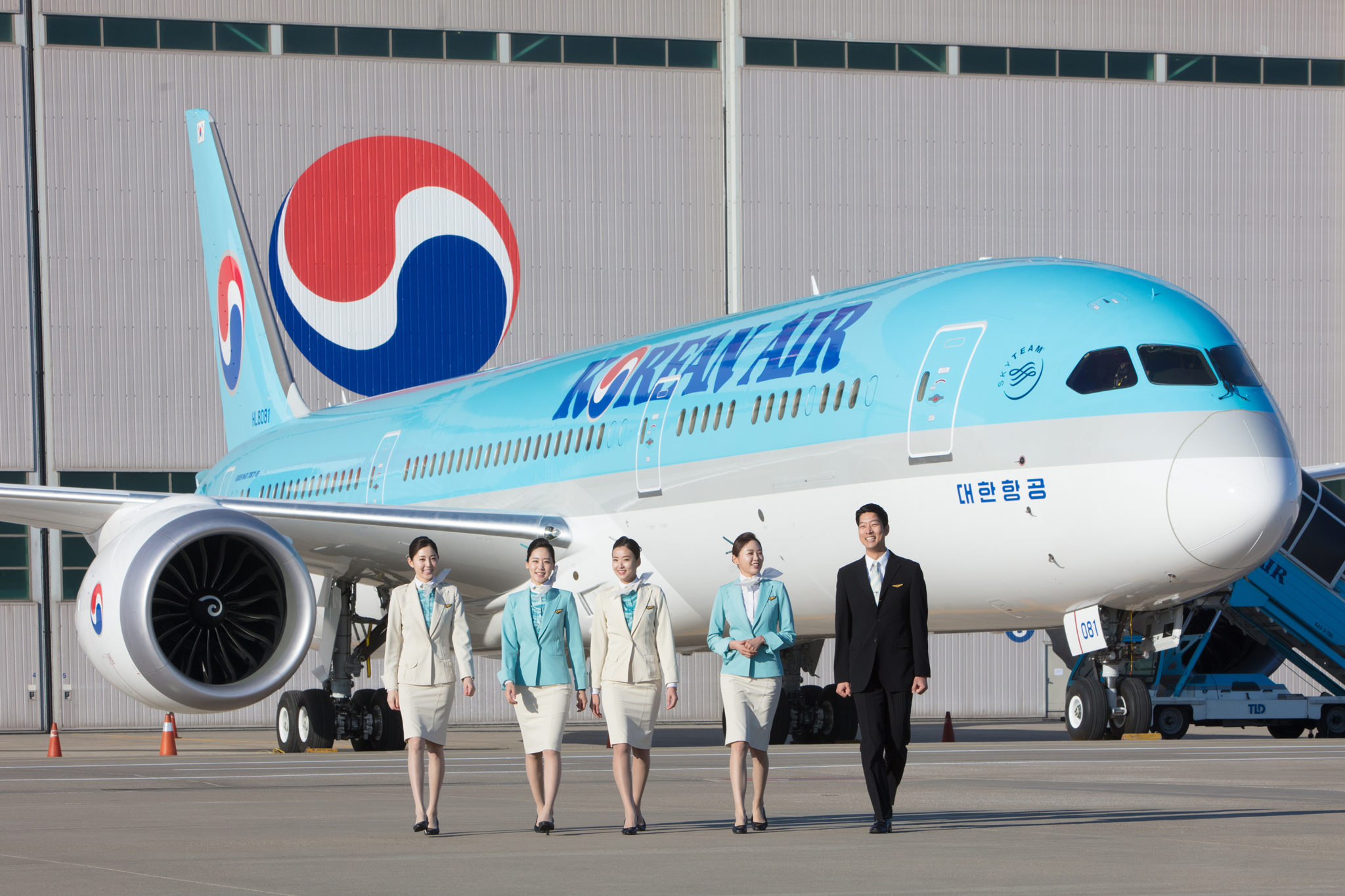
    To elevate the passenger experience, Korean Air plans to deploy its Boeing 787-10 Dreamliner on the Zurich route from June 2, 2026. This aircraft, furnished with the latest Prestige Suites 2.0, promises superior privacy and an exquisite cabin interior inspired by Korean traditional design. The revamped Economy Class cabin also offers improved comfort, with a seat pitch of 32 inches and a recline angle of 120 degrees.

    Looking Ahead: Korean Air’s Commitment to the Future

    With a legacy of five decades of secure operations and customer trust, Korean Air remains dedicated to boosting the Zurich route as an integral fragment of its European network. The airline is unwavering in its commitment to service innovation and network connectivity, with a view to maintaining the route as a pivotal bridge between Korea and Switzerland for many more decades.

    Jungho Choi, Executive Vice President and Head of Sales, emphasized the airline’s steadfast dedication to linking Korea with Europe’s core. He stated, “As we look towards the next 50 years of operations, our focus remains firmly on upholding the highest standards of safety, comfort, and premium service for our customers.”

    Questions & Answers

    What does the Seoul-Zurich route signify for Korean Air?
    The Seoul-Zurich route symbolizes Korean Air’s enduring commitment to establishing a connection between Korea and the heart of Europe.

    What new developments are in store for the Seoul-Zurich route?
    Korean Air plans to introduce its Boeing 787-10 Dreamliner, offering superior privacy and comfort, on the Zurich route from June 2, 2026. The airline also recently launched a Rail & Fly service in collaboration with Swiss Federal Railways.

    How has the Seoul-Zurich route impacted bilateral relations between Korea and Switzerland?
    The Seoul-Zurich route has significantly strengthened bilateral relations and promoted business, tourism, and cultural exchanges between the two nations over the past 50 years.
  • Citibank Korea Records Significant Q1 Growth: Noninterest Revenue Fuels Highest Earnings in Six Years

    Citibank Korea Records Significant Q1 Growth: Noninterest Revenue Fuels Highest Earnings in Six Years

    Citibank Korea has reported their most impressive quarterly earnings in over half a decade. The first-quarter net income witnessed a significant leap of 61% from the previous year, primarily due to a substantial rise in noninterest income.

    Citibank Korea announced a net income of 132.8 billion won (equivalent to $88 million) on a revenue of 330.5 billion won. This represents an increase of 23 percent from the previous year. The surge was primarily driven by a 77 percent escalation in noninterest revenue derived from the bank’s principal businesses, which include fixed-income trading, according to an official statement from the bank.

    In the first quarter, expenses saw a modest increase of 1 percent year-on-year, amounting to 156.4 billion won. On the other hand, the cost of credit recorded a net decrease of 600 million won, a drop of 111 percent from the previous year, owing largely to reduced credit costs in the corporate banking sector.

    Impressive Growth Amidst Challenges

    The quarter’s return on equity rose by 3.81 percentage points to reach 9.73 percent. Despite challenges such as geopolitical conflicts and increased volatility in interest and foreign exchange rates, Citibank Korea delivered its best quarterly performance since 2018, according to the bank’s CEO, Yoo Myung-soon.

    Myung-soon highlighted that this impressive performance was the result of a significant expansion in non-interest revenue across their core businesses in Banking, Markets, and Services. He emphasized the bank’s strategic focus and use of Citi’s global network, which aligns with the global progress of Citi, which posted its best results in a decade in this year’s first quarter.

    Questions & Answers

    What led to the significant increase in Citibank Korea’s first-quarter net income?
    The bank’s first-quarter net income saw a significant increase of 61%, primarily due to a substantial rise in noninterest income.

    What contributed to the decrease in the cost of credit for Citibank Korea?
    The cost of credit recorded a net decrease due to reduced credit costs in the corporate banking sector.

    What were the main challenges faced by Citibank Korea in the first quarter?
    Some of the challenges faced by the bank included geopolitical conflicts and increased volatility in interest and foreign exchange rates.

  • Starbucks Korea Leader Axed Over Distasteful Tank Day Promo that Ignited National Fury

    Starbucks Korea Leader Axed Over Distasteful Tank Day Promo that Ignited National Fury

    Shinsegae Group, a major food corporation in South Korea, has terminated the employment of Starbucks Korea’s chief after a marketing campaign sparked widespread controversy on the commemoration of historical pro-democracy protests.

    Shinsegae, the South Korean holder of the Starbucks license, announced on Monday that Chairman Chung Yong-jin dismissed Sohn Jeong-hyun, the leader of Starbucks Korea, on the grounds of conducting “unsuitable marketing.”

    Hours before the announcement, Starbucks Korea initiated a ‘Tank Day’ promotional campaign which provoked backlash from South Koreans who interpreted it as an insensitive reference to the violent suppression of protestors by military tanks during the anti-dictatorial movements in the 1980s. The campaign, which offered discounts to customers purchasing tumblers, employed language that evoked a South Korean official’s explanation for the torture-related death of a student protestor in 1987.

    On Monday, South Korea observed the Democracy Movement Day, commemorating the student-initiated Gwangju uprising. Reportedly, hundreds or even thousands of individuals were killed when the public rebelled against the military dictator Chun Doo-hwan on May 18, 1980.

    In response to the public’s outcry, Starbucks Korea issued a formal apology for the insensitive promotional campaign on its website.

    President Lee Jae Myung expressed his “fury” regarding the issue and insisted on an official apology from the company to the families affected by the uprising.

    Starbucks Coffee Company Spokesperson: 

    “We are deeply sorry for an unacceptable marketing incident in Korea that referenced and coincided with May 18, the commemoration of the Gwangju Democratization Movement – a day of profound historical and human significance. 

    “While unintentional, this should never have happened. We recognize the deep pain and offense this has caused, particularly to those who honor the victims, their families, and all who contributed to Korea’s democratization. 

    “Starbucks Korea immediately halted the campaign, and we are taking this matter with the utmost seriousness. Leadership accountability actions have been taken, and a thorough investigation is underway. We are implementing stronger internal controls, review standards, and company-wide training to ensure this does not happen again.  

    “We sincerely apologize to the people of Gwangju, to those impacted by this tragedy, and to our customers and communities.”

    Questions & Answers

    What was the cause of the termination of the head of Starbucks Korea?
    Starbucks Korea’s chief, Sohn Jeong-hyun, was dismissed due to a controversial ‘Tank Day’ promotional campaign that was seen as insensitive towards the historical pro-democracy protests in South Korea.

    How did the public interpret the ‘Tank Day’ promotional campaign by Starbucks Korea?
    The campaign upset South Koreans as it seemingly reminded them of the violent suppression of protestors by military tanks during the anti-dictatorial movements in the 1980s.

    What was the reaction from the South Korean government to the promotional campaign?
    President Lee Jae Myung expressed his anger regarding the issue and demanded an official apology from the company to the families of those who lost their lives in the uprising.

  • BHC Chicken: Korean Fried Chicken Giant Sets Sights on Vietnam for Southeast Asian Growth

    BHC Chicken: Korean Fried Chicken Giant Sets Sights on Vietnam for Southeast Asian Growth

    BHC Chicken, a renowned fried chicken brand originating from South Korea, is setting its sights on broadening its reach within Southeast Asia, with plans to launch in Vietnam. This move is part of an ongoing expansion strategy that is rapidly growing the brand’s presence across the region.

    The brand’s parent entity, Dining Brands Group, recently formalized its plans to venture into Vietnam, sealing a master franchise agreement with Singaporean company Hao Open Foods. This strategic partnership is set to facilitate the brand’s launch and consequent operations in Vietnam.

    In terms of expansion, the company has set its sights on major cities within Vietnam, such as Ho Chi Minh City, Hanoi, and Da Nang. The brand’s ambitious growth plan anticipates the establishment of 50 locations within these cities over the course of the next decade.

    Founded in 2004, BHC Chicken holds a position of prominence among South Korea’s top fried chicken chains. With a robust network of over 2,000 stores, its reach extends beyond the domestic market. The brand has significantly leveraged franchise partnerships to successfully penetrate international markets, with a presence in countries like Singapore, Malaysia, and Thailand.

    In addition to its planned expansion into Vietnam, BHC Chicken is also preparing to make its debut in the Philippines later this year, further solidifying its foothold in Southeast Asia.

    Questions & Answers

    What is the expansion plan of BHC Chicken in Vietnam?
    BHC Chicken plans to establish a presence in key Vietnamese cities, with an aim to open 50 locations over the next 10 years.

    Who is BHC Chicken’s franchise partner for its Vietnam launch?
    BHC Chicken is partnering with Singaporean company Hao Open Foods for its expansion into Vietnam.

    Is BHC Chicken planning expansions to other countries?
    Yes, apart from Vietnam, BHC Chicken is reportedly preparing to launch in the Philippines later this year.

  • US-Based Carlyle Group Acquires KFC Korea: Sets Sight on Nationwide Expansion

    US-Based Carlyle Group Acquires KFC Korea: Sets Sight on Nationwide Expansion

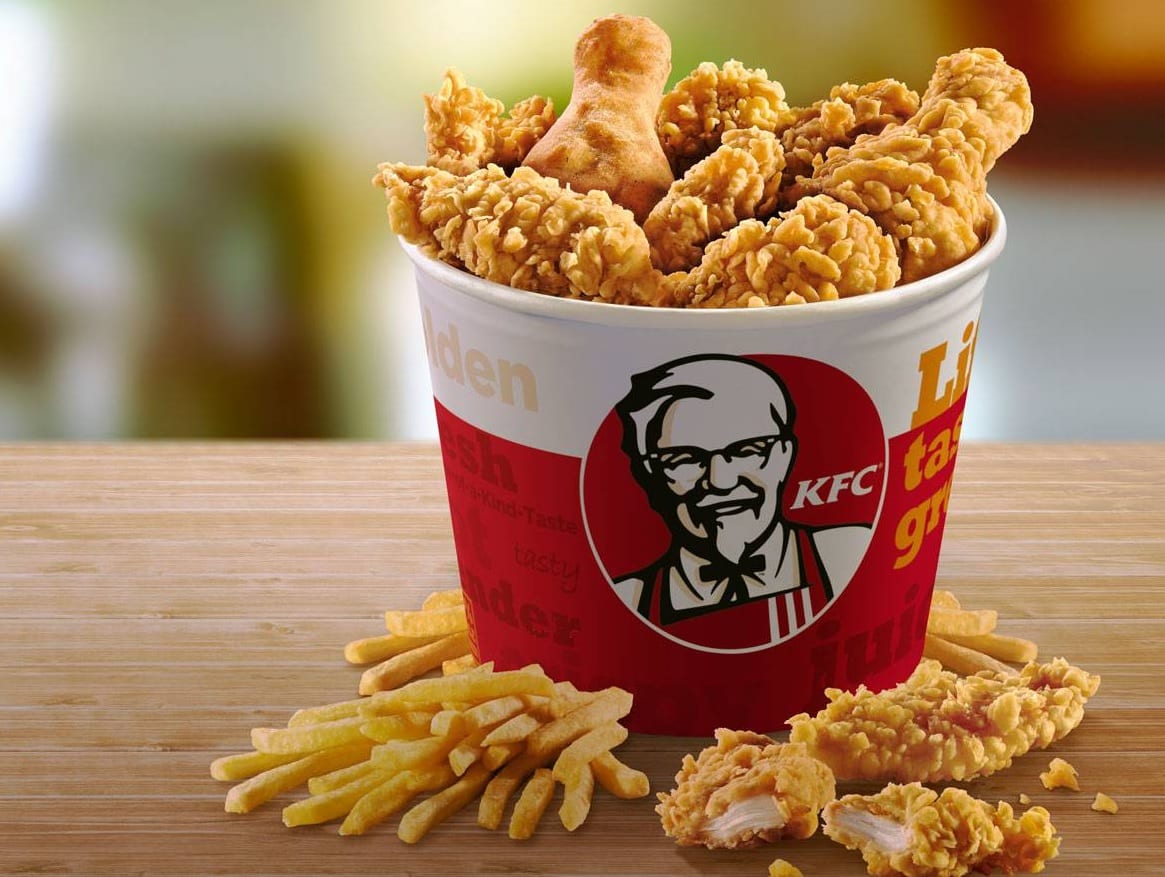
    The US-based private equity firm, The Carlyle Group, has successfully acquired KFC Korea. With this acquisition, the firm aims to expand the existing 200-store portfolio of the popular restaurant chain in South Korea.

    The deal, which was initially announced in December, has now been finalized, with Carlyle gaining full ownership of KFC Korea. KFC Korea operates in South Korea under a master franchise agreement with Yum! Brands. The Carlyle Group bought the stake from Orchestra Private Equity.

    Envisioning Growth and Expansion

    John Kim, a partner and the head of Carlyle Korea, expressed enthusiasm about the partnership with Yum Brands. Kim said that Carlyle is eager to work with KFC Korea’s management team to grow the iconic brand in South Korea.

    Kim spoke highly of KFC Korea, stating that the brand’s strong heritage and market position make it ripe for expansion. He also mentioned the growing demand for quick-service dining among Korean consumers, which KFC Korea could effectively cater to.

    Carlyle’s current holdings include A Twosome Place, a dessert cafe chain boasting over 1700 stores in South Korea, as well as KFC in Japan.

    An Exciting Milestone

    Tony Shin, CEO of KFC Korea, also voiced his excitement about the partnership with Carlyle. He highlighted Carlyle’s extensive experience in the quick-service restaurant and F&B sectors, expressing optimism that the partnership will drive continued growth and innovation.

    Questions & Answers

    Who has acquired KFC Korea?
    The Carlyle Group, a US-based private equity firm, has acquired KFC Korea.

    What is the Carlyle Group’s plan for KFC Korea?
    The Carlyle Group plans to expand the restaurant chain’s existing 200-store portfolio in South Korea.

    Who previously owned the stake in KFC Korea that The Carlyle Group purchased?
    The stake was purchased from Orchestra Private Equity.

  • Moncler Group Soars in Asia: China and Korea Power Double-Digit Growth

    Moncler Group Soars in Asia: China and Korea Power Double-Digit Growth

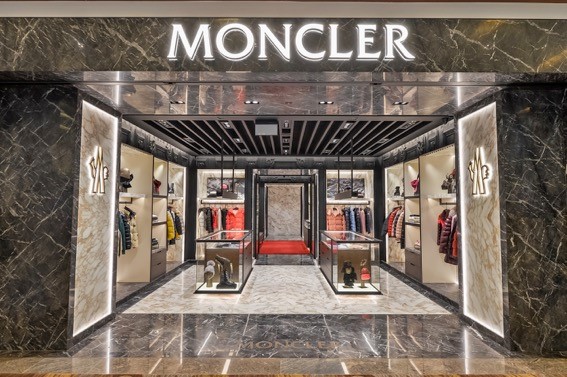
    Moncler Group, the parent company of Moncler and Stone Island, has announced a robust first quarter. The company’s earnings were primarily driven by sales in Asia.

    First Quarter Sales Surge

    The group registered a substantial $1.03 billion in sales during the first quarter. It reported double-digit growth for both of its brands, leading to an overall year-on-year increase of 12 per cent.

    The Asian Market Triumphs

    In Asia, Moncler’s sales grew by an impressive 22 per cent. Moncler attributes this significant increase to strong performances in China and South Korea. However, the sales in Europe, the Middle East, and Africa experienced a minor dip of one per cent year-on-year.

    Brand Performance

    The Moncler brand was the group’s star performer with $900 million in sales. This was propelled by a 14 per cent rise in direct-to-consumer traffic. Stone Island, on the other hand, contributed a solid $134 million to the total sales.

    The Asian market continues to escalate its share of Moncler’s brand revenue. It now represents 56.5 per cent of total sales, marking a 3.7 per cent annual increase.

    Moncler Group’s Future Outlook

    Remo Ruffini, executive chairman of Moncler Group, expressed the company’s anticipation for the future. He stated that the first quarter not only demonstrated strong revenue performance but also the depth of relationships that their brands continue to build with their global community.

    Despite a global context shaped by conflicts and instability, both Moncler and Stone Island have exhibited considerable energy and cultural relevance.

    Ruffini also touched on the appointment of Bartolomeo Rongone as the group’s CEO that was announced earlier this year. He highlighted this as part of the group’s “next phase.” He further reiterated the group’s commitment to remain adaptable and responsive, guided by a clear strategic vision, in the face of an increasingly complex external environment.

    Questions & Answers

    What were the first quarter sales for Moncler Group?
    Moncler Group reported $1.03 billion in sales during the first quarter.

    Which market led the sales for Moncler Group?
    The Asian market led the sales for Moncler Group, with a 22 per cent growth.

    How does the Moncler brand perform in comparison to Stone Island?
    The Moncler brand outperformed Stone Island, with a contribution of $900 million in sales, as compared to Stone Island’s $134 million.

  • Chinese Milk Tea Titans Embark on Global Conquest: Expanding Across US and South Korea Amid Southeast Asia Saturation

    Chinese Milk Tea Titans Embark on Global Conquest: Expanding Across US and South Korea Amid Southeast Asia Saturation

    Chinese milk tea brands are broadening their horizons and expanding into new markets in Asia and the West. These brands have traditionally focused on Southeast Asia as their primary area for foreign expansion. However, with the market becoming overcrowded, they are now setting their sights on other regions. This comes as the tea market grows increasingly saturated, prompting a shift in emphasis from rapid expansion to improving store performance and streamlining operations.

    Over 60 Chinese milk tea brands had established more than 6,100 outlets throughout Asia by the end of 2024, most notably led by major chains such as Mixue and Chagee. Mixue, the largest food and beverage chain globally in terms of store count, has begun adjusting its operations in Indonesia and Vietnam. Despite a decrease in store numbers in these markets, the company maintains its focus on the region while pushing into emerging markets, including its first location in Kazakhstan.

    Expansion and Competition

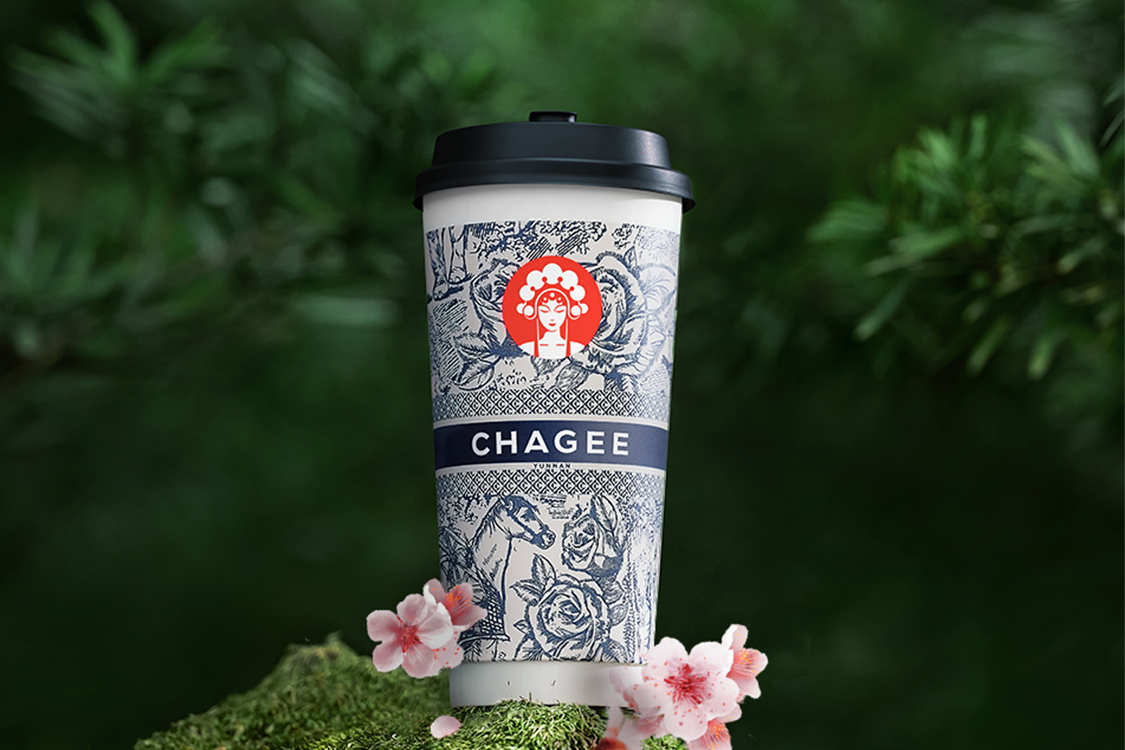
    Chagee, another renowned milk tea brand, has plans to venture into the South Korean market with three upcoming outlets in Seoul. It joins a growing number of its peers already established in the market, including Heytea, Mixue, ChaPanda, and Auntea Jenny. Chagee has further signaled its intent to spread its reach into Japan.

    Understandably, the homefront competition for these Chinese brands is fierce, with the milk tea boom of the last decade leading to around 420,000 outlets. To attract customers, some brands resort to pricing their products at less than a dollar or offering free online orders.

    Moving Westward

    Besides nearby Asian markets, several brands are also extending their presence to the United States. The country has become a significant focus for the sector, with the number of fresh tea retailers rising by 18.2% annually to 7,845 in 2025. It is projected that the U.S. market for freshly made tea drinks will be worth $2.9 billion by 2029.

    However, penetrating the U.S. market brings its challenges. Amanda Wang, co-founder of beverage chain Ningji Lemon Tea, highlights the need to adapt to local tastes, noting American consumers’ preference for sweeter drinks. She also cites differences in the business landscape.

    Despite these hurdles, various Chinese brands, including Mixue, Chagee, Chahalo, Molly Tea, and Auntea Jenny, have successfully launched U.S. stores or announced expansions in recent years. For instance, Mixue’s recently opened New York store, twice as large as its typical outlet in China, has managed to maintain the brand’s familiar look and affordable prices.

    Competitive Edge and Consumer Response

    Nevertheless, competitive pricing is not the only strength of Chinese tea brands. HeyTea, with its drinks averaging around $10, has enjoyed robust demand. Its Times Square store sold over 3,500 cups on its opening day and has since averaged over 2,000 cups daily. Other brands, such as Chagee and Auntea Jenny, have also experienced strong debuts in the U.S. market.

    Consumers appreciate the diverse flavors offered by Chinese brands, distinguishing them from established chains like Starbucks. Consumers’ preference for different flavors and affordable prices are significant factors driving their patronage of Chinese tea brands.

    Questions & Answers

    Why are Chinese milk tea brands expanding into new markets?
    Chinese milk tea brands are expanding into new markets as their traditional focus area, Southeast Asia, becomes overcrowded, and the tea market becomes increasingly saturated. This has led to a shift from rapid expansion to improving store performance and operations.

    How are Chinese brands faring in the U.S. market?
    Despite facing challenges such as adapting to local tastes and a different business environment, several Chinese brands have successfully launched stores or announced expansions in the U.S. They have garnered a positive response from consumers who appreciate the diverse flavors and competitive prices they offer.

    What distinguishes Chinese tea brands from established chains like Starbucks?
    Chinese tea brands stand out from established chains like Starbucks due to their unique flavors and affordability. They offer a variety of flavors not typically found in Western chains, boosting their appeal among consumers.

  • Daeil Kim Steps Up as New CEO to Fuel 7-Eleven’s Revival in Korea

    Daeil Kim Steps Up as New CEO to Fuel 7-Eleven’s Revival in Korea

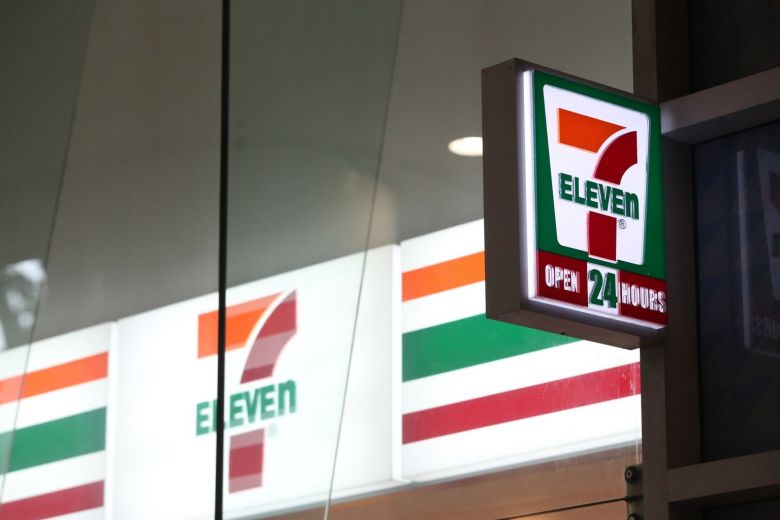
    Korean Seven, the South Korean operator of the worldwide convenience store franchise 7-Eleven, has recently appointed Daeil Kim as its latest CEO. The move is aimed at driving growth and propelling a significant business transformation.

    Daeil Kim Steps Up

    Kim officially took the reins of the company on April 1. He brings along a robust portfolio of 28 years that spans across global business leadership, management consulting, and digital platforms.

    Kim expressed his dedication to his new role by articulating his focus on cooperating with the skilled team at Korea Seven. The goal is to rebuild the brand and steer it towards a period of renewed growth.

    A Wealth of Industry Experience

    Kim’s professional journey includes senior positions across various sectors, such as fintech, digital services, and marketing technology. His most recent role was as CEO of Secta9ine, the marketing and technology solutions division of SPC Group. The group operates globally recognized brands such as Paris Baguette and Baskin-Robbins.

    Prior to his tenure at Secta9ine, Kim held the position of MD and head of international business at Ascend Group. Here, he led the expansion of the ‘TrueMoney’ fintech platform across Southeast Asia.

    Revitalizing the Brand

    Kim’s appointment is a testament to Korea Seven’s dedication to rejuvenating its brand. The retail sector in Korea is witnessing rising competition and evolving consumer expectations. Korea Seven is focused on meeting these new challenges head-on and continuing to thrive in this dynamic market.

    Questions & Answers

    What is the focus of Daeil Kim in his new role as CEO of Korea Seven?
    Kim plans to work closely with the talented Korea Seven team to rebuild and boost the brand to a period of growth.

    What sectors does Kim’s professional experience span across?
    Kim has served in senior roles across fintech, digital services, and marketing technology sectors.

    What is Korea Seven’s commitment amidst the rising competition and changing consumer expectations in the Korean retail sector?
    Korea Seven is committed to revitalizing its brand to meet the increasing competition and shifting consumer preferences in the Korean retail sector.

  • Chinese Dining Chains Spice Up South Korea’s Restaurant Scene with Explosive Growth

    Chinese Dining Chains Spice Up South Korea’s Restaurant Scene with Explosive Growth

    Chinese restaurant chains are accelerating their growth in South Korea, capturing customers in the major tourist regions of Seoul with genuine Chinese food. This development is fueled by a boost in sales.

    Emerging Leaders in the Industry

    Among the most rapidly developing contenders is the hot pot franchise Tanghuo Kungfu Malatang. Since the inauguration of its initial franchised store in Suwon in 2012, the chain has expanded exponentially, boasting over 560 locations in South Korea as of the end of March. These locations encompass both franchised and company-managed stores.

    Tanghuo Kungfu Korea reported an impressive KRW22.2 billion (US$14.7 million) in revenue in 2024, an increase of 21% from the previous year. The company’s operating profit skyrocketed elevenfold to KRW10.5 billion during the same timeframe.

    Now, the company’s establishments are primarily located in the main tourist hotspots of Seoul, such as Gangnam Station, Myeong-dong, Hongdae, Seongsu, and Daehangno.

    The company is also offering incentives for new partners by exempting franchise, training, and royalty fees and providing free serving bowls.

    A spokesperson for Tanghuo Kungfu Korea stated, “As the malatang market in Korea continues to grow, we aim to appeal to potential entrepreneurs and share with them our brand’s operational expertise and practical support benefits. We look forward to active involvement by local restaurant owners so we can jointly spearhead malatang’s market growth here.”

    Other Key Players

    Other Chinese brands are also on the rise. The hot pot chain Haidilao reported sales of over KRW100 billion last year, a significant increase compared to KRW78.1 billion in 2024. The brand, recognized for offering customers complimentary nail art services and entertainment shows, has grown to ten locations since its introduction into South Korea in 2024.

    Bantianyao Grilled Fish has established six outlets since it entered the market in 2020, while Haihai Kaochuan, a skewer barbecue chain managed by Haidilao, inaugurated its first Seoul outlet in Myeong-dong this past January.

    These restaurant chains are emulating the expansion strategy of major Chinese tea brands, which have demonstrated their success in China with thousands of stores. Their push into South Korea is a strategic move, given that China’s domestic market is nearing saturation.

    Milk tea brand Chagee announced plans to launch three outlets in Seoul by the end of June, marking its first expansion into East Asia outside China. Other brands, such as Chabaido, HeyTea, and Mixue, are also extending their reach in the country.

    Market Outlook

    Market analysts regard South Korea as a desirable entry point for global expansion, attributing its appeal to the country’s significant cultural influence through trends like K-pop, K-food, and K-beauty. This positions the country as an ideal testing ground for new brands prior to broader international deployment.

    Questions & Answers

    What are some Chinese restaurant chains expanding in South Korea?
    Some Chinese restaurant chains expanding in South Korea include Tanghuo Kungfu Malatang, Haidilao, Bantianyao Grilled Fish, and Haihai Kaochuan.

    What strategies are these chains employing for their expansion?
    These chains are waiving franchise, training, and royalty fees for new partners, providing complimentary offerings, and focusing on locations in major tourist areas. They are also following the successful expansion strategies of Chinese tea brands.

    Why is South Korea considered an attractive market for these expansions?
    South Korea is considered an attractive market due to its strong cultural influence and trends such as K-pop, K-food, and K-beauty. These aspects position the country as a potential testing ground for brands before broader international rollout.

  • Air China Soars Back to North Korea After Six-Year Hiatus: A Positive Shift Towards Open Borders

    Air China Soars Back to North Korea After Six-Year Hiatus: A Positive Shift Towards Open Borders

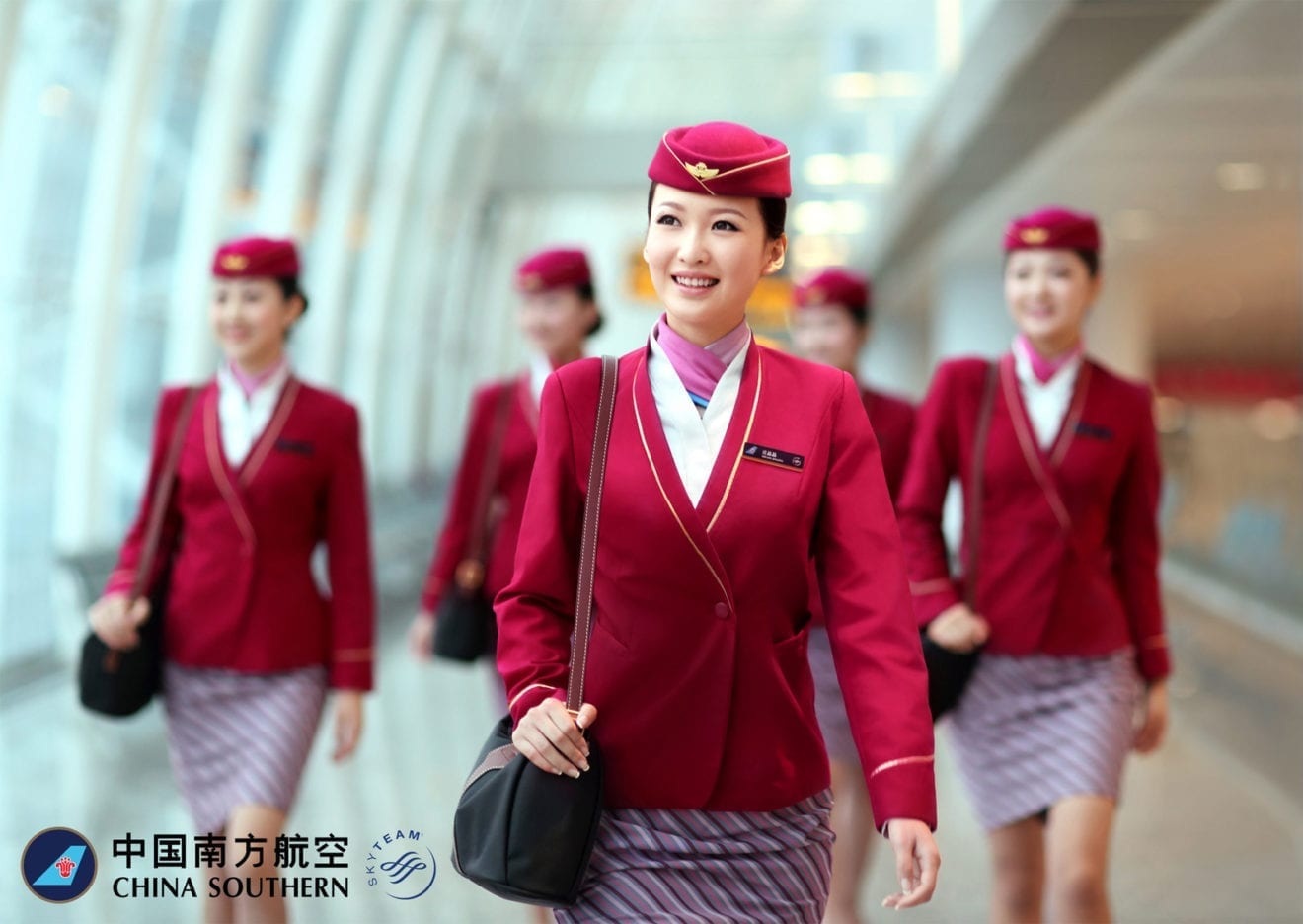
    After a six-year break, Air China has reinstated direct flights from Beijing to Pyongyang. This comes as another indication that North Korea is gradually becoming more accessible, following the reestablishment of train services between the two capitals.

    Resumption of Flight Services

    Air China’s Flight CA121 took off from Beijing Capital Airport at 7:58 a.m. and touched down at Pyongyang’s Sunan International Airport at 10:37 a.m. The aircraft used for the journey was a Boeing 737-700, which has a passenger capacity of up to 128. However, only individuals with business or study purposes or those with special reasons are currently allowed to undertake the cross-border trip.

    Chinese ambassador to North Korea, Wang Yajun, along with other Chinese diplomats, welcomed the passengers upon their arrival at the airport.

    Passenger Perspectives

    Among the passengers ready to embark on the flight was business traveler Zhao Bin, who conveyed positive sentiments about the resumption of services. He anticipates that the increased availability of transportation options will enhance travel and communication between the two countries. Zhao, a frequent visitor to North Korea, said that the renewed flight service will significantly benefit those who regularly journey between Beijing and Pyongyang.

    In addition, Zhao expressed his eagerness to explore North Korea’s diverse culinary scene and looked forward to the potential strengthening of relations between the two nations due to increased exchange.

    Implications for Tourism

    The cost of economy class tickets for the flight was around $200. A return flight from Pyongyang is planned for midday.

    While this is a promising step, there is still no clear information regarding the resumption of tourism for Western visitors. Before the pandemic, Chinese tourists made up the majority of foreign visitors in North Korea, with approximately 350,000 in 2019, making it a significant source of revenue for Pyongyang.

    By contrast, around 5,000 Western tourists visited North Korea annually from 2009, with U.S. citizens making up 20% of these numbers.

    Slow Reopening

    North Korea has been slower in reopening its borders fully compared to China. The country resumed direct flights and train services with Russia last year, and state carrier Air Koryo reinstated flights from Beijing to Pyongyang in 2023.

    Questions & Answers

    What is the capacity of the Boeing 737-700 used for the flight between Beijing and Pyongyang?
    The Boeing 737-700 used for the flight can accommodate up to 128 passengers.

    Who are currently allowed to travel between Beijing and Pyongyang?
    Only individuals traveling for business or study purposes or those with special reasons are currently allowed to undertake the cross-border trip.

    How many Chinese tourists visited North Korea before the pandemic?
    Before the pandemic, Chinese tourists made up the majority of foreign visitors in North Korea, with approximately 350,000 in 2019.

  • No Brand Korean Retail Concept Makes Grand Debut in Thailand through Central Food Retail Partnership

    No Brand Korean Retail Concept Makes Grand Debut in Thailand through Central Food Retail Partnership

    Central Food Retail, a division of Central Retail, is broadening its operations via a collaboration with Emart, a South Korean retailer, to introduce No Brand, a store model focused on value, in Thailand.

    First No Brand Store in Thailand

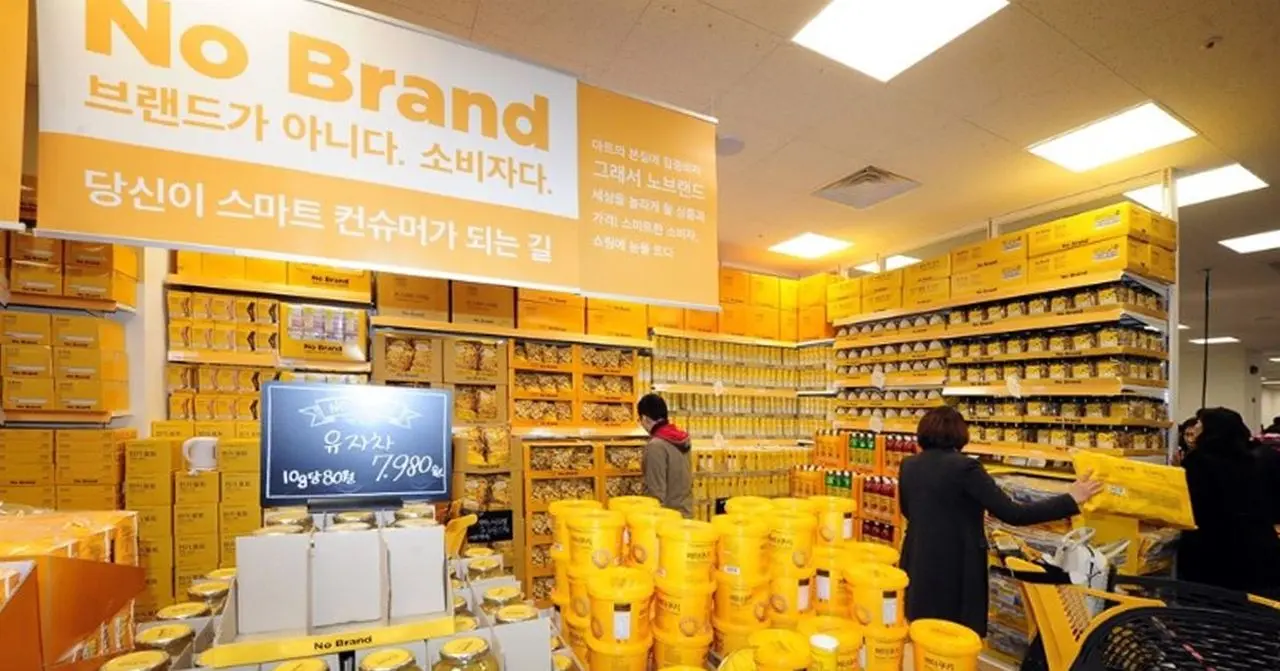
    The No Brand store, the first of its kind in Thailand, will commence operations at Central Bangna on March 31. This move signifies the official entrance of the brand into the Thai market. The forthcoming Bangkok outlet will stock over 2,200 items, encompassing Korean treats, essential pantry items, and household products.

    According to Central Food Retail, the No Brand concept appeals to customers who are after value but do not want to sacrifice quality. The store concept aims to leverage the ongoing popularity of Korean culture and products in Thailand.

    Broadening Retail Offerings

    MD Thanawat Jirajariyavej stated that the alliance with Emart forms part of their strategy to expand the group’s retail offering while meeting the demand for value-oriented products among Thai consumers. “This initiative signifies another crucial step in enhancing our portfolio towards becoming a global grocery destination through a value-driven retail model that consistently delivers quality, design, and value to our consumers,” Jirajariyavej stated.

    He also added that this partnership underscores Thailand’s potential as a strategic consumer hub in Southeast Asia, a region that continues to exhibit steady growth and attract top-tier brands to extend their reach in this area.

    About No Brand and Central Food Retail

    Emart launched No Brand in South Korea, and the chain now operates over 270 stores in the country. The brand has also extended its operations to other international markets, including the Philippines and Laos, and exports its products to more than 20 countries.

    Central Food Retail manages grocery and specialty retail formats, such as Tops, Tops Food Hall, Tops Daily, Tops Online, Tops Care, and Matsukiyo.

    Questions & Answers

    What is the new initiative of Central Food Retail in Thailand?
    Central Food Retail is expanding its portfolio through a partnership with South Korean retailer Emart to launch the value-focused store concept No Brand in Thailand.

    What is the aim of the No Brand store concept?
    The No Brand concept targets consumers seeking value without compromising on quality, and seeks to leverage the continued popularity of Korean culture and products in Thailand.

    What does the collaboration with Emart signify for Central Food Retail?
    The collaboration forms part of Central Food Retail’s strategy to expand its retail offering while meeting the demand for value-oriented products among Thai consumers. It also highlights Thailand’s potential as a strategic consumer hub in Southeast Asia.

  • On Pioneers Rapid Shoe Production with Robot-Powered Factory Launch in South Korea

    On Pioneers Rapid Shoe Production with Robot-Powered Factory Launch in South Korea

    On Running, a sportswear brand, has recently launched an automated factory in Busan, South Korea where robots are used to manufacture running shoes. The company expresses its intent to establish more such factories in the United States and Europe to accelerate its production and delivery timelines.

    Embracing Nearshoring

    Due to rising tariffs, supply chain disruptions, and geopolitical risks, several retailers and brands are considering ‘nearshoring’. This involves shifting the manufacturing process closer to the final consumer. On Running aims to expedite shoe production, decrease its environmental footprint, and bring manufacturing closer to its main markets by embracing automation. This approach contrasts with the traditional footwear manufacturing model, which typically involves shipping finished products from factories in Southeast Asia and China to customers in the US and Europe.

    Caspar Coppetti, co-founder of On, believes that automation and nearshoring are the way forward. He cites the increasing speed to market, sustainability efforts, and the growing scarcity of regions with cheap labor as reasons to pursue this direction. At present, On sources 90% of its shoes from third-party manufacturers in Vietnam and the remaining 10% from Indonesia, as per their most recent annual report.

    Automated Manufacturing Expansion

    On Running first revealed its LightSpray marathon running shoe at the 2024 Paris Olympics. This innovative shoe is created by robot arms spraying material onto a mold to generate a sock-like upper. The company’s factory in Busan, equipped with 32 robots, marks a significant expansion from its initial automated factory in Zurich, which only has four robots and commenced production in July of the previous year.

    This new factory can manufacture approximately 1,000 pairs of shoes daily. The spray-on method simplifies the traditional upper manufacturing process, reducing a complex 200-step procedure across multiple factories to a single automated operation.

    On Running, established in Switzerland in 2010, plans to develop robot factories in the US in a bid to mitigate its tariff expenses. Steep tariffs introduced by the US on sportswear manufacturing hubs such as Vietnam and China have escalated costs and affected the industry significantly over the past year. The recent Supreme Court ruling against tariffs has added further uncertainty for retailers and importers.

    Competing with Industry Giants

    In the intense competition to produce the fastest marathon shoe, not just for elite athletes but also for amateur runners eager to beat their personal bests, On Running has promoted the LightSpray as a game-changer due to its light weight. Hellen Obiri, an On-sponsored athlete, wore the LightSpray when she triumphed in the New York Marathon last November.

    Questions & Answers

    What is the importance of ‘nearshoring’ for On Running?
    Nearshoring allows the company to speed up its manufacturing process, reduce its environmental impact, and bring production closer to its main markets.

    What is the LightSpray marathon running shoe?
    The LightSpray is an innovative shoe made with a robot arm spraying material onto a mold to create a sock-like upper. It is lauded for its light weight.

    Where are On Running’s automated factories located?
    On Running currently has automated factories in Busan, South Korea and Zurich, Switzerland. They plan to establish more such factories in the United States and Europe.

  • End of an Era: Jinjja Chicken Bids Farewell to Changi Airport, Teases New Location for 2026

    End of an Era: Jinjja Chicken Bids Farewell to Changi Airport, Teases New Location for 2026

    After operating for six successful years, Jinjja Chicken, a well-known fried chicken chain, has closed its shop located in Changi Airport. However, the brand hinted at a potential opening of a new outlet.

    Thanking the Loyal Customers

    In an announcement made on social media last week, Jinjja Chicken expressed heartfelt gratitude to its loyal customers for their unwavering support over the years. The brand appreciated all those customers who queued, craved, celebrated, and created lasting memories at the outlet over the past six years. The brand emphasized that the customers’ patronage significantly contributed to their journey, turning their dining experience into a space filled with camaraderie.

    Despite the closure of its Changi Airport outlet, Jinjja Chicken’s patrons in eastern Singapore need not worry. They can continue to enjoy their favourite dishes at the brand’s outlet located at Our Tampines Hub. The brand further ensured that this outlet offers an expanded menu to cater to all taste buds.

    The Journey Continues: Future Plans

    Jinjja Chicken currently operates six restaurants. However, their journey doesn’t end here. The brand has excitedly teased the opening of another new outlet, slated for March 2026. While the exact location of the upcoming outlet remains a mystery, the brand invited the public to guess the location, dropping a hint that the place starts with the letter “B”.

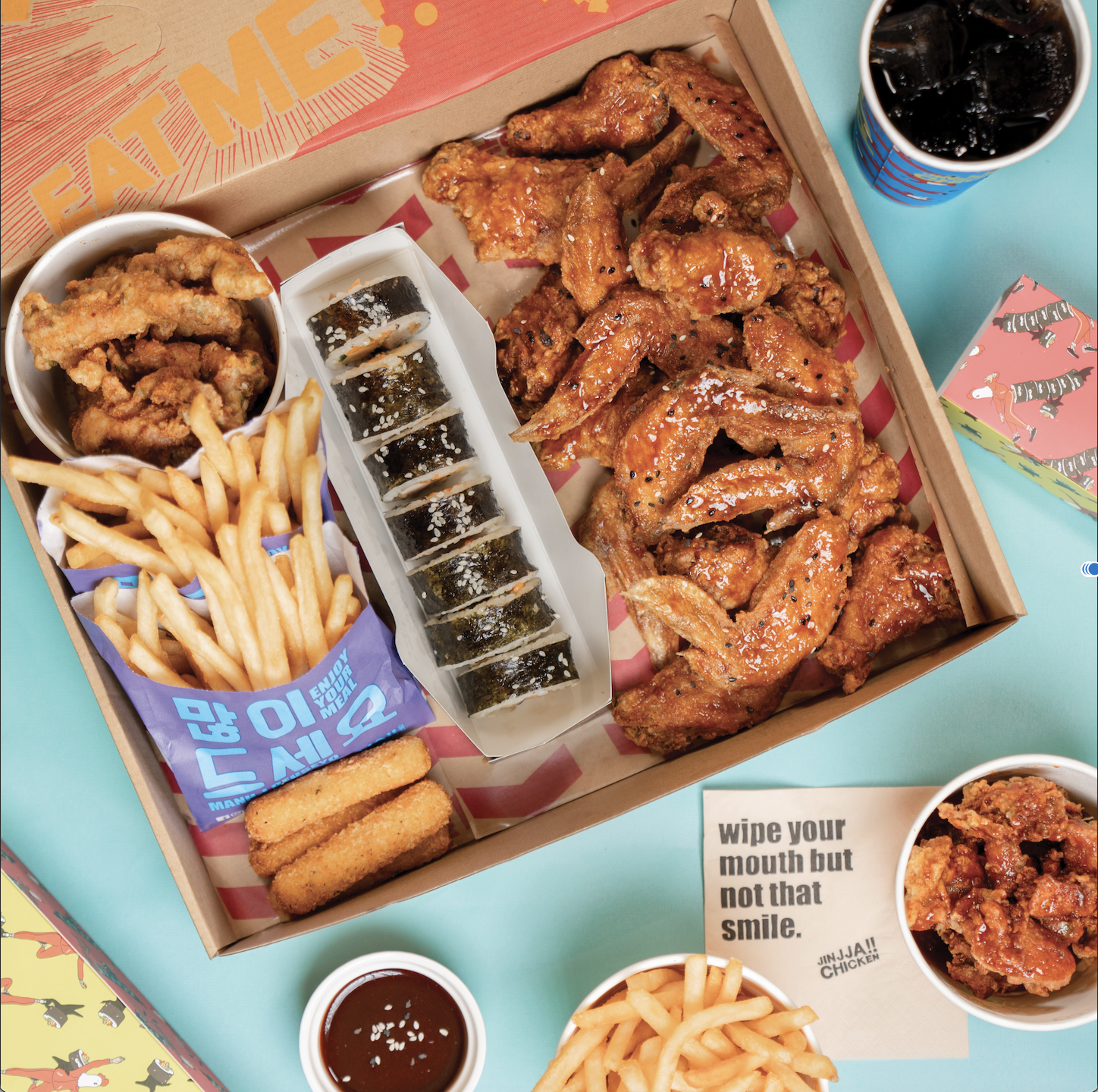
    Jinjja Chicken is well-known for serving crunchy deep-fried chicken tossed in an array of sauces. Besides their signature offering, the brand also serves a variety of South Korean dishes such as kimbap and spicy noodles, catering to a wide range of culinary preferences.

    Questions & Answers

    What will happen to Jinjja Chicken’s outlet at Changi Airport?
    The outlet at Changi Airport has closed after six years of operation, as announced by Jinjja Chicken.

    Where can customers in eastern Singapore find Jinjja Chicken now?
    Customers from eastern Singapore can still enjoy Jinjja Chicken’s offerings at their outlet located at Our Tampines Hub.

    Does Jinjja Chicken plan to open a new outlet?
    Yes, Jinjja Chicken has hinted at the opening of a new outlet scheduled for March 2026 with the location starting with the letter “B”.

  • Jollibee Foods Sizzles up Asian Market with Korean Hot Pot Acquisition and Compose Coffee Expansion

    Jollibee Foods Sizzles up Asian Market with Korean Hot Pot Acquisition and Compose Coffee Expansion

    Jollibee Foods Corporation (JFC), a dominant player in the food service industry, is poised to strengthen its position in Asia through the acquisition of a South Korean hot pot buffet brand, Shabu All Day, and the anticipated introduction of a rapidly-growing Korean coffee brand, Compose Coffee, into the Philippines.

    Amplifying Asian Presence

    Jolli-K Co, a subsidiary of JFC, has acquired All Day Fresh Co, the company behind the operation of Shabu All Day, in a deal worth approximately US$87 million. Shabu All Day, established in 2014, boasts 169 stores distributed across South Korea. In addition to this acquisition, JFC’s South Korean portfolio encompasses the coffee chain, Compose Coffee, ensuring the company has a diverse presence across both full-service dining and beverage-led segments.

    Introducing Compose Coffee to the Philippines

    In a synergistic move, JFC is set to bring the Korean coffee brand, Compose Coffee, to the Filipino market. This will be achieved through a master franchise agreement facilitated by its subsidiary, Fresh N’ Famous Foods. The first Compose Coffee stores are projected to open in the Philippines later this year.

    Established in 2014 in Busan, Compose Coffee has witnessed prolific growth, with around 3000 stores in operation. This growth has positioned it as one of South Korea’s most significant value-driven coffee chains. JFC acquired a 70 per cent stake in Compose Coffee in 2024. This expansion into the Philippines is a testament to JFC’s ongoing commitment to the flourishing coffee and tea sector, where it already operates various brands, including Highlands Coffee, The Coffee Bean & Tea Leaf, and Milksha.

    Unprecedented Network Growth

    These growth strategies were announced against a backdrop of record sales for JFC in the preliminary fourth quarter of 2025. The food service giant reported systemwide sales of ₱122.3 billion (approximately US$2.1 billion), a 12 per cent increase year on year.

    The company’s total store network for the full year expanded by 5.9 per cent to reach 10,341 outlets, the highest level of gross store openings in the company’s history. This network comprises 3504 stores in the Philippines and 6837 international stores, demonstrating JFC’s consistent expansion across key markets. JFC operates 576 stores in China, 348 in North America, and 437 across Europe, Middle East, Asia, and Australia. The growth is largely driven by its diverse portfolio of brands, including Highlands Coffee, The Coffee Bean & Tea Leaf, Milksha, Compose Coffee, and Tim Ho Wan.

    Questions & Answers

    What is Jollibee Foods Corporation’s latest acquisition?
    Jollibee Foods Corporation has recently acquired Shabu All Day, a South Korean hot pot buffet chain, through its subsidiary, Jolli-K Co.

    What new brand is JFC introducing to the Philippines?
    JFC is set to introduce Compose Coffee, a popular and rapidly-growing South Korean coffee brand, to the Philippines.

    What was JFC’s growth rate for their total store network in the last fiscal year?
    JFC’s total store network grew by 5.9 per cent during the last fiscal year, reaching a total of 10,341 outlets.

  • South Korean Firm The Venture Acquires Majority Stake in Chicken Plus Vietnam, Targets Rapid Expansion

    South Korean Firm The Venture Acquires Majority Stake in Chicken Plus Vietnam, Targets Rapid Expansion

    South Korean investment firm, The Venture, has recently acquired the majority shares of Chicken Plus’ business operations in Vietnam. This is part of their overseas investment project fund.

    Chicken Plus: An Expanding Brand

    Chicken Plus, a renowned fried chicken brand from South Korea, operates under a franchising model. The chain, which was first established in 2016, has seen significant growth in its domestic market with over 500 locations currently in operation.

    In 2019, the brand made its debut in Vietnam and has since expanded to more than 100 locations across the nation.

    Investment Strategy

    The Venture secured its majority stake in Chicken Plus Vietnam through an overseas investment project fund. This fund also includes a key domestic chicken franchise company as a strategic investor.

    The investment firm aims to build on the existing local store network and operational infrastructure of Chicken Plus Vietnam. The goal is to increase its store count to 270 within the next four years.

    Aside from this expansion plan, the company also has plans to establish its own poultry farm. They aim to internalize production, distribution, and sales processes to ensure cost competitiveness and quality control.

    No Changes to Management

    Following the acquisition, there will be no alterations to the existing management or personnel.

    Daehyun Kim, a partner at The Venture who supervises investments in Vietnam, suggests that the acquisition’s primary objective is to enhance asset value. This is to be achieved through the integration of the Korean restaurant system with local infrastructure.

    The Venture firm has a history of investing in logistics data solutions and e-commerce startups, primarily in Vietnam and Malaysia. This latest deal indicates their expansion into the restaurant sector.

    Questions & Answers

    What is the goal of The Venture’s acquisition of Chicken Plus Vietnam?
    The Venture aims to increase the store count of Chicken Plus Vietnam to 270 within the next four years, by leveraging the existing local store network and operational infrastructure.

    What changes will occur after the acquisition?
    There will be no changes to the existing management or personnel after the acquisition.

    What is the investment history of The Venture firm?
    The Venture has a history of investing in logistics data solutions and e-commerce startups, primarily in Vietnam and Malaysia. This latest acquisition signals its expansion into the restaurant sector.