Category: Food

Retail News Asia is committed to providing both local and global retailers with the latest Food and Food & Beverage news throughout the Asian market. This on a daily base.

  • E-Land to launch Coffee Bean China

    E-Land to launch Coffee Bean China

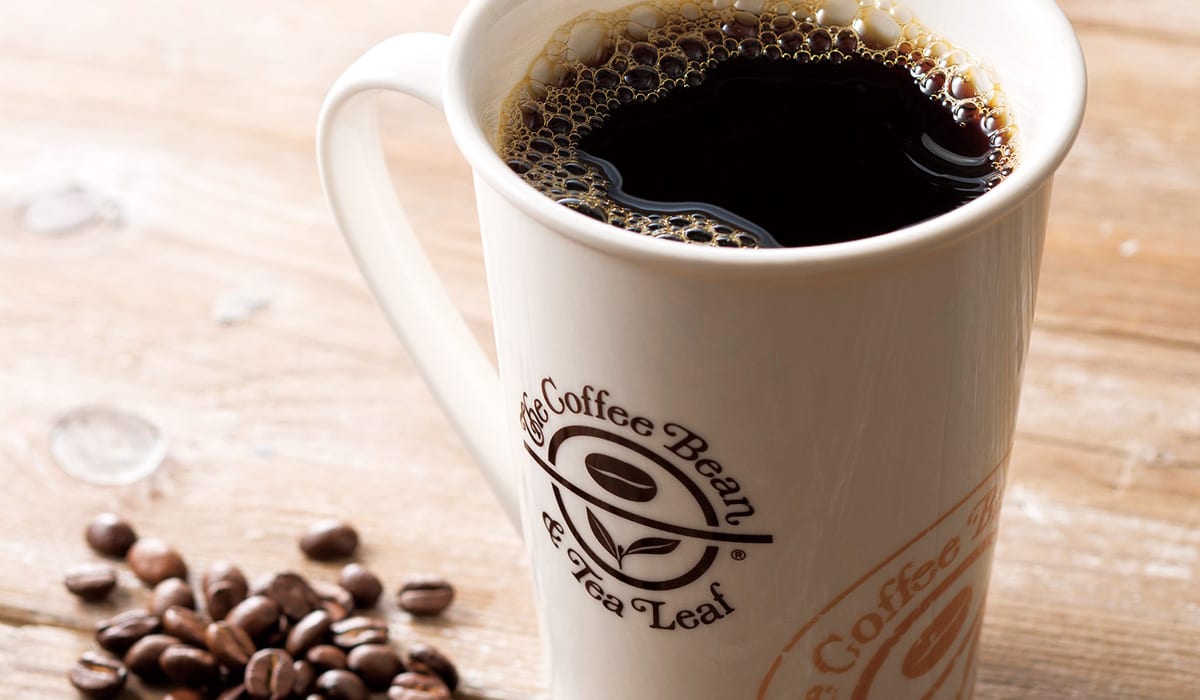
    South Korean retailer E-Land has sealed a deal to launch Coffee Bean China by the end of 2015.

    The California-headquartered cafe chain, also known by its full name Coffee Bean & Tea Leaf, says China will be its 28th international market. The China joint venture plans 700 cafes across the country.

    It has already achieved considerable success in Asia, especially in Malaysia, Vietnam, Singapore and Thailand.

    E-Land operates a vast network of 7000 fashion stores in China and about 20 restaurant brands.

    “Together with E-Land’s vast retail experience and success to ensure our continued growth in China, we’re proud to put our Southern California style of hand roasted coffee and whole leaf teas on the map in yet another country,” said Jeff Schroeder, senior VP of operations at The Coffee Bean & Tea Leaf, in a statement.

    Coffee Bean has more than 1000 cafes in 28 countries and earlier this year opened its first stores in Japan.

    While 700 cafes might seem like a large number in China, it would be dwarfed by rival Starbucks which already boasts 1700 cafes.

  • ThaiBev consolidates all beers into Chang Classic to shake up market

    ThaiBev consolidates all beers into Chang Classic to shake up market

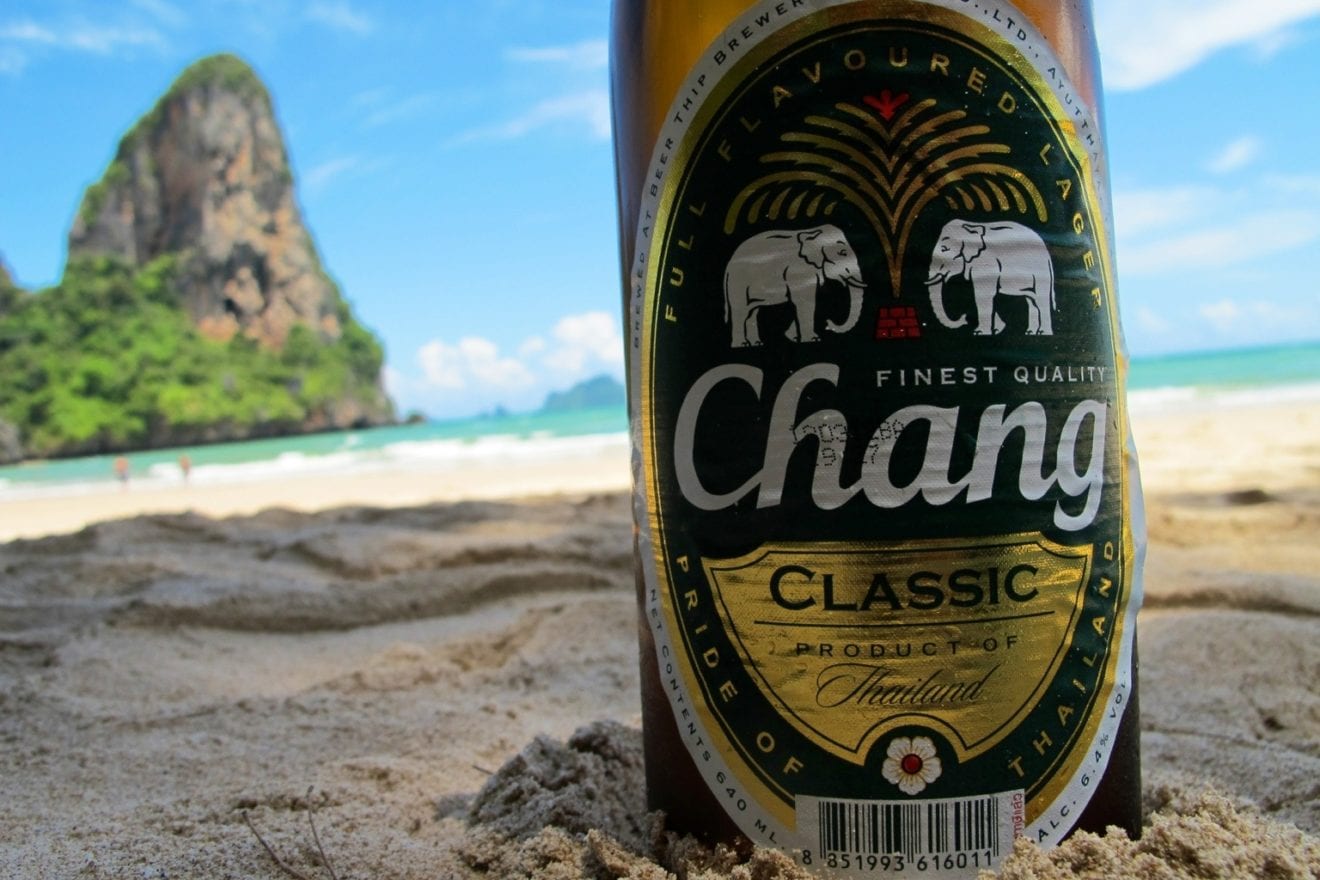
    Thai Beverage (ThaiBev) has consolidated all its beers under the Chang Classic brand in line with its vision to become a “sustainable leader” in the beer and non-alcoholic beverages market in Asean by 2020.

    “We are able to make a perfect liquid for consumers. So, we would like to contribute a single-minded focus actually on one single brand,” Edmond Neo Kim Soon, chief executive officer for beer in Thailand at Chang International Co, said late Wednesday.

    As part of the group’s 2020 vision presented by Thapana Sirivadhan-abhakdi, president and CEO of ThaiBev, to more than 2,000 Chang dealers on Wednesday evening on the occasion of the twentieth anniversary of Chang beer in Thailand, the company aims to increase Chang’s share of the local beer market from about 30 per cent to 45-50 per cent, making it the market leader.

    The company has already given up the distribution of several beer products – Chang Light, Chang Export and Chang Draught.

    The Chang Classic brand will be used for both the domestic market and export markets around the world.

    “We have also launched the new look Chang Classic bottle, with a more elegant and very nice contour and good hand-feel. The new Chang Classic will be easy to drink with only a 5.5-degree alcohol level, down from 6 degrees previously.

    “The new beer is in line with the company’s strategy to deliver products that meet customer needs,” Soon said. The bottle’s colour has also been changed from amber to green to attract more premium and younger drinkers of 20-35 years of age, down from 25-44 previously. The new Chang Classic bottles come in two sizes – 320cc and 620cc – at prices of about Bt34-Bt37 and Bt53-Bt55, depending on the retail outlet.

    Thailand’s beer market is looking to expand 3-4 per cent to about 18 million hectolitres this year after dropping sharply by about 5 per cent last year.

    “We want to grow faster than the overall beer market in Thailand,” he said, adding that the companyhas launched new marketing activities and have been able to increase market share substantially in the past six months. Our market share is as high as 30 per cent currently.

    Thailand is one of the very important markets for Chang. The company will focus on various issues, including those involving image and products, to strengthen its core business.

    “We have a significant presence in many markets in Asean, comprising Thailand, Myanmar, Singapore and Malaysia. We are launching our Chang beer in Cambodia and also looking at the rest of Asean,” he said.

    Vichate Tantiwanich, senior vice president for corporate affairs at ThaiBev, said the company was fully prepared to expand its presence in Asean. The company’s largest brewery in Kamphaeng Phet province is now running at only 50 per cent of capacity.


  • National Gallery Singapore to get new food, retail concept

    National Gallery Singapore to get new food, retail concept

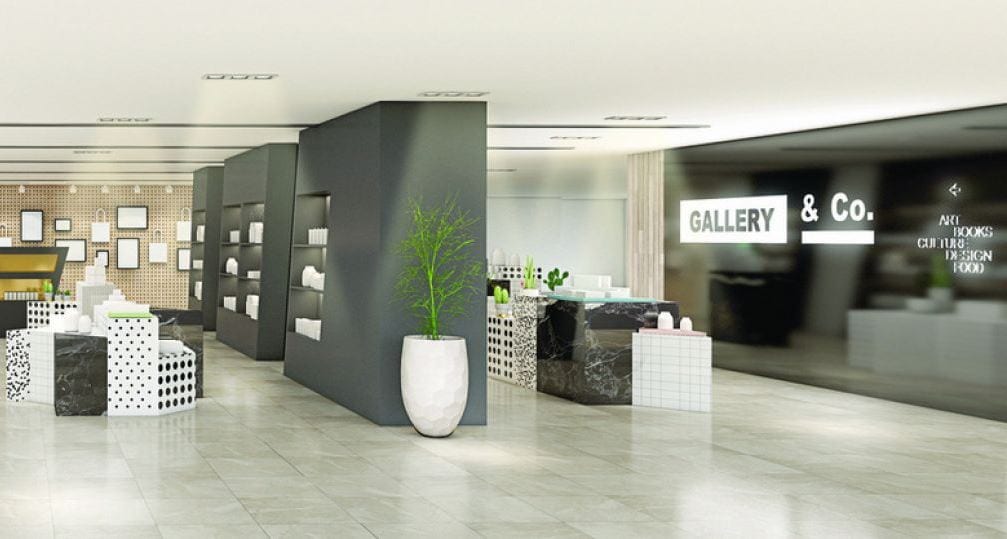
    New retail business ‘& Co’ has partnered with the National Gallery Singapore to create a food and beverage and retail concept called Gallery & Co.

    Inspired by Southeast Asian art and culture, Gallery & Co fuses art and design into a curated retail experience featuring specially designed products for the museum, books, design collectibles and prints, amongst others, as well as a quick-service, casual dining venue (comprising a café and cafeteria). The new space, to open in November, spans the entire frontage of the City Hall Wing on the ground floor, overlooking the historically significant Padang.

    The partners of & Co. are local industry heavyweights Loh Lik Peng (Unlisted Collection), Yah-Leng Yu and Arthur Chin (Foreign Policy Design), along with Alwyn Chong (Luxasia). This new venture combines their diverse experience and depth of expertise, creating a unique platform for cross-disciplinary projects spanning retail, F&B, art, design and culture.

    Leading the culinary direction at Gallery & Co. will be Lik Peng, while Yah-Leng and Arthur oversee the branding, space and product design. Alwyn heads & Co’s retail strategy, forming a dream team with Yah-Leng to direct & Co’s merchandising vision, curate brands and identify exciting collaborations exclusive to Gallery & Co.

    “This collaboration creates a seamless experience for visitors as they extend their art journey into Gallery & Co to shop, read and dine,” said Chong Siak Ching, CEO of the National Gallery Singapore.

    “We are delighted that & Co responded to our brief with a pitch that reflects our unique visitor experience philosophy. We welcome visitors to explore Gallery & Co when it opens, and be among the first to immerse in an experience that is unique to National Gallery Singapore.”

    With Chef Sufian Zain of Restaurant Ember as consultant chef, the cafeteria’s menu will feature the distinctive flavours of Southeast Asia, reinterpreted with his signature pared down style. The café offers cakes, coffee and sweets from choice local purveyors and artisans, a perfect respite between exhibition hopping and a gathering place for friends.

    “At Gallery & Co, we want to dispel the elitist stigma associated with art,” said Arthur Chin.

    “Being the first-ever museum shop in the world to house a bookstore, F&B establishments and retail in one continuous space, we hope to create a dynamic visitor experience that not only bookends a visit to the National Gallery Singapore, but is also a destination in its own right. By curating and purveying products that provoke curiosity and inspire, we hope to make art accessible to everyone.”

  • Corrupt Chinese supermarket exec jailed

    Corrupt Chinese supermarket exec jailed

    The former chairman of China’s Bright Food Group has been found guilty of embezzling US$31 million between 2000 and 2006 when he was chairman of Shanghai Lianhua Supermarket Holdings Ltd.

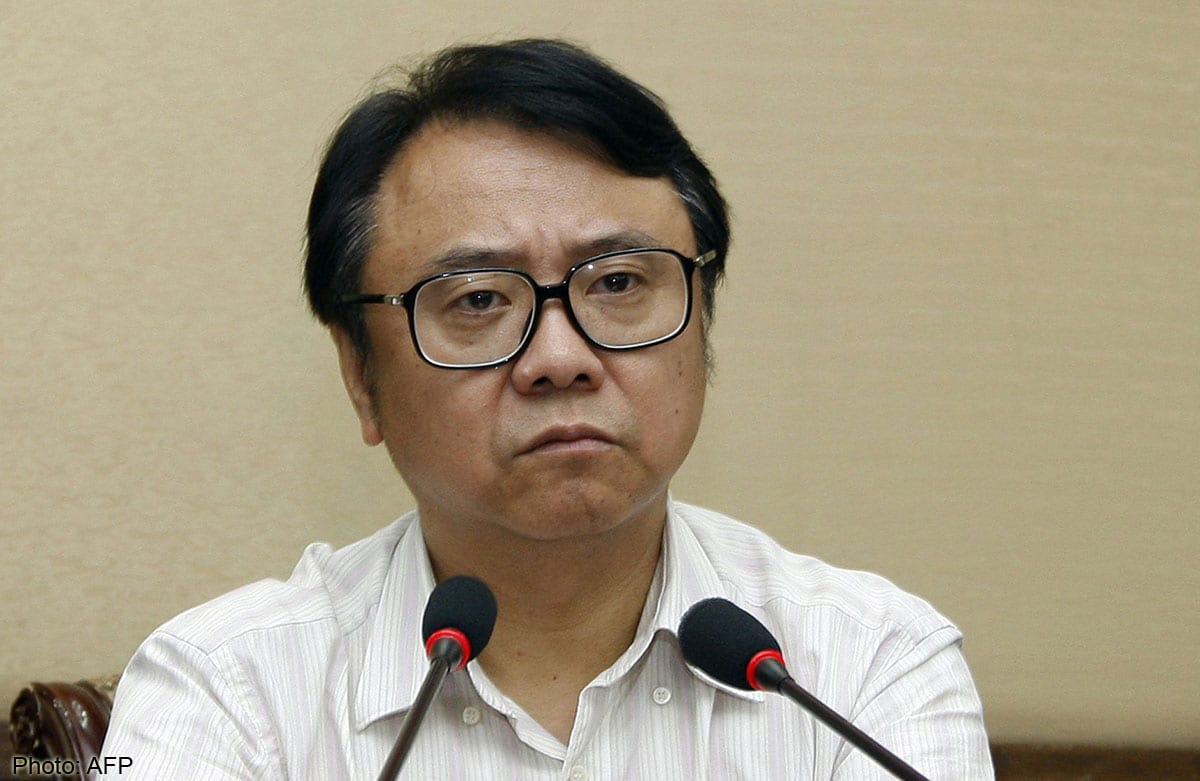
    Corrupt Chinese businessman Wang Zongnan was sentenced by the People’s Court in Shanghai on Tuesday to 18 years in prison for embezzlement and accepting bribes.

    According to the court hearing, Zongnan had accepted 2.69 million yuan in bribes, hiding the money through the purchase of two villas.

    In 2003, Wang’s parents bought two villas in Shanghai for 2.08 million yuan, 2.69 million yuan below the market price. The sellers were associated to a subsidiary of a company that had owed Wang a favor, according to the verdict. Wang sold the two villas in 2010 and 2013 for 14.8 million yuan in total.

    In the ruling, the court ordered that 1 million yuan of Wang’s personal property be confiscated and more than 12 million yuan in bribes and illegal earnings be returned.

  • Jollibee opens 3000th store

    Jollibee opens 3000th store

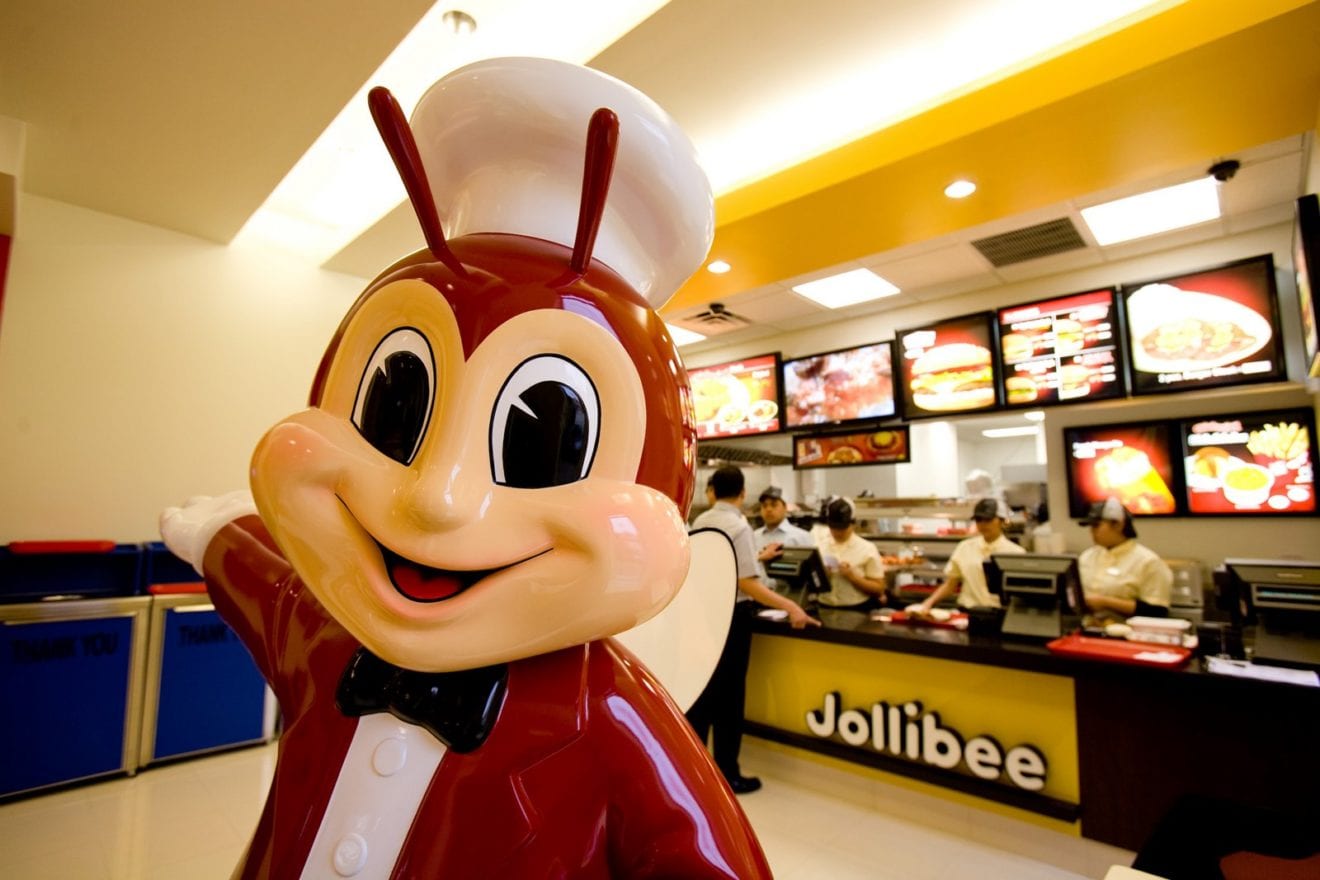
    Philippines-based fast food chain operator Jollibee Foods has surpassed the 3000 store milestone as it reports a 7.4 per cent increase in net income for the first half of 2015, to P2.7 billion (US$58.5 million).

    Sales rose 9.5 per cent, but increased cost of raw materials squeezed profit growth.

    Having reached the 3000 store milestone, the company has no plans to slow its growth.

    “We are on track to open at least 200 new stores in one year in the Philippines, the first time we will able to do so,” said JFC CEO Ernesto Tanmantiong said in a statement.

    “Historically, we were opening 100 new stores per year in the country. We look forward to opening 300 new stores worldwide this year, also a first in our history, with 100 abroad, the bulk of which will be in the People’s Republic of China,” he added.

    “We look forward to JFC’s resurgence to double-digit sales growth in the quarters and years ahead.”

    CFO Ysmael V. Baysa said the group hopes to achieve double-digit growth in 2016 due to the network expansion and improved margins.

    “Raw materials prices are [now] declining, however their benefits on profit margins have been offset by high levels of inventories of materials with still high prices. We deliberately increased our inventories in the Philippines starting in 2014 as a safety measure during a major new system implementation, and as a way of dealing with the logistics and delivery challenges in the country,” Baysa said.

    Jollibee has 2374 outlets in the Philippines and 627 overseas – 3001 in total.

  • Starbucks tests smart smartphone case

    Starbucks tests smart smartphone case

    Starbucks Japan is involved in a unique trial which allows customers to order and pay for their coffee with a swipe of their phone.

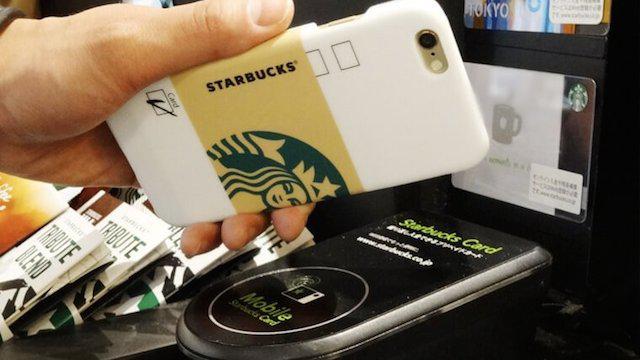
    The concept uses a branded smartphone case which is preloaded with the customer’s preferences.

    Trend monitoring website Springwise.com reports the Starbucks Touch phone case was developed in collaboration with Japanese clothing brand Uniform Experiment, and can currently be used in two Starbucks branches in Japan.

    The case – made for iPhone 6 – is designed to resemble a Starbucks coffee cup and features the brand’s iconic logo. It works like a prepaid Starbucks loyalty card, letting customers make cashless coffee purchases. It also enables users to save their preferred store and favorite beverage via a companion app. Upon arrival, customers simply launch the app and place their order, settling up by touching their phone case on the contactless payment device.

    The Starbucks Touch is available online for JPY 3000, or about US$25.

  • Joe and the Juice Singapore-bound

    Joe and the Juice Singapore-bound

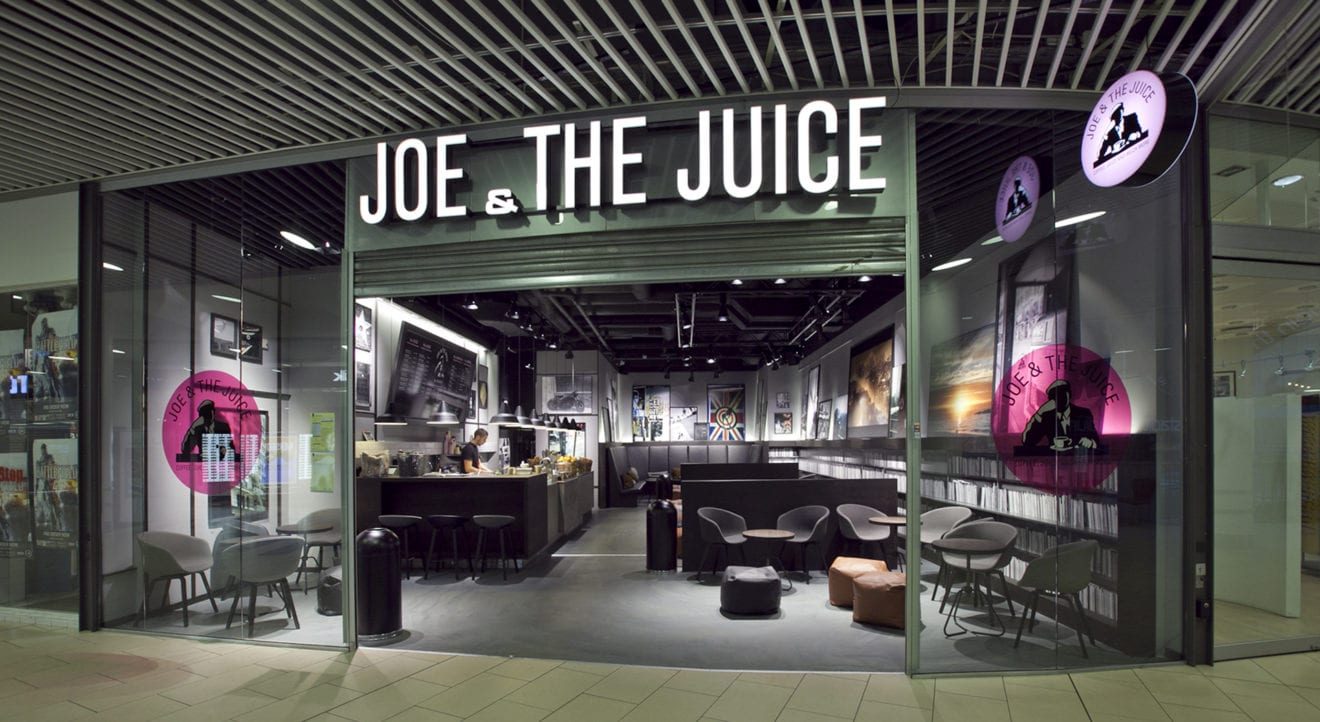
    Danish chain Joe and the Juice will make its Southeast Asian debut in Singapore in the last quarter of this year.

    The hip juice bar brand will be brought to Singapore by Norbreeze Group, a retail specialist which incubates brands to unlock their growth potential.

    Two juice bars are scheduled to open in the leadup to Christmas, marking the brand’s first Southeast Asian stores after what Norbreeze describes as its “phenomenal success” in its home market of Denmark and broader Europe.

    “Norbreeze Group’s introduction of Joe and the Juice to Singapore is timely, with a distinctive shift towards healthy diets and lifestyles in the market,” the company said in a statement.

    “One of the very few contemporary cafe concepts in the world to offer fresh made to order fruit and vegetable juices, coffee and sandwiches, Joe and the Juice has become an overnight sensation across Europe as a pioneer with its unique concept to tap into the global juicing phenomenon.”

    Joe & the Juice will join brands like Daniel Wellington, Bering, Cath Kidston and Cocomi in Norbreeze Group’s portfolio of retail brands.

  • Tony Roma’s Indonesia enters Surabaya

    Tony Roma’s Indonesia enters Surabaya

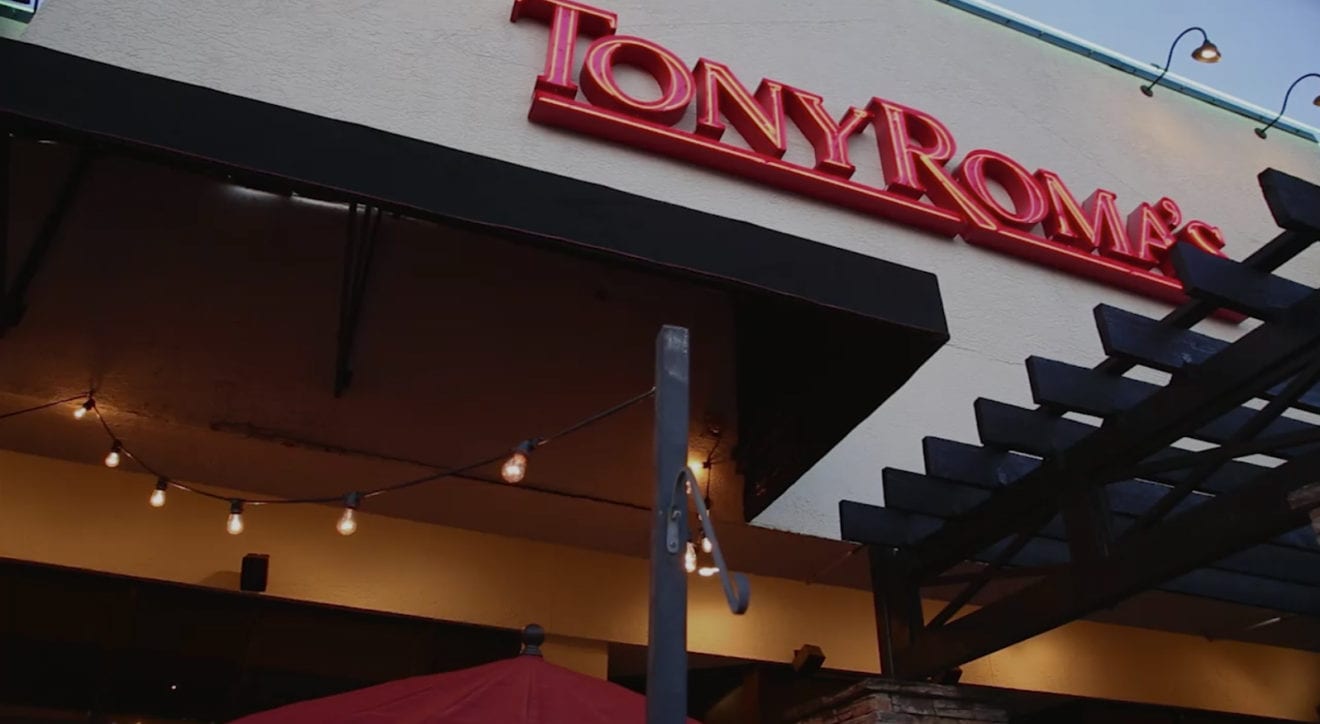
    Romacorp, US parent of Tony Roma’s, has opened its first restaurant in Surabaya, Indonesia.

    The restaurant opened on Kupang Indah St –  locally known as the “restaurant street” – a popular destination for locals and tourists in Indonesia’s second biggest city.

    With three Tony Roma’s Indonesia restaurants in Jakarta and one each in Tangerang and Bali,  Surabaya makes it six. The restaurants in Surabaya, Jakarta, and Tangerang are owned by Mas Millennium, and the restaurant in Bali is owned by PT WDI Indonesia.

    “Our franchise partner Mas Millennium has been working with us since 1991, operating Tony Roma’s restaurants in four Asian countries, and we’re excited to continue our relationship with them,” said John Brisco, president of international for Roma Systems.

    The 6458 sqft restaurant has seating for 212 including a semi-private and private dining room, a full-service bar, and a courtyard for outdoor dining underneath a glass ceiling.

    “We are very excited about the opening of our first Tony Roma’s restaurant in Surabaya. Second only to Jakarta in size and importance, and with a population of around 3 million residents, we are confident that this restaurant will perform well,” said Lucy Prananto, president & CEO of Mas Millennium.

    “With very few international restaurant chains in Surabaya, Tony Roma’s casual dining concept, offering great tasting, true American cuisine will be a hit among locals and foreign patrons.”

    Romacorp now has more than 150 restaurants in more than 30 countries and also operates the newTR Fire Grill concept, a chef-inspired American bistro in Orlando, Florida.

  • Coca Cola’s China rise

    Coca Cola’s China rise

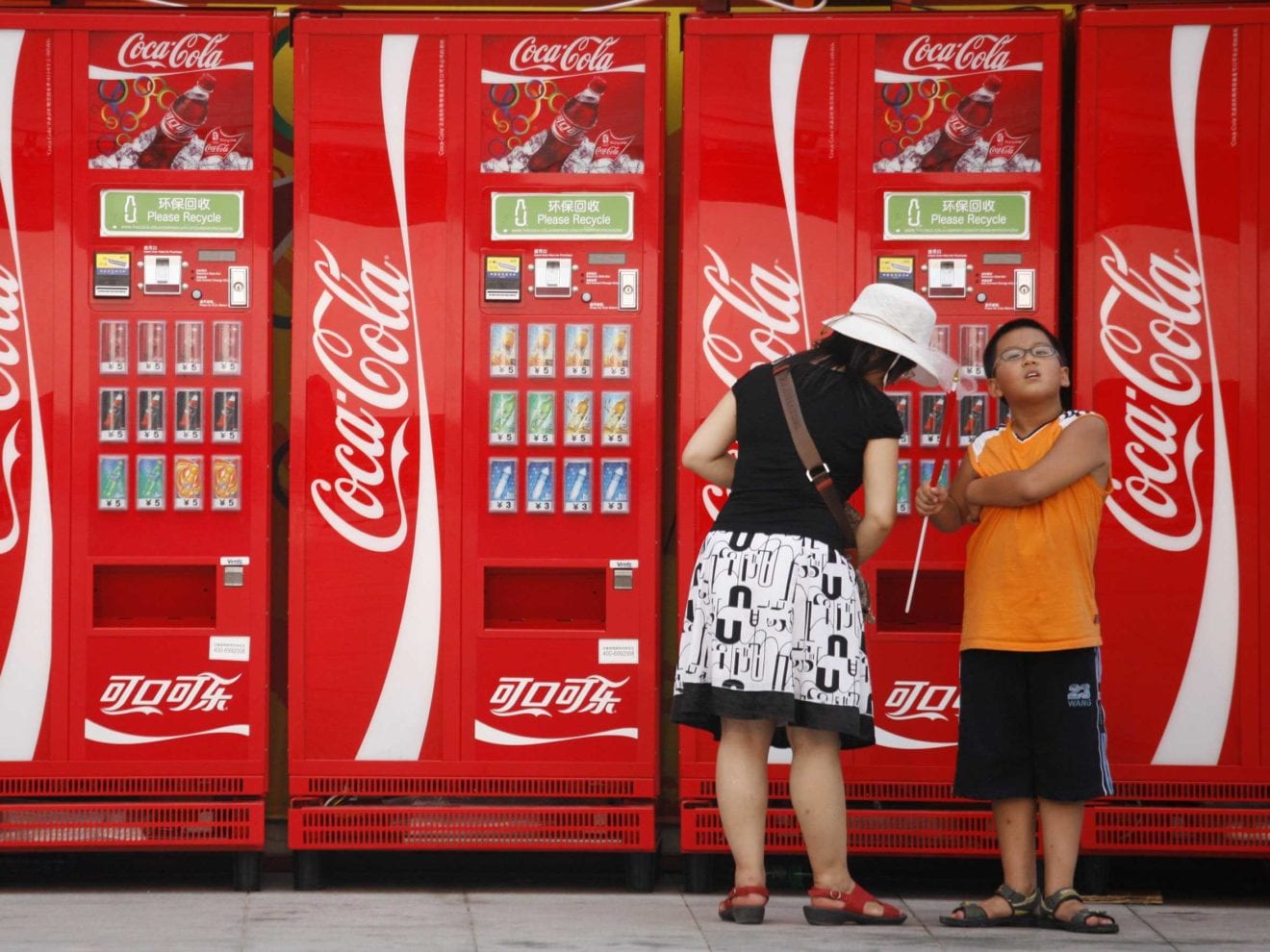
    Coca-Cola has been a symbol of Western commercialism since its founding in the late 19th century, with one of the world’s most highly recognizable logos.

    Forty years ago, it was unthinkable that Coca-Cola would ever be available in what is now one of the brand’s biggest markets: Communist China. The story of its entry into China is not only inspiring, but can also still provide valuable lessons to foreign brands trying to enter the world’s fastest-growing market today.

    Coca-Cola’s factories were nationalised in 1949 under order of Chairman Mao Zedong, who deemed the drink a ‘bourgeois concoction’. After Deng Xiaoping opened the Chinese economy in the late 1970s, the company was eager to return. Its rival, PepsiCo, had just won the bid for the Soviet Union, putting pressure on Coke not to lose the world’s other communist giant.

    It all started when Peter Lee, now known as the first President of Coca-Cola China, received a call from former Coca-Cola Chairman J. Paul Austin asking him to try to launch the brand in China. Lee got to work right away, telexing the China National Cereals, Oils and Foodstuffs Corporation (currently known as COFCO). After a six-month wait, he was finally sent a message saying he was “welcome to come to Beijing for negotiations”.

    Once in China, Lee managed to convince his Chinese counterparts to sign an agreement under the premise that since the country was finally open to tourists from all over the world, “we have a product we believe most tourists will love.” They signed the agreement on Dec. 13, 1978, though the deal was not publicized until after US President Jimmy Carter announced the mutual recognition of the US and China and the re-establishment of diplomatic ties between the two nations two days later on December 15, 1978.

    As the first foreign FMCG-company to enter the Chinese market, Coca-Cola faced various challenges. The company was limited to selling only to tourists with their first shipment in 1979, while under strict supervision of Chinese officials. Coca-Cola, however, wanted to reach Chinese consumers and was punished with a 12-month ban after holding an illegal street promotion in Beijing in 1980. After the restriction was eased, Coca-Cola built its first production facility on Chinese soil, which was wholly owned by COFCO. In 1988, the company had another breakthrough when it launched its first Shanghai cooperative joint venture. From then onwards, it could be said that Coca-Cola truly had entered China.

    After Coca-Cola’s entry to China, its subsidiary brands soon followed in its footsteps. The most successful brand was Minute Maid, which entered China in 2004 with the flavors orange and grapefruit. This decision was very deliberate: Although the Chinese didn’t know Minute Maid very well, it had a strong reputation in the global beverage industry. And by positioning Minute Maid as a “global brand”, it was easier to generate buying confidence among Chinese consumers.

    The Coca-Cola Company started a revolution in China, as well, by focusing not on the brand name Minute Maid in commercials, but on the flavor of the product itself: “Fruit Pulp Orange.” This decision to name the product benefit before the brand name turned out to be a great success: Minute Maid became the first billion-dollar brand to emerge in the Chinese market for Coca-Cola. The success of “Fruit Pulp Orange” also came at a cost—it sparked a huge number of copycats and counterfeits. The lesson learned was that the IP-holder Coca-Cola needed to keep an eye out for counterfeit products in order to protect its trademark.

    Coca-Cola is a model for “first-in-market advantage”. It was the first foreign brand to move into China, and is therefore ingrained in the collective Chinese memory and consumer market.

    This paved the way for other well-known brands: Coke’s main competitor, PepsiCo, entered China in 1981. PepsiCo’s current CEO, Indra Nooyi, remembers her first time in China for PepsiCo where she saw local Chinese eating Lay’s potato chips with chopsticks. Nooyi believes that corporations that want to be successful in China need to behave in a way that also benefits the country. PepsiCo signed a Memorandum of Understanding with the Chinese Ministry of Agriculture in 2011 to “promote sustainable agriculture projects and accelerate the development of the Chinese countryside”. In order to fulfill its promise, PepsiCo has opened eight sustainable demonstration farms in order to educate Chinese farmers how to grow sustainably. Also, they invested in partnerships with more than 10,000 rural Chinese households in the last 15 years.

    In 1995, Red Bull followed Coke’s lead by forming an alliance with the Thai-Chinese Reignwood group to enter China. Today, Red Bull has five manufacturing hubs in China: Beijing, Hubei, Jiangsu, Guangzhou and Hainan, with over 10,000 employees. Its share of the vitamin drink market is also increasing by 20 per cent every year. Just like Minute Maid, Red Bull was able to leverage its global brand to make a successful launch in China. This has also come with the same problem of counterfeit products, but Red Bull maintains it is taking the problem seriously by monitoring the Chinese market attentively and checking cans regularly to protect its trademark from any infringements.

    The five key lessons for building a beverage brand in China are:

    1. Get a ‘first-mover-advantage’ in your beverage category.
    2. Leverage your global brand equities.
    3. Form strategic partnerships that bring scale.
    4. Behave in a way that benefits ‘China’.
    5. Get local with production facilities on Chinese soil.

    Coca-Cola’s entry to China can serve as a model for all FMCG companies that want to enter China. Besides this, it reveals a country with a dynamic market that requires patience, expertise, and adaptability, but in exchange offers the opportunity to grow beyond a company’s imagination.
  • Max’s Group takes Yellow Cab Pizza to UAE

    Max’s Group takes Yellow Cab Pizza to UAE

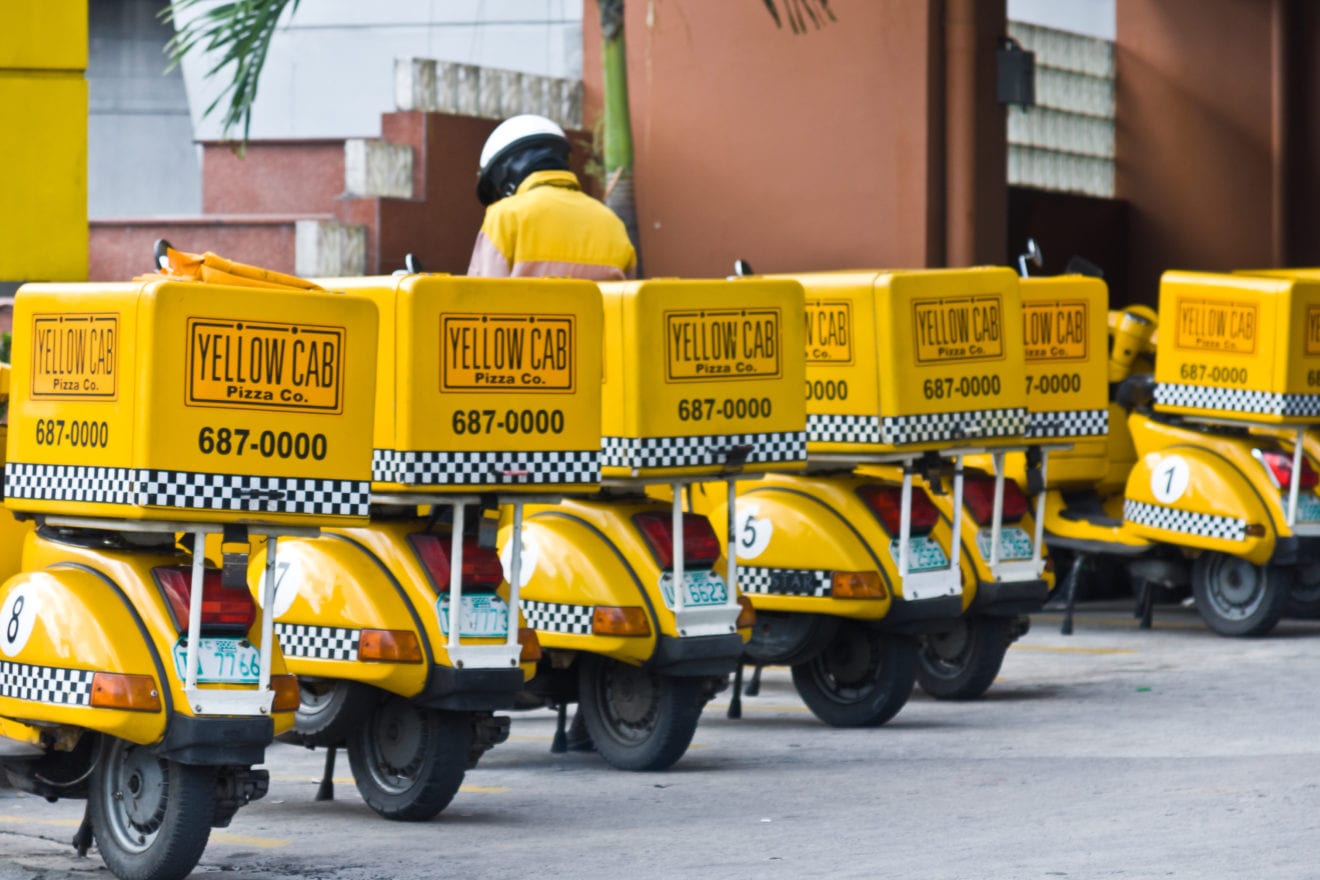
    Philippines-based Max’s Group is to launch its Yellow Cab Pizza chain in the UAE after signing a partnership with Cartoon Fashion Group.

    Cartoon will open 10 Yellow Cab outlets in the UAE over the next five years. IT’s the second overseas market for the Filipino brand, following six stores in Qatar.

    Yellow Cab specialises in New York style pizzas and has 112 branches in the Philippines.

    President and CEO of Max’s Group, Robert Trota, said the Cartoon Fashion Group had a proven track record and solid reputation in the UAE. “We knew they were the best partner for this endeavor.”

    Dubai-based Cartoon Fashion is one of UAE’s largest retail and hospitality consortiums, operating local franchises for brands including Adidas, Ed Hardy and French Connection.

  • BreadTalk Singapore apologises for soy slipup

    BreadTalk Singapore apologises for soy slipup

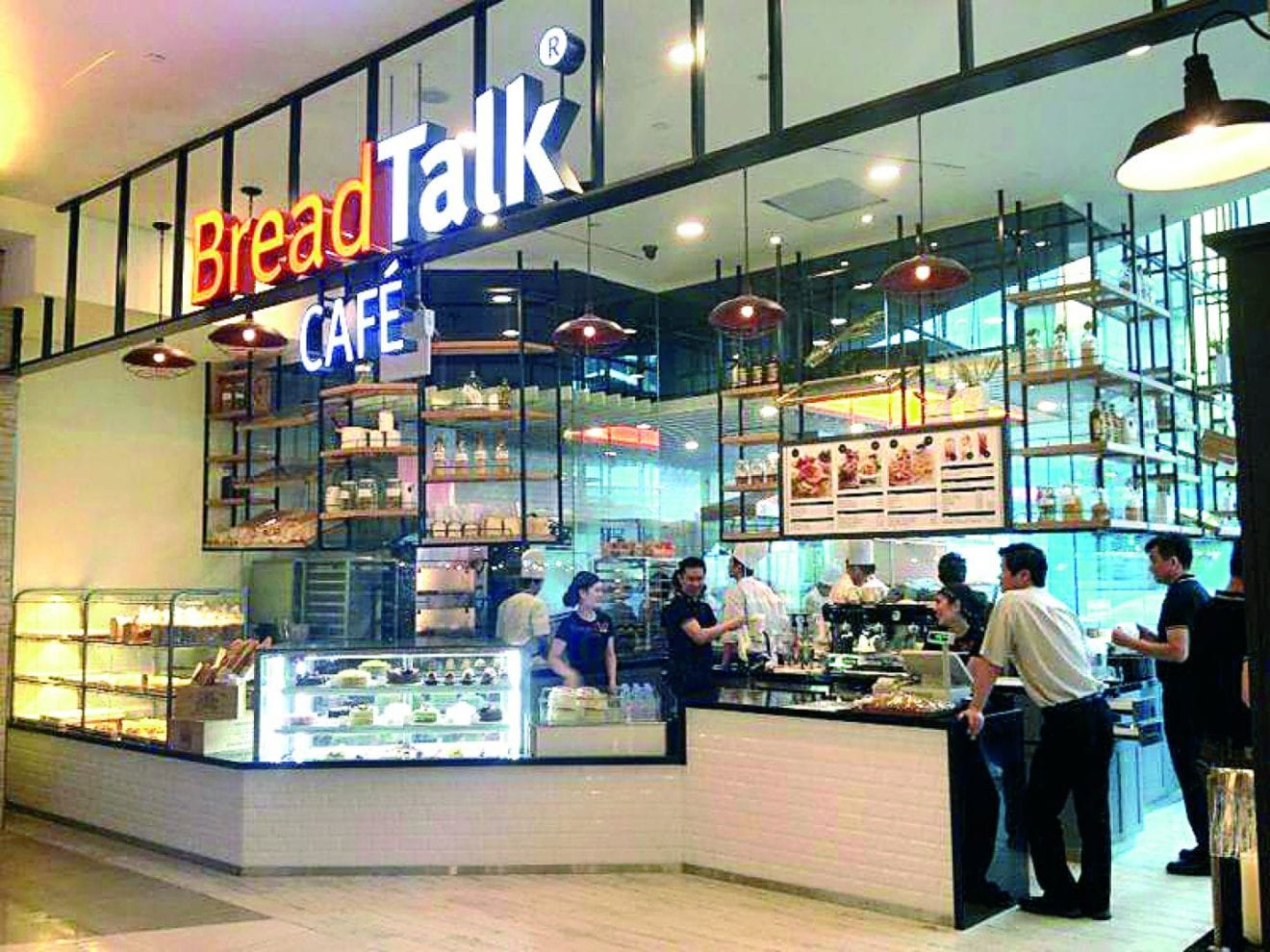
    Breadtalk Singapore has apologised to customers and withdrawn its soy milk for sale after a backlash on social media.

    The company has been labelling and promoting its bottled soy milk as “freshly prepared” – the claim was disproved by a photograph uploaded onto social media by a customer who was shocked to see a store employee hand filling plastic bottles from bulk containers of Yeo’s brand soya bean milk.

    The photo was posted on Sunday and has since gone viral forcing BreadTalk Singapore into damage control.

    The company has confirmed it buys the milk in one litre packs from Yeo’s before repackaging it in plain plastic bottles in-store. It claims an employee used plastic bottles labelled “freshly prepared” intended for fresh juice, not the soy milk.

    “We have heard our customers’ feedback about our bottled soya bean milk,” a BreadTalk spokeswoman said. “We would like to apologise for any misaligned presentation or wrong impressions created, and clarify that it is never our intention to mislead.”

    The chain says it will discontinue rebottling the milk and instead sell if from drink dispensers “to prevent misunderstanding”.

  • McDonald’s make Minions

    McDonald’s make Minions

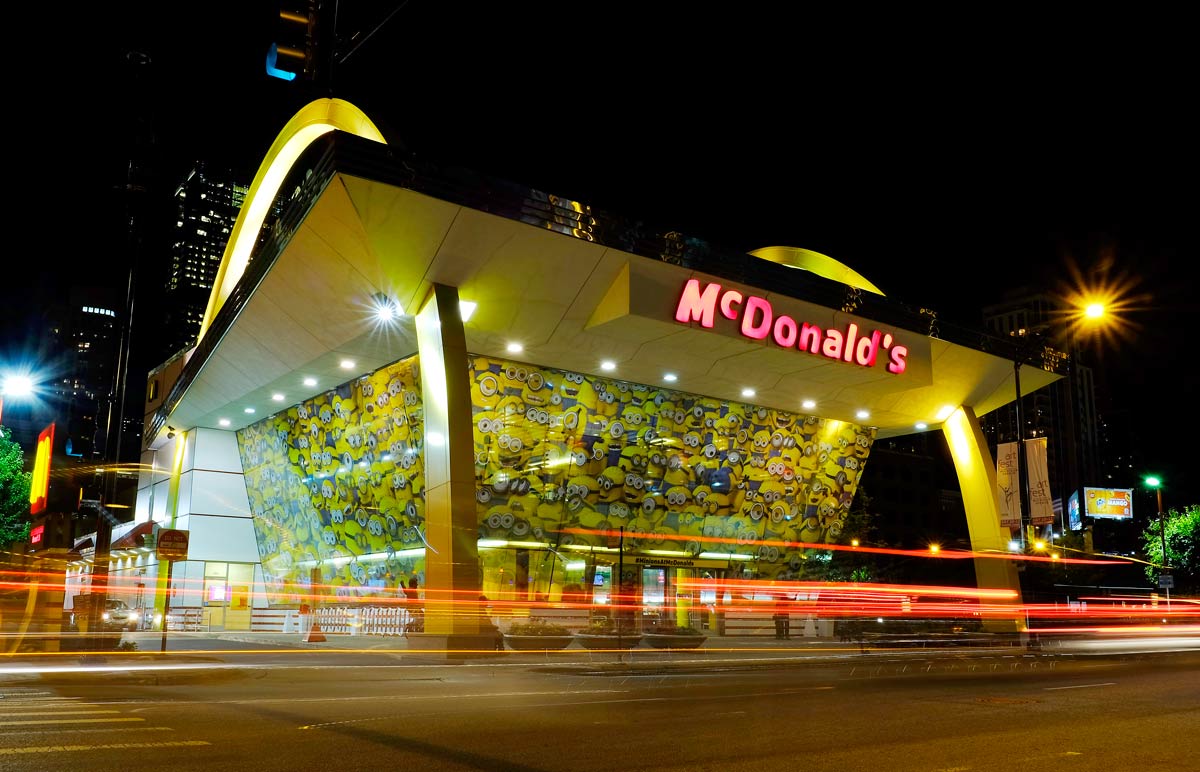
    Sales of products affiliated with animation characters – such as ‘Minions’ and the cast of Frozen – are soaring.

    According to McDonald’s, Happy Meals with Minion toys are in high demand in South Korea.

    The ‘Minion Happy Meal Special Set’, which consists of five Minion toys, one Happy Meal, and four coupons for Happy Meals were all sold out the minute they were released on July 23, with people queuing for hours before their 3pm release. With stock limited to 100 per store, the Minions disappeared fast.

    From July 24, McDonald’s started to sell Happy Meals including one Minion toy each.

    “It is hard for us to reveal how many Happy Meals are sold in a day, but ever since we gave out Minion toys, sales definitely went up.”

    McDonald’s said Minion-themed products such as the ‘Minion Shrimp Beef Burger’, ‘Minion Yellow Muffin’, ‘South Pole Lemonade’, ‘Ba-nana Shake’ and ‘Ba-nana McFlurry’ are also popular among customers.

    McDonald’s is planning the second release of the ‘Minion Happy Meal Special Set’ for August 9, at 3pm. The five Minion toys will be different from the previous event. The fast food chain is expecting another early sell-out.

    McDonald’s is not the only company using cute Minions in marketing.

    Sam Lip General Foods released four types of Minions bread in time for the movie’s release.

    Not to be outdone, Binggrae’s ‘Yomamte’ yogurt ice cream is affiliated with the beloved characters from Disney’s ‘Frozen’. According to Binggrae, sales of the product tripled compared to 2013.

    The places selling the ‘Frozen‘ Yomamte’s were shared on online communities, and consumers gave cute nicknames to the products. Named after the characters printed on the packages, Elsa, Anna and Olaf, the popsicles were named ‘El-mamte’, ‘An-mamte’ and ‘Ol-mamte’.

    Officials from Binggrae are looking into expanding their product line.

    “There were six different designs from ‘Frozen’ printed on the packages in the early stages of the renewal, but we are planning to expand the designs to 23 different types so that consumers can have a wider variety of choice.

  • SunGold campaign heats up in Thailand

    SunGold campaign heats up in Thailand

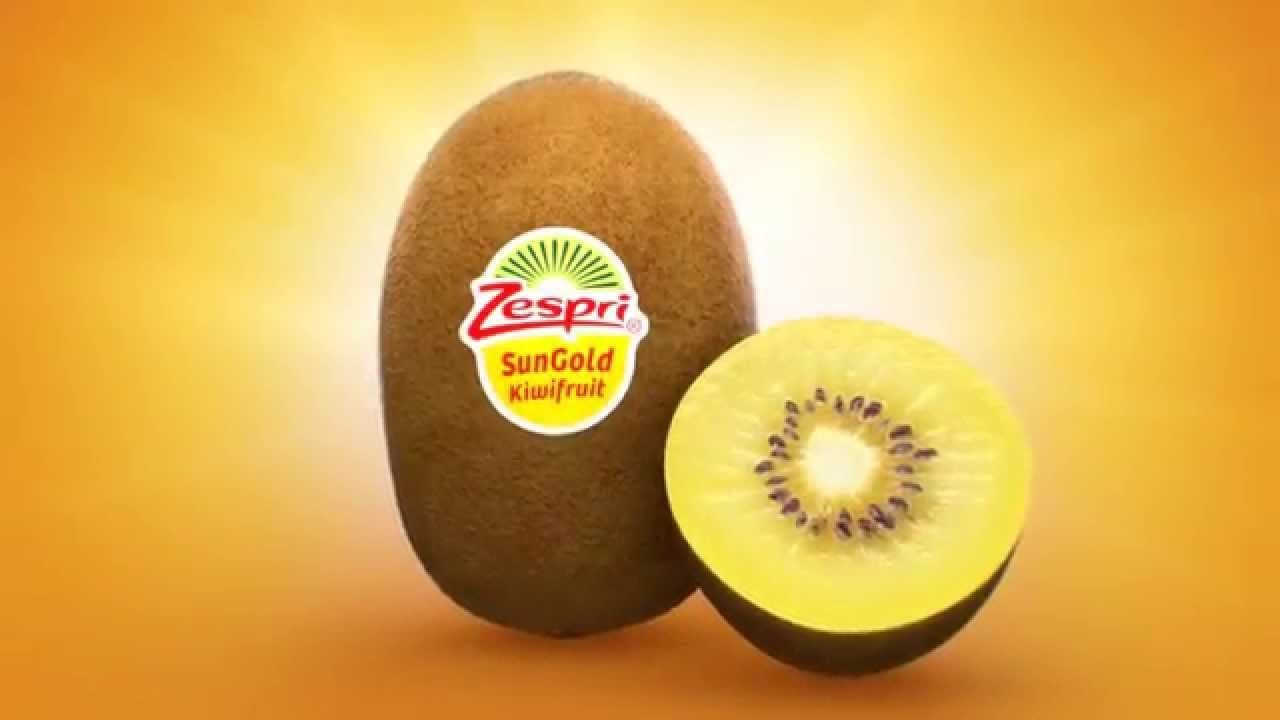
    Kiwifruit marketer Zespri has been rolling out the launch of its SunGold variety across a range of export markets this year, and Thailand has witnessed an energetic campaign.

    The introduction of the new variety has been supported by a robust programme of promotional activities to educate trade and consumers about SunGold’s attributes, and to drive demand.

    Zespri’s programme has included market roadshows, retail sampling activities and eye-catching point-of-sale materials, but one of its key importers Vachamon has gone the extra mile to drive the campaign.

    “What we could do to make Zespri’s marketing campaign more successful is involve ourselves in their activities,” the company’s managing director Wipavee Watcharakorn told Asiafruit. “For example, with the market roadshow, we joined in on the sampling activities. As well as the sampling company conducting tastings, we actively sold the fruit, particularly at markets where there were no existing fruit vendors.”

    Sampling activities have been conducted across numerous open-air markets around Bangkok. “These are retail markets that are close to office buildings where people go to buy lunch or other things. The markets sell a range of items such as clothes, ready-to-eat meals, gifts and so on,” Watcharakorn explained.

    For each market that was selected as a venue for the sampling activities, Vachamon targeted the owners of the existing fruit shops to demonstrate to them the value of promoting SunGold.

    “We tried to show them that SunGold has tremendous potential, and that with the right attention and effort to display and merchandise it, they could go beyond their usual sales volumes,” said Watcharakorn.

    “Usually with these fruit shops, the owner handles all the sales by him or herself and displays many products. They tend to give more importance and display space to the items that generate good sales and margins so we wanted to show them that SunGold can be the ‘hero’ product for them.”

    Watcharakorn said that after 40 days of conducting the roadshow, the uplift in wholesale demand has been remarkable during July.

    In addition to the roadshow activities, Vachamon has been supporting major retailers such as Big C, Tesco Lotus and The Mall Group with their SunGold promotions.

    “We participated and helped to ensure the retailers ordered enough fruit each week, whether they were conducting samplings or not. Sometimes retailers are very reluctant to order a lot of a new item as they want to avoid issues with shrinkage,” she said.

    “We talked to the retailers a lot and coordinated supplies with their sampling teams to ensure they had enough good-quality stock for each store to make the activities worthwhile. We made direct-to-store deliveries and followed up on the purchase orders later on.”

    Vachamon has also participated in a number of ‘below the line’ marketing events for SunGold, exhibiting at shows such as Health and Beauty and ThaiFex.

    Watcharakorn said Vachamon’s aim is to sell 120,000 trays of SunGold this season. “We are likely to hit this target, which is probably double the volume sold last year,” she concluded.

  • 7‑Eleven, Inc. to enter Vietnam with Seven System Vietnam Co. Ltd. franchise agreement

    7‑Eleven, Inc. to enter Vietnam with Seven System Vietnam Co. Ltd. franchise agreement

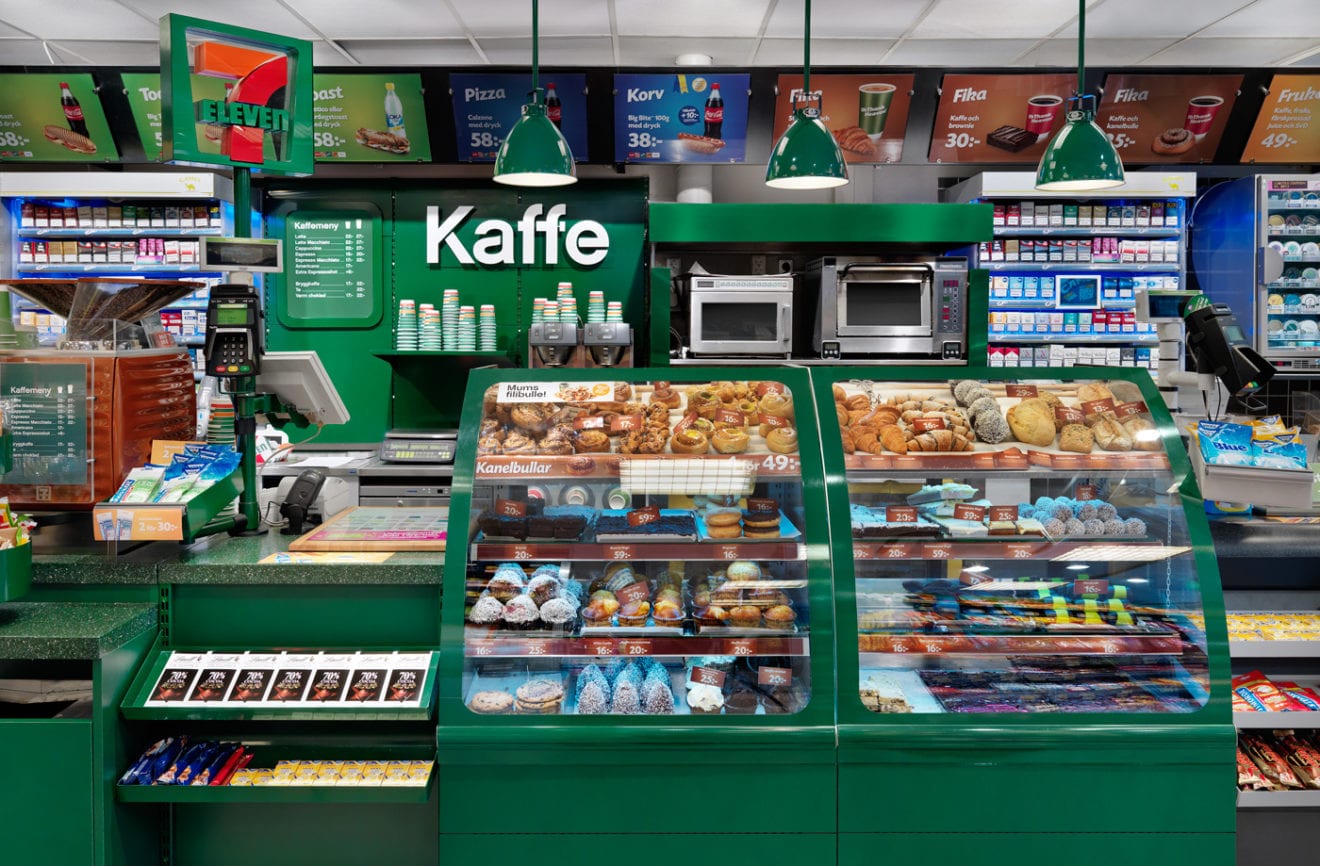
    7‑Eleven, Inc., the world’s largest convenience retailer with 56,400 stores worldwide, has signed a master franchise agreement with Seven System Vietnam Co. Ltd. to develop and operate 7‑Eleven® stores in Vietnam. The expansion marks the company’s first stake in the Pacific Rim since 7‑Eleven entered Indonesia in 2009.

    7‑Eleven’s entry into the country aims to enhance the convenience-shopping experience for Vietnamese customers and contribute to modernizing small retailers in the world’s 13th most populous country.

    The new master franchisee plans to construct 7‑Eleven stores, convert existing locations to the 7‑Eleven brand supported by enhanced infrastructure, and eventually franchise operations to local businesspeople.

    Internationally popular products like Slurpee® frozen carbonated beverages and Big Gulp®soft drinks, as well as immediately consumable fresh foods, with recipes developed for regional tastes, will be part of the convenience offerings.

    7‑Eleven and its parent company, Seven-Eleven Japan, will provide start-up support for its newest master franchisee by assisting Seven System Vietnam in implementing 7‑Eleven’s successful strategies of market concentration, team merchandising and item-by-item management.

    Vietnam will be the 18th country or region where 7‑Eleven stores operate. In addition to the United States, other countries include Canada, Mexico, Japan, Thailand, South Korea, Taiwan, China (including Hong Kong), The Philippines, Australia, Singapore, Malaysia, Indonesia, Norway, Sweden, Denmark and the United Arab Emirates, where its first 7‑Eleven store will open early this autumn.

  • How to open a restaurant in China

    How to open a restaurant in China

    Many expats in China at one point or another have dreamed about opening up their own restaurant, café, or other sort of food and beverage operation.

    The largest food market in the world, China offers many exciting opportunities for foodies and savvy business people alike, but foreigners can be daunted by the often bureaucratic process of establishing a business in China. In this article, we provide a step-by-step guide to the process involved.

    Step 1: Finding the Right Location

    The first step of business is to find the location for the food and beverage operation. This can be particularly tricky, as the investor must lease the restaurant premises before starting the registration process for the food and beverage business. In order to avoid renting out a location that will be denied business registration, investors should take extra precautions to find a business location that can pass inspections. It is often possible to ask for consultations from the Environmental Protection Bureau, Hygiene Bureau, local department of the Ministry of Commerce and the Administration of Industry and Commerce (AIC) to verify certain requirements, like whether the location will be able to obtain a license for the disposal of waste water.

    It is often safer to find a location that is currently in use as a food and beverage operation. This will require the investor to pay a transfer fee to the current lessee. The fee will vary by location, but it is usually at least RMB 100,000. If investors instead choose a space that was not previously used as a food and beverage operation, they will need to remodel it to make sure it passes inspections. This option can be more risky, and costly too – redecoration companies tend to charge a service fee of around RMB 10,000 per sq. meter, on top of the costs of materials. Even if the investor acquires the necessary permits and certifications, if residents in the area find the food and beverage operation to be disruptive in the community, the business license can be revoked.

    Step 2: Licensing and Registration of the Food Business
    Company Name Registration

    Before applying for any licenses and permits, it is necessary to apply to register the business name at the local AIC. The AIC will issue a “Notice of Company Name Reservation” after they double check to make sure that the company name has not previously been used anywhere else in the province.

    Health and Food Hygiene Licenses

    After obtaining a company business license, investors then face the task of health and food safety inspections for their food and beverage operations. For businesses involved in the food and beverage industry in China, there are three main types of food and beverage licenses, and some businesses may require more than one license depending on the scope of their food and beverage business operation:

    • A Catering License (餐饮服务许可证)is required for catering service providers, both individuals and organizations, that are involved in the provision of group meals (food stalls and providers of semi-finished food products are not required to carry this license). If an entity provides catering services in different locations, it must apply for a license for each location
    • A Food Production License (食品生产许可证) is required in order to ensure that businesses comply with standards pertaining to manufacturing capabilities and environmental regulations. All staff involved in food service must undergo training approved by the China Food and Drug Administration (CFDA), and there should be a health management system in place in order to ensure the health and hygiene of personnel. The state-level General Administration of Quality Supervision, Inspection and Quarantine (AQSIQ) is responsible for the nationwide administration of the food production license.
    • A Food Distribution License (食品流通许可证)is required for businesses engaging in the sale of food items and is administrated by the AIC. Any entity, both individuals and organizations, that is involved in food distribution (including retail and the wholesale distribution of pre-packaged food and bulk food) is required to acquire a Food Distribution license. However, sometimes when an entity holding a food production license sells food products on the premises of production, it can get around the requirement to hold a food distribution license.
    Alcohol Permit Registration

    For food and beverage operations that will be serving alcohol, an alcohol permit is required. The permit will be issued after the business license, tax registration permit, and food licenses are acquired, but the intent to sell alcohol should be clearly stated within the application for the health and food hygiene license.

    Environmental Protections Approval

    Before any catering service can began operation, it must get approval from the local Environmental Protection Bureau. This will include an evaluation of the indoor and outdoor surroundings of the site in order to ensure that the location complies with standards listed in the Directory for the Management and Classification for Construction Items and Environmental Influence.

    Step 3: Establishing the WFOE or JV Entity

    The steps for establishing the business entity will ultimately depend on how the food business is being registered. In China, foreigners are not allowed to be the sole owners of the restaurant or food business, but they are able to open it as a limited-liability Wholly Foreign Owned Enterprise (WFOE) or through a Joint Venture (JV) with a Chinese citizen as a business partner. In addition, some foreign investors may choose to choose to let the Chinese partner(s) open the business to simplify the registration process, but investors should be aware that this will not allow them to have any legal rights.

    The business project will be approved by the Ministry of Commerce, which will issue an approval letter  and an approval certificate that can be taken to the AIC to register the company business license.

    Risks and Challenges

    Investors should also brace themselves to be ready to battle China’s often volatile real estate market in order to develop their business operation. While most restaurants in global cities like New York City and London operate on at least 10 year leases, leases for food and beverage operations in China are often five-year leases, some even just three years.

    In addition, restaurant owners in top tier cities like Shanghai pay a much larger percentage of their profits on business leasing than they would in other parts of the world. In a survey on restaurant leasing fees conducted by SmartShanghai, it was found that paying 15 per cent of restaurant earnings on rent is the norm, with most restaurant owners paying between 10 per cent and 20 per cent on leasing.

    In contrast, restaurant owners in some of the world’s most expensive cities, like New York City, pay around 10 per cent of their profits in rent. High rental costs can often be reasons why food and beverage businesses go out of business, especially in the beginning, when changes to business strategy sometimes have to be made.

    In addition, after signing the lease investors should be ready to spend at least two to three months in order to acquire all the required licenses and permits to open the food and beverage business. It is sometimes possible to negotiate with the landlord to have a rent-free period of one to two months after signing the lease, which will be helpful in case the investor encounters delays in obtaining all the appropriate licenses necessary to start operation.