Category: Food

Retail News Asia is committed to providing both local and global retailers with the latest Food and Food & Beverage news throughout the Asian market. This on a daily base.

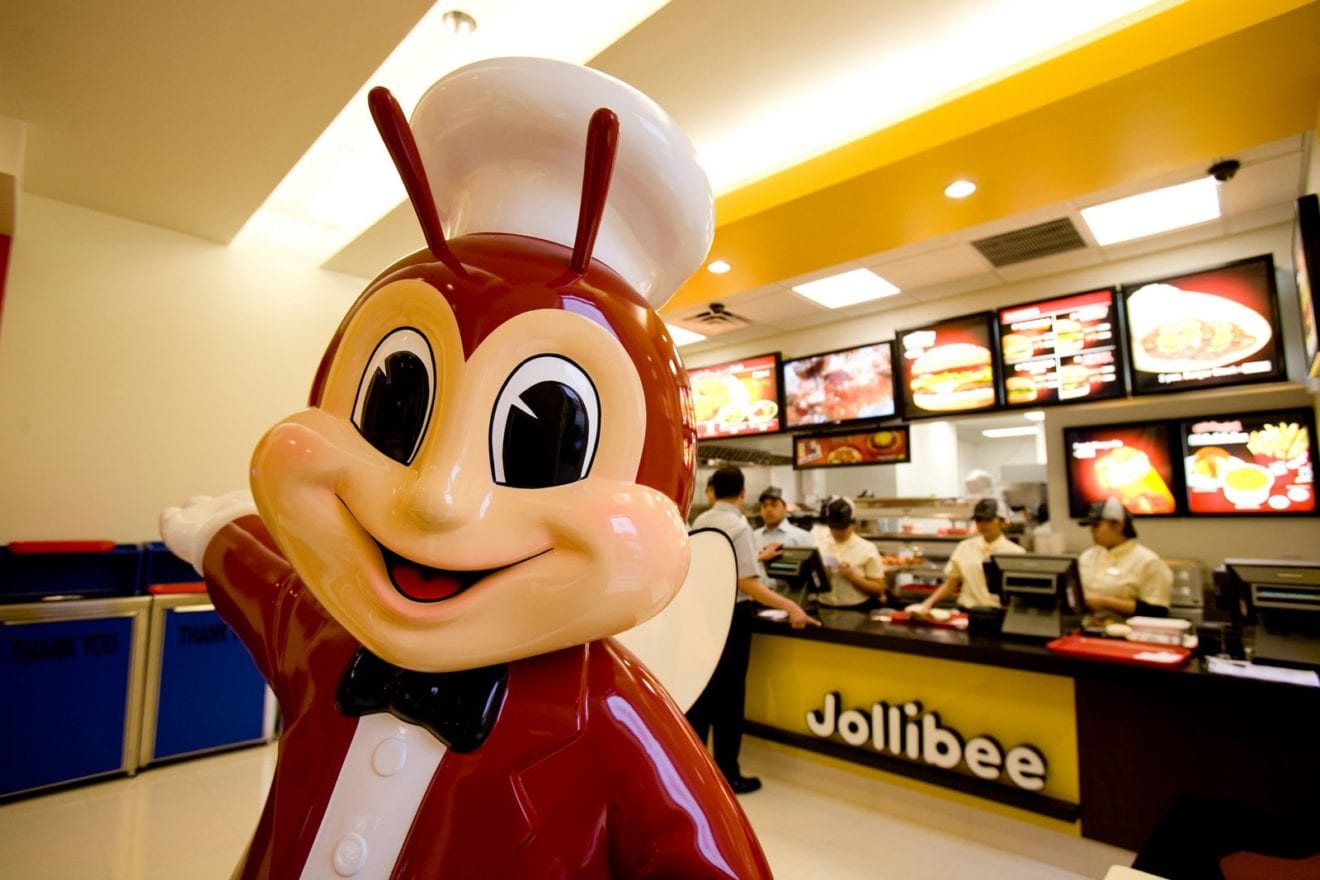
  • Jollibee swallows up Mang Inasal Philippines

    Jollibee swallows up Mang Inasal Philippines

    Jollibee Foods Corp (JFC) has fully acquired its subsidiary Mang Inasal Philippines for $43 million (P2 billion).

    JFC, Asia’s largest quick-service restaurant company, bought the 30 per cent share remaining from the 70 per bought in 2010 for P3 billion.

    “JFC shall pay for the shares in cash. There will be no changes in the business conduct and direction of Mang Inasal resulting from this acquisition except that the Board of Directors of Mang Inasal will, completely henceforth, be composed of representatives of JFC,” the company said.

    Jollibee has been no.1 in Asia and no.10 worldwide in terms of market capitalisation among publicly listed quick-service restaurants.

    Mang Inasal is a Filipino brand known for its chicken inasal (roasted chicken) and unlimited rice. It has over 450 stores nationwide.

    Jollibee announced its goal of joining the world’s top 10 fast-food brands. Its aggressive buying overseas are priced up to $100 million. It has 3023 outlets worldwide, 2393 of which are in the Philippines.

    It also operates Philippine brands Red Ribbon bakery chain, Greenwich pizza parlours and Chowking Chinese restaurants.

    Overseas, JFC’s subsidiaries and affiliates develop and operate international brands, such as Yonghe King, Hong Zhuang Yuan and San Pin Wang brands under the SuperFoods Group, and 12 Hotpot.

  • Yellow Cab Singapore debut nears

    Yellow Cab Singapore debut nears

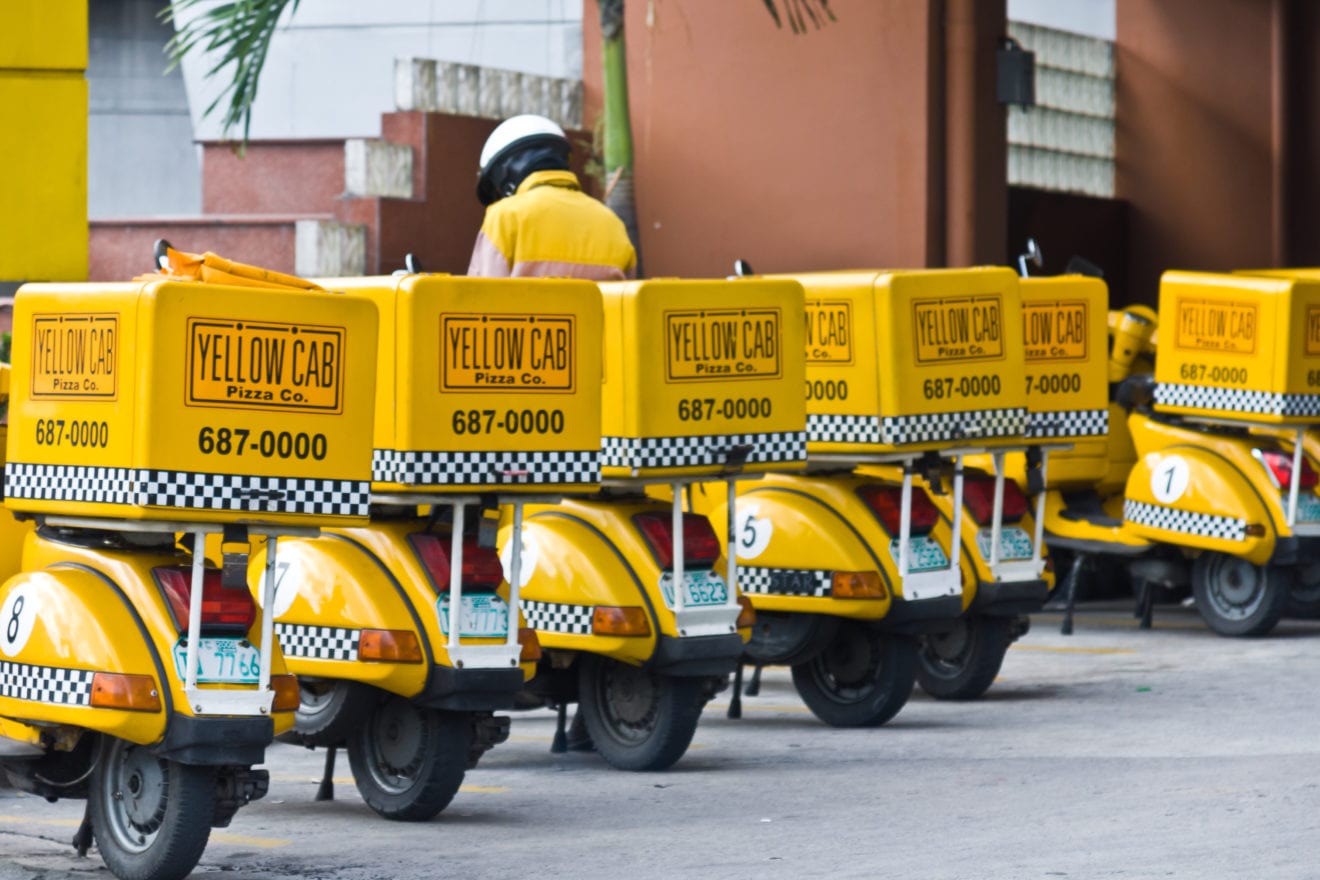
    Yellow Cab Singapore is to open soon as a Philippine group sets out to take the pizza chain into the Little Red Dot.

    Max’s Group Inc (MGI), the leading casual restaurant operator in the Philippines,

    signed a deal with a family-owned company, Pagh Pte Ltd, to build at least five Yellow Cab stores in Singapore.

    “We are thrilled with the opportunity to bring Yellow Cab Pizza in a highly strategic market such as Singapore. We are confident that our mainstream offerings and value proposition will allow us to stay competitive alongside some of the biggest global food names,” said MGI president and CEO Robert Trota.

    Yellow Cab marks MGI’s fourth brand development deal inked this year. By 2020, the company hopes to have 200 international stores.

    pizza

    “We found the right partner in Pagh Pte Ltd for this venture. We can rely on their focus and determination to deliver best quality products and genuine service to Singaporeans,” Trota added.

    “We recognize that Yellow Cab Pizza offers a different, more exciting experience than the brands currently offered in Singapore. Singaporeans are discerning in their food experience. We are therefore confident that Yellow Cab Pizza will be the Singaporeans’ place of choice for American Italian casual dining,” said Pagh director Tiara Chopra.

    Pagh was set up to invest in the casual dining business.

  • KFC owner Yum profits boosted by China sales

    KFC owner Yum profits boosted by China sales

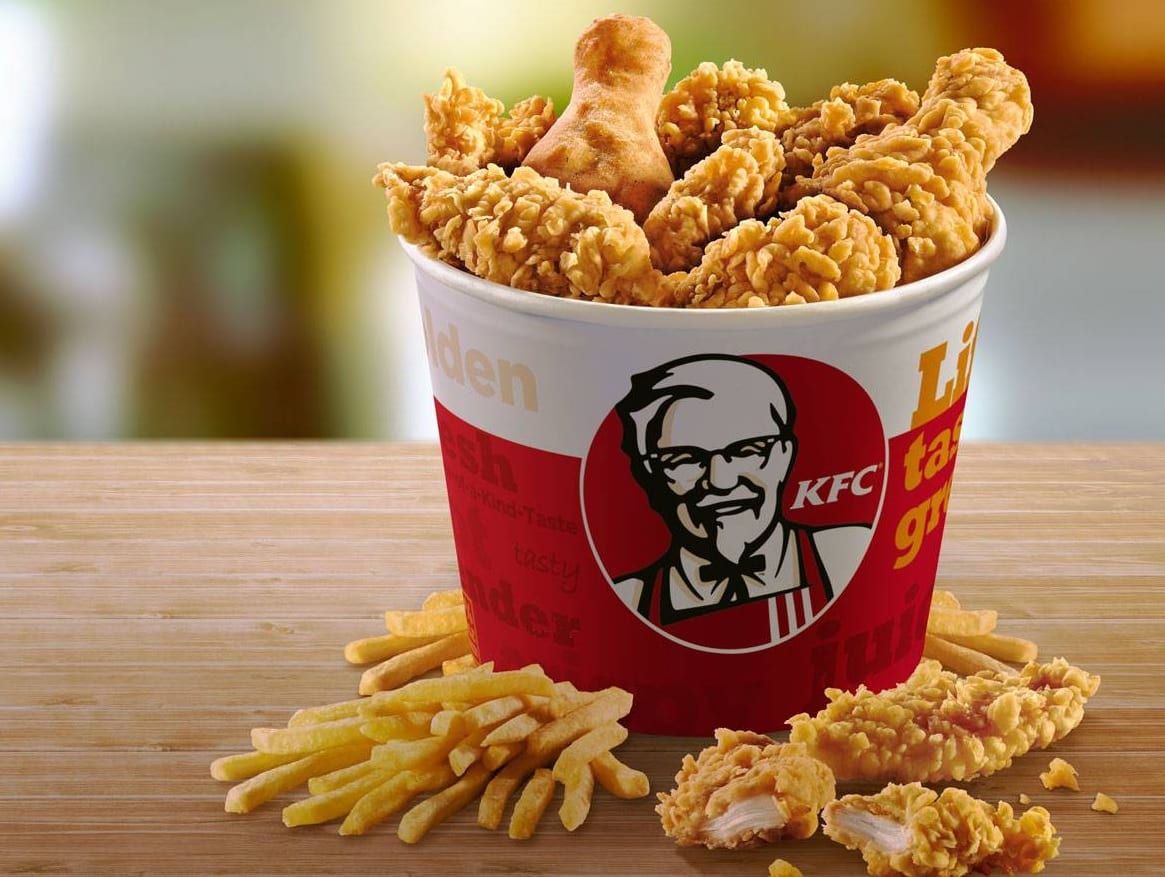
    Yum Brands, the parent company behind fast-food chains KFC, Pizza Hut and Taco Bell, has reported a surprise 8% rise in first-quarter net operating profit. One-time gains in the quarter from a Chinese New Year chicken bucket promotion helped boost sales in China and bring in profits of $391m (£273m; €346m) in the January to March period.

    Adjusted earnings per share came in at 95 cents, beating analyst forecasts for earnings per share of 83 cents. Sales at restaurants that have been open for at least a year in China — the company’s biggest profit-driving region — were up 6% from the same period a year ago, helped by a 12% sales jump at KFC China.

    Yum chief executive Greg Creed said 2016 was a “transformational year” for the company and announced that the China division would split into a separate business by the end of the year.

    The firm also upped its core operating profit growth forecast for the year to 12% from 10%. Yum shares jumped nearly 4% in after-hours trading in New York following the earnings release.

    Global sales up

    Worldwide same-store sales were up 2% in the quarter, with sales at KFC and Pizza Hut up 1% and 3% respectively. Same-store sales at the US Pizza Hut division were up 5%.

    “KFC China had an outstanding Chinese New Year bucket promotion,” Creed said in a statement. “While it’s early in the year and there may be bumps in the road, we’re confident in raising core operating profit growth guidance to 12% from 10% previously.

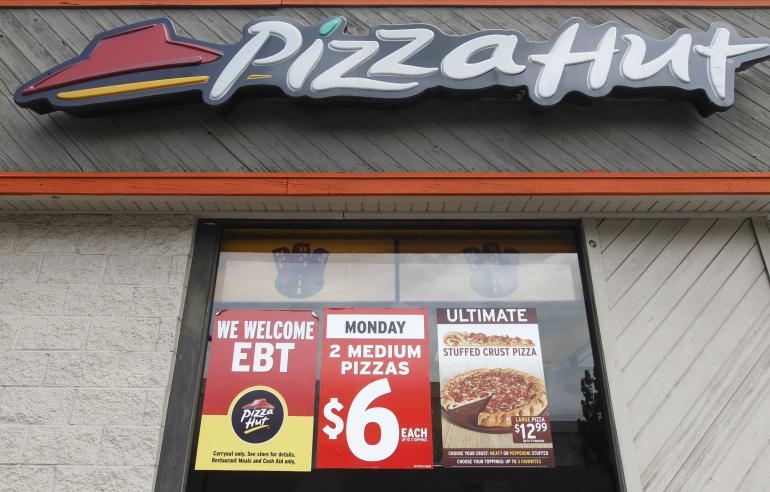
    Pizza Hut

    “This is a transformational year for our company as we remain on track to finalise the separation of our China business by year end. We look forward to establishing two powerful, independent, focused growth companies dedicated to building on our brand strengths and rewarding our shareholders.”

    Yum opened 68 new restaurants in China during the quarter, bringing the total number of its outlets in the country to nearly 7,000. It is the largest western restaurant brand in China and plans to spin-off the division into a separate publicly-traded company by year end to modernise services and streamline operations in other markets.

  • Starbucks Corporation Growth Falters, but Remains Steady in China

    Starbucks Corporation Growth Falters, but Remains Steady in China

    Starbucks Corporation posted its second quarter financial results for the fiscal year 2016 (2QFY16), after the closing bell yesterday. The world’s leading coffee chain posted a 16.3% growth in earnings, as it continued to benefit from rapid expansion and growth.

    Earnings per share (EPS) for the second quarter came in at 39 cents, in-line with the Street’s expectations. Net income was registered at $575.1 million, higher from $494.9 million or $0.33 per share, reported last year.

    Even though sales missed analysts’ expectations, the company’s president claimed it to be a record quarter, as the reported revenues outdid all preceding non-holiday quarters. In total, the $4.99 billion sales registered a 9.4% growth, from comparable quarter last year, when the company reported $4.56 billion in sales. The company lagged behind analysts’ $5.03 billion revenue estimates, by $40 million.

    The company has aggressively worked to expand its physical footprint abroad; it recently disclosed plans to launch outposts, in Germany and Italy. Starbucks also opened its first store in South Africa, yesterday. For the quarter, the company opened a total of 350 stores globally, bringing the total to 23,921 stores worldwide.

    And yet, sales growth fell shy of the Street’s estimates. Global sales from stores established for at least a year, improved just 6% for the period ending March 27. This included 2% improvement in store traffic globally, and 4% growth in average ticket. The global comps, which reflect a 200 basis points deceleration from the last quarter, disappointed investors; the company recorded 8% growth in the metric in the previous quarter.

    Disheartened investors offloaded their holdings, as the stock took a downturn in the after-hours trade and tumbled as much as 5%, to $57.58 per share. The losses trimmed down in early market hours today; the stock is now down 2.7% to $59 apiece, as of 4:00 AM EDT.

    Sturdy Domestic Numbers

    Though global same store sales were slower than expected, region-wise growth was better than expected. “We posted 6 percent increase in comps globally, but if you go region by region, there is a story under each of those regions,” commented Starbucks’ president and chief operating officer, Kevin Johnson, in the earnings release.

    By region, the Americas and the US segment posted a 7% comp growth, which was the highest for the quarter, followed by a 3% growth in the China/Asia Pacific region. Europe, Middle East, and Africa (EMEA) region reported a 1% comps growth, as the foreign currency headwind against euros and pounds continued to affect international sales.

    Growth in the US and the Americas played out well, due to the company’s constant efforts in the region. The company targets to double food revenue, from domestic flagship revenues. In this regard, it has made efforts to get more people to sign up for its mobile app. Starbucks looks to diversify its menu and push food beyond the coffee lineup, to include salad boxes and breakfast sandwiches. This strategy has played out well, as food ascribed to more than 20% of total US sales, for the quarter.

    The company’s digital initiatives, including its mobile app, have helped Starbucks report a 9% growth in global revenues. According to the earnings call, the company’s investment in mobile initiatives, including the mobile order and pay app, has made it convenient for its users to make purchases at the store. This has resulted into significant growth, on the domestic front.

    Starbucks disclosed that mobile usage and orders have nearly doubled from the comparable quarter last year. The company has processed eight million mobile ordered and paid transactions, on a monthly basis. According to an analyst at RBC Capital Markets, a normal mobile app user spends nearly three times as much as a store going customer, which can play out nicely for the company’s future revenues.

    Doubling Down on China

    Despite a slight deceleration in global comps, the company has managed to report $5 billion in a record profit, for a non-holiday quarter. China outdid all other regions, as transactions in the country grew by 5%. This growth resulted in a remarkable 18% growth in revenues.

    “Starbucks recorded Q2 financial and operating performance – including a stunning 18% increase in revenues and a 5% increase in transactions in China – underscores the strength of the Starbucks brand and the resiliency of our global retail and CPG businesses,” stated the company’s chairman and CEO, Howard Schultz. “Loyalty, technology and innovation are continuing to fuel our digital flywheel and propel our business forward all around the world.”

    With hopes of continued growth in China, the company would add 500 stores each year in the country, in a move that could make the Asian country, one of the busiest Starbucks’ markets worldwide. A new store is set to be launched in mid-June, at the entrance of the newly opened Shanghai Disneyland. As it intends to cash-in on Disney World’s popularity, the company expects the launch to become the company’s “highest grossing retail store overnight.”

    While Starbucks continues to underscore the global nature of its rapidly expanding business, Mr. Schultz commented in the conference call: “Starbucks is only getting started” in China. Though the company didn’t divulge on profit contribution from the country, China and the Pacific Region in total reported 15% growth in profits.

    In fiscal year 2016, the coffee chain has plans to launch 1,800 new outlets globally. With nearly 700 outlets planned for the US, the company plans to open around 900 in the Asia Pacific region. For the year, consolidated revenues are expected to grow by 10%; the GAAP EPS is expected to fall anywhere in the $1.85-1.86 range. For the third quarter, EPS is expected to clock in between 47-48 cents apiece.
  • 800 Degrees pizza outlet for Tokyo

    800 Degrees pizza outlet for Tokyo

    Customised pizza has arrived in Japan, thanks to American chain 800 Degrees Neapolitan Pizzeria.

    Its first outlet for the nation is at the south exit of Tokyo’s Shinjuku Station in the new Newomanbuilding complex, which features fashion boutiques and fancy eateries.

    800 Degrees Pizza res

    With an open-plan kitchen set-up, 800 Degrees features quick-baked pizzas that can be customised when ordering, including the style of base, cheese and sauce selection, and protein and vegetable toppings, even including renkon (lotus root). Side salads can also be customised, and specialty pizzas are also available.

    800 Degrees Pizza inside

    After assembly, the pizzas go into a wood-burning oven and are ready within a minute.

    Already there are queues at the outlet, with customers sometimes having to wait about 30 minutes to be served. However, after ordering customers will be given a pizza number if the restaurant is busy.

    Japan is the second international destination for 800 Degrees, which has four outlets in Dubai.

  • Starbucks China convinces suppliers on ethics

    Starbucks China convinces suppliers on ethics

    Ten years ago when Starbucks China hosted its first suppliers summit there were just 10 people present.

    This year, more than 350 supplier representatives were in Shenzhen to hear the coffee giant’s pitch to join its commitment for a sustainable, ethical supply chain.

    “We studied the leadership position we were taking to get high-quality coffee,” said Kelly Goodejohn, director, Starbucks ethical sourcing. “We wanted to build something similar for other products that we source.”

    Similar to coffee, Starbucks wanted to understand where manufactured goods were sourced, how farmers and workers were being treated and the impact the suppliers were having in local communities. The summit served as a starting point to gain more of this knowledge, no matter what the products being sourced are.

    “It was an awareness opportunity,” said Goodejohn. “What we found was that many of our suppliers shared our values, wanted to do more for their employees and communities, but didn’t know how to do it.”

    The 10th Annual Supplier Summit this week featured Starbucks leaders, representatives of nonprofits and industry experts. During the event, Starbucks shared key company initiatives, discussed global responsibility goals and provided tools and resources to help suppliers improve business practices.

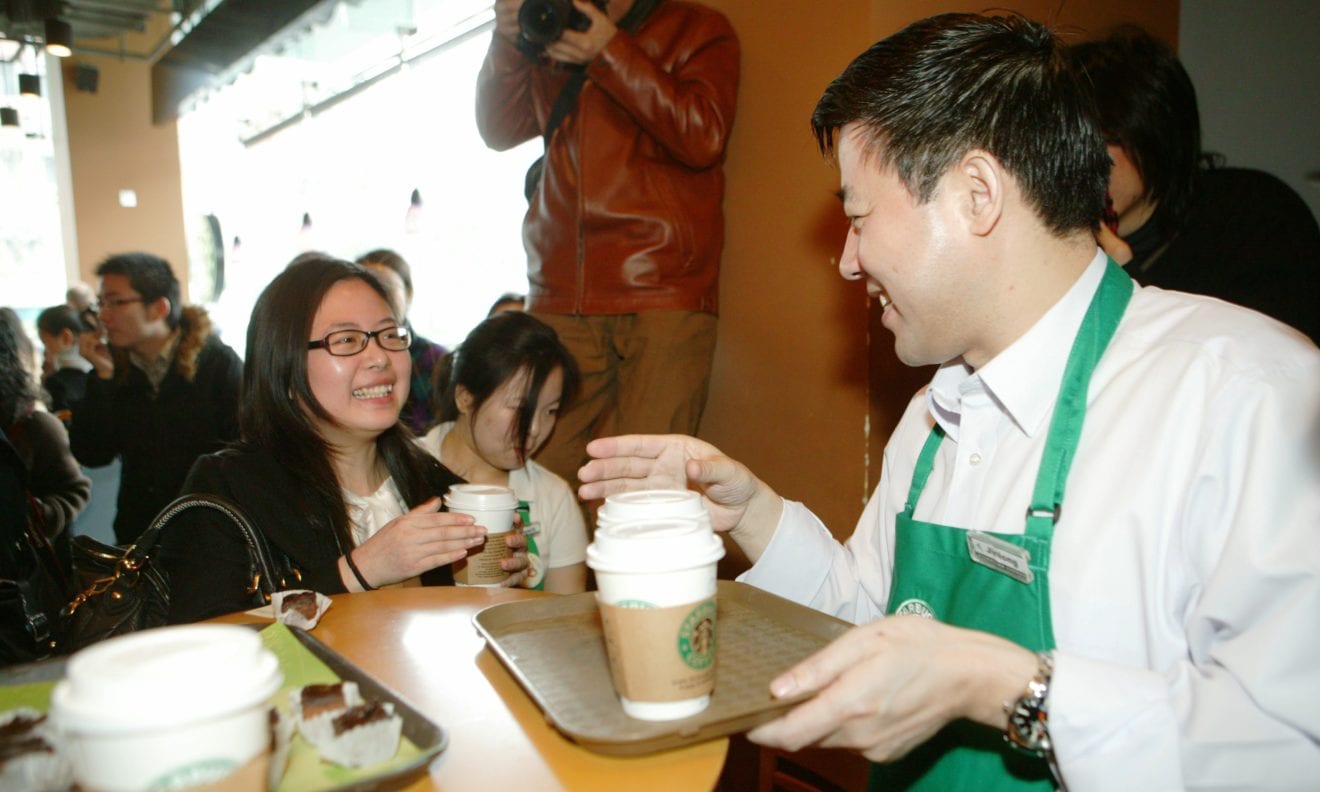
    Starbucks China


    Building trust

    Back in 2006, at that first summit, one of Starbucks goals was to cultivate a stronger rapport with suppliers.

    “Building authentic relationships with our suppliers was important as well as working with them to make improvements,” said Goodejohn. “Over time, we have worked with our suppliers in China to improve labor and environmental performance to enable higher overall performance, so they are positioned to grow with Starbucks as our business grows.”

    At first, not all suppliers were willing to take Starbucks at face value.

    “It was difficult to build trust, but we got there,” said Goodejohn. “While some suppliers moved on, the majority were willing to work with us and are still our suppliers today.”

    Starbucks has worked with suppliers to improve worker health and safety, ensure employees get paid a fair wage, provide better living conditions at factory dormitories and confirm that products are made without emitting dangerous chemicals to protect water and air.

    Three years ago, Starbucks incorporated community service into the supplier summit to highlight an important aspect of the company’s mission.

    On Wednesday, suppliers, Starbucks partners (employees) and customers convened for a beautification and career development service project at the Shiao Community and the Young Dream Center in Shenzhen. The project is one of many that the company will engage in during its Global Month of Service that takes place throughout the month.

    Sharing knowledge

    As a way to support suppliers on the ground year-round, Starbucks hired two field managers in China to help implement best practices related to social and environmental performance. They teach factory managers and work on continuous improvement with suppliers.

    “I’m immensely proud of what we’ve done and the partners who are elevating ethical sourcing with suppliers on a regular basis,” said Goodejohn.

    “We have many countries that manufacture goods for us and we can bring the learnings from China to other regions. We have the right momentum and we will keep moving.”

  • Waitrose China launches via Alibaba

    Waitrose China launches via Alibaba

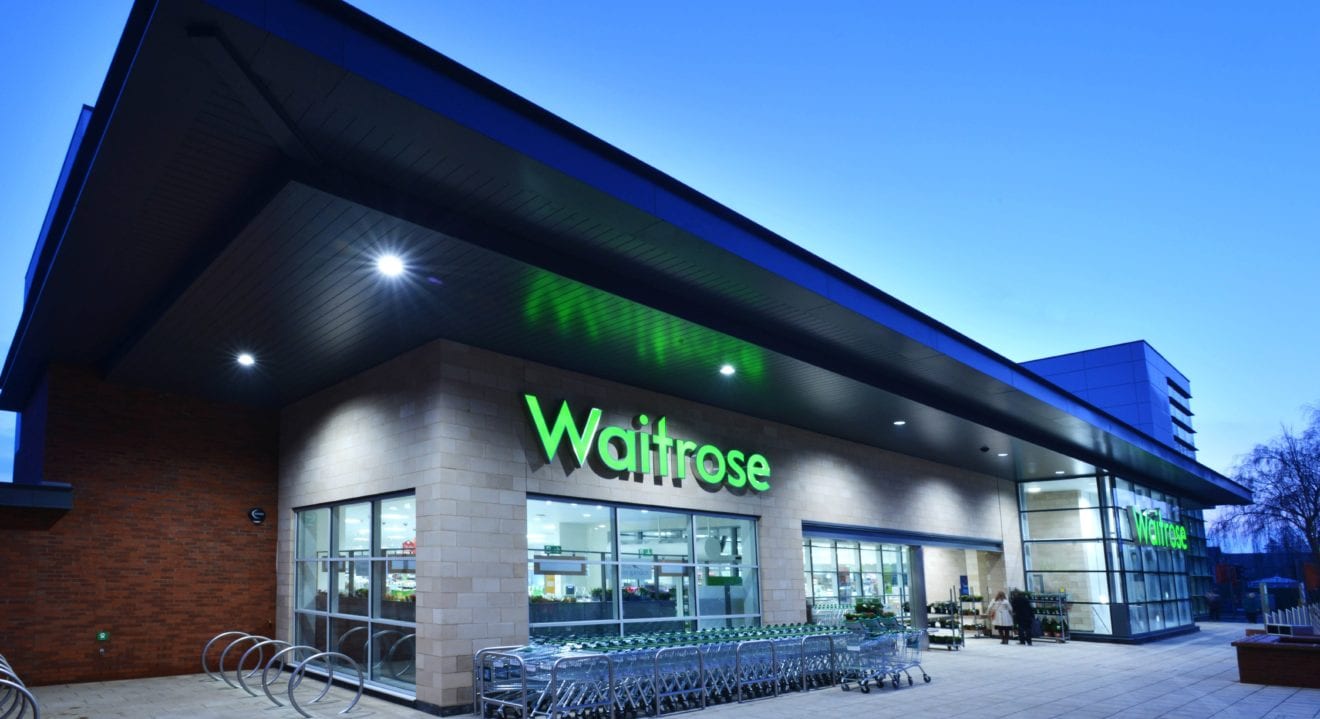
    Upmarket British grocery chain Waitrose has broken new ground in a deal with online marketplace Alibaba, opening the doors for it to export to China.

    Waitrose China will offer products and ranges to buyers across the mainland exclusively through theRoyal Mail Store on Tmall Global, Alibaba Group’s online marketplace. Waitrose arranged the deal through Avenue51, which runs Royal Mail’s store on the platform.

    Royal Mail promotes British companies, and Waitrose will be one of its highest-profile brands with a dedicated page on its online store. There will be 30 products initially, including biscuits, cereals, coffee, nuts and tea, plus beauty, baby and organic ranges.

    “The potential for Waitrose in China is huge, and though this is a relatively modest start it’s our ambition to see it become our biggest international business in the next three to five years,” says Waitrose commercial director Mark Williamson.

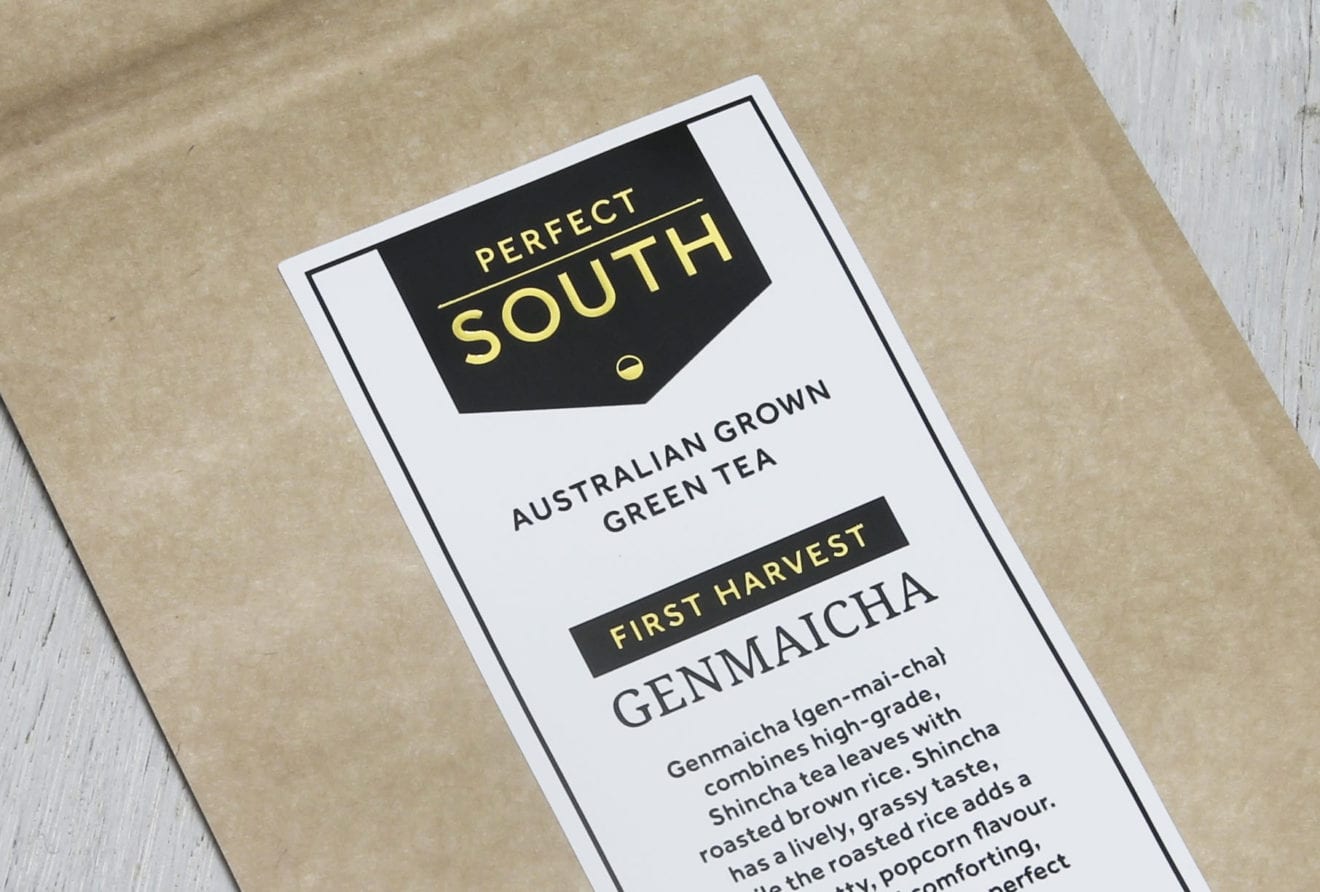
  • South Tea exporters to double volumes to Malaysia, Indonesia

    South Tea exporters to double volumes to Malaysia, Indonesia

    Tea exporters from south are exploring opportunities to double their exports to Malaysia and Indonesia by joining hands with the tea industry in those countries.

    The exporters’ organisation has signed an MoU with trade representatives in Malaysia to double exports and to create a brand which will cater both domestic and export markets.

    With Indonesian industry the exporters are exploring to see whether they can create a new blended products suitable for that country.

  • McDonald’s Asia to sell 2800 restaurants

    McDonald’s Asia to sell 2800 restaurants

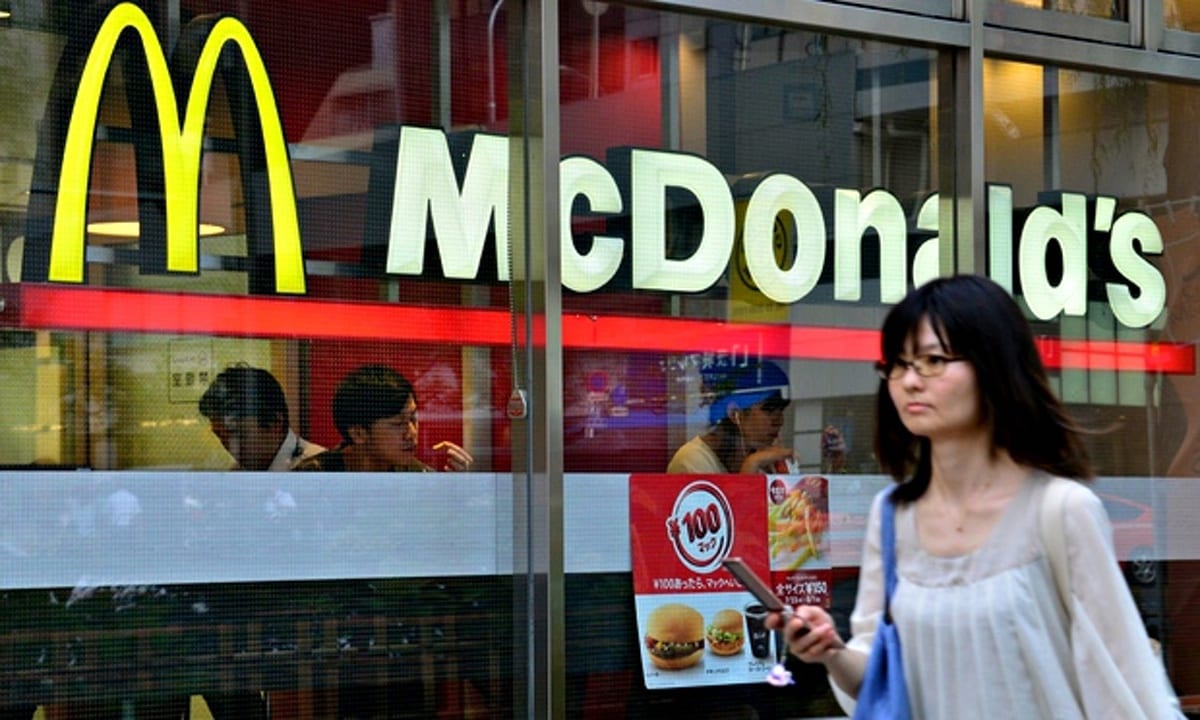
    McDonald’s Asia is preparing to sell some 2800 restaurants across Asia as it introduces a new business model in its fastest growing major market.

    And Reuters has named frontrunning investors in what looks to be a spin-off business in much the same nature as Yum! Brands is selling off its Chinese KFC, PIzza Hut and Taco Bell operation.

    Early contenders as partners with McDonald’s US include state-backed China Resources and private equity investors Bain Capital, TPG Capital, Baring Private Equity Asia and MBK Partners. China Resources already has street cred in the food sector, operating Pacific Coffee chains in Hong Kong, Macau, Singapore and China.

    McDonald’s is planning to create a new Asian business which would own restaurants as master franchisee, using local market knowledge and capital to expand networks in respective markets.

    Operations in China, Hong Kong, Macau and South Korea would be rolled into the new entity, although it is highly likely separate businesses could be created for each market – one for China, one for Hong Kong-Macau and another for Korea.

    McDonald’s has a stand-alone, listed business in Tokyo which encountered huge market problems several years ago and last year lost US$310 million after a major cull of its network. The company is trying to sell down its stake in that business from 49.99 per cent to 20 per cent.

    Inside Retail Hong Kong expects that McDonald’s Asia would likely be funded by a cashed-up investment partner for about five years before potentially being floated, most likely in Hong Kong.

    A fortnight ago, McDonald’s Chicago-based CEO Steve Easterbrook revealed plans to open 1500 new stores across China, Hong Kong and Korea within five years – 1300 of those in Mainland China. Globally, the company plans for 95 per cent of its restaurants to ultimately be franchised.

    In China’s mainland, McDonald’s already operates some 2200 restaurants – its new target is 3500.

    Easterbrook says strategic partners could “add value and unlock growth potential in key markets” in Asia.

    “This will allow McDonald’s to accelerate our growth and scale faster across diverse markets placing us closer to our customers and the communities we serve,” he said on March 31.

    Reuters quotes sources revealing McDonald’s has engaged Morgan Stanley to run the sale of the restaurants in China, Hong Kong and South Korea, with a formal, public sale process to be launched in mid-May.

    The final business model is subject to negotiations with potential buyers, but McDonald’s expects a one-time franchise payment and ongoing royalties based on sales – the typical industry rate running between 3 per cent and 5 per cent. Capital investment required to roll out new stores would be the responsibility of the franchisee.

    Reuters said McDonald’s declined further comment beyond its March 31 statement from Easterbrook and the private equity companies named, China Resources and Morgan Stanley all also refused to comment.

  • Affinity buys Burger King Korea

    Affinity buys Burger King Korea

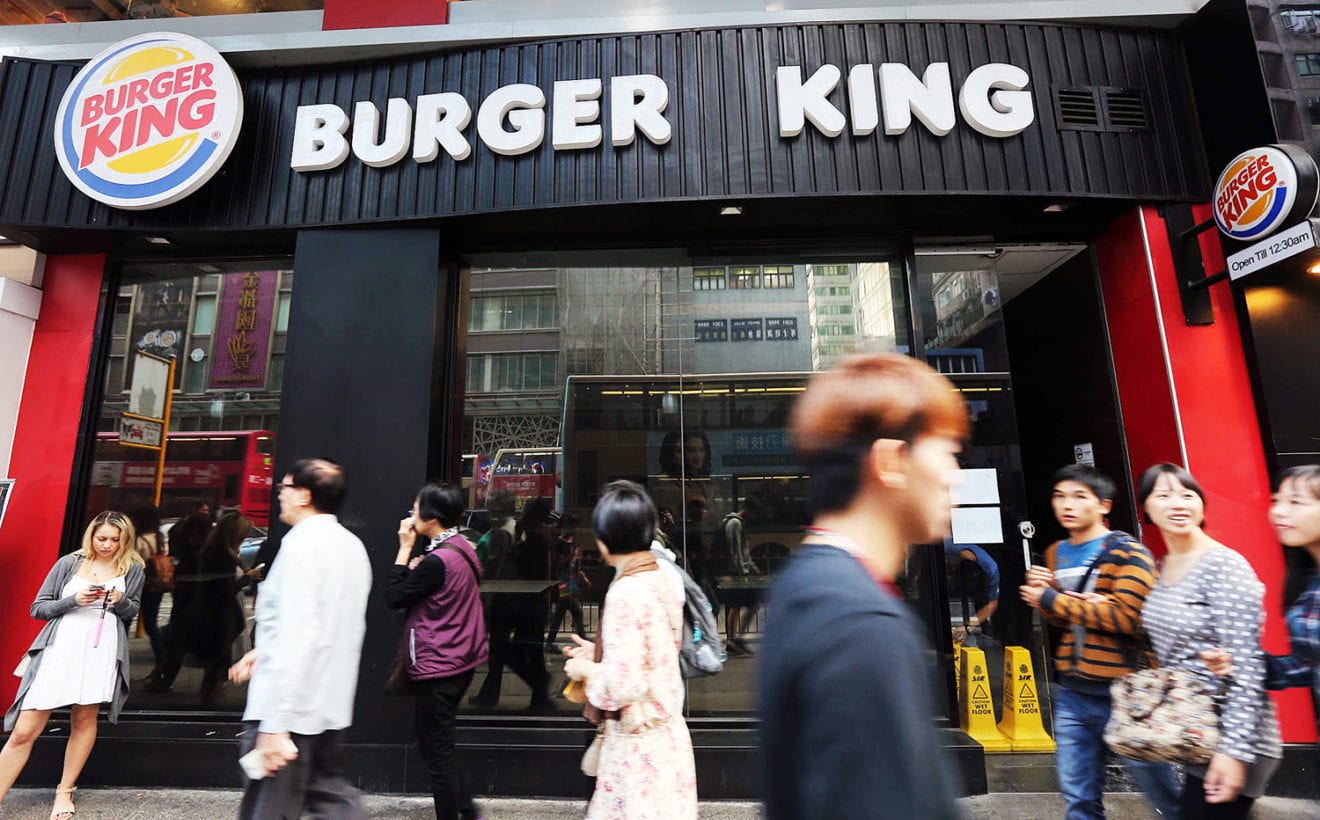
    Burger King Korea has been snapped up by private equity investors.

    Affinity Equity Partners has completed the buyout of the Korean business of the US fast food brand for 210 billion won (US$183.3 million), after agreeing to terms in February. The vendor was VIG Partners.

    Affinity is already planning to open new outlets as a first step in increasing sales.

    Meanwhile, Korean news media report rival fast food chain McDonald’s is seeking a strategic partner to run the local operation and speed up its network expansion.

    “We’re committed to Korea for the long-term and intend to combine our global brand with local insights and expertise,” said Steve Easterbrook, McDonald’s CEO and president.

    “This gives us the ability to enable faster decision-making, achieve restaurant growth and deliver a great restaurant experience for our customers in Korea.”

  • Tenant Manila is a cafe and a surfwear shop in one

    Tenant Manila is a cafe and a surfwear shop in one

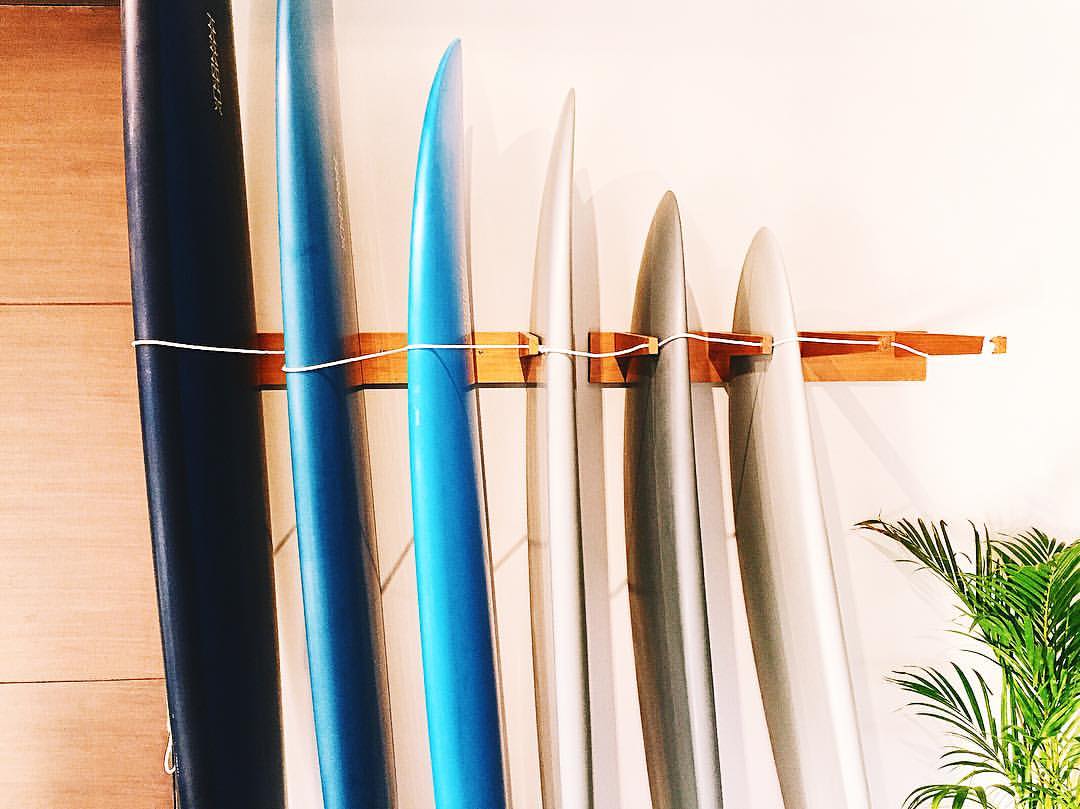
    On the ground floor of Solace Hotel in Makati, there is a coffee shop, and just above it, a lifestyle boutique specializing in surfwear. It’s an unfamiliar, if welcome, amalgamation of the laid-back vibe of a neighborhood cafe, the stylish urbanity of the city, and the anything-goes attitude associated with going out to the water to catch some waves. How, then, has such a place come to exist?

    tumblr_o37d6py7wa1qf32sfo1_1280

    Nearly 20 years ago, the designers Anton Lopez and John Esguerra met while working at Diesel in Italy before eventually going on different paths. “When John moved to Hawaii to surf and design, I moved to Hong Kong to work for Nike,” Lopez explains. “We stayed in touch and always spoke about the potential of developing our own brand and retail concept.” Despite their Filipino heritage, neither Lopez nor Esguerra grew up in the Philippines. This led them, Lopez says, to be “fascinated with the idea of coming ‘home’ and developing a unique brand that was based in Manila [and] had strong influences and inspiration from all the places we’ve lived.”

    Tenant Edit.jpgQuality Peoples statement tee. Photos by PATRICK DIOKNO.

    Out of that fascination came Tenant Manila, a cafe-boutique opened in February that is, according to Lopez, “rooted in surf and beach culture,” something they felt was “a natural and authentic fit for a brand developed in the Philippines.” The coffee shop serves an array of drinks (aside from the caffeinated kind, they have tea, juices, and alcoholic beverages), snacks, and meals. Meanwhile, the second-floor shop sells everything from men’s apparel and accessories to surfboards and even books. “The idea behind merging a cafe and a retail shop was to blur the lines of what a retail experience is meant to be,” Lopez says. It’s a concept that they believe appeals to everyone: “We wanted to create a space where you can shop, design, meet, have a drink — multipurpose without any pretenses.”

    Tenant 4.jpgMollusk windbreaker, Saturdays NYC tee and H&M trousers. Photos by PATRICK DIOKNO.

    Lopez believes that Tenant is distinct in its branding. “We believe we distinguish ourselves first by our unique brand partners,” he says. “Most of [them] decided to launch first with us in the Philippines.” The shop carries products by Saturdays NYC, Converse, Kapital, Mandala (making its retail debut), Mollusk, and Esguerra’s own Quality Peoples, to name a few. In addition, they are expanding the shop’s offerings within the year with new menu items, new brands, and events relating to art, music, and film.

    The largest project will involve the development of an in-house brand with its own products this summer. “[It] will encompass Tenant culture,” Lopez says. “Good quality, attention to detail, relaxed and authentic clothing and accessories.”

    tumblr_o3cqsvmJH21qf32sfo1_1280

    Lopez and Esguerra believe that what they’ve built really connects to the modern Filipino lifestyle. “I think we are, in essence, a modern concept and creative brand,” Lopez shares. “And with that alone, I think we fit into anyone’s lifestyle. We hope to connect with Filipinos based on our honest and thoughtful approach through all aspects of the Tenant brand.” He adds: “Our hope is that Tenant is recognized as a creative environment for everyone, a space with beautiful and well-curated apparel and goods. Somewhere to have a great cup of coffee and good conversation with your friends.”

    Tenant 5.jpgSaturdays NYC knit pullover (left) and Saturdays NYC bonnet. Photos by PATRICK DIOKNO.

    ***

    Styled by David Milan
    Grooming by Gery Penaso for MAC Cosmetics
    Modeled by Javi Marcalain
    Shot on location at Tenant Manila


  • Major gains made in commercial meat export agreements with China

    Major gains made in commercial meat export agreements with China

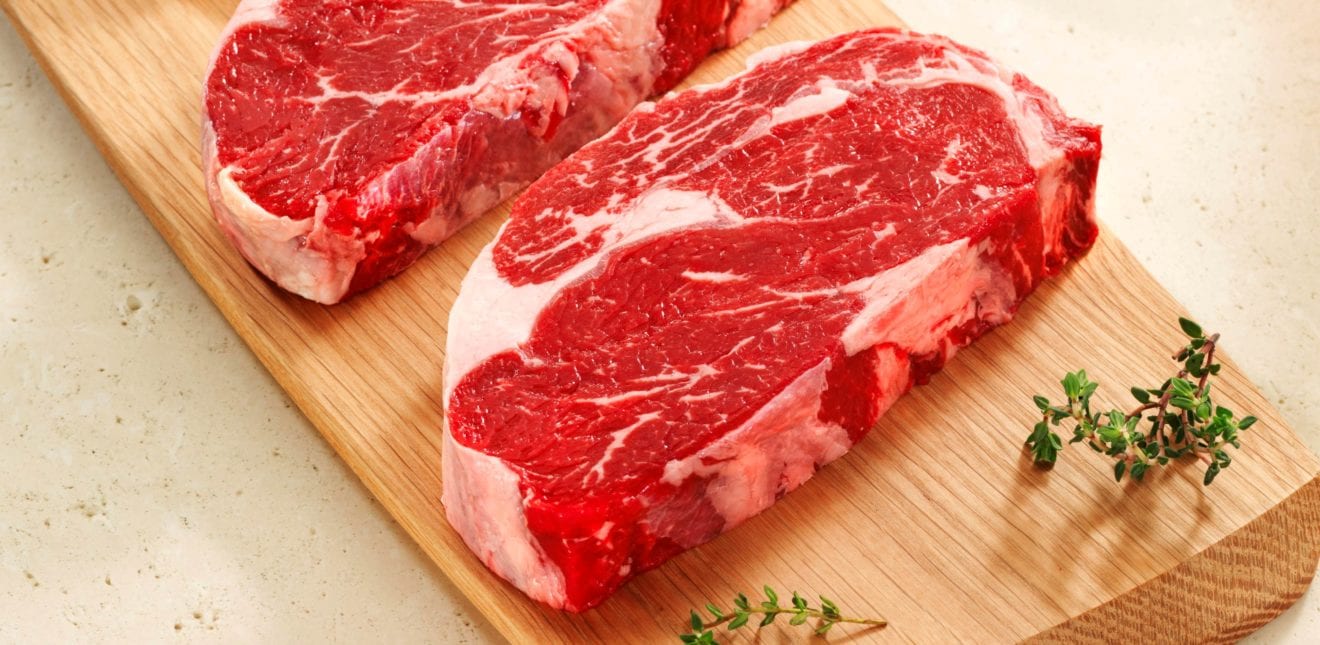
    A multimillion dollar deal with a farming corporation in China will see New Zealand’s  Alliance Group become one of the largest exporters of meat in that market.

    The “grand alliance” between Alliance Group and Beijing Businesman Chen Xibin, who owns Grand Farms, will help to boost large volumes of valued-added sheep meat and venison products into the Chinese market

    The deal was signed at an event in Beijing, where Prime Minister John Key is leading a 40-strong trade delegation.

    Alliance chief executive David Surveyor said it shifted the relationship from a transactional one, to a value-added one, which included services and expertise training.

    But the deal is around the export of frozen meat only. Restrictions on chilled meats meant New Zealand could not export chilled meat to China, although Australia delivered its first shipment of chilled meat this year, under their FTA.

    Surveyor said he believed chilled meat exports were inevitable, but could be some time away.

    “These are matters for Government obviously to work through, but there’s a great usefulness to New Zealand and to Chinese consumers to see chilled happen.”

    Alliance Group is a co-operative owned by 5,000 farmer shareholders, headquartered in Invercargill, with eight plants across the country.

    It’s New Zealand’s largest sheepmeat processor, and it’s second largest meat exporter.

    Its in-market partner in China is Grand Farms, China’s single largest importer of sheepmeat. The company processes 70 per cent of the lamb supplied by Alliance Group into lamb rolls, kebabs and finished retail ready products.

    Volumes of exports to China have already increased by 35 per cent over the past five years.

    Alliance general manager marketing Murray Brown said the agreement was built on a 17-year relationship already established with Grand Farms.

    “We’re looking at more value in terms of retail packs of lamb and retail packs eventually of venison and beef under the Pure South brand to go to retail.

    “But basically [Chen] wants to be the largest importer of sheep meat, to support his investment in processing facilities in the market.

    “Largely through us, and it will reach a level at some stage where we won’t be able to service it so then the next stage after that, which is a discussion we’re yet to have, is do we source it on their behalf,” said Brown.

    Surveyor said Alliance used to be a much larger company than Grand Farm, but the rapid growth of Grand Farm was a testament to the scale of the Chinese market.

    “There is some prospect that at some moment in time, we won’t be able to meet all of their needs, and so I think that creates that opportunity for us to perhaps be able to work with some of the other players in the New Zealand industry.”

    Grand Farm owns 96 meat shops, operates 260 branded meat counters in selected hypermarkets and supplies to over 1000 hypermarkets in China.

    Surveyor would not comment on the value of the deal, but said Alliance put about 20 per cent of its total volume into China.

    “We’re about $1.5 billion in turnover, and by far the majority of that is through Grand Farm.”

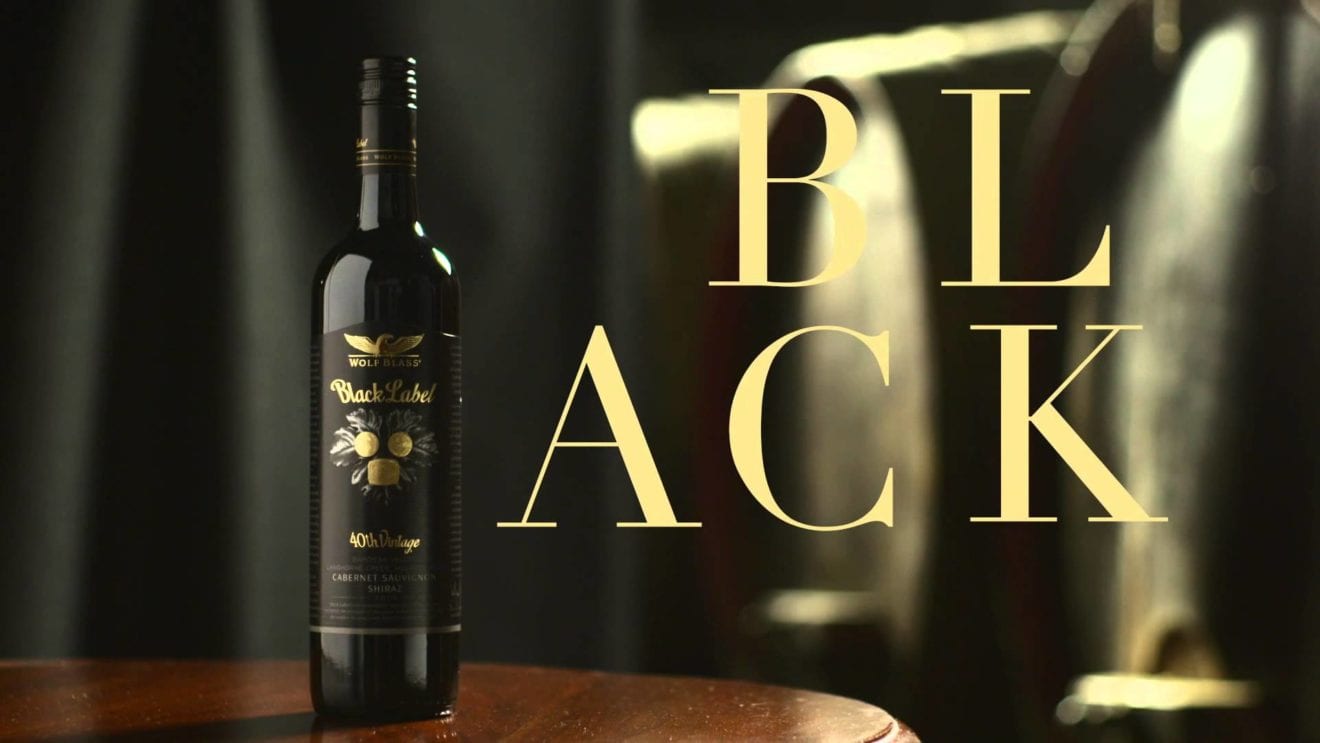
  • 7-Eleven awards Wolf Blass wine

    7-Eleven awards Wolf Blass wine

    The convenience market channel in Hong Kong has traditionally been the most significant retail sales channel for beer. The rise in wine sales through this channel with brand recognition evidences evolution of Hong Kong as a wine market.

    The brand winning criteria were based on combined scores tallied from consumer votes as well as by 7-Eleven staff during the January 2016 voting period.

    Along with Wolf Blass, other beverage companies that picked up awards at 7-Eleven’s ceremony included global brands such as Red Bull and Heineken.

    TWE-Barry-Galloway-receiving-the-award-on-behalf-of-Wolf-Blass-350x350

    “This award is a credit to our sales and merchandising team in recognition for their great work through this important Hong Kong convenience channel,” said Barry Galloway, Country Manager of Hong Kong, Macau and South China, Treasury Wine Estates.

    “I would also like to extend my congratulations to the Wolf Blass team as this accolade is testament to the outstanding efforts of our winemakers for producing exceptional quality wines enjoyed by consumers in Hong Kong and the world over.”

    Speaking to dbHK, Galloway admitted that although sales through the convenience market channel didn’t compare with sales through supermarkets and specialist wine stores, it was an important step for TWE’s market penetration in Hong Kong.

    According to Galloway, the popularity of the brand has posed a small challenge: that they have temporarily run out of stock of the smaller formats, as they proved so popular at the convenience stores.

    Established in the Barossa Valley in 1966, Wolf Blass has grown from a humble tin shed to become one of the world’s most successful and awarded wine brands.

    Already a recipient of more than 8,000 medals and trophies at national and international wine shows, this award is probably one of its more eclectic ones.

  • Price war scratches Korean espresso chains

    Price war scratches Korean espresso chains

    Major franchised Korean coffee chains saw their revenue fall in 2015 in the face of tougher competition with cheap take-out coffee amid economic slowdown, heading to another tough year, data shows.

    Homegrown coffee brands have sprung up in Asia’s fourth-largest economy over the past decade to capitalise on the growing population of coffee drinkers, but their growth has slowed recently in the saturated domestic market.

    Adding to their woes, low-cost coffees at convenience stores and mini take-out stalls have enjoyed growing popularity among price-conscious consumers, posing a threat to franchise coffee shops standing on every corner of major streets.

    Coffee Bean & Tea Leaf, an American franchise chain owned by Seoul-based Mirae Asset Private Equity Fund, posted 138.9 billion won (US$121.3 million)  in sales last year, down 5.1 per cent from a year ago, its regulatory filing showed. Its operating profit tumbled 68.5 per cent to 3.9 billion won, although the number of its shops increased by just nine to 234 during the period.

    Paul Basset, a specialty coffee house operated by Maeil Dairies Co, said it logged 48.4 billion won (US$42.3 million) in sales, but its net swung to a loss of 180 million won due to rising marketing costs and aggressive store expansion.

    Sales at Caffe Bene sank 14.9 per cent on-year to 121 billion won, expanding operating loss nearly four times to 11.4 billion won due to slumping businesses of other food franchise subsidiaries.

    While mid-end franchise stores had a sluggish year, brands at both ends of the price spectrum were largely unscathed by the latest consumption trend.

    Ediya, a low-end coffee shop with the largest number of outlets – over 1500 nationwide – raised 135.5 billion won in sales, up 16.5 per cent from a year ago. It plans to expand its network to 2000 this year.

    And sales at US coffee giant Starbucks also rose 25.4 per cent on-year to 773.9 billion won (US$675.7 million) in 2015 on the back of high-end specialty coffee service and bakery items.

    Another tough year is awaiting the major coffee brands as convenience stores have been aggressively expanding in-store coffee services nationwide. Their coffee is considered drinkable at a price as cheap as 1000 won, about a quarter of Starbucks’ tall Americano sold at 4100 won in South Korea.

  • Indonesian government sets rice export target for 10 countries

    Indonesian government sets rice export target for 10 countries

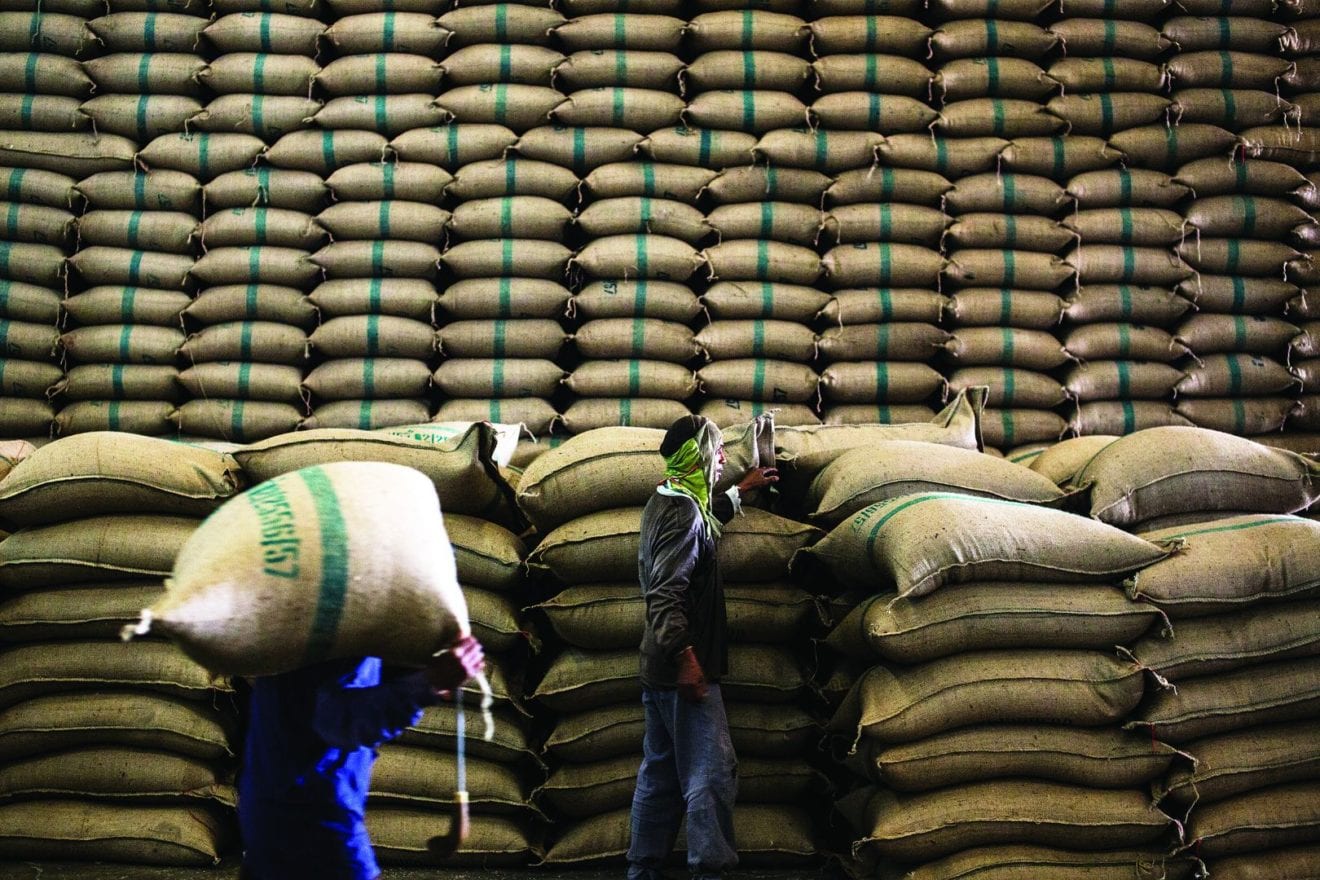
    The Indonesian government has set itself the target of exporting 100 thousand tons of rice to 10 Asian and European countries as part of efforts to increase farm commodity exports this year, an official said.

    The Director General of Agricultural Infrastructure and Facilities of the Agriculture Ministry, Sumarjo Gatot Irianto, said that the 10 destinations to which Indonesian rice would be exported include Malaysia, Singapore and Brunei Darussalam.

    “We plan to export organic rice to Germany,” he said.

    Therefore, the government will make every effort to procure as much rice as possible this year to meet the demand for rice, he said.

    “We have not set any target for procuring rice. What is important is that we must be able to procure as much rice as possible so that we can export the surplus,” he said.

    Above all, the national logistics board (Bulog) must be able to control rice prices at the farmer level by procuring the staple food. This will enable the government-set purchase prices to kick in, he said.

    “If the price of unhusked rice at the farmer level falls, the government will be obliged to buy the rice soon to maintain the rice prices,” he said.