Category: Food

Retail News Asia is committed to providing both local and global retailers with the latest Food and Food & Beverage news throughout the Asian market. This on a daily base.

  • Asia Pacific Breweries Singapore to axe exclusivity practice after probe

    Asia Pacific Breweries Singapore to axe exclusivity practice after probe

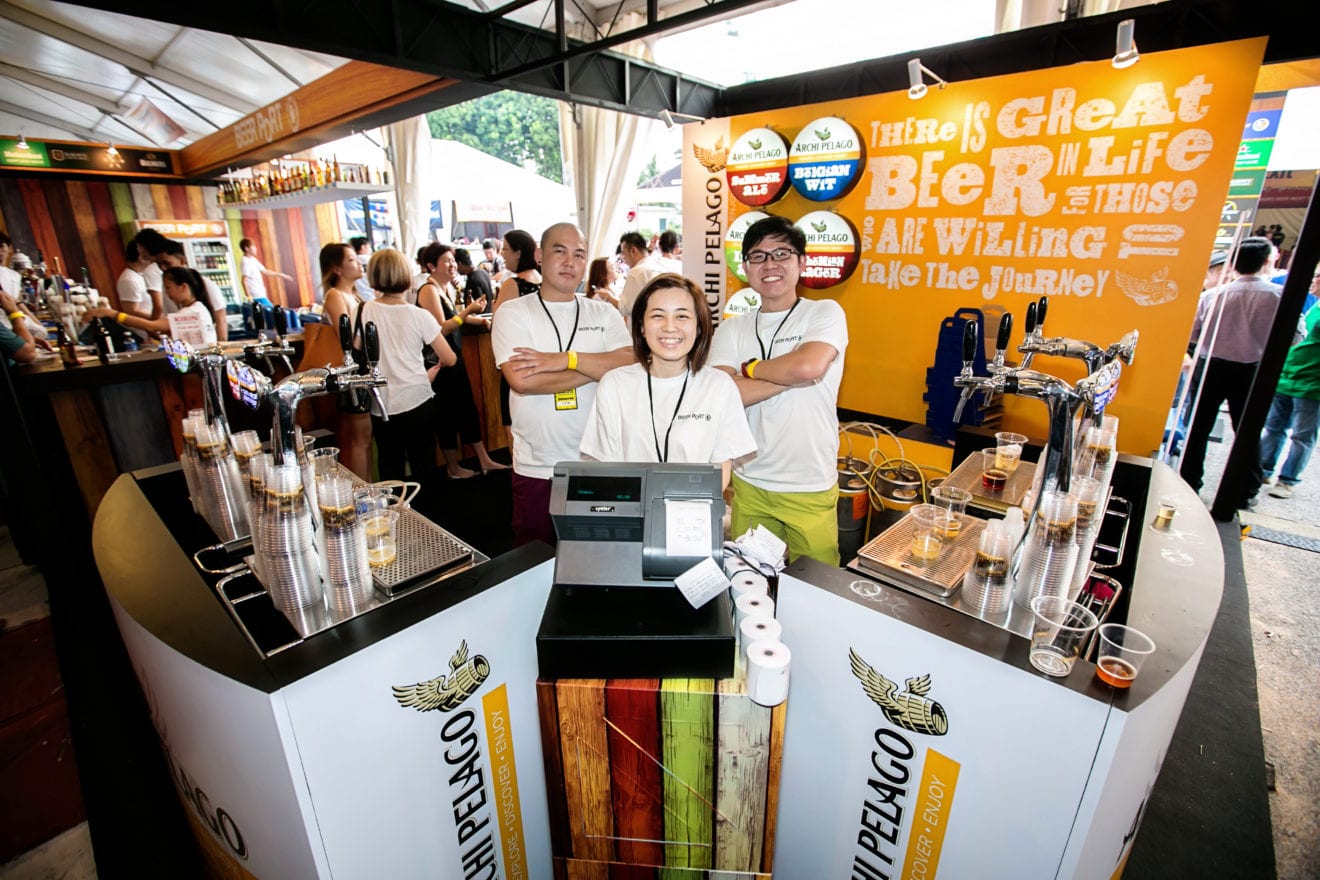
    Asia Pacific Breweries Singapore has agreed to stop supplying draught beer to retail outlets on an exclusive basis after it was investigated by the Competition Commission of Singapore (CCS).

    The CCS said in a statement on Wednesday that it had acted on complaints, adding: “The outlet-exclusivity practice had prevented retail outlets from selling draught beers from competing suppliers and restricted the choices of draught beers available to retailers and consumers.”

    Under competition laws here, a dominant firm is prohibited from preventing or impeding its competitors from competing effectively through exclusive business practices.

    In its investigation, the CCS obtained information on the beer market in Singapore from retailers and beer suppliers.

    Asia Pacific Breweries Singapore(APBS) has since provided the CCS with a voluntary commitment to cease its outlet exclusivity practice.

    The change in the company’s business practices will be applicable to all draught beer contracts entered into with retailers on and after Dec 28 2015, including new and renewal contracts. APBS will also be required to provide CCS with documents to show that these changes have taken effect.

    The CCS will continue to monitor market practices

    CCS chief executive Toh Han Li said: “The removal of these exclusive business practices will allow retailers to stock a greater variety of draught beers, leading to a more vibrant market with more choices for consumers, as well as opportunities for existing suppliers and new entrants including microbreweries and craft beer suppliers.”

    He added that in general, exclusive agreements made by a dominant firm that harm competition may be illegal under the Competition Act.


  • Singapore’s Wilmar invests $13mn to leverage Vietnam’s leading sauce brand

    Singapore’s Wilmar invests $13mn to leverage Vietnam’s leading sauce brand

    Wilmar International has teamed up with leading local retailer Saigon Co-op to form a joint venture for a multimillion-dollar sauce making plant in Vietnam, the Singaporean agribusiness group announced Tuesday.

    Wilmar International holds a 51 percent stake, worth around US$13 million, in the joint venture that will establish the Nam Duong International Foodstuff Corporation to overtake a project to build the $25.6 million sauce factory in Ho Chi Minh City.

    The new facility, to be located in the outlying district of Nha Be, will take over the current operations of an existing Saigon Co-op factory to manufacture sauces and condiments sold under the Nam Duong brand, according to Wilmar.

    The plant’s products will serve both domestic and export markets.

    Established in 1951, Nam Duong is amongst the leading brands for sauces and condiments in Vietnam, which include soy sauce, chilli sauce and tomato sauce.

    These products are also currently being sold in export markets such as the U.S., Canada and Europe and are favored by overseas and Vietnamese consumers.

    Nam Duong International Foodstuff Corporation will leverage Saigon Co-op’s strength in distribution and Wilmar’s experience in manufacturing operations as well as its research and development in food technology and also tap the agribusiness group’s global network for export sales, according to the Singaporean firm.

    “The combination of Saigon Co-op and Wilmar Group’s strengths in the Nam Duong International Foodstuff Corporation joint venture will be a milestone in the Vietnamese consumer market,” Saigon Co-op general director  Nguyen Thanh Nhan said.

    Saigon Co-op boasts the most extensive modern retailing network in Vietnam and has intimate knowledge of Vietnamese consumers’ taste and preferences, whereas Wilmar is experienced in the manufacture and distribution of food products globally, Nhan elaborated.

    The cooperation is also expected to “increase the reach of the Nam Duong brand and grow their sauces and condiments business significantly,” according to Ray Chew, country head of Wilmar’s business operations in Vietnam, Cambodia and Laos.

    Saigon Co-op is well known for its wide and varied distribution channels, including the Co.op Mart supermarket chain, Co.op Food convenience stores, Co.opXtra hypermarkets, Ben Thanh Store, the Co.op Store chain, and the SC VivoCity complex.

    In 2015, Saigon Co-op was conferred Vietnam’s Leading Retailer Award and was listed among the “Top 200 leading retailers in the Asia Pacific” by Retail Asia Publishing and market research group Euromonitor.

    Wilmar International, founded in 1991 and currently Asia’s leading agribusiness group, is ranked among the largest listed companies by market capitalization on the Singapore Exchange.

    Its business activities include palm oil cultivation, oilseed crushing, edible oils refinement, sugar milling and refining, specialty fats, oleochemical, biodiesel and fertilizer manufacturing, and grain processing.

  • Luxury fashion brands diversify into food and beverages in Asia

    Luxury fashion brands diversify into food and beverages in Asia

    Luxury brands have begun to expand beyond their core but saturated fashion businesses into the food and beverage sector in Asia.

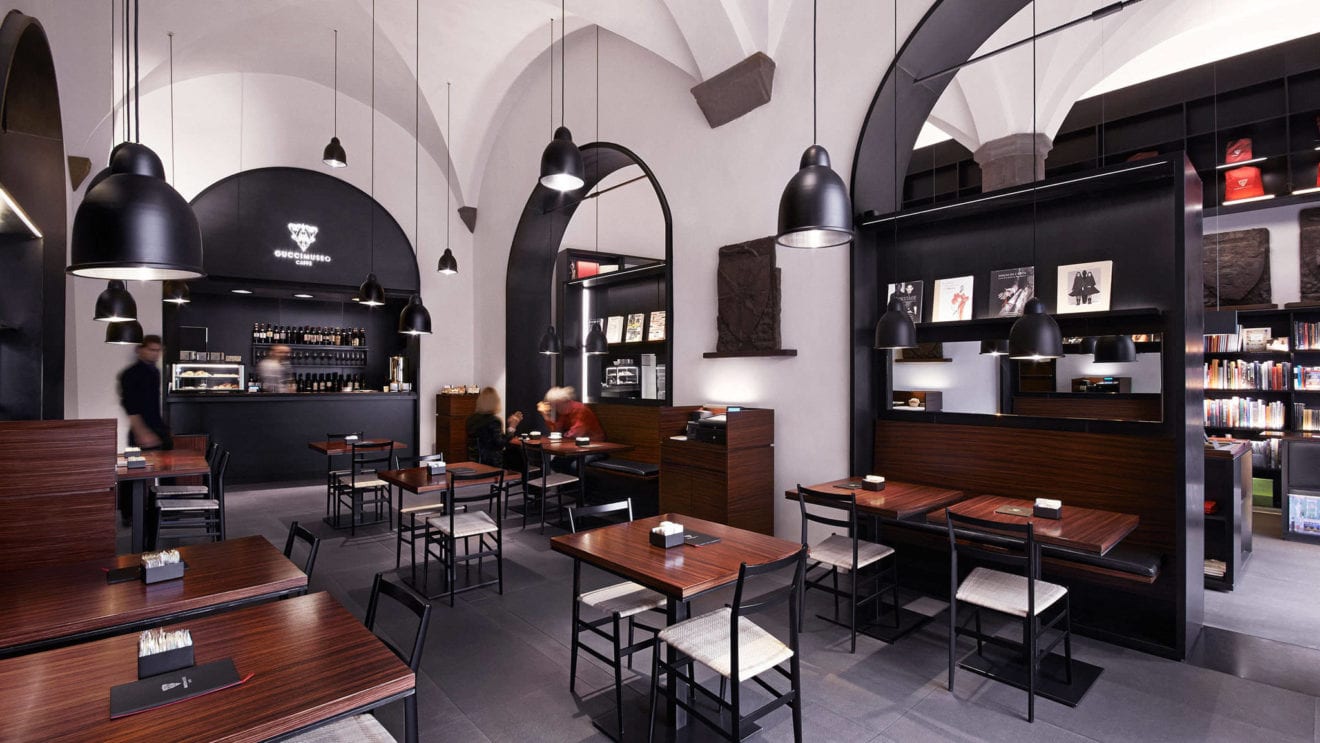
    Iconic fashion brand Gucci, for example, opened 1921 Gucci in Shanghai iAPM, which is owned by Sun Hung Kai Properties in the Pudong financial district of the city.

    “This is the luxury brand’s first fine dining restaurant in the world,” Maureen Fung Sau-yim, director of Sun Hung Kai Development (China), a unit of Sun Hung Kai Properties.

    The 360 square metres shop has received a good response since opening about three months ago, said Fung.

    The luxury restaurant is aimed to enhancing customers’ intrinsic aspirations which plays a role in luxury consumer behaviour. It would become part of a trend as mainland Chinese have been changing their shopping habits, she added.

    Adding an F&B component in stores enables luxury retailers to provide their consumers with a more complete experience in which they can shop, relax and socialise, said international property consultant CBRE.

    It cited another example in Cafe Dior by Pierre Hermé on the top floor of Christian Dior’s flagship store in Seoul. It helps transition the brand from being totally fashion-oriented to more lifestyle-driven.

    In its report known as The Future of Luxury Retail in Asia Pacific, CBRE said most major luxury retailers are now well established in the Asia Pacific region with mainland China and Hong Kong being two of the most penetrated markets at 89 per cent and 81 per cent, respectively.

    “However, the high growth period for luxury retailers in the region is gradually coming to an end,” said Henry Chin, Head of Research, CBRE Asia Pacific.

    Apart from food and beverage, CBRE has identified other emerging trends such as childrens’ wear and the growth of the affordable sector, anticipating that they will partially offset some of the negative effects caused by China’s slowdown and compensate for the loss of demand.

    As of 2014, Asia Pacific was home to 807 million people aged below 14, representing more than 20 per cent of the total population, offering an enormous opportunity for growth in this segment.

  • McDonald’s China rebounds

    McDonald’s China rebounds

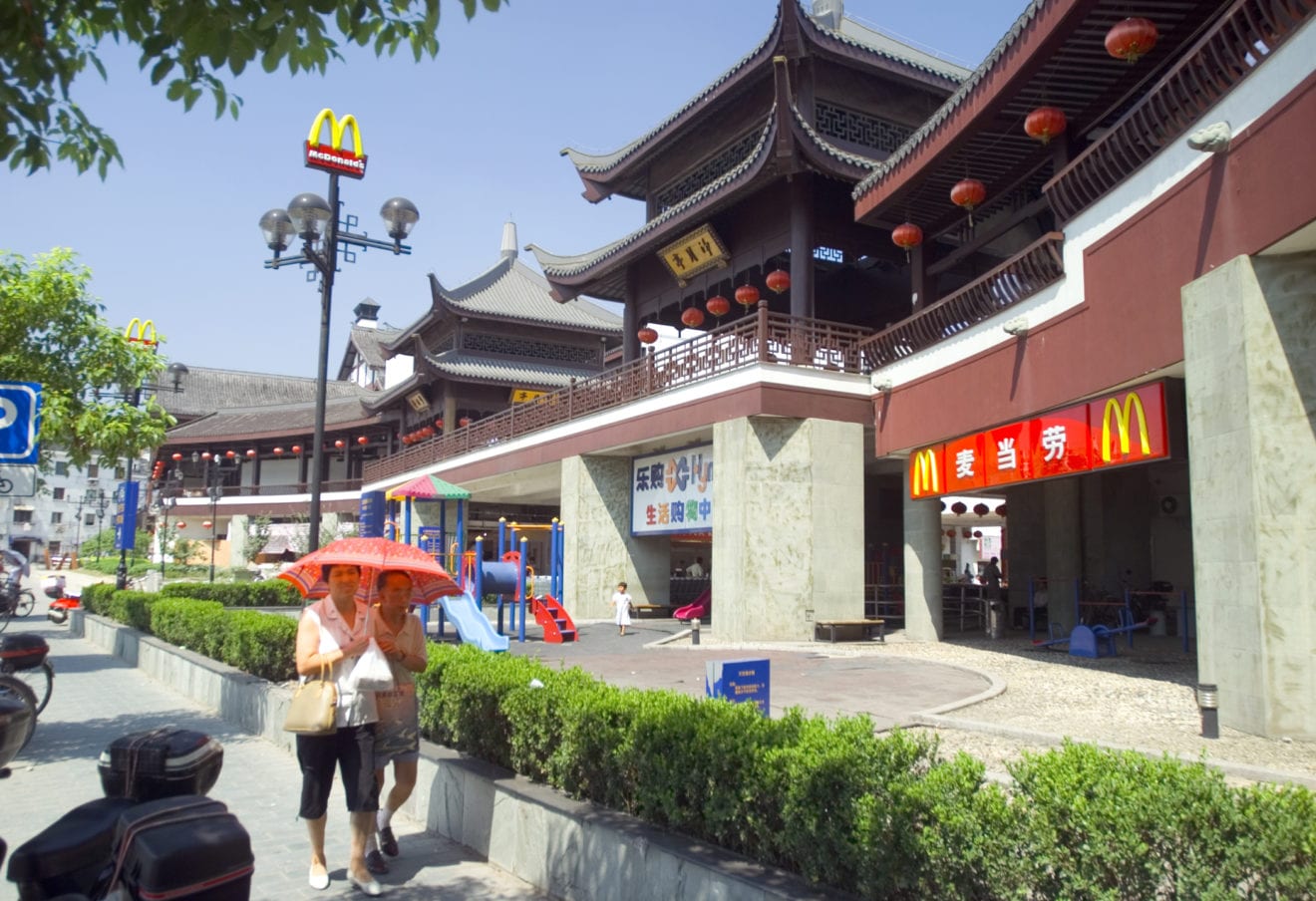
    After a long running series of quarterly sales declines, McDonald’s says it global sales rose four per cent in the last three months.

    And McDonald’s China has played a key role in the recovery.

    President and CEO Steve Easterbrook said the company was encouraged by its operating performance for the quarter, with positive comparable sales across all segments, including the US, “as well as sales recovery in China following the prior year supplier issue”.

    “In the High Growth Markets segment, third quarter comparable sales increased 8.9 per cent, reflecting very strong comparable sales performance in China and positive performance in most other markets. Operating income increased 39 per cent (68 per cent in constant currencies). Emphasis on value and breakfast during the quarter contributed to China’s sales recovery.”

    The company suffered a major setback in China a year ago after some of its stores were found using expired products.

    Elsewhere in the world, McDonald’s has also seen recovery in the UK, Australia and German markets.

    Easterbrook said the latest figures underline the “fundamental strength of the McDonald’s System”, perhaps a reference to recent media commentary questioning the concept and estimating as many as 30 per cent of McDonald’s franchisees in the US are technically insolvent.

    Unfortunately, the company did not releases specific breakdowns on sales by country market within its ‘High Growth Markets’ business unit which comprises countries like China and Vietnam.

    In its home market, initiatives like extending the breakfast menu to all day and new product lines were helping lure customers back in store.

    In tandem with its results announcement, the fast food company made a commitment to phasing out chicken fed antibiotics.

  • VeganBurg relocates to US

    VeganBurg relocates to US

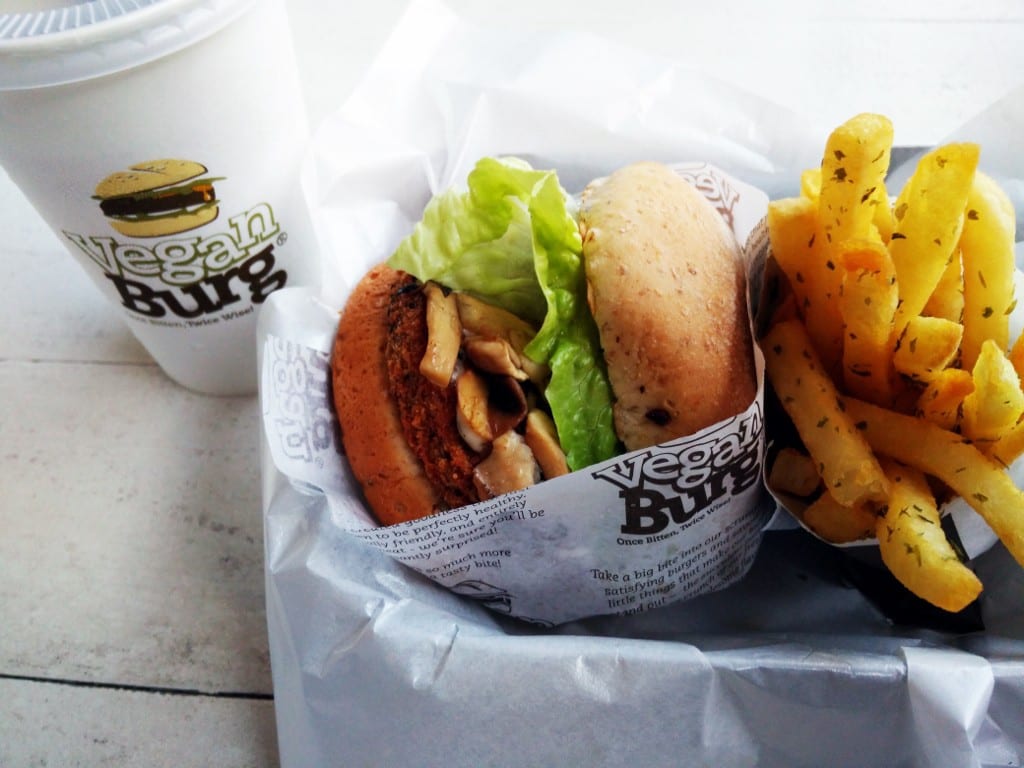
    Singapore-born vegetarian burger chain VeganBurg has shifted its head office to San Francisco as it prepares to launch its concept in the US market.

    The five year old company has retained its original store in Singapore – at 44 Jalan Eunos – along with its home delivery and event catering services.

    But now its main focus is on the US where it has established a new office in San Francisco and has its first restaurant under construction at 1466 Haight St.

    “Our goal is to have a successfully running restaurant in San Francisco,” says Cynthia Riddell, VeganBurg’s head of marketing.

    “San Francisco is our new home with our headquarters here, too. Customers and fans across the nation, something like 18 states, and globally, continually request us, which is really exciting news,” Riddell said in an interview with Vegan News.

    The founders and management of VeganBurg consider San Francisco as a “natural market” for its innovative gourmet (and meatless) burgers, or sandwiches’ as they will no doubt be known in the US.

    “Who we are fits so naturally in this city. VeganBurg is an innovative 100 per cent plant-based fast casual restaurant serving tasty vegan burgers with a fresh attitude. We love San Francisco, especially for its value of sustainably sourced produce and historical commitment to love, peace, and equality. There’s no better place to launch the new generation of the plant-based lifestyle.”

    The new US outlet has been opened on November 1.

  • Emack & Bolio’s opens in Hong Kong

    Emack & Bolio’s opens in Hong Kong

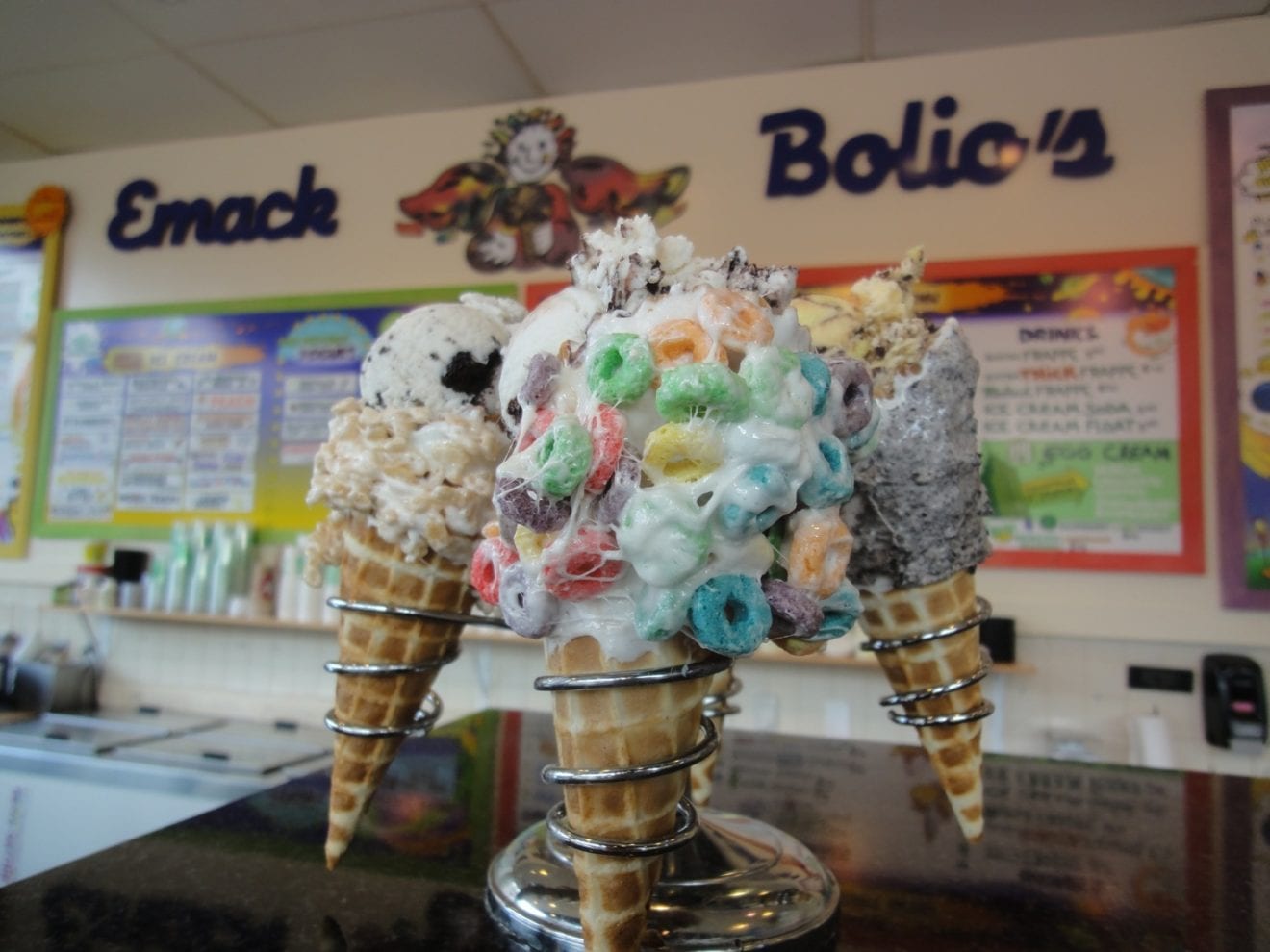
    The Emack & Bolio’s Central ice cream parlour just opened in Hong Kong is described as “unlike any other” you’ll find in the city.

    Emack & Bolio’s, at 26 Cochrane St, serves up 31 flavours of ice cream, frozen yogurt and sorbets along with smoothies, confections and more.

    The brand has its origins in Boston, Massachusetts, where it was founded in 1975 by Robert Rook, a lawyer and self-declared hippie who worked closely with the homeless, Vietnam war protesters, civil and gay rights advocates, and numerous rock bands such as Aerosmith, U2, Boston, The Cars, and James Brown, according to Wikipedia.

    It’s sometimes likened to Ben & Jerry’s, another ‘hippie ice cream store’ concept, but was actually founded three years earlier.

    The first Hong Kong outlet follows the brand’s entry into Asia last year when it opened in Bangkok Thailand. There is also at least one store in the UAE.

    Emack & Bolio's Hong Kong

    Emack & Bolio’s invented the flavored cone in 1980 and has been improving on the concept ever since.

  • Rice prices ease in Vietnam; Thai grain stable

    Rice prices ease in Vietnam; Thai grain stable

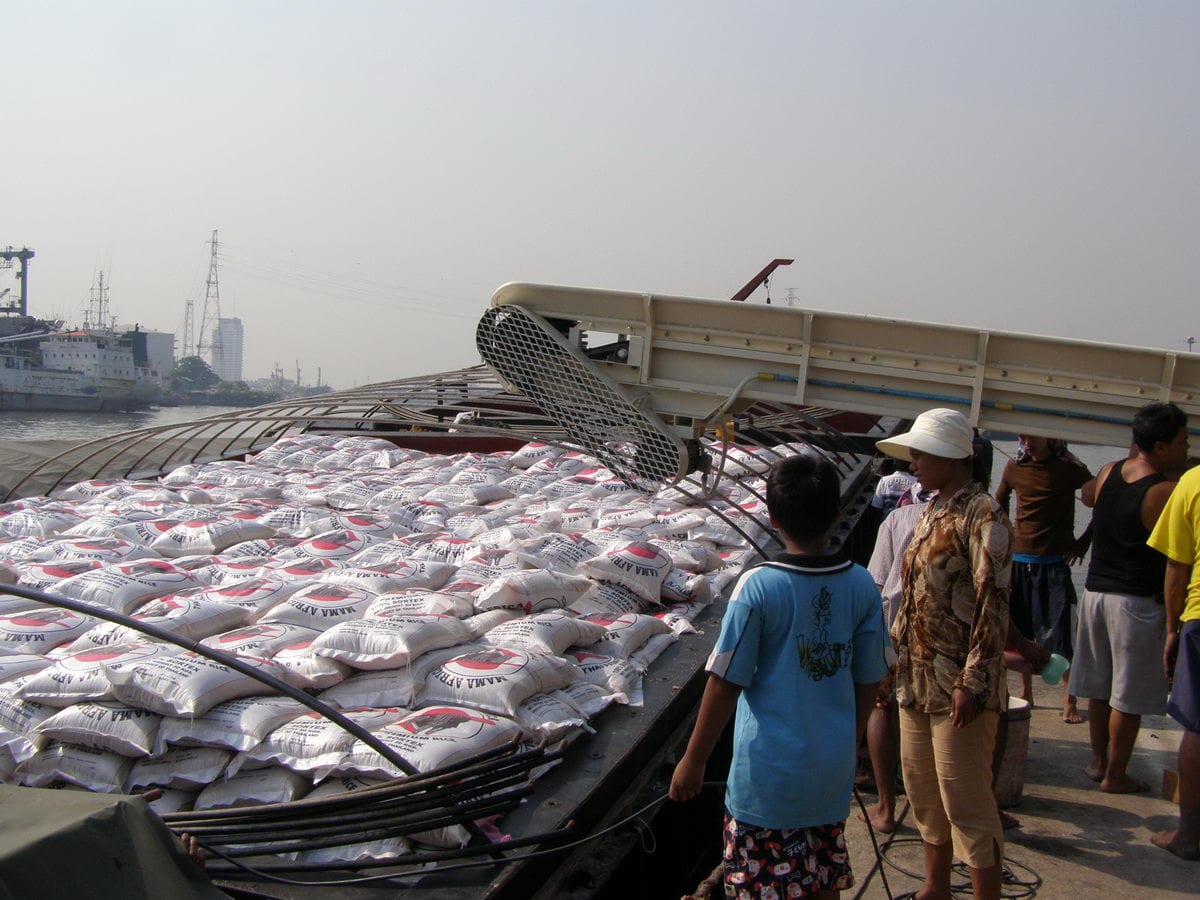
    “The price hike has stopped as nobody wants to buy at high prices,” a trader in Ho Chi Minh City said, noting that Thai rice was cheaper. Rice prices in Vietnam, the world’s third-largest exporter after India and Thailand, surged earlier this month on limited supply and news of demand from Indonesia and the Philippines.

    While loading of a combined 67,900 tonnes on five vessels for Indonesia is underway at Saigon Port, Indonesia has not confirmed the purchase. On Tuesday Indonesia’s state food procurement agency Bulog said the country would decide within two weeks whether to ship in rice from Vietnam and other Asian countries. Vietnam’s rice exports in the first 10 months of this year would fall 4.6 percent from a year earlier to an estimated 5.32 million tonnes, the Agriculture Ministry said on Monday. China, the top buyer of Vietnamese rice, has bought 1.39 million tonnes of the grain between January and September, up 37.5 percent from a year earlier, based on China’s customs data. Overall, China’s rice imports jumped 26.7 percent in the same period to 2.31 million tonnes.

    In Thailand, the 5-percent broken grain has been held stable at $360-$365 a tonne, FOB basis, while the Thai government plans to sell 2 million tonnes of rotten rice from huge stockpiles for industrial use in November. Thai traders said the market, which has been quiet due to the absence of Chinese and African buyers, could see prices rising if Thailand secures a deal with Indonesia as part of the latter country’s demand for 1.5 million tonnes.

  • Fine wines languishing in China warehouses as demand cools

    Fine wines languishing in China warehouses as demand cools

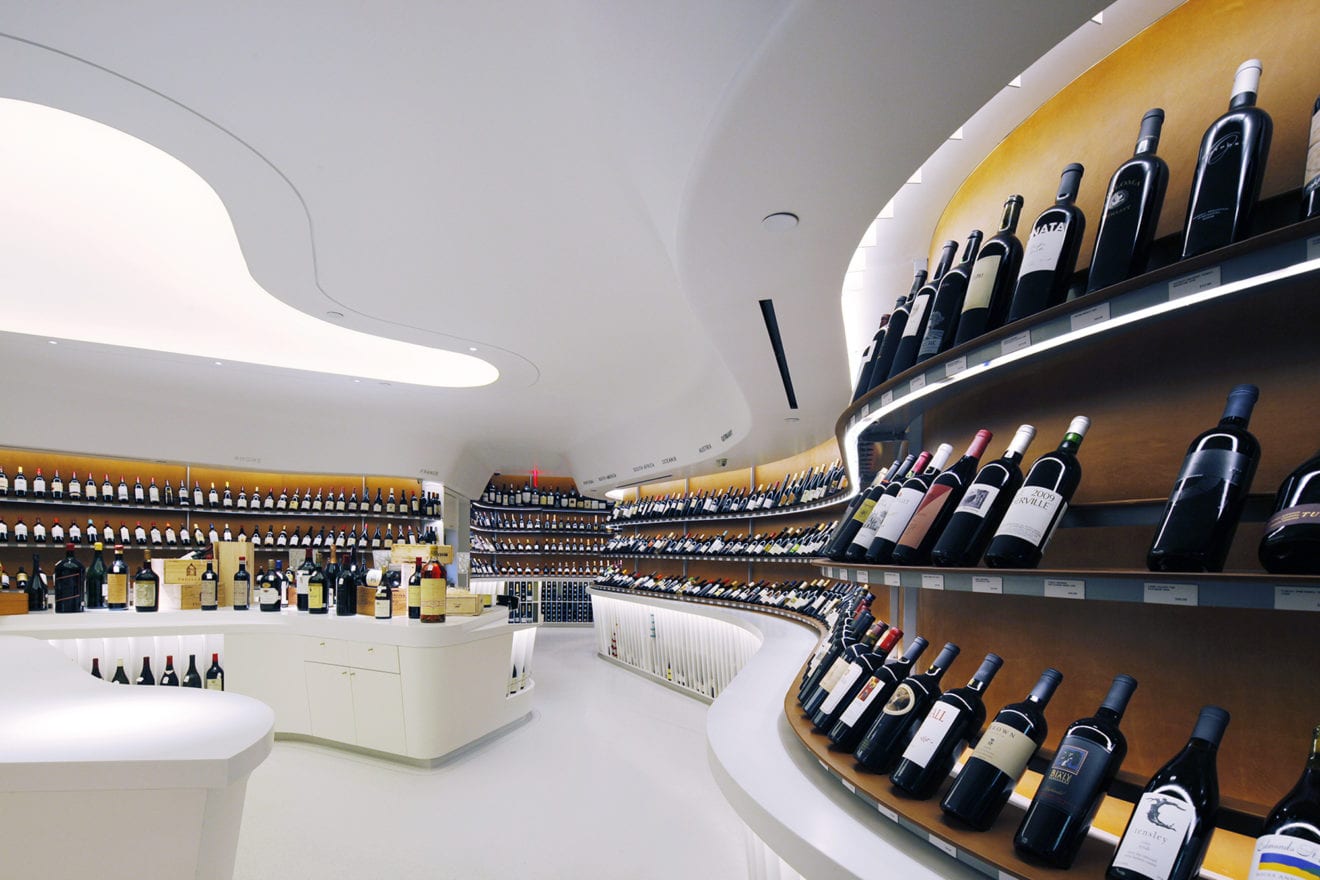
    Importers of fine wines are cutting the prices of their products by as much as three-quarters amid a drop in demand.

    The fire sales are prompted by a huge oversupply of wine that had built up after a swarm of importers jumped at seemingly stellar growth from 2010.

    China wine consumption, which had been rising in double digits, dropped last year and is set to inch up just over 1 percent annually until 2020, Reuters reported.

    The striking slowdown is a headache for a global wine industry pinning hopes on fast China growth, and a further sign that Chinese consumers are reining in spending even as Beijing hopes they will pick up the slack from falling exports.

    “When we started there was huge demand so we could control prices, big margins no problem,” said Xavier Grangier, sales director at logistics firm Europasia, which runs a  4,000 square meter Shanghai warehouse storing 250,000 bottles of mostly European wine.

    Now, his firm has had to lower some prices and been stuck with some wine it is unlikely to sell.

    “In Shanghai alone, 2,000 firms in the wine business just vanished over the last couple of years,” he added.

    China’s retail wine market is worth around 78 billion yuan (US$12.36 billion), with imports making up around a third, according to a 2015 report from wine data analytics firm IWSR.

    While official retail sales figures have been a rare bright spot amid a stream of economic data showing China’s economy faltering, private sector surveys have shown consumer sentiment plumbing record lows in recent months.

    A crackdown on corruption now in its third year has also discouraged conspicuous consumption, hitting not just wine but also sellers of other luxury goods from LVMH and Burberry to global auto makers.

    “In 2010 everyone was screaming from the rooftops that China was the El Dorado for wine and you could become a millionaire by jumping into the business,” said Pierrick Fayoux, Shanghai-based marketing manager at French wine importer VGF China Ltd.

    “Now wine is being sold below cost, some is going bad sitting for long periods in poorly maintained warehouses and decent Bordeaux wines are going for 15 yuan a bottle.”

    To be sure, China’s wine industry has long-term potential: the market is already the world’s fifth largest, but with only 38 million wine drinkers — mostly in big cities such as Shanghai, Beijing and Tianjin — among a population of 1.4 billion, annual consumption per capita is only 5.8 liters, a fraction of the 50 liters consumed in France.

    For now though, the inventory overhang and the downward pressure on prices is making it hard to turn a profit.

    Even China’s biggest wine importer, ASC Fine Wines, has trimmed prices and taken a hit to its margins, a person with direct knowledge of the firm’s operations told Reuters.

    ASC, owned by Japan’s Suntory Beverage & Food Ltd., said the wine market was in a new slower stage of growth and that consumers were increasingly “price-conscious”.

    “We are expanding our entry-level wine selections to meet the changes in consumer demand,” said ASC’s chief executive officer Bruno Baudry in emailed comments to Reuters.

    The squeeze on prices could be better news for more affordable New World wines, with countries such as Chile and South Africa already taking more market share with wines under 100 yuan.

    “There is still demand for imported wine, but not the same wines,” said Guillaume Deglise, chief executive of Vinexpo, which organizes wine fairs to help introduce producers to China buyers.

    “Before it was mostly the luxury end of the business — up-market wines from Bordeaux. Now it’s the entry-level market.”
  • Seoul soft drink vending machines banned

    Seoul soft drink vending machines banned

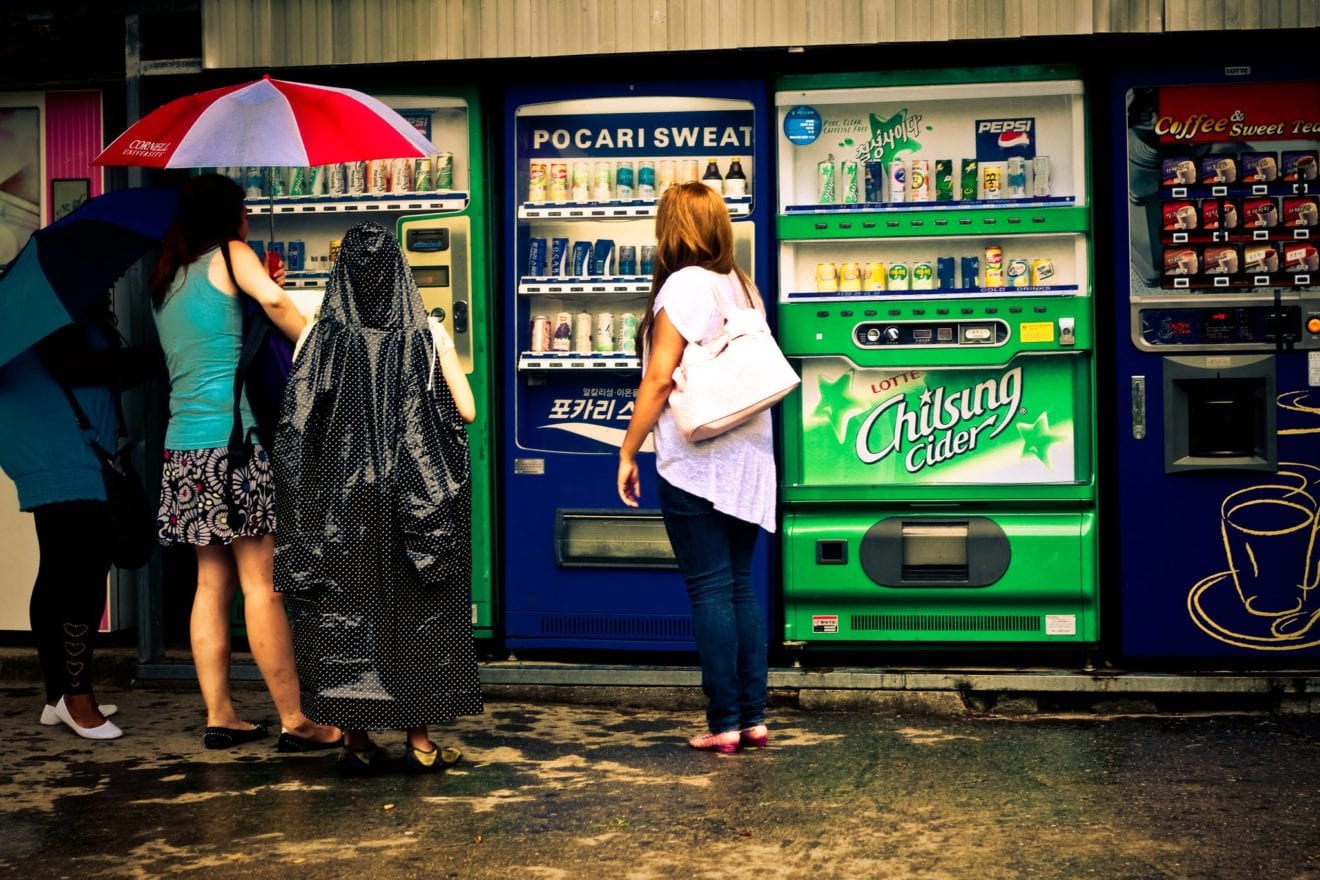
    Seoul soft drink vending machines have been banned, causing outrage amongst consumers.

    The Seoul Metropolitan Government has decided to ban the sales of soft drinks at vending machines in public spaces and subway stations.

    But the decision has been derided by Seoulites, many of whom believe the ban restricts freedom of choice.

    ‘Jjamppong’ on Twitter commented: “Soft drinks are not the enemy of health. The stress you get from work is the problem!”

    A user on the portal site Naver criticised the decision as unreasonable, saying “It’s the 21st century, right?”. Other social media posts’ pointed out that based on the logic the government used for the ban – health concerns – “the city should be banning fast food because it causes obesity, too” and “orange juice should be banned because it has more sugar than soft drinks”.

    Seoul city officials explained that they made the decision based on the fact that soft drinks cause obesity, diabetes and osteoporosis, damaging the health of citizens. However, citizens’ reactions indicated that the reason was also difficult to understand.

    One Tweeted: “Koreans don’t even drink soft drinks that much compared to Americans. Was it a necessary measure to take against adults? It would be better to reduce the sugar in canned drinks.”

    Others supported the decision. A Naver user agreed with the ban saying that “all canned beverages and canned foods are polluted with endocrine-disrupting chemicals, and the people who enjoy these products get ill when they’re old. We don’t starve even if we don’t eat these foods. Seoul is doing a good thing.”

    User ‘Umhahahahaha’ at the portal site Daum agreed with the policy but added: “Other countries have that policy. It’s a good thing we are finally banning soft drinks from public places. But I think they should start banning them at schools or wherever there are many children instead of public places.”

  • The Melting Pot eyes Asia

    The Melting Pot eyes Asia

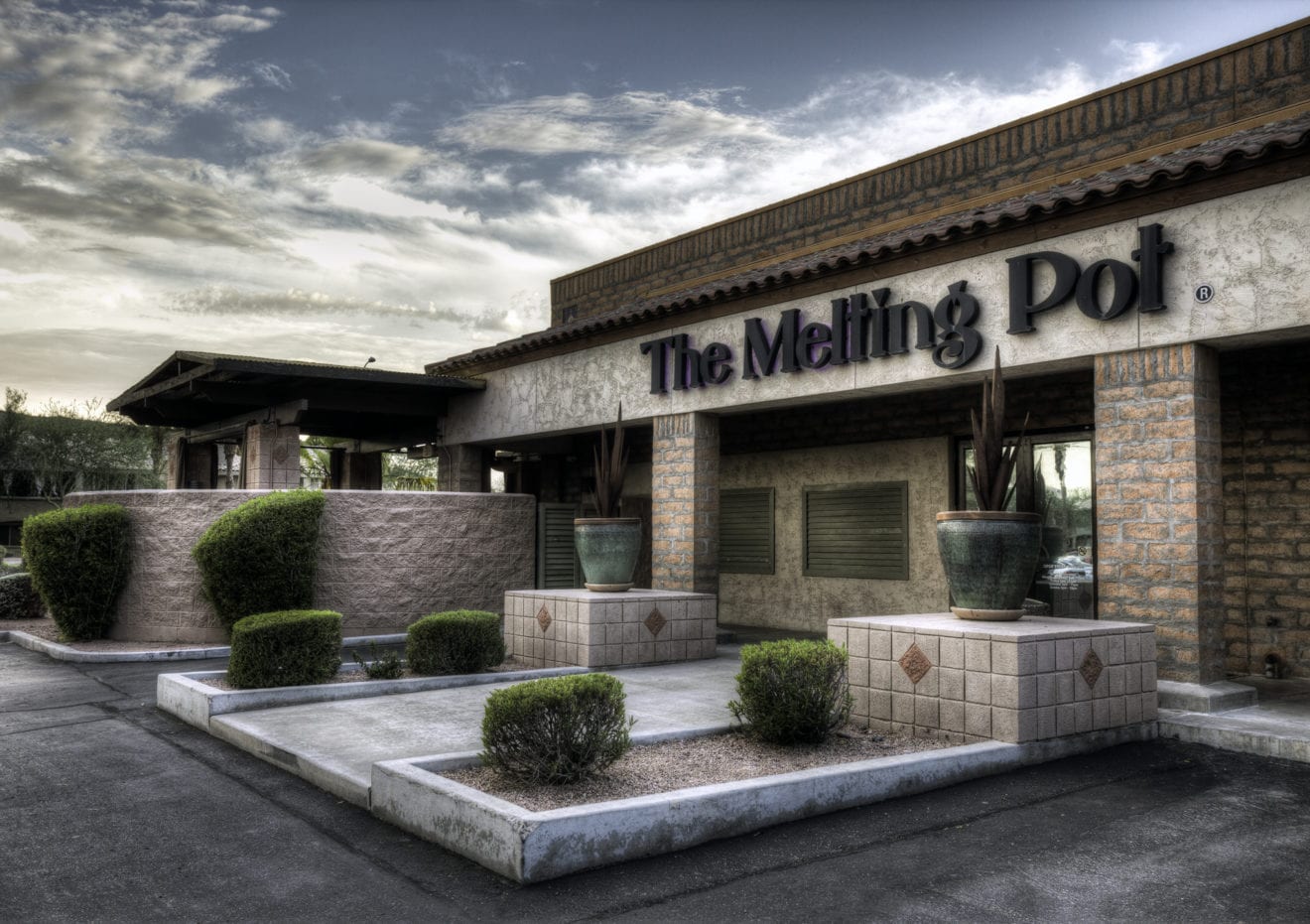
    The world’s largest fondue restaurant chain is looking to expand throughout Asia after early success in Indonesia.

    Franchisees are now actively being sought for The Melting Pot in Hong Kong, Macau, China, Japan, South Korea and India.

    The Tampa, Florida-based restaurateur plans to enter China by opening at least five restaurants in Hong Kong and Kowloon as well as in Macao and numerous cities in Mainland China, including Guangzhou, Shanghai, Beijing and Shenzhen.

    Markets outside Asia, including Brazil, Canada and Mexico, are also in planning.

    The Melting Pot operates more than 125 restaurants across 35 US states, Canada, Mexico, Southeast Asia, and the United Arab Emirates, and has more than 15 locations in development internationally.

    The concept is known for its assortment of flavorful fondue cooking styles and unique entrees served with signature dipping sauces. The menu features a variety of a la carte selections, highlighting customisable options that invite guests to enjoy one, two, three or more courses as they select any combination of individually-priced cheese fondues, salads, entrees and chocolate fondues.

    “The Melting Pot is a proven 40-year American franchise concept that is unlike any other,” said Dan Stone, chief business and people development officer for Front Burner Brands, the chain’s parent.

    “Featuring four distinct courses, guests dip menu items into heated fondue pots at the centre of each table. The concept provides a very social and interactive dining experience that has proven to translate well to multiple countries,” said Stone.

    “We provide our franchisees the necessary training and support to ensure success, as well as expert resources to assist with identifying the best sites for our restaurants. We are ready to do business in Hong Kong and are seeking qualified candidates to build a strong brand presence throughout Hong Kong and the People’s Republic of China over the next few years.”

    The concept will be exhibiting at the Franchising & Licensing Asia 2015 from October 29 to 31 at the Marina Bay Sands in Singapore.

    Earlier this year, The Melting Pot opened its first restaurant in Jakarta, Indonesia and most recently its first Middle Eastern location in Dubai.

    Franchisee candidates or groups should have access to a minimum of US$3 million in capital and at least one partner must be fluent in English. Depending on the real estate site selected, franchisees of The Melting Pot in the US can expect the total investment for one restaurant to be approximately $959,000 to $1.436 million. The initial franchise fee ranges from $45,000 to $60,000 per unit depending on the number of units committed and there is a one-time training fee of $50,000.

  • Yum China to split from parent

    Yum China to split from parent

    US fast food giant Yum! Brands is to spin off its troubled Chinese operation into a separate business.

    The new company will be called Yum China.

    The move will strengthen the parent company which will retain 41,000 restaurants trading under the KFC, Pizza Hut and Taco Bell brands in 125 countries – and which will no loger be saddled with the ongoing losses from the Chinese operations. Nearly all of its restaurants will be operated by franchisees.

    “Following the separation, each standalone company will be able to intensify focus on its distinct commercial priorities, allocate its own resources to meet the needs of its business, and pursue distinct capital structures and capital allocation strategies,” said Yum CEO, Greg Creed in a statement.

    “This will provide a clear investment thesis and visibility to attract a long-term investor base suited to each business.”

    The likely interpretation of that statement is that Yum China will seek local investors or possibly a joint venture partner to help bring the business back on track.

    Yum China has 6900 KFC and Pizza Hut restaurants, but has struggled for more than two years after high profile food safety scares involving suppliers.

    Mid last year, a Chinese TV network screened footage of a supplier mixing allegedly expired meat with fresh meat. The company, a subsidiary of OSI Group, was a minor supplier to Yum! and its contract was cancelled immediately. But the TV news footage was sufficient to spook Chinese customers, many of whom stopped eating at KFC China outlets.

  • Asia Pacific Breweries ends exclusive beer sales practice in Singapore

    Asia Pacific Breweries ends exclusive beer sales practice in Singapore

    The company has given CCS a voluntary commitment to cease its outlet exclusivity practice.

    Going forward, APBS will not impose outlet-exclusivity conditions in its supply of draught beer contracts to retailers.

    The change in APBS’s business practices will be applicable to all draught beer contracts entered into with retailers on and after December 28, including new and renewal contracts. APBS will also be required to provide CCS with documents to show that these changes have taken effect.

    “The removal of these exclusive business practices will allow beer suppliers to compete on merit in offering their draught beers to retail outlets,” CCA chief executive Toh Han Li said.

    “This will allow retailers to stock a greater variety of draught beers, leading to a more vibrant market with more choices for consumers, as well as opportunities for existing suppliers and new entrants including microbreweries and craft beer suppliers.”

    Acting on complaints, CCS had investigated APBS in relation to its practice of supplying draught beer to retail outlets solely on an exclusive basis.

    Under the competition law in Singapore, a dominant firm is prohibited from preventing or impeding its competitors from competing effectively through exclusive business practices.

    CCS says APBS’s outlet-exclusivity practice had prevented retail outlets from selling draught beers from competing suppliers and restricted the choices of draught beers available to retailers and consumers.

    Under the probe, CCS obtained information on the beer market in Singapore from retailers and beer suppliers. CCS also commissioned a market survey to gather information on market practices.

    CCS has ceased its investigation but will continue to monitor market practices.

  • Smoothie King Vietnam expansion plan

    Smoothie King Vietnam expansion plan

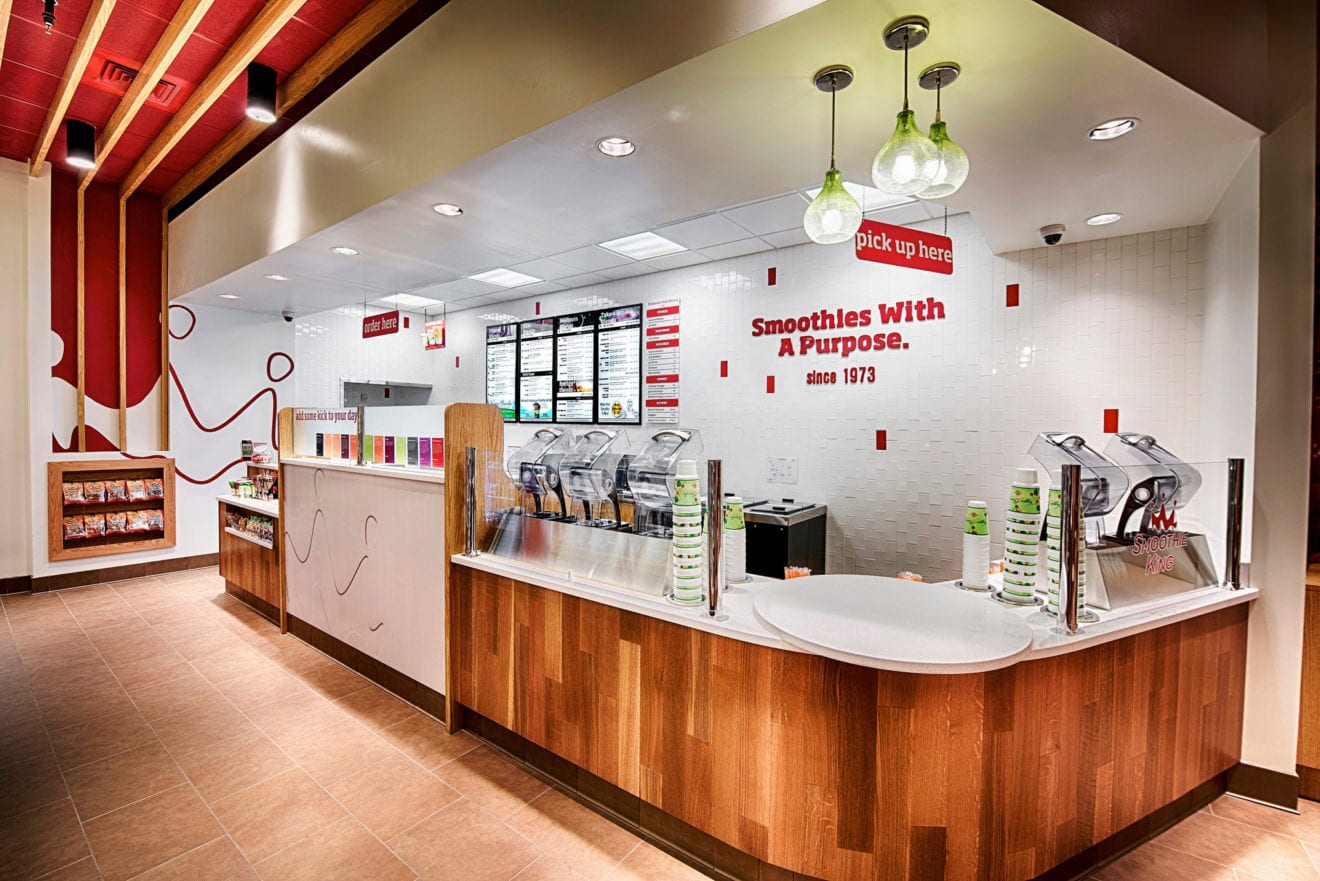
    South Korea’s Shinsegae Group is to buy the Korean network of 105 Smoothie King stores and launch the brand into Vietnam.

    Smoothie King Vietnam will initially be focused on the Ho Chi Minh City and Hanoi markets.

    Based in the southern US city of New Orleans, Smoothie King produces and markets smoothies, juices, sports drinks, energy bars, vitamins and health supplements. It currently boasts more than 700 locations worldwide and is targeting 1000 by the end of 2017.

    The Vietnam news follows an announced expansion into the Middle East earlier this year, commencing in Dubai.

    “This deal is monumental for Smoothie King – and one that we thought long and hard about. I was the master franchisee in Korea and bought the brand in 2012, making growth a primary goal for the company,” said Smoothie King CEO Wan Kim.

    Smoothie King 1

  • Pancake House heads for Dubai

    Pancake House heads for Dubai

    Philippines-based Max’s Group has signed a contract to launch Pancake House in Dubai.

    The QSR and cafe operator will open at least eight Pancake House restaurants in the UAE in partnership with master franchisee Lulu Group.

    Max’s Group is the Philippines’ largest operator of fast food and QSR restaurants, and this week’s deal is one of several to expand into the fast growing Middle East market. Max’s other brands include Max’s Restaurant, Yellow Cab, Krispy Kreme, Jamba Juice, Max’s Corner Bakery, Teriyaki Boy, Dencio’s, Meranti, Le Coeur De France, Maple, Kabisera, Singkit and Sizzlin’ Steak.

    The first eight Pancake House stores will open progressively over the next five years.

    “We are pleased with the opportunity to further broaden our reach in the UAE this time around for Pancake House. We are excited with our partnership with Lulu Group, an established retailer with a storied and rich history of success, to serve our products to the Emiratis,” said Max’s Group president and CEO Robert Trota.

    Lulu Group will operate the Pancake House restaurants under its Tablez Food subsidiary, which already has a strong portfolio of restaurants, cafes and ice cream stores in the UAE and India.

    “At Tablez we have always believed in bringing in unique brands from around the world in the evolving and highly competitive food and beverage sector in the gulf region,” said CEO Shafeena Yusuff Ali.

    “I am excited that UAE and the gulf region is home to a large Filipino community and a brand like Pancake House will be a big hit and also gives us a chance to present this brand to other diverse nationalities residing here.”

    Max’s Group has previously said it wants to open at least 200 stores outside the Philippines by 2020.

  • Hong Kong wine vendors look to beat the retail slump at festival

    Hong Kong wine vendors look to beat the retail slump at festival

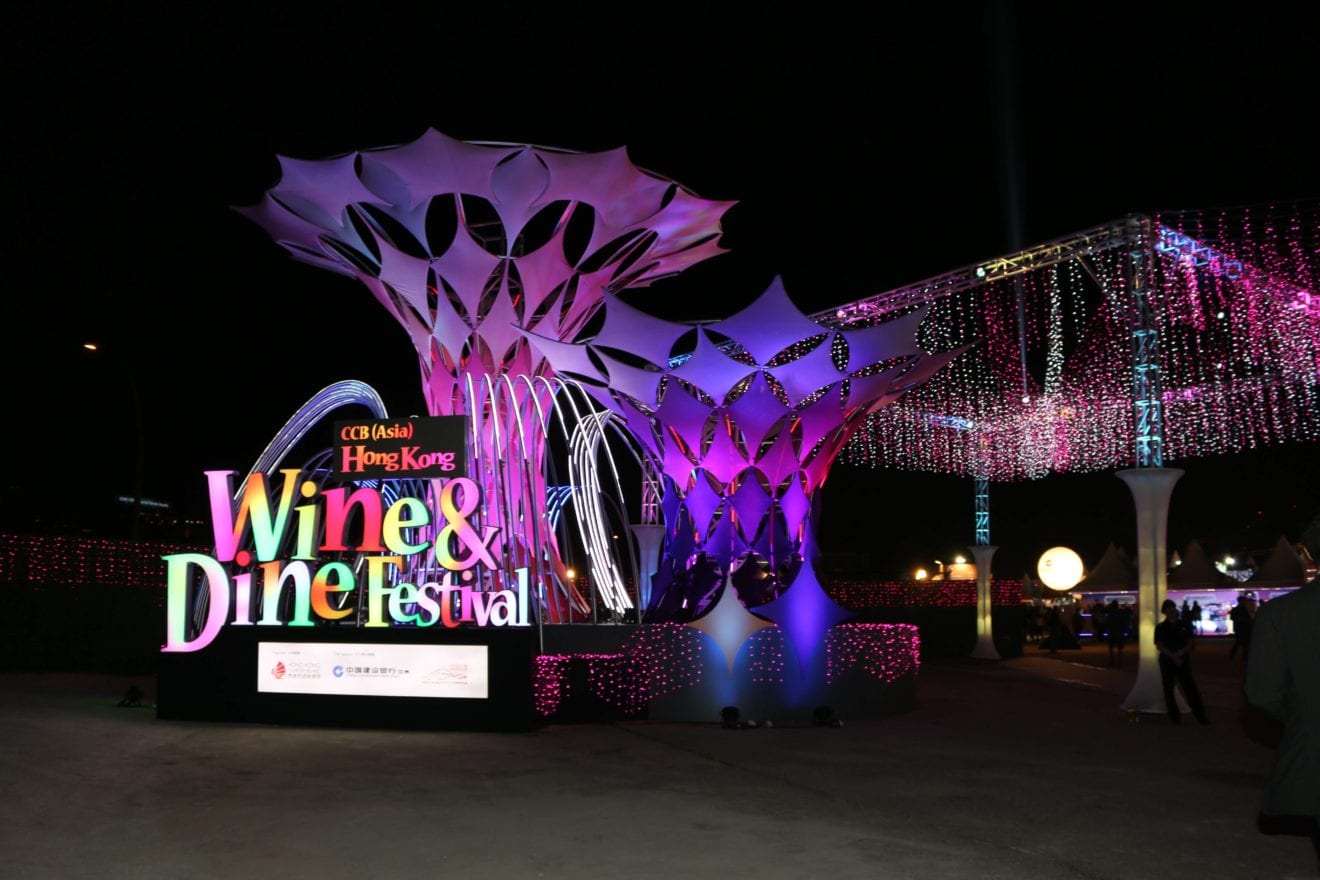
    Vendors of wines and liquors appeared to be undaunted by a retail and tourism slump in Hong Kong as they welcomed the annual Wine and Dine Festival in the Central harbourfront.

    One of the biggest in recent years, the festival this year features 340 stalls and offers a free flow of samples in return for the HK$30 cost of an admission ticket for the event.

    Henry Lum Kai-cheung, 41, general manager of Cheers, a boutique wine and cocktail store that operates both in Hong Kong and on the mainland, said the lacklustre retail performance and slowdown of tourism in the city had not deterred him from setting up a stall this year.

    “Actually 90 per cent of my business in the festival in the past years has been from local residents,” Lum said.

    “Tourists don’t usually buy many bottles here because they would have to carry them back home.”

    Jamie Lo Ching-man, marketing manager of Kiwa, a company that imports spirits from Japan, had similar views.

    “Most of our customers are Hong Kong locals. In fact, this year, we doubled the number of booths in the festival from five to 10 because I think there is huge demand for our wine in the community,” said Lo.

    He was expecting an 80 per cent increase in sales from last year.

    According to Lo, the impact of the economic slowdown is not easily evident from the festival itself because many wine companies in Hong Kong thrive by supplying their products to restaurants in the city.

    “We now have fewer orders from restaurants and business has dropped 20 per cent in that area starting from the middle of this year,” Lo said.

    The festival, which runs for four days till 10pm on Sunday, attracted over 140,000 visitors last year when it was relocated to Kai Tak due to the Occupy protests in nearby Admiralty.

    Despite the withdrawal of 40 exhibitors last year, Lum still had fond memories of his stall’s performance, which greatly surprised him.

    “There was an initial worry, but it ended up becoming a huge success because the organiser waived the admission fee and this attracted many people,” Lum said.

    “If I can reach the same sales volume this year, I’ll be happy.”

    This article appeared in the South China Morning Post print edition as Wine vendors look to beat the retail slump at festival