Category: Food

Retail News Asia is committed to providing both local and global retailers with the latest Food and Food & Beverage news throughout the Asian market. This on a daily base.

  • Nestle confirms labor abuse among its Thai seafood suppliers

    Nestle confirms labor abuse among its Thai seafood suppliers

    Nestle SA, among the biggest food companies in the world, launched the investigation in December 2014, after reports from news outlets and nongovernmental organizations tied brutal and largely unregulated working conditions to their shrimp, prawns and Purina brand pet foods. Its findings echo those of The Associated Press in reports this year on slavery in the seafood industry that have resulted in the rescue of more than 2,000 fishermen.

    The laborers come from Thailand’s much poorer neighbors, Myanmar and Cambodia. Brokers illegally charge them fees to get jobs, trapping them into working on fishing vessels and at ports, mills and seafood farms in Thailand to pay back more money than they can ever earn.

    “Sometimes, the net is too heavy and workers get pulled into the water and just disappear. When someone dies, he gets thrown into the water,” one Burmese worker told the nonprofit organization Verite commissioned by Nestle.

    “I have been working on this boat for 10 years. I have no savings. I am barely surviving,” said another. “Life is very difficult here.”

    Nestle said it would post the reports online — as well as a detailed yearlong solution strategy throughout 2016 — as part of ongoing efforts to protect workers. It has promised to impose new requirements on all potential suppliers and train boat owners and captains about human rights, possibly with a demonstration vessel and rewards for altering their practices. It also plans to bring in outside auditors and assign a high-level Nestle manager to make sure change is underway.

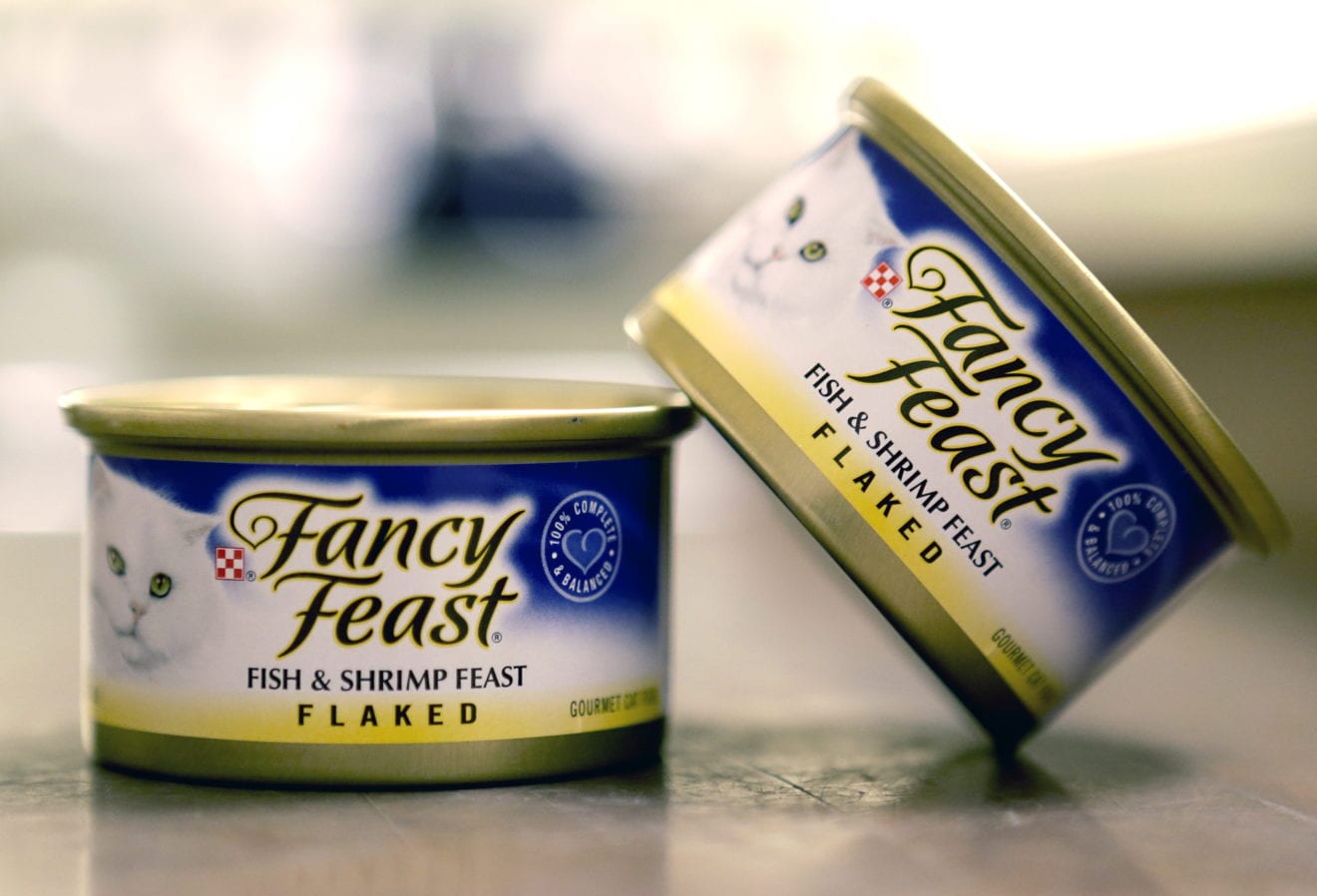
    “As we’ve said consistently, forced labor and human rights abuses have no place in our supply chain,” Magdi Batato, Nestle’s executive vice president in charge of operations, said in a written statement. “Nestle believes that by working with suppliers we can make a positive difference to the sourcing of ingredients.”Nestle is not a major purchaser of seafood in Southeast Asia but does some business in Thailand, primarily for its Purina brand Fancy Feast cat food.

    For its study, Verite interviewed more than 100 people, including about 80 workers from Myanmar and Cambodia, as well as boat owners, shrimp farm owners, site supervisors and representatives of Nestle’s suppliers. They visited fish ports and fishmeal packing plants, shrimp farms and docked fishing boats, all in Thailand.

    Boat captains and managers, along with workers, confirmed violence and danger in the Thai seafood sector, a booming industry which exports $7 billion of products a year, although managers said workers sometimes got hurt because they were drunk and fighting. Boat captains rarely checked ages of workers, and Verite found underage workers forced to fish. Workers said they labor without rest, their food and water are minimal, outside contact is cut off, and they are given fake identities to hide that they are working illegally.

    Generally, the workers studied by Verite were catching and processing fish into fishmeal fed to shrimp and prawns. But the Amherst, Massachusetts-based group said many of the problems they observed are systemic and not unique to Nestle; migrant workers throughout Thailand’s seafood sector are vulnerable to abuses as they are recruited, hired and employed, said Verite.

    Monday’s disclosure is rare. While multinational companies in industries from garments to electronics say they investigate allegations of abuse in their supply chains, they rarely share negative findings.

    “It’s unusual and exemplary,” said Mark Lagon, president of the nonprofit Freedom House, a Washington-based anti-trafficking organization. “The propensity of the PR and legal departments of companies is not to ‘fess up, not to even say they are carefully looking into a problem for fear that they will get hit with lawsuits,” he said.

    In fact, Nestle is already being sued: In August, pet food buyers filed a class-action lawsuit alleging Fancy Feast cat food was the product of slave labor associated with Thai Union Frozen Products, a major distributor. It’s one of several lawsuits filed in recent months against major U.S. retailers importing seafood from Thailand.

    Some of the litigation cites the reports from the AP, which tracked slave-caught fish to the supply chains of giant food sellers, such as Wal-Mart, Sysco and Kroger, and popular brands of canned pet food, such as Fancy Feast, Meow Mix and Iams. It can turn up as calamari at fine restaurants, as imitation crab in a sushi roll or as packages of frozen snapper relabeled with store brands that land on dinner tables. The U.S. companies have all said they strongly condemn labor abuse and are taking steps to prevent it.
  • NEA bans serving of raw freshwater fish at all eateries

    NEA bans serving of raw freshwater fish at all eateries

    Raw freshwater fish can no longer be served by any food outlet after the National Environment Agency (NEA) announced a ban yesterday which took effect immediately.

    Food stalls, which include hawker centres, coffee shops, canteens and foodcourts, as well as caterers were also ordered to stop the sale of all raw saltwater fish until they can show they know how to properly handle the meat.

    Restaurants can continue to sell raw saltwater fish, which includes salmon, as they generally observe hygiene standards and source the meat from suppliers of fish intended for raw consumption.

    NEA said these restrictions have been put in place to protect public health, especially with the upcoming Chinese New Year, when yusheng, a popular festive dish featuring raw fish, is served.

    The Health Ministry has been notified of about 360 cases of Group B Streptococcus (GBS) infections this year, with two fatalities. About 150 of the cases were linked to the consumption of raw freshwater fish – toman (snakehead) and song (Asian bighead carp) are typically eaten with porridge – and involve a particular aggressive strain known as Type III GBS Sequence Type 283 (ST283). The case of a 22-year-old man who contracted GBS and died last Tuesday is being investigated.

    A 52-year-old man who fell critically ill a few days after eating yusheng- style raw fish porridge on Nov 15 woke up from a 10-day coma last Tuesday.

    In July, the NEA had issued an advisory against using raw song fish and toman fish in dishes. On Nov 27, it told food stalls to stop selling raw fish dishes unless they can show the fish are from safe suppliers. Yesterday, an outright ban on raw freshwater fish was issued. It was the first time a link had been drawn between GBS and the consumption of Chinese-style raw fish dishes.

    NEA said tests have found freshwater fish to have significantly higher bacterial contamination than saltwater fish, and higher risks of infection when consumed raw.

    With the ban in place, the cases of GBS infections are expected to fall, said Dr Hsu Li Yang, a consultant at the National University Hospital’s Division of Infectious Diseases.

    “We should see only sporadic cases from now on,” he added.

    NEA said it would issue notices to food establishments to inform them of the ban on the use of freshwater fish for ready-to-eat raw fish dishes.

    Along with the Agri-Food and Veterinary Authority, it would also conduct engagement sessions “over the next few weeks” to help fish suppliers and retail food establishments understand the requirements for sale of fish intended for raw consumption.

    Food stalls which want to continue selling raw saltwater fish have to approach the NEA to submit their request, and an approval will be issued only after the stalls have passed an inspection.

    And while surveillance data indicates that raw fish sampled from restaurants have low levels of overall bacterial contamination, NEA will tighten surveillance of all restaurants, and continue to take action against errant food operators.

    The agency also urged consumers to still be mindful of eating raw fish.

    Most fish sold in Singapore’s wet markets, the fresh produce sections at supermarkets and fishery ports are not meant to be eaten raw.

    And while investigations did not detect ST283 in sashimi sold at retail food establishments, the public “should note that there are always risks involved in consuming raw fish as harmful bacteria and parasites may be present”.

    Several consumers that The Sunday Times spoke to said they will probably avoid all types of raw fish served at places other than restaurants. “I will still eat raw fish such as sushi and sashimi, provided they are from Japanese restaurants or are part of a chain, as they have better quality control,” said healthcare worker Bernard Lee, 38. “As for hawker centre stalls, I probably won’t eat raw fish there even if they switched to using saltwater fish.”


  • Char Raises The Bar for Steaks in Shanghai

    Char Raises The Bar for Steaks in Shanghai

    Great food is produced long before it ever gets to the kitchen. Soil, sunlight, clean air and water, and scrupulous farming practices are essential ingredients for any quality dish. Quality and authenticity are especially true for steak. It’s why CHAR in the Hotel Indigo Shanghai on the Bund serves Wagyu, Black Angus, and grass-fed beef from some of the world’s most renowned cattle ranches. Diners can explore this further starting in January 2016, on the last Thursday of every month, when CHAR will host a Beef Appreciation Steak Masterclass. The class will be from 1-3pm in CHAR for RMB 350 per person, which also includes a light lunch. Reservations are highly recommended.

    The CHAR Steak Masterclass begins with a classroom style lecture available in English or Chinese and presented by one of Shanghai’s largest and most reputable Australian beef imports. Topics covered will be on animal husbandry, why the diet is important, the various cuts of beef, the types of cows, dry aging and ultimately, how to select a quality beef product. This will be followed by a practical demonstration by Chef Willmer Colmenares himself where he will point out visual indicators of quality such as marbling, color and texture. Participants will sample some of the beef and then be able to use this knowledge when enjoying beef in the future. Lastly, Chef Willmer will discuss various means of preparation from the oven to the pan to the grill and which one is preferred. So what are some of CHAR’s 11 different steak offerings?

    David Blackmore beef is, without question, the crown jewel of CHAR’s menu. It is the Rolls Royce of beef. This Australian ranch only raises cattle with bloodlines that can be fully verified and traced back to Japan. It’s grain-fed for 600 days, using traditional Japanese farming methods. The end result is an exceptional marbling score of 9+. This means a steak that tender, succulent, and devastatingly rich. A slice of it will melt on the tongue like a pat of butter. And as if that weren’t indulgent enough, CHAR serves their Blackmore fillets with foie gras, lobster, sautéed wild mushrooms, and shaved truffles.

    Tajima Wagyu is another exemplary beef on offer at CHAR. This unique strain of cattle is what made Japanese beef famous. Its luxuriant marbling produces a luscious texture, and excellent flavor. CHAR sources beef from full-blood Tajima cattle raised in the Australian countryside. 500 days of a traditional Japanese cattle diet gives this beef a marbling score of 7–9. Guests can savor a 220g Tajima eye fillet or 300g rib eye, both seared to tender, juicy perfection.

    Australia is also renowned for world-class certified Black Angus beef, and Jack’s Creek is one of the most respected names in the business. Top-quality cattle are fed a proprietary, high-energy grain diet for 150 days to produce beef with a 3+ marbling score. It’s tender, succulent, and can be experienced at CHAR with a 250g eye fillet or a 300g sirloin.

    Grass-fed beef has built a strong reputation not only for its unique flavor but for its nutritional benefits, too (a grass diet produces a leaner meat than grain diet). Cape Grim has struck a perfect balance between leanness, tenderness, and flavor with its famous grass-fed beef. Their cattle are raised in the pristine pasturelands of Northern Tasmania, where they graze on an all-natural diet of grass. Guests can enjoy this premium beef as a 250g eye fillet or a 500g bone-in rib eye.

    But it doesn’t stop at world-class steaks. Chef Will Colmenares has created a menu of creative gourmet indulgences inspired by the cuisine of Asia, the Mediterranean, and Latin America to complement the steaks. He puts an intriguing twist on that steakhouse staple, lobster bisque, by infusing it with lemongrass and adding mussels, scallops and a lime cream. His coconut-and-lime-marinated lobster and salmon ceviche brings an unexpected freshness to the menu. Avocado and jalapeño give the dish a zesty flair. His creamy roasted bone marrow with seasonal mushrooms, smoked octopus, and potato flan is a fun and inventive exploration of taste and texture. And of course, there is no shortage of fresh seafood, with a selection of imported live oysters and CHAR’s “Seafood Harvest”, a sharable shellfish tower, featuring half a lobster, king prawns, a crab claw, Irish king razor clams, mussels, oysters, and Amur Caviar.

    Then for something sweet, there is a bevy of creative desserts, like Colmenares’s “Piña Colada”, a tropical treat made with caramelized pineapple, rum, honey jelly, and coconut ice cream. Or guests can take a decadent escape with a spicy hot chocolate fondant with tonka bean ice cream and rum ganache.

  • Jollibee scouring China, US for acquisitions

    Jollibee scouring China, US for acquisitions

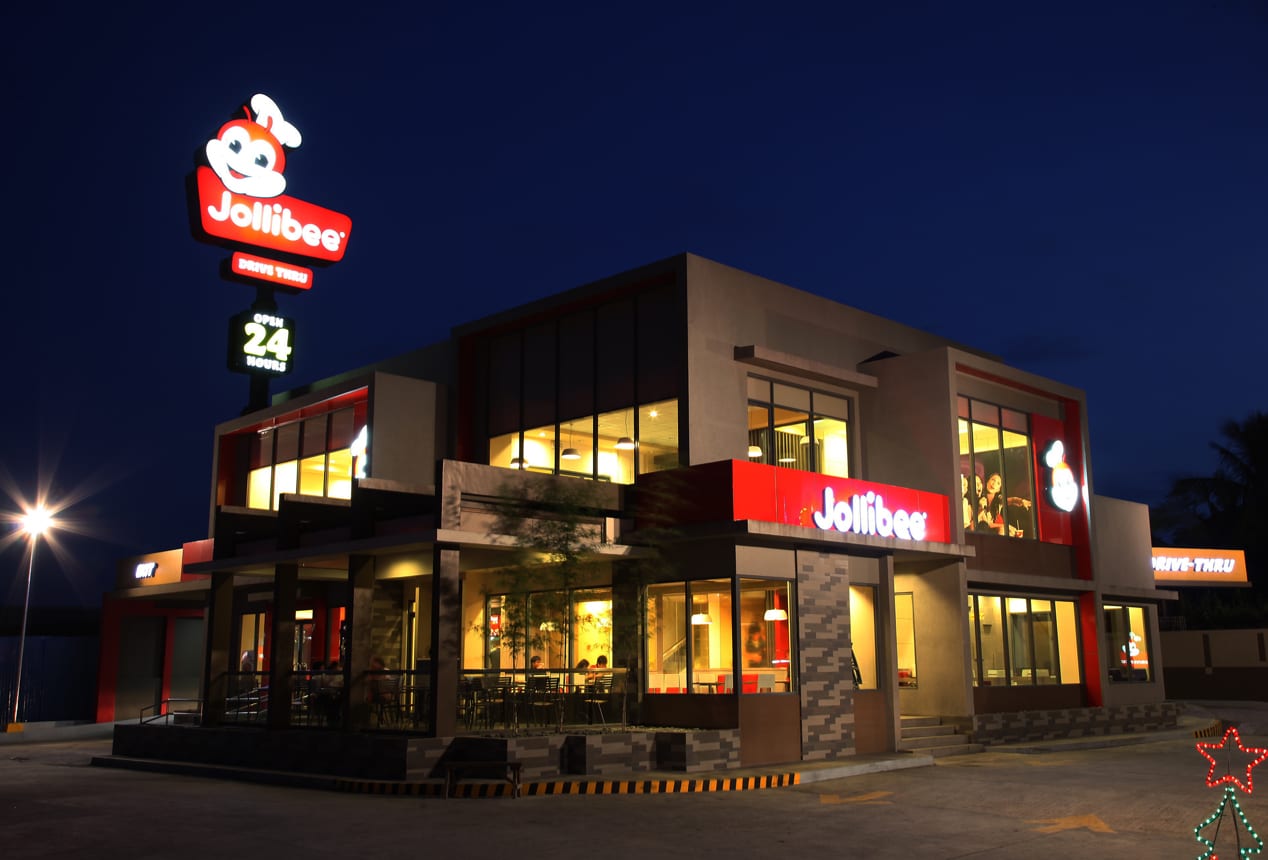
    Philippines-based Jollibee Foods is actively searching for at least two more established fast food or QSR restaurant chains to boost its brand portfolio.

    Jollibee chairman Tony Tan Caktiong says the company will pay up to $100 million for each investment and it is specifically looking at opportunities in China and the US.

    The comments follow the company’s recent purchase of a 40 per cent stake in fast growing US fast food operator Smashburger, for which it shelled out $99 million.

    The search is part of a strategy to increase the proportion of the company’s revenue sourced from outside the Philippines. Jollibee openly aspires to become one of the world’s largest fast food operators and it already ranks 10th as defined by market capitalisation – and first in Asia.

    But to be truly considered a global player, the company needs to derive at least 50 per cent of its income from offshore – currently that share sits at about 20 per cent.

    Earlier this month, Jollibee said it planned to enter seven new international markets over the next two years, along with 20 additional outlets in Vietnam, and another 12 in Brunei during coming months.

    Dennis Flores, VP for international operations of Jollibee, has revealed the company plans to take its mainstay Jollibee burger restaurant brand Jollibee into the UK, Italy, Canada, Malaysia and Oman in 2016. Forays into Australia and Japan will follow in 2017.

    Jollibee, publicly listed in the Philippines, had been actively seeking an investment in a leading US growth brand to gain a foothold in the US, as part of its broader plan to become an international restaurant operator. It currently operates and franchises a network of more than 3000 restaurants worldwide under the trade names Jollibee, Chowking, Greenwich, Red Ribbon, Yonghe King, Hong Zhuang Yuan, Mang Inasal, Burger King Philippines, San Pin Wang, and Jinja Bar. Jollibee also has a 50 per cent interest in the Super Foods Group, which operates and franchises restaurants under the Pho 24 and Highlands Coffee brands throughout Vietnam.

    Jollibee’s network outlets have reached 3,023 worldwide, with 2,393 of them in the Philippines, and 630 outlets abroad.

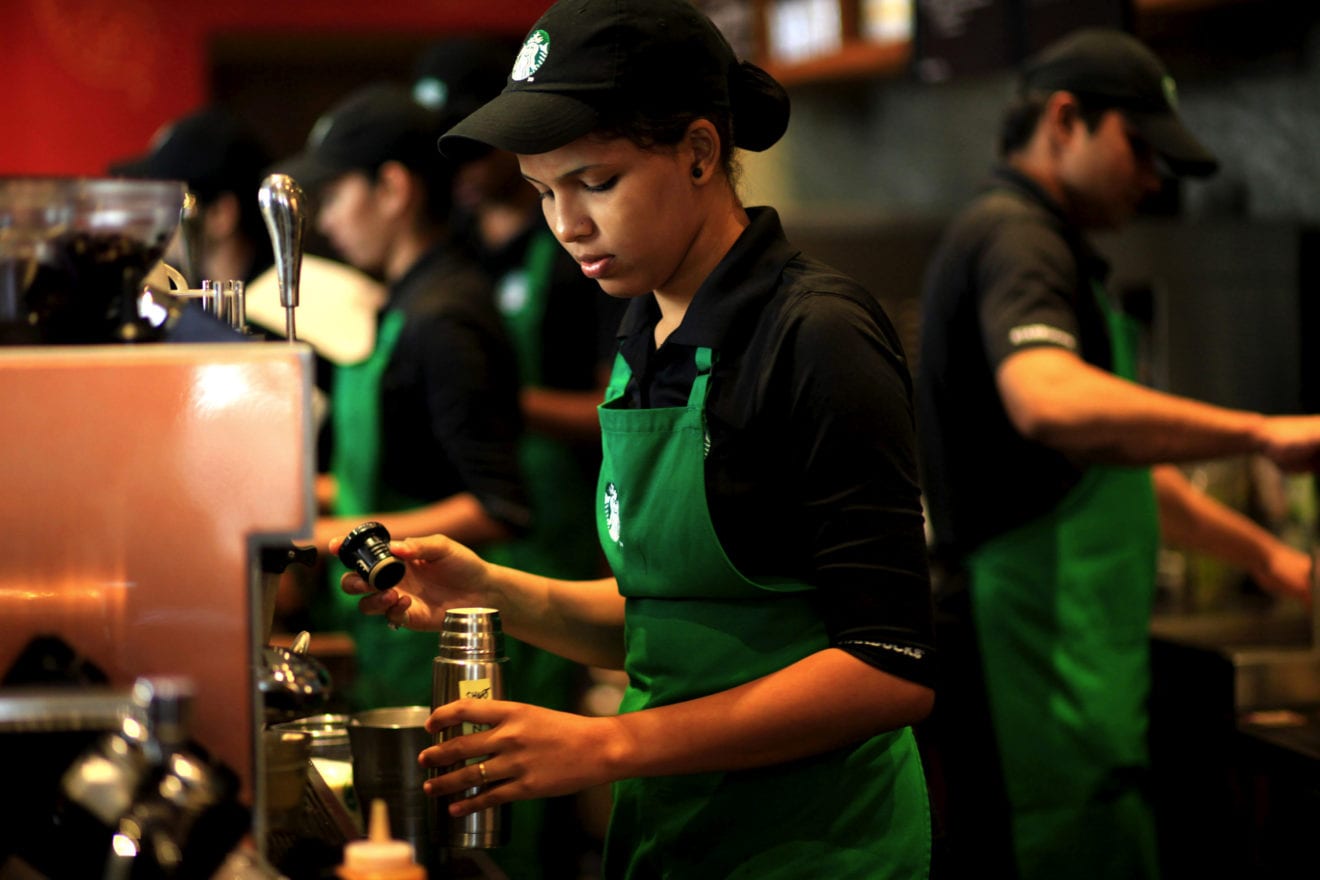
  • Starbucks barista Ryan Wibawa took top honors in the first ever Indonesian Brewers Cup

    Starbucks barista Ryan Wibawa took top honors in the first ever Indonesian Brewers Cup

    For Starbucks barista Ryan Wibawa, mastering coffee artistry was the key to becoming a champion.

    “I’ve worked really hard to hone my craft,” he said. “I’m now seeing the results of my hard work.”

    Wibawa took top honors in the first ever Indonesian Brewers Cup Championship finals held in central Jakarta. The competition, which occurred in stages over four months and wrapped up in November, featured 79 competitors from Bali, Jakarta and Semarang. Participants were judged on their coffee-brewing expertise, presentation skills and customer service. As the first place winner, Wibawa will represent Indonesia at the World Brewers Cup Championship in Dublin, Ireland next year.

    “This experience has given me another level of confidence to share my skills and knowledge about coffee,” said Wibawa. “I’m honored to represent Starbucks Indonesia at the World Championships in February.”

    Wibawa was first exposed to coffee when he joined Starbucks two years ago. He learned quickly and developed an enthusiasm for all things coffee. In 2014, he was selected as his district’s coffee master and earlier this year he won Starbucks Indonesia’s Barista Championships. He will also represent Indonesia at the China and Asia Pacific (CAP) region’s Starbucks Barista Championships in Hong Kong in February 2016.

    Ryan works at Indonesia’s first Starbucks Reserve store in Jakarta, where he delights customers with his coffee craft. He has also shared his expertise by training other Starbucks partners at Indonesia’s third Starbucks Reserve location in Bandung, which opened earlier this year.

    “I am proud to be a Starbucks partner,” said Wibawa. “At Starbucks, I can do what I love and what I’m passionate about, which is coffee.”

    To prepare for the Indonesian Brewers Cup Championship, Wibawa practiced twice per month with Mirza Luqman, Starbucks Indonesia’s learning and development manager.

    “Ryan was very eager and committed to learning everything about coffee,” said Luqman. “I couldn’t be happier for him.”

    “I can’t believe I will compete in the world championships,” added Wibawa. “I am so happy and proud to represent Starbucks and my country.”

    Starbucks barista Ryan Wibawa took top honors in the first ever Indonesian Brewers Cup Championship finals

    Starbucks barista Ryan Wibawa took top honors in the first ever Indonesian Brewers Cup Championship finals

  • Japan Kit Kat store wraps chocolate in gold

    Japan Kit Kat store wraps chocolate in gold

    The Japan Kit Kat store Chocolatory is selling the ultimate indulgence this Christmas: chocolate bars wrapped in real gold.

    And yes – they’re safe to eat… which essentially means consumers will quite literally end up flushing gold down the toilet.

    Nestle’s Kit Kat Chocolatory boutique store stocks a constantly changing array of flavoured Kit Kats produced for the fickle Japanese market, including at times strawberry, green tea and wasabi.

    The gold bars are essentially aimed at the Christmas gift market – but its release coincides with the one millionth customer of the single-brand store.

    The special bars – a limited run of 500 – will also be sold at eight selected upmarket department stores in several Japanese cities.

    Dubbed Sublime Gold Kit Kat, it will sell for 2016 yen (US$16) per finger. It is described (apparently without irony) as having “a rich, bitter chocolate taste”.

    “We have made it a luxury product,” said Nestle Japan spokeswoman Melanie Kohli.

    “Not like you probably remember from your childhood. It’s a special occasion, to celebrate the end of the year.”

    The bars come wrapped in a super thin layer of 24-carat gold foil.

    Kitkat store Japan


    It’s not the first time gold has been added to foodstuffs: several limited edition alcoholic beverages have been marketed with gold flakes inside, including cinnamon schnapps Goldschläger.

    Gold is harmless when ingested, passing through the body undigested.

  • Danone weans itself from Dumex infant formula brand in China

    Danone weans itself from Dumex infant formula brand in China

    French dairy giant Danone said Wednesday it had reached a final agreement to sell its Dumex baby-milk business in China, which had been tarnished by bribery claims and a safety scare.

    The sale to the Yashili group, a joint venture in which Danone holds a stake, for 150 million euros ($159 million), comes after the French firm earlier this year wrote down the value of Dumex by 398 million euros.

    Danone said in a statement that “by bringing the Dumex and Yashili brands closer together, the operation will build a strong local infant milk formula brand platform.”

    Dumex China was hard hit by a 2013 food safety scare involving its New Zealand supplier Fonterra.

    The scare, which led the company to recall products, damaged the brand despite later being shown to be unfounded.

    Claims in 2013 that Dumex employees made payments to doctors and nurses at hospitals to provide Dumex formula to newborn babies further tarnished its reputation in China, its fourth-biggest market.

    Danone said earlier this year the write down of Dumex was also due to a shift by Chinese customers away from buying infant formula in supermarkets in favour of purchasing it online.

    Danone owns a 25 percent stake in Yashili, with China’s Mengniu Dairy holding just over 51 percent.

    It will not hike its stake 9.9 percent in Mengniu, in contrast to what was announced when the sale of Dumex was flagged in July.

    The sale still needs the approval of regulators and Yashili shareholders.

  • Korea’s Coffine Gurunaru plans China foray

    Korea’s Coffine Gurunaru plans China foray

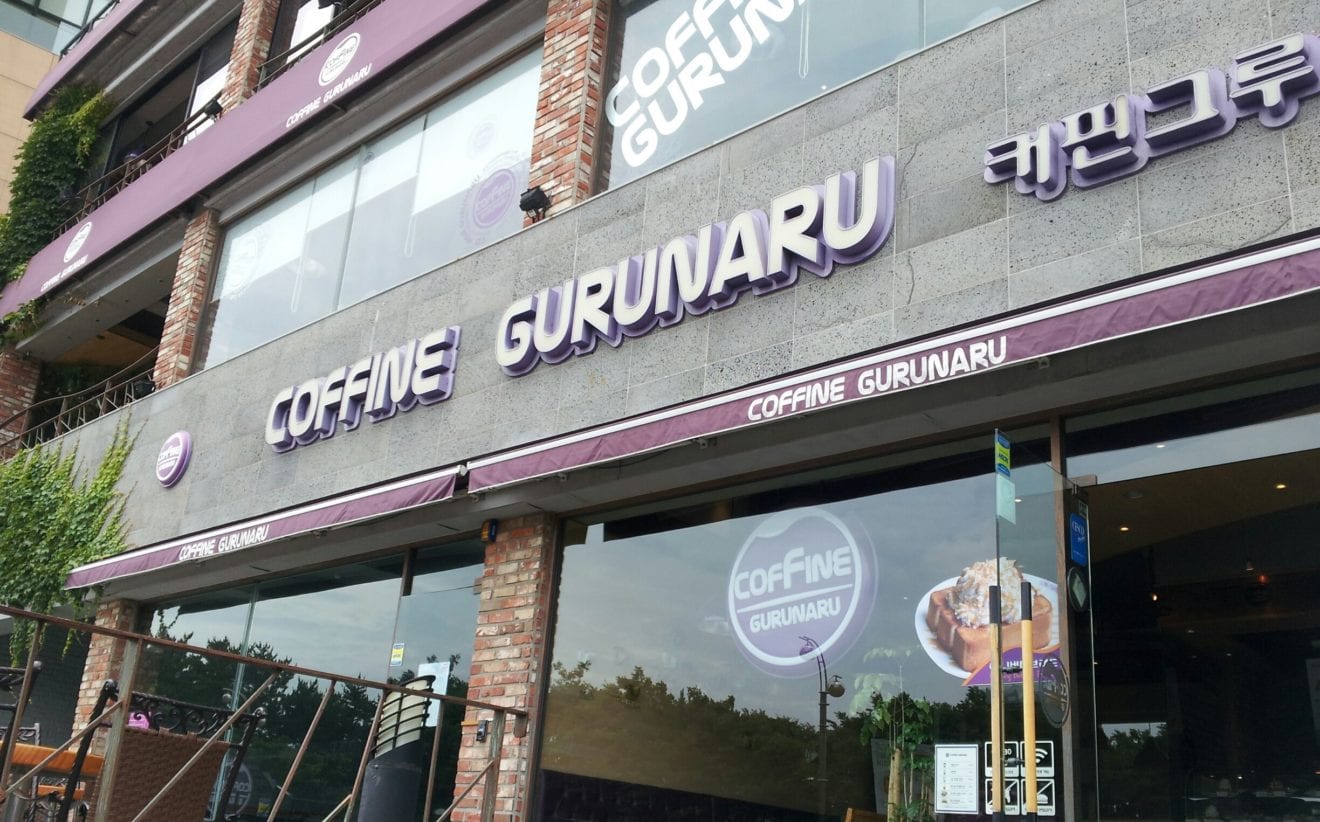
    Korean coffee franchise Coffine Gurunaru is to open one of its largest stores in Hainan, China in the first stage of a planned China rollout.

    The new store is in the middle of Lan Kwal Fong St, the main street of Hainan, and is described as “exceptionally large in size” for a coffee franchise.

    Hainan, sometimes referred to as the ‘Hawaii of the East’, is a major holiday destination for Mainland Chinese.

    Management of Coffine Gurunaru say the extraordinary size of the cafe is relative to the size of the development where it will be located. The world’s largest resort group, Mission Hills, owns resorts, golf courses and shopping malls. It is building the world’s largest K-town in Hainan, where Coffine Gurunaru will open its Chinese flagship.

    The interior will be designed to be “modern and natural”, says a spokesman for the coffee house.

    Korea’s Coffine Gurunaru

    Coffine Gurunaru is a compound name combining coffee and wine. It was the first coffee house in Korea to offer both coffee and wine. Founded in 2007, it has about 120 stores in South Korea, including franchised stores.

    The cafes’ interiors, including the chairs and walls, are decorated in a cheerful purple, intended to refer to the color of wine.

    Besides beverages, the stores serve a range of salads, panini sandwiches, signature cupcakes and honey bread.

    Coffine Gurunaru has not disclosed how many stores it will open in China, but has confirmed it will build a network.

    Korea’s Coffine Gurunaru interior

  • Tony Roma’s Myanmar opens second location

    Tony Roma’s Myanmar opens second location

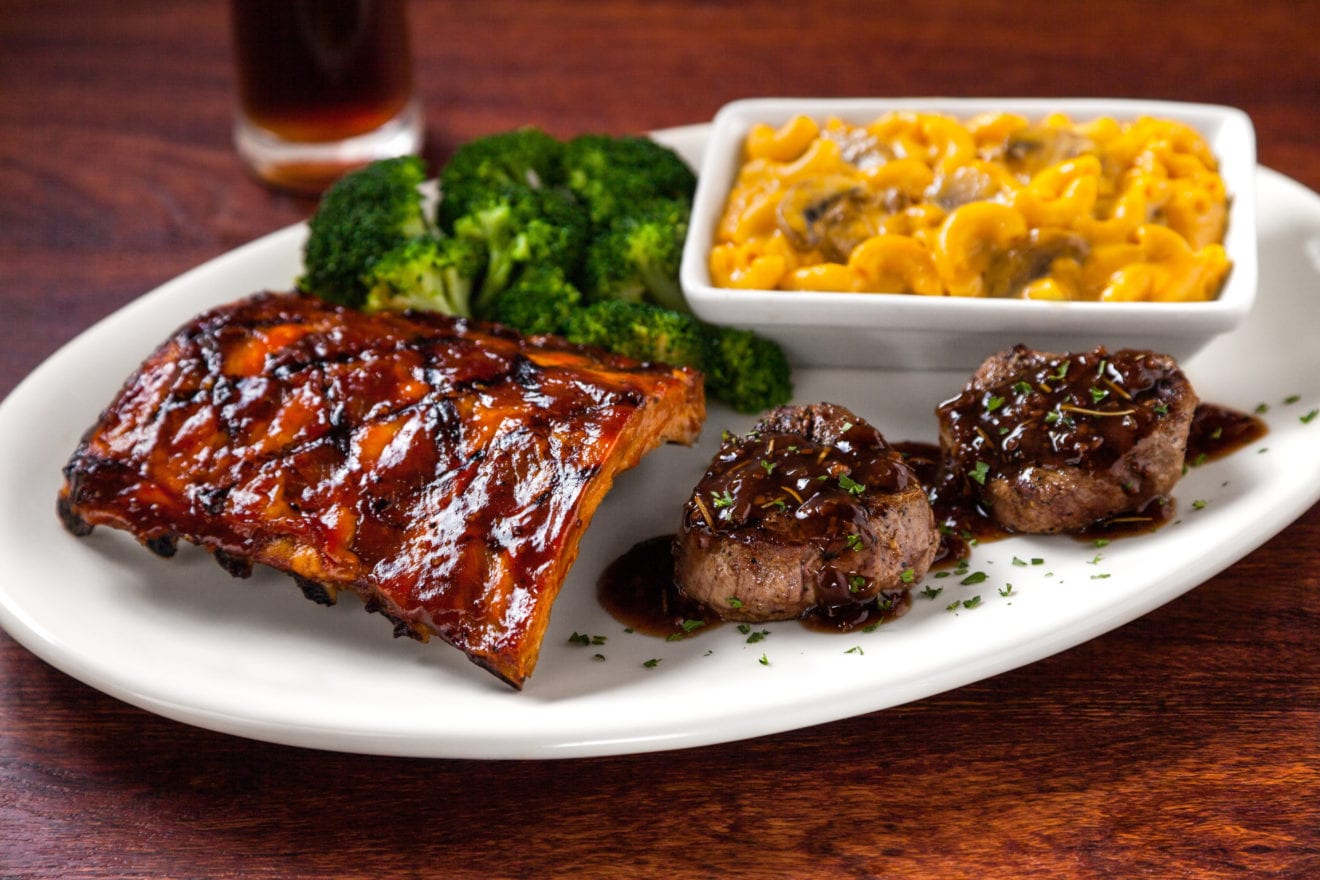
    Tony Roma’s Myanmar has opened its second restaurant in the fast-developing country.

    The first Tony Roma’s there opened earlier this year, and the response from the local consumer to the brand’s signature food and beverages has been tremendous, says Stephen Judge, president and CEO of Romacorp, Inc, Tony Roma’s parent.

    The second restaurant, like the first, is located in Yangon, the largest city in Myanmar, on Strand Square off Strand Rd, an epicenter of the city.

    “Our franchise partner, Apex Food and Beverage, knows the local market well, and we are excited to work with them to extend the reach of the Tony Roma’s brand in Myanmar and bring our world famous ribs to fans throughout Yangon,” said Judge.

    The restaurant is 457 sqm with 198 seats. The building is two stories and also includes covered outdoor seating. This location is situated near Sule Pagoda and Maha Bandoola Garden, two important landmarks in the Myanmar culture.

    “We opened our first Tony Roma’s in Myanmar to much success in January, and the delicious ribs and friendly atmosphere have been very popular, which is why we’re excited to open this second location,” said Kyaw Soe Win, Apex MD.

    Headquartered in Orlando, Florida, Romacorp has more than 150 restaurants in more than 30

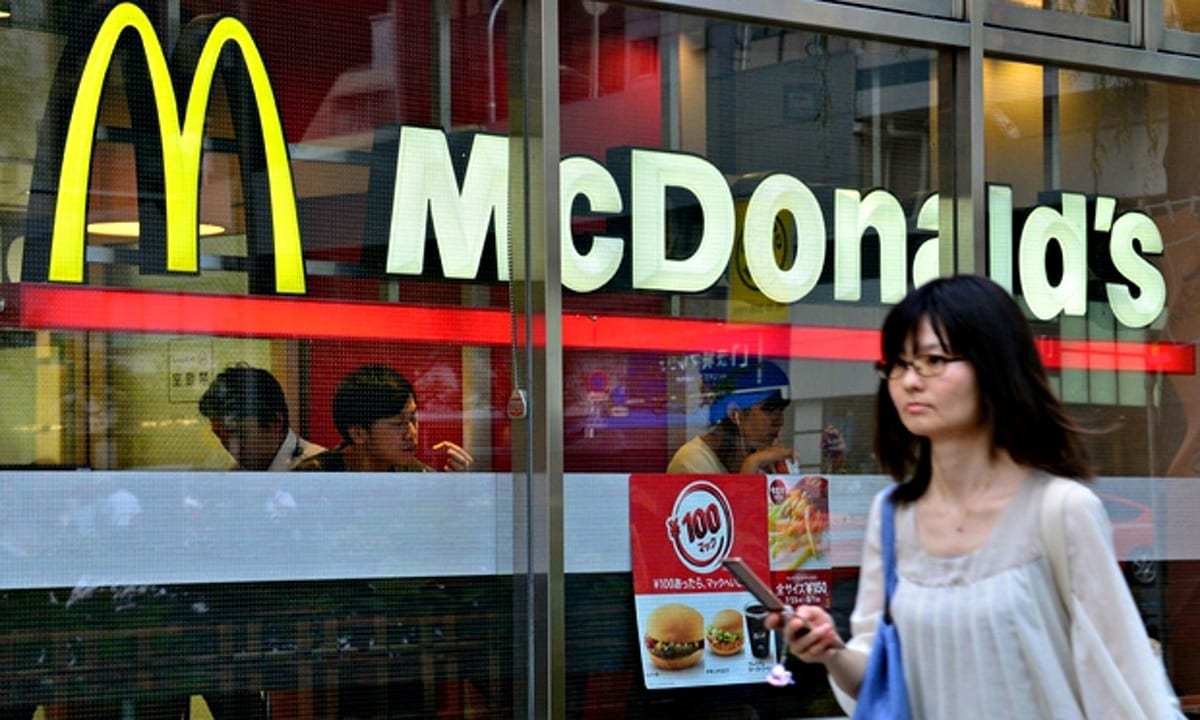
  • McDonald’s Japan arrests sales decline

    McDonald’s Japan arrests sales decline

    McDonald’s Japan has lost 29.2 billion yen in the first nine months of this year, roughly US$236.8 million.

    However, the beleaguered fast food business, which launched a Business Revitalisation Plan involving closing 131 stores in April, says it has arrested its sales decline.

    Same store sales in the third quarter of this year slid by four per cent – a fraction of the massive 32.3 per cent drop in its horror first quarter.

    In the first nine months of the current year, system wide sales have decreased by 70.1 billion yen (US$568 million) to 273.9 billion yen ($2.221 billion).

    While sales and profit have declined significantly, the company said the BRP is progressing “broadly in accordance with schedule, and the business is on the path to recovery”.

    On October 26, McDonald’s Japan launched ‘Otegoro Mac’, part of a “Shin Otegoro Sengen” initiative designed to provide better, more consistent every day value for money. The company says that has been well received by customers to date.

    “We will continue to focus on ensuring food quality while making additional progress on our modernisation plan, delivering customer visible points of change, accelerating business recovery, and achieving long-term growth.

    “We are committed to providing customers the best possible dining experience by delivering the highest possible level of quality, service and cleanliness, with an unwavering focus on

    building stronger relationships in local communities.”

    McDonald’s Japan’s new vision is of “becoming a modern burger restaurant that connects with our customers”.

  • Starbucks Korea to launch ‘Startup cafe’

    Starbucks Korea to launch ‘Startup cafe’

    Starbucks Korea is to launch a ‘startup cafe,’ in partnership with the country’s government, to stimulate innovation.

    The South Korean arm of the world-famous coffee chain Starbucks and the country’s ICT ministry said Tuesday the “startup cafe” will be a place where visitors can share experiences and ideas on starting a new company.

    Starbucks and the Ministry of Science, ICT and Future Planning said they will host venture-related programs, including lectures at one of its stores in central Seoul, in their latest effort to beef up local startups.

    The ministry said around 46,000 startups kicked off in the first half of 2015 in South Korea, adding it is vital to establish an ecosystem where new companies can share their know-how and experiences to keep the trend sustainable.

    The accessibility and openness of cafes are suitable places for startups to gather, the ministry added.

    Starbucks will provide the venue, as well as drinks and food, for participants. It also plans to roll out joint programs, such as a tumbler design competition.

    The Starbucks-supported startup cafes will expand to areas outside Seoul starting next year.

  • Hong Kong flight takes food from paddock to plate in a day

    Hong Kong flight takes food from paddock to plate in a day

    A VEGETABLE grower is excited about the prospect of his product going from the ground to the dinner plates of Hong Kong within 24 hours. Geoffrey Story is among many from Toowoomba and the region who are preparing to tap into the lucrative Asian market.

    As the first international freight flight out of Wellcamp airport prepares for lift-off on Monday, companies say it will be a game-changer. In a trial run for freight transport out of the region, a Cathay Pacific Airways Boeing 747-800F will fly to Hong Kong packed full of Darling Downs produce. Story Fresh has farms at Cambooya, Grantham and Clifton and is looking to break into the export market. The company already exports on Cathay Pacific from Brisbane but said Wellcamp would be logistically more convenient.

    “We see the opportunity for this airport to do it better because we’re closer and we can get product there quicker.” He said Australia had a good reputation for high quality and standard of food. The plane will also carry 14 tonnes of high quality chilled Black Angus grain fed steak.

    Warwick beef producer Rangers Valley is another of the companies taking the opportunity to use the service. It will ship to Hong Kong on Monday with about half going to food service like high end restaurants and the rest being sold in retail stores. The company has been selling products in Hong Kong for about a decade and usually uses the Cathay service out of Brisbane.

    Andrew Moore is marketing manager from the company’s Warwick office and called the flight a great opportunity for producers. “Once all the infrastructure is in place at Wellcamp there will be transport advantages. “It’s great to be part of this first shipment to see how it works.”

    Over the past 12 months, the company has air freighted about 700 tonnes of high quality chilled Wagyu and Black Angus grain fed beef to customers across the globe. Mr Moore said the ultimate plan was to use Hong Kong as a hub to export beef products across Asia. The flight arrives at 2.30pm. A public viewing area will be established.

  • KFC China sales bounce back

    KFC China sales bounce back

    Yum! Brands has revealed same store sales figures for its KFC China and Pizza Hut China networks.

    The US company, which last month revealed plans to spin off its Chinese operations into a separate company, said total Chinese October same-store sales grew an estimated five per cent, compared to same-store sales growth of six per cent in September.

    In October, KFC China sales rose 10 per cent but Pizza Hut China sales declined nine per cent.

    “We are reiterating our guidance for the fourth quarter of China Division same-store sales growth of zero to four per cent, with positive same-store sales growth at KFC and negative same-store sales at Pizza Hut Casual Dining,”the company said in a statement.

    “As previously stated, same-store sales remain difficult to forecast in China, and our overlaps become more difficult for the balance of the year.”

    Yum China has 6900 KFC and Pizza Hut restaurants, but has struggled for more than two years after high profile food safety scares involving suppliers.

    Mid last year, a Chinese TV network screened footage of a supplier mixing allegedly expired meat with fresh meat. The company, a subsidiary of OSI Group, was a minor supplier to Yum! and its contract was cancelled immediately. But the TV news footage was sufficient to spook Chinese customers, many of whom stopped eating at KFC China outlets.

  • India’s Bindaas restaurant opens in Hong Kong

    India’s Bindaas restaurant opens in Hong Kong

    Indian restaurant operator Mayo Hospitality HK Limited has opened its first outlet in Hong Kong – Bindaas restaurant.

    The Indian tapas bar and restaurant, its full name Bindaas – Bar + Kitchen – marks a plan to use Hong Kong to leverage the city’s favourable location to expand its business in the broader Asia region.

    Located at the corner of Hollywood Road and Aberdeen St in the Soho area, Bindaas – Bar + Kitchen offers a modern style of traditional Indian food alongside craft cocktails and fine wines.

    Mayo plans to open more restaurants in the city before expanding into the Mainland market, according to Bindaas MD Sanat Patel, who has won prestigious Times Food Awards twice for his restaurants in India.

    “Indian tapas is getting famous in India but we can’t find a similar place in Hong Kong. Doing business in Hong Kong is very easy and efficient, so that is also why we decided to start our first venture in the city to introduce our new food culture,” said Patel.

    “Hong Kong has a very large expat base and people here love dining and entertainment. The restaurant and bar scene in the city is thriving. Also, it is close to the huge food and beverage markets in the Mainland. Therefore, Hong Kong is the ideal starting point for us to develop our business.”

    Associate director-general of investment promotion Dr Jimmy Chiang said with Hong Kong renowned as “the culinary capital of Asia” with a large number of international and Mainland Chinese visitors, it is an ideal place to showcase and develop exciting food and beverage concepts like Bindaas.

    “We wish Bindaas – Bar + Kitchen every success in the city.”

    “Bindaas” is Hindi slang meaning “chilled out and carefree”. Bindaas restaurant uses the “bindaas” style to provide traditional Indian food with a unique contemporary twist. Its signature dishes include NaanZa, which is an Indian version of pizza, Chingri Malai curry, Boti kabab, Bindaas tandoor chicken and cocktails like the Kala Khatta margarita, the Sheikh Chili and more.

  • Johnnie Walker leverages travel retail for Singapore Airlines partnership

    Johnnie Walker leverages travel retail for Singapore Airlines partnership

    Diageo-owned Scotch whisky Johnnie Walker Blue Label is elevating its relationship with travel retail through a collaboration with Singapore Airlines.

    The distiller’s Johnnie Walker House network of high-end whisky lounges has worked with Singapore Airlines to design a limited-edition bottle that takes cues from the airliner’s flight attendant uniforms. Travel retail is especially important for spirits brands due to duty-free pieces, and expanding that connection through special-edition bottles may further increase interest from travelers.

    Cheers in the sky
    For its collaboration, Johnnie Walker drew inspiration from Singapore Airlines’ “Singapore Girls” and their sarong kebaya uniform. The distinctive uniform, inspired by traditional fabric patterns, was designed by French couturier Pierre Balmain in 1968, and has stood the test of time to become synonymous with “luxury, heritage and excellence.”

    The lapis lazuli blue bottle has been produced in the same shade as the uniforms sported by Singapore Girls. Furthering the connection, each bottle features the airline’s batik print etched in silver on its front.

    Johnnie Walker Blue Label’s special release bottle stands out as the distillers’ Cask Edition, a richer and more intense whisky. The bottles, limited to 2,000, will be priced at $270.

    Rather than sell in a Duty Free Shopping outlet, Singapore Airlines has made the bottle exclusive to its on-board, inflight retail store KrisShop. The bottles will also be available for pre-order on the KrisShop Web site.

    JOHNNIE WALKER BLUE LABEL The Cask Edition Singapore Airlines_5
    Johnnie Walker and Singapore Airlines collaborative bottle 

    “We are proud to be able to exclusively offer our customers the opportunity to purchase this special release in-flight via Singapore Airlines KrisShop,” said Foo Chai Woo, Singapore Airlines divisional vice president sales and marketing. “Having our Singapore Girls’ signature sarong kebaya batik motif reproduced on the bottle of the world’s leading luxury blended Scotch whisky is an honor and we are thrilled to have been selected as the first Johnnie Walker House airline player.”

    Matthieu Comard, vice president of Diageo Global Travel Americas, agreed, saying, “Johnnie Walker Blue Label, Singapore Airlines and DFASS have much in common. They are progressive, award-winning brands known around the world for excellence.

    “We are proud to take this opportunity to create a special-edition with such esteemed partners in the travel retail and travel sectors,” he said. “Their commitment to continued excellence and remarkable standards of luxury are values shared by the Johnnie Walker brand.”