Category: Food

Retail News Asia is committed to providing both local and global retailers with the latest Food and Food & Beverage news throughout the Asian market. This on a daily base.

  • Supermarkets, restaurants worldwide admit to using slave labour-processed seafood

    Supermarkets, restaurants worldwide admit to using slave labour-processed seafood

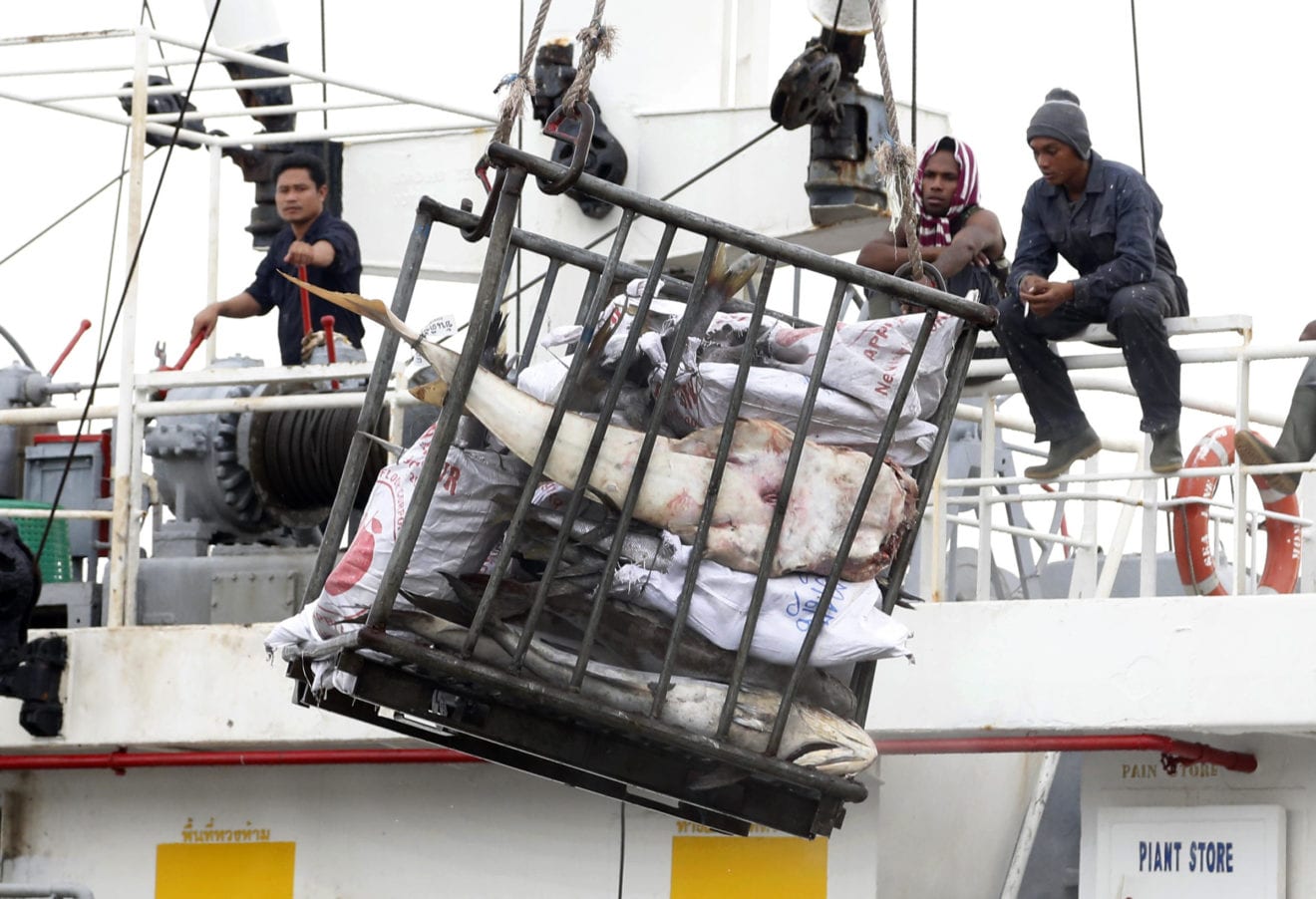
    A large-scale investigation spanning multiple continents has revealed that top seafood retailers and restaurants around the world were using products that were tainted with forced slave labour, originating from Thailand’s seafood peeling factories.

    The Gig Peeling Factory on the outskirts of Bangkok houses horrors made of nightmares. Here, the forced labourers work for 16 hours for little or no pay fearing violence from the overseers.

    An Associated Press investigation revealed that Thai Union, the largest seafood supplier, employs the Gig Peeling Factory where a hundred Burmese people, including children, are kept under lock and key and forced to work for hours without end with their hands in cold water, tearing and shedding at the heads and tails of the shrimps.

    Woolworths, Coles and Aldi, Australia’s top retail grocery chains, have all said that they use Thai Union as suppliers for their retail stores.

    “We will investigate this further with our supplier and seek advice from our NGO partners,” quoted Woolworths as saying.

    Australian retailer, IGA Supermarkets’s supplier Metcash confirmed that it uses Thai Union as well.

    “Some of our other locally based seafood suppliers may purchase prawns from Thai Union as they are one of the largest seafood suppliers in the world,” a Metcash spokesman said.

    In the US, the Red Lobster and Olive Garden, both restaurant chains as well as retail chains like Wal-Mart, Kroger, Whole Foods, Dollar General and Petco, have all confirmed using the Thai seafood supplier.

    The seafood produce from Gig Peeling Factory gets mixed with products from other suppliers making it impossible to tell between tainted and ethically produced farm products.

    According to UN and US standards, the whole produce then becomes tainted.

    “They didn’t let us rest,” said 16-year-old Eae Hpaw, 16, a labourer at the factory, whose arms were lacerated with shrimp-related infections and allergies. “We stopped working around seven in the evening. We would take a shower and sleep. Then we would start again around three in the morning.”

    “I was shocked after working there a while, and I realised there was no way out,” said Tin Nyo Win, 22. He and his wife were only paid US $4 per day for peeling 175 pounds of shrimp.

    Europe and Asia, has been similarly importing products from Thai Union, the AP investigation revealed. Germany, Italy, England and Ireland were able to find products from Thailand in grocery stores there.

    “As the world’s largest seafood restaurant, we know the important role we play in setting and ensuring compliance with seafood industry standards, and we’re committed to doing our part to make sure the seafood we buy and serve is sourced in a way that is ethical, responsible and sustainable,” Red Lobster said in a statement.

    In 2015, Thailand had passed laws to come down heavily on the abuses by the seafood industry in the country, and to register migrant workers without papers to ensure their safety.

  • Costa Coffee unveils new concept

    Costa Coffee unveils new concept

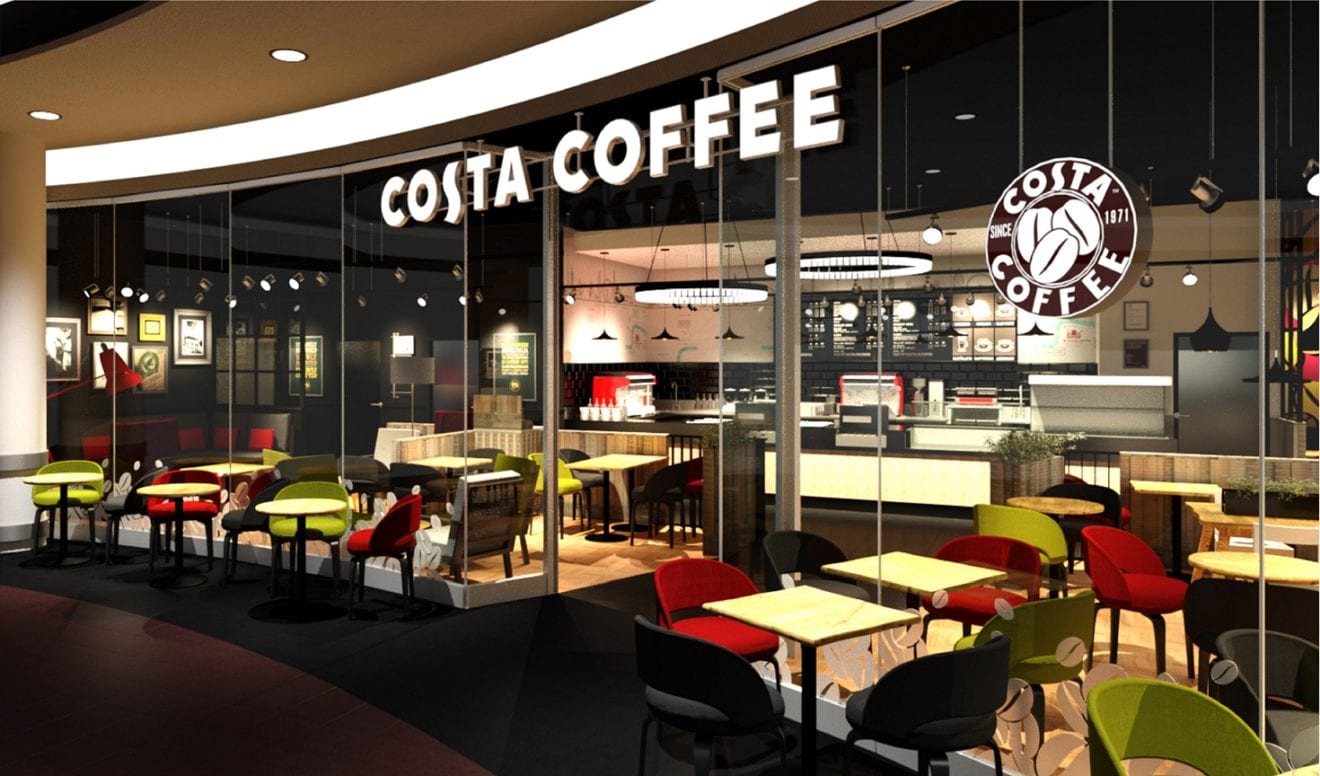
    The UK’s largest coffee chain Costa Coffee has opened a new concept, Costa Fresco.

    A food-centric store, the first outlet has opened in central London, selling porridge, pastries, salads, quiches and cakes, as well as coffee.

    Costa says if the concept is a success it will open more across the UK.

    “We really want to bring something different to the food market in London,” said Carol Welch, Costa’s global director of brand & innovation.

    “The store will be similar to the traditional Costa stores, but will have much more of a food focus. All pastries, cakes and bread will be baked on site – our customers are telling us they want more, good quality food.”

    Costa, part of Whitbred for the last 20 years, has 1582 stores in the UK and more in overseas locations, including Asia.

    The move into food is in part an attempt to stand out from rival coffee chains like Starbucks, adding a point of difference to attract customers.

  • McDonald’s pilots new open concept in Hong Kong

    McDonald’s pilots new open concept in Hong Kong

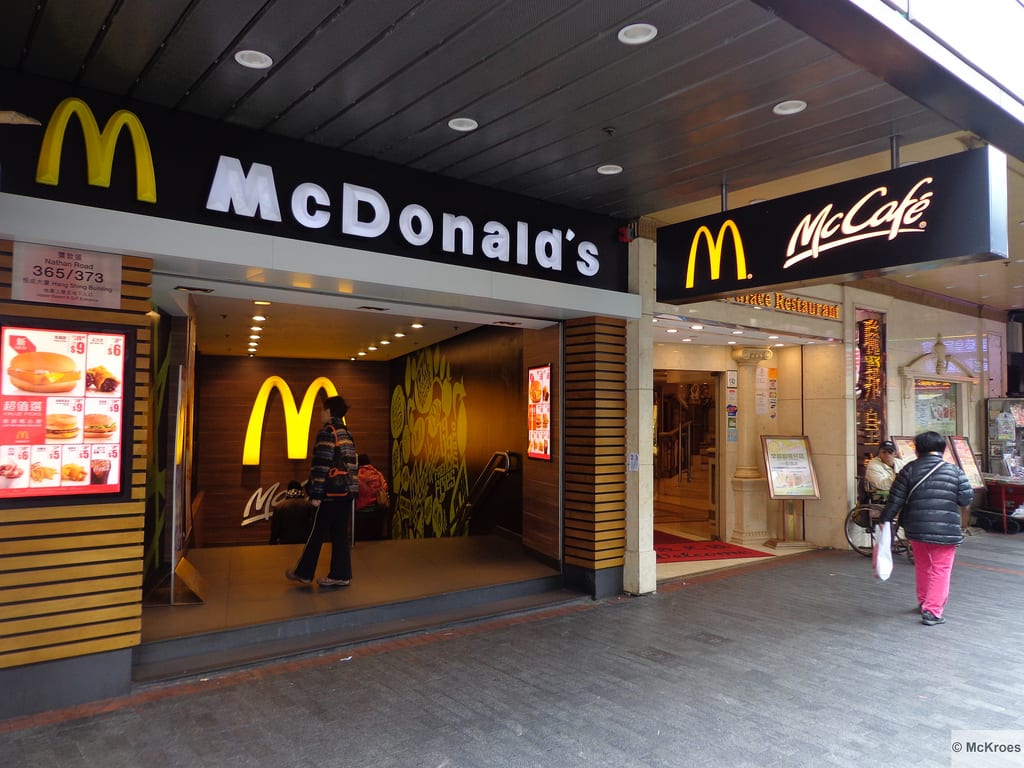
    McDonald’s first opened its doors in Hong Kong in 1975. Fast-forward 40 years and McDonald’s is pioneering a new dining concept it’s calling McDonald’s Next in the bustling city on the South China Sea.

    Billed as a “food bar,” the open-concept eatery is located in the city’s Admiralty area, a major shopping hub (and hang-out for youths) near the main Central district on Hong Kong Island.

    McDonald's Next Hong Kong digital create your taste ordering kiosk touchscreen

    While a handful of McDonald’s in Hong Kong already offer Create Your Taste digital ordering, the McDonald’s Next location in Admiralty (taglines include: “What’s Next is Now” and “Your creation. Made by us. Worth the wait”) is offering a whole new level of personalization and customer experience for the brand.

    mcdonald's next

    In addition to being open until 1:00 a.m. and offering free mobile device charging and table service after 6:00 pm, what makes the Admiralty location unique is the personalization, interactive design and social nature of the dining experience.

    McDonald's Next personalized Hong Kong table service Create Your Taste

    Almost like a sushi bar in appearance, customers sidle up to the counter (which McDonald’s calls a theater kitchen) to design and order on touchscreens their customized salads and burgers from the DIY “Create Your Taste” menu that launched in Hong Kong in 2014.

    McDonald's Hong Kong Next Create Your Taste #createyourtastehk

    McDonald's Next Hong Kong customer #createyourtastehk #cyt

    As in other CYT locations, the food is served on a wooden plank with a toothpick flag impaling the burger bun and the fries in mesh wire baskets.

    McDonald's Hong Kong Create Your Taste burger menu

    The integrated McCafe menu also includes gourmet coffee in smartly designed packaging, such as premium Ethiopian Sidamo coffee beans bagged in a style that would make third wave coffee snobs swoon.

    On the tables, customers will find various makes of charging cords for mobile devices to rejuice their ever-present smartphones.

    Coffee beverages served with latte foam art depicting characters in a marketing tie-in with the new Peanuts movie and a gingerbread man design, part of the local “Hug the Moment” holiday campaign.

    McDonald's Next Hong Kong DIY salad Snoopy foam latte

    Last but not least, for dessert customers can indulge in mixed berry Belgian waffles. Throughout the experience, they are (naturally) encouraged to share photos of their creations on social media with the hashtag #createyourtastehk.

    McDonald's Hong Kong Create Your Taste burger menu

    The “Create Your Taste” menu consist of 19 base ingredients including numerous salad options with cheese, sauces and ingredients like chopped boiled eggs, grilled chicken, couscous, quinoa, asparagus and even crayfish.

    The packaging both rewards and reflects the handiwork of each customer’s creation, with taglines such as “Your creation — made by us, served to you.”

    McDonald's Next Hong Kong Create Your Taste packaging

    On the tables, customers will find various makes of charging cords for mobile devices to rejuice their ever-present smartphones.

    McDonald's Next Hong Kong Create Your Taste mobile charging

    In another inspired touch, limited edition Create Your Taste tote bags given away during the launch promotion reproduced each customer’s unique order as a graphic illustration, whether a hamburger or a salad.

    McDonald's Hong Kong Create Your Taste tote bag

    McDonald's Next Hong Kong Create Your Taste salad tote bag

    To be sure, Create Your Taste is not unique to McDonald’s Hong Kong, and is now available in other markets including New Zealand, Australia,Canada and in select US cities including New York, where YouTube vlogger Casey Neistat reviewed the CYT “$12 burger” in September with a pal.

    The Next concept also has hints of McDonald’s “Corner McCafe” concept concept in Sydney, Australia.

    McDonald's Hong Kong Create Your Taste #cyt localization

    Beyond the customizable menu itself, the McDonald’s Next design is far from the counter interaction McDonald’s customers are use to. The open design of the bar encourages a more social space.

    McDonald's Next Hong Kong employees

    And forget the standard issue gold and red uniforms—McDonald’s Next employees wear a uniform that’s hipper and more appropriate for Hong Kong: black t-shirts. Even the balloons decorating the McDonald’s Next are chic, coming in black and silver.

    And on the tables, customers will find various makes of charging cords for mobile devices to rejuice their ever-present smartphones. McDonald’s is promoting McDonald’s Next as part of the brand’s 40th Anniversary in Hong Kong. The local press has raved about the new “food bars” with local social media users equally excited.

    It’s all designed, of course, to appeal to selfie-happy millennials and post-millennials (i.e. teens), key demographics for McDonald’s in the Chinese territory. But the local media hasn’t been all raving about the cool new McDonald’s Next, even as the Create Your Taste concept gains traction worldwide. For weeks now, Hong Kong’s newspapers have been reporting on how Western chains play into the mad economics of the city, even as BuzzFeed’s reviewers (for one) rave about McD’s only-in-Hong Kong local menu items such as flavored seasonings to shake onto your French fries.

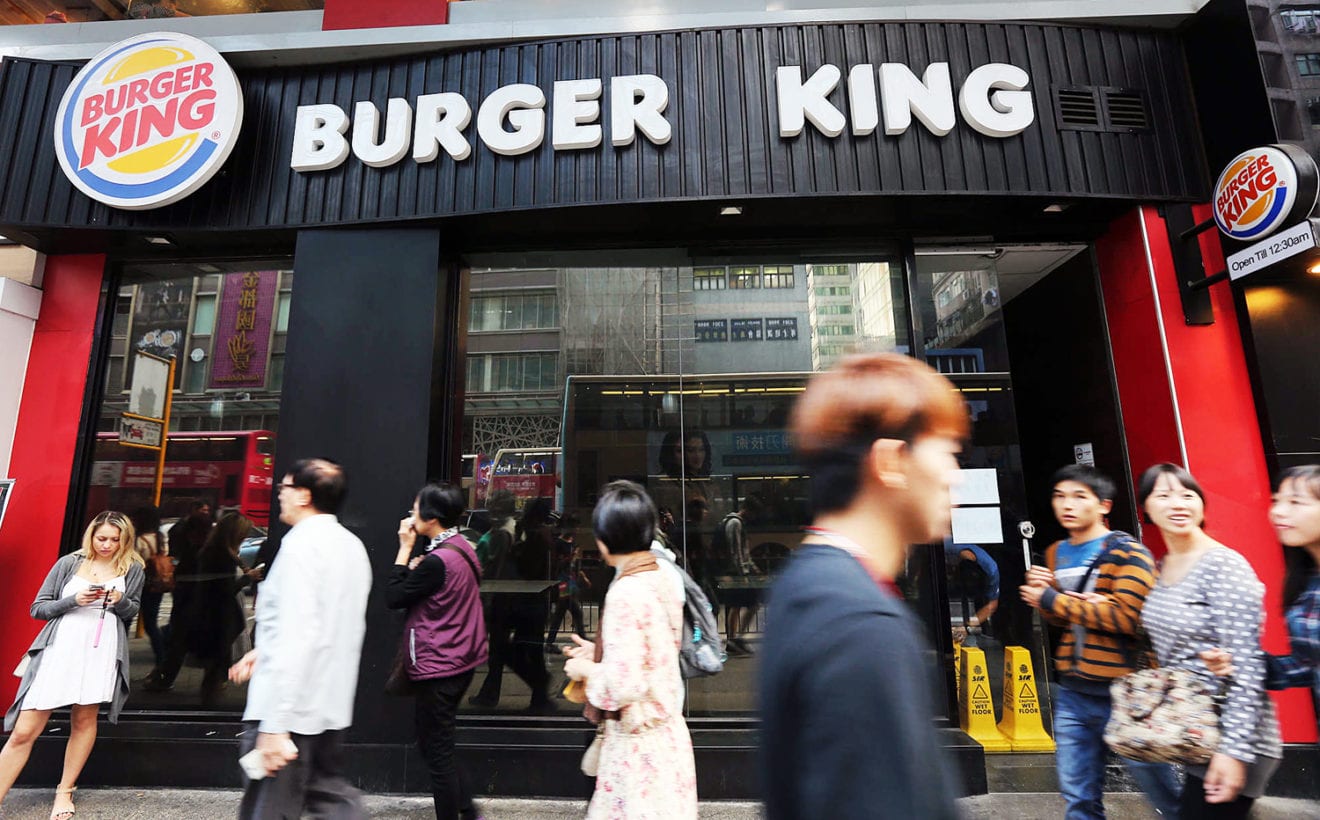
    Scores of former fast food workers recently turned up at Hong Kong’s human services office after spiraling rents resulted in the closure of five of the city’s seven Burger King locations.

    And a homeless woman’s death in a McDonald’s booth—where she sat slumped over, unnoticed for some time—has shined a light on how the 24-hour McDonald’s locations have become de facto homeless shelters, with many of the destitute stretching out in booths overnight.

    Meanwhile, a little north in mainland China in the city of Hangzhou, McDonald’s is weathering a different kind of PR storm. Criticism has met the company’s decision to convert a historic building on the city’s famous West Lake into a McDonald’s.

    The building is the former home of Chiang Ching-kuo, son of Generalissimo Chiang Kai-shek, both of whom were Kuomintang leaders and later presidents of Taiwan—the longtime enemy and ongoing thorn-in-the-side of China’s ruling Communist party.

    Beyond the burger giants, KFC is opening its first ever location on the roof of the world. The chain is not yet in the far west of Tibet but that will change early next year when a KFC will open in Tibet’s capital of Lhasa. It will also come as Yum! Brands spins off its China operations by the end of 2016.
  • First KFC Tibet store to open in 2016

    First KFC Tibet store to open in 2016

    It’s been more than 10 years since US fast food giant Yum! Brands first mooted opening a store in Tibet.

    But next year the plan is set to come to fruition following the appointment of a franchisee there.

    KFC dropped plans to open an outlet there in 2004 on economic grounds – but the plan was opposed at the time by Tibet’s exiled leader the Dalai Lama, who is a staunch vegetarian.

    Now, the first KFC Tibet outlet is scheduled to open in the first half of next year – part of a massive expansion program for the deep fried chicken brand.

    Yum! is preparing to spin off its China operations and almost treble the current 6900-strong store network to about 20,000 through a franchising program.

    The first KFC Tibet store will open in the capital city, Lhasa.

  • India’s Specialty Restaurants plans 24 new ‘fun’ eateries

    India’s Specialty Restaurants plans 24 new ‘fun’ eateries

    Fine dining operator Speciality Restaurants says it will focus on its ‘fun dining’ brands as it rolls out 24 new eateries over the next two years.

    The group currently operates 123 restaurants, a mix of fine dining destinations branded Mainland China and Oh! Calcutta, and what it terms ‘fun’ brands – Mainland China Asia Kitchen, Cafe Mezzuna and Hoppipola.

    Executive Anjan Chatterjee says from now on the company will more or less equally split its capital investment evenly between the two channels – fun and fine dining.

    “At least 50 per cent of restaurants we open in 2016 and 2017 will be fun dining. The vertical will help us maintain leadership in the fine and casual dining restaurants and confectioneries market. Over the years, we have developed a dedicated client base that is sophisticated and appreciates fine dining. But there is another group that is as important who want an informal atmosphere and a fun dining experience,” he said in an interview with the Times of India at the opening of a new Asia Kitchen restaurants at the Acropolis Mall.

    “They are young customers with disposable incomes. We have developed brands for them and will now expand this vertical.”

    The company is also pursuing opportunities to expand overseas.

    With two restaurants in Bangladesh and two in Tanzania, it is about to open its first outlet in Doha. Chatterjee is seeking locations for new restaurants in London and New York.

    Specialty Restaurants also has a small collection of quick service restaurants – one each trading under the brands Zoodles, Shack, Kibbeh and Kix.

    Chatterjee believes consumer dining preferences are changing.

    “Traditionally, people went to a restaurant and had their fill. But the trend has changed. They have become small eaters for health and economic reasons. Food is expensive and people don’t want large portions that will lead to wastage or a doggy bag. For instance, if a portion of mocha chop contained eight pieces, we have now introduced a regular portion that has four pieces. The regular size is good for two. If there are three or more, customers have the option of ordering one more. It is good on the pocket too and will encourage customers to come back more often. We don’t want price to be a barrier,” he said.

    Specialty Restaurants has already introduced regular portions at Mainland China and Oh! Calcutta.

  • Foreign wine imports to hit Myanmar’s shelves

    Foreign wine imports to hit Myanmar’s shelves

    U Tin Ye Win, a commerce ministry director in Nay Pyi Taw, said three or four companies have been granted licences, and several more are in the process of applying, but have not yet met all the requirements.

    Premium Distribution Company has been importing wines from South Africa and Italy since late November and Loi Hein Group has been granted an exclusive licence to import Thailand’s Spy wines. “These suppliers are well-experienced and will influence the whole market,” U Tin Ye Win said.

    Further liberalisation will depend on whether wholesalers buy wine imports from the official suppliers, or choose to continue selling cheaper illegal imports, he added.

    Shops are not allowed to sell foreign-made liquor under the current laws. While large supermarkets stick to the rules, smaller shops sell a range of illegally imported foreign brands, such as Johnnie Walker. If sellers switch to legal wine imports, officials may soon allow foreign liquors to be distributed, U Tin Ye Win said.

    The commerce ministry also needs to discover which companies have been dodging taxes by, for example, paying for 100 bottles but importing 100,000. However, it remains hard to keep track of the exact number of bottles entering the country, he said.

    A Ministry of Commerce notification in March said importers must register for a company trading licence and must have a dealership.

    This means they must first secure their licence and then contract a dealership with one or more foreign wine companies, before applying for an FL11 licence from the General Administration Department. This licence allows distribution of foreign liquor brands, which are taxed at 82 percent – 30pc customs duty, 50pc commercial tax and 2pc income tax.

    Importers must pay tax on every bottle, and ensure that ingredients are displayed in English. They can only import by sea or air – not by land – and must declare the country of origin. Suppliers must also ensure that products are Food and Drug Administration-approved, and have a certificate of free sale from the Ministry of Commerce, industry sources said.

    Beyond the big suppliers, DTR Company was set up last April specifically to apply for a wine licence, and has been importing French wines since October. Managing director Ko Thiha Sitt said the company distributes six wine brands for K10,000 to K30,000 a bottle to wholesale, retail, bar, hotel and restaurant markets in Yangon and Mandalay. The company plans to expand to other tourist hotspots in the near future.

    “I understand that this will take some timeas we are in the period of transition, but strongly believe that the government will take serious action on illegal importations,” he said.

    In the past, the Myanmar Customs Department has held auctions of confiscated products at a discount to licenced products and revenues went to the Internal Revenue Department.

    Now the auctions are a thing of the past, and officials say they are toughening up. New tax labels are more secure, and tear as soon as the bottle is opened, he said. In addition, a unique code is printed on the labels of licenced importers.

    It was easy to re-use the old-style tax labels, by peeling them off and sticking them to new bottles, and people made money by collecting labels and selling them to wholesalers and retail outlets, said Ko Thiha Sitt. “We can now guarantee our products, so customers can’t complain,” he said.

  • Balinese farmers insure 4,000 hectares of rice fields

    Balinese farmers insure 4,000 hectares of rice fields

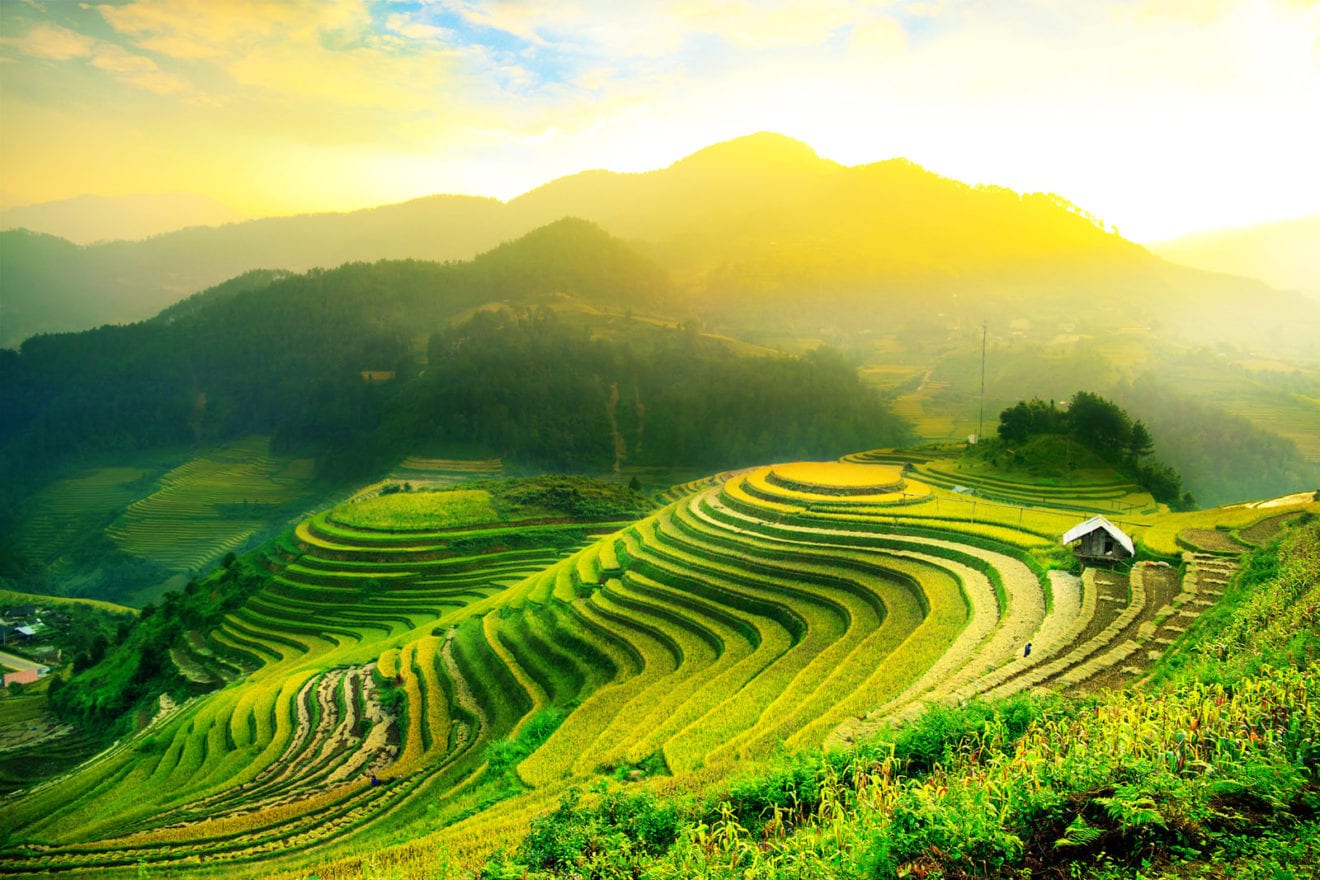
    As many as 4,000 hectares of rice fields belonging to Balinese farmers are included in the rice farming insurance program for the planting period of October 2015-March 2016, an official has said.

    “Our previous target this year is 11 thousand hectares of rice fields, but only 4,000 hectares can be insured due to limited time,” Head of Bali Provincial Agriculture and Foodstuffs affairs office Ida Bagus Wisnuardhana said here on Sunday.

    Thus, if the crop failure occurs due to floods or pest attacks after the rice fields have been insured, the farmer can get the claim of Rp6 million per hectare, he stated.

    In addition, the farmers should not pay the entire premium because 80 percent of it is subsidized through the state budget. The amount of the premium per hectare is Rp 180 thousand, but 80 percent (Rp144 thousand per hectare) is covered through the state budget.

    “Thus, the farmer concerned only has to pay Rp36 thousand per hectare in every planting season,” Wisnuardhana pointed out.

  • Hong Kong’​s Seafood Appetite Threatens Marine Species

    Hong Kong’​s Seafood Appetite Threatens Marine Species

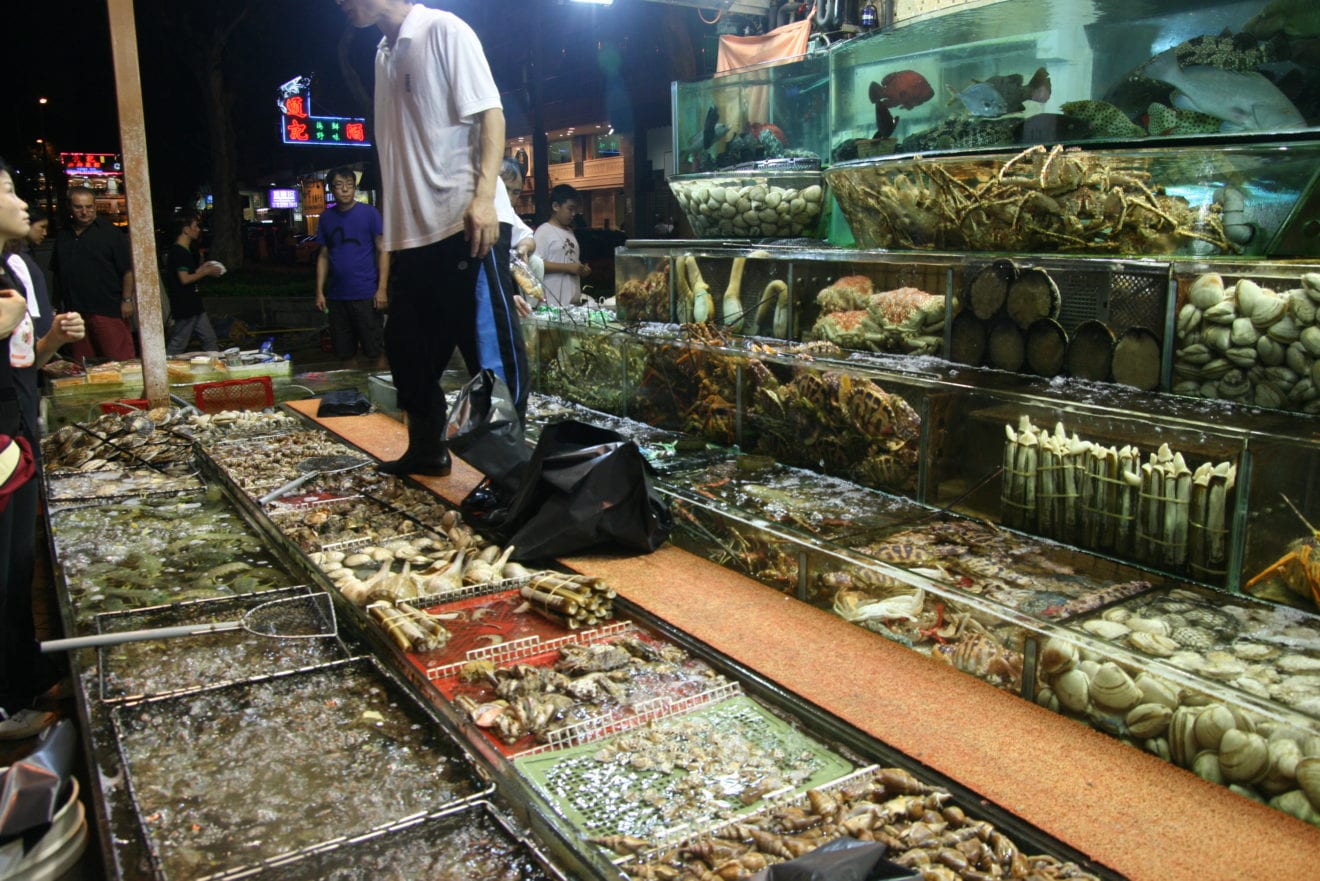
    Hong Kong’s enormous appetite for seafood and its role as a hub for the global seafood trade is having an unfortunate impact on endangered fish species.

    Chinese cuisine prizes seafood, so it’s perhaps not surprising that per capita seafood consumption in Hong Kong averages 70 kilograms a year, about four times the global average. But the city is also a hub for trade into mainland China, where consumption is on the rise. All of that is putting a strain on endangered marine life and driving an unexpected sustainability push.

    On a busy Saturday morning at Hong Kong’s giant Aberdeen Fish Market, traders are milling around buying seafood for restaurants and the city’s retailers. One of the dealers here is Betty Chu, who runs a distributor called Family Care Ltd., which imports seafood from all over the world.

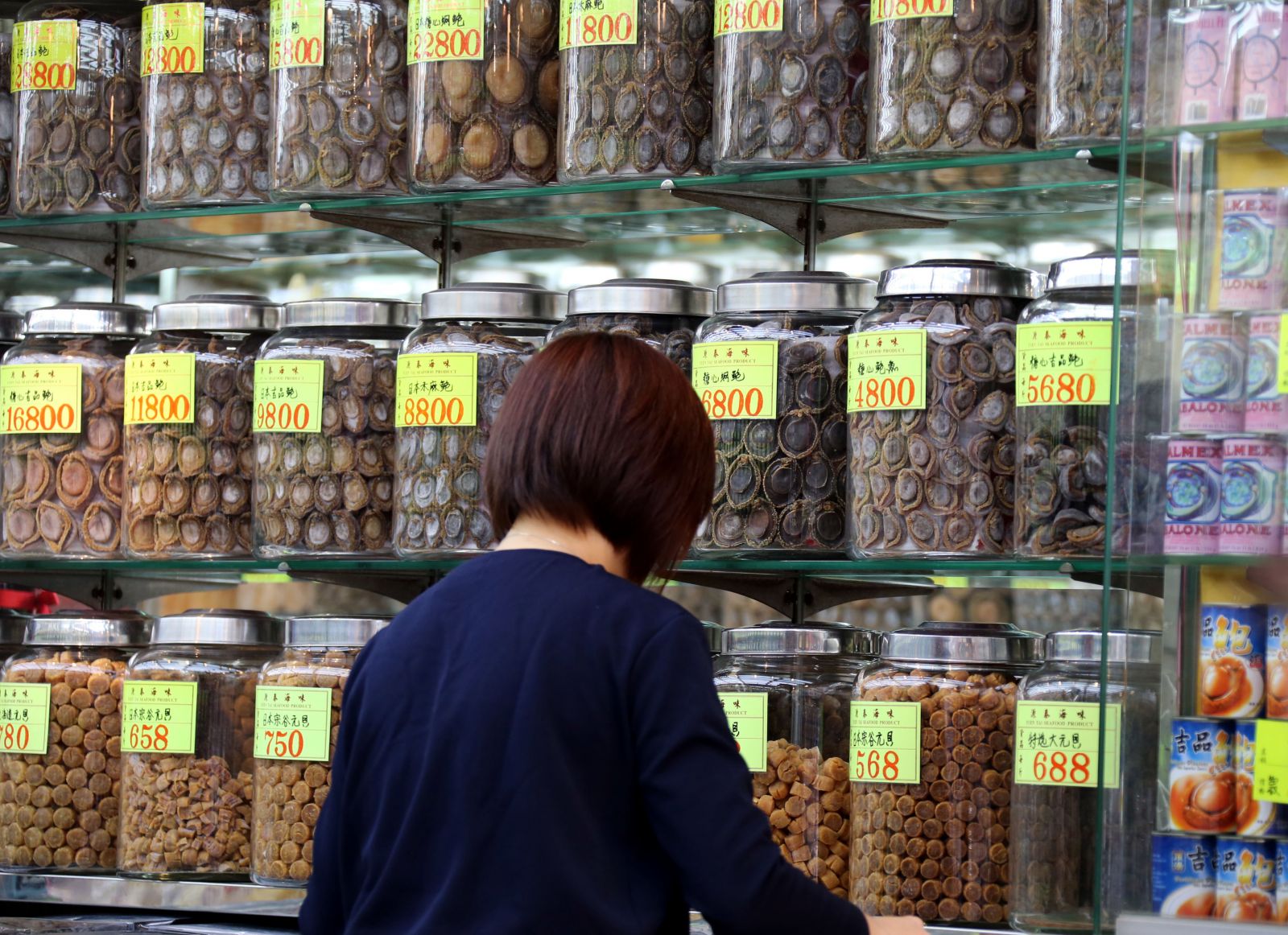
    “The market is really good,” Chu says. “People are looking for prime products, they’re health conscious, and they’re willing to pay more for better food. We import globally lobster, scallop, abalone, shrimp, crabs and more. It’s a lot! My business is good and growing every year.”

    But while business is booming, some of the city’s seafood traders are switching to sustainable seafood. Wong Ping Chai, who runs the Hoi Kee Ho Fresh Seafood import company, began seeking out sustainable seafood several years ago when a Dutch supplier explained to him that many fish species were becoming scarce. It led him to join Fish and Season, a global fish trading network that trades only sustainably caught seafood.

    “Fish and Season is an organization originally from Holland that started around 1992,” he says. “They found out in Europe the fish are getting fewer and fewer, and if it goes on it will be disastrous.” He learned that the same thing was happening in Asia.

    Ocean impact

    Activists have been trying to educate consumers, and are encouraging them to be more careful about the seafood they buy. Allen To, who works in the Hong Kong offices of the World Wildlife Fund, monitors local imports and consumption of endangered seafood species. He says per capita consumption of seafood in Hong Kong is second in Asia and seventh in the world.

    “That’s why in Hong Kong we do have the responsibility to try not only to reduce our own ecological footprint but to try to reduce our impact on the ocean of many other countries,” he says. “We believe if we can push sustainable seafood in Hong Kong, then eventually we can help at least to reduce our impact on fish resources, particularly in the Asia Pacific region.”

    But price is an issue. Keith Tsui, managing director of New Bon Marine, another Hong Kong seafood company concentrating on sustainable products, says education and government awareness campaigns are helping turn consumers onto sustainable seafood. But so far the focus has been on high-value species such as black cod, salmon and shellfish.

    He wants to get lower-income groups switching to sustainable seafood too. “We are trying to get more products for the budget class,” he explains. “A couple of years ago, we did a good job with a fastfood chain in Hong Kong. They use sustainable seafood for breakfast for the budget class. This is a great leap forward for us.”

    Campaigners want consumers to make sustainable choices, but they’re also calling on Hong Kong’s political leaders to clamp down on illegal catches. The WWF’s Allen To says illegal fishing has depleted stocks of rare wild fish such as grouper from the coral reefs of Southeast Asia.

    “Hong Kong and China are the main trading and consumption areas for live reef fish, including grouper and the humpback wrasse,” To says. “Many of the grouper species are already overexploited, and some of them are threatened species.”

    Seafood trader Keith Tsui, meanwhile, wants to bring more sustainably produced seafood products to Hong Kong by focusing on an innovative new approach in the retail sector and in schools.

    “We will try to liaise more with school lunch boxes and let them tell the kids they are using sustainable food,” Tsui says. “This customer group is the future. “They are the biggest influencers on their parents.”

    And Hong Kong wants to ensure there will be fish in the sea for future consumers.

  • Kushikatsu Daruma plans Asian expansion

    Kushikatsu Daruma plans Asian expansion

    An iconic Japanese restaurant chain Kushikatsu Daruma has opened its first outlet outside its home market – and announced plans to enter three more Asian countries.

    Kushikatsu Daruma opened its first restaurant in 1929 at the foot of Tsutenkaku, the famous landmark tower in Shin-Sekai, Osaka. Since then it has expanded to 13 restaurants in Japan and this month it opened its first overseas – in the Taipei of Zhongshan in Taiwan.

    The restaurant was opened by G7 International, the overseas investment arm of G-7 Holdingsfollowing a licence agreement struck last June with Daruma International, a subsidiary of Ichimonkai, parent of Kushikatsu Daruma.

    G7 has the rights to develop the brand overseas and says it is already in talks with Ichimonkai to open restaurants in Vietnam, Malaysia and Indonesia.

    Kushikatsu Daruma Zhongshan Chang’an Store, which opened on Tuesday, has a floor space of about 150 sqm and seats 60 people. It trades from 11.30am to 10pm daily.

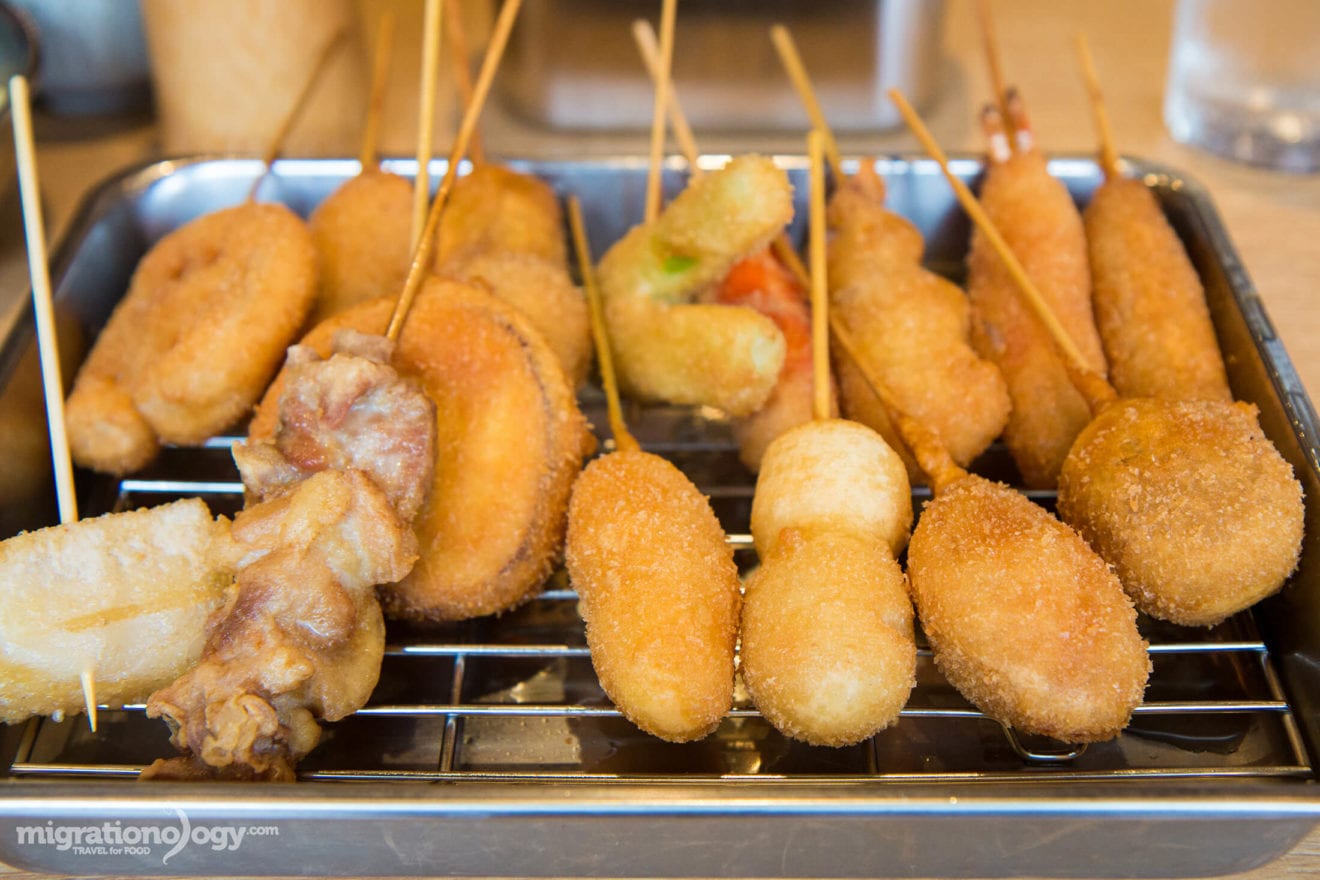
    Back in Japan, Kushikatsu Daruma has since become known in the Kansai area for good taste and affordable prices, with customers queuing at opening time every day. It specialises in cooking kushikatsu – skewered and grilled cutlets of meat, fish, vegetables and other ingredients.

    The G-7 Group is a mega franchisee operating Autobacs, Business Supermarket and other franchise stores with about 250 stores in Japan and seven stores abroad.

    “Taking advantage of the G7 Group’s accumulated management know-how and Kushikatsu Daruma priding itself on good taste in general… G7 International will proceed to open more restaurants in Southeast Asia,” the company said in a statement.

  • JV plans 20 Pizza Hut Myanmar stores

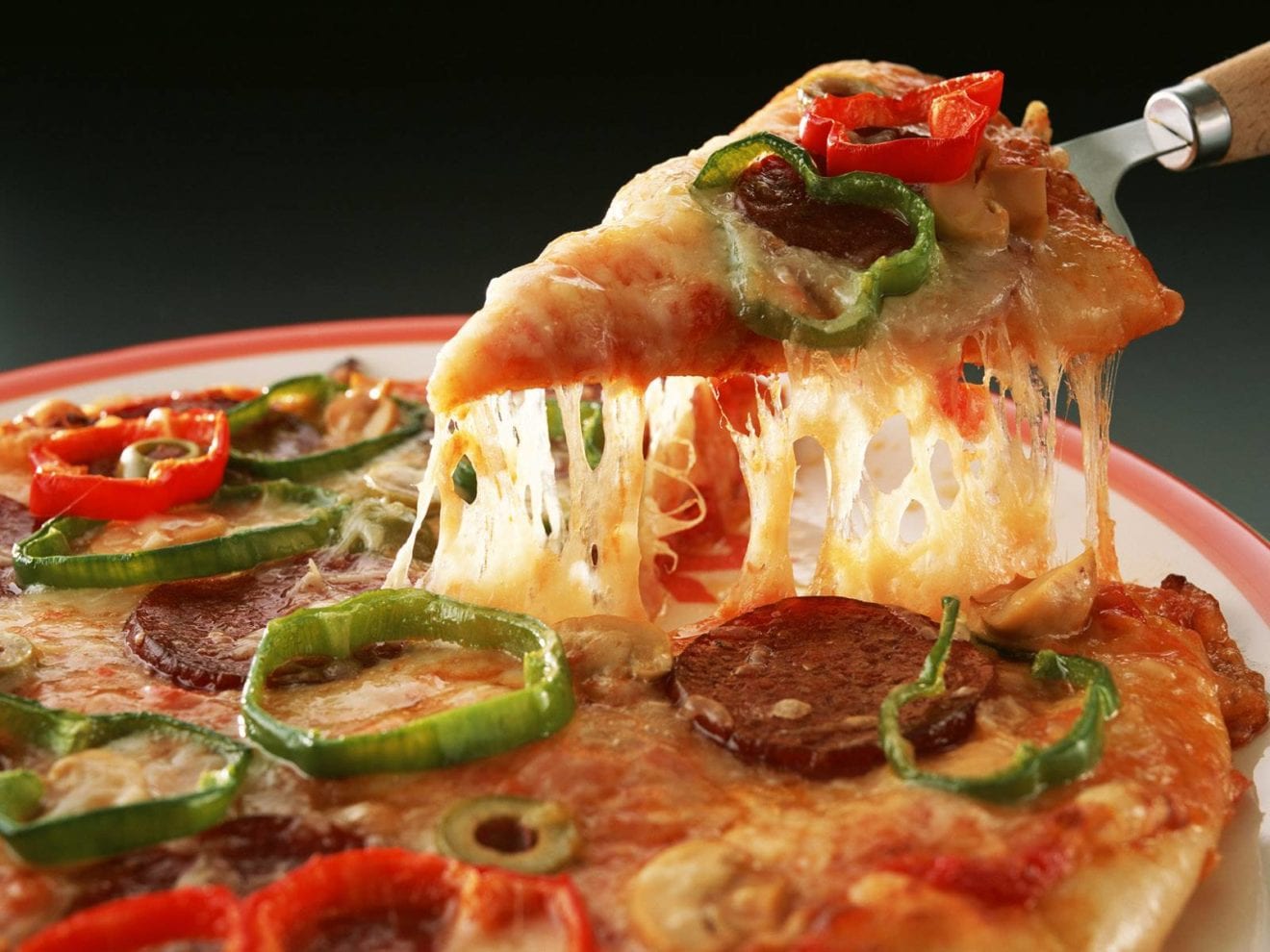
    JV plans 20 Pizza Hut Myanmar stores

    Hong Kong’s Jardine Group says its Myanmar joint venture will open up to 20 Pizza Hut restaurants across the new market within five years.

    With the first outlet just opened in Yangon, the Jardine CM Restaurant Group plans a second in early 2016 with a gradual expansion thereafter as it tests the market. If sales are high, the rollout may be sped up, according to a company spokesman.

    Jardine CM Restaurant Group is a joint venture between Jardine Restaurant Group Myanmar and City Mart Holding, which owns the Pizza Hut Myanmar franchise.

    Simon Arnold (left), Daw Win Win Tint, UMFCCI chair U Win Aung, Henry Yip and Vipul Chawla (right) hold up pizzas at the launch of Pizza Hut Myanmar.

    Vipul Chawla, MD of Pizza Hut, Asia for parent Yum! Brands, says the company sees huge potential across Asia.

    “Pizza Hut has 25 restaurants for every million people in the US. In Asia we have 11 restaurants per million people. Myanmar has huge potential with a population of more than 50 million,” he said during the opening ceremony for the first restaurant.

    Jardine Restaurant Group operates more than 680 Pizza Hut and KFC restaurants across Vietnam, Taiwan, Hong Kong and Macau.

    Henry Yip, Jardine Restaurant Group CEO, says 97 per cent of the first store’s staff are local and a majority of its ingredients are sourced locally.

    “We are also investing heavily in training and career development to ensure global best practices.”

    Recipes in the restaurant have been tailored to the local palate without removing options which those who have dined in Pizza Huts elsewhere in the world will find familiar.

    “We have researched the tastes preferred by local customers, and tailored our recipes accordingly,” said Simon Arnold, Pizza Hut Myanmar GM.

    Jardine will not be taking KFC into Myanmar – that franchise partnership was secured by Yoma Strategic Holdings, chaired by Serge Pun.

  • Indonesia to Import 1m Tons of Pakistan Rice in New Deal

    Indonesia to Import 1m Tons of Pakistan Rice in New Deal

    Indonesia to Import 1m Tons of Pakistan Rice in New Deal. Pakistan is the world 11th largest rice producer with annual production of 6.9 million tons milled rice.

    Indonesia will import 1 million metric tons of milled rice over the next four years from Pakistan, in a move to shield the country’s food security against volatile weather patterns.

    The two governments, represented by Indonesia’s Trade Minister Thomas Trikasih Lembong and Pakistan’s Ambassador to Indonesia Mohammad Aqil Nadeem, signed a memorandum of understanding on Tuesday.

    The deal, with an estimated worth of $400 million in imports between 2016 and 2019, will be executed by Indonesia’s procurement agency, Bulog, and Pakistan’s Trading Corporation of Pakistan.

    Indonesia currently has similar MoU with Cambodia, Myanmar, Thailand and Vietnam, though only some of the deals have been realized.

    Pakistan is the world 11th largest rice producer with annual production of 6.9 million tons of milled rice.

    The country saw trade with Indonesia rise 27 percent to $2.2 billion last year following a Preferential Trade Agreement in 2013.

    Indonesia enjoyed $1.8 billion surplus in the trade, thanks to its palm oil exports.

  • More Hong Kong shop closures likely, say retailers after Burger King outlets shut doors

    More Hong Kong shop closures likely, say retailers after Burger King outlets shut doors

    The franchisee of the five restaurants, Perfect Combo, was taken to court several times this year over unpaid rental payments and other fees involving several outlets. Two of them – in Tsim Sha Tsui and Yau Ma Tei – were located in tourist hot spots.

    “Conducting business in Hong Kong is not easy these days” said a manager of a medicine shop on Nathan Road, just 10 metres from the shuttered Yau Ma Tei Burger King outlet.

    Nathan Road, known for its numerous jewellery and medicine shops, has been one of the favourite shopping spots for mainland tourists.

    However, eight shops on a 500-metre stretch from Yau Ma Tei to Mong Kok are currently closed or vacant. The shops used to sell jewellery, watches, handbags, medicine and beef jerky, according to staff of nearby shops, and three closed just last month.

    Mr Hui, the manager of a medicine shop on Nathan Road, said his boss might close the shop next year if his rent is not cut enough.

    “This shop hasn’t made a cent in profit since it opened two years ago”, he said, “ Mainland tourists used to buy more health care products. Now they go for ordinary milk powder.” The shop makes more money from health care products.

    “Custom has dropped one-third after the protests against parallel trading earlier this year” Hui said.

    With Hong Kong’s GDP growth expected to slow to about 2.4 per cent this year, local consumers also tend to be more conservative in spending their hard-earned money.

    “It’s not just mainland tourists. Local consumers have also been buying less this year,” said Mr Ng, a salesman in a sports shoe shop on Nathan Road. Ng said the shop had been offering heavier discounts this year – with prices 10 to 15 per cent lower than in the same period last year.

    Other than shutting down stores completely, some retailers chose to cut the size of their shops to save rental costs. Zhongxing Watch, a Hong Kong luxury watch chain, cut the size of its Nathan Road store by one-third this year, said an employee of a nearby jewellery store. No one rents the vacant area.

    Hong Kong retail sales dropped 3 per cent in October year on year despite the National Day Golden Week holiday. In the first 10 months of this year, retail sales shrank 2.7 per cent from the same period last year.

  • Anchor’s Seafood & Beer House Launches in Tsuen Wan this December

    Anchor’s Seafood & Beer House Launches in Tsuen Wan this December

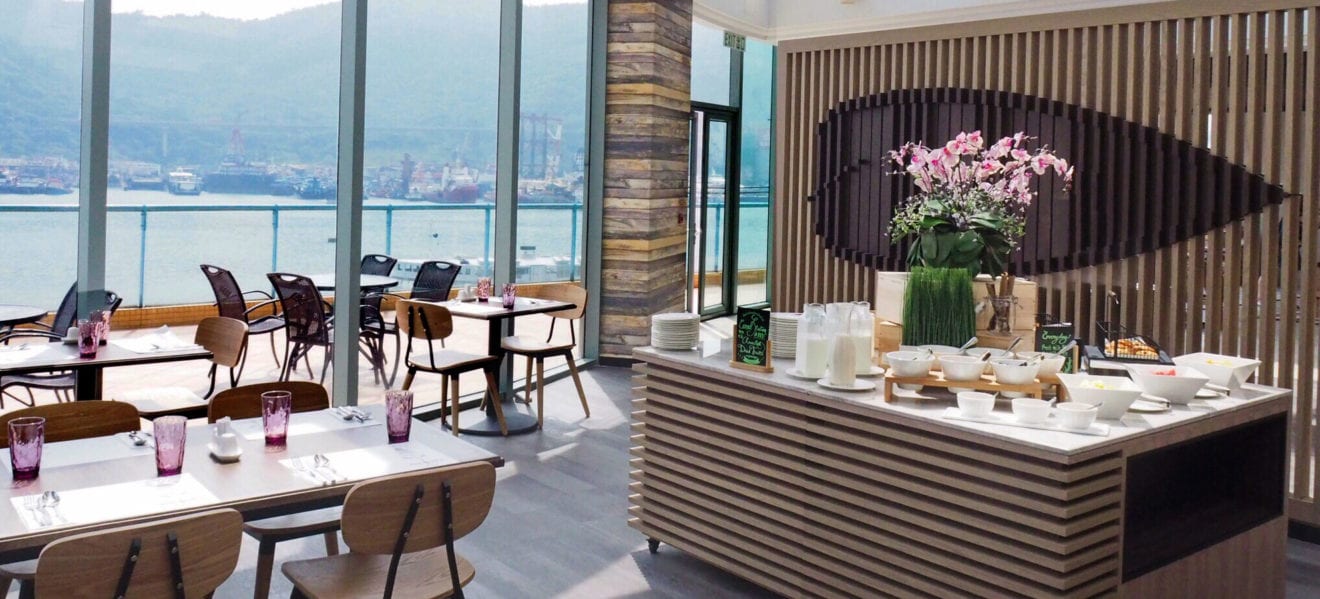
    Just in time for the winter season,  opens today on the picturesque Tsuen Wan waterfront. The 116-seat eatery features an indoor restaurant and bar area, as well as outdoor seating on a terrace overlooking the South China Sea.

    Complete with contemporary décor, a stunning sea view and a relaxed ambience, Anchor’s Seafood & Beer House is ideal for causal all-day dining, weeknight dinners, post-work drinks and weekend brunches, all set at affordable prices.

    Welcoming diners throughout the day, Anchor’s Seafood & Beer House offers daily buffet breakfast & dinner and a semi-buffet lunch, in addition to an extensive a la carte menu. A special brunch buffet menu will also be available on weekends and public holidays perfect for a mini getaway from the busy city life. The restaurant will also remain open throughout the day serving a selection of classic menu items such as sandwich, burgers, salads, pizza and specialty Asian dishes- all of which will be available for take-away.

    Diners are invited to start their mornings at Anchor’s Seafood & Beer House with a breakfast selection consisting of Western breakfast items including cereals, fresh bakery items, seasonal fruit, fresh juices, along with Hong Kong favourites such as congee and crispy buns.

    logo-color

    The semi-buffet lunch is a convenient option for those working in the Tsuen Wan area and features a selection of antipasti, classic salads and a dessert corner. Diners may also choose hot a la carte items such as Thai or Chinese noodles, wantons or pizza.

    From Monday through Saturday evenings and all-day on Sunday, the dinner buffet will feature a cold starter selection comprised of sushi, gourmet salads and a charcuterie selection. Interactive cooking stations will serve hot items including a soup counter, noodle bar, hot pot station, pizza oven, and a barbeque carving counter. A bakery corner will feature classic desserts as well as a chocolate fountain and ice-cream selection. In addition to the buffet selection, special sharing plates will be available for the whole table, including Western and Asian classics such as, roast chicken, grilled US sirloin steak, stir fried clams with spicy sauce, sweet and sour fish, deep fried grouper and tom yum gong soup served tableside on a burner.

    The restaurant also houses a Beer Bar, boasting a large selection of draft and bottled beers, along with novelty Beer Towers- ideal for casual after-work drinks and social gatherings.

    To celebrate their launch, Anchor’s Seafood & Beer House is pleased to offer diners a buy-one-get-one offer during brunch and dinner buffet purchases in the first 3 month starting from December 2015. Additionally, guests will enjoy a 15% discount per person on 24th-25thDecember, provided the reservation is made before 20th December.

  • Indonesia needs 1 million tonnes of rice from Vietnam

    Indonesia needs 1 million tonnes of rice from Vietnam

    Indonesia plans to import one million tonnes of rice from Vietnam to meet the country’s high demand, according to Indonesian Ambassador to Vietnam Mayerfas.

    He made the statement at a press conference in Hanoi on December 4 to introduce an Indonesia trade fair and an Indonesia-Vietnam business forum slated for the middle of this month at the Hanoi International Centre for Exhibition.

    Indonesia also has great demand for Vietnamese coffee, the ambassador said, adding that the country imported 40-50 million USD worth of the commodity in 2014 and the figure is expected to increase from 2016.

    He affirmed that the trade fair and business forum, as part of the activities to celebrate 60 years of diplomatic ties between Vietnam and Indonesia, will be a valuable opportunity for both nations’ enterprises to bolster cooperation and set up business links.

    Some 100 Indonesian enterprises will showcase their high-quality products at the fair, including automobiles and spare parts, pharmaceutical and medical equipment, food and beverages, among others.

  • Cafe concept a huge boost for Muji Singapore

    Cafe concept a huge boost for Muji Singapore

    The recently opened cafe inside the Muji Singapore store on Orchard Rd has had a huge impact on the store’s overall trading.

    In an extensive feature written by the Straits Times and published online by Asia One, which details the trend of merging dining with traditional retail offers, Muji Singapore GM Jasmine Sng has revealed the store’s sales have increased 40 per cent since the cafe began trading.

    “Customer traffic has increased. The cafe draws customers to the store and, after a meal, they usually shop at the retail section too.”

    The 122 sqm Muji cafe opened in early September as part of an expansion and renovation of the Japanese lifestyle department store in the Paragon shopping centre.

    The brand operates its Cafe&Meal dining concept in 23 stores in Japan as well as in Chengdu, Taiwan and Hong Kong.

    The Cafe&Meal concept is described as “minimalist chic” (much like a lot of Muji’ anti-brand product range) featuring simple natural wood furniture in a plain, modern backdrop fitout.

    The menu will feature Japanese deli-style foods using locally-sourced ingredients, with a broad range of desserts.

    Customer Diana Low, 35, who visits a Muji outlet at least once every two weeks, told the Straits Timesthat Cafe&Meal has created a better shopping experience at Muji.

    “It completes the lifestyle concept of Muji and makes me want to linger longer in the store and spend more,” she said.

    Muji is just one of a growing number of stores adding a food and beverage offer to their retail space to enhance dwell time, broaden their product offer and to provide an in-store experience which cannot be replicated online.