Category: Food

Retail News Asia is committed to providing both local and global retailers with the latest Food and Food & Beverage news throughout the Asian market. This on a daily base.

  • Yum! Brands China sale falters

    Yum! Brands China sale falters

    Following a missed deadline by potential investors, the sale of a minor stake in Yum! Brands China business has been delayed.

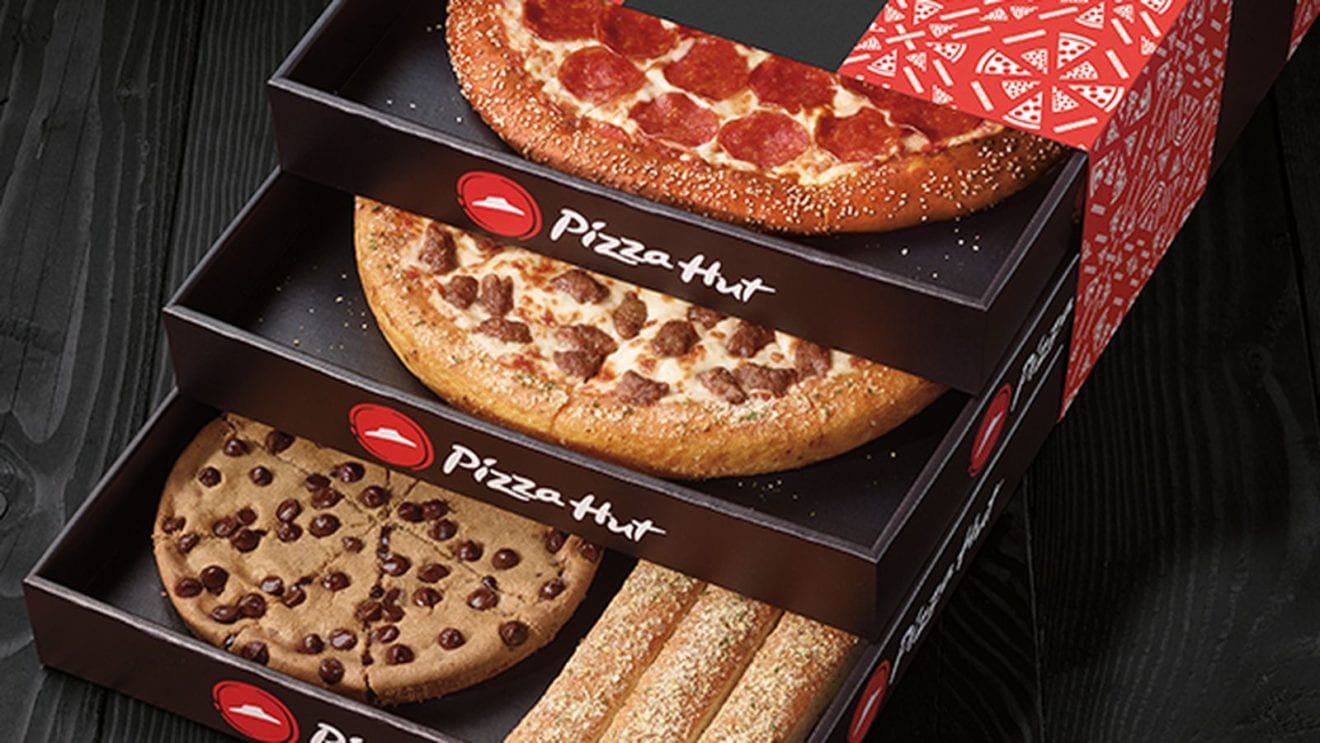
    Yum runs KFC and Pizza Hut outlets in China, while the potential bidders include Singapore state investment company Temasek Holdings and Chinese private equity firm Primavera Capital.

    One report says the suitors held off submitting bids after Yum tried to impose new terms on the investments. The investors have also indicated they disagree with Yum’s proposed valuation of $10 billion for the China unit.

    After a prolonged sales slump caused by food-safety scandals, Yum last year decided to spin off its China business into a separate publicly traded company. Since this was announced in October, Yum has had stronger same-store sales results from KFC in China.

    With the terms change, Yum would not be obliged to pay royalties to the China business for any products it developed, plus it would not share the burden for some of the Chinese unit’s advertising spend.

    Yum told potential investors of the new conditions just days before the bid deadline, and the company has yet to set a revised deadline.

    Meanwhile, Yum spokeswoman Virginia Ferguson says the company is making “great progress” toward the separation of the China business.

    At an investor conference this month, CEO Greg Creed said he expects the China separation to occur around the end of October.

    A group backed by sovereign wealth fund China Investment Corp withdrew a bid for control of the China business after failing to agree on a price. It claimed that initial due diligence showed Yum’s profit margins were under pressure in an increasingly competitive market.

    Yum’s market share in China fell to 24 per cent last year from 39 per cent in 2010, data from Euromonitor International shows.

    According to its website, the company plans to add 600 outlets this year to its more than 7200 restaurants across China.
  • Starbucks India helping Tata Group internationally

    Starbucks India helping Tata Group internationally

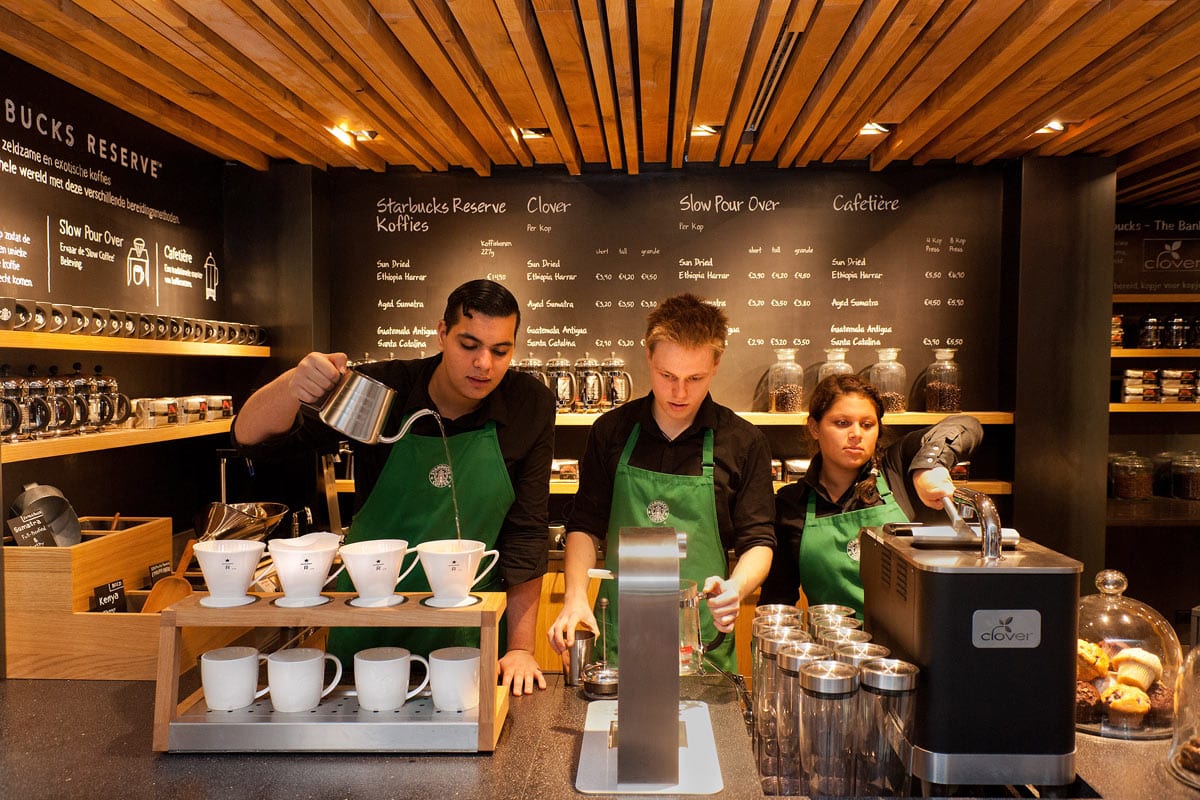
    Strengthening their partnership, Coffee retailer Starbucks India is helping lift international exposure for India’s Tata Group brands.

    Starbucks is introducing Tata’s single-origin coffee in the US and its mineral water in Singapore, and helping develop a signature Indian tea blend. In return, Tata group is introducing Starbucks coffee on Vistara flights and launching its specialty tea brand Teavana in India.

    Starbucks will sell single-origin, premium coffee from India at its Starbucks Reserve Roastery and Tasting Room in Seattle, says chairman/CEO Howard Schultz said after meeting Tata chairman Cyrus Mistry at the iconic store. Starbucks will be opening a similar outlet in Shanghai next year.

    Tata-Starbucks will also introduce Kenyan and Sumatran coffees at Starbucks stores across India, says the company, and Starbucks coffee will be available on Vistara, a full-service airline, later this year. Vistara is a joint venture between Tata Sons and Singapore Airlines, and has more than 457 flights weekly to 17 destinations.

    Following the success of the tea category in its US stores, Starbucks will extend its Teavana specialty tea brand to India in December. The joint venture is also collaborating on the development of a signature Indian tea blend for Starbucks stores in India.

    India has become Starbucks’ fastest-growing market since the first cafe opened in 2012 in a partnership with Tata Global Beverages. The chain has expanded to 84 locations across six cities.

    The company’s China and Asia-Pacific unit generates about 13 per cent of its total revenue, and Starbucks plans to open about 900 outlets in the region this fiscal year, compared with 700 store additions in the Americas and 200 in Europe, the Middle East and Africa. It has more than 2000 cafes in China alone and plans about 500 new stores a year in the country.

    Starbucks also plans to expand the availability of Himalayan Mineral Water, bottled by Tata Global Beverages, beyond Starbucks stores in India to Singapore this year. It is also exploring opportunities to introduce the brand to stores across Starbucks China and Asia-Pacific region.

  • Giants fulfills CSR at bubur lambuk distribution

    Giants fulfills CSR at bubur lambuk distribution

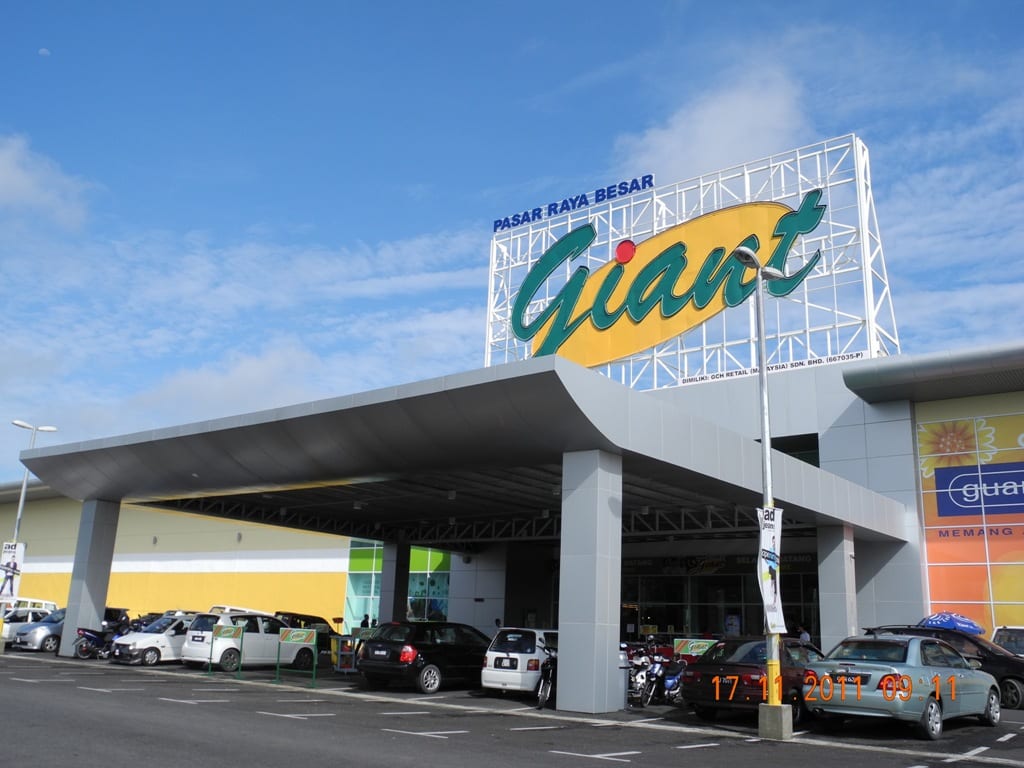
    GCH Retail (Malaysia) Sdn Bhd held its Bubur Lambuk Corporate Social Responsibility (CSR) programme at Giant Hypermarket Petra Jaya here yesterday.

    Themed ‘Ceria Ramadan bersama Giant & Adabi’, the event saw the presence of Assistant Minister for Early Childhood Education and Family Development Sharifah Hasidah Sayeed Aman Ghazali who distributed the popular must-have Ramadan dish to people from all walks of life at the mall.

    GCH Retail general manager Johalias Fazili Fazi and senior manager (Government Relations) Mohd Shahrizal Ayub were also present.

    In addition to preparing the ‘bubur lambuk’ and distributing them to the people, GCH Retail also donated RM5,000 to Kompleks Kebajikan Laila Taib.

    About 30 children from Kompleks Kebajikan Laila Taib were accompanied by Hasidah on a shopping spree at the hypermarket mall during the event.

    Now in its fourth year, the annual programme was first introduced in 2013 and have since received great response from the people nationwide.

    GCH Retail Malaysia & Brunei regional director Dato Tim Ashdown in a statement said Giant was honoured to once again organise the programme for a charitable cause as well as to foster closer ties among GCH Retail and the people especially the needy.

    “We will continue this commitment of ours to hold this charitable effort in the future.”

    This year, visitors of Giant Hypermarket will be able to receive their complimentary bowls of ‘bubur lambuk’ from noon onwards at selected Giant Hypermarkets in seven locations nationwide.


  • Jollibee Manhattan opens

    Jollibee Manhattan opens

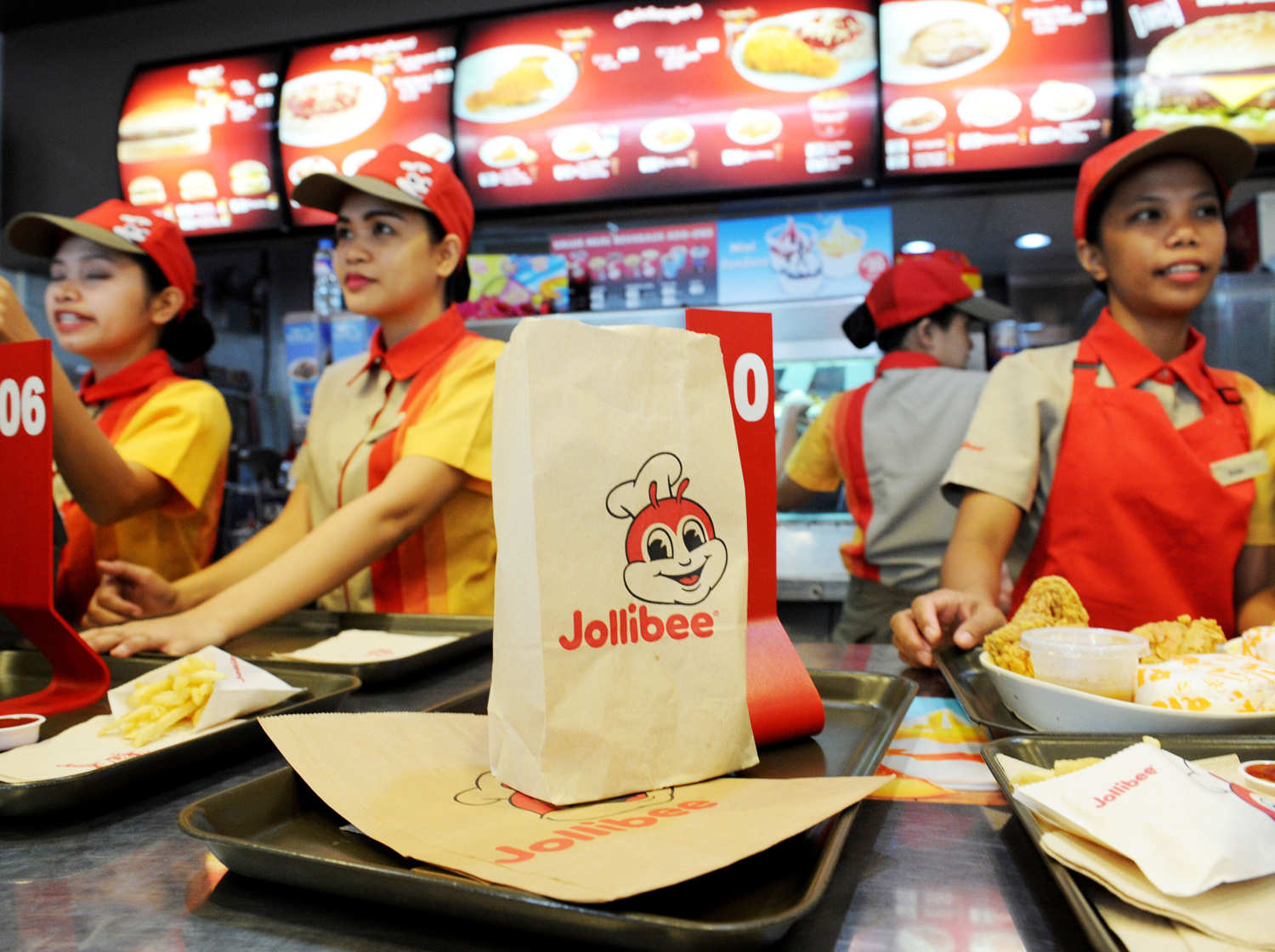
    Jollibee Food Corp has taken its Chikenjoy and other Filipino favourites to Manhattan.

    The third Jollibee store in New York is located in what is dubbed the busiest bus terminal in the world, Port Authority Bus Terminal, Manhattan’s major gateway. It is on 609 Eighth Avenue between West 39th and 40th streets.

    Jollibee Manhattan, which has 255 sqm in floor area, takes the total number of stores in the US to 34.

    Recently Jollibee hit a milestone when it opened its 1000th global store at The Dubai Mall. It has also opened two stores in Singapore in addition to the first one it set up on Orchard Road. The company now sets its sights on high-expansion growth in the US, Middle East, Europe, Australia and Southeast Asia.

  • Gourmet offerings at McDonald’s Singapore flagship

    Gourmet offerings at McDonald’s Singapore flagship

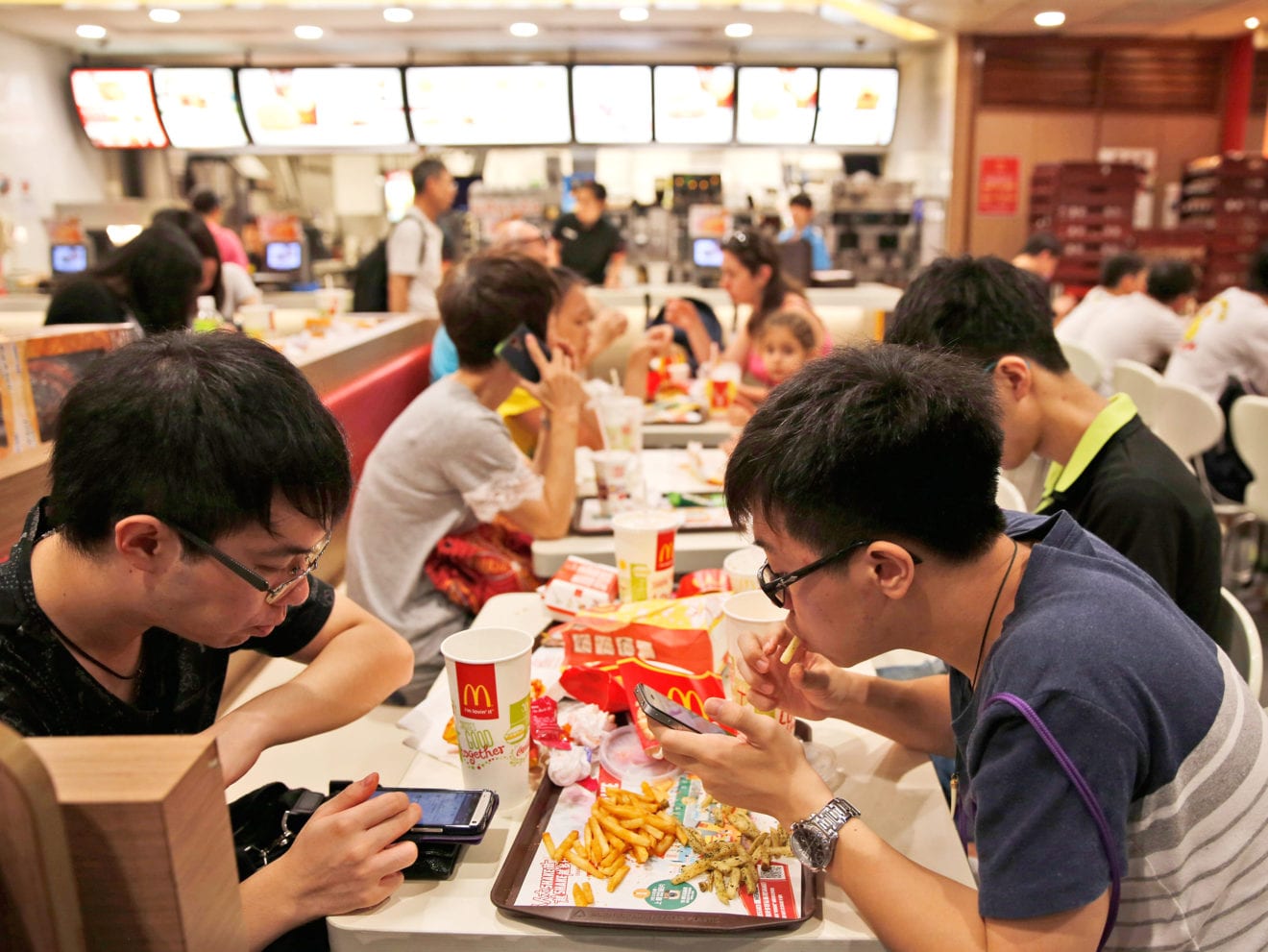
    Sandwiches made with light rye bread, a salad bar and desserts like gula melaka and coconut Swiss roll are among gourmet food options to be offered at McDonald’s Singapore’s new flagship restaurant at East Coast Park in Singapore, which will seat more than 300 diners.

    Opening on July 2, the 8439 sqft (784 sqm) McDonald’s Marine Cove will be a test bed for the chain, says McDonald’s Singapore MD Robert Hunghanfoo. New products will be trialled before being implemented in other outlets in Singapore.

    A recreational and dining enclave, Marine Cove was home to an iconic McDonald’s branch from 1982 until 2012, when it closed for redevelopment.

    At the salad bar, diners can choose from more than 10 ingredients and sauces to add to three types of salad. A dessert bar features in the outdoor seating area, offering sundaes and ice cream with a selection of 17 toppings.

    Hunghanfoo says the menu and research teams took a year to develop the concept, noting food trends and consumer feedback.

    As well as the usual McDonald’s burgers and fries, there will be a trio of premium burgers.

  • Singapore food brands eye Philippines

    Singapore food brands eye Philippines

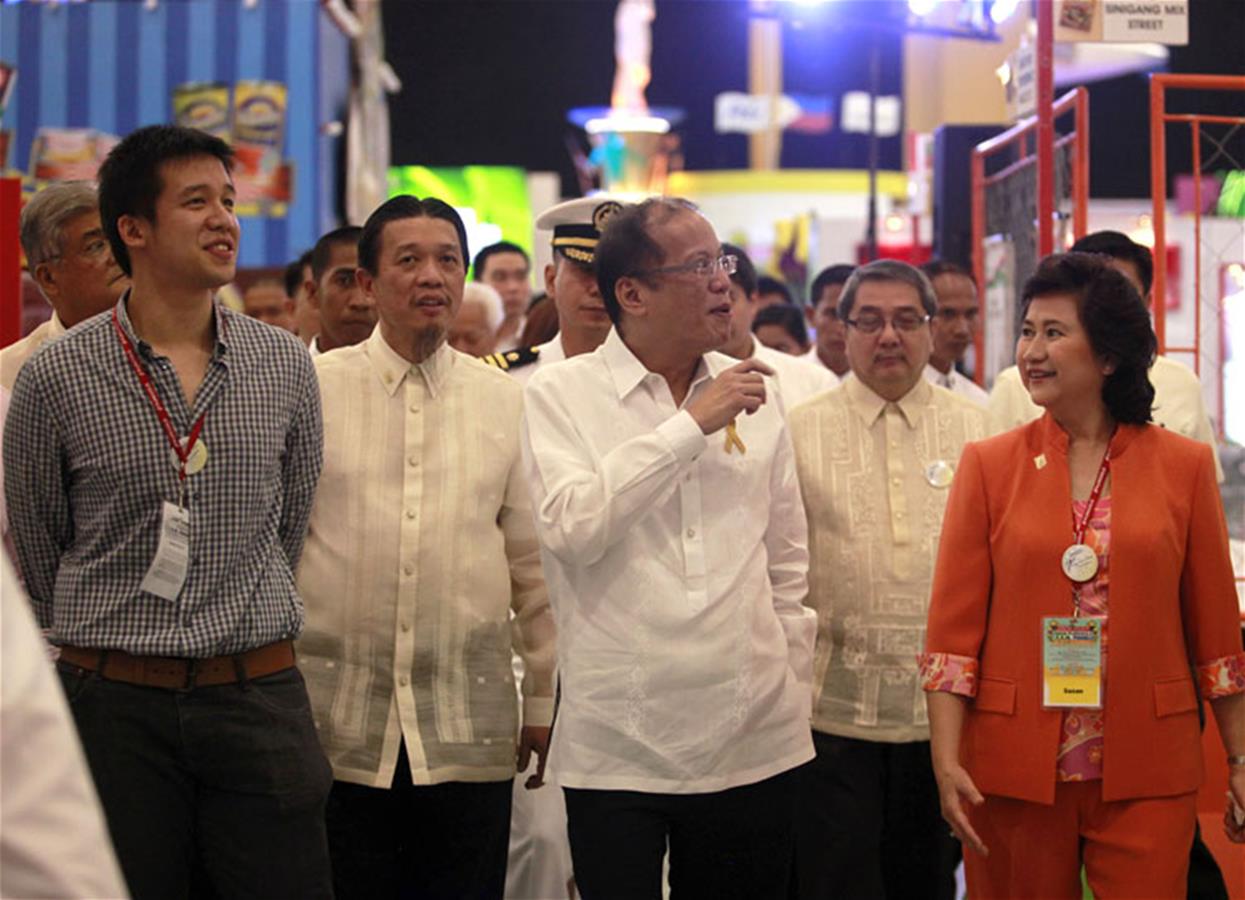
    With the Philippines’ population of 20 times more than that of Singapore, the city state’s F&B brands are finding an attractive market in the fastest growing economy in Southeast Asia.

    Executives from Singapore food brands flew into Manila this week as they look to expand into the Philippines through franchising.

    During an exclusive business matching event “Master Franchise Meet and Match” yesterday at Le Jardin in Bonifacio Global City, Singapore-based entrepreneurs and business organisations announced their interest in looking for potential partners to penetrate the Filipino market, known for its food enthusiasm.

    Singapore food brands eye PH 3

    Johnny Mayani, CEO of Wing Zone, said one of the reasons for choosing the Philippines is the big percentage of young consumers. He indicated that this market is suitable for their business, which targets the young food enthusiasts willing to customize products and try new flavours. Another reason is the Filipinos’ appreciation for Western food.

    “The Philippines is a very exciting market for us because of the fact that it is very Western concept friendly,” said Mayani.

    Wing Zone is an Atlanta-based restaurant chain which serves hamburgers, french fries, and buffalo wings. It’s headquartered in Singapore to look over its operations in Asia.

    Another DIY brand that expressed interest in the Philippines is BurgerUP, a gourmet burger chain that has branches in Pungol and Yishun in Singapore.

    BurgerUP executive chef Alvin Poon showed the restaurant’s ordering system that uses touchscreen technology. Customers can pick one or more patties, as well as toppings, to go with their burgers – through an app, and pay at the counter with generated QSR codes, avoiding long queues.

    Singapore food brands eye PH 1

    Coffeeshop Joe & Dough serves hand-crafted coffee made with Arabica beans and offers artisan breads and pastries. Asked who will be its biggest competitors in the Philippines, MD Damien Koh said its focus is not in the competition.

    Koh recognises the growing artisanal cafe and bakeshop scene in the country, but he said the company prioritises its philosophy of providing everyone an access to good coffee.

    Other brands that joined the event were Maki-San, considered as Southeast Asia’s first DIY sushi and salad bar where customers can choose from more 70 ingredients; Xiao Pan, which offers innovative soya bean based products for a good and healthy snack; and H20 Life Source, a water filtration systems provider, which plans to have at least 1000 stores in the Philippines in the next three years.

    Gourmet bakeshop Swissbake, restaurant chain Keisuke Ramen, and casual dining restaurant PastaMania also expressed interest in franchising in the Philippines.

    The franchise partnership event was organised by Francorp Philippines, together with U-Franchise Sales and Management, the Philippine Franchise Association, Franchise and Licensing Association (FLA) Singapore, and Astreem Consulting.

  • Tops Thailand parent plans aggressive

    Tops Thailand parent plans aggressive

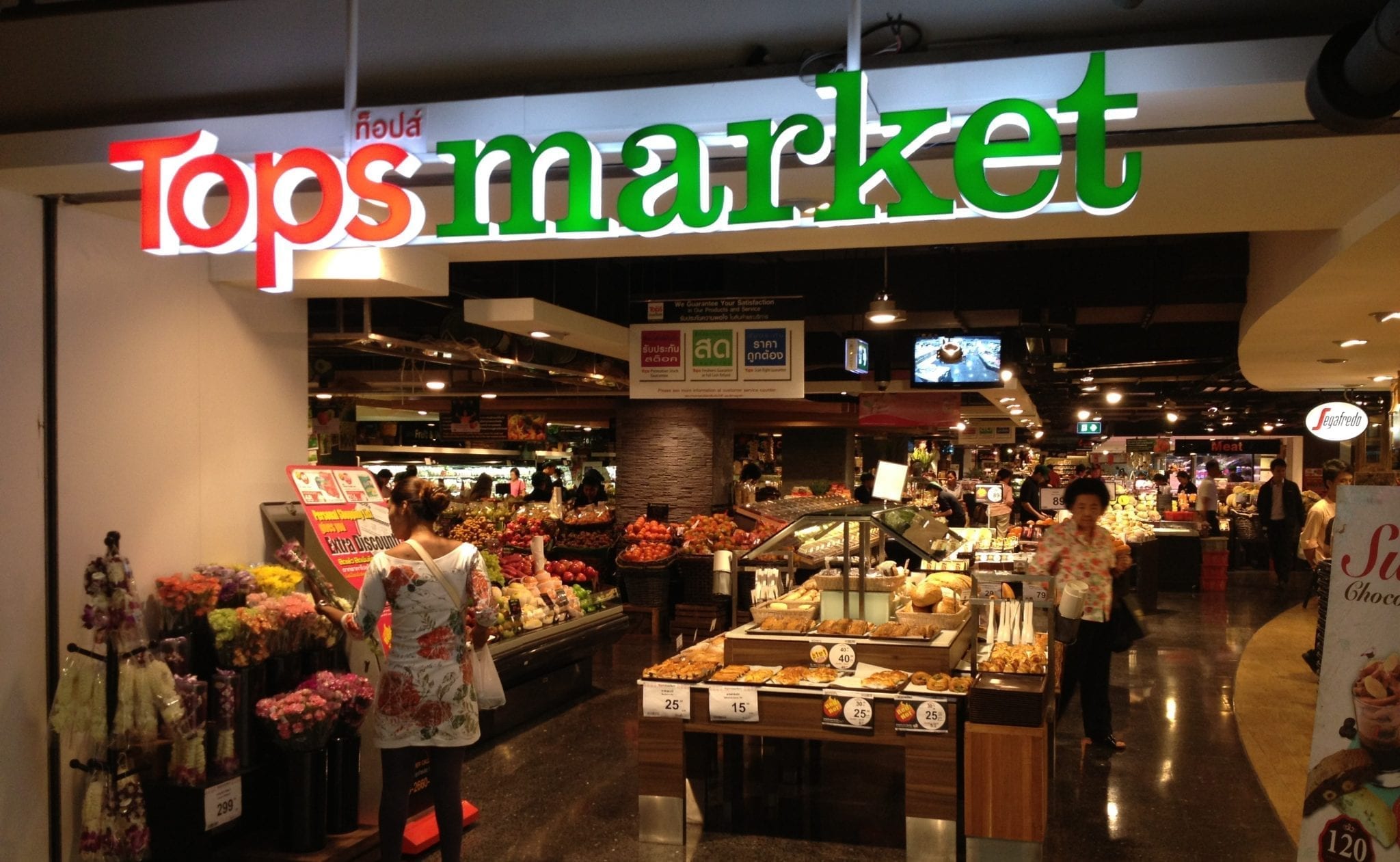
    Tops Thailand parent Central Food Retail has committed Bt6.5 billion (US$183 million) to open new stores during the next five years.

    At a function marking the Central Group’s supermarket subsidiary’s 20th anniversary this week, president Alistair Taylor said the company plans to add about 70 new stores annually to reach 600 by the end of 2021. It currently has 205.

    “For this year alone, we plan to allocate between Bt1.2 billion and Bt1.3 billion of investment capital in two areas,” he said.

    “Between Bt200 million and Bt300 million will be spent on a system to support our growth. Another Bt600 million will be spent on new stores, and between Bt400 million and Bt500 million on renovations of our existing supermarkets.”

    Central Food Retail operates 85 Tops Market stores, 51 Tops Daily and seven Central Food Hall stores, among other formats.

    The focus of the expansion plan will be rolling out new Tops Daily and Tops Market stores.

    Taylor says the plan will help the company maintain average growth of 10-15 per cent.

    Central Food Retail is also considering opportunities outside Thailand.

    “There are also many opportunities we have seen in neighbouring countries. However, there is no fixed plan decided by the company at this moment.”

  • Bidding starts for McDonald’s China business

    Bidding starts for McDonald’s China business

    Beijing Tourism Group, ChemChina and Sanpower are among bidders for McDonald’s China restaurants and the 20-year master franchise covering China and Hong Kong.

    The deal is said to be worth about US$3 billion, and bids close on Monday.

    Restrictions on the franchise agreement have discouraged such buyers as private equity firms, but others have entered the auction, reports CNBC.

    McDonald’s China partner Beijing Capital Agribusiness Group has been reported to be among companies preparing first-round bids ahead of the deadline, but an official has said the company is not participating in the bidding.

    Illinois-based McDonald’s has hired Morgan Stanley to run the sale of about 2800 restaurants in China, Hong Kong and South Korea. The South Korea sale is being run separately.

    McDonald’s announced in March that it was reorganising in Asia by bringing in partners to own restaurants within the franchise business. Competitor Yum Brands, which has the KFC and Pizza Hut chains, is also restructuring in China.

    Domestic rivals are becoming more competitive, and the two international fast-food giants have had food-safety scares.

    “Given the difficulties Western chains have had recently with public perception, local players have become a serious competitive threat,” says Euromonitor International foodservice analyst Elizabeth Friend.

    Meanwhile, McDonald’s will draw up a shortlist of bidders for the next round in the coming weeks.

    McDonald’s China and Hong Kong business posted about $200 million in earnings in its latest financial year.

  • Singapore’s SMI eyes expansion into retail, F&B in Myanmar

    Singapore’s SMI eyes expansion into retail, F&B in Myanmar

    SGX Mainboard-listed Singapore Myanmar Investco (SMI) – engaged in consumer products and services in Myanmar – will be looking at investing in the retail and food & beverage vertical in the next three years.

    Late last year, SMI inked an agreement with Royal Golden Sky Co Ltd to operate a retail space at the Yangon International Airport.

    “We will continue to look at retail opportunities in the domestic market (Myanmar). We are in discussions with the Junction City (Shwe Taung Group’s $300-million mixed-used development project) and I think there will be opportunities in both retail and F&B space,” said Mark Bedingham, president and chief executive officer, Singapore Myanmar Investco.

    About 10 international brands will be brought to the domestic market while the Yangon International Airport retail space will sport 30 brands by July 2016.

    SMI is primarily targeting the downtown business district around Kandawgyi lake area and Mandalay for retail opportunities.

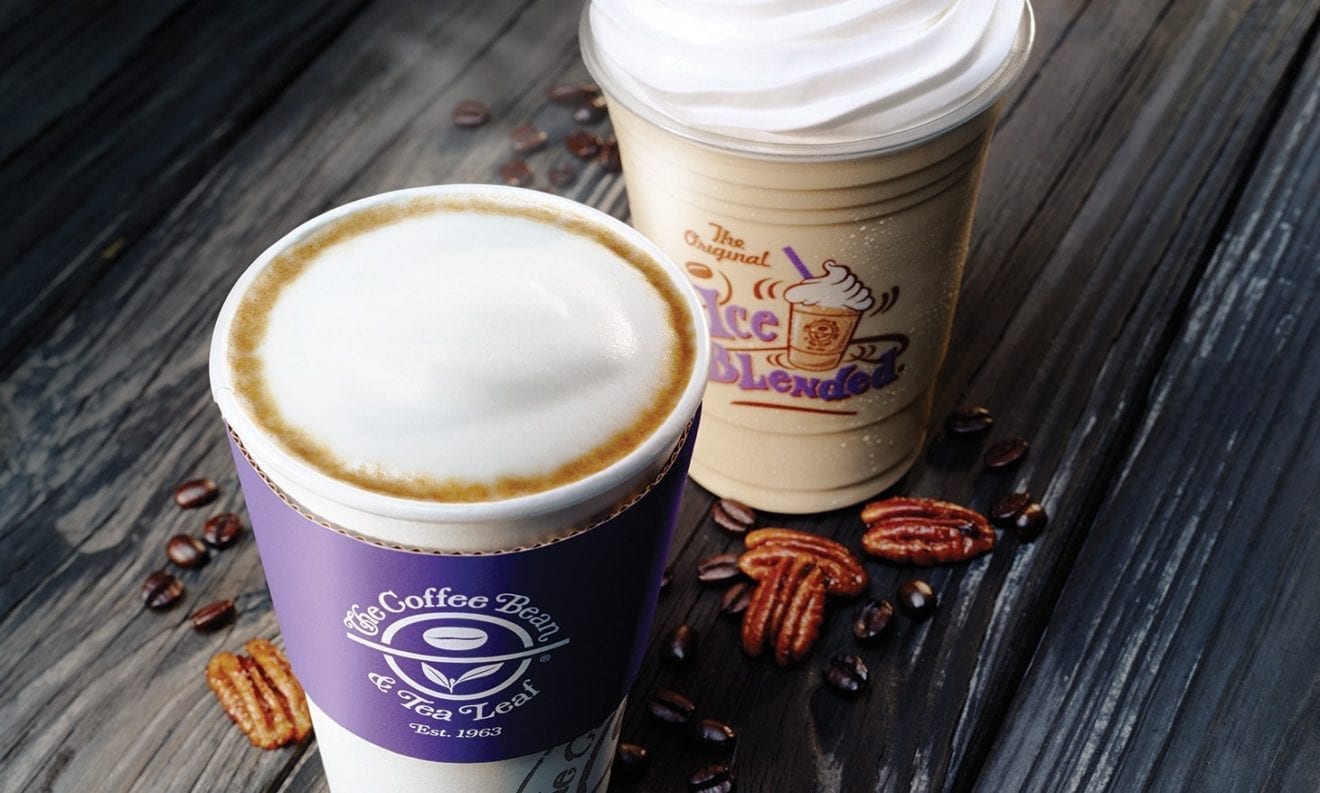
    For the food and beverages sector, SMI has signed a franchise agreement with Crystal Jade group to bring in the Chinese restaurant concept and The Coffee Bean and Tea Leaf that will open soon at the new Yangon International Airport terminal.

    “We want to be seen as a progressive company in Myanmar, bringing new products and services that have not been available here before, both for consumers and businesses.”

  • Pablo Malaysia to launch in October

    Pablo Malaysia to launch in October

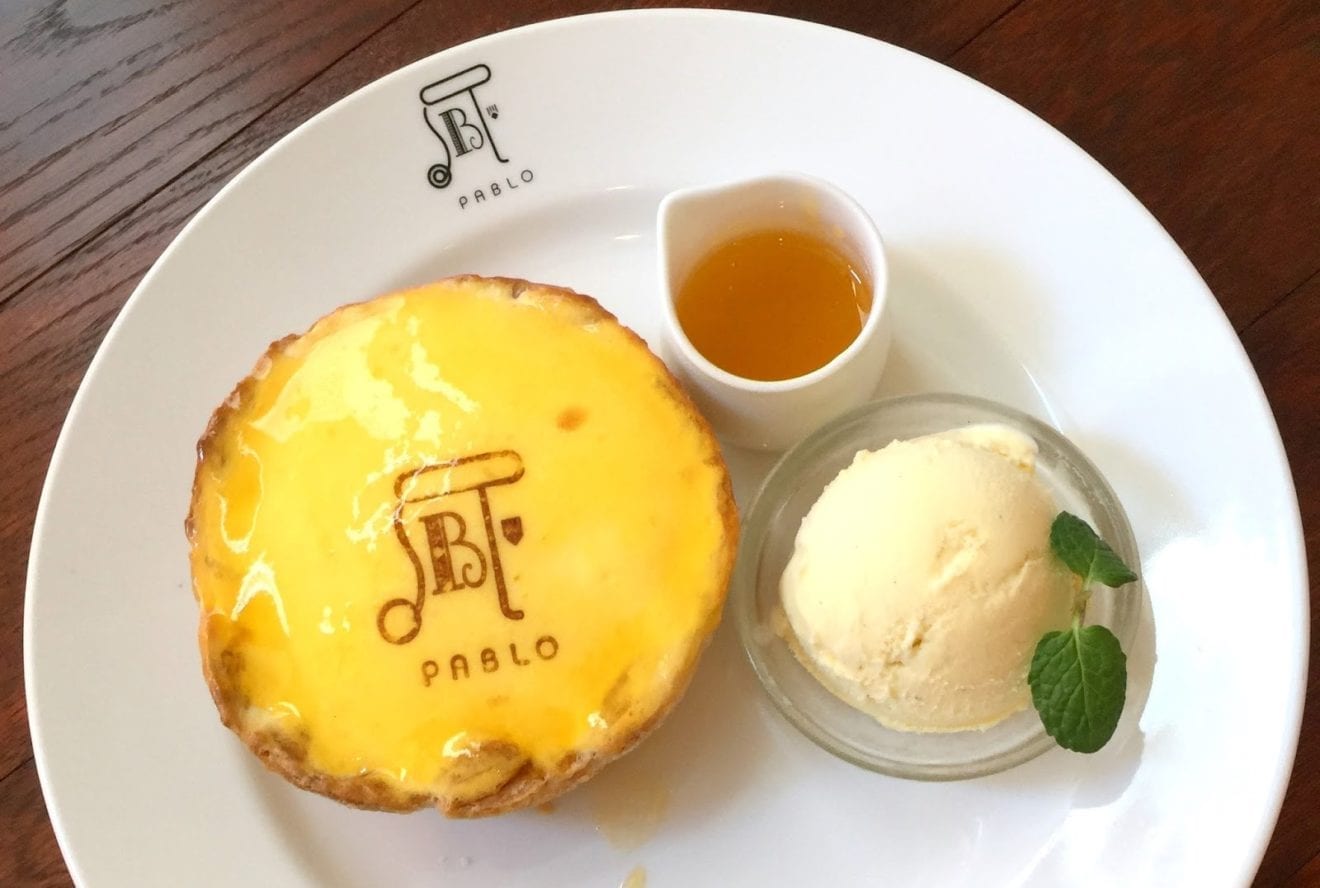
    Japan’s Pablo cheese tart chain will open its first store in Malaysia in October.

    Pablo Malaysia will make its debut with a flagship outlet inside 1 Utama shopping centre in Petaling Jaya with more cafes expected in other shopping centre in the Klang Valley later.

    Pablo Cheesetart Malaysia

    The Osaka-founded company is renowned for large size cheese tarts – generally 20cm in diameter, with a soft core. They’re sold in ‘rare’ or ‘medium’ format, which refers to the texture of the cheese filling.

    Flavours include apricot jam, matcha and chocolate glazes, with seasonal variants changed monthly.

    In March, Pablo Japan introduced mini versions of the cheese tarts measuring 6.5 centimetres with a shortcrust shell, sold in plain, chocolate, strawberry and matcha.

    Pablo has already opened outlets in Taiwan and South Korea and is headed for Singapore, also.

  • Insect restaurant educating Korean palates

    Insect restaurant educating Korean palates

    Food researcher and marketing expert Kim Young-wook is helping educate South Korean palates with the country’s first insect restaurant, Papillon’s Kitchen in Seoul, with a menu including cookies, sandwiches and pasta.

    “The biggest challenge has been the ‘disgusting factor’ that is deeply lodged in people’s psyche,” says Kim, head of the Korean Edible Insect Laboratory. “They don’t even try it if any food looks unpalatable at first glance.

    “But once you make it look good and explain the nutritional value of insects, people would think differently – one reason we have focused our attention on developing food-processing technology.

    Kitchen Papillon 1His one-table restaurant is named after the 1973 US moviePapillon, in which an inmate in solitary confinement in a remote French prison eats cockroaches and centipedes to survive. The establishment is like a laboratory where Kim and his employees – mostly his pupils – devise ways to broaden the appeal of insects as food.

    Rather than focus on their ingredients, such as mealworms, silkworms and crickets, Kim has been promoting his food products as “low-carbon and high-protein”.

    The larval form of the darkling beetle, mealworms are powdered and used to make pasta, deep-fried rice balls, soup, macaroons, ice cream and sauces.

    Kim has taken his concept beyond Korea, last month participating in Eating Insects Detroit, the first US conference dedicated to edible insects.

    Meanwhile, Edible Inc, a food-tech startup in Seoul, has a coffee shop featuring the “mealworm 500 shake”, named for its key ingredient and the number of insects involved. The shop also has cookies and energy bars made from silkworms and grasshoppers.

    CEO Ryu Si-doo opened his company with the ambition of giving customers a “fresh and intriguing” experience and help them change their prejudices against food made of insects.

    In a report this year, the Korea Rural Economic Institute (KREI) estimated the size of the market for insects at 313.9 billion won (US$264 million) last year, up 90 per cent from 168 billion won in 2011. The government seeks to increase the size to 500 billion won by 2020.

  • Puregold chairman named top Philippine retailer

    Puregold chairman named top Philippine retailer

    Puregold Price Club chairman Lucio Co has been named top Philippine retailer for 2015.

    He received the ‘Patron of Micro-retail Entrepreneurship’ award from the Philippine Retailers Association.

    Co’s contribution to the growth of micro-retail entrepreneurs, particularly through Puregold’s Tindahan ni Aling Puring program, fulfilled the PRA’s criteria for the country’s model of a successful retailer in terms of growth and good ethical practices.

    The recognition marks the PRA’s 19th ‘Outstanding Filipino Retailers & Shopping Centers of the Year’ awards.

    PRA president and COO of Duty Free Philippines, Lorenzo C. Formoso, presented the trophy to Co, together with tourism secretary Ramon Jimenez, trade secretary Adrian Cristobal, and Blims Lifestyle Group chairman Samie Lim.

    Formoso said during his opening speech that the association has awarded a couple of hundred retailers over the years, to encourage industry excellence that adopts world-class quality while maintaining local identity.

    “We can expect a brighter future ahead,” said Formoso, adding that the Philippine retail sector has become dynamic since it opened to foreign investors in 2000, citing Philippine Statistics Authority data on the increase in retail trade as percentage of national output.

    The PRA also recognised the most promising retailers, the best shopping centers and supermarkets, and the best retailers in specialty, home improvement, food and fashion categories. Ceremonies were held at the Marriott Grand Ballroom.

    Surplus and Bambu were named the best retailers under the fashion category (apparel and shoes & bags, respectively); Uniqlo Philippines, best foreign brand fashion retailer; Tropical Hut Hamburger best food; SM Hypermarket best hypermart, Robinsons Department Store best full-line department store, LCC Expressmart best regional retailer; and SM Megamall best large shopping center.

    Other finalists and winners include Robinsons Place Malolos, SM Sta Rosa, Ace Hardware, Krispy Kreme Stores, Dairy Queen, Philippine Pizza, Pacific Mall Legaspi, Newport Manila, Eastwood Mall, Lucky Chinatown, Urban Athletics, Grassroots Philippines, Runnr, Pet Express, The Travel Club, National Book Store, Abenson, Our Home, Mothercare, Esprit, Birkenstock, Clarks, Fitflop, Lacoste footwear, Karimadon, Freeway, Onesimus and La-Z Boy Gallery.

  • Indonesia promotes specialty coffee in the Netherlands

    Indonesia promotes specialty coffee in the Netherlands

    Indonesia has again promoted its specialty coffee in the Netherlands to draw the attention of several people in The Hague.

    The promotional activity, being conducted through the Indonesia Coffee Festival, complied with the Indonesian governments policy to conduct economic diplomacy in the Netherlands.

    The promotion at the New Babylon Meeting Center was organized by the Indonesian Embassy in The Hague along with the Indonesian Students Association (PPI) in the Netherlands and PPI in The Hague, Minister Counsellor of Information, Social, and Cultural Affairs for the Indonesian Embassy in The Hague Azis Nurwahyudi informed Antara here on Monday.

    In his remarks, Indonesian Ambassador to the Kingdom of the Netherlands Wesaka Puja stated that coffee was one of Indonesias leading export commodities as the country was the fourth-largest coffee producer in the world.

    The Indonesian government has continued to expand its overseas markets, especially in Europe, he remarked.

    Chairman of the Committee on The Hagues PPI Priska Astasari stated that the joint activity was also aimed at promoting economic development in Indonesia.

    Some seven companies from Indonesia were invited to participate in the festival: Adena Coffee, Javanusa, De Ngokow Coffee, Ephraim Coffee, Asasta Power, Mr O, and Blanco Coffee and Book.

    During the festival, some talk shows were organized to hold discussions on the various traits of Indonesian coffee.

    For instance, Charis Christian Julianto from the Ephraim Coffee Company disseminated information on coffee farming in Indonesia, including the history of the emergence of coffee beans in Indonesia and the concept of sustainable coffee production adopted by the Indonesian coffee farmers and entrepreneurs.

    Thereafter, Sara Datuk from the Javanusa Company provided information on the different flavors of coffee from various regions in Indonesia, such as the provinces of Aceh, West Java, and Papua.

    Aki Baihaki noted that fair trade in coffee should be profitable for entrepreneurs and the coffee farmers.

    Barista Yakup Aydin also demonstrated the ways of making espresso and latte art.

    Bimo Pramana from the Blanco Coffee and Book Company in Yogyakarta Province stated that by attending the Indonesia Coffee Festival in The Hague, he had gained a new experience and had increase his knowledge regarding the demand in the European market, especially in the Netherlands.

    The event also offered an opportunity to build a network among coffee entrepreneurs in both countries.

  • Indonesia plans to implement certification to prevent fish laundering

    Indonesia plans to implement certification to prevent fish laundering

    Indonesia will implement a certification system to prevent fish laundering, Minister of Fisheries and Marine Resources Susi Pudjiastuti said here on Tuesday.

    “I will make sure that all imports of fish will require a catch certificate in order to prevent so-called fish laundering,” she stated.

    She admitted that Indonesia imported fish to meet the demand from the industrial sector such as certain restaurants which need salmon fish, a species not found in the country.

    The minister explained that she has allowed these imports because she believed it will not hurt the price of local fish.

    “Our fish imports have dropped,” she continued, adding, “Indonesia imported many kinds of fish, not only salmon, which are not found in the country.”

    Susi pointed out that skipjack tuna is not found all year round in Indonesia. In addition to the decreasing trend of fish imports, the fish culture in Indonesia has also helped reduce dependency on fish feed, she noted.

    She praised her offices program of distributing various types of fish feed machines to various regions as it seemed to have yielded results.

    The office has increased the number of auditors from 700 to 1,000 this year to certify good fish culture practice.

    “We want more counselors and auditors as the number of people involved in fish culture has also increased. Similarly, production, exports and fish consumption have also increased,” the director general of fish culture, Slamet Soebjakto, informed in Mataram on May 26.

  • Charoen welcomes Salim Group into poultry feed business

    Charoen welcomes Salim Group into poultry feed business

    Salim Group’s decision to enter the poultry feed business in Indonesia in a bid to expand has yet to deter publicly listed poultry firm Charoen Pokphand Indonesia — whom currently holds 34 percent of the market share.

    Charoen Indonesia voiced optimism that its parent company, Charoen Pokhand Group will support the company, especially in terms of technology. The Thailand-based conglomerate is currently one of the biggest poultry business players in the world.

    “We have not prepared any special strategy to anticipate their entrance into the market. We welcome newcomers in the competition,” said Charoen Pokphand Indonesia president Director Tjiu Thomas Effendy on Wednesday.

    In December 2015, Salim Group purchased a controlling stake in Malaysia-based poultry firm CAB Cakaran Bhd. The conglomerate, through its shell company Plant Wealth Holdings Ltd, took 11.05 percent of shares in Cakaran.

    It plans to form a joint-venture in Indonesia this year. “Our Malaysian partner will do the technology transfer, while Indofood will support the operations,” Salim Group Chairman Anthoni Salim told thejakartapost.com recently.

    While Charoen is strong in poultry feed and day-old chicks, its poultry-based food business is low. This opens a door for Salim, as the big player in food industry, to enter especially as Salim has 35.8 percent shares in Fast Food Indonesia, the license-holder for the Kentucky Fried Chicken franchise in Indonesia.