Category: Food

Retail News Asia is committed to providing both local and global retailers with the latest Food and Food & Beverage news throughout the Asian market. This on a daily base.

  • Welcoming Australian FreakShakes in Asia

    Welcoming Australian FreakShakes in Asia

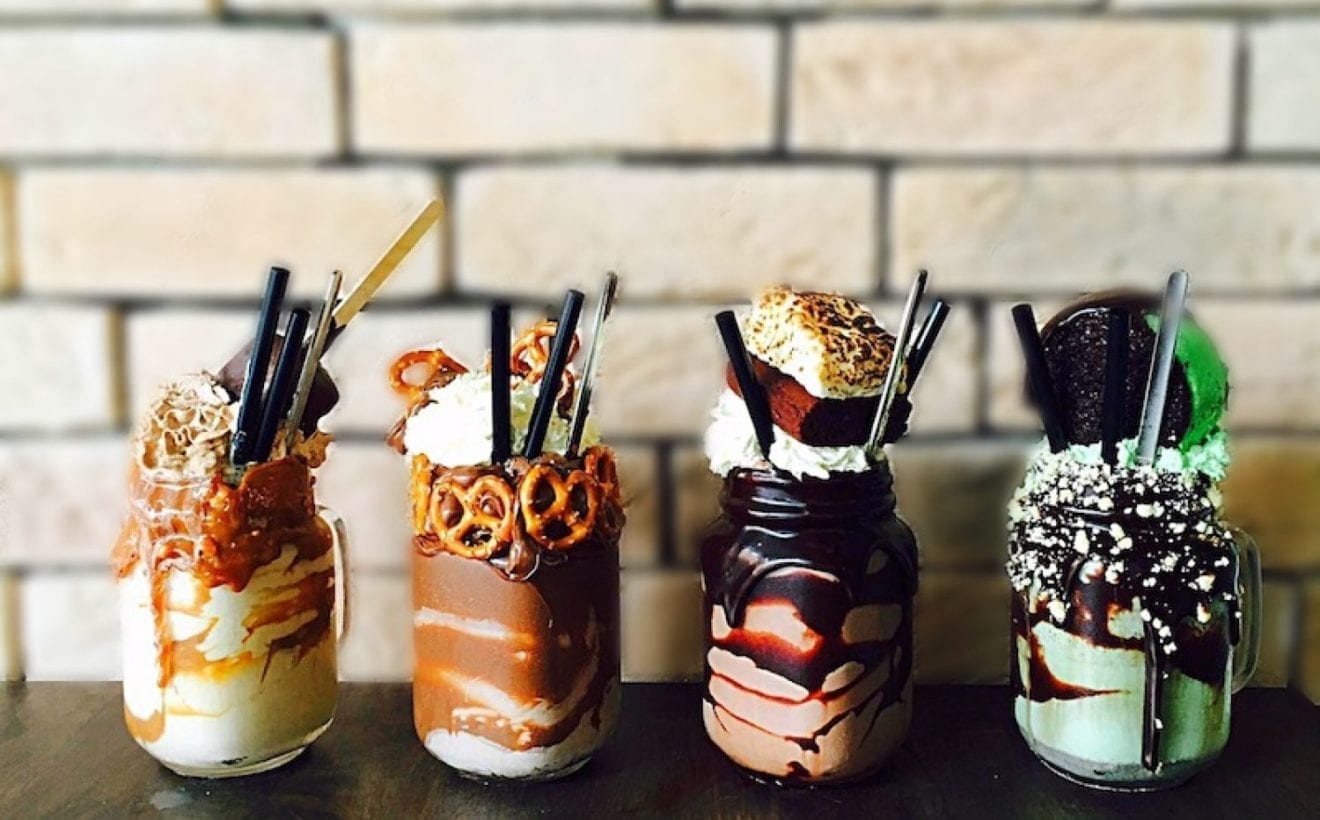
    Milkshake treats known as FreakShakes, devised by suburban cafe in the Australian capital of Canberra, have started making inroads to Asia.

    Patissez became a social-media sensation last year when it introduced its signature milkshakes piled with cookies, pretzels and even slabs of cake. Also known for its cakes and desserts, the family-owned patisserie was besieged by queues, so a second store was opened in the centre of the city.

    Now its first store outside Australia has been attracting crowds since opening in Kuala Lumpur last month.
    “We’re thrilled. The team in Kuala Lumpur is excellent,” says owner Anna Petridis. “The store is on Jalan Talawi, Bangsar Village, and it’s beautiful – everything a Patissez store should be. I plan to use that store as the model for all future outlets.”

    Patissez has also just opened in Singapore, in the new Raffles Holland Village. “It’s totally different to Kuala Lumpur but has its own flavour, which definitely suits the area and local market,” says Petridis.

    Now the company is planning more store locations in Kuala Lumpur and Singapore, plus expansion into Bangkok, Beijing and Shanghai. As part of this growth, it is setting up the “Patissez Exchange” which will enable staff members at any level to have the chance to work in the international stores.
  • Starbucks rolls out mobile pay app in China

    Starbucks rolls out mobile pay app in China

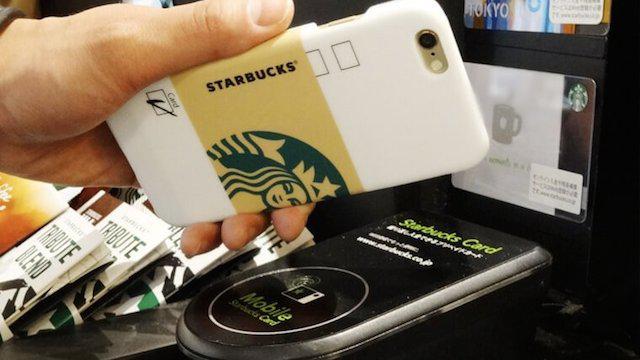
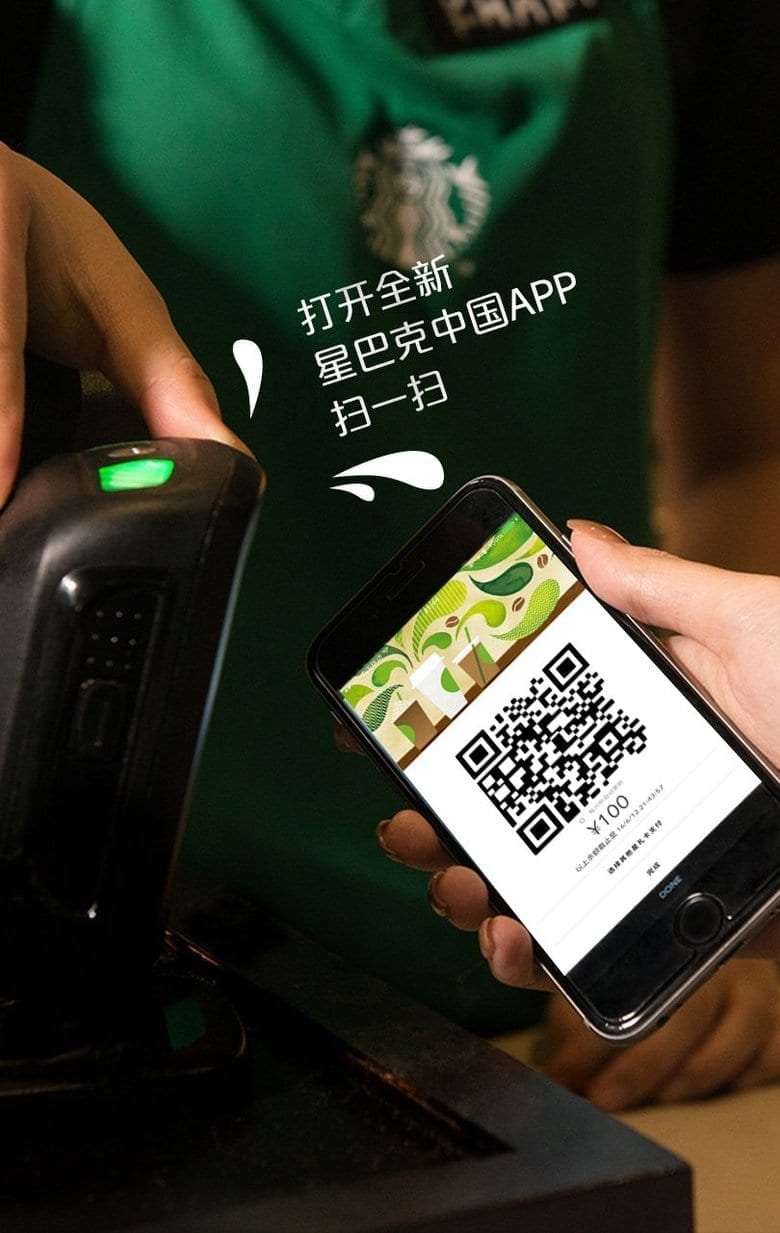
    Starbucks this week launched its mobile payment system in China, marking another step forward in two areas the company sees huge growth potential: China and mobile technology.

    Customers can now pay for their Starbucks purchases at some 2,200 stores in China by using the Starbucks app on their phone, linked to a pre-loaded Starbucks gift card.

    “With the ongoing seismic shift in consumer behavior due to mobile technology, Starbucks is committed to exploring new ways to leverage digital innovations to deliver an elevated Starbucks Experience to our customers,” Belinda Wong, president of Starbucks China, said in a news release.

    “We are confident our social, web, mobile, loyalty and card assets will deliver greater value and convenience to our customers, while further differentiating the brand in China.”

    Starbucks is betting big on China, where the company is adding 500 stores a year. It plans to have 3,400 stores there by the end of 2019.

    1bfaa232-492f-11e6-85c2-6f67e37b8616-780x1233

    In June, it opened a store at Shanghai Disney Resort — a location that Starbucks CEO Howard Schultz said earlier this year could become “Starbucks’ highest-grossing retail store overnight.”

    In the most recent quarter, Starbucks’ China market saw 18 percent revenue growth — likely due to new stores the company is opening there — and 5 percent transaction growth, according to the company.

    The 5 percent transaction growth is the “highest anywhere in the world,” said Scott Maw, Starbucks’ chief financial officer.

    The mobile app lets customers in China not only use their phones to pay for their coffee drinks but also manage their Starbucks Card account, find nearby Starbucks stores and track and redeem rewards.

    Starbucks’ mobile app has been a big success for the company.

    About 21 percent of all transactions in its company-owned U.S. retail stores take place through its mobile app, according to Bloomberg News.

    In the U.S., where the company has rolled out a “mobile order and pay” that lets customers bypass store lines by ordering and paying for their drinks ahead of time on their phones, usage doubled year-over-year in the most recent quarter.

    Starbucks processes 8 million mobile order and pay transactions per month, the company said.

    The company has also closely linked its loyalty rewards program with its mobile app, tying payments made via the app toward earning rewards, and displaying prominently progress made toward earning a reward.

  • Bacardi targets Hong Kong-China commuters with John Dewar emporium

    Bacardi targets Hong Kong-China commuters with John Dewar emporium

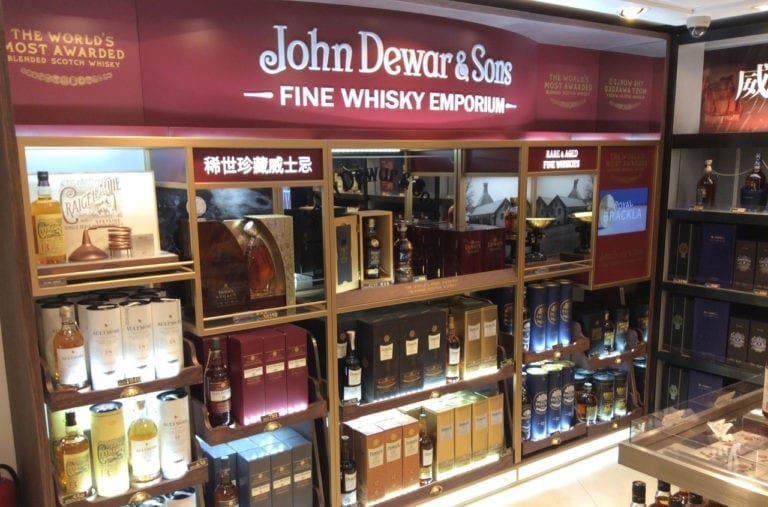
    Bacardi Global Travel Retail has unveiled the largest permanent merchandising installation of The John Dewar & Sons Fine Whisky Emporium in Hong Kong.

    The company has partnered with Chinese duty free retailer Sky Connection and sister company Anway for the opening at the Free Duty store inside Hong Kong MTR Lo Wu station.

    The station is home to train services between Hong Kong and mainland China, with over 100 million cross-boundary travellers using the location every year.

    Brand ambassadors are on hand at the three metre wide emporium to guide shoppers through the Dewar’s portfolio. It also showcases Aberfeldy Highland Single Malt Scotch Whisky, Aultmore of the Foggie Moss Speyside Single Malt, Craigellachie Speyside Single Malt and Glen Deveron, Royal Burgh Collection.

    “We have looked in detail at Chinese drinking habits and believe there is a strong opportunity to drive incremental basket spend in Scotch,” said Bacardi Global Travel Retail Regional Director Asia-Pacific Vinay Golikeri. “This opportunity will come from shoppers who were born during and since the economic reform.  They are already actively engaging with the ‘discovery’ opportunity and the brand intrinsics of the five single malts in our aged whisky portfolio.”

    Bacardi sees a US$40 million incremental opportunity in global travel retail whisky. “We are convinced the key to this prize is by leveraging the appeal of discovery brands such as ours with shoppers at the second stage of luxury,” said Golikeri.

    Anway/Sky Connection Merchandising & Buying Director Simon Au commented: “This is an exciting opportunity for us to bring something special to the high proportion of our shoppers who are whisky lovers and collectors. We’re delighted with the customer feedback – people are genuinely amazed to be able to purchase some of the world most awarded whiskies on their commute home.”

  • Binding offers sought for McDonald’s China

    Binding offers sought for McDonald’s China

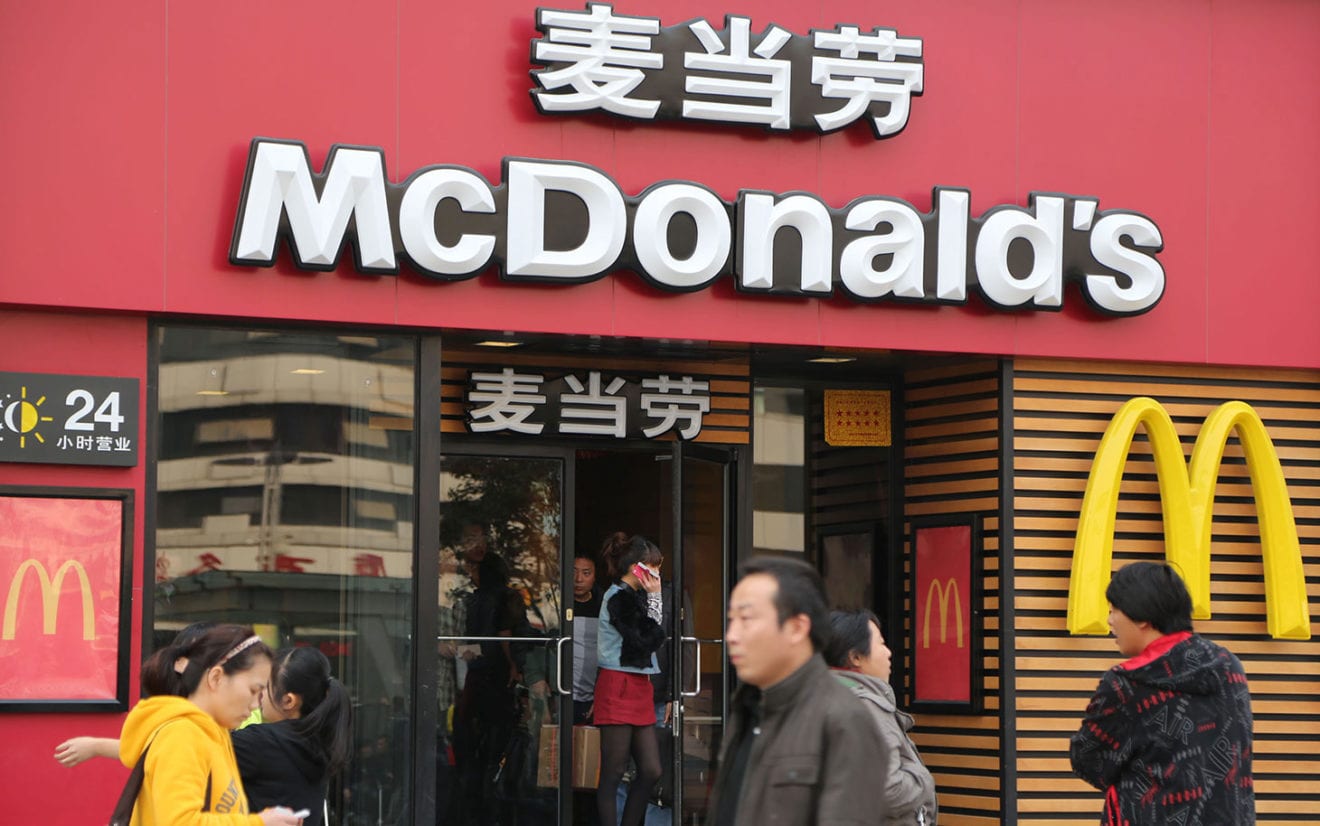
    Selected bidders for McDonald’s China and Hong Kong, including China Cinda Asset Management and dairy producer Beijing Sanyuan Foods, have been asked to make binding offers.

    Also invited earlier to submit a second-round bid are Sanpower Group, which owns UK department store House of Fraser, and GreenTree Hospitality.

    McDonald’s is selling 20-year mass franchise rights in China and Hong Kong, which could fetch $2 billion.

    Illinois-based McDonald’s has hired Morgan Stanley to run the sale of about 2800 restaurants in China, Hong Kong and South Korea along with 20-year franchise rights. The South Korean McDonald’s business is also being sold, with local cinema and cafe operator CJ Group reportedly the front-runner at this stage.

    McDonald’s announced in March that it was reorganising in Asia by bringing in partners to own restaurants within the franchise business. Competitor Yum Brands, which has the KFC and Pizza Hut chains, is also restructuring in China.

  • End of Growth for Hypermarkets?

    End of Growth for Hypermarkets?

    Hypermarkets, which offer a wide range of products under one roof, once prospered in Korea. Recently, however, sales growth has stagnated with a rapid change in consumer behavior. 

    According to industry watchers, hypermarkets in Korea anticipated high growth this year, following poor performance in 2015 from widespread public fear of MERS in June. But their high hopes have proven to be overly optimistic. 

    Lotte Mart, one of Korea’s leading hypermarket franchises, only saw 0.2 percent year-over-year sales growth in June. Homeplus, Korea’s second largest retailer, even showed negative sales growth. 

    E-mart, a subsidiary of Shinsegae, and the largest retail hypermarket in Korea, also recorded negative growth in May (4.4 percent), but improved its performance in June, although not as much as anticipated. 

    “We can’t disclose our growth rate for June because of government regulations, but considering the base effect caused by the MERS incident, the rate is far from our expectations,” said an E-mart official. “The industry itself is at risk, and its low growth has become a fixated phenomenon.” 

    Among the three retail giants, Homeplus has been suffering most from negative growth in recent years, and starting this year the company decided not to disclose its monthly growth rate in order to avert potential negative influence that it may further pose in the industry.

    “The company policy is not to disclose monthly growth rates,” said a Homeplus official. “But it’s true that the industry is suffering.” 

    Industry experts point to changing consumer trends, with preference rapidly shifting from offline to online purchasing. 

    “There are so few customers at these hypermarkets nowadays,” said an industry official. “Department stores, on the other hand, are more crowded because they often deal with high-end products. But a rising number of consumers are shifting over to e-commerce platforms to purchase daily necessities, which are the main products offered by hypermarkets.”


  • McDonald’s Hong Kong opens toy museum

    McDonald’s Hong Kong opens toy museum

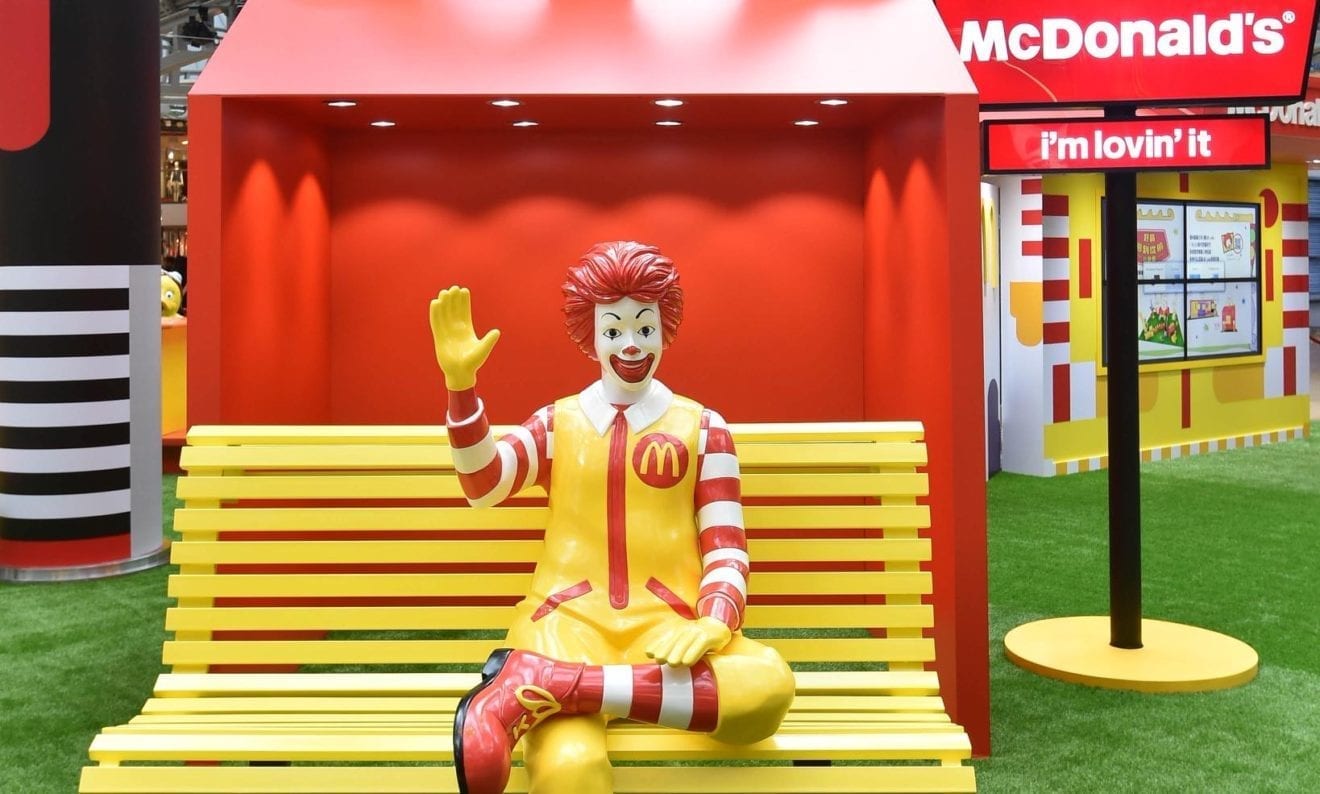
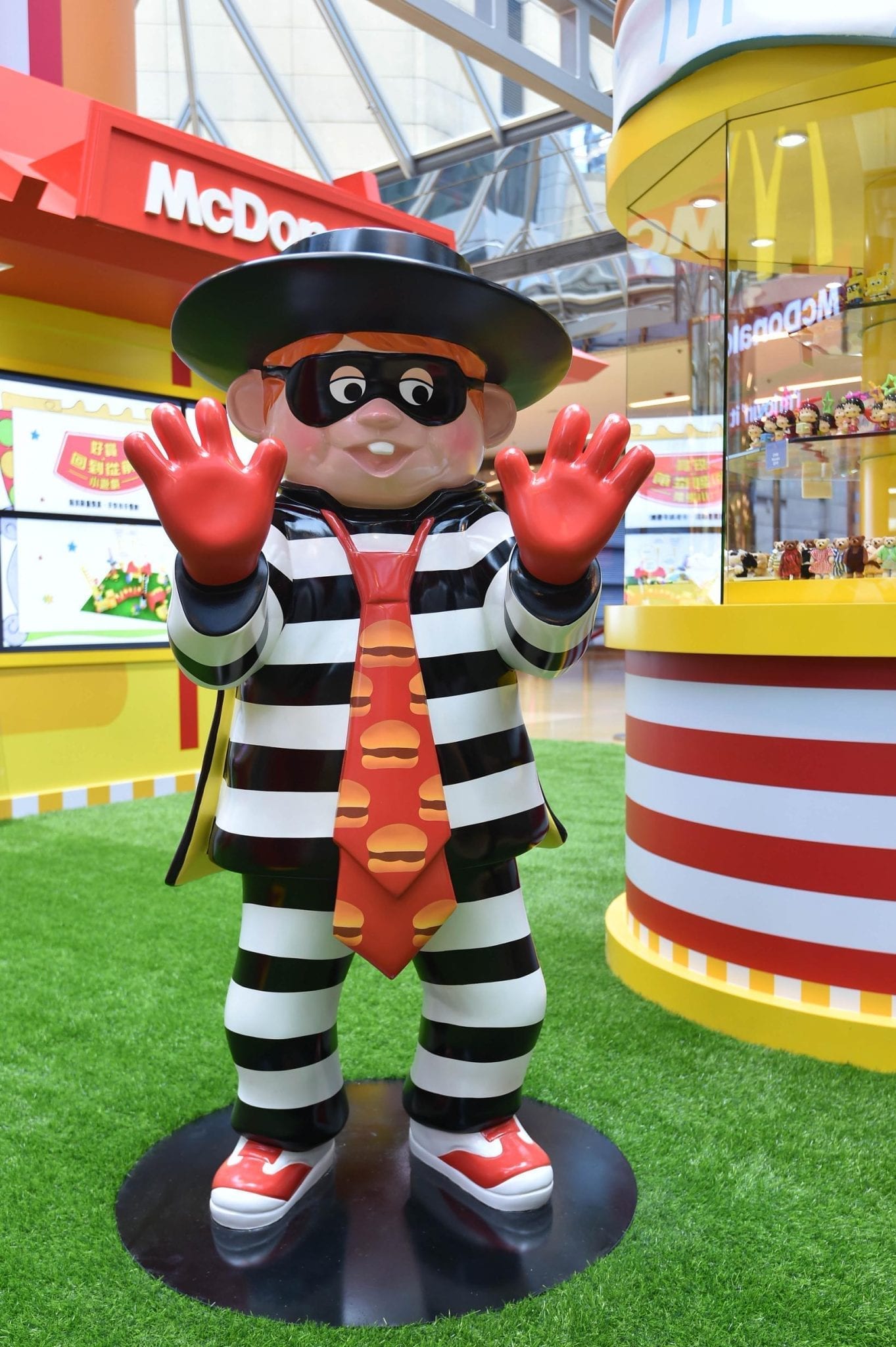
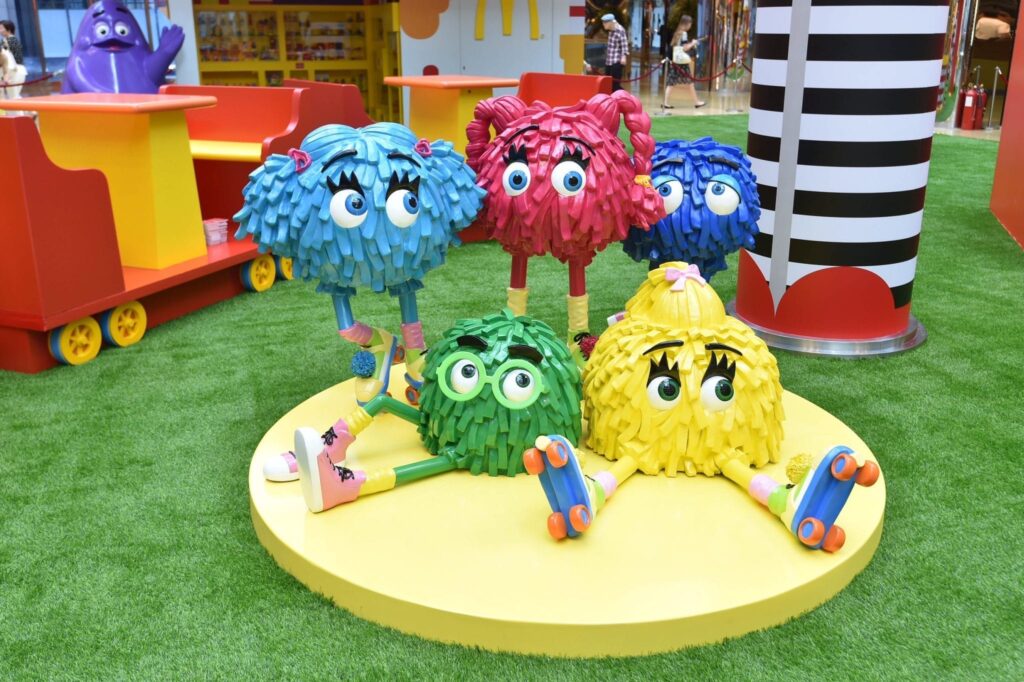
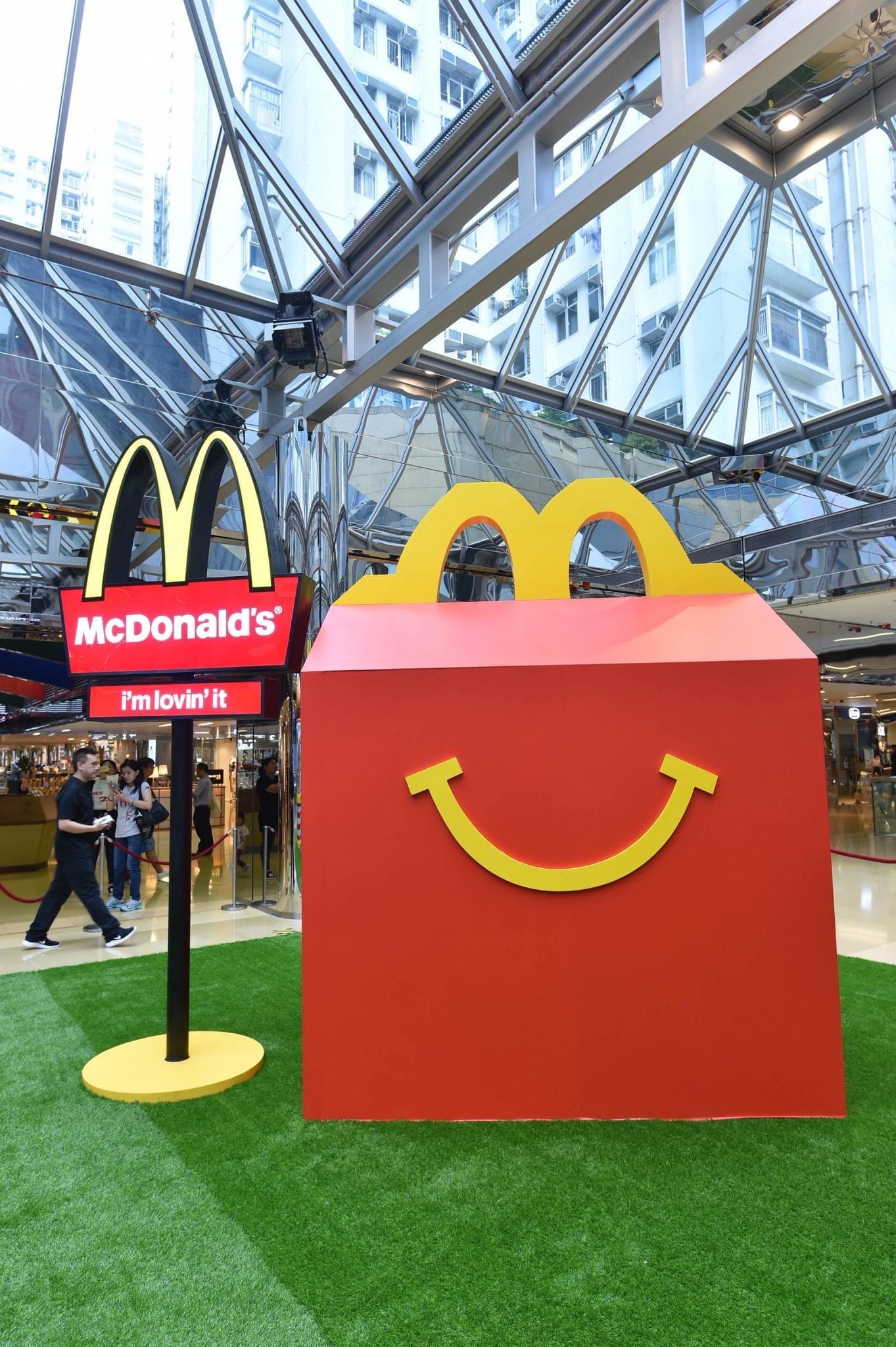
    In partnership with creative agency DDB and Tribal Hong Kong, McDonald’s Hong Kong has opened a concept store in Taikoo Shing.

    Featuring more than 1000 of the family restaurant’s toys dating back to 1980, the interactive McDonald’s Toy Museum at City Plaza was opened after a four-day campaign in which DDB and Tribal Hong Kong recreated McDonald’s advertisements from the past.

    Covering TV, newspaper, magazine, outdoor, radio and online placements, the campaign kicked off with McDonald’s iconic “fish symphony” TV spot, coincidentally created by DDB Group Hong Kong’s chief creative officer/MD Carol Lam in 1997.

    toy-museum-1

    toy-museum-3 toy-museum-2

    “Imagine paging through a glossy magazine and coming across an old McDonald’s ad, or hearing a crackly old radio spot on your favourite station,” says Lam. “The magic of our campaign lies in this stark contrast between old and new, creating a stolen moment for customers to reflect on a simpler time.”

    DDB Group Hong Kong’s digital arm Tribal drove the reach of the campaign through a mix of modern media channels including social media with the help of key opinion leaders, encouraging people to share their McDonald’s memories.

    The museum itself was brought to life by event agency Amaz, while Tribal’s QR code activation offered customers the chance to win prizes.

    “The retro campaign and Toy Museum give us the chance to honour our history while looking toward our bright future,” says McDonald’s Hong Kong director of marketing Esther Chung.


  • Red Bull apologises to Indonesia over offensive ad

    Red Bull apologises to Indonesia over offensive ad

    Red Bull has publicly apologised for shooting a commercial in which an athlete performed acrobatic stunts across one of Indonesia’s ancient holy temples, an official said Thursday.

    Red Bull has issued an apology in Indonesia’s national newspapers admitting it shot an advert at the 9th-century Borobudur temple “without permission from the appropriate authorities”

    The energy drink manufacturer issued an apology in national newspapers admitting it shot the video at the 9th-century Borobudur temple “without permission from the appropriate authorities”.

    The video — in which a famous “free running” athlete is shown jumping between the temple’s stone stupas — triggered outrage in Indonesia, where Borobudur is a revered Buddhist site and national icon.

    In one scene, the athlete is seen walking past a sign clearly stating “No Climbing” in both English and Indonesian before performing acrobatics throughout the UNESCO-listed heritage site.

    The video was shot secretly despite the crew having been issued a warning by temple guards, Borobudur Conservation Agency head Marsis Sutopo told AFP.

    “They must have shot again while our guards were not looking,” he said.

    The video, uploaded online on March 18, sparked outrage within Indonesia and prompted the government to threaten a legal suit against Red Bull.

    Authorities later issued a warning to the drink company after determining no physical damage had been incurred.

    Red Bull met with government officials in early June and agreed to place formal apologies in national newspapers.

    “We want to set an example because we painstakingly try to conserve this historical site,” education ministry official Hilmar Farid told AFP.

    “It was obvious as there was a “No Climbing” sign there too.”

    Red Bull have also been asked to shoot a new video explaining the importance of protecting holy sites, Farid added.

  • Starbucks barista from Indonesia Ryan Wibawa competes in the World Brewers Cup finals

    Starbucks barista from Indonesia Ryan Wibawa competes in the World Brewers Cup finals

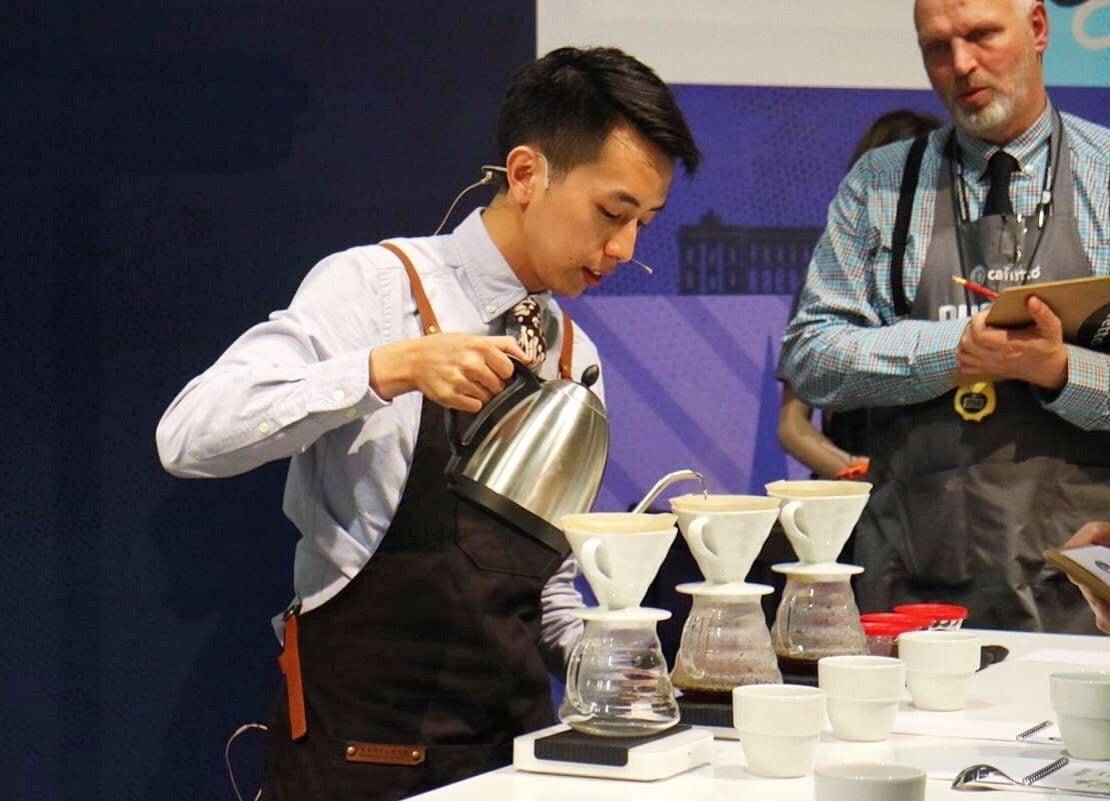
    “It was like a dream come true,” said Wibawa, a Starbucks barista from Indonesia.  I felt very humbled and honored to represent my country in an international competition. The experience was the best teacher.”

    Wibawa was matched against 36 competitors from all over the world at the championships, which took place from June 23-25 in Dublin, Ireland. As part of the competition, he crafted three coffee beverages that were judged on aroma, flavor, taste, acidity, body and balance. Wibawa also had to impress the judges with his customer service skills.

    “The competition was hard, but it was a great challenge for me,” he said. “No words can describe the feeling,” he said. “From every competition I gain something, new knowledge, new friends and new skills.”

    Although a competitor from Japan took first place, Wibawa is proud to have ranked among the top 25.

    Wibawa was first exposed to coffee when he joined Starbucks two years ago. He learned quickly and developed an enthusiasm for all things coffee, which led to being selected as his district’s coffee master in 2014. A year later, he won Starbucks Indonesia’s Barista Championships and ranked number one in the Indonesian Brewers Cup Championship. In February 2016, he placed in the top three at the China and Asia Pacific (CAP) region’s Starbucks Barista Championships. His vast experience paved the way for competing in Dublin.

    “Participating in a world competition definitely had a different feeling,” said Wibawa. “The competitors from all around the world had excellent coffee skills. It was a tough competition and a great learning experience.”

    When Wibawa is not competing, he works at Indonesia’s first Starbucks Reserve store in Jakarta, where he delights customers with his coffee craft. He also shares his expertise by training other Starbucks partners at Indonesia’s third Starbucks Reserve location in Bandung.

    “I am very lucky and grateful to have a very supportive family, friends and all Starbucks partners,” he said. “They gave me the strength to compete in the World Brewers Cup competition.”

  • Food Prices Spark Inflation in June

    Food Prices Spark Inflation in June

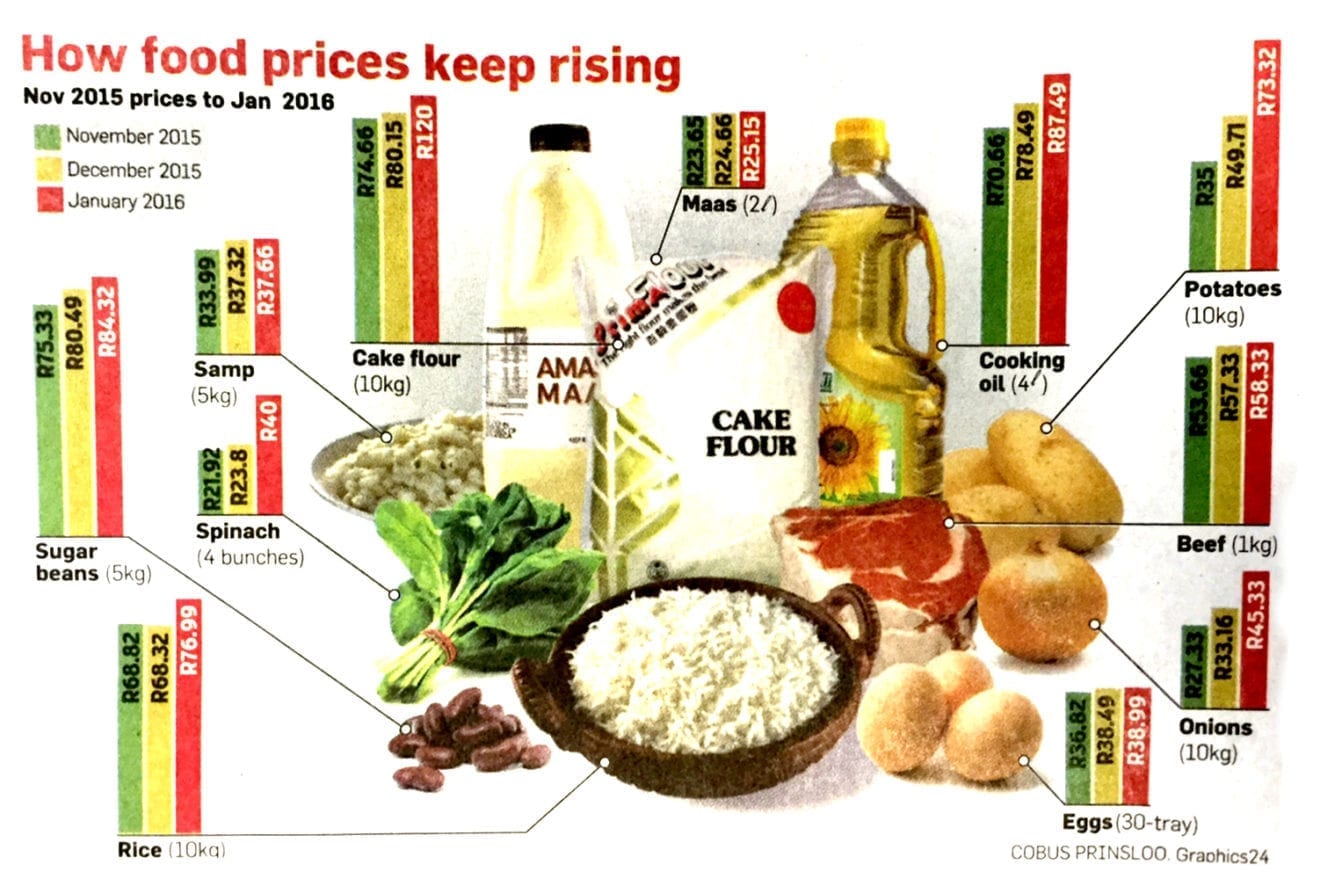
    The National Statistics Agency (BPS) head Suryamin said that inflation in June 2016 was 0.66 percent with increase in food prices as a factor. In addition, increase in air fares had contributed significantly to inflation. “An 8.27 percent increase in air fares had contributed to 0.08 percent of inflation,” he said yesterday, July 3, 2016.

    According to Suryamin, price hike occured in 38 out of 82 cities in the consumer price index (CPI) survey. Food commodity which contributed significantly to inflation was broiler chicken, which experienced price increase by 5.36 percent with 0.07 contribution to inflation. The increase occured in 74 out of 82 cities in the CPI. “Price increase occured due to price hike at the distributors,” he said.

    Suryamin said that food commodity with third highest contribution to inflation was fresh fish. Price of fish soared by 2.15 percent with 0.06 percent contribution to inflation. Other cause of inflation was broiler chicken eggs with 5.86 percent increase in price and contributed 0.04 percent to inflation. Other commodity was sugar which price had risen by 6 percent since early Ramadan. Its contribution to inflation was 0.04 percent. “Potato and carrot also contributed to inflation,” he said.

    Other commodities that contributed to inflation were rice, spinach, apple, electricity prices, gold and jewelries, and public transport fares, which contributed 0.02 percent each to inflation. Of 13 commodities that contributed to inflation, Suryamin said that only one had held back inflation. “The one that held back [inflation] was shallot,” he said.

    Director General of Horticulture, Agriculture Ministry, Spudnik Sujono has given his assurance that shallot and chili peppers supplies are safe until August.

  • Oriental Brewery pop-up opens at Gangnam

    Oriental Brewery pop-up opens at Gangnam

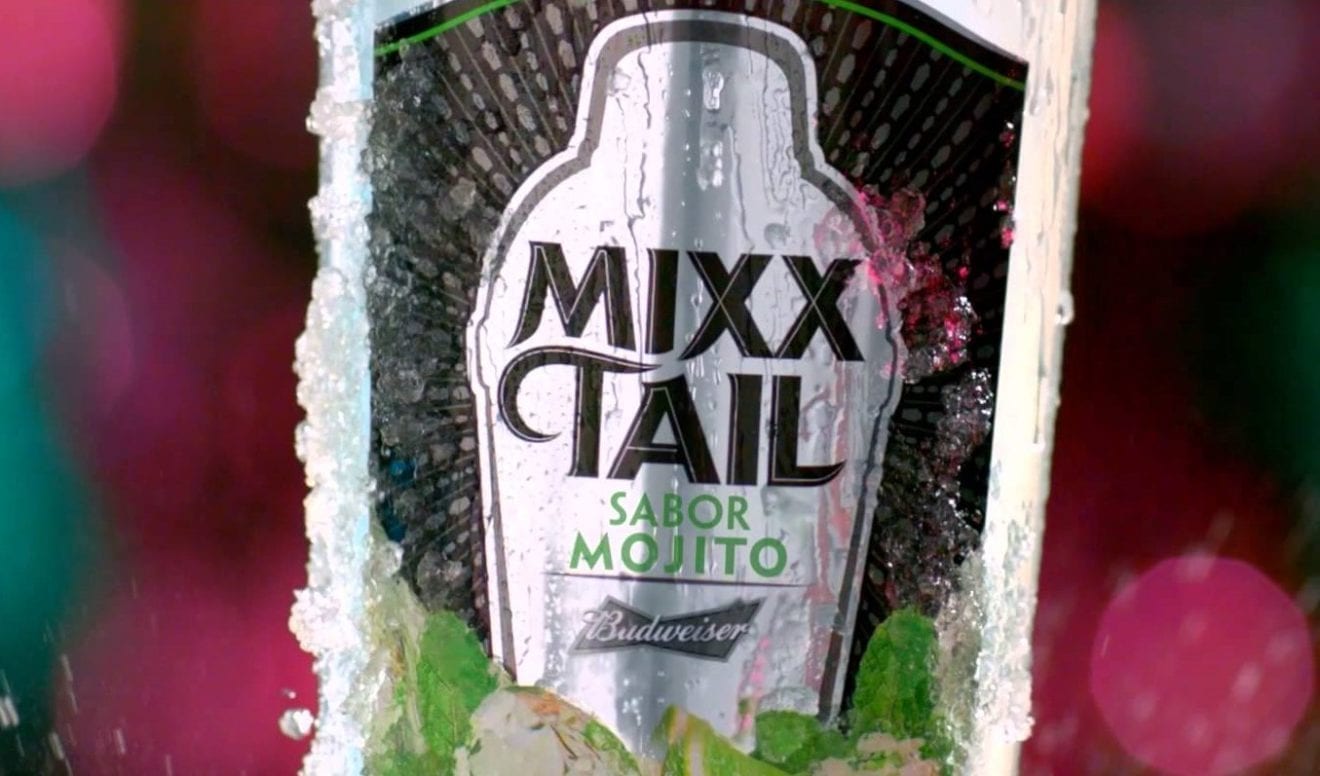
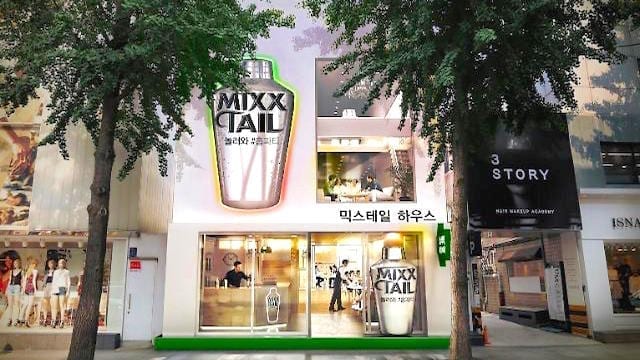
    South Korea’s Oriental Brewery (OB) has opened a pop-up store named MixxTail House at Sinsa-dong’s Garosu-gil in Gangnam.

    The Oriental Brewery pop-up offers a variety of cultural events and activities that visitors can enjoy while drinking OB’s MixxTail, the company’s fermented cocktail brand. The three-storey building includes a DIY Cocktail Bar, 3D Photo Zone, and an outdoor Cocktail Garden.

    Mixxtail 2

    The company will also host music performances of various genres, cooking sessions, and lectures focusing on home-party decoration and culture.

    The MixxTail House will be open daily from 11.30am to 10pm, until July 29.

    Mixxtail


  • FairPrice Shop grocer’s new budget banner

    FairPrice Shop grocer’s new budget banner

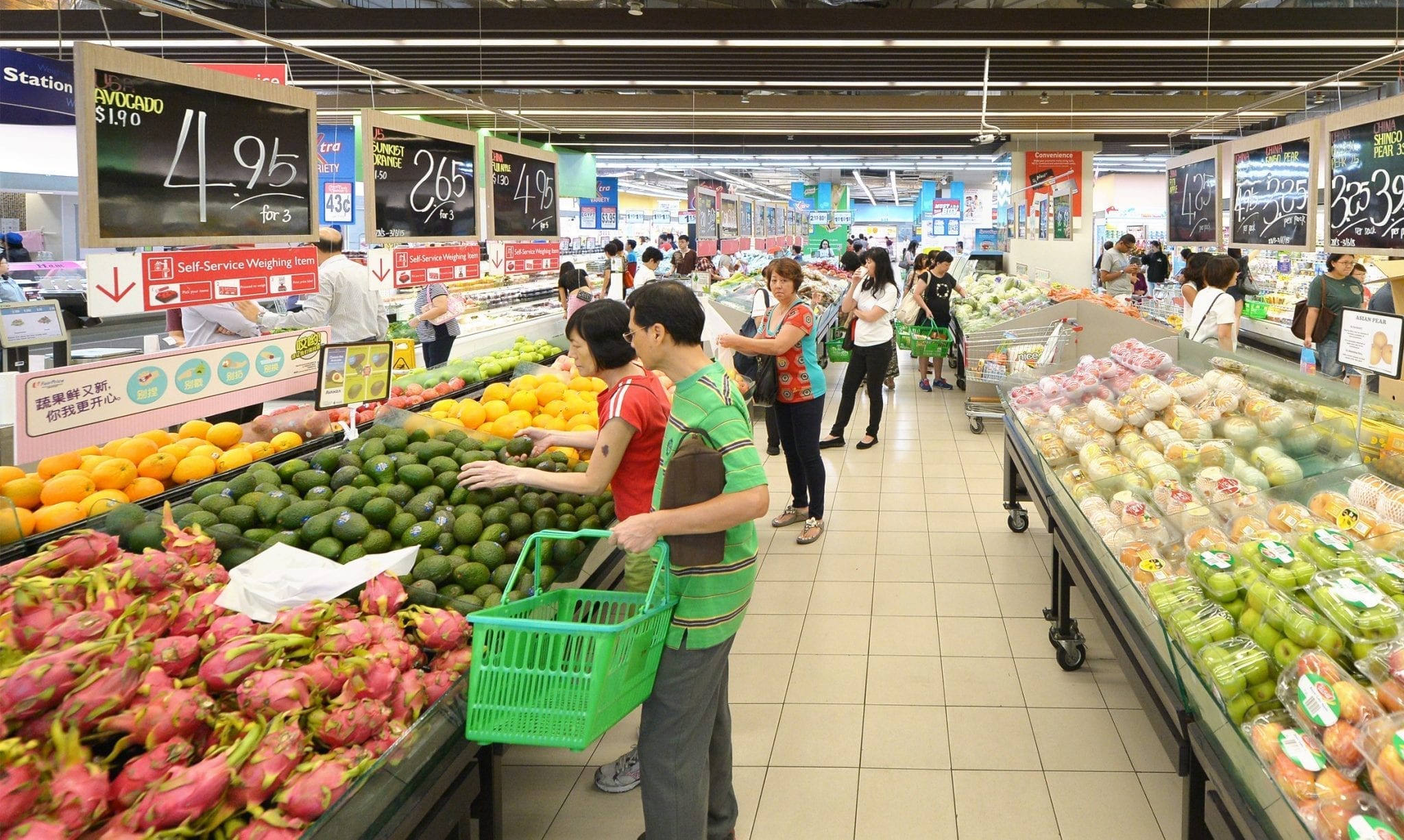
    Singapore’s largest supermarket operator NTUC FairPrice has unveiled a new budget banner and format today, imaginatively named FairPrice Shop.

    The official opening ceremony of the first store was underway this morning in Eunos Crescent – the store will be called FairPrice Shop@Eunos.

    “As FairPrice continues to serve its social mission to moderate the cost of living in Singapore, it will be launching a new retail format, FairPrice Shop, targeted at budget conscious shoppers,” the company said.

    “The format will feature a more focused range of products offering greater value, including the

    introduction of an exclusive range of housebrand fresh produce, which is five to 10 per cent cheaper than FairPrice’s existing housebrand fresh produce line. FairPrice Shop will be located primarily within mature estates with a higher concentration of low-income families.”

    The store was formally launched by Lim Boon Heng, chairman of NTUC Enterprise, and associate professor Fatimah Lateef, MP for Marine Parade GRC (Geylang Serai), who were hosted by Bobby Chin, chairman, NTUC FairPrice.

  • CJ Group bids for McDonald’s Korea

    CJ Group bids for McDonald’s Korea

    South Korean food-to-entertainment conglomerate CJ Group has submitted a letter of intent to buy fast-food chain McDonald’s Korea.

    Details have yet to be decided, but the deal could be worth 300 billion won ($256.86 million) to 500 billion won, says the Korean Economic Daily newspaper, quoting investment banking sources.

    McDonald’s Corp headquarters in the US announced in March it was reorganising its business in Asia by bringing in partners to own the restaurants within a franchise framework.

    Describing its aim to be a global lifestyle company, CJ Group aims to provide healthy, happy and convenient lifestyles based on its four core businesses: food and food services, bio and pharmaceuticals, entertainment and media, and home shopping and logistics.

    CJ’s business divisions include cinema chain CGV and bakery-cafe network Tous le Jours.

  • TGI Friday’s Japan with Hollywood taste

    TGI Friday’s Japan with Hollywood taste

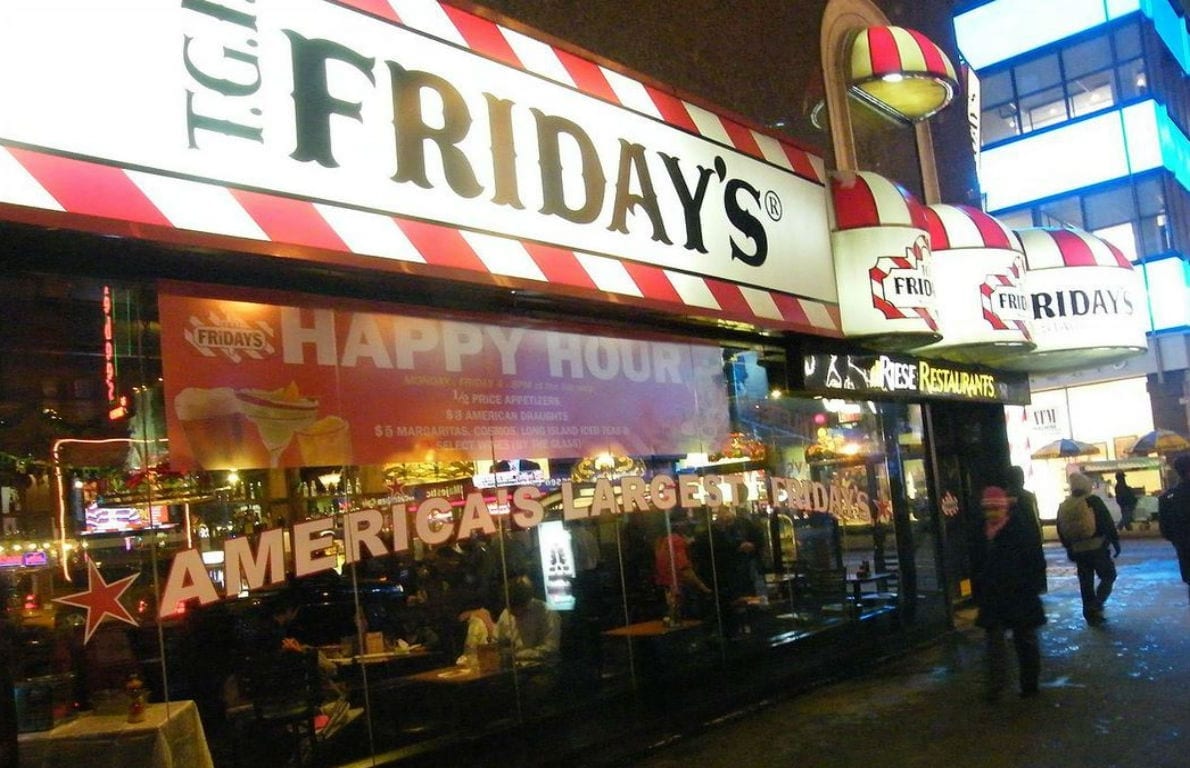
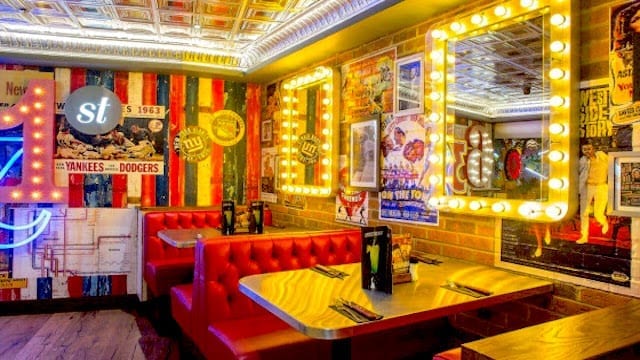
    TGI Friday’s Japan, the US franchise known for its kitschy decor and classic American fare, is opening its latest restaurant in Tokyo’s Gotanda area tomorrow – a Friday, of course.

    TGI-Friday
    Inside new TGI Friday Tokyo

    TGI is hoping to capitalise on the atmosphere at its new outlet, near Gotanda Station, with a Hollywood theme the chain says is different from the established locations in Japan. It is sited in a former cinema, and will be replete with replica Hollywood movie memorabilia and posters.

    It will feature the flair bartending shows that are a feature of the Japanese outlets.

    TGI Friday’s has more than 900 outlets in 60 countries, with the first Japanese restaurant opening in Shibuya, Tokyo, in 1999. There are more than a dozen outlets now in Japan, including the Kanto and Kansai areas.

  • Mars China teams with Alibaba

    Mars China teams with Alibaba

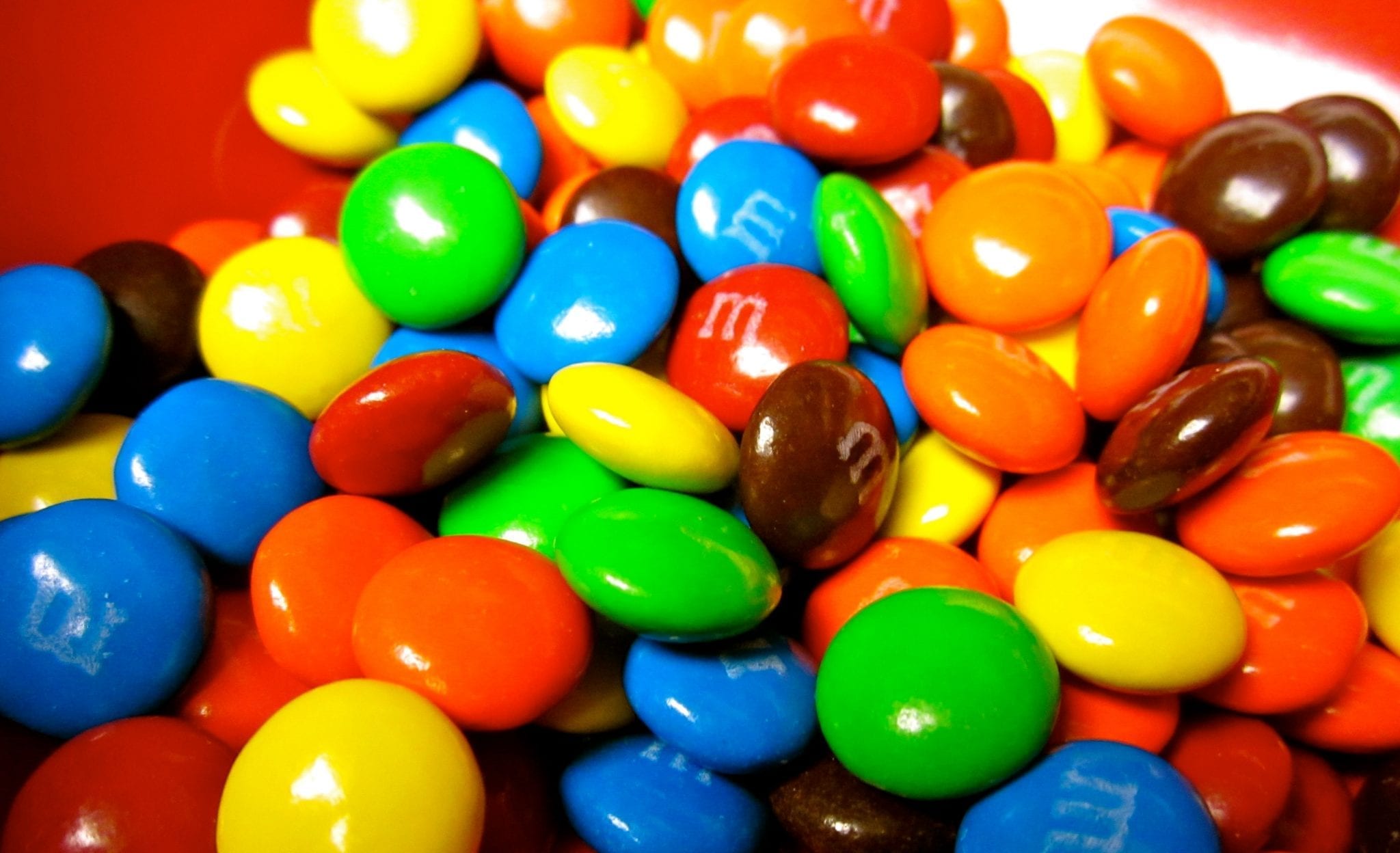
    Mars, best known for M&M’s and Snickers candy brands, has become the latest global consumer foods brand to partner with eCommerce giant Alibaba to grow its online presence in China.

    In a joint announcement, Mars China said all of its brands, which also include Dove chocolate and Pedigree and Royal Canin pet foods, will now be available to consumers through Alibaba’s online marketplaces Tmall.com and Rural Taobao. The Virginia-based company added it would leverage Alibaba’s marketing and data capabilities to drive engagement with those consumers, while using Alibaba’s logistics network to extend its reach in the Chinese market.

    Food and beverage giants Mondelēz International and Nestle struck similar agreements with Alibaba in recent months in a bid to expand their business in China. Both companies pointed to eCommerce as an important sales channel in the market given that Chinese consumers are the world’s most prolific online shoppers. And according to market intelligence firm Kantar Health, eCommerce sales of fast-moving consumer goods are growing in China, climbing 37 per cent last year versus 34 per cent in 2013-2014.

    Wrigley China VP and MD Cecilia Li noted the importance of eCommerce in the Mars China strategy as well, but also emphasised the role that shoppers under 35 are playing in the country’s consumer economy.

    “China’s younger generation is the new driving force of consumption,” she said, and “they rely on eCommerce.” Li called the agreement with Alibaba a “significant strategic partnership for Mars.”

    Many of Mars’ products are already selling on Tmall. Wrigley opened its flagship store in 2009, and others have since followed. But the company said that in addition to now having access to all of Mars China’s products, the new tie-up will give consumers a “convenient and international ‘one-stop’ shopping experience” via Alibaba’s platforms. That includes consumers in the rural countryside, whose rising spending power has drawn the attention of companies doing business in China.

    Alibaba will also partner with Mars’ Beijing-based Global Food Safety Center “to enhance food safety management, promote consumer education and share the latest scientific research findings with industry stakeholders.” Launched last year, the center conducts food safety research and training.

  • 385.5 tons of beef illegally imported to Indonesia in 2016

    385.5 tons of beef illegally imported to Indonesia in 2016

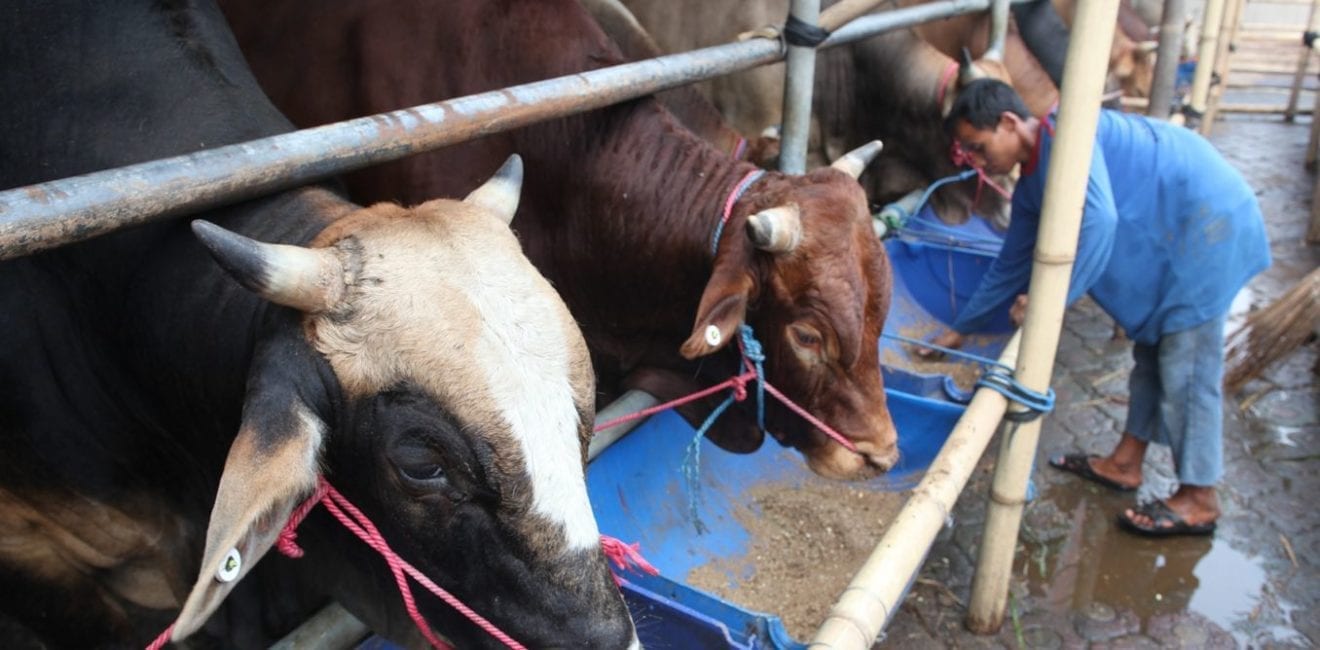
    Indonesias Finance Minister Bambang Brodjonegoro said the surge in beef smuggling or illegal beef imports in 2016 have risen to 385.5 tons.

    “In 2015, Indonesia managed to prevent 23.4 tons (of beef being imported illegally). Until June 2016 we have foiled 385.5 tons of illegal beef imports attempts,” said Bambang here Thursday.

    Bambang said 21.8 tons of illegally imported beef had been given to the Coordinating Ministry of Peoples Empowerment and Culture before being distributed by the Ministry of Social Affairs among the needy.

    The Customs and Finance Ministry are also making efforts to monitor the goods entering Indonesia illegally.

    Besides giving away 21.8 tons of smuggled beef that is beyond the states quota, an auction for 163 tons of beef will also be held in the next two days.

    “We will hold an auction for smuggled beef found in seven containers, amounting to a total of 163 tons, which was imported from Australia and New Zealand on May 21, 2016,” Bambang said.

    Furthermore, the ministry is currently preparing for the auction and expects the meat to be distributed immediately after that.

    “We will ask the winning bidder to sell it at affordable prices to the public. Under the direction of the president the affordable price of beef is around Rp80.000,” he added.