Tag: Malaysia

  • China’s Coffee Giant Luckin Coffee Brews Rapid Expansion in Malaysias Johor Bahru with Trio of New Outlets

    China’s Coffee Giant Luckin Coffee Brews Rapid Expansion in Malaysias Johor Bahru with Trio of New Outlets

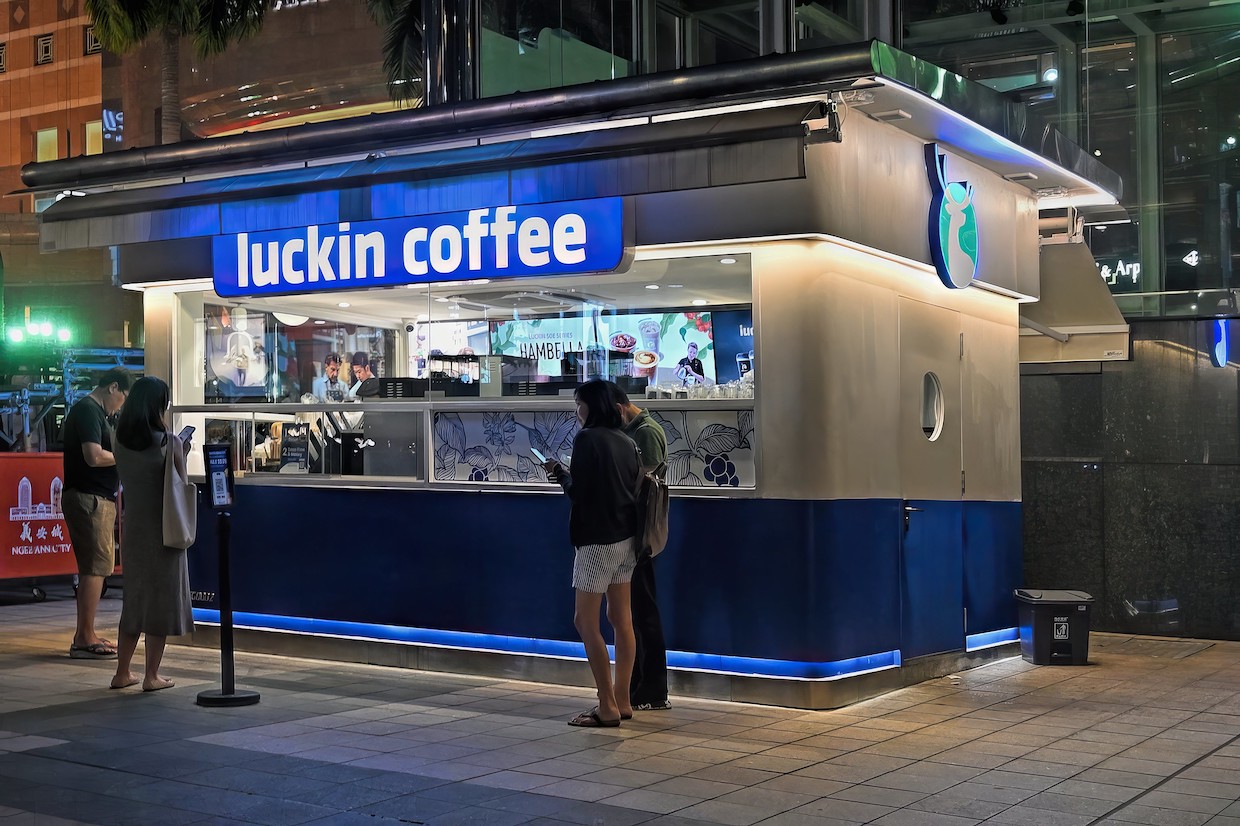
    Luckin Coffee, the largest cafe chain in China, has bolstered its presence in Malaysia by establishing three new outlets in the city of Johor Bahru last July. The first two branches were launched at Sutera Mall and Austin Heights early in the month, followed by a grand opening at the Sutera Mall location. A third branch was then opened in Taman Ungku Tun Aminah.

    Targeting Growth in Johor

    Dr. Jeff Lim, the CEO of Luckin Coffee Malaysia, has highlighted the strategic importance of Johor, Malaysia’s southernmost state, to the company’s expansion plans. He mentioned the potential of a more localized supply chain, job opportunities, and wider access to their digital-first coffee retail experience as key elements supporting the company’s growth in the region.

    Luckin Coffee was established in 2017 by a former tech executive and soon became a notable competitor to Starbucks in China due to its unique, app-driven cafes. Despite a setback in 2019 when the company was delisted due to an accounting scandal and subsequently filed for bankruptcy in 2021, it has made a robust recovery.

    Global Expansion and Achievements

    Luckin Coffee’s expansion efforts have seen it spread to over 300 cities in China, with most of its outlets located there. The company has also made inroads into international markets, such as Singapore, Malaysia, and the U.S. In February, just over eight years after its inception, Luckin Coffee opened its 30,000th store worldwide, an accomplishment achieved six times faster than Starbucks.

    As of the first quarter of 2026, the company has seen further growth with a total of 33,596 stores globally after adding more than 2,500 outlets during the quarter. Luckin Coffee made its debut in Malaysia last year and has since been growing rapidly. With the addition of the new outlets in Johor, the total number of stores across the country has now exceeded 120.

    Questions & Answers

    What is the significance of the Johor market for Luckin Coffee?
    Johor, being the southernmost state of Malaysia, is seen as a key market that can support Luckin Coffee’s growth through a more localized supply chain, job creation, and wider access to its digital-first coffee retail experience.

    How many outlets does Luckin Coffee have globally?
    As of the first quarter of 2026, Luckin Coffee has 33,596 stores across the globe.

    When did Luckin Coffee enter the Malaysian market and how many outlets does it have in the country?
    Luckin Coffee entered the Malaysian market last year and with the addition of new stores in Johor, it now operates more than 120 outlets in the country.
  • Surge in Durian Imports: Chinas Growing Craving Boosts Trade for Thailand and Malaysia

    Surge in Durian Imports: Chinas Growing Craving Boosts Trade for Thailand and Malaysia

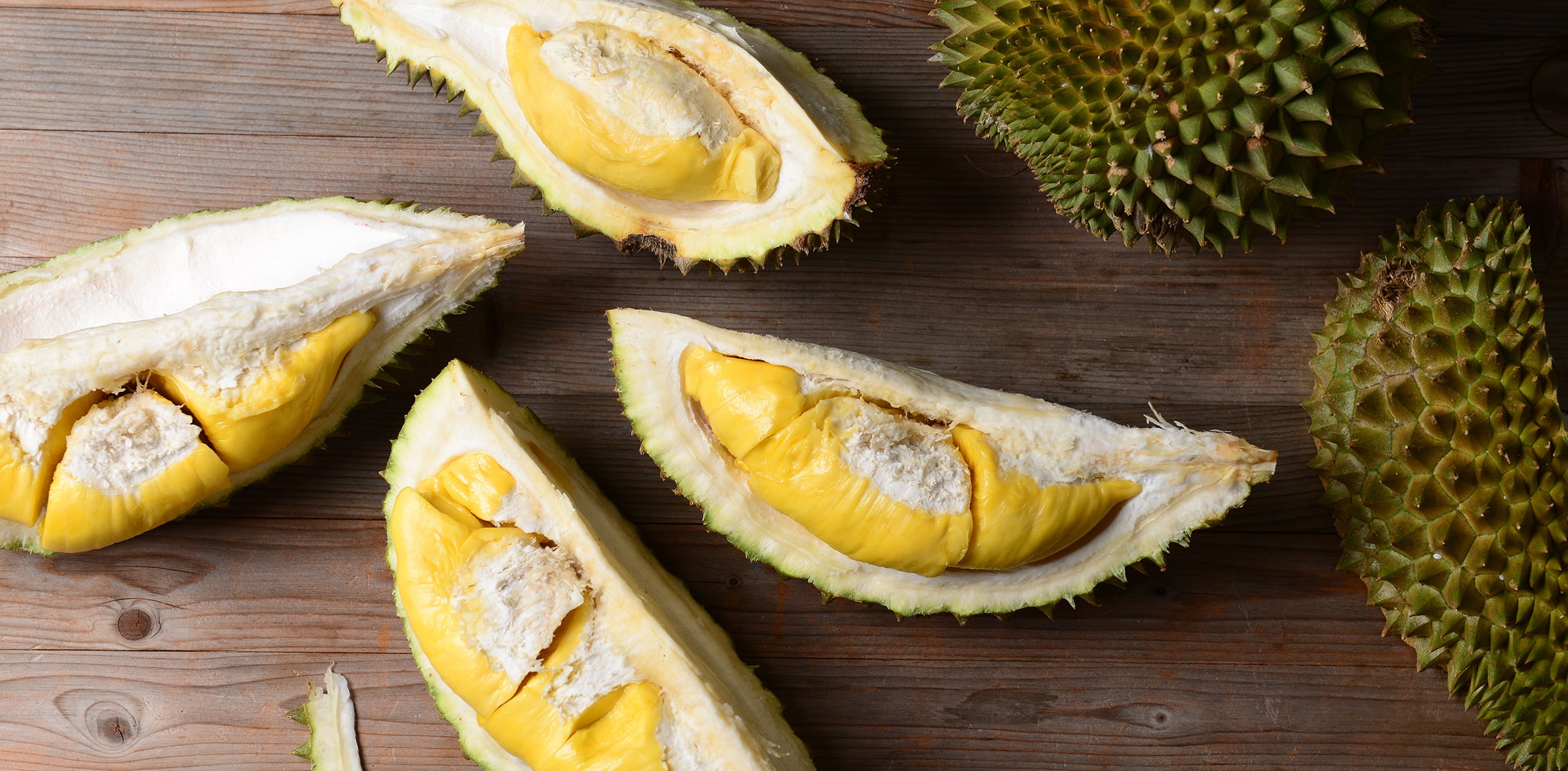
    In the first half of 2026, China’s durian imports saw a significant increase of 47% compared to the previous year. This was largely due to surplus stock from Southeast Asian exporters, such as Thailand and Malaysia, following a decrease in durian prices. According to Chinese customs data, Thailand exported roughly US$3.79 billion worth of durians to China within this period, dominating 81% of the market share.

    The Durian Market

    Vietnam came in second in the durian export market throughout the first half of 2026, with exports reaching an estimated value of $846 million. This makes up 18% of the total durian imports into China. Despite this, Thailand’s durians remain a favorite among Chinese consumers, thanks to a robust logistics and quality-control system that effectively enhances the fruit’s reputation.

    Vietnam has also increased its durian exports to China since it received the green light to export fresh durians in 2022. However, some challenges were faced concerning quality control. Malaysia, a newcomer to China’s fresh durian market, exported roughly $30.26 million worth of the fruit within the first half of 2026, marking a whopping 342% increase compared to the same period the previous year.

    The Changing Durian Landscape

    In total, the volume of durian imports from all countries reached 1.07 million tonnes in the first half of 2026, increasing from 708,000 tonnes in the same period a year earlier. Factors such as improved services on the China-Laos Railway and the growth of Chinese e-commerce platforms have significantly boosted Southeast Asian durian exports to China, which is the world’s largest market and accounts for 90% of global durian consumption.

    Currently, durian producers like Malaysia, Thailand, and Vietnam are experiencing an oversupply due to the peak durian harvest season. This is a result of orchards reaching full production capacity and an output growth that surpasses demand.

    Despite the strong long-term demand from China, an imbalance has been noted where production has not expanded at the same pace as demand. This has resulted in a fall in durian prices during peak season. Officials in Malaysia are seeking permission from China’s General Administration of Customs to open a land-based shipping route in response to the oversupply.

    There has been a notable drop in durian prices in China, between 14% and 20%, due to factors such as increased supply from different origins, high inventories, and cautious consumer spending.

    Questions & Answers

    What caused the significant increase in China’s durian imports?
    There was a surplus of durians from Southeast Asian exporters due to a decrease in prices, leading to an increased supply to China.

    Which country is the largest exporter of durians to China?
    Thailand is the leading exporter, supplying approximately 81% of China’s durian imports in the first half of 2026.

    Why are durian prices falling in China?
    The decrease in durian prices in China can be attributed to increased supply from different countries, high inventories, and more conservative consumer spending.

  • Happy Potato Sizzles Across Asia: Malaysian Fries Chain Captures Four New Markets

    Happy Potato Sizzles Across Asia: Malaysian Fries Chain Captures Four New Markets

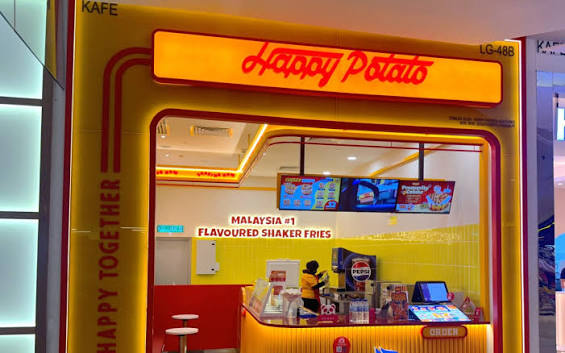
    Happy Potato, a fries chain originally from Malaysia, has successfully extended its operations to four international markets within half a year. The company’s rapid growth has seen it establishing new outlets in Bangladesh, Indonesia, China, and Cambodia as a core component of its aggressive regional expansion strategy.

    This ambitious expansion has boosted Happy Potato’s network to a total of 126 outlets spread across five countries. The majority of the outlets, 117, are located in Malaysia, while Bangladesh hosts three, and Indonesia, China, and Cambodia each accommodate two.

    The origins of Happy Potato trace back to Kota Kinabalu in 2019 where it began with just one outlet. The company opened its initial directly operated store in Peninsular Malaysia in 2023, and has since then been on a fast-paced journey of expansion through its franchising network.

    Between 2024 and 2025, Happy Potato saw a surge in its growth, adding 98 outlets across the nation. This domestic surge set the stage for its current international growth, which began this year.

    Edmund Lim, the CEO and co-founder of Happy Potato, shared that the firm dedicated years to solidifying its franchise model and operational systems before breaking into international markets.

    “Establishing a new outlet is merely one aspect of expansion. The real challenge is ensuring that customers receive the same experience, product quality, and service standards irrespective of the outlet’s location. Achieving this consistency necessitates having robust operational systems, franchise support, and local partners,” he said.

    The international journey for Happy Potato started in February with the first outlets opening their doors in Bangladesh and Indonesia. This was followed by China in May, and Cambodia in July.

    Lim expressed that this recent expansion has bolstered the company’s confidence in scaling its business, while maintaining its commitment to consistent quality across all markets.

    “Happy Potato started as a humble Malaysian fries brand, and now we are catering to customers in five different markets. But this is only the beginning,” he said.

    As part of its 2028 growth plan, Happy Potato has set its sights on expanding its Malaysian network to 200 outlets, while also making its mark in another three to five countries across Asia.

    Questions & Answers

    What are Happy Potato’s plans for future expansion?
    Happy Potato plans to expand its Malaysian network to 200 outlets and enter another three to five countries across Asia by 2028.

    What is noteworthy about Happy Potato’s expansion strategy?
    The company spent years strengthening its franchise model and operating systems before expanding internationally, ensuring that customers receive the same high-quality experience and service at all locations.

    What was the sequence of Happy Potato’s entry into international markets?
    Happy Potato first entered Bangladesh and Indonesia in February, followed by China in May, and Cambodia in July.

  • Sunway Malls Revolutionizes Shopping with Malaysias First AI-Powered Smart Mall

    Sunway Malls Revolutionizes Shopping with Malaysias First AI-Powered Smart Mall

    Sunway Malls, one of Malaysia’s leading shopping center operators, has launched a pioneering artificial intelligence (AI) system designed to transform its locations into the nation’s first “smart malls.”

    The innovative AI network will work in tandem with Sunway’s existing ‘Internet of Things’ (IOT) framework to enhance operational efficiency and productivity while simultaneously enriching the consumer experience. This technological advancement builds on the successful integration of IOT at the Sunway Pyramid shopping center in Subang Jaya last year.

    Embracing Digital Transformation

    HC Chan, Group Managing Director of Sunway Malls, emphasized the growing importance of digital technology in the business landscape. He explained that the precision, timeliness, and relevance provided by this technology facilitates more insightful and strategic responses in an intensely competitive market.

    According to the company, all 16 Sunway Mall locations will be incorporated into a comprehensive IOT network. This integration will facilitate a cohesive management system that relies on automated, data-driven insights for decision-making processes. The company pledged to allocate resources “intelligently,” anticipating and resolving maintenance issues before they become problematic.

    Expanding Technological Features

    The extensive technological upgrade will introduce a range of features, including a 5G network, smart toilets and escalators, AI-enabled CCTV, and digital sustainability initiatives.

    Furthermore, Sunway Malls will launch a new AI customer chatbot and the Sunway Super lifestyle app, designed to enhance the customer experience. These digital services will offer smart parking, in-mall navigation, and a virtual shopping assistant, revolutionizing the shopping experience for customers.

    Questions & Answers

    What is the purpose of Sunway Malls’ new AI ecosystem?
    The AI ecosystem has been developed to enhance operational efficiency and productivity, while also improving the consumer experience at Sunway’s shopping centers.

    What other technological features will be introduced in the smart malls?
    In addition to the AI and IOT systems, the smart malls will feature a 5G network, smart toilets and escalators, AI-enabled CCTV, digital sustainability programs, and a customer chatbot.

    How is the decision-making process influenced by this digital transformation?
    Decision-making at Sunway Malls will be guided by a unified management system that uses automated, data-driven insights, allowing for intelligent resource allocation and proactive maintenance issue resolution.

  • Malaysia Vows to Slash Reliance on Foreign Food by Half by 2050 for Enhanced National Food Security

    Malaysia Vows to Slash Reliance on Foreign Food by Half by 2050 for Enhanced National Food Security

    Malaysia has outlined an ambitious plan to decrease its dependence on imported food by half by 2050 in an effort to bolster national food security. This objective arises as the nation grapples with an annual food import expenditure hitting around 80 billion MYR, or approximately US$20 billion, as per the statement of Ahmad Zahid Hamidi, Deputy Prime Minister and Minister of Rural and Regional Development, on July 4.

    Phased Implementation

    The strategy is set to be executed in stages, with intermediate milestones set at a 15% reduction by 2030 and just over 30% by 2040, before eventually realizing the ultimate aim by 2050. Hamidi stated that the strategy would focus on maximizing the use of underemployed and unused land owned by branches under the Ministry of Rural and Regional Development. This land would be transformed into agricultural and livestock production areas in order to increase domestic food production capacity.

    Hamidi further elaborated that the food security program has been active for the past three years and has already contributed to stabilizing prices, specifically through broiler chicken and egg production initiatives.

    Domestic Supply and Stable Prices

    Hamidi emphasized that the purpose of the plan is not to rival commercial producers. Instead, its primary focus is to guarantee an ample domestic supply and reduce price fluctuations. By increasing local production, Malaysia aims to obtain a more reliable and sustainable food source, reducing its vulnerability to global market changes and potential supply chain disruptions.

    Questions & Answers

    What is Malaysia’s goal with respect to imported food?
    Malaysia aims to cut its reliance on imported food by 50% by 2050 in order to enhance national food security.

    How does the country plan to achieve this objective?
    Malaysia plans to utilize underused and idle land owned by agencies under the Ministry of Rural and Regional Development, converting it into agricultural and livestock production zones.

    What is the purpose of this initiative?
    The goal is to ensure a sufficient domestic food supply and reduce price volatility, not to compete with commercial producers.

  • Malaysia Soars to 15th Spot in Global Economic Competitiveness, Credits Boom in AI and Semiconductor Industry

    Malaysia Soars to 15th Spot in Global Economic Competitiveness, Credits Boom in AI and Semiconductor Industry

    In the most recent 2026 IMD World Competitiveness Ranking, Malaysia’s standing significantly improved, moving up eight spots to claim the 15th place. This notable advancement represents the country’s greatest leap in recent years. The International Institute for Management Development, the authority that published the ranking, attributed Malaysia’s enhanced position to advancements across all four pillars of competitiveness.

    The four pillars considered in the ranking include economic performance, government efficiency, business efficiency, and infrastructure. Malaysia demonstrated remarkable progress in all these areas. The country obtained 4th place worldwide for economic performance, while government efficiency ascended 11 places, reaching the 14th position. Business efficiency moved up 16 spots to the 16th position, and infrastructure experienced a slight boost, improving two spots to rank 33rd.

    An Examination of Sub-factors

    Looking deeper into the sub-factors, Malaysia’s domestic economy ranking ascended four places, achieving the 11th position, and the international trade ranking rose one spot to the 5th position. One significant leap was observed in the international investment sector, which climbed seven places to reach the 19th position.

    The IMD ranking evaluates 70 economies based on the aforementioned four fundamental pillars. Malaysia’s consistent improvement is evidenced by its steady ascent over the years. In the previous year, the nation jumped 11 places to secure the 23rd position among 69 economies. This was a marked improvement from the 34th position it held among 67 economies in 2024.

    According to economists, the critical factors contributing to Malaysia’s elevated ranking include a robust economic foundation, heightened trade competitiveness, improved public and business sector performance, and expanding opportunities within the technology sector.

    Stephen Innes, Managing Partner at SPI Asset Management, believes that Malaysia’s substantial boost in competitiveness is not merely indicative of a short-term recovery. Instead, he points to the rapid growth of artificial intelligence and the semiconductor industry as key drivers of this progress. Innes notes that Malaysia’s advantageous positioning across the electrical and electronics supply chain, coupled with its appeal in attracting investment in advanced packaging and data centers, makes it a natural beneficiary of global supply chain diversification.

    Questions & Answers

    What factors led to Malaysia’s improved ranking in the 2026 IMD World Competitiveness Ranking?
    Malaysia’s improvement is attributed to advancements in economic performance, government efficiency, business efficiency, and infrastructure. The rapid growth in artificial intelligence and the semiconductor industry were also highlighted as key contributors.

    How has Malaysia’s ranking evolved over the years?
    Malaysia has shown steady improvement in its standing, moving from 34th out of 67 economies in 2024, to 23rd out of 69 in 2025, and finally to 15th out of 70 economies in 2026.

    What sub-factors saw notable improvement in Malaysia’s ranking?
    Significant improvements were observed in the country’s domestic economy, international trade, and international investment rankings.

  • Fee-Free ATM Withdrawals in Malaysia: New Initiative Boosts Accessible Banking from July

    Fee-Free ATM Withdrawals in Malaysia: New Initiative Boosts Accessible Banking from July

    Starting July 1st, Malaysians will have the ability to withdraw cash from any bank’s automated teller machines (ATMs) or smart recycler machines (SRMs) across the country without the usual RM1 (US$0.25) interbank fee. This new initiative will grant debit cardholders access to more than 14,000 ATMs and SRMs, regardless of the bank that issued their card. The announcement was made jointly by the Association of Banks in Malaysia, the Association of Islamic Banking and Financial Institutions Malaysia, and the Association of Development Finance Institutions of Malaysia.

    Making Financial Services Accessible

    The aforementioned associations have stated that this change, applicable to ATMs and SRMs run by Malaysian banks, was enacted in cooperation with Payments Network Malaysia (PayNet). The driving force behind this move is an ongoing effort to render financial services more attainable, all-inclusive, and affordable.

    It’s important to note that cash continues to play a crucial role as a necessary payment method for numerous Malaysians in their day-to-day lives. This elimination of the interbank fee is a reflection of the industry’s dedication to providing reliable, convenient, and cost-effective access to cash. Ultimately, it’s a measure aimed at alleviating the financial strain on consumers.

    Questions & Answers

    What is changing for debit cardholders in Malaysia?
    Starting July 1st, Malaysian debit cardholders will no longer be charged the usual interbank fee of RM1 (US$0.25) when withdrawing cash from any bank’s ATMs or SRMs nationwide.

    Who are the organizations behind this move?
    This change has been implemented jointly by the Association of Banks in Malaysia, the Association of Islamic Banking and Financial Institutions Malaysia, the Association of Development Finance Institutions of Malaysia, and Payments Network Malaysia (PayNet).

    Why has this fee waiver been introduced?
    The interbank fee waiver is a part of ongoing efforts to make financial services more accessible, inclusive, and affordable for all Malaysians, and to alleviate the financial burden on consumers.

  • Malaysia Rattles Bullion Trade with 10% Duty on Gold Bar Imports

    Malaysia Rattles Bullion Trade with 10% Duty on Gold Bar Imports

    In the latest regulatory development, Malaysia has imposed a 10% import duty on certain inbound shipments of gold bars. This unexpected decision has jolted the nation’s gold trade, with effects felt since early May, as per anonymous reports from traders and dealers. Consequently, some shipments have been detained at customs or rerouted due to the absence of a corresponding rise in local gold prices, which rendered the imports unprofitable.

    The Impact on Customers

    Bank Muamalat Malaysia, a local Islamic bank offering gold investment products, has stated that the imposition of a 10% import tax on bullion will inevitably be transferred to customers. This could lead to a considerable price hike for investors. For instance, purchasing a one-kilogram bar via a Malaysian bank after June 8 could cost approximately MYR45,000 (US$11,300) more than it would have a week before.

    A representative from the Royal Malaysian Customs Department has noted that the Ministry of Finance plans to discuss the issue of “minted gold products” imports with industry leaders.

    Increasing Interest in Gold

    The value of gold surged to a record high earlier this year, stoking investor interest in the precious metal, including in Asia. In response to this trend, several Malaysian banks have debuted gold investment products over the past year. Furthermore, bullion logistics firm, Loomis AB, has established a vault near the nation’s capital to cater to the growing demand.

    According to the country’s Department of Statistics, Malaysia imported around US$2.5 billion worth of non-monetary gold up until April this year.

    This move by the Malaysian government mirrors a similar abrupt shift in import policies in India, the world’s second-largest gold and silver market. This change has yielded a domino effect across its metals and currency markets.

    Questions & Answers

    How has Malaysia’s imposition of a 10% import duty on gold bars affected the bullion trade?
    This move has disrupted the bullion trade, with some shipments being held at customs or diverted due to the increased cost, which, without a corresponding rise in local gold prices, made the imports unprofitable.

    What is the likely impact of this decision on customers?
    Bank Muamalat Malaysia has indicated that the imposition of this import tax will eventually be passed on to the customers, leading to increased prices for investors.

    Has there been a change in the demand for gold?
    Yes, there has been a growing interest in gold, spurred by its record high value earlier this year. In response, several Malaysian banks have launched gold investment products, and bullion logistics company, Loomis AB, has opened a vault near the country’s capital.

  • Johor Eateries Resist Price Hikes Amid Surging Ingredient Costs, but Future Increase Likely

    Johor Eateries Resist Price Hikes Amid Surging Ingredient Costs, but Future Increase Likely

    Even as the cost of raw materials rises, food service operators in Johor, the southernmost state of Malaysia, have not yet increased their prices. However, if the Middle East conflict continues, these increases may become unavoidable.

    Adapting to Rising Costs

    Hussein Ibrahim, the Secretary of the Johor Indian Muslim Entrepreneurs Association, shared that member restaurants have maintained current prices despite a 20-30% increase in raw ingredient costs since March. “We can’t just raise our prices as Malaysians are cost-conscious, which could impact our business,” he stated.

    The association boasts 338 members, including around 200 Indian-Muslim food service operators throughout Johor, with the majority in Johor Bahru, a city on the Singapore border. To deal with increasing expenses, many operators are considering reducing portion sizes, according to Hussein. He also mentioned that unavoidable price increases might be on the horizon if the current crisis continues.

    Roland Lim, head of the Johor Bahru City Businessmen and Traders Association, reported a similar narrative, affirming that member restaurants have also kept their prices steady. He pointed out that downtown Johor Bahru restaurants have been hit hard by tighter security measures at the Johor-Singapore Causeway. These new procedures, established earlier this year, have caused Malaysians commuting to work in Singapore to skip their usual breakfast stops and go straight to immigration checkpoints. Reduced dining out by families, combined with ongoing infrastructure projects and subsequent traffic congestion, have further decreased restaurant patronage.

    The Impact of Rising Food Prices

    The ongoing conflict has resulted in increased food prices in Johor and other regions of Malaysia since February 28. By March’s end, vegetable prices in Johor Bahru had surged by 20-30%, attributed to higher transportation costs due to diesel price hikes and a prolonged heatwave.

    More recently, Economy Minister Akmal Nasrullah Mohd Nasir reported price increases for certain food items in the first week of May. For example, the price of Indian mackerel increased by 3.9% to RM17.42 (US$4.43) per kilogram; white prawns were up 1.2% to RM32.11 per kg; and fresh coconut milk rose 6.7% to RM16.88 per kg. Despite these increases, he reassured that food prices remain within a manageable range, with some items, such as beef, experiencing price reductions.

    Mohamad Sabu, the country’s Agriculture and Food Security Minister, warned that food prices could escalate in the upcoming three to six months due to increased production costs, such as fertilizer, animal feed, and fuel. “When these costs rise, market prices may also be affected,” he stated.

    Questions & Answers

    What are the potential consequences of the Middle East conflict on Malaysian food service operators?
    If the Middle East conflict continues, price hikes may become unavoidable due to rising costs of raw materials.

    How are food service operators in Johor dealing with the increasing costs?
    To cope with the rising costs, many operators are considering reducing portion sizes.

    How have recent price increases in various food items affected the overall food prices in Malaysia?
    Despite recent price increases in certain food items, the country’s Economy Minister reassured that food prices remain within a manageable range, with some items experiencing price reductions.

  • Malaysia Contemplates Axing Fuel Subsidies for Wealthier Citizens: A Strategic Move Towards Economic Resilience

    Malaysia Contemplates Axing Fuel Subsidies for Wealthier Citizens: A Strategic Move Towards Economic Resilience

    The Malaysian government is currently evaluating a proposal aimed at revising petrol subsidies for the country’s high-income households. This proposition was initially presented roughly four weeks ago and has been under close scrutiny by the respective authorities over the past three weeks.

    Government’s Standpoint on the Proposal

    Malaysia’s Prime Minister, Anwar Ibrahim, disclosed that a final resolution has not yet been reached on the matter. Although, he emphasized that fundamentally, the government concurs with the necessity to reassess the subsidy system for higher-income Malaysians. The government is expediting efforts to finalize the proposal at the earliest.

    The consideration of this revision comes in response to increasing demands for the realignment of the nation’s fuel subsidy policy. The goal is to ensure that aid is appropriately directed towards the deserving recipients.

    Public voices are advocating for the exclusion of high-income groups from receiving subsidies on RON95 petrol. They suggest that this support should be redirected towards middle- and lower-income groups who are feeling the brunt of escalating living expenses.

    The Need for Proposal in Present Economic Climate

    The proposal is seen as a critical requirement in the prevailing economic environment. It is expected to aid in effectively utilizing national resources and bolstering the country’s resilience against global economic uncertainties.

    Questions & Answers

    Why is the Malaysian government considering a revision of petrol subsidies for high-income earners?
    The government is considering the revision in response to increasing calls for a realignment of the fuel subsidy policy, aiming to ensure aid is properly directed towards deserving recipients.

    What are some of the reasons driving the demand for this revision?
    Public voices have been advocating for the exclusion of high-income groups from receiving subsidies on RON95 petrol. They suggest that this support should be redirected towards middle- and lower-income groups who are comparatively more affected by the rising cost of living.

    What is the expected outcome of this proposal?
    The proposal is expected to aid in the effective utilization of national resources and strengthen the country’s resilience against global economic uncertainties.

  • Patchi Dives into the Lifestyle Market with a Refreshing Global Rebrand in Malaysia

    Patchi Dives into the Lifestyle Market with a Refreshing Global Rebrand in Malaysia

    Patchi, a well-known chocolatier, is unveiling a new global branding strategy in Malaysia. This significant transformation comes as the company celebrates its 50th anniversary and aims to evolve its brand imagery and retail experience.

    The Rebranding Initiative

    Patchi has long been recognized for its distinctive gold-wrapped sweets and black-and-gold color scheme. However, the company is now shifting to a lighter, more visually pleasing aesthetic. The updated design incorporates softer hues such as mint green, cream, and orange, coupled with fluid design elements that draw inspiration from its original logo.

    The rebranding process, which originated in Beirut, has been gradually introduced in Malaysia over the past year. This initiative included the renovation of boutiques located at Bangsar Shopping Centre, 1 Utama, and Suria KLCC.

    Aligning Global and Local Interests

    Farhan Hafetz, director of Syedex Marketing and franchisee of Patchi in Malaysia, explained that this phased implementation allows the brand to align its global strategy while adhering to local tastes and preferences.

    Hafetz said that the new approach ensures that Patchi maintains its heritage as a luxury chocolate boutique and gift store, while also emphasizing an increased focus on lifestyle offerings.

    Focus on Refinement

    Rather than introducing an entirely new store concept, Patchi’s redesign emphasizes refinement. The updated interiors feature softer colors and an open layout that foster a welcoming and accessible environment, while still preserving the brand’s high-end status.

    “The goal was to design boutiques that are inviting to a broader audience and ensure that customers can comfortably navigate the space and fully interact with the variety and presentation of our products,” Hafetz added.

    Questions & Answers

    What is the main focus of Patchi’s rebranding initiative?
    The primary focus is to evolve the brand’s visual identity and retail experience while maintaining its heritage as a luxury chocolate boutique.

    What changes can customers expect to see in the boutiques?
    Customers will see an updated color scheme featuring softer hues, fluid design elements, and an open layout for a more accessible and inviting store environment.

    How does the rebranding strategy align with global and local interests?
    The phased rollout of the rebranding allows Patchi to align with its global direction while adapting to local preferences, ensuring a balance between maintaining its luxury status and embracing a more lifestyle-oriented approach.

  • Early Arrival of Malaysia’s Durian Season Brings Creamier, Stronger-Flavored Fruits

    Early Arrival of Malaysia’s Durian Season Brings Creamier, Stronger-Flavored Fruits

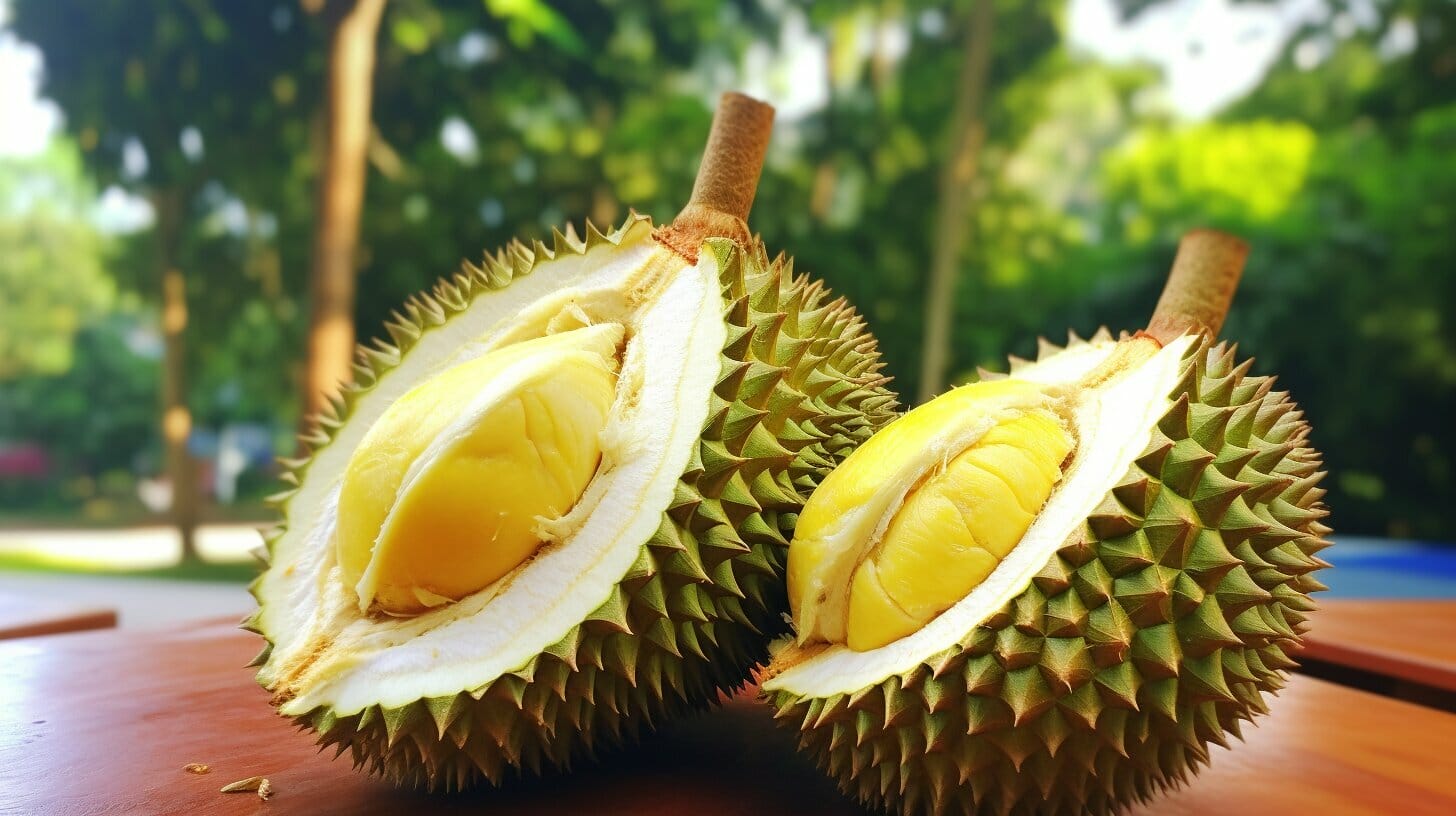
    This year’s early durian harvest in Malaysia is delivering creamier and more robustly flavored fruits to consumers. Durian types such as D604, Lipan, and Musang King have begun to catch the eye of passersby at various stands in Penang, a region renowned throughout Malaysia for its durians.

    Early Harvest, Creamier Durians

    Ang Hock Leng, a durian vendor in George Town, Penang, attributes the improvement in the fruit’s creaminess and flavor to the drier weather conditions this year. Despite the season only just beginning, these high-quality durians have already hit the shelves.

    With the early start to the season catching many off guard, it has primarily been the sight of these durian stands that has drawn in customers, claims Leng.

    Rising Prices

    According to Tan, another durian stand operator in George Town, the current supply of the fruit is limited, which has led to a price hike of approximately 20%.

    As an example, the early-season hybrid D604, known for its sweet, somewhat nutty flavor, is currently retailing at RM20-38 (US$5.1-9.6) per kilogram. The cost of the Musang King variety, on the other hand, is determined by factors such as grade and size, and its price ranges from RM45 to RM65 per kilogram.

    Despite the higher prices, Tan assures that this has not deterred durian lovers from indulging in the fruit. The fact that the season has started earlier than its usual mid-April commencement and the enhanced taste of the fruit are bonuses that consumers seem to be gladly accepting, regardless of the cost.

    Penang’s Durian Reputation

    Known for providing some of Malaysia’s most favored durians, Penang’s orchards had a difficult harvest last year, as the flowering stage was disrupted by rain and strong winds. This led to a delay in the season’s start, a shortened harvest period, and a decrease in yields.

    Nonetheless, once the season reached its peak later in the year, the region attracted large crowds to renowned durian hotspots such as Balik Pulau, Penang Hill, Padang Kota, and Batu Ferringhi.

    Longer Season, Lower Prices Predicted

    This year, however, Leng predicts that the season will last longer and that prices may decrease as production increases. He anticipates the fruit becoming cheaper from June onwards, due to what is expected to be a bumper yield.

    While the durian season has already commenced in Malaysia, the supply in Singapore, which imports a significant portion of its durians from its northern neighbor, has yet to pick up. Prominent vendors in Singapore, like 99 Old Trees Durian, Fruit Monkey Durian, and Combat Durian, currently only have limited quantities available, with a larger supply expected in early May.

    Questions & Answers

    Why are the durians creamier and more flavorful this year?
    According to durian vendor Ang Hock Leng, the drier weather conditions in Malaysia this year have resulted in creamier and more flavorful durians.

    What has caused the price increase in durians this season?
    The current limited supply of durians has led to a price increase of approximately 20%, as stated by Tan, a durian stand operator in George Town.

    When can consumers expect a decrease in durian prices?
    Prices are predicted to become cheaper from June onwards due to anticipated bumper yields, says durian vendor Ang Hock Leng.

  • Mangosteen Dethrones Durian: The Fruit Price Shift in Malaysia

    Mangosteen Dethrones Durian: The Fruit Price Shift in Malaysia

    In Malaysia, the locally adored fruit known as Mangosteen, often referred to as the “queen of fruits,” is becoming more costly than durians due to a shift in agricultural trends causing a decrease in supply. Prices for the locally cultivated Mesta variety of mangosteen, also known as the Japanese mangosteen, have risen to approximately RM20 per kilogram. In contrast, the price for the highly popular Musang King durian has fallen to around RM16.80 per kilogram.

    Availability and Promotions

    Numerous durian varieties, such as D13 and Red Prawn, are presently readily available, with prices as low as RM5 per fruit. One fruit seller, Walter Chew, says that they even have “buy one, get one free” promotions going on. According to Chew, the reason behind the decrease in durian prices is due to an increase in supply caused by a “mini season” which started approximately two weeks ago. This season introduces durians from several areas in Johor, Malaysia’s southernmost state.

    In contrast, the local supply of mangosteens has been inconsistent and limited, Chew points out. Another fruit seller, Yong Boon Sing, added that most mangosteens available on the market are now imported from Thailand and Indonesia.

    Changes in Supply due to Farming Shift

    Over the years, the supply of durians in Malaysia has increased as the fruit’s production and economic contribution have grown. In 2025, durian exports to China, the world’s largest durian market, reached a staggering $37.2 million. Malaysian durians are seen as premium produce, commanding much higher prices than those of regional competitors, averaging $12,138 per tonne as compared to $4,239 for Thai and $3,739 for Vietnamese fruits.

    The popularity of durian has also sparked a boost in tourism as more and more travelers plan their trips around harvest seasons, visiting orchards to taste different varieties and partake in experience-driven packages.

    Data has shown that durian plantations in Malaysia expanded from over 163,000 acres in 2016 to more than 227,000 acres by 2024. During this period, yields almost doubled to over 568,000 tonnes. The exponential increase in supply has consequently driven prices down. The Musang King durian, which was once sold for as much as RM100 per kilogram, has seen prices drop by about 80%.

    Mangosteen trees are often grown alongside durians as an additional source of revenue and for creating a more balanced farm ecosystem. As a result, mangosteen has traditionally been available during the durian season, with the two fruits commonly enjoyed together. However, Yong notes that many new durian farm owners have recently cut down mangosteen trees as their foliage can block sunlight and limit rain reaching the durian roots. This has led to a decline in mangosteen production and, subsequently, an increase in prices.

    Nor Sam Alwi, director-general of the Department of Agriculture, stated that mangosteen production declined from 23,297 tonnes in 2020 to 22,073 tonnes in 2023. She attributed this to the crop’s lengthy juvenile phase, which lasts over six years until it reaches full production. This has made it less attractive for investment, especially when compared to more profitable crops like durian.

    Alwi, however, also noted that yields have been impacted by several factors, including weather changes and increased vulnerability to certain physiological disorders. Preliminary data for 2024 indicates a potential recovery in output.

    Chin Nyuk Moy, the president of the Kuala Lumpur Fruit Wholesalers’ Association, stated that the days when mangosteen was readily available during durian season are mostly over. “Some orchards in Raub still grow the Japan variety, but those days are mostly over.”

    Questions & Answers

    Why has there been a decrease in the supply of mangosteens?
    This is mainly due to new durian farm owners cutting down mangosteen trees as their foliage can block sunlight and limit rain from reaching durian roots. Also, the crop’s long juvenile phase discourages investment.

    What is the current situation for durian exports?
    Durian exports, especially to China, are flourishing. In 2025, durian exports to China reached $37.2 million. Malaysian durians are seen as premium produce and command much higher prices than those of regional competitors.

    How has the shift in farming trends affected the prices of durians and mangosteens?
    The increase in durian supply has led to a decrease in prices. In contrast, the decrease in mangosteen production has led to an increase in prices due to its limited availability.

  • Reviving the Skies: Malaysia Launches Airfare Discounts & Financial Lifelines to Bolster Aviation Industry

    Reviving the Skies: Malaysia Launches Airfare Discounts & Financial Lifelines to Bolster Aviation Industry

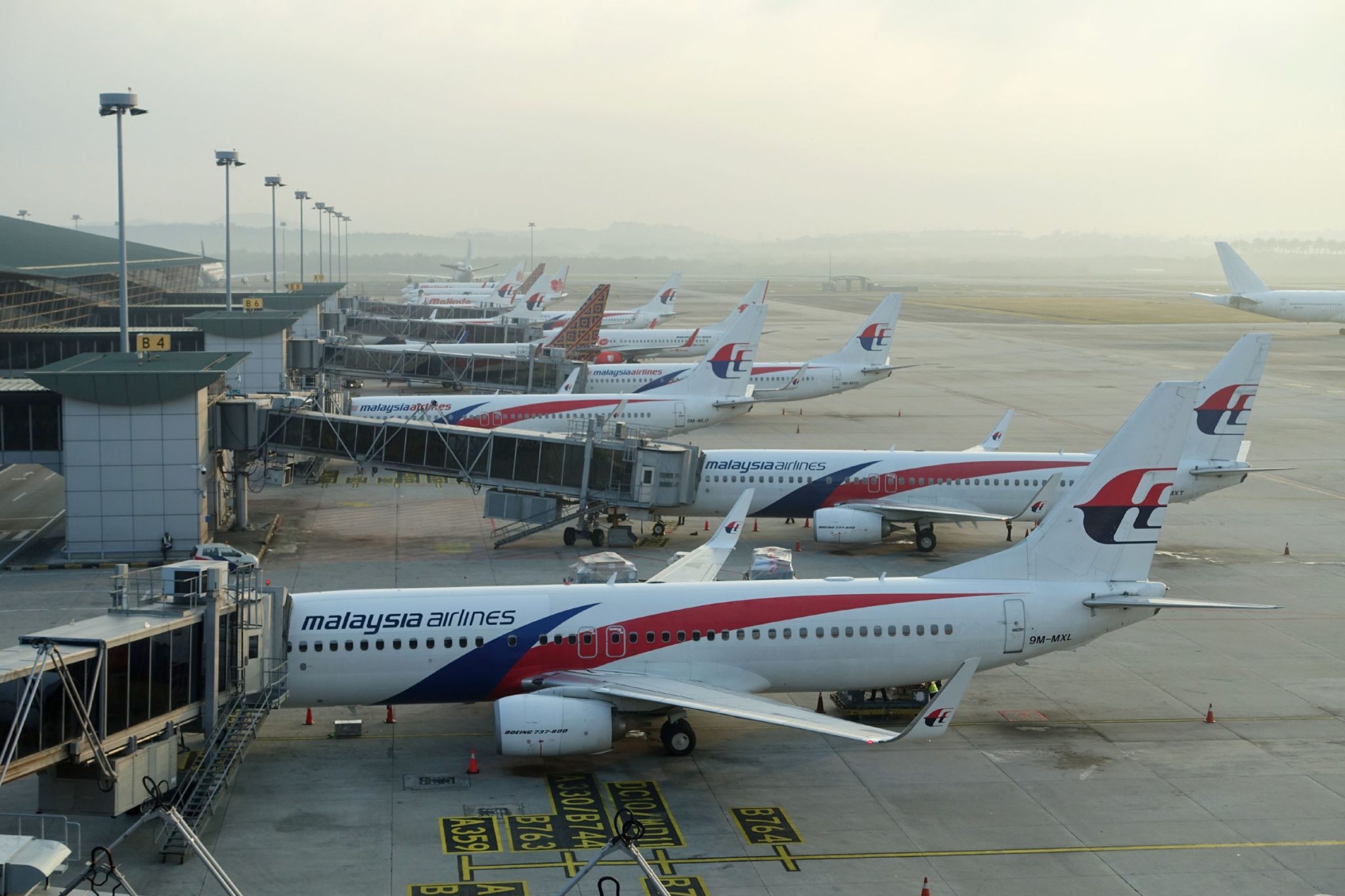
    In response to disruptions caused by the Middle East conflict, Malaysia has devised a financial strategy to support its aviation sector, featuring incentives such as discounted airfares during holiday periods. Travelers flying between Peninsular Malaysia and East Malaysia can look forward to airfare reductions of RM50 during the Gawai and Kaamatan festive seasons.

    Support for Aviation Sector

    The aviation authority has earmarked RM5 million for this initiative, which is projected to benefit approximately 100,000 passengers journeying between May 15 and June 14. In an additional effort to alleviate pressure on airlines, the Civil Aviation Authority of Malaysia plans to extend payment deadlines for aviation-related charges. From May 1, carriers will be granted up to 60 days to settle these dues.

    Maintaining Connectivity

    Anthony Loke, Malaysia’s Transport Minister, emphasized the importance of these measures in maintaining the country’s connectivity. According to him, as many as 75% of daily flights were cancelled at one point, potentially undermining trust in Malaysia’s tourism sector and the wider economy. He warned of potential losses ranging from RM15 to RM150 billion (US$3.8 to US$38 billion) this year if no countermeasures are taken.

    Loke also stated that these decisions were reached after thorough discussions between the Transport Ministry and industry stakeholders. The goal of these deliberations was to lessen financial burdens while ensuring the continuity of services.

    Lastly, he assured the public that the government will continue to liaise closely with all relevant bodies to ensure the resilience and responsiveness of Malaysia’s aviation sector.

    Questions & Answers

    What are some of the measures Malaysia has introduced to support its aviation sector?
    Malaysia has introduced a number of measures, including discounted airfares during holiday periods and extending payment deadlines for aviation-related charges.

    Who is expected to benefit from the discounted airfares?
    Approximately 100,000 passengers traveling between Peninsular Malaysia and East Malaysia during the Gawai and Kaamatan festive periods are expected to benefit from the discounted airfares.

    What is the potential economic impact of the disruptions in the aviation sector?
    According to Transport Minister Anthony Loke, without the introduction of these measures, Malaysia’s economy could face losses ranging from RM15 to RM150 billion (US$3.8 to US$38 billion) this year.

  • Score a 30% Discount on Malaysia’s Domestic Train Routes Starting April 15!

    Score a 30% Discount on Malaysia’s Domestic Train Routes Starting April 15!

    In an effort to promote increased use of trains amidst surging fuel costs, Malaysia has implemented a 30% fare reduction on weekdays for its Electric Train Service and Ekspres Rakyat Timuran routes. This incentive is applicable for journeys between Johor Bahru Central and Tumpat in Kelantan, beginning from Wednesday, as announced by Transport Minister Anthony Loke.

    Exclusions and Discounts

    The KTM Shuttle Tebrau, which operates between Singapore and Malaysia, is not included in this discount scheme. The move is in line with the government’s objective to establish rail as the main mode of transport while concurrently lowering commuting costs.

    The discounted fares will be accessible from Monday to Thursday, excluding school holidays and public holidays. To avail of the discount, passengers are required to purchase tickets utilizing a promotional code. This code will be announced by the national rail operator, Keretapi Tanah Melayu Berhad, between April 15 and 30, valid for travel from April 15 to October 14. However, these discounted rates will not be applicable for business and first-class passengers.

    The Electric Rail Link service is also encompassed by this initiative, with two new monthly passes offering up to 90% discounts. Civil servants residing or working in Putrajaya, as well as Malaysians employed at Kuala Lumpur International Airport Terminals 1 and 2, are eligible for these passes.

    Impacts of Middle East Conflicts

    The stakes of fluctuating prices are high due to ongoing conflicts in the Middle East, a concern which the Malaysian government has raised with its citizens. Home Affairs Minister Saifuddin Nasution Ismail voiced the government’s primary challenge – preparing the public to accept the impending economic hardships.

    The government’s main priority is to protect the welfare of Malaysians and shield them from the full brunt of external economic shocks, whilst maintaining economic stability. Simultaneously, he highlighted potential risks such as disruptions to energy supplies and escalating costs.

    Despite being one of the largest oil and gas producers in the Asia-Pacific region and the world’s fifth largest exporter of liquefied natural gas in 2023, Malaysia continues to be significantly dependent on fossil fuels like coal for electricity generation.

    Questions & Answers

    What is the purpose of the fare discount?
    The fare discount aims to promote the increased use of trains amidst rising fuel costs and make rail the main mode of transport in Malaysia.

    Who can avail of the fare discount?
    Passengers travelling between Monday and Thursday, excluding school and public holidays, on the Electric Train Service and Ekspres Rakyat Timuran routes can avail of the fare discount. However, it does not apply to business and first-class passengers.

    What are the potential risks of the Middle East conflicts to Malaysia?
    The potential risks include disruptions to energy supplies and rising costs, which could have significant impacts on the Malaysian economy and its citizens.