Tag: Malaysia

  • Singapore’s Fingular Fortifies Asian Presence with New Fintech Hub in Malaysia

    Singapore’s Fingular Fortifies Asian Presence with New Fintech Hub in Malaysia

    Fingular, a renowned Singaporean fintech firm, has expanded its Southeast Asian footprint by inaugurating a new operational hub in Malaysia. This recent development represents a strategic move in Fingular’s overall plan to establish a globally integrated fintech platform.

    Strengthening Scalable Growth and Engagement

    The Singaporean group’s venture into Malaysia manifests its prime focus on scalable growth, talent mobility, and a deeper connection with local markets in Asia. The fresh hub in Kuala Lumpur presents not only a shared workspace for the Malaysian team but also for employees across Fingular’s international network.

    Fingular’s personnel stationed in different countries will be given the opportunity to work from the Malaysian office on both short and long-term basis. This tactic signifies a broader industry shift to hybrid operational models that prioritize productivity and cross-border knowledge transfer.

    Global Expansion Through Local Presence

    Fingular, with its headquarters in Singapore and another team hub in Serbia, believes in establishing a physical presence in each market it operates. The firm embeds teams locally to better understand cultural variances, user behavior, and regulatory environments. This is a vital approach for fintech companies looking for sustainable growth in emerging markets.

    People-centric Expansion

    Maxim Chernushchenko, the founder and CEO of Fingular, has expressed that the strategy behind the new hub surpasses mere geographic expansion. He asserts that global expansion is as much about people as it is about markets. Their aim is to ensure teams feel connected, supported, and inspired, regardless of their work location. The creation of spaces that promote collaboration and personal growth is integral to how the company develops and scales its products.

    Speed and Adaptability

    Fingular, founded in October 2021, manages a wide range of fully digital financial products, including consumer financing, investments, and savings. With its presence in markets like Indonesia, Malaysia, and India, Fingular focuses on rapid deployment, made possible by a technology stack that aids it in launching in new countries within three months. This operational speed positions Fingular competitively in regions where the scope for digital financial inclusion is yet to be fully explored.

    Strategic Implications

    For investors and industry watchers, the launch of the Malaysia hub signifies Fingular’s determination to balance aggressive market expansion with organizational cohesion. As the fintech competition escalates across Asia, Fingular’s emphasis on talent infrastructure and local market immersion could be as crucial as capital deployment in driving long-term value creation.

    Questions & Answers

    What is the purpose of Fingular’s new hub in Malaysia?
    The Malaysia hub serves as a shared space for the local Malaysian team and members from Fingular’s international network. It represents a move towards hybrid operational models that blend remote flexibility with in-person collaboration.

    What is Fingular’s approach to global expansion?
    Fingular believes in carrying out global expansion by establishing a physical presence in each market it operates. The firm aims to better understand cultural nuances, user behavior, and regulatory environments by embedding teams locally.

    What is unique about Fingular’s operational speed?
    Fingular places emphasis on rapid deployment, facilitated by a technology stack that allows it to launch in new countries within three months. This operational speed provides Fingular a competitive edge in regions where digital financial inclusion is underexplored.
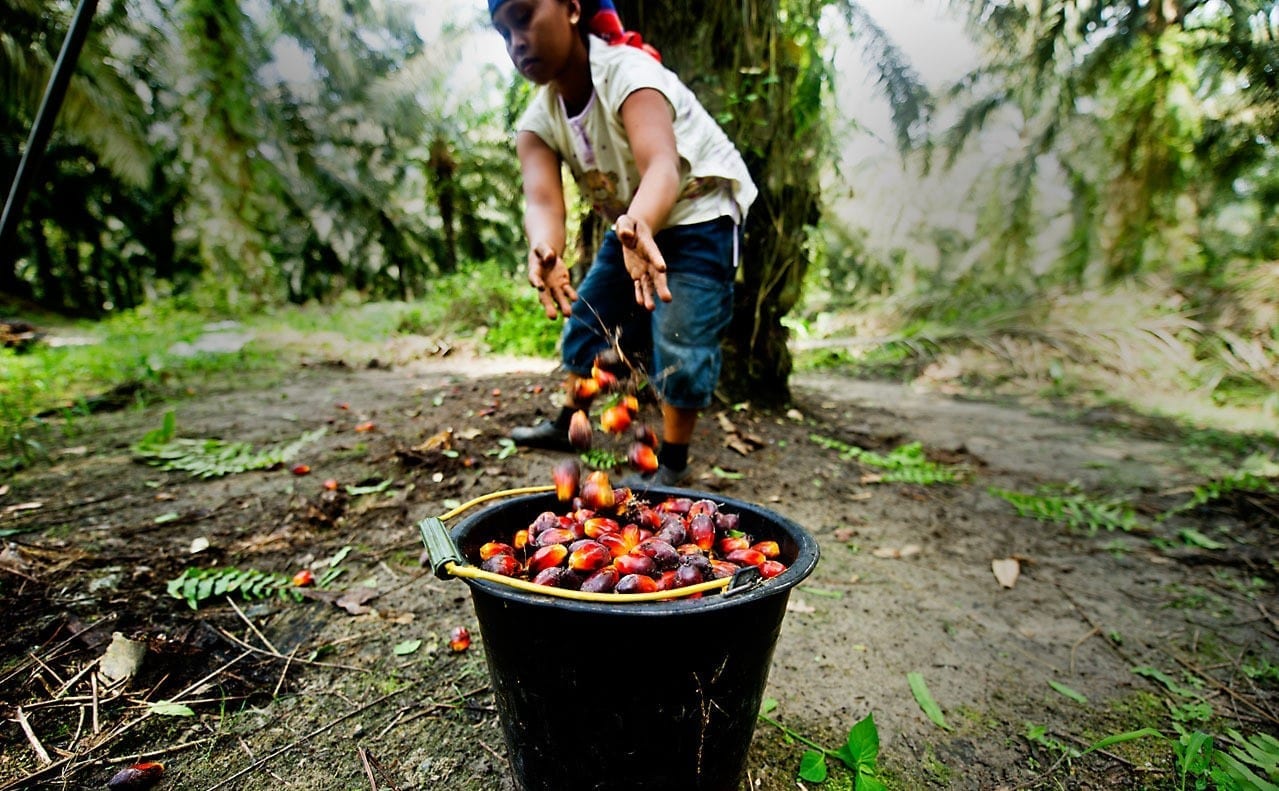

  • Malaysia’s Strategic Moves to Regain Palm Oil Dominance in China Amid Market Challenges

    Malaysia’s Strategic Moves to Regain Palm Oil Dominance in China Amid Market Challenges

    Malaysia is taking proactive measures to reclaim its portion of China’s palm oil market, following a precipitous drop of almost 39% in export volumes year-on-year in the first ten months of 2025.

    Factors Influencing the Decline

    According to Malaysia’s Plantation and Commodities Minister, Datuk Seri Johari Abdul Ghani, this dramatic decrease can be attributed in part to logistics issues and a surge in palm oil prices. The latter has overtaken the costs of soybean oil, making soybean oil more attractive to Chinese buyers.

    Chinese Market Significance

    China holds a pivotal role as a strategic market for Malaysia, having consistently been one of the leading destinations for Malaysian palm oil exports for over a decade. Ghani remarked that the steep decrease points to deeper problems, extending beyond simply competitiveness and logistics. The issues also involve pricing dynamics and market positioning.

    Transparent Export Policies

    Ghani underscored that Malaysia remains committed to maintaining clear and predictable export policies. This approach is designed to ensure that the nation’s activities do not interfere with the interests of its key trading partners.

    Promoting Continuous Dialogue

    In addition, Malaysia is open to ongoing discussions to better synchronize expectations regarding pricing trends, market developments, and long-term supply planning, the minister added.

    Questions & Answers

    What has caused the drop in Malaysia’s palm oil exports to China?
    The drop in exports has primarily been attributed to two factors: challenges in logistics and a rise in palm oil prices, which have made soybean oil a more attractive choice for Chinese buyers.

    Why is the Chinese market significant to Malaysia?
    China is a key and strategic market for Malaysia, consistently standing as one of the top destinations for Malaysian palm oil exports for over a decade.

    How does Malaysia plan to address the current challenges and regain its market share?
    Malaysia intends to maintain transparent and predictable export policies and is open to continuous dialogue on pricing trends, market developments, and long-term supply planning to better align expectations.

  • DHL Express Boosts Trade Potential with Expanded Cargo Capacity on Hong Kong-Penang Route

    DHL Express Boosts Trade Potential with Expanded Cargo Capacity on Hong Kong-Penang Route

    DHL Express has enhanced its network with increased capacity for the Hong Kong to Penang route. A Boeing 767 freighter will now ply the route, taking over from the previous Airbus A321, adding an extra 20 tons of cargo capacity per flight.

    Meeting Rising Demand

    Operating on a daily basis with its partner Raya Airways, DHL is poised to meet the increasing demand for time-sensitive shipments from technology and semiconductor manufacturers in Malaysia’s northern manufacturing hub. The Boeing 767 freighter provides enhanced payload and range capabilities, thus accommodating more shipments. This ensures that clients in Penang are better linked to their trading partners in Hong Kong and beyond.

    Peter Bardens, Senior Vice President for Network Operations & Aviation – Asia Pacific, DHL Express, expressed pride in the firm’s significant footprint and network that have contributed to the growth in Penang, a long-standing attractive destination for tech giants. “The introduction of a larger aircraft and a daily schedule not only increases capacity, but it also reaffirms our commitment to connecting Asia’s innovation hubs with the rest of the world. As trade routes evolve, we remain focused on maintaining our network’s flexibility and agility to cater to changing customer needs,” Bardens said.

    Supporting Malaysia’s Growing Role

    This strategic enhancement reflects DHL’s commitment to bolster Malaysia’s growing role in global supply chains, particularly in the electronics and semiconductor sectors. This move is timely as Penang continues to attract high-value investments and expand its footprint in the global tech ecosystem. The state marked a significant manufacturing investment of approximately EUR2.56 billion (RM12.5 billion) in the first half of 2025, a 150% increase compared to the same period in 2024.

    Julian Neo, Country Manager, DHL Express, Malaysia, affirmed that the network enhancement aligns with findings from the DHL Global Connectedness Tracker 2025. It showed that Asia Pacific is increasingly central to global trade, despite geopolitical tensions and tariff disruptions. “Intra-Asia trade continues to show momentum, with Malaysia ranked among the top 10 fastest-growing trading nations globally in the first half of 2025,” said Julian Neo.

    Strengthening Partnerships

    “Our partnership with DHL Express has grown over the years through operational reliability and close collaboration. The introduction of the Boeing 767 further strengthens our support for Penang’s expanding electrical and electronics industries, while enhancing Malaysia’s connectivity to global markets. We look forward to continuing this partnership as we grow our capacity and serve the evolving needs of our customers,” said Mohamad Najib Ishak, Group Managing Director, Raya Airways.

    Malaysia’s trade value growth highlights its resilience and increasing significance in global supply chains, despite shifting trade dynamics. DHL Group has identified Malaysia as one of the 20 global markets with the highest growth potential. The recently concluded DHL GoTrade Summit 2025, held for the first time outside Germany in Kuala Lumpur, also underscores the logistics provider’s commitment to elevating local enterprises and reinforcing Malaysia’s position as a key player in the global marketplace.

    Questions & Answers

    What is the significance of the Boeing 767 freighter in DHL’s operations?
    The Boeing 767 freighter adds an extra 20 tons of cargo capacity per flight, offers enhanced payload and range capabilities, and accommodates more shipments.

    How does the network enhancement impact Malaysia’s position in global trade?
    The enhancement bolsters Malaysia’s growing role in global supply chains, particularly in the electronics and semiconductor sectors, and strengthens Malaysia’s connectivity to global markets.

    What does the DHL GoTrade Summit 2025 signify?
    Held in Kuala Lumpur, the summit underscores DHL’s commitment to supporting local enterprises and reinforces Malaysia’s position as a key player in the global marketplace.

  • China, US, and Malaysia Top Choices for Singapore Workers Seeking Global Experience

    China, US, and Malaysia Top Choices for Singapore Workers Seeking Global Experience

    Approximately 76,000 individuals, making up 3.1% of Singapore’s working populace, have experienced working overseas full-time for a minimum of six months. The primary locations for this international experience were China, the United States, and Malaysia.

    The Most Popular Destinations

    From the portion of the employed population with experience working abroad, 18.3% had most recently been posted in mainland China. The United States followed closely, with 13.6% of the workers having had their most recent overseas experience there, while 10.1% had last worked in Malaysia.

    Insights from the Comprehensive Labour Force Survey

    These statistics were obtained from the 2025 Comprehensive Labour Force Survey. The survey, conducted from March to July, gathered responses from 33,000 households—comprising of employed individuals and job seekers aged 15 and above. In this survey, overseas work experience of residents was noted for the first time, providing insights into its prevalence within the workforce.

    Sectors and Roles

    Those who had worked in China were primarily employed in the manufacturing sector. Meanwhile, most of the workforce in the United States were involved in growth industries such as professional services, information and communications, and financial and insurance services. In contrast, those in Malaysia were largely employed within the manufacturing and construction sectors.

    In terms of job roles, 45.2% of residents held professional positions during their recent work abroad. 30.7% were managers. The most common professional roles were in business and administration (16%), and science and engineering (13.7%). For managers, administrative and commercial roles (11.4%) and production and specialized services roles (9.4%) were the most frequent.

    Demographics and Income

    Overseas work experience was most common among mid-career workers, with 4.6% of individuals in their 40s and 4.5% of those in their 50s having had an overseas posting. However, many of these workers had completed their overseas stints earlier in their careers, primarily between the ages of 25 to 34.

    The report also revealed that international experience was less common among older and younger employees. Only 2.6% of employees in their 60s, 2.5% of those in their 30s and 0.5% of workers aged 25-29 had worked overseas.

    The study found that those in senior roles or with higher incomes were more likely to have had international work experience. Among managers and executives, 7.7% had experience working abroad. Moreover, 16.8% of full-time residents currently earning at least S$30,000 (US$23,100) a month had previously worked overseas. This figure was at 10.6% for those earning S$15,000-19,999 monthly and about 3% for employees in the S$5,000-9,999 range.

    The statistics emphasize the importance of international experience in fostering leadership skills and cross-cultural capabilities, particularly for those aspiring to higher-paying roles. Active planning and seeking overseas work opportunities is crucial to building necessary capabilities for these roles in the future.

    Questions & Answers

    What percentage of Singapore’s workforce has had full-time overseas work experience?
    – About 3.1% of Singapore’s workforce, or 76,000 individuals, have had full-time overseas work experience.

    What are the most popular destinations for overseas work assignments?
    – The top destinations for overseas work assignments are China, the United States, and Malaysia.

    Does international work experience correlate with higher income?
    – Yes, the report suggests that those in senior roles or with higher incomes are more likely to have had international work experience. For instance, 16.8% of full-time residents currently earning at least S$30,000 (US$23,100) a month had previously worked overseas.

  • U Mobile Amplifies ULTRA5G Reach Across Malaysia: Adding Bangi, Putrajaya, and Petaling Jaya New Town to 5G Network!

    U Mobile Amplifies ULTRA5G Reach Across Malaysia: Adding Bangi, Putrajaya, and Petaling Jaya New Town to 5G Network!

    U Mobile is extending its ULTRA5G Advanced Network Experience to three new outdoor clusters: Bangi, Putrajaya, and Petaling Jaya New Town. This recent expansion is another stride in the company’s ongoing deployment strategy, offering continuous ULTRA5G coverage across all three townships.

    Ahead of Schedule

    The operator reports it is advancing faster than anticipated in its national rollout. Alongside the newly inaugurated outdoor clusters, U Mobile has also enabled ULTRA5G indoors in 30 buildings and anticipates more locations becoming operational in the forthcoming months.

    Woon Ooi Yuen, U Mobile’s Chief Technology Officer, expressed his excitement about the expansion:

    “Our ULTRA5G experience, fueled by both 5G Standalone and 5G Non-Standalone technologies, is now accessible to our customers in Bangi, Putrajaya, and Petaling Jaya New Town. We are committed to delivering the most extensive and profound 5G coverage to all Malaysians. Since initiating our deployment, we have not only brought our advanced 5G technology network to these three outdoor clusters but also indoors in 30 buildings, with many more on the horizon.”

    Improved User Experience

    U Mobile affirms that users in these areas can anticipate amplified and more dependable performance for everyday applications such as video calls, streaming, and gaming. The company also aspires to back businesses in these locations by allowing them to leverage 5G solutions designed to enhance operational efficiency.

    Users can detect ULTRA5G availability through the UM ULTRA5G network indicator on compatible devices. U Mobile asserts that additional outdoor clusters and indoor sites will persistently become operational as part of its ongoing deployment.

    Questions & Answers

    What is the significance of U Mobile’s latest expansion?
    The extension of U Mobile’s ULTRA5G Advanced Network Experience to three more outdoor clusters is a crucial step in the company’s ongoing deployment strategy, offering continuous ULTRA5G coverage to more areas.

    What progress has U Mobile made in its national rollout?
    The operator reports that it is moving faster than anticipated, having successfully launched ULTRA5G services in three new outdoor clusters and enabled ULTRA5G indoors in 30 buildings.

    How will U Mobile’s ULTRA5G benefit users and businesses in the new areas?
    Users can expect enhanced and more reliable performance for everyday applications, while businesses can leverage 5G solutions designed to improve operational efficiency.

  • Malaysia Tightens Digital Safety Nets: ID Checks and Under-16 Social Media Ban on the Horizon

    Malaysia Tightens Digital Safety Nets: ID Checks and Under-16 Social Media Ban on the Horizon

    Beginning in 2026, Malaysia will prohibit individuals under 16 years old from registering for social media accounts. Communications Minister Datuk Fahmi Fadzil emphasized this government initiative during a recent cyber scam awareness seminar, highlighting the goal to enhance online safety for minors. Consequently, from next year onwards, social media platforms will need to introduce identity verification procedures to confirm that their users meet the requisite age threshold.

    Global Safety Measures

    Fadzil clarified that this new regulation, which restricts social media usage for individuals younger than 16, is set to be implemented in Australia in the coming month. Malaysia will be monitoring the effectiveness of similar initiatives in other nations to inform the development of its own safeguards.

    This strategy forms an integral part of a wider campaign to guard Malaysian children under the Online Safety Act, which will take effect from January 1, 2026. Fadzil also advised parents to promote their children’s participation in outdoor activities to reduce their screen time on digital devices, while simultaneously supervising their usage of these technologies.

    Raising the Age Limit

    The Malaysian Cabinet resolved last month to increase the minimum age for social media users to 16, a rise from the formerly proposed age of 13. This decision also necessitates that social media platforms authenticate users’ ages during the registration process using official identification documents like the MyKad, passports, and MyDigital ID. Furthermore, the Cabinet debated the formation of a dedicated task force to detect issues impacting schools across the country.

    Prime Minister Datuk Seri Anwar Ibrahim also disclosed that the Cabinet is contemplating prohibiting smartphone usage for those under the age of 16.

    Questions & Answers

    What is the new minimum age for social media registration in Malaysia from 2026?

    The new minimum age for social media registration in Malaysia will be 16 years old from 2026.

    Why is the Malaysian Government introducing this regulation?

    The Malaysian Government is introducing this regulation to enhance online safety for minors, reducing their exposure to potential cyber threats.

    What measures will social media platforms need to take?

    Social media platforms will be required to implement identity verification measures during registration to confirm the age of users. This may involve the use of official identification documents such as the MyKad, passports, or MyDigital ID.

  • Malaysia Amplifies Youth Online Safety: Social Media Age Limit Raised to 16 with Mandatory ID Checks from 2026

    Malaysia Amplifies Youth Online Safety: Social Media Age Limit Raised to 16 with Mandatory ID Checks from 2026

    Starting from 2026, Malaysia has decided to raise the age restriction for social media registration to 16 years old. This decision was announced at a recent cyber scam awareness seminar, led by Minister of Communications, Datuk Fahmi Fadzil. The Malaysian government has expressed its commitment to safeguarding children online, and these steps are part of that pledge.

    Identity Verification and Age Restrictions

    Social media platforms will be required to put identity verification measures into place. The aim is to ensure that young users meet the revised age limit. Datuk Fahmi Fadzil explained that a similar regulation has already been planned for implementation in Australia, and that Malaysia will study and learn from the implementation strategies of other countries to develop the most effective practices.

    This initiative is part of an overarching plan to safeguard Malaysian children online. This plan will become law with the Online Safety Act, which will be effective from January 1, 2026.

    Guidance for Parents

    Parents have been encouraged to promote outdoor activities for their children and to monitor their usage of electronic devices closely, in order to reduce screen time. The intention is to cultivate healthier habits in children and to prevent them from becoming overly reliant on digital media.

    Addressing Social Media Use in Schools

    Last month, the Malaysian Cabinet proposed an increase in the minimum age for social media users to 16, a change from the previously suggested age of 13. In order to ensure this, social media platforms will need to verify the ages of users during registration using official identification documents such as MyKad, passports, and MyDigital ID.

    Furthermore, the Cabinet reviewed the idea of establishing a special task force to identify and address issues that schools across the country might be encountering due to the use of social media among students. In line with these discussions, Prime Minister Datuk Seri Anwar Ibrahim has disclosed that the Cabinet is also considering imposing a ban on smartphone usage for individuals below the age of 16.

    Questions & Answers

    Q: What changes are being made to social media registration in Malaysia?
    A: From 2026, the minimum age for social media registration in Malaysia is being raised to 16 years. Social media platforms will also be required to implement identity verification measures during registration.

    Q: What is the purpose of these changes?
    A: These changes are part of the Malaysian Government’s plan to protect children online. The measures are intended to ensure that young users meet the age requirement for social media usage.

    Q: What else is the Malaysian government considering to protect children online?
    A: In addition to the changes in social media registration, the Malaysian government is considering the establishment of a task force to address issues arising in schools due to students’ use of social media. There are also discussions about potentially banning smartphone usage for those under 16 years old.

  • “Pomelo’s Fashion Revolution: Partnering with FJ Benjamin for Malaysian Market Domination”

    “Pomelo’s Fashion Revolution: Partnering with FJ Benjamin for Malaysian Market Domination”

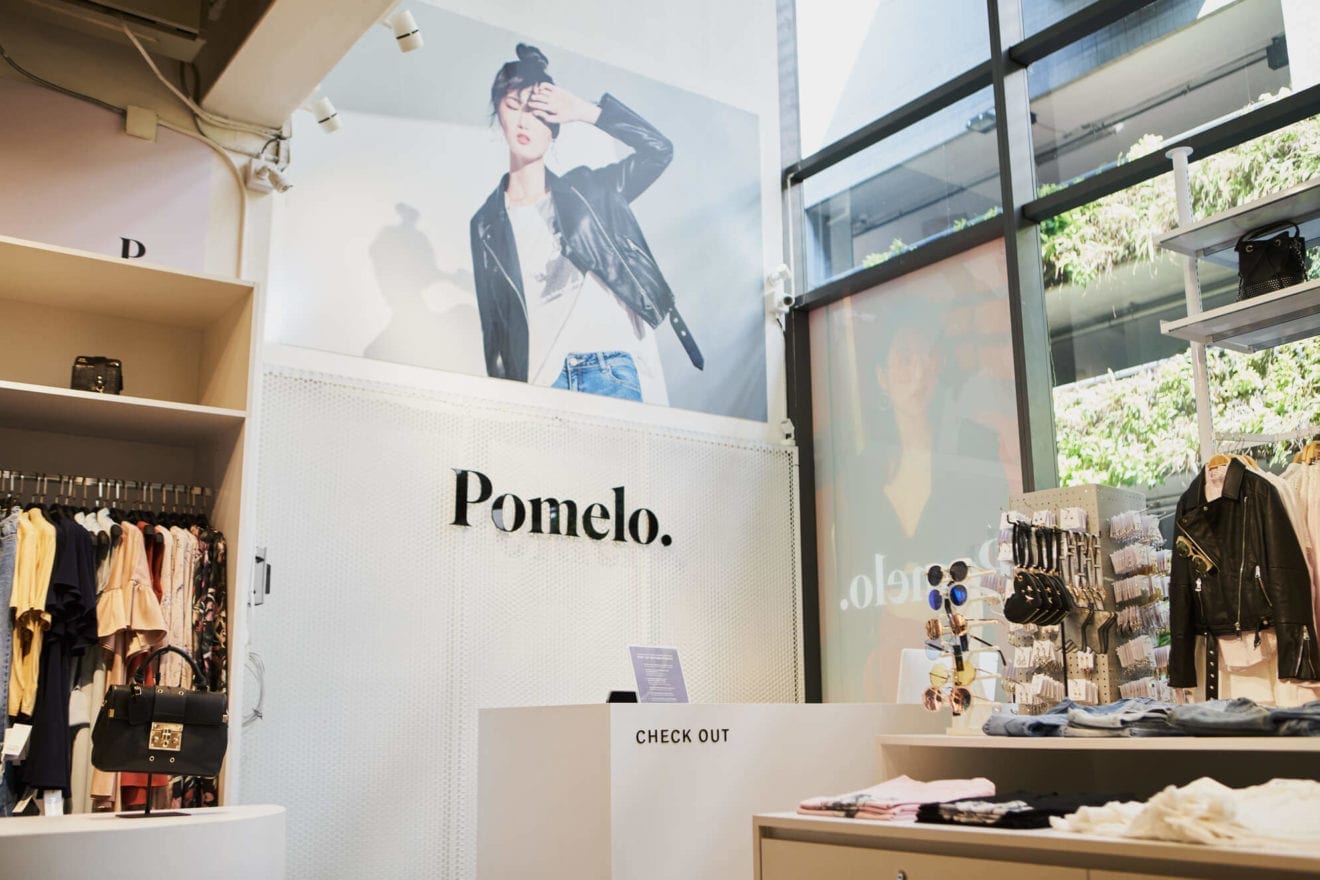
    The Thailand-based fashion label Pomelo recently entered into an exclusive distribution agreement with FJ Benjamin for operations in Malaysia. The arrangement, set to last an initial five years with an option for a five-year extension, provides FJ Benjamin with the authority to oversee the brand’s operations and store management within the country.

    Online Launch and Physical Stores

    Pomelo plans to make its initial foray into the Malaysian market via e-commerce marketplaces before the year’s end. This digital debut will be followed by the opening of physical stores within major shopping centres in Kuala Lumpur in the early part of next year.

    Collaborative Effort

    David Jou, CEO of Pomelo, highlighted the collaboration’s potential, combining Pomelo’s digital-first fashion and technology-driven retail model with FJ Benjamin’s extensive expertise in brand development and retail operations. He sees this partnership as an opportunity to reshape the fashion retail experience not just in Malaysia, but beyond its borders as well.

    Expansion of Pomelo

    Earlier this year, Pomelo expanded its reach by entering an exclusive distribution agreement with the Kolao Group, marking its first store opening in Laos. In addition to its home base of Thailand, Pomelo has a presence in Singapore, Indonesia, Cambodia, and the Philippines, and plans are underway for a future debut in Vietnam.

    Pomelo, founded in 2013, has carved out a niche for itself as a leading destination offering a curated selection of women’s wear that includes both emerging local designers and international brands. The company had projected an initial public offering (IPO) in 2022, but this plan has not yet been actualised.

    Questions & Answers

    What are Pomelo’s plans for entering the Malaysian market?
    Pomelo plans to launch online on e-commerce platforms before the end of this year, followed by the opening of physical stores within key shopping centres in Kuala Lumpur in the early part of next year.

    What does the partnership with FJ Benjamin entail?
    The partnership gives FJ Benjamin the authority to manage Pomelo’s operations and stores in Malaysia for an initial five-year term, with an option to extend for another five years.

    Where else does Pomelo operate?
    In addition to Thailand, Pomelo operates in Singapore, Indonesia, Cambodia, the Philippines, and Laos, with plans to debut in Vietnam in the future.

  • ZUS Coffee Backlash: Customer’s Viral Video of Coffeegate Sparks Nationwide Outrage in Malaysia

    ZUS Coffee Backlash: Customer’s Viral Video of Coffeegate Sparks Nationwide Outrage in Malaysia

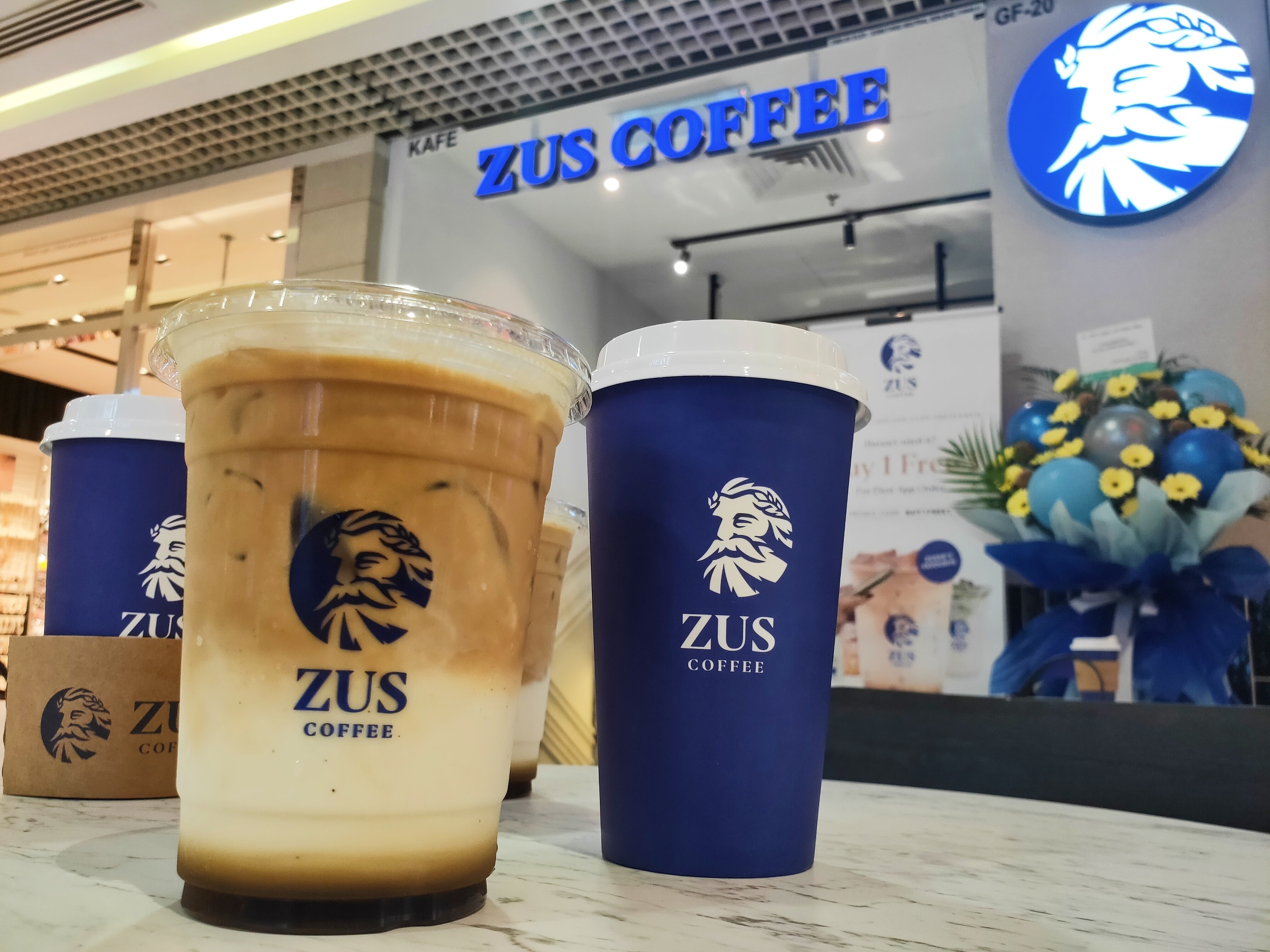
    A recent incident involving a customer at a ZUS Coffee outlet, the largest coffee chain in Malaysia, has sparked outrage and controversy on social media. The customer’s aggressive behaviour, captured on video, has been widely shared, igniting conversations about customer service and workplace respect.

    The Viral Outburst

    The video, allegedly recorded at a ZUS Coffee outlet in Malaysia, reveals a heated exchange between a female customer and a female barista. In the footage, the barista can be heard instructing the customer, who is filming the incident, to leave the store. The customer, reacting aggressively to the request, retorts in Mandarin, “Why should I leave? I’ve already paid for my coffee!”

    In a display of anger, the customer knocks over a cup of coffee, splashing the contents across the counter and onto the barista’s hand. She then throws the cup at the employee. The barista, in response, tosses the empty cup back over the counter, barely missing the customer. The customer continues her tirade, hurling the cup directly at the employee, hitting her head, and unleashing a flurry of obscenities.

    While the video does not disclose what led to the altercation, sources have indicated that it may have been triggered by the customer’s dissatisfaction with the speed of the service.

    The Social Media Reaction

    News of the incident spread rapidly across social media platforms, eliciting support for the barista and prompting calls for ZUS Coffee to back their employee. Many social media users underlined the importance of a comprehensive investigation by the company and emphasised the need to protect local workers from abusive behaviour by foreign customers.

    One social media user, reflecting on the incident, commented, “I sincerely hope ZUS doesn’t let her go. Working in the retail sector is challenging enough without having to deal with difficult customers.”

    This incident has also sparked broader discussions about respect and treatment of staff in the retail and service industries. Some individuals have even threatened to boycott ZUS Coffee if the company remains silent or takes punitive measures against the barista, thereby applying pressure on the coffee chain to respond promptly.

    ZUS Coffee’s Response

    Responding to the incident, ZUS Coffee released a statement later the same day supporting the barista, referred to affectionately as a ‘Zurista’ within the company. The statement read, “Since the incident, we have initiated the necessary procedures to conduct a thorough investigation. We stand by our Zurista during this difficult time.”

    The statement continued, “Working in retail can be challenging, and the situation should never have escalated to the point it did. Ultimately, we’re all just human trying to do our best.”

    ZUS Coffee also urged the public to respect the employee’s privacy and to avoid disseminating false information online or offline while the investigation is ongoing. The coffee chain reiterated its intolerance of any disrespectful behaviour towards its communities and its commitment to creating a safe, respectful, and supportive environment for everyone.

    Questions & Answers

    What was the incident at a ZUS Coffee outlet in Malaysia?
    A female customer at a ZUS Coffee outlet in Malaysia was filmed throwing coffee and shouting obscenities at an employee, triggering a heated debate on social media about customer service and workplace respect.

    How has the public reacted to the incident?
    The incident has sparked strong reactions on social media, with many expressing support for the employee and calling for a thorough investigation by ZUS Coffee. Some individuals have threatened to boycott the coffee chain if it doesn’t take appropriate action.

    How has ZUS Coffee responded to the incident?
    ZUS Coffee has issued a statement supporting the employee, assuring that a comprehensive investigation is underway and urging public respect for the employee’s privacy. The coffee chain has also reiterated its commitment to a safe, respectful, and supportive working environment.

  • Tea Tonic: Australian Organic Tea Brand Brews Up Expansion in Malaysia with Aeon Retail Partnership

    Tea Tonic: Australian Organic Tea Brand Brews Up Expansion in Malaysia with Aeon Retail Partnership

    Tea Tonic, a renowned Australian organic tea brand, is marking its arrival in Aeon Group’s Malaysian outlets, a move that is part of its broader strategy to expand across Southeast Asia.

    Support from Global Victoria

    The brand’s expansion into Malaysia is a result of the support it has received from Global Victoria. This assistance has enabled the Melbourne-based firm to extend its export reach to several countries, including Singapore, Thailand, New Zealand, and now Malaysia.

    About Tea Tonic

    Tea Tonic has its roots in 1998 when it was founded by Lisa Hilbert, a naturopath and herbalist. The brand prides itself on producing certified organic teas that are naturopath-formulated and made from natural ingredients that are Australian-certified organic.

    The company offers its products in two formats – loose-leaf and individually wrapped teabags. Additionally, it also provides tea accessories and gift sets.

    Some of the brand’s most popular blends are the Apple Tree Tea, Blue Magic Tea (with butterfly pea), Body Reset Tea, Chocolate Chai Tea, Chamomile Tea, and French Earl Grey Tea.

    Message from Tea Tonic

    Tea Tonic expressed its excitement about the launch in Malaysia, stating, “Malaysian consumers can now enjoy our colourful range of Melbourne-crafted teas made with organic ingredients that celebrate both flavour and wellbeing.”

    Questions & Answers

    Question: What is Tea Tonic’s expansion strategy?
    Answer: Tea Tonic’s expansion strategy focuses on broadening its reach across Southeast Asia, and its recent launch in Malaysia’s Aeon Group outlets is a part of this plan.

    Question: Who is the founder of Tea Tonic?
    Answer: The Australian organic tea brand, Tea Tonic, was founded by Lisa Hilbert, a naturopath and herbalist, in 1998.

    Question: What products does Tea Tonic offer?
    Answer: Apart from offering a wide variety of tea blends like Apple Tree Tea, Blue Magic Tea, Body Reset Tea, Chocolate Chai Tea, Chamomile Tea, and French Earl Grey Tea, the brand also provides loose-leaf tea, individually wrapped teabags, tea accessories and gift sets.

  • Clarks Takes a Giant Step: Launches First Cloudsteppers Concept Store in Malaysia

    Clarks Takes a Giant Step: Launches First Cloudsteppers Concept Store in Malaysia

    British-based shoe company, Clarks, is set on opening its first-ever Cloudsteppers concept stores in Malaysia, marking a key element in its ongoing worldwide expansion strategy. This decision aligns with Clarks’ efforts to emphasize their new comfort-focused Cloudsteppers collection, which includes a comprehensive range of sneakers, sandals, and casual boots slated for launch next year.

    The company is initiating its move by launching three standalone concept stores within this month. The first of these opened its doors in Shah Alam yesterday, while the second is lined up for a grand opening in Kuala Lumpur later this week. The opening of a third store, scheduled to be located in the United States, will follow.

    Clarks is projected to establish at least ten new outlets across Southeast Asia and the U.S. within the following year. The company sees this landmark as an indication of its robust global business momentum. Over the past year, Clarks has been actively growing its footprint in retail and digital markets worldwide, with multiple store inaugurations and fruitful collaborations with various marketplace partners.

    In addition, Clarks revealed their new stores will carry a wider array of lifestyle essentials such as t-shirts, hoodies, socks, caps, and bags. This move comes as a result of the Cloudsteppers collection’s forthcoming transition into lifestyle offerings and expansion beyond footwear, thus making room for popular athleisure items.

    Clarks’ General Manager for Southeast Asia, Raymond Chew, expressed his belief that Southeast Asia is the ideal market for the Cloudsteppers lifestyle venture. He explained, “With Southeast Asia’s warmer climate and love for comfort-led footwear and apparel, it’s a perfect match.” He further added that the new store offers a unique and fresh experience to the market, describing it as modern, relaxed, and truly lifestyle-oriented. The company describes the store ambiance as “calm.”

    Questions & Answers

    What is Clarks’ new expansion initiative?
    Clarks is opening its first-ever Cloudsteppers concept stores in Malaysia as part of its global expansion strategy. The new stores will carry a comprehensive range of sneakers, sandals, and casual boots alongside lifestyle essentials like t-shirts, hoodies, socks, caps, and bags.

    Where are these new stores going to be located?
    The first three concept stores are being launched in Shah Alam, Kuala Lumpur, and the United States. Subsequently, Clarks plans to open at least ten more locations across Southeast Asia and the U.S.

    Why does Clarks see Southeast Asia as an ideal market for its expansion?
    The company believes that Southeast Asia’s warmer climate and the locale’s preference for comfort-led footwear and apparel make it a perfect match for the new Cloudsteppers concept stores.

  • Malaysia’s Digital Banking Revolution: The Race to Modernize Amid a Surge in Fintech Innovations

    Malaysia’s Digital Banking Revolution: The Race to Modernize Amid a Surge in Fintech Innovations

    As the Malaysian payments market surpasses the $90 billion mark, a significant challenge confronts traditional banking institutions – the urgent need to modernize to keep up with the rapid digital transformation and evolving consumer demands. The question then arises as to what strategies will help them stay ahead of the curve.

    The Digital Challenge

    While consumers in Malaysia are rapidly embracing digital payments, many banks are struggling to keep pace. Cards and digital wallets have become ubiquitous, fintech start-ups can offer a virtual card in minutes, and regulatory bodies are increasingly opening up the market to new players. However, banks operating on outdated systems risk being left behind in this rapidly-evolving market.

    By 2025, it is projected that card payments in Malaysia will reach MYR 422.4 billion ($92.6 billion), an increase from MYR 387 billion in 2024. This growth is largely driven by credit and charge cards, which make up nearly 60% of expenditures, with Malaysians using them more than twice as often as debit cards. Moreover, the use of contactless payment methods is now commonplace, with over 63% of consumers owning and using a contactless card.

    Regional Shift

    Despite the rise of digital payments, cash still accounts for nearly half of daily transactions in Malaysia. This is partly due to habit and partly because not all merchants and consumers are ready to completely let go of cash. As a result, banks are tasked with balancing different customer expectations – catering to the digital-savvy younger generation while also servicing traditional segments of the market.

    According to a recent study by Visa, about six out of ten consumers in Southeast Asia now prefer to go cashless, while more than seven out of ten reported having gone cashless for over a week as they experimented with new payment methods. In this context, cards continue to be the preferred payment medium, mainly due to their widespread acceptance by merchants and their use in funding digital wallets.

    Fintechs Lead the Charge

    The impact of this dual-speed market is most discernible in consumer behavior. Younger Malaysians, having grown up in the digital age, are more likely to use e-wallets and super-apps before applying for a traditional bank card. They expect financial services to be instantaneous, integrated, and accessible through familiar apps. Fintech companies have been quick to meet these demands.

    Companies like BigPay, Wise, GoPayz, and MAE offer instant virtual cards and integrate payments into everyday apps. Utilizing cloud-based systems allows them to roll out services such as multi-currency wallets and spending insights faster and more affordably than traditional banks. Moreover, lower fees on international spending and transfers make them more appealing to consumers.

    Regulatory Responses

    Regulatory bodies are also driving change. In 2022, Bank Negara Malaysia issued five licenses for digital banks under its new framework, which was updated in 2024 to enhance capital requirements and consumer safeguards. The central bank also introduced DuitNow QR as the national QR code standard, compelling banks and non-bank providers to adopt the same system. This initiative has facilitated the wider adoption of QR code-based transactions and reduced barriers to cashless transactions for consumers.

    Setting the Bar Higher for Banks

    These regulatory reforms have spurred innovation and raised the standards for banking institutions. They are part of the Financial Sector Blueprint 2022-2026, which envisions a more digital, inclusive, and fraud-protected financial system. Far from inhibiting progress, these regulations are actually accelerating it, with objectives that extend beyond convenience to include financial inclusion, resilience, and cross-border connectivity.

    Meeting Consumer Expectations

    For banks, the challenge lies in leveraging their scale and trustworthiness to gain a competitive edge in the digital realm. This necessitates direct attention to modernizing their legacy systems. Modern card management platforms can accommodate credit, debit, and digital credentials from a unified system.

    Such platforms also support instant issuance, thereby reducing the cost of maintaining multiple outdated platforms and enabling seamless integration with digital wallets and super-apps. They further offer enhanced features such as real-time fraud detection, flexible repayment options, and personalized card controls.

    Winning Customer Loyalty

    Modern platforms also open up a broader range of possibilities. They offer analytical capabilities that enable banks to detect and prevent fraud, and facilitate the design of products like ‘buy now, pay later’ schemes, which are gaining popularity among younger consumers.

    Moreover, these platforms enable banks to tailor offers and limits to individual consumer behavior, converting transaction data into personalized services. In a competitive market, these capabilities can be the key to winning customer loyalty and keeping up with fintech competitors.

    From Plans to Action

    Some banks have already commenced their digital transformation journey. For instance, Co-opbank Pertama implemented a new fraud management system to comply with stricter Bank Negara regulations and enhance online customer protection. This initiative highlighted how modern platforms can deliver regulatory compliance and a superior customer experience simultaneously.

    Further, banks that have replaced their outdated systems have been able to introduce flexible credentials – allowing a single card to switch between debit, credit, installment, or rewards – while extending fraud protection across all channels. These examples demonstrate that the shift towards digitalization is not just possible, but practical.

    Questions & Answers

    What is the projected growth of card payments in Malaysia by 2025?
    By 2025, card payments in Malaysia are expected to reach MYR422.4 billion ($92.6 billion), up from MYR387 billion in 2024.

    What steps are traditional banks taking to modernize their services?
    Many banks are adopting modern card management platforms that can issue credit, debit, and digital credentials from a single system. These platforms also offer features like real-time fraud detection, flexible repayment options, and personalized card controls.

    How are regulatory bodies in Malaysia driving the digital transformation in the banking sector?
    Regulatory bodies in Malaysia are issuing licenses for digital banks and introducing initiatives like DuitNow QR – the national QR code standard. This is part of a larger push towards a more digital, inclusive, and fraud-protected financial system.

  • Malaysia and Timor-Leste Amplify Alliance in Telecommunication & Media Through Landmark MoUs

    Malaysia and Timor-Leste Amplify Alliance in Telecommunication & Media Through Landmark MoUs

    Malaysia and Timor-Leste have taken significant strides in bolstering their collaboration in telecommunications and media. This progress is marked by the endorsement of two Memorandums of Understanding (MoUs), which highlight their joint dedication to enhancing regional interconnectedness and collaboration.

    The MoUs were endorsed by a host of key figures from both nations. From Malaysia, it was Communications Minister Datuk Fahmi Fadzil, and from Timor-Leste, Transport and Communications Minister Miguel Marques Gonçalves Manetelu and State Secretary for Social Communication Expedito Loro Dias Ximenes.

    A Milestone in Bilateral Relations

    In a joint proclamation, the Communications Ministry of Malaysia, Transport and Communications Ministry of Timor-Leste, and the State Secretariat for Social Communication hailed the agreements as a landmark in bilateral ties. They serve as a testament to the enduring friendship and mutual faith between the two nations. This relationship has been strong since Malaysia was one of the first countries to acknowledge Timor-Leste’s independence in 2002.

    The statement further highlighted that both countries reaffirmed their mutual commitment to deepening bilateral cooperation and fostering closer people-to-people connections. The two nations also expressed excitement at the prospect of collaborating in creating a more interconnected, robust, and forward-thinking Southeast Asian region.

    Memorandums of Understanding

    The first MoU, which focuses on telecommunications cooperation, outlines the intention of both countries to fortify their telecom infrastructure, improve digital connectivity, and share technical expertise. The agreement’s overall objective is to fuel mutual growth in telecommunications to support sustainable progress and digital inclusion.

    The second MoU, which emphasizes information and media development, encourages professional collaboration between the media sectors of both countries. This includes initiatives for exchanging information, sharing news, and implementing capacity-building programs for media practitioners.

    Questions & Answers

    What are the key objectives of the MoUs between Malaysia and Timor-Leste?
    The agreements aim to strengthen telecommunications infrastructure, enhance digital connectivity, promote professional collaboration between media sectors, and foster closer people-to-people ties between the two countries.

    Who were the key figures involved in the endorsement of the MoUs?
    The MoUs were signed by Malaysia’s Communications Minister Datuk Fahmi Fadzil, Timor-Leste’s Transport and Communications Minister Miguel Marques Gonçalves Manetelu, and State Secretary for Social Communication Expedito Loro Dias Ximenes.

    What is the significance of these agreements for the relationship between the two nations?
    These MoUs are seen as a milestone in bilateral relations between Malaysia and Timor-Leste, reflecting the long-standing friendship and mutual trust between the two countries. They also testify to the countries’ shared commitment to regional connectivity and cooperation.

  • Kopi Kenangan Brews Global Expansion Plan After Tasting Success in Malaysia

    Kopi Kenangan Brews Global Expansion Plan After Tasting Success in Malaysia

    Kopi Kenangan, an Indonesian coffee chain, is broadening its presence in Asia, subsequent to achieving profitability in Malaysia, three years after its market launch. Edward Tirtanata, the co-founder and CEO of the company, anticipates closing the current year with 150 branches in Malaysia, before broadening that number to 200 venues next year.

    Tirtanata shared that the company has been persistently opening more than one location per day this year, with approximately 70 new stores expected to launch within the next month.

    Continuing its regional expansion, Kopi Kenangan is planning to penetrate the markets of Taiwan and a Gulf Cooperation Council (GCC) country by mid-next year. Earlier this year, the brand made its first appearance in Australia and anticipates having four stores in operation by the end of the year. Meanwhile, roughly 20 additional outlets are scheduled to open in the Philippines in the latter part of this year and early next year.

    The third quarter of this year saw the company’s revenue increase by 40% year-on-year, a growth attributed to its strategy of adapting flavors, recipes, and prices to accommodate local markets. Tirtanata stated, “If you drink our coffee in Singapore, Jakarta, Malaysia, or New Delhi, it will taste different.” He further emphasized the company’s readiness to innovate and revise their recipes to cater to their diverse customer base.

    Questions & Answers

    What is the planned expansion of Kopi Kenangan within the next year?
    Kopi Kenangan aims to increase its Malaysian outlets to 200 stores. Also planned is the opening of approximately 70 new stores within the next month. Furthermore, the company is set to launch in Taiwan and a Gulf Cooperation Council (GCC) country by mid-next year.

    What contributes to Kopi Kenangan’s revenue growth?
    The company’s strategy of adapting its coffee flavors, recipes, and pricing to fit local markets has played a significant role in its revenue increase of 40% year-on-year in the third quarter.

    What differentiates Kopi Kenangan’s coffee in various locations?
    Kopi Kenangan’s coffee taste differs in various locations such as Singapore, Jakarta, Malaysia, and New Delhi. This is due to the company’s strategy of innovating and revising their recipes to cater to local tastes and preferences.

  • Malaysia’s OldTown White Coffee ramps up Philippine expansion

    Malaysia’s OldTown White Coffee ramps up Philippine expansion

    OldTown White Coffee, a renowned Malaysian coffee brand, is charting an ambitious growth trajectory in the Philippines with a hefty investment amounting to US$21 million (PHP400 million). The funding will facilitate the introduction of 20 additional outlets over the next half-decade.

    This strategic expansion is spearheaded by the brand’s Philippine licensee, Del Mundo Group. This follows hot on the heels of the inauguration of OldTown’s inaugural branch in Zamboanga City. This new entrant marks the 11th OldTown outlet in the Philippines and the first in Western Mindanao.

    The new café, nestled in Tumaga’s Pasonanca Road, is the entrepreneurial venture of Pherhan and Jhulie Saiddi. The duo aims to enrich Zamboanga’s vibrant food and beverage landscape with their venture.

    “We aspire to introduce a global brand to Zamboanga that resonates with quality and cultural authenticity. OldTown White Coffee encapsulates this aspiration perfectly,” expressed the Saiddis.

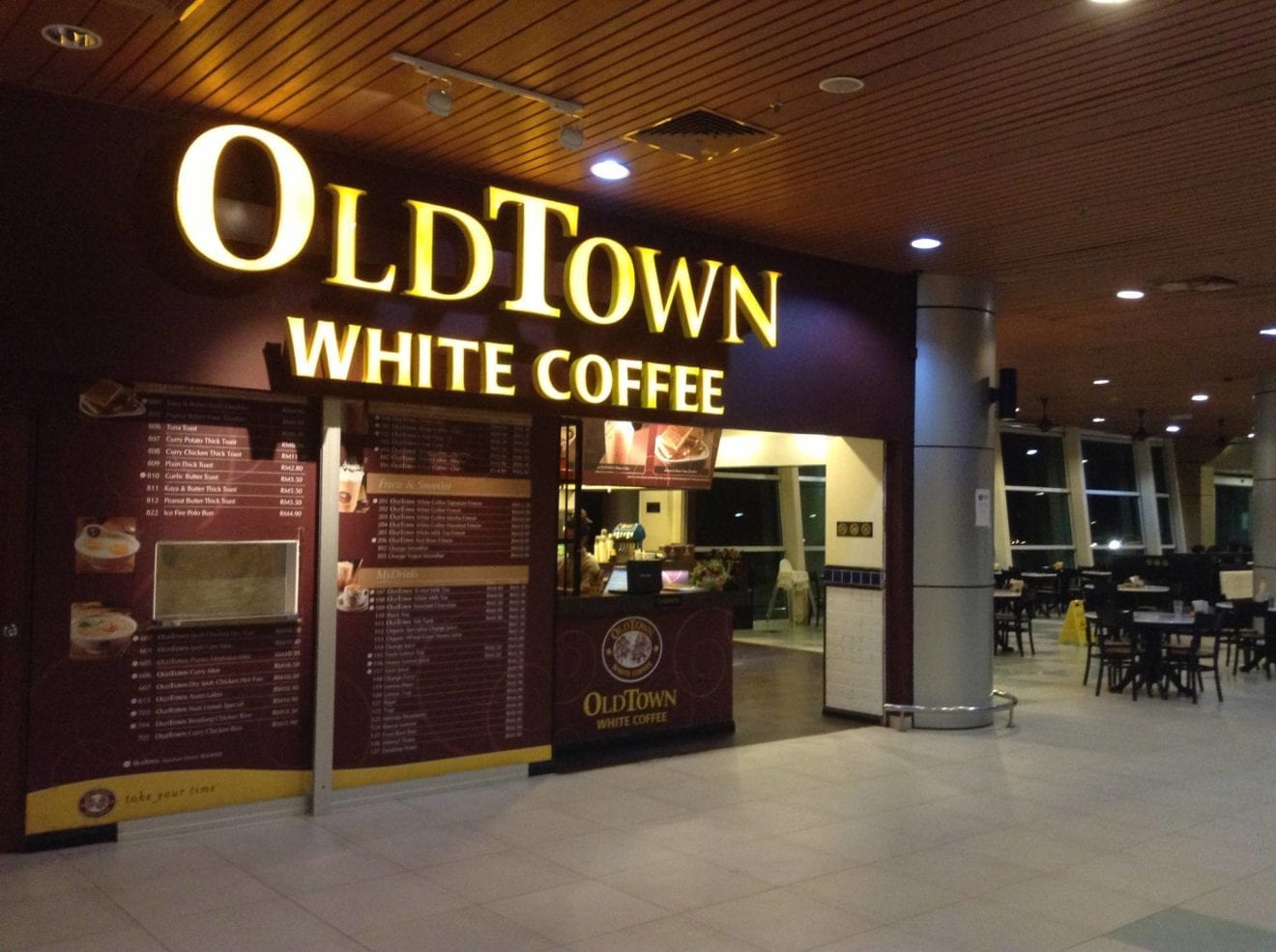
    Debuting in 1999, OldTown White Coffee has earned a name for its signature roasted white coffee and authentic Malaysian cuisine. With more than 200 outlets across Malaysia, the brand has extended its footprint to Singapore, Indonesia, and Hong Kong.

    The Philippine chapter of OldTown White Coffee began in 2023, under the aegis of Del Mundo Group. The group is also known for managing brands like Mesa Filipino Moderne, Ramen Bari Uma, Buchiton, Hayashi Yakiniku, and Cravy.

    Matt Ablis, the COO of Del Mundo Group, revealed the group’s intention to penetrate key provincial markets with burgeoning consumer demand and local economic growth. “This expansion is not just about opening new stores, it extends to bringing OldTown’s established café format and menu to previously untapped regions,” he shared.

    Questions & Answers

    What is OldTown White Coffee planning for the Philippines?
    OldTown White Coffee aims to expand its presence in the Philippines with a US$21 million investment, planning to open 20 more outlets over the next five years.

    Who is leading the expansion of OldTown White Coffee in the Philippines?
    The expansion of OldTown White Coffee in the Philippines is being spearheaded by the Del Mundo Group.

    What is the vision of the owners of the new café in Zamboanga City?
    The owners of the new café in Zamboanga City aim to enrich the city’s food and beverage scene by introducing OldTown White Coffee, which they believe encapsulates quality and cultural authenticity.