Tag: Malaysia

  • Former PropertyGuru Exec Kenneth Soh Spearheads Foodpanda Malaysia as New MD, Aims for Everyday Value Amid Rising Costs

    Former PropertyGuru Exec Kenneth Soh Spearheads Foodpanda Malaysia as New MD, Aims for Everyday Value Amid Rising Costs

    Malaysian food delivery titan, Foodpanda, has recently unveiled Kenneth Soh as its new Managing Director (MD). Prior to assuming his new role at Foodpanda, Soh was the Country Manager for Propertyguru. He is taking over from Tan Ming Luk, who held the role of MD for Foodpanda Malaysia starting from October 2024.

    Mission Statement

    Upon his appointment, Soh expressed his enthusiasm and gratitude for the opportunity. He noted the impressive growth and presence Foodpanda has established in the on-demand food and grocery segments. As he leads the team, his primary aim is to make Foodpanda the most popular application in Malaysia.

    Soh highlighted the company’s commitment to focusing on the aspects most important to Malaysians. This includes providing reliability, diverse selection, and consistent value on food and essential items. He acknowledged the increasing living costs and global uncertainties, reinforcing the company’s commitment to addressing these challenges.

    Previously, Soh also served as the Country Manager at Shopee, a well-known e-commerce platform that was launched in 2015.

    Looking Ahead

    In a statement, Soh emphasized the importance of a thriving ecosystem to the company’s long-term success. He pledged that the company will contribute to this ecosystem to the best of its abilities. Expressing his anticipation for the company’s future growth, he voiced his confidence in the Foodpanda team. He stated that with dedication, humility, and heart, there’s much they can achieve together.

    Questions & Answers

    Who is the new Managing Director of Foodpanda Malaysia?
    Kenneth Soh is the newly appointed Managing Director of Foodpanda Malaysia.

    What is Kenneth Soh’s primary aim for Foodpanda Malaysia?
    His primary aim is to make Foodpanda the most popular application in Malaysia by focusing on providing reliability, diverse selection, and consistent value on food and essential items.

    What previous role did Kenneth Soh hold before joining Foodpanda?
    Before joining Foodpanda, Kenneth Soh was the country manager at Propertyguru and Shopee.

  • Big Caring Group’s Bold Move: Malaysia’s Biggest Pharmacy Retail Chain Gears Up for High-Stakes IPO

    Big Caring Group’s Bold Move: Malaysia’s Biggest Pharmacy Retail Chain Gears Up for High-Stakes IPO

    Big Caring Group, Malaysia’s premier pharmacy retail chain, is gearing up for an initial public offering (IPO) as part of its strategic plan to strengthen its standing in the country’s burgeoning retail health sector.

    A Promising IPO

    Based in Kuala Lumpur and backed by private equity firm Creador, Big Caring Group aims to sell up to 25.5 per cent of its shares, amounting to approximately 1.88 billion ordinary shares. This information was found in a preliminary prospectus lodged with the Securities Commission Malaysia. Currently, the company has about 1.29 billion shares in existence; the remainder of the IPO will comprise new shares intended to fund future expansion and decrease existing debt.

    Expanding Retail Presence

    With a strong network of 626 stores across the nation, Big Caring Group continues to display its ambitious growth strategy. The company has plans to open an additional 50 stores within the next three to five years.

    Institutional and Retail Investors

    The structure of the IPO is designed to cater to institutional and selected investors; around 1.61 billion shares will be made available for them. Meanwhile, retail investors, which include company employees, contributors, and the general public, will have the opportunity to subscribe to approximately 268 million shares.

    Leading the Offering

    Maybank Investment Bank and RHB Investment Bank will spearhead the IPO as joint principal advisors, global coordinators, bookrunners, managing underwriters, and underwriters. Additionally, AmInvestment Bank and UBS will play essential roles in coordinating and underwriting the tranche for institutional investors.

    The IPO price and timeline have not yet been disclosed. The listing is pending approval from Bursa Malaysia and the Securities Commission.

    Questions & Answers

    What is Big Caring Group planning?
    Big Caring Group, the largest pharmacy retail chain in Malaysia, is preparing for an initial public offering (IPO) to strengthen its position in the country’s growing retail health sector.

    How many shares is Big Caring Group considering selling in its IPO?
    The company plans to sell up to 25.5 per cent of its shares, or around 1.88 billion ordinary shares, according to their preliminary prospectus.

    What is the company’s expansion plan?
    Big Caring Group intends to open 50 more stores across the nation within the next three to five years. Currently, they operate 626 stores nationwide.

  • Malaysia Slashes Subsidized Fuel Quota Amidst Escalating Global Oil Prices

    Malaysia Slashes Subsidized Fuel Quota Amidst Escalating Global Oil Prices

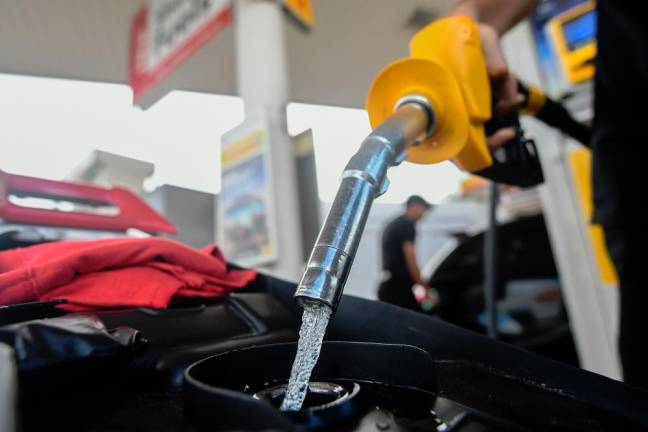
    In response to the recent spike in global oil prices, the Malaysian government has made the decision to decrease the monthly quota for subsidized RON95 fuel from 300 liters to 200 liters, with the policy effective from April.

    Reasons for the Reduction

    This reduction has been deemed necessary due to increases in the government’s subsidy bill. Malaysian Prime Minister Anwar Ibrahim has warned that, if global crude prices continue to remain above $110 per barrel, the subsidy bill could escalate to RM24 billion (US$6 billion) this year.

    Subsidized by the government, RON95 fuel is sold at a fixed price of RM1.99 per liter in Malaysia to ensure affordability for lower-income groups. Currently, eligible individuals can purchase up to 300 liters per month, after which they are charged at market rates. These rates have recently seen an increase from RM3.27 to RM3.87 per liter for the week of March 26 to April 1.

    The unsubsidized price of this fuel has also seen two increases since March 11, resulting in a combined increase of 45%. The latest weekly adjustment has also seen an increase in the pump price for RON97 to RM5.15 per liter, marking an overall increase of 58.46% since March 11, while diesel has seen an increase to RM5.52 per liter, up 76.92% over the same period.

    Global Oil Supply Disruptions

    This decision comes at a time when the global oil supply has been disrupted due to conflicts in the Middle East, specifically in the Strait of Hormuz, a crucial route that typically carries around 20% of the world’s oil flows.

    Brent crude has experienced a drop to $94.49 per barrel after peaking at nearly $120 earlier this month. However, it still remains more than 33% higher than before the conflict began in late February. Despite being an oil producer, Malaysia isn’t exempt from these shifts in the oil market, as it imports a significant proportion of its oil, nearly half of which comes via the affected route.

    In a recent social media post, Anwar noted that Malaysia exported approximately $5.5 billion in crude oil last year but imported nearly $12.6 billion. Furthermore, the country’s monthly subsidy bill for petrol and diesel has seen a significant surge from RM700 million to RM4 billion.

    Possible Implications

    While higher global prices may increase government income and benefit the national oil firm Petroliam Nasional, sustained volatility could lead to inflationary pressures and add to the fiscal burden of fuel subsidies. Announcing the weekly price adjustments, Malaysia’s Ministry of Finance declared the government’s ongoing commitment to protecting the public from rising costs and maintaining the subsidized RON95 prices at RM1.99 per liter.

    Analysts have suggested that tightening the subsidy quota could be a practical option to alleviate pressure on government funds, along with another possibility of increasing the subsidized fuel price to RM2.05 per liter.

    Questions & Answers

    What are some of the reasons for the reduction in subsidized RON95 fuel?
    This reduction has been deemed necessary due to increases in the government’s subsidy bill. If global crude prices continue to remain above $110 per barrel, the subsidy bill could escalate to RM24 billion (US$6 billion) this year.

    How has the global oil supply been disrupted?
    The global oil supply has been disrupted due to conflicts in the Middle East, specifically in the Strait of Hormuz, a crucial route that typically carries around 20% of the world’s oil flows.

    What could be some potential implications of this situation?
    While higher global prices may increase government income and benefit the national oil firm Petroliam Nasional, sustained volatility could lead to inflationary pressures and add to the fiscal burden of fuel subsidies.

  • Miniso Unveils First-of-its-Kind ‘Miniso Friends’ Store in Malaysia: A New Era of IP-led Retail Experience

    Miniso Unveils First-of-its-Kind ‘Miniso Friends’ Store in Malaysia: A New Era of IP-led Retail Experience

    Miniso, a leading retailer, has unveiled its inaugural ‘Miniso Friends’ concept store in Malaysia. This move aligns with the company’s initiative to expand its intellectual property-centered retail and experiential schemes throughout Southeast Asia.

    Store Location and Details

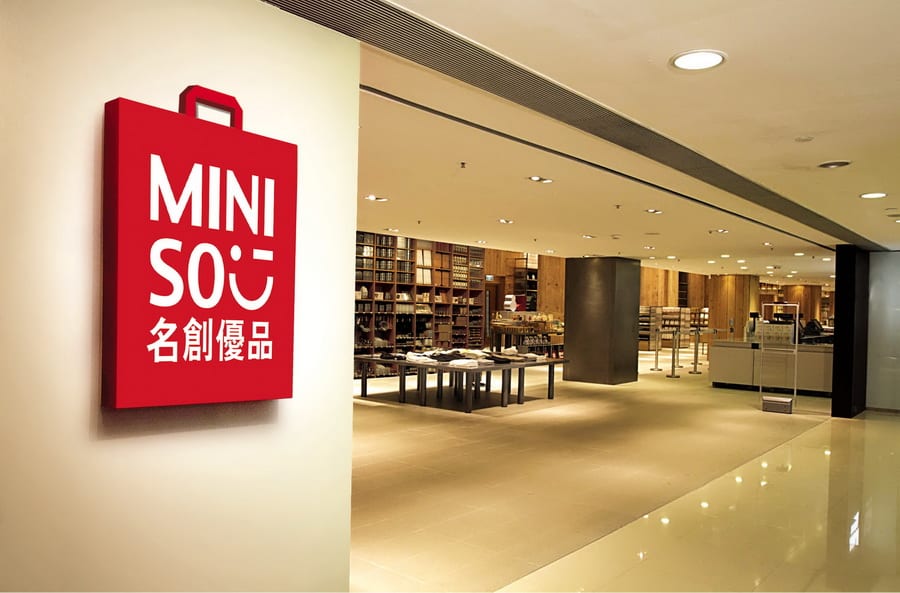
    The brand-new store is situated at LaLaport BBCC, with a sprawling area of about 14,000 square feet, making it one of Miniso’s most spacious outlets in the market. The concept primarily revolves around intellectual property (IP). Approximately 62% of the store’s 6500 products are affiliated with licensed and proprietary characters.

    The Product Strategy

    The product range is key to Miniso’s strategy, aiming to attract a larger audience and stimulate sales through character narratives and brand collaborations. The store showcases renowned franchises such as Stitch, along with Miniso’s own IP, YoYo.

    Enhancing Customer Experience

    The store’s design is conceived to amplify customer engagement. To augment the shopping experience, the store incorporates grand installations and interactive photo zones. This concept is particularly aimed at younger shoppers, especially Generation Z, who have a fondness for immersive and shareable retail spaces.

    Expansion Plans

    The rollout of this store comes close on the heels of Miniso’s debut of its first ‘Miniso Land’ concept in Malaysia earlier in the month.

    Questions & Answers

    What is unique about Miniso’s new concept store in Malaysia?
    The ‘Miniso Friends’ concept store is unique as it is focused on intellectual property with around 62% of its products linked to licensed and proprietary characters.

    How does Miniso plan to enhance customer engagement at the new store?
    Miniso aims to boost customer engagement by introducing large installations and interactive photo zones at the new store, thereby improving the overall shopping experience.

    Who is the target demographic for the Miniso Friends concept store?
    The Miniso Friends concept store specifically targets younger shoppers, particularly from Generation Z, who are known to appreciate immersive and shareable retail spaces.

  • DHL Express and Malaysia Aviation Group Join Forces for Eco-Friendly Sky: Aiming to Cut Emissions with Sustainable Aviation Fuel

    DHL Express and Malaysia Aviation Group Join Forces for Eco-Friendly Sky: Aiming to Cut Emissions with Sustainable Aviation Fuel

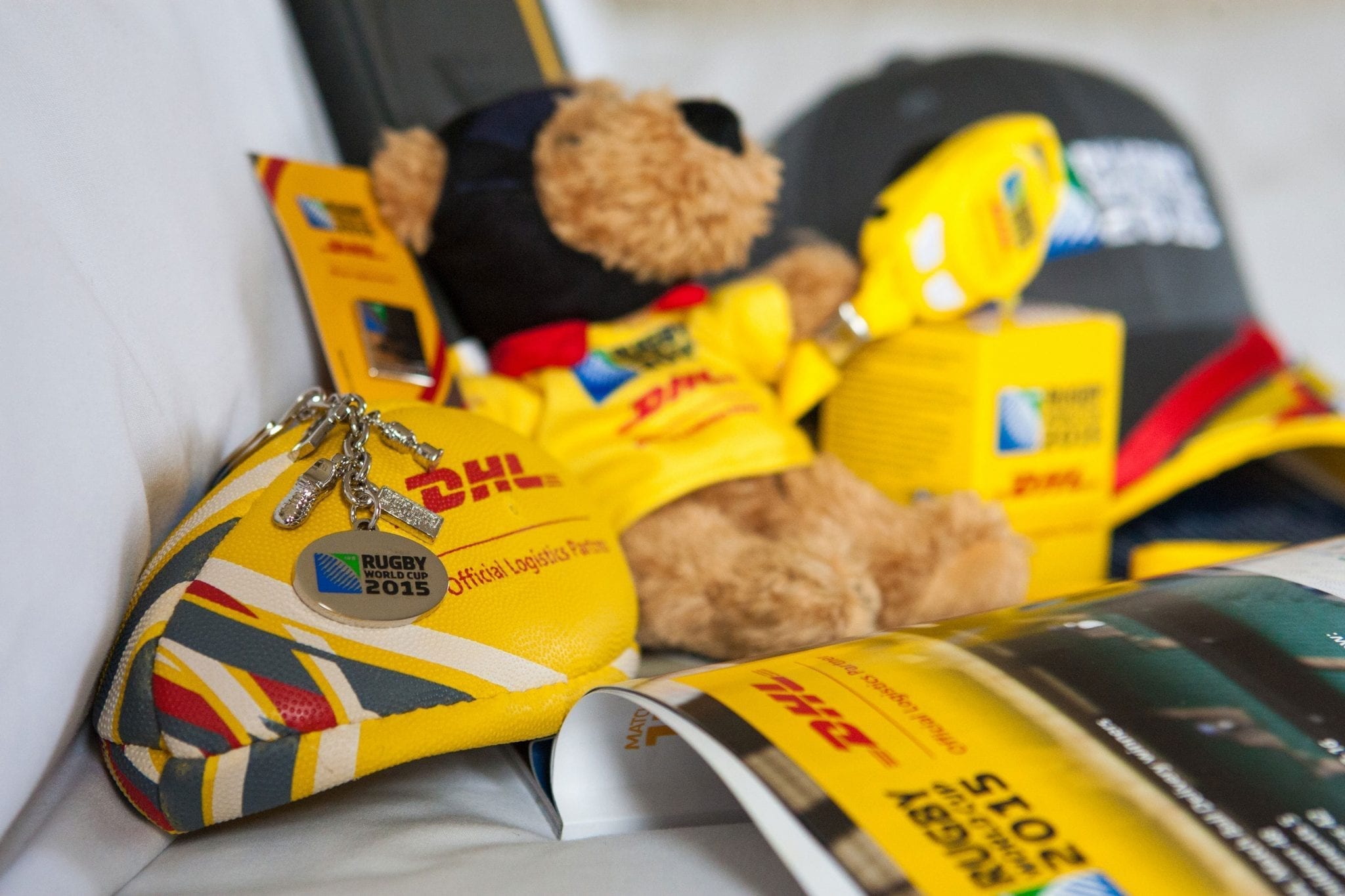
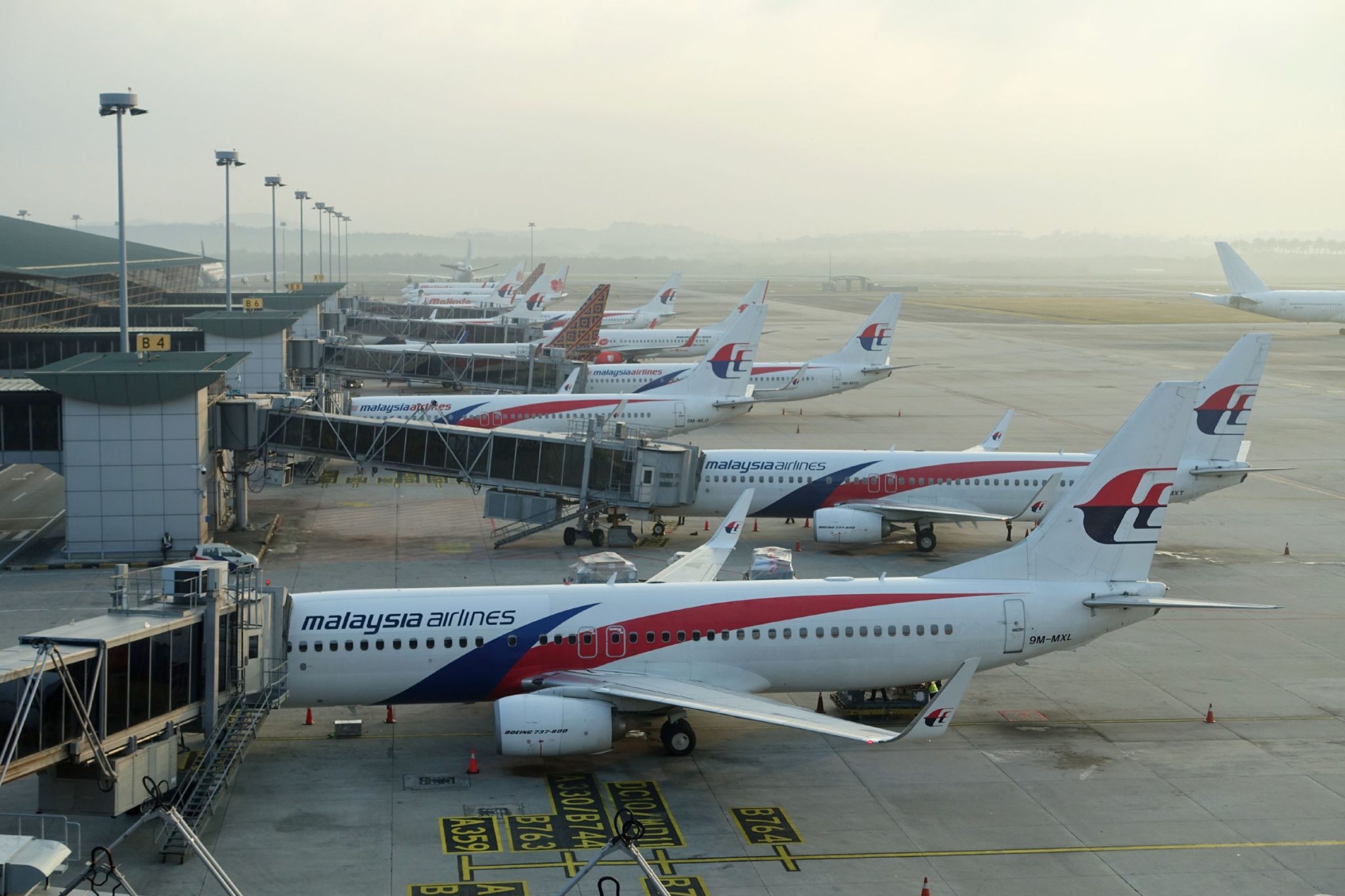
    DHL Express has entered into a contract with Malaysia Aviation Group (MAG), the parent firm of Malaysia Airlines, to employ DHL’s GoGreen Plus service. The arrangement will allow MAG to decrease the greenhouse gas emissions connected to its punctual international shipments by investing in environmentally friendly aviation fuel (SAF) utilized within DHL’s airspace. The partnership is expected to reduce approximately 300 tons of lifecycle carbon dioxide equivalent (CO₂e) emissions by 2026, compared to the previous year.

    Supporting Emissions Reduction

    “SAF is presently one of the most advanced lower-carbon solutions for decreasing lifecycle emissions from long-distance air transport,” observed Julian Neo, Managing Director of DHL Express Malaysia and Brunei. “It is rewarding to see an esteemed national carrier like MAG bolster its stance in the lower-carbon aviation fuel landscape and inspire broader sector adoption. This partnership reaffirms our commitment to assisting the sustainability objectives of businesses through carbon-reduced logistics.”

    The GoGreen Plus service, initiated in 2023, lets customers use SAF to diminish indirect Scope 3 emissions in their value chain resulting from upstream and downstream transportation and distribution. The service is facilitated by multiple SAF agreements DHL has established with various partners.

    SAF, produced from renewable sources like used cooking oil and other residues, can lessen lifecycle greenhouse gas emissions by roughly 80 percent compared to traditional jet fuel. DHL’s GoGreen Plus service operates on a ‘book & claim’ model, allowing DHL to directly substitute fossil fuels with sustainable fuels within the logistic company’s network.

    Strengthening Sustainability

    MAG’s adoption of GoGreen Plus applies to both incoming and outgoing air freight handled by DHL Express throughout the United States, Europe, and Asia Pacific. This supports MAG’s corporate sustainability strategy by addressing the lifecycle emissions related to its international logistics activities and supports its wider push to promote SAF adoption across all passenger and cargo operations.

    As an aviation group managing both airline and air cargo businesses, MAG continues to identify scalable SAF solutions across consumer and commercial sectors, reinforcing its ongoing dedication to lower-carbon air transport solutions.

    Since 2021, MAG has operated flights powered by SAF for both passenger and cargo services, thereby building operational readiness and strengthening infrastructure integration across its network. This foundation is now allowing the Group to increase SAF usage in support of lower-carbon air freight solutions for corporate clients.

    Fostering Regional Growth

    In an effort to foster regional ecosystem development, MAG carried out a two-week SAF uplift on the Kuala Lumpur–London route in 2025 to evaluate Malaysia’s local supply chain preparedness at KLIA. This provided crucial groundwork for future SAF adoption. Simultaneously, the Group continues to collaborate with industry partners and local feedstock suppliers to explore avenues for domestic SAF production, thereby promoting commercially viable SAF solutions for passenger, corporate travel, and cargo operations.

    “SAF remains one of the most important components in aviation’s transition to net-zero by 2050. Scaling SAF requires coordinated action across the entire value chain—from policy to production to infrastructure and demand creation,” expressed Philip See, Group Chief Sustainability Officer of MAG. “Our partnership with DHL Express indicates the growing momentum for market-based solutions such as book-and-claim mechanisms that can quicken SAF uptake beyond regulatory mandates. We are committed to playing our part—not merely through operational adoption across our network, but by fostering ecosystem development in Malaysia and the region to enable progress towards a credible and scalable pathway for a lower-carbon aviation industry.”

    Questions & Answers

    What is the partnership between DHL Express and MAG aiming to achieve?
    This partnership aims to significantly reduce greenhouse gas emissions from international shipments by investing in sustainable aviation fuel (SAF) within DHL’s airspace.

    What is the GoGreen Plus service?
    Launched by DHL Express in 2023, GoGreen Plus is a service that allows customers to use SAF to reduce their indirect Scope 3 emissions, which arise from transportation and distribution activities.

    What actions has MAG taken to support lower-carbon air transport solutions?
    MAG has committed to the use of SAF across its passenger and cargo operations. It has also collaborated with industry partners and local suppliers to explore avenues for domestic SAF production, and invested in assessing and preparing local supply chains.

  • Miniso Launches First Immersive ‘Miniso Friends’ Concept Store in Malaysia, Shaking Up Retail Experience

    Miniso Launches First Immersive ‘Miniso Friends’ Concept Store in Malaysia, Shaking Up Retail Experience

    Miniso, a prominent retail brand, has launched its inaugural Miniso Friends concept store in Malaysia. This move aligns with the company’s pursuit to enlarge its unique intellectual property (IP) driven retail model and immersive shopping experiences across the Southeast Asia region.

    Store Location and Size

    The new Miniso Friends store is situated in LaLaport BBCC, a popular shopping destination. The store spans approximately 14,000 square feet, making it one of Miniso’s most substantial outlets in the Malaysian market.

    Intellectual Property Focus

    Miniso’s concept store strongly revolves around intellectual property (IP). About 62 per cent of its 6,500 products are associated with licensed characters and in-house creations. This strategic product combination is part of Miniso’s plan to captivate more customers and escalate sales by leveraging character storytelling and brand partnerships.

    Among the notable franchises featured in the store is Stitch, along with Miniso’s own intellectual property, YoYo.

    Customer Engagement

    In an effort to bolster customer engagement, the store’s design includes large installations and interactive photo zones to enhance the overall shopping experience. This concept specifically aims to appeal to younger consumers, particularly those from Generation Z, who tend to favour immersive and socially shareable retail spaces.

    This grand opening comes on the heels of Miniso’s first introduction of its Miniso Land concept in Malaysia earlier in the month.

    Questions & Answers

    What is the focus of the new Miniso Friends concept store in Malaysia?
    The new Miniso Friends concept store in Malaysia emphasizes on intellectual property, with about 62% of its products linked to licensed and in-house characters.

    What elements does the store incorporate to enhance customer engagement?
    The store includes large installations and interactive photo zones to augment the shopping experience, specifically targeting younger consumers who prefer immersive and socially shareable retail spaces.

    How does this opening fit into Miniso’s broader strategy?
    The opening of the Miniso Friends concept store aligns with the company’s strategy to expand its unique intellectual property-driven retail model and immersive shopping experiences across Southeast Asia.

  • Young Malaysians Ensnared in Debt: The Rising Peril of ‘Buy Now, Pay Later’ Services

    Young Malaysians Ensnared in Debt: The Rising Peril of ‘Buy Now, Pay Later’ Services

    More young Malaysians are finding themselves caught in the cycle of debt as the burden of financial obligations – largely from credit card loans – weighs heavy on their incomes. Among them is 29-year-old Chan Jun Hong, who spends almost MYR3,000 (US$763) each month to service his debts, accounting for over 60% of his salary.

    The Debt Trap

    Chan Jun Hong shares that a significant portion of his income is allocated to repay personal loans he took out a year or two ago. It was a decision made out of convenience, as he was offered the loans, and used them to spend recklessly. Today, he regrets this decision. He also admits to having a sizable amount of debt from the use of “Buy Now, Pay Later” services and credit cards for everyday necessities. His situation deteriorated to the point where he sought help from a debt consolidation service provider, who advised him to take a single extensive loan to pay off all his various debts simultaneously.

    His predicament is not unique. Many young Malaysians are grappling with debts, primarily due to a lack of financial literacy in the face of a surge of credit services targeted at the youth. In Malaysia, about 40% of “Buy Now, Pay Later” transactions are made by those aged 30 and below. This statistic highlights an alarming trend of younger consumers becoming overly dependent on credit for daily expenses.

    Rise of “Buy Now, Pay Later” Services

    “Buy Now, Pay Later” is a financial service that allows consumers to purchase products either interest-free or with a certain percentage of interest, with payment due the following month. A survey involving over 21,000 active “Buy Now, Pay Later” users in 2024 revealed that 69% of users solely depend on this financial tool for their financial support.

    However, this reliance on credit purchases for daily needs has consequences, which many young Malaysians are now realizing. One 29-year-old, using the pseudonym Nixie, revealed that he typically starts the month with no more than MYR1,000 in his bank account, as most of his income goes towards debt repayment. Nixie often resorts to “Buy Now, Pay Later” services due to his tendency to make impulsive purchases of non-essential items, such as collectibles, when they are on sale.

    As an electrical engineer, Nixie can only afford to make minimum monthly payments of between MYR500 and MYR900 on his credit card debt. His outstanding balance has remained at around 90% of its limit for nearly a year, accruing more interest. Nixie shares his growing unease about his financial future, fearing he may be stuck paying the debt for years due to the increasing credit card interest.

    The Hidden Risks

    Financial analysts point out that while bank loans come with clearly documented commitments, the risks of a “Buy Now, Pay Later” scheme aren’t always apparent at the start.

    The number of “Buy Now, Pay Later” users rose from 2.6 million in 2023 to 7.5 million last year. This trend could be risky as financial obligations can often accumulate quietly. Alvin Tan Chin Cherng, Financial Planning Association of Malaysia president, mentioned that such collective repayments could consume a disproportionate share of one’s monthly income, and most people don’t see it coming.

    Many young Malaysians remain ignorant of their credit scores, and missed or late “Buy Now, Pay Later” payments could affect a person’s ability to secure a housing loan or car financing in the future.

    Easy Spending and Consequences

    Financial planner Gunaseelan Kannan also expressed concern over the rise of these services, citing its easy-spending design, which for many youths feels less like borrowing and more like delaying payment.

    The simple approval process, minimal checks, and the seemingly small installments make it very attractive. However, those small installments can quickly add up and affect monthly cash flow. Many young people are still building their financial habits, so without proper budgeting or financial literacy, it can slowly turn into a debt cycle.

    A 29-year-old customer service worker known as Chan admitted that he had never heard of financial strategies. He struggles to manage his spending habits which are affecting his financial stability. He is now juggling his finances while repaying a personal loan taken to settle previous debts.

    Questions & Answers

    What are the causes of the increasing debt among young Malaysians?
    The rise in debt among young Malaysians is mainly attributed to the ease of access to credit services, particularly “Buy Now, Pay Later” schemes, and a lack of financial literacy.

    What are the consequences of the growing reliance on “Buy Now, Pay Later” services?
    The consequences include the accumulation of debts that can consume a significant proportion of one’s income, causing financial instability. Missed or late payments can also negatively impact credit scores, which could affect a person’s ability to secure future loans.

    What is the solution to this growing problem?
    Better financial education is one solution to tackle this issue. Young people need to understand the importance of budgeting, managing their spending habits, and the implications of credit scores. It’s also important to consider the regulation of credit services to ensure they don’t exploit the lack of financial literacy among young people.


  • Cambodia Ramps Up Fuel Imports from Singapore and Malaysia Amid Middle East Conflict

    Cambodia Ramps Up Fuel Imports from Singapore and Malaysia Amid Middle East Conflict

    Cambodia has been increasing its fuel imports from Singapore and Malaysia in a bid to compensate for supply shortages caused by ongoing conflict in the Middle East, which continues to hamper global fuel supply chains. The Minister of Mines and Energy for Cambodia, Keo Rottanak, communicated this on Wednesday.

    Fuel Stations and Supply

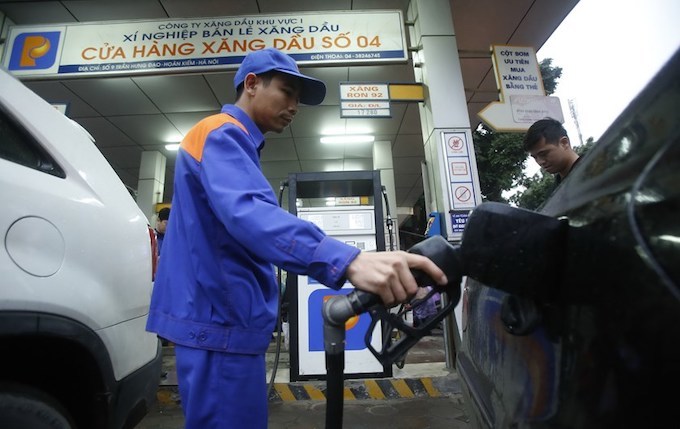
    Last week, Rottanak reported, approximately one-third of the nation’s 6,300 fuel stations were temporarily closed due to worries about the conflict’s effect on fuel prices. However, the situation has since improved, and now only 5.77% of stations still remain closed.

    Rottanak also pointed out that Cambodia is augmenting its fuel imports from Singapore and Malaysia, while its usual suppliers are making every effort to keep exports steady amid increasingly strained supply conditions.

    Increasing Imports

    Figures from Kpler indicate that during the first 18 days of the current month, gasoline and diesel exports from Singapore and Malaysia to Cambodia have risen by 25% compared to the same period in 2025. However, this is a 40% decrease compared to the last 18 days of February.

    Fuel Reserves and Energy Security

    According to the minister, the fuel reserves of Cambodia are presently at levels similar to earlier periods. The country lacks a domestic oil refinery and usually keeps stocks of diesel, jet fuel, liquefied petroleum gas, and gasoline that suffice for less than one month under standard conditions.

    The Cambodian government is taking steps to bolster its energy security and lessen geopolitical risks. Preliminary discussions have been held this month with Woodside Energy, an Australian company, in an attempt to secure liquefied natural gas (LNG) supplies for a planned 900MW power plant that is expected to start operations in 2027.

    Renewable Energy and Future Plans

    Rottanak added that the shock from the Middle East has been partially mitigated in Cambodia thanks to the swift growth of renewable energy in the country. Overall fuel imports have remained relatively stable compared to the levels in 2022, bolstered by increased electrification from renewable sources. He underlined that the conflict underscores the pressing need to speed up the development of cross-border power grid connectivity among ASEAN nations.

    Questions & Answers

    What steps is Cambodia taking to address fuel supply shortages?
    Cambodia is increasing its fuel imports from Singapore and Malaysia. Its traditional suppliers are also working hard to maintain exports in spite of tough supply conditions.

    What is the current status of Cambodia’s fuel reserves?
    Cambodia’s fuel reserves are currently at levels similar to previous periods. The country typically maintains diesel, jet fuel, liquefied petroleum gas and gasoline stocks sufficient for less than one month under normal circumstances.

    What measures is Cambodia taking for energy security?
    The Cambodian government is enhancing its energy security by holding talks with Australia’s Woodside Energy to secure LNG supplies for a planned 900MW power plant. The government is also accelerating the development of cross-border power grid connectivity among ASEAN countries.

  • Malaysian Ringgit on a Steady Rise: Expert Predicts Strong Appreciation Cycle by 2026

    Malaysian Ringgit on a Steady Rise: Expert Predicts Strong Appreciation Cycle by 2026

    MUFG Bank Ltd anticipates that the ringgit will fortify to 3.70 against the U.S. dollar by the end of 2026. This expectation is bolstered by an enduring appreciation cycle fueled by robust structural fundamentals.

    Predictions by Senior Currency Analyst

    Lloyd Chan, the bank’s senior currency analyst, claims that this forecast is rooted in the continuous inflow of investment in the Information and Communication Technology (ICT) sector. Other factors such as macroeconomic stability, supportive governmental policies, and enhanced capital flows also contribute to this prediction.

    Chan notes that there is a vigorous investment cycle currently taking place in Malaysia. This cycle, he believes, underpins the country’s prospects for medium-term economic growth.

    Rise in Investment Approvals

    Investment approvals in the manufacturing and services sectors have risen by 14.7% year-on-year during the first nine months of 2025. Foreign Direct Investment (FDI) has played a significant role in this upswing in capital expenditure.

    According to Chan, this increase signals a revived confidence in Malaysia’s policy framework, infrastructure, and role in regional supply chains.

    ICT as a Major Contributor

    The ICT sector has emerged as the primary contributor to the total approved investments within Malaysia. There has been a noticeable increase in foreign participation in this sector since 2022. Chan points out that the country’s ICT investment approvals experienced a year-on-year surge of about 32% in the first nine months of 2025.

    Macroeconomic Stability

    Chan observes that Malaysia’s macroeconomic stability has reduced risk premiums. Despite the rationalization of RON95 fuel subsidies and adjustments to sales and services tax, inflation has remained under control. This has allowed Bank Negara Malaysia (BNM) to maintain policy stability.

    On February 12, the ringgit ascended to a new high of 3.8995 against the U.S. dollar. This is its strongest level in nearly eight years. The last time it traded in this range was on April 23, 2018, when it was valued at 3.8965/8995 against the dollar.

    Questions & Answers

    What is the forecast for the ringgit against the U.S. dollar by the end of 2026?
    The MUFG Bank Ltd predicts that the ringgit will strengthen to 3.70 against the U.S. dollar by the close of 2026.

    Which sector has been the major contributor to total approved investments in Malaysia?
    The Information and Communication Technology (ICT) sector has been the primary contributor to the total approved investments in Malaysia.

    What factors have contributed to maintaining policy stability in Malaysia?
    The macroeconomic stability of Malaysia, reflected in their controlled inflation despite changes in fuel subsidies and sales and services tax, has allowed Bank Negara Malaysia to maintain policy stability.

  • McDonald’s Malaysia Invests $250M in Expansion: 100 New Franchises and Tech Upgrades Projected

    McDonald’s Malaysia Invests $250M in Expansion: 100 New Franchises and Tech Upgrades Projected

    McDonald’s Malaysia has announced its ambitious plans to invest RM1 billion (US$255 million) in the expansion and modernization of its operations over the coming years. This investment will encompass the opening of new stores, refurbishment of established outlets, and substantial technology enhancements.

    Investment Breakdown

    The company’s Managing Director and local operating partner, Datuk Azmir Jaafar, has provided a detailed breakdown of this substantial investment. Around RM600 million will be allocated to the establishment of new McDonald’s locations. A further RM200 million will be devoted to the refurbishment and modernization of existing stores. Finally, an equivalent amount of RM200 million will be spent on technological upgrades and digitalization efforts.

    New Beginnings

    Jaafar unveiled these future plans during a press conference held to mark the reopening of McDonald’s Titiwangsa Drive-Thru, located at Jalan Pahang. This location holds historical significance as the first McDonald’s drive-thru restaurant in Malaysia.

    Strategic Expansion

    Further outlining the operational strategy, Jaafar stated that the company aims to fortify its presence in Sabah and Sarawak, as well as across Peninsular Malaysia. Special emphasis will be placed on areas with high demand and those driven by the tourism industry.

    McDonald’s, as a quick-service restaurant operator, currently operates a network of over 370 restaurants nationwide. This includes 25 franchise outlets run by 11 franchisees.

    Goals for Growth

    Looking ahead, McDonald’s Malaysia aims to increase its number of franchise locations to between 70 and 100 in the next five to ten years. This expansion is forecasted to yield over 10,000 new employment opportunities, adhering to the company’s commitment of 100% local hiring.

    Jaafar also shed light on the franchise model, stating that franchising demands a significant investment in the range of RM5 million to RM7 million per restaurant. However, he also highlighted a promising return on investment as the payback period usually spans between three to five years.

    Questions & Answers

    What is McDonald’s Malaysia’s investment plan?
    Their plan involves an investment of RM1 billion (US$255 million) in opening new stores, refurbishing existing ones, and upgrading technology.

    Where does McDonald’s Malaysia plan to expand?
    The company intends to strengthen its presence in high-demand areas and tourism-driven locations across Sabah, Sarawak, and Peninsular Malaysia.

    What is the company’s franchising model?
    McDonald’s Malaysia’s franchising model requires a significant investment of about RM5 million to RM7 million per restaurant, with a typical payback period of three to five years.

  • McDonald’s Malaysia Unveils $254M Expansion: 100 New Restaurants, Digital Boost, and 10,000 Jobs on the Horizon

    McDonald’s Malaysia Unveils $254M Expansion: 100 New Restaurants, Digital Boost, and 10,000 Jobs on the Horizon

    McDonald’s Malaysia has announced an aggressive expansion plan that involves an investment of RM1 billion (approximately $254 million) over the next five years. The investment will be used to open 100 new outlets, revamp existing restaurants, and enhance the company’s digital capabilities.

    Allocation of Funds and Expansion Strategy

    Datuk Azmir Jaafar, Managing Director and Local Operating Partner, shared that a majority of the investment, around 60%, will be used for the launch of new restaurants. 20% of the funds will be directed towards the modernization of over 150 existing branches of McDonald’s in Malaysia. The remaining 20% will be invested in technology and digitalization initiatives.

    The expansion plan was revealed during a press conference following the reopening of the first McDonald’s drive-thru outlet in the country, located at Jalan Pahang, Titiwangsa. Jaafar expressed the company’s intention to broaden its reach in Sabah, Sarawak, and throughout Peninsular Malaysia, with a specific focus on areas with high demand and those popular among tourists.

    Jaafar explained, “There is considerable growth potential in Sabah and Sarawak, as these regions have many towns that are yet to house a McDonald’s outlet. We also aim to expand in the Klang Valley and in other high-growth locations within Peninsular Malaysia.”

    Building a Strong Franchise Network

    Additionally, McDonald’s Malaysia intends to enhance its franchise network. Currently, 11 franchisees nationwide operate 25 outlets. The goal is to establish between 70 and 100 restaurants within the next five to ten years.

    Jaafar underscored the promising return on investment in franchising. “A substantial investment of about MYR5 million to MYR7 million is needed per restaurant. The payback period is typically three to five years, indicating a healthy return,” he stated.

    Job Creation and Operational Efficiency

    This ambitious expansion is expected to generate over 10,000 new job opportunities for locals, in line with McDonald’s Malaysia’s hiring policy of employing only local workers.

    Despite a challenging business environment, the quick-service restaurant chain has already witnessed a 26% year-on-year growth in 2025, operating more than 370 outlets across the country.

    Jaafar stressed the importance of operational efficiency to maintain competitive menu prices. “In 2025, our menu price increase was about half of Malaysia’s inflation rate. This was due to continuous improvements in supply chain efficiency and restaurant operations,” he elaborated.

    After being a part of the Malaysian landscape for 43 years, McDonald’s Malaysia continues to contribute towards nation-building. The company aims to do so by creating jobs, providing skills training, supporting local suppliers, and getting involved in community activities.

    Questions & Answers

    What is the investment plan of McDonald’s Malaysia?
    McDonald’s Malaysia plans to invest RM1 billion over the next five years to open 100 new restaurants, upgrade existing outlets, and enhance its digital capabilities.

    How does McDonald’s Malaysia plan to allocate the investment funds?
    60% of the funds will be used to open new restaurants, 20% will be allocated towards the modernization of existing branches, and the remaining 20% will be invested in technology and digitalization initiatives.

    What is McDonald’s Malaysia’s franchising plan?
    McDonald’s Malaysia aims to expand its franchise network from the current 25 outlets run by 11 franchisees nationwide to between 70 and 100 restaurants over the next five to ten years.

  • LS Cable & System Spearheads Submarine Power Grid Expansion in Malaysia: Aims for Dominance in Booming Asia-Pacific Subsea Cable Market

    LS Cable & System Spearheads Submarine Power Grid Expansion in Malaysia: Aims for Dominance in Booming Asia-Pacific Subsea Cable Market

    The initiative’s main objective is to guarantee a reliable power supply by enlarging a 132kV-grade underwater power grid between the Malaysian peninsula and Langkawi Island, a well-known tourist hotspot.

    LS Cable & System prevailed over several international corporations to secure this second Langkawi venture, following an earlier project. The firm emphasized its capacity to manage intricate turn-key projects, supervising everything from design and material provision to installation and construction. This was over and above the basic cable supply, thus demonstrating its superior engineering proficiency.

    It is predicted that the worldwide underwater cable market will increase to KRW 34 trillion by 2030. The Asia-Pacific region, renowned for its abundant islands, is likely to be at the forefront of this surge with KRW 20 trillion. At present, Southeast Asia is diligently working on large-scale underwater power grid projects in an effort to set up the ASEAN Power Grid (APG). The primary goal of the APG is to interconnect national power infrastructures.

    LS Cable & System is poised to use this project as a stepping stone to boost its international order references and quicken its growth in the local market. The company plans to join forces with LS Marine Solution and other associates on large national projects. One example of such a project is the West Coast energy highway, for which a bidding notice is expected to be released in the first half of this year.

    LS Cable & System stated, “We are establishing credibility in the global market, built upon previous project implementation experience and our technical prowess. We are determined to strengthen our leadership in the underwater cable market by successfully executing domestic and international backbone network construction projects, leveraging our proven turn-key competencies.”

    Questions & Answers

    What is the primary goal of the project?
    The project’s main goal is to ensure a reliable power supply by expanding a 132kV-grade underwater power grid between the Malaysian peninsula and Langkawi Island.

    What is LS Cable & System’s role in the project?
    LS Cable & System is responsible for managing complex turn-key projects, including design, material supply, laying, and construction.

    What future plans does LS Cable & System have?
    LS Cable & System plans to use this project to enhance its international order references and accelerate its expansion into the domestic market. It also intends to collaborate with LS Marine Solution and other partners on large-scale national projects.

  • Subway Malaysia Apologizes After Unsettling Discovery of ‘Cockroach Legs’ in Customer’s Coffee

    Subway Malaysia Apologizes After Unsettling Discovery of ‘Cockroach Legs’ in Customer’s Coffee

    An unsettling incident unfolded at a Subway outlet in Malaysia, causing discomfort to a customer who allegedly found insect parts in her coffee cup. The incident further led to Subway issuing an apology and taking immediate actions to rectify the situation.

    A Disturbing Discovery

    The incident was first made known on a social media platform by a user named Fara Lee. Lee stated that the unpleasant incident occurred at the Subway outlet located in Mydin Mall Meru Raya, Ipoh, where a colleague of hers had bought the coffee. The colleague, upon feeling something odd in her throat, discovered what seemed to be cockroach legs in her coffee cup, after consuming half the drink.

    The shared images depicted what were believed to be insect legs stuck to the sides of the cup and floating in the half-drunk beverage. The post rapidly garnered attention, receiving more than 3,200 likes and over 420 comments.

    Subway’s Response

    Responding to the incident, Subway Malaysia issued an apology and assured the public that immediate proactive steps were taken. The fast-food chain temporarily closed the outlet in question to conduct a comprehensive inspection and thorough cleaning.

    In its commitment to maintaining high hygiene standards, Subway Malaysia further stated that it would enforce appropriate measures to prevent such an incident from recurring in the future.

    Earlier this week, Subway Malaysia shared images of the outlet’s coffee machine and premises undergoing a detailed cleaning process. The company stated that despite having regular hygiene protocols in place, a full deep clean of the outlet had been performed as an additional step of reassurance.

    Questions & Answers

    What did the customer find in her coffee cup?
    The customer allegedly found what appeared to be cockroach legs in her coffee cup.

    What actions did Subway Malaysia take in response to the incident?
    Subway Malaysia temporarily closed the outlet for a thorough inspection and cleaning. The company also conducted a deep clean of the outlet as an added reassurance measure.

    What preventive measures will Subway Malaysia apply to avoid such incidents in the future?
    Subway Malaysia has committed to maintaining high hygiene standards and will enforce appropriate measures to prevent such incidents from recurring in the future.

  • Chinese New Year Sparks Sixfold Airfare Surge Between Singapore and Malaysia

    Chinese New Year Sparks Sixfold Airfare Surge Between Singapore and Malaysia

    In anticipation of the 2026 Chinese New Year, there has been a significant increase in air travel between Singapore and Malaysia. Ticket prices for some flights have risen as much as six times the normal rate due to the surge in holiday demand and sold-out train tickets.

    The Impact of High Demand

    Tan Yik Xuan, a 26-year-old logistics worker residing in Singapore, had to plan four months in advance to secure a flight back to his hometown, Ipoh. He purchased return tickets in October 2025 for $630, a cost nearly double the off-peak rate.

    Tan described the fare as notably more costly compared to the usual off-peak rates of below $320. However, he was willing to pay the higher price for the flight rather than take a bus to avoid traffic jams and minimize travel time.

    As of January 5, economy class tickets to Ipoh for the week of February 14 to 19 ranged from $822 to $1,222, a significant increase from the previous week’s prices of $124 to $191.

    Other routes, such as those to Kuala Lumpur and Penang, are also experiencing similar surges in price. To accommodate the increasing demand, AirAsia has announced that it will add 7,500 seats. The airline’s pricing model reflects the supply and demand where fares are typically higher when purchased closer to the travel date during peak seasons.

    Alternatives to Air Travel

    For those traveling from Singapore to Kuala Lumpur, a two-way trip by air could cost anywhere between $420 to $1,245 in the days leading up to Chinese New Year, compared to fares between $99 and $345 from February 7 to 12. Round-trip air tickets from Singapore to Penang could cost between $628 to $1,049 from February 14 to 19, which is higher than the price range of $107 to $469 during the preceding week.

    Singapore Airlines and Scoot have reported a “healthy passenger demand” for the Chinese New Year, though they did not reveal booking figures.

    Bus fares have also increased due to the high demand. Round-trip tickets to Kuala Lumpur are ranging from $89 to $276 for February 14 to 19, while tickets to Penang can go up to $370, a substantial increase from the off-peak price of $83.

    Malaysian bus operator Causeway Link anticipates a large crowd and a high volume of ticket sales during the upcoming peak travel season and plans to have backup buses on standby to support passenger demand.

    Creative Travel Solutions

    To circumvent these escalating costs, some travelers are adopting innovative routes. Insurance agent Lim Cin Min, 27, plans to take a local bus to Johor Bahru Immigration and Customs, then transfer to another bus from Larkin Sentral bus terminal to her hometown Batu Pahat. This creative solution will cost her only $8 and will allow her to avoid being stuck in traffic jams.

    The recently launched electric train service (ETS) from Johor Bahru to Kuala Lumpur offered another alternative to holiday travelers. However, tickets for peak dates are already sold out.

    Data analyst Justin K, 29, was able to secure a return ETS ticket by extending his stay beyond the peak travel period. He paid $230 for a one-way ticket, more than twice the usual price, but found the slight increase in cost “much more palatable” compared to airfares. He plans to use the ETS for future trips due to its punctuality, fixed travel duration, and comfort.

    Questions & Answers

    What has caused the significant increase in air travel between Singapore and Malaysia?
    The increase is primarily due to the surge in holiday demand ahead of the 2026 Chinese New Year, coupled with sold-out train tickets.

    How are airlines dealing with the surge in demand?
    Airlines like AirAsia are adding more seats to accommodate demand. However, due to the supply-and-demand model, fares are typically higher when purchased closer to the travel date during peak seasons.

    Are there any alternative travel options available to those who find the increased airfare too expensive?
    Yes, some travelers are adopting innovative routes using local buses. The recently launched electric train service (ETS) from Johor Bahru to Kuala Lumpur has also offered another alternative, although tickets for peak travel dates are already sold out.

  • U Mobile Pioneers Nationwide Scam Protection, Blocks Over 265 Million Threats in Malaysia

    U Mobile Pioneers Nationwide Scam Protection, Blocks Over 265 Million Threats in Malaysia

    U Mobile, a leading telecommunications provider in Malaysia, has become the first in the country to introduce a network-level scam protection system. This groundbreaking initiative, operational since February 2025, has successfully intercepted and blocked over 265 million fraudulent phone calls and text messages, according to the company’s recent statement.

    Powered by Advanced Technology

    The scam protection system employs state-of-the-art technology provided by Cellusys, a renowned global provider of mobile operator solutions, including signaling, roaming, and analytics. This technology enables the identification and immediate blocking of suspicious calls and messages at the network level, preventing them from reaching user devices.

    Comprehensive Scam Screening

    According to U Mobile, this new deployment allows for exhaustive screening across 4G and 5G networks. It aims to combat a broad range of digital fraud activities, including scam calls posing as officials or institutions, SMS phishing attempts, spoofed caller identities, and broad fraud campaigns.

    U Mobile’s Chief Technology Officer, Woon Ooi Yuen, expressed his pride in the company’s achievement. He stated that the introduction of the nation’s first large-scale, network-level scam protection has yielded significant results, blocking hundreds of millions of fraudulent calls and messages. Yuen emphasized the company’s dedication to improving their network using the latest technology to enhance customer protection across voice, messaging, and data services. He asserted that as U Mobile expands its next-generation 5G network throughout the country, security continues to be a key priority, as reliable connectivity is crucial for a robust Malaysian digital economy.

    Brendan Cleary, CEO of Cellusys, expressed his company’s pride in providing the technology that powers this nationwide protection. He emphasized that Cellusys’s technology works with the necessary precision, resilience, and scalability to prevent scams from reaching consumers.

    Digital Fraud in Malaysia

    The launch of the scam protection system is timely amid the significant increase in digital fraud incidents in Malaysia. Recent data from the Global Anti-Scam Alliance (GASA) reveals that 73% of Malaysians have reported being targeted by fraudulent calls or messages, ranking the nation as one of the hardest-hit in Southeast Asia.

    Cellusys’s platform leverages signaling and behavioral data analyses at the network level to uncover suspicious activities. This allows operators to quickly adapt their defenses as scam techniques evolve, thereby minimizing disruption to legitimate network traffic.

    Questions & Answers

    What is the purpose of U Mobile’s network-level scam protection system?
    The system identifies and blocks suspicious calls and messages at the network level before they can reach user devices, thereby preventing potential scams.

    Who developed the technology behind this scam protection system?
    The technology powering the scam protection system was developed by Cellusys, a global provider of mobile operator solutions, including signaling, roaming, and analytics.

    How significant is the problem of digital fraud in Malaysia?
    According to the Global Anti-Scam Alliance (GASA), 73% of Malaysians have reported being targeted by fraudulent calls or messages, indicating a serious problem with digital fraud in the nation.