Retail News CRM

Tag: Malaysia

  • Penang Aims for Global Recognition by Expanding Its Durian Kampung Varieties Registry

    Penang Aims for Global Recognition by Expanding Its Durian Kampung Varieties Registry

    The Malaysian state of Penang is working to register more varieties of local durian kampung from its orchards to further expand its portfolio of recognized durian species. In a move to elevate the status of Penang’s tasty treasure, Chief Minister Chow Kon Yeow has announced efforts to register additional varieties of the beloved durian kampung, highlighting that their flavor rivals even the state’s most prized hybrid offerings, as reported by Malay Mail.

    “We have many high-quality durian kampung that deserve recognition. I urge producers to take steps toward registering their unique varieties,” he stated during the launch of a durian outreach initiative at Rain Tree Farm in Taman Permatang Tinggi Indah.

    Recently, Penang registered two new hybrid varieties, Tupai King (D214) and Cenderawasih, bringing its count of officially recognized durians to over 200. Chow remarked, “With this extensive range, we are eager to enhance our global visibility for these products.”

    Ambitious in its outreach, Penang is not just targeting neighboring countries like China and Singapore but is also setting its sights on new markets across India, Australia, Europe, and the Middle East. And while the durian is often dubbed the “king of fruits,” it seems it also aims to take on the world.

    Chow expressed optimism that these initiatives will invigorate Penang’s agricultural sector, particularly its durian industry, generating economic benefits for rural communities while also enticing young people toward careers in agrotechnology and agrotourism.

    Among the lush orchards of Balik Pulau, Penang is home to an impressive lineup of durian varieties, including the renowned Black Thorn, Musang King, and Ang Heh (Red Prawn). Last year alone, the region exported 67,203 kilograms of durians, with Musang King and Black Thorn in high demand, according to reports from The Star.

    Questions & Answers

    How is Penang promoting its durian varieties on a global scale?
    Penang is expanding its international presence by targeting not only China and Singapore but also entering new markets in India, Australia, Europe, and the Middle East.

    What steps is the Penang government taking to enhance durian growers’ recognition?
    The government encourages producers to register their high-quality durian kampung varieties, thereby expanding its catalog of recognized durians while showcasing them to international markets.

    What impact could the promotion of durians have on Penang’s economy?
    The push for global recognition of Penang’s durian varieties is anticipated to boost the agricultural sector, provide economic opportunities for rural areas, and attract youth to careers in agrotechnology and agrotourism.

  • South Korean Fast-food Chain Lotteria Targets Malaysian Market In Strategic Expansion

    South Korean Fast-food Chain Lotteria Targets Malaysian Market In Strategic Expansion

    The South Korean quick-service restaurant chain, Lotteria, is set to enter the Malaysian market by the end of the current year. This move is a result of a strategic alliance with the local firm, Serai Group.

    Exclusive Partnership with Serai Group

    As part of the collaboration, Serai Group has secured exclusive privileges to establish and manage Lotteria stores throughout Malaysia. Furthermore, it is authorized to sub-franchise the brand to other parties.

    Lotteria’s Expansion Strategy

    The venture in Malaysia is a component of Lotteria’s extensive growth strategy in Southeast Asia. This initiative is spearheaded by its parent organization, Lotte GRS Co., which is a branch of the South Korean conglomerate, Lotte Group.

    Lotte GRS has an ambitious plan to open an additional 30 Lotteria outlets throughout Malaysia in the next half-decade.

    Past Ventures and Future Prospects

    The decision to expand in Malaysia was made after Lotte GRS’s leadership, including CEO Cha Woo-cheol, conducted feasibility assessments in the region, and in Singapore, earlier in 2023. The company was exploring master franchise possibilities in these areas, indicating a strong desire to grow beyond Lotteria’s existing international markets, which include Vietnam, Myanmar, Laos, and Mongolia.

    A significant international market for Lotteria has been Vietnam, where the chain has been active since 1998. As per the 2024 financial report of Lotte Group, there are currently 253 Lotteria outlets operating across Vietnam.

    In tandem with its growth in Southeast Asia, Lotte GRS is also gearing up to open its inaugural US outlet in Orange County, California, in the middle of August.

    Questions & Answers

    What are Lotteria’s expansion plans in Malaysia?
    Lotteria plans to establish an additional 30 outlets throughout Malaysia in the next five years.

    What is the role of Serai Group in Lotteria’s expansion into Malaysia?
    Serai Group has secured exclusive rights to open and manage Lotteria stores across Malaysia, and it also has the authority to sub-franchise the brand to other parties.

    What are some of Lotteria’s established overseas markets?
    Lotteria has a strong presence in several international markets, including Vietnam, Myanmar, Laos, and Mongolia.

  • South Korean Pizza Chain Gopizza Enters Malaysian Market Through Hextar Group Partnership

    South Korean Pizza Chain Gopizza Enters Malaysian Market Through Hextar Group Partnership

    GoPizza, a popular pizza chain based in South Korea, has finalized a master franchise contract with the Hextar Group, marking its debut in the Malaysian market.

    First Outlet Launch

    The company anticipates that the first Malaysian branch will be up and running either at the end of the third quarter or the beginning of the fourth quarter in 2021.

    GoPizza’s founder and CEO, Jay Lim, expressed his trust in the Hextar Group as a robust partner to facilitate the introduction of GoPizza in Malaysia. He expressed his excitement about the future collaboration with the Malaysian group.

    Hextar Group’s Partnerships

    The Hextar Group is not new to partnerships with international brands. They also partner with Luckin Coffee, a reputable coffee company from China. This has significantly boosted their portfolio in the food and beverage industry.

    GoPizza’s Rapid Growth

    GoPizza’s development has been swift and impressive, especially with its recent expansion into over 200 GS25 convenience store locations throughout South Korea last year. This followed a successful pilot program at GS25 The Gwan-Ak branch in Seoul, further solidifying their foothold in the market.

    The brand initially launched as a food truck and earned a reputation for its quick, personal-sized pizzas, ready in less than five minutes. The company now operates more than 1,200 outlets in various countries including South Korea, India, Singapore, Indonesia, and Thailand.

    Questions & Answers

    What is the origin of GoPizza?
    GoPizza originated as a food truck in South Korea, where it quickly gained fame for its personal-sized pizzas that are ready in under five minutes.

    What countries does GoPizza currently operate in?
    GoPizza currently has more than 1,200 outlets in South Korea, India, Singapore, Indonesia, and Thailand.

    What is the significance of GoPizza’s partnership with the Hextar Group?
    The partnership with Hextar Group marks GoPizza’s expansion into the Malaysian market. This collaboration will help introduce the GoPizza experience to a new audience and further its growth in the food and beverage sector.

  • Paramount Secures 28% Stake In Envictus International For $29.5m In Strategic Diversification Move

    Paramount Secures 28% Stake In Envictus International For $29.5m In Strategic Diversification Move

    Paramount, a Malaysian property developer, is preparing to secure a 28% share in Envictus International, a firm managing both Texas Chicken and San Francisco Coffee within Malaysia, with an investment of approximately US$29.5 million.

    Details of the Acquisition

    This acquisition would have Venice Concepts, a wholly-owned subsidiary of Paramount, purchase around 85.17 million shares constituting the 28% stake in Envictus International, currently listed on the Singapore Exchange. The shares would be directly acquired from JAG Capital.

    Envictus International has a diversified presence across various sectors. Besides its operations managing quick-service and coffee chains, the company also engages in trading and the frozen food business through Pok Brothers. Additionally, it has a dairy division marketing the SuJohan creamer brand.

    Paramount’s Current Holdings and Future Growth Strategy

    Paramount already has ownership of two restaurants within Kuala Lumpur – Dewakan and Bidou – that were recently inaugurated. This acquisition marks a strategic move supporting Paramount’s efforts to future-proof its business through investments in alternative sectors.

    According to Jeffrey Chew Sun Teong, Group CEO of Paramount, this acquisition is a step towards diversifying the company’s earnings base. He voiced his optimistic view of the evergreen Food & Beverage (F&B) sector and highlighted the potential it holds for Paramount’s growth.

    This investment in Envictus International is Paramount’s second significant financial move since the previous year, when it acquired a 21.54% stake in EWI Capital for a sum of $39.9 million.

    Questions & Answers

    What is the expected impact of Paramount’s acquisition of a stake in Envictus International?
    The acquisition is expected to help Paramount diversify its earnings base and invest in the evergreen F&B sector.

    What does Envictus International do?
    Envictus International operates Texas Chicken and San Francisco Coffee in Malaysia. Besides its quick-service and coffee chains, the company also manages a trading and frozen food business via Pok Brothers, and markets the SuJohan creamer brand through a dairy division.

    What was Paramount’s major financial move last year?
    In the previous year, Paramount made a significant investment by acquiring a 21.54% stake in EWI Capital for $39.9 million.

  • AEON Bank and foodpanda Partner to Boost Digital Banking Adoption for Riders and Merchants

    AEON Bank and foodpanda Partner to Boost Digital Banking Adoption for Riders and Merchants

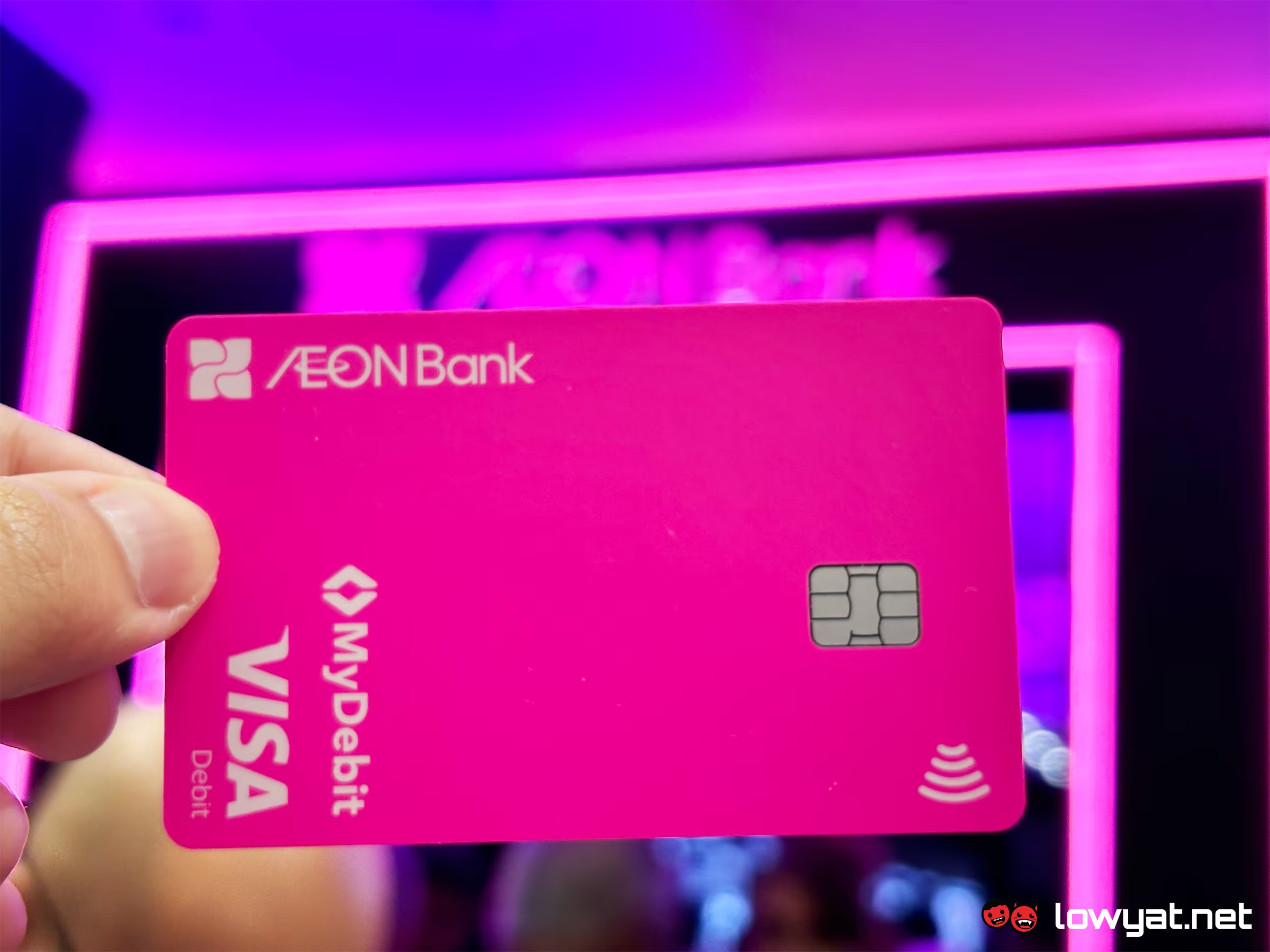
    In a significant move to enhance digital banking access, AEON Bank has announced a partnership with foodpanda Malaysia aimed at boosting financial services among the platform’s extensive user base, which includes customers, delivery riders, merchants, and business partners. This collaboration, formalized under a memorandum of understanding, seeks to combine their strengths in customer acquisition, digital financing, and joint promotional campaigns.

    A Bold Step for Islamic Digital Banking

    As Malaysia’s first Islamic digital bank, AEON Bank stands at the forefront of innovation in finance. “We are excited to bring added value to foodpanda’s riders and merchants by providing them access to digital banking, rewards programs, and services that will enhance their overall experience,” stated YM Raja Datin Paduka Teh Maimunah Raja Abdul Aziz, the bank’s CEO.

    Linking Platforms for Greater Impact

    The partnership aims to utilize foodpanda’s vast network in conjunction with AEON Bank’s Shariah-compliant financial products and AEON Points loyalty program. Teh Maimunah emphasized that this integration will significantly impact target segments, particularly gig workers and micro, small, and medium enterprises (MSMEs). “Our goal is to drive growth and engagement within these communities,” she added, hinting at a future where digital banking and food delivery intersect seamlessly.

    The Future of Food Delivery and Online Grocery Shopping

    Both companies are optimistic about contributing to Malaysia’s burgeoning food delivery and online grocery sector. Projections suggest that user penetration in this market could climb to 34.2% by 2025, translating to over 14.5 million users by 2030. Who knew that a simple meal delivery service could serve as a gateway to financial empowerment?

    Signing the memorandum of understanding were Teh Maimunah and Tan Ming Luk, the Managing Director of foodpanda Malaysia, marking the beginning of a partnership that promises to reshape the digital finance landscape for many in Malaysia.

    Questions & Answers

    What is the main goal of the partnership between AEON Bank and foodpanda Malaysia?
    The partnership aims to enhance digital banking access and services for foodpanda’s wide array of users, including customers, riders, and merchants, while fostering customer acquisition and growth for both companies.

    How does AEON Bank intend to support gig workers and MSMEs through this collaboration?
    AEON Bank plans to provide Shariah-compliant financial products and integrate its AEON Points loyalty program to offer meaningful services that cater to the specific needs of gig workers and micro, small, and medium enterprises.

    What are the projected figures for Malaysia’s food delivery and online grocery sector?
    User penetration in this sector is expected to reach 34.2% by 2025, with forecasts indicating over 14.5 million users by the year 2030.

  • Malaysia Imposes MYR3.44 Million Fine on Bank Islam for Service Disruptions and Compliance Failures

    Malaysia Imposes MYR3.44 Million Fine on Bank Islam for Service Disruptions and Compliance Failures

    Amidst evolving regulatory landscapes, Bank Islam Malaysia Berhad (BIMB) finds itself in hot water as Malaysia’s central bank, Bank Negara Malaysia (BNM), imposes a financial penalty due to service disruptions and compliance failures. The bank has been penalized a total of MYR3.44 million for a series of unfortunate events that impacted its banking services and risk management practices.

    Unplanned Downtimes Shake Customer Trust

    BIMB drew the central bank’s ire with a fine of MYR1.74 million after experiencing multiple unplanned downtimes between June 1, 2023, and December 31, 2024. These outages severely affected its e-banking channels, debit card services, and online payment transactions. BNM disclosed that these disruptions resulted from BIMB’s delayed response and lack of a robust recovery process, ultimately causing turmoil for customers relying on essential banking services.

    Compliance Breaches Compound Troubles

    In addition to service lapses, BIMB faced a separate penalty of MYR1.7 million for failing to comply with anti-money laundering and combating the financing of terrorism (AML/CFT) regulations. According to BNM, an on-site examination revealed alarmingly inadequate sanctions screening processes within BIMB’s systems.

    The bank’s noncompliance was further exacerbated by its failure to timely screen its entire customer database against the Domestic List following updates published in the Federal Gazette in 2022 and 2023. This oversight delayed the identification of matches for three specified entities, raising significant concerns regarding the bank’s anti-financial crime measures.

    A Wake-Up Call for Financial Institutions

    The penalties imposed on BIMB highlight the critical need for financial institutions to maintain rigorous compliance protocols and ensure their systems are equipped to handle unexpected challenges. While BIMB may have caught a few unfortunate breaks, the overarching lesson remains: in the fast-paced world of banking, a blip in service can ripple out to many unsuspecting customers, making swift mitigation a must. Warning bells ringing, BIMB now has a stern reminder that effective risk management is as essential as delivering seamless service.

    Questions & Answers

    What prompted Bank Negara Malaysia to impose penalties on BIMB?
    The penalties stemmed from a series of unplanned downtimes affecting services and shortcomings in compliance with AML/CFT regulations.

    How much total financial penalty was levied against BIMB?
    BIMB faced a total penalty of MYR3.44 million, which includes MYR1.74 million for service disruptions and MYR1.7 million for compliance failures.

    What were some specific compliance failures identified by Bank Negara Malaysia?
    BIMB failed to conduct timely sanctions screening for its customer database, which led to delays in identifying matches for three specified entities.

  • U-Mobile and MICTH Join Forces to Speed Up 5G Expansion Across Malacca

    U-Mobile and MICTH Join Forces to Speed Up 5G Expansion Across Malacca

    U Mobile has officially partnered with Melaka ICT Holdings Sdn Bhd (MICTH) through a memorandum of understanding (MoU) that seeks to accelerate the deployment of U Mobile’s Next Gen 5G network within the region of Malacca. This collaboration is poised to bring faster, more reliable connectivity to consumers and businesses alike.

    Strengthening Infrastructure for a Digital Future

    Under the terms of this agreement, MICTH will provide U Mobile with access to its extensive tower and site infrastructure, along with essential support for site implementations throughout the state. The two organizations plan to leverage their combined expertise to establish an efficient rollout process for 5G technology, enabling a broader and quicker expansion of coverage.

    Woon Ooi Yuen, U Mobile’s Chief Technology Officer, expressed enthusiasm about the collaboration, emphasizing MICTH’s pivotal role in driving rapid deployment in the state. “As Malacca’s state-backed ICT leader, MICTH plays a vital role in accelerating deployment in the state, supporting our ambition to achieve 80% nationwide CoPA by the second half of 2026,” Woon remarked. He added that this partnership will significantly enhance 5G connectivity, propelling both consumer experiences and enterprise capabilities, while also aligning with Malacca’s broader digital transformation strategy to grow its digital economy.

    A Vision for Inclusive Connectivity

    Dr. Nazdiana Ab Wahab, CEO of MICTH, reiterated the organization’s commitment to fostering seamless and inclusive connectivity throughout Malacca. “MICTH remains steadfast in its commitment to ensuring seamless and inclusive connectivity across the state, supporting Malacca’s digital transformation and infrastructure development for the benefit of the economy and the people of Malacca,” she stated, encapsulating the ambition behind the partnership.

    The MoU was formalized during an appreciation ceremony held in Kuala Lumpur, coinciding with the Malacca State Telecommunication Synergy event. Key figures in attendance included U Mobile’s Head of Network Programs and Rollout, Jaime Chee Kar Yean, as well as Datuk Fairul Nizam Roslan, the Malacca Executive Council Member for Science, Technology, Innovation, and Digital Communication. The occasion was graced by the presence of Malacca Chief Minister, Datuk Seri Utama Ab Rauf Yusoh, and State Secretary, Datuk Azhar Arshad.

    Questions & Answers

    What is the primary goal of the MoU between U Mobile and MICTH?
    The main goal of the MoU is to accelerate the rollout of U Mobile’s Next Gen 5G network in Malacca, enhancing connectivity for consumers and businesses across the state.

    How will MICTH support U Mobile in this partnership?
    MICTH will provide U Mobile access to its tower and site infrastructure, along with comprehensive assistance for site implementations to facilitate the deployment of 5G technology.

    Who were the key figures present at the signing of the MoU?
    The signing was attended by notable figures including U Mobile’s Head of Network Programs, Jaime Chee Kar Yean, Malacca Executive Council Member Datuk Fairul Nizam Roslan, and Chief Minister Datuk Seri Utama Ab Rauf Yusoh, among others.

  • Maxis Teams Up with Aduna to Transform Network API Innovation in Retail Sector

    Maxis Teams Up with Aduna to Transform Network API Innovation in Retail Sector

    In a significant move to stimulate digital innovation across Malaysia, Maxis has entered into a partnership with Aduna and Ericsson aimed at promoting standardized network application programming interfaces (APIs). This collaboration was unveiled through a memorandum of understanding (MoU) at the GSMA Digital Nation Summit held recently in Singapore. The initiative promises to give developers and businesses streamlined access to Aduna’s extensive platform of common network APIs, empowering Malaysian enterprises to harness Maxis’s robust connectivity and network capabilities to explore new opportunities and roll out next-generation services.

    Accelerating API-Driven Solutions

    Through this partnership, Maxis, Aduna, and Ericsson are poised to accelerate the development and deployment of API-driven solutions, significantly cutting down the time required to introduce new features and services. The initial focus is on high-impact APIs, including number verification, SIM swapping, customer identity verification (KYC), and location verification. These innovative tools are crucial for combating digital fraud and enhancing online transaction security, particularly benefiting sectors such as financial services and e-commerce, which increasingly rely on e-wallet solutions and expansive digital infrastructures.

    A Universal Link for Innovation

    Furthermore, the advent of network APIs is paving the way for unprecedented opportunities across various sectors, acting as a universal link for software and applications to interact seamlessly. With enhanced accessibility and integration, businesses can deploy solutions rapidly that operate efficiently across different mobile networks and markets, thereby benefitting a myriad of industries and their end users. It’s like seamlessly blending different ingredients into a perfect digital dish—tasty and efficient.

    Voices from the Leaders

    Prateek Pashine, Chief Enterprise Business Officer of Maxis, emphasized the company’s mission: “Our mission is to equip businesses with the tools they need to innovate for tomorrow, today. APIs play a critical role in the modern digital economy, and Maxis is committed to leveraging them to unlock greater value for businesses. Through this partnership with Aduna, we can enable the development of more secure, user-centric services backed by seamless access to advanced network APIs.”

    Meanwhile, Anthony Bartolo, CEO of Aduna, highlighted the broader impact of this collaboration: “Aduna is committed to building a global ecosystem that accelerates the next wave of digital innovation. Our platform enhances connectivity, allowing for seamless collaboration between developers, enterprises, and telecom providers to drive innovation. We are thrilled to partner with Maxis, a leader whose commitment to digital empowerment is clear. This collaboration will bring our unified network APIs to one of Southeast Asia’s most dynamic digital economies, providing businesses in Malaysia with access to powerful and scalable solutions.”

    Championing Open Standards

    This partnership is a testament to Maxis’s dedication to supporting global open standards and protocols, fully aligning with the GSMA Open Gateway framework and the CAMARA Project. In 2024, Maxis took a pioneering role as an early supporter of the Bridge Alliance API Exchange (BAEx) initiative, designed to aggregate telecom APIs across the Asia Pacific region while facilitating API adoption. The initiative provides developers and businesses seamless access to a variety of telecom assets. Additionally, Maxis has been involved in the world’s first international federation of telecom APIs, working alongside telecom companies from Malaysia, Thailand, and Singapore, to provide enterprises with real-time telecom network data for enhanced authentication and fraud prevention.

    This initiative underscores Maxis’s commitment to being a key player in Malaysia’s digital evolution. By advocating for the adoption of open, interconnected APIs, Maxis is not just leading the charge in Malaysia’s digital transformation; they are also creating sustainable value for customers, partners, and an entire ecosystem of industries.

    Questions & Answers

    What are the key benefits of the partnership between Maxis, Aduna, and Ericsson?
    The partnership aims to accelerate the development and deployment of API solutions, enabling quicker launches of new features and enhanced security against digital fraud, particularly in financial services and e-commerce.

    What types of APIs will the collaboration initially focus on?
    The initial focus will be on high-impact APIs including number verification, SIM swaps, customer identity verification (KYC), and location verification, critical for securing online transactions.

    How does this partnership align with Maxis’s broader goals?
    This collaboration aligns with Maxis’s commitment to global open standards and the GSMA Open Gateway framework, supporting Malaysia’s digital transformation by promoting accessible and innovative API solutions.

  • Malaysia Cuts RON95 Fuel Price to 47 Cents Per Liter—A Boost for Cost of Living Relief!

    Malaysia Cuts RON95 Fuel Price to 47 Cents Per Liter—A Boost for Cost of Living Relief!

    In a significant announcement, Prime Minister Anwar Ibrahim revealed that the rationalization of the RON95 fuel subsidy will lead to lower fuel prices for Malaysians. This change, which has been eagerly anticipated, is set to roll out by the end of September, according to reports from the New Straits Times.

    As both Prime Minister and Finance Minister, Anwar confirmed that the subsidy will not extend to foreigners, who will instead pay market rates. The initiative is designed to aid approximately 18 million motorists across the nation, including young drivers starting at age 16 and those navigating the gig economy.

    Currently, Malaysian drivers benefit from a fixed rate of RM2.05 per liter for RON95, a cost kept low through government subsidies aimed at supporting lower-income households. Anwar emphasized the financial weight of these subsidies, stating, “In 2023 and 2024 alone, subsidies for RON95 were estimated to cost nearly RM20 billion annually.” He contrasted the situation, noting that even amid a decline in global oil prices, the unsubsidized price sits around RM2.50 per liter — a stark increase from what locals currently pay.

    The upcoming price adjustment is part of a broader strategy to mitigate the cost-of-living challenges faced by many. This initiative coincides with an expanded sales and service tax implemented on July 1, as highlighted by Bloomberg. A key feature of this package is a one-off cash handout of RM100, which is expected to begin distribution on August 31.

    There has been concern surrounding the subsidy plan, initially slated for mid-2025, particularly regarding its potential to spark inflation alongside the recent tax changes. However, Anwar sought to quell these worries on Wednesday, reassuring the public that the plan is tailored to assist average Malaysians while curbing potential misuse of the subsidies by wealthier individuals.

    “What’s certain is that just like the approach of targeted electricity subsidies, the government gives its assurance that ordinary citizens won’t be affected,” he maintained, as reported by The Star. This assurance should come as a breath of fresh air — like finding a cold drink on a hot day — to those concerned about rising living costs.

    Questions & Answers

    What prompted the fuel subsidy changes in Malaysia?
    The changes are part of a broader strategy to alleviate cost-of-living pressures for Malaysians while eliminating subsidies for wealthier individuals.

    How many people will benefit from the RON95 subsidy?
    Approximately 18 million Malaysians, including young drivers and gig economy workers, will benefit from the revised subsidy structure.

    When will the changes to fuel prices take effect?
    The rationalization of the subsidy is expected to take effect by the end of September, with further details to be announced soon.

  • Singapore and Malaysia Casinos Set to Flourish Amid Rising Wave of Chinese Gamblers

    Singapore and Malaysia Casinos Set to Flourish Amid Rising Wave of Chinese Gamblers

    Gross gaming revenue in Singapore, Malaysia, and the Philippines is on track to match or even surpass pre-pandemic levels, thanks to a surge in visitation and a thriving domestic market, as revealed in a recent report by S&P Global. The research underscores the enduring resilience of the gaming sector in these Southeast Asian nations, with a special nod to the influence of returning Chinese tourists.

    The influx of visitors, particularly from China, has been a game-changer for the region, with arrivals in both Malaysia and Singapore rebounding to pre-pandemic levels. Analyst Ong Hwee Yee from S&P Global emphasizes the importance of the premium mass gaming sector as a key revenue driver. “Affluent players are generally less affected by economic downturns compared to lower-income groups,” she noted, reflecting an optimistic outlook for engagement in this segment.

    A noteworthy shift occurred when Singapore lifted visa restrictions for Chinese travelers in February 2024, which led to a remarkable 50% increase in gaming revenue year-on-year during the first quarter. Not wanting to miss out, Malaysia introduced a similar visa policy only ten months later as it seeks to capitalize on the renewed interest.

    Genting Bhd, one of the region’s titans in hospitality and gaming, is also making headlines with its ambitious venture to establish a casino in New York City. Analysts at S&P Global have flagged this as a potential “event risk,” suggesting that success in securing a full casino license could solidify Genting’s standing in the competitive U.S. market, especially by leveraging the existing Resorts World New York City infrastructure. However, not obtaining this license could dampen its New York prospects significantly.

    Elsewhere in the Asia-Pacific, the casino landscape is facing challenges. While Singapore and Malaysia thrive, S&P Global warns that Cambodia’s gaming industry will see a slow recovery, largely due to a crackdown by China on junket operators involved in money laundering and corruption. These operators accounted for about 70% of Cambodia’s gross gaming revenue as of 2019, a stark reminder of how external factors can ripple through local economies.

    The legalization of casinos in Thailand has hit a roadblock as the government recently withdrew a flagship proposal put forth by suspended Prime Minister Paetongtarn Shinawatra. With betting remaining largely illegal, some lawmakers continue to advocate for legal casinos as a potential lifeline for the struggling tourism sector. Ong describes Thailand’s casino market as “massive” in potential, yet she cautions that such a development might impact neighboring markets.

    In the digital sphere, online gambling in the Asia-Pacific region is projected to soar to US$20.9 billion this year, representing a growth of 12.8% from the previous year. Factors such as technological advancements and changing consumer preferences are propelling this growth, while the region’s considerable population, rising smartphone penetration, and increasing disposable incomes signal a robust compound annual growth rate of 12.77% anticipated between 2025 and 2033.

    Questions & Answers

    What key factors are driving the recovery of gaming revenue in Southeast Asia?
    The recovery is largely attributed to increased visitation from Chinese tourists and a robust domestic market, along with the premium mass gaming sector, which remains a strong revenue driver.

    How is Genting Bhd positioning itself in the U.S. market?
    Genting Bhd is exploring the establishment of a casino in New York City, which could enhance its competitiveness in the U.S. if it successfully secures a full casino license, leveraging its existing Resorts World New York City infrastructure.

    What challenges do Cambodia’s casinos currently face?
    Cambodia’s casinos are grappling with a slow revenue recovery, particularly due to China’s crackdown on junket operators tied to money laundering, which had previously accounted for a significant portion of their gross gaming revenue.

  • YTL Debuts 4G MOCN Site in Penang, Boosting Mobile Connectivity Along the Coastline

    YTL Debuts 4G MOCN Site in Penang, Boosting Mobile Connectivity Along the Coastline

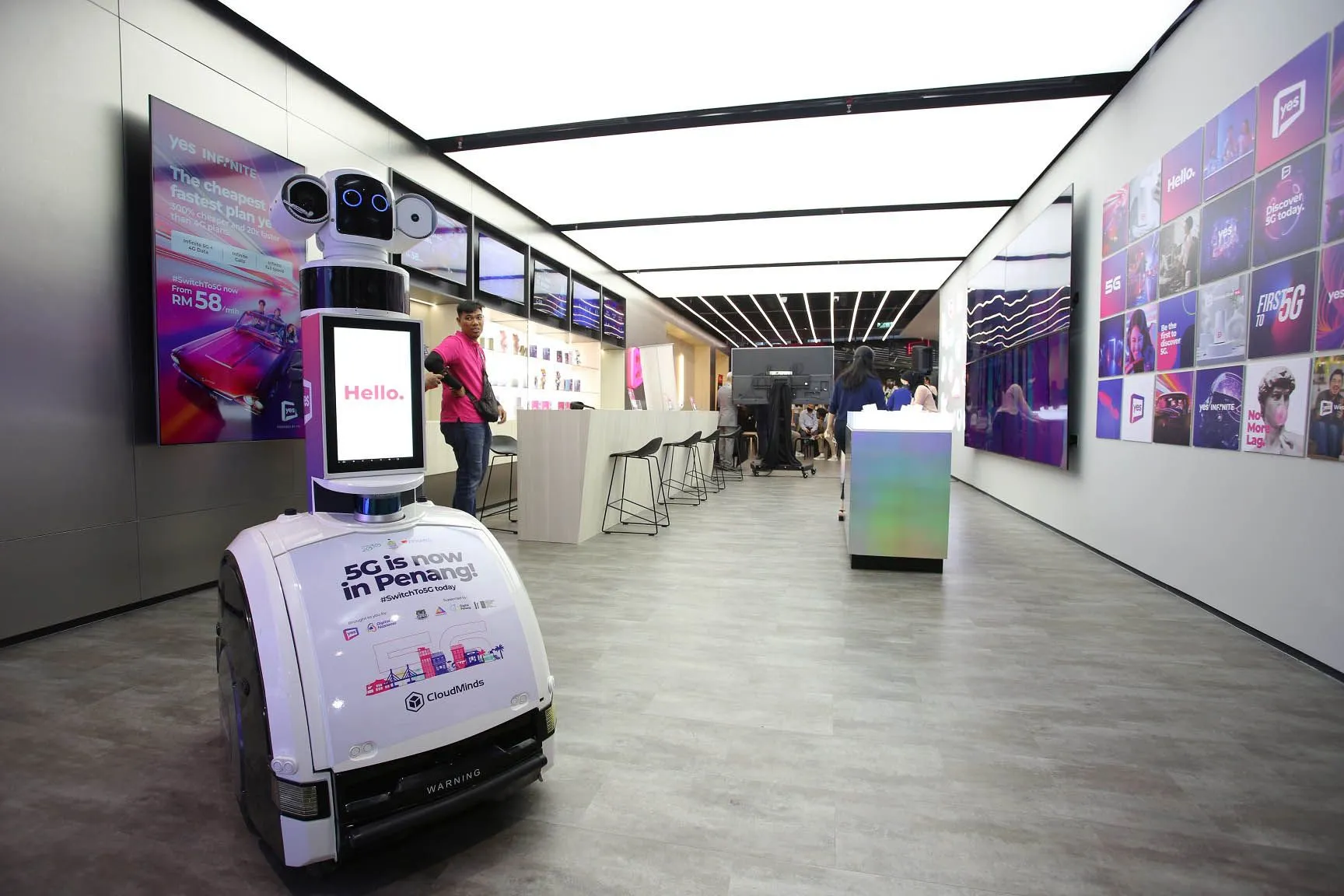
    In a significant step towards enhancing mobile connectivity in Malaysia, YTL Communications has launched a fully functional multi-operator core network (MOCN) 4G base station in Gertak Sanggul, a picturesque coastal suburb of George Town. This initiative aligns with the government’s ambitious plan to promote infrastructure sharing and ensure comprehensive mobile coverage along key roadways.

    The new facility, powered by ZTE’s advanced radio equipment, was developed in collaboration with infrastructure partner Konsortium Jaringan Selangor (KJS), which remarkably completed the deployment within a month. This rapid execution is particularly impressive given the site’s challenging coastal engineering conditions, including sandy, unstable soil and the looming threat of saltwater corrosion.

    Bridging Connectivity Gaps

    This MOCN base station is not just a technological achievement; it’s a lifeline for over 500 residents and 350 daily commuters in the area. Previously, underserved fishing communities struggled with unreliable mobile service. Now, they can access crucial connectivity as they go about their lives and work.

    “By using Yes network equipment and spectrum to host all of Malaysia’s major mobile telcos, we have demonstrated that this innovative network infrastructure sharing approach can effectively enhance coverage nationwide for the benefit of the Rakyat,” said Wing K. Lee, CEO of YTL Communications, during the launch event. It’s safe to say that the days of hanging up on dead zones may soon become a thing of the past—not that anyone misses those awkward silences.

    Driving Digital Inclusion

    This project is part of the Malaysian government’s “Di Mana Ada Jalan, Di Situ Ada Internet” (Where There’s A Road, There’s Internet) campaign, aimed at eradicating mobile coverage gaps in the country. Under the broader Network Infrastructure Sharing Framework (NISF), Communications Minister Fahmi Fadzil revealed that telcos are required to adopt a “6-Way 4G MOCN” model to expedite equitable connectivity for all.

    Fadzil, who was present for the launch, highlighted that the Malaysian Communications and Multimedia Commission (MCMC) is actively collaborating with the Malaysian Highway Authority (Lembaga Lebuhraya Malaysia, LLM) to pinpoint around 50 kilometers of roadways still lacking mobile coverage. “There are several key locations currently under discussion, and my hope is that these can be included in Phase Two of the National Digital Network Plan (JENDELA), as many of these areas will likely require new tower construction,” he added.

    Questions & Answers

    What is the significance of the new MOCN base station in Gertak Sanggul?
    The MOCN base station enhances mobile connectivity for over 500 residents and 350 daily commuters, addressing previous coverage gaps that affected underserved fishing communities.

    How does the “Di Mana Ada Jalan, Di Situ Ada Internet” campaign work?
    This government initiative aims to eliminate mobile coverage gaps by requiring telecommunications companies to implement a “6-Way 4G MOCN” model, improving connectivity nationwide.

    What are the future plans for mobile coverage in Malaysia?
    The Malaysian Communications and Multimedia Commission is working with the Malaysian Highway Authority to identify additional roadways lacking coverage, with hopes to address these gaps in Phase Two of the National Digital Network Plan.

  • Malaysia’s Banks Report 5.3% Loan Growth in May, Driven by Construction Sector Surge

    Malaysia’s Banks Report 5.3% Loan Growth in May, Driven by Construction Sector Surge

    The retail landscape in Asia is witnessing a striking transformation as digital shopping experiences increasingly complement traditional brick-and-mortar stores. Consumers are embracing a fusion of online convenience and in-store engagement, creating a unique shopping atmosphere that retailers must navigate. The latest insights reveal a dynamic shift toward omnichannel strategies, illustrating how brands are innovating to meet evolving consumer needs.

    A Surge in Omnichannel Shopping

    In recent months, surveys indicate that 70% of consumers across major Asian markets prefer a blend of online and in-store shopping. This trend reflects a desire for the tactile experience of physical stores along with the efficiency of digital transactions. While retailers once focused on building standalone online platforms, the game has shifted. Brands are now racing to create seamless shopping experiences that engage consumers at multiple touchpoints — whether through mobile apps, social media, or classic storefronts.

    Consumer Preferences are Shifting

    Surprisingly, a recent study found that 58% of millennials are likely to make impulse purchases driven by social media ads. Brands like Shopee and Lazada are capitalizing on this trend by integrating social commerce features into their platforms, transforming how products are showcased and sold. The playfulness of an Instagram story can lead to a purchase just as easily as a walk through a retail aisle.

    Retailers Embrace AI and Personalization

    Amid this transformative environment, artificial intelligence is emerging as a vital tool for personalization. Retailers are harnessing AI algorithms to analyze consumer behavior and tailor shopping experiences that resonate with individual preferences. The results are impressive, with brands reporting up to 30% increases in conversion rates when leveraging AI-driven personalization strategies. As one industry insider noted, “When your shopping experience feels like it was designed just for you, how can you resist?”

    The Role of Sustainability in Consumer Choices

    Moreover, sustainability is becoming a pivotal factor in consumer purchasing decisions. A staggering 65% of shoppers in Asia now prioritize buying from brands that demonstrate strong environmental commitments. Eco-conscious initiatives, such as sustainable packaging and ethical sourcing, are more than just buzzwords; they are becoming essential components of a brand’s identity in today’s market. Retail giants are not just selling products; they’re selling values, and consumers are taking note.

    Looking Ahead: Challenges and Opportunities

    As the retail sector continues to evolve, challenges persist. Supply chain disruptions and shifting regulatory landscapes test the resilience of even the most established brands. Yet, with every challenge comes an opportunity. Retailers that adapt to these changing dynamics—through enhanced technology integration, innovative customer engagement strategies, and a commitment to sustainability—are poised to thrive in the new era of retail.

    Questions & Answers

    What percentage of consumers in Asia prefers a combination of online and in-store shopping?
    Seventy percent of consumers across major Asian markets prefer a blend of both online and in-store shopping, reflecting the increasing demand for omnichannel experiences.

    How is social media influencing shopping habits in Asia?
    A study showed that 58% of millennials are likely to make impulse purchases due to social media ads, driving retailers to integrate social commerce features into their platforms.

    What role does sustainability play in consumer purchasing decisions?
    Approximately 65% of shoppers in Asia prioritize buying from environmentally conscious brands, making sustainability a critical factor in brand loyalty and purchasing behavior.

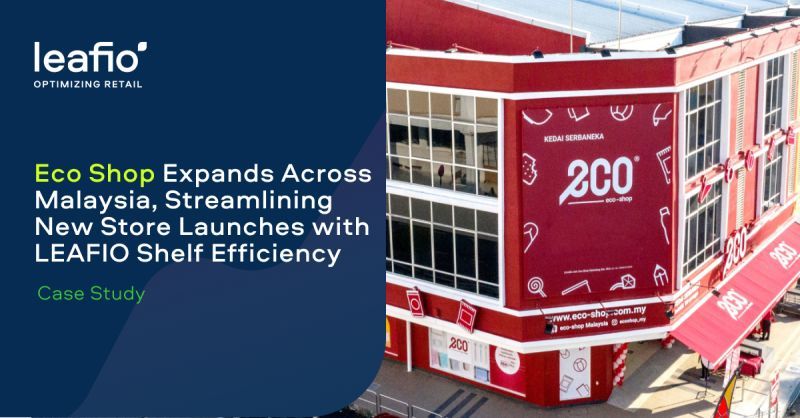
  • Eco Shop Expands Across Malaysia, Streamlining New Store Launches with LEAFIO Shelf Efficiency

    Eco Shop Expands Across Malaysia, Streamlining New Store Launches with LEAFIO Shelf Efficiency

    Eco Shop, a prominent household goods retail chain in Malaysia, operates more than 250 stores nationwide. Renowned for offering an extensive selection of home goods at affordable prices, Eco Shop is committed to making life easier for its customers by delivering the best prices right in their neighborhoods.

    As part of its continuous effort to innovate and improve customer experience, Eco Shop recently implemented LEAFIO Shelf Efficiency, an advanced software solution for planogram management and optimization. This initiative marked a significant upgrade from their previous system and has transformed their merchandising process.

    Challenges before implementation

    Before adopting LEAFIO Shelf Efficiency, Eco Shop’s merchandising and planogram management faced several challenges:

    • Manual processes: The team relied on Excel sheets to manage the product library, making the planogram creation process cumbersome and time-consuming.
    • Lack of integration: There was no direct product status update from the merchandising team to the planogram team, leading to inefficiencies and communication gaps.
    • Inability to compare store ranges: The team struggled to compare product ranges across different stores, limiting their ability to optimize merchandising strategies effectively.

    These challenges drove Eco Shop to seek a robust planogram system that could digitize their merchandising process and deliver specific outcomes:

    1. Establish a new product merchandising structure.
    2. Enhance the efficiency of the merchandising process in stores.
    3. Improve the creation of category-specific planograms with varied space allocations.
    4. Reduce the time required for planogram execution in stores.
    5. Support efficient planogram management for both existing stores and new store openings.

    Why LEAFIO Shelf Efficiency?

    Eco Shop chose LEAFIO Shelf Efficiency for several compelling reasons:

    • Data-driven innovation: LEAFIO AI’s data-driven solution is new to the Malaysian market, offering cutting-edge technology that could provide significant competitive advantages.
    • Superior user experience: Based on Eco Shop’s prior experience with software solutions, LEAFIO AI stood out in terms of its mobile application, which is designed to deliver high-quality outputs to store end users.
    • Cost efficiency: The software’s pricing structure was deemed cost-effective, providing excellent value for its features and benefits.

    Benefits of implementation

    Eco Shop 100% projected and launched the new store using the LEAFIO Shelf Efficiency system. The integration has also yielded multiple tangible benefits for the retailer:

    #1 Data-driven planograms

    Leveraging data-driven merchandise planning, Eco Shop can now optimize or generate planograms based on sales analytics, ensuring a balance between visual appeal and effectiveness.

    #2 Streamlined processes

    The software has significantly decreased employees’ time creating, implementing, and optimizing planograms, making the overall merchandise planning process more efficient.

    #3 Multi-store management

    With LEAFIO Shelf Efficiency, Eco Shop can seamlessly manage hundreds of planograms across its retail chain, easily accommodating various store layouts.

    #4 Resource optimization

    LEAFIO AI’s solution helps Eco Shop overcome resource limitations, whether spatial or human, by enabling efficient management of their merchandising needs.

    #5 Improved planogram compliance

    The software ensures that planogram compliance is consistently met, increasing sales and maintaining the retailer’s reputation with flawless display execution.

    Implementation results

    Selected Categories: Candy, Laundry, and Bath & Shower

    1. Sales Impact Analysis of the selected planograms

    Category: Candy

    Sales Effect on Dynamics: +18.5%

    Sales in Units Effect on Dynamics: +18.4%

    Key Insights:

    Significant improvement in sales within the Candy category.

    Sales per month increased, reflecting a positive shift of 32.4%.

    Category: Laundry

    Sales Effect on Dynamics: +24.3%

    Sales in Units Effect on Dynamics: +31.6%

    Key Insights:

    Strong performance in the Laundry category, with notable improvements in sales.

    Sales per month increased, showing a growth of 24%.

    Category: Bath & Shower

    Sales Effect on Dynamics: +23.9%

    Sales in Units Effect on Dynamics: +13.5%

    Key Insights:

    Positive dynamics in the Bath & Shower category, though the growth rate is slightly lower compared to other categories.

    Sales per month increased, showing an improvement of 3.1%.

    2. Additional metrics analysis for categories (including products not on the planogram)

    Sales per Meter

    Candy: +32.4%

    Laundry: +24%

    Bath & Bodyshower: +3.1%

    Client testimonial

    “We would like to express our sincere appreciation for the exceptional software solutions and service LEAFIO AI’s team has provided us at Eco Shop Marketing Sdn Bhd. We are delighted with the first store’s 100% planogram build result and look forward to continuing our partnership. The floor planning, shelf planning, and mobile apps have been particularly impressive,” remarked the Eco Shop SRD team.

    Key advantages noted by Eco Shop’s users

    Eco Shop has recognized several unique advantages and results following the implementation of LEAFIO Shelf Efficiency:

    • User-friendly Interface: The software is simple to use, making it easy for users to create, edit, and visualize planograms. The intuitive interface allows for efficient navigation and task performance.
    • Flexibility in design: LEAFIO offers flexibility in designing planograms to suit different store layouts, product categories, and display preferences, ensuring each store can be tailored to its unique needs.
    • Analytics and reporting: The software provides valuable insights into sales performance, space utilization, and planogram compliance, allowing Eco Shop to optimize its store space effectively.
    • Cost-effectiveness: LEAFIO Shelf Efficiency offers a pricing structure that provides excellent value for money and aligns well with Eco Shop’s organizational needs.
    • Mobile integration: The mobile app is seamlessly integrated with in-store handheld scanners, allowing store teams to access floor plans and category planograms created and published by the SRD team.

    “Furthermore, we commend LEAFIO AI’s team for their expertise and proactive approach to addressing our needs. Their responsiveness and dedication to understanding our requirements have made working with LEAFIO AI a truly collaborative and enjoyable experience. Their commitment to excellence and innovation has significantly contributed to our success in setting up, providing user training, trialing, implementing, and launching LEAFIO AI in our organization,” concluded the Eco Shop SRD team.

    ***

    With LEAFIO Shelf Efficiency, Eco Shop is poised to continue its expansion across Malaysia, opening new stores with a streamlined and optimized merchandising process that enhances customer experience and operational efficiency.



  • Kuala Lumpur’s Prime Residential Market Set for Exciting Growth Ahead

    Kuala Lumpur’s Prime Residential Market Set for Exciting Growth Ahead

    Two projects were completed and another two were launched in Q1.

    Prime Residential Sector on the Rise

    Kuala Lumpur’s prime residential sector is gearing up for significant expansion, buoyed by a post-pandemic recovery, supportive government initiatives aimed at bolstering homeownership, and innovative financing options like green home programmes. These factors are not just catching the eye of locals—they’re also enticing foreign investors eager to tap into a market poised for growth.

    A recent report by JLL underscores this promising outlook. “Ongoing infrastructure developments are expected to enhance the appeal of suburban areas and transit-oriented developments, while the city’s affordability compared to other Asian markets should continue to drive investment, despite global economic challenges,” the report revealed. It paints a picture of a landscape ripe with opportunity.

    Dynamic Growth Despite Market Concerns

    As Kuala Lumpur shakes off the remnants of the pandemic, its prime residential sector is seeing a remarkable resurgence, characterized by rising sales and property values. However, experts urge a tempered enthusiasm, noting that concerns about potential market overheating necessitate cautious optimism for the medium term.

    Newly launched and ongoing projects are witnessing robust interest, with take-up rates fluctuating between 30% to 50%. Soft-launch schemes have also experienced promising booking levels, highlighting a healthy appetite in the market that just might surprise those who thought buyers had soured on the idea of investing.

    New Developments Take Center Stage

    This quarter saw the completion of two substantial residential developments, Allevia and Sunway Belfield, which together contributed 1,624 units to the market. Simultaneously, two new projects, CloutHaus Residence and Hanaz Suites, have been introduced, adding 955 units to the mix. The infusion of these developments speaks volumes about the resilience and sustained interest in Kuala Lumpur’s real estate.

    Favorable Conditions for Investors

    The attractiveness of the prime residential market continues to hold firm, with stable rates and competitive pricing serving as a magnet for investors even amid global economic uncertainties. Bank Negara Malaysia has kept the Overnight Policy Rate steady at 3.00% since May 2023, fostering a conducive atmosphere for borrowing. This policy has made mortgages more accessible and affordable, further stimulating demand for property investment.

    Despite pervasive global inflationary pressures, Kuala Lumpur’s prime residential market remains appealing, characterized by property prices that are among the most affordable in Asia. This affordability continues to attract both local and foreign investors looking to navigate the choppy waters of today’s economic landscape.

    Questions & Answers

    What factors are driving growth in Kuala Lumpur’s residential sector?
    Post-pandemic recovery, government initiatives supporting homeownership, and innovative financing options, such as green home programmes, are key motivators behind the growth.

    How have the recent projects performed in the market?
    Newly launched and ongoing projects boast solid take-up rates ranging from 30% to 50%, indicating a healthy appetite among buyers.

    What makes Kuala Lumpur’s prime residential market appealing to investors?
    Stable pricing and competitive rates, in conjunction with accessibility to affordable mortgages thanks to a maintained Overnight Policy Rate, make Kuala Lumpur an attractive proposition for investors in comparison to other Asian markets.

  • Lidl Expands Supply Chain Strategy by Tapping into Vietnam and Malaysia Markets

    Lidl Expands Supply Chain Strategy by Tapping into Vietnam and Malaysia Markets

    In a strategic move to bolster its supply chains amidst global uncertainties, Lidl, one of Europe’s largest supermarket chains, is setting its sights on sourcing more products from Vietnam and Malaysia. This shift marks a significant step in the company’s ongoing efforts to diversify its supply chain and mitigate risks associated with reliance on traditional markets.

    Part of Germany’s influential Schwarz Group, Lidl’s expansion strategy includes an impressive milestone: the establishment of its Tailwind Shipping Lines in 2022. This venture was launched in the wake of the COVID-19 pandemic, designed to streamline logistics and enhance control over its supply chain operations, specifically from regions such as China, Bangladesh, and Sri Lanka to its European stores. In a surprising twist, Tailwind has quickly risen to become Germany’s second-largest shipping company, boasting a fleet of nine container ships.

    As Lidl navigates these turbulent waters of the global marketplace, its focus on Vietnam and Malaysia not only reflects a pragmatic response to supply chain vulnerabilities but also highlights the increasing importance of Southeast Asia in global retail sourcing. The company’s proactive strategy serves as a case study for others in the industry, showcasing how adaptability is crucial for thriving in an ever-evolving economic landscape.

    Questions & Answers

    What motivated Lidl to increase sourcing from Vietnam and Malaysia?
    Lidl aims to diversify its supply chains amid global uncertainties, minimizing reliance on traditional markets, especially after disruptions caused by the COVID-19 pandemic.

    What is Tailwind Shipping Lines, and why is it significant for Lidl?
    Tailwind Shipping Lines, launched by Lidl’s parent company Schwarz Group, allows for tighter control over logistics and has quickly become Germany’s second-largest shipping firm, enhancing the efficiency of getting goods to Lidl stores.

    How does Lidl’s strategy reflect broader trends in global retail?
    Lidl’s move underscores the growing importance of Southeast Asia for retail sourcing, highlighting the need for companies to adapt quickly to supply chain challenges in a rapidly changing economic environment.