Tag: Malaysia

  • Strong demand in Brunei for Muslimah fashion

    Strong demand in Brunei for Muslimah fashion

    Malaysian designers and retailers of Muslimah fashion brands have found a strong demand in Brunei following exhibitions in the sultanate.

    One of the owners of Malaysian Muslim fashion outlet Busana Saizara, Ani Aizara, says she found Brunei “a very good place to do business” when she attended this year’s Brunei International Trade and Consumer Exhibition (BITC) for the first time. She followed up by taking part in the Brunei Islamic Fashion Exhibition (Bifex) last month.

    Aizara says her sales were so overwhelmingly positive during Bifex she had to ship more items over to replenish her stock, and her company is now in discussions with online store Dee Collections, which is interested in carrying the brand in Brunei.

    “We will hopefully be signing an MOU very soon,” says Aizara.

    Another Malaysian fashion store, House of Doll, also received encouraging sales at Bifex, reports The Brunei Times. The company launched its Hijab body mists and doll scarves during the expo before launching them in Kuala Lumpur.

    A company spokesman says it has already found a reseller for its new products and will be looking for more Brunei distributors before the end of the year.

    Sakura Malaysia brand director Suraya Sharifuddin says her brand has a strong following in Brunei through online shopping portal Fashion Valet. She says her company’s fragrances are in high demand in Brunei and sold “like hotcakes” at the Kuala Lumpur International Hijab Fair (KLIHF) in Brunei early this year.

    “We usually hold sales for our products in Kuala Lumpur during Ramadhan, but then we decided to hold the sales exclusively at Bifex because of the overwhelming reception in Brunei,” says Sharifuddin.

    Sakura has teamed up with Brunei fashion boutique Melur for distribution, and Sharifuddin says the brand hopes to launch its own clothing line in Brunei.

  • BNI to expand in Malaysia by first half of 2017

    BNI to expand in Malaysia by first half of 2017

    PT Bank Negara Indonesia (BNI) has submitted an expansion proposal to the Indonesian and Malaysian regulators to establish a network branch in Malaysia. The target is to have the branch working by the first half of 2017.

    Chairman of PT BNI Achmad Baiquini said in Jakarta on Thursday that the Financial Services Authorities (OJK) signed a reciprocal bilateral agreement with the Malaysian Central Bank in August.

    Since then, the bank began putting together documentation to execute an expansion in Malaysia.

    “We should be able to establish a network there within the first semester of 2017,” he added.

    Once the bank explores the sector, he noted, it will delve into the remittances business, which will allow Indonesian laborers in Malaysia to send money to their families back home.

    The bank is also looking at trade financing in Malaysia.

    Remittances, he observed, will also act as a good start to initiate a digital banking business in Malaysia.

    In the future, the banking services would shift solely to digital platforms in Malaysia.

    As for capital funds prepared by the bank, Baiquini was reluctant to reveal the details.

    “We will surely follow the agreement signed by the Authority and Malaysia, and will follow all their guidelines,” he remarked.

    Indonesia and Malaysia had signed a bilateral partnership agreement on August 1 as part of the ASEAN Banking Integrated Framework.

    As part of such cooperation, which emphasizes the principle of reciprocity, Indonesias bank will receive a cost reduction incentive for network expansion in Malaysia, including admission fee and payment system fee.

    The Financial Services Authoritys Deputy Supervisor, Mulya Siregar, pointed out that the admission fee for Indonesia has been reduced from 10.4 million Ringgits to 5.2 million Ringgits.

    “Costs regarding payment systems, including Automatic Cash Machines, also went down from 4 Ringgit to 1 to 2 ringgit per transaction,” informed Siregar.

  • Tesco Malaysia partners with HappyFresh

    Tesco Malaysia partners with HappyFresh

    Tesco Malaysia has partnered with online grocery platform HappyFresh to expand its capacity and capability to fulfill online orders.

    Shoppers are offered more than 12,000 products, including the grocery group’s private labels, while fresh produce is selected by HappyFresh’s concierge shoppers in Tesco Malaysia hypermarkets.

    All products sold via HappyFresh are offered at the same price as the products in store, including discounted items. Shoppers will receive their delivery within one hour after placing their order, or during a one-hour time slot they specify.

    Tesco Malaysia tapped into online shopping about three years ago with its home-delivery services, discovering a gap in the market where time-pressed online shoppers want to receive their goods at a specified time.

    Following a six-month trial with HappyFresh and five Tesco hypermarkets, fulfilling orders from 2500 HappyFresh users, the retailer is rolling out the service in Klang Valley.

    “Most consumers today do not have the time to drive out to a store and buy their groceries weekly,” says Tesco Malaysia CEO Paul Ritchie. “The internet lets them do all of that with a click of a button.

    “By expanding our multi-channel reach through HappyFresh, we continue to serve our customers’ online and on-demand shopping experience by making it even more seamless.”

  • Malaysia Airlines offers up to 30% savings in mid-year marvels sale

    Malaysia Airlines offers up to 30% savings in mid-year marvels sale

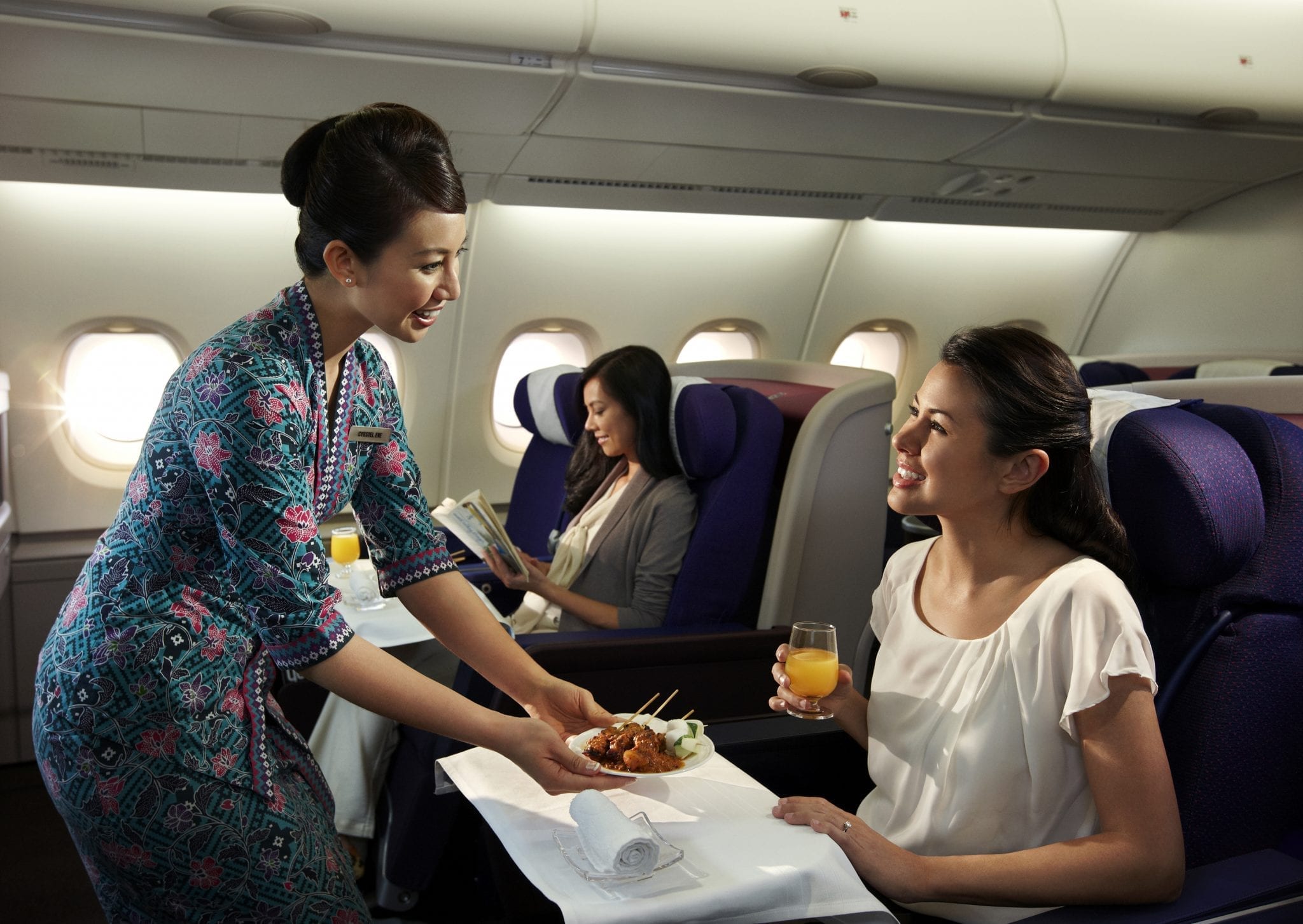
    Malaysia Airlines (MAS) is offering customers up to 30% savings on both international and domestic routes starting from Tuesday until May 15, 2017 under its “Mid-Year Marvels” promotion.

    The national carrier said on Monday  the offers were up for grabs on all Malaysia Airlines’ distribution channels for travel from May 19 to Oct 31, 2017 on business and economy class on all international destinations.

    MAS said all-inclusive return fares on economy class from KL International Airport starts from RM 1,469 to Sydney, from RM 1,379 to Narita and from RM 1,079 to Beijing.

    The airline is also offering all-in, one-way promotions from RM99 to all domestic destinations, during selected periods throughout the year.

    The economy class fares come with no hidden charges or credit card fees for online ticket purchases and includes a generous baggage allowance of 30kg and complimentary meals.

    MAS added the Mid-Year promotion includes business class fares, starting from RM999 to Denpasar, from RM2,799 to Xiamen and from RM11,399 to London. As for domestic routes, such as Kota Kinabalu and Labuan, the fares are from RM 839 and RM1, 455 respectively. The promotion on business class to domestic destinations is valid for travel from May 11 to July 31, 2017.

    Its chief commercial officer, Arved Nikolaus von zur Muehlen said the fantastic deals start from as low as RM 99 all-in, one way on all its domestic routes.

    He said customers could also choose a business class trip to Denpasar, Bali from only RM999 all-in, return.

  • DHL supply chain sharpens growth focus on Singapore, Malaysia and the Philippines

    DHL supply chain sharpens growth focus on Singapore, Malaysia and the Philippines

    DHL Supply Chain, the global market leader for contract logistics solutions, has named Jerome Gillet as CEO of the new Singapore cluster which includes Singapore, Malaysia , and the Philippines . In this role, Jerome will continue to report to Terry Ryan, CEO, DHL Supply Chain Asia Pacific, while remaining as a member of the regional board.

    The appointment will bring synergy for the three markets and drive new growth for the region. The DHL Supply Chain businesses locally continue to be led by the respective country heads – Jason Goh, managing director, DHL Supply Chain Singapore; Mike Davies, managing director, DHL Supply Chain Malaysia; and Suzie Mitchell, managing director, DHL Supply Chain Philippines — who now report to Jerome.

    “We see tremendous opportunity in Singapore, Malaysia and the Philippines to grow our business with even more focus on greater service quality in the markets. Jerome has repeatedly demonstrated his commitment to customer needs, and, in a changing economic climate, he is well placed to help customers deliver greater value from their supply chains,” said Terry Ryan , CEO, DHL Supply Chain Asia Pacific. “An innovator and strategic leader, Jerome is well suited to lead the next stage of growth transformation in our Singapore cluster. With his track record of delivering accelerated growth and building strong customer relationships, I am confident he will drive this new cluster in achieving high and sustainable growth.”

    “I am looking forward to accelerating growth in the newly formed cluster with a strong focus on Quality, Innovation and Customer centricity,” said Jerome Gillet , CEO, Singapore cluster, DHL Supply Chain.

    Jerome’s career in logistics spans over 20 years (the last 17 years in Asia Pacific ) and includes roles in general management, operations and business development. His last appointment as chief customer officer (CCO) of DHL Supply Chain Asia Pacific saw him turn Asia Pacific into the fastest-growing region worldwide within DHL Supply Chain. The tremendous growth was driven by his business development efforts in key sectors such as consumer & retail, technology and life sciences. Prior to his role as the CCO, Jerome was the vice president of consumer sector for Asia Pacific , and increased annual new business gains by over 200 percent between 2008 and 2014.

  • MyIX to finalise deal with Netflix next month

    MyIX to finalise deal with Netflix next month

    The Malaysia Internet Exchange (MyIX) will finalise its deal with America’s popular online entertainment company, Netflix, to provide its video and movie content in Malaysia by end-August, says chairman Chiew Kok Hin.

    The non-profit MyIX is the first neutral Internet Exchange where local Internet Service Providers (ISPs) and content providers connect to exchange Internet traffic.

    He said with the deal entered into with the entertainment company, neighbouring countries such as Indonesia could also obtain the content from Malaysia at a nominal fee, hence paving the way for the country to become a content hub in future.

    “We hope with the sealed deal, we can attract other international players to come to Malaysia in the future as we are working to position the country as a regional Internet exchange gateway,” he said.

    Netflix is a popular online American entertainment company that provides a range of videos and movies and is also the world’s ninth-largest Internet company by revenue (US$8.83bil).

    Chiew added that with the country being positioned as an Internet exchange gateway, it would attract South-East Asian countries such as Indonesia, Thailand, Vietnam and Cambodia to make Malaysia their content hub.

    “It will bring the content nearer to us, and neighbouring countries will not only save cost but also improve on content quality,” he said.

    Since MyIX’s inception in 2006, it has closed deals with various parties including Alibaba and Yahoo.

    Chiew also said the cost to bring the content had dropped over the years, allowing telecommunication companies (telcos) to reduce their pricing and offer more data and bandwith to their clients.

    “With this in effect (cost reduction), the pricing set by telcos is being monitored by the Malaysian Communications and Multimedia Commission to ensure it is fairly set,” he said.

    As for the Internet speed in the country, Chiew, who is also AIMS Data Centre Sdn Bhd chief executive officer, said overall, the speed offered to Malaysian Internet users was satisfactory.

    However, there still remained certain areas in the country that did not have receive good Internet coverage.

    “Telcos have taken steps to widen their connectivity but it is acknowledged that there are still obstacles in providing fast Internet speed nationwide,” he said.

    The 3rd Generation Partnership Project (3GPP) early this year mentioned at an international conference that the accelerated 5 Generation (5G) schedule, which would enable 3GPP-based large-scale trials and deployments as early as 2019, would be commercialised worldwide by 2020.

  • AirAsia X to end Mauritius flights in late 1Q17

    AirAsia X to end Mauritius flights in late 1Q17

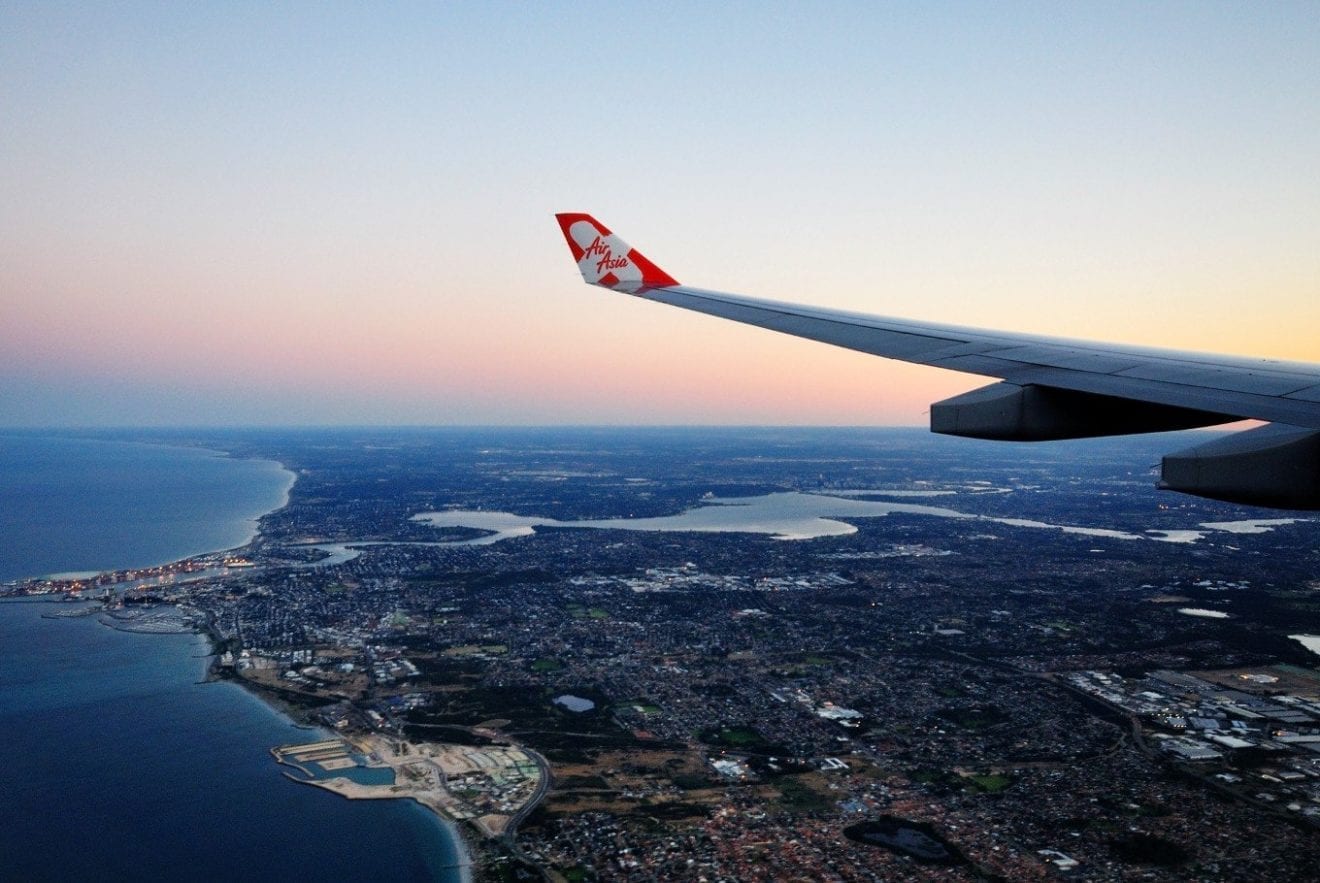
    AirAsia X (D7, Kuala Lumpur Int’l) has announced its withdrawal from the African market with effect from March 25 of this year.

    Arik De, Chief Head of Commercial for AirAsia (AK, Kuala Lumpur Int’l), told Panapress in a statement that the decision to end flights to Mauritius was based on the need to deploy capacity to its strongest markets.

    “The suspension of the Mauritius route is a part of the company’s big plan in network restructuring aimed at improving operational efficiencies in term of aircraft utilizations,” it said. “It is also to accelerate capacity growth in AirAsia X key markets of Australia, China, Taiwan, Japan and Korea.”

    AirAsia X began flights to the Indian Ocean island in October last year using A330-300 equipment. Insofar as competition to Kuala Lumpur Int’l is concerned, it came up against Air Mauritius (MK, Mauritius).

  • Malaysia to Trim Fuel Subsidies as Prices Remain Southeast Asia’s Most Affordable

    Malaysia to Trim Fuel Subsidies as Prices Remain Southeast Asia’s Most Affordable

    Malaysia is taking a significant step toward fuel subsidy rationalization, with the government aiming to optimize resources for the benefit of lower-income groups. Prime Minister Anwar Ibrahim affirmed this decision on Monday, clarifying that it is designed to protect the majority of Malaysians while targeting affluent individuals and foreigners who account for a striking 40% of total subsidy usage.

    Subsidy Cuts Target Affluent Consumers

    With current fuel prices at an astonishingly low 2.05 ringgit (approximately 50 US cents) per liter for RON95 gasoline, Malaysia boasts some of the most affordable fuel in Southeast Asia—thanks to longstanding government support. However, concerns are bubbling up as the public fears that upcoming subsidy cuts, potentially coming as early as July, could ignite inflation, particularly in a nation where the number of vehicles rivals its population.

    Tax Expansion and Economic Pressure

    This fuel subsidy shift coincides with the government’s plan to widen the Sales and Service Tax (SST) starting July 1, which is expected to strain household budgets further. A new 5% to 10% sales tax will apply to non-essential items like king crab and luxury racing bikes, although essential goods will remain tax-exempt. The SST’s expansion into more sectors, from rentals to private healthcare, has raised alarms among retailers, who are already grappling with rising operating costs.

    Stan Singh, a council member of the Malaysia Retail Chain Association, expressed the challenge faced by businesses: “We can no longer absorb these increasing costs. Eventually, consumers will feel the pinch.” Coupled with a rising minimum wage and new contract-related charges, the pressure to pass costs onto consumers seems inevitable.

    Inflation Forecast and Economic Indicators

    While the economic landscape appears rocky, economists suggest that the broader scope of the SST might not heavily impact average consumers. Analysts from CGS International Research predict a temporary price increase, with inflation expected to rise to 2.2% year-on-year in July before peaking at about 2.4% in September. Despite these projections, the research firm has maintained its full-year Consumer Price Index (CPI) forecast at 2%, attributing stability to subdued global commodity prices, especially oil and palm oil.

    Over time, blanket fuel subsidies have aided Malaysians in managing the cost of living. Still, they have also resulted in overconsumption and smuggling, often favoring wealthier groups. Dr. Mohamad Idham Md Razak, a coordinator at Universiti Teknologi Mara’s Malaysian Academy of SME and Entrepreneurship Development, advocates for this targeted subsidy approach. He believes it improves fiscal efficiency and ensures that those most affected by rising prices receive the necessary support, confusing the issue of cross-border arbitrage.

    In a nutshell, it’s a bold move as Malaysia navigates the fine line between supporting its citizens and managing fiscal responsibility. Let’s just hope the country’s wallet doesn’t feel too light along the way!

    Questions & Answers

    What is the main goal of the fuel subsidy rationalization in Malaysia? The primary goal is to ensure that government resources are targeted toward benefiting lower-income groups while reducing the burden of subsidies on the nation’s budget.

    When are the upcoming subsidy cuts expected to take effect? The cuts may come as early as July, coinciding with the expansion of the Sales and Service Tax (SST).

    How will the expanded SST impact consumers? While the SST aims to generate additional revenue, it may lead to price increases for non-essential items, though essential goods will remain tax-exempt, helping to mitigate the impact on average consumers.

  • Malaysia Rockets Up 11 Spots in Global Economic Competitiveness Rankings!

    Malaysia Rockets Up 11 Spots in Global Economic Competitiveness Rankings!

    Malaysia has made impressive strides in the realm of global economic competitiveness, climbing 11 spots to secure the 23rd position in the 2025 World Competitiveness Ranking—the country’s highest ranking since 2020. According to the Ministry of Investment, Trade, and Industry, this upward trajectory signals Malaysia’s ambition to rank among the world’s top 12 economies by 2033, as reported by the state-owned media, Bernama.

    Factors Driving Competitive Gains

    The ministry attributes this remarkable ascent to three key factors: robust economic performance, enhanced government efficiency, and improved business effectiveness. Malaysia now proudly holds the fourth position globally for economic performance, a notable jump from eighth place last year. Both government and business efficiency have also shown impressive gains, each climbing eight positions in the rankings.

    International Trade Taking Flight

    A standout highlight of this year’s report is the dramatic leap of 11 places in the international trade sub-factor, landing Malaysia in sixth place. This rise is fueled by substantial growth in exports of goods and services, a diversification of trade markets, and increased tourism revenues—elements that have collectively strengthened Malaysia’s trade surplus.

    Looking Ahead with Optimism

    The ministry remains optimistic about the future, believing that with strong governance and continued collaboration between federal and state governments, alongside close partnerships within the private sector, Malaysia is well on its way to achieving its competitive aspirations by 2033. The World Competitiveness Ranking, an annual report conducted by the Institute for Management Development in Switzerland, evaluates nations based on their ability to cultivate business-friendly environments that foster long-term prosperity.

    As Malaysia climbs the competitive ladder, it may soon be up against some surprising rivals in the world of global trade.

    Questions & Answers

    What is Malaysia’s current position in the World Competitiveness Ranking?
    Malaysia is ranked 23rd in the 2025 World Competitiveness Ranking, marking its highest position since 2020.

    Which factors contributed to Malaysia’s rise in the rankings?
    Key factors include economic performance, government efficiency, and business efficiency, with significant improvements noted across these areas.

    What is Malaysia’s goal for the future in terms of global competitiveness?
    Malaysia aims to be among the world’s top 12 most competitive economies by 2033, bolstered by strong governance and public-private partnerships.

  • Penang Takes Bold Stand Against Counterfeit Balik Pulau Durians to Safeguard Authenticity

    Penang Takes Bold Stand Against Counterfeit Balik Pulau Durians to Safeguard Authenticity

    Fahmi Zainol, chairman of Penang’s Agrotechnology, Food Security, and Cooperative Development Committee, announced on Tuesday that a collaborative operation is underway, involving the police, the Agriculture Department, and the Federal Agricultural Marketing Authority, as reported by the national news agency Bernama.

    Cracking Down on Durian Deceit

    “We’ve pinpointed two or three hotspots where trucks are bringing in durians from Thailand but selling them off as local produce,” Fahmi said, emphasizing that authorities are now gearing up for the perfect moment to initiate raids. This crackdown is a direct response to public complaints and ongoing inspections. As part of their enforcement measures, agencies have ramped up efforts by setting up roadblocks aimed at intercepting non-compliant agricultural products—especially durians.

    Fahmi made it clear that while durians from other regions aren’t outright banned, they mustn’t be misrepresented as Balik Pulau’s prized variety. To protect the unique identity of its durians, Penang launched the “Track and Trace” system at the beginning of June. This innovative program labels each durian with a QR code that links it back to its farm of origin, according to Bloomberg.

    “This way, consumers can trace every durian from farm to table,” Fahmi explained, with a hint of pride in his voice. So far, 60 farmers have joined the system, while 20 larger producers have already signed up, as reported earlier this month by The Star.

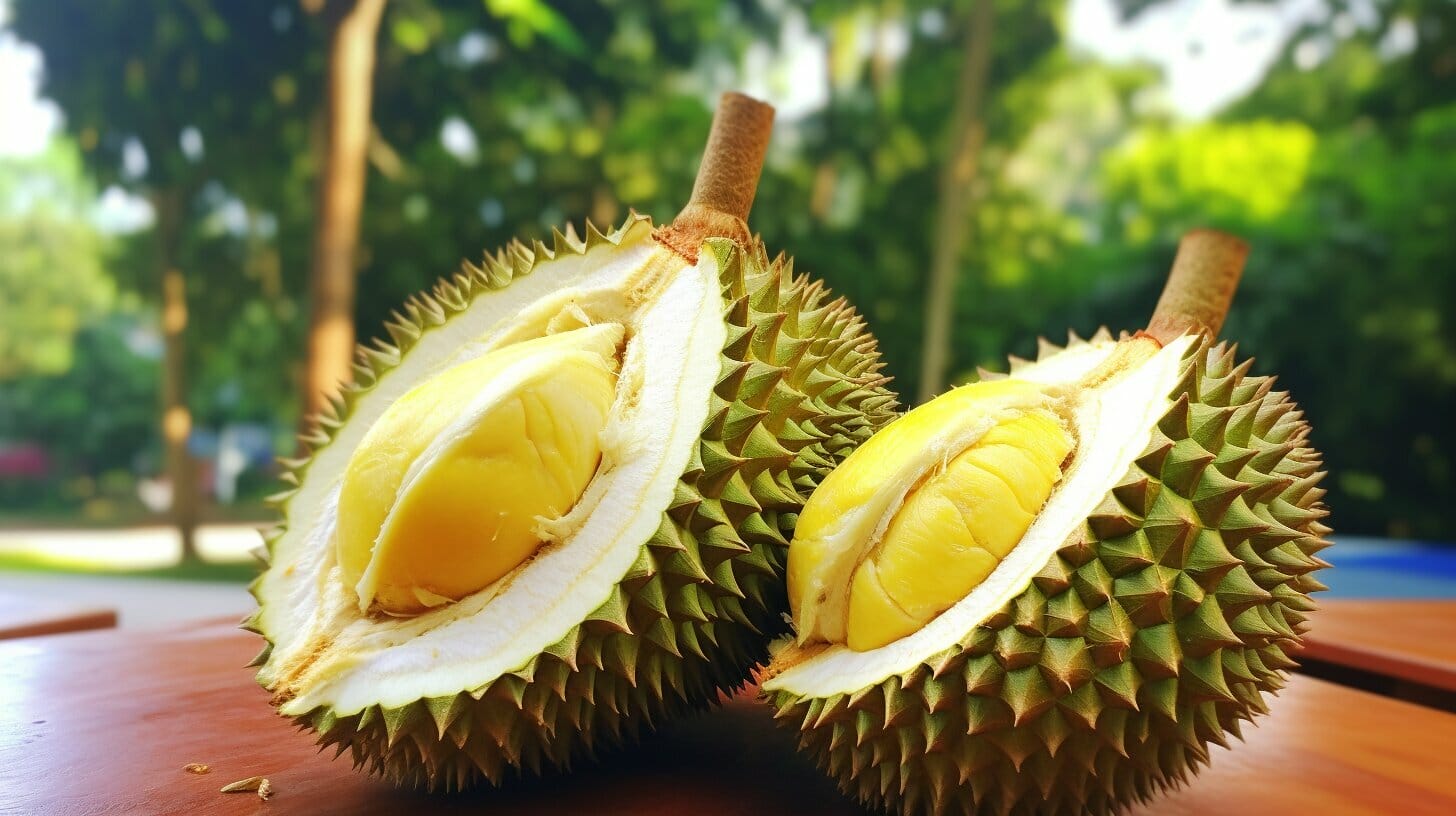
    Balik Pulau, well-known for its mouthwatering durians, is also a favored tourist destination in Penang, a major hub for durian production. The Balik Pulau variety ranks among the most sought-after in Malaysia, alongside other local favorites like Musang King, Red Prawn, and Black Thorn.

    With the recent onset of durian season coinciding with Malaysia’s school holidays, local media reported a surge in tourist arrivals in Penang. Hotels are nearly at full capacity, and busy traffic is evident, especially around popular durian-selling spots.

    Beyond domestic consumption, Malaysia is making its mark in international markets by exporting durians to places like China, boasting projections that outbound shipments could reach 1.8 billion ringgit (US$425 million) by 2030. Last year alone, Penang exported an impressive 67,203 kilograms of durians, which is enough to make any durian lover’s head spin.

    Questions & Answers

    What steps is Penang taking to ensure durian authenticity?
    Penang has implemented a “Track and Trace” system tagged with QR codes that allows consumers to trace each durian back to its farm, thereby safeguarding authenticity.

    Why is there a crackdown on durian sales?
    Authorities aim to crack down on fraudulent sales where Thai durians are misrepresented as local Balik Pulau varieties, responding to public complaints and ongoing inspections.

    How do durians contribute to Penang’s tourism?
    With the durian season aligning with school holidays, tourist arrivals have surged, leading to nearly full hotels and bustling traffic around durian hotspots, solidifying the fruit’s role in the local economy.

  • SMBC Malaysia Welcomes Former StanChart Banker as New Head of Corporate Banking

    SMBC Malaysia Welcomes Former StanChart Banker as New Head of Corporate Banking

    The shopping landscape in Asia is evolving rapidly, with significant trends shaping the future of retail. As consumer preferences shift and technology advances, retailers must adapt to stay relevant and competitive.

    Adapting to Changing Consumer Behavior

    The pandemic has forever altered how consumers interact with brands. Research shows that shoppers are gravitating towards sustainability, experience-driven purchasing, and personalized shopping experiences. Retailers in Asia are taking note, adapting their strategies to align with these embodied values. From eco-friendly packaging to tailored marketing communications, companies are increasingly aware that understanding consumer behavior can dictate their long-term success.

    The Rise of E-Commerce and Omnichannel Strategies

    As e-commerce boom continues to skyrocket, brands are harnessing the power of omnichannel retailing. This approach integrates both online and offline shopping experiences, allowing consumers to browse, buy, and engage however they please. Retailers are investing in mobile apps, social commerce, and seamless checkout experiences to cater to the tech-savvy shopper. As the adage goes, today’s consumer isn’t just online; they are everywhere!

    Innovations in Customer Experience

    In the age of experience economy, providing a memorable shopping experience has become paramount. Retailers are reimagining their spaces, incorporating experiential elements, and even leveraging augmented reality. Imagine walking into a store where you can “try on” clothes virtually or explore product features using your smartphone. Thrilling and engaging experiences blur the lines between retail and entertainment, capturing the attention of discerning customers.

    Local Brands Take Center Stage

    Surprisingly, local brands are experiencing a renaissance, often resonating more with consumers than international counterparts. This shift is fueled by increased nationalism and a desire to support homegrown businesses. Retailers who embrace their cultural heritage are connecting deeply with shoppers and often find themselves at the forefront of innovation. So, who knew that patriotism could be a winning strategy in the retail sector?

    Building Partnerships for Future Growth

    In this competitive landscape, collaboration is the name of the game. Retailers are exploring partnerships that can enhance their offerings, whether through integrating tech solutions, teaming up with local artisans, or sharing marketing resources. These alliances not only foster innovation but also position brands to engage with wider audiences.

    As Asia’s retail terrain transforms, the ability to pivot and innovate will define leading brands. The future promises exciting possibilities—buckle up, because it’s going to be a thrilling ride!

    Questions & Answers

    What trends are shaping the retail landscape in Asia?
    The trends include a focus on sustainability, personalization, experience-driven purchasing, and the rise of e-commerce.

    How are retailers in Asia adapting to changing consumer behaviors?
    By incorporating eco-friendly practices, enhancing customer experiences, and leveraging technology for omnichannel strategies.

    Why are local brands gaining popularity in the market?
    Local brands resonate more with consumers due to increased nationalism and the desire to support homegrown businesses.

  • CJ Group opens its first Tous les Jours store in Malaysia

    CJ Group opens its first Tous les Jours store in Malaysia

    CJ Foodville Corp, the restaurant division of the CJ Group, has launched its inaugural Tous les Jours bakery location in Kuala Lumpur, Malaysia.

    Expansion Plans

    This expansion is an integral part of the corporation’s global strategy, with another location set to be unveiled in Kuala Lumpur later this month.

    Master Franchise Agreement

    CJ Foodville has entered a master franchise deal with Stream Empire Holding, a local Malaysian retailer. This agreement provides the franchisee with the right to establish, manage, and grant sub-franchise rights to other parties.

    Global Presence

    Tous les Jours has approximately 560 outlets in nine countries, including the United States, Canada, Indonesia, and Vietnam. The company is also set to broaden its reach across the Southeast Asian market within the year.

    Moreover, the company operates a bakery factory in Indonesia and plans to develop another one in Georgia, United States, scheduled to open by the end of the year.

    Questions & Answers

    What is the significance of the master franchise agreement between CJ Foodville and Stream Empire Holding?

    This agreement allows the local Malaysian retailer, Stream Empire Holding, to open, manage, and grant sub-franchise rights to other parties, aiding in the expansion of Tous les Jours across Malaysia.

    How many countries does Tous les Jours currently operate in?

    Tous les Jours currently operates in nine countries, running approximately 560 outlets.

    What are CJ Foodville’s expansion plans for Tous les Jours in the Southeast Asian Market?

    CJ Foodville plans to broaden the reach of Tous les Jours across the Southeast Asian market within the current year.

  • Durian Lovers Unite: Penang Hotels Entice Tourists with All-You-Can-Eat Offers!

    Durian Lovers Unite: Penang Hotels Entice Tourists with All-You-Can-Eat Offers!

    Hotels across Malaysia’s Penang Island experienced exceptional occupancy rates over the recent long weekend, with at least 85% filled, and some establishments reaching full capacity. Travelers flocked to the island lured by enticing tour packages that paired accommodations with unlimited durian feasts—an indulgent combination that has captured the hearts of food enthusiasts.

    Tony Goh, chairman of the Malaysian Association of Hotels’ Penang chapter, remarked on the vibrant hotel scene, stating, “The hotels were bustling and performed strongly during the long weekend. Beachfront and town-area hotels were nearly at full capacity.” This year’s durian harvest season, which coincided with school holidays, has spurred hotels to craft unique tourism experiences around the beloved “king of fruits.”

    “Penang is renowned for its orchards, yielding durians that are distinctive to our region,” Goh explained. He highlighted the popularity of local varieties, especially the celebrated Musang King and Black Thorn, each offering a unique flavor profile that excites die-hard durian aficionados. “For durian enthusiasts, these are intricate tastes to savor and explore,” he added, underscoring the culinary adventure awaiting visitors.

    Wong Hon Wai, chairman of Penang’s tourism committee, also emphasized durian’s undeniable allure, confirming that its reputation as a crowd-puller is well-deserved. Remarkably, this surge in tourism has translated into significant increases in ridership on the Penang Hill funicular train, with a striking 38% uptick noted between May 30 and June 2. “The ridership reached 33,521 over the past four days, compared to about 4,000 on typical non-peak days,” Wong pointed out.

    Beyond its culinary appeal, durian contributes significantly to Malaysia’s economy, serving as one of the country’s top fruit exports. In the previous year, exports to China reached a whopping US$212 million, following the establishment of a special protocol for durian imports. This year, Malaysia aims to escalate its durian exports to China by over 20%, all while ensuring the authenticity and revered brand of the Musang King variety remain intact.

    As the durian craze intensifies, one wonders—could this beloved fruit be the ticket to revitalizing Malaysia’s tourism industry?

    Questions & Answers

    What has driven the high hotel occupancy rates in Penang?
    This spike is largely attributed to innovative tour packages that pair hotel stays with limitless durian feasts, satisfying the cravings of many durian lovers.

    How did durian-related tourism impact local attractions?
    The influx of visitors led to a significant increase in ridership of the Penang Hill funicular train, with a remarkable 38% jump in attendance during the recent long weekend.

    What are Malaysia’s goals for durian exports?
    Malaysia is targeting a more than 20% increase in durian exports to China this year, focusing on maintaining the authenticity and brand strength of its premium Musang King variety.

  • Malaysian Farmers Explore Legal Action to Safeguard 2,400 Ha of Durian Farmland from Corporate Takeover

    Malaysian Farmers Explore Legal Action to Safeguard 2,400 Ha of Durian Farmland from Corporate Takeover

    The Save Musang King Alliance, under the leadership of president Wilson Chang, is raising alarms over DOA Plantation, a company barely a year old, for allegedly occupying approximately 2,400 hectares of durian orchards without proper consent.

    Accusations Made Against DOA Plantation

    Chang has voiced serious concerns that the firm has forcibly ousted farmers, marked their durian trees, and has yet to produce any official documentation to substantiate its claim over the land, as reported by Free Malaysia Today. In a recent social media post, Chang lamented, “There is strong reason to believe that the firm intends to harvest durians this season and profit from the hard work of local farmers, without any compensation.”

    Entirely undeterred, the alliance is exploring legal avenues to halt DOA Plantation’s operations and safeguard local growers’ rights. Chang also called attention to the puzzling circumstances surrounding how such a vast area of land was handed to a company led by directors from Penang and Sarawak, urging the Pahang government to clarify the situation. He emphasized, “We reaffirm our core belief that the land is the lifeblood of our farmers, and that every tree represents years of hard labour and care. No corporation should be allowed to exploit this without consequence.”

    The High Stakes in Durian Farming

    According to Chang, the new company aims to seize control of around 2,400 hectares of farmland, intertwining orchards that have previously sparked ownership disputes between local farmers and authorities. The anticipated harvest from these durian trees alone is estimated to be worth over RM100 million (US$24 million)—a lucrative bounty that has everyone on their toes.

    Chang also noted that although discussions with the Pahang government regarding the farmland have not completely met farmers’ demands, there has been “meaningful progress” after five years of determined resistance from Musang King durian farmers in Raub. To date, the price of Grade A durians has seen a boost from MYR30 per kg in 2020 to MYR35 today, along with clearer grading standards aimed at ensuring fairer payments for farmers.

    With these advancements in mind, the Save Musang King Alliance is contemplating an out-of-court settlement with the Pahang government, redirecting its energies toward the legal battle against DOA Plantation.

    Challenges Ahead

    In an earlier incident in April, the Pahang government cut down over 1,000 durian trees, asserting they were cultivated on illegally occupied land. The alliance claimed a court ruling from the previous May prohibited such demolitions, while authorities countered that no judicial orders were contravened and defended their right to clear the land.

    Meanwhile, the Malaysian Anti-Corruption Commission has announced it is currently gathering relevant documents as part of its investigation into the land encroachment allegations. Several former government officials linked to the case have been identified, but as yet, no arrests have been made. One can only wonder what surprising twists lie ahead in this unfolding saga of durian drama!

    Questions & Answers

    What are the main allegations against DOA Plantation?
    The main allegations include forcibly removing farmers from their land, marking trees for harvest, and failing to present any official documents proving their right to operate on the 2,400 hectares of durian orchards.

    How has the Pahang government responded to the situation?
    The Pahang government has defended its actions, including the removal of over 1,000 durian trees, stating they were on illegally occupied land and asserting that no court orders were violated.

    What next steps are being considered by the Save Musang King Alliance?
    The alliance is contemplating legal action against DOA Plantation while also considering an out-of-court settlement with the Pahang government to better focus their efforts in this ongoing land dispute.

  • Lombard Odier Strengthens Presence in Asia with New Strategic Partnership

    Lombard Odier Strengthens Presence in Asia with New Strategic Partnership

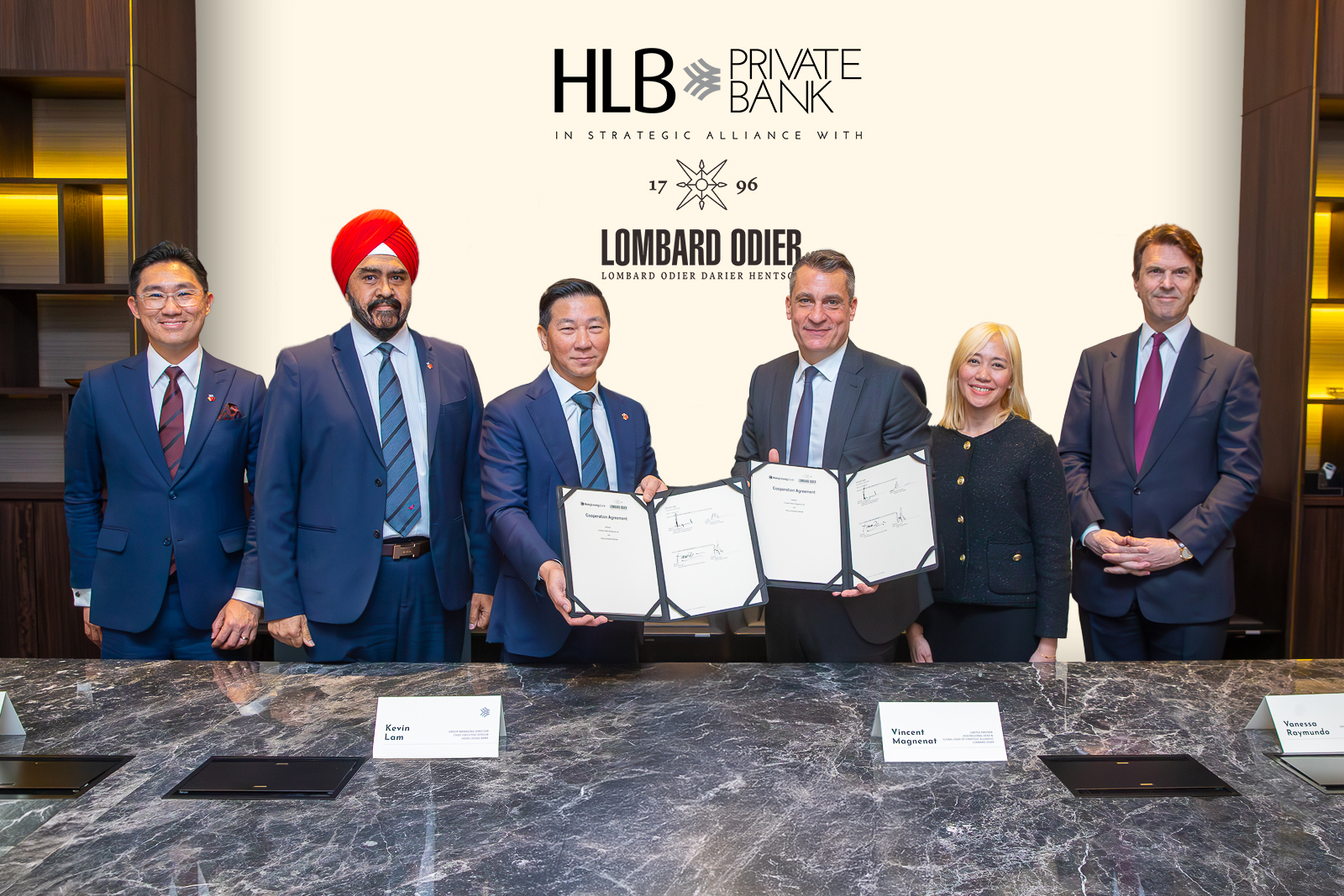
    Swiss private bank Lombard Odier has forged a significant strategic alliance with Kuala Lumpur’s Hong Leong Bank, reinforcing its presence in Asia’s dynamic financial landscape.

    Forging a Strategic Alliance

    This partnership, announced by Lombard Odier (Singapore), aims to blend Hong Leong Bank’s deep understanding of the Asian market with Lombard Odier’s renowned expertise in sustainability and tailored wealth management. The collaboration promises a holistic suite of bespoke advisory services, including exclusive “red carpet advisory” and discretionary portfolio management for discerning clients.

    Senior Managing Partner Hubert Keller emphasized the potential for remarkable growth in Asia’s domestic markets, citing an increasing demand for customized wealth management solutions and a growing necessity for banks to offer clients access to global investment opportunities from within the region.

    Elevating Client Services

    Hong Leong Bank is also elevating its HLB Private Bank offerings by integrating Lombard Odier’s global investment insights with its local knowledge. “Singapore is a pivotal wealth hub in a continent experiencing unprecedented growth in affluence,” noted Kevin Lam, Group Managing Director and CEO of HLB. “This strategic alliance allows us to enrich our Private Banking services in a meaningful way.”

    Founded in 1905, Hong Leong Bank has a robust presence not only in Malaysia but also in Singapore, Hong Kong, Vietnam, and Cambodia, further enhancing its international appeal.

    Expanding Onshore Capabilities

    The establishment of such alliances forms a core part of Lombard Odier’s strategy to expand its wealth management services within onshore markets. The bank has already partnered with local financial institutions in various regions, including Australia, Japan, Taiwan, Thailand, and the Philippines. Notably, Lombard Odier is set to celebrate the 10th anniversary of its collaboration with Kasikornbank’s private wealth arm in December 2024.

    Vincent Magnenat, Asia Group Regional Head and Global Head of Strategic Alliances at Lombard Odier, expressed confidence in the partnership, stating, “We believe in collaborating with the right partners who share our vision for the future of wealth and asset management. Our alliance with HLB is a powerful testament to our shared values and commitment to innovation and sustainability.”

    With the dynamic financial sphere in Asia continually shifting, this partnership promises not just growth but a fresh chapter of opportunity for wealth creation — who knows what other surprises await in the world of finance?

    Questions & Answers

    What is the significance of the partnership between Lombard Odier and Hong Leong Bank? The partnership aims to blend local market expertise with global investment insights, enhancing wealth management services for clients in Asia.

    How does this alliance fit into Lombard Odier’s broader strategy? The alliance is part of Lombard Odier’s push to expand its wealth management capabilities in onshore markets, building on existing partnerships in various Asian countries.

    What benefits can clients expect from this collaboration? Clients will have access to tailored advisory services, leveraging both Lombard Odier’s sustainability expertise and Hong Leong Bank’s local market knowledge for a comprehensive wealth management experience.