Tag: Japan

  • I’m Donut? Expands into Southeast Asia with Kuala Lumpur Store in September

    I’m Donut? Expands into Southeast Asia with Kuala Lumpur Store in September

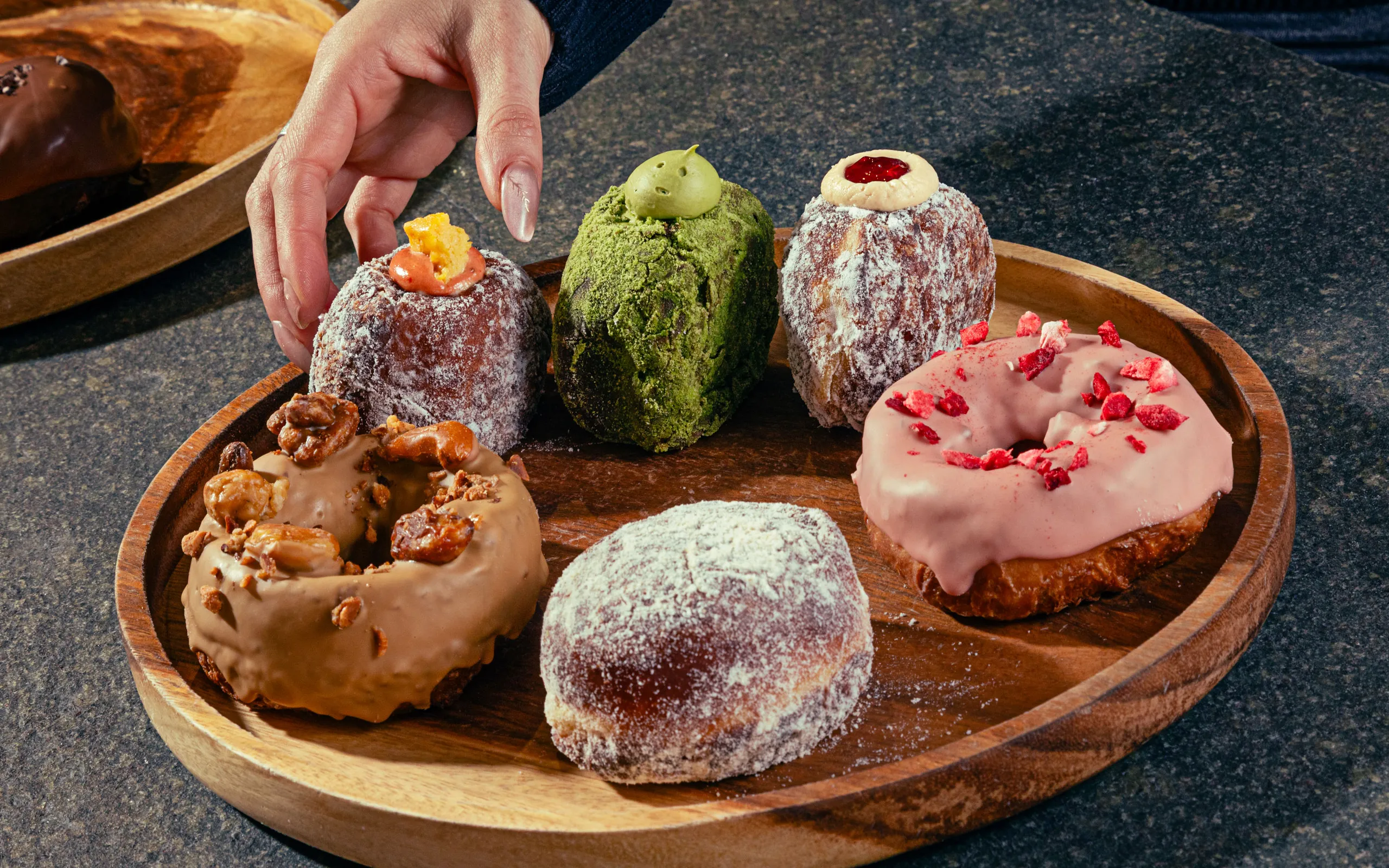
    Japanese bakery brand I’m donut? Will open its first Southeast Asian store in Kuala Lumpur this September. The store brings the company’s signature raw nama donuts to Malaysia for its regional debut.

    The concept built long queues across Tokyo with fried dough that uses pumpkin puree and high hydration to achieve a soft texture. The brand now enters Southeast Asia as international food and beverage operators target urban shopping destinations across the region.

    Expansion beyond Japan

    Malaysia frequently serves as an entry point for Japanese food brands testing regional appetites. Operators rely on high consumer familiarity with Japanese retail concepts and strong mall foot traffic in the Klang Valley to build brand momentum before expanding into neighbouring countries.

    Specialty dessert brands across Southeast Asia have shifted toward focused single-item menus. High-turnover bakery concepts allow operators to keep production footprints compact while driving customer traffic through distinct product formats.

    Competition in premium baked goods

    Artisanal bakery chains and overseas dessert operators are competing directly for prime retail space in major Malaysian retail centres. Premium baked goods have maintained steady foot traffic even as broader consumer discretionary spending faces pressure from food inflation and import costs.

    RetailNews Asia notes that dessert chains expanding internationally must balance localized supply chains with the need to match the taste profiles of their original domestic stores. The company plans to announce the exact retail site and opening schedule in Kuala Lumpur ahead of the September launch.

  • Loewe Opens Largest Japan Flagship in Tokyo’s Ginza District

    Loewe Opens Largest Japan Flagship in Tokyo’s Ginza District

    Loewe has opened CASA LOEWE Ginza in Tokyo. It is the brand’s largest flagship in Japan and its second-largest retail footprint worldwide.

    Located at the intersection of Chuo-dori and Miyuki-dori in Tokyo’s luxury district, the street-level store lands as the Spanish fashion house marks its 180th anniversary. The opening anchors its retail presence in Japan’s resilient high-end consumer market.

    Suna Fujita Collaboration and Exclusive Ranges

    Inside, the flagship features an exclusive collaboration with Kyoto ceramic studio Suna Fujita. The studio produced designs specifically for the Tokyo location. Those artworks appear on the signature Hammock bag, a shearling coat, and a jacket detailed with cherry blossom motifs.

    Alongside the bespoke launch pieces, the store secured an advance pre-release of the wider Loewe and Suna Fujita collection. That lineup includes reworked versions of the Amazona and Basket bags. Dedicated floor displays show small leather goods, charms, and accessories.

    Luxury Brands Cement Prime Ginza Real Estate

    Securing corner plots along Chuo-dori remains a core strategy for European luxury labels competing for tourist spending and domestic shoppers in Japan. Following flagship rollouts in Shanghai and Seoul, Loewe’s expanded presence shows top-tier brands still view Tokyo street retail as essential for long-term brand equity in North Asia.

    Doors are now open to the public. Retail traffic around Ginza’s prime intersections will test full-year footfall targets across the brand’s expanded footprint in the months ahead.

  • Googles Largest Global Store Debuts in Tokyo: A Fusion of Retail, Tech Experience, and Customer Service

    Googles Largest Global Store Debuts in Tokyo: A Fusion of Retail, Tech Experience, and Customer Service

    Google has launched its first direct-to-consumer store outside of the United States, situated in Tokyo. Marrying product sales, hands-on experiences, and customer service, this concept provides a comprehensive retail experience for both potential customers and tech enthusiasts alike.

    Google’s Innovations on Display

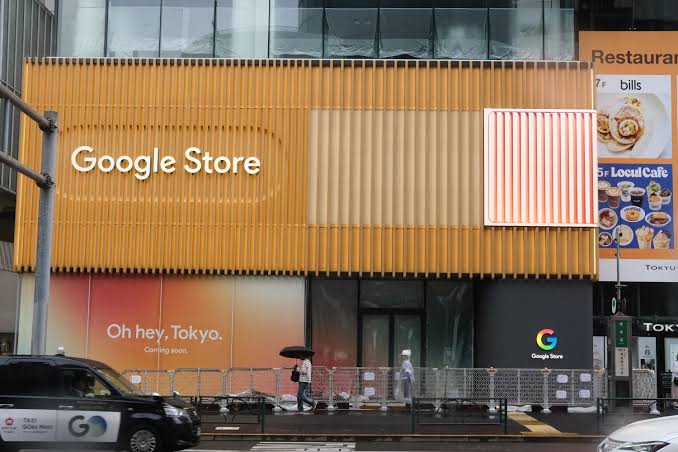
    The location, known as Google Store Omotesando, opened its doors on August 13th at Tokyu Plaza Omotesando ‘Omokado’. The establishment is Google’s 11th store worldwide and stands out as its most significant. Spanning three floors, it serves as a platform to showcase Google’s latest hardware devices. The store features the Pixel 11 series smartphone, Pixel Watch, Fitbit wearables, Google Home devices, and other related accessories.

    Google Store Omotesando’s design transcends traditional retail boundaries by offering customers the chance to directly interact with Google’s innovative technology and AI capabilities. The store’s second floor comprises the Pixel Studio, an interactive area that allows visitors to delve into an array of AI-powered experiences. One of the store’s distinguishing features is Project Genie, a research prototype capable of generating 3D virtual worlds from textual prompts.

    The new outlet also functions as a pick-up point for online purchases made through Google Store, thereby bridging the gap between physical and online retail experiences.

    A Milestone for Google in Japan

    The opening of the store coincides with the 25th anniversary of Google’s operations in Japan. Google first ventured overseas in 2001, setting up its inaugural office in Tokyo. This latest addition to its global retail presence underscores the significance of the Japanese market in Google’s ongoing growth strategy.

    Questions & Answers

    What is unique about the new Google Store in Tokyo?
    The store merges product sales, hands-on experiences, and customer service. It also allows visitors to interact with Google’s technology and AI capabilities.

    What products are available in the Google Store Omotesando?
    The store showcases Google’s newest hardware, including the Pixel 11 series smartphone, Pixel Watch, Fitbit wearables, and Google Home devices and accessories.

    What milestone does the opening of Google’s Tokyo store represent?
    The opening marks the 25th anniversary of Google’s operations in Japan, illustrating the importance of the Japanese market to the company.

  • Transforming Ishikari into Japan’s Prime Data Center Hub: NTT and Allies Lead the Charge

    Transforming Ishikari into Japan’s Prime Data Center Hub: NTT and Allies Lead the Charge

    NTT East Corporation has entered into a partnership with a collection of data center, telecommunications, energy, and infrastructure businesses, with the aim of transforming Ishikari City in Hokkaido into a major data center hub.

    Building a Data Center Cluster

    The newly formed Ishikari Data Center Consortium will concentrate its efforts on enhancing the necessary infrastructure to facilitate data center development. This includes the improvement of power and telecommunications networks. In addition, working in collaboration with local government, the consortium will put in place incentives and other schemes to encourage further growth.

    The consortium comprises several industry-leading companies, such as Sakura Internet, Kyocera, Tokyu Land Corporation, Ishikari Renewable Energy Data Center No. 1 LLC, Flower Communications, Broadband Tower Inc., NTT ME Corporation, Ishikari Regional Energy LLC, Liene Inc., and Hokkaido Integrated Communications Network Co., Ltd.

    Ishikari, situated in Hokkaido’s Ishikari Subprefecture, is rapidly becoming a favored location for data centers. Thanks to the Ishikari Bay New Port area, the city has access to renewable energy sources and is relatively safe from natural disasters. The consortium’s goal is to boost Ishikari’s profile as a key domestic data center site and one of Japan’s premier data center clusters.

    NTT East has announced that the consortium will strive to ensure that local residents and businesses reap the societal benefits of data center development, while simultaneously boosting Ishikari’s national reputation as a data center cluster.

    Previous Data Center Developments

    Since 2011, Sakura Internet has been operating its data center in Ishikari. The company has since expanded the facility and has been deploying GPUs there. Meanwhile, Tokyu Land, Flower Communications, and Broadband Tower joined forces on a 15-MW data center project in Ishikari in 2024, which is set to launch in 2026.

    These ventures have added to Hokkaido’s data center landscape. Data Center Map currently lists nine data centers on the island, primarily positioned around Sapporo. Several major operators have data centers in Hokkaido, including SoftBank, Kyocera, HotNet, Sakura Internet, KDDI, and Rakuten.

    NTT East provides services from roughly 30 data center locations in Japan. These include facilities in Tokyo, Yokohama, Chiba, Saitama, Ibaraki, Tochigi, and Gunma.

    Questions & Answers

    What is the aim of the Ishikari Data Center Consortium?
    The consortium’s goal is to enhance the necessary infrastructure for data center development in Ishikari City, working with local government to put in place incentives that encourage growth in order to establish the city as a major data center hub in Japan.

    Who are the members of the Ishikari Data Center Consortium?
    The consortium is composed of several companies, including NTT East Corporation, Sakura Internet, Kyocera, Tokyu Land Corporation, Ishikari Renewable Energy Data Center No. 1 LLC, Flower Communications, Broadband Tower Inc., NTT ME Corporation, Ishikari Regional Energy LLC, Liene Inc., and Hokkaido Integrated Communications Network Co., Ltd.

    What makes Ishikari City an attractive location for data centers?
    Ishikari City has access to renewable energy sources and is relatively safe from natural disasters. Furthermore, with the support from the consortium, the city is developing the necessary infrastructure to facilitate data center operations.
  • Uniqlo Expands Global Reach with Debut Flagship Store in Kyoto

    Uniqlo Expands Global Reach with Debut Flagship Store in Kyoto

    Uniqlo, the renowned global retail brand, is expanding its presence in Kyoto by launching its pioneering global flagship store in the city. The strategic decision aims to leverage the city’s high domestic and international visitor traffic.

    The Kyoto-based Uniqlo store, spanning an impressive 3200 square meters, is set to open its doors on November 6th. The launch follows a comprehensive renovation of Uniqlo’s existing Kawaramachi store, which is currently the largest retail outlet for the brand in Kyoto.

    The Store’s Unique Layout

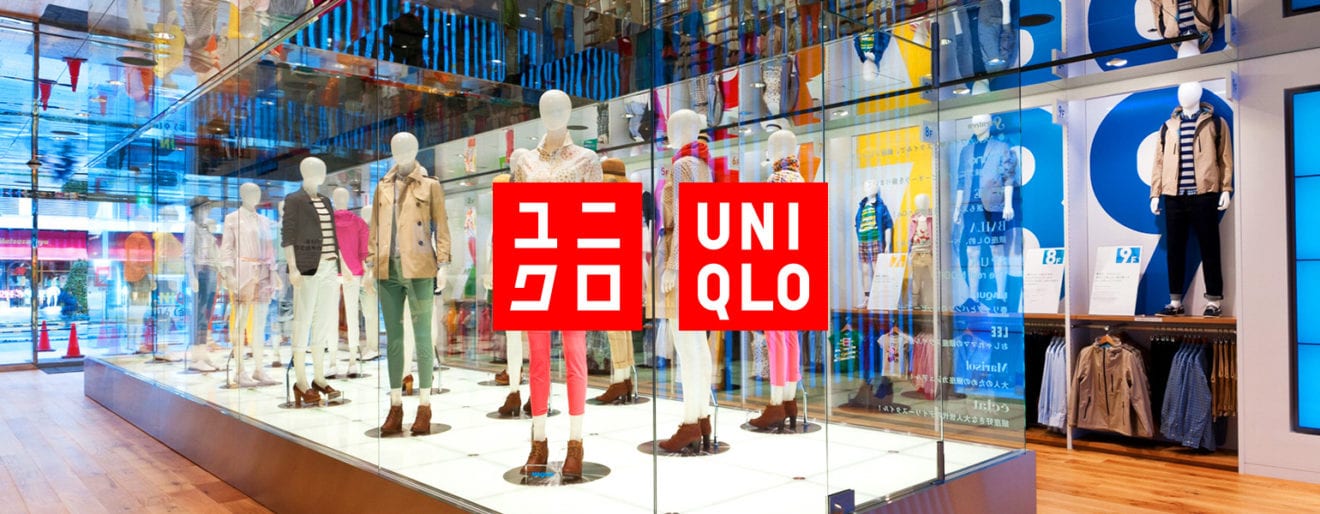
    Uniqlo’s new flagship store is a multi-level marvel with three airy floors above ground and a spacious basement level. It will offer a comprehensive range of LifeWear products, catering to men, women, children, and infants.

    Uniqlo is intentionally blending the brand’s LifeWear concept and service offerings with the rich traditions and cultural elements of Kyoto. The retailer’s primary aim is to mirror the city’s burgeoning popularity as an international destination.

    In a statement, Uniqlo expressed its aspiration to build a long-lasting relationship with its customers by offering them a shopping experience steeped in the multifaceted appeal of Kyoto. The brand aims at sharing Kyoto’s inherited traditions and evolving charm through their store, targeting a global audience.

    Global Expansion Plans

    Uniqlo’s decision to open a flagship store in Kyoto aligns with its ongoing efforts to penetrate international markets. As a part of its global expansion strategy, the brand reportedly plans a significant boost in its presence in India. The move involves a five-fold increase in its store network in the country, expanding from its current count to over 100 stores within the next five years. The primary focus of this ambitious expansion will be New Delhi and other major Indian cities.

    Questions & Answers

    What is the significance of Uniqlo’s new store in Kyoto?
    The global flagship store in Kyoto represents a strategic expansion in a city with high domestic and international visitor traffic. It also reflects Uniqlo’s aim to integrate local culture and traditions into its store concept.

    What can customers expect from the new Uniqlo store in Kyoto?
    Customers can look forward to a comprehensive range of Uniqlo’s LifeWear products across various categories — men, women, kids, and babies. Additionally, the store seeks to provide a unique shopping experience that blends the brand’s concept with Kyoto’s cultural elements.

    What are Uniqlo’s future expansion plans?
    Uniqlo plans to significantly enhance its presence in India, targeting a five-fold increase in its store network within the next five years. The expansion will primarily focus on New Delhi and other major cities in India.

  • Japanese Retail Titan Aeon Sells Thai Supermarket Business to Central Group, Sets Sights on Southeast Asia Growth

    Japanese Retail Titan Aeon Sells Thai Supermarket Business to Central Group, Sets Sights on Southeast Asia Growth

    Japanese retail behemoth Aeon is withdrawing from the supermarket industry in Thailand, divesting its local enterprise to Central Group. This is a strategic shift in investment focus towards rapidly expanding markets across Southeast Asia.

    Transition of Supermarket Shares

    Aeon will transfer complete ownership of Aeon (Thailand) to Central Food Retail, the managing company behind the renowned Tops supermarket chain. The transfer of shares will take place on September 30. Aeon is known for operating approximately 30 supermarkets in Thailand under the umbrella of MaxValu and MaxValu Tanjai. The retail corporation made its mark in the Thai market in 1984 and by 2016, had managed to successfully launch around 80 stores.

    Both MaxValu and MaxValu Tanjai cater to daily shopping needs, but vary in size. The larger MaxValu stores, typically spanning an area of 1000-3000 square meters, provide a wider selection of groceries and household goods. On the other hand, MaxValu Tanjai, a term that roughly translates to ‘instantly’ in Thai, operates in a smaller, more compact format of 300-800 square meters. These stores are primarily focused on providing a convenient and speedy neighbourhood shopping experience.

    A Shift in Growth Strategy

    The sale of Aeon’s supermarket holdings is part of a broader business strategy. This move aims to enhance capital efficiency and redirect investment towards markets with greater growth potential. Vietnam has emerged as a significant player in this strategic shift. As of May last year, Aeon revealed its plans to augment its Vietnamese network by an impressive eight-fold by 2030. The company aims to introduce 100 general merchandise stores and large-format “super-supermarkets”, along with 200 smaller grocery stores.

    Questions & Answers

    What is Aeon’s new business strategy?
    Aeon’s new business strategy involves enhancing capital efficiency and redirecting investment towards rapidly growing Southeast Asian markets, particularly Vietnam.

    How many supermarkets did Aeon operate in Thailand?
    Aeon operated around 30 supermarkets in Thailand under the MaxValu and MaxValu Tanjai brands.

    What is the difference between MaxValu and MaxValu Tanjai stores?
    MaxValu stores are larger, spanning 1000-3000 square meters, and offer a wider range of products. However, MaxValu Tanjai stores are smaller, occupying 300-800 square meters, and focus on providing a quick and convenient shopping experience to the neighbourhood.

  • Lululemon Debuts in Japan with Innovative Flagship Store in Tokyos Fashionable Harajuku District

    Lululemon Debuts in Japan with Innovative Flagship Store in Tokyos Fashionable Harajuku District

    Lululemon, the well-known Canadian athleisure brand, is set to break into the Japanese market with its first flagship store in Harajuku, Tokyo. The store is scheduled to open on August 19, marking a significant milestone for the brand’s international expansion.

    Lululemon’s Harajuku Connection

    The choice to situate their flagship store in Harajuku district, a melting pot of fashion and community spirit, was a strategic move by Lululemon to align with the brand’s identity. The brand expressed how the unique blend of history, culture, creativity, and freedom in Harajuku and Jingumae districts echoes the core values of Lululemon, which include movement, connection, and community. The brand’s appreciation for the diverse cultural energy in Harajuku, the historical significance of Meiji Jingu Shrine, and the vibrant vivacity of Yoyogi Park, is reflected in the ethos of their new store.

    The Harajuku flagship store will feature artwork inspired by the local culture and landmarks such as the Meiji Jingu Shrine and Yoyogi Park. This distinctive artwork, a result of collaborations with local artists, will add an authentic touch of the locale to the store.

    A Unique Shopping Experience

    In addition to offering their signature athleisure line, the store will also provide a unique shopping experience with a personalization service exclusive to the Harajuku store. Customers will be able to customize select products, such as embossing on the Everywhere Belt Bag and engraving on the Back to Life Sports Bottle.

    Stewart Tudor, President of Lululemon Japan, stated that the flagship store is not just a retail outlet, rather it aspires to be a community hub that fosters connections, ideas, and inspiration.

    Questions & Answers

    What is unique about Lululemon’s Harajuku store?
    The Harajuku store will incorporate artwork inspired by local culture and landmarks, created in collaboration with local artists. This store will also offer a unique personalization service for select products, exclusive to this location.

    What does Lululemon’s new store aim to be?
    According to Stewart Tudor, President of Lululemon Japan, the store aims to be more than a retail outlet. It aspires to function as a community hub that connects people and ideas, fostering new inspiration and possibilities.

    Why did Lululemon choose Harajuku for its first Japanese store?
    Harajuku and Jingumae districts are known for their unique blend of history, culture, diverse creativity, and free self-expression. These qualities align with Lululemon’s core values of movement, connection, and community, making it an ideal location for their flagship store.

  • Hermès Witnesses Stellar Growth in Asia, Japan Leads Charge with 11% Sales Increase

    Hermès Witnesses Stellar Growth in Asia, Japan Leads Charge with 11% Sales Increase

    Luxury goods retailer Hermès has reported a notable surge in sales for the first half of this fiscal year, with the Asian market, particularly Japan, demonstrating substantial performance.

    During the six-month period ending in June, the company garnered a revenue of €8.2 billion (US$9.39 billion), marking a growth of 6 per cent at constant exchange rates and 2 per cent at current exchange rates. The second quarter of the year witnessed a 7 per cent increase in sales at constant exchange rates, hitting €4.1 billion.

    Geographical Growth

    Although all regions exhibited growth, the Middle East was an exception, suffering the repercussions of ongoing turmoil. In Asia, Japan emerged as the region with the highest growth, witnessing an 11 per cent surge in sales in constant currency. This impressive performance was primarily backed by significant customer inflow and consistent customer loyalty. Following the expansion and renovation of Osaka’s Hilton Plaza East store in May, Hermès introduced its new store in Nagoya in June.

    Other Asian markets, including Greater China and South Korea, experienced a 2 per cent growth. In January, the company opened a store in Hanoi, subsequently launching the new Sanlitun store in Beijing and reopening the Hong Kong Elements and Taipei Sogo Fuxing stores in April.

    Sales in the Americas rose by 15 per cent, France saw a 2 per cent improvement, and Europe excluding France reported a 9 per cent growth. In contrast, the Middle East experienced a 4 per cent decline in sales. Despite the unstable geopolitical climate, Hermès noted that the market demonstrated resilience, with the second quarter showing signs of gradual recovery.

    Sales by Category

    In terms of product categories, both leather goods and textiles segments posted sales growth of 10 per cent. The ready-to-wear and accessories sector observed a modest 2 per cent increase, while perfume and beauty suffered a 4 per cent decline. Watch sales remained steady.

    From a financial perspective, the recurring operating income rose slightly to €3.4 billion, whereas the consolidated net profit remained steady at €2.2 billion.

    Looking ahead, Hermès confirmed its medium-term revenue growth outlook at constant exchange rates, despite the prevalent economic, geopolitical and monetary uncertainties.

    Questions & Answers

    What were Hermès’ first-half fiscal year sales results?
    For the first half of the fiscal year, Hermès reported strong sales growth, particularly in Asian markets, with revenue totalling €8.2 billion (US$9.39 billion).

    How did Hermès perform in different geographical markets?
    The company witnessed growth in all regions except the Middle East. The Americas reported a 15 per cent increase in sales, France a 2 per cent rise, and Europe excluding France a 9 per cent growth. Asian markets, particularly Japan, demonstrated significant performance.

    How did different product categories at Hermès perform?
    Leather goods and textiles witnessed a sales growth of 10 per cent, ready-to-wear and accessories experienced a slight 2 per cent increase, while perfume and beauty saw a 4 per cent decline. Watch sales remained stable.

  • Uniqlo Plans Major Expansion in India: 100 New Stores by 2031

    Uniqlo Plans Major Expansion in India: 100 New Stores by 2031

    Uniqlo, a renowned clothing brand, is set to significantly extend its footprint in India. The company’s ambitious expansion plan aims to increase its store network in the country by five times, amounting to over 100 stores within the next five years.

    Expansion Strategy and Local Production

    Uniqlo’s primary expansion target will be New Delhi and other major Indian cities. The company has a comprehensive strategy in place, which includes importing apparel from its Asian factories. However, in accordance with local regulations, Uniqlo will also initiate production within India.

    Uniqlo, a subsidiary of Japanese retail mogul Fast Retailing, boasts a presence in over 25 global markets and a network of more than 2,500 stores worldwide. The brand made its entry into India in 2019, and as of June this year, it had 20 stores operating across the nation, notably in major cities like New Delhi, Mumbai, and Bengaluru.

    This expansion forms a part of Uniqlo’s business strategy to reinforce its presence in the Global South, encompassing South Asia and Southeast Asia.

    Focus on Southeast Asia

    Uniqlo’s operational presence in Southeast Asia is already substantial when compared to its Indian market. The brand has 81 stores in the Philippines, 78 in Indonesia, 73 in Thailand, 60 in Malaysia, and approximately 30 each in Singapore and Vietnam.

    The combined sales of Uniqlo in South Korea, Southeast Asia, India, and Australia have witnessed a robust increase of 32% for the first nine months ending in May. The growth in sales in India and Southeast Asia alone has continued to exhibit a sustained double-digit increase.

    Takeshi Okazaki, CFO of Fast Retailing, stated that the company views Asia as the next major global growth center for the long term. He added that, similar to successful strategies implemented in the US and Europe, Fast Retailing aims to enhance its brand power in Asia by improving its product lineup and store operations.

    Questions & Answers

    What is Uniqlo’s expansion plan in India?
    Uniqlo aims to expand its store network in India fivefold, reaching over 100 stores within the next five years.

    Where will the expansion primarily focus?
    The primary focus of the expansion will be in New Delhi and other major cities in India.

    What is the company’s strategy for product sourcing in India?
    Uniqlo plans to import clothes from its factories in Asia and also initiate production within India, in accordance with local regulations.

  • Izipizi Makes Stylish Strides in Japan with Debut of First Direct-to-Consumer Store

    Izipizi Makes Stylish Strides in Japan with Debut of First Direct-to-Consumer Store

    French eyewear retailer Izipizi has expanded its operations to Japan, launching its initial directly managed brick-and-mortar shop. This marks the company’s first in-person venture in the Japanese market. The store is strategically situated on Cat Street, which falls in the busy axis between the Shibuya and Harajuku districts of Tokyo.

    Establishing Presence in a Fashion Hub

    Cat Street was selected due to its repute as a central hub for fashion, design, and lifestyle – factors that align with Izipizi’s brand image. This new store supplements the brand’s already established presence in Japan, which has been upheld by a network of chosen retail partners distributing its products since 2012.

    The newly opened boutique showcases a variety of the brand’s eyewear collections. This includes the ‘Sun’, ‘Reading’, ‘Kids’, ‘Active’, and ‘Screen’ ranges. Furthermore, it stocks models that have been specifically designed to cater to the Japanese market, featuring light-tinted and photochromic lenses.

    Izipizi’s Expansion Goals

    This launch signifies Izipizi’s robust presence in Japan and further underscores the company’s ambitions for growth in this market. The French brand, which started its journey in Paris in 2010 under the name See Concept, rebranded to Izipizi in 2017. It focuses on non-prescription, ready-to-wear eyewear.

    Questions & Answers

    What is the significance of the location of Izipizi’s first directly operated store in Japan?
    The store is strategically located on Cat Street, between Shibuya and Harajuku districts, which are known as a fashion, design, and lifestyle hub in Tokyo.

    What types of eyewear does the new Izipizi store stock?
    The store stocks a variety of collections from the brand, including ‘Sun’, ‘Reading’, ‘Kids’, ‘Active’, and ‘Screen’, along with models that have been specifically developed for the Japanese market.

    What is Izipizi’s origin and speciality?
    Izipizi was founded in Paris in 2010 as See Concept. It was later rebranded to Izipizi in 2017. The brand specializes in non-prescription, ready-to-wear eyewear.

  • FamilyMart Revolutionizes Retail with Innovative Flagship Store Concept in Tokyo

    FamilyMart Revolutionizes Retail with Innovative Flagship Store Concept in Tokyo

    FamilyMart, Japan’s widely recognized retailer, has launched its first Famima flagship store in Tokyo, marking a significant reimagining of the conventional convenience store as the company gears up for its 45th anniversary.

    FamilyMart’s Next Generation Retail

    Located in Tokyo’s upscale Azabudai district, the 217sqm store is a striking deviation from the traditional convenience store model. It features a unique blend of convenience, lifestyle products, and fashion; an official unveiling of a fresh retail concept. The new store boasts a ‘Convenience Wear’ apparel section, interactive styling tools, and exclusive merchandise. It also provides multilingual support to cater to a diverse customer base.

    The store design goes beyond the indoors, featuring outdoor seating areas, a rooftop garden, and even a takeaway counter.

    This innovative venture is part of FamilyMart’s ‘Next FamilyMart Project,’ an initiative aimed at experimenting with novel store formats, merchandising approaches, and customer experiences, with the potential for successful concepts to be implemented more broadly in the market.

    FamilyMart’s Collaboration and Expansion Strategy

    The store’s concept was conceived in partnership with renowned Japanese creative director Nigo. This collaboration underscores FamilyMart’s growing emphasis on delivering an experience-focused retail model that expertly melds lifestyle products, fashion, and design with the retailer’s staple convenience offerings.

    FamilyMart is expanding its intellectual property strategy with the introduction of a new Famima brand character. Merchandise featuring the new character is making its debut at the flagship store, with plans for a wider rollout across Japan in the future.

    Insights gleaned from the flagship store in Tokyo will influence future store expansions, with the expectation of gradually introducing selected concepts to FamilyMart’s nationwide network.

    FamilyMart’s representative director and president, Tatsuo Odani, stated, “Our new Famima initiative aims to unlock the full potential of convenience stores and bring it to life. Transformation and evolution, with a view to the future, will be necessary for sustained growth. Through collaboration with creators, we aim to infuse even more creativity, enjoyment, and excitement into the convenience store experience.”

    This initiative represents FamilyMart’s broader strategy to redefine the convenience store model in response to evolving customer expectations that extend beyond speed and accessibility to more distinct and unique retail experiences.

    Questions & Answers

    What is the Next FamilyMart Project?
    This is FamilyMart’s initiative to test new store formats, merchandising approaches, and customer experiences that could later be implemented across the market.

    What does the new Famima flagship store offer?
    The store offers a unique blend of lifestyle products, fashion, and convenience, featuring a ‘Convenience Wear’ apparel section, interactive styling tools, exclusive merchandise, outdoor seating, a rooftop garden, and a takeaway counter.

    What’s new about FamilyMart’s intellectual property strategy?
    FamilyMart has introduced a new Famima brand character as part of an expanded intellectual property strategy. Character-themed merchandise has debuted at the flagship store with plans for a broader rollout across Japan in the future.

  • Asics Boosts Japan Presence with Second Flagship Store Launch in Tokyos Shinjuku District

    Asics Boosts Japan Presence with Second Flagship Store Launch in Tokyos Shinjuku District

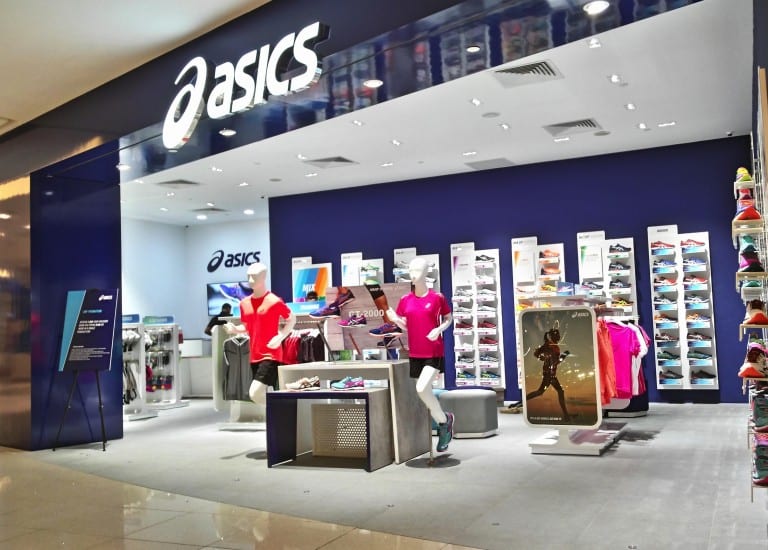
    Asics, the renowned Japanese sportswear brand, is set to open its second flagship store in Japan. The grand opening is scheduled for later this month, and the new store will be located in the bustling heart of Tokyo’s Shinjuku district. This four-storey retail expansion signifies Asics’ commitment to increasing its local presence and enhancing its customer engagement platform.

    A New Flagship Store with Innovative Offerings

    Spanning approximately 605 square meters, the Shinjuku store will serve as the company’s third global flagship location. This follows the establishment of the initial flagship stores in Harajuku, Japan and Shanghai, China. The store will feature a broad selection of Asics’ products, including its popular running, tennis, basketball, and golf collections. Customers can also look forward to exploring the SportStyle lifestyle range and a variety of collaborative products.

    One innovative feature of the new store is the introduction of Asics Create, a unique apparel customization service. This will be the first time the service is available in a directly operated store, providing customers with the opportunity to personalize select garments with embroidered designs.

    The flagship store also boasts an exclusive private lounge, accessible only by reservation. This lounge is designed to provide personalized one-on-one consultations for select members of the OneAsics loyalty program.

    Sustainable and Strategic Expansion

    In line with increasing global consciousness about sustainability, the Asics Shinjuku store incorporates various recycled materials in its construction. For instance, the flooring in the fitting rooms is partly fabricated from foam that has been salvaged from discarded shoes.

    The opening of the Shinjuku store marks another step in Asics’ strategic investment in expanding its branded retail network. It also aligns with the company’s broader goal of reorganizing its business portfolio. Just last month, Asics announced its plan to spin off its rapidly growing premium lifestyle label, Onitsuka Tiger, into a standalone subsidiary named OT Group starting in January 2027. This move aims to give the brand more operational freedom and catalyze its global expansion.

    Questions & Answers

    What is unique about Asics’ new flagship store in Shinjuku?
    The new store will introduce Asics Create, a unique apparel customization service, in a directly operated store for the first time. It will also feature a private lounge for personalized consultations with select members of the OneAsics loyalty program.

    How is Asics addressing sustainability in its new store?
    The Asics Shinjuku store incorporates various recycled materials, including fitting room flooring partly fabricated from foam salvaged from discarded shoes.

    What is the significance of the new store opening?
    The opening of the new flagship store in Shinjuku is a part of Asics’ strategic plan to expand its branded retail network and to reorganize its business portfolio.

  • Hermès Unveils Culturally-Inspired Boutique at The Landmark Nagoya Sakae

    Hermès Unveils Culturally-Inspired Boutique at The Landmark Nagoya Sakae

    Hermes, the high-end retail brand, recently established a new outlet in The Landmark Nagoya Sakae, Japan. The store design was inspired by the locale’s rich culture and long-standing textile customs.

    This new store, envisioned by the renowned architectural firm RDAI based in Paris, exhibits the brand’s sixteen merchant categories beautifully. The design is a blend of naturally illuminated spaces accentuated by varying textiles and vibrant colours.

    Store Design and Features

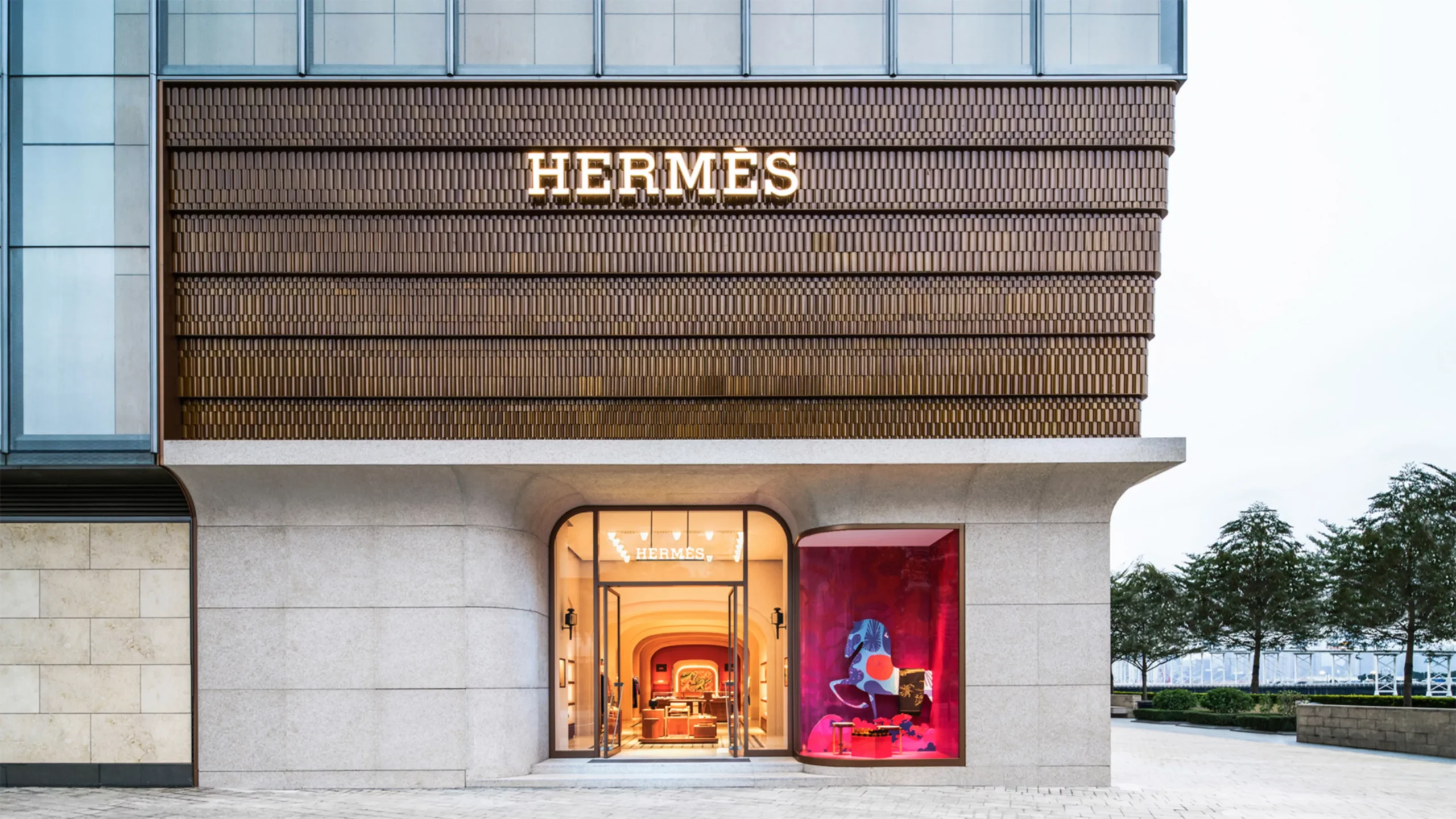
    The store’s entrance is adorned with towering windows that feature molded glass panels. A unique curtain, made from almost a thousand hand-woven cotton threads, hangs like the strands of a loom. The glass panes provide a backdrop for the reflection of two horses in mid-gallop, a sight to behold for visitors.

    The boutique’s layout is harmoniously connected by a central stone staircase, linking the various levels and departments effortlessly. The menswear section is located on the lower level, displaying an interior decor inspired by the traditional Japanese hakama, characterized by pleated gray silk walls.

    The womenswear section, situated on the second floor, employs a warm colour palette of plum and blush tones. It is elegantly finished with stucco and boasts yuzen-inspired floral elements. A dedicated jewellery section is demarcated by rich purple carpeting. The top floor houses the equestrian and homeware collections, incorporating design elements reminiscent of traditional shibori dyeing techniques. This is paired with neutral finishings and a distinctive ceiling light fixture.

    Questions & Answers

    What was the inspiration behind the design of the new Hermes store in Japan?
    The store was inspired by the local culture and textile traditions of Nagoya, Japan.

    What unique features can be found in the new Hermes store?
    The store showcases a variety of unique features such as a curtain made from nearly a thousand hand-woven cotton threads, a central stone staircase, and design elements that reference traditional Japanese shibori dyeing techniques.

    What collections does the Hermes store in Nagoya house?
    The store houses the menswear, womenswear, jewellery, equestrian, and home collections of Hermes.

  • Starbucks Considers Billion-Dollar Stake Sale in Japan: Potential Bidders Emerge

    Starbucks Considers Billion-Dollar Stake Sale in Japan: Potential Bidders Emerge

    Starbucks, the prominent Seattle-based coffee chain, is contemplating various strategies concerning its Japanese operations, which could potentially involve selling its stake in the region. This business decision could garner attention from other industry contenders and private equity companies.

    Valuation estimates for the potential stake sale hover around ¥400 billion (A$3.5 billion) to A$4.4 billion. However, Starbucks has yet to respond to inquiries regarding these speculations, leaving industry analysts and investors awaiting official correspondence.

    A brief look back reveals that the coffee company took full control of Starbucks Coffee Japan Ltd in 2014. This entity was previously a joint venture between Starbucks and its partner, Sazaby League, a partnership that began in 1995.

    In relation to Starbucks’ other international dealings, the company concluded an agreement with Boyu Capital in April to sell the majority of its Chinese operations. This decision placed a value of approximately A$5.6 billion on the business.

    Despite posting its most robust quarterly sales growth in over two years this past April, Starbucks faces increasing costs. This is largely due to CEO Brian Niccol’s turnaround strategy. As a result, uncertainties linger regarding the pace at which profit margins can rebound.

    Questions & Answers

    What is Starbucks currently considering for its Japanese operations?
    Starbucks is considering various options, including potentially selling its stake in its Japanese business.

    What is the estimated value of the potential stake sale?
    The potential stake sale is anticipated to be valued between ¥400 billion (A$3.5 billion) and A$4.4 billion.

    What challenges is Starbucks currently facing?
    Despite recording strong sales growth, Starbucks is experiencing increased costs due to CEO Brian Niccol’s turnaround strategy. This has led to concerns about how quickly the company’s profit margins can recover.

  • Yamada and Edion Set to Merge, Establishing Japans Largest Electronics Retail Empire

    Yamada and Edion Set to Merge, Establishing Japans Largest Electronics Retail Empire

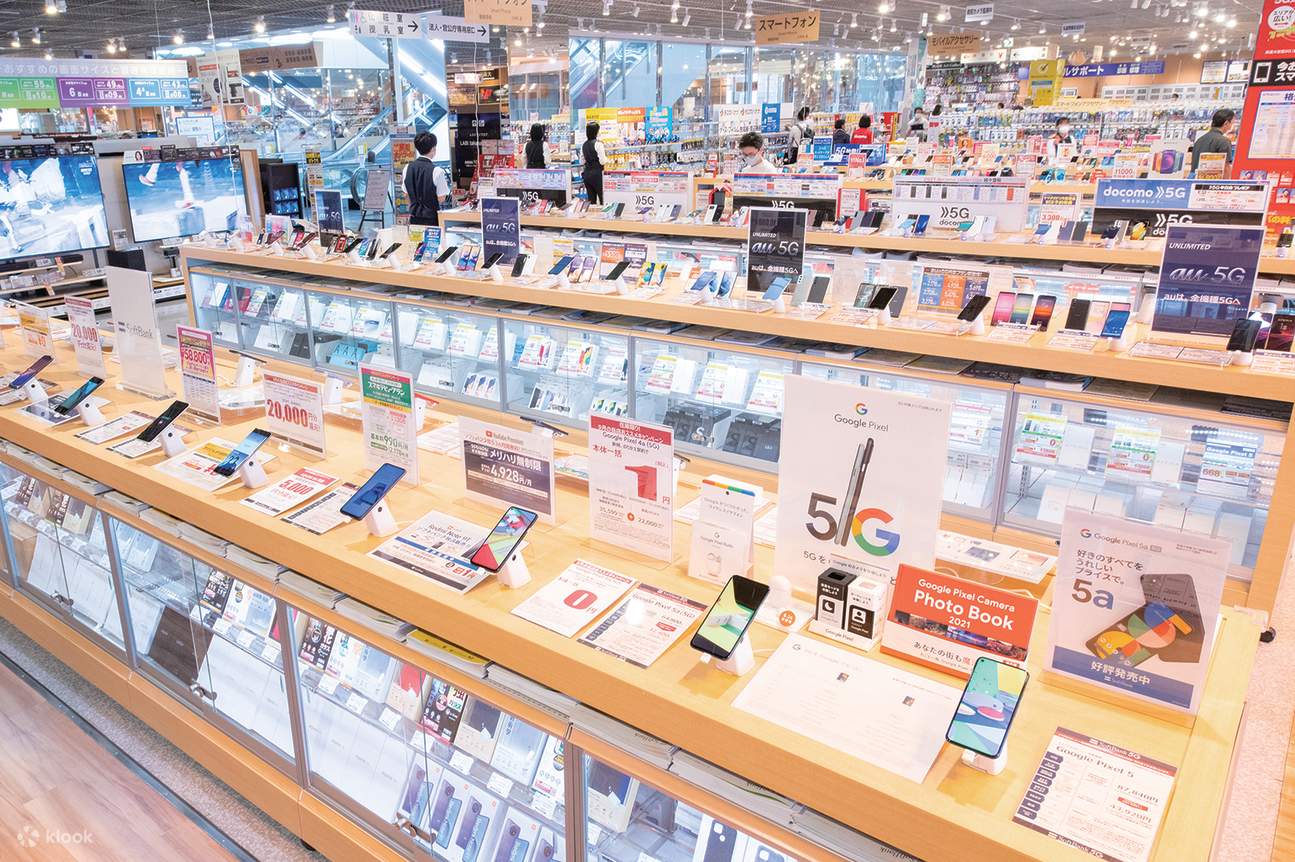
    Yamada Holdings, Japan’s premier consumer electronics retailer, is scheduled to merge with its competitor, Edion. This amalgamation is set to form Japan’s most extensive electronics retail conglomerate with an estimated annual turnover reaching 2.5 trillion yen (equivalent to roughly US$16 billion).

    The companies are due to formalize an initial agreement in the imminent week. The integration is projected to be orchestrated through a holding company, which will enable both retailers to maintain operations under their established brand names.

    Market Consolidation

    The merger would offer a combined sales volume more than twice that of their competitor, Bic Camera. This is a significant move towards further consolidation in a market experiencing slowed growth amidst escalating competition.

    During the fiscal year that concluded in March, Yamada reported sales of approximately 1.69 trillion yen (about US$10.5 billion), while Edion’s revenue was 793.7 billion yen (almost US$5 billion). United, these retailers would be listed among Japan’s most significant retail groups, trailing only Aeon, Seven & I Holdings, and Fast Retailing.

    The anticipated merger is intended to enhance scale, procurement capabilities, and product development abilities. In a bid to differentiate themselves, retailers are increasingly focusing on exclusive products and private-label offerings rather than merely competitive pricing.

    Expansion of Private-label Offerings

    Both companies have been broadening their private-brand product ranges. Yamada has unveiled an expanding range of private-label appliances, including an attractively priced front-loading washing machine that debuted last year.

    Simultaneously, Edion has made private-label products a strategic priority, introducing home appliances with unique designs aimed at the younger demographic.

    In 2012, Yamada Denki invested 10 billion yen to secure a controlling interest in competitor Best Denki.

    Questions & Answers

    What is the primary goal of the proposed merger between Yamada Holdings and Edion?
    The merger aims to boost scale, increase purchasing power, and enhance product development capabilities, with a focus on exclusive merchandise and private-label offerings.

    How will the merger impact the existing brands of both companies?
    The merger is expected to be structured through a holding company, allowing both Yamada Holdings and Edion to continue operating under their pre-existing brand names.

    How have Yamada Holdings and Edion been expanding their product ranges?
    Both companies have been focusing on expanding their range of private-label products. Yamada has introduced a variety of such appliances, while Edion has been producing uniquely designed home appliances targeted at younger consumers.