Tag: Japan

  • Ikea Japan Bids Farewell to Harajuku and Shinjuku Outlets: A New Chapter in Urban Retail Strategy

    Ikea Japan Bids Farewell to Harajuku and Shinjuku Outlets: A New Chapter in Urban Retail Strategy

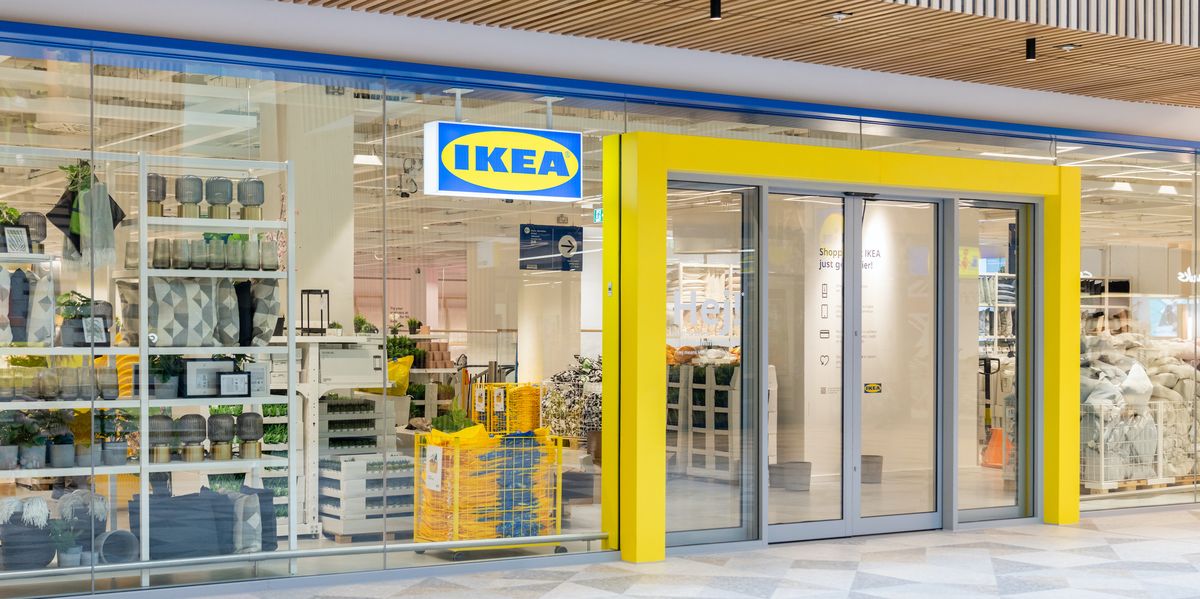
    IKEA Japan is set to shut down its Harajuku and Shinjuku city-format stores later this month. This brings an end to the retailer’s brief yet notable venture in two of Tokyo’s bustling shopping districts.

    Details of the Store Closures

    The renowned Swedish home furnishings group has confirmed that operations at both locations will cease on February 8, with doors shutting at 6 pm. This decision is part of a larger examination of IKEA Japan’s urban store network and its multichannel strategy.

    The Harajuku store was inaugurated in 2020, followed by the Shinjuku store in 2021. IKEA’s objective was to engage with younger, urban consumers by introducing smaller-format stores.

    IKEA’s Future Plans

    Despite the closures, IKEA has expressed plans to further solidify its presence in central Tokyo. The IKEA Shibuya will serve as the main city store, supplemented by larger suburban stores and its digital platform.

    In addition to these changes, IKEA also declared last month that it plans to close seven stores in China as of February 2. The list includes one suburban Shanghai location, another in Guangzhou, and multiple others in the second-tier Chinese cities of Nantong, Xuzhou, and Harbin.

    Questions & Answers

    When are the IKEA stores in Harajuku and Shinjuku closing?
    The stores are scheduled to close on February 8, with operations ending at 6 pm.

    What is the reason behind IKEA’s decision to close these stores?
    The decision to close the Harajuku and Shinjuku stores is part of a comprehensive review of IKEA Japan’s urban store network and omnichannel strategy.

    What are IKEA’s plans for its presence in Tokyo following these closures?
    IKEA plans to enhance its presence in central Tokyo, with the IKEA Shibuya serving as the main city store. This will be supplemented by larger suburban stores and the company’s online platform.

  • Yamamoto Hamburg: Japanese Hamburger Chain Set To Debut In Hong Kong This Month

    Yamamoto Hamburg: Japanese Hamburger Chain Set To Debut In Hong Kong This Month

    Yamamoto Hamburg, a Japanese company renowned for its handmade hamburger patties, is set to establish a new outlet in Hong Kong next month. The location of this new establishment will be PopCorn in Tseung Kwan O, marking Yamamoto Hamburg’s first venture in the Hong Kong market.

    Brand’s Second International Expansion

    This move constitutes the brand’s second foray outside its homeland Japan, with the first expansion taking place in Taiwan. The Hong Kong venture also complements Yamamoto Hamburg’s sister brand, Hikiniku to Come, which made its Hong Kong debut in 2024.

    The Hong Kong flagship location, which spans 1700 square feet, will accommodate over 60 guests. The decor is centered around the brand’s friendly, communal ethos, with natural wood finishes, gentle lighting, and relaxed seating arrangements to facilitate casual, family-friendly dining.

    A Culinary Legacy Spanning Two Decades

    Yamamoto Hamburg was established in 2005 by Shohei Yamamoto. The brand primarily deals in handmade hamburger patties, crafted from Australian Black Angus beef and Spanish pork, establishing it as a relaxed, family-focused dining option.

    Yamamoto expressed his delight at the expansion, stating, “Since our inception in Tokyo twenty years ago, my aim has been to spread the pleasure of Japanese handmade hamburg – prepared with safe, reliable ingredients imbued with the warmth of home cooking – to the world. I am therefore thrilled to bring my first hamburger brand, Yamamoto Hamburg, to Hong Kong.”

    Yamamoto Hamburg aims to provide an authentic daily feast revolving around family and the comforting essence of Japanese dining, as Yamamoto recalled the meals his mother used to prepare.

    Questions & Answers

    When was Yamamoto Hamburg established?
    Yamamoto Hamburg was founded in 2005 by Shohei Yamamoto.

    What does Yamamoto Hamburg specialize in?
    Yamamoto Hamburg specializes in handmade hamburger patties using Australian Black Angus beef and Spanish pork.

    Where is the brand’s new outlet to be located in Hong Kong?
    The new outlet of Yamamoto Hamburg is slated to open in PopCorn, Tseung Kwan O.

  • End of an Era: Lotteria Transforms into Zetteria, Marking a New Chapter in Japan’s Fast-Food Industry

    End of an Era: Lotteria Transforms into Zetteria, Marking a New Chapter in Japan’s Fast-Food Industry

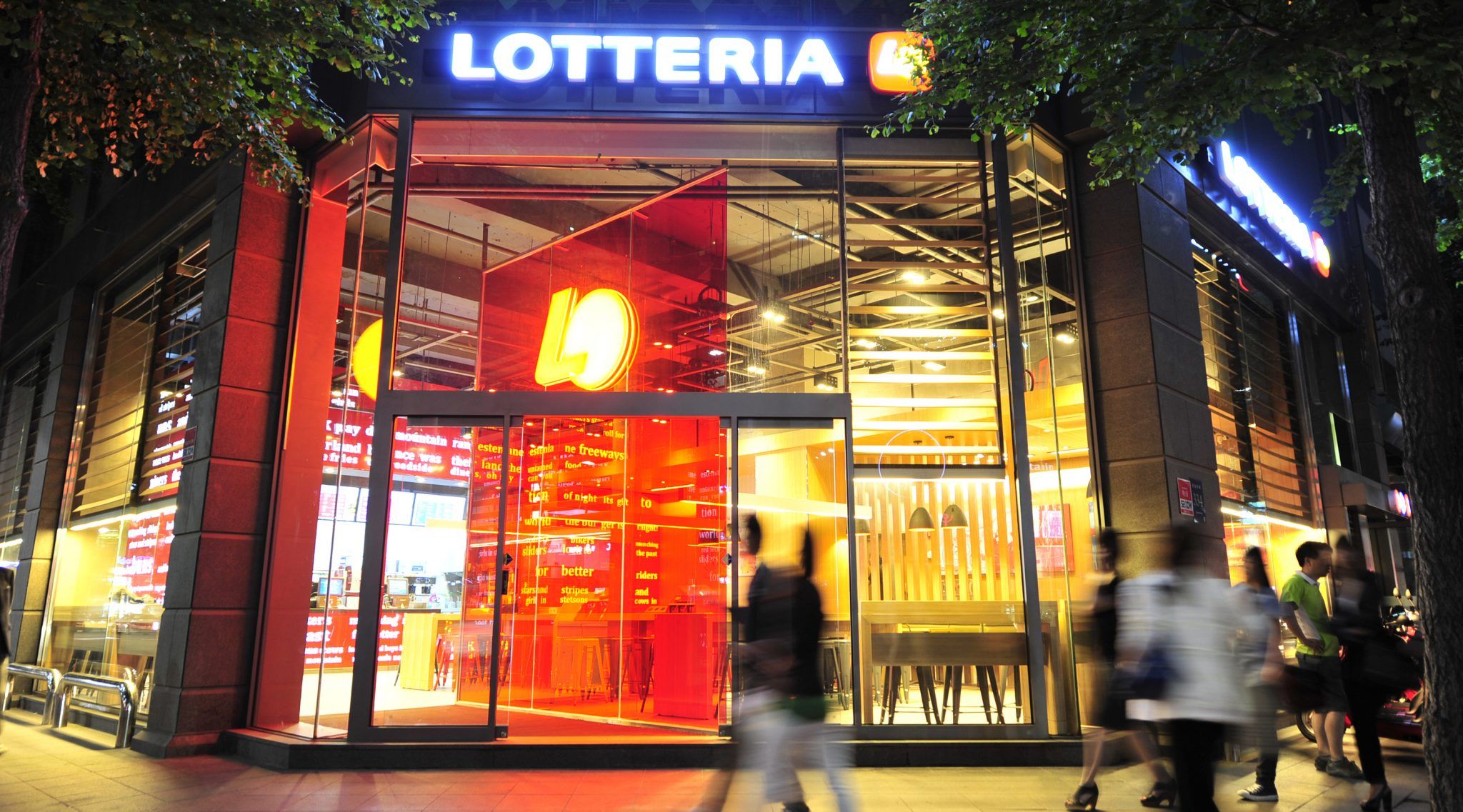
    After 54 years in operation, the popular Japanese burger chain Lotteria is set to be rebranded as Zetteria, beginning in March. The Lotteria brand first entered the market in 1972, establishing its inaugural outlet in Tokyo. The decision to retire the brand was recently taken by its operating company, Zensho Holdings.

    Zensho Holdings, a leading food service operator in Japan, took ownership of Lotteria Japan in 2023. The first Zetteria branch opened its doors in Tokyo in September of the same year. Since then, Zensho Holdings has been systematically converting Lotteria stores into Zetteria outlets. By December 2025, Japan had 106 Lotteria outlets and 172 Zetteria stores, totaling 278 locations. This places Zensho Holdings as the fourth-largest burger chain operator in the country, following McDonald’s (3,025 outlets), Mos Burger (1,309), and Burger King (337).

    The number of Lotteria outlets has seen a significant decrease in recent years, plummeting from 358 in January 2023 to 222 by June 2025, a near 40% drop in just over two years. This drop reflects not only store closures, but also Zensho Holdings’ strategic approach to transform existing outlets and alter business models.

    The Zetteria brand aims to bridge the gap between fast food and cafe dining. Expansion has been expedited by repurposing existing Lotteria locations and modifying store signage and concepts. Through the integration of the two brands, Zensho Holdings hopes to reduce costs by refining raw material procurement and logistics, while also improving operational efficiency.

    Despite the shared naming of menu items like the Zeppin Cheeseburger between Lotteria and Zetteria, the two brands previously operated separate procurement, production, and distribution systems, leading to differences in buns, patties, and sauces.

    Zetteria locations have been described as spaces that offer a dining experience beyond the typical fast food ambiance. The outlets feature spacious layouts, ample seating, understated lighting, and interiors that are reminiscent of cafes. Certain locations provide charging points for laptops and many have transitioned to table tablet ordering instead of traditional counter service.

    The menu has also seen adjustments. While basic burgers start at JPY250 (US$1.58), the signature Zeppin Beef Burger is priced at JPY540, making it more expensive than the previous offerings of Lotteria. The brand has also introduced premium, limited-time items such as roast beef burgers.

    Industry experts view the rise of Zetteria as indicative of broader changes within Japan’s fast food sector, as more operators seek to offer more than just quick, inexpensive meals. Zetteria is seen as an experimental brand aiming to occupy a new position as both a fast food restaurant and a cafe.

    Questions & Answers

    What is the reason for Lotteria’s rebranding as Zetteria?
    The change was part of Zensho Holdings’ strategy to transform existing outlets, improve operational efficiency, and cut costs by streamlining raw material procurement and logistics.

    What makes Zetteria different from Lotteria?
    Zetteria aims to bridge the gap between fast food and cafe dining. Outlets offer spacious layouts, ample seating, understated lighting, and interiors that are reminiscent of cafes. The menu also includes premium items, with the signature Zeppin Beef Burger priced higher than Lotteria’s previous offerings.

    How has the fast food sector in Japan been evolving?
    The rise of brands like Zetteria represents a shift in Japan’s fast food sector, with more operators seeking to offer experiences beyond just quick, inexpensive meals. Zetteria is seen as an experimental brand aiming to occupy a new position as both a fast food restaurant and a cafe.

  • AS Watson Expands Empire: 1000 New Stores Set to Open Amid 10 Million Boost in Loyalty Membership

    AS Watson Expands Empire: 1000 New Stores Set to Open Amid 10 Million Boost in Loyalty Membership

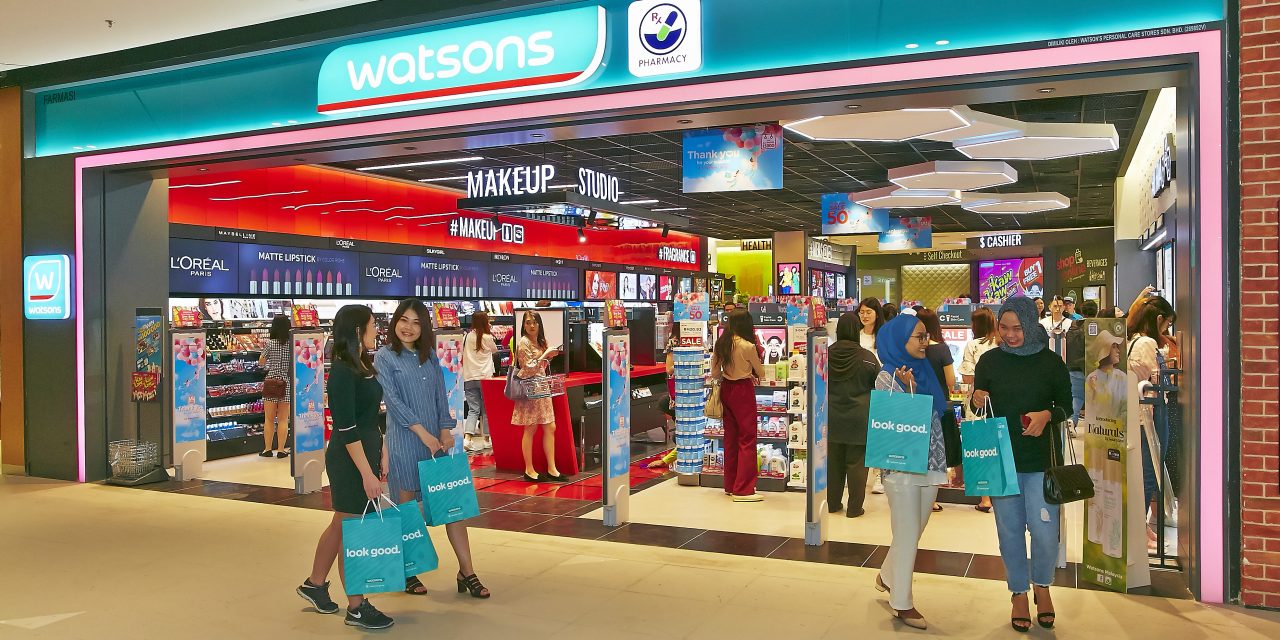
    AS Watson, a health and beauty retail giant, has announced ambitious expansion plans for the coming year, with around 1,000 new stores expected to open. This move comes in response to a significant surge in customer engagement via the company’s loyalty program.

    Growing Loyalty Program

    Last year, AS Watson witnessed an addition of 10 million new members to its loyalty program, pushing the global membership count to an impressive 180 million plus. This growth can be traced back to a successful integration between the firm’s brick-and-mortar store network and online platforms.

    Investment and Expansion

    AS Watson, which currently operates over 17,000 stores across 31 markets in Asia and Europe, is set to support its new store openings with an investment of approximately US$490 million. This funding will be allocated towards the launch of new stores, making store refurbishments, implementing technology updates, and enhancing supply chain processes.

    Strong Performance

    The retailer reported a robust category performance in the past year. Sales in the health category witnessed an 8 per cent increase, led by a double-digit rise in Europe. Simultaneously, beauty sales saw a 6 per cent uptick, propelled by a double-digit surge in Asia. The combined offline and online sales also saw a double-digit growth over the year.

    Preparation for the Future

    “Markets, technologies, and expectations are changing at an unprecedented speed. As we look to the future, our goal isn’t to predict what it holds but to be prepared for it. Our strategy remains the same – maintaining our dedication towards our customers, our employees, our partners, and upholding responsible business practices,” said Malina Ngai, Group CEO of AS Watson.

    AS Watson, which was established in Hong Kong in 1841, is celebrating its landmark 185th anniversary this year.

    Questions & Answers

    How many new stores is AS Watson planning to open this year?
    AS Watson plans to open about 1,000 new stores this year.

    What contributed to the growth in AS Watson’s loyalty program?
    The growth in AS Watson’s loyalty program can be attributed to the successful integration of its physical store network and online platforms.

    What is AS Watson’s strategy for the future, according to its Group CEO, Malina Ngai?
    AS Watson’s strategy for the future, as outlined by its Group CEO Malina Ngai, is not to predict the future but to be prepared for it by maintaining commitment towards their customers, employees, partners, and upholding responsible business practices.

  • Loewe Unveils Its Largest Japanese Store in Tokyo’s Glamorous Ginza District: A Fusion of Luxury Fashion and Art

    Loewe Unveils Its Largest Japanese Store in Tokyo’s Glamorous Ginza District: A Fusion of Luxury Fashion and Art

    Spanish luxury brand Loewe has continued its expansion in Asia with the opening of a new flagship store in Tokyo’s renowned Ginza district. Japan remains a crucial market for the brand, and the latest outlet signifies a strategic expansion of its retail presence.

    A Landmark Store

    The Casa Loewe Ginza store is the largest of its kind in Japan and second-largest globally. It occupies a prime location at the intersection of Chuo-dori and Miyuki-dori, an area famed for its luxury shopping culture. The sprawling four-story store offers the brand’s complete collection of products, including men’s and women’s ready-to-wear, leather goods, accessories, fragrances, and home items.

    An Ode to Art and Design

    The Casa Loewe concept, which intertwines retail with elements of art and design, is at the heart of the store. The exterior of the building is adorned with handcrafted ceramic tiles in a muted green hue, paying tribute to Ginza’s historical landscape. Inside the store, artworks and craft pieces are tastefully displayed alongside the brand’s merchandise, creating an immersive shopping experience.

    Celebrating with Unique Collaborations

    In celebration of the new store’s opening, Loewe has released exclusive items created in partnership with Kyoto-based ceramic studio, Suna Fujita. These special items add an element of local artisanal craftsmanship to the brand’s offering, further enhancing its appeal to the discerning Japanese market.

    Loewe’s parent company, the French luxury group LVMH, continues to prioritize the opening of brick-and-mortar locations in major cities across the globe, despite the rising trend of online shopping.

    In 2020, LVMH unveiled the Casa Loewe megastore in Shanghai, marking the brand’s largest flagship in Asia.

    Questions & Answers

    What is the Casa Loewe concept?
    The Casa Loewe concept is an innovative retail approach that integrates art and design elements into the shopping experience.

    How does Loewe’s new store in Tokyo compare in size to its other global locations?
    The Casa Loewe Ginza store is the largest in Japan and the second-largest worldwide.

    What unique offering has Loewe created to celebrate the opening of its new Ginza store?
    Loewe has produced exclusive items in collaboration with Suna Fujita, a Kyoto-based ceramic studio, to celebrate the launch of the new store.

  • Japan Bolsters Benefits to Retain Vietnamese Workforce Amid Economic Shifts

    Japan Bolsters Benefits to Retain Vietnamese Workforce Amid Economic Shifts

    Yoshihisa Tawara, a Japanese business owner, is taking measures to improve benefits for his Vietnamese employees in order to secure their continued employment. Tawara’s concerns arise from the fear that rapid economic development in Vietnam, combined with an increasing yen, may discourage Vietnamese workers from seeking employment in Japan.

    On the Frontline of Japan’s Canning Industry

    At the Choshi fishing port in Chiba Prefecture, Ho Thi Thuy Nhung begins her shift at eight in the morning. In a display of raw skill and concentration, she deftly cuts off fish heads and tails and sends them down the grill line. Initially, she found the intricacy of the process overwhelming but has since fully adapted.

    Nhung is one of 16 Vietnamese employees who work alongside 64 others at the canning factory. Tawara, the factory’s general director, asserts the indispensable role of migrant workers in the functioning of leading industries in Chiba – particularly within the canning sector. They tackle a vast range of tasks, from fishing to unloading and processing.

    The Complexity of Migrant Work

    Nonetheless, Tawara is increasingly concerned about whether employees like Nhung will choose to continue working in Japan. His worries are not baseless. Japan’s population is aging, and Southeast Asian nations, notably Vietnam, are making leaps in economic advancement and offering increasingly competitive salaries.

    Nhung moved to Japan for work last summer, leaving behind her family in Vietnam. Despite working strenuously for 14 hours each day in Vietnam, she was only earning US$500 a month, barely managing to cover her family’s living expenses. Her husband was also struggling financially.

    The decision to take a $3,800 loan and relocate to Japan for work was a significant risk for Nhung. Despite the challenges, she felt compelled to secure a better future for her son. Today, she earns approximately $830 a month (after taxes and other deductions) and sends $510 back home.

    Improving Conditions for Migrant Workers

    Recognizing the importance of migrant workers such as Nhung, Tawara has initiated significant changes to his business. He transformed a three-story townhouse into a fully furnished dormitory for his employees and furnished it with all necessary amenities, including cooking appliances. Over the past three years, he has prioritized hiring women over 30, valuing their resilience and professional dedication.

    In light of the current situation, Japanese authorities are planning to overhaul the existing technical internship program, criticized for labor exploitation, with a new scheme in 2027 that will offer more benefits to workers.

    Nhung hopes to achieve financial stability and return to Vietnam within the next three years. In contrast, her colleague, Nguyen Thi Kim Thuan, has decided to stay longer to support her two children through college.

    According to Tawara, migrant workers don’t just come to Japan for work – they have lives and the right to make their own decisions. If they elect to stay, he believes employers have a duty to offer support and companionship on their journey.

    Questions & Answers

    What does Yoshihisa Tawara attribute the success of his canning factory to?
    Tawara believes that the significant contribution of migrant workers is fundamental to the smooth functioning of his canning factory.

    What are the main factors causing concern about Vietnamese migrant labor in Japan?
    The rapid economic growth in Vietnam and the weakening yen in Japan are the main factors causing concern about the future of Vietnamese migrant labor in Japan.

    What steps has Yoshihisa Tawara taken to improve the conditions for his Vietnamese workers?
    Tawara has provided a fully furnished dormitory for his workers, equipped with all necessary amenities. Additionally, he has prioritized hiring women over 30, recognizing their perseverance and professional commitment.

  • Unstoppable Uniqlo: Fast Retailing’s Profits Skyrocket with Global Expansion Strategy

    Unstoppable Uniqlo: Fast Retailing’s Profits Skyrocket with Global Expansion Strategy

    Fast Retailing, which operates the Uniqlo clothing brand, has reported a significant increase in its quarterly operating profit, attributing the boost to a robust global sales growth. The increase in profits has enabled the company to withstand the impact of US tariffs.

    The company is currently marking its fifth consecutive year of profit. It has seen a rise in sales in China, which is its largest international market. This sales spike has been supplemented by an aggressive growth strategy in North America and Europe.

    During the quarter, Fast Retailing inaugurated key stores in Antwerp, Birmingham, and Munich. The company also has plans to establish a series of new flagship stores in key US cities, such as Chicago, New York, and Boston.

    Fast Retailing, which is known for its durable basic items, is viewed as an indicator of consumer sentiment in both Japan and China. It reported a 34% increase in operating profit to 205.6 billion yen (US$1.3 billion) during the September-November period, stemming from a 15% increase in revenue. This impressive performance exceeded the consensus estimates of 177 billion yen.

    The company also witnessed a 20.6% growth in profit from its domestic business compared to the previous year, largely due to rising demand for sweatshirts and warm innerwear.

    Numerous international markets observed double-digit growth in both revenue and profit. Sales in the autumn season were particularly strong in China, and a collaborative venture with e-commerce giant JD helped to attract new customers.

    In summary, the international segment of Fast Retailing reported a profit growth of 41.6%.

    For the full year, the company has raised its operating profit target to 650 billion yen, up from the previously set target of 610 billion yen.

    In a bid to reduce its reliance on the China market, which was significantly impacted by stringent Covid-19 restrictions, Fast Retailing has focused on North America and Europe as its primary growth regions.

    Questions & Answers

    What has contributed to Fast Retailing’s recent success?

    Fast Retailing’s success can be attributed to robust global sales growth, a rise in sales in China, its largest overseas market, and an aggressive expansion strategy in North America and Europe.

    What has been the impact of the company’s domestic business on its growth?

    The company’s domestic business has had a positive impact on its growth, with a 20.6% increase in profit thanks to the strong demand for sweatshirts and warm innerwear.

    How has Fast Retailing responded to the challenges posed by Covid-19 restrictions in China?

    Fast Retailing has sought to lower its dependence on the Chinese market by focusing on North America and Europe as its primary growth areas.

  • Sushi Tycoon ‘Tuna King’ Shells Out Record $3.2M for Massive Bluefin at Tokyo’s Prestigious Auction

    Sushi Tycoon ‘Tuna King’ Shells Out Record $3.2M for Massive Bluefin at Tokyo’s Prestigious Auction

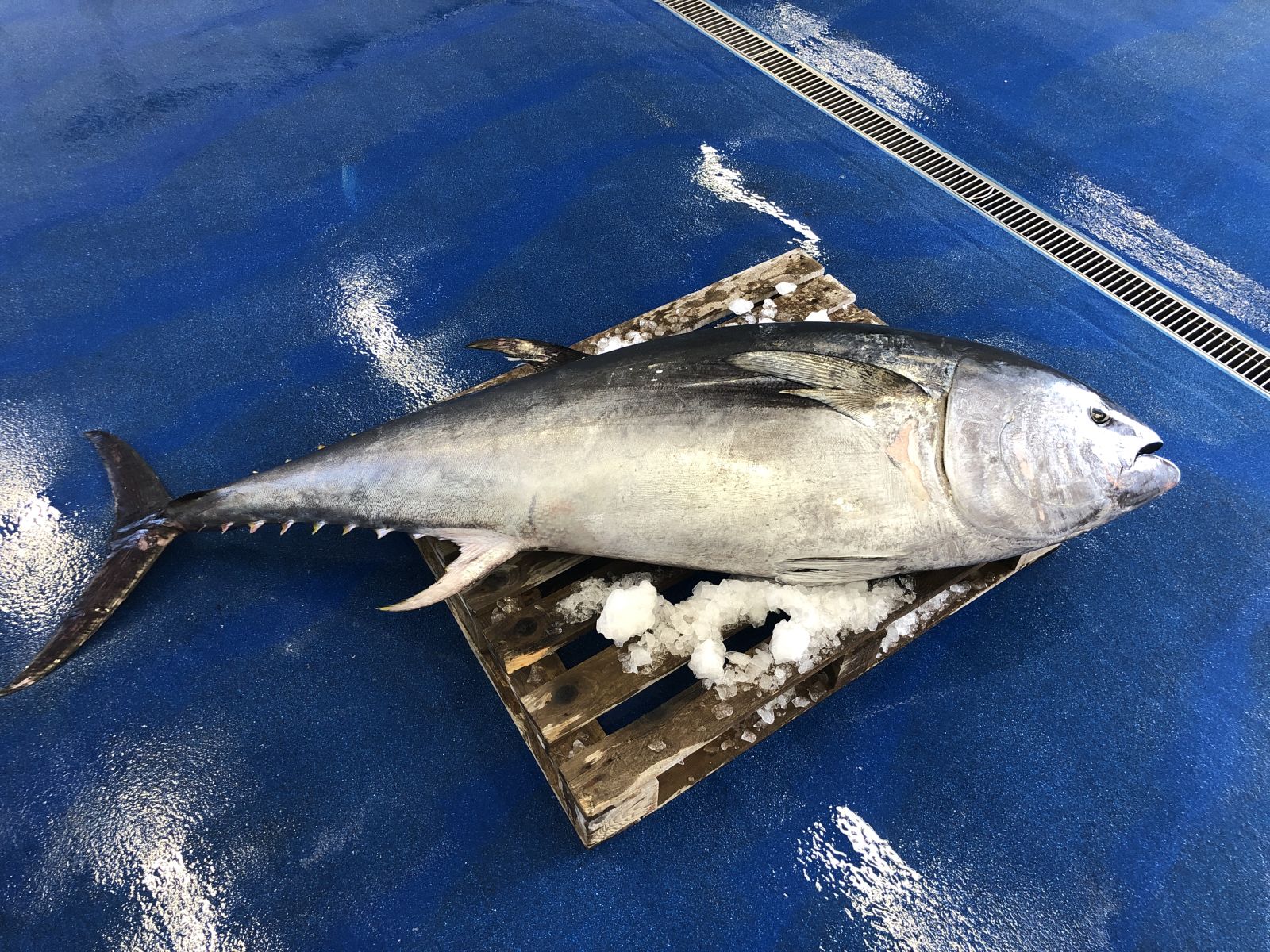
    A sushi entrepreneur from Japan, who goes by the moniker “The Tuna King”, set a new record when he purchased a colossal bluefin tuna for an unprecedented 510.3 million yen (approximately US$3.25 million) at an auction held on Monday.

    Record-Breaking Purchase

    Kiyoshi Kimura, the owner of a chain of sushi restaurants, emerged as the highest bidder at the esteemed annual New Year auction in Tokyo’s primary fish market. The 243-kilogram tuna that fetched this record price was caught off the northern coast of Japan.

    Kimura candidly expressed his surprise at the rocketing price of the fish. “I had hoped we could secure the fish at a somewhat lower cost, but the price escalated rapidly,” Kimura revealed in the wake of the predawn auction at Tokyo’s main fish market.

    Auspicious Tuna to Usher in the New Year

    Despite the staggering cost, Kimura remained optimistic about his purchase. “The price certainly caught me off guard…but I am hopeful that the consumption of this lucky tuna will invigorate as many people as possible,” he asserted to journalists.

    As the president of Kiyomura Corp., the Tokyo-based company operating the Sushizanmai sushi restaurant chain, Kimura showcased the 243-kilogram bluefin tuna at his flagship restaurant in Tokyo on January 5, 2026, following the New Year’s auction at Toyosu fish market.

    Historical Highs of Tuna Prices

    This auction price is the highest on record since data regarding such figures started being compiled in 1999. The previous record was 333.6 million yen, paid for a 278-kilogram bluefin tuna in 2019, after the fish market relocated from its traditional Tsukiji location in central Tokyo to a more modern facility.

    Last year’s highest bid was 207 million yen for a 276-kilogram bluefin. After this year’s auction, the hefty tuna was promptly prepared into sushi and sold for around 500 yen (about US$3) per roll.

    Customer Reactions

    Diners at one of Kimura’s restaurants in Tsukiji were delighted to partake in such an auspicious meal at the start of the year. “Having had the privilege of eating something so fortunate as the year begins, I feel like I’ve started the year on the right note,” shared 19-year-old Minami Sugiyama. Another patron, a 40-year-old Shinto priest named Kiyoshi Nishimura, shared a similar sentiment, praising the taste and texture of the tuna.

    Effects of the COVID-19 Pandemic

    During the COVID-19 pandemic, the New Year tuna prices plummeted to only a fraction of their regular peak prices as restaurants reduced their operations. However, the purchase of the bluefin tuna this year signals a potential recovery and brighter future for the Pacific bluefin industry.

    Questions & Answers

    What is the highest price ever paid for a bluefin tuna?
    The highest price ever paid for a bluefin tuna was 510.3 million yen (approximately US$3.25 million), by entrepreneur Kiyoshi Kimura in 2026.

    Who is Kiyoshi Kimura?
    Kiyoshi Kimura, also known as “The Tuna King”, is the president of Kiyomura Corp. and the owner of the Sushizanmai sushi restaurant chain in Tokyo.

    How has the COVID-19 pandemic affected the tuna industry?
    During the COVID-19 pandemic, prices for New Year tuna decreased significantly because restaurants had to scale back their operations.

  • Japan’s Tech Leap: Quadrupling Budget for Semiconductors and AI Amid Global Rivalry

    Japan’s Tech Leap: Quadrupling Budget for Semiconductors and AI Amid Global Rivalry

    The government of Japan is preparing to significantly increase its investment in the semiconductors and artificial intelligence sectors. In the forthcoming fiscal year, the governmental budgetary support for these sectors is predicted to be almost four times larger than in past years. This initiative is part of the country’s strategy to enhance its technological competitiveness in the midst of a growing global rivalry.

    Boost in Budgetary Support

    According to the government’s latest budget plan, the Ministry of Economy, Trade and Industry (METI) will allocate nearly JPY 1.23 trillion or USD 7.9 billion to advanced semiconductors and AI development in the new fiscal year commencing in April. This allocation marks a significant rise from past funding and is part of a wider expansion that increases METI’s overall budget by approximately 50% year-on-year to JPY 3.07 trillion. The draft budget has been approved by the cabinet of Prime Minister Sanae Takaichi, and parliamentary discussions will begin this year.

    Reason for the Surge in Funding

    The substantial increase in funding is indicative of Japan’s drive to reclaim its position in critical technologies, especially in the backdrop of escalating competition between the United States and China. As global supply chains face pressure and geopolitical risks start to influence technology policy, Tokyo aims to bolster domestic capabilities and reduce dependency on foreign suppliers.

    A significant change in the new budget is that the government plans to transition from ad-hoc supplementary funding to more predictable, regular budget allocations for the semiconductors and AI sectors. This strategy is expected to provide greater assurance for long-term investment and research planning.

    Budget Allocation Details

    The budgetary plan sets aside JPY 150 billion for Rapidus, a state-supported semiconductor venture charged with developing next-generation chip manufacturing capabilities. This allocation pushes the total governmental investment in the company to JPY 250 billion. In the AI sector, JPY 387.3 billion will be devoted to creating domestic foundation models, enhancing data infrastructure, and promoting “physical AI”, which involves integrating artificial intelligence into robotics and industrial machinery.

    Apart from digital technologies, the budget also earmarks JPY 5 billion for the procurement of critical minerals, such as rare earths, which are vital for advanced manufacturing. Another JPY 122 billion will be allocated towards decarbonization efforts, which includes the advancement of next-generation nuclear power technologies.

    Furthermore, the government intends to issue JPY 1.78 trillion in special bonds to reinforce the Nippon Export and Investment Insurance, facilitating Japanese corporate investment in the United States under bilateral trade arrangements.

    The increase in spending highlights Japan’s commitment to secure its place in next-generation technologies while managing the challenges of an increasingly fragmented global economy.

    Questions & Answers

    What is the aim of Japan’s increased investment in semiconductors and AI?
    The increased investment is a strategic move to strengthen the nation’s technological competitiveness amid escalating global competition.

    How is Japan’s funding strategy for semiconductors and AI changing?
    The government plans to transition from ad-hoc supplementary funding to more predictable, regular budget allocations for these sectors.

    What is the purpose of issuing special bonds worth JPY 1.78 trillion?
    The special bonds are intended to reinforce the Nippon Export and Investment Insurance, thereby facilitating Japanese corporate investment in the United States under bilateral trade arrangements.

  • Krispy Kreme Doughnuts Rolls $65M Deal with Unison Capital, Transferring Japanese Operations for Sweet Success

    Krispy Kreme Doughnuts Rolls $65M Deal with Unison Capital, Transferring Japanese Operations for Sweet Success

    Krispy Kreme, the renowned doughnut company, has struck a $65 million refranchising agreement with private equity firm Unison Capital. The agreement, which constitutes a significant milestone in Krispy Kreme’s revival strategy, is scheduled for finalization in the initial part of the coming year.

    Two Decades of Krispy Kreme in Japan

    Having established its presence in Japan for the past 20 years, Krispy Kreme boasts of 89 stores and nearly 300 delivery points across the country. The continued growth and presence of Krispy Kreme in Japan underscores the brand’s enduring appeal amongst Japanese consumers.

    Krispy Kreme CEO Josh Charlesworth expressed his satisfaction with the agreement, stating that it signals considerable advancement in a critical facet of the company’s turnaround strategy. He also expressed his confidence in Unison Capital, noting their proven track record and deep-seated experience in the retail beverage and restaurant sectors.

    Charlesworth believes that Unison Capital is the ideal long-term partner for operating and expanding Krispy Kreme’s footprints in Japan. He further noted that the deal’s completion would significantly aid the company’s refranchising efforts, fostering increased financial flexibility and facilitating debt reduction.

    Unison Capital: A Reliable Ally

    Established in Japan in 1998, Unison Capital has managed to raise an impressive $5 billion across six funds in Japan and three more in South Korea. The private equity firm’s successful track record in the region offers confidence for the future growth of Krispy Kreme.

    Tatsuya Hayashi, the co-founder and managing partner at Unison Capital, expressed optimism about the deal. He acknowledged the joy that Krispy Kreme’s fresh doughnuts have brought to communities in Japan over the past two decades. Hayashi also expressed his eagerness to carry forward and build upon this tradition.

    Questions & Answers

    What is the financial value of the refranchising agreement between Krispy Kreme and Unison Capital?
    The agreement is worth $65 million.

    When is the deal expected to be finalized?
    The agreement is anticipated to be completed in the first quarter of the upcoming year.

    How long has Krispy Kreme been present in Japan?
    Krispy Kreme has been operating in Japan for 20 years, with 89 locations and nearly 300 delivery points across the country.

  • Uber Japan and Rakuten Drive Up Rewards: Users to Earn More with Rakuten ID Integration

    Uber Japan and Rakuten Drive Up Rewards: Users to Earn More with Rakuten ID Integration

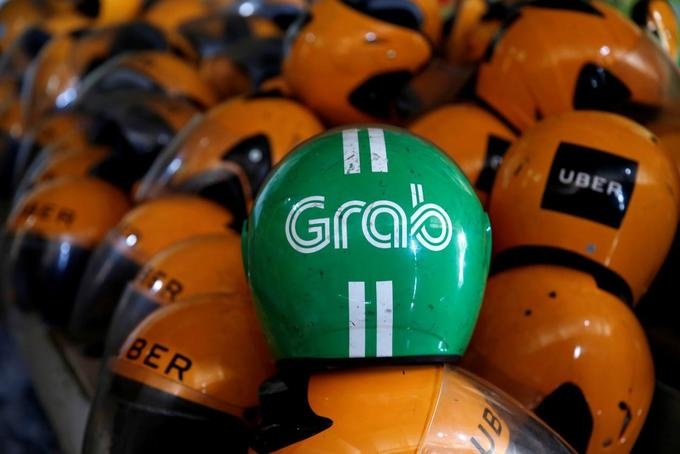
    Rakuten Group, Inc., Rakuten Payment, Inc., Uber Japan Co., Ltd., and Uber Eats Japan, Inc. have revealed plans to augment their strategic alliance by incorporating Rakuten ID. This joint venture connects Uber, a prominent mobility and delivery platform in Japan, with Rakuten ID, an essential element of the Rakuten Ecosystem. The objective is to cultivate new value via Rakuten Points, one of Japan’s most substantial loyalty programs.

    Strategic Partnership and Loyalty Program Integration

    The Uber Japan mobility service and Uber Eats Japan delivery service will progressively roll out Rakuten Payment’s shared point service, known as Rakuten Point Online. This integration will enable users who associate their Rakuten ID with the Uber or Uber Eats app to earn a Rakuten Point for every 200 yen (excluding tax) they spend on these apps.

    Starting from April 2022 for Uber Eats and April 2023 for Uber, users have had the ability to use Rakuten Pay, a cashless payment service. Paying with Rakuten Pay enables users to earn up to 1.5% back in Rakuten Points. With the new integration, users can combine Rakuten Point Online with Rakuten Pay to earn up to 2% back in Rakuten Points. As inflation increases daily living costs, utilizing Uber’s services provides a more beneficial method of earning Rakuten Points.

    Subscription Benefits and Personalized Experience

    Moreover, by subscribing to Uber One, a 498 yen monthly membership, users can earn Uber One Credits equivalent to 10% of the fare amount when using Uber’s mobility service, adding another level of savings. This strategic alliance allows Uber to leverage Rakuten’s large data assets to offer more personalized recommendations and promotions for users.

    The companies collectively aim to offer new experiences that make daily meals and mobility more convenient and rewarding. To commemorate the launch, the companies will run the “Earn up to 1,000 Points by Linking Your Rakuten ID with Uber” campaign until December 22, 2025.

    Special Campaigns and Future Plans

    During this campaign, the first 500,000 users who link their Rakuten ID to the Uber or Uber Eats app and spend at least 1,500 yen (excluding tax) on Uber Eats will earn 300 Rakuten Points. Users who also spend at least 1,500 yen (excluding tax) on an Uber ride will receive 350 Rakuten Points on their first ride and an additional 350 points on their second ride, totaling 1,000 Rakuten Points when combined with Uber Eats benefits.

    Rakuten Mobile subscribers who link their Rakuten ID and pay on Uber or Uber Eats will receive 20 times the standard Rakuten Points. Furthermore, Uber One monthly members who have linked their Rakuten ID will be eligible to purchase the annual plan at a special 70% discount.

    Rakuten, Rakuten Payment, Uber Japan, and Uber Eats Japan are committed to continue strengthening their strategic partnership through the integration of Rakuten ID, expanding collaboration between the Rakuten Ecosystem and the Uber and Uber Eats platforms. The aim is to create new value by offering convenient and rewarding services that support users’ lifestyles and drive business growth for both companies.

    Questions & Answers

    What is the main aim of the strategic partnership between Rakuten and Uber?
    The main aim is to create new value by offering convenient and rewarding services that support users’ lifestyles and drive business growth for both companies.

    What benefits will users get from linking their Rakuten ID with Uber?
    Users will earn Rakuten Points for every 200 yen spent on Uber or Uber Eats, and they can earn up to 1,000 points through a special campaign. Rakuten Mobile subscribers will receive 20 times the standard points.

    What additional benefits do Uber One monthly members receive?
    Uber One monthly members who link their Rakuten ID can purchase the annual plan at a special 70% discount. They also earn Uber One Credits equivalent to 10% of the fare amount when using Uber’s mobility service.

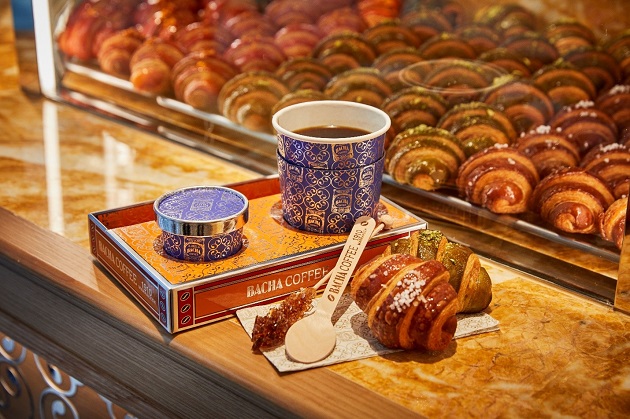
  • Bacha Coffee Brews Global Expansion with Lavish Flagship Store Debut in Tokyo’s Ginza District

    Bacha Coffee Brews Global Expansion with Lavish Flagship Store Debut in Tokyo’s Ginza District

    Bacha Coffee, a Moroccan coffee brand, has made a significant stride in its global growth strategy by establishing its inaugural Japanese flagship store in Tokyo’s luxurious Ginza district.

    Store Features and Design

    The flagship, situated in Ginza’s highly competitive 5-chome luxury retail sector, spans three levels and occupies 377 square meters. It incorporates a retail boutique on the ground floor, complemented by two coffee rooms on the upper levels, thereby positioning the location as a dual-purpose retail and hospitality destination.

    The design concept is inspired by Bacha Coffee’s roots at Dar el Bacha in Marrakech, with the aesthetics adapted to cater to the Japanese market. The interior showcases a blend of red ochre tones, a black-and-white checkered floor, geometric lattice motifs, and intricately carved cedar wood elements, reflecting a perfect fusion of Moroccan and Japanese aesthetics.

    Coffee Selection

    The Ginza-based establishment offers patrons a selection of over 200 varieties of 100% Arabica coffee, which are meticulously sourced from 35 countries worldwide, including Yemen, Ethiopia, Jamaica, and Hawaii. The assortment includes single-origin coffees, blends, and flavored options, alongside Naturally CO2 Decaffeinated coffee varieties.

    Maranda Barnes, Chief Commercial Officer of Bacha Coffee, has described the Ginza location as more than just a boutique. According to her, it serves as an iconic representation of Bacha Coffee in Asia. Barnes further described the location as “a true invitation to travel, a place where each cup tells a story of craftsmanship, passion, and savoir-faire.”

    Earlier in the year, Bacha Coffee indicated plans to expand its footprint in Japan via a franchising agreement with local railway operator The Tokyu Group.

    Global Presence

    Currently, Bacha Coffee operates 37 locations across 14 cities spanning Asia, Europe, and the Middle East. These locations include Paris, Seoul, Dubai, Singapore, Taipei, and Hong Kong. The brand has expressed its ambitious vision of establishing a presence in major global capitals by the year 2030.

    Questions & Answers

    Where is Bacha Coffee’s first Japanese flagship store located?
    The flagship store is located in Tokyo’s luxurious Ginza district.

    What are some unique features of the Ginza store?
    The store is uniquely designed, blending Moroccan and Japanese aesthetics. It spans three levels and incorporates a retail boutique and two coffee rooms.

    What is Bacha Coffee’s expansion target by 2030?
    Bacha Coffee aims to establish a presence in major global capitals by the year 2030.

  • Human Made Leaps to Tokyo Stock Exchange: A Pivotal Move in Global Retail Expansion Strategy

    Human Made Leaps to Tokyo Stock Exchange: A Pivotal Move in Global Retail Expansion Strategy

    Japanese lifestyle company Human Made has successfully been registered on the Tokyo Stock Exchange Growth Market, indicating a significant development in the firm’s expansion strategies both locally and internationally.

    Company Overview

    Human Made was established in 2010 by designer Nigo, gaining recognition for its streetwear design. The brand has gradually grown its presence, both within Japan and globally. Presently, Human Made runs seven outlets throughout Japan and has extended its reach to China, Hong Kong, and South Korea. Additionally, it has formed alliances with local distributors in Singapore, Thailand, Indonesia, and Australia.

    Diversification of Business

    Apart from its fashion-centric operations, Human Made has branched out into the food and beverage industry with its Curry Up restaurant chain. The chain expanded its operations beyond Japan for the first time, opening a location in Hong Kong in the previous year.

    Global Creative Direction

    In the previous year, the company welcomed global music and fashion figure Pharrell Williams as a creative advisor. This move reinforced the company’s global creative direction. In alignment with its flagship lifestyle brand, the company changed its name from Otsumo Co to Human Made Inc in May.

    Future Prospects of the Company

    Looking forward, Human Made has plans to inaugurate its first-ever global flagship store in Harajuku in the summer of 2026. This will be followed by a second store opening in Aoyama in 2027. These plans underscore the brand’s dedication to creating immersive retail experiences.

    Questions & Answers

    What is Human Made’s primary line of business?
    Human Made is a lifestyle brand known for its streetwear designs.

    What other industry does Human Made operate in?
    Apart from fashion, Human Made is also involved in the food and beverage sector through its Curry Up restaurant chain.

    What are some future plans of Human Made?
    The company plans to open its first global flagship store in Harajuku in 2026, followed by a second location in Aoyama in 2027.

  • Michelin-Starred Terra Tokyo Italian Announces Closure Amid Market Challenges: A Decade-Long Journey Ends in December

    Michelin-Starred Terra Tokyo Italian Announces Closure Amid Market Challenges: A Decade-Long Journey Ends in December

    Terra Tokyo Italian, a unique fusion of Japanese and Italian dining in Singapore, has announced it will be saying farewell this coming December. The Michelin-star restaurant broadcasted the disheartening news in an Instagram post earlier this week, stating that its final day of service will be December 20, 2025.

    A Fond Farewell

    The restaurant’s statement expressed a heartfelt goodbye, reminiscing over its journey that was marked by shared meals, warm conversations, celebrations, and memorable moments. It extended gratitude to its loyal patrons who have shaped the establishment over the past decade.

    “We are deeply grateful for the decade we have spent together. Your trust, your smiles, your support has meant everything to us. We hope to spend these remaining days together, just as we have done for the past ten years. We welcome you wholeheartedly until our very last service,” the statement said.

    Reason For Closure

    The restaurant attributed its impending closure to the challenges imposed by the current market conditions.

    Terra Tokyo Italian was originally established as an omakase-style restaurant by Japanese chef Seita Nakahara, who later left the establishment in 2023. It first earned a Michelin star in 2016, lost it the subsequent year, but managed to reclaim it from 2019 through 2024. Despite losing its star this year, the restaurant still remains a Michelin-selected establishment for its quality.

    Other Closures and Changes

    Terra Tokyo Italian is not alone, as eight other one-star Michelin restaurants also closed their doors between 2024 and now. Several other establishments that managed to retain their stars have also ceased operations or announced their closures, including restaurants like Alma by Juan Amador, Restaurant Euphoria, and Esora.

    In addition, other Michelin-starred restaurants are undergoing changes. For instance, Sushi Sakuta, a two-star restaurant, is moving from the Capitol Kempinski Hotel Singapore to Millenia Walk this month, while three-star French restaurant Odette is currently undergoing renovations and is set to reopen next month.

    The broader food and beverage industry in Singapore is also experiencing significant closures. Last year saw the closure of some 3,047 eateries, the highest figure in last two decades. The first ten months of this year already witnessed 2,431 closures, 63% of which did not last more than five years.

    Questions & Answers

    When will Terra Tokyo Italian close its doors?
    The restaurant plans to cease operations on December 20, 2025.

    What has been the impact of current market conditions on the restaurant scene in Singapore?
    The food and beverage industry in Singapore has seen a significant number of closures due to market conditions. In the past year, over 3,000 eateries have shut down, marking the highest closure rate in two decades.

    How has the Michelin Guide impacted Terra Tokyo Italian?
    The restaurant first earned a Michelin star in 2016, lost it the following year, but reclaimed it from 2019 to 2024. Despite losing its star in 2025, the restaurant still remains a Michelin-recognized establishment for its quality.

  • Japanese Coffee Titans Brew Expansion Strategy to Rival Starbucks in India and Southeast Asia

    Japanese Coffee Titans Brew Expansion Strategy to Rival Starbucks in India and Southeast Asia

    Japanese-themed full-service café chains are accelerating their proliferation across India and Southeast Asia. They are banking on the allure of their high-end atmosphere and Japan-centric menus to the emerging middle and upper-class consumers in these regions.

    Emergence of Full-Service Cafés

    Coffee-Kan, a full-service café where customers place their orders at the table and enjoy comprehensive waiter service, is gearing towards inaugurating its debut international outlet in India by 2027. The company is targeting to set up 60 stores throughout India and Southeast Asia within the next decade.

    Targeting urban office-goers and middle to high-income consumers in cities like Mumbai and Bengaluru, café operator C-United anticipates an average spending to surpass JPY2,000 yen (US$12.90), which is over double its average expenditure in Japan.

    The number of international café chain outlets in India saw a 13% hike in 2024 from the preceding year, tallying up to around 5,300 outlets. Leading the pack was Starbucks, followed by native brands Barista and Café Coffee Day, all of which only offer counter service. Industry experts believe that full-service cafes have a high growth potential.

    “Full-service cafes are gaining in popularity as a space where office employees and university students can relaxingly spend longer durations indulging in food, reading, and socializing,” remarked Takanori Higuchi of the Japan External Trade Organization office in New Delhi.

    C-United’s President Yuki Tomonari commented that “there is a demand for more expensive options in the full-service café format.”

    Thriving Market Potential

    Market research company Euromonitor International predicts that by 2030, India’s middle to high-income population will leap to over 40% from just 10% in 2020.

    Another Japan-based firm, Doutor Nichires Holdings, has plans to inaugurate the first international branch of its full-service concept Kanno Coffee in Taiwan by March 2026. The chain, which currently operates 12 outlets chiefly in urban areas in Japan, will spotlight matcha-based offerings in Taiwan and anticipates an average customer spending of approximately 1,000 yen.

    Doutor Nichires has already opened roughly 20 branches of its Hoshino Coffee brand across Taiwan and the Philippines. Kanno Coffee boasts numerous Japanese-style menu items that incorporate matcha,” observed President Masanori Hoshino. “We believe it will be successful even at a higher price point than Hoshino Coffee.”

    Komeda is also broadening its reach in Taiwan and Indonesia, managing about 80 international stores compared to 18 as of February 2021.

    Questions & Answers

    What does the term ‘full-service café’ refer to?
    Full-service cafes offer a dining experience where customers place their orders at their tables and enjoy complete waiter service.

    What are the expansion plans of Coffee-Kan?
    Coffee-Kan plans to open its first overseas outlet in India by 2027 and aims to establish 60 stores across India and Southeast Asia by 2030.

    What is the special offering of the Kanno Coffee chain?
    Kanno Coffee, a chain run by Doutor Nichires Holdings, places special emphasis on matcha-based offerings at its outlets.