Tag: Japan

  • Zara Unveils Japan’s First Zacaffe within its Osaka Flagship Store: A Fusion of Fashion and Culture

    Zara Unveils Japan’s First Zacaffe within its Osaka Flagship Store: A Fusion of Fashion and Culture

    Spanish retailer, Zara, has inaugurated a new flagship store in the Shinsaibashi district of Osaka, marking the introduction of Japan’s inaugural Zacaffe. This innovative café concept is an initiative by the brand to establish a cultural symbiosis with every city it operates in.

    Architectural Synergy

    The store, spanning a generous 1,900 square meters across four floors, is a harmonious blend of traditional Japanese architectural elements and modern design aesthetics. The interior design utilizes traditional elements such as tatami, adobe, and noren, alongside hammered black metal and steel finishes, creating a fusion of historic influences with contemporary styling.

    Product Display and Boutique Spaces

    The flagship store showcases a range of product display areas and exclusive “boutique” spaces. The store uses custom-made furniture and uniquely designed layouts to emphasize specific collections, contributing to a tailored and immersive customer experience.

    Brand Lines and Accessory Selection

    The Shinsaibashi outlet also houses dedicated sections for distinct brand lines. Furthermore, the store boasts an expanded catalogue of footwear and accessories, offering a comprehensive shopping experience to its patrons.

    Zara said, “The entire space is intuitively designed to provide a welcoming and immersive shopping experience, seamlessly integrating both women’s and kids’ collections.”

    Questions & Answers

    What is the unique feature of the new Zara store in Osaka’s Shinsaibashi district?
    The store marks the introduction of Japan’s first Zacaffe, a café concept with the aim of establishing a cultural connection with the city.

    What architectural elements does the new Zara store incorporate?
    The store design combines traditional Japanese elements like tatami, adobe, and noren with contemporary elements such as hammered black metal and steel finishes.

    What does the Zara store offer in terms of products and collections?
    The store features distinct display zones and boutique spaces to highlight specific collections. Additionally, it includes areas for distinct brand lines and an expanded selection of footwear and accessories.

  • Goldman Sachs in Exclusive Talks for $452M Acquisition of Burger King Japan

    Goldman Sachs in Exclusive Talks for $452M Acquisition of Burger King Japan

    Goldman Sachs is reportedly in exclusive negotiations to acquire the Japan operations of Burger King from Hong Kong-based private equity firm, Affinity Equity Partners.

    The transaction is speculated to be worth around 70 billion yen (approximately US$452 million). Goldman Sachs is allegedly preparing to acquire BK Japan Holdings. The latter entity currently operates approximately 310 Burger King locations throughout Japan.

    BK Japan has ambitious plans to expand its footprint. By the end of 2028, the company aims to have established a total of 600 Burger King branches within the country. This represents a substantial growth, considering that the company had only 77 stores in 2019.

    Burger King’s journey in Japan has seen its fair share of highs and lows. The brand initially penetrated the market in the 1990s, only to withdraw in 2001 due to poor performance. However, it made a comeback in 2007 via a franchise partnership led by South Korea’s Lotte Group and Japan’s Revamp. The operations were subsequently handed over to Lotteria, a subsidiary of Lotte, in 2010.

    Questions & Answers

    What is the reported value of the acquisition deal between Goldman Sachs and Burger King’s Japan operations?
    The deal is reportedly worth around 70 billion yen (approximately US$452 million).

    How many Burger King outlets does BK Japan Holdings currently operate?
    BK Japan Holdings currently operates approximately 310 Burger King locations throughout Japan.

    What are BK Japan’s expansion plans?
    BK Japan aims to establish a total of 600 Burger King branches within the country by the end of 2028.

  • Tokyo Emerges as Global Fintech Powerhouse: Insights from Singapore FinTech Festival 2025

    Tokyo Emerges as Global Fintech Powerhouse: Insights from Singapore FinTech Festival 2025

    Japan demonstrated its aim to be a prominent platform for global fintech growth at the Singapore FinTech Festival 2025. The country’s aspirations are bolstered by regulatory transparency, digital-asset amendments, and an increasing interest from investors.

    Tokyo: The New Frontier of Fintech Innovation

    During the Singapore Fintech Festival 2025, FinCity.Tokyo gathered policy makers, venture capitalists, and fintech pioneers to elucidate why Tokyo is quickly evolving into a critical hub for worldwide financial innovation. The institution underscored how regulatory changes, cross-border partnerships, and the development of digital-asset infrastructure are transforming Tokyo from a conventional banking hub into a fintech-centric ecosystem.

    Policy Progress Enhances Japan’s Attractiveness

    Tokio Morita, the executive director of FinCity.Tokyo, underlined the organization’s objective to assist foreign fintech firms in understanding and penetrating the market. Speaking at the Japan Pavilion, Morita highlighted that Tokyo’s evolution is based on extensive public-private partnerships, a transparent regulatory landscape, and continuous investor engagement.

    “We are here to guide you through the regulatory intricacies, introduce you to business associates, capital, and specialists, and aid in expanding your operations,” Morita stated. He noted that Japan was one of the initial countries to legally acknowledge crypto assets and continues to refine its digital asset structures.

    Expanding Market Indicates Long-Term Prospects

    The fintech market in Japan is anticipated to attain $30.2 billion by 2033, growing at a Compound Annual Growth Rate (CAGR) of 14.1 percent. Tokyo also stands at the eleventh position in the global ecosystem index by Startup Genome, which further validates its escalating importance for founders and investors seeking steady growth.

    Natalie Shiori Fleming, APAC head at Banking Circle, shared her insights as a new participant in the Japanese market. She pointed out that Japan’s regulatory framework is explicit and progressive, particularly in the digital-asset sector.

    Establishing Tokyo as a Reliable Hub for Innovation

    The Singapore Fintech Festival 2025 session is part of FinCity.Tokyo’s broader strategy to project Japan as a reliable center for innovation, backed by policy stability, substantial capital resources, and robust institutional support.

    The organization strives to attract global fintech firms by offering a systematic, transparent route into one of Asia’s most advanced markets.

    Questions & Answers

    What is the projected growth of Japan’s fintech market?
    The fintech market in Japan is anticipated to reach $30.2 billion by 2033, growing at a CAGR of 14.1 percent.

    What are the factors contributing to Tokyo’s evolution into a fintech-centric ecosystem?
    Tokyo’s transition into a fintech-centric ecosystem is driven by regulatory changes, cross-border partnerships, and the development of digital-asset infrastructure.

    How does FinCity.Tokyo plan to attract global fintech firms?
    FinCity.Tokyo aims to attract global fintech firms by offering a systematic, transparent route into one of Asia’s most advanced markets.

  • Jins Makes Spectacular Debut in Vietnam: First Flagship Store Unveiled in Saigon Centre Amid Expansion Plans

    Jins Makes Spectacular Debut in Vietnam: First Flagship Store Unveiled in Saigon Centre Amid Expansion Plans

    In a strategic move to expand its footprint across Southeast Asia, Jins, a renowned Japanese eyewear retail brand, has inaugurated its introductory store in Vietnam. The expansive 200-square-meter flagship store is centrally located at Saigon Centre in Ho Chi Minh City.

    Reflective Design and Core Collections

    The design of the newly established store is a true reflection of the brand’s minimalist approach that combines unadorned simplicity with purposeful utility. The interior of the store embraces the Japanese spatial concepts, Shakkan-ho and Chigaidana, creating an environment of balance and systematic order. This design philosophy is a characteristic feature seen across all Jins outlets in Asia.

    The Vietnam branch offers the company’s key collections, namely Airframe, 360°, Home, and Combination Titanium. These collections are known for their lightweight materials, flexible hinges, and understated styling.

    A Significant Milestone

    The launch in Vietnam represents a significant landmark in the global expansion journey of Jins. Atsushi Ogawa, director of Jins Vietnam, expressed his delight in bringing the brand’s ‘Magnify Life’ philosophy to Vietnamese customers. This philosophy unifies functionality, creativity, and design aspects.

    Ogawa stated, “Jins is committed to establishing a long-lasting presence in Vietnam while also contributing to the growth of the local eyewear market. Our approach is centered on quality, innovation, and a customer-centric experience.”

    Future Expansion Plans

    In addition to launching the flagship store, Jins intends to unveil two more outlets in Ho Chi Minh City this month. The company initially entered the Vietnamese market in June with a temporary pop-up store. This store served to measure local demand before the brand’s permanent installation.

    This debut in Vietnam represents Jins’ eighth overseas market, following its presence in Japan, China, Taiwan, Hong Kong, the Philippines, the US, and South Korea. As of September this year, the company runs 810 stores worldwide, making Vietnam a significant addition to its Southeast Asian network.

    Questions & Answers

    What is the design philosophy of Jins?
    Jins follows a minimalist design ethos that combines simplicity with utility, reflecting Japanese spatial concepts such as Shakkan-ho and Chigaidana.

    What are the key collections offered by Jins in its Vietnam store?
    The Vietnam store carries Jins’ core collections, including Airframe, 360°, Home, and Combination Titanium, embodying lightweight materials, flexible hinges, and restrained styling.

    What are the future expansion plans of Jins in Vietnam?
    In addition to the flagship store, Jins plans to open two more stores in Ho Chi Minh City in the near future.

  • SoftBank and OpenAI Unleash ‘Crystal Intelligence’ to Energize Japan’s Corporate AI Landscape

    SoftBank and OpenAI Unleash ‘Crystal Intelligence’ to Energize Japan’s Corporate AI Landscape

    The SoftBank Group, which includes SoftBank Corp. and SoftBank Group Corp., has partnered with OpenAI Group PBC to launch a joint venture known as SB OAI Japan GK (SB OAI Japan). The aim of this venture is to introduce “Crystal intelligence,” a groundbreaking artificial intelligence (AI) solution designed to revolutionize management and operational processes within Japanese enterprises.

    Bringing AI to Corporate Management

    The new solution combines OpenAI’s most recent products with customized implementation and system integration services. Exclusively available in Japan, “Crystal intelligence” is set for release in 2026, and is expected to significantly enhance organizational productivity and management efficiency by integrating state-of-the-art AI tools.

    The new solution combines OpenAI’s enterprise offerings with local support and implementation provided by SB OAI Japan. SoftBank Corp. will be the first company to adopt and implement this technology before it becomes available to other customers in Japan. This initial deployment will serve to validate its effectiveness in product development and business transformation via advanced AI technologies.

    AI Integration and Implementation

    The insights and expertise acquired from these efforts will be disseminated to other enterprises through SB OAI Japan. The SoftBank Group is dedicated to transitioning into an AI-native organization, encouraging all employees to integrate AI into their daily tasks.

    By utilizing OpenAI’s technology, the Group has already developed approximately 2.5 million custom GPTs (ChatGPTs tailored for specific tasks or use cases) for internal use. It is now laying the groundwork for the introduction of Crystal intelligence.

    Vision for the Future

    Sam Altman, CEO of OpenAI, says that the joint venture with SoftBank is a significant move that will speed up their vision of delivering advanced AI to some of the world’s most influential companies, starting with Japan. Masayoshi Son, Chairman & CEO of SoftBank Group Corp., believes that this venture marks the beginning of a new era of innovation that will revolutionize how people work and how businesses are managed.

    Questions & Answers

    What is the purpose of the new venture between SoftBank Group and OpenAI Group PBC?
    The joint venture, SB OAI Japan GK, aims to introduce a new AI-driven solution called “Crystal intelligence” that is designed to revolutionize corporate management and operations in Japanese enterprises.

    What is “Crystal intelligence”?
    “Crystal intelligence” is a solution that merges OpenAI’s latest products with customized implementation and system integration services. It aims to boost organizational productivity and efficiency by integrating advanced AI tools.

    When is the release of “Crystal intelligence” expected?
    The release of “Crystal intelligence” is scheduled for 2026 and it will be marketed exclusively in Japan.

  • Nokia and SoftBank Seal Innovative Deal to Propel 5G Standalone Coverage Across Japan

    Nokia and SoftBank Seal Innovative Deal to Propel 5G Standalone Coverage Across Japan

    Nokia has recently declared the broadening of its existing collaboration with SoftBank Corp., showcasing a fresh agreement to supply sophisticated 4G and 5G radio access equipment across Japan. The agreement encompasses an enhancement of current network infrastructure and an extension of 5G standalone coverage through the utilization of Nokia’s cutting-edge AirScale portfolio. The roll-out will take place predominantly in Western Japan.

    Deploying Energy-Efficient Solutions

    As part of this contractual agreement, Nokia is set to incorporate its power-efficient AirScale Radio Access Network (RAN) solutions. This includes the incorporation of the latest Habrok Massive MIMO radios and AirScale baseband equipment. Nokia’s ReefShark System-on-Chip technology powers these solutions, promising stellar performance, expansive coverage, and ample capacity, all while ensuring superior energy efficiency. Additionally, Nokia’s AI-empowered MantaRay solution will be featured to boost network management and Self-Organizing Network capabilities.

    The Head of Radio Access Networks at Nokia, Mark Atkinson, expressed his enthusiasm for the extended partnership, stating that their solutions integrate AI capabilities, delivering unparalleled performance with industry-leading energy efficiency. He further mentioned that these developments support the progression towards Advanced-5G networks.

    Joint Ventures and Future Prospects

    Nokia and SoftBank, both founding members of the AI-RAN Alliance, are jointly embarking on research and development projects focusing on AI-RAN and 6G technologies. This collaboration encompasses joint research, field trials, and the establishment of a virtualized RAN platform. The companies are conducting tests in the 7 GHz frequency band for 6G in Tokyo, employing Massive MIMO technology.

    The Executive Vice President and CTO of SoftBank Corp, Hideyuki Tsukuda, reflected on the enhanced partnership with Nokia, stating that it will facilitate the development of a unique, high-quality 5G network powered by AI. He emphasized that the upgraded network will boost efficiency, reduce emissions, and provide a superior user experience for their customers.

    Questions & Answers

    What is the main aim of Nokia’s collaboration with SoftBank Corp?
    The collaboration aims to supply advanced 4G and 5G radio access equipment across Japan, enhancing the current network infrastructure and extending 5G standalone coverage.

    What key solutions will Nokia implement as a part of this partnership?
    Nokia will integrate its power-efficient AirScale Radio Access Network solutions, which include Habrok Massive MIMO radios and AirScale baseband equipment, powered by Nokia’s ReefShark System-on-Chip technology.

    What future ventures are Nokia and SoftBank planning?
    As part of the AI-RAN Alliance, both Nokia and SoftBank are embarking on joint research and development projects focusing on AI-RAN and 6G technologies, including field trials and the creation of a virtualized RAN platform.

  • Japan’s Telecom Titans: Pioneering Global Connectivity with Next-Gen Technologies

    Japan’s Telecom Titans: Pioneering Global Connectivity with Next-Gen Technologies

    As the international telecommunications sector experiences significant changes, companies from Japan are harnessing the power of emerging technologies, their established brands, and strategic partnerships to establish a foothold in the Asia Pacific and various emerging global markets. The Japanese approach is a blend of innovative thinking, collaboration, and long-term strategic planning, all aimed at enhancing regional connectivity.

    Japan’s Telecom Landscape

    In Japan, over 150% of the population owns a mobile phone. However, as the population ages and decreases in size, telecom operators are finding fewer opportunities to attract new subscribers within the country. As a result, they are looking beyond the Asia Pacific for growth opportunities. In terms of global positioning, Japan’s leading telecom companies hold strong. The NTT Group is ranked fifth worldwide with a brand value of $37.1 billion USD, SoftBank sits at 11th with $13.9 billion USD, and au by KDDI is 14th with $10.9 billion USD. These rankings illustrate the robustness of Japan’s telecom sector and highlight the need for these companies to penetrate new markets to maintain their growth. While domestic innovation will persist, international projects, consultations, and partnerships will drive Japan’s global initiatives.

    Leading the Charge in 6G and Intelligent Network Development

    Japan is at the forefront of the development of next-generation wireless technology, making it a primary focus for exports. Leading companies such as NTT DOCOMO, SoftBank, and KDDI are spearheading the profitable development of 6G technology. In December 2024, NTT DOCOMO announced a new 6G initiative following approval from the 3GPP Madrid meeting. Supported by 56 global companies, the project aims to standardize 6G technology, align with UN objectives, and accelerate AI-powered connectivity.

    In July 2025, SoftBank and Nokia conducted Japan’s first 7 GHz 6G outdoor trial, testing centimeter-wave frequencies in Tokyo. The project aims to compare 6G and 5G urban coverage, thereby providing key insights before the ITU-R WRC-27 discussions. Additionally, KDDI Research and Samsung signed a MoU to further AI-driven innovations for 6G. The partnership’s goal is to enhance D-MIMO systems, boost speeds, and broaden coverage using AI. The companies share a vision of a user-centric, AI-integrated 6G network.

    Technology as a Tool for Regional Leadership

    In 2024, Japan demonstrated its leadership in advanced communications with a significant Beyond 5G/6G research project, spearheaded by top firms and selected by the National Institute of Information and Communications Technology (NICT). This project aims to create seamless user connections across cloud data centers, improve fault tolerance, and advance all-photonics networks in rural areas, thereby bolstering Japan’s global standing in next-gen ICT.

    In the same vein, SoftBank unveiled a new AI system for wireless signals in 2025 based on the Transformer model. This AI system, part of the Artificial Intelligence Radio Access Network (AI-RAN) project, boosted 5G speeds by 30% in live tests, thus enhancing Japan’s role in developing AI-powered telecom and next-generation networks.

    Japan’s New Role in the Telecom Ecosystem

    Japan’s leading telecom companies are transitioning from being local market leaders to regional connectivity influencers. By exporting technology, expertise, and ethical standards, they are shaping Asia’s digital landscape. Japan’s influence, powered by 6G innovation, rural networking, and global collaborations, extends beyond its borders, fostering the development of smart, interconnected societies.

    The success of these regional strategies hinges on balancing ambition with caution, and innovation with teamwork. Japan’s telecom industry has set its sights on larger goals, aiming to connect Asia and beyond by focusing on quality, trust, and ongoing innovation.

    Questions & Answers

    What is the current state of Japan’s telecom industry?
    Japan’s telecom industry is robust and globally recognized, with leading telecom companies like NTT Group, SoftBank, and au by KDDI holding strong positions worldwide. However, due to Japan’s aging and declining population, these companies are looking for growth opportunities beyond the Asia Pacific.

    How are Japanese telecom companies advancing 6G technology?
    Japanese telecom companies such as NTT DOCOMO, SoftBank, and KDDI are spearheading the development of 6G technology. They are undertaking numerous initiatives, from standardizing 6G technology to conducting outdoor trials to comparing 6G and 5G urban coverage. They are also focusing on using AI to improve network systems, speed up connectivity, and broaden coverage.

    What is the future outlook for Japan’s telecom industry?
    Japan’s telecom industry is set to evolve from a domestic leader to a regional influencer, shaping Asia’s digital landscape and extending its impact beyond its borders. The industry is also aiming to connect Asia and the rest of the world by focusing on quality, trust, and ongoing innovation. The balance of ambition with caution and innovation with teamwork will be key to the success of these strategies.


  • Tokyo: The New Fintech Frontier Poised for $30.2 Billion Boom by 2033

    Tokyo: The New Fintech Frontier Poised for $30.2 Billion Boom by 2033

    Tokyo is spurring efforts to establish itself as a leading hub for financial technology (fintech), capitalizing on the exponential growth of digital finance in Asia. The city’s fintech market is predicted to hit an impressive $30.2 billion by 2033, growing at a steady rate of 14.1 percent annually. Leading the city’s drive to attract the most innovative fintech companies globally is FinCity.Tokyo, a financial promotion body that offers tangible support to startups seeking to penetrate the Japanese market and form enduring partnerships.

    Spotlight on Tokyo

    In a bid to showcase Tokyo’s potential, FinCity.Tokyo will host a Fintech Insight Session at the Singapore Fintech Festival (SFF) on 13 November 2025. The event, themed “Unlocking Tokyo: The Next Wave in Fintech and DeFi,” will delve into how global and ASEAN fintech enterprises can tap into Tokyo’s regulatory sandbox, burgeoning venture capital operation, and its function as a conduit for Japanese capital into Southeast Asia.

    A New Home for International Fintechs

    Tokio Morita, Executive Director of FinCity.Tokyo, announced that “ASEAN’s fintech sector is gaining strong momentum and cross-border expansion is the natural next step in its evolution.” He further noted that Japan offers more than just capital- it brings the credibility of a well-established regulatory environment and deep institutional trust. The organization’s aim is to assist fintechs from Singapore, ASEAN, and other global regions to create their secondary base in Tokyo. With the ASEAN fintech market projected to surpass $150 billion by 2030, the timing for such international collaboration is ideal.

    Enhancing Collaboration and Accelerating Web3

    The Financial Services Agency (FSA) in Japan has made strides in welcoming both local and international startups by opening its regulatory sandbox. This move allows businesses to experiment with new models in a flexible, low-barrier setting, thus facilitating smoother market entry and sparking innovation in fields like digital assets, Web3, and decentralized finance.

    Japan’s Ministry of Internal Affairs and Communications predicts that the country’s Web3 economy will grow over 20 times to 2.4 trillion yen by 2027, a testament to the strong institutional and governmental dedication to digital transformation.

    Bridging the Gap between Singapore and Tokyo

    ADDX, a Singapore-based digital securities platform, is one of FinCity.Tokyo’s success stories. The platform now collaborates with Japanese investors and key institutions. Another successful example is Lydia.ai, a healthtech startup that leverages AI to extract insights from unconventional data sources. The Co-Founder, Christina Cai, credited their successful entry into Japan’s financial ecosystem to the support they received from FinCity.Tokyo.

    Transforming Tokyo into a Fintech Launchpad

    FinCity.Tokyo’s mission goes beyond mere promotion. In collaboration with the Tokyo Metropolitan Government’s Invest Tokyo platform, the organization provides practical aid to foreign fintechs, ranging from licensing assistance to venture capital introductions. Under the Attraction U Project, eligible fintechs can receive subsidies of up to 30 million yen (approximately $200,000) to establish and expand their business in Japan.

    Building a Global Financial Hub

    Tokyo is positioning itself as a global launching pad for fintech innovators by offering regulatory clarity, institutional trust, and access to extensive Japanese capital. As the fintech landscape in Asia matures, Tokyo aims to play a crucial role in linking global innovation with one of the world’s largest and most advanced financial markets.

    Questions & Answers

    What is Tokyo’s projected fintech market value by 2033?
    The predicted value of Tokyo’s fintech market by 2033 is $30.2 billion.

    How is FinCity.Tokyo supporting fintech startups?
    FinCity.Tokyo is providing hands-on support to fintech startups by helping them enter the Japanese market and form lasting partnerships. It also offers tangible aid ranging from licensing advice to venture capital introductions.

    What is the purpose of Japan’s regulatory sandbox?
    Japan’s regulatory sandbox allows businesses to test new models in a flexible, low-barrier setting. This facilitates smoother market entry and fosters innovation in various fields, including digital assets, Web3, and decentralized finance.

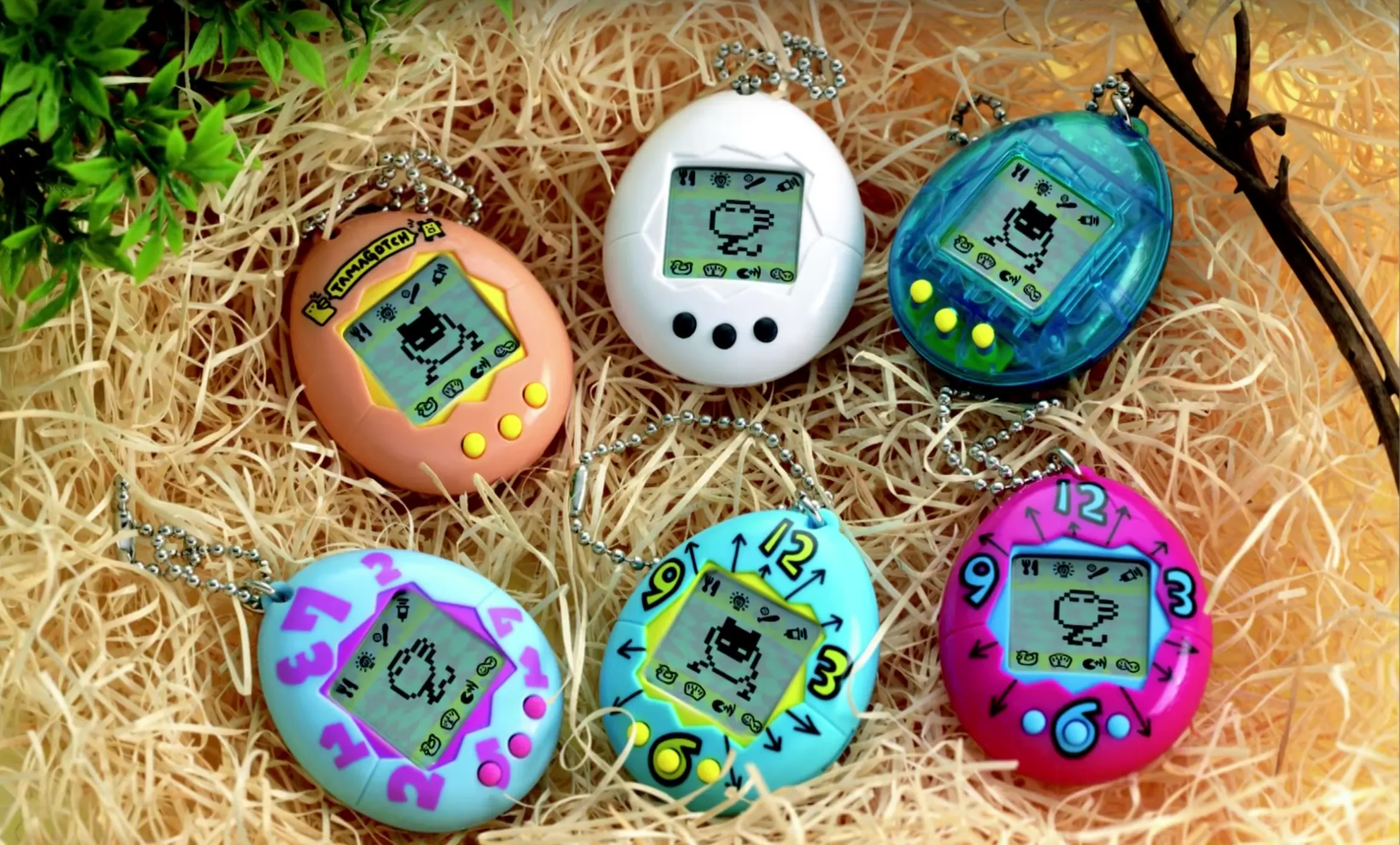
  • Reviving Nostalgia: Bandai’s Tamagotchi Factory Revamps Interactive Retail In Tokyo’s Harajuku District

    Reviving Nostalgia: Bandai’s Tamagotchi Factory Revamps Interactive Retail In Tokyo’s Harajuku District

    A unique factory-themed concept store named “Tamagotchi Factory!” is preparing to open its doors in the Harajuku district of Tokyo. This venture is Bandai’s first permanent retail space since the shuttering of Tama Depa in 2017 and it comes in response to a resurgence in the brand’s popularity worldwide.

    The Tamagotchi Factory! will be located on the third floor of the Harakado building in the Jingumae area of Shibuya. This store will offer patrons an opportunity to blend retail shopping with an interactive experience, centered around the theme of a fun, functioning factory.

    Visitors to the store will have the opportunity to customize their virtual pets to their liking. The store’s interior decor, as well as the staff uniforms, have been designed to reflect the whimsical factory theme, effectively immersing patrons into the lively factory environment.

    Of the store’s many attractions, one standout feature is the “Minitama Fill-Up!” station. Here, customers will be able to fill up Tamagotchi-shaped bottles with miniature figures and themed items. The selection will include a variety of items such as sweets, rice balls, and even the brand’s signature “poop” icons.

    The virtual pet franchise, which made its debut in the 1990s, has sold over 100 million units globally. It continues to expand and evolve, capturing the hearts and minds of both nostalgic collectors and a new generation of Tamagotchi fans.

    Questions & Answers

    What is Tamagotchi Factory!?
    Tamagotchi Factory! is a factory-themed concept store owned by Bandai, located in the Harajuku district of Tokyo. This store encompasses a unique combination of retail shopping and interactive elements, providing a fun and immersive experience for visitors.

    What can visitors expect at the Tamagotchi Factory!?
    Visitors to the Tamagotchi Factory! can customize their virtual pets, fill Tamagotchi-shaped bottles at the “Minitama Fill-Up!” station with a variety of miniature figures and themed items. The store’s interior decor and staff uniforms are designed to reflect a whimsical factory theme.

    What is the history of the Tamagotchi brand?
    Tamagotchi is a virtual pet franchise that debuted in the 1990s and has since sold over 100 million units worldwide. The brand continues to expand, appealing to both nostalgic collectors and a new generation of fans.

  • Uniqlo’s Bold Expansion In U.s. Amid Rising Tariffs: A Strategy For Success?

    Uniqlo’s Bold Expansion In U.s. Amid Rising Tariffs: A Strategy For Success?

    In the face of ever-changing tariffs and an increase in living costs that have impacted consumer spending, many brands are struggling to maintain a physical retail presence, let alone expand it. However, one international retailer is boldly rising to this challenge: Uniqlo.

    Uniqlo’s Expansion Plans

    This week, the Japanese retail and lifestyle behemoth Uniqlo announced plans to expand its retail footprint in the United States by 2026. The expansion entails the opening of flagship stores in Chicago and San Francisco, and four new locations in New York City.

    Uniqlo plans to inaugurate a total of 11 new stores across the United States in the forthcoming spring/summer season, increasing the total number of its American stores to 89. This is a significant milestone for the clothing titan.

    Uniqlo’s management had previously announced their intention to add between 20 and 30 new locations every year in North America, aiming for a goal of 200 stores by 2027.

    Christine Russo, Principal of Retail Creative and Consulting Agency (RCCA), noted that although Uniqlo is slightly off its projected schedule with its current 76 stores, geopolitical instability and tariffs are likely the cause.

    Russo explained that the timing of Uniqlo’s expansion aligns with the rise of “recession-core”, a consumer behavior trend that emerges during economic downturns. This trend is characterized by a preference for minimalism, with consumers opting for practical, versatile, and durable clothing over more flamboyant items that have a shorter shelf life.

    Uniqlo’s Appeal to Consumers

    Uniqlo has garnered consumer attention with its commitment to steadfast quality, a stark contrast to other fast-fashion brands. The company offers durable basics and a limited number of designs per season, and their dedication to technological innovation is evident in their patented Heatech and Airism fabrics.

    Neil Saunders, Managing Director of Global Data, also believes that Uniqlo’s appeal lies in its commitment to creating sturdy, yet stylish basic wardrobe items. He stated that Uniqlo’s reputation for quality distinguishes it from other fast-fashion competitors, a characteristic that appeals to shoppers who prefer to buy durable items that last.

    Moreover, Uniqlo has made significant efforts to create engaging store environments in its U.S. locations that encourage consumers to browse and make purchases. For instance, several U.S. stores now offer services that were once exclusive to its Asian locations, including custom embroidery and clothing repair services.

    The Brand’s Future Growth

    Despite its success in the U.S. market, Uniqlo has yet to fully penetrate this retail region. Saunders believes that Uniqlo’s expansion plans will allow the brand to establish a presence in larger cities where they can open flagship stores, thus increasing brand visibility and potentially boosting sales volume in the U.S.

    Uniqlo’s unique differentiation points, according to style publications such as Esquire and GQ, include a carefully curated selection of items ranging from innovative products designed to combat extreme temperature variations to the perfect everyday white t-shirt. The brand’s methodical approach to growth and consistency in quality underscore its enduring appeal.

    Questions & Answers

    What is Uniqlo’s expansion plan in the U.S.?
    Uniqlo plans to open 11 new stores across the U.S. in the forthcoming spring/summer season, bringing the total number of its American stores to 89.

    What makes Uniqlo stand out from other fast-fashion brands?
    Uniqlo distinguishes itself with its commitment to quality, offering durable, basic clothing items and a limited number of designs each season. The company’s focus on technological innovation is also prominent, as reflected in their patented Heatech and Airism fabrics.

    How is Uniqlo planning to increase its brand visibility and sales in the U.S.?
    Uniqlo aims to increase its brand visibility and sales by expanding into larger cities where it can establish flagship stores. It also continues to offer engaging store environments and services that encourage consumers to browse and make purchases.

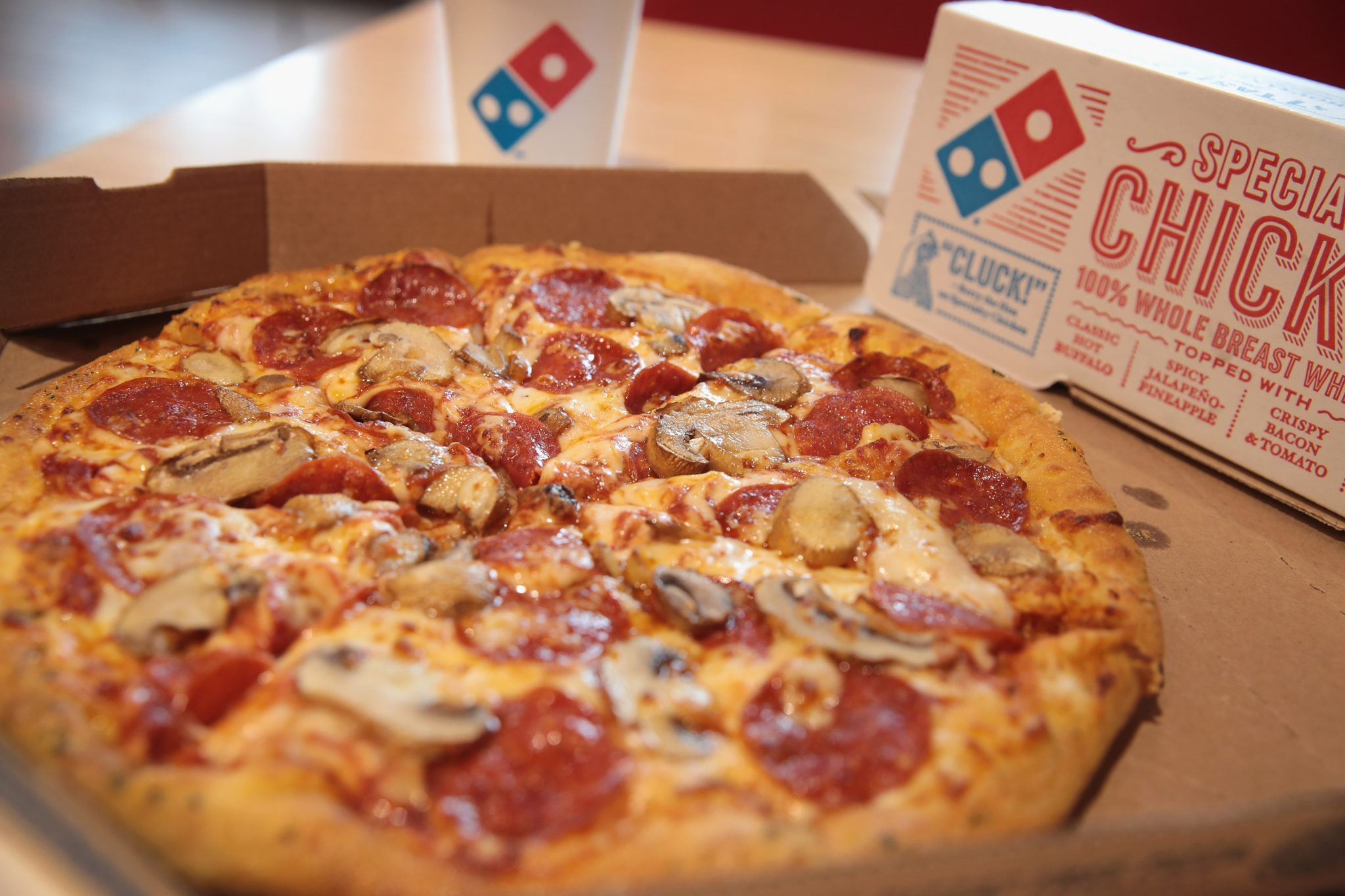
  • Domino’s Japan Welcomes New Ceo Dieter Haberl Amid Leadership Streamlining Strategy

    Domino’s Japan Welcomes New Ceo Dieter Haberl Amid Leadership Streamlining Strategy

    Dieter Haberl has been named as the new CEO of Domino’s Japan business. The appointment, effective from October 20, sees Haberl bring over a quarter-century of executive experience in Japan to the role.

    Haberl has a distinguished history of leadership in the region, having guided the fortunes of prominent consumer brands such as Toys R Us, Reebok, Lacoste, and Furla. He has also held high-level roles within The Coca-Cola Company in Germany and Japan.

    Domino’s executive chairman, Jack Cowin, expressed his pleasure at Haberl’s appointment. He lauded Haberl’s proven ability to drive large-scale transformations, reposition brands, and foster team development in sophisticated consumer-facing operations.

    Cowin emphasized the critical importance of the Japanese market for Domino’s, highlighting its leading status in the pizza sector. He indicated that Japan is an advanced market that values high-quality food, especially from global brands with a proven track record of surpassing customer expectations.

    However, the appointment of Haberl coincides with the departure of the current acting CEO of Domino’s Japan and CEO of Domino’s Asia, Josh Kilimnik. He will be exiting the business on March 30 after a transition period with Haberl.

    Kilimnik’s departure follows the company’s decision to cut down general and administrative expenses by streamlining regional leadership. This strategic move is aimed at giving regional teams more responsibility and accountability. As a part of this decision, Domino’s confirmed that the roles of CEO Asia and the presently unoccupied role of CEO Europe will remain unfilled.

    Questions & Answers

    Who is the new CEO of Domino’s Japan?
    The new CEO of Domino’s Japan is Dieter Haberl, an executive with over 25 years of experience in Japan.

    When will the current CEO of Domino’s Asia, Josh Kilimnik, leave the business?
    Josh Kilimnik, the current acting CEO of Domino’s Japan and CEO of Domino’s Asia, will leave the business on March 30.

    Will the roles of CEO Asia and CEO Europe be filled after Kilimnik’s departure?
    No, Domino’s has decided not to fill the roles of CEO Asia and the presently vacant role of CEO Europe. This decision is part of a strategic move to streamline regional leadership and give more responsibility and accountability to regional teams.

  • Tokyo’s Mid-Sized Apartments Experience Unprecedented Rental Growth in Q3

    Tokyo’s Mid-Sized Apartments Experience Unprecedented Rental Growth in Q3

    In the heart of Tokyo, the rental landscape tells a distinct story. A recent report from Savills reveals that the city is dominated by compact living spaces, with apartments typically ranging from 30 to 45 square meters—ideal for the single urban professional. Almost 70% of rental listings in the 23W area feature units that fall into this compact category, signifying a clear preference for smaller residences among tenants.

    A Unique Market Segment

    Unlike cities like New York or London, where apartment sharing has become commonplace, Tokyo’s rental market boasts a large, stable demand for small- to mid-sized units. This trend is particularly noteworthy, as it highlights a cultural difference in living preferences. As the Savills report indicates, “there is a large, stable market for small- to mid-sized units,” catering to a population that seeks both comfort and convenience.

    Rising Rents Reflect Demand

    Average rental prices across various apartment sizes have seen steady growth in the C5W region throughout the third quarter of 2025. The medium-sized units, measuring 30 to 45 square meters, experienced the most substantial increase at 2.4% quarter-on-quarter. Larger apartments, sized between 45 and 60 square meters, followed closely with a 1.2% rise, while the smallest units, spanning 15 to 30 square meters, saw a modest uptick of 0.9%. This upward trend is viewed as a necessary adjustment, addressing the limited availability of these mid-sized apartments that strike an optimal balance between space and affordability.

    Demand Dynamics in Larger Units

    Even with an increasing supply of larger units in 2024, the Ministry of Land, Industry, Transport and Tourism (MLIT) notes that these properties continue to command a premium. The demand remains robust, driven by well-paid professionals who prefer to live close to their workplaces. With flexible work arrangements becoming more common, many residents are now opting for larger spaces that double as home offices—a trend that not only reflects lifestyle changes but also adds a creative twist to the rental market.

    Toward a Balanced Future

    Overall, the rental market in Tokyo appears set for continued growth across all apartment size bands. Following a slight correction in the previous quarter, rents are now on the rise, backed by a steady influx of foreign residents that promises to sustain the momentum. As the city evolves, so do the choices available to its inhabitants—whether it’s a cozy nook for one or a larger space designed for living and working, Tokyo’s rental market is a reflection of its dynamic and diverse citizenry.

    Questions & Answers

    What size apartments dominate the Tokyo rental market?
    Apartments between 30 to 45 square meters make up the majority of Tokyo’s rental listings, accounting for approximately 70% of the 23W area market.

    How have rents changed in the recent quarter?
    Average rents have increased across all size bands, with the 30-45 sq m range seeing a 2.4% rise quarter-on-quarter, highlighting strong demand for these compact living spaces.

    What factors contribute to the demand for larger rental units?
    The demand for larger units is largely driven by well-paid professionals desiring home office space in response to the growing trend of flexible work arrangements, which has reshaped the way many approach urban living.

  • Kao Corporation Targets $2.68b In Sales With Major Cosmetics Business Revamp

    Kao Corporation Targets $2.68b In Sales With Major Cosmetics Business Revamp

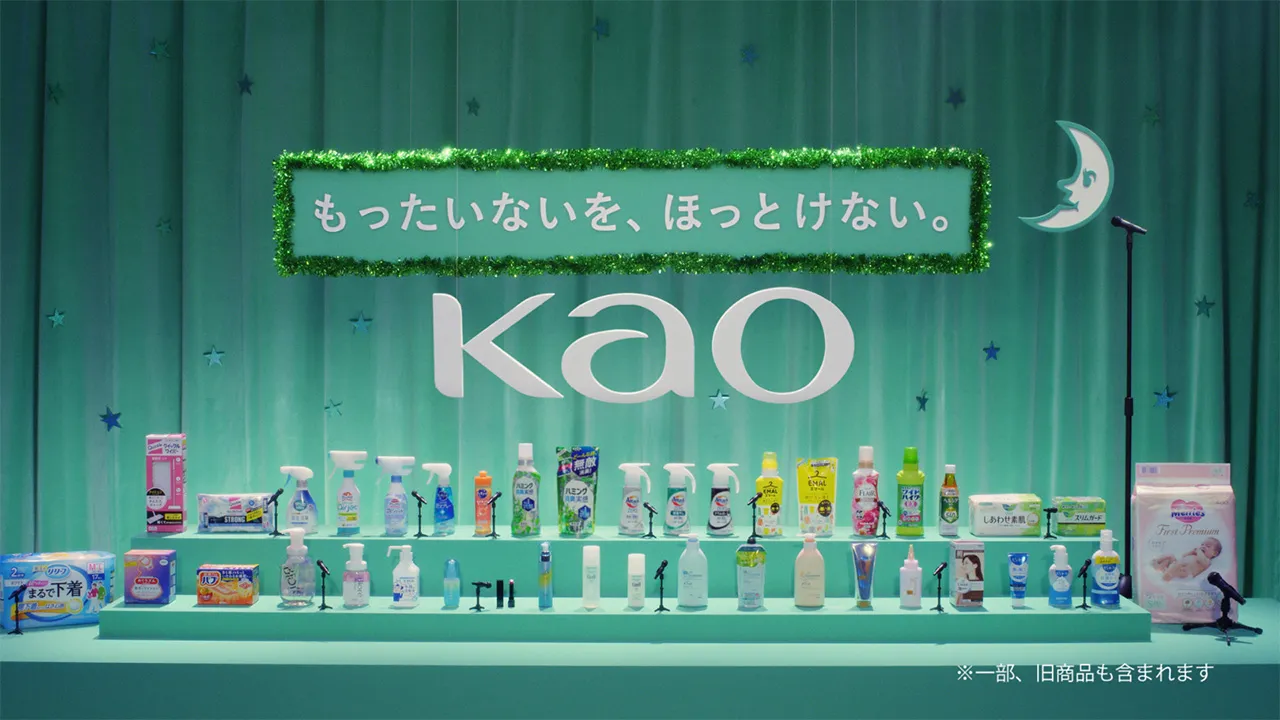
    Kao Corporation, a Tokyo-based company specializing in chemicals and cosmetics, has recently revealed plans to revamp its cosmetics business. The strategy will focus on the growth and expansion of its six core brands.

    The New Strategy

    Kao’s primary goal is to achieve a net sales target of 400 billion yen (US$2.68 billion), alongside an operating margin of 15 percent, as early as possible after 2030. To this end, the company will concentrate its growth and development efforts on six brands: Sensai, Molton Brown, Kanebo, Sofina, Curel, and Kate. The expansion strategy will be tailored to the specific markets where these brands meet consumer demands.

    As part of this reorganization, skincare brand Curel is expected to experience accelerated growth. The company plans to increase Curel’s store presence in Europe by sixfold, aiming to generate 50 percent of the brand’s total sales outside Japan by 2027.

    Focusing on the European and Asian Markets

    Sensai and Molton Brown, two brands that have proven successful among European consumers, will pivot their growth strategy to target the Asian luxury market. The company’s ambitious aims include a 150 percent increase in Sensai sales and a doubling of Molton Brown sales in Asia by 2027.

    For Kanebo and Kate, Kao plans to adapt their expansion to the distinctive characteristics of each Asian market, using Thailand as the initial target market. The company hopes to boost sales of these two brands by 150 percent in Thailand by 2027.

    In a simultaneous move, Kao intends to consolidate Sofina and its sub-brands under one umbrella. The aim is to enhance Sofina’s sales in Asia by 50 percent by 2027.

    Enhancing Profitability and Long-Term Growth

    Beyond brand-specific expansion plans, Kao’s revamp includes a broader focus on improving profitability and fostering long-term growth. This will involve the implementation of core technologies, cost reductions through improved supply chain management, and the application of digital and AI technologies.

    The restructuring process will be spearheaded by Tomoko Uchiyama, executive officer and president of global consumer care – cosmetics business, who began her role in January.

    Uchiyama emphasized the company’s adaptability in the face of change, explaining, “Our cosmetics business has the flexibility to respond to changing times and market dynamics with a diverse portfolio of brands.” She assured that, coupled with the robust foundation of the Kao Group, the company is well-positioned to pioneer advancement of globalization.

    In addition to cosmetics, Kao’s business segments also include hygiene living care (which counts Attack and Laurier among its brands), health beauty care (owner of Biore, among others), and chemical products.

    Questions & Answers

    What are the core brands Kao Corporation is focusing on?
    Kao Corporation will be focusing on the expansion of Sensai, Molton Brown, Kanebo, Sofina, Curel, and Kate.

    What are the business goals of Kao Corporation under the new strategy?
    The company aims to achieve a net sales target of 400 billion yen (US$2.68 billion) and an operating margin of 15 percent, as early as possible after 2030.

    Who will be leading the restructuring process at Kao Corporation?
    The restructuring process will be led by Tomoko Uchiyama, executive officer and president of global consumer care – cosmetics business.

  • Uniqlo To Open Largest Flagship Store In Shanghai: A Fusion Of Fashion, Sustainability, And Technology

    Uniqlo To Open Largest Flagship Store In Shanghai: A Fusion Of Fashion, Sustainability, And Technology

    Once again, China’s industrial landscape is buzzing with activity as renowned fast-fashion brand Uniqlo makes its latest move to capture the hearts of local consumers. The company has announced plans to open its largest flagship store in Shanghai this Friday, covering an impressive 4,000 square meters in the bustling heart of Huaihai Road, a district synonymous with style and culture. This flagship store is set to become a mecca for fans of the brand, equipped with an extensive range of offerings that reflect the latest in apparel trends while keeping Uniqlo’s signature simplicity and comfort in mind.

    New Heights in Urban Retail

    Uniqlo is not merely expanding its footprint; it is embracing a new era of urban retail. This forthcoming flagship store promises a shopping experience tailored to both local tastes and global trends. “Shanghai exemplifies the forward-thinking spirit of urban life,” said a Uniqlo spokesperson, adding a poetic twist to the brand’s commitment to innovation. With the new store, Uniqlo aims to provide both aesthetics and functionality that resonate with the fast-paced lifestyle of city dwellers.

    Focus on Sustainability and Local Culture

    True to its mission, Uniqlo is putting sustainability at the forefront of its operations. Many of the items in the new flagship will feature eco-friendly materials, reinforcing the brand’s dedication to reducing its environmental impact. In addition, the store will showcase local artists through engaging displays, blending fashion with cultural creativity. Customers can expect to encounter a vibrant mural that reflects the city’s spirit and diversity, an artful touch that adds flair to the shopping environment.

    A Store Like No Other

    What’s particularly striking about this store, however, is its integration of technology. With interactive kiosks and augmented reality elements enhancing the shopping experience, customers are invited to engage with products in new, imaginative ways. It almost feels as if the store could come alive and recommend outfits based on your mood, adding an element of whimsy to the retail journey.

    As Uniqlo gears up for this grand opening, it’s clear that the brand is not just setting up a new retail outlet but is making a bold statement about the future of shopping in a rapidly evolving market. The store not only serves as a retail location but as a cultural hub, bringing together fashion, technology, and sustainability under one roof.

    Questions & Answers

    What is unique about Uniqlo’s new flagship store in Shanghai?
    The flagship store stands out with its massive 4,000 square meters of space, interactive technology, and a focus on sustainability, offering customers a distinctive shopping experience that integrates fashion with local culture.

    How does Uniqlo plan to incorporate local culture into its flagship store?
    Uniqlo is incorporating local culture by featuring displays from local artists and a vibrant mural that reflects the city’s spirit, blending fashion with the rich cultural tapestry of Shanghai.

    What are some of the eco-friendly initiatives within the new store?
    The flagship will showcase items made from sustainable materials, aligning with Uniqlo’s commitment to reducing its environmental impact and promoting responsible consumption.

  • CJ Foods Launches First Production Plant in Japan, Bolstering K-Food’s Global Reach!

    CJ Foods Launches First Production Plant in Japan, Bolstering K-Food’s Global Reach!

    CJ Foods has embarked on an ambitious journey in Japan by inaugurating its first production facility, marking a significant milestone in the expansion of Korean cuisine in one of Asia’s most discerning markets. The new plant, strategically located in Kisarazu City, Chiba Prefecture, spans 8,200 square meters on a sprawling 42,000-square-meter site and comes with a hefty investment of approximately $73 million (KRW 100 billion). This facility is noteworthy not only for its size but also as the first production site established by a Korean food company in Japan, with plans to manufacture the popular bibigo mandu for nationwide distribution.

    While CJ Foods already operates four dumpling factories in Japan following its acquisition of Gyoza Keikaku in 2020, the Chiba facility stands out as the company’s inaugural plant built from the ground up. This development is part of a broader strategy to enhance local sourcing capabilities, optimize supply chain efficiency, and expand market share in Japan’s vibrant frozen dumpling sector.

    The Japanese frozen dumpling market, valued at approximately $825 million (KRW 1.1 trillion), is currently dominated by gyoza-style dumplings, which account for more than half of total sales. The love affair with bibigo products is clearly on the rise — alongside the 28% surge in CJ Foods’ dumpling sales, the company also reported a striking 27% uptick in overall food sales within Japan during the first half of 2025.

    To further bolster its reach, CJ Foods has entered into a partnership agreement with ITOCHU Corporation, a formidable player in food distribution that owns the major distributor NIPPON ACCESS and the convenience store chain FamilyMart. This collaboration promises to enhance CJ Foods’ distribution network across the country.

    “The Chiba plant is a key step for our growth and sustainability in Japan,” remarked CJ Foods Vice Chairman Kang Sin-ho during the opening ceremony. “Through continuous innovation, we will speed up the global expansion of K-food.” With the Korean Wave showing no signs of slowing down, Japan emerges as CJ Foods’ next strategic market following its endeavors in the United States.

    CJ Foods’ offerings, including bibigo mandu, frozen gimbap, and an array of Korean sauces, are already available through major retailers such as AEON, Costco, Amazon, Rakuten, Don Quijote, and Ito-Yokado. In a remarkable showing, bibigo gimbap alone sold around 2.5 million units at AEON and Costco in 2024.

    Questions & Answers

    What is the significance of CJ Foods opening its new plant in Japan?
    The new plant in Kisarazu City marks CJ Foods’ first facility built in Japan by a Korean food company, aiming to enhance local sourcing and efficiency while expanding its market share in the growing frozen dumpling sector.

    How have CJ Foods’ sales performed in Japan recently?
    In early 2025, CJ Foods reported a 28% increase in dumpling sales and a 27% rise in overall food sales in Japan, reflecting a growing demand for its products.

    What strategic partnerships has CJ Foods established to strengthen its presence in Japan?
    CJ Foods has signed a partnership with ITOCHU Corporation, enhancing its distribution network through ITOCHU’s extensive reach, which includes major food distribution and convenience retailing.