Tag: Japan

  • Apple Unveils Spectacular Redesign Of Ginza Store, Showcasing Commitment To Japanese Market

    Apple Unveils Spectacular Redesign Of Ginza Store, Showcasing Commitment To Japanese Market

    Apple has unveiled a comprehensive redesign of its Ginza store, a stunning transformation two decades after first establishing its retail footprint in Japan.

    New Design Features

    The four-level retail property exhibits a contemporary layout, seamlessly integrating regionally procured materials into its structure. The use of warm wooden interiors adds an inviting ambiance to the space, while a double-layer glass exterior features adjustable louvres to control light and temperature. The store’s open design allows for abundant natural light to filter through the entire building, with balcony-like spaces adding to its spacious feel.

    Product Availability

    The redesigned store offers customers access to Apple’s complete product portfolio. This includes the latest iPhone 17 series, iPhone Air, Apple Watch Series 11, and AirPods Pro 3. A range of accessories like the iPhone Air Case with MagSafe and the newly released Crossbody Strap are also available for purchase.

    CEO’s Thoughts on Reopening

    Tim Cook, Apple’s CEO, shared his thoughts on the store’s reopening, hailing it as a beacon of the company’s enduring relationship with its Japanese clientele. He expressed his excitement to unveil the strikingly redesigned space and showcase Apple’s latest product offerings. Cook highlighted the significance of this move as a continuation of the remarkable shared history between Apple and its customers.

    Questions & Answers

    What is the significance of the Ginza store reopening?
    The reopening symbolizes the enduring bond between Apple and its Japanese customers and marks a new chapter in their shared history. It also showcases Apple’s commitment to providing an enhanced retail experience.

    What are the features of the redesigned store?
    The store boasts a modern layout, combining regionally sourced materials and warm wood interiors. A double-skin glass facade with adjustable louvres controls light and temperature, while balcony-like spaces and an open design promote natural light flow throughout the building.

    What products are available at the redesigned store?
    The store offers the complete range of Apple products, including the iPhone 17 series, iPhone Air, Apple Watch Series 11, and AirPods Pro 3. Additionally, accessories such as the iPhone Air Case with MagSafe and the new Crossbody Strap are available.

  • Japanese Dessert Giant Beard Papa’s Debuts In San Diego, Introducing Unique Cream Puffs To Local Residents

    Japanese Dessert Giant Beard Papa’s Debuts In San Diego, Introducing Unique Cream Puffs To Local Residents

    Beard Papa’s, the Japanese cream puff chain, has inaugurated its first outlet in Kearny Mesa, San Diego. This move introduces the local residents to its unique pastries, made to order as per customer preference.

    Beard Papa’s was established in Osaka in 1999 and has since been renowned for its airy cream puffs filled with custard freshly prepared each day.

    Mark Nathan, the Managing Director for Beard Papa’s, highlights, “Our cream puffs are baked fresh on-site every day and are some of the largest ones you’ll encounter.” He added that with real vanilla bean, premium custard, and high-quality ingredients, Beard Papa’s isn’t merely a dessert provider but a hub for memorable, irresistible experiences that ensures customers keep returning.

    The bakery provides cream puff shells in Original, Chocolate, Oreo, and Matcha flavors, coupled with the brand’s signature Vanilla Bean custard. Additional filling flavors, including Green Tea and Chocolate, are set to be introduced in the future.

    Andrew, the franchise owner of Beard Papa’s in San Diego, said, “Our mission is to serve the community with a dedicated Japanese bakery that has garnered such a significant cult following.”

    Currently, Beard Papa’s operates over 400 stores globally, with a footprint across Asia, North America, and Australia.

    Questions & Answers

    What is Beard Papa’s known for?
    Beard Papa’s is best known for its light cream puffs filled with freshly prepared custard.

    What range of flavors does Beard Papa’s offer?
    Beard Papa’s offers cream puff shells in Original, Chocolate, Oreo, and Matcha flavors, along with its Vanilla Bean custard. Additional fillings, such as Green Tea and Chocolate, will be available in the future.

    How many Beard Papa’s stores are there worldwide?
    Beard Papa’s currently operates more than 400 stores worldwide across Asia, North America, and Australia.

  • Cartier Unveils Asia’s Largest Store In Tokyo, Melding Luxury With Traditional Japanese Aesthetics

    Cartier Unveils Asia’s Largest Store In Tokyo, Melding Luxury With Traditional Japanese Aesthetics

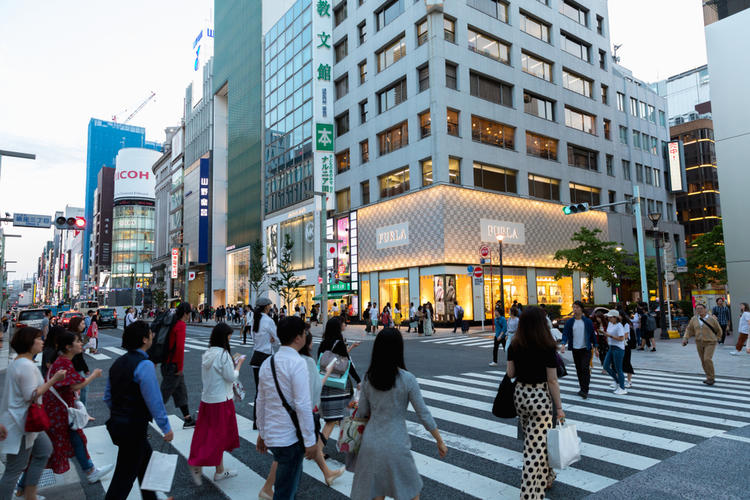
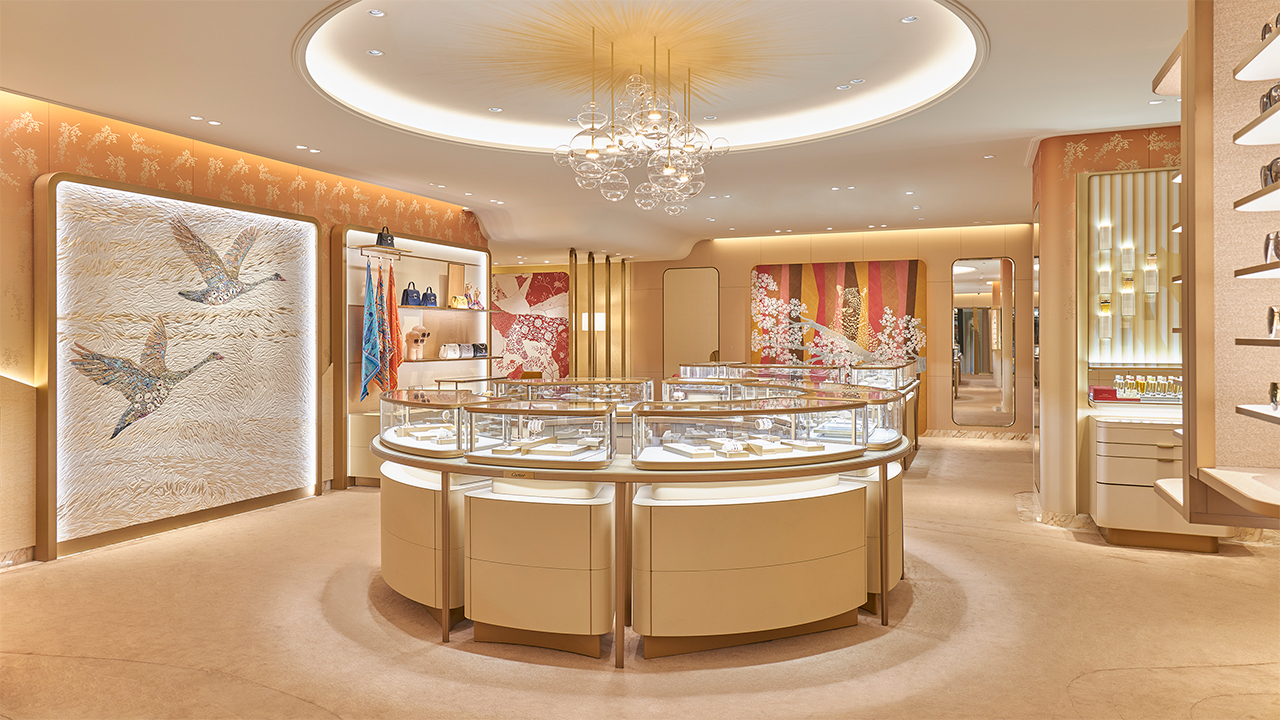
    Cartier, the renowned luxury goods purveyor, has recently inaugurated its most expansive retail location in Asia. The store is situated in Tokyo’s posh Ginza district, a hub of high-end shopping and fashion.

    Store Design and Features

    The flagship store sprawls over four storeys of the Hulic Ginza Sukiyabashi Building. The exterior has been conceptualized and executed by the Tokyo-based Klein Dytham Architecture (KDA). The design places a strong emphasis on the traditional Japanese artistry, drawing inspiration from conventional Japanese textiles, patterns, and art forms, thereby giving a distinct, culturally representative facade to the store. The geometric fan patterns layered on the store’s exterior not only add texture but also pay a subtle homage to the country’s art and craft legacy.

    On the inside, the store follows a minimalist yet elegant aesthetic. It has stone flooring and displays a range of Cartier’s offerings, including jewelry, timepieces, accessories, gifts, and fragrances. The interior design carries the same Japan-inspired theme, featuring various art installations from local artists scattered throughout the space. The most striking feature of the store’s interior is the ceiling. Designed to resemble origami, it covers the entire space, invoking the imagery of a traditional Japanese umbrella.

    The store also houses two additional zones, each dedicated to salon and garden themes. These spaces provide customers with a place to rest and leisurely browse between shopping. The top floor of the store accommodates the ‘Residences’, private spaces intended for exclusive events and special reservations.

    Cartier’s Expansion in Asia

    This move is a testament to Cartier’s ongoing expansion efforts in the Asian market. In August, the luxury retailer opened a duplex boutique in Bangkok. The boutique’s design carefully integrates elements of Thai heritage with Cartier’s signature craftsmanship, reflecting the brand’s commitment to celebrate and incorporate local culture into their store designs.

    Questions & Answers

    What inspired the design of Cartier’s new store in Tokyo?
    The design of the new Cartier store in Tokyo is inspired by traditional Japanese fabrics, artwork, and geometric patterns.

    What does the interior of the store feature?
    The interior of the store features art installations by Japanese artists, stone flooring, and a range of Cartier products like watches, jewelry, and fragrances.

    What are the ‘Residences’ within the store?
    The ‘Residences’ are private spaces located on the top floor of the store that are intended for special event reservations and exclusive use.

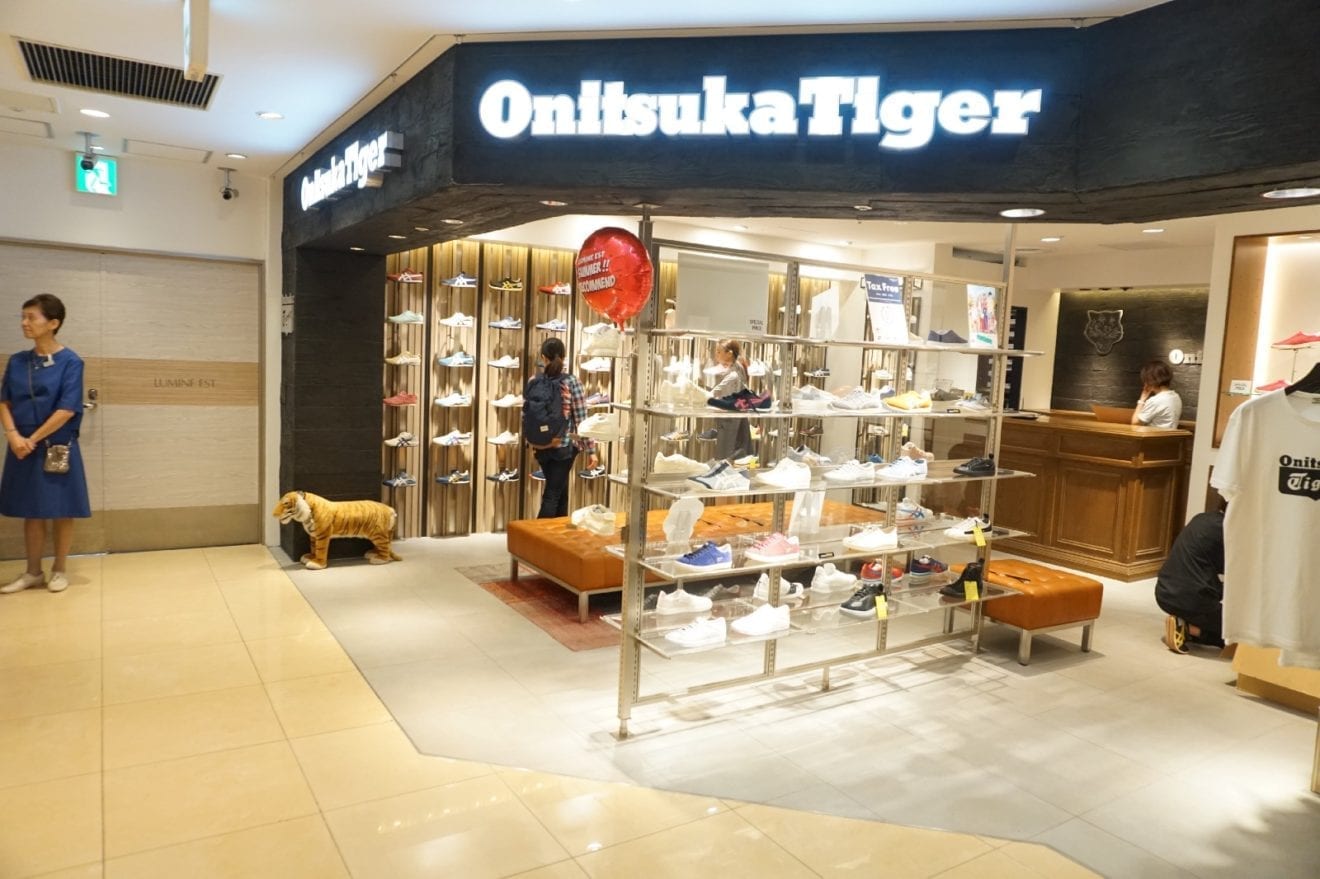
  • Onitsuka Tiger and Hoka Unveil Bold New Storefronts Across Japan’s Retail Landscape

    Onitsuka Tiger and Hoka Unveil Bold New Storefronts Across Japan’s Retail Landscape

    In Tokyo and other major Japanese cities, the race is on among outdoor and sportswear manufacturers to secure coveted street-level retail spaces. These brands are making their mark in urban environments as they tap into the growing demand for high-quality, functional clothing tailored for both adventure and urban lifestyles.

    Among the notable mentions is Goldwin, whose recent addition in Kyoto has unveiled a captivating storefront, harmonizing natural stone with modern design sensibilities. This trend isn’t just about aesthetics; it’s a strategic move for brands seeking to enhance customer engagement by providing an immersive shopping experience.

    The surge in retail activity creates a vibrant scene for urban dwellers and tourists alike. Just imagine transitioning from a busy shopping street into a tranquil outdoor oasis housed in a boutique—it’s a clever shift that not only beckons the nature enthusiast but also piques the curiosity of those merely window shopping.

    Furthermore, the lifting of pandemic restrictions has accelerated this retail renaissance. Brands are eager to reconnect with consumers through innovative storefronts that serve as both retail spaces and community hubs. With the backdrop of the post-COVID landscape, companies are reimagining how their products are presented, often incorporating elements that appeal to the senses, from textures to interactive displays.

    Today’s retail landscape is about storytelling, and outdoor and sportswear brands are crafting narratives that resonate with consumers’ lifestyles. As they embrace urbanity while celebrating the outdoors, the result is a refreshing fusion that promises to invigorate the shopping experience.

    Questions & Answers

    What motivated outdoor and sportswear brands to open more street-level stores?
    The growing demand for high-quality, functional clothing aimed at both outdoor adventures and urban lifestyles has driven these brands to secure prominent retail spaces.

    How are these new storefronts enhancing customer engagement?
    By creating immersive shopping experiences that blend modern design with their brand identities, these stores invite customers to explore product offerings in engaging and innovative settings.

    What impact has the post-pandemic environment had on retail strategies?
    With the lifting of pandemic restrictions, brands are eager to reconnect with consumers, leading to the rise of innovative retail spaces that not only serve as shops but also as hubs for community engagement.

  • Japan’s Hotel Sector Sees Impressive H1 2025 Growth with Occupancy Rate Soaring to 84.2%

    Japan’s Hotel Sector Sees Impressive H1 2025 Growth with Occupancy Rate Soaring to 84.2%

    Japan’s hotel industry is steadily regaining its footing, approaching pre-pandemic heights, with occupancy rates escalating to 84.2%—a rise of 1.0 percentage point over the past six months, as reported by Savills. This promising trend edges closer to the enviable occupancy levels enjoyed before the pandemic transformed the hospitality landscape.

    Despite a persistent labor shortage that has hindered some hotels in regional and resort areas from maximizing occupancy, establishments are adopting innovative measures to enhance employee conditions and compensation. The Savills report emphasizes that these adaptations are crucial for achieving optimal performance.

    Further bolstering the labor force, the Japanese government has intensified efforts to attract foreign workers. As of October 2024, the number of foreign laborers reached 2.3 million—the highest figure since 2007—with an increase of 250,000 compared to the previous year. In addition, hotels are leveraging cutting-edge technology to minimize reliance on human staff, creating a balance between efficiency and service quality.

    Looking ahead, hotel performance in Japan is set for steady growth in 2025. Inbound tourist arrivals during the first half of 2025 outpaced those from the same period last year, signaling a potential surge that could see numbers exceed 40 million. The anticipated Expo 2025 is expected to significantly boost tourism in Osaka, with visitor numbers reaching 10 million by July 2025, well on track to meet the ambitious goal of attracting 28 million guests by the event’s conclusion in October.

    This influx isn’t limited to Osaka City; Expo 2025 encourages visitors to venture into the wider Kansai region, creating wider economic ripples across various locales. Additionally, the opening of Junglia Okinawa—a large nature adventure theme park in July 2025—is poised to draw both local and international tourists, further stimulating demand for accommodation and related services in the area. Who said business growth couldn’t be fun?

    Questions & Answers

    How is Japan’s hotel occupancy rate performing post-pandemic?
    Japan’s hotel occupancy rate has improved to 84.2%, making a notable recovery as it approaches pre-pandemic levels. This rise reflects a 1.0 percentage point increase over the past six months.

    What measures are being taken to address the labor shortage in hotels?
    Hotels are enhancing employee compensation and working conditions while also embracing technology to streamline operations, which helps mitigate the impact of the labor shortage.

    What role does Expo 2025 play in Japan’s tourism sector?
    Expo 2025 is set to be a major draw for tourists, with projections of attracting 28 million visitors by the event’s end in October 2025, and encouraging exploration of the surrounding Kansai region, thus benefiting the local economy.

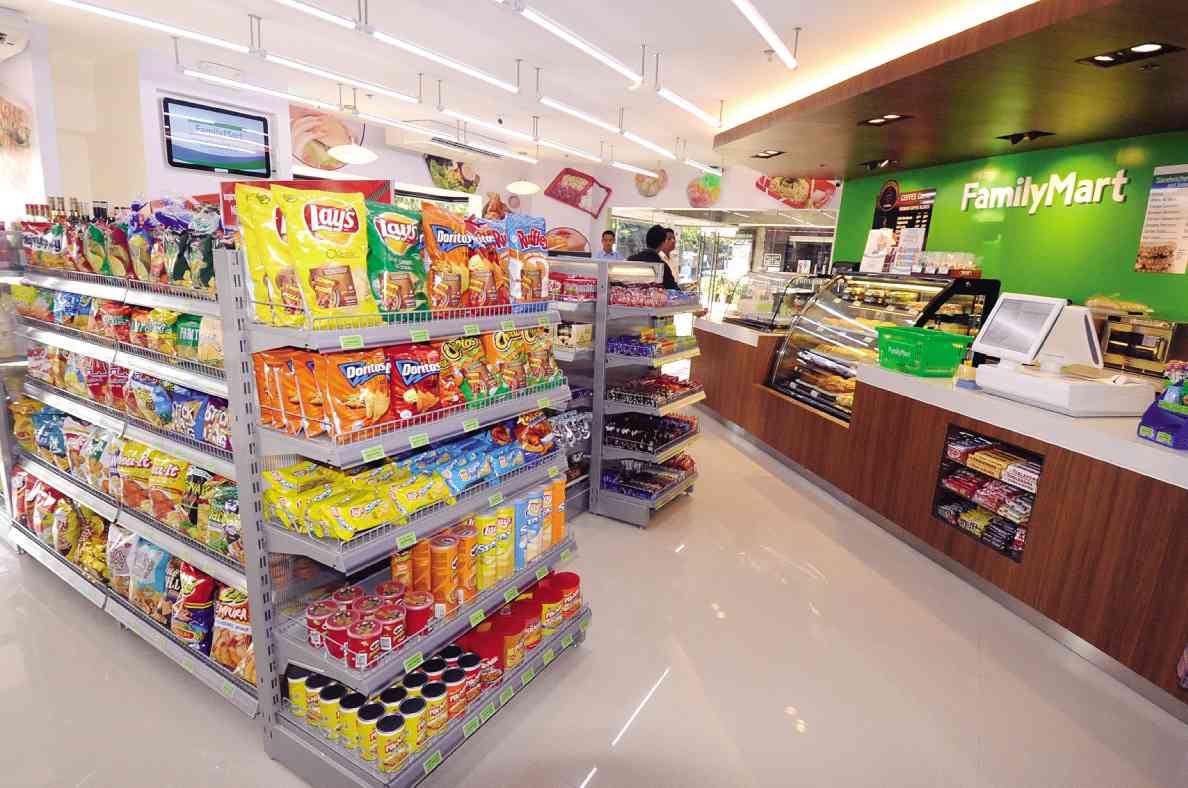
  • Familymart Accelerates Taiwan Expansion: 100 New Stores And Revamped Food Section Planned For 2022

    Familymart Accelerates Taiwan Expansion: 100 New Stores And Revamped Food Section Planned For 2022

    FamilyMart, a renowned convenience store chain, is stepping up its growth strategy in Taiwan. The company has announced plans to inaugurate 100 new outlets this year, a significant step towards their long-term objective of establishing 5000 stores by 2029.

    Currently, FamilyMart operates around 4400 stores across the nation. Last year, the company added 80 new stores to its portfolio, and it now anticipates increasing the pace of expansion to approximately 150 stores annually in the forthcoming years.

    Reinventing Food Offerings

    In alignment with its comprehensive growth plan, FamilyMart is revitalizing its food section to keep pace with evolving consumer preferences. The company plans to introduce a wider range of customizable bento meals and increase its array of microwave-friendly dishes. The new offerings are aimed at catering to busy urban customers and to make the store an appealing destination beyond traditional meal times.

    Customer Experience Strategy

    In another strategy to enhance the customer experience, FamilyMart Taiwan will continue to keep dining spaces in their stores. The company views these areas as a crucial element of the customer journey, fostering longer stays, facilitating informal gatherings, and promoting additional purchases.

    FamilyMart ventured into the Taiwan market in 1988 with its first store in Taipei Station’s shopping district. Operated by Taiwan FamilyMart Co, the brand has now become one of the top convenience store chains in the country, competing with the likes of 7-Eleven and Carrefour.

    Questions & Answers

    What is FamilyMart’s expansion goal in Taiwan by 2029?
    FamilyMart aims to operate 5000 outlets in Taiwan by 2029.

    How is FamilyMart planning to modify its food offerings?
    FamilyMart plans to roll out more customizable bento meals and expand its selection of microwave-ready dishes, targeting urban consumers and beyond traditional meal times.

    What is FamilyMart’s strategy to enhance customer experience?
    FamilyMart Taiwan will continue to maintain dining areas in their stores as they see them as a key aspect of the customer experience, encouraging longer stays, informal meetings, and additional purchases.

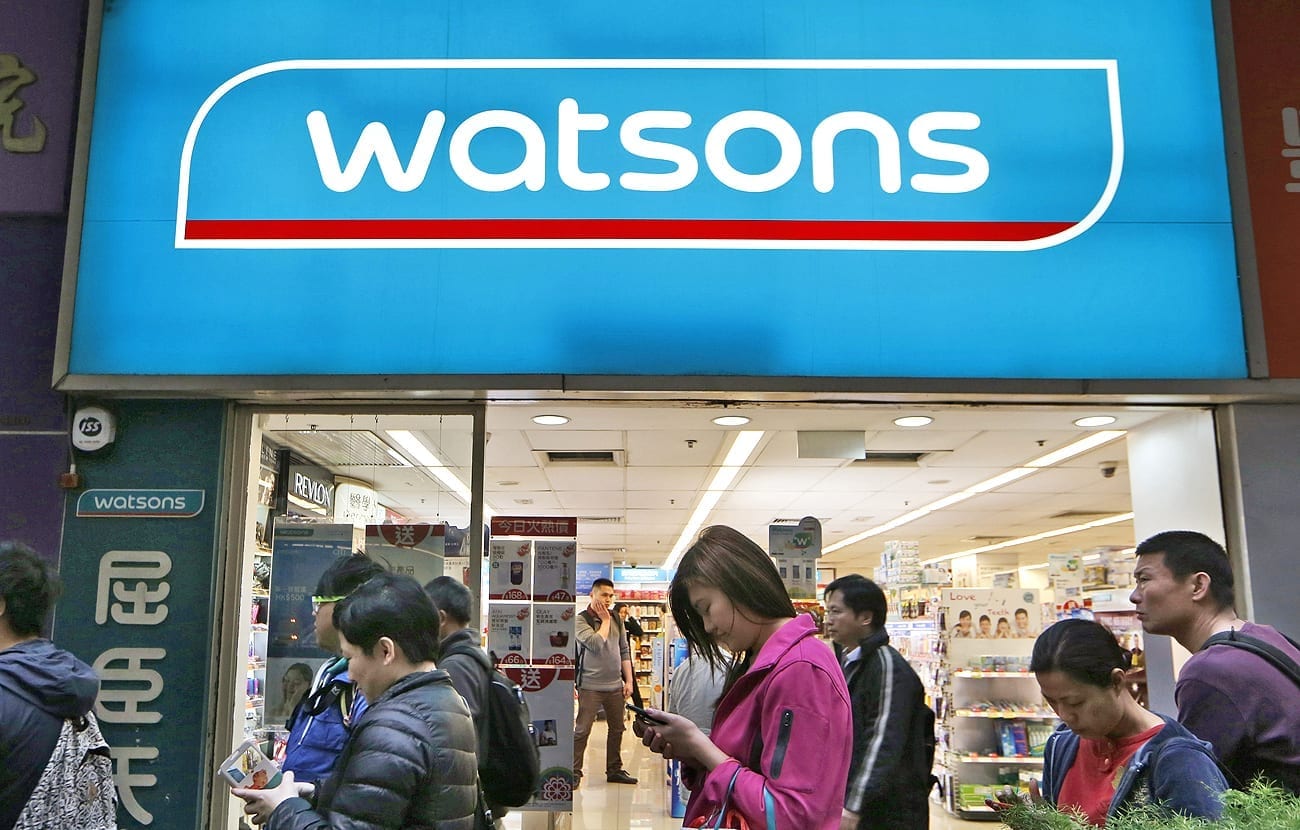
  • Watsons creates a ‘family’ of collectables to tap into character craze

    Watsons creates a ‘family’ of collectables to tap into character craze

    Health and beauty retail giant Watsons has unveiled its new initiative, The Watsons Family, a character-driven brand strategy set to enhance customer interaction throughout Asia.

    The Watsons Family Initiative

    The Watsons Family comprises 16 distinctive characters inspired by the Myers-Briggs Type Indicator (MBTI). These characters are featured on the packaging of various Own Brand products, ranging from skincare to body care essentials. This creative marketing concept makes the packaging itself an appealing and collectible item.

    The campaign is set to kick off in Hong Kong where three core characters will take center stage:

    – Sunny, representing wellness supplements.
    – Kilo, symbolizing energy and wellness.
    – Flora, embodying beauty through facial masks.

    Jared DeGuzman, Customer Director of Brand Marketing at Watsons, explained that the objective of this campaign is to transition the brand from traditional retail into a more experience-driven model.

    “We are leveraging the power of character-based storytelling,” DeGuzman shared. “Our aim is to create a health and beauty universe that not only sells products but also brings joy, inspiration, and a sense of community to our customers across Asia.”

    Retail Transformation

    As part of the campaign, Watsons stores in Hong Kong will feature branded visuals, interactive campaigns, digital extensions, and even meet and greet events with the characters.

    Following its initial launch, the expansion of The Watsons Family will continue into Mainland China, Malaysia, Taiwan, and Thailand. These new markets will be supported by significant marketing campaigns tailored to each region.

    Questions & Answers

    What is the purpose of The Watsons Family initiative?
    The Watsons Family initiative is designed to transform Watsons from a traditional retailer into a more experiential brand, using character-driven storytelling to create a universe where health and beauty are sources of joy, inspiration, and community connection.

    Who are the three flagship characters of The Watsons Family initiative?
    The three main characters are Sunny, who represents wellness supplements; Kilo, embodying energy and wellness; and Flora, symbolizing beauty through facial masks.

    Where will The Watsons Family initiative be launched and expanded?
    The campaign will initially roll out in Hong Kong and later expand into Mainland China, Malaysia, Taiwan, and Thailand.

  • SoftBank’s PayPay Poised for Exciting Launch into International Markets!

    SoftBank’s PayPay Poised for Exciting Launch into International Markets!

    PayPay, the mobile payment service owned by SoftBank Group, is poised to expand its reach beyond Japan, with plans to launch its app for international use as early as late September. This move aims to cater to the growing number of Japanese travelers seeking seamless payment solutions while abroad.

    The service will initially be accepted at Alipay+ partner stores in South Korea, marking a significant step in PayPay’s strategy to capture the attention of international consumers and support Japanese tourists. This opening coincides with a surge in cross-border tourism as the world continues to rebound from pandemic restrictions.

    Masayoshi Yanase, a corporate officer at PayPay, shared insights during a press conference, affirming the company’s commitment to enhancing its digital services for users navigating unfamiliar markets. “With the globe opening up, we’ve recognized the need for our customers to make transactions abroad as smoothly as they do at home,” he stated.

    This initiative by PayPay represents more than just a functional upgrade; it’s a strategic pivot in the competitive landscape of mobile payment solutions in Asia. With increasing collaboration among digital payment platforms, this could very well be the start of a payment revolution across the region, and who wouldn’t want to pay with a simple tap instead of fumbling for cash?

    Questions & Answers

    How will PayPay’s expansion benefit travelers?
    The expansion allows Japanese travelers to make transactions in South Korea seamlessly, addressing a crucial need for smooth payment solutions abroad.

    What strategic advantages does this move present for PayPay?
    By collaborating with Alipay+ partner stores, PayPay positions itself competitively in the rapidly evolving mobile payment landscape in Asia, enabling it to attract both tourists and international consumers.

    What recent trends in tourism might influence PayPay’s strategy?
    The rebound in cross-border tourism following pandemic restrictions increases demand for accessible payment solutions, making this expansion timely and relevant for their target audience.

  • Survey Reveals Japan’s Gen Z Shifting Drinking Culture with Dramatically Low Alcohol Consumption Rates

    Survey Reveals Japan’s Gen Z Shifting Drinking Culture with Dramatically Low Alcohol Consumption Rates

    In a striking revelation about Japan’s changing cultural landscape, a recent survey by Tokyo-based marketing firm Mery Co. reveals that 44% of Japanese in their twenties abstain from alcohol entirely, while an additional 16% drink less than once a month. When asked about their infrequent drinking habits, 33.7% cited “no particular reason” as their response. This seemingly laid-back attitude toward alcohol is followed by reasons such as “poor tolerance for alcohol,” “can have fun without drinking,” and “do not like the taste.”

    As the country grapples with shifting norms, a significant portion of young adults, approximately 60%, view alcohol negatively in terms of fostering workplace camaraderie or enhancing communication. This perspective coincides with troubling reports from major brewers indicating that beer consumption dropped by 9% year-on-year in August, marking the fifth consecutive month of decline. Traditionally, one might expect beer sales to peak during Japan’s sweltering summers, where refreshing brews are a staple.

    Analysts attribute this downturn to a confluence of pandemic-era lifestyle transformations, rising living costs, and evolving perceptions regarding social interactions, particularly among younger generations. “I think the pandemic fundamentally altered Japan’s drinking culture, not just for the youth but for older demographics as well,” remarked Sumie Kawakami, a social sciences lecturer at Yamanashi Gakuin University, in her insights shared with the South China Morning Post.

    The pandemic’s restrictions disrupted habitual social drinking, and many simply lost the inclination to engage in post-work drinking rituals with colleagues. For youth, university often serves as a backdrop for drinking parties, which also ceased during the pandemic. Kawakami noted, “Those individuals have graduated and entered the workforce without developing a taste for drinking.”

    Financial pressures are undoubtedly influencing these trends, but Kawakami posits that a deeper issue lies in the growing disconnect between generations in the workplace. “Many people today are focused on simply getting through their workday and pursuing their own interests afterward—be it spending time at home, socializing with friends, or indulging in hobbies. This desire for a better work-life balance may appear unusual to older generations, yet it’s a sentiment increasingly embraced by them as well.”

    Questions & Answers

    What is the current drinking culture among young Japanese adults?
    The drinking culture among young Japanese adults has shifted significantly, with 44% abstaining from alcohol and many not drinking often, influenced by changing social norms and habits developed during the pandemic.

    How has the pandemic affected social drinking habits in Japan?
    The pandemic disrupted regular social drinking patterns, leading many to lose the habit of after-work drinking and university parties, which has contributed to lower alcohol consumption rates among younger generations.

    What factors are contributing to the decline in beer sales in Japan?
    The decline in beer sales can be attributed to pandemic-induced lifestyle changes, rising living costs, and a growing generational shift in how individuals perceive alcohol’s role in socializing and workplace interactions.

  • Japan’s First Stablecoin: What It Means for Government Bond Demand and the Future of Finance

    Japan’s First Stablecoin: What It Means for Government Bond Demand and the Future of Finance

    Japan is gearing up for a significant financial innovation with plans to introduce its first stablecoin by late 2025. This move, while groundbreaking, is not predicted to shake up the dynamics of Japanese government bonds significantly. According to Bank of America (BofA) Global Research, the Financial Services Agency (FSA) is preparing to greenlight this JPY-denominated stablecoin in the autumn, which will be pegged to the country’s legal tender.

    JPYC’s Financial Strategy

    The fintech company expected to spearhead this initiative, JPYC, aims to maintain the stability of the new digital currency at JPY1 by holding a mix of highly liquid assets, including deposits and government bonds. While the launch is certainly a pivotal moment for Japan’s financial landscape, BofA’s analysis suggests that the immediate effect on the supply and demand for Japanese government bonds will be minimal.

    Stablecoins and Japanese Government Bonds

    BofA Global Research notes that the upcoming stablecoin launch is projected to result in a modest increase in annual issuances of Japanese government bonds — estimated at around $1.88 billion (JPY 277.7 billion). This forecast is based on JPYC’s ambitious target of issuing JPY1 trillion in stablecoins over the next three years, with approximately 20% of this amount reportedly backed by cash and deposits, and a substantial 80% by JGBs. However, this increase pales in comparison to the monthly JGB issuance from the Ministry of Finance, which ranges between JPY11 trillion and JPY12 trillion.

    Outlook for Japanese Stablecoins

    Despite several other Japanese companies reportedly eyeing the stablecoin market, the current sentiment remains cautiously optimistic. BofA Global Research emphasizes that, at least for now, the emergence of stablecoins in Japan is not forecasted to spur any significant demand for JGBs. As the financial sector watches closely, the stablecoin landscape could open new avenues for digital finance in Japan — a realm where innovation often dances cheek to cheek with tradition.

    Questions & Answers

    What is the expected launch date for Japan’s first stablecoin?
    Japan’s first stablecoin is set to launch in late 2025, pending authorization from the Financial Services Agency.

    How does JPYC plan to ensure the stability of its stablecoin?
    JPYC intends to maintain the stablecoin’s value at JPY1 by backing it with a mix of liquid assets, including cash, deposits, and government bonds.

    Will the introduction of stablecoins significantly impact Japanese government bond demand?
    According to Bank of America, while the launch may slightly increase annual JGB issuances, it is not expected to significantly affect supply and demand dynamics for Japanese government bonds.

  • Lawson Japan Joins Forces to Support Free School Lunch Initiative in the Philippines

    Lawson Japan Joins Forces to Support Free School Lunch Initiative in the Philippines

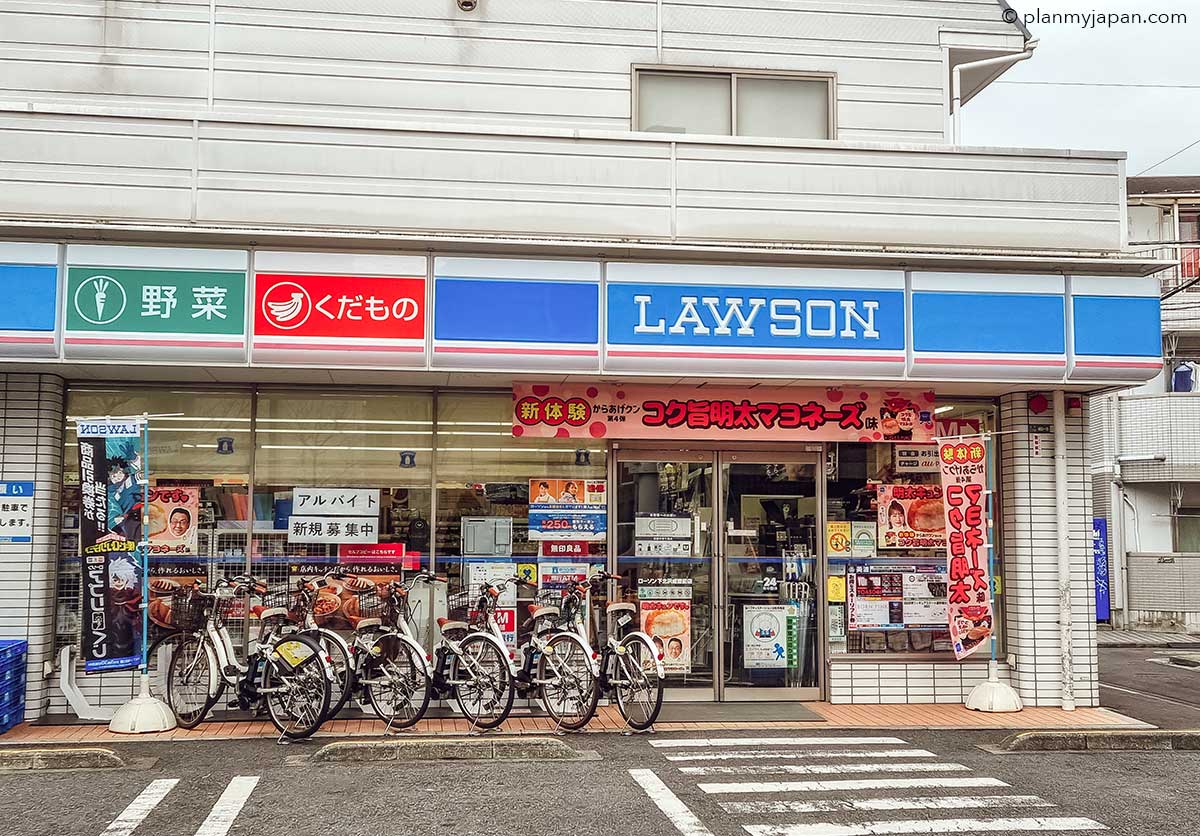
    In an innovative move to deepen its engagement with local communities, Japanese convenience store chain Lawson has formed a partnership with a free school lunch program in the Philippines. This initiative not only aims to boost brand visibility but also underscores Lawson’s commitment to supporting local causes.

    As part of this collaboration, Lawson plans to integrate its offerings with the school lunch program, allowing students access to nutritious meals while enhancing the brand’s footprint in the region. The initiative reflects a growing trend among retailers in Asia to align their brands with initiatives that resonate with community values.

    Comedian Ryota Yamasato made a memorable appearance at the ribbon-cutting ceremony for Akamegane Kitchen on August 29, shining a spotlight on the program and drawing attention to Lawson’s broader objectives. If food is the language of love, this partnership speaks volumes about Lawson’s efforts in nurturing relationships and brand loyalty in the Philippines.

    Lawson’s strategy highlights how retail businesses can leverage social initiatives to foster brand awareness and trust. By stepping into the realm of community health and well-being, they not only benefit from customer good will but contribute positively to society at large.

    This collaboration serves as a telling example of how retail chains can creatively navigate the complexities of brand building in a competitive landscape, making memorable impacts that go beyond profit margins.

    Questions & Answers

    What is Lawson’s latest partnership in the Philippines about?
    Lawson has teamed up with a free school lunch program in the Philippines, aiming to raise brand awareness by supporting local initiatives and providing access to nutritious meals for students.

    How does this partnership align with trends in the retail industry?
    This initiative illustrates the growing trend among retailers in Asia to forge collaborations with community-focused projects, enhancing brand visibility while fostering goodwill and trust within local populations.

    What role did Ryota Yamasato play in the launch of the program?
    Comedian Ryota Yamasato participated in the ribbon-cutting ceremony for Akamegane Kitchen, which is part of the school lunch initiative, helping to elevate the program’s profile and Lawson’s community engagement efforts.

  • Tokyo Mall Transforms Retail Experience with Stunning Mount Fuji Views and Lush Rooftop Gardens

    Tokyo Mall Transforms Retail Experience with Stunning Mount Fuji Views and Lush Rooftop Gardens

    An ultramodern shopping mall has officially opened its doors in Tokyo, aiming to attract shoppers not just with products, but also with memorable experiences. Located near Takanawa Gateway City in the Minato ward, this new destination launched on September 12 to fanfare and enthusiasm.

    With more than 2,000 eager shoppers braving the lines, the vibrant atmosphere was palpable as they flocked to explore this innovative complex. NEWoMan Takanawa promises a unique retail environment, blending the latest in shopping technology and design with curated experiences that go beyond traditional retail norms. The mall aims not only to drive foot traffic but also to reshape how consumers interact with brands.

    As competition intensifies in Japan’s retail landscape, particularly in urban centers, NEWoMan Takanawa stands out with its approach. This isn’t just a place to buy; it’s an invitation to immerse in the brand ambiance, perhaps even sipping artisanal coffee while scrolling through a hand-picked selection of the latest fashion items. Imagine browsing through stores that feel more like interactive art installations than conventional shops.

    The opening comes at a crucial moment for retail, particularly as the industry seeks innovative strategies to engage shoppers in a post-pandemic world. As consumers increasingly seek experiences rather than just transactions, NEWoMan Takanawa looks poised to meet this demand with a lineup of events and exhibitions that will continue to draw visitors long after the opening day excitement fades.

    The complex is part of a larger trend in Asia’s retail sector towards experiential shopping, a shift that has seen malls evolve into lifestyle destinations. And while shoppers are well aware that they can find goods online, NEWoMan Takanawa brings a distinct flair that may just remind them why in-person shopping can still be a delightful treasure hunt.

    Questions & Answers

    What unique offerings does NEWoMan Takanawa provide to shoppers?
    NEWoMan Takanawa combines shopping with experiential elements, creating an inviting atmosphere where customers can engage with brands in creative ways, such as through events and interactive installations.

    How has the pandemic influenced the retail strategies of new malls in Japan?
    The pandemic has prompted a shift towards experiential shopping, encouraging malls like NEWoMan Takanawa to focus on creating memorable experiences that entice customers back to physical stores.

    What was the public’s reaction on the opening day of NEWoMan Takanawa?
    The opening day saw over 2,000 people lining up to enter the complex, showcasing a strong enthusiasm from the public and a clear desire to embrace a new shopping experience.

  • Uniqlo Shatters Milestone with Japan Sales Surpassing 1 Trillion Yen—A Historic First for Apparel Brands!

    Uniqlo Shatters Milestone with Japan Sales Surpassing 1 Trillion Yen—A Historic First for Apparel Brands!

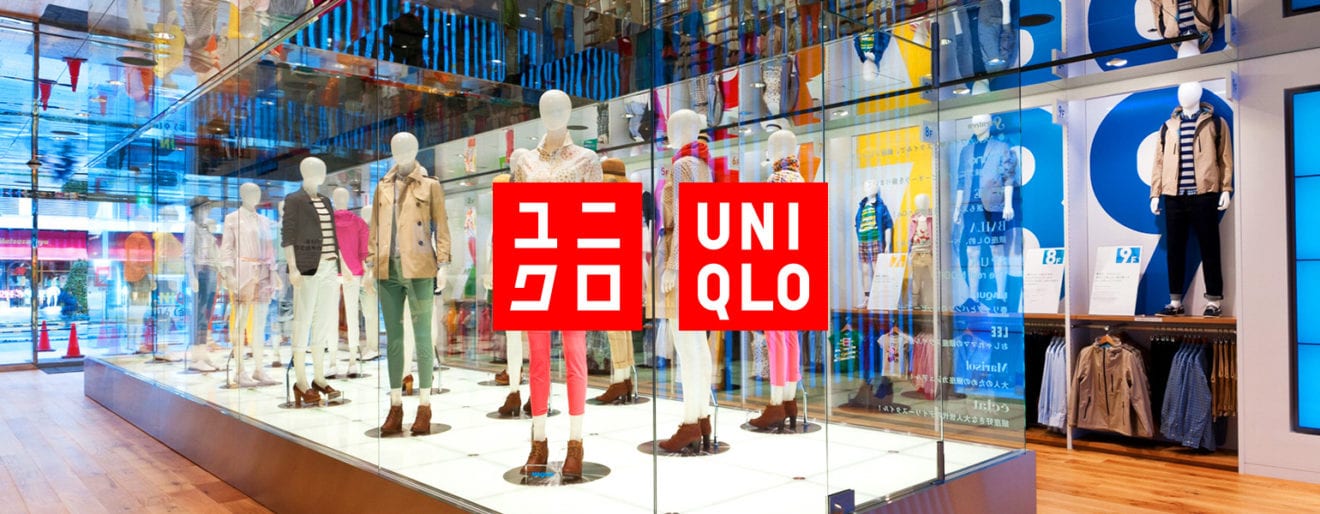
    In a landmark achievement for the Japanese retail landscape, Fast Retailing has reported that Uniqlo’s domestic sales soared to approximately 1.03 trillion yen ($6.98 billion) for the fiscal year ending August 2025. This impressive 10% year-on-year increase sets a new record, making Uniqlo the first apparel company in Japan to surpass the 1 trillion yen sales mark.

    Much of this success can be attributed to Fast Retailing’s strategic utilization of larger store formats and cutting-edge big data analytics. These elements have redefined customer engagement, allowing for tailored experiences that drive foot traffic and boost sales. It’s as if Fast Retailing cracked the code to unlocking retail success while keeping shoppers coming back for more.

    As Uniqlo expands its footprint with innovative concepts, the brand continues to attract a loyal customer base, reinforcing its position in an increasingly competitive market. The journey to this significant milestone took 41 years, starting from the opening of the first Uniqlo store.

    Questions & Answers

    What milestone did Uniqlo achieve in the fiscal year ending August 2025?
    Uniqlo surpassed 1 trillion yen in domestic sales for the first time, achieving approximately 1.03 trillion yen ($6.98 billion), marking a significant milestone for the apparel industry in Japan.

    What factors contributed to Uniqlo’s sales growth?
    Uniqlo’s sales growth can be attributed to Fast Retailing’s strategic use of larger store formats and big data analytics, which enhanced customer engagement and shopping experiences.

    How long did it take for Uniqlo to reach the 1 trillion yen sales mark?
    It took Uniqlo 41 years to reach this remarkable sales milestone, beginning with the launch of its first store.

  • Tokyo’s Grade A Office Leasing Set for Strong Performance in Second Half of 2023

    Tokyo’s Grade A Office Leasing Set for Strong Performance in Second Half of 2023

    The corporate world is buzzing, and Tokyo’s office leasing market is feeling the effects. According to the latest insights from JLL, a robust demand from companies is set to keep leasing volumes strong in the latter half of the year. The appetite for office space continues to grow, even as external risks loom, such as tariffs and global economic slowdowns. It seems that in the fast-paced landscape of corporate Japan, many businesses see their future as firmly grounded in tangible office spaces.

    Positive Predictions Amid Market Fluctuations

    Recently, Oxford Economics provided a forecast indicating a modest GDP growth of 0.8% by the end of 2025, alongside a consumer price index (CPI) prediction of 2.8%. While these figures paint a picture of stability, they come with caveats, primarily from potential tariffs affecting corporate activity and a possible downturn in overseas economies.

    Demand for Quality Office Spaces is Sky-High

    JLL’s report highlights that demand for existing office buildings remains resilient due to a substantial influx of headcounts and a trend toward high-quality relocations. In fact, net absorption in the Tokyo office market reached 30,816 square meters in Q2 2025, driven by significant activity in the information services, wholesale, retail trade, and professional services sectors. You could say the Tokyo office market is the land of opportunity—just without the neon lights.

    Rents Continue their Relentless Climb

    As companies vie for the best locations, rents have skyrocketed for six consecutive quarters. By the end of Q2 2025, average rents stood at JPY 36,237 per tsubo per month, marking a 2.0% quarterly increase and a striking 5.9% increase year-on-year. The Akasaka/Roppongi and Otemachi/Marunouchi areas, known for their premium real estate, have reported particularly tight vacancies and landlord-friendly market conditions.

    Vacancy Rates Plummet in Prime Locations

    Tokyo’s Grade A office vacancy rate averaged just 2.4% in Q2, reflecting a decline of 10 basis points quarter-on-quarter and 120 basis points year-on-year. The Otemachi/Marunouchi and Akasaka/Roppongi submarkets are seeing availability shrink to nearly non-existent levels, signaling that demand significantly outpaces supply.

    Capital Values Surge Despite Economic Uncertainty

    In line with rising rents, capital values in Q2 2025 rose 2.9% quarter-on-quarter and 9.5% year-on-year. This upswing can be attributed to the impenetrable ongoing demand and stable cap rates observed throughout the quarter. A standout transaction this quarter was Mitsubishi Estate’s acquisition of the Akasaka Park Building—a move that underscores the enduring allure of Tokyo’s real estate market.

    Questions & Answers

    What factors are contributing to the strong demand for office leasing in Tokyo?
    The strong demand can be attributed to increased headcount within corporations and a tendency towards relocating to higher-quality office spaces, driven by an appetite for premium environments.

    How have rental rates changed in Tokyo’s office market?
    Rentals have climbed for six consecutive quarters, with averages reaching JPY 36,237 per tsubo per month by Q2 2025, marking a 5.9% year-on-year increase.

    What are the implications of plummeting vacancy rates in key submarkets?
    The declining vacancy rates in districts like Otemachi/Marunouchi indicate a significant demand-supply imbalance, with nearly no space left available, making it a landlord’s market.

  • Beyond The Cup: Matcha’s Rising Popularity Influences Fashion, Beauty, And Wellness Trends

    Beyond The Cup: Matcha’s Rising Popularity Influences Fashion, Beauty, And Wellness Trends

    Matcha, previously a specialty tea in Japan, has gained considerable international popularity. This trend is especially noticeable among the younger demographic that values both taste and health benefits. The green tea powder has permeated various sectors beyond food and drinks, including the fashion and beauty industries, transforming it into a cultural and commercial sensation.

    Matcha in Food and Drinks

    In South Korea, convenience store chain CU has shared plans to enlarge its product range to include matcha-flavored cakes, and even a sparkling matcha variant of makgeolli, a traditional rice wine. This comes in light of a 130% year-on-year sales increase for their green-colored products. In addition, the Seven-Eleven convenience store chain has reported that their matcha dessert sales have nearly tripled within the last month. Another chain, GS25, has collaborated with renowned chef Edward Lee for a limited-edition matcha makgeolli. Even beauty company Amorepacific’s tea brand Osulloc has joined the trend, opening a “Matcha Noodle Bar” in Jeju, where they serve noodles made from tea leaves grown in their own estates.

    Matcha Influence on Fashion and Beauty

    The matcha trend is not limited to edibles. Retail company LF revealed there’s a rising trend in “matcha-core” looks, characterized by green, khaki, and mint hues. Searches for these colors have surged 2.5 times compared to the previous year. Sales of mint-colored sandals and accessories have also seen a steep climb. The beauty industry has followed suit, releasing matcha-inspired perfumes, candles, and skincare products, and the hashtag #matcha has accumulated over 9 million posts on Instagram.

    The Healthful Alternative

    Experts attribute the surge in matcha’s popularity to the shift towards wellness and health consciousness. The green tea powder, rich in antioxidants and amino acids, is often marketed as a healthier alternative to coffee. Grand View Research predicts that the global matcha market will rise from US$4.3 billion in 2023 to $7.4 billion in 2030, while DataM Intelligence anticipates more than a twofold increase by 2032.

    Supply Challenges

    The demand for matcha, however, is beginning to outstrip supply. The majority of matcha production is still centralized in Japan and China, where tea plants require at least five years to mature. In Kyoto, one of the premium matcha growing regions, rising temperatures combined with an aging farmer workforce have further reduced yields, causing the price of tea leaves to more than double within the past year. Anna Poin from the Global Japanese Tea Association cautions that shortages will likely continue to worsen until the end of the year.

    Despite these issues and the fact that matcha’s caffeine content is comparable to an espresso shot, industry experts believe that the matcha trend is here to stay. As one food executive from Seoul put it, “It’s more than a drink. It’s become a lifestyle.”

    Questions & Answers

    What is causing the increased popularity of matcha?
    The surge in matcha popularity is largely attributed to the shift toward wellness and health consciousness. Matcha, rich in antioxidants and amino acids, is marketed as a healthier alternative to coffee.

    Is matcha only used in food and beverage products?
    No, the influence of matcha extends beyond edibles. The green, khaki, and mint hues associated with matcha have become trendy in the fashion industry. The beauty industry has also released matcha-inspired perfumes, candles, and skincare products.

    What challenges is the matcha industry currently facing?
    The matcha industry is currently dealing with supply challenges. Tea plants require a minimum of five years to mature, and the majority of matcha production is concentrated in Japan and China. Rising temperatures and an aging farm workforce have further reduced yields, particularly in Kyoto, a premium matcha growing region.