Tag: Japan

  • 7-Eleven Operator Sets Ambitious Goal to More Than Double Share Price by 2030!

    7-Eleven Operator Sets Ambitious Goal to More Than Double Share Price by 2030!

    Seven & i Holdings is charting a bold course towards a 44% profit increase by fiscal 2030, which translates to an annual growth rate of 7%. The operator behind the ubiquitous 7-Eleven convenience stores announced its plans on Wednesday, seeking to strengthen its performance in the wake of a narrow escape from a takeover attempt by Canada’s Alimentation Couche-Tard last month.

    In a landscape where convenience is king, the company is focusing on several key initiatives to enhance profitability. This includes investing heavily in store upgrades, introducing new locations, and expanding delivery services. The strategy reflects a clear recognition that convenience retail is evolving, and Seven & i is determined not to lag behind.

    The sweeping plans come as leadership at Seven & i faces scrutiny; CEO Stephen Hayes Dacus addressed investors during a press conference, emphasizing the need for change in the company’s strategic approach. “We’re not just here to survive; we aim to thrive in an increasingly competitive market,” he stated, underscoring a commitment to rejuvenate the brand and bolster shareholder confidence.

    The Convenience Store Renaissance

    The company’s future-focused strategy comes at a time when convenience stores are experiencing a renaissance in Japan and across Asia. With a new emphasis on fresh food offerings and seamless delivery options, Seven & i aims to keep pace with changing consumer preferences. In a wry nod to the industry’s evolution, one could say that traditional convenience has gone “next level,” as companies innovate to keep shoppers engaged and returning for more.

    In an effort to cement its presence within local communities, Seven & i plans to prioritize neighborhood needs in its expansion plans, tailoring product offerings to meet the diverse tastes of its customer base. This commitment to local engagement suggests an understanding that the key to success lies not just in sales figures, but in genuine connections with consumers.

    Questions & Answers

    How does Seven & i plan to achieve its profit increase by 2030?
    The company aims for a 44% profit increase through strategic investments in store upgrades, new locations, and enhanced delivery services.

    What recent event prompted Seven & i to refine its strategic approach?
    The company narrowly avoided a takeover attempt by Canada’s Alimentation Couche-Tard, prompting it to take decisive measures to stabilize and grow its share price.

    What changes are being made to meet evolving consumer preferences?
    Seven & i is focusing on expanding fresh food offerings and enhancing delivery options to better cater to shifting consumer demands in the convenience retail sector.
  • Takashimaya’s 2024 Flagship Store: Redefining Luxury Shopping In Tokyo’s Shinjuku District

    Takashimaya’s 2024 Flagship Store: Redefining Luxury Shopping In Tokyo’s Shinjuku District

    The bustling streets of Tokyo are set to welcome a new gem in the retail scene as luxury department store Takashimaya prepares to unveil its latest flagship store in early 2024. This ambitious project, situated in the heart of Shinjuku, promises to redefine the shopping landscape in the world-renowned Shinjuku Gyoen district, an area famed for its blend of urban life and natural beauty.

    Takashimaya’s impending opening is poised to captivate retail enthusiasts with its innovative blend of high-end fashion, gourmet food options, and cutting-edge technology. A striking feature of the flagship store will be its transparent escalators, offering customers a unique view of the multiple levels while they make their ascent through the store. It’s as if shoppers will be gliding up through a stylish art installation—what a way to shop!

    The design, marked by elegant lines and spacious layouts, reflects the aesthetic preferences of modern consumers who seek both luxury and comfort. The store will feature an impressive array of global brands alongside exclusive Japanese labels, ensuring that it caters to both local shoppers and international visitors alike.

    As the retail sector continues to evolve, Takashimaya’s focus on sustainability and local culture stands out. The store will incorporate environment-friendly materials and showcase products from regional artisans, highlighting Japan’s rich craft traditions. In a move designed to foster a strong community connection, Takashimaya will also offer rotating exhibitions of local artists’ work throughout the year, giving visitors a reason to return and engage with both the store and wider creative scene.

    This flagship opening comes at a time when the retail industry is rebounding from the challenges posed by the pandemic. With increased foot traffic as travel restrictions ease, Takashimaya is betting on a resurgence of luxury shopping—an experience that more than ever includes entertainment, culture, and a strong sense of place.

    The department store’s management team expresses excitement about the upcoming launch, seeing it as a pivotal moment for the brand as it not only re-establishes its presence in a competitive market but also fortifies its commitment to delivering unforgettable shopping experiences.

    As Takashimaya gears up for this iconic opening, one thing is crystal clear: the retail landscape in Asia is evolving, and this flagship store might just write a new chapter in the story of luxury shopping.

    Questions & Answers

    What makes the Takashimaya flagship store unique?
    The store will feature transparent escalators for a distinctive shopping experience along with a mix of high-end fashion, gourmet food, and technology, creating an engaging environment for shoppers.

    How does Takashimaya plan to connect with the local culture?
    Takashimaya will highlight local artisans and sustainable practices through rotating exhibitions and eco-friendly materials, thereby reinforcing its bond with the community.

    What recent trends have impacted Takashimaya’s decision to open this flagship store now?
    As the retail sector rebounds post-pandemic and travel restrictions ease, Takashimaya aims to capitalize on the resurgence of luxury shopping, merging entertainment and culture into the retail experience.

  • Tourist Tax-Free Spending Plummets, Foreshadowing Challenges for Japan’s Retail Sector

    Tourist Tax-Free Spending Plummets, Foreshadowing Challenges for Japan’s Retail Sector

    Sales at Japanese department stores have shown signs of slowing in recent months, raising concerns that even the wealthiest shoppers may be curbing their extravagant expenditures. This shift is attributed partly to the ripple effects of U.S. President Donald Trump’s aggressive tariff policies, which have begun to take a toll on consumer sentiment.

    Once a hotspot of opulence, where luxury purchases were practically an everyday occurrence, the shopping landscape is shifting. Data from the Japan Department Stores Association indicates that, while the overall department store sales dipped by 0.4% year-on-year in August, the high-end segment is particularly feeling the pressure. Consumers that once splurged with abandon are now more discerning, raising eyebrows and speculation in the retail sector.

    In a bid to attract the scrupulous shopper, renowned stores like Tokyo’s Isetan Shinjuku have embraced technology, launching an innovative smartphone app tailored for overseas visitors. This app offers users enticing discount coupons as well as comprehensive information about the store in English, Chinese, and Korean. Such initiatives not only enhance the shopping experience but also seek to capture a significant slice of the lucrative tourist market.

    As retailers grapple with these changes, they are stepping up efforts to adapt. The high-end fashion scene finds itself at a crossroads, where luxurious brands must navigate a delicate balance between aspirational pricing and accommodating the evolving preferences of their consumer base. Will the lavish lifestyles of the past return, or are shoppers’ appetites for luxury purchases shifting irreversibly? Only time will tell, but for now, retailers seem to be polishing their strategies and hoping for a spark of that former extravagance — who wouldn’t want a weekend shopping spree to feel like a scene from a Hollywood film?

    Questions & Answers

    How have recent economic factors impacted Japanese department store sales?
    Japanese department store sales have dipped by 0.4% year-on-year, with concerns that high-end consumers are becoming more discerning due to factors like U.S. tariffs.

    What strategies are department stores implementing to attract overseas customers?
    Stores like Isetan Shinjuku have launched smartphone apps offering discount coupons and information in multiple languages, aimed at enhancing the shopping experience for foreign tourists.

    What does the future hold for high-end retail in Japan?
    As consumer preferences evolve, luxury brands face a challenge in balancing aspirational pricing with the desires of a more cautious shopping base, raising questions about the future of extravagant spending.

  • ABC-mart Debuts In Philippines With ‘grand Stage’ Store, Marking New Chapter In Asian Expansion

    ABC-mart Debuts In Philippines With ‘grand Stage’ Store, Marking New Chapter In Asian Expansion

    Japanese retail giant ABC-Mart is set to make its first appearance in the Philippines with the opening of a store in Bonifacio Global City (BGC), Manila, scheduled for September. This marks the corporate expansion of the company into a second market in the region following a successful launch in Vietnam which took place in 2022.

    Overseas Expansion

    ABC-Mart currently operates nearly 400 stores overseas, predominantly in South Korea and Taiwan. The company is also actively investigating opportunities for growth in other Asian countries such as Thailand and Indonesia.

    According to Kabir Buxani, the incoming CEO of Sonak Retail Group – the local partner of ABC-Mart – BGC is an ideal location for the brand’s first store in the Philippines. “BGC has a lively atmosphere and sets the tone for fashion in the region,” Buxani indicated.

    The Grand Stage Store

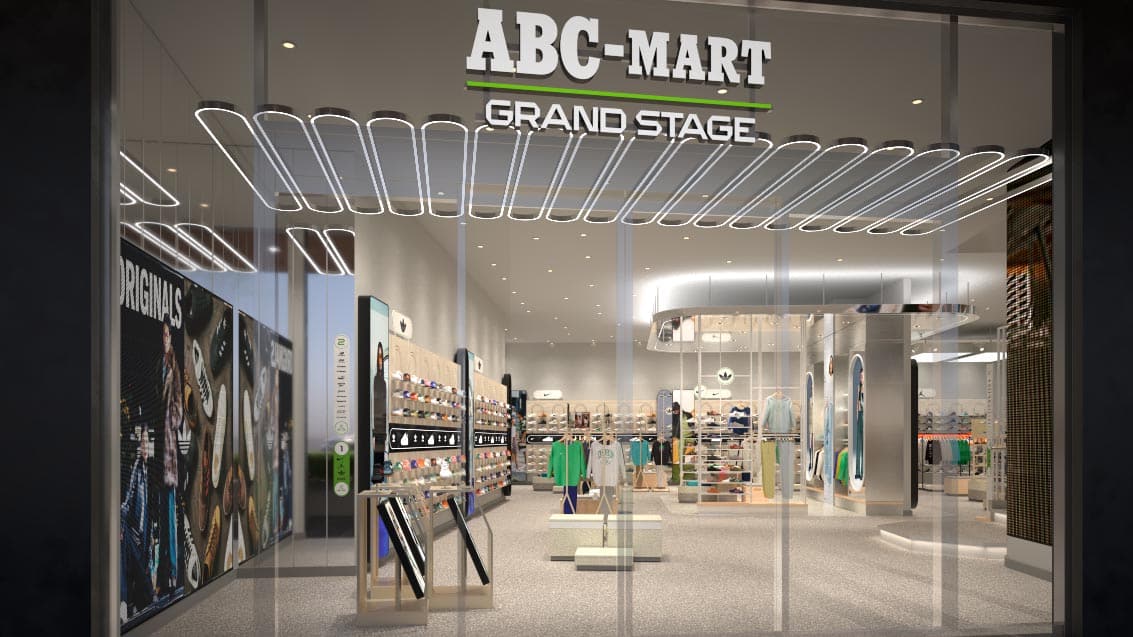
    The store, dubbed as the “Grand Stage,” will span two levels, covering an area of 750 square meters. It is expected to stock over 1,000 products including limited-edition sneakers, sandals, and clothing from major brands such as Nike, Adidas, Puma, Asics, and New Balance.

    In addition, the store will showcase the company’s first-ever wellness corner worldwide, integrating footwear with lifestyle products.

    Koji Higashimae, CEO of ABC-Mart Sonak Philippines, stated that the company’s aspiration is to achieve a balance between variety and accessibility. “Our belief is that style should not compromise comfort and high-quality fashion should be within everyone’s reach,” Higashimae explained.

    Furthermore, the company has plans to open a second outlet later in the year at Mitsukoshi in BGC.

    Questions & Answers

    What is ABC-Mart’s expansion strategy in Asia?
    ABC-Mart is strategically expanding its retail footprint in Asia, having already established stores in South Korea and Taiwan. The company has now stepped into the Philippines and Vietnam, with future prospects in Thailand and Indonesia.

    What can customers expect at the new ABC-Mart store in BGC, Manila?
    Customers can look forward to a wide variety of over 1,000 products, including clothing, limited-edition sneakers, and sandals from well-known brands like Nike, Adidas, and others. The store will also introduce the company’s first-ever wellness corner, which will blend footwear with lifestyle products.

    What is the philosophy of ABC-Mart when it comes to fashion?
    ABC-Mart believes that style should not compromise comfort. The company aims to provide high-quality, fashionable products that are both diverse in variety and accessible to everyone.

  • Nam Long Group Welcomes Tokyu Corporation as Exciting New Partner in Izumi City Development

    Nam Long Group Welcomes Tokyu Corporation as Exciting New Partner in Izumi City Development

    On July 30, an important partnership was sealed between Nam Long Group and Tokyu Corporation, as company representatives gathered for a signing ceremony that signals a significant step in urban development in Vietnam.

    Two Giants Collaborate for Sustainable Living

    Lucas Loh, Group CEO of Nam Long, expressed enthusiasm about the alliance, emphasizing that this collaboration embodies both parties’ dedication to creating sustainable, high-quality developments aimed at enhancing living standards within Vietnamese communities. Loh acknowledged Tokyu’s involvement as a vital addition of global expertise to the Izumi City project, aligning perfectly with Nam Long’s vision of crafting vibrant, livable townships.

    Creating a Modern Township

    “We appreciate the trust Tokyu Corporation has placed in Nam Long and look forward to shaping future communities that will nourish a high quality of life for generations,” Loh stated, weaving optimism into the narrative of this burgeoning partnership.

    Ogata Yoshinori, Executive Officer of Tokyu Corporation’s International Business Division, highlighted Izumi City as a forward-thinking township developed to address the surging housing demand in Southern Vietnam. With its green, interconnected design and strategic location, the township promises residents easy access to Ho Chi Minh City and its satellite towns.

    “By integrating the strengths of Nam Long, Hankyu Hanshin Properties, and Tokyu Corporation, we intend to create a model community where Vietnamese families can truly flourish,” Ogata affirmed, conjuring an image of flourishing families amidst a robust urban landscape.

    Izumi City: A Vision Realized

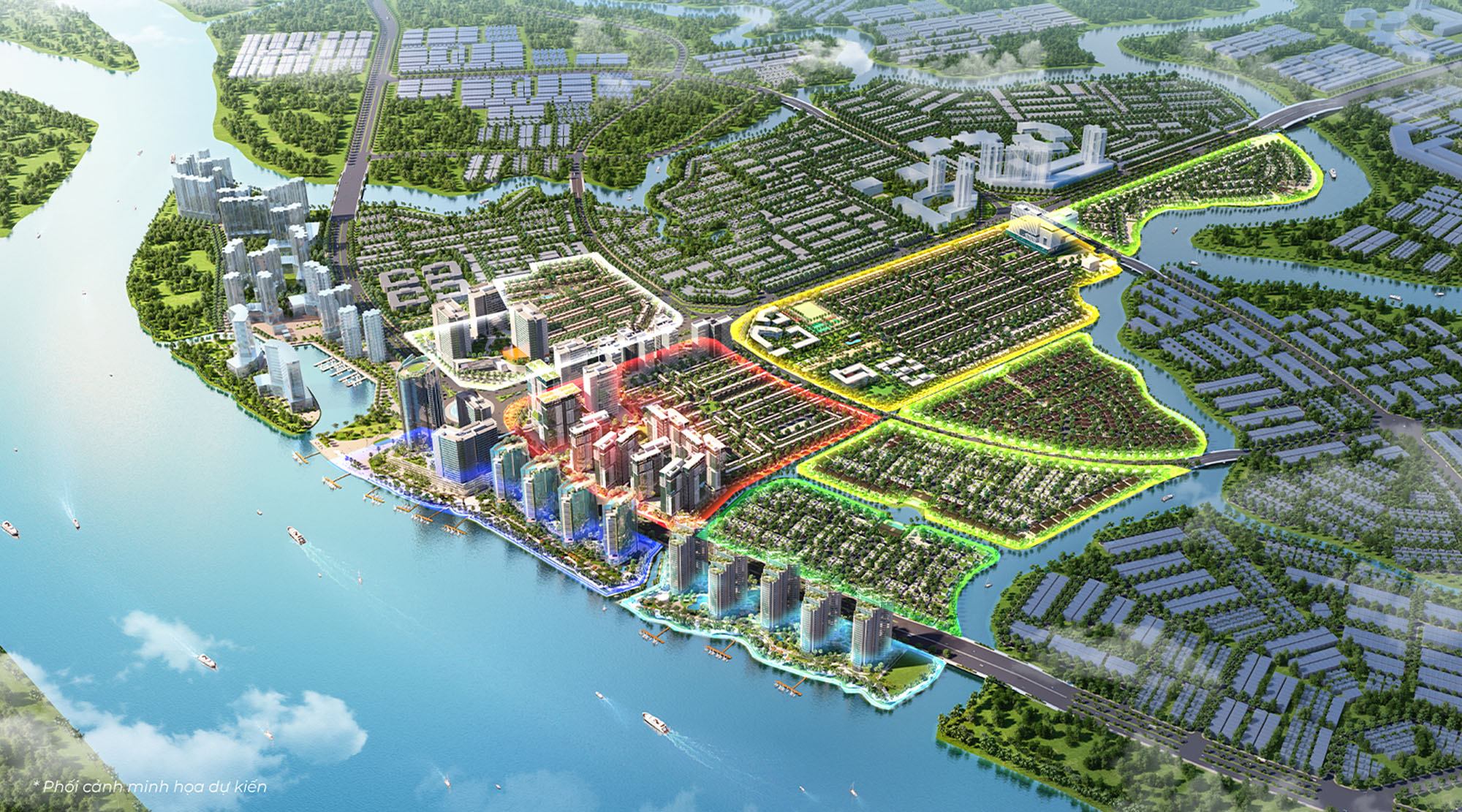
    Spanning an impressive 170 hectares in Long Hung Ward, Dong Nai Province, Izumi City occupies a key area within one of southern Vietnam’s most vibrant economic zones. Its prime location offers excellent access to major infrastructures, including National Highway 51, the Ho Chi Minh City–Long Thanh–Dau Giay Expressway, and the upcoming Long Thanh International Airport — a connectivity that could make urban living feel almost like a stroll through a park.

    The ambitious project’s first phase aims to introduce approximately 2,900 low-rise housing units, with plans for a comprehensive ecosystem featuring schools, healthcare facilities, commercial spaces, and leisure options. This well-rounded environment will support a burgeoning community and promote an enriching lifestyle for future residents.

    The inclusion of Tokyu Corporation and Hankyu Hanshin Properties—renowned Japanese firms with vast experience in urban development—adds considerable strength to this Japan-Vietnam collaboration, cementing a robust foundation for the promising future of Izumi City.

    Questions & Answers

    What significance does the partnership hold for Nam Long Group and Tokyu Corporation?
    The partnership is seen as a commitment to sustainable, high-quality urban developments aimed at improving living standards in Vietnamese communities, with Tokyu bringing valuable international expertise to the table.

    What amenities can future residents of Izumi City expect?
    Residents can look forward to a complete ecosystem of services, including schools, healthcare facilities, commercial areas, and entertainment options, all designed to promote a balanced, quality lifestyle.

    How large is the Izumi City project and where is it located?
    Izumi City covers an expansive area of 170 hectares in Long Hung Ward, located within one of southern Vietnam’s dynamic economic zones, making it a prime location for growth and development.

  • Osaka Sees Strong 5.5% Surge in Investment-Grade Office Rents in First Half of 2025

    Osaka Sees Strong 5.5% Surge in Investment-Grade Office Rents in First Half of 2025

    Rents for investment-grade offices in Osaka surged by 5.5% in the first half of 2025, hitting JPY24,000 per tsubo, according to a recent report from Savills. This spike underscores the robust demand for premium office space, particularly in newly constructed properties where rental figures have leapt from above JPY30,000 to even exceed JPY40,000 per tsubo, with the pinnacle reaching a remarkable JPY43,000 per tsubo.

    All-Grade Rents on the Rise

    Overall, all-grade rents increased by 0.8% quarter-on-quarter, settling at JPY12,200 per tsubo. The Umeda submarket stood out with the most considerable growth, climbing by 1.7% quarter-on-quarter, while Minami-Mori experienced a modest decline of 0.7%. The remaining submarkets, however, continued to show promising upward trends in rental rates.

    Vacancy Rates Tighten as Demand Peaks

    The office market absorbed significant new supply in 2024, leading to tighter investment-grade vacancy rates, which dropped by 1.3 percentage points to 2.6% in the first half of 2025. Notably, Yodoyabashi-Honmachi is likely to encounter temporary disruptions due to an influx of substantial new office developments slated for 2025. Yet, experts anticipate this submarket will become a hotbed for tenants in search of high-quality spaces, as it prepares to welcome premium office developments that will help maintain robust leasing activities well into 2026.

    The all-grade office vacancy rates also saw improvement, decreasing by 0.5 percentage points to 3.8%. The Shin-Osaka submarket recorded the most significant enhancement, with vacancy tightening by 1.5 percentage points to an enticing 2.7%, the lowest level seen since just before the pandemic, propelled by strong leasing activity.

    Questions & Answers

    What factors are driving the increase in rental rates for investment-grade offices in Osaka?
    The increase is primarily driven by strong demand for high-grade office spaces, particularly in newly constructed properties where rental prices are rapidly rising.

    How did the new office supply in 2024 affect the vacancy rates in Osaka?
    The new office supply was absorbed well by the market, leading to tighter vacancy rates, especially for investment-grade offices which saw a decrease.

    Which submarket in Osaka recorded the most notable rental growth?
    The Umeda submarket experienced the most significant rental increase, climbing by 1.7% quarter-on-quarter, showcasing its attractiveness in the current market.

  • Tourist Tax-Free Spending Plummets, Raising Concerns for Japan’s Retail Future

    Tourist Tax-Free Spending Plummets, Raising Concerns for Japan’s Retail Future

    The vibrant world of Japanese department stores is currently facing a challenging downturn, with recent reports indicating a slowdown in consumer spending among a wealthy demographic. This shift appears to be part of a broader trend influenced by international economic factors, including U.S. President Donald Trump’s aggressive tariff policies, which have begun to bite.

    The Numbers Tell a Story

    Statistics from June reveal a sobering 7.8% decline in department store sales compared to the previous year, landing at 461.5 billion yen (approximately $3.1 billion). A significant contributor to this downturn is the staggering 40.6% drop in tax-free shopping by foreign tourists, which plummeted to just 39.2 billion yen, as reported by the Japan Department Stores Association on Friday.

    The Impact of Shifting Consumer Habits

    This slowdown in retail activity can be attributed to several factors, including changing consumer preferences and market volatility. The once-gilded shopping spree that characterized luxury spending appears to be giving way to a more cautious approach, raising eyebrows in the industry. As one analyst whimsically noted, “Even the most extravagant spenders can feel the pinch when the global economy plays hardball.”

    Looking Forward

    As Japanese retailers navigate this challenging landscape, the focus will inevitably shift to strategies that can rekindle consumer enthusiasm and entice foreign visitors back into their stores. Flexibility and innovation may be key players in this ongoing narrative as the industry adapts to the evolving economic tides.

    Questions & Answers

    What is contributing to the slowdown in Japanese department store sales?
    The slowdown is primarily attributed to a decrease in spending among wealthy consumers, influenced by external economic pressures, particularly U.S. tariff policies, along with a significant drop in tax-free shopping by foreign tourists.

    How much did department store sales decline in June?
    In June, department store sales in Japan fell by 7.8% year-on-year, amounting to 461.5 billion yen (about $3.1 billion).

    What specific segment of shopping saw the most significant decline?
    Tax-free shopping by foreign visitors saw a dramatic 40.6% decline, falling to 39.2 billion yen, highlighting the challenges in attracting international consumers.

  • Rimowa Opens First Street-front Store In Japan’s Chubu Region: A Blend Of Luxury And Tradition

    Rimowa Opens First Street-front Store In Japan’s Chubu Region: A Blend Of Luxury And Tradition

    Rimowa, a luxury travel accessories brand, has recently opened its inaugural street-front store in Sakae, Nagoya, situated in the heart of Japan’s Chubu region. The brand, which is part of the LVMH portfolio, is renowned for its premium range of suitcases, bags, and accessories.

    Store Design and Location

    The newly unveiled store, nestled amidst other high-end brands on Otsu-dori Street, merges traditional Japanese architecture with Rimowa’s own unique design aesthetic. Covering an impressive 190 square meters over two floors, the store’s design emphasizes the concept of lightness, achieved by the natural light streaming through its glass walls.

    The ground floor of the store showcases a striking blend of two types of synthetic marbles, creating a stark contrast with the store’s luminous interior ambiance.

    Customer Service and In-store Features

    On the second floor, customers will find two dedicated repair counters offering hot stamping and click repair services. The store also features a secluded customer service area, designed to promote a calm and relaxed shopping environment. True to Rimowa’s commitment to design and quality, this area boasts furniture crafted by Marcel Breuer, a renowned figure in furniture design who received his education at Germany’s prestigious Bauhaus.

    Questions & Answers

    Where is the new Rimowa store located?
    The new Rimowa store is located in Sakae, Nagoya, in Japan’s Chubu region.

    What is the design theme of the new Rimowa store?
    The design theme of the new Rimowa store emphasizes lightness, with natural light filtering in from its glass walls.

    What services does the new Rimowa store offer?
    The new Rimowa store offers dedicated repair counters for hot stamping and click repairs. It also features a partitioned customer service area for a relaxed shopping experience.

  • SoftBank Unveils Game-Changing DGX B200 SuperPOD: A Milestone for AI Computing Power

    SoftBank Unveils Game-Changing DGX B200 SuperPOD: A Milestone for AI Computing Power

    SoftBank Corp. has unveiled a groundbreaking DGX SuperPOD featuring DGX B200 systems, powered by over 4,000 NVIDIA Blackwell graphics processing units (GPUs). This formidable setup solidifies SoftBank’s position as the owner of the largest NVIDIA DGX SuperPOD worldwide equipped with DGX B200 systems. With the addition of NVIDIA Quantum-2 InfiniBand networking, this AI computing platform now boasts an impressive total of more than 10,000 GPUs, delivering a staggering computing power of 13.7 exaflops.

    A New Frontier in AI Development

    The advanced capabilities of this platform are set to be harnessed by SB Intuitions Corp., a subsidiary focused on developing large language models (LLMs) designed specifically for the Japanese language. In fiscal year 2024, SB Intuitions aims to build LLMs boasting around 460 billion parameters, with a commercial model dubbed “Sarashina mini” anticipated to launch by March 31, 2026, featuring 70 billion parameters. Leveraging the upgraded computing power, SoftBank is on a mission to accelerate the development of increasingly vast and sophisticated models that could revolutionize Japanese-language applications.

    Scaling New Heights in AI Performance

    SoftBank’s venture into AI computing is not new; they initially deployed a DGX SuperPOD with over 2,000 NVIDIA Ampere GPUs back in September 2023, achieving a performance benchmark of 0.7 exaflops. The journey, however, has been anything but stagnant. In October 2024, the company made headlines again by augmenting its capabilities with over 4,000 NVIDIA Hopper GPUs, catapulting the overall performance to an eye-watering 4.7 exaflops. It seems that in the race of AI, SoftBank has put its best foot forward — or, to be more precise, its best GPU!

    Building an AI Ecosystem

    The construction of this state-of-the-art AI computing platform has earned certification for supply assurance from Japan’s Ministry of Economy, Trade, and Industry (METI) as part of a Cloud Program under the Economic Security Promotion Act. This seal of approval underscores SoftBank’s intent to bolster the burgeoning generative AI (GenAI) development ecosystem. The company aims to provide computational resources not only for its internal projects but also extend this infrastructure-as-a-service (IaaS) model to other enterprises and research institutions throughout Japan, fostering growth and innovation across the sector.

    Questions & Answers

    What is the significance of SoftBank’s new DGX SuperPOD?
    SoftBank’s new DGX SuperPOD positions it as a leader in AI capabilities, boasting the largest platform of its kind in the world and dramatically enhancing its computational power to support advanced AI model development.

    How will SB Intuitions utilize this AI computing platform?
    SB Intuitions plans to use the upgraded platform to develop large language models tailored to the Japanese market, aiming for innovative applications and commercial releases in the coming years.

    What role does the Japanese government play in SoftBank’s AI initiatives?
    The Japanese government has certified SoftBank’s AI computing platform for supply assurance, supporting the development of critical technology under the Economic Security Promotion Act, which helps ensure a secure and robust technological infrastructure in Japan.

  • NTT SmartConnect and Megaport Unveil Innovative Cloud and IX Services in Japan

    NTT SmartConnect and Megaport Unveil Innovative Cloud and IX Services in Japan

    NTT SmartConnect Corporation, operating from Osaka, is poised to enhance Japan’s digital landscape with its latest venture. Under the leadership of President and CEO Kento Miyaoku, the company has announced a strategic partnership with Megaport Japan K.K., a renowned global network service provider based in Brisbane, Australia, and led by CEO Michael Reid. This collaboration will culminate in the opening of a new connection point that promises to transform the way businesses in Japan access cloud services.

    A Milestone in Connectivity

    Situated within the Sonezaki Data Center in the heart of Osaka, this connection point is set to launch on Wednesday, July 23, 2025. With Megaport’s multi-cloud connectivity service, businesses will soon find themselves at the intersection of innovation and efficiency. The service boasts connections to over 975 data centers and supports more than 410 service providers, including industry heavyweights such as Amazon Web Services (AWS), Microsoft Azure, and Salesforce.

    Clients can look forward to a suite of benefits, including seamless bandwidth adjustments, cost savings, rapid deployment of services, and streamlined connections to diverse cloud solutions. In a world where digital agility is paramount, this development could serve as a much-needed shot in the arm for companies eager to expand their capabilities.

    A New Era with MegaIX

    In addition to its connectivity services, this initiative marks the debut of Megaport’s internet exchange (IX) service, dubbed MegaIX, in Japan—an offering that will now be available from the Sonezaki Data Center.

    NTT SmartConnect’s forward-thinking approach highlights a commitment to not only enhancing customer business efficiency but also supporting global expansion. As Miyaoku noted, this collaboration stands as a testament to their joint vision of pioneering seamless digital connectivity in the Asian market.

    In a move that might remind you of the first time your favorite band released a surprise album, this partnership marks an exciting chapter for Japan’s retail and tech sectors, one that promises to generate a buzz and reshape digital commerce.

    Questions & Answers

    How will the new connection point benefit businesses in Japan?
    The new connection point will provide seamless multi-cloud connectivity, enabling businesses to adjust bandwidth, save costs, deploy services quickly, and connect effectively to major cloud platforms.

    What specific service is Megaport introducing in Japan with this collaboration?
    Megaport is launching its internet exchange service, MegaIX, in Japan, enhancing connectivity options from the Sonezaki Data Center.

    What are NTT SmartConnect’s future plans regarding this partnership?
    NTT SmartConnect aims to continue collaborating with Megaport to improve customer business efficiency and facilitate global expansion opportunities.

  • Japan’s 7-Eleven Parent Responds Boldly to Criticism from Couche-Tard

    Japan’s 7-Eleven Parent Responds Boldly to Criticism from Couche-Tard

    Alimentation Couche-Tard, the Canadian retail giant, has found itself at the center of a heated dispute with Seven & i, the Japanese company that operates the iconic 7-Eleven convenience store chain. In a recent statement, Seven & i pointed out that Couche-Tard had not successfully identified a suitable strategic buyer for its U.S. outlets, a necessary step to alleviate antitrust concerns linked to their proposed merger. This revelation has added fuel to an already simmering clash between the two retail powerhouses.

    Miscommunication and Misinterpretations

    The tension escalated as Seven & i accused Couche-Tard of misrepresenting the challenges inherent in their merger agreement. In a pointed response, the Japanese retailer claimed that its Canadian counterpart showed a lack of commitment to overcoming the various significant hurdles associated with the proposed deal. As blame shifts back and forth like a retail ping-pong match, the prospect of a fruitful partnership increasingly appears to be fading away.

    Antitrust Obstacles Remain

    At the core of the dispute is the complexity of antitrust regulations that are designed to maintain competitive markets. Seven & i positioned itself as a defender of market integrity, suggesting that Couche-Tard’s failure to find a buyer for its U.S. assets exhibits a deeper problem rather than just a mere ‘misunderstanding’ of the situation. With both companies digging in their heels, the future of the proposed merger hangs in the balance like a pair of high-stakes dice.

    What Comes Next?

    As the legal and strategic battles unfold, the retail landscape in Asia watches keenly. Industry analysts are now pondering the potential ramifications for both companies if they cannot find common ground. Can two titans of retail, each with robust operations and loyal followings, navigate their way through this quagmire, or will their aspirations fizzle like an over-enthusiastic soda pop? Only time will tell.

    Questions & Answers

    What is the central issue between Alimentation Couche-Tard and Seven & i?
    The main issue revolves around Couche-Tard’s failure to identify a strategic buyer for its U.S. outlets, a necessary step to mitigate antitrust concerns regarding their proposed merger.

    How has Seven & i responded to Couche-Tard’s claims?
    Seven & i has accused Couche-Tard of mischaracterizing the challenges of the deal and lacking commitment to resolving them, escalating the blame game between the two companies.

    What are the implications of this dispute for the retail industry in Asia?
    The ongoing tensions could have significant repercussions for both companies and the wider retail landscape in Asia, as observers speculate on potential impacts should they fail to reach a resolution.

  • Louis Vuitton and Tiffany Exit Japan’s Regional Retail Scene, Handing the Spotlight to Coach

    Louis Vuitton and Tiffany Exit Japan’s Regional Retail Scene, Handing the Spotlight to Coach

    In a noteworthy shift that underscores the evolving landscape of retail, major luxury brands are retreating from department stores in Japan’s less urban areas, leaving store managers grappling with the challenge of maintaining customer interest. This trend signifies a significant change in consumer behavior and retail strategy in the region.

    Luxury Brands Exit Small-Town Market

    American jewelry giant Tiffany recently shuttered its outlet on the first floor of the Keisei Department Store in Mito, marking a dramatic shift in the availability of high-end shopping options in Ibaraki Prefecture. This closure followed the December exit of France’s iconic Louis Vuitton from the same location, leaving a conspicuous void in the luxury offering for residents and visitors alike.

    Once a bastion of luxury retail in the outskirts of the greater Tokyo metropolitan area, the department store now features blank spots where these high-profile brands once showcased their goods. With two of the only directly operated luxury outlets in the region gone, the lingering question remains—what will fill the luxury space now absent from Mito’s retail scene?

    The Ripple Effect on Local Retail

    The departure of these prestigious labels is sending ripples through local retail operations as managers strive to adapt to a market increasingly shifting towards a preference for urban shopping experiences. Store managers are now left in a precarious position: how do they keep customers engaged when the allure of luxury is sidelined? The fading presence of such brands challenges the traditional department store model that has long been a staple in Japanese retail.

    As consumer priorities evolve, this trend could encourage a much-needed pivot in the strategies employed by these stores, perhaps giving room for more niche brands or localized offerings. Perhaps we’ll see that what loses in luxury may gain in unique experiences—who knows? Maybe a sushi-tasting event could become the next big draw!

    Looking Ahead

    While the departure of major luxury brands from suburban department stores is alarming for some, it also opens the door for innovation within the retail sector. As consumer dynamics change, traditional retailers will need to rethink their approach to remain relevant. With globalization and digital shopping continuing to gain traction, Mito and similar locales may have to adapt in ways previously overlooked.

    Questions & Answers

    What does the closure of Tiffany and Louis Vuitton outlets signify for the retail landscape in Japan?
    The closures highlight a shift in consumer behavior, with luxury brands retreating from smaller markets, reflecting a growing preference for urban shopping experiences.

    How are department store managers responding to the loss of luxury brands?
    Store managers are tasked with finding ways to keep customers engaged, potentially by shifting focus to niche products or unique experiences.

    Could the departure of luxury brands lead to new opportunities for local retailers?
    Yes, this trend might encourage local retailers to innovate, leading to an increased emphasis on personalized shopping experiences and localized offerings.

  • Acne Studios Unveils Pink Granite-adorned Flagship Store In Tokyo’s Aoyama District

    Acne Studios Unveils Pink Granite-adorned Flagship Store In Tokyo’s Aoyama District

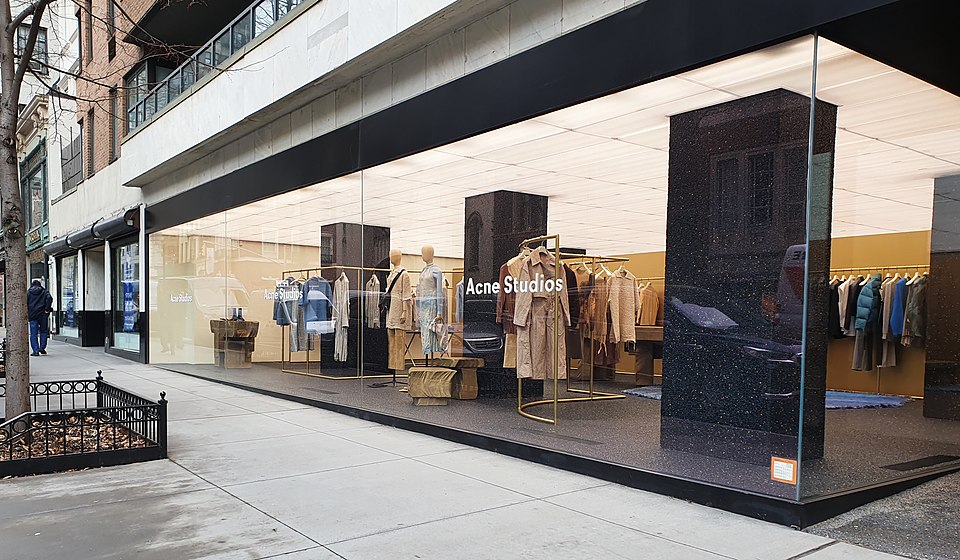
    Acne Studios, a renowned fashion brand from Sweden, has unveiled its flagship store in the Aoyama district of Tokyo.

    Designing the Flagship Store

    The store occupies three levels and was crafted in association with Hallerod, an architecture firm based in Stockholm and a long-term collaborator of the brand. The store’s interior is predominantly adorned by pink granite, a signature material in Acne’s retail settings, employed throughout the store’s floors, walls, and fixtures.

    Max Lamb, a London-based designer, contributed matching pink sofas made of leather and fabric, adding to the store’s distinctive aesthetic. The lighting was designed by Parisian Benoit Lalloz, further enhancing the store’s unique ambiance.

    Collaborations & Collections

    The basement of the store features ceramic works by Takuro Kuwata, a renowned Japanese artist. These pieces were curated as part of a collaboration spearheaded by Acne’s creative director, Jonny Johansson. This partnership also resulted in a capsule collection that reimagines traditional Acne pieces. The collection includes denim, bags, and small leather goods.

    Store Offerings

    The flagship store houses the complete range of Acne Studios products. Shoppers can find men’s and women’s clothing, footwear, accessories, jewelry, and eyewear, offering a comprehensive Acne Studios shopping experience.

    Questions & Answers

    Who designed the interior for Acne Studios’ flagship store in Tokyo?
    The space was designed in collaboration with Stockholm-based architecture firm Hallerod. The interior is characterized by pink granite, used throughout the store’s floors, walls, and fixtures.

    What is unique about the basement of the store?
    The basement displays ceramic works by Japanese artist Takuro Kuwata. These were curated as part of a project led by Acne’s creative director, Jonny Johansson.

    What types of items does the store sell?
    The store carries the full Acne Studios range, including men’s and women’s apparel, footwear, accessories, jewelry, and eyewear.

  • Onitsuka Tiger Announces 2027 North American Comeback As Part Of Global Expansion Strategy

    Onitsuka Tiger Announces 2027 North American Comeback As Part Of Global Expansion Strategy

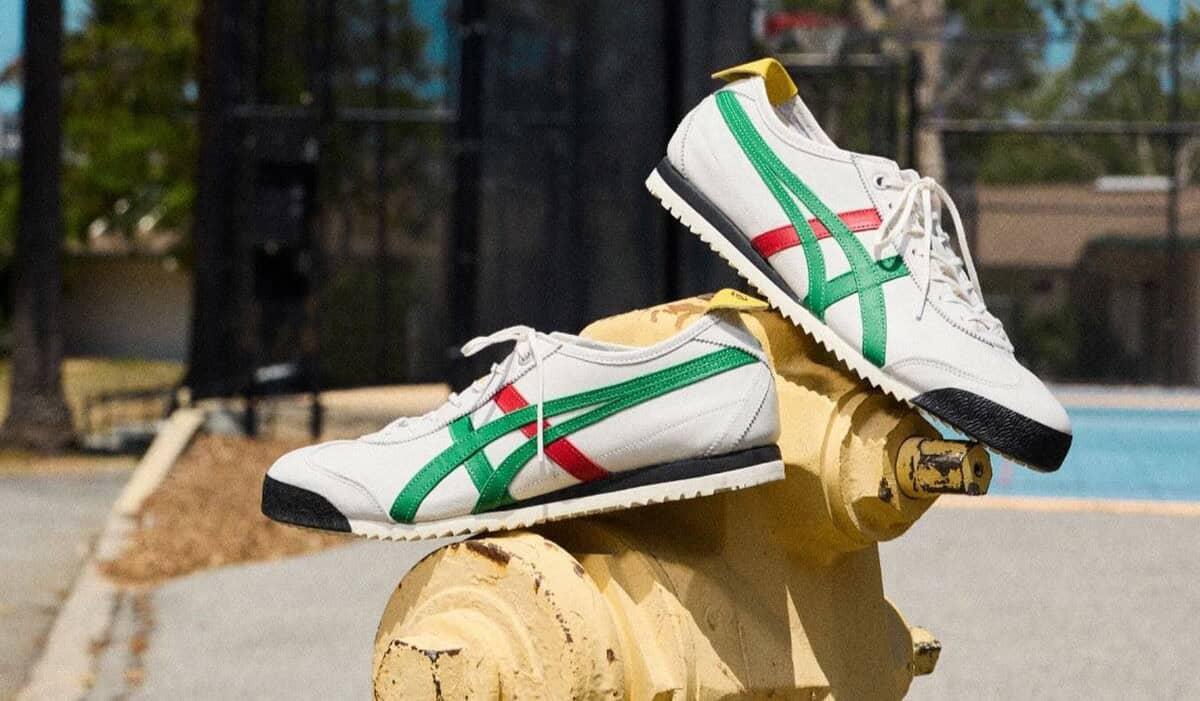
    Japanese footwear label Onitsuka Tiger has unveiled its plans to make a comeback in the North American market by 2027, signifying a critical phase in the company’s international growth strategy.

    Onitsuka Tiger, which is managed by sports apparel titan Asics, had previously closed its retail stores in the United States in 2023. In a recent announcement, a representative of Onitsuka Tiger revealed their plans of utilizing their worldwide e-commerce platform to penetrate new regions and reestablish their presence in the U.S.

    The spokesperson said, “Our initiatives are geared toward not just enlarging our business scope but also towards constructing a enduring brand value in the international marketplace, in line with Onitsuka Tiger’s principles and artistic sensitivity.”

    At present, Onitsuka Tiger operates in over 150 locations globally and has a dominant presence in Japan, Greater China, South Korea, and Europe. In a recent move to reinforce its high-end positioning, the company launched a new global flagship store in Paris on the renowned Avenue des Champs-Elysees.

    By the year 2030, the company has set its sights on setting up more than four large-scale stores, each spanning approximately 1500 square meters, in key cities around the world.

    Questions & Answers

    When is Onitsuka Tiger planning to return to the North American market?
    Onitsuka Tiger plans to re-enter the North American market by the year 2027.

    How does Onitsuka Tiger plan to expand its global presence?
    Onitsuka Tiger plans to use its global e-commerce platform to venture into new regions and reestablish its presence in markets it previously operated in, such as the U.S.

    What are the company’s expansion goals by 2030?
    By 2030, Onitsuka Tiger aims to open more than four large-format stores, each around 1500 square meters, in major global cities.

  • Singapore coffee chain Alchemist enters Japan with two Tokyo stores

    Singapore coffee chain Alchemist enters Japan with two Tokyo stores

    Singapore’s well-known coffee brand, Alchemist, has successfully launched in Japan, marking its first venture outside its home country. The company inaugurated its two international outlets in Tokyo, thereby cementing its global footprint.

    New Store Locations

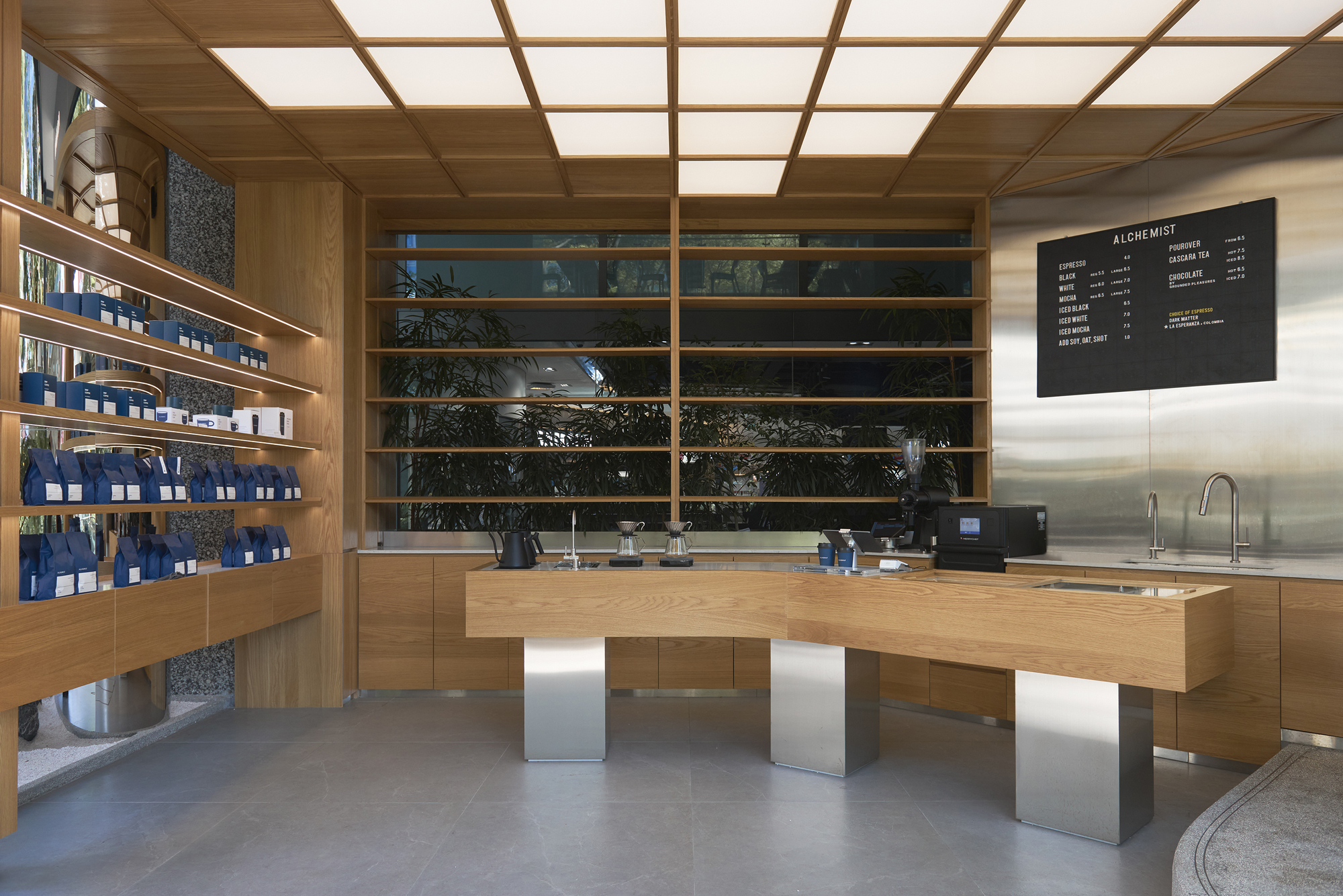
    The new store locations chosen are in the neighborhoods of Aoyama and Asakusa. The Aoyama outlet boasts a sprawling 140 square meters area and has a seating capacity for 30 people. On the other hand, the Asakusa branch covers a larger area of 200 square meters and can comfortably seat 70 patrons. The stores continue the brand’s tradition of minimalist design, allowing customers to appreciate the coffee brewed using beans roasted in Singapore.

    Alchemist’s founder, Will Leow, expressed his admiration for Japan’s entrenched coffee culture and meticulous attention to detail. “Our primary objective has always been forging connections through coffee. Establishing a presence in Tokyo was a logical progression for us, and we’re gratified by the warm welcome we’ve received from the local community,” he said.

    Alchemist’s Journey

    Alchemist was founded in 2016 by Will Leow, a barista and entrepreneur. The brand started as a modest coffee stand in Singapore’s Central Business District. Since then, it has expanded to 11 locations across the city-state.

    Future Expansion Plans

    As part of its long-term growth strategy, Alchemist aims to open 10 more outlets throughout Tokyo by the end of 2028. The company is excited about sharing its unique vision with the coffee aficionados of Japan, a country already revered for its exquisite quality and craftsmanship in the brewing sector.

    Questions & Answers

    What is the seating capacity of the new Alchemist stores in Tokyo?
    The Aoyama store can accommodate 30 customers, whereas the Asakusa store has a seating capacity for 70 patrons.

    When and where was Alchemist established?
    Alchemist was founded in 2016 by Will Leow. It started as a small coffee stand in Singapore’s Central Business District.

    What are Alchemist’s expansion plans in Tokyo?
    Alchemist plans to open 10 more stores across Tokyo by the end of 2028 as part of its long-term expansion strategy.