Tag: Japan

  • Rakuten Partners with Japan’s GENIAC Project to Propel Generative AI Innovation

    Rakuten Partners with Japan’s GENIAC Project to Propel Generative AI Innovation

    Rakuten Group, Inc. has recently been selected to participate in the third term of the Generative AI Accelerator Challenge (GENIAC), an initiative backed by Japan’s Ministry of Economy, Trade and Industry (METI) and the New Energy and Industrial Technology Development Organization (NEDO). This collaboration is part of a larger effort to foster the development of generative AI within Japan.

    Empowering AI Development Through Collaboration

    The primary goal of the GENIAC project is to provide critical computing resources that facilitate the advancement of generative AI technology. By fostering collaboration around the latest trends and technologies, the program encourages knowledge sharing among developers, enhancing the landscape for AI innovation.

    Since its inception, R&D support has been available for earlier terms of the program, with the first becoming accessible in February 2024 and the second in October 2024. Rakuten’s project was selected during the application phase of the third term, which commenced in March 2025. The company has been proactive in developing and releasing AI models optimized for the Japanese language within the open-source community since March 2024.

    Leading the Charge with Innovative AI Models

    From the outset, Rakuten has emphasized cost efficiency in its AI initiatives, opting to create smaller, highly efficient models like Rakuten AI 2.0. This model employs a mixture of experts (MoE) architecture, allowing only relevant subsets to activate during query processing, resulting in significantly lower operational costs compared to traditional dense models.

    As part of its commitment to the project, Rakuten is set to kick off research and development in August 2025 on an advanced open-weight AI foundation model. This model aims to incorporate groundbreaking techniques that will greatly enhance memory capabilities, thus improving information retrieval when generating responses. The end goal is to tackle existing limitations of generative AI models concerning memory recall and overall performance—a worthy challenge for any ambitious AI research team.

    Personalization Takes Center Stage

    Looking ahead, Rakuten is paving the way for a more personalized AI experience, focusing on memory retention in user interactions. By enabling large language models (LLMs) to recall past conversations, Rakuten plans to foster long-term relationships with users empowered by predictive suggestions. This approach represents a significant leap beyond the constraints of current transformer architectures, which often grapple with maintaining extended context. Who knew memories could be a primary feature in AI?

    In addition to bolstering memory, Rakuten plans to enhance operational efficiency through improved training and inference algorithms. These advancements will open new avenues for personalized AI applications across the expansive Rakuten Ecosystem, elevating customer experiences and streamlining business operations.

    Yu Hirate, Vice General Manager at Rakuten Group’s AI Research Supervisory Department and Rakuten Institute of Technology Worldwide, expressed enthusiasm for this cutting-edge project, stating: “I am very pleased to be able to work on the development of a cutting-edge generative AI foundation model with the support of NEDO and the METI. Through this cost-effective AI model, we hope to contribute to the realization of AI agents that are best optimized for the Japanese language and are highly personalized, as well as empower local businesses and boost the economy.”

    As it moves forward, Rakuten plans to leverage its vast data resources, extensive channels, and growth strategies to create new value not just in Japan, but for customers around the globe.

    Questions & Answers

    What is the Generative AI Accelerator Challenge (GENIAC)?
    GENIAC is an initiative supported by METI and NEDO, focused on fostering the development of generative AI in Japan by providing essential resources and promoting collaboration among developers.

    What innovative features is Rakuten introducing in its new AI model?
    Rakuten’s advanced AI foundation model will incorporate enhanced memory capabilities, allowing it to better recall previous interactions, fostering a more personalized user experience.

    How does Rakuten plan to improve AI efficiency?
    Rakuten aims to enhance operational efficiency through advanced training and inference algorithms, which will unlock new opportunities for personalized AI throughout the Rakuten Ecosystem.
  • Rakuten Launches E-Commerce Platform, Empowering Singapore Sellers to Reach a Global Audience

    Rakuten Launches E-Commerce Platform, Empowering Singapore Sellers to Reach a Global Audience

    In a significant move poised to reshape cross-border retail, Rakuten Group, Inc. has opened the doors of its Rakuten Ichiba platform to Singaporean businesses, allowing them to sell directly to Japanese consumers. This expansion, which removes previous geographical restrictions for sellers, now invites merchants from Singapore to join the ranks of those in Japan, South Korea, China, select European nations, the United States, and Canada.

    What’s remarkable about this leap is that Singaporean sellers can list their products on Rakuten Ichiba without the burden of maintaining a physical presence or inventory in Japan. This flexibility not only simplifies the selling process but also allows for seamless shipping from Singaporean warehouses straight to Japanese customers’ doorsteps. Think about it: e-commerce has gone truly global, and Singapore businesses can now help fulfill Japan’s unique shopping desires without ever leaving their island!

    To support these newcomers, Rakuten is rolling out a suite of resources, including dedicated E-Commerce Consultants and advanced tools designed to enhance product visibility and streamline storefront management. Merchants will also benefit from Rakuten’s diverse ecosystem, featuring AI-driven sales enhancements, exclusive promotional events, and the widely popular Rakuten Points program, which keeps customers engaged and coming back for more.

    The scale of Rakuten Ichiba is nothing short of impressive, boasting over 100 million registered users and generating nearly 6 trillion yen in gross merchandise sales in 2024 alone. With a commanding 27% share of Japan’s e-commerce market, the platform’s expansion signifies a strategic move that could alter the landscape of online shopping in the region.

    Questions & Answers

    How does Rakuten Ichiba’s expansion benefit Singaporean sellers?
    Singaporean sellers can access one of Japan’s largest e-commerce platforms without needing a physical presence in Japan, allowing for direct shipping from their local warehouses, thereby simplifying the logistics.

    What support will Rakuten provide to these new sellers?
    Rakuten will offer dedicated E-Commerce Consultants and advanced tools to enhance product visibility, streamline storefront management, and promote customer engagement through their ecosystem.

    What is the significance of Rakuten Ichiba in Japan’s e-commerce market?
    With over 100 million registered users and a 27% market share, Rakuten Ichiba is a dominant player in Japan’s e-commerce scene, making it an attractive platform for international sellers looking to tap into Japanese consumer demand.

  • Tokyo Lifestyle Sees Sales Surge Thanks To Global Expansion: Eyes Middle East, Vietnam, Australia Next

    Tokyo Lifestyle Sees Sales Surge Thanks To Global Expansion: Eyes Middle East, Vietnam, Australia Next

    Tokyo Lifestyle, a retailer listed in the US but with its roots in Japan, has seen a boost in sales over the past fiscal year due to its steady growth in all markets. The company reported a revenue increase of 7.4 per cent during the year that ended on March 31, reaching a total of US$210.1 million.

    Growth Through Expansion

    The company’s management team has credited this surge in growth to the expansion of its existing network and branching out into new territories. Throughout the relevant year, Tokyo Lifestyle launched five new directly operated stores in the US, Canada, and Hong Kong. Additionally, the company added three franchise stores and 54 wholesale partners to its network, contributing significantly to its growth.

    Revenue derived from directly operated physical stores showed an impressive increase of 14.4 per cent, while sales from franchise stores and wholesale customers rose by 9.1 per cent.

    Despite this, Tokyo Lifestyle’s bottom line didn’t fare as well. The gross profit rose by 2.3 per cent, reaching $23.9 million, but net income fell from $7.5 million to $6.6 million, primarily due to losses from foreign currency exchange and changes in the fair value of warrants.

    Ambitious Expansion Strategy

    Mei Kanayama, the principal executive officer of Tokyo Lifestyle, expressed confidence in the company’s potential for long-term growth. She attributed this optimism to their ambitious yet thoroughly planned expansion strategy. She further stated, “We believe that our profitability will continue to improve steadily as our global footprint becomes more established with the addition of more distribution points.”

    On its expansion journey, the company revealed it has established a new subsidiary in Australia and has plans to launch stores in Vietnam, Australia, and the Middle East.

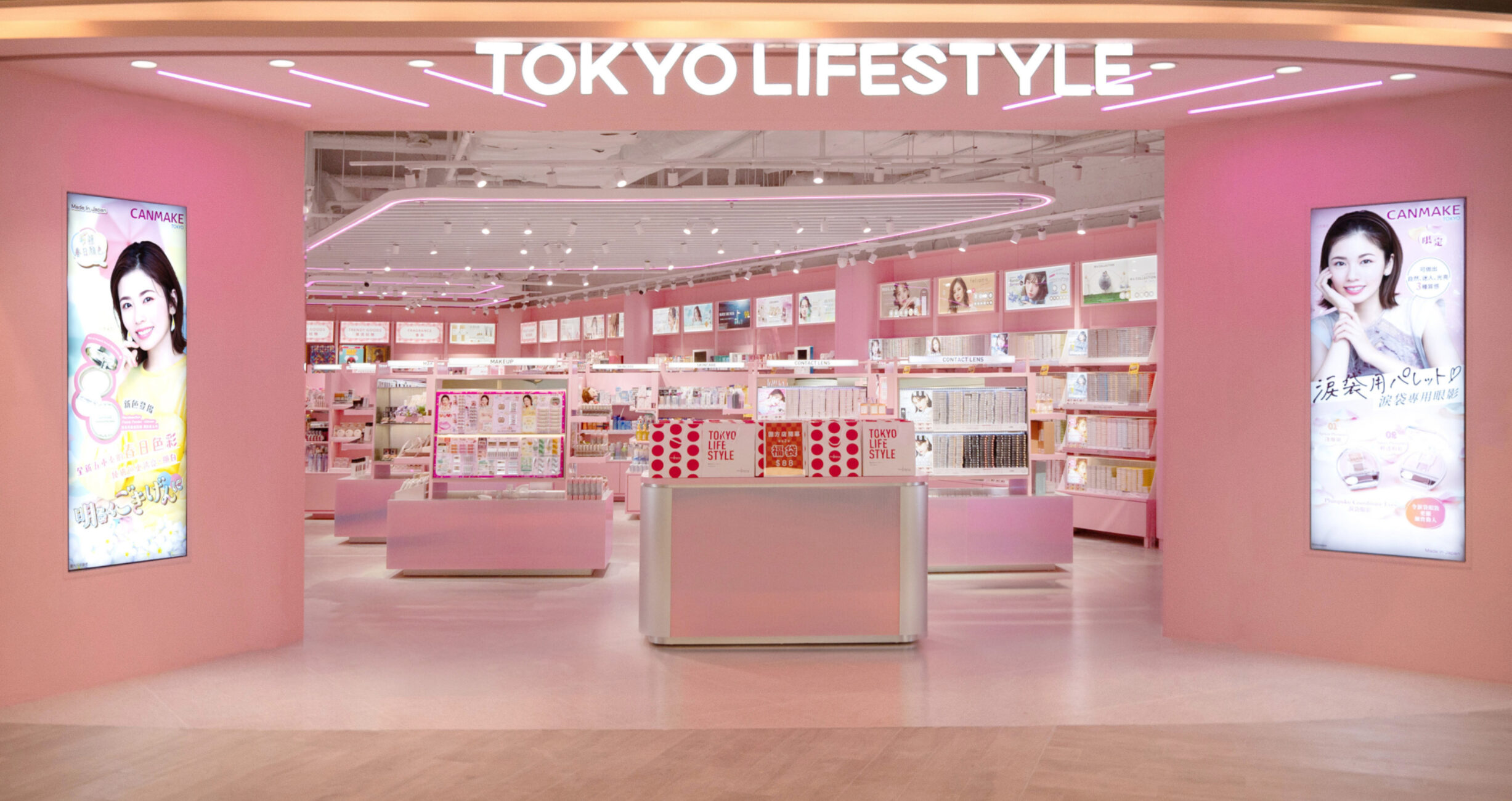
    Tokyo Lifestyle currently offers an array of Japanese products including beauty and health items, sundries, luxury items, electronic products, collectible cards, and trendy toys in Hong Kong, Japan, North America, Thailand, and the UK.

    Questions & Answers

    What contributed to Tokyo Lifestyle’s growth in the past fiscal year?
    The company attributes its growth to the expansion of its existing network and entry into new markets.

    What is Tokyo Lifestyle’s future expansion plan?
    Tokyo Lifestyle plans to establish more distribution points globally, with a particular focus on Vietnam, Australia, and the Middle East.

    What range of products does Tokyo Lifestyle offer?
    Tokyo Lifestyle offers a diverse range of Japanese products, encompassing beauty and health items, sundries, luxury items, electronic products, popular toys, and collectible cards.

  • Lojel Opens Innovative Concept Store At K11 Musea; Unveils Exclusive Journey Patch Collection

    Lojel Opens Innovative Concept Store At K11 Musea; Unveils Exclusive Journey Patch Collection

    Lojel, a Japanese luggage manufacturer, has recently opened the doors to its latest concept store at K11 Musea. This new venture marks the seventh store that Lojel operates in Hong Kong.

    Embracing Local Artistry

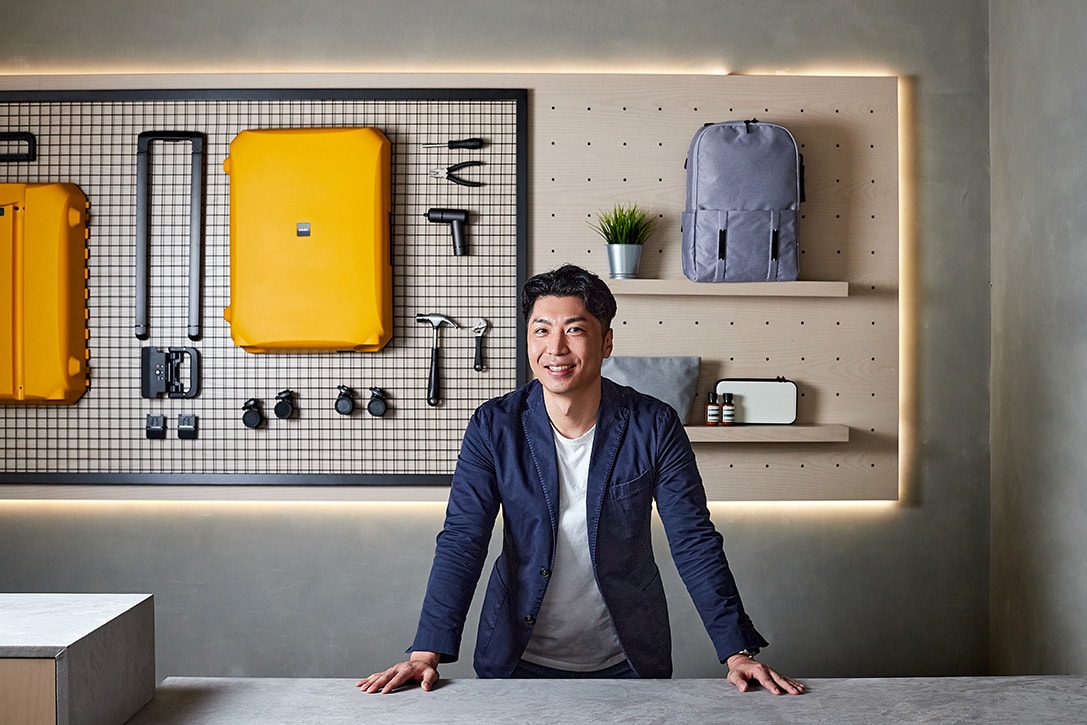
    The K11 Musea outlet is unique due to its partnership with acclaimed local artist Zoie Lam. Her artwork graces the central pillar of the store, vividly depicting the Tsim Sha Tsui district of Hong Kong. This display is a testament to the store’s architectural feature, the canvas, which serves as a visual interpretation of Lojel’s “art meets retail” narrative.

    Opening A New Chapter

    According to Tee Teng Li, General Manager of Lojel, the K11 Musea store represents a new beginning for the brand. “This store marks a new chapter for Lojel – a place where movement, creativity, and community come together,” he said. Li further explained that the concept store is a prototype for future outlets, intending to enhance the customer connection and provide a genuinely immersive experience.

    Journey Patch Collection

    The grand opening of the store came with the unveiling of the exclusive Journey Patch collection. This collection is the result of a collaboration with Danish artist Julie Solvstrom and is entirely made from post-consumer recycled polyester yarn. Lojel also joined forces with UNHCR, the UN refugee agency, and Made51 to initiate a handcrafted bracelet campaign.

    Lojel initially made its mark in Hong Kong last year, with the launch of its first flagship store.

    Questions & Answers

    What is unique about the new Lojel store at K11 Musea?
    The store is unique because it embraces local artistry. It houses artwork by local artist Zoie Lam, who has depicted the Tsim Sha Tsui district of Hong Kong on the store’s central pillar.

    What does the K11 Musea store represent for Lojel?
    According to Tee Teng Li, Lojel’s General Manager, the store signifies a new chapter for the brand. It represents a place where movement, creativity, and community converge.

    What was unveiled at the grand opening of the store?
    Lojel unveiled the exclusive Journey Patch collection at the grand opening. The collection, created in collaboration with Danish artist Julie Solvstrom, is entirely made from post-consumer recycled polyester yarn.

  • Uniqlo’s Parent Company Chooses the Netherlands as Its Strategic European Distribution Hub

    Uniqlo’s Parent Company Chooses the Netherlands as Its Strategic European Distribution Hub

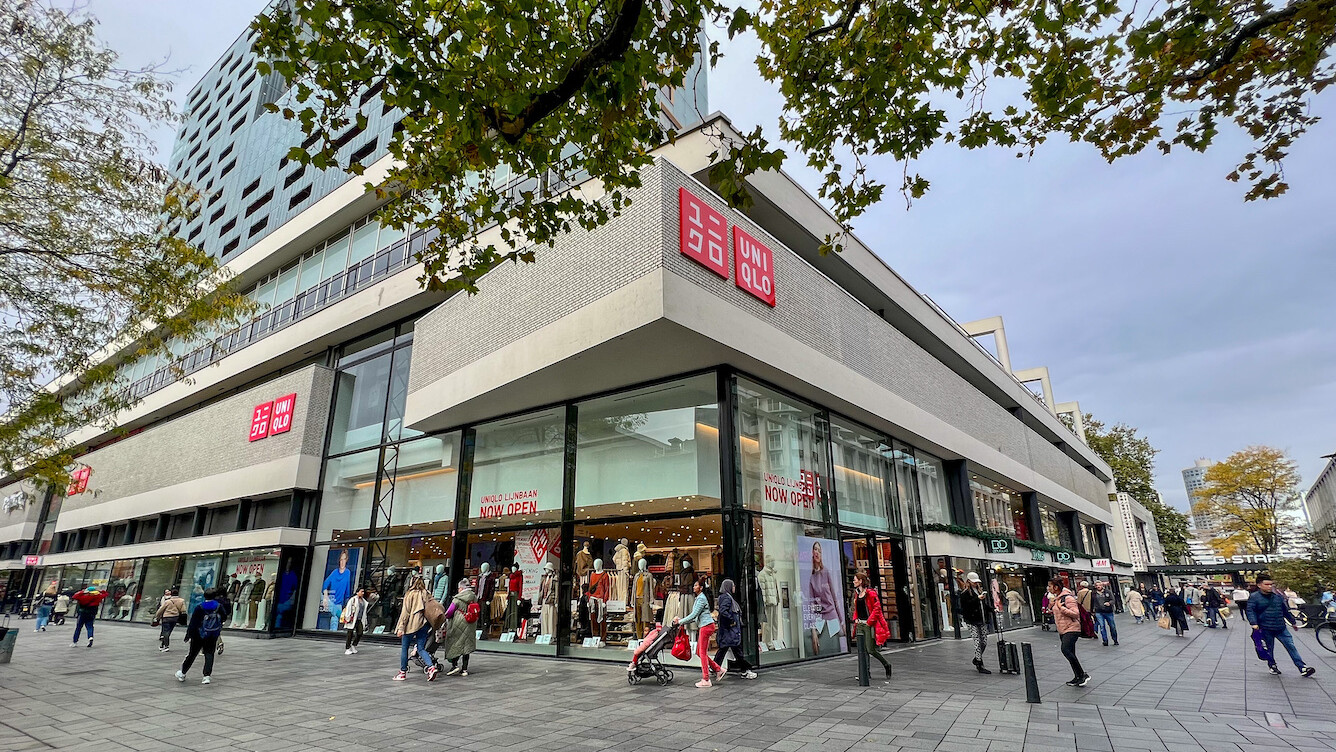
    Fast Retailing, the parent company of the popular Uniqlo brand, has unveiled one of its largest automated warehouses globally, strategically located in the Netherlands. This ambitious move aims to streamline distribution across Europe, a market the retailer has identified as ripe for expansion.

    A New Hub for European Operations

    The state-of-the-art distribution center in Rotterdam represents a significant investment, totaling 10 billion yen (approximately $69.2 million). Spanning an impressive 110,000 square meters on a 145,000 square meter site, the facility mirrors the dimensions of a similar warehouse that Fast Retailing launched in the United States in 2021. With this new hub, the company is poised to enhance its logistics capabilities in the region, setting the stage for accelerated growth.

    Meeting Market Demand

    As demand for Uniqlo’s affordable yet high-quality clothing continues to rise, this latest venture reflects the company’s strategy to bolster supply chain efficiency. By consolidating its European distribution efforts, Fast Retailing not only enhances its operational capabilities but also positions itself to better serve customers in a rapidly evolving retail landscape. After all, who wouldn’t want to get their favorite wardrobe staples delivered faster and more reliably?

    The Future Looks Bright

    With increased automation and a focus on sustainability, Fast Retailing’s new facility aligns perfectly with its long-term goals. As the retail sector continues to innovate, the company’s proactive investment in logistics is likely to pay dividends, fostering growth in the European market while ensuring that shoppers can enjoy Uniqlo’s offerings with even greater convenience.

    Questions & Answers

    What is the significance of the new distribution center for Fast Retailing?
    The new center in Rotterdam enhances Fast Retailing’s logistics capabilities in Europe, allowing for greater efficiency and improved customer service as demand for Uniqlo products grows.

    How does this facility compare to others that Fast Retailing has built?
    The Rotterdam facility, at 110,000 square meters, is comparable in size to a warehouse Fast Retailing opened in the United States in 2021, showcasing the company’s commitment to large-scale investments in automation.

    What are Fast Retailing’s long-term goals with this investment?
    The company aims to optimize its supply chain, boost sustainability efforts, and ensure quicker delivery of its products, positioning itself for significant growth in the European retail market.

  • Uniqlo Sees 3% Dip in China Profits for Q3, While North America Thrives with Solid Growth

    Uniqlo Sees 3% Dip in China Profits for Q3, While North America Thrives with Solid Growth

    TOKYO – Fast Retailing, the parent company of Uniqlo, has reported a modest uptick in operating profit growth, which edged up by 1.4% for the three months ending in May. This figure, while positive, reflects a slowdown in growth that is making analysts sit up and take notice. The company is navigating a complex landscape as it adjusts to the economic ripples caused by tariffs introduced by former U.S. President Donald Trump.

    Tariffs: Not as Wild as Expected

    Despite initial concerns, Fast Retailing clarified that the impact of these tariffs on its fiscal 2025 profits will be more limited than feared. Company representatives noted that they currently hold a “considerable” volume of products in their U.S. warehouses, effectively cushioning them from the immediate consequences of the tariffs. This tactical inventory management could prove to be a smart move, leaving room for speculation about what other strategies they might employ to keep their momentum.

    Eyes on the Future

    As the retail giant looks ahead, all eyes remain on how it can sustain growth in an unpredictable market. The slow profit increase is a signal to stakeholders that while the brand remains resilient, there are challenges on the horizon. With fierce competition and economic pressures, it will be intriguing to see how Fast Retailing adapts—after all, in retail, fortune favors the flexible!

    Questions & Answers

    What was the operating profit growth percentage for Fast Retailing in the recent quarter?
    The operating profit growth for Fast Retailing was 1.4% for the three months ending in May.

    How is Fast Retailing addressing the impact of U.S. tariffs?
    Fast Retailing indicated that the impact of tariffs on their fiscal 2025 profits will be limited because they already have a substantial volume of merchandise in their U.S. warehouses.

    What might the future hold for Fast Retailing in the competitive retail landscape?
    Fast Retailing faces several challenges but remains focused on adapting its strategies to sustain growth amid competition and economic fluctuations.

  • Onitsuka Tiger Unveils Vibrant New Flagship Store In Paris: A Milestone In Brand’s Global Expansion

    Onitsuka Tiger Unveils Vibrant New Flagship Store In Paris: A Milestone In Brand’s Global Expansion

    Onitsuka Tiger, a prominent Japanese fashion and footwear label, has recently inaugurated its latest global flagship store located in Paris. This unveiling is a major milestone in the brand’s continued international growth.

    A New Flagship Store on the Champs-Élysées

    The new two-story storefront, situated at 25 Avenue des Champs-Elysees, nestles at the base of the iconic Hotel de la Paiva. It stretches across 5500 square feet, providing ample space for the brand’s showcase.

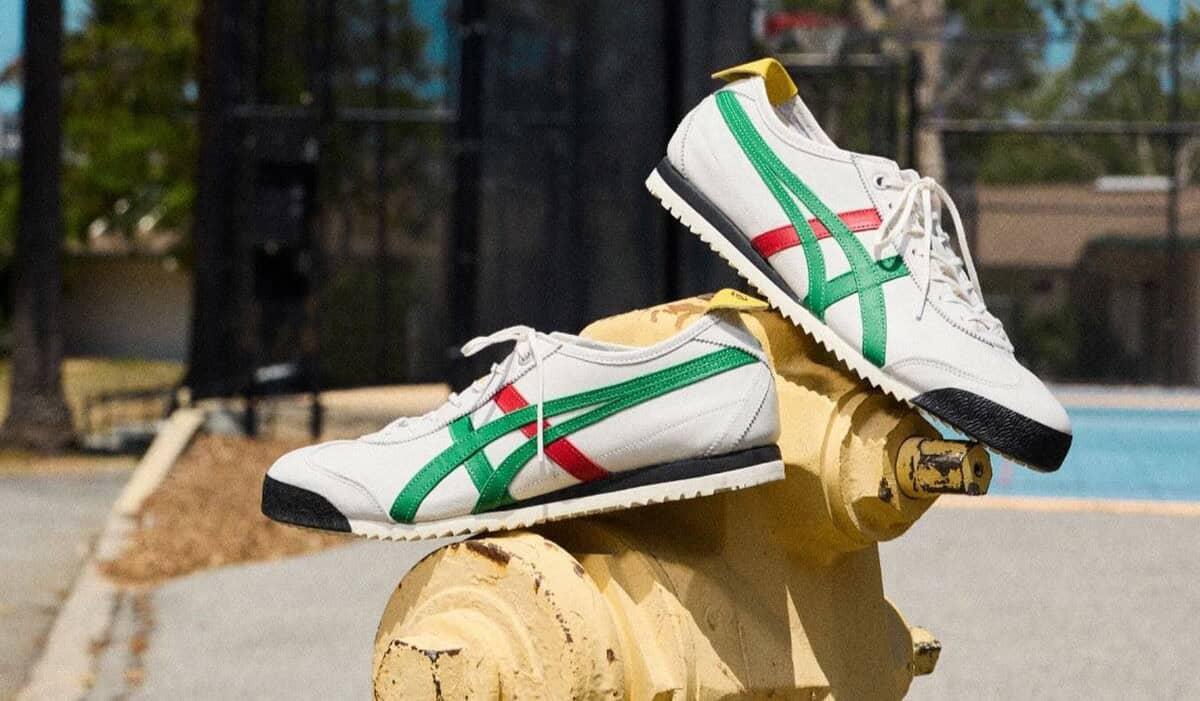
    The store’s interior design revolves around the brand’s vibrant Yellow Concept. It brings to the forefront items from Onitsuka Tiger’s runway collections. Additionally, the store also features the brand’s Japan-manufactured Denivita denim line. Exclusive to the Parisian store is a special edition of the Mexico 6 NM sneaker, adding a unique edge to its product offerings.

    An Integrated Cafe

    In addition to its retail offerings, the flagship store also houses Cafe Onitsuka Tiger on its ground floor. This Cafe offers a blend of Japanese-inspired drinks and Parisian-style snacks, creating a harmonious fusion of the two cultures.

    Ryoji Shoda, the head of Onitsuka Tiger, expressed his excitement regarding the store’s opening. He emphasized the significance and challenge of designing a retail space that marries both the iconic Champs-Élysées streetscape and the historical building’s value to the local community.

    As a brand connecting Japan with the rest of the world, Shoda stated that their aim was to create a store and an environment that respects and embodies the spirit of the Champs-Elysees, co-existing harmoniously with the city’s rich culture.

    Expansion of Global Network

    The Paris store is a noteworthy addition to the international network of Onitsuka Tiger. The brand currently boasts 192 standalone stores worldwide. This includes 48 stores in Japan, 83 in China, 32 in South Korea, 19 in Southeast Asia, seven in Europe, and three in Australia.

    Questions & Answers

    Where is Onitsuka Tiger’s new global flagship store located?
    The new global flagship store is located at 25 Avenue des Champs-Elysees in Paris.

    What unique features does the new flagship store offer?
    The new store houses Cafe Onitsuka Tiger and offers exclusive products like the special edition of the Mexico 6 NM sneaker.

    How many Onitsuka Tiger standalone stores are there worldwide?
    Onitsuka Tiger has 192 standalone stores around the globe.

  • SoftBank and Nokia Kick Off Japan’s Pioneering 7 GHz 6G Trial

    SoftBank and Nokia Kick Off Japan’s Pioneering 7 GHz 6G Trial

    SoftBank Corp. is making a significant move in the race towards 6G by teaming up with Nokia for an outdoor trial scheduled for June 2025 that will explore the potential of the 7 GHz band—a centimeter-wave frequency gaining traction in discussions about next-generation mobile technology. This marks a groundbreaking first for a telecommunications carrier in Japan and positions SoftBank as a pioneer in this important field.

    Building the Future of Connectivity in Tokyo

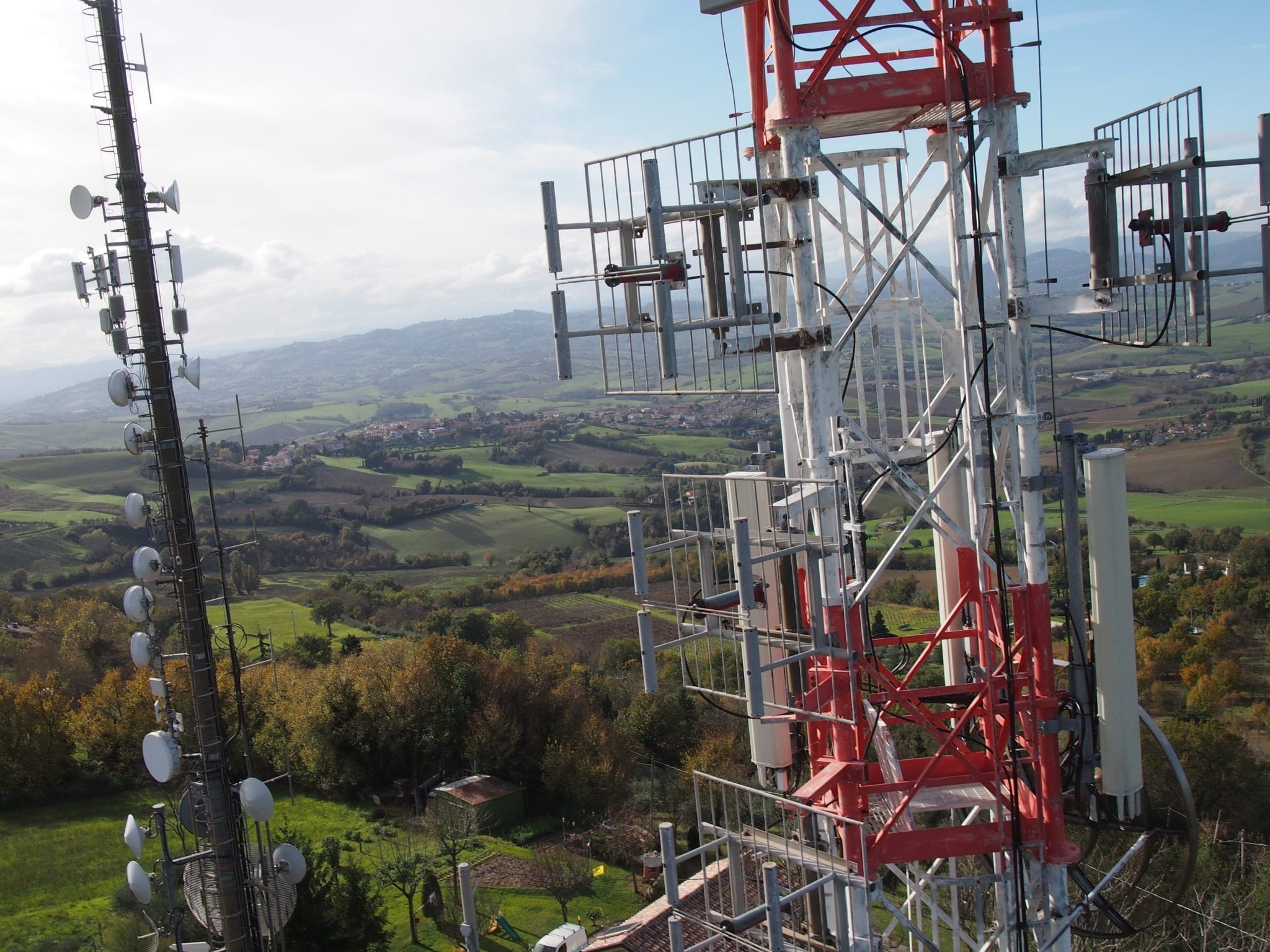
    In a bid to assess the viability of urban 6G deployment, SoftBank plans to install three pre-commercial base stations in central Tokyo, utilizing cutting-edge massive multiple input, multiple output (MIMO) technology. The objective? To achieve coverage that rivals the impressive standards set by 5G.

    Examining the Next Level of Mobile Technology

    This trial will focus on comparing the radio characteristics and coverage of the 7 GHz band against the established 5G sub-6 band, particularly the 3.9 GHz spectrum. By strategically placing the new 7 GHz base stations alongside existing 5G installations atop city rooftops, SoftBank aims to gather comprehensive data. Upcoming tests will encompass both indoor and outdoor measurements, further fueling the research and development necessary for the commercialization of 6G technology.

    The Science Behind the Bandwidth

    Centimeter waves—radio waves with wavelengths between 1 to 10 cm—are part of a spectrum that includes frequencies from 3 to 30 GHz. The 7–24 GHz band, known as FR3 according to 3GPP standards, is emerging as a frontrunner for future mobile networks. SoftBank’s experiment targets the 7,125 to 8,400 MHz range, which is poised for dialogue at the ITU-R’s World Radiocommunication Conference 2027 (WRC-27) as a potential frequency for 6G, stirring global interest in the process.

    The 7 GHz band promises a much wider bandwidth compared to the existing 5G sub-6 GHz offerings. Coupling it with the current 5G band of 6,425–7,125 MHz (band n104) opens up nearly 2 GHz of contiguous spectrum, delivering the characteristics necessary for speedy and reliable communication. With mobile data traffic continuously on the rise—partly fueled by the explosion of artificial intelligence (AI)—this trial represents a crucial step in shaping the landscape of future connectivity.

    Questions & Answers

    What is the main goal of SoftBank’s trial with Nokia?
    The primary aim is to test the 7 GHz band for its potential as a future 6G frequency and compare its coverage and characteristics with those of existing 5G technology.

    Why is the 7 GHz band considered important?
    It offers significantly wider bandwidth than 5G’s sub-6 GHz frequencies, and its propagation characteristics make it suitable for high-speed communication, making it an enticing candidate for next-gen mobile networks.

    How does this trial contribute to the future of mobile communication?
    As mobile data demands grow, particularly due to advancements in AI, this trial lays vital groundwork for developing and eventually commercializing 6G technology, ensuring future connectivity keeps pace with demand.

  • Guess Jeans Expands Global Footprint With Flagship Store Launch In Tokyo’s Jingūmae District

    Guess Jeans Expands Global Footprint With Flagship Store Launch In Tokyo’s Jingūmae District

    Guess Jeans makes its debut in Japan with a flagship store

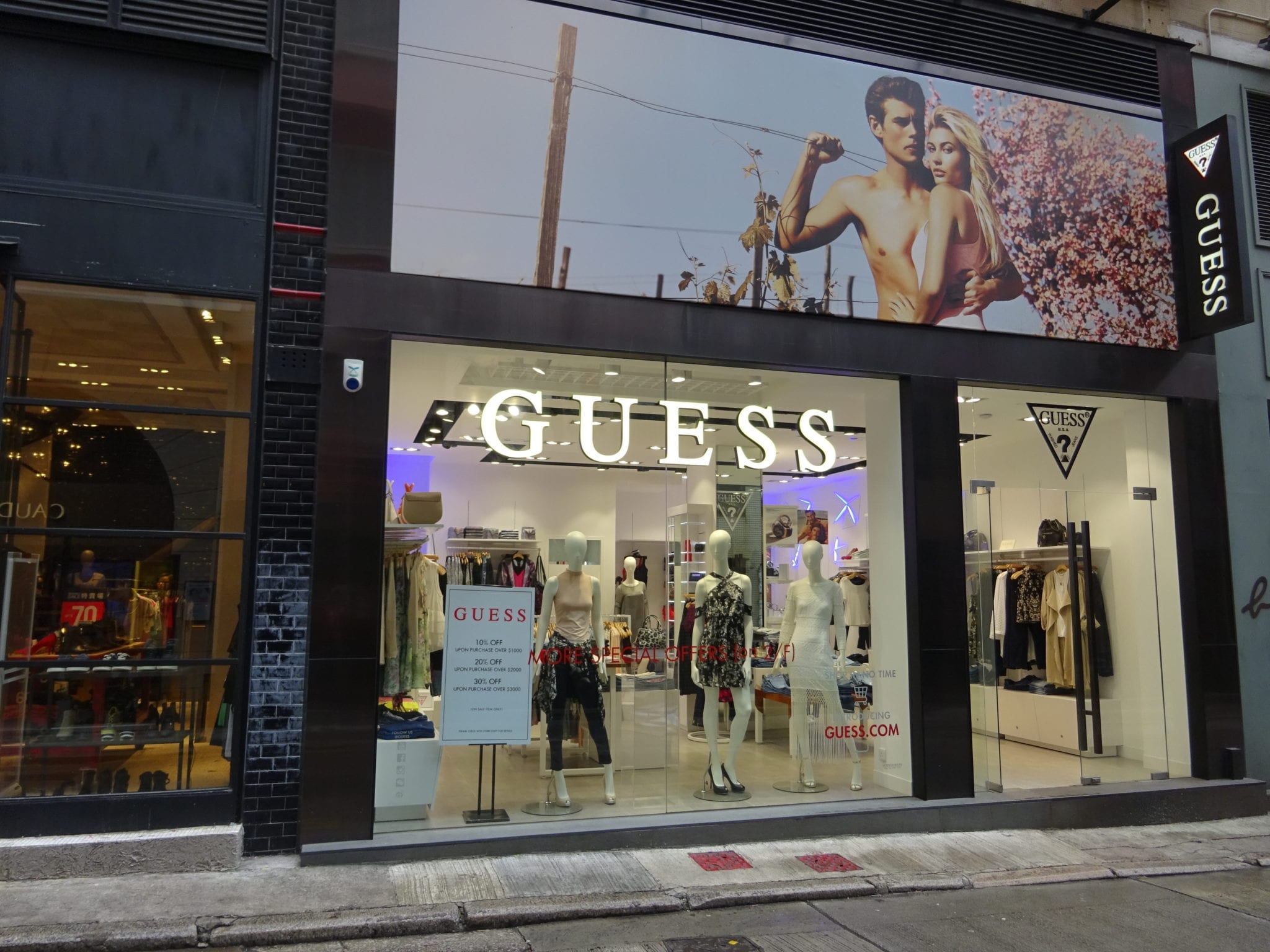
    American clothing brand Guess Jeans has launched its first retail store in Tokyo, Japan’s Jingūmae district, marking its latest step in its global expansion strategy.

    The four-level establishment boasts a minimalist aesthetic with concrete interiors and a selection of greenery arranged in locally made ceramic pots. This design approach is a fusion of Japanese simplicity and the relaxed, sun-soaked vibe of California.

    Nicolai Marciano, the Chief New Business Development Officer at Guess, expressed that the flagship store in Tokyo marks more than just an addition to the brand’s retail outlets. He stated, “This space acts as a platform that allows the brand to interact directly with the new generation of creative talent in the region.”

    Traveling exhibition celebrates Guess Jeans’ 40-year Legacy

    In celebration of the store’s grand opening, Guess Jeans has initiated a traveling exhibition in Tokyo titled “Guess Jeans: The Next 40 Years of Denim.” The exhibit incorporates a live Airwash Lab and a customization zone where visitors can engrave their personal designs onto denim tote bags. Notable Japanese creators such as Ryota Daimon and A Love Movement have participated in the development of the exhibition.

    Guess Airwash is an innovative production technique, developed in partnership with Spanish technology company Jeanologia. This unique process utilizes air, light, and nanobubbles to substitute traditional stonewashing approaches, reducing water consumption by up to 80 per cent and eliminating the use of harmful chemicals.

    Exclusive pop-up shop curated by Japanese artist Verdy

    A special feature of the flagship store is an exclusive pop-up shop located in the basement, curated by renowned Japanese artist Verdy. Titled “Guess Jeans Gift Shop with Friends,” the space features exclusive merchandise created in collaboration with fourteen local brands. Among the special items on offer are limited-edition pieces from brands such as TTTMSW, The Flwrs, Blackmean, and Masu.

    Questions & Answers

    Where is Guess Jeans’ new store located?
    The new Guess Jeans store is located in the Jingūmae district of Tokyo, Japan.

    What special features does the new Guess Jeans store offer?
    The store features minimalist concrete interiors and curated greenery in locally crafted ceramic vessels. It also hosts a traveling exhibition and an exclusive pop-up shop curated by Japanese artist Verdy.

    What is the purpose of the Guess Airwash technique?
    The Guess Airwash technique is an innovative production process that significantly reduces water consumption and eliminates the use of harmful chemicals in denim production.

  • Columbia Sportswear Unveils Its Biggest Store Yet in Japan, Elevating Outdoor Retail Experience

    Columbia Sportswear Unveils Its Biggest Store Yet in Japan, Elevating Outdoor Retail Experience

    As consumers in Asia increasingly navigate a complex retail landscape, retailers are adapting to meet their evolving preferences and expectations. The recent wave of innovations confirms that traditional shopping habits are undergoing significant transformation, reflecting broader societal changes influenced by technology and lifestyle shifts.

    Tech-Savvy Consumers Demand Seamless Experiences

    More than ever, shoppers are seeking convenience, efficiency, and personalization in their shopping experience. According to a recent survey, nearly 70% of consumers across Asia indicate that they prefer an omnichannel approach, blending online and offline shopping experiences. Retailers who fail to meet these demands risk losing market share to competitors who offer seamless transition between their digital platforms and brick-and-mortar stores.

    Mobile shopping, in particular, has seen an exponential rise, with consumers often using their smartphones not only for purchases but also for comparing prices, reading reviews, and accessing loyalty rewards. A surprising 80% of respondents stated they frequently use mobile apps while shopping in physical stores, highlighting the need for retailers to invest in robust digital environments to engage their customers effectively.

    The Rise of Sustainable Retail

    Sustainability is no longer a mere buzzword; it’s a vital part of the retail narrative in Asia. Brands that prioritize eco-friendly practices are resonating with consumers, particularly the younger demographic, who are increasingly making purchasing decisions based on a company’s environmental credentials. Recent figures show that 64% of consumers would pay more for products that are sustainably sourced. Retailers who embrace this shift not only enhance their brand image but also foster a loyal customer base motivated by shared values.

    Innovative concepts, such as using recyclable materials and incorporating circular economy principles, are becoming the standard for leading brands. Some retailers are even launching initiatives that allow consumers to return used goods for discounts on future purchases, turning past purchases into a sustainable cycle.

    Experiential Retail Takes Center Stage

    The age-old maxim that “experiences sell” holds truer now than ever. Retailers are realizing that creating engaging and unique in-store experiences can significantly elevate foot traffic and customer loyalty. From interactive displays to themed events, shops are transforming into destinations rather than just sales points.

    One notable example is the integration of augmented reality in stores, allowing customers to visualize products in their own spaces before purchasing. These immersive experiences break the monotony of traditional shopping and invite customers to engage with brands in unprecedented ways, turning routine errands into adventures.

    A Look Ahead: What’s Next for Retail in Asia?

    As we ponder the future, it’s clear that adaptability is key for retailers navigating this dynamic market. Brands that harness data analytics to understand consumer behaviors and preferences will undoubtedly be at the forefront. The integration of artificial intelligence and machine learning for personalized marketing also holds great promise, providing retailers with insights into individual customer journeys.

    In conclusion, as Asia’s retail sector continues to evolve, the focus on seamless experiences, sustainability, and unique engagements is reshaping the shopping landscape. Retailers who embrace these trends will not just survive but thrive, making a lasting impression in the hearts of consumers.

    Questions & Answers

    How important is sustainability to Asian consumers?
    Sustainability has become critical, with recent surveys revealing that 64% of consumers are willing to pay extra for sustainably sourced products, indicating a significant shift in purchasing priorities.

    What role does technology play in modern retail?
    Technology is central to retail evolution, as a staggering 70% of consumers prefer omnichannel shopping experiences and 80% use mobile apps while in-store, underscoring the importance of digital integration.

    Why is experiential retail gaining popularity?
    Experiential retail is favored because it turns routine shopping into exciting adventures, with interactive displays and events that engage customers in meaningful ways, driving foot traffic and loyalty.

  • Lawson Launches Exciting Car Camping Initiative in Store Parking Lots Across Japan

    Lawson Launches Exciting Car Camping Initiative in Store Parking Lots Across Japan

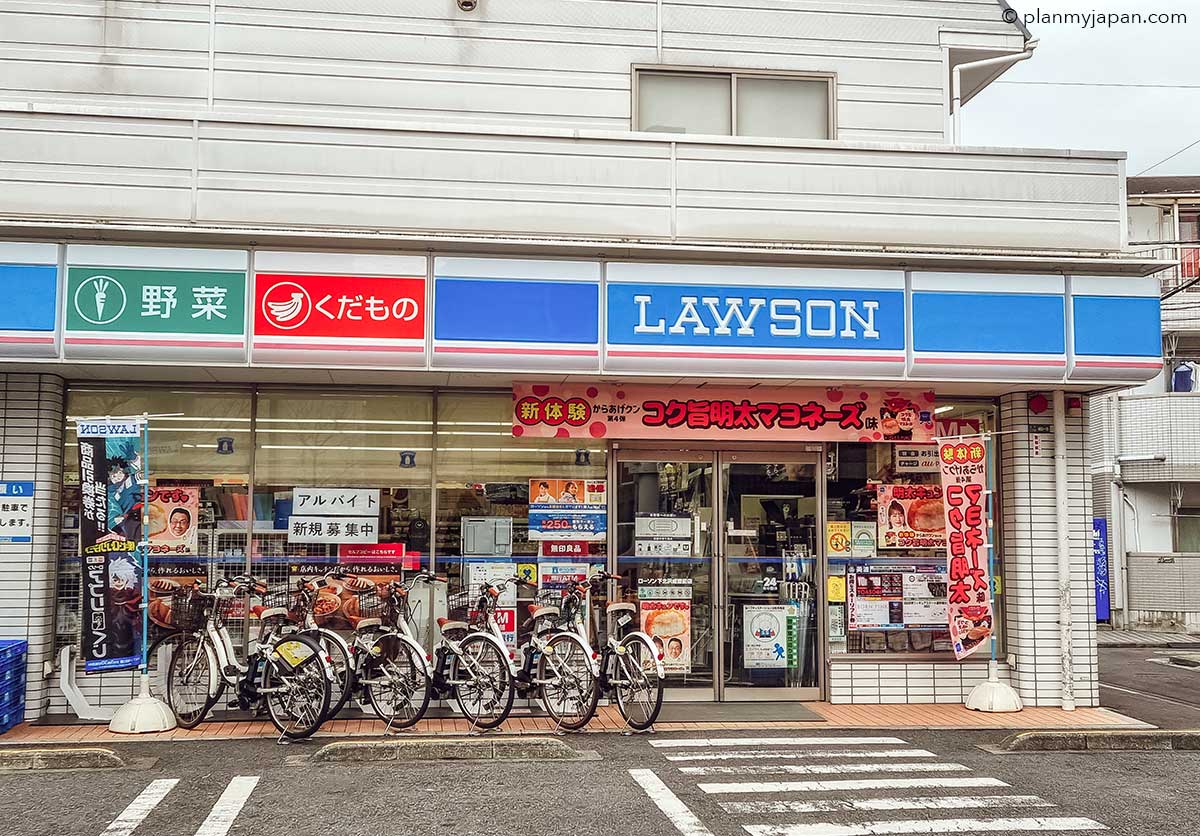
    In a bold move to enhance its service offerings, Lawson, a leading player in Japan’s convenience store sector, is set to launch a car camping business that will leverage its extensive network of parking lots across the nation. This innovative venture, aims to cater to guests attending events in rural and suburban locales, particularly as skyrocketing accommodation prices pose challenges for tourists flocking to Japan.

    The initiative is not only a nod to the growing popularity of outdoor activities but also a keen response to Japan’s booming tourism market, where more travelers are seeking economical yet unique lodging options. With this move, Lawson is positioning itself as more than just a convenience store; it’s becoming a gateway to adventure for those eager to explore Japan’s picturesque countryside.

    Imagine parking your car at a Lawson lot, popping open a tent just steps away from the latest limited-edition sushi rolls and a piping hot coffee. Who knew camping could come with convenience store snacks? It’s a refreshing take on what traditional camping entails, blending the allure of the great outdoors with the comforts of modern retail.

    As the details of the rollout are finalized, the car camping service is sure to attract various demographics, from families looking for affordable getaways to outdoor enthusiasts eager to mix convenience with nature. Lawson’s ability to tap into this burgeoning trend not only reflects its adaptability but also emphasizes the pivotal role of retail in shaping leisure activities in an increasingly experience-driven society.

    Questions & Answers

    What is Lawson’s new business venture?
    Lawson is launching a car camping business that utilizes its nationwide network of parking lots, aimed at providing accommodation options for guests attending events in rural and suburban areas.

    What challenges does this service address for tourists in Japan?
    The service addresses the high accommodation fees in rural areas as more tourists visit Japan, offering an economical and unique lodging option that blends outdoor adventure with retail convenience.

    How does this initiative reflect Lawson’s approach to retail?
    This initiative showcases Lawson’s adaptability to market trends, demonstrating its role as not just a convenience store but also a facilitator of new experiences for customers seeking leisure and exploration.

  • Japanese Telecom Leaders Join Forces to Establish Innovative Disaster Relief Network

    Japanese Telecom Leaders Join Forces to Establish Innovative Disaster Relief Network

    In a landmark move for disaster management, Japan’s eight major telecommunications giants—Nippon Telegraph and Telephone Corporation, NTT East, NTT West, NTT DOCOMO, NTT DOCOMO BUSINESS (collectively known as the NTT Group), KDDI Corporation, SoftBank Corp., and Rakuten Mobile—are set to launch an innovative information-sharing system in July 2025. This collaborative effort, part of the ambitious Connect to Change project, aims to enhance communication support in the aftermath of large-scale disasters.

    The Power of Collaboration in Crisis Situations

    The initiative builds on a framework established on December 1, 2024, created to streamline the restoration of communication networks during emergencies. Historically, when natural disasters struck, telecommunications providers operated largely in silos, leading to redundant efforts and uneven service distribution. This new system promises to revolutionize how major carriers respond, ensuring more equitable and timely aid to communities in distress.

    A New Era of Connectivity: What to Expect

    Scheduled to roll out in mid-2025, the system introduces several vital features aimed at bolstering disaster response. It will facilitate the sharing of essential information about evacuation centers, including the availability of free Wi-Fi and charging stations. In a twist of innovation, easily accessible contact details for each carrier’s disaster support services will ensure that no question goes unanswered when urgency is at its peak.

    Moreover, local governments and telecom companies will showcase this system during disaster prevention drills, helping to raise awareness among residents about preparedness strategies. It’s like a techie safety net, ensuring that everyone knows where to find help when reality goes awry.

    Inclusive Access: A Safety Network for All

    The collaborative approach will allow anyone in evacuation centers to access crucial communication and charging services, irrespective of their mobile carrier. This inclusivity is a game changer, ensuring that even those caught in challenging circumstances can remain connected and informed.

    Strengthening Ties for a Safer Future

    Looking ahead, the companies involved are committed to deepening their collaboration by assigning specific responsibilities to support designated evacuation centers. This enhanced coordination will expedite and fortify the response efforts in regions hit hard by disasters, reflecting a unified dedication to building a more resilient and sustainable society in Japan.

    Questions & Answers

    What is the purpose of the new information-sharing system among Japan’s telecom companies?
    The system aims to improve disaster response by facilitating communication and resource-sharing during emergencies, ensuring that affected communities receive timely and equitable support.

    When is the information-sharing system expected to launch?
    The system is set to begin operations in July 2025, following the establishment of a collaborative framework initiated in December 2024.

    How will the new system benefit evacuees during disasters?
    It will provide access to essential communication services and charging stations in evacuation centers, allowing individuals to stay connected, regardless of their telecommunications provider.

  • Japanese Telecom Giants Join Forces to Launch Innovative Disaster Relief Network

    Japanese Telecom Giants Join Forces to Launch Innovative Disaster Relief Network

    Japan’s leading telecommunications giants—Nippon Telegraph and Telephone Corporation, NTT East, NTT West, NTT DOCOMO, NTT DOCOMO BUSINESS (together known as the NTT Group), KDDI Corporation, SoftBank Corp., and Rakuten Mobile—have unveiled plans for a groundbreaking information-sharing system set to launch in July 2025. This initiative, branded the Connect to Change project, aims to enhance disaster response strategies across the nation.

    Strengthening Emergency Communication

    In times of natural disasters, telecommunications serve as a lifeline, especially at evacuation centers. Historically, each provider has approached disaster response independently, which sometimes led to redundancies and uneven service coverage across regions. The new system seeks to resolve these issues by fostering collaboration among carriers, allowing them to share vital resources and information. This coordinated effort promises a more effective and equitable response to those in need during emergencies.

    A Clearer Path to Connection

    Scheduled to be fully operational by July 2025, the information-sharing infrastructure will boast a variety of essential features. It will enable carriers to disseminate information related to evacuation centers, including the availability of free Wi-Fi and charging stations. Users will also find easy access to contact details for disaster support services across all networks. Additionally, both telecom companies and local governments will showcase this system during disaster preparedness drills, emphasizing community awareness and proactive measures.

    A Community-Centric Approach

    One of the standout features of this initiative is its inclusivity. Regardless of their carrier, individuals in evacuation centers will have access to communication and charging services, ensuring that vital information remains accessible to all during crises. This thoughtful measure underscores the commitment of these telecommunications companies to keep communities linked, particularly in trying times.

    Scaling Up Collaborative Efforts

    Looking ahead, the eight major players in Japan’s telecommunications sector intend to further strengthen their partnership by designating specific responsibilities for various evacuation centers. This collaborative approach is geared towards speeding up response efforts and bolstering support in areas affected by disasters. Ultimately, this initiative not only demonstrates a commitment to enhanced communication but also reflects a broader ambition to cultivate a more resilient and sustainable society—something Japan, with its frequent natural calamities, desperately needs. It turns out, when it rains, it pours, but it’s nice to know that connectivity will stay afloat!

    Questions & Answers

    What is the Connect to Change project?
    The Connect to Change project is a collaborative initiative by Japan’s major telecommunications companies aimed at enhancing disaster response and communication during emergencies, scheduled to launch in July 2025.

    How will the information-sharing system improve disaster response?
    By allowing carriers to coordinate and share information regarding evacuation centers and available services, the system will reduce redundancy and ensure more equitable and timely support reaches affected individuals.

    What kind of services will be offered at evacuation centers?
    Evacuation centers will provide access to communication services, such as free Wi-Fi and charging stations, available to anyone, regardless of their service provider, ensuring vital information can be accessed during emergencies.

  • Harley-Davidson Faces $1.4M Fine in Japan for Unfair Dealer Quotas – What This Means for Retailers

    Harley-Davidson Faces $1.4M Fine in Japan for Unfair Dealer Quotas – What This Means for Retailers


    Japan’s antitrust authority is set to impose a significant penalty on Harley-Davidson’s local subsidiary, amounting to JPY200 million (approximately US$1.38 million), for placing unreasonable sales quotas on its dealers.

    The Japan Fair Trade Commission (JFTC) is expected to accompany the fine with a cease-and-desist order aimed at curtailing any future violations. Sources close to the matter indicated that Harley-Davidson has already been informed of the commission’s plans and that their official decision will follow the company’s forthcoming response, as reported by Nikkei.

    According to these sources, Harley-Davidson has been accused of imposing unrealistic sales targets on numerous dealers, terms that could not be met through typical sales efforts. In a move resembling a scene from a high-stakes game of poker, the company reportedly warned dealers that failure to hit these lofty goals could result in the termination of their dealership agreements.

    This contentious practice has allegedly been in place since at least January 2023, if not earlier. Many dealers felt trapped in a bind, forced to purchase motorcycles themselves and subsequently sell them as “registered but unused vehicles,” which are typically resold at lower prices than brand new models.

    Having invested in store renovations and other startup costs to sell these motorcycles, dealers found themselves with little choice but to comply with Harley-Davidson’s demands.

    Under Japan’s antimonopoly law, the abuse of a superior bargaining position to enforce unfair business terms is strictly prohibited. If the JFTC confirms a violation, it can both issue a cease-and-desist order and impose a surcharge of 1% on sales linked to such illicit practices.

    Harley-Davidson, established in 1903 and renowned for its heavyweight motorcycles, sold 151,200 units globally last year, marking a 7% decline compared to 2023 — the second consecutive year of falling sales figures.

    Questions & Answers

    What led to Harley-Davidson being fined in Japan?
    The JFTC found that the motorcycle giant imposed unreasonable sales quotas on its dealers, coupled with threats of contract termination if these targets were not met.

    How has this fine affected Harley-Davidson’s reputation in Japan?
    This incident may tarnish Harley-Davidson’s reputation as a reputable manufacturer, raising serious concerns about its business practices and dealer relationships in the region.

    What measures can dealers take in light of this situation?
    Dealers facing similar pressures may seek legal assistance or report unfair practices to the JFTC, utilizing antimonopoly laws to protect their interests.

  • Tokyo’s Average Asking Rents Experience a 0.5% Decline: What It Means for Renters and Landlords

    Tokyo’s Average Asking Rents Experience a 0.5% Decline: What It Means for Renters and Landlords

    The latest findings from Savills, based on a semi-annual survey by the Japan Real Estate Institute (JREI) and BAC Urban Projects, paint a promising picture for retail in Tokyo. Average asking rents for first-floor (1F) units have increased by 3.0% quarter-on-quarter, despite a slight decline of 0.5% year-on-year. Meanwhile, non-1F units have seen a more significant rise, with rents up 4.3% on a quarterly basis and 2.8% on an annual one. This overall performance highlights the resilience of Tokyo’s prime retail markets, fueled by robust growth in inbound tourism, which has tightened the availability of sought-after retail spaces in tourist-heavy areas.

    A Surge in Sales Fueled by Tourists

    The Japan Department Stores Association recently reported staggering figures for 2024, indicating that nationwide department store sales soared to JPY5.8 trillion—an increase of 6.8% year-on-year. Duty-free sales also experienced a remarkable upswing, climbing 85.9% year-on-year to a hefty JPY648.7 billion, largely driven by tourists splurging on luxury goods. As Japan continues to solidify its status as a favored travel destination, the number of inbound visitors reached nearly 37 million in 2024, with projections suggesting this will exceed 40 million in 2025. Talk about a shopping spree!

    Tourist Spending Hits New Heights

    Expenditure per inbound tourist has been on the rise as well, reaching an impressive JPY227,000 per traveler in 2024—a staggering 43% increase compared to pre-pandemic levels in 2019. The total spending by foreign tourists hit a remarkable JPY8.1 trillion, reflecting a 53% growth over 2023, albeit still hovering around just 1.5% of Japan’s GDP, according to the Japan Tourism Agency (JTA).

    A Notable Return of Chinese Tourists

    The numbers indicate a promising trend for the industry, with inbound tourists already surpassing 10 million in the first quarter of 2025—up about 23% from the same period in 2024. The resurgence of Chinese visitors is particularly striking, with 2.4 million arrivals recorded in Q1/2025, marking a 78% increase year-on-year. This rebound can be partly attributed to the recently relaxed visa application process for Chinese nationals, opening the floodgates for eager shoppers.

    Expo 2025 to Amplify Tourist Interest

    The successful launch of the Expo 2025 in Osaka is set to draw an estimated 28 million attendees, further bolstering inbound tourism. Meanwhile, domestic spending remains robust, buoyed by ongoing strong wage growth, creating a favorable environment for retail. As shoppers eye both domestic and luxury items, the future of Japan’s retail market promises to sparkle with potential.

    Questions & Answers

    What factors are contributing to the growth of rental prices for retail spaces in Tokyo?
    The increase in rental prices is primarily driven by strong inbound tourism, which boosts demand for retail spaces in prime locations, as well as a sense of scarcity in high-traffic areas.

    How has spending by inbound tourists changed in recent years?
    Inbound tourist expenditure has skyrocketed, reaching nearly JPY227,000 per traveler in 2024, marking a 43% increase compared to 2019, with total spending reaching JPY8.1 trillion, a 53% rise from 2023.

    What impact is Expo 2025 expected to have on Japan’s retail market?
    Expo 2025 in Osaka is projected to attract 28 million attendees, further enhancing inbound tourism and, consequently, retail spending, creating a positive outlook for the market.