Tag: Japan

  • Suntory to Raise Prices in Japan Amidst Rising Consumer Demand Starting October

    Suntory to Raise Prices in Japan Amidst Rising Consumer Demand Starting October

    Suntory Beverage & Food Limited is set to implement price revisions for its products in Japan, effective October 1, 2025, as it grapples with escalating manufacturing and logistics costs. This move underscores the increasing economic pressures felt across the nation.

    Rising Production Costs Prompt Price Adjustments

    In a recent statement, Suntory highlighted the challenges it faces in today’s economic climate, which have led to unavoidable price hikes. The adjustments will impact a range of products packaged in PET bottles, cans, and other containers. Specifically, prices for PET bottles will increase by 6% to 25%, while can prices will rise between 10% and 24%.

    Commitment to Quality Amid Challenges

    Despite these necessary changes, Suntory remains steadfast in its dedication to innovation and productivity. The company emphasized its goal of delivering high-quality, safe, and reliable products that enhance consumer experiences. “We aim to continue providing new value and enriching the lives of our customers,” a company spokesperson stated.

    Looking Ahead: What This Means for Consumers

    These price revisions reflect broader consumer trends influenced by rising operational costs. As Suntory navigates these challenges, it continues to strengthen its brand presence in the competitive beverage market. Consumers can expect to see these new prices taking effect in the coming months, reshaping the retail landscape in Japan.

    Suntory’s decision is a critical indicator of the evolving retail sector, as brands adapt to economic realities while striving to maintain quality and consumer trust. The coming months will be crucial in determining how these changes affect purchasing behavior and overall market dynamics.

  • TikTok readying to enter Japan’s e-commerce market

    TikTok readying to enter Japan’s e-commerce market

    Chinese social media platform TikTok will enter the online shopping industry in Japan within the next few months, the Nikkei newspaper reported on Sunday.

    The company is preparing to recruit sellers soon for its e-commerce arm TikTok Shop in Japan, Nikkei said, citing a source involved in the operations.

    TikTok Shop, where users can run livestreams selling everything from sneakers to eyeshadow and earn a commission on sales, is known for discounted products.

    TikTok is looking to expand its business outside of the US, where it awaits a deal that will secure its presence in the country. In March, TikTok Shop launched to users in France, Germany, and Italy on Monday, expanding its reach further into Europe.

    Last week, US president Donald Trump said a deal over the fate of the social media platform may have to wait, as he signaled a potential end to the tit-for-tat tariff hikes between the US and China that shocked markets.

    Earlier, Trump had extended the deadline to spin off the US assets of TikTok for the second time in April and reassured a potential deal is still “on the table”.

    The future of TikTok in the US, used by nearly half of all Americans, has been up in the air since a 2024 law, passed with overwhelming bipartisan support, required China-based parent, ByteDance, to divest the app by January 19.

  • Lawson reveals ambitious Southeast Asian expansion plan

    Lawson reveals ambitious Southeast Asian expansion plan

    Japanese convenience store chain Lawson plans to raise its store count in overseas markets and accelerate growth in Southeast Asia over the coming years.

    The chain is targeting 14,000 overseas stores over the next six years. Its international network currently includes 7400 locations in China, Thailand, the Philippines, Indonesia and the US state of Hawaii.

    The retailer also plans to boost growth in Southeast Asia by entering franchise agreements with local retail partners and opening directly managed stores. However, it did not reveal the new markets under evaluation.

    In addition, the company will look into the possibility of expanding to additional countries.

    Founded in 1975, Lawson has about 14,600 domestic stores. As of the end of last year, Japan had approximately 55,736 convenience stores, according to local statistics.

    While the top three convenience chains – Lawson, 7-Eleven and FamilyMart – are projected to achieve a net increase of up to about 400 stores this fiscal year, the industry faces fierce competition from drugstores and online retailers.

    Last August, Lawson shifted to a joint management system involving trading house Mitsubishi Corp and telecommunications operator KDDI to develop products that fit customer tastes and introduce tech-driven services.

  • Scaling Infrastructure to Support AI Growth in Japan, Indonesia, and Singapore

    Scaling Infrastructure to Support AI Growth in Japan, Indonesia, and Singapore

    Nationally, projections indicate that AI investments in APAC are expected to reach USD 110 billion by 2028, growing at a compound annual growth rate (CAGR) of 24.0% from 2023 to 2028.

    As AI technologies become integral to various sectors, the demand for scalable infrastructure has intensified. Organizations are increasingly investing in compute and storage hardware to facilitate AI deployments, with spending reaching USD 31.8 billion in the first half of 2024—a 37% year-over-year (YoY) increase. This trend highlights the necessity for robust infrastructure capable of supporting complex AI workloads.

    Developing AI-ready infrastructure in APAC presents unique challenges. Macroeconomic factors such as rising interest rates, supply chain constraints, and escalating construction material costs have made it increasingly difficult to bridge the funding gap necessary for building new data center capacity. Securing essential resources like land, power, and water supplies further complicates these efforts.

    As AI adoption accelerates worldwide, the need for powerful infrastructure to support AI-driven applications is becoming more pressing. Recognizing this demand, SoftBank has announced plans to repurpose a former Sharp LCD panel plant in Osaka, Japan, into a large-scale data center dedicated to AI operations. Developed in collaboration with OpenAI, the facility is expected to begin operations in 2026, with a robust power capacity of 150 megawatts, making it one of the largest AI-focused data centers in Japan.

    SoftBank’s decision to convert the defunct LCD panel plant into a data center aligns with its broader vision of positioning Japan as a hub for AI innovation. With an estimated initial investment of JPY 100 billion (USD 677.05 million) and a potential total investment nearing JPY 1 trillion yen (USD 6.77 billion), the project highlights the telecom giant’s commitment to scaling AI infrastructure.

    AI development requires immense computational power, with models like OpenAI’s GPT series relying on extensive data processing, high-performance graphics processing units (GPUs), and robust networking infrastructure. The Osaka data center is designed to meet these demands by offering a 150-megawatt power capacity to support high-density computing environments optimized for AI model training and inference. It will also enable businesses to leverage AI models tailored to their industry-specific needs, fostering AI adoption in Japan’s corporate sector. Additionally, given the growing concerns about AI’s energy consumption, the facility may incorporate advanced cooling and power efficiency solutions to ensure sustainable operations.

    Furthermore, Elon Musk’s xAI and Nvidia have joined the AI Infrastructure Partnership (AIP), a multibillion-dollar investment fund backed by BlackRock, Microsoft, and Abu Dhabi’s MGX, with an initial fundraising target of USD 30 billion and plans to secure up to USD 100 billion, including debt financing. This collaboration is driven by the growing need to scale AI infrastructure, as the development and deployment of generative AI (GenAI) models requires immense computational power and energy resources.

    According to Nvidia CEO, Jensen Huang, the demand for AI infrastructure is surging, with data centers and energy projects struggling to keep pace.

    “The global buildout of AI infrastructure will benefit every company and country that wants to achieve economic growth and unlock solutions to the world’s greatest challenges.”

    AI models consume far more power than previous technological innovations, prompting concerns over energy sustainability. According to the International Energy Agency, data centers’ global electricity consumption could surpass 1,000 terawatt-hours by 2026 (more than twice the amount used in 2022).

    The race to scale AI infrastructure has intensified, with Microsoft alone pledging USD 80 billion in capital expenditures (CapEx) this fiscal year to expand its data center footprint. This move follows the launch of SoftBank and OpenAI’s Stargate Project, which aims to spend up to USD 500 billion on AI infrastructure development over the next four years.

    Indonesia’s commitment to AI development took a significant step forward with the launch of its National Strategy for Artificial Intelligence (Strategi Nasional Kecerdasan Artifisial) in 2020. This long-term initiative, spanning 2020 to 2045, is designed to position Indonesia as a regional leader in AI innovation and application. President Joko Widodo’s strong stance on AI’s transformative potential—emphasizing that whichever country “controls AI can potentially control the world”—has driven the government’s proactive approach to fostering AI growth.

    A core element of Indonesia’s AI strategy is its emphasis on infrastructure development to support AI innovation and adoption across multiple sectors. Recognizing that AI thrives on robust digital infrastructure, the government has accelerated efforts to expand high-speed internet access, cloud computing capabilities, and data center availability. The Making Indonesia 4.0 initiative, which serves as a broader framework for the country’s digital transformation, integrates AI infrastructure expansion with industrial automation, biotechnology, and smart manufacturing. Furthermore, Indonesia’s push to roll out 5G networks, particularly in major urban centers, is playing a crucial role in facilitating AI-driven solutions such as smart cities, autonomous systems, and advanced analytics in governance and business.

    The Bukit Algoritma (Algorithm Hill) project in Sukabumi, West Java, further exemplifies Indonesia’s commitment to AI-driven infrastructure. This 888-hectare technology hub, inspired by Silicon Valley, aims to be a center for research and innovation in AI, quantum computing, neuroscience, and digital technology.

    Indonesia’s AI strategy has also facilitated partnerships between the public and private sectors, accelerating the integration of AI into real-world applications. The Jakarta Smart City initiative, which deploys AI-powered solutions for urban governance, mobility, and security, showcases Indonesia’s ability to leverage AI for improved public services.

    Singapore’s National AI Strategy 2.0 (NAIS 2.0), launched on December 4, 2023, has placed infrastructure development at the heart of its vision for AI-driven growth. Recognizing the critical role of high-performance computing (HPC), data centers, and cloud ecosystems, NAIS 2.0 lays the foundation for a sustainable and scalable AI infrastructure. A prime example of this initiative is the Singapore Cloud Region, which features cutting-edge, liquid-cooled, high-density data centers equipped with NVIDIA HGX H100 and L40S clusters.

    This advanced setup ensures that businesses and researchers have access to powerful, energy-efficient AI computing resources. Additionally, NAIS 2.0 aligns with Singapore’s goal of becoming a regional AI hub, emphasizing cross-border connectivity and AI-driven collaboration across Southeast Asia. With ST Telemedia Global Data Centres and Sustainable Metal Cloud (SMC) at the forefront of this infrastructure push, Singapore is not only expanding AI accessibility but also ensuring its AI ecosystem is cost-effective, energy-efficient, and globally competitive.

    Beyond Japanese, Indonesian, and Singaporean initiatives, the ASEAN Guideline on AI Governance and Ethics and the establishment of the ASEAN Working Group on AI (WG-AI), mark a significant step toward fostering cross-border collaboration and infrastructure development to support AI growth.

    The ASEAN Guide on AI Governance and Ethics, launched during the fourth ASEAN Digital Ministers’ Meeting on February 2, 2024, offers a structured framework to help organizations navigate AI integration while balancing innovation and regulation. The guide emphasizes the necessity of financial and capacity support for businesses, reinforcing ASEAN’s commitment to establishing a robust AI ecosystem.

    Complementing this initiative, the newly formed WG-AI aims to facilitate regional cooperation, ensuring interoperability among national AI frameworks and enabling a unified approach to AI governance.

    As AI adoption accelerates in Japan, Indonesia, and Singapore, scaling infrastructure is essential to sustain this momentum. Nations that foster collaboration between governments, tech firms, and research institutions will be well-equipped to build resilient, future-ready ecosystems that drive innovation and economic growth in the AI era.


  • DHL Global Forwarding Japan and Nippon Cargo Airlines successfully complete charters for semiconductor manufacturing equipment to Hokkaido

    DHL Global Forwarding Japan and Nippon Cargo Airlines successfully complete charters for semiconductor manufacturing equipment to Hokkaido

    DHL Global Forwarding Japan, the freight specialist of DHL Group, and Nippon Cargo Airlines (NCA) have successfully transported semiconductor manufacturing equipment via four charters aimed at significantly reducing transit time from Amsterdam Schiphol Airport (AMS) in the Netherlands to New Chitose Airport in Japan.

    To support this process, a main deck loader specifically designed for unloading and loading semiconductor equipment was transferred from Narita Airport to New Chitose Airport. Additionally, onsite personnel have been trained to take all necessary precautions to ensure smooth operations.

    Flexible measures, including regular cargo temperature checks and close collaboration with ground handling and logistics shed companies, have been implemented to minimize temperature fluctuations, even in winter conditions. Efforts have also been made to shorten the time between aircraft and truck loading.

    “As Japan experiences a strong 17.3% year-on-year growth in semiconductor equipment sales from January to August 2024, it has also maintained a 30% market share in the sector, second only to the United States. This remarkable growth reflects the country’s strength in advanced manufacturing and innovation,” said Karsten Michaelis, President/Representative Director, DHL Global Forwarding Japan.

    “It also underscores the importance of efficient and reliable transportation solutions to support the semiconductor industry. Our collaboration with Nippon Cargo Airlines is a key step in ensuring that Japan continues to lead in this critical sector.”

    In the year leading up to the four charters, DHL Global Forwarding’s local semiconductor specialist teams worked closely with NCA and customers to plan the necessary infrastructure requirements and strategize the safe, efficient transport of semiconductors. This ensures the transportation process adheres to the strictest requirements, even in Hokkaido’s severe winter weather.

    “This charter was very challenging for us under severe weather and constraints of operations in Chitose, and we could never achieve to success without cooperation of our reliable partner, DHL Global Forwarding Japan. I am honored that we could build our collaboration and to be a part of this national project. I would like to express my sincere appreciation to the great efforts of DHL Global Forwarding Japan and partner companies. NCA will keep on serving to meet customers’ requirement”, said Hitoshi Watanabe, Executive Officer, Nippon Cargo Airlines.

    As global competition and geopolitical pressures intensify, Japan is shifting its focus towards its semiconductor industry, emphasizing growth and localization. The goal is to triple semiconductor sales from 2020 until 2030, reaching over US$108 billion. Hence, establishing efficient transportation for sensitive semiconductors is crucial in supporting market growth.

    DHL Global Forwarding Japan and NCA will support the further development of Hokkaido and the Japanese manufacturing industry by exploring ways to strengthen transportation for the local semiconductor sector.

  • Record number of ramen shops shutter in Japan amid rising costs

    Record number of ramen shops shutter in Japan amid rising costs

    A record number of ramen shop operators in Japan went bankrupt in 2024 as many hesitated to hike prices above 1,000 yen (US$6.4) despite surging costs.

    Some 72 of them shuttered with over 10 million yen (US$64,400) in liabilities last year, a 30% increase from 2023, Kyodo News reported, citing research firm Teikoku Databank.

    Around 34% of the 350 ramen businesses surveyed by the firm reported operating at a loss during the 2023 fiscal year, which ran from April 1, 2023, to March 31, 2024.

    Ramen, a beloved Japanese noodle soup, is regarded as a low-cost meal especially popular among individuals with lower income, students and young people, whether enjoyed as a quick lunch or a late-night treat.

    But the cost of making these affordable bowls of noodles has been going up, with ramen shop owners reporting that the prices of nearly every ingredient, including meat, seaweed, green onions, and even soy sauce, have increased.

    Energy costs have also been a challenge, as ramen shops need to simmer the broth for extended hours to develop its rich flavors, often requiring them to keep power running at all times.

    With over 90% of Japan’s energy supply imported, global disruptions, such as those caused by the ongoing conflict between Russia and Ukraine, have had a large impact on energy costs.

    “Not only the gas costs for cooking but electricity costs. Keeping the air conditioner on is essential, since it’s so hot in the summer. So we are using a lot of energy,” Tetsuya Kaneko, the 44-year-old owner of the Mendokoro Isshou ramen restaurant in Tokyo, told The Washington Post.

    “I think everyone in the industry is struggling,” he said, noting that the rise in prices in the last few years has been “unbelievable.”

    Despite rising costs, Teikoku Databank reported that the average price of a bowl of ramen remains below 700 yen.

    A number of ramen eateries have been raising their prices, but the average customer spending at these establishments remains lower than at other restaurants.

    The average spending per customer at ramen shops was estimated at 880 yen in 2023, as against 1,360 yen for family restaurants and 1,190 yen for conveyor belt sushi restaurants, according to Fuji Keizai, another research firm.

    However, businesses are hesitant to raise prices closer to or above 1,000 yen, a move that they believe could damage ramen’s reputation as an affordable option and potentially drive customers away.

    Some restaurants that hiked prices reported that their customers did not respond positively.

    Takatoyo Sato, 52, manager of Menkoi Dokoro Kiraku noodle shop in Tokyo’s Shimbashi business district, said customer numbers dropped after the price of shoyu ramen went up from 780 yen in 2021 to 950 yen last May. “People don’t say it, but they think it’s just ramen — that view is going to change,” he said.

    Some shop owners decided to raise prices above 1,000 yen and maintained high quality to attract returning customers, while others have relocated to suburban areas, where profitability has increased over urban locations with expensive rents.

    As for ramen enthusiasts, some have adapted to the 1,000-yen price tag.

    Yuya Henmi, a 28-year-old IT worker from Tokyo, said he would accept higher prices for tasty ramen and would even spend up to 2,000 yen for an exceptional one. “But for a normal ramen without toppings, I think 1,500 yen is the max,” he added.

    Teikoku Databank has predicted that ramen shop closures in Japan could persist this year, with smaller businesses more hesitant to adjust their menu prices than larger chains.

    Sato hopes costs do not rise any further this year as customers are not ready to accept higher prices yet.

    Meanwhile, Mendokoro Isshou’s Kaneko wants to hold on to ramen’s traditional appeal. “Ramen has always been a staple for people with lower income or students and young people so I don’t necessarily want ramen to become something out of reach for them.”

  • Japan Airlines’ vision for the future of pharmaceutical logistics

    Japan Airlines’ vision for the future of pharmaceutical logistics

    Japan Airlines (JAL) is taking a significant leap forward in the logistics and healthcare sectors by incorporating drone technology into its broader business strategy. This initiative is part of JAL’s Digital Transformation (DX) strategy, which focuses on integrating advanced technology with the airline’s expertise in safe operations. By collaborating with other companies and aligning with government policies, JAL aims to revolutionise air mobility through drones and electric Vertical Take-Off and Landing (eVTOL) vehicles.

    At the core of this transformation is the Air Mobility Operation Platform (AMOP), a social infrastructure designed to manage the safe operation of next-generation air mobility services. AMOP offers more than just operational management systems providing consulting, communication support, insurance, aircraft provision, and pilot training services. While the platform’s applications are vast, JAL sees particular potential in using drones to deliver lightweight, high-value, and time-sensitive medical supplies.

    “Combining our expertise in safe operations with advanced technology, we are collaborating with other companies to promote the next-generation air mobility business,” explains Eriko Yano, Manager, Drone Business Group, Air Mobility Business Creation Department, Innovation Division, at Japan Airlines. The airline envisions a future where drones and eVTOLs are a common feature of healthcare logistics, transforming how medical supplies are delivered.

    Pioneering drone-based pharmaceutical delivery
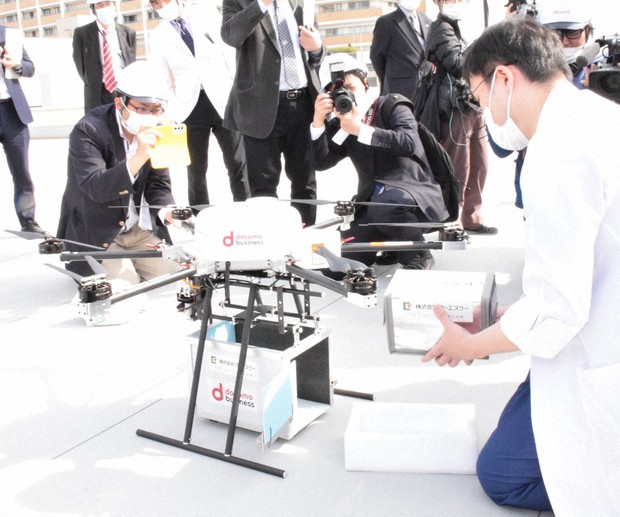
    One of JAL’s most promising ventures is its drone-based pharmaceutical delivery system, which aims to streamline the transportation of essential medications. In a demonstration in Tokyo, JAL partnered with consortium companies to deliver low-frequency, high-value pharmaceutical products from warehouses to hospitals. This initiative aims to reduce wastage caused by expired pharmaceuticals, while also addressing the unique logistical challenges faced by hospitals in densely populated areas like Tokyo.

    JAL has also expanded its efforts to more remote locations. On Amami Oshima Island, in collaboration with the Setouchi Town Office, JAL established “Amami Island Drone Co., Ltd.” to deliver pharmaceuticals to residents of remote islands. These efforts demonstrate how drone technology can bridge logistical gaps, ensuring that vital medical supplies reach even the most isolated communities.

    Enhancing healthcare logistics with drone ports
    A key takeaway from JAL’s recent demonstration in Koto-ku, Tokyo, was the potential of drone ports in hospital settings. These ports could allow hospitals to receive pharmaceutical deliveries at their convenience, reducing reliance on traditional logistics systems. As the airline continues to explore the capabilities of drone technology, it also recognises the importance of addressing the shortage of manpower in the pharmaceutical industry.

    In terms of operational efficiency, JAL is focusing on safety and reliability. The airline sees drone ports as an essential component in achieving this, allowing for automated takeoff and landing procedures that minimise human involvement while ensuring temperature control and delivery management. Hospital personnel involved in the demonstration expressed enthusiasm for the potential of drone ports, particularly in emergencies when road closures or disasters isolate healthcare facilities.

    Overcoming challenges and advancing technology
    JAL has faced challenges in its pursuit of drone-based logistics, particularly regarding Level 4 flights—drones flying beyond visual line of sight (BVLOS) in populated areas. Currently, only one drone model, the PF2-CAT3 by ACSL, is certified for these flights. To overcome this limitation, JAL works with partners to diversify drone options and expand operations into urban areas. “We need drones with advanced control capabilities and high-precision landing, especially for operations in limited spaces like urban areas,” Eriko noted.

    In addition to enhancing drone technology, JAL is also developing a flight management system that allows a single operator to control multiple drones. This would significantly reduce operational costs and improve efficiency, paving the way for widespread drone adoption.

    Building strategic partnerships
    Collaboration is key to JAL’s success in the drone industry. The airline has partnered with several organisations, including KDDI Corporation, East Japan Railway Company, and local hospitals, to bring its vision to life. Each partner plays a unique role: KDDI provides essential LTE communication, East Japan Railway Company offers implementation support, and local hospitals serve as demonstration sites, providing valuable feedback on the practicality of drone deliveries.

    These partnerships are vital not only for the technical success of the project but also for gaining public acceptance of drones in everyday life. JAL has been proactively educating the public and healthcare professionals about the benefits and safety of drone technology through workshops and demonstrations. The airline is also working on initiatives to help hospital staff acquire the necessary skills to handle drone operations.

    Navigating regulations and ensuring safety
    Navigating Japan’s regulatory landscape for drone operations has been a complex process for JAL. The airline is working closely with Prodrone Co., Ltd. to meet the stringent requirements for Type 1 Certification, which allows for Level 4 flights in densely populated areas. In addition, JAL has introduced training programs based on Crew Resource Management (CRM), a concept used in aviation to improve safety and coordination among pilots.

    JAL is also taking steps to ensure the sustainability of drone operations. One of its long-term goals is to reduce manpower and increase aircraft utilisation by allowing a single pilot to control multiple drones. Supported by the New Energy and Industrial Technology Development Organization (NEDO), JAL is conducting technological verification to achieve this.

    The future of drone-based healthcare logistics
    JAL’s drone initiatives can potentially transform healthcare logistics in Tokyo and beyond. Drones could be crucial in maintaining healthcare systems in depopulated areas, ensuring patients receive necessary medications and blood supplies even in remote regions. During emergencies, drones could provide uninterrupted delivery services, ensuring the continuous flow of critical supplies.

    “We believe that drones can contribute significantly to maintaining medical systems in areas where healthcare infrastructure is difficult to maintain,” Eriko states. The airline also sees potential for expanding drone deliveries to sectors beyond pharmaceuticals, such as food supplies and newspapers, as demonstrated by its operations on Amami Oshima Island.

    Ultimately, JAL’s vision is to create a sustainable, efficient, and reliable drone logistics service that benefits healthcare providers and patients. By reducing medication waste, improving delivery times, and enhancing operational safety, drones have the potential to revolutionise the healthcare industry—not just in Tokyo, but across the globe.

  • Japanese restaurant chain Pepper Lunch to launch in Mongolia

    Japanese restaurant chain Pepper Lunch to launch in Mongolia

    Japanese restaurant chain Pepper Lunch plans to open its first store in Mongolia next year, as part of its global expansion strategy.

    The brand has signed a franchise deal with local distributor Bluemon Group, making Mongolia its 17th country.

    “We signed a master franchise agreement with our Mongolian franchise partner yesterday,” Yuto Tago, global CEO of Pepper Lunch wrote on his LinkedIn account.

    “I cannot wait to see the first restaurant opening next year!”

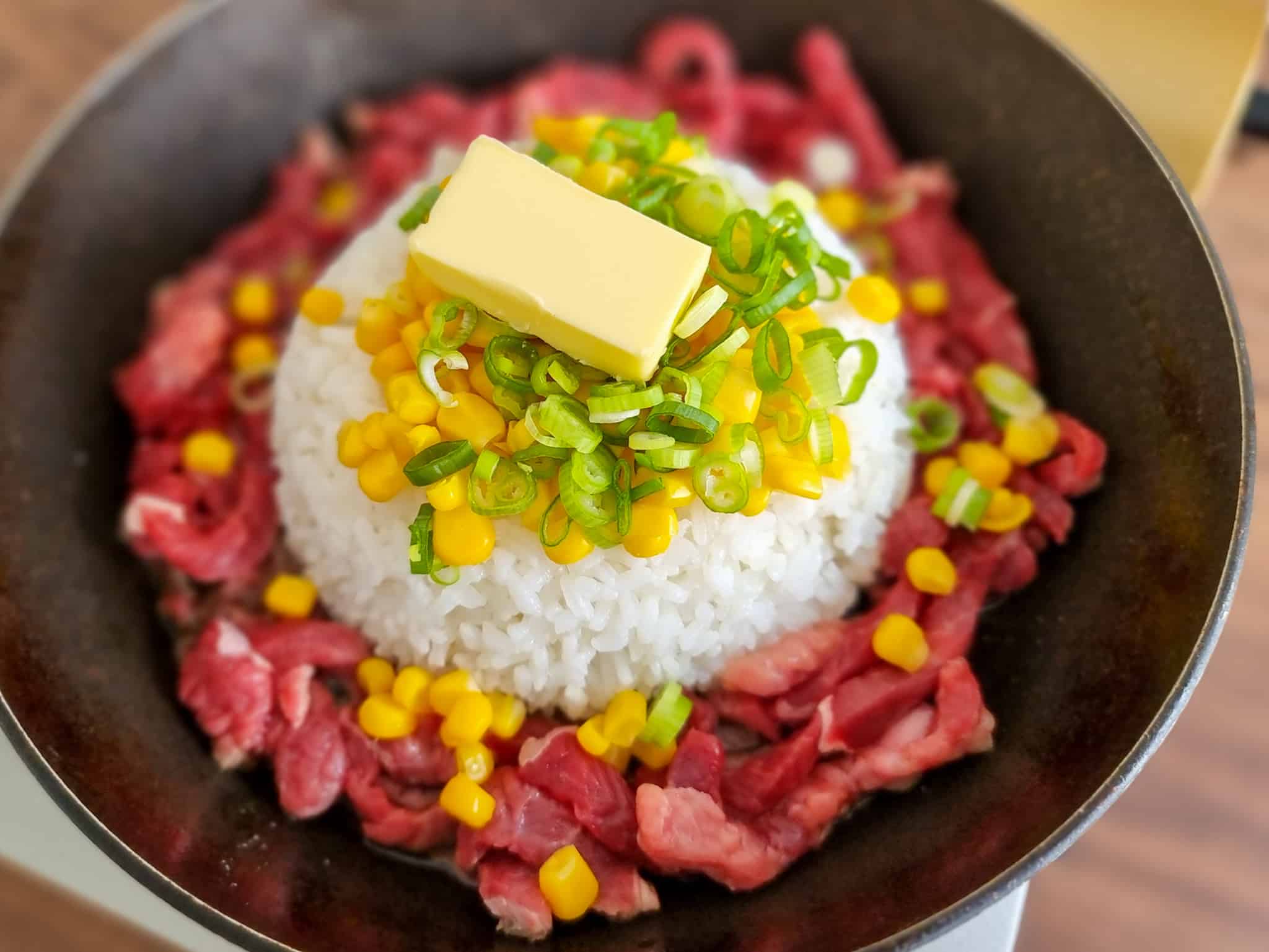
    Pepper Lunch is a DIY casual eating concept with more than 400 locations around Japan, Asia, and Australia. Founded by a trained chef, Kunio Ichinose, the restaurant focuses on premium steaks, pasta, and cheese curry rice.

    Pepper Food Service sold the Pepper Lunch franchise to J-Star Investment Fund for US$79 million in 2020.

  • Netflix is big in Japan

    Netflix is big in Japan

    Netflix reached a milestone of over 10 million subscribers in Japan during the first half of this year. That’s a success! Netflix is gaining attention in the Land of the Rising Sun with…. Japanese-language programming.

    You see, Japanese series are drawing significant attention in the expanding market. Over the past four years, the company’s subscriber base has doubled, and the streaming giant has recently released several popular Japanese-language shows that distinguish it from local broadcasters.

    Kaata Sakamoto, vice president of content for Japan, expressed satisfaction with the success of shows like “Tokyo Swindlers”, “The Queen of Villains”, and the reality-romance series “The Boyfriend”, which have garnered considerable viewership. Since Netflix began reporting viewing rankings in 2021, only two English-language series, the live-action adaptation of hit “One Piece” and the fourth season of “Stranger Things”, have topped these rankings in Japan.

    Sakamoto also noted that Japan has a strong demand for local content, which is why Netflix continues to prioritize producing such programming. In September, Netflix announced a five-year contract with Hitoshi One, the director of “Tokyo Swindlers”, a drama about a group of real estate scammers.

    The growth of streaming has led to increased consumption of Japanese content, with major entertainment companies turning their attention to their hits. For example, Amazon has adapted Sega Sammy’s “Yakuza” game series, and reports indicate that Sony is in talks to acquire media company Kadokawa to strengthen its entertainment portfolio.

    Netflix has stated that Japanese content is its third-most-viewed non-English content, following Korean and Spanish programming. Additionally, its anime offerings were watched more than 1 billion times worldwide last year.

  • Uniqlo to open global flagship in former Bicqlo site in Shinjuku

    Uniqlo to open global flagship in former Bicqlo site in Shinjuku

    Uniqlo is set to open a new global flagship store in Shinjuku, replacing the former Bicqlo location, as part of its aggressive expansion plan.

    In addition to offering its range of clothing and accessories, the store will feature unique elements such as Uniqlo Flower, Uniqlo Coffee, and Re:Uniqlo.

    Uniqlo Flower is located on the first floor, selling seasonal flowers and will be displayed at the store’s entrance. On the second floor, Uniqlo Coffee will serve beverages and local sweets.

    Additionally, the third floor will house Re:Uniqlo Studio where customers can access embroidery and clothing repair services, encouraging shoppers to care for and extend the life of their garments.

    To celebrate its opening, Uniqlo will release an exclusive Shinjuku Mainstore Special, which will feature select Western products not previously available in Japan; and a Shinjuku Department Store Guidebook, a booklet introducing the town, insights from staff from long-established local stores, and cultural figures from the district.

  • Japanese burger chain Niku Niku Oh! Kome debuts in Hong Kong

    Japanese burger chain Niku Niku Oh! Kome debuts in Hong Kong

    Japanese-style burger chain Niku Niku Oh! Kome – owned by Japanese restaurant chain operator Monogatari Corporation – has launched its first outlet in Hong Kong as part of its broader expansion across Asia.

    Located in Sha Tin, the restaurant has 40 bar seats surrounding an open kitchen. It specialises in freshly handmade wagyu burgers seated on hot plates or served on rice with egg yolk for a “classic Japanese experience”.

    The wagyu hamburgers are crafted from a blend of Kyushu black wagyu beef and US beef, while the rice served is Niji No Kirameki, sourced from Japan’s Tohoku region.

    Makoto Hori, senior executive officer, Monotogari Corporation, said that Hong Kong, being an international city close to the mainland, offers the company an opportunity to raise brand awareness in the Asian region.

    “We have already opened 16 restaurants in Mainland China since November 2022, and local customers have well received our food,” he added.

    Established in 1949, Monogatari Corporation has more than 700 restaurants in Japan and overseas, with 15 restaurant brands serving various Japanese foods, including yakiniku, ramen, okonomiyaki, sushi and shabu-shabu.

  • Japan’s biggest sushi chain Sushiro launches first Beijing store

    Japan’s biggest sushi chain Sushiro launches first Beijing store

    Japan’s biggest sushi restaurant chain Sushiro opened its first store in China’s Beijing Wednesday as part of its expansion in the world’s most populated country.

    Its new store, located in the Xidan Joy City shopping mall, has four private rooms, each allowing up to 10 customers, who can order from a touch screen and pick up their food from a conveyor belt, according to Nikkei Asia.

    This is Sushiro’s 45th location in China. It launched the first store in Guangzhou in 2021 and has expanded to several cities since.

    Sushiro, headquartered in Osaka, has over 500 restaurants in Japan. It was founded 30 years ago and is now present in many Asian countries including South Korea, Thailand and Singapore.

    Its competitor Hama Shushi has also been expanding in China and opened the first Beijing store earlier this year.

    China has prohibited the import of seafood from Japan due to the discharge of treated radioactive wastewater. In China, conveyor belt sushi restaurants primarily offer locally sourced seafood.

  • Uniqlo headhunts managers in Southeast Asia,

    Uniqlo headhunts managers in Southeast Asia,

    Japanese fashion retail chain Uniqlo is expanding its recruitment scheme to India and Southeast Asia where its number of stores have been growing fast.

    In the past two months, Uniqlo’s parent company Fast Retailing has been sending staff to Vietnam, Singapore and the Philippines to meet with students and university directors to discuss partnerships.

    The company has been accelerating recruitment in South and Southeast Asia because of a practical need for more human resources there, its chief adviser Noriaki Koyama said.

    “These regions have great potential for future development, and we will be able to find very talented people there,” said Koyama, who is in charge of human resource strategy.

    Fast Retailing has been setting up many new stores in South Asia, Southeast Asia and Oceania. As of February, it had 367 stores in those areas, up 14% from 2023. It now operates 13 stores in India and plans to have 28-30 outlets in next three years.

    To find potential managers, the company now partners with more than 40 universities in Asia and Oceania to organize internships at local offices and stores. In the fiscal 2023 (which ended in August), it hired 1,100 new graduates globally.

    It also seeks to be competitive in terms of compensation. “We are adjusting the pay scale for our store employees to be among the best in each country, not only in the local retail industry but also in other industries,” said Koyama.

    Around 56% of Fast Retailing management positions are given to non-Japanese staff. The company targets to bring the figure to 80% by 2030.

  • McDonald’s Japan names Thomas Ko as next president

    McDonald’s Japan names Thomas Ko as next president

    McDonald’s Japan has selected Thomas Ko as its next president, following the departure of former chairperson Sarah Casanova.

    Ko has previously held leadership positions in the company. He joined McDonald’s in 2010 as director of consumer strategy for the Asia-Pacific, Middle East, and Africa regions. He then worked in senior positions at McDonald’s in South Korea and Portugal.

    The new president will succeed Tamotsu Hiiro, who will become chairman of McDonald’s Japan.

    Last month, former president Sarah Casanova resigned as chairperson of both the holding firm and the operating subsidiary, as she wanted to spend more time with her family.

  • South Korean burger chain Mom’s Touch enters Japan

    South Korean burger chain Mom’s Touch enters Japan

    Korean burger and chicken fast food chain Mom’s Touch is set to open its first directly managed Japanese store in Shibuya, Tokyo.

    Scheduled to open on April 16, the new 418 sqm Shibuya store will sit in a location that used to be occupied by McDonald’s and have a seating capacity of 200 people. According to local media, the new store will be adjacent to Shibuya Scramble Square where the daily floating population reaches about 3 million people.

    “We believe this is an important first step for Mom’s Touch to make the leap to become a global brand and make full-fledged overseas expansion,” the company said in a statement.

    As part of the expansion plan, Mom’s Touch has participated in the Tokyo Franchise Show as it seeks to further expand internationally and promote its Korean burger in the country, which has a burger market estimated at US$5.3 billion.

    The company launched a pop-up store in Shibuya last October, luring about 33,000 visitors. As of February, Mom’s Touch operates 1420 stores in its home market.

    The Japan expansion follows the chain’s launch into Mongolia last year.