Tag: Japan

  • Pomina Steel to sell stake to Japanese firm

    Pomina Steel to sell stake to Japanese firm

    Pomina Steel has agreed to sell nearly 70.2 million shares, a 20% stake, to Japan’s Nansei steel.

    The company will sell at VND10,000 ($0.42) per share, 35% higher than its market price. The deal, to be conducted in August this year and September next year, is estimated to fetch Pomina nearly VND702 billion.

    Nansei Steel is based in Japan’s Chiba. It first established a Vietnam entity around six months ago. Pomina’s announcement has seen its shares shoot up from VND6,900 to around VND7,390.

    Currently Vietnam Steel Corp is the biggest shareholder in Pomina with a 53.3% stake.

    Pomina, based in Ho Chi Minh City, has been facing financial difficulties. It posted a loss of VND1.1 trillion last year and another VND186 billion in the first six months of this year.

    Its CEO Do Tien Si said that the frozen property market had caused steel demand to plunge, and the high costs of its new blast furnace, were the main reasons for the losses .

    The company expects a loss of VND150 billion this year.

  • Uniqlo parent’s profit seen soaring to a Q3 record on China recovery

    Uniqlo parent’s profit seen soaring to a Q3 record on China recovery

    The Japanese operator of apparel retailer Uniqlo is expected by analysts to post a 25 percent jump in profit to a third-quarter record on Thursday (Jul 13), when the focus will be on whether its sales recovery in China is on track.

    Fast Retailing’s operating profit in the three months through May likely reached 102.4 billion yen (US$733.37 million), according to the average of forecasts from seven analysts surveyed by Refinitiv. That’s compared to 81.8 billion yen posted last year, a company record for the third quarter.

    The company, known for its fleece jackets and inexpensive basics, has 925 Uniqlo outlets in mainland China, more than in Japan and making it a bellwether for a retail market that was hammered by strict COVID-19 restrictions in recent years.

    Business in China started to turn around in January, resulting in sharp increases in sales and profit from the region in the second quarter, the company said in April.

    Fast Retailing’s shares have soared 30 percent so far this year, helping founder Tadashi Yanai cement his place as Japan’s richest person. The shares have outpaced a 23 percent advance in the benchmark Nikkei which has been one of the hottest equity markets worldwide.

    “The recovery in China has been weaker than expected, but Uniqlo is well positioned,” said Jamie Halse, who manages US$500 million in Japan strategies at Platinum Asset Management in Sydney but does not currently own Fast Retailing shares. “We have a positive view on the business, but are apprehensive of the elevated expectations represented in a premium valuation.”

    While China languished under lengthy pandemic curbs, Fast Retailing put more focus on its North American and European operations.

    Uniqlo had 61 locations in North America as of February, and is adding four stores in the US and two in Canada this summer as part of a plan to reach 200 by 2027.

  • Asahi reinvents Super Dry beer with a new taste and design

    Asahi reinvents Super Dry beer with a new taste and design

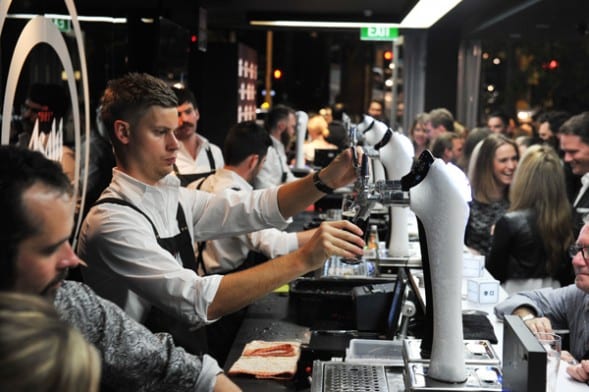
    Japanese beer and spirits company Asahi has unveiled a fresh look for Asahi Super Dry along with an enhanced taste inspired by the vibrancy of contemporary Japan.

    The reinvented Asahi Super Dry is curated to provide an improved drinking experience that will exceed expectations, according to the brand in a statement. It is also the first time that Asahi has reworked its recipe since Asahi Super Dry was introduced in 1987. The revamp aims to enhance the unique sake-inspired sensation that makes Super Dry a classic.

    Asahi Super Dry will now include a refined dry taste of the beer which elicits a clean aftertaste without any residual flavour and that goes well with various cuisines, boosting drinkers’ appreciation for the original food flavour.

    The changes made to the beer recipe also introduce a new hop treatment process that gives it a refreshing yet delicate hop aroma, and a new yeast control technology that provides a fermentation-driven aroma. With each sip of New Asahi Super Dry, the flavour of these two delightful aromas arrive at a quick peak of delicious sensation.

    Based on Super Dry’s iconic silver, delicate design adjustments have been made down to the finest details. Both cool and vibrant, the new design aims to highlight the unique character of modern Japan— where innovation and reinvention meet the beauty and precision of traditional craftsmanship, the company said. The design centers on two silvers: a shiny metallic silver and a deep oxidized matte silver.

    Along with this reinvention comes the commencement of partnerships with other brands. Asahi Super Dry has partnered with four city football group clubs: Manchester City, Melbourne City, Yokohama F. Marinos and Sichuan Jiuniu to be its new official beer partner. Additionally, Asahi Super Dry has been selected as one of the official sponsors for the Rugby World Cup 2023 to provide its beer to rugby fans worldwide.

    The new Asahi Super Dry will be made available in Singapore from July 7.

    At the ‘Art of Taste’ event, visitors are introduced to a sensorial field of barley and will utilise their sense of touch to engage with beer ingredients used in Asahi’s beer products. Additionally, the yeast room is constructed to simulate the fermentation process and provides visitors with the optimal photograph opportunity to capture their experiences and publicise it on their socials.

    Visitors are also able to experience a 30-minute step-by-step guided masterclass in a contemporary izakaya setting, where they will gain knowledge on how to differentiate between dry and non-dry versions of beer.

    Lastly, an abundance of food vendors from Hokkaido, Nagoya, Fukuoka and Osaka will be present at the taste zone, where partnerships with Kanpai Group, Courtyard Café and Otoko Japanese Restaurant will allow various types of Japanese foods to be available to reinforce that Asahi beer goes well with any food.

    “With an enriched, vibrant dry taste, the new Asahi Super Dry is ideal for different kinds of food pairings and elevates the senses for a better experience. It is the best match for every exciting “Super Dry Moment” of the modern lifestyle and drinking repertoire,” said Meryl Ho, marketing lead of Asahi Beer Asia, Singapore region.

    “Whether one is cheering on their favourite sports team, watching a movie, exploring new foods, bar hopping, or simply enjoying a day out, the new Asahi Super Dry is the perfect partner for these moments and occasions,” Ho added.

    The news comes shortly after it was announced that Carlsberg Brewery Malaysia and Asahi Group have mutually agreed to not renew the distribution of the Asahi brand in Malaysia.

    The exclusive distribution of the brand will expire on 31 December 2023, according to Carlsberg Malaysia in a statement. The brewery also noted that the renewal of the Asahi agreement is not expected to have any material financial impact to CBMB once the distribution ends.

    Stefano Clini, the managing director of CBMB shared that the parting is an amicable one, after having the sole rights to locally manufacture, sell and distribute the brand for more than a decade.

    “Having said that, the group will remain the exclusive distributor of Asahi for 2023 and we will continue to support the brand for the rest of this year,” Clini added. He went on to explain that following this development, Carlsberg will continue to drive its premiumisation strategy while simultaneously exploring opportunities to expand its premium portfolio to “deliver the best drinking experience to [its] Malaysian consumers”.

  • Japanese restaurant chain Kura Sushi accelerates international expansion

    Japanese restaurant chain Kura Sushi accelerates international expansion

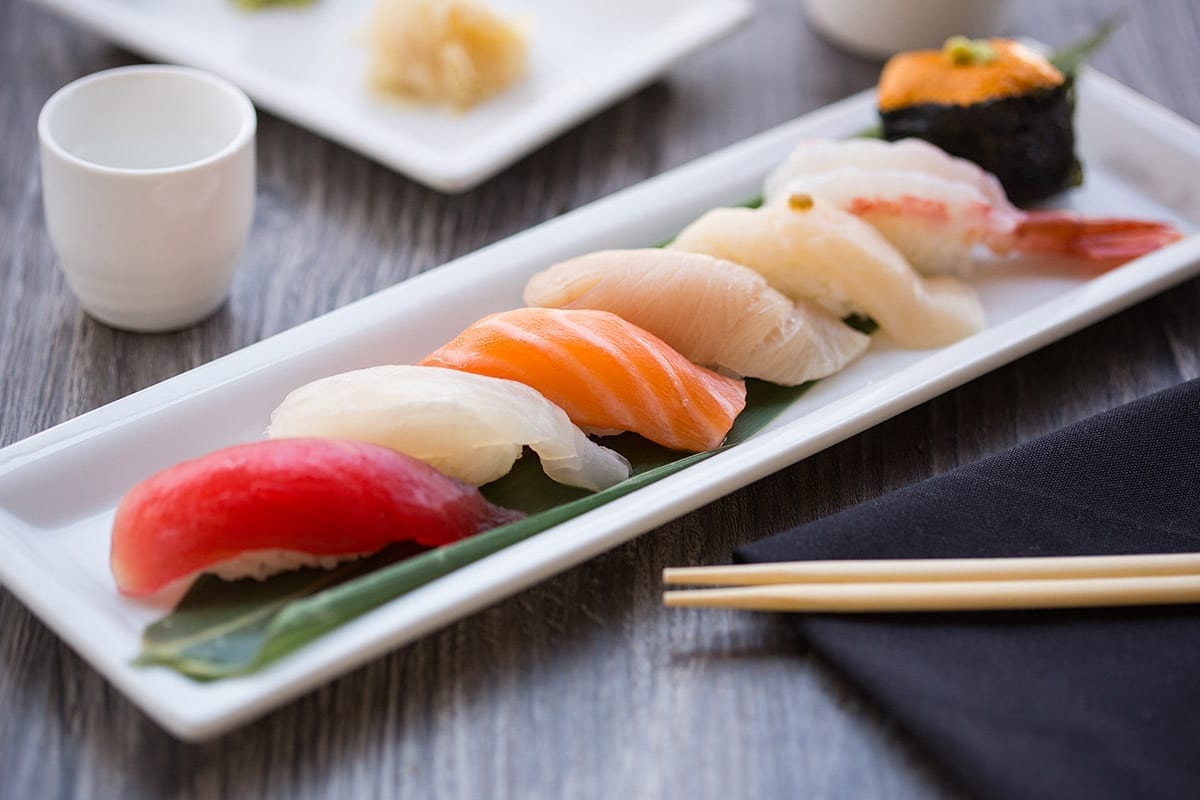
    Kura Sushi, a leading Japanese conveyor-belt sushi chain, opened its first outlet in Mainland China in June 2023, as part of its global expansion plans. With this, it joins the ranks of several Japanese restaurant operators who are aggressively scaling up their overseas presence. Besides targeting revenue growth in the immediate future, the diversification move is part of the Japanese operator’s long-term play to ensure business continuity. Japanese operators are accelerating overseas expansion even as the domestic foodservice sector is set to expand by a value compound annual growth rate (CAGR) of 10% over 2023–27*, according to GlobalData, a leading data and analytics company.

    Bobby Verghese, Consumer Analyst at GlobalData, comments: “Kura Sushi operates 541 conveyor-belt sushi (Kaiten-zushi) outlets in Japan, 47 in the US, and 51 in Taiwan (Province of China). The company’s new China outlet is located in a bustling shopping center in Shanghai close to three subway lines. The restaurant is fully automated, with robot sushi chefs preparing dishes, circular conveyor belts that carry dishes to diners, and contactless ordering and payments. Kura Sushi offers a menu comprising a mix of Japanese dishes and China-only dishes. The company plans to source 80% of its ingredients locally to optimize costs. Kura Sushi aims to open 100 stores across China by the end of the decade, in line with its plan to expand its overseas locations to 400 stores, and worldwide network to 1,000 outlets by 2030.”

    Tim Hill, Key Account Director at GlobalData Singapore, remarks: “With consumers dining out more often, the Japanese foodservice sector is recuperating from the impact of the pandemic. However, inflationary pressures and economic uncertainty are stifling consumer spending. As they operate at a higher cost-price ratio than conventional sushi restaurants, Kaiten-zushi restaurants are bearing the brunt of the surge in seafood prices due to the Russia–Ukraine conflict, rising competition with China for seafood catch and supplies, and the global climate change phenomenon. Moreover, fierce competition among outlets and an ongoing labor crunch are constraining the growth of per-outlet transaction revenues. The rapidly greying populace and shrinking working class cloud the long-term outlook of sushi quick service restaurants (QSRs).”

    Verghese notes: “In sharp contrast to Japan, both the Chinese and US foodservice sectors rebounded from the pandemic lull in 2021 and 2022, respectively, in terms of transaction numbers and revenues. As a result, Japanese foodservice operators are setting their sights on bluer oceans abroad, particularly larger overseas markets with high-spending crowds, such as China and the US, which offer more dollar revenue opportunities than Japan. By expanding overseas, these operators can thereby accelerate their post-COVID-19 recovery and ensure long-term business continuity.”

    Hill concludes: “Due to their high-tech ambiance and fresh offerings, conveyor-belt sushi chains have rapidly gained popularity in Taiwan (Province of China), Hong Kong, Singapore, Mainland China, and the US over the past decade. Among these, China holds the highest potential owing to the similarities between Japanese and Chinese cuisines. While Japan is the larger market for sushi QSRs, the Chinese market is set to narrow the gap significantly in the coming years. However, any fresh geopolitical conflicts between Japan and China can mar the performance of the Chinese outlets.”

  • Casetify unveils its first flagship store in Japan

    Casetify unveils its first flagship store in Japan

    Casetify is embarking on a massive retail expansion as it works towards its goal of becoming a $1 billion company.

    Casetify, which is known for its customizable tech accessories like phone and laptop cases, is on track to open 100 stores by 2025. This is a significant step up from Casetify’s existing 28 locations, all of which are located in the Asia-Pacific region. Twenty stores will be in the U.S., with the remaining 80 in other markets.

    At the same time, Casetify is launching a new store concept in Osaka, Japan, this week. Unlike Casetify’s other stores — which are known as Studios, and operate as customization stations — Casetify’s Osaka store will be under its new Flagship banner. The Flagship stores are more focused on the interests and designs of their home countries and cities and include more local artist collaborations and in-person events. The Osaka Flagship store, for instance, features floor-to-ceiling Japanese lanterns and cylindrical shoji screens, under the direction of architect André Fu.

    These developments come at a time of significant growth for Casetify. The company was initially founded in 2011 as a way to turn people’s Instagram photos into phone cases. Since then, the business has expanded into other categories such as laptops, AirPods and Apple Watches, inked collaborations with major properties such as the NBA, “Harry Potter” and “Star Wars” and become popular with celebrities including Kylie Jenner and Gigi Hadid. Casetify has sold more than 15 million phone cases to date, and from 2020 to 2022, it increased its revenue by 140%. While Casetify ended last year with $300 million in revenue, it aims to become a $1 billion company by 2025.

    Part of that effort involves moving more towards omnichannel — a strategy that involves physical retail. While Casetify is a large player in e-commerce, it has added 10 stores since last December. Casetify recently hosted pop-ups in New York City and Santa Clara, California.

    The company sees a lot of value in physical locations, Wesley Ng, co-founder and CEO of Casetify, told Modern Retail. “Our brick-and-mortar program is a huge component of our relationship with consumers — not just how they discover us, but also how they feel about Casetify as a brand,” Ng explained.

    At Casetify Studios, shoppers can custom-produce products on site by picking different designs and color swatches. They can touch and feel products they might only know from social media, and they can bring in their old Casetify products to recycle under the Re/Casetify program.

    Casetify is considering opening more Flagship locations, but likely not within the year, according to Ng. Casetify is planning, however, to grow its Studio footprint in America and Europe and will have more locations by the end of 2023. As far as building 100 stores by 2025, “We are on a good track, but we are not obsessed over a number,” Ng said.

    “It’s more like a horizon we’re constantly walking to,” he explained. “It is okay if it takes a bit longer than that. We focus a lot on profitability per outlet location in order to ensure we keep remaining strong and healthy as a private company. So as long as we are achieving that and growing steadily, I’m satisfied.”

    Any company looking to build more stores around the world needs to be aware of how brick-and-mortar is viewed in different markets, Michael Felice, associate partner at Kearney, told Modern Retail. “You can’t just lift and shift a product,” he said.

    Felice said that Japan, where Casetify is launching its first Flagship store, is unique because its consumers are digitally savvy, but that the country’s businesses rely more on brick-and-mortar than direct-to-consumer. With that in mind, “you need to be offering a different level of service and quality and innovation in your store,” he said. Felice added that consumers in Japan tend to value quality and connection, and that retailers need to cater to those preferences.

    Overall, retailers “need to ensure that you’re matching the levels of service and innovation that are expected to win in the market better,” Felice added. “I think [a good idea is] customizing each market entry. And that may mean curating with local creatives, that may mean changing your levels of service, that likely means changing your packaging.”

    Casetify’s Flagship stores, which vary based on location, can help accomplish these goals. But there’s a bonus in personalizing a business: Attracting highly-coveted young audiences, Barry Thomas, senior global thought leader at Kantar, told Modern Retail. “Localizing stores is so paramount for consumers, especially Gen Z and Millennial consumers,” he said. And the success of those stores are crucial, as Kantar expects 75% of sales to be offline or in stores by 2027.

    When it comes to Gen Z and millennials, “Their preferences, their interactions, their experiences are all customized,” Felice added. “I think the idea of allowing them to express that with local creative into a product is one that we haven’t seen much of and likely [has] an experiential aspect that ties closely to brick-and-mortar.”

  • Former Japan Airlines leader to chair Bamboo Airways

    Former Japan Airlines leader to chair Bamboo Airways

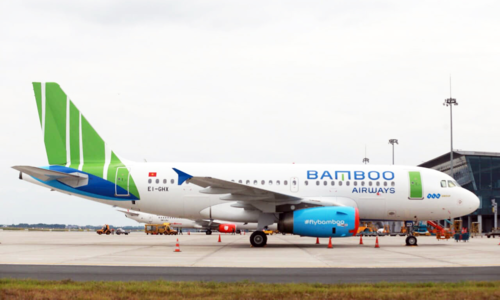
    Oshima Hideki, the former chairman of Japan Airlines, has been appointed chairman of Vietnam’s Bamboo Airways for the 2023-2028 period.

    He is among seven new directors of the airline, according to decisions made at the company’s general meeting on Wednesday.

    Hideki has nearly 40 years of experience in the aviation industry.

    He was previously Deputy General Director of Japan Airlines, Deputy General Director of the Tokyo Narita Airport, and a Project Manager at Haneda Airport.

    Bamboo Airways’ new deputy chairmen are Nguyen Ngoc Trong, Doan Huu Doan and Phan Dinh Tue. The other members of the board of directors are Le Ba Nguyen, Le Thai Sam and Tran Hoa Binh.

    A new board of supervisors, comprised of three members, has also been appointed.

    Bamboo Airways plans to operate 30-36 aircraft by the end of this year, aiming for an occupancy rate of 81.5% and an on-time flight ratio of 90%.

    The carrier is targeting a revenue increase of 15-20% from last year’s VND11.73 trillion ($498.94 million). It also wants to expand its network in Europe, Northeast Asia, Southeast Asia and Australia.

    Bamboo Airways is building an aviation ecosystem for itself by establishing subsidiaries for transportation, ground services, aviation technology and food services.

  • Electric guitar maker Fender to open its first Japan store

    Electric guitar maker Fender to open its first Japan store

    U.S. guitar maker Fendi will open its first-ever store in Japan at the end of this month, opting for the nation’s capital, Tokyo, to make its global retail debut.

    Located in The Ice Cubes building, in the trendy Harajuku-Omotesando district, the 1,068-square-metre, four-storey Fender Tokyo flagship store will open its doors on June 30.

    Commissioned by Klein Dytham Architecturethe store will feature the full range of Fender products, including Fender Custom Shop , Made in the U.S. and Made in Japan models, acoustic guitars, ukuleles, amplifiers, pedals and more.

    In conjunction with the store opening, Fender will also launch a brand new Made-in-Japan fashion brand, F Is For Fender, available for purchase in the Fender Tokyo flagship store.

    On the basement floor, the flagship store will house an original coffee shop, Fender Cafe powered by Verve Coffee Roasters, and an event space hosting various events such as broadcast shows, panel discussions, performances and workshops.

    The first floor will feature newly released and featured products including electric and acoustic guitars, basses, artist signature models, and accessories. Visitors will discover all-new, original merchandise exclusive to Fender Flagship Tokyo, which includes clothing, hats, home and office items, stationary, and other lifestyle goods, including the F Is For Fener line, an apparel collection for all men and women inspired by the history of guitar in music culture with an urban, modern spin. All products are sourced and made in Japan and will come in small lot productions.

    The second floor of the store will showcase high-quality guitars and basses, made in the USA and Japan, and amplifiers. This floor will also have a soundproof room where visitors can try out instruments on a wide range of amps, while Fender’s third floor will showcase the renowned Fender Custom Shop, also known as the Dream Factory.

    “We are excited to share more details on what consumers can experience at our first flagship endeavor opening June 30,” said Edward Cole, president Fender APAC.

    “We’ve left no stone unturned in planning and designing every aspect of the musical journey to deliver a complete 360-degree experience for all visitors. Our deep gratitude goes out to our partners, whose unwavering support has helped turn this vision into a reality.”

    The global electric guitars market grew from USD 2.84 billion in 2022 to USD 3.04 billion in 2023 at a compound annual growth rate (CAGR) of 7.1 percent, with Asia-Pacific the largest region in the electric guitar market last year, according to Report linker.

  • UBP Acquires Japanese Asset Manager

    UBP Acquires Japanese Asset Manager

    Swiss-based Union Bancaire Privée has acquired a new asset manager specializing in Japanese small-cap equities.

    According to a statement, UBP has acquired 100 percent of the shares issued by Angel Japan Asset Management (AM). Founded in 2001, Angel Japan AM is a Tokyo-based independent investment advisor specializing in Japanese small-cap equities.

    Hirotaka Usami leads the firm and houses five investment professionals including four portfolio managers with an average experience of 24 years.

    It currently manages three strategies (IPO, new growth and steady growth) with total assets under advisory of $1.2 billion.

    Following the transfer of ownership, Hirotaka Usami will become chairman of Angel Japan AM’s newly created board of directors while current chief operating officer Ryota Bando will be appointed chief executive officer.

    Angel Japan AM’s current employees are expected to remain with the firm.

    Other than the changes to its governance structure and directors, there will be no changes to Angel Japan AM’s current investment process, investment philosophy, investment style and investment team.

    The acquisition follows a successful partnership since 2018 with Angel Japan AM advising UBP’s Japanese small-cap equities strategy and outperforming the relevant benchmark.

    The acquisition of Angel Japan AM underscores UBP’s high conviction on the investment opportunities in the global small-cap equity segment, notably in Japan, and as to the team’s unique ability to seize them, said UBP asset management co-CEO and head of institutional clients Nicolas Faller.

    Taking on the ownership of Angel Japan AM will not only broaden our distribution channels to onshore Japanese clients but will also strengthen our in-house capabilities and value proposition to serve our offshore clients better.


  • Japan’s Seven & i review to continue under investor pressure

    Japan’s Seven & i review to continue under investor pressure

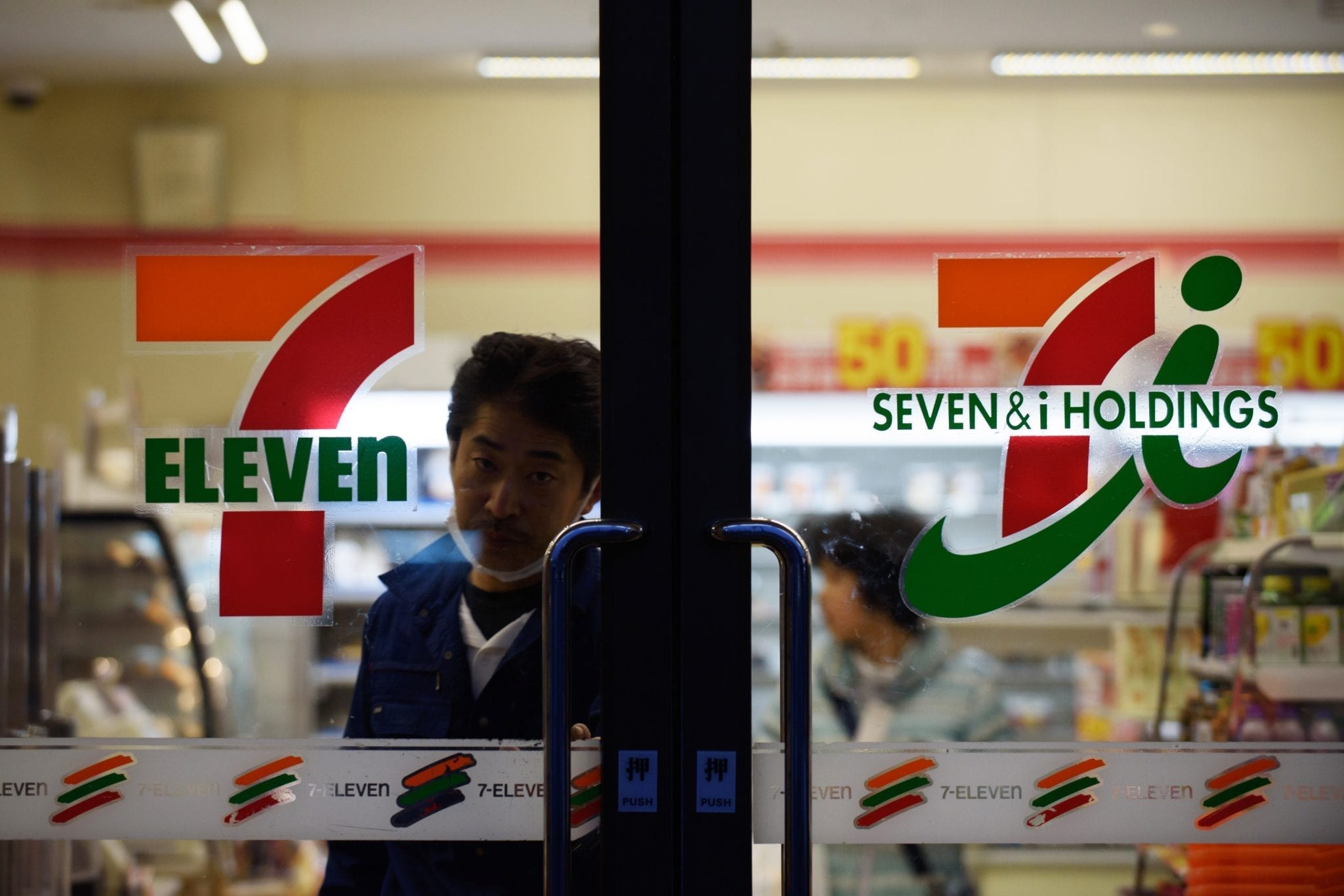
    Seven & i’s independent directors said on Thursday the Japanese retail giant’s board would continue to review strategic alternatives as it faces pressure for broader reforms from some shareholders, including activist ValueAct Capital.

    ValueAct, which owns a 4.4 percent stake in Seven & i and has been pushing for change since 2020, calls for a spin-off of its 7-Eleven convenience store chain and seeks to replace four of the 14 board members at an upcoming annual meeting.

    A source has said Seven & i president Ryuichi Isaka is one of the board members ValueAct wants to replace.

    “The board is currently discussing the shareholder proposals and new board composition, and we plan to announce our decisions in mid-April,” Isaka told reporters and analysts on Thursday.

    Last month, Seven & i announced the results of a strategic review and said it would close an additional 14 Ito-Yokado supermarket stores in Japan and fully exit its apparel business. Some investors, though, said the review did not go far enough.

    The company said on Thursday it would reshuffle its financial services.

    Seven & i said in a separate statement that its operating profit rose 30.7 percent to a record 506.5 billion yen ($3.85 billion) in the financial year to end February. For the financial year that began on March 1, it forecasted a 1.3 percent profit increase.

  • Soy milk contaminated during shipment to Japan

    Soy milk contaminated during shipment to Japan

    A consignment of soy milk found contaminated and destroyed in Japan must have been tainted en route, Vietnamese exporter Vinasoy has said.

    Tests by the National Institute For Food Control on Monday did not find coliform bacteria in the Fami Calcium Soy Milk samples it had retained from the export consignment, it said.

    But 640 packs imported to Japan by Next Trading company were found to have coliform and ordered to be recalled and destroyed in Chiba city.

    A Vinasoy spokesperson said the contamination must have happened during the shipment or distribution process in Japan.

    The spokesperson said that Coliform cannot survive the enzyme inactivation processes in which soy milk is heated to 120 degrees Celsius (248 Fahrenheit) and ultra-high-temperature sterilization at 140 degrees Celsius.

    A carton of soy milk with coliform would be bloated and go sour in two to four days, and so the factory would have noticed any contamination right away, the spokesperson added.

    Japan’s Ministry of Health, Labor and Welfare confirmed the contamination.

    But a spokesperson for Next Trading told broadcaster NHK that while the company was “surprised and sorry” to learn about the contamination, it had tested the products based on health ministry standards before distribution and had not detected any coliform.

    Since the news broke, Vinasoy has consistently said its product was not contaminated.

    It has 25 years’ experience in making soy products and is the industry leader in Vietnam.

    It exports to several other markets with high standards such as the U.S. and South Korea.

    Coliform, which can be found in water and the feces of warm-blooded animals, does not often cause serious illness, but a person exposed to it could have an upset stomach, vomiting, fever, and diarrhea.

  • Nike launches Jordan World of Flight in Shibuya, Tokyo

    Nike launches Jordan World of Flight in Shibuya, Tokyo

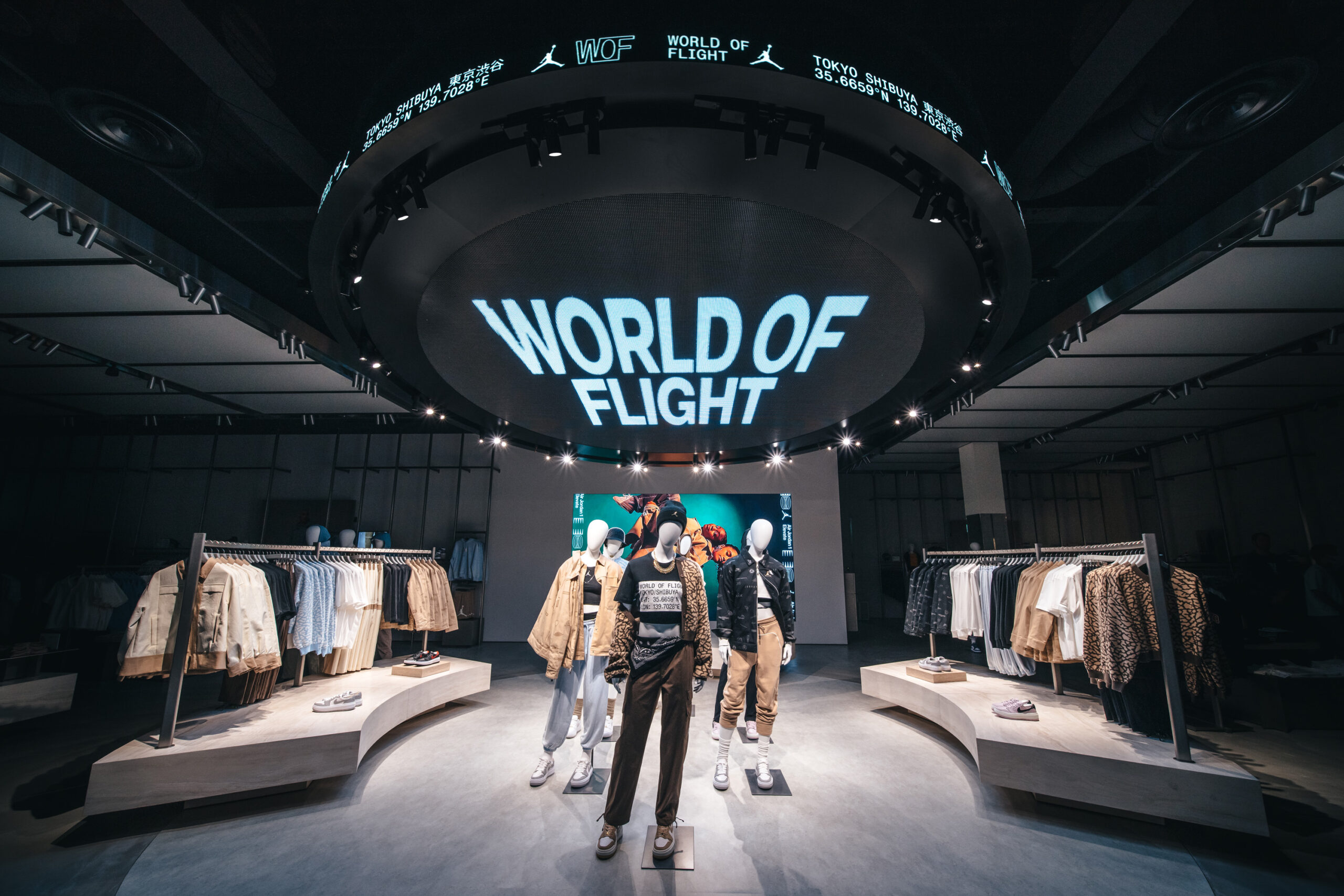
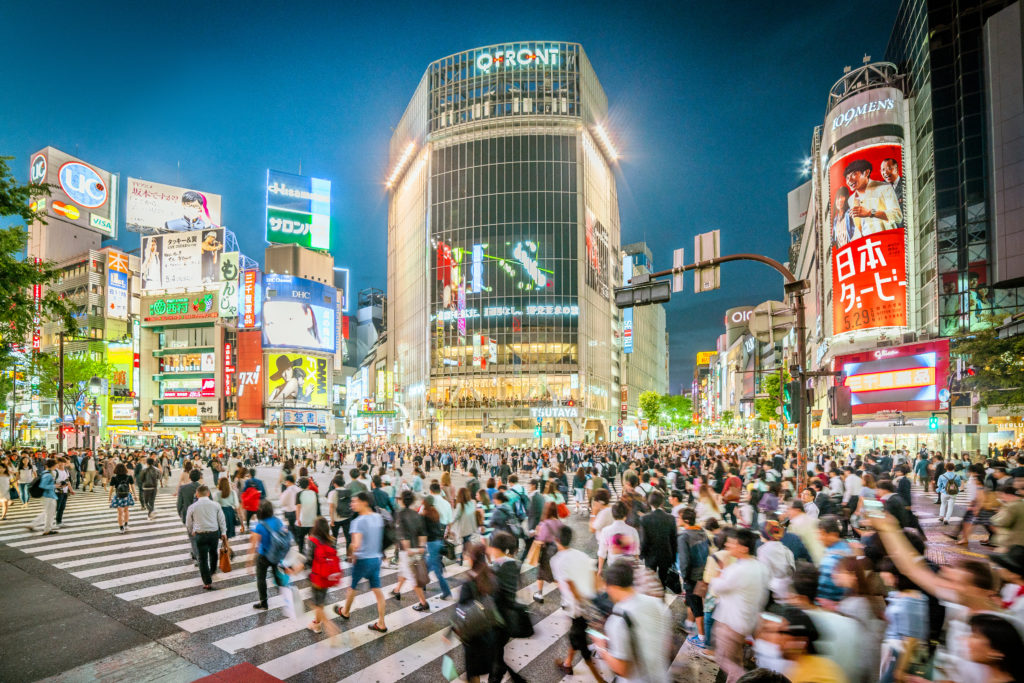
    Located in the capital’s Shibuya district, close to the Harajuku trade zone and along Meiji Dori Street, the 9,200-square-foot space is a designed “as a tribute to basketball culture and Jordan Brand’s identity and heritage,” according to a press release.

    Inside, visitors will find Jordan brand footwear and apparel products across men’s, women’s and kids, as well as customizable products in the store’s ‘The Workshop’, including the AJ1 and the Renegade jacket.

    The Shibuya store will have a dedicated ‘Snkrs’ area for shoppers to pick up products from the app; ‘The Flight Lounge’, which offers an in-store space for members to immerse themselves in Jordan Brand history and basketball culture, as well as a ‘ Nike Member’ innovation center, providing an opportunity for visitors to test new offerings and experiences.

    The ‘Content Studio’ allows shoppers to film unboxings and reviews and create content to share through their social handles.

    Connecting to the region’s local culture, Jordan also commissioned local artists to present their work throughout the store. The Japan opening comes on the back of the Jordan World of Flight opening in Milan in December 2022.

    “Following the launch of Milan, Jordan World of Flight Shibuya provides another unique expression of basketball culture. Tokyo serves as the perfect backdrop, a city that is constantly pushing the edges of innovation, fashion, music and art,” said Craig Williams, president, Jordan brand.

    “Alongside a best-in-class retail assortment, World of Flight is a manifestation of the full potential of the brand. By connecting with people around the world through the values the Jumpman represents, we hope to create even deeper ties to our consumer and underline the culture that unites us all.”

  • Japanese retailers expand in Vietnam, targeting affluent

    Japanese retailers expand in Vietnam, targeting affluent

    Targeting consumers is not much affected by the difficult economic situation, Japanese retailers are opening more stores in Vietnam.

    Uniqlo, which has 15 stores in Vietnam after entering three years ago, last month announced plans to expand to the southern province of Binh Duong, with a first store to be opened this spring or summer.

    Also in Vietnam for three years, MUJI opened a 2,000-square meter store in HCMC’s Thu Duc City that sells everything from food, home appliances and clothing to furniture, stationery and accessories.

    Even amid the Covid pandemic and economic distress, it had five stores, three in HCMC and two in Hanoi.
    Its stores in Vietnam are the largest at around 2,000 square meters on average.

    “The size in Vietnam is almost double the average in other countries, including Japan,” Tetsuya Nagaiwa, general director of MUJI Vietnam, said.

    He added that it plans to open more stores in Hanoi in the second quarter of this year.

    Aeon started building its seventh outlet in Vietnam in February in the central city of Hue. at a cost of U$169.67 million. It will be the largest mall in the central region when it opens by April 2025.

    A recent business survey by the Japan External Trade Promotion Organization found that 100% of Japanese retail businesses in Vietnam expect profits to increase this year.

    Of them 80% said they would expand in the next one to two years.

    Japanese retailers are doing well partly because, like everywhere else, high income earners in Vietnam are recession proof.

    “We see strong demand for high-value products,” Nagaiwa said, adding that MUJI’s sales remained good because young consumers prefer its stationery, cosmetics and furniture.

    Japanese chains also sell online shopping support made-in- Vietnam products.

    In November 2021 Uniqlo started selling online through an application, and introducing Vietnamese agricultural products.

    MUJI has steadily increased the local content rate and looked for local suppliers.

    Nagaiwa said goods made in Vietnam account for 30% of its products and 97-98% in the case of products like T-shirts, backpacks and messenger bags. “We hope these numbers will increase in future.”

    After discovering that the Vietnamese stationery market only had the popular and high-end segments and not the mid-range one, MUJI started selling ballpoint pens for VND19,000 ($0.8), attracting students, who liked Japanese goods with minimalist designs.

  • Forever 21 returns to Japan with new upscale image

    Forever 21 returns to Japan with new upscale image

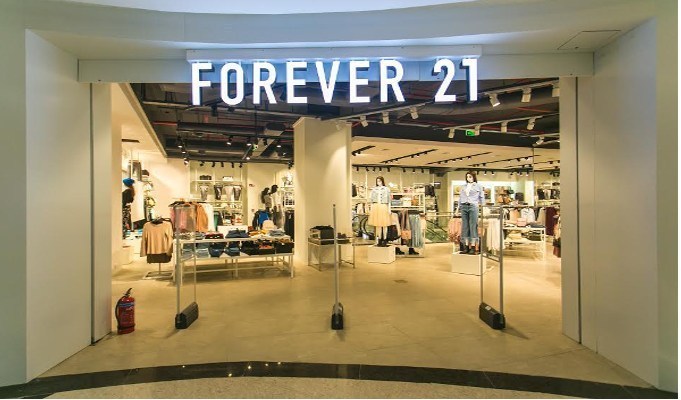
    TOKYO — U.S. fast-fashion chain Forever 21 returned to Japan on Tuesday, more than three years after pulling out of the country, aiming to break away from its former mass-production image with items tailored to Japanese tastes and an emphasis on responsible environmental practices.

    The store started selling products online on Tuesday morning through an e-commerce site operated by Japanese apparel company Adastria. It also opened a limited-time pop-up store in Tokyo’s bustling Shibuya district on the same day.

    “I feel like their prices have gone up, but the fabric seems durable so I could probably wear them for a long time,” said a woman in her 20s who visited the pop-up store, where people were lining up before the 11:00 a.m. opening. She had viewed the products online, but visited the shop to check the quality of the fabric.

    The company plans to open its first permanent store in Osaka in April. It aims for 15 stores in the country by February 2028, with sales including online totaling 10 billion yen ($74.5 million).

    Forever 21 made a full-scale entry into Japan in 2009, operating about 20 stores at one point and leading the fast-fashion boom in the country. But the rise of online shopping and changes in consumer tastes cut into sales, leading the American parent company to file for Chapter 11 bankruptcy protection in September 2019.

    The retailer withdrew from Japan in October of that year. In 2022, Japanese trading house Itochu bought the rights for the brand in the Japanese market from a U.S. investment fund that acquired Forever 21 in 2020. Itochu signed a sublicense agreement with Adastria.

    About 80% of the company’s new collection was developed by Adastria for Japanese consumers, with the average price of items set around 4,000 yen. Forever 21 aims to position itself as a brand that offers both affordable prices and high fashion sense, focusing on women in their teens to 30s.

    The company is taking environmentally friendly initiatives such as improving inventory control, collecting used clothing and reducing the amount of water used during denim processing, hoping to move on from fast fashion’s image of producing, selling and disposing of mass quantities of clothing.

    The Tokyo pop-up store is open until Sunday, and most items on display must be purchased online. In March, another pop-up shop will open at a mall in Yokohama, south of Tokyo.

  • Japanese restaurant chain Zensho to buy Lotteria Japan

    Japanese restaurant chain Zensho to buy Lotteria Japan

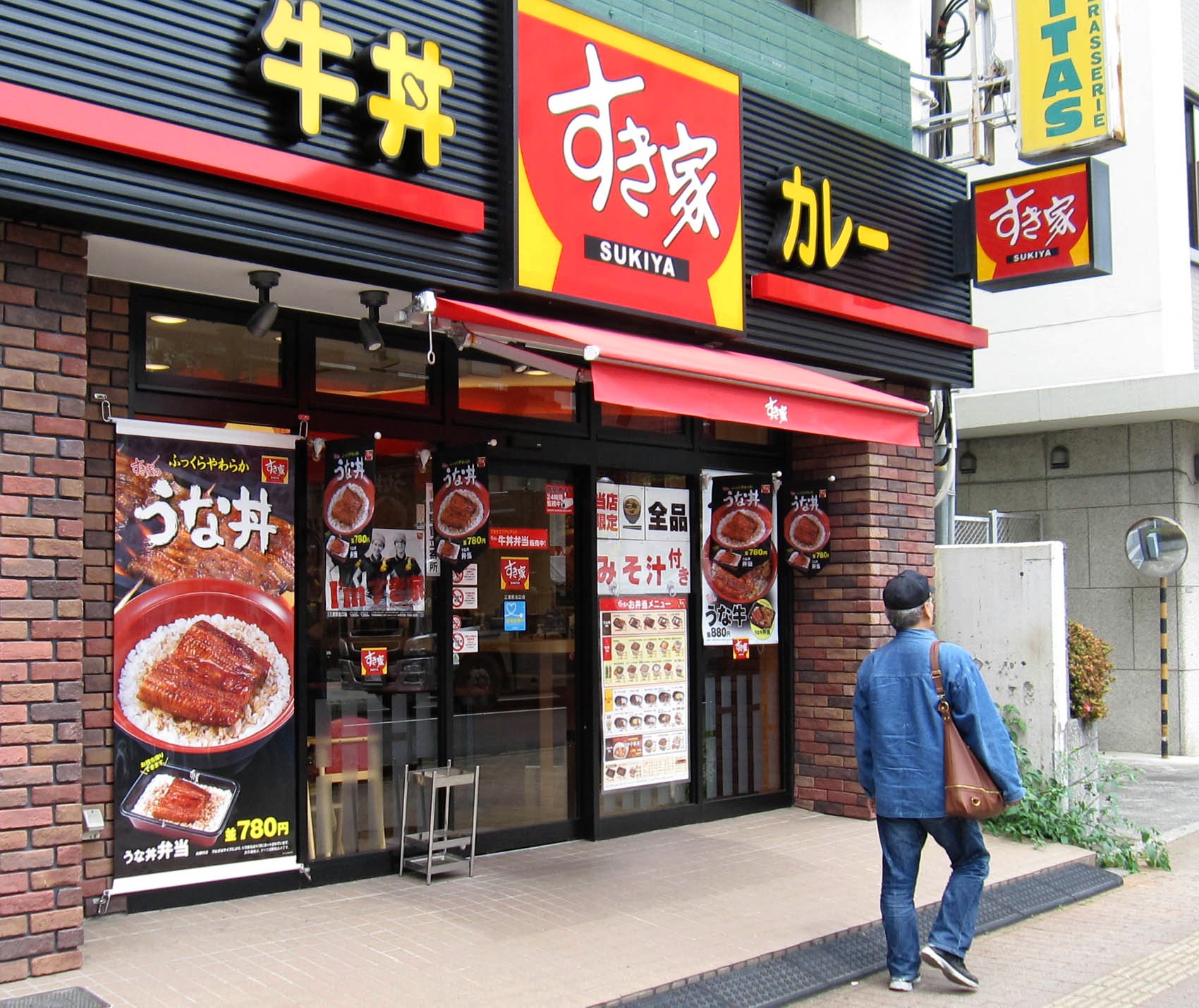
    Sukiya beef bowl chain’s operator, Zensho Holdings, is to acquire burger franchise Lotteria Japan from Lotte Holdings for an undisclosed sum.

    The deal is expected to be completed on April 1.

    Entering Japan in 1972 with the first store opened in Tokyo’s Nihonbashi, Lotteria had 358 stores across the country as of January 1.

    Zensho Holdings said it has decided to acquire the shares based on the judgment that the synergistic effect of its mass merchandising system and wide range of food business will contribute to the future expansion and development of Lotteria’s business.

    The deal is part of an operational restructuring by South Korea’s Lotte Holdings.

    “We believe this is the best option for Lotteria to pursue new growth,” Lotte Holdings said in an announcement.

    The company said the Lotteria brand will continue for a certain period after the transfer of the shares but the new owners may rename it in the future.

    As of March 31 2022, Zensho Holdings managed and developed 10,078 restaurants, with sales of about US$4.9 million. Its portfolio of brands includes Sukiya, Big Boy, Nakau, Victoria Station and Jolly Pasta. The company previously operated US burger chain Wendy’s restaurants’ in Japan.

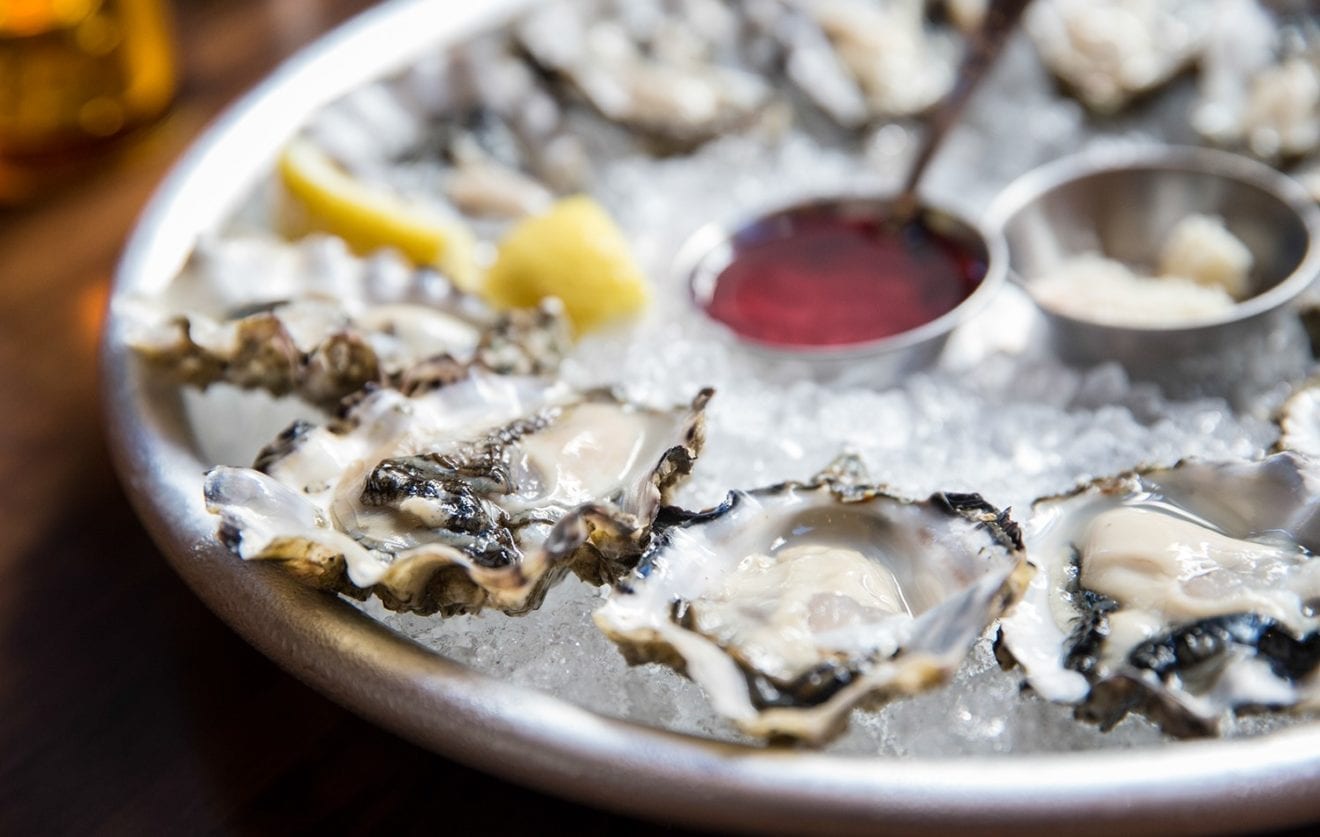
  • Japanese firm looks to raise export-quality oysters in Vietnam

    Japanese firm looks to raise export-quality oysters in Vietnam

    Japanese seafood producer Yamanaka wants to partner with Vietnam agencies to raise oysters locally for both domestic and international markets.

    A feasibility research conducted by Yamanaka in the central province of Khanh Hoa since June last year, with the support of the Japan International Cooperation Agency (JICA), found that raising oysters in Vietnam under two Japanese methods brought high yields as well as oysters of a quality high enough to be eaten raw.

    “With this project we hope to establish a foundation for raising oysters with natural disaster resistance to improve productivity and farmer incomes,” said Shinji Takada, CEO of Yamanaka.

    Yakamana sells Japanese oysters in 350 sales points in Vietnam, but the company is now seeking to grow the shellfish locally and sell them in Vietnam, Taiwan and Thailand.

    Vietnam has nearly 3,000 hectares for oyster farming. The shellfish is being raised in 20 out of 28 seaside localities, with Khanh Hoa and Quang Ninh leading in numbers, according to the International Collaborating Centre for Agriculture and Fisheries Sustainability (ICAFIS).

    A farmer in Khanh Hoa needs around VND45 million ($1,904.44) to invest in an oyster raft which would fetch him VND30-50 million worth of oysters in a season. Each household typically has three to five rafts. There are three seasons each year in Vietnam, ICAFIS said.

    However, the added value of oysters in Vietnam remains low and therefore only a small amount of them are exported. In Khanh Hoa 95% of oysters are used as lobster food, while 4% goes to domestic consumption and 1% are exported.

    Ho Chi Minh City oyster farms produce over 21,000 tonnes of oysters a year but mostly for domestic consumption. Only two companies, BIM Group and VINABS, export oysters regularly.

    “A challenge in the oyster farming industry is setting up a clean source of water,” said Dinh Xuan Lap, deputy director of ICAFIS. “In Vietnam there is lack of technology to ensure the quality of oysters and to help them cope with natural disasters.”

    The hanging method and Australian basket method have both proved to be suitable for producing export-standard oysters in Vietnam, Japanese researchers have found.

    “We plan to set up an oyster cleaning system for commercial use, hopefully this or next year,” said Takada.

    One important step is identifying which oyster breed to farm, as the popular breeds in Vietnam cannot be raised with the hanging method, said Nguyen Thanh Luan, a seafood farming expert.