Tag: Japan

  • Japan’s sushi-train restaurant chains eye overseas expansion

    Japan’s sushi-train restaurant chains eye overseas expansion

    The companies said Friday that sushi restaurant chains Akindo Sushiro Co. and Genki Sushi Co. are in merger talks to speed up the expansion of their overseas business.

    Akindo Sushiro operates Japan’s largest conveyor belt sushi chain with around 470 restaurants, most of them domestic. Genki Sushi, the No. 5 chain, runs more than half of its 300 or so restaurants abroad, including in the United States and China.

    By teaming up, they hope to cut down on costs and pool their resources to open more restaurants across the growing Asian market, especially as Japan’s graying population puts a damper on domestic sales.

    In preparation for the merger, Shinmei Co., the parent company of Genki Sushi and Japan’s largest rice wholesaler, plans to acquire a 32.72 percent stake in Sushiro Global Holdings Ltd., parent of Akindo Sushiro.

    While the merger details are still being worked out, combining the two businesses would give the new company a significant lead in revenue over its closest rival, Kura Corp.

  • Saigon Beer brewer sees revenue surge by a third

    Saigon Beer brewer sees revenue surge by a third

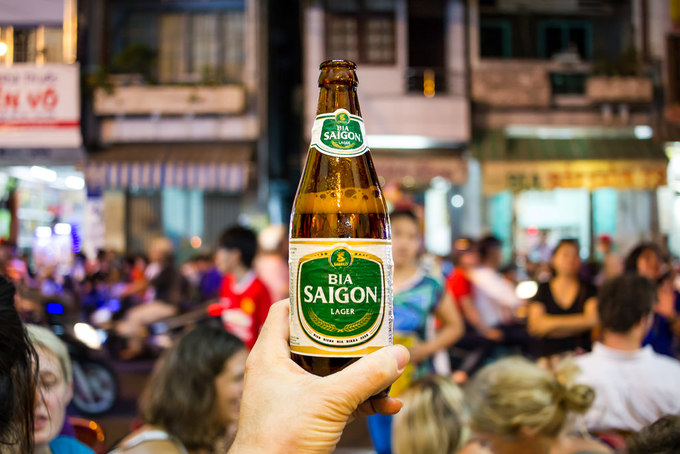
    Saigon Beer brewer Sabeco saw revenue jump 33% from 2021 to VND35.24 trillion ($1.5 billion) last year as consumption bounced back after two years of Covid-19.

    The brewer’s post-tax profit surged nearly 40% to VND5.5 trillion, the highest level since it was sold to ThaiBev in 2017.

    “The company has improved its production efficiency and implemented cost-saving measures to minimize the impact of higher input costs,” Sabeco said in a statement. “Many promotion and marketing campaigns also helped boost sales.”

    Before the pandemic, the company spent VND3 trillion on promotion and marketing last year, double that of 2019.

    Sabeco’s revenue last year was 8% shy of the 2019 level. However, its revenue quadrupled that of its major competitior in Vietnam, Habeco, which recorded a revenue of VND8.5 trillion.

    Thapana Sirivadhanabhakdi, CEO of ThaiBev, said last year that Sabeco was its “crown jewel” and rejected rumors that the Thai company would sell the brewer.

    Valued at $26 billion, Vietnam is the biggest beer market in Southeast Asia, and No. 3 in Asia behind China and Japan, according to 2021 figures.

  • Miniso Group reveals management changes

    Miniso Group reveals management changes

    Lifestyle retailer Miniso Group has unvieled a shift in the management board, with executive VP Steven Saiyin Zhang departing.

    According to Miniso, Zhang has resigned as CFO, executive VP, and executive director, effective immediately, for personal reasons and to spend more time with his family. Zhang will continue to work as a senior consultant for the firm.

    Following his resignation, the board will comprise five members: three independent non-executive directors and two executive directors.

    Miniso said it has also appointed Eason Jingjing Zhang, currently the company’s VP of capital markets, as its new CFO.

    “Steven has designed a detailed succession plan to transition his responsibilities to Eason, who has played a key role in driving Miniso’s success in various capital market transactions and several internal finance management projects, demonstrating a clear understanding of our business and establishing confidence in Miniso among the investor community,” said Guofu Ye, founder, chairman of the board and CEO of Miniso.

    Eason Zhang, who joined Miniso in January 2021 as director of capital markets, has been VP of capital markets since September, overseeing all capital markets matters for the company, including investor relations, strategic investment and acquisitions, corporate strategy, and treasury.

    Prior to that, he began his career in auditing at PricewaterhouseCoopers, after which he worked in different capacities mostly in capital markets in the US, Hong Kong, and China.

    Last year, Miniso strengthen its expansion strategy in Canada when reopened its Vaughan Mills store in the Greater Toronto Area and introduced its new “$2 Plus” concept to the market.

  • AirAsia X Resumes Flights Between KL and Osaka, Japan

    AirAsia X Resumes Flights Between KL and Osaka, Japan

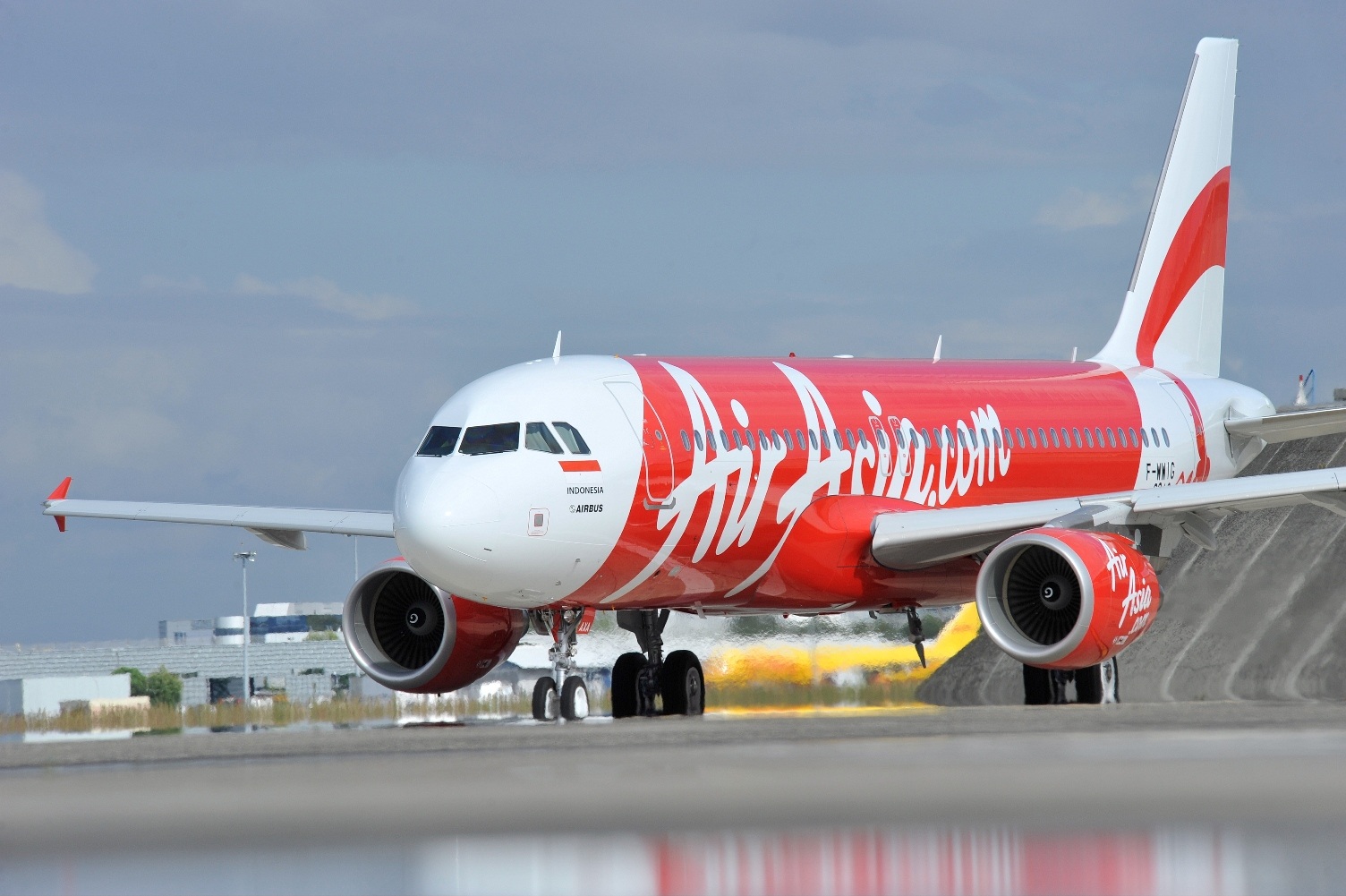
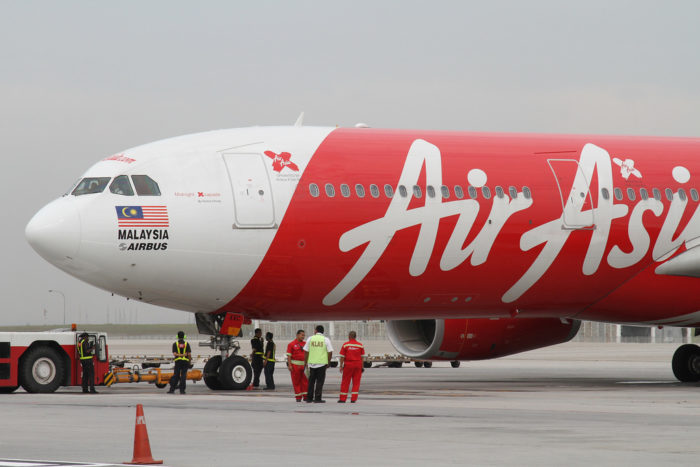
    AirAsia X (AAX) has resumed flights between Kuala Lumpur and Kansai Airport (KIX) in Osaka, Japan.

    The thrice weekly flights to Osaka are expected to carry more than 116,000 travelers between Malaysia and Japan monthly and deliver a welcome boost to both countries’ tourism and business sectors.

    “Following the resumption of services from Kuala Lumpur to Tokyo (Haneda) and Sapporo late last year, we have carried close to 30,000 guests between Malaysia and Japan post-pandemic,” said AirAsia X Malaysia CEO Benyamin Ismail. “We had a strong passenger load factor for our inaugural flight of more than 95% and we are confident that this route will be very well received despite the competitive landscape. As travel demand rebounds, we will continue to expand our services to exciting destinations in Asia from our regional hubs in Kuala Lumpur and Bangkok.”

    As a group, AAX flies to three destinations in Japan namely Tokyo, Osaka and Sapporo from Kuala Lumpur operated by AirAsia X Malaysia (D7) and from Bangkok (Suvarnabhumi) operated by AirAsia X Thailand (XJ).

    AirAsia X operates flights with Airbus A330 aircraft in a two-class configuration.

  • Japanese lender reduces stake in Eximbank

    Japanese lender reduces stake in Eximbank

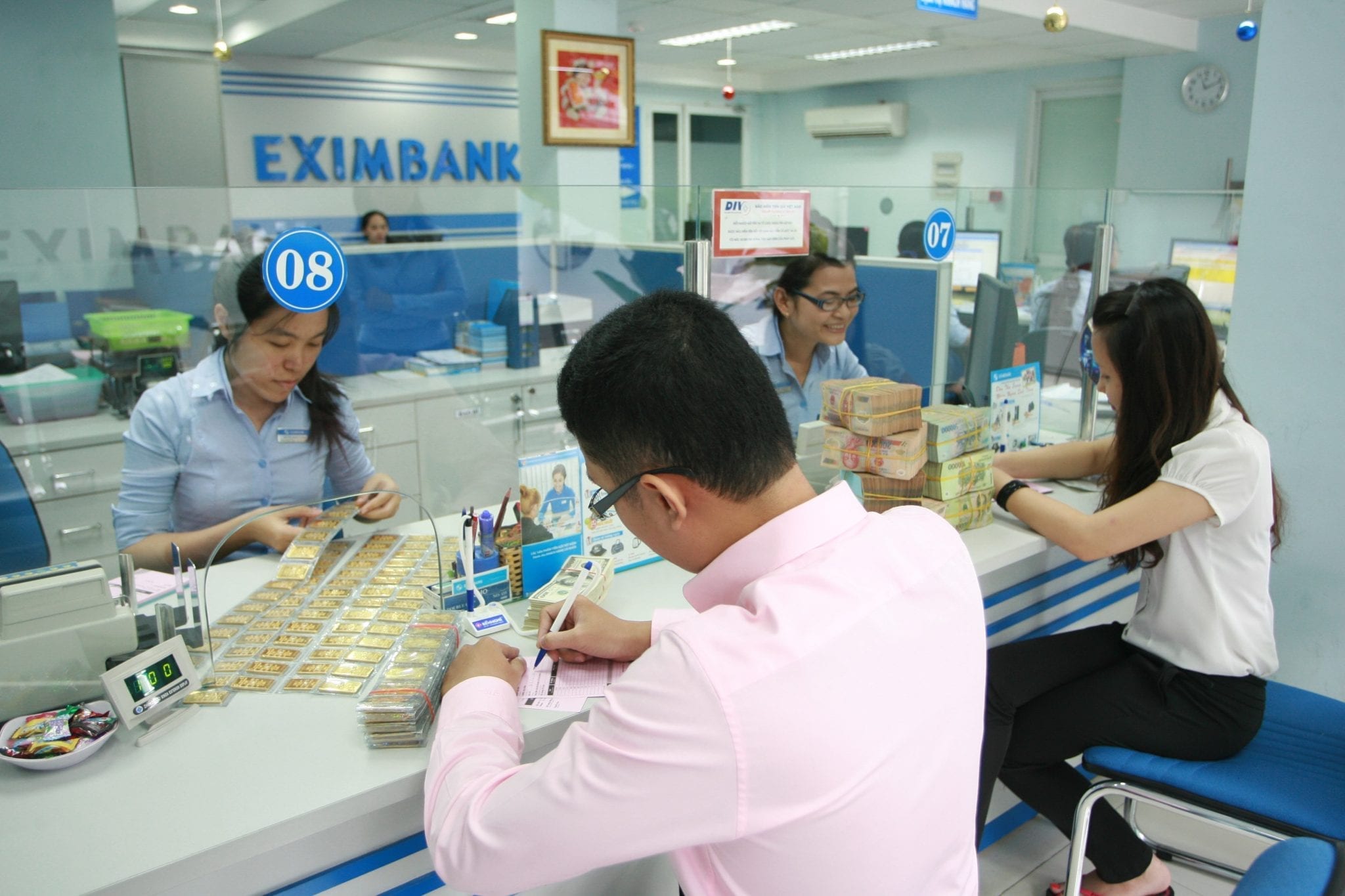
    Japanese giant Sumitomo Mitsui Banking Corporation has sold a 10.8% stake in Vietnam’s Eximbank, reducing its ownership to 4.27%.

    It sold 132.8 million EIB shares at VND27,750 ($1.18) on January 13, according to a release by the Vietnamese bank.

    The value of the deal is estimated at around VND3.4 trillion.

    SMBC became a strategic shareholder in Eximbank in 2007, but withdrew its representative in 2019 due to some disagreements.

    In February last year, Eximbank pulled the plug on its strategic partnership with SMBC.

    On Monday it attempted to organize an extraordinary shareholders meeting to appoint three new directors, but could not get the quorum of 65%.

    It is planning for another meeting on February 14.

  • Crypto Exchange Kraken Closes Japan Business

    Crypto Exchange Kraken Closes Japan Business

    The service shutdown in Japan follows in the wake of the collapse of FTX and adds more uncertainty to the global crypto market.

    Kraken, the US-based cryptocurrency exchange and bank, indicated that it is closing its exchange services in Japan.

    In a blogpost issued Wednesday in Japanese and English, the company said that current market conditions in the country combined with a weak crypto market globally were the main reasons for its decision. Given that, it was not in a position to justify the resources needed to grow the business.

    The company added that it would take steps to deregister itself from the Japan Financial Services Agency (JFSA) effective 31 January 2023.

    It also indicated that it is adhering to JFSA’s guidance and that clients will have time until the date of deregistration to withdraw fiat and crypto holdings from its platform.

    Clients can withdraw assets to an external wallet or liquidate their portfolios and transfer the remaining Japanese yen to a domestic bank account during that time.

    On the 9th of January, Kraken indicated that deposit functionality would be removed from accounts, although trading functionalities will remain. Withdrawal limits have also been removed to ensure that all assets can be transferred.

  • Chinese tea chain Mixue expands into South Korea and Japan

    Chinese tea chain Mixue expands into South Korea and Japan

    Mixue, a Chinese tea-based beverages brand that is set to list on the main board of the Shenzhen Stock Exchange, has recently entered the South Korean and Japanese markets.

    In the beginning of November, an account named “MIXUE.Japa” became active on Xiaohongshu, a lifestyle-sharing Chinese social media platform, where it released a brief opening notice and site selection of its first store in Japan. The location is Omotesandō, Tokyo, a business district as popular as Harajuku and Shibuya, focusing on high-end fashion and creative clothing.

    According to Chinese web users living in Omotesandō, this high-end location isn’t concentrated with Chinese people, and it seems to be inconsistent with the low-cost style of Mixue. However, MIXUE.Japan quickly said in the comment area that besides Tokyo, it will expand to Kyoto and other places in the future.

    The first store in South Korea of Mixue officially opened at the end of October. It is located near Chung-Ang University, where local students and Chinese students often gather. In the first three days of opening, attracted by free ice cream, the store was crowded with customers.

    Many Chinese students posted pictures of products from the store on social media. The types of drinks are basically the same as those in China, but the prices are slightly higher. Lemonade is around 8 yuan ($1.14), which is similar to the price of a bottle of water in Korea, and the most expensive drink costs less than 16 yuan. The store was opened by Chinese people, and most of the employees in the store are also Chinese, so ordering in Mandarin is possible.

    Another Chinese milk tea brand called Gongcha has opened over 700 stores in South Korea, with a price range between 23 yuan and 42 yuan. Other milk tea brands, such as COCO, Tiger Sugar and Guming, have also expanded their stores to South Korea, and their product prices are much higher than those in China.

    Entering the Japanese and South Korean markets for the first time, Mixue has experienced imperfections in its operations. Due to the long journey to purchase raw materials from China and inconvenient logistics, Mixue was often out of stock after opening, and a large number of packages in the stores are still in Chinese. MIXUE.Japan’s short promotional video was also criticized by social media users because the translation was not in place.

    Established in 1997, Mixue opened its first overseas store in Hanoi, Vietnam in 2018. By the end of March, 2022, Mixue had opened 249 stores in the country, with a total revenue of 9,290,400 yuan and a net profit of -322,000 yuan. The brand runs 317 stores in Indonesia, with an operating income of 25.4108 million yuan and a net profit of 2,235,500 yuan.

  • Japanese eyewear retailer Aigan to exit China

    Japanese eyewear retailer Aigan to exit China

    The company said that Japanese eyeglasses seller Aigan will leave the Chinese market as the impact of the coronavirus dims its hopes for turning a profit.

    Already weak earnings in China have been squeezed further by coronavirus-related disruptions that forced temporary store closures.

    The Osaka-based company’s Chinese arm has lost money for seven straight years since 2015.

    Aigan set up a China unit in 1994 and later expanded to six stores in Beijing and Tianjin, including franchisees.

    Also, on Monday, the company projected a group net loss of 425 million yen ($3 million) for the fiscal year ending March 2023 — wider than the previously forecast 315 million yen. It cited losses related to liquidating the Chinese unit, estimating them at 110 million yen.

  • Daiso eyes increasing its US store network more than 10 fold

    Daiso eyes increasing its US store network more than 10 fold

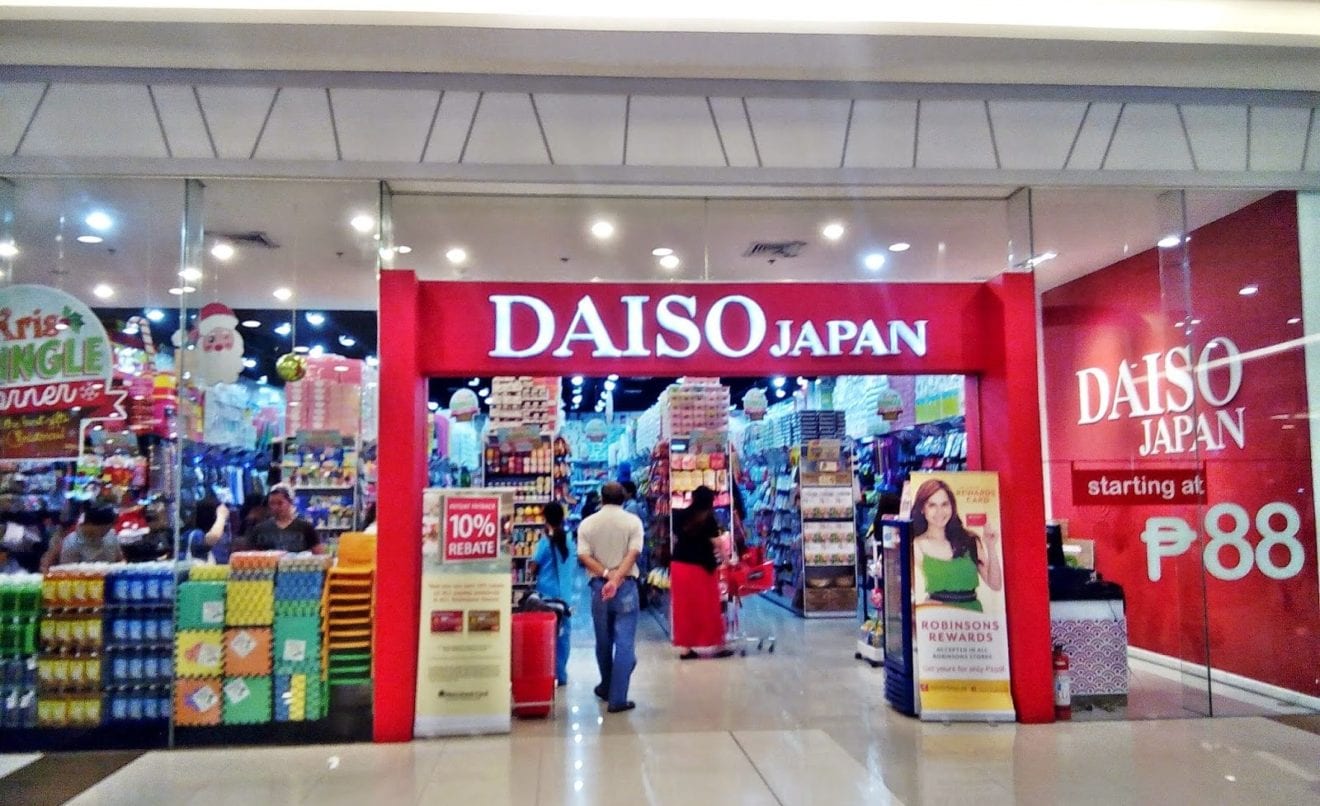
    Japanese ¥100 shop operator Daiso Industries aims to increase the number of its stores in the United States more than 10-fold in the long-term, as soaring inflation has spurred more American consumers to look for high-quality products on a budget.

    The value retailer, which has won over customers in Japan during the country’s decadeslong deflation, currently operates more than 80 U.S. stores in states such as California and Texas.

    The operator said it will add about 30 more outlets in the state of Arizona and elsewhere during the next fiscal year, with plans to eventually bring the total number of its U.S. stores to 1,000.

    “We think high-quality, single-price products will catch on overseas, too,” a Daiso official said. “We will aggressively go into new areas abroad.”

    Daiso’s plan comes as dollar shops become increasingly popular in the country where runaway inflation is shrinking disposable income.

    Amid such a trend, the Hiroshima Prefecture-based company in July opened an outlet in the Manhattan district of New York City, its first in the area.

    The operator aims to attract more American customers by launching new products at frequent intervals and increasing its selection of goods, it said.

    Since opening its first overseas store in Taiwan in 2001, Daiso has accelerated its overseas expansion as the retailer’s wide range of inexpensive products — from toys to kitchen utensils to hardware — gained popularity.

    As of February, it operated about 2,300 stores in 25 countries and regions outside of Japan. Most are located in Asia, with South Korea boasting more than 1,300 outlets.

    Daiso expanded its business in deflation-afflicted Japan as stagnant wage growth made its stores a go-to place for daily necessities for many.

  • Diesel Japan opens Ginza flagship

    Diesel Japan opens Ginza flagship

    Italian fashion retailer Diesel has launched its new flagship store in Japan, at Ginza Marronnier Gate 1, Tokyo.

    The shop, which features two floors, is designed by creative director Glenn Martins with red and white as the primary theme colors. Diesel says this renovation reflects a refreshed image and looks under Martins’s creative guidance.

    The first floor’s walls, which are red and white, reflect the brand’s red logo, and the store aims to create a spacious, airy feel by using metal racks that surround it. It also includes a big sofa, modern industrial modules, and resin shelves.

    On the other side, the basement floor also has red and white displays and walls, as well as cutting-edge architectural features. Customers can purchase an all-gender selection of denim, apparel, shoes, bags, and accessories from the Diesel Fall/Winter 2022 collection and runway looks. In addition, products from the Diesel Ginza limited and pre-sale collections are now accessible in the red look that debuted during the Diesel 22FW fashion show in Tokyo in June.

    Diesel has made Japan one of its main markets after spending more than 36 years there. The apparel company debuted its first Asia-sized flagship shop in Ginza in 2008 and its first large-scale global concept store in Tokyo’s Shibuya neighborhood in 2010.

    The brand is also growing in other markets like Singapore, Hong Kong, and Korea. In collaboration with RTG Consulting and Muse Group, Diesel launched China’s world’s first Diesel Hub last year. The 900sqm Hub combines dining and retail, with a restaurant named Diesel Brave Bar occupying nearly a fourth of the area.

  • Fashion label Lemonplet opens first flagship store in Japan

    Fashion label Lemonplet opens first flagship store in Japan

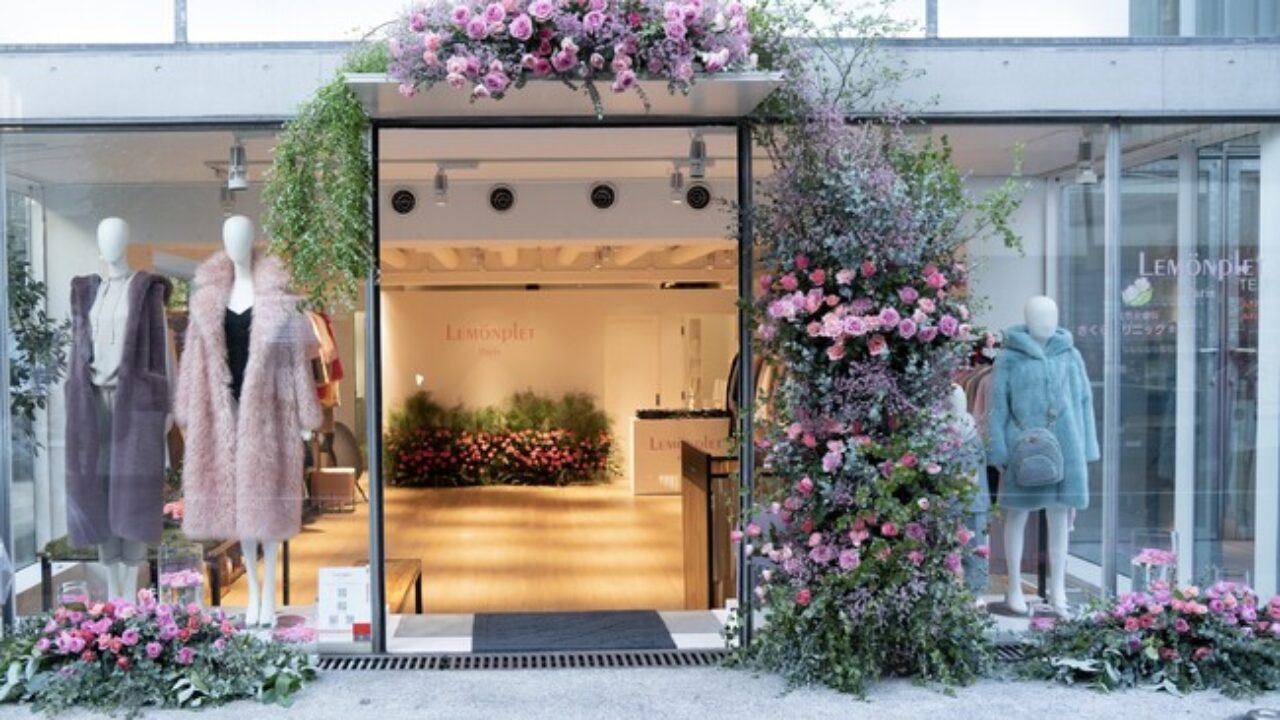
    Paris-based fashion brand Lemonplet has launched its first flagship location in Japan, as part of its Asia expansion plan.

    The store, in Omotesando, Tokyo, has a 92.56sqm retail space and is adorned with warm tones and flora throughout the space. There is also a flower gate at the entrance.

    Lemonplet is also sold in Japan at Isetan Mitsukoshi, Hankyu department stores, and Takashimaya.

    Customers can purchase the brand’s jackets and vests that use shaggy eco-fur, hooded maxi vests with smooth textures, short jackets and other items at the flagship store. Its products are priced from US$96 to $746 inclusive of tax.

    Lemonplet, launched in 2017 by Korean-French designer Choyo Joo, is known for its ‘eco-fur wear’, which includes garments, ready-to-wear lines, and accessory collections made from in-house designed eco-fur textiles.

    The fashion brand intends to expand globally. In addition to Japan, the label sells products in Korea’s Galleria, Shinsegae, and Hyundai department stores

  • AirAsia announces flight resumption to Japan and a new direct route from Penang to Bali

    AirAsia announces flight resumption to Japan and a new direct route from Penang to Bali

    AirAsia today announced the resumption and launch of flights to Japan, namely Tokyo, Sapporo (via AirAsia X) and Fukuoka. Moreover, the airline company also announced the launch of a new direct route from Penang to Bali.

    In a press release regarding its 5 million free seats sale today, AirAsia reminded consumers that there are only 2 days left for them to grab flight seats under the promotion. Launched on Monday (19 September 2022), the promotion has been super successful with over 500,000 seats being sold within just 48 hours, with the free seats meaning that consumers only have to pay for airport taxes and other applicable charges.

    For the resumption of flights to Japan, AirAsia elaborated that seats are now on sale following the recent announcement by the Japanese government to lift travel restrictions starting 11 October 2022. Accordingly, AirAsia is offering flights to Japan from RM599 for Economy and from RM2599 for Premium Flatbeds. Besides that, AirAsia X will also be resuming popular flights to Jeddah starting November 2022, starting from RM1799 for Economy and RM2999 for Premium Flatbeds.

    As for the new direct route from Penang to Bali, AirAsia is offering seats from RM159 for travel between 20 October 2022 to 25 March 2023. The seats are now on sale for the first time ever on the airasia Super App and AirAsia official website.

    For those that prefer to travel domestically, AirAsia also announced flights to local destinations start from RM23 inclusive of taxes and charges. For more information, do follow @flyairasia on Instagram/Facebook or @airasia on WeChat/Weibo for the latest updates. As always, make sure to stay tuned to TechNave for the latest trending tech news in Malaysia and beyond.

  • Yoshitsu opens physical store in Hong Kong

    Yoshitsu opens physical store in Hong Kong

    Yoshitsu, a retailer and wholesaler of Japanese beauty and health products, as well as sundry products and other products in Japan, today announced the grand opening of its physical retail store (the “Store”) in Hong Kong on August 30, 2022. The Store is located at No. 118, 1/F, Nina Tower 1, No. 8 Yeung Uk Road, Tsuen Wan, New Territories, Hong Kong, an iconic shopping destination. The opening hours are from 11 a.m. to 8 p.m. on Monday – Thursday, and 12 p.m. to 9 p.m. on Friday – Sunday.

    The opening of the Store is a part of the Company’s long-term expansion plan to expand its footprint in Hong Kong. The Store features an extensive product assortment, including cosmetics, skincare, fragrances, cosmetic applicators and body care products. Customers will not only have a large selection of exclusive Japanese brands, but also receive personalized beauty assistance with finding new and trending products.

    Mr. Mei Kanayama, the Principal Executive Officer of Yoshitsu Co., Ltd, commented, “We are thrilled to bring our new store closer to more of our customers in Hong Kong. Providing a remarkable customer experience is the top priority for our business, and we will try to bring the best shopping experience to every customer. To celebrate its grand opening, the new store in Hong Kong will offer 5% off from the opening day to September 15, 2022. We are planning to have two more new stores open in Hong Kong in the remainder of 2022 and are excited to bring the beauty experience we offer to more new customers. We believe that our expansion strategy is in line with our goal to increase market share and achieve long-term growth.”

  • Aeon to bring Japan’s Komeda’s Coffee to Hong Kong

    Aeon to bring Japan’s Komeda’s Coffee to Hong Kong

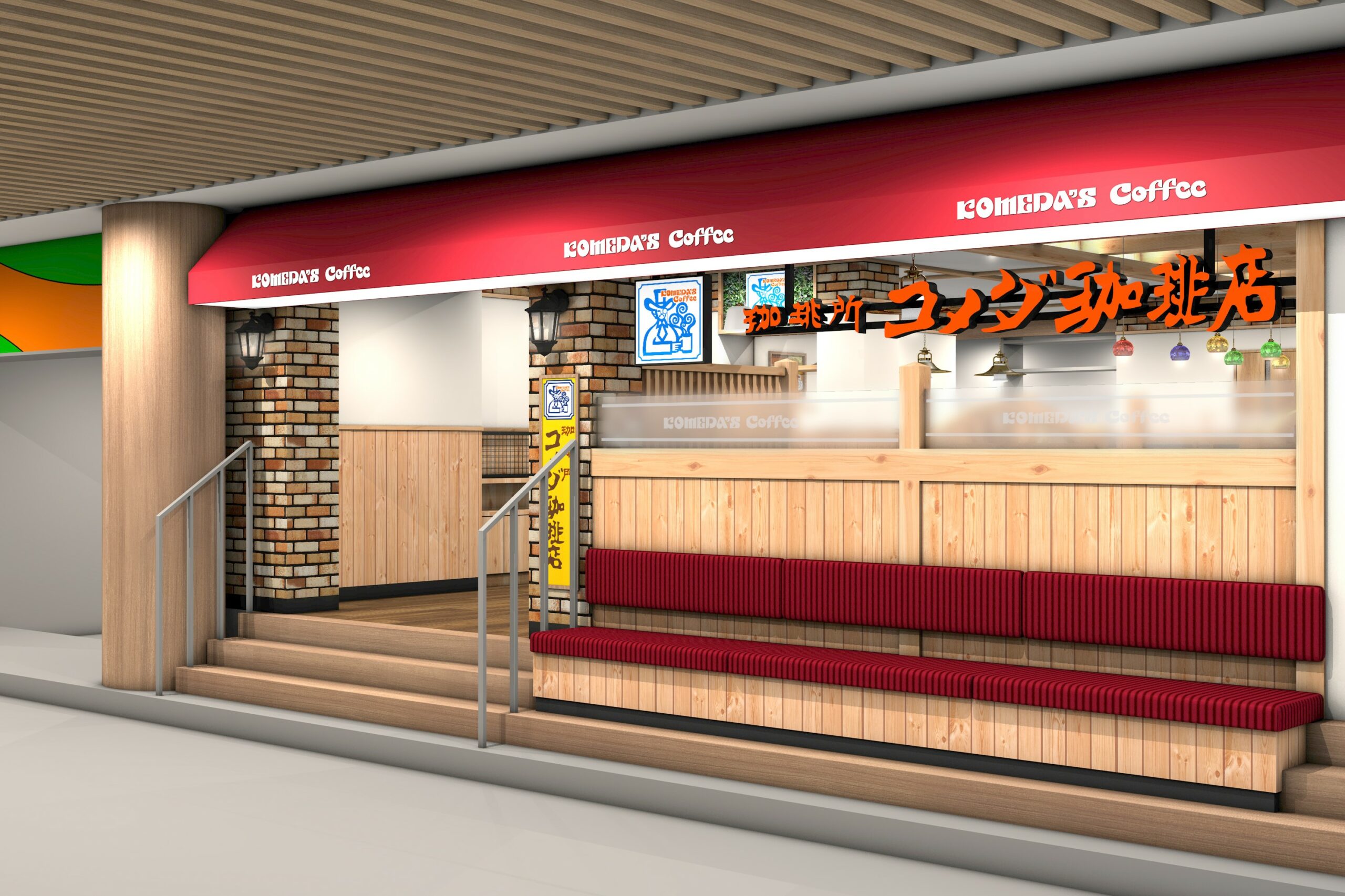
    Aeon Hong Kong is set to open the territory’s first Komeda’s Coffee store next month after securing the regional franchise rights to the Japanese cafe chain earlier this year.

    Aeon Hong Kong said the Komeda’s Coffee store will be situated inside Aeon Style Huangpu and adopt Japanese traditional architecture. Komeda’s Coffee was founded in 1968 in Nagoya, considered the home of Japan’s cafe culture. As of last May, the chain has 33 international stores across Taiwan and Shanghai.

    “This new strategic cooperation is the first time that Aeon Hong Kong has joined hands with a well-known Japanese coffee chain, which may accelerate Aeon Hong Kong in the format of restaurant chain stores,” said Isao Sugawara, MD of Aeon Hong Kong.

    Established in 1985, Aeon Hong Kong operates 10 general shopping department stores, two independent supermarkets, 43 independent Living Plaza by Aeon, 25 Daiso Japan, one Bento Express by Aeon and four independent stores in densely populated areas of Hong Kong.

    The group said will continue to further expand the network of small specialty stores and deepen the strategic cooperation with Daiso.

    The first half of the year saw a 4.2 per cent growth in the group’s Hong Kong business revenue, reaching US$300 million, despite the Covid-19 disruption. The loss from this business shrank to $9.7 million from more than $13.5 million the year before.

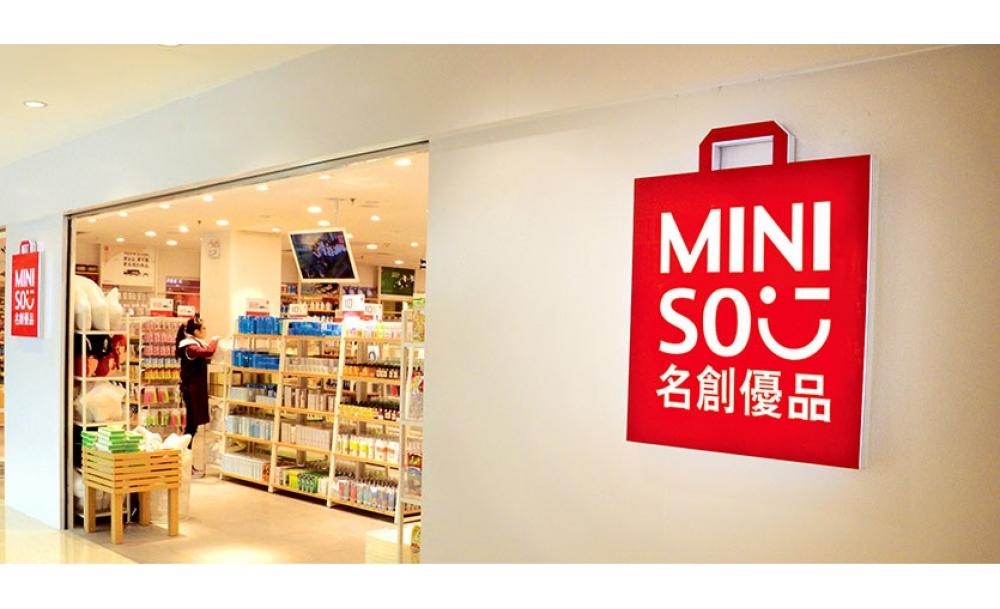
  • Chinese retailer Miniso to ditch Japanese styling after backlash

    Chinese retailer Miniso to ditch Japanese styling after backlash

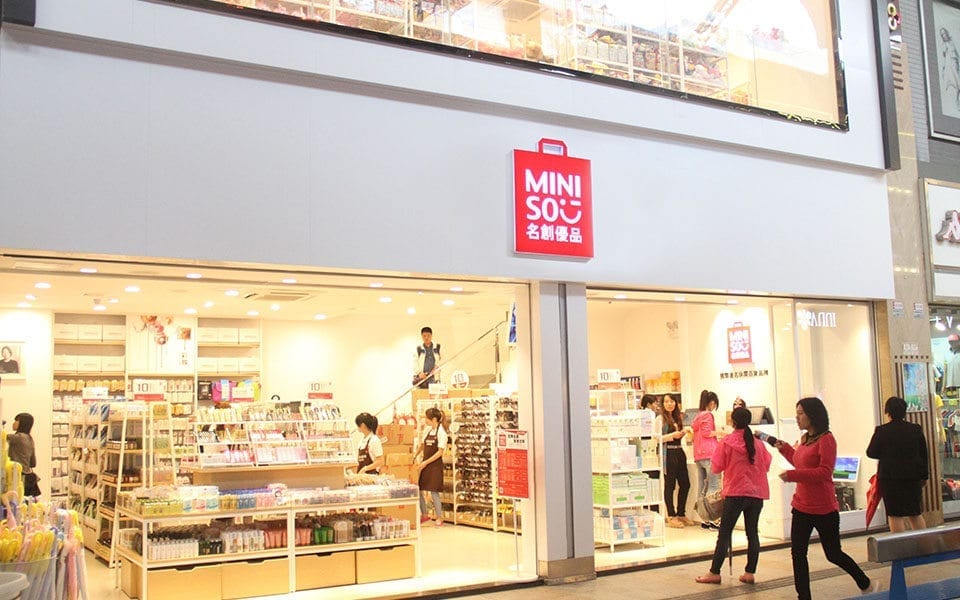
    Chinese budget retailer Miniso Group Holding Ltd. apologized for styling itself as a Japanese designer brand and said it would change its logo, amid a wave of local nationalism fueled by geopolitical tension over Taiwan.

    The Guangzhou-based company has long promoted itself as Japanese-influenced, with a Japanese chief designer and Japanese characters on its shopping bags and marketing language. This, it said in a statement on Miniso’s official Weibo account Thursday, was “wrong.”

    “We used wrong brand positioning and marketing campaigns during the early days,” the statement said. “We feel regret and guilt.”

    The seller of cheap household goods has been “removing” Japanese elements since 2019, including re-designing its logo and shopping bags to change Japanese characters to Mandarin ones in its more than 3,000 local outlets, said the statement. It will also more closely police overseas units.

    The pivot comes after Miniso became a target of nationalistic social media users due to an Instagram post by its Spanish unit in July that described a cheongsam-clad toy as a Japanese geisha. It apologized then as well, but pressure has grown as the China-Japan relationship deteriorated after U.S. House Speaker Nancy Pelosi’s controversial visit to Taiwan earlier this month.

    China called off a face-to-face meeting between Foreign Minister Wang Yi and his Japanese counterpart over a Group of Seven statement expressing concern about Beijing’s “threatening actions” around Taiwan during and after Pelosi’s visit.

    The Miniso pivot is another example of how consumer nationalism in China has become a minefield for brands to navigate, with companies ranging from Mercedez-Benz Group AG to Hennes & Mauritz AB. being boycotted for perceived slights in recent years. It also reflects how “foreign” elements have now become a liability in China, a sea change from several years ago when Miniso capitalized on the popularity of actual Japanese chains like Muji to lure local shoppers.

    Anti-Japanese sentiment is growing across the country. Local media reported that a young woman was detained and interrogated by police last week after wearing a kimono for a photo shoot in the eastern city of Suzhou.

    Officials in Tokyo have become increasingly outspoken about the importance of Taiwan’s national security to Japan’s own stability, a development that has sparked anger in China, which considers Taiwan part of its territory.