Tag: Japan

  • Hermes strengthens its presence in Japan with Azabudai Hills store

    Hermes strengthens its presence in Japan with Azabudai Hills store

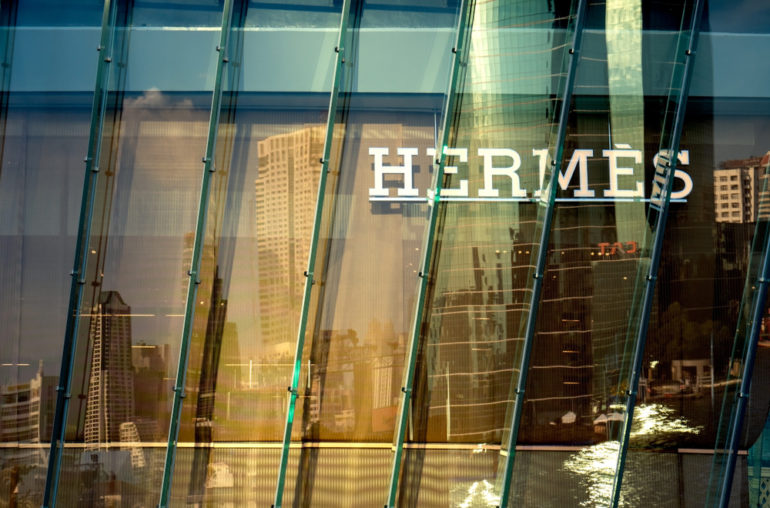
    Luxury fashion house Hermes has boosted its presence in Tokyo with a new stand-alone store in Azabudai Hills.

    The store is located in a two-story building surrounded by parklands, gardens, and city lodgings. The brand said the venue sparkles like a lantern at night, and its vibrant interiors can be seen from the park during the day.

    The space has a semi-transparent glass front covered in exquisite washi paper, which artists hand-treated to produce a flowing look that transitions from opaque to translucent. The paper is backed with a layer of brilliant panelling inspired by haku, a traditional gold-leaf technique.

    The first entrance leads to the men’s space with leather goods, jewellery and watches, and equestrian collections. The second area features women’s silk alongside perfume and jewellery.

    The grand floor has two fitting rooms and a private salon. Another private area upstairs leads out onto a fragrant rooftop garden covered with trees, evoking the ancient rooftop garden on Paris’s Faubourg Saint-Honouré.

    The store, designed by the Parisian architecture firm RDAI, combines nature with Japanese architectural traditions.

  • AirAsia flies to Okinawa

    AirAsia flies to Okinawa

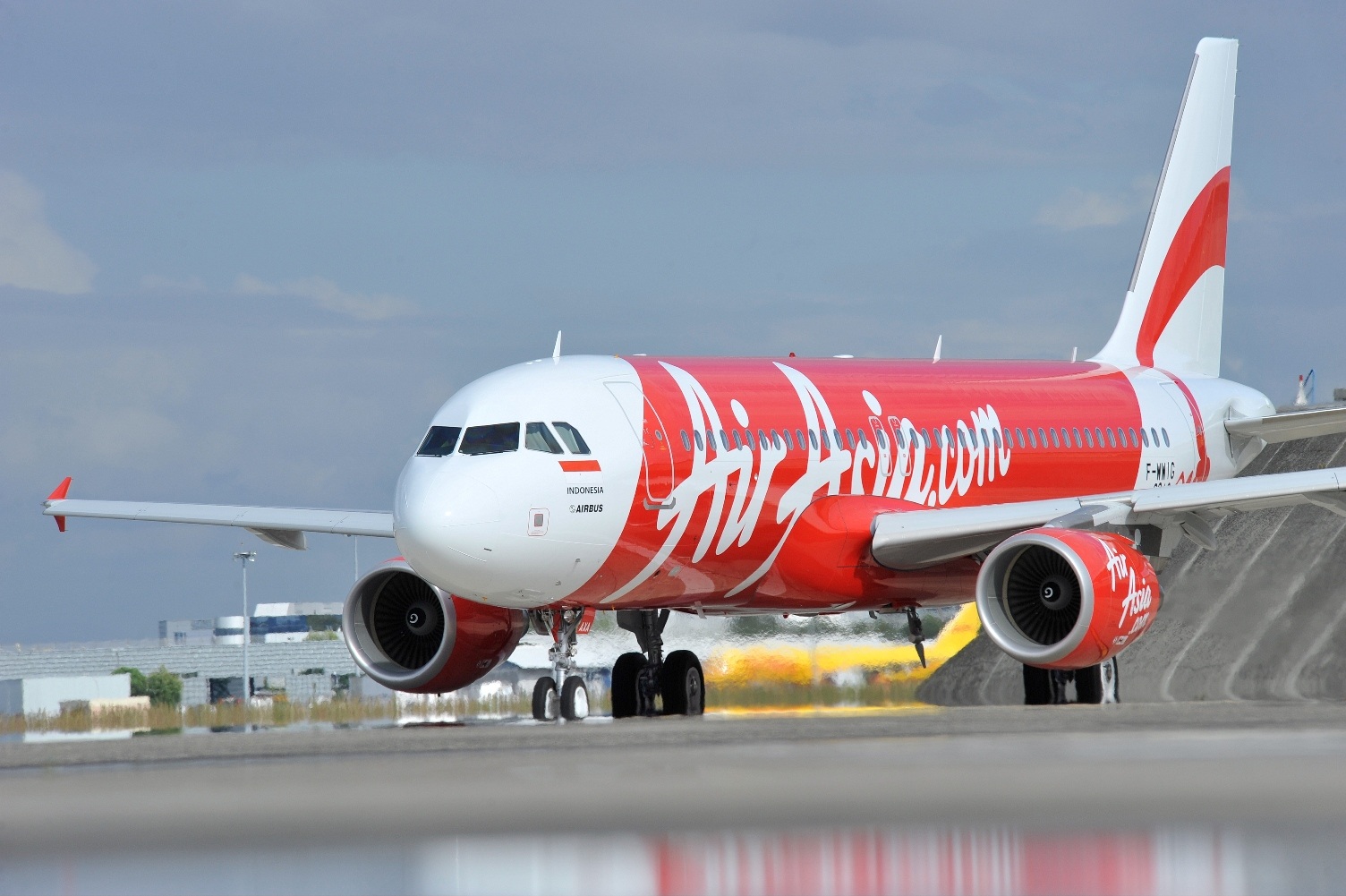
    AirAsia expands services to Japan from its Bangkok hub by introducing direct flights from Bangkok Don Mueang airport to Okinawa, a popular holiday destination in Japan’s south.

    Four weekly flights to Okinawa will start on 2 April 2024, with services scheduled on Tuesday, Thursday, Saturday and Sunday.

    Known as the “Hawaii of Japan,” it’s well known for the sightings of giant whale sharks, and foodies love its seafood cuisine. Fares are on sale starting at THB3,490 per trip for bookings through 21 February 2024 for travel from 2 April to 26 October 2024.

    AirAsia Thailand chief executive officer Santisuk Klongchaiya commented: “Based on  strong  demand, Thai AirAsia (FD) will now be flying direct to Okinawa in Japan for the very first time, marking the second route to Japan flown by Thai AirAsia after we re-introduced flights post-pandemic to Fukuoka in October 2022.”

    Okinawa is a major island in south Japan known for its white sand beaches, stunning sea, massive aquarium and unique culture. Home to various tourist destinations, the island also boasts one-of-a-kind Okinawan cuisine, making it an excellent choice for anyone looking for a new take on Japan.

    Thai AirAsia (FD) will operate two direct routes to Japan, Bangkok (Don Mueang) – Fukuoka with daily flights and Bangkok (Don Mueang) – Okinawa four times a week starting 2 April.

  • Uniqlo sues China rival Shein over viral bag copies

    Uniqlo sues China rival Shein over viral bag copies

    Japanese fashion giant Uniqlo said Tuesday that it is suing Chinese rival Shein over copycats of a massively popular crossbody pouch dubbed online the “Mary Poppins carryall.”

    Videos of fans praising its deceptively small size have gone viral on social media, with one clip on TikTok of a young woman unpacking numerous large items racking up more than a million views.

    The lawsuit filed in Japan against Shein Japan and two subsidiaries “demands the immediate cessation of sales of the imitation products, and compensation for damages incurred,” Uniqlo said in a statement.

    The nylon Round Mini Shoulder Bag, retailing for $19.90 in the United States, has reportedly become Uniqlo’s best-selling bag ever, repeatedly selling out.

    Shein, founded in 2008 in China and based in Singapore, has quickly conquered the global fast fashion market by catering to young customers through social media.

    Valued at $66 billion last year with revenues reportedly over $23 billion, the online retailer is eyeing a major initial public offering in New York potentially this year, the Wall Street Journal reported in November.

    The firm has been accused of exploiting unpaid labour, obscuring production processes and encouraging overconsumption as it faces the wrath of environmental and human rights activists.

    Last month, Chinese-owned online retailer Temu sued Shein in a US court, accusing it of “mafia-style” intimidation tactics to keep the upper hand in the local market.

    Shein Japan was not immediately available for comment on Tuesday.

  • Apple celebrates the New Year in Japan with free gift card promo and engraved AirTag trackers

    Apple celebrates the New Year in Japan with free gift card promo and engraved AirTag trackers

    Apple is currently running a gift card promotion in Japan while also offering a specially engraved AirTag that celebrates the upcoming Year of the Dragon. Celebrating the New Year is always a big deal in the country with businesses shutting down for a few days and some firms, like Apple, offering special promotions on their products. Like it did last year, Apple plans on rewarding purchasers of its devices in Japan with a free gift card. Last year, the value of the gift cards ranged between $30 and $240 depending on the item purchased.

    This year, the length of the New Year promotion in Japan is being doubled to four days from two days previously. The promo will be running in Japan from January 2, 2024, to January 5, 2024. The typical gift card is valued at 11,000 Yen and will be handed out to buyers of the latest third-generation iPhone SE, iPhone 13, and iPhone 14 models. Keep in mind that 11,000 Yen sounds like a huge chunk of cash but converts into $77 US only.

    The first 50,000 AirTag purchasers will get a special “Year of the Dragon” AirTag. If you want one, you’re going to have to visit an Apple Store since buyers using the Apple Store app will not be able to receive a “Year of the Dragon” AirTag item tracker. Last year’s AirTag deal delivered an engraved “Year of the Rabbit” item tracker for the first 30,000 units purchased.

    Apple used to have a cool promotion in Japan during this time of the year called “The Lucky Bag.” The company would stuff a few bags with products and slap a greatly discounted price tag on them. Consumers spent $300 for their bag and didn’t know which one of the four available they would receive. The value of these bags ranged from $640 to $1,280 in the 2015 promotion.

    That year each Lucky Bag had an Apple TV, a special New Year’s edition of the mophie powerstation, a pair of Beats PowerBeats2, an iTunes gift card valued at $8, and an Incase ICON Slim Pack backpack. The most desired bag also featured an 11-inch Apple MacBook Air and other accessories, including a limited edition Power Support Air Jacket. Another bag, believed to be worth $1,070, replaced the MacBook Air with a 16GB Apple iPad Air 2. Another bag worth approximately $814 had a 16GB Apple iPad mini 3 inside while the most widely received bag carried a 16GB Apple iPod touch inside.

  • Japan’s Nintendo store makes its debut in Hong Kong

    Japan’s Nintendo store makes its debut in Hong Kong

    Nintendo has made its solo store debut in Hong Kong just a month after stepping into Southeast Asia retail with a pop-up store in Singapore.

    The pop-up store is located at the K11 Art Mall and is open until January 28.

    The store will sell products based on the video games Super Mario, The Legend of Zelda, Splatoon, Animal Crossing, and Pikmin, as well as Nintendo Switch systems and game software.

    Elephant Mario and Pikmin – making their debut appearance at K11 Art Mall – will provide fans with photo opportunities, Super Mario Bros Wonder and limited-time Pikmin-themed decor. The venue will include trial zones for Super Mario Bros Wonder and Pikmin 4, allowing guests to immerse themselves in the world of the Nintendo Switch.

    Nintendo opened its online store in Hong Kong in 2019, allowing fans of the Japanese game platform to purchase software directly from the maker.

  • Yakult opens first coffee store in Japan

    Yakult opens first coffee store in Japan

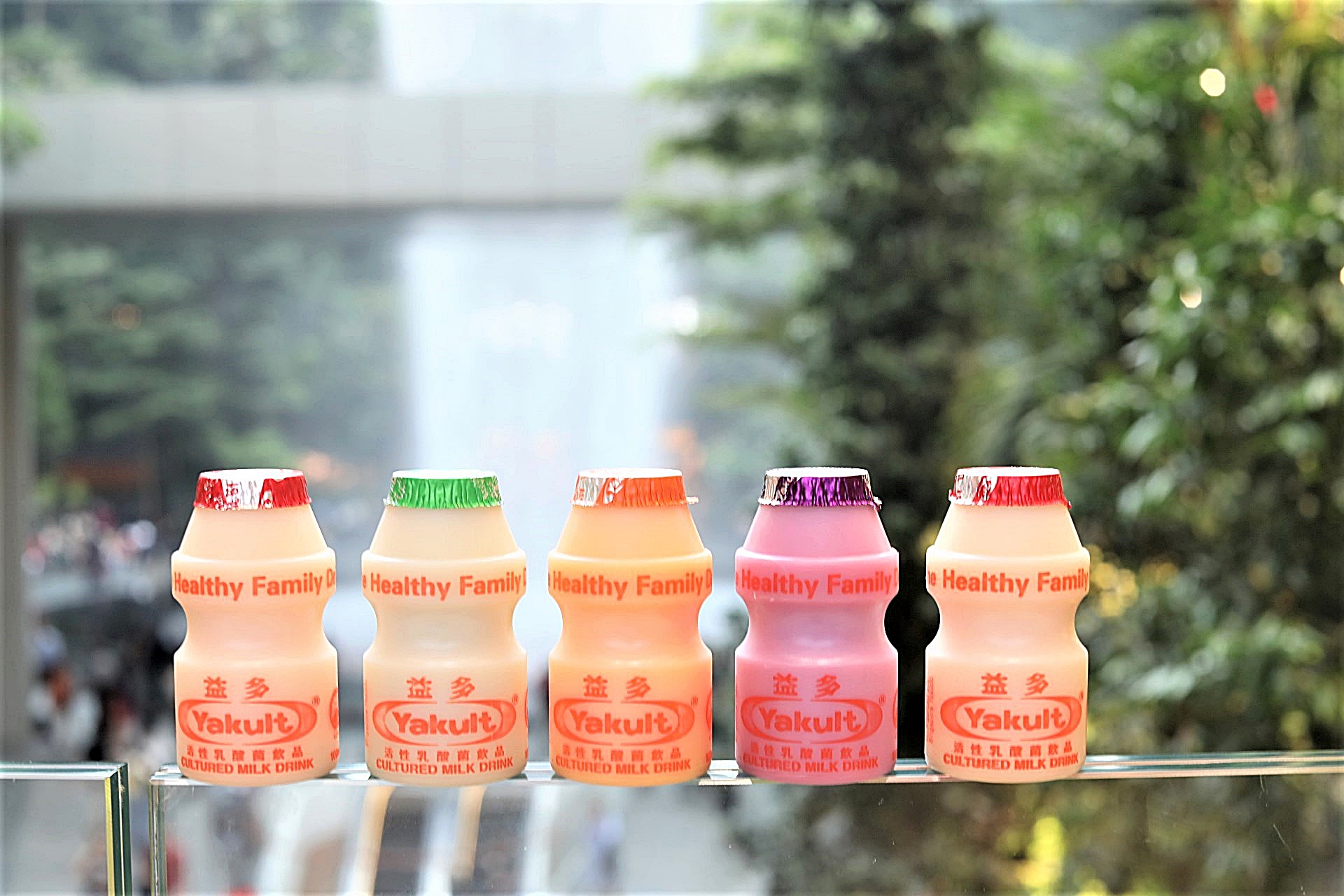
    Japanese probiotic beverage Yakult has opened its first coffee location in Japan’s Utsunomiya, which doubles as a service centre.

    The Yakult Gohonmaru Cafe & Gallery, which opened last month, has two levels and includes a beauty salon as well as a gallery.

    On the first floor, visitors can try Yakult ice cream, chiffon cakes, and tiramisu with Yakult cream. The upper floor features a beauty salon, which provides facials using cosmetics created from lactic acid bacteria.

    The location also contains spaces for Yakult products and a care centre for Yakult staff.

    The company also intends to open a second place.

  • Universal Music opens concept store in Japan for music ‘super-fans’

    Universal Music opens concept store in Japan for music ‘super-fans’

    Universal Music Japan (UMJ), a subsidiary of Universal Music Group (UMG), has opened a concept store to cater to music enthusiasts.

    The four-storey store in the centre of Tokyo’s hip contemporary fashion destination Harajuku, provides a platform for artists to express their creative ideas and share them with their audience through activity programs.

    The store also ranges the brand RS No.9, which gained extensive notice from fans of The Rolling Stones worldwide for its apparel, merchandise, and unique collaborations, both in-store and online, after launching in London in 2020.

    “ This store represents an exciting new venture for UMG, and celebrates the incredible impact and role, that fans play in supporting their favorite artists,” said Naoshi Fujikura, president, and CEO of Universal Music Japan.

    “In the coming months, the store will offer unique fan experiences for our artists, both domestic and international, creating new commercial opportunities for our artists and business.”

    The new store displays the Rolling Stones’ “Lips and Tongue” logo and a variety of products on display and for sale. The Rolling Stones’ first new studio album in 18 years, Hackney Diamonds, was released alongside the launch of RS No.9 Harajuku, which also sells exclusive original Japanese-only clothing and items.

  • Domino’s Pizza hits 1000 store milestone in Japan

    Domino’s Pizza hits 1000 store milestone in Japan

    Domino’s Pizza Enterprises (DPE) has reached a mega 1000 stores in Japan. This milestone makes the Japanese market the largest by store footprint for DPE. It is also the third largest Domino’s market outside of the US, after India and the UK.

    Domino’s entered the Japanese market in 1985 and DE bought a majority stake in 2013.

    Four years later the Aussie-based business acquired the remaining 25 percent.

    DE group CEO and managing director Don Mei reflected on the majority investment a decade ago.

    “We knew Japan was an opportunity like no other, but pizza purchasing behaviour was quite different to our other market.”

    Pizza was viewed as a premium, occasion product rather than an everyday purchase.

    “At the time, Domino’s only operated in 17 of Japan’s 47 prefectures and only 43 of its 259 stores were franchised. We could see we had extremely experienced operators, but without the means to grow,” Meij said.

    Today local franchisees own and operate more than half (626) of the stores. APAC CEO Josh Kilimnik said “We’re seeing more store managers wanting to franchise and more franchisees wanting to become multi-unit franchisees.”

    An official ribbon-cutting ceremony marked the milestone event. The opening of the 100th store at Koto Furuishiba in Tokyo was attended by Mei and Kilimnik, along with the CEO of Domino’s Pizza Japan Martin Steenks and Domino’s Pizza Japan founder Ernest M Higa.

    “Reaching 1,000 stores is a very significant milestone, not only for Japan, but for Domino’s globally,” Meij said.

    “The team in Japan are continually inspiring us all with what’s possible – whether it’s raising the bar in operational excellence or creating some of the most exciting menu innovations on the planet. They have become true world leaders.”

    Kilimnik, who served as Domino’s Japan CEO and president between 2018 and 2022, commented on the key drivers of the business.

    He pointed to a revitalised menu with premium pizzas alongside a value offer, the implementation of a dynamic online ordering system, and investment in people.

    Domino’s Japan CEO Martin Steenks said the goal is to be the number one pizza company across all of Japan’s 47 prefectures. Currently it has the biggest store count in 30 prefectures.

    Steenks said.”We are very confident we will be celebrating 2,000 stores in Japan within the next decade.”

  • Boucheron opens giant Ginza flagship store

    Boucheron opens giant Ginza flagship store

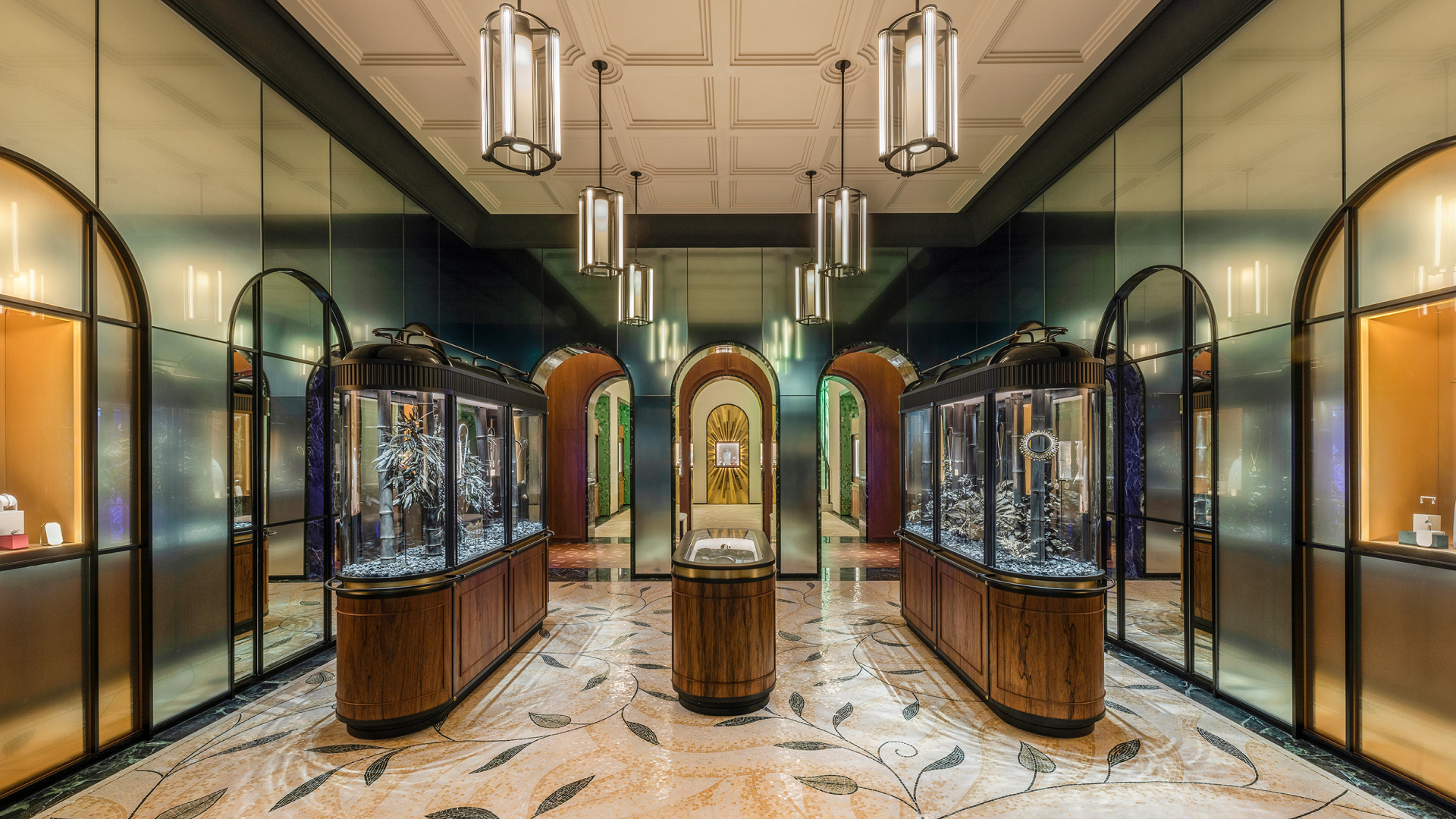
    Maison Boucheron has opened its second largest store in the world – in Tokyo’s Ginza shopping district – following on from the launch of the brand’s first in Paris, France.

    ‘From Paris to Tokyo: a cutting-edge and creative journey’ is the brand’s slogan for the new location. Spanning four floors, the store features more than 1000sqm and is designed as a combination of French and Japanese culture. This boutique is described as a bit of Paris in the heart of Japan’s metropolis.

    “Complementary to our strong existing network of 17 boutiques, the opening of our new Ginza flagship – the largest one after our historic boutique 26 Place Vendome – marks a major shift in our Japanese business,” said Helene Poulit-Duquesne, CEO de la Maison.

    “It will undeniably contribute to brand awareness and to the reputation of the Maison in Japan, which we have rigorously built over past years.”

    The architectural patterns of the Jardin d’Hiver are featured on the store facade. According to the brand, this facade is transparent throughout the day, revealing the four floors of the Ginza Boutique. By night, a larger-than-life forest is exhibited on the building’s face, changing by the hour and the four seasons.

    The maison has created an interactive experience called “The Wishing Tree” in conjunction with Random Studio. Every couple will have the option to write their wish in this forest dedicated to marriage, which will be turned into an animation of sounds and light by technology.

    Since 1973, The Maison has continued to strengthen its presence in Japan, with 17 stores in the country, including the new flagship store.

  • Bulgari opens concept store in Tokyo’s Omotesando

    Bulgari opens concept store in Tokyo’s Omotesando

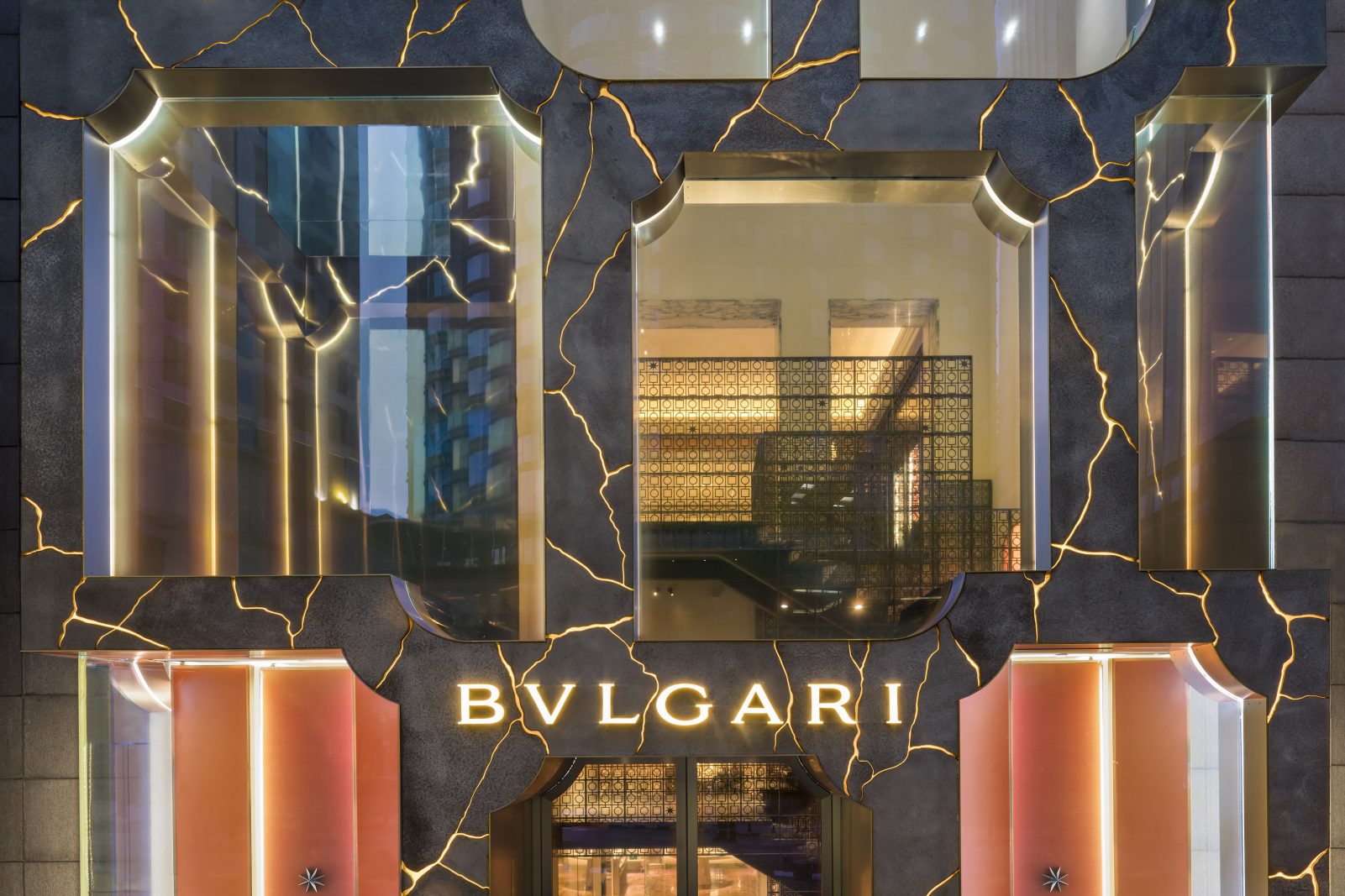
    Luxury jeweller Bulgari has opened its concept store on one of the most bustling shopping streets in Japan’s Tokyo, Omotesando.

    The store is inspired by Rome and has yellow as the dominant colour flowing throughout the store, seeking to deliver the sensation of a vacation to the Italian capital, with sunshine and great architecture.

    The store boasts a saffron-coloured facade with a variety of accessories such as necklaces, watches, and bags.

    Bulgari originally opened its doors in Japan more than 37 years ago, and in 2007, it opened its largest store in Tokyo’s famed Ginza retail district.

    The company now operates in major cities in Japan including Sapporo, Sendai, Tokyo, Yokohama, Chiba, Nagoya, Kyoto, Osaka, Kobe, Okayama, Hiroshima, Matsuyama, and Fukuoka.

  • Costa Coffee enters Japan with three stores planned to open

    Costa Coffee enters Japan with three stores planned to open

    UK coffee chain Costa Coffee has expanded its presence into Japan under a joint venture dubbed Sojitz Royal Cafe between Sojitz Corporation and Royal Holdings.

    The chain’s first location in Japan was launched in the Shibuya district, featuring the brand’s signature design that uses Costa Red and Costa Pink accents. The store opening will be followed by the brand’s second store in Otemachi in September and its flagship store’s launch in Ginza the following month.

    Sojitz Royal Cafe, established in January, acquired the exclusive franchise rights of Costa Coffee in Japan earlier this year.

    Founded in London by Italian brothers Sergio and Bruno Costa in 1971, Costa Coffee has more than 4000 stores across 45 countries.

    Further reading, Japan’s % Arabica set for franchised European expansion in next year.

  • 100 Tesla Model Y Cars Will Be Introduced in Japan Under Uber Premium Service

    100 Tesla Model Y Cars Will Be Introduced in Japan Under Uber Premium Service

    Uber Japan has announced a strategic partnership with local cab and hire car operator, Hinomaru Kotsu and Tesla Japan to introduce 100 Tesla Model Y vehicles into their Uber Premium fleet.

    As part of the initiative, 30 Tesla Model Y vehicles will be deployed in November 2023 at Hinomaru Kotsu’s offices in Setagaya, Edogawa, and Adachi. The fleet will subsequently expand to include affiliated companies of Hinomaru Automobile’s wireless group, bringing the total number of Model Y vehicles to 100 by the end of 2024. These vehicles will be exclusively available under Uber Premium, and a dedicated menu on the Uber app will enable users to request rides in the Tesla Model Y.

    Uber chose Tesla’s Model Y because of its cruising range, driving performance, serene quietness, and premium interior and exterior, making it an ideal choice for discerning passengers seeking an elevated travel experience.

    Furthermore, to address the concerns of charging infrastructure for long-distance taxi operations, Hinomaru Kotsu plans to implement Tesla charging solutions at their Adachi and Setagaya offices from November 2023.

    Shiro Yamanaka, General Manager Mobility Business, Uber Japan Co., Ltd. said, “I am very pleased to be able to work with Hinomaru Kotsu and Tesla Japan to promote zero-emission vehicles. Uber Premium is a service that allows you to easily and reasonably call a luxury vehicle using the Uber app. It has been very well received in the deployment area. We expect that the demand for Uber Premium will increase further with the introduction of the Tesla Model Y, which is popular as a luxury vehicle, as a dedicated vehicle.”

    Kazutaka Tomita, Representative Director of Hinomaru Kotsu Co., Ltd. said,  “We are very proud to be able to play a role in promoting the introduction of zero-emission vehicles in the taxi and hire industry together with Uber Japan and Tesla Japan. We promise to deliver safe and secure transportation to our customers with a diverse lineup of vehicles that meet the needs of our customers.”

    Ryokusai Inoue, Country Manager, Tesla Motors Japan LLC, said, “We are also focusing on the taxi and hire business, mainly in North America, and we are very pleased to be able to realize an initiative of 100 units in Japan as well. We believe that business owners will also benefit greatly from this, and we will continue to have everyone experience the appeal of Tesla and expand it widely throughout Japan, regardless of whether it is a corporation or an individual.”

  • Singapore, Japan to collaborate on green air lanes

    Singapore, Japan to collaborate on green air lanes

    A recent dialogue saw a mutual agreement between Singapore and Japan’s aviation authorities to work together towards initiating greener air lanes between the two countries.

    At the 2nd Singapore-Japan Dialogue on Aviation Collaboration, the Civil Aviation Authority of Singapore (CAAS) and the Japan Civil Aviation Bureau (JCAB) shared the same view that the concept of an ‘aviation green lane’ should encompass airline operations, airport processes and air traffic management (ATM).

    The two are planning green ATM measures on all flights between Singapore and Tokyo, which will save fuel, cut carbon emissions, and reduce flight times. This follows a successful one-month trial in June 2023 whereby CAAS and JCAB implemented green ATM for one daily passenger service.

    Another initiative proposed for greener air traffic management is expanding the multi-regional trajectory-based operations (TBO) project to more air navigation service providers (ANSPs). Last month, ANSPs of Singapore, Japan, Thailand, the United States and Boeing saw the first successful multi-regional TBO demonstration flight, part of a 3-year collaboration to advance the concept and bring about significant benefits for airspace users, including greater flight efficiencies and reductions in carbon emissions.

    CAAS said these ATM concepts would complement the current push for SAF, which it considers he key element to achieve carbon neutrality for aviation, but the two warned that there would have to be sufficient supply and competitive pricing in the Asia Pacific region.

    Mr Han Kok Juan, Director-General of the CAAS, explained that the collaboration on green ATM establishes tangible measures that can be immediately implemented and translate to immediate fuel and carbon emission savings.

    “These measures can be scaled up to cover more flights and serve as a pathfinder for wider adoption by more countries. With the successful conclusion of the green ATM trial and the extension of green ATM measures to all flights between Singapore and Tokyo, Singapore and Japan show that green ATM can complement sustainable aviation fuel as a key feature of an aviation green lane.”

    On other important areas, the two civil aviation authorities will share best practices on fostering a positive safety culture and leveraging technology to overcome manpower shortage and raise productivity.

    The two have also agreed on the necessity to resume flights and city links to meet strong demand with plans to restore direct flights between Singapore and Okinawa from November 2023.

    The two sides first signed a strategic framework agreement in December 2022 to advance their civil aviation collaboration. As of July 2023, the number of weekly flights between Singapore and Japan has recovered to over 65 percent of pre-Covid level in 2019, with 122 weekly passenger services operated by six air carriers on city links to Tokyo, Osaka, Nagoya, Fukuoka and Sapporo.

  • % Arabica returns to the Philippines

    % Arabica returns to the Philippines

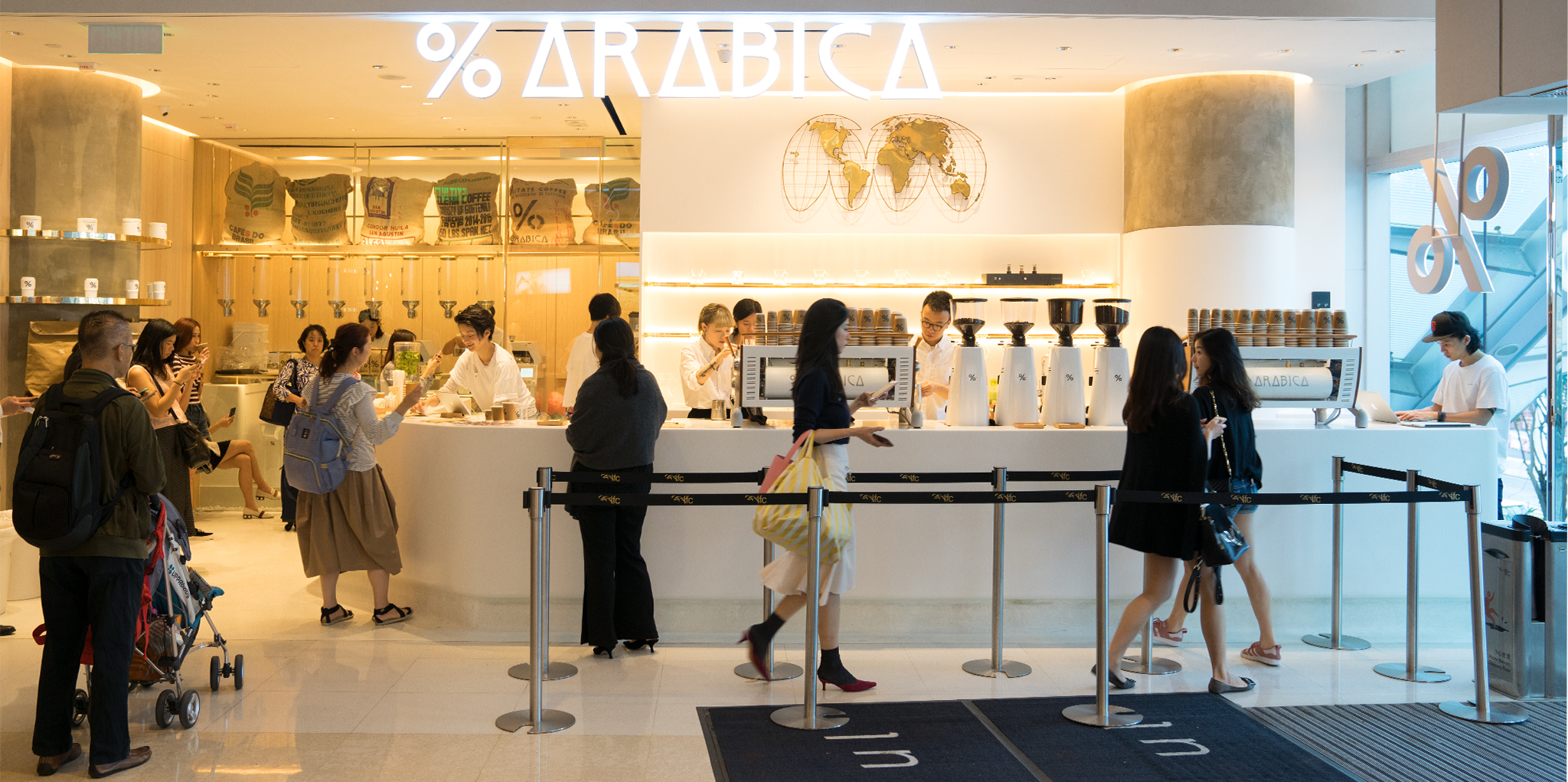
    Arabica PH returns! The Japanese coffee shop has announced that it will be back in the Philippines this year with upcoming new branches in Bonifacio Global City (BGC), Taguig City.

    In a Thursday, January 5 Instagram post, Arabica Journal – the global account of the brand – posted rendered layout images of the two new Philippine stores as a “sneak preview,” showing minimalist, modern interiors and the brand’s iconic percentage symbol logo.

    “Manila, we will restart our project this year with these stores. We cannot wait to serve our coffee from the world to you once again,” they said.

    Arabica PH reposted the images on Friday, January 6, with the caption: “MABUHAY PILIPINAS! We are coming back bigger and better!” The branches’ opening dates and exact locations have yet to be confirmed.

    The Philippine return of the independent coffee brand from Kyoto has been met with excitement from the brand’s former patrons, especially after three of Arabica PH’s branches suddenly closed with no warning in late January 2021. Even the brand’s Instagram page was suddenly no longer available, much to customers’ confusion and concern.

    A day later, it was announced that Arabica’s franchise period and contract with its Philippine partner had already ended, and a new partner would soon be in the picture. Before this, the Arabica Headquarters had already been experiencing “communication issues” with the Philippine franchise partners. On February 2, Arabica PH was back online once again, with a new Instagram account to boot.

    Arabica PH said then that expansion plans were already being discussed with new franchise partners, and the plans were not limited to just Metro Manila but would also include other Philippine regions.

    Arabica PH opened its first branch in Bonifacio Global City in Taguig City in 2018, followed by a second BGC branch and another at The Podium in Mandaluyong City. The brand currently has 140 stores worldwide, and advocates a “simple love for coffee and design.”

    Arabica PH’s former partners since 2017, mother-daughter duo Allue and Dr. San San Hortaleza, built a new “proudly Filipino” coffee brand called Angkan Coffee, which has branches in BGC, The Podium, and a soon-to-open one in Capitol Commons.

  • Australia, Germany replace Japan as Vietnamese’s labor hot spot

    Australia, Germany replace Japan as Vietnamese’s labor hot spot

    Tu worked in Japan for two years but left when the devaluing yen lowered the value of his savings, which he intended to use back home in Vietnam

    He eventually set his eyes on Germany.

    The reasons were quite simple: Germany was experiencing a lack of labor resources and was employing measures to attract more foreign workers, including more open visa policies and attractive salaries.

    As Germany’s labor minister Hubertus Heil said earlier this year, the country would lack around 7 million workers by 2035 “if we don’t do something.”

    So Tu was there ready to answer the call. “This time I want to challenge myself in Europe,” he said.

    The 30-year-old man was one of many Vietnamese workers who left Japan after finding their earnings there not attractive anymore. It was essentially a double consequence of the dropping value of the yen and rising inflation.

    Inflation in Japan hit a 40-year-high last October, and consequently, the price of everything from fuel to food rose, and many people could not afford essentials in their daily lives, reported Reuters.

    But rarely are workers who’ve returned home from Japan satisfied with their earnings in Vietnam either. Instead, they are now often opting to relocate to Europe or Australia, which are both taking bold government steps to compensate for their lack of workers

    Tu didn’t allow any delays in his plan. He started learning German as soon as he returned to Vietnam from Japan.

    He spent around eight hours a day studying the language and managed to acquire a German B1 certificate, then a German training visa, which allowed him to enroll in a three-year vocational training course in the country, as well as be eligible to stay for another two years after his course completion.

    He relocated and became one among about 1.25 million foreigners with such a visa in Germany, according to data provided by the German Federal Statistical Office.

    According to him, the agency he hired to assist him in his visa application procedure told him that they had assisted 100 Vietnamese people relocate to Germany this year, an increase from only around 20 last year.

    After working in Germany for a while, Tu said that it wasn’t only the financial earnings, but also the benefits offered to migrant workers that are more attractive in Germany compared to Japan.

    “I had to work between 11 and 12 hours a day when I was in Japan, compared to only eight hours a day, five days a week here,” he explained, adding that he could arrange his schedule and work in other restaurants during his days off to make extra money.

    Similar to Germany, Australia is a destination that many Vietnamese workers are interested in. Businesses in Australia are receiving hundreds of applications from Vietnam and other Asian countries a day.

    Duy Nam, a manager at a meat processing company in the Australian town of Broome, said he received hundreds of emails and text messages a day asking about the Australian visa application procedure. His own younger brother was contemplating immigrating to Australia as a migrant worker as well.

    He attributed the growing popularity of Australia among Vietnamese workers to the shortage of domestic workers, which was partly caused by the country’s lockdown during the peak of the pandemic.

    Now that the pandemic is under control, the Australian government is doing its best to attract foreign workers. It now grants the subclass 462 visa (also known as the Work and Holiday visa), which allows its holders to work during their stay in Australia, to up to 1,500 people a year. And the visa application procedure has shortened from a year to a couple of months or even weeks.

    Lightening immigration policies is not the only recent boon for migrant workers in Australia. Workers’ average hourly rate in Australia was A$27 (around $19) before the lockdown, but rose to A$55 during the peak of the pandemic. Because of that, earning an attractive income of as much as A$10,000 a month became possible for Vietnamese migrant workers.

    Compared to that, Vietnamese workers in Japan can only save “between VND12-16 million (around $507-$677) a month, compared to VND20-25 million before,” said Tien Thanh, 24, initially planned to migrate to Japan and work as an electrical appliances technician, but was discouraged by his friends.

    He then changed his mind and moved to Australia, which took him six months and four failed attempts to finally do.

    After reaching the country, he started looking for jobs with the help of social media, and was offered work on a farm in northern Australia a week after arriving in the country.

    “There are a total of around 200 people working in my farm, of which as many as 47 are Vietnamese.”

    Thanh is satisfied with his current monthly income in Australia. He earned the equivalent of VND24 million his first month, but after getting more familiar with the work, now he can earn more and save around VND70 million a month.

    Based on his calculations, he’ll be able to pay back the VND300 million his family borrowed to help send him to Australia, in half a year, and then save enough money to get his own house in Vietnam after three years.

    As attractive as the idea of working in Australia and European countries is, both Tu and Thanh warned those who are interested in it about the risk of being scammed.

    “I know this guy from Ha Tinh province who sold his house for $30,000 to pay an agent,” Thanh said. “Only after arriving here did he know he had only obtained a travel visa, and was not eligible to work.”

    Tu added that the German visa application procedure consists of many phases and requires a lot of documents, so applicants should be cautious if agencies they work with treat it lightly.

    “There are agencies that send people to remote areas without helping them find jobs, so you should be careful,” he said.

    Still, those who managed to leave Japan and come to countries that offer more competitive rewards seem optimistic about their future.

    “Even if I don’t get a permanent residence, I can still come back to Vietnam and work well with the experience and knowledge I gained here [in Germany],” Tu said.