Tag: Japan

  • Uniqlo plans five more stores in Singapore

    Uniqlo plans five more stores in Singapore

    Apparel retailer Uniqlo says it will open another five stores in Singapore, taking its network there to 31 stores.

    The first neighbourhood store will open at Ang Mo Kio and Clementi in the first quarter of this year. Uniqlo says the 1297sqm store will be a testbed for inclusive in-store features such as a wheelchair-friendly fitting room, community partnership projects, and sustainability initiatives.

    The locations of the other four new stores have yet to be confirmed.

    Yuki Yamada, CEO at Uniqlo Singapore and Malaysia, said: “To complement our existing network of mall-based outlets, the new store at Ang Mo Kia 51 will bring LifeWear essentials closer home to the heartlanders to enjoy shopping convenience.

    “As a global retailer, we are in a unique position to use our business to benefit the community around us by offering greater inclusivity and contributing meaningfully to a more sustainable society,” she added.

    The brand works with special education schools and social service organisations to provide an assisted shopping experience to customers with special needs in their preferred time slots which must be booked in advance.

    The company has also launched Uniqlo Repair Studio in store, the first permanent offering in Asia to extend the life of Uniqlo’s clothing. Trained staff at the site will repair and alter damaged clothing.

  • Japan brewer Kirin to exit Myanmar

    Japan brewer Kirin to exit Myanmar

    Japanese drinks giant Kirin said Monday (Feb 14) it will withdraw from Myanmar, after a failed bid to disentangle its operations from a joint venture with a junta-owned company after last year’s coup.

    The brewery is the latest foreign company to pull out of Myanmar with international pressure building against the junta since it ousted civilian leader Aung San Suu Kyi and waged a widespread crackdown on dissent.

    Kirin said its decision comes after months of wrangling following the coup last February, which prompted the company to express concerns about human rights and eventually seek to end its joint venture Myanmar Brewery Limited.

    Kirin has decided “to withdraw from the business in Myanmar in order to urgently terminate its joint venture partnership” with military-linked MEHPCL, the company said in a statement.

    Myanmar Brewery, whose beverages include its flagship and ubiquitous Myanmar Beer brand, boasted a market share of nearly 80 per cent, according to figures published by Kirin in 2018.

    Kirin’s attempts to terminate the partnership with MEHPCL were unsuccessful, and the Japanese drinks maker said in November that it would contest a bid to dissolve their joint brewery over fears liquidation proceedings would not be fair.

    On Monday, Kirin said it had taken “every measure to find a way forward that would allow it to continue to contribute to Myanmar’s economy and society”.

    That included filing for arbitration in Singapore in a bid to end the joint venture and proceed without the military-linked partner.

    “In the end, Kirin Holdings determined that it would be difficult to quickly terminate the joint venture in the manner it desires,” the company added in a statement.

    “Therefore, Kirin Holdings has now commenced and is proceeding with discussions with MEHPCL in order to withdraw from the business in Myanmar, giving top priority to the termination of the joint venture as soon as possible.” A junta spokesperson did not immediately respond to a request for comment.

    With the economy tanking and pressure mounting from rights groups, companies from France’s TotalEnergies to British American Tobacco and Norway’s Telenor have upped sticks or announced they will leave.

    After the coup and arrest of Myanmar’s democratic leaders, Kirin said it was “deeply concerned” by the military’s actions.

    The brewery had been under pressure even before the coup over its ties to Myanmar’s military, and launched an investigation after pressure from rights groups into whether money from its joint venture had funded rights abuses.

    In a statement, Justice For Myanmar spokesperson Yadanar Maung welcomed Kirin’s decision to withdraw from the country, praising the firm for “listening to the voice of Myanmar people and Myanmar, Japanese and global civil society”.

    “Kirin should never have entered into business with a brutal and corrupt military conglomerate,” she added, accusing the brewery of having “financed atrocity crimes and enriched top generals.”

    The activist group urged other Japanese firms doing business with the military to cut ties, and called on Kirin to avoid payments to MEHPCL or the military during the withdrawal process.

    Investors piled into Myanmar after the military relaxed its iron grip in 2011, paving the way for democratic reforms and economic liberalisation in the country of more than 50 million people.

    They poured money into telecommunications, infrastructure, manufacturing and construction projects, but the coup upended the democratic interlude and damaged the economy.

    The pandemic and supply chain disruptions have also hit the country, with Kirin saying in its earnings report released Monday that Myanmar’s beer market has shrunk by about 20 per cent.

    It said Myanmar Brewery’s sales volumes had decreased by around 30 per cent compared to the same period last year.
  • AirAsia X to resume flights between Kuala Lumpur and Sydney

    AirAsia X to resume flights between Kuala Lumpur and Sydney

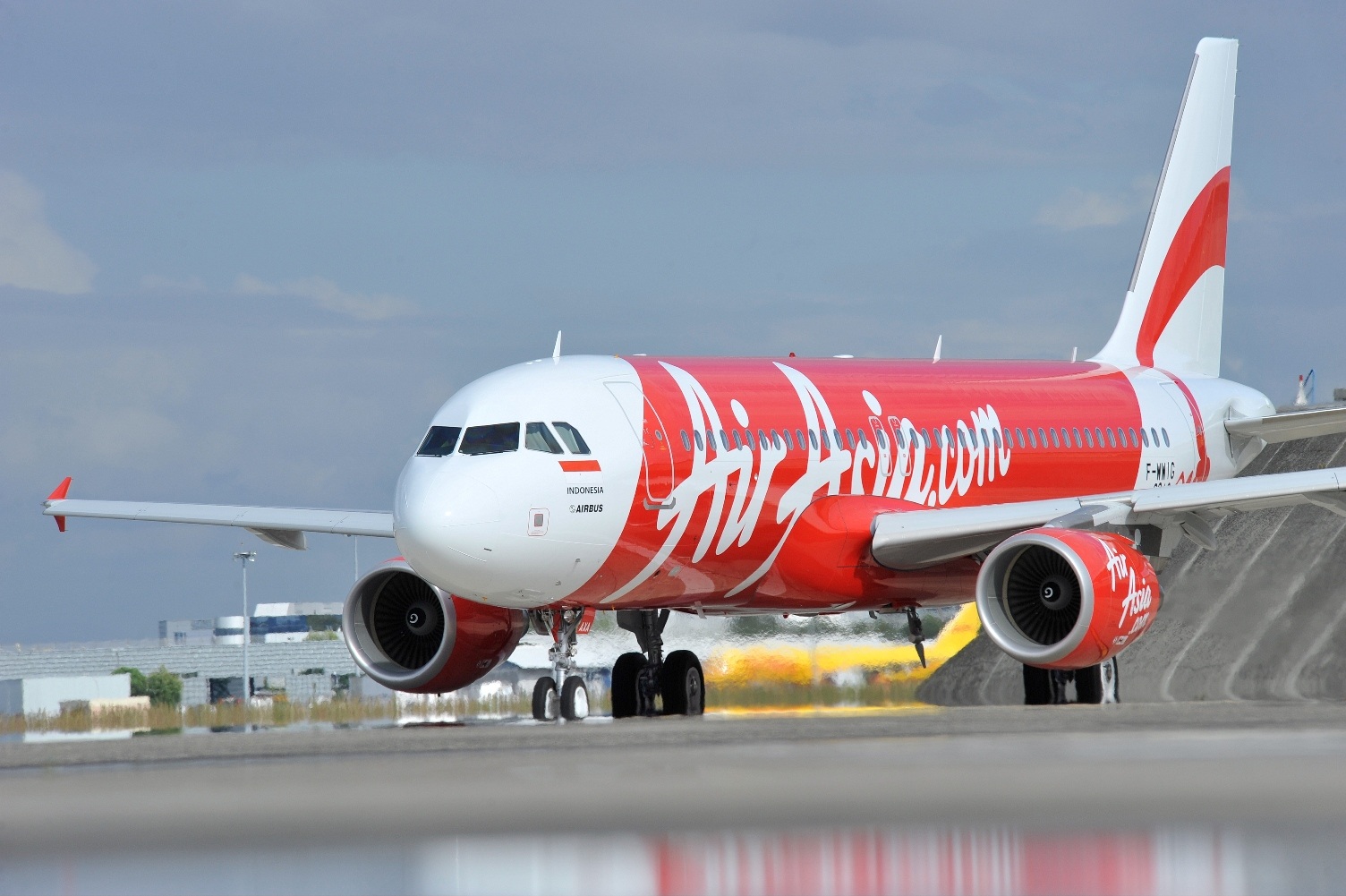
    AirAsia X (AAX) has unveiled plans to resume flights between Kuala Lumpur and Sydney on Feb 14. Flights will initially be operated weekly on Mondays from Kuala Lumpur to Sydney, returning on Tuesdays. Flight D7 228 is scheduled to depart from Kuala Lumpur at 19:25, arriving in Sydney at 06:30. The return leg, flight D7 229, is slated to leave Sydney at 08:30 and arrive back in Kuala Lumpur at 14:15.

    “Following our travel downtime over the last two years, and the recent completion of our restructuring process, we are thrilled to be able to relaunch and commence our gradual return to the skies. This would not have been possible without the overwhelming support from our guests and creditors and we thank them for their patience and understanding,” said Benyamin Ismail, CEO of AirAsia X. “Without any domestic routes AAX has been significantly affected by the pandemic. We now see light at the end of this long tunnel and we are working hard to operate again in all of our key markets, as one of the world’s leading low-cost medium-haul operators. Starting with flights to and from Sydney, we will progressively continue to honor outstanding bookings and Credit Accounts for our guests and creditors in other markets as soon as possible.”

    The airline has confirmed that it will prioritize full redemptions for customers affected by the restructuring. AAX customers can reinstate their flight booking and utilize their credit account to book the flights.

    Captain Suresh Kumar Bangah, COO of AirAsia X, said, “We have been very active on all-cargo flights throughout the pandemic and this has been a lifeline for us. For the first time, we are adding on passengers to supplement cargo revenue in our push to be a major combination carrier in this part of the world. Whilst take-up will be gradual, it can only get better in the coming months as more people return to the skies. We are ready for that pent-up demand.”

  • Japan Urges More Chip Tie-Ups With Taiwan At Trade Talks

    Japan Urges More Chip Tie-Ups With Taiwan At Trade Talks

    Japan called for greater collaboration with Taiwan on semiconductors at a bilateral economic and trade meeting on Tuesday. Japan-Taiwan Exchange Association Chairman Mitsuo Ohashi praised Taiwan Semiconductor Manufacturing Co Ltd (TSMC)’s plans to expand in Japan, saying, “I hope these collaborations can continue to expand, and positively impact the resilience of both Taiwan and Japan’s supply chains.”

    “Currently, even though the pandemic has blocked exchanges between Japan and Taiwan, the economic and trade relationships between Japan and Taiwan have continued to deepen,” Ohashi added via video.

    Although Chinese-claimed Taiwan and Japan do not have formal diplomatic ties, they have close unofficial relations. Both share concerns about China, especially its increased military activities near the two. The Taiwan-Japan Economic and Trade Conference has typically been held in Taiwan or Japan each year, but because of the pandemic, the two sides met virtually this week.

    TSMC, the world’s largest contract chipmaker, announced last year that it would set up a research and development in Japan, as well as a $7 billion chip plant with Sony Group. Tech powerhouse Taiwan is at the forefront of efforts to resolve a shortage of chips that has hampered auto production lines and affected consumer electronics makers around the world.

    Chiou I-jen, chairman of the Taiwan-Japan Relations Association, thanked Japan for supporting Taiwan’s bid in September to join the Comprehensive and Progressive Agreement for Trans-Pacific Partnership (CPTPP). He said Taiwan hoped both sides could start a “constructive dialogue” on Taiwan joining the trade pact as soon as possible. “Taiwan is of crucial importance to the world’s supply chain, economy and trade,” Chiou said, speaking at a Japanese hotel in Taipei. “If (Taiwan) can join the CPTPP, it will greatly increase the importance and visibility of this pact in the global economy.”

    Taiwan’s bid angered China, which views the island as one of its provinces with no right to the trappings of a state. Taiwan says it is an independent country and has vowed to defend its freedom and democracy.

  • Uniqlo set to come to Hai Phong

    Uniqlo set to come to Hai Phong

    Japanese fashion brand Uniqlo plans to open its first store in the northern city of Hai Phong this summer.

    It will be a 2,000-square-meter outlet at Aeon Mall Le Chan.

    Uniqlo, which came to the Vietnamese market two years ago, now has 10 stores in Hanoi and HCMC.

    Globally, it has over 2,300 in 25 countries and territories.

    German research firm Statista estimates Vietnam’s fashion industry to grow at an average annual rate of 22.5 percent in 2017-22 to reach US$988 million.

  • Hong Kong fund to sell Japan, South Korea Burger King business

    Hong Kong fund to sell Japan, South Korea Burger King business

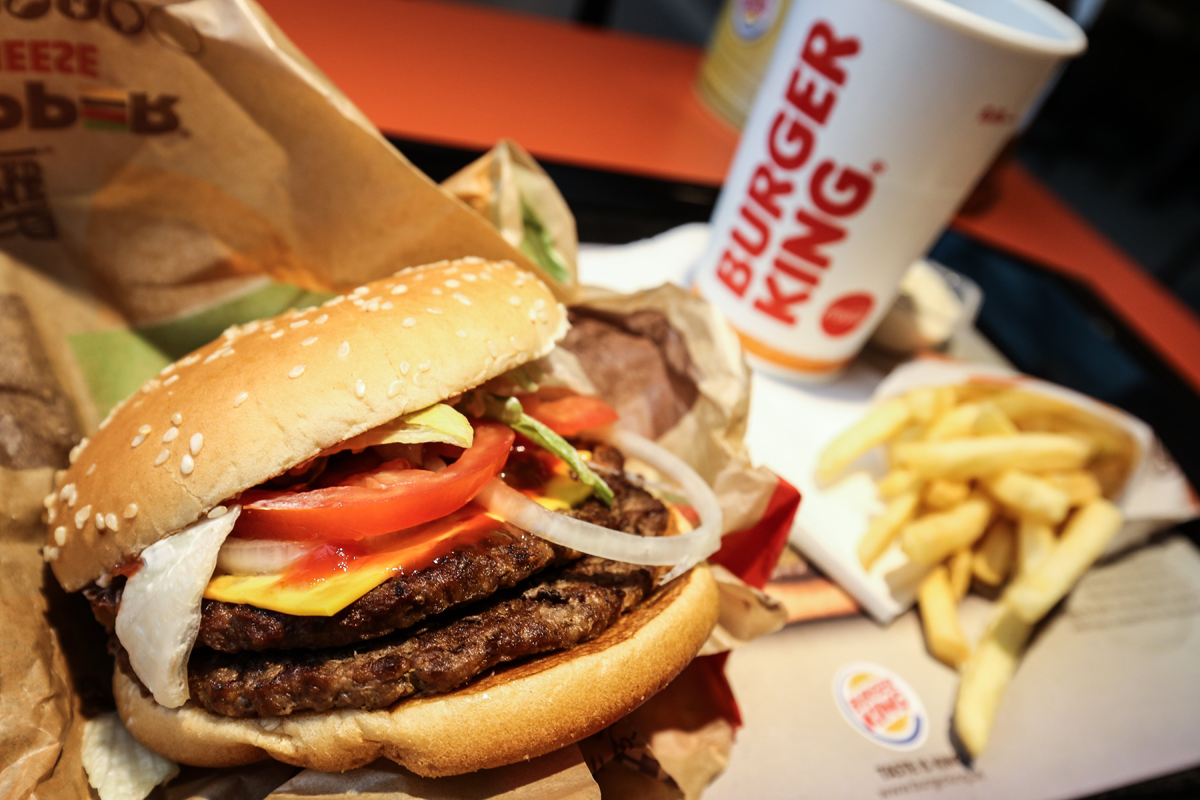
    Private equity firm Affinity Equity Partners is this week launching the sale of its Burger King fast-food businesses in South Korea and Japan, in a deal that could fetch more than US$1 billion, a person with knowledge of the matter told Reuters.

    Hong Kong-based Affinity has appointed Goldman Sachs to run the sale, which is targeting both private equity investors and strategic buyers, said the person, who declined to be identified as the information is confidential.

    The bank declined to comment.

    Affinity bought full control of Burger King South Korea in 2016 for about US$170 million and a year later acquired the American fast-food brand’s Japan franchise.

    The South Korean business reported 680 billion won (US$572 million) in revenue in 2021, with adjusted earnings before interest, taxes, depreciation, and amortisation (EBITDA) at 80 billion won, said the person, adding its adjusted EBITDA in 2022 is expected to reach 100 billion won.

    Burger King Japan’s adjusted EBITDA in 2021 was 700 million yen (US$6 million), the person said.

    Global fast-food chains such as McDonald’s and Yum! Brands are trading at 20 to 30 times their EBITDA, Refinitiv Eikon data showed. Burger King India is trading at about 25 times of its EBITDA.

    Affinity and Burger King Japan did not immediately respond to a request for comment.

    An official at BKR Corporation, the operator of Burger King in South Korea, declined to comment.

    The Nikkei business daily first reported the sale on Monday (Jan 17).

    It comes as the consumer and retail sector faces tremendous challenges and disruption caused by the coronavirus pandemic.

    In South Korea, businesses have adapted by relying more on deliveries, which has prompted exponential growth for its food delivery apps.

    Burger King Korea said on Monday the number of monthly active users on its mobile app in December exceeded 1.4 million, the highest since the app was launched in May 2016.

    Since Affinity’s acquisition, Burger King has been in an expansion mode in South Korea and Japan.

    Burger King runs 440 outlets in South Korea, more than its rival McDonald’s.

    The Japan franchise said on Monday it would open three new outlets in January, bringing the total there to 149, with plans to open more “aggressively” in 2022.

  • Adidas Japan to launch brand centre in Harajuku

    Adidas Japan to launch brand centre in Harajuku

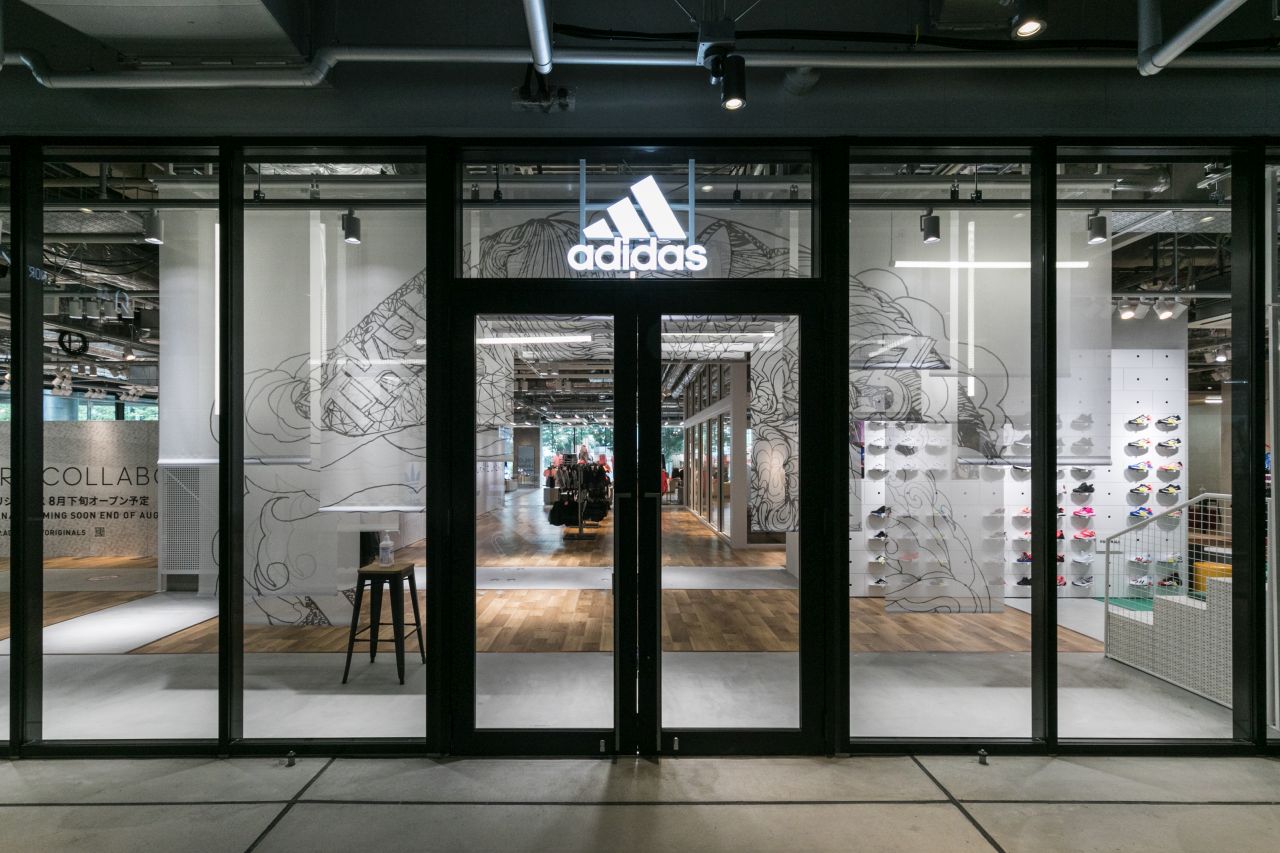
    The largest Adidas store to date on Japanese soil extends over two floors and a surface area of 1,000 square meters. In addition to countless products for a wide range of sporting activities, the new Adidas Brand Center, which is located just a few minutes’ walk from Shibuya Station, also offers an exclusive “Tokyo Collection”. This was designed especially for the new store and is exclusively available here.

    The “Digital Footwear Wall” offers space for up to 45 different shoe models and can be filled with matching campaign images as required. The store was designed in cooperation with a number of Japanese artists, whose works partly also decorate the salesrooms. In addition, characteristic design elements can be found throughout the store, which serves as references to the metropolis of Tokyo.

    On the occasion of the opening of the Brand Center at the end of July, visitors had the opportunity to purchase limited-edition T-shirts created in cooperation with the store’s artists and designers. According to Adidas, the store will continue to be used as a regular venue for events featuring local artists even after the opening-period.

    The Tokyo store also includes a special area dedicated to sustainability, offering Adidas Parley and Primeblue products and communicating information about the sustainability efforts of the Herzogenaurach-based sporting goods manufacturer. In partnership with the non-profit organization Parley, Adidas collects plastic waste before it can be discharged into the sea and uses it to produce high-quality sportswear. “Partnering with Parley on a shared mission to use 100% recycled polyester in our products by 2024, we created Primeblue. A high-performance recycled material made in part with Parley Ocean Plastic,” says the statement on the Adidas website.

  • Apple’s AirTag gets a limited edition in Japan

    Apple’s AirTag gets a limited edition in Japan

    Designed to act as a key finder that helps people find lost objects, the AirTag is surely one of Apple’s most controversial products. Although the Cupertino-based company included various technologies on the AirTag to prevent unwanted tracking or stalking, it’s still very easy to bypass the device’s software.

    Frightening reports about people that have been tracked to their homes in order to have their cars stolen have been making headlines throughout the year. Not to mention that Android users aren’t even alerted by the built-in audible alarm that’s usually triggered by a smartphone when an AirTag is detected nearby.

    Tile-like item trackers have existed before and will continue to exist, but one manufactured by Apple was deemed to attract a lot of buzzes. Although the AirTag got a lot of negative publicity, there’s no reason not to buy one as long as Apple continues to sell the Tile-like item tracker.

    All the more so if you live in Japan where Apple has just launched a limited edition AirTag that celebrates the Japanese New Year. You can’t get this one from anywhere else in the world, and even if you live in Japan, just the first 20,000 customers who purchase an eligible iPhone will receive a limited edition AirTag.

    The tiger logo on the limited edition AirTag signifies the year of the Tiger in Japan, which will start on January 1, 2022. You’ll have to buy an iPhone 12, iPhone 12 mini, or iPhone SE on January 2 or January 3 to qualify for the limited edition AirTag.

    On top of that, customers buying various Apple products in the first few days of 2022 will receive

  • Delivery Hero to sell Foodpanda Foodpanda Japan

    Delivery Hero to sell Foodpanda Foodpanda Japan

    German food delivery group Delivery Hero said on Wednesday it would scale down its Foodpanda operations in Germany and sell the subsidiary’s Japan unit, citing increased competition and labor shortages.

    Delivery Hero said Foodpanda would exit Cologne, Duesseldorf, Frankfurt, Hamburg, Munich, and Stuttgart, though it had only introduced the brand in Cologne, Duesseldorf, and Stuttgart a month earlier as part of a broader expansion program in Germany.

    “Facing a very different reality now than we did entering these markets, it is with a heavy heart that we need to pursue other growth opportunities with larger potential,” Chief Executive Niklas Oestberg said in a statement.

    The meal delivery market, with players including Uber Eats, Just Eat Takeaway, and Deliveroo, is expected to consolidate as the pandemic-related boom starts to wear off and companies look to adjust operations.

    At the same time, the European Commission announced draft rules in early December to give employee benefits to riders and drivers for online delivery firms, a move some companies argue will lead to job losses.

    Delivery Hero, whose operations span more than 50 countries, only started in June with the soft launch of its Foodpanda brand in Berlin and then rolled it out to other cities in August.

    That return home brought an abrupt end to a truce struck in late 2018, when Oestberg sold Delivery Hero’s German operations to Takeaway.com – its Dutch competitor is now known as Just Eat Takeaway (JET) – for $1.1 billion.

    The group also said on Wednesday it would exit the market in Japan, which it entered in September 2020, in the first quarter of 2022 to focus on growth in other markets and niches, especially in the area of quick commerce.

  • LaLaport to make Southeast Asian debut in Malaysia

    LaLaport to make Southeast Asian debut in Malaysia

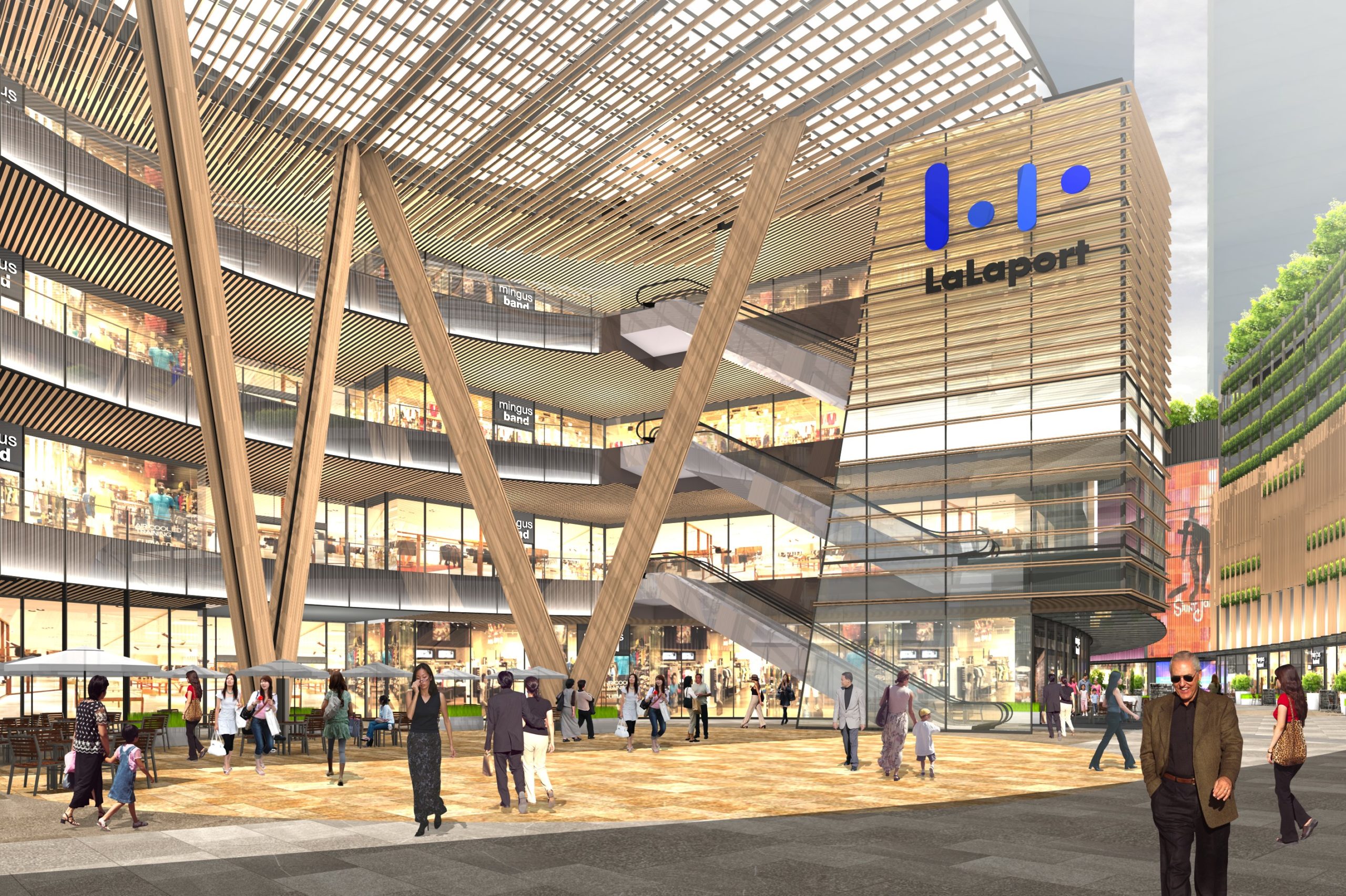
    Japanese lifestyle shopping mall, Lalaport, is set to open its first Southeast Asian location in Malaysia next month at Bukit Bintang City Centre (BBCC).

    The Mitsui Fudosan-owned shopping mall is set to open its doors to the public on January 20, featuring a tenant mix of about 400 stores from global and Japanese brands, including those making their first appearance in Malaysia such as Nitori and Nojima.

    LaLaport BBCC marks the chain’s second international location after Mitsui Shopping Park LaLaport Shanghai Jinqiao, and will also be one of Lalaport’s largest commercial facilities in the world with more than 82,600sqm of floor space.

    Inspired by ‘modern simplicity’ and ‘Japanese flavor’ design concepts, LaLaport BBCC brings to life a “stylish appearance befitting city center locations complemented by a warm interior design conducive for shoppers to spend the entire day in comfort”.

    The complex features five floors above ground and five floors below including four floors of basement parking. LaLaport BBCC also presents a 1700sqm rooftop garden equipped with a roofed step stage and surrounded by greenery and trees.

    A large F&B floor houses supermarkets, ‘Depachika Marche’ for take-away foods, and a cafeteria. Meanwhile, the ‘Gourmet Street’ offers a fresh al fresco dining experience for shoppers while the large ‘Garden Dining’ food court on Level 4 boasts a 1400-seating capacity. There is also an event space dubbed ‘Wow Plaza’ located at the center of Gourmet Street.

  • Japan eases blanket ban on new incoming flights

    Japan eases blanket ban on new incoming flights

    Japan has softened its suspension of all new incoming flight bookings to make it easier for citizens to return, the government said Thursday, a day after it announced the move prompted by worries about the Omicron coronavirus variant.

    The transport ministry abruptly said Wednesday it was asking airlines to stop taking all new incoming flight reservations for a month, in a surprise move affecting citizens and foreign residents.

    But on Thursday, government spokesman Hirokazu Matsuno said it would be amended.

    “This request caused confusion among those affected and so the prime minister instructed the transport ministry to examine the issue and consider the needs of Japanese citizens hoping to return home,” he told reporters.

    As a result, the ministry “asked airlines to cancel the blanket suspension of new reservations for international flights to accommodate Japanese hoping to return home”, he added.

    Japan has had tight border restrictions throughout the Covid-19 pandemic, barring almost all foreign arrivals.

    It had begun to ease those rules slightly last month to allow some students and business travelers entry, but reversed that decision after the emergence of the Omicron variant.

    It has also barred all non-citizens from entering the country if they are coming from 10 southern African countries.

    All arrivals in Japan must quarantine for 14 days at home, with people coming from dozens of locations required to spend between three and 10 days of that two-week period in designated facilities.

  • Flash Coffee opens Outlets in South Korea

    Flash Coffee opens Outlets in South Korea

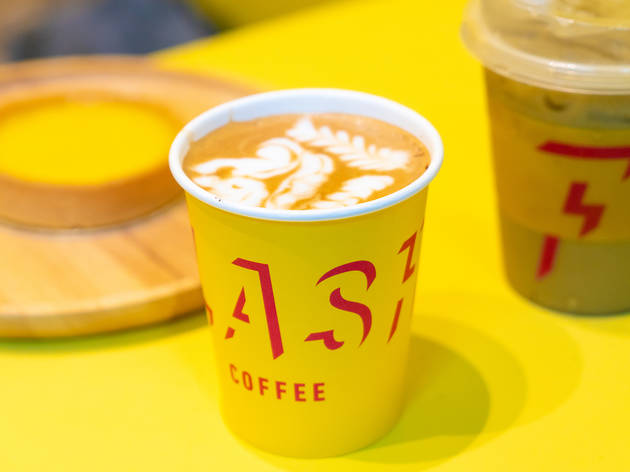
    Flash Coffee has launched its first two South Korea stores in Seoul’s Gangnam district as part of its expansion in Asia, with two more stores scheduled to open before the year ends.

    The launch marks the brand’s sixth market in the region, after Singapore, Indonesia, Thailand, Hong Kong, and Taiwan. Spanning two stories, the new Flash Coffee flagship store is located at Sinsa, while the other store is opened in Yeoksam.

    “South Korea is filled with coffee enthusiasts and our coffee consumption rate ranks within the top 10 in the world,” said Un Koh, MD of Flash Coffee South Korea.

    “We are confident that our high-quality beverages crafted by award-winning baristas at Flash Coffee will appeal to South Korean coffee lovers.

    “Our goal is to make our specialty coffee accessible to all, so for those who’ve not come across Flash Coffee yet, you will find us brewing very soon in a location near you.”

    The two new stores opening later this year will be located in Apgujeong and Yangjae. After South Korea, Flash Coffee aims to set foot into Japan with its first store in Tokyo., having recently appointed Shu Matsuo Post as its MD in Japan.

    Flash Coffee currently operates more than 200 locations across Asia.

  • Japanese retailers expand Vietnam presence

    Japanese retailers expand Vietnam presence

    Japanese retailers have started to expand their business in Vietnam as localities loosen social distancing restrictions and accelerate vaccination against Covid-19.

    Coffee chain %Arabica, which currently has over 100 outlets in 18 countries, has announced it will open its first shop in Vietnam on walking street Nguyen Hue in District 1, HCMC.

    Late last month, casual wear producer and retailer Uniqlo opened a new store in Hanoi’s Ha Dong District, its 10th outlet in Vietnam. In early November, it had inaugurated an online store in the country.

    Beauty brand ReFa has announced it will open three stores in HCMC late this year before expanding to Hanoi by mid-2022.

    Retail group Aeon, which has invested $1.18 billion in Vietnam, plans to double the number of shopping malls across the country in the coming time. It also plans to list shares on the Vietnamese stock market, and facilitate export of Vietnamese seafood, garments and other products to Japan.

    According to the Ministry of Industry and Trade, Vietnam’s total goods retail sales and service revenues in October rose 18.5 percent over the previous month.

    Some Vietnamese securities companies, including VCSC and VNDirect, have predicted that the retail sector would grow late this year, when vaccination is stepped up, more economic activities resume and many festivals take place. The sector’s profit would increase over 20 percent this year.

  • Japan Consortium Plots Digital Yen

    Japan Consortium Plots Digital Yen

    Participants include MUFG Bank, Sumitomo Mitsui Banking, Mizuho Bank, Japan Post Bank, Nippon Telegraph & Telephone Corp., East Japan Railway, and Mitsubishi, as well as local governments. The Bank of Japan, Financial Services Agency of Japan, and three ministries are observing its activities.

    Digital Currency Forum – a consortium of 74 Japanese firms – is planning to issue a digital yen that will work similarly to bank deposits by the end of 2022, according to a white paper published on Wednesday.

    Tentatively called DCJPY, the digital yen will be issued by banks as their liability, and the consortium will also be releasing a beta version of the digital currency marketplace for non-fungible tokens (NFTs) by 2022, DeCurret, the consortium’s secretariat, said.

    Members of the consortium will participate in experiments to gauge such a currency’s use in industries ranging from energy to retail, from as early as January, according to the progress report. The consortium’s subcommittee on Settlement in Industrial Distribution, led by Mitsubishi, will be testing the automatic execution of contracts using digital currency in the settlement of maritime transportation for transactions.

  • Japanese business giants eye expansion in Vietnam

    Japanese business giants eye expansion in Vietnam

    Japanese companies, including retailer Aeon and energy firm Enos, have told Prime Minister Pham Minh Chinh that they want to expand their investments in Vietnam.

    The country’s business environment is improving and Japanese companies have confidence in their Vietnamese operations, the heads of major companies told Chinh in Tokyo Tuesday. The Prime Minister is on a four-day official visit to Japan.

    Aeon, with six malls in the Southeast nation, has invested $1.18 billion in the country so far, and its chairman, Motoya Okada, said it wants to double the number of malls.

    It also wants to list on the Vietnamese stock market and begin exports of fisheries and garment products to Japan, he added.

    Chinh said the company’s plan is opportune since Vietnam now offers great advantages due to its 17 free trade agreements.

    Aeon could expand its business and source products from several localities like Thanh Hoa, Nghe An, Quang Ninh, Hai Phong, An Giang, and Kien Giang, he said.

    Eneos, one of the biggest energy firms in Japan and with annual revenues of $70 billion in Vietnam, wants to expand its investment.

    Chairman Tsutomu Sugimori expressed interest in Vietnam’s energy development plan and helping reduce its carbon emissions.

    Chinh welcomed this, saying his country is drafting its Power Development Plan VIII with a focus on diversifying power sources and developing clean and renewable energy.

    Fast Retailing, which owns fashion brand Uniqlo, wants to invest further in Vietnam. Chinh said the company should to help local employees reach global standards.

    Japan’s leading pharmaceutical firm Shionogi wants to establish its first Covid-19 research and manufacturing facility in Southeast Asia in Vietnam. Conglomerate Hitachi wants to contribute to Vietnam’s railway development.

    Masayoshi Fujimoto, chairman of conglomerate Sojitz Corporation, said his company is also interested in reducing carbon emissions in Vietnam.

    It has 17 ventures in Vietnam in equipment manufacturing, energy, chemicals, electricity, and others.

    Chinh said Sojitz should grow timber in his country and export it to major markets.

    Another conglomerate, Marubeni Corporation, is interested in power projects in Vietnam and wants to develop infrastructure for the Quang Yen economic zone in the northern province of Quang Ninh.

    Chinh said it should focus on Vietnam’s transition to energy sources that are modern and environment-friendly.

    He told the executives they could contact his ministers to resolve any challenges they might face while seeking to invest. “If that does not work, send me a letter directly”.

    Japan was the third biggest foreign direct investor in Vietnam in the first 10 months, behind Singapore and South Korea, with a registered capital of nearly $3.4 billion, accounting for 14.3 percent of total, according to the Ministry of Planning and Investment.

    In the first 10 months, bilateral trade rose 6.4 percent year-on-year to $34.4 billion, according to Vietnam Customs.