Tag: Japan

  • Foot Locker is breaking into Japan’s sneakerhead culture

    Foot Locker is breaking into Japan’s sneakerhead culture

    Hidefumi Hommyo got an unusual start in the sneaker business. A native of Japan who became acquainted with the US while studying at Temple University in Philadelphia, Hommyo realized sneakers that were rare in Japan could be found easily, and cheaply, in the US. He made trips up and down the east coast in the mid-1990s, scouring basements and garages for shoes such as the original Nike Air Jordan 1 from 1985 or the Nike Air Force 1 from 1982. He would buy them for just $15 or $20 a pair, he recalled on a podcast last year, and sell them for $400 at his stores in Japan, where streetwear and sneaker fandom were starting to take off.

    Hommyo caught Nike’s notice, and when he opened his next shop, atmos, as a traditional retailer in the backstreets of Tokyo’s Harajuku neighborhood in 2000, Nike was his first vendor. Since, atmos has built a global profile among sneaker fans, largely with its sought-after collaborations with sneaker makers. It now has 49 stores, including 10 outside Japan in cities such as New York, and a substantial digital business.

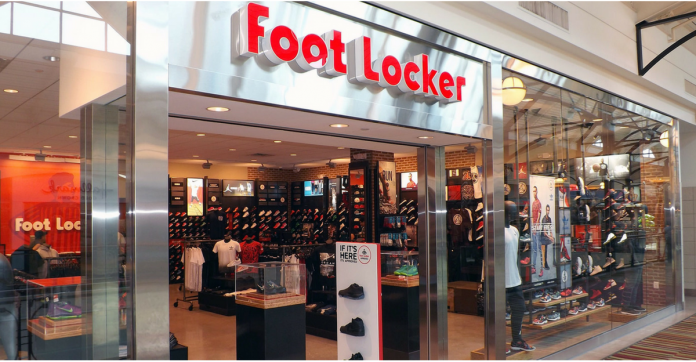
    Its success has attracted another big name in sneakers: Foot Locker today announced it is acquiring atmos for $360 million.

    The purchase gives Foot Locker a “strategic foothold in Japan,” the company said, a market it estimates to be worth $6 billion. Atmos, focused on a niche of young, discerning shoppers, owns just a slice of that. Its sales last year were approximately $175 million, according to the announcement. But the deal still helps Foot Locker expand in the fast-growing Asian market, and further into the premium end of sneakers and streetwear.

    While Foot Locker has a global footprint, it’s still primarily a US business. As of Jan. 30, 2021, it had nearly 2,000 stores in the US and its territories across its various store brands, which include Foot Locker as well as offshoots such as Kids Foot Locker and chains such as Champs and Footaction. Foot Locker specifically had 848 US stores. Foot Locker Asia, on the other hand, had just 20 stores.

    Atmos immediately increases Foot Locker’s presence in the world’s third-largest economy. Foot Locker will also benefit from atmos’s digital channels, which generated more than 60% of its sales last year.

    At the same time, Foot Locker pointed to atmos’s distinct brand and “potential for Foot Locker, Inc. collaborations” as strategic benefits in a presentation about the deal prepared for analysts. Atmos is known in the world of sneakers and streetwear for its taste and for co-producing some of the most sought-after collaborations on the market. Foot Locker is more a mass retailer, though one that’s made itself a destination for sneakerheads through its releases of sneakers such as Jordans and Yeezys. By acquiring atmos, Foot Locker gets its cultural credibility in sneakers and streetwear, while Foot Locker also apparently sees potential to use atmos’s expertise to launch its own collaborations.

    Foot Locker announced another purchase, too. It’s buying WSS, a regional retailer with 93 off-mall stores around the southwestern US, where Foot Locker says it has room to grow. Those stores are generally not in malls, too, which could help at a moment when malls, where Foot Locker has many of its US stores, are seeing traffic declines. Importantly, WSS also has a strong following among Latino shoppers, a demographic group with growing spending power.

    Foot Locker paid $750 million for the company, which generated $425 million in sales in its 2020 fiscal year.

  • New Daikin AC For EVs Can Extend Range By 50%

    New Daikin AC For EVs Can Extend Range By 50%

    Daikin which is the Japanese air conditioning major has revealed that it has developed an air conditioner that can help EVs extend their range by up to 50 per cent which is a huge gain. The report comes from Nikkei Asia, the Japanese financial daily. The report states that Daikin is preparing to commercialize the technology by 2025.

    Daikin claims that it has a refrigerant that has a boiling point of 40-degrees Celsius which is 10-15 degrees lower than most conventional products. This means it draws lesser power for compression which helps in turn dramatically improve the range of EVs. Daikin has made a bold claim saying that a car that will give 200 kilometers of range in Japan could do 300 kilometers if it was outfitted with this AC.

    The product is currently being verified for its performance and safety in operating conditions by the US industry group SAE international. Daikin, of course, isn’t just the biggest air conditioner maker from Japan but by sales, it’s the world number 1. Currently, it doesn’t operate in the automotive market, so this will mark its entry into the segment.

    Currently, many automakers like Tesla make the HVAC system on their own. In fact, many times Elon Musk has mused that if Tesla were to commercialize its HVAC for home use, it would be class-leading because of the break through’s it has made to make sure the system doesn’t compromise either on air quality, cooling and range at the same time.

  • Hugo Boss showcasts its first Japanese flagship store

    Hugo Boss showcasts its first Japanese flagship store

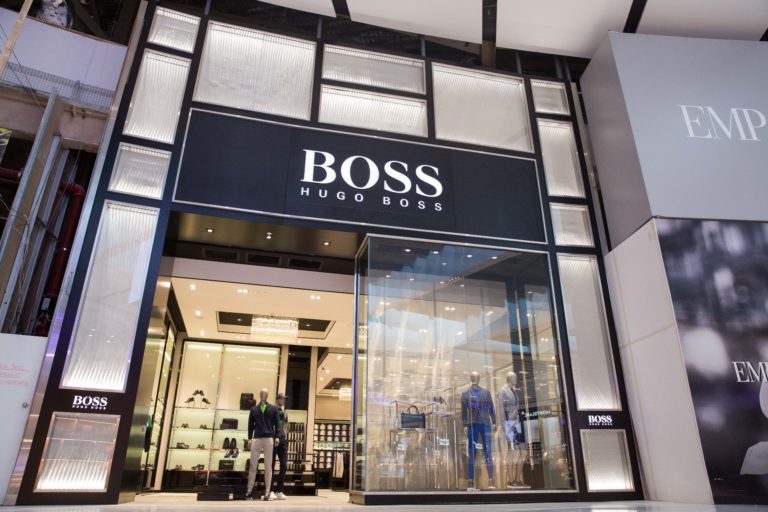
    German luxury fashion house Hugo Boss has launched its first Boss flagship store on Tokyo’s famous shopping street the Ginza.

    Spanning two stories, the Hugo Boss Japan flagship occupies 480sqm of the Tokyu Plaza Ginza shopping centre. The store features a giant glass facade where a digital wall is installed to showcase campaign videos and content.

    Meanwhile, the store interior design follows a white, black, and beige colour palette, using materials such as marble, wood and chrome. While the first floor houses men’s and women’s apparel, accessories, and fragrances, the second floor features a personalization space called ‘Made to Measure’, where customers can enjoy tailoring services.

    Marking the launch, the Hugo Boss Japan flagship store also houses a limited-edition capsule collection and a corner offering limited items with HB-Moji graphics, including hoodies, T-shirts, shorts, and caps.

  • Japanese retailer Muji opens first store in Hanoi

    Japanese retailer Muji opens first store in Hanoi

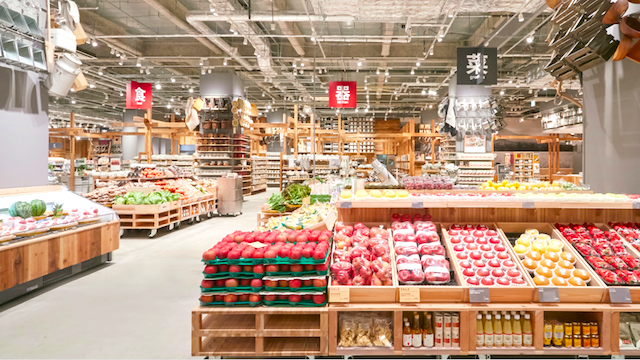
    Japanese chain retailer Muji opened its first store in Hanoi on Saturday after opening one in HCMC last November. The store, which spans 2,000 square meters at Vincom Center Metropolis on Lieu Giai Street, is the second to be opened in Vietnam.

    The flagship store in Hanoi provides around 5,000 products, ranging from fashion, cosmetics to household items, interior design and food.

    Tetsuya Nagaiwa, Muji’s head of Vietnam business, said the chain spent two years searching for a suitable location for the Hanoi store, a much longer process compared to its HCMC endeavor.

    The southern metropolis’s downtown District 1 is a no-brainer when it comes to choosing a location for a store. But Hanoi has multiple locations with different capacities for attracting customers, Tetsuya explained.

    Vincom Center Metropolis was eventually chosen since it is in an area with a big Japanese population and is wide enough to host a large store.

    Tetsuya said Muji’s current strategy is to take hold of Hanoi and HCMC, both major cities, to boost brand recognition. Afterward, depending on factors like economic development and population, Muji would consider opening more stores in other cities.

    Vietnam is among the world’s most promising retailer markets right now, Tetsuya said, adding the country has attracted a large number of investors thanks to its ever-growing economy and a young population with a middle-class income.

    Certain Muji products sold in Vietnam would be cheaper than other markets’ as they are produced by domestic manufacturers, he said, without revealing exact information regarding the domestic factories.

    Muji, founded in 1980, has over 1,000 stores in 33 countries and territories.

  • Cartier unveils complex, wooden-fronted Osaka store

    Cartier unveils complex, wooden-fronted Osaka store

    Cartier has reopened its flagship in Ginza, Tokyo following extensive renovations. The flagship store covers a surface of 10,764-square-feet.

    The Ginza boutique houses the luxury jewelry company’s men’s and women’s watch collections on the first floor, diamonds, including engagement rings, contemporary designs, and special orders, on the second floor, and fashion accessories and leather goods on the lower level. Interior designer Bruno Moinard created unique spaces for each floor, with the first floor featuring brown tones and soft hues of beige, gold, and champagne, and the second floor featuring feminine contrasting hues of ivory and champagne.

    The façade, which was designed by Sylvain Dubuisson, was constructed in two sections with the lower part being a dark brown, orange-toned granite stone façade inspired by the company’s boutique in Paris on Rue de la Paix, and the second section featuring Japanese screens, or Shoji, made from traditional paper and wood cuts arranged to resemble a Japanese cedar, or Sugi, which is Japan’s national tree.

    Cartier first entered the Asia market in 1970 in Hong Kong and later opened in Singapore in 1973. The jewelry company opened a boutique in Ginza in 1991 and opened the flagship in 2003, which introduced Cartier’s interior design concept by Moinard. The boutique was renovated and reopened in 2007, and it reopens again after being renovated for two years.

  • SoftBank-backed DoorDash enters Japan

    SoftBank-backed DoorDash enters Japan

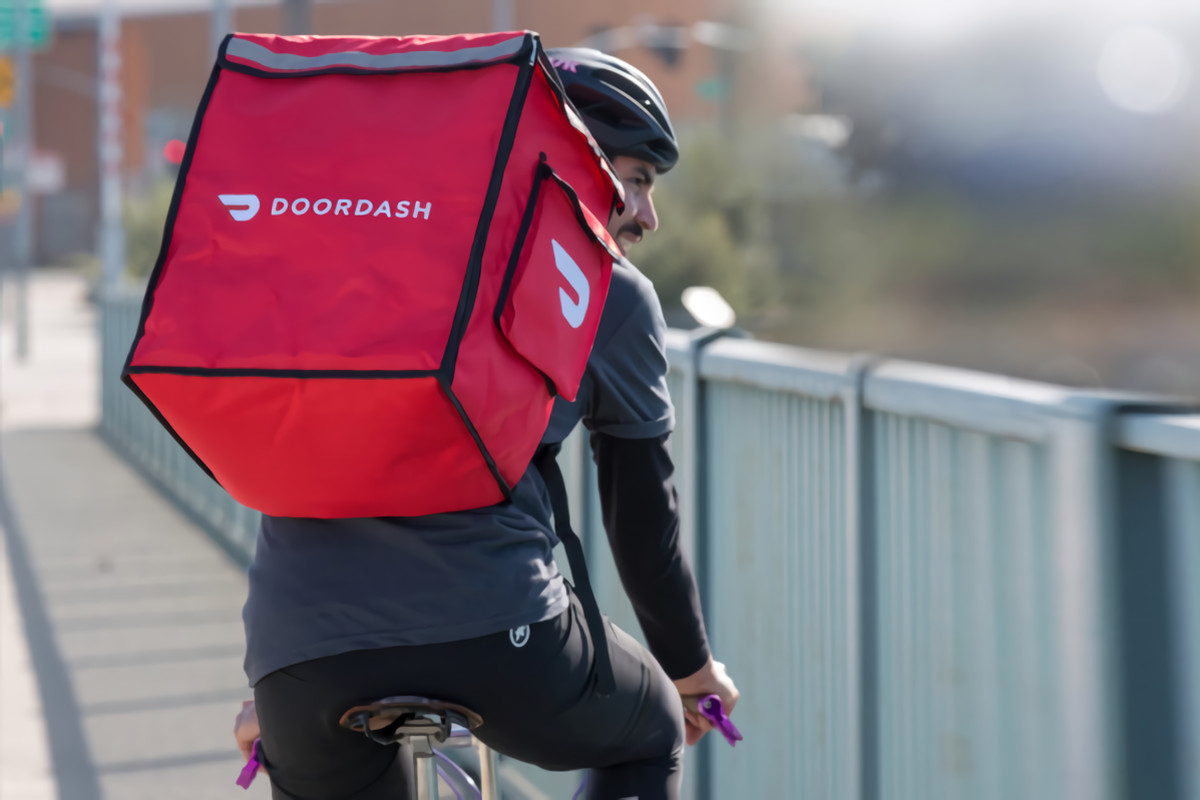
    U.S. food delivery firm DoorDash, which is backed by SoftBank Group, announced the launch of services in Japan on Wednesday, joining an increasingly crowded market that has grown during the COVID-19 pandemic.

    Services will be initially limited to the city of Sendai in Miyagi prefecture, the money-losing delivery firm told reporters, in a step that follows its expansion to Canada and Australia.

    “Our strategy has always been to empower local economies, especially in the suburban markets that are historically underserved, yet the appetite for connectivity between merchants and customers is high,” Chief Executive Tony Xu said in a statement.

    SoftBank already backs some of the largest delivery services in Japan, such as Uber Eats from Uber Technologies and Demae-can.

    Last month, DoorDash raised its forecast for annual gross order value, as stimulus checks helped keep food delivery demand resilient in the first quarter, even as vaccinations and an easing of curbs encouraged dining out again.

    DoorDash, which has also branched out into delivery from grocery and convenience stores last year, reported a nearly three-fold jump in quarterly revenue to $1.08 billion.

    The company has seen a surge in order volumes during the pandemic as consumers hesitant to step out order essential items by telephone.

  • Temples inspire design of Uniqlo’s latest Tokyo retail store

    Temples inspire design of Uniqlo’s latest Tokyo retail store

    Uniqlo opened the doors of its newest large-format store on Friday, in the historic and culturally significant neighborhood of Asakusa. The store follows the concept of “our neighborhood” and aims to support the area’s local businesses, residents, and artisans.

    With a selling area of more than 21,000 square feet, Uniqlo Asakusa also boasts one of the longest continuous store windows of any Uniqlo store. It is located in the heart of Asakusa, which prior to the COVID-19 pandemic was bustling with international tourists on any day of the week. The area is known for its historic pedestrian lanes lined with souvenir stores and leading up to Senso-ji, Tokyo’s oldest Buddhist temple and one of its most significant. It is also a district that hosts the workshops and stores of many traditional craftspeople, some of whom Uniqlo featured in various ways inside the store.

    The double-level main entrance to the store is dominated by a giant paper and wooden lantern, which was created by a local workshop and hand-painted with the Uniqlo logo. At nearly six feet per side, it was both the largest lantern the shop had ever created, as well as the first cubic one. In addition, signage used throughout the store was inspired by “senjafuda” votive strips that are a common sight at temples and shrines across Japan.

    Uniqlo also collaborated with local businesses on various products to mark the opening of the store. For example, small ceramic plates designed with traditional snack-maker Asakusa Tokiwado will be available for sale in limited quantities, while original teacups will be given to the first 3,000 customers to spend 5,000 yen or more during the opening weekend. There are also original UTme! stamps that are only available at the Asakusa store to use in customizing T-shirts and tote bags.

    Throughout the store, Uniqlo has highlighted products from local shops, from stationery to skateboards, encouraging customers to explore the neighborhood in order to purchase such items and discover others. Other features of the store include a larger than usual space where customers can try on and order tailor-made items, areas highlighting sustainability and fitting rooms that feature artworks by a local artist, and photographs of Asakusa from the past and present.

  • Miniso is growing at a speed of one new store a day

    Miniso is growing at a speed of one new store a day

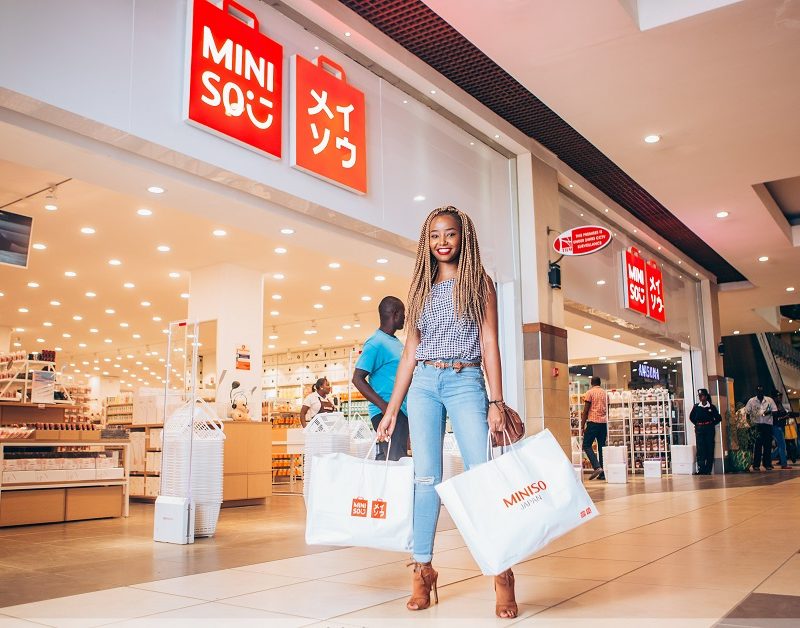
    Miniso, a leading lifestyle product retailer, has opened 364 brick-and-mortar stores globally in the last 12 months, an average pace of one per day – bucking pandemic retail trends.

    The latest was the mid-May new store opening in the cultural hub and university city of Lille, France. It is the country’s third MINISO location, and the 10th opening in Europe this month alone– indicative of both the retailer’s accelerated global expansion and its buildout into smaller cities.

    Fueled by a boom in toy sales and e-commerce in its home market of China, MINISO is looking to replicate and localize these successes overseas.

    “Online business had been accelerated by the pandemic and will be one of the priorities for the future development of MINISO,” said Robin Liu, Chief Marketing Officer and head of e-commerce at MINISO. “In addition to the existing collaborations with all major e-commerce platforms, MINISO is also digitalizing in other ways.”

    Liu pointed to MINISO’s use of social apps to keep closer contact with customers, implementing an advanced membership system, stationing vending machines, and planning to have more shopping live streams in and outside of mainland China.

    “By implementing these digital retail technologies, we are making shopping at MINISO more convenient and with less physical contact required,” said Liu.

    MINISO’s total revenue for Q3 2021 reached US$340.3 million, representing a year-over-year increase of nearly 37%, as posted in the brand’s unaudited financial results for the third quarter of fiscal year 2021, which ended on March 31, 2021. Net profit was US$22.7 million, representing an increase of 77% from the previous quarter – beating Wall Street analysts’ estimates and setting a new high for MINISO since the outbreak of COVID-19.

    The revenue contribution from online channels, including e-commerce and O2O (online to offline) sales, exceeded 10% for the first time this quarter, reflective of MINISO’s continued efforts to further develop its omnichannel marketing. The retailer’s e-commerce business contributed around US$26.1 million in revenue, increasing 86% year-over-year, with a revenue contribution of 7.7%. The O2O business contributed nearly US$10.7 million in revenue, accounting for 3.1% of total sales.

    The toy category became another new growth engine for MINISO. Toy sales in the China market nearly doubled (189%) compared to last year, and the brand is to duplicate that success in overseas markets.

    In response to the strong market demand, MINISO launched its first independent sub-brand called TOP TOY to serve the higher-end collectibles and art toy markets. Since its debut in latest December 2020, TOP TOY has launched over 2,000 products ranging from US$9 to upwards of a thousand dollars, geared for children to adults. TOP TOY is angling to become a leader in China’s booming toy market, and has opened 25 stores in the last five months – breaking its own sales record in each Chinese market in which it opens.

    TOP TOY is poised to make its international debut in the second half of 2021.

    Since the pandemic hit, MINISO has opened 364 stores in the past 12 months – at a pace of nearly one store per day – contributing to its total of 4,587 stores in China and across 94 overseas markets, according to the retailer’s Q3 earnings report.

    MINISO has performed strongest in China, a market that has rebounded rapidly from COVID-19 implications. In a nod to the retailer’s expansion strategy, notably, nearly 70% of MINISO ‘s new stores were opened in Tier 3 and Tier 4 cities in China. MINISO’s domestic business rebounded strongly in Q3, with a physical store and online e-commerce revenue exploding 69% and 86% respectively, compared to the same quarter in 2020.

    Similarly, MINISO continues to explore smaller international markets.

    “We will continue to make efforts in overseas markets, not only to further develop new markets and existing markets, but also to further localize,” said Vincent Huang, MINISO’s Vice President of International Business.

  • Omotesando Koffee to open first Philippines cafe in Manila

    Omotesando Koffee to open first Philippines cafe in Manila

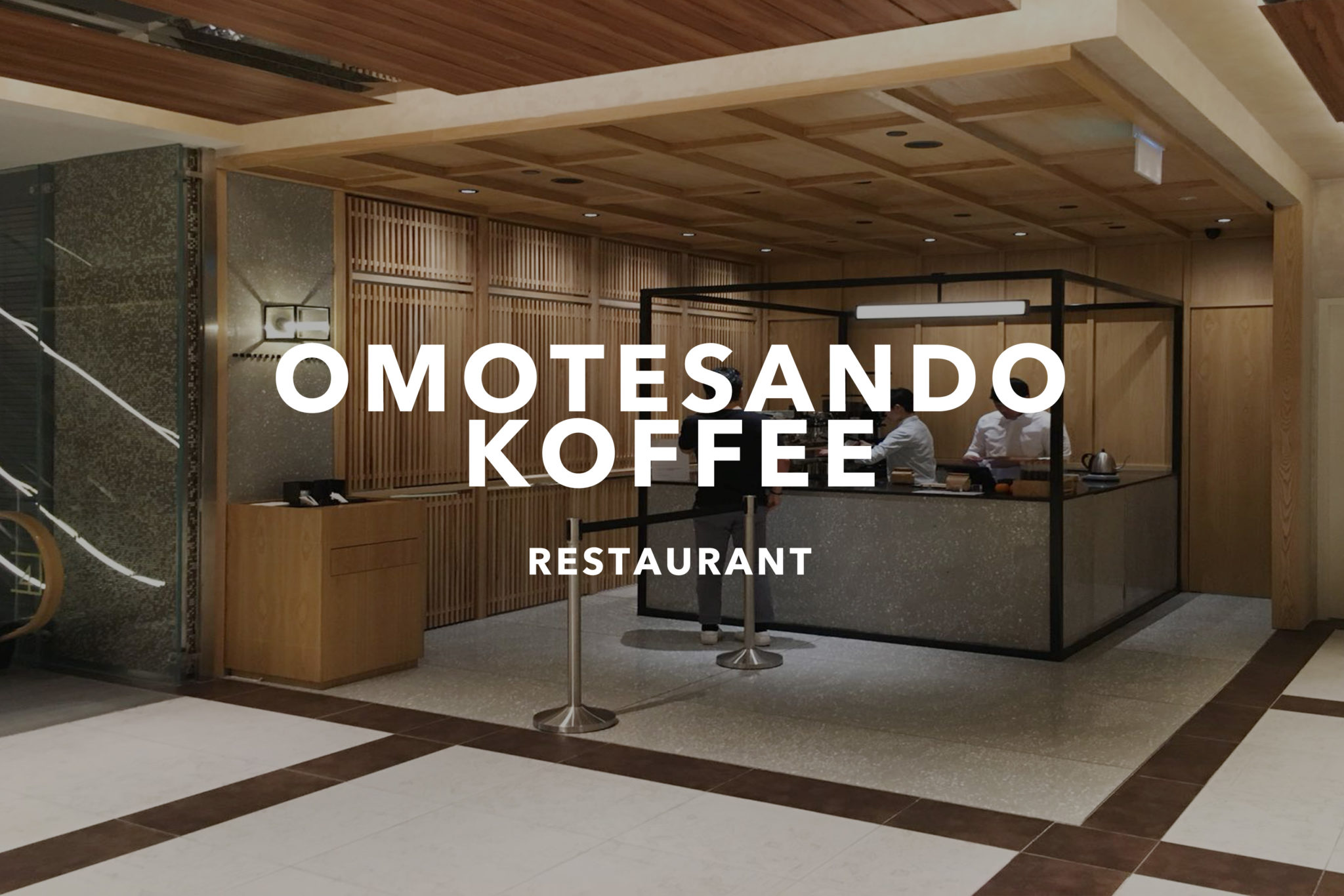
    Japanese coffee shop Omotesando Koffee is officially opening its first Metro Manila branch in Power Plant Mall, Makati City, tentatively slated for an August 2021 launch.

    The famous Zen-style, minimalist coffee shop from Tokyo will be brought into the Philippines by H&F Retail Concepts, the group behind luxury fashion brands Univers, Homme et Femme, Balenciaga, Comme des Garcons, and Fred Perry.

    David Ong, owner and head barista of The Curator and EDSA Beverage Design Group, will be helping out.

    “Well, the cat’s been out of the bag for a while now. This is just formalizing it further. The opening of the first branch is fast approaching, and we’re helping out a little bit,” Ong wrote on Instagram on Tuesday, June 1, posting a call-out for interested baristas to apply.

    According to Ong, two more Omotesando Manila locations will be opening this year, but the hiring process will be for this branch initially.

    News that Omotesando Koffee would open in Metro Manila first circulated late 2020, when the original brand’s Instagram page added “Manila” to a list of locations on their Instagram bio, alongside Tokyo, Hong Kong, Singapore, Bangkok, and London.

    Omotesando Koffee first opened as a humble pop-up shop in Omotesando Hills, Tokyo in 2011, growing in popularity for 5 years until it closed in December 2015 due to the “aging building” it was located in.

    They opened their first Hong Kong branch a year later, and expanded to cities around the world, including a re-opening in Shibuya, Tokyo as Koffee Mameya.

  • Vietnam exports 20 tons of lychees to Japan

    Vietnam exports 20 tons of lychees to Japan

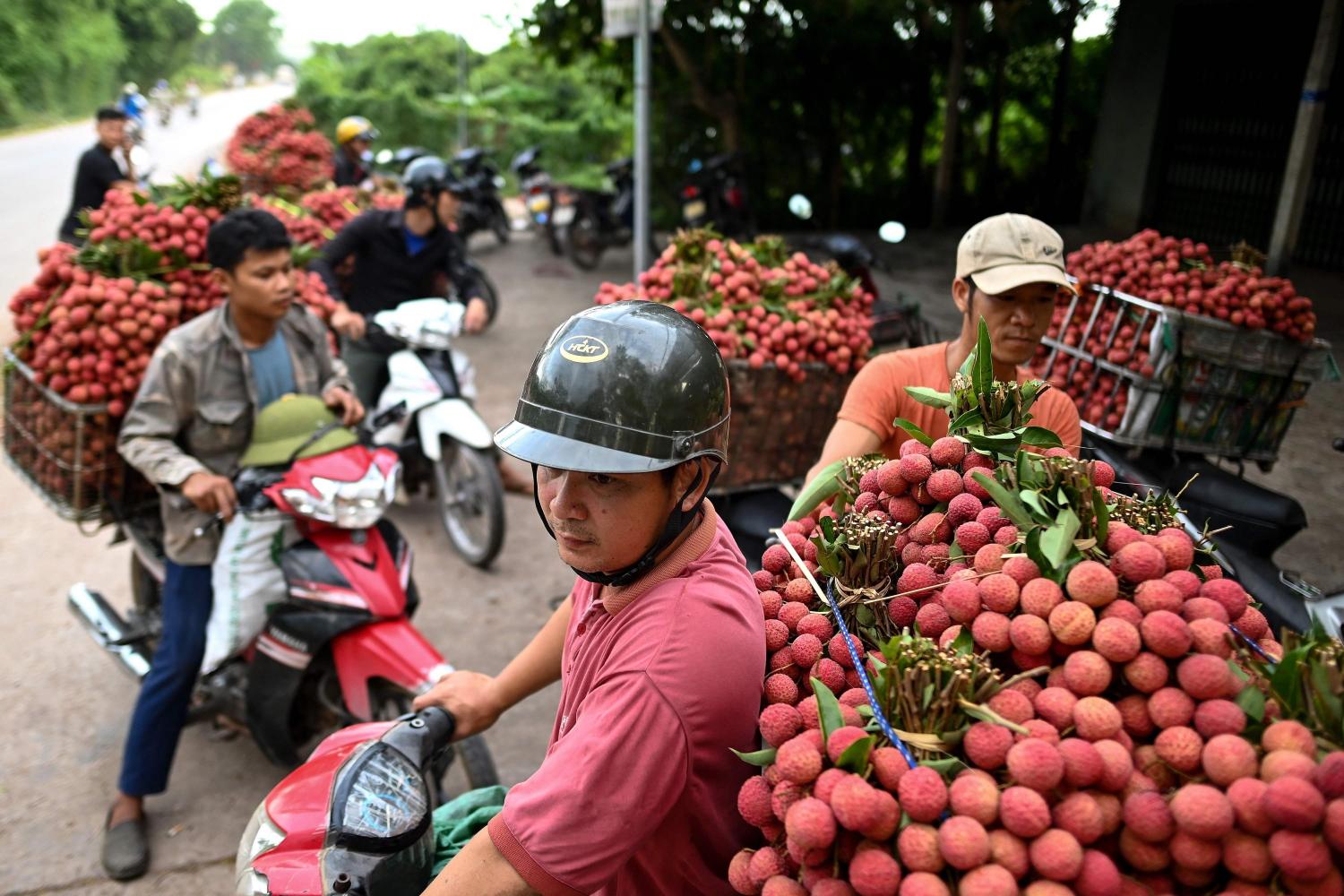
    Twenty tons of lychees from the first batch of the 2021 season harvested in the northern province of Bac Giang have been shipped to Japan.

    This is the second year that the fruit has been exported to far east economic giant from Bac Giang, the premier lychee growing province in the country.

    The lychees were grown in the province’s Tan Yen District and shipped by the Global Export and Import Foodstuff JSC and Chanh Thu Export and Import Fruit Company.

    The two companies said that they would export more Bac Giang lychees to Japan by air and sea this year.

    Tan Yen District cultivates lychees on 1,300 hectares and expects to harvest 14,000 tons of the fruit this year. Its early harvest season will last until mid-June.

    Nguyen Viet Toan, chairman of the district People’s Committee, said they have quarantined everyone who’s come into contact with Covid-19 patients, set up checkpoints on roads leading to lychee cultivation areas, and are checking the health of every visitor to ensure the orchards are unaffected by the pandemic.

    Under regulations set by Japan’s Ministry of Agriculture, Forestry and Fisheries, Japanese experts have to directly supervise phytosanitary certification of exported produce in Vietnam. However, during the pandemic, Japan has authorized Vietnam’s Plant Protection Department to do it because Japanese experts cannot come to the country now.

    Bac Giang has so far harvested 2,000 tons of lychees in the early harvest season, half of which has been exported. China is the largest buyer of lychees from Vietnam.

    Vietnam aims to export 20,000 tons of lychees this year to China, Japan, Australia, the E.U., and the U.S.

  • McDonald’s Japan brings back Speedee

    McDonald’s Japan brings back Speedee

    Going retro, McDonald’s Japan is bringing back the fast-food chain’s first mascot Speedee on a range of vintage packaging.

    Part of its 50th-anniversary celebrations, the return honors the opening of the nation’s first McDonald’s located on the first floor of the Ginza Mitsukoshi department store in Tokyo back in July 1971. Long before the introduction of Ronald McDonald in 1967, Speedee was used by original founders Richard and Maurice McDonald at their burger restaurant in California in 1940.

    Speedee, inspired by Richard and Maurice McDonald’s innovative “Speedee Service System,” will appear on a selection of packaging at McDonald’s locations throughout Japan. Available for a limited time only are retro designs for Chicken McNuggets, fries, hashbrowns, apple pie, cold drinks and takeout paper bags

  • Yakult opens a dessert store in Japan

    Yakult opens a dessert store in Japan

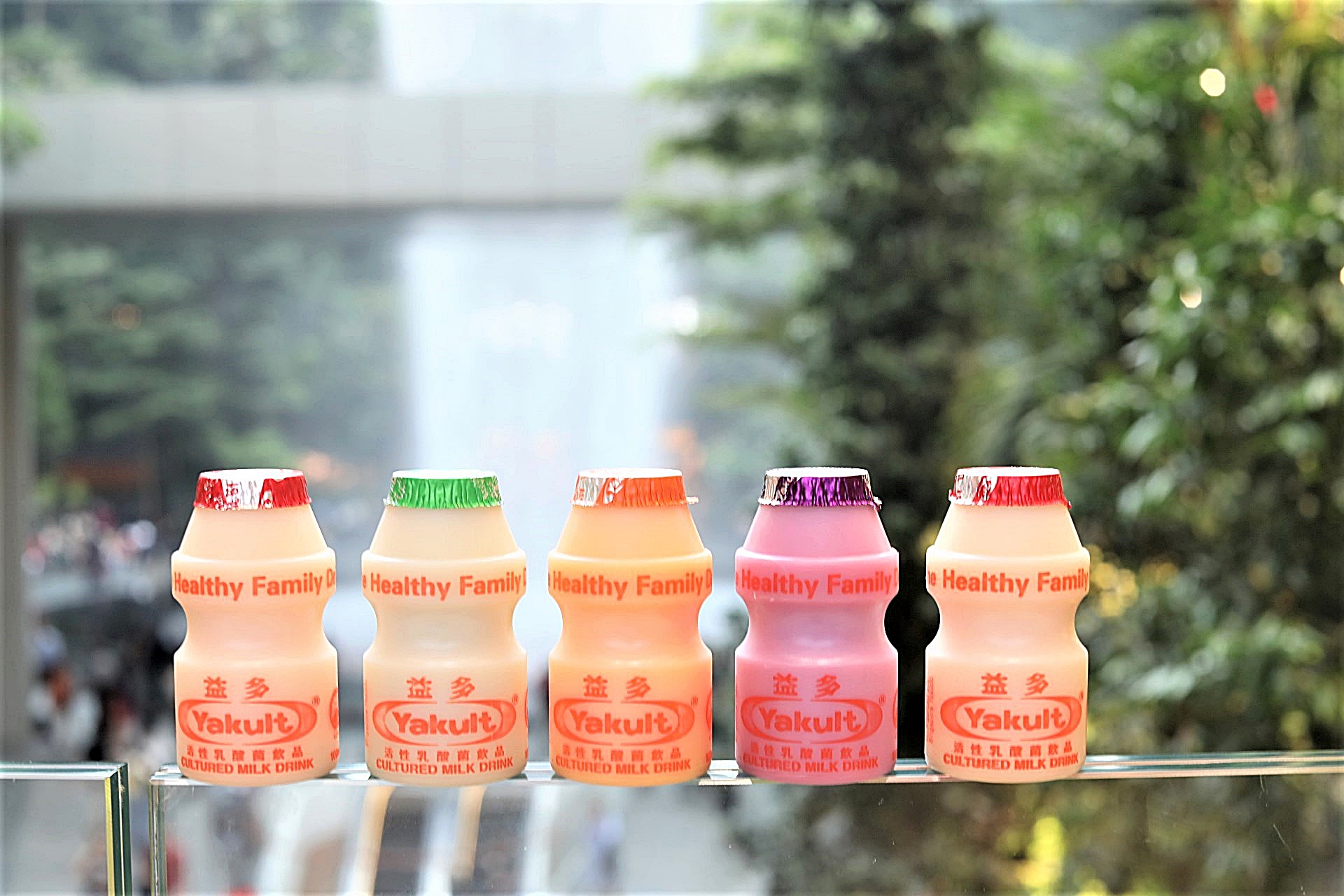
    Japanese sweetened probiotic milk brand Yakult is to open a pop-up dessert store in Tokyo next month.

    Located at the Shibuya 109 building, the Yakult store will offer a range of ice creams, soft serves, and shakes, which are mixed with probiotic milk. Seven kinds of treats, including Yakult Parfait and Ice de Yakult, are developed in partnership with Imada Kitchen.

    The store exterior will present an artwork drawn by the illustrator ‘The Peach of Girl’, which features a “chill and refreshing” vibe and “a feeling of nostalgia”. The Yakult dessert store will open from June 1 until August 1.

    First introduced in 1935, Yakult has been known as a healthy beverage that helps maintain good gut flora, as each bottle is said to contain more than 10 billion ‘Lactobacillus paracasei Shirota’ bacteria.

  • Gucci opens Namiki flagship design

    Gucci opens Namiki flagship design

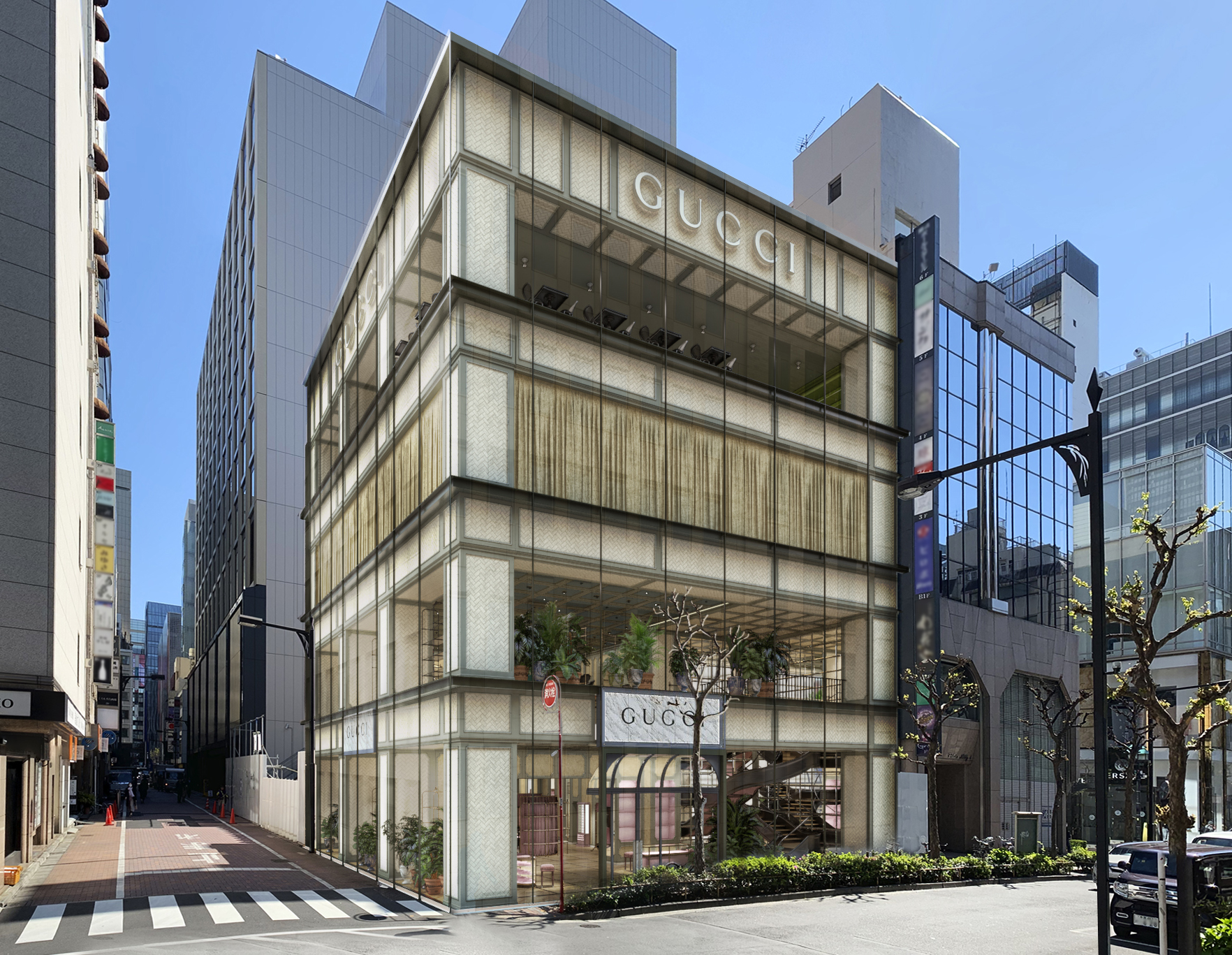
    The first store selling Gucci products in Japan, operated by Sun Motoyama, opened in Ginza in 1964 and the brand’s first boutique was unveiled in Tokyo in 1972. It was Gucci’s first store to open in Asia. Japan remains a stronghold, according to Gucci president and chief executive officer Marco Bizzarri. “We have never stopped believing in the Japanese market and continue to invest in it,” he observed. The most recent signal of this commitment is the opening of the Gucci Namiki unit in Ginza, the brand’s second flagship in Tokyo’s upscale district.

    The store also points to the “fundamental importance” of brick-and-mortar, said Bizzarri, despite the growing relevance of online transactions, which clearly accelerated during the pandemic and the lockdowns. “The narrative to connect with the customers, the moment in which you meet the brand, the one-to-one relations will continue to be very important, increasingly combined with the brand’s different distribution channels, and it’s all happening very quickly. The goal is to offer the best possible experience.”

    The concept conceived by creative director Alessandro Michele for the Namiki store is new and will not be replicated elsewhere, explained Bizzarri. The opening of the store, which covers three floors in a building on Namiki-dori Street — the same where Gucci started its business in Japan in 1964 — will unfold in three parts.

    The first two floors will be unveiled on April 29. Over a total space of more than 7,776 square feet, they will carry a full range of men’s and women’s ready-to-wear, handbags, luggage, accessories, shoes, jewelry, silks, belts, watches, eyewear, fragrances, and the Gucci Décor collection. The brand will also offer exclusive pieces, such as handbags in precious leathers and distinctive jewelry.

    Walls on the first and second levels use materials inspired by Japanese traditional bamboo work and are exclusively developed for #GucciNamiki.

    The third floor, scheduled to open in the fall, will house the Gucci Apartment, which, by appointment, will allow privacy and be dedicated to made-to-order, personalization and other special services. It will also showcase the Gucci Décor collection.

    Photos from François Pinault’s private collection will be on display. “This is the first Apartment in a Gucci store,” observed Bizzarri.

    Additionally, later in the year, a Gucci Osteria da Massimo Bottura will open on the fourth level of the building, curated by the three-Michelin-star chef Massimo Bottura, a childhood friend of Bizzarri’s.

    One way to differentiate the stores is through food, said Bizzarri, paying close attention to the territory and giving a local flavor to each. The restaurant will be the third in the world following the first at the Gucci Garden in Florence in 2018, followed by one in Los Angeles on the rooftop of the Beverly Hills flagship.

    Further linking with the country, artwork by Japanese artist and longtime friend of the house Yuko Higuchi will embellish the Osteria’s façade on Namiki-dori Street. Celebrating the opening, illustrations by Higuchi will also adorn limited-edition items, available in the store. Gucci has been collaborating with the Tokyo-based artist on several projects, including a special spring 2018 and fall 2020 kids capsule collection. One of her works also decorates one of the Galleria walls of the Gucci Garden in Florence.

    The store may attract some additional interest in light of the Tokyo Summer Olympics, expected to kick off on July 23, but Bizzarri said this was purely a coincidence and never meant to coincide with the event. “Gucci has been working on the store for a long time, and it was conceived for local customers,” he said.

    Japan accounts for 7 percent of Gucci’s revenues, which in 2020 amounted to 7.44 billion euros. There are a total of 67 Gucci stores in Japan.

    Kering chief financial officer Jean-Marc Duplaix, presenting the group’s annual results last month, said “Japan improved in the fourth quarter on a somewhat easier comp base, containing its decline to 10 percent, supported by nice growth with local customers,” in the wake of the pandemic and the lack of tourist flows.

    Courting local clientele and Asia are clearly a focus in 2021, as Bizzarri revealed Gucci will also open “a very important store in Seoul” by the end of the year. A fourth Osteria — and “last,” said Bizzarri — will also find a home in that venue. In that case, Gucci will work with a Korean artist for the facade.

    Gucci has recently launched several dedicated initiatives in Japan. Last June, debuting its first circular collection Gucci Off the Grid, an entire range of products were created in a special blue color exclusively for the Japanese market in a selection of genderless bags, wallets, sneakers, rtw and hats. Japanese musician Miyavi, another friend of the house, was featured in the ad campaign.

    In July 2020, for the opening of the Gucci Miyashita Park store, graphic designer Tadanori Yokoo and illustrator Shohei Otomo were invited to develop new artworks dedicated to the brand, inspired by Gucci key visual codes, displayed at the store and at the Shibuya station.

    Last October, Gucci released the second issue of the Chime Zine, including a special section focused on Japan, with essays, interviews and artwork related to feminism, gender and self-expression in Japanese society. Contributors include Yuki Chizui, a sushi chef and owner of a sushi restaurant with an all-female staff; Yume Morimoto, a queer feminist writer and founder of a bilingual zine, and members of WAIFU, a resistance nightlife party founded on the principles of intersectional feminism and inclusion. The cover of the Japan spotlight featured women of Bluestocking, Japan’s first feminist literary journal credited with helping to launch the feminist movement in Japan.

    Bizzarri said the Gucci 9 live video call experience, offered by the Gucci Live service that debuted last May in the Europe, Middle East and Africa region, which helped discover the collection remotely, is being expanded to Japan.

    Gucci, which marks its centenary this year, has been receiving additional attention from the Ridley Scott “House of Gucci” film that is currently being filmed in Italy. The film offers a dramatized version of the real-life events in the late 1980s and early ’90s that led to the murder of Maurizio Gucci — the grandson of Guccio Gucci, the founder of the Italian fashion house. In the film, Lady Gaga plays the role of Patrizia Reggiani, who commissioned the murder of her ex-husband Maurizio Gucci, played by Adam Driver.

    Asked to comment on the film, Bizzarri underscored that the Gucci family is no longer involved in the brand today, and that the movie will not extend to the post-Investcorp developments and thus not be related to the current owner, Kering, owned by the Pinault family. He added that the company is allowing “total creative freedom” to the production.

  • Colt brings IP-based ISDN phone service to Japan with VoiceLINE(v)

    Colt brings IP-based ISDN phone service to Japan with VoiceLINE(v)

    Colt Technology Services has announced an expansion of its VoiceLINE(v) service to Japan, making this offering now available in 14 countries globally.

    Colt VoiceLINE(v) delivers direct ISDN to a customer’s TDM-based PBX alongside enhanced geographic coverage via Next Generation IP technology, utilising SIP Trunking to be delivered over a variety of IP-based access points.

    VoiceLINE(v) will replace Colt’s existing VoiceLINE ISDN, with customers now being able to continue to use their TDM or hybrid IP-TDM PBX.

    For more than 20 years, Colt has offered high-quality voice services underpinned by the most comprehensive network, with its ISDN and SIP interfaced voice offering serving thousands of customers throughout Europe and Japan. With the launch of VoiceLINE (v) in Japan, customers can now benefit from traditional ISDN infrastructure with modern SIP trunking delivered over the Colt IQ Network – ensuring they are able to meet the challenging demands of the modern workplace.

    Masato Hoshino, Colt Technology Services President and Head of Asia, says: “Last year, many companies around the world activated their business continuity plans, triggering dramatic growth in voice traffic. As new work styles were adopted, the demand for voice traffic among call centres, conference service providers and large enterprises continued to grow. We are proud to support our customers with market-leading voice services that can be delivered under any circumstances.

    “We are excited to expand our VoiceLINE(v) into Japan, putting us in the best possible position to support our customers’ business objectives in Asia.”

    While delivering ISDN services over SIP, Colt provides the opportunity to transition easily, from both a commercial and technical perspective, to SIP Trunking whenever enterprises are ready. Delivering a futureproofed VoIP-based ISDN telephony service, which offers more features than traditional TDM voice, allows enterprises to continue using their current PBX and telephone devices without having to invest in their own IP network. This gives enterprises flexibility in planning the evolution of their IP and voice infrastructure and prepare for a simple transition to cloud-based telephony or pure SIP Trunking.

    In addition to Japan, Colt’s VoiceLINE(v) is already available in 13 European countries. They are Austria, Belgium, Denmark, France, Germany, Ireland, Italy, Netherlands, Portugal, Spain, Sweden, Switzerland and the United Kingdom. With this, Colt can offer similar services to global players across the world.

    Colt’s VoiceLINE (v) became available in Japan from April 1st.

  • Japan’s retail sales rise at fastest pace in five months

    Japan’s retail sales rise at fastest pace in five months

    Japanese retail sales rose 5.2 percent year-on-year in March, representing the fastest pace of growth in five months as consumer demand returned after suffering a huge hit due to the coronavirus pandemic last year, according to a report.

    The world’s third-largest economy’s retail sales gains beat the median market forecast of 4.7 percent growth with the fastest rise since a 6.4 percent jump in October and the first positive growth seen in four months. Compared with the previous month, retail sales rose 1.2 percent on a seasonally adjusted basis.

    Fashion items were one of the categories driving growth in March and department stores saw particularly strong gains, posting a 19.3 percent jump in sales.

    This said, Japan’s slow vaccine rollout and a resurgence of Covid-19 cases, leading to new state of emergency declarations last week, are expected to weigh on consumption in the near term.