Retail News CRM

Tag: Japan

  • Japan’s top energy company to increase Petrolimex stake

    Japan’s top energy company to increase Petrolimex stake

    Japanese oil giant ENEOS Corporation has registered to buy 25 million shares of fuel distributor Petrolimex on the Ho Chi Minh Stock Exchange.

    The transaction, to be completed in March, if successful, will see ENEOS increase its stake in Petrolimex to 2.94 percent. It had acquired a 1 percent stake last September.

    Petrolimex’s PLX shares closed at VND57,300 on February 24, and at this price the deal will cost ENEOS around VND1.4 trillion ($62 million).

    The company’s subsidiary, JX Nippon Oil & Energy Vietnam Consulting and Holdings Company Limited, owns another 8 percent stake in Petrolimex.

    ENEOS is the largest oil company in Japan with a 47 percent market share.

    In 2020, due to the impact of Covid-19, Petrolimex saw revenues fall 34.5 percent to VND123.9 trillion. Its net profit was VND1.2 trillion, a 73.6 percent fall.

  • AirAsia Japan closure has cost group $80 million so far

    AirAsia Japan closure has cost group $80 million so far

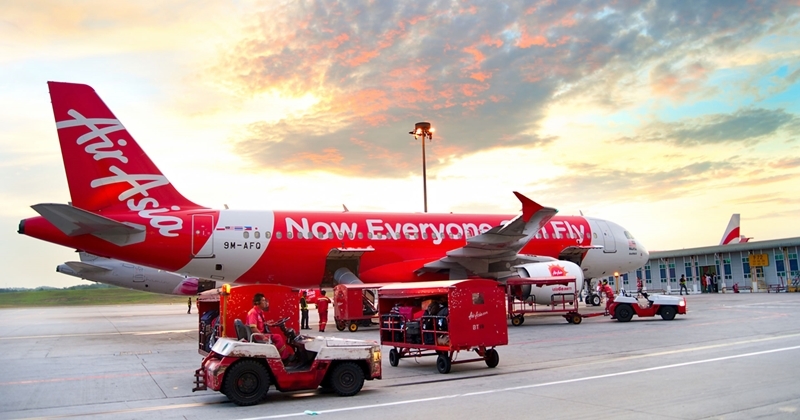
    AirAsia Japan’s closure has cost the Malaysia-based AirAsia Group nearly $80 million over three quarters.

    AirAsia Group owns 48.9% of the joint venture carrier, which ceased operations in October and filed for bankruptcy in the following month.

    AAJ commenced bankruptcy proceedings by a court order issued on 24 February, AirAsia Group said in a same-day Bursa Malaysia disclosure.

    As a result of the proceedings, the low-cost airline group recognized a loss of over $74 million in the second half of 2020, “due to financial assistance [to AAJ] in the form of intercompany transactions and loans being written off as these amounts were deemed to be irrecoverable”.

    AirAsia Group also incurred nearly $5.2 million in expenses related to aircraft de-registration, in the fourth quarter of 2020 and the current quarter, to move three aircraft from Japan to Malaysia.

    The group states: “Further announcement(s) will be made in due course on the particulars of claim and financial impact to AirAsia Group, if any, under the bankruptcy proceedings.”

    AirAsia Group last stated in a 25 August disclosure that it provided AAJ with financial assistance totaling $6.27 million during the second quarter of 2020.

    In 2019, the group gave AAJ a $12 million loan in November that year, as well as loans of Y1 billion ($9.4 million) and Y2 billion in January and March, respectively.

    Further back, AAJ received a Y500 million loan from the group in the third quarter of 2017.

  • Japan’s Toyota, Honda Can Likely Cope With Global Chip Shortage

    Japan’s Toyota, Honda Can Likely Cope With Global Chip Shortage

    The global semiconductor chip shortage is not likely to significantly affect the financial profiles of Japan’s Toyota Motor Corp or Honda Motor Co, ratings agency Fitch said in a statement on Wednesday. The automakers have enough financial flexibility to absorb more costs and maintain significant rating headroom, even if the shortage persists till the second half of 2021, according to the statement. 

    The automobile industry has been grappling with a shortfall in chip supply since the end of last year, driven by coronavirus lockdowns in Southeast Asia and bulk-buying by U.S. sanctions-hit Chinese tech giant Huawei Technologies, among other reasons.

    The shortage prompted top U.S. automaker General Motor to extend production cuts at three North American plants last week, while Honda Motor and Nissan Motor were set to sell a combined 250,000 fewer cars in the current financial year.

    Toyota and Honda have enough financial flexibility to absorb more costs and maintain significant rating headroom

    Meanwhile, Toyota shrugged off the issue in its quarterly report last week and said it has up to a four-month stockpile of chips, with no immediate hit to production expected.

    “We believe the shortage should ease or even be resolved in the second half of 2021 as suppliers boost production for automotive clients,” Fitch said.

    Top economic and national security officials in the White House have launched a new effort to help the U.S. auto industry fight the chip shortage, a White House official said on Thursday.

    The issue could impact nearly 1 million units of global light vehicle production in the first quarter, according to data firm IHS Markit.

  • SoftBank-backed Coupang reveals revenue surge ahead of US IPO

    SoftBank-backed Coupang reveals revenue surge ahead of US IPO

    South Korean e-commerce giant Coupang, backed by Japan’s SoftBank Group Corp, on Friday filed to go public on the New York Stock Exchange, hoping to cash in on strong demand for high-growth tech stocks as it reported a near-doubling of annual revenue and narrowing losses.

    Coupang is aiming for a valuation of around $50 billion in its U.S. initial public offering (IPO), according to a person familiar with the matter.

    This would make it the largest IPO in New York by a company based outside the United States since Alibaba Group Holding in 2014, Dealogic data showed.

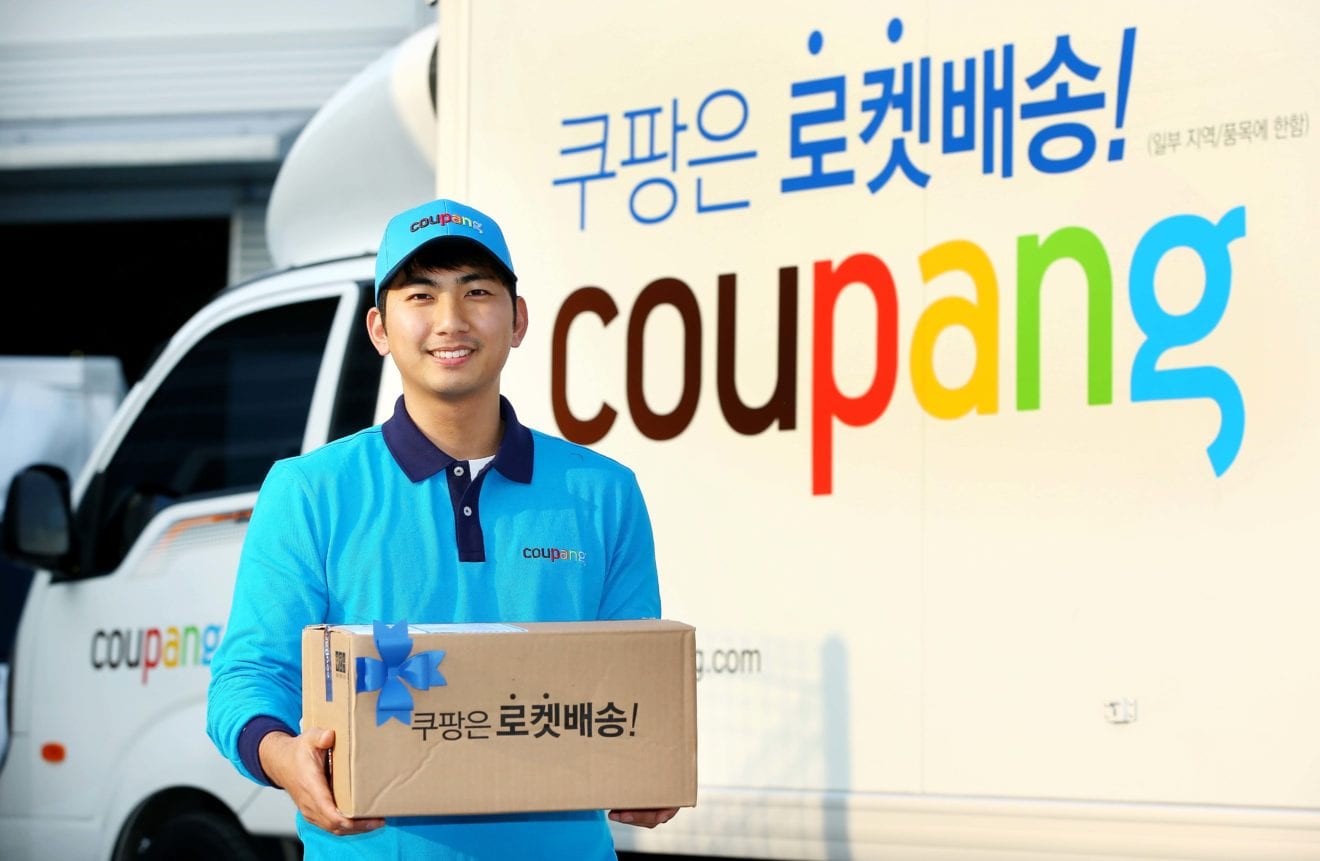
    Founded in 2010 by Harvard graduate Bom Kim, Coupang made a splash in Korea with its ‘Rocket Delivery’ service, which promised delivery within 24 hours, shaking family-owned retail conglomerates such as Shinsegae and Lotte.

    Coupang was valued at $9 billion in its last private fundraising round in 2018, according to data provider PitchBook.

    In a regulatory filing, Coupang said total revenue jumped 91% in 2020 to $11.97 billion, while net losses narrowed to $474.9 million from $698.8 million.

    The company, viewed as a rival in South Korea to e-commerce giant Amazon.com Inc, received $1 billion in funding from SoftBank in 2015 and $2 billion from its Vision Fund in 2018.

    Coupang’s other investors include BlackRock Inc, the world’s largest asset manager, venture capital firm Sequoia Capital and billionaire investor Bill Ackman.

    The U.S. IPO market is at its strongest in more than two decades, and investors are flocking to buy shares in technology companies that have benefited during the COVID-19 pandemic.

    Coupang plans to list under the symbol “CPNG”. It has yet to provide a target asking price for its shares.

    Goldman Sachs, Allen & Co, JP Morgan, BofA Securities and Citigroup are among the underwriters.

  • Japan retailer turns to cuddly toys to boost Lunar New Year sales

    Japan retailer turns to cuddly toys to boost Lunar New Year sales

    Japan’s cuddly bear character Rilakkumma, who has captured the hearts of children and adults alike with his laidback demeanor, sits on the shelves of a swanky department store in the capital, flanked by Hello Kitty and other plush toys.

    As the Lunar New Year begins on Friday, they are taking the place of home appliances, from rice cookers to electric toilet seats, normally favored by Chinese tourists who are absent this year because of coronavirus restrictions.

    “Due to the current travel bans, it’s impossible for them to come to Japan,” said Jin Xuezhu, head of the inbound sales division at the Laox duty-free retail chain, which runs the store in Tokyo’s district of Akihabara.

    Chinese have accounted for 90% of the chain’s customers since 2014, Jin said, adding, “So the absence of that 90% has a huge impact on our business.”

    The sharp contraction in global tourism brought by the pandemic forced the chain to shutter half of its 24 stores last year to cut costs and restore cash flow. It has refurbished its image, adding friendly touches to lure domestic customers.

    “We have put out many hobby and toy goods that are unique to Akihabara,” Jin said. “Before we were branded as a duty-free shop, but last year we renovated our stores so that Japanese customers can also feel welcome.”

    But Laox has not forgotten its clientele in China, hosting live broadcasts from Tokyo since last autumn on Chinese e-commerce platforms, such as those of electronic giant Suning and messaging app WeChat.

    “We have great expectations for online shopping through live streams,” said Cui Wenzhe, the manager of the chain’s live commerce section.

    The chain hosted 350 such broadcasts last year and expects even better numbers during the Lunar New Year holiday, he added.

    “We’re also looking forward to more sales events for Valentine’s Day.”

    Laox declined to provide details of the hit to current Lunar New Year sales, but acknowledged the pandemic’s “huge impact” on its business.

    Although Japan has not suffered virus outbreaks on the scale of other major economies, such as Britain and the United States, it has just extended by another month its state of emergency in Tokyo and other regions.

    The continued travel ban, particularly the absence of holidaying Chinese for a second successive year, is expected to hurt Tokyo retailers further.

  • Muji ready to open largest Philippines retail store yet

    Muji ready to open largest Philippines retail store yet

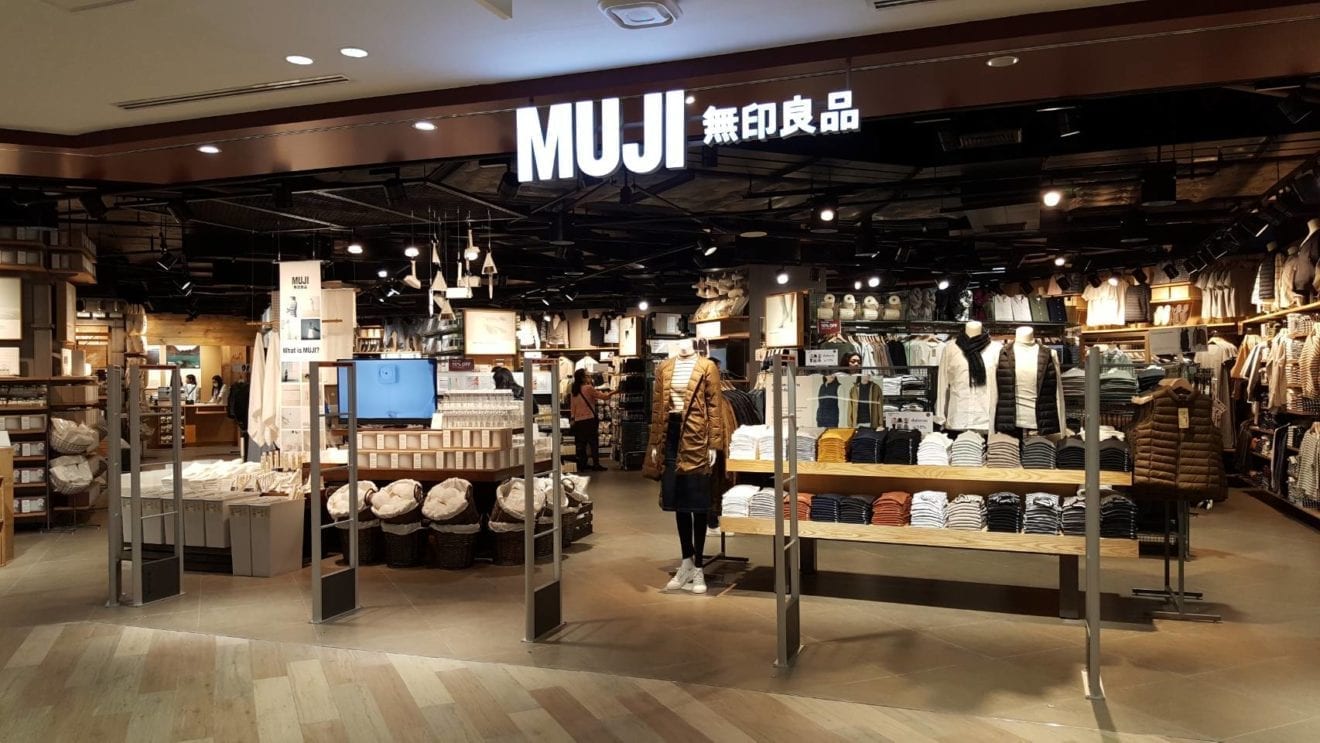
    Fans of Japanese minimalist brand Muji will be delighted to know that the retailer is planning to open its “largest” store in the Philippines — soon.

    Muji announced this last night in a social media post, where it told followers to “stay tuned for more info.” It did not divulge where the new store will be located.

    The pandemic has hit the retail sector in the Philippines severely, with countless brick-and-mortar stores closing inside now-empty malls. Rents in malls are expected to fall by 2%, while registered online businesses have increased to 75,876 in September from 1,753 in March. Many Filipinos now prefer to buy from e-commerce platforms Lazada and Shopee, mainly because they fear that they will get infected with the coronavirus if they venture outside their homes.

    The changes taking place have prompted Muji Philippines to launch its own pick-up and delivery service in August.

  • NZ smart-trolley startup finds strong demand in Japan

    NZ smart-trolley startup finds strong demand in Japan

    IMAGR says the deal with Japanese H2O Retailing Corporation is its first international sales partnership. The Kiwi tech startup is the creator of the SmartCart intelligent shopping trolley. The system uses computer vision technology and AI to reduce queues in retail stores, as it automates checkouts and payments for a frictionless shopping experience.

    IMAGR has also piloted the technology with Kiwi supermarket group Foodstuffs. IMAGR’s first international rollout is anticipated for May 2020.

    It says it is also in discussions with other New Zealand, US, and European retailers for further rollouts.

    H2O Retailing Corporation is headquartered in Osaka, Japan, and operates supermarkets mainly in Osaka and other cities such as Kyoto and Kobe.

    Globally leading retailers are investing heavily in technology to personalize and automate retail, in order to increase customer experience and profits, says IMAGR founder and CEO William Chomley.

    “We’re operating in a $5.7 trillion global brick and mortar grocery retail sector, let alone other types of retail. So, it’s a fallacy that there isn’t opportunity in bricks and mortar retail,” he says.

    “We know Japan is leading the way in evolving retail and it’s doing so on a mammoth scale.”

    He says Japan is the second-largest retail market in the world, at close to US$600 billion in supermarket revenue, home to 127 million people, 55,000 convenience stores, and over 8,000 supermarkets. It also has an aging population and labor shortages which make it cost-prohibitive for retailers to find staff.

    “To break into this market so early in our operation is a real coup and a sign of what we believe is to come,” says Chomley. “Beyond Japan, the opportunity for SmartCart is immense.”

    Off the back of this deal, IMAGR is opening its first office outside of New Zealand. The Japanese office will work closely with H2O Retailing Corporation to ensure a smooth rollout of the technology next year.

    Existing premises are also suitable for the immediate introduction of SmartCart, as the technology is self-contained in the shopping trolley.

    “With SmartCart, doing your shopping is easier and faster. There’s no need to wait in line, there’s no need to pull out a credit card, there’s no need to engage in small talk. Customers just put the goods in their trolley then walk right out of the store. It’s as easy as that,” says Chomley.

    IMAGR’s SmartCart contains four cameras that work with the world’s most powerful AI vision recognition system.

    As a result, SmartCart knows what a customer puts in, or removes, from their carts. Self-contained in a robust trolley that is visually indistinguishable from a regular shopping cart, the cameras examine, recognize and account for goods as they are added or removed.

    IMAGR says its system is vastly more efficient than ceiling-based frictionless retail solutions, such as Amazon Go, and is far easier to implement.

    There is no facial detection with SmartCart, because the SmartCart cameras are focused within the cart, not the surrounding area, it states.

    Existing premises are also suitable for its immediate introduction, as the technology is self-contained in the shopping trolley.

    Customers can use SmartCart by installing an app, linking a payment method, and then syncing their handset with the cart when shopping for the easiest experience.

    Alternatively, SmartCart can be used without linking to a handset or bank card: customers arrive at the checkout with the trolley recording a predetermined total, eliminating the need for unloading, scanning, and reloading individual items.

    “We’ve specifically designed SmartCart for an easy introduction so it generates revenue for retailers rapidly. In fact, the setup cost is roughly equivalent to that of introducing self-checkout,” says Chomley.

    “Globally, retailers are looking for ways to improve the customer experience while reducing overheads. SmartCart does both. We’re confident that once seen in action, SmartCart will become the preferred way of shopping for shoppers.”

  • Mixed fortunes for online and offline retailers in Japan and Korea

    Mixed fortunes for online and offline retailers in Japan and Korea

    Brands in the tech sector are likely to record mixed fortunes as a result of the COVID-19 pandemic, with retail tech brands predicted to fare the best compared to leisure and tourism tech brands, which are expected to suffer considerably, according to the latest report by Brand Finance. The top 100 most valuable tech brands, on average, should see a slight decrease in brand value following the pandemic, falling 5%.

    The Brand Finance Tech 100 2020 ranking is split into sub sectors, with electronics, software, retail and media & games analysed separately as these brands make up more than 80% of the total brand value in the ranking. All brand values are correct as at 1st January 2020.

    Alex Haigh, Director, Brand Finance, commented:

    “The sheer size and diversification of the tech sector undoubtedly means that brands are going to be affected differently from COVID-19. On the one hand, e-commerce brands are likely to see a boost to their brand values following record high demand. In contrast, other tech brands’ journeys in the coming year could be more turbulent, with supply chains impacted, consumer spending shifting and slowing demand impacting brands’ bottom lines and, in turn, their brand values.”

    Electronics: Apple storms ahead despite losing brand value

    Making up 27% of the total brand value and with 30 brands featuring, electronics are the dominant sub sector in the Brand Finance Tech 100 2020 report. The electronics sub sector is likely to be moderately impacted by COVID-19, with a potential 10% loss of brand value at stake.

    Leading the way is Apple, recording a 9% drop in brand value to US$140.5 billion and simultaneously dropping to 3rd spot in the ranking, with Google (brand value up 12% to US$159.7 billion) overtaking in 2nd.

    Apple has struggled to grow in key emerging markets, showing little motivation to diversify its portfolio. Brand Finance’s analysis shows that Apple could lose up to 20% of its brand value following the pandemic with supply chains broken and consumer spending slowing – the brand will be hoping the return to normality in China could offset some of this damage.

    With an impressive brand value growth of 37%, ZTE is the fastest growing electronics brand – its surge in brand value bolstered by its increased adoption of 5G. Telco equipment brands should be in a solid position to experience good growth as the rise of 5G accelerates globally.

    Software: Google overtakes Apple

    The second most valuable sub sector, software, makes up 21% of the total brand value in the Brand Finance Tech 100 2020 ranking with 15 brands featuring. Brand Finance’s analysis shows that software brands could lose up to 10% of their brand value as a result of COVID-19.

    With a brand value of US$159.7 billion, Google is the most valuable software brand in the ranking and the 2nd most valuable in the overall ranking. Google’s sleek brand extension from software to hardware, is a direct threat to Apple, who have lost their streak of brilliance in recent years. COVID-19 is likely split Google’s fortunes down the middle with Google Cloud predicted to celebrate boosted demand, as remote working becomes widespread. The pandemic does pose a major threat to its advertising business, however, – where the majority of the brand’s revenue comes from – which is inevitably going to slow down.

    Chinese software giant Baidu recorded the largest drop in brand value in the ranking, down 54% to US$8.9 billion. The company reported its first quarterly loss since its initial public offering (IPO) back in 2005. Along with the intense market competition, the brand’s revenues were heavily impacted as regulators placed more attention on online advertising. Baidu is now focusing on other areas to drive long-term growth, such as its cloud division, smart speakers, and even driverless cars in an effort to secure better results for the future. The combination of the economic slowdown in China and COVID-19’s damage to ad sales will no doubt cause some damage to aid-dependent brands like Baudi.

    Retail: Amazon primed for more growth

    Retail brands contribute 19% of the total brand value in the ranking, largely as a result of the sheer dominance and size of the world’s most valuable brand Amazon. Bucking the trend of traditional bricks and mortar retail, e-commerce brands have the opportunity to thrive in the current climate as demand reaches record highs. Retail is, therefore, the only subsector in the Brand Finance Tech 100 2020 ranking, that could potentially see an increase in brand value as a result of COVID-19, up to 20%.

    Breaking the so far unattainable US$200 billion brand value mark, following 18% growth, Amazon remains a cut above the rest. While most brands are experiencing or expecting a slump in revenue during the pandemic, Amazon is set for continued growth. As with fellow e-commerce brands, Amazon has been benefitting from the unprecedented surge in demand as consumers turn online following store closures.

    Japan’s Rakuten is the fastest growing brand in the ranking, recording an impressive 66% brand value growth to US$5.2 billion. The Tokyo-headquartered brand has celebrated strong growth in its domestic e-commerce services and has its sights set on building upon and winning new customers with the aim of cross-use of services to further open up the brand’s ecosystem.

    Media & Games: limited damage from COVID-19

    The 14 media & games brands make up 18% of the total brand value in the Brand Finance Tech 100 2020 report. Eight of these brands hail from the US and have grown, on average, 12% in brand value year on year. Brand Finance’s calculations have found that this sub-sector is going to suffer limited impact from COVID-19, equating to a 0% change in brand value.

    Media & Games’ most valuable, Facebook (brand value down 4% to US$79.8 billion), has negotiated several high-profile reputational issues, most notoriously the Cambridge Analytica scandal, which resulted in a US$5 billion fine last year. The pandemic could, however, turn the tide on the tarnished brand, as people are forced to keep in touch with friends through social media. Facebook has also been developing a symptom survey, which is hoped to reveal a lot about COVID-19 and contribute to research.

    In contrast, Facebook-owned Instagram has enjoyed an explosion of growth, securing the second-highest brand value increase among all tech brands this year, up 58% to US$26.4 billion. The platform is successfully leveraging its position in the market as a genuine business tool – beyond its traditional influencer market – as more businesses move online during the lockdown.

    In line with positive trends in brand value among other video streaming services, last year also saw Netflix enjoy an 8% boost in brand value to US$22.9 billion. Netflix has been a pioneering force in changing consumers’ viewing habits. This success has only been spurred on by COVID-19, with the timely release of Tiger King raking in 34 million US viewers in the first 10 days alone.

    In addition to calculating overall brand value, Brand Finance also determines the relative strength of brands through a balanced scorecard of metrics evaluating marketing investment, stakeholder equity, and business performance. Alongside revenue forecasts, brand strength is a crucial driver of brand value. According to these criteria, WeChat is the world’s strongest tech brand with a Brand Strength Index (BSI) score of 92.9 out of 100 and a corresponding elite AAA+ brand strength rating.

    WeChat has significantly broadened its proposition since its inception, successfully leveraging its brand to develop an extraordinary level of vertical product integration. With WeChat Pay now being accepted in more than 60 countries and the platform opening to international travellers in China for the first time, the brand has set its sights on global markets.

  • Shiseido plans sale of consumer product lines for over $1.45 billion

    Shiseido plans sale of consumer product lines for over $1.45 billion

    Japanese cosmetics firm Shiseido Co Ltd said on Friday it was in talks to sell its lower-priced skincare and shampoo lines to private equity firm CVC Capital Partners in a deal reported to be valued at over $1.45 billion.

    Shiseido said it was in talks to sell its “personal care” business in the first half of the year to CVC but that no decision had been made.

    The business includes its Tsubaki shampoo and Sea Breeze deodorant brands which are sold at drugstores and convenience stores throughout Asia.

    The talks were first reported by Bloomberg News, which put the value of the deal at between 150 billion to 200 billion yen ($1.45 billion-$1.93 billion).

    Shiseido said it was considering taking a stake in the business and remaining involved in its development.

    The talks come as Shiseido has been eyeing possible asset sales to focus on premium cosmetics, including its namesake line and brands such as Cle de Peau and NARS sold at department store counters.

    Global private equity firms such as CVC and Carlyle Group have recently been looking to expand in Japan, taking advantage of large Japanese companies coming under pressure to sell non-core assets and improve returns to shareholders.

    CVC last year raised $4.5 billion for its fifth Asia Pacific fund.

    Like other companies in the luxury sector, Shiseido was hit hard by the coronavirus as people shopped less and wore less make-up. A halt in tourism has been particularly painful as the company depended heavily on Chinese visitors.

    The company said in November that it expects a net loss of 30 billion yen in 2020, worse than a previous forecast loss of 22 billion yen.

    Shiseido shares rose 4% in morning trade on the Tokyo Stock Exchange. A CVC representative declined to comment.

  • Laura Ashley rolls out new stores in Japan

    Laura Ashley rolls out new stores in Japan

    British lifestyle brand Laura Ashley has revealed an expansion plan in Japan with seven new outlets scheduled to open during the first three months of this year.

    New Laura Ashley Japan stores will include those in Tokyu Department Store Sapporo, Tobu Department Store Ikebukuro, Odakyu Department Store Machida and Keikyu Department Store.

    “We will deliver products that beautifully and richly colour your “home” and “living”, including original textiles that are naturally inspired,” the company said in a statement, translated from Japanese. “We will introduce more various items such as women’s wear and home miscellaneous goods.”

    The British retailer entered Japan after trading house Itochu acquired the master license rights. The brand was then sold to The World Group under a sublicense agreement. Besides Laura Ashley, The World Group is also managing other house goods and interiors brands, such as 212 Kitchen Store, One’s Terrance, and Timeless Comfort.

    Laura Ashley was one of the world’s first high-profile retailers to collapse due to the Covid-19 pandemic last year.

  • Nomura Hires More Than 20 Private Bankers

    Nomura Hires More Than 20 Private Bankers

    Japanese bank Nomura aims to more than triple assets under management in its International Wealth Management business by March 2025, through an accelerated expansion of the client franchise and enhancement of the wealth management product and services platform.

    All these individuals have been hired in Hong Kong and Singapore following the integration of International Wealth Management into Nomura’s Wholesale business, and the appointment of Ravi Raju as Head of International Wealth Management in September 2020, the firm said in a media release on Tuesday.

    Our ability to attract top talent from the industry is an acknowledgment by the market that we are serious about our ambitions to build a leading wealth management business and are well-positioned as a platform of choice for aspiring relationship managers in the region. The initial focus of the recruitment drive has been to strengthen our presence across Greater China, Southeast Asia and the Global South Asia market,» he said. Some of the senior hires include:

    Client Coverage

    Wayne Yang has joined as Managing Director and Group Head, Greater China, from Baxian Private and Investment Bank, where he was CEO. He started his career more than 30 years ago and has held multiple senior-level positions at private banks including two stints spanning two decades at Citi’s private bank. He has also held leadership roles at the Asia Pacific private banking teams of Merrill Lynch and Deutsche Bank.

    Trevor Mak has been hired as Managing Director and Relationship Manager for Hong Kong. He joined from UOB Kay Hian where he was Managing Director, Private Wealth Management, since March 2020. Before that, he was a Managing Director at Citigroup’s private bank, covering Hong Kong HNW clients for over 12 years. He started his banking career with Standard Chartered in 1984 in Hong Kong, and has worked in private banking at UBS, Coutts, Standard Chartered and Julius Baer.

    Johnny Liu was appointed Managing Director focused on family office coverage for Greater China. He joined from Aldworth Management, a family office, where he was a partner. Before that he was Managing Director and Head of Global UHNW Advisors, Greater China, at UBS’s private bank. He has also worked at HSBC, Credit Suisse and Deutsche Bank in wealth management and investment banking roles.

    Kitty Chen joined as Managing Director and Team Lead for China. She moved after a short stint as Managing Director with Union Bancaire Privee in their Hong Kong office. Before that, she was an Executive Director at Credit Suisse’s private bank, where she spent eight years covering mainland China-based clients. She has also worked in the private banking divisions of Merrill Lynch, ING and HSBC.

    Adil Khan has been appointed Managing Director and Group Head, Southeast Asia, focusing on the NRI market in the Middle East and Southeast Asia as well as the Middle East market. He joined from Citi Private Bank where he was Managing Director and Team Head for the Global India business, and was responsible for the Middle East desk in Asia, working with bankers from the Middle East booking business into Asia. Prior to that, he was Middle East CEO for EFG Bank, based in Dubai.

    Brajesh Jha has been appointed Managing Director and Group Head, Southeast Asia. He joined from BNP Paribas Wealth Management where he was Managing Director and Head for Southeast Asia markets that included Thailand and Vietnam for three years. Prior to BNP, he spent over 10 years with UBS, both in wealth management and investment banking in multiple senior roles.

    Mohit Gupta has joined as Managing Director and Team Lead for Southeast Asia NRI from BNP Paribas Wealth Management where he was Managing Director and Team Head, Indian Markets, covering family offices and UHNW clients from Singapore. Prior to this, he was in various investment advisory roles with Credit Suisse and Standard Chartered for 12 years.

    Charly Madan has been appointed Managing Director and Team Lead, Southeast Asia, focusing on Thailand and Vietnam. He joined from BNP Paribas where he was also Managing Director and Team Leader responsible for UHNW clients in Thailand and Vietnam. He has over 30 years of experience in financial services and has held several senior roles in Thailand including Chairman of CNP REIT, CFO & CRO of Pruksa Real Estate, Country Executive, Thailand, and Asia Pacific Head of Capital and Portfolio Management at Royal Bank of Scotland, Head of Corporate Banking at Bank of Ayudhya and Country Officer at Citibank.

    Nini Rojanavanich has been appointed Executive Director and Relationship Manager, Southeast Asia, covering Thailand and Vietnam. She joined from BNP Paribas Wealth Management in Singapore where she was a Director in the UHNW client segment for Thailand. Prior to that, she was with Sumitomo Mitsui Banking Corporation in charge of its Financial Institutions Group in Thailand, and has held other leadership roles with institutions including Royal Bank of Scotland, Citibank, Bangkok Bank and ABN AMRO.

    Umesh Pandey has been appointed Executive Director and Relationship Manager, Southeast Asia, covering Thailand and Vietnam. He joined from BNP Paribas Wealth Management which he joined in October 2019. Prior to that, he was in the media industry, having spent 16 years over two stints at the Bangkok Post where his last role was as Editor-in-Chief. He has also worked as a Thailand correspondent for Reuters and The Wall Street Journal.

    Kripa Bathija has joined as Executive Director and Relationship Manager covering family offices and UHNW clients in Southeast Asia. She was at Bank of Singapore where she was a Director covering a similar demographic of clients for over seven years. She has also worked with Citibank across various geographies for seven years, with the majority of that time spent with the firm’s Singapore wealth management unit focused on the NRI business.

    Investment Products & Advisory Solutions

    Akshay Prasad has joined as Managing Director and Head of Investment Products & Advisory Solutions, Asia Pacific, from Deutsche Bank’s wealth unit where he worked for nearly 14 years. His last role there was as Managing Director and Head of Investment Advisory, Global South Asia, where he managed a sales team delivering cross-asset advisory and discretionary solutions for clients across Asia and Europe. He started his career with Citi’s wealth management unit.

    Sooraj Arur has joined as Executive Director and Head of Lending & Credit Solutions, Asia Pacific. He joined from Deutsche Bank where he was a Director in structured lending, originating financing deals, structuring credit solutions and negotiating bespoke loan documentation for Asia Pacific wealth management clients in markets including Singapore, Hong Kong, Indonesia, Thailand, India and the Middle East. Before Deutsche, he was a credit specialist at Citibank.

    Aditya Sehgal joined as Executive Director to help drive transformation and business development for Investment Products & Advisory Solutions. He came from Deutsche Bank Wealth Management, where he was a Director and cross-asset investment specialist. There, he provided bespoke multi-asset structured solutions for clients’ investment and hedging needs by partnering with coverage teams in Singapore, Hong Kong and Dubai. He worked at Deutsche for 11 years.

    Infrastructure and Platform

    Mohan Kuppuswamy joined as Executive Director and Head of Architecture & Technology, Asia Pacific, from HSBC where he was Program Head for Platform, implementing Avaloq for Singapore and Hong Kong. Prior to that, he worked for eight years in multiple roles at Deutsche Bank in Asia and Europe, and for over a decade at Citibank including at its private bank in treasury, operations and technology.

    TS Murali has been appointed Executive Director and Head of Front Office Risk and Supervision, Asia Pacific. He joins from Citi Private Bank where he was Business Unit Manager, South Asia, for seven years. In this role, he directly managed the sales support team, ensuring the business operated within applicable regulatory frameworks with appropriate operational and control infrastructure. He has worked at Citigroup and its affiliates since 1993 in various roles across business and operations.

  • Sony Starts Testing Vision-S Electric Car On Public Roads

    Sony Starts Testing Vision-S Electric Car On Public Roads

    It was last year at the 2020 Consumer Electronics Show (CES) in January when Sony Corporation surprised everyone by showcasing its fully electric car – Vision-S. The Japanese technology giant revealed the electric prototype which comes packed with high-end technologies including camera sensors, entertainment systems and much more. Sony’s Vision-S Prototype reached Tokyo in July 2020 for advancing its sensing and audio technologies. Though the car is not expected to go on sale anytime soon, the company seems to have started testing the electric car on public roads in Austria.

    Built by an in-house AI and robotics team, the Japanese company claims that it has been fully road-tested. This is just to ensure that the EV and its platform Vision-S will comply with applicable safety norms and regulations. Moreover, Sony is also working Magna-Steyr to ensure that the vehicle is well-equipped to hit the road in Europe.

    Sony’s driverless prototype comes embedded with 33 sensors which can easily sense people and other vehicles both inside and outside the car to provide driving support. It takes advantage of the brand’s expertise in the field of imaging, entertainment and sensors, which could be employed in the next-generation electric vehicles. The company is already supplying these technologies to Japanese automakers, however, it now wants to develop an individual product that can be supplied as an all-purpose solution.

    Sony hasn’t shared any details about what powers the vehicle. However, it has revealed some key specifications of the car. Dimensionally, this prototype vehicle from Sony measures 4,895 mm in length, 1,900 mm in width and 1,450 mm in height. The wheelbase and ground clearance of the car stands at 3,000 mm and 120mm (up to 135 mm) respectively. The company claims that the Vision-S can sprint from 0 to 100 kmph in just 4.8 seconds before hitting the top speed of 240 kmph.

    It is also equipped with Sony’s 360 Reality Audio offering ensuring an unprecedented and immersive audio experience. The company uses object-based spatial audio technology for recreating vivid realism. Every seat comes with built-in individual speakers so that every passenger can enjoy their music their seats with a personalised sound configuration option. Additionally, there’s a panoramic screen which offers a diverse array of content that can be accessed by driver and passengers.

  • Asics shutters New York flagship as Covid plagues business

    Asics shutters New York flagship as Covid plagues business

    Japanese sporting goods maker Asics closed down its New York flagship store in December amid the prolonged impact of the COVID-19 pandemic, the company announced on Monday.

    The store opened in December 2017 on Fifth Avenue, selling running shoes and sportswear. Asics’s decision comes as high rent bites the company, on top of uncertainties around when the pandemic will end.

    Due to the store’s closure, the sports brand is taking an extraordinary loss of about 2.3 billion yen ($22 million) for the fiscal year ended December 2020. The loss is already included in the latest earnings forecast.

    Asics’ sales in North America declined by 19% between January and September 2020, compared to the same period in 2019. The company is expected to take a net loss of 17 billion yen in fiscal 2020. Sales are forecast to decline by 15% to 320 billion yen.

  • More Japanese firms opt for Vietnam after China

    More Japanese firms opt for Vietnam after China

    Twenty-two more Japanese firms have registered Vietnam as their next investment destination under a scheme in which the Japanese government will fund a production shift from China.

    With the latest additions, 37 out of 81 Japanese firms receiving the government’s subsidies to move factories out of China and set them up in Southeast Asian markets have opted for Vietnam, Japanese ambassador to Vietnam Yamada Takio said at a conference between Japanese firms and the Vietnamese government Monday.

    In July, the Japan External Trade Organization (Jetro) released an official list of 15 Japanese firms that had chosen to move to Vietnam. Most of these firms make medical equipment while the rest produce semiconductors, phone components, air conditioners or power modules.

    “Vietnam currently tops the list of potential investment destinations among Japanese firms choosing to diversify their supply chains,” Yamada said, adding that Thailand came second with 19 firms.

    He said while many economies around the world were struggling to fight against the Covid-19 pandemic, Vietnam has successfully contained outbreaks and is one of the few economies posting positive growth in 2020, estimated at 2.48 percent.

    In the first 11 months of this year, Vietnam’s total export value reached $489 billion, up 3.5 percent year-on-year.

    “In the world, only Vietnam has achieved such great success,” Yamada said. As a result, Vietnam has become more attractive for foreign investors, including Japanese enterprises, he said.

    The Japanese government had earlier announced a 243.5-billion-yen ($2.3 billion) stimulus package to help Japanese companies move production out of China. Jetro said the Japanese government will give each company 0.1-5 billion yen for the move.

    Though Vietnam has emerged as an attractive destination for Japanese investors, there are investment environment problems that need to be resolved, it added.

    Many Japanese firms have complained to the Vietnamese government about complicated administrative procedures.

    Nakagawa Tetsuyuki, general director of Aeon Mall Vietnam, said their projects often take a long time to complete admin procedures. Some projects have to wait more than one year to receive the investment registration and land use right certificate.

    For projects that need approval under the Prime Minister’s licensing authority, it takes even longer, Tetsuyuki added.

    Therefore, Japanese businesses expected the government to shorten and speed up administrative procedures to improve business environment.

    Japanese firms are also concerned about tax incentives, equitization and entry and quarantine policies, infrastructure, and human resources.

    Japan was the fourth-largest foreign direct investor in Vietnam in the first eight months of this year with a total registered capital of $1.64 billion, behind Singapore, South Korea and mainland China.

  • A Japanese First: Japan Airlines to Offer Complimentary COVID-19 Coverage for International Passengers

    A Japanese First: Japan Airlines to Offer Complimentary COVID-19 Coverage for International Passengers

    Japan Airlines (JAL) today announced that the carrier will provide a new service called JAL Covid-19 Cover, as part of its JAL FlySafe program to provide reassurance and support to passengers with essential travel needs during the global pandemic. The new service provided by Allianz Travel—the first of its kind for a Japanese carrier—includes coverage of up to €150,000 in total medical costs resulting from the initial COVID-19 testing fee and subsequent medical treatment for those that test positive during their travels.

    Additional coverage for isolation costs and repatriation is also included for those requiring such after a positive diagnosis. A global 24-hour support line in English and Japanese will also be available to assist customers exhibiting symptoms, providing further peace of mind throughout their journey. Services related to the coverage will be offered from December 23, 2020.

    “As international flights gradually return to service, the JAL Group has implemented key measures against COVID-19 to provide customers a safe and secure travel experience. While it may take time to welcome back customers on a global scale, we hope this coverage with Allianz Travel will provide reassurance to those that need to travel today,” said Hideo Ninomiya, Managing Executive Officer of Passenger Sales, Japan Airlines.

    “AWP Japan is very proud to support JAL in this service. Our assistance teams will help provide peace of mind to JAL’s passengers in these challenging times. Allianz Travel is the specialized travel-related insurance and services brand from Allianz Partners, and we will leverage our vast experience in emergency assistance to travelers and our global medical network to support passengers affected by COVID-19,” said Patricia Moon, CEO of AWP Japan Co., Ltd., member of the Allianz Partners Group.

    The JAL Group has implemented key measures against COVID-19 at the airport and throughout the travel experience. For details on the JAL FlySafe initiative, click here.