Category: Living

Retail News Asia is committed to providing both local and global retailers with the latest Living news throughout the Asian market. This on a daily base.

  • Asia OneHealthcare Plans RM7 Billion Malaysia IPO at RM30 Billion Valuation

    Asia OneHealthcare Plans RM7 Billion Malaysia IPO at RM30 Billion Valuation

    Asia OneHealthcare plans to raise up to RM7.5 billion in a Kuala Lumpur initial public offering in the first quarter of 2027.

    The listing would value the hospital operator at roughly RM30 billion. That valuation would make it one of Southeast Asia’s largest healthcare floats.

    Malaysian billionaire Quek Leng Chan’s Hong Leong Group and US private equity firm TPG back the company. It aims to raise between RM7 billion and RM7.5 billion (US$1.7 billion to US$1.9 billion), with offering documentation due in November.

    Valuation and Asset Footprint

    Formerly known as Columbia Asia Healthcare, the group runs 23 private hospitals across Malaysia and Vietnam. The business serves mid-to-upper income urban households seeking shorter wait times and specialist care outside state systems.

    Private hospital valuations across Southeast Asia trade at high multiples because patient demand holds up across economic cycles. Rising incomes and an ageing middle class in both core markets secure bed occupancy and strong pricing power.

    Private Equity Exit Pipeline

    For TPG and Hong Leong, the deal offers a clean exit path after years of buying regional healthcare assets. Hospital networks provide predictable revenues. Institutional investors understand the cash flows without complex forecasting models.

    The float’s size will test liquidity on Bursa Malaysia, where multi-billion-dollar listings remain rare. A clean debut at the targeted RM30 billion valuation would set a high bar for rival hospital operators weighing listings in Singapore or Jakarta.

    The Rebranding Step

    This share sale follows the group’s restructuring and transition from Columbia Asia to Asia OneHealthcare. That revamp combined its regional clinical operations, digital patient records, and procurement networks under one umbrella across Malaysia and Vietnam.

    Advisers will distribute formal offering documents in November, leading into institutional bookbuilding and final pricing ahead of the early 2027 market debut.

  • Beauty Sector Vegetable Oils Market to Reach $7.72 Billion by 2031

    Beauty Sector Vegetable Oils Market to Reach $7.72 Billion by 2031

    Personal care formulators will push global spending on cosmetic vegetable oils from US$5.84 billion this year to $7.72 billion by 2031, research from MarketsandMarkets shows.

    Asia-Pacific demand for plant-based ingredients is driving the bulk of that expansion as regional beauty brands overhaul skincare and haircare recipes.

    Coconut oil leads ingredient demand

    Coconut oil will retain the largest individual volume share throughout the forecast period, supported by heavy use in commercial haircare and barrier creams across Asian markets. Conventional oils remain dominant despite the push for specialized extracts, capturing 76.4 percent of total market value this year.

    Clean-label reformulations are forcing raw material buyers to secure traceable supply chains. Consumer goods manufacturers across Japan, South Korea, and Southeast Asia are replacing synthetic emollients with plant derivatives to meet export standards in Western markets and satisfy domestic consumer scrutiny.

    Supply pressures shift procurement

    For regional manufacturers, the shift changes cost profiles in core product lines. Palm, coconut, and seed oil derivatives carry agricultural price volatility that chemical feedstocks avoid, squeezing operating margins when harvest yields drop in major producing hubs like Indonesia and the Philippines.

    Retail buyers in Asia are tightening shelf requirements, penalizing brands that cannot substantiate sustainable sourcing claims on product packaging. Mass-market brands that rely on low-cost conventional oils must balance ingredient certification costs against price-sensitive consumer baskets in developing markets.

    Category targets through 2031

    Formulation trends over the past five years laid the groundwork for this transition, as major beauty conglomerates divested petroleum-heavy bases in favor of botanical alternatives. That initial switch in prestige skincare has now moved down into mass personal care and supermarket private labels.

    Procurement teams now look toward the 2031 horizon, when cosmetic vegetable oil purchases will absorb nearly $1.9 billion in additional annual spending.

  • Miniso Starts Global Pop-Up Tour with Lisa Featuring 70 Products

    Miniso Starts Global Pop-Up Tour with Lisa Featuring 70 Products

    Miniso opened a global pop-up tour in Bangkok on September 1 with K-pop star Lisa. The rollout introduces more than 70 co-branded products across Asia and the Americas. It follows a 22.4 per cent jump in first-half revenue as the retailer expands its international store network.

    The lineup spans apparel, bags, blind boxes and lifestyle accessories. Central to the range is the YoYo x Lisa Collection Vinyl Plush Surprise Box series. That line pairs the artist’s brand directly with Miniso’s proprietary character IP, YoYo.

    Tour Schedule and Asian Locations

    Bangkok’s IconSiam shopping complex hosted the debut before the tour heads to East Asia. The next activation opens at Omotesando Hills in Tokyo, running from September 11 to October 5.

    Three flagship pop-up locations in Beijing, Shanghai and Shenzhen will open simultaneously on September 12. Jakarta hosts the final Southeast Asian stop in October.

    Beyond Traditional Licensing

    Merchandise strategy is shifting across the business. Instead of relying purely on third-party entertainment licenses, the chain couples its proprietary IP with celebrity partnerships. The approach aims to lift average selling prices and drive foot traffic into physical stores.

    For mall operators and rivals, the push raises competition for temporary space. Pop-up formats let Miniso test local demand and build shopper volume in prime retail corridors without immediate long-term lease commitments.

    Americas Rollout Follows Revenue Gains

    Financial results reported last month showed a 22.4 per cent revenue increase for the first half. Growth was driven by performance across mainland China and international markets.

    Overseas expansion follows the Asian run, with pop-up locations opening across the United States and Mexico in November.

  • Hims Enters Australia with Pilot Rebrand in $1 Billion Global Push

    Hims Enters Australia with Pilot Rebrand in $1 Billion Global Push

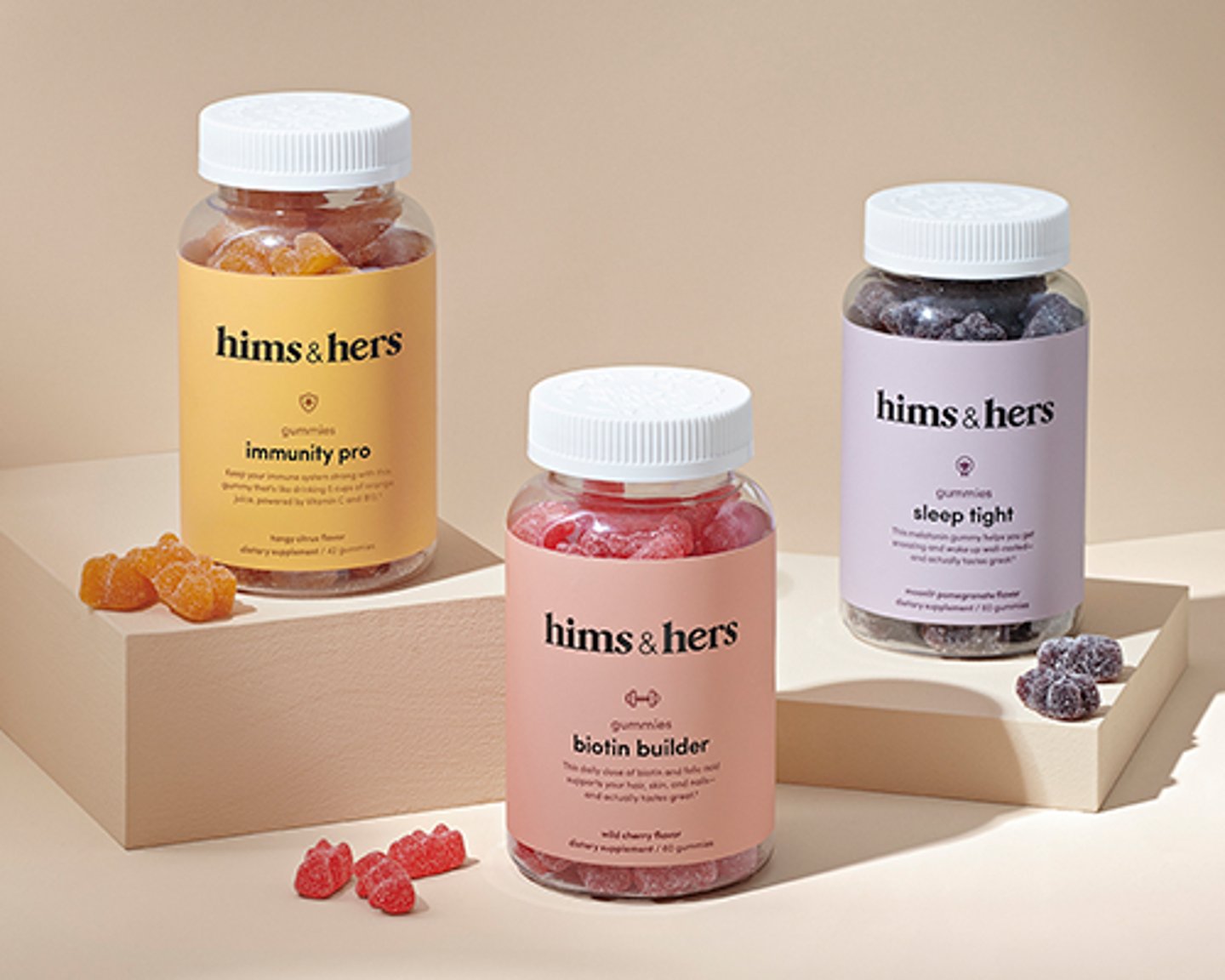
    Hims & Hers Health has launched operations in Australia by rebranding local men’s clinic Pilot, setting its sights on a 1 billion dollar international annual revenue target within three years.

    The transition gives the New York-listed group immediate access to a domestic telehealth market projected to reach 2.56 billion dollars by 2034. It also establishes the company’s first operating foothold in the Asia-Pacific region following its takeover of Sydney-based parent Eucalyptus earlier this year.

    How the Transition Operates

    Existing Pilot patients will transfer directly to the Hims platform, keeping their current treatment plans and practitioner links. Roughly 30 percent of the platform’s patient base lives in regional and rural Australia, where physical clinic access remains thin and appointment wait times run long.

    Former Eucalyptus chief executive Tim Doyle leads the international division as senior vice president, running Australian operations alongside country general manager Gus Wood. Dr Matt Vickers serves as chief medical officer for the local entity to oversee clinical governance and domestic regulatory standards.

    Pilot proved that Australian men want a different model of healthcare: one that is proactive, personal, and built around their lives.

    The Read Across for Digital Health

    Consolidating Eucalyptus under the core Hims identity shows how direct-to-consumer health brands are moving away from multi-brand regional stables toward single global flags. Maintaining separate platforms in every territory drives up customer acquisition costs and fragments marketing spend. By putting its primary brand on Australian screens, Hims can funnel global brand marketing and technology infrastructure straight into a market with high average revenue per user.

    The risk lies in consumer attachment and regulatory scrutiny. Digital health platforms in Australia face strict advertising rules around prescription treatments and compounding pharmacies, alongside tight supervision from medical boards. Pilot built significant local recognition, and erasing the name risks alienating repeat customers if the migration disrupts prescription delivery or doctor consultations.

    The Steps That Led Here

    Hims & Hers completed its buyout of Eucalyptus earlier this year, securing established patient networks in Australia and the United Kingdom. Eucalyptus had originally built discrete vertical brands including Pilot for men, Kin for fertility, and Software for dermatology, proving out direct-to-door medicine across Australasia before selling to the San Francisco operator.

    Market watchers will track whether Hims rebrands the remaining Eucalyptus product lines across women’s health and dermatology, and whether Australian patient numbers keep the company on course for its 1 billion dollar international revenue goal by 2029.

  • Taiwan Sets up 431 Vaping Drop Bins Ahead of Possession Fines

    Taiwan Sets up 431 Vaping Drop Bins Ahead of Possession Fines

    Taiwan is rolling out 431 anonymous collection bins nationwide to let consumers dump e-cigarettes ahead of planned possession fines of up to NT$100,000.

    The drop-off network opens next Wednesday at municipal health bureaus, public clinics, police stations and addiction treatment centers across the island.

    Under the Tobacco Hazards Prevention Act, the manufacture, importation, sale, supply, display, advertising and use of e-cigarettes are already illegal. Taiwan’s Executive Yuan approved an amendment on June 25 to add possession to the list of prohibited acts, sending the bill to the legislature for review.

    Fines of up to NT$100,000

    Once the amendment passes and takes effect, authorities will enforce a one-month grace period. Inspectors will confiscate devices without issuing fines during that first month, the Health Promotion Administration said. After the grace period expires, anyone caught in possession of an e-cigarette faces confiscation and a fine between NT$30,000 and NT$100,000.

    Lo Su-ying, head of the HPA Tobacco Control Division, said the 431 bins feature a one-way design that prevents retrieval once a device drops inside. Local health departments will work with environmental protection agencies to transport the collected hardware to centralized disposal facilities.

    Stricter enforcement across Asia

    Regulators across East Asia continue to close legal gaps surrounding alternative nicotine products, shifting enforcement from storefronts directly to consumers. While markets such as Japan permit regulated heated tobacco devices, authorities in Hong Kong, Singapore and Taiwan have pursued total prohibitions, cutting off legal retail channels entirely.

    Taiwanese lawmakers have not yet set a date to review and vote on the draft amendment, which will establish the start date for the one-month grace period.

  • Pakistan Raises Petrol to Rs349 and Diesel to Rs374 per Litre

    Pakistan Raises Petrol to Rs349 and Diesel to Rs374 per Litre

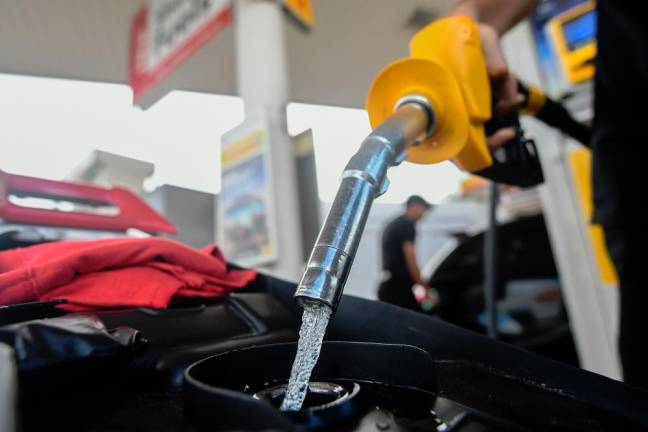
    Pakistan raised the retail price of petrol by Rs2.84 per litre and high-speed diesel by Rs2.28 per litre, effective September 4.

    Petrol now costs Rs349 per litre. High-speed diesel stands at Rs374.31 per litre. State fuel taxes add Rs114 per litre in duties on petrol and Rs100 per litre on diesel.

    Daily Pricing and Middle East Volatility

    Fuel rates now change daily under a system the government introduced on July 17. Petroleum Minister Ali Pervaiz Malik instructed the Oil and Gas Regulatory Authority to adjust prices every day based on international crude fluctuations.

    Both fuels remain well below their spring records. High-speed diesel peaked at Rs520.35 per litre on April 3, up from Rs281 before hostilities between the United States and Iran escalated in late February. Petrol reached Rs458.41 per litre on that same April date after opening March at Rs266.

    Impact on Freight and Retail Transport

    Transport costs feed directly into retail operations across Pakistani cities. High-speed diesel fuels long-haul freight trucks, intercity logistics fleets, agriculture machinery, and backup commercial generators. Petrol runs commuter motorbikes and urban delivery networks.

    Monthly consumption of petrol and high-speed diesel combined runs between 700,000 and 800,000 tonnes, compared to 10,000 tonnes for kerosene. Fleet operators and logistics providers are watching the next daily OGRA notices as global oil benchmarks shift.

  • Bangladesh Power Shortages Force Consumer Goods Makers to Cut Factory Output

    Bangladesh Power Shortages Force Consumer Goods Makers to Cut Factory Output

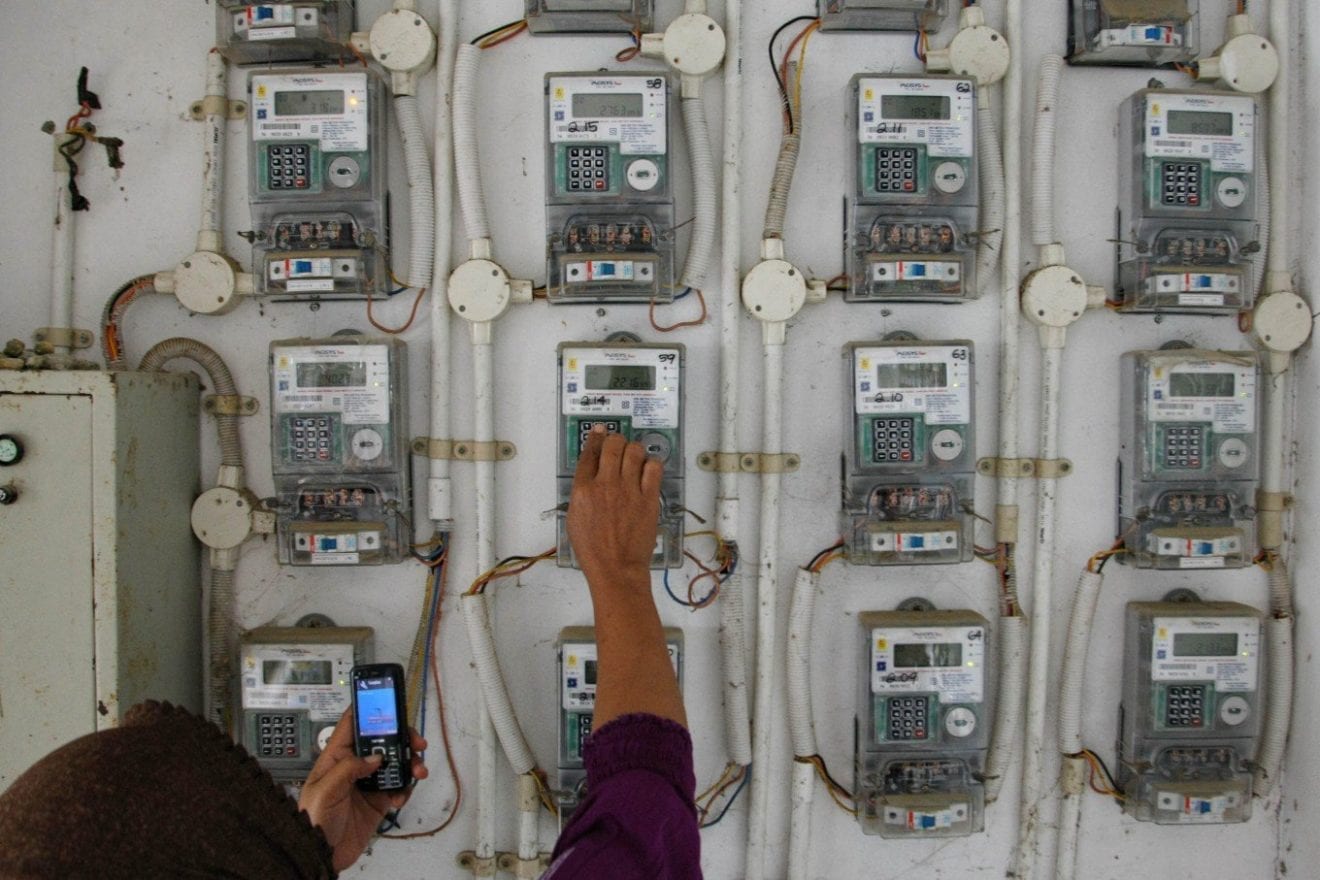
    Bangladeshi consumer goods, food, and apparel manufacturers are cutting factory output and rescheduling shifts as industrial gas pressure drops by two thirds across major production hubs.

    The supply squeeze, triggered by an offshore liquefied natural gas terminal going offline on July 21, has forced plants onto costly diesel generators and raised operating expenses by up to 15 percent.

    Export Delays and Rising Fuel Costs

    Food and snack producers face immediate export disruptions. Bombay Sweets missed 45.47 percent of its export orders in August because of low gas pressure, leaving 113,000 dollars in paid orders undelivered while container freight rates to the Middle East reached 8,500 to 12,000 dollars.

    Diversified conglomerate PRAN-RFL Group has cut capacity on select processing lines in Narsingdi, Habiganj, Gazipur, and Narayanganj. The company is using liquefied petroleum gas to keep priority machinery running while idling others during pressure drops.

    Household goods supplier ACI Consumer Brands reports that running diesel generators for continuous 24-hour operations has increased production costs by 10 to 15 percent. Foreign buyers and domestic retail channels have resisted absorbing the difference, leaving manufacturers to absorb the margin squeeze.

    For regional retail brands sourcing apparel and packaged goods across South Asia, the bottlenecks demonstrate the fragility of grid-dependent production hubs, where sudden utility shortfalls directly jeopardize delivery timetables.

    Solar Investments to Offset Grid Failures

    Garment exporter Newage Group has altered shift patterns around electricity availability while drawing 25 percent of its plant power from rooftop solar installations. Drugmaker Incepta Pharmaceuticals is now juggling four distinct energy sources, grid electricity, natural gas, LPG, and diesel, to keep medicine lines operational.

    PRAN-RFL currently generates 35 to 38 megawatts of captive renewable power toward its 200-megawatt plant demand, with plans to expand solar generation capacity to 100 megawatts before the end of the fiscal year.

  • Ikea Installs Miniature Home Exhibits Across Melbourne, Beijing and Chengdu

    Ikea Installs Miniature Home Exhibits Across Melbourne, Beijing and Chengdu

    Ikea has installed miniature home displays across stores in Melbourne, Beijing and Chengdu to promote compact, affordable living.

    Stockholm artist Christopher Nordstrom built the three displays at a one-to-12 scale. They serve as the Swedish retailer’s latest visual merchandising test in the Asia-Pacific region.

    Scale Models for Compact Urban Spaces

    Each model tailors its interior details to local culture. In Melbourne, the display features a bookcase filled with novels, art prints and nods to local sports.

    Storage and decluttering for smaller homes sit at the centre of the push. “When you build in miniature, you cannot include everything,” Nordstrom said. “Every object has to earn its place.”

    Ingka Group, Ikea’s primary global operator, is steering marketing funds toward entry-level home organisation. Urban shoppers face increasingly tight quarters across major metro markets.

    Shifting Formats in Asia-Pacific

    This rollout ties into broader footprint adjustments across the region. Ikea continues to balance compact city-centre locations against traditional suburban big-box warehouses.

    Regional home furnishing chains are leaning on interactive features to lift foot traffic and basket sizes. Discretionary spending has seen several volatile quarters.

    Next, Ingka Group will track customer engagement around the three micro-exhibits across its Australian and Chinese locations.

  • Blackmores Targets 18.6% Growth in Thailand with Fizzy Granule Launch

    Blackmores Targets 18.6% Growth in Thailand with Fizzy Granule Launch

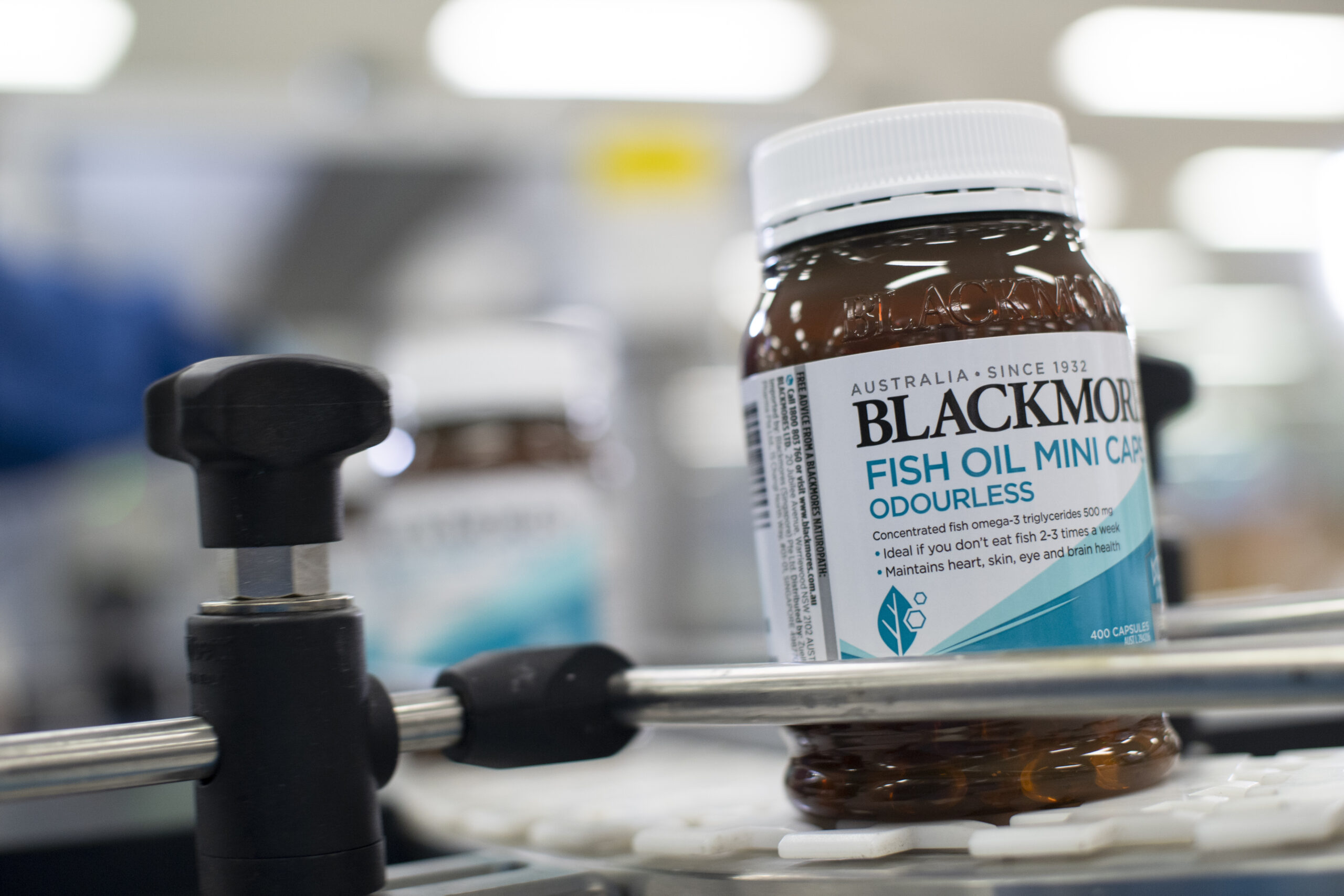
    Blackmores launched its first fizzy granule vitamins in Thailand as the Australian health brand targets 18.6 per cent revenue growth in the country for 2026.

    The target builds on a 16.8 per cent year-on-year sales increase recorded during the first half of the year.

    Three functional formulations

    Branded as Blackmores Fizzers, the line packages vitamins in single-serve sachets designed to be dissolved in cold water, melted directly on the tongue, or chewed. The format abandons traditional tablet designs to appeal to Gen Z and millennial consumers looking for portable options.

    The range includes three formulations aimed at specific health routines. Immu Plus combines vitamin D3, vitamin C, zinc, and L-leucine in an orange flavour for daily immune support. Nicotinamide Plus uses a mixed berry flavour containing nicotinamide, zinc, vitamin C, and L-leucine for skin health. Performance Plus carries a strawberry and apple flavour formulated with 225 milligrams of magnesium and L-leucine to aid muscle recovery.

    Influencer marketing and category competition

    Priti Halai, country manager of Blackmores Thailand, said the rollout reflects a shift toward product formats that match changing consumer habits in an increasingly crowded supplements market.

    Competition is fierce, and brands must deliver value that resonates with real consumer needs.

    Marketing for the launch will rely primarily on influencer partnerships across digital platforms to build awareness among younger demographics. The shift toward confectionery-style and water-soluble vitamin formats across Southeast Asian retail reflects how legacy supplement makers are defending shelf space against direct-to-consumer wellness brands.

    Retail performance in the final quarter will show whether the sachet line generates enough traction to hit the company’s full-year 18.6 per cent expansion target.

  • Philippines to Drop VAT on Power System Loss Charges by November

    Philippines to Drop VAT on Power System Loss Charges by November

    Philippine authorities plan to eliminate the 12 percent value-added tax on electricity system loss charges from consumer and commercial utility bills as early as November 2026.

    The Energy Regulatory Commission issued Resolution No. 26, which reclassifies transmission and distribution losses as pass-through costs rather than taxable revenue for power generators, grid operators and distribution utilities.

    Energy Regulatory Commission Chairperson Francis Saturnino Juan confirmed during a Department of Energy budget hearing that the Bureau of Internal Revenue is drafting the required revenue memorandum circular. The tax agency plans to release the circular following a mandatory 15-day publication window, clearing distributors to update their billing systems.

    Bureau of Internal Revenue Commissioner Charlito Martin Mendoza stated that the adjustment ensures consumers no longer pay taxes on electricity that never reaches homes or businesses.

    The Seven Billion Peso Cleanup

    Lifting the tax does not remove the underlying system loss charges, which continue to appear on Philippine power bills. Energy Secretary Sharon Garin told lawmakers that eliminating the actual loss charges requires a phased program and significant capital expenditure across regional grids.

    System losses divide into technical and non-technical categories. Non-technical losses cover meter tampering, power theft, defective metering equipment and administrative billing errors. Department of Energy estimates indicate that eliminating non-technical loss allowances will require approximately 7 billion pesos in enforcement, meter replacements, database cleanups and cooperative management overhauls.

    Technical losses occur naturally across cables and transformers during transmission. Fixing them requires electric cooperatives and private utilities to replace ageing lines, upgrade substations and redesign local grid architecture.

    Legislative Limits and Network Audits

    Philippine commercial operators face some of the highest electricity tariffs in Southeast Asia, where utility line items consistently eat into store operating margins and household discretionary spending. While cutting the 12 percent tax offers immediate margin relief, dismantling the base charge faces statutory limits under the Electric Power Industry Reform Act, which permits distribution utilities to recover system losses up to regulatory caps.

    Electric cooperatives will take roughly six months to complete physical grid assessments before regulators can adjust allowable technical loss caps. Garin said the government expects to deliver its formal progress report on technical losses in the first half of 2027.

  • Singapore Quota Prices Cross S$105,000 Ahead of 2025 Diesel Registration Ban

    Singapore Quota Prices Cross S$105,000 Ahead of 2025 Diesel Registration Ban

    Singapore car buyers face quota premiums topping S$105,689 for large vehicles as the city prepares to halt new diesel car registrations in 2025. The policy mechanism keeps private passenger cars to 509,302 units across the island while public transport systems carry the bulk of daily commuter trips.

    Under the Vehicle Quota System managed by the Land Transport Authority, prospective owners must secure a 10-year Certificate of Entitlement before putting a car on the road. Auction prices in May 2024 stood above S$92,700 for Category A cars with engine output under 97 kilowatts and S$105,689 for larger Category B models. Commercial vehicle quotas cleared at S$72,001, while motorcycle permits reached S$9,311.

    Vehicle Quotas and Tax Structure

    Taxes push local retail prices far above global benchmarks. Buyers pay an Additional Registration Fee tiered between 100 per cent and 320 per cent of a vehicle’s open market value, driving total on-the-road costs to roughly five times the level seen in Western markets. The total motor vehicle population stood at 957,006 units in 2018, restrained by administrative caps in place since 1990.

    Fleet operators also face tight structural rules across ride-hailing and point-to-point services. Singapore counted 83,037 taxis and private hire vehicles as of March 2019, with flag-down taxi fares starting between S$3.20 and S$3.90 outside the Central Business District. Private hire vehicles operate exclusively through digital booking platforms.

    Transit Network and Fleet Targets

    Public transport carries the remainder of passenger volume across the territory. Four contracted operators, SBS Transit, SMRT Buses, Tower Transit Singapore and Go-Ahead Singapore, run more than 5,800 buses across 365 scheduled routes under a competitive tendering model that logged over 4.0 million daily trips in 2019.

    Across Southeast Asia, auto brands rely on high-volume passenger car growth in developing markets like Indonesia and Thailand, but Singapore functions purely as a high-margin proving ground for electrification and automated systems. Retailers and fleet managers now navigate a regulatory schedule that bars new diesel registrations starting in 2025, before a binding mandate requires all newly registered cars to run on cleaner energy models, including electric, hybrid or hydrogen fuel cells, by 2030.

  • Singapore Core Inflation Accelerates to 2% in July on Rising Utilities

    Singapore Core Inflation Accelerates to 2% in July on Rising Utilities

    Singapore core consumer inflation accelerated to 2 per cent in July, driven by higher utility bills alongside rising food and service costs.

    The figure climbed from 1.6 per cent in June, logging the highest reading since October 2024, according to figures released by the Department of Statistics. Even with the pickup, the print remained below the 2.2 per cent median estimate projected in a Bloomberg survey of economists.

    Surging energy and food expenses

    Utility bills served as the primary catalyst for the monthly increase. Electricity and gas costs surged 8.7 per cent year on year in July, reversing a 2.9 per cent contraction recorded previously.

    Headline inflation, which includes accommodation and private transport alongside underlying consumer goods, climbed to 2.2 per cent from 1.9 per cent in June. Rising housing expenditures contributed to that broader increase alongside the pickup in core categories.

    Margin pressures for local operators

    For retail tenants, food outlets, and service providers across the island, sharper utility swings immediately feed into commercial overheads. Higher operating power expenses arrive just as consumer baskets adjust to persistent service inflation, testing pricing flexibility across dining and discretionary retail.

    Market attention now turns to upcoming third-quarter monetary policy reviews, with operators watching whether central bank settings adjust to keep import costs and service inflation anchored.

  • FirstCry Targets 10 Percent Quick Deliveries to Lift Multichannel Sales

    FirstCry Targets 10 Percent Quick Deliveries to Lift Multichannel Sales

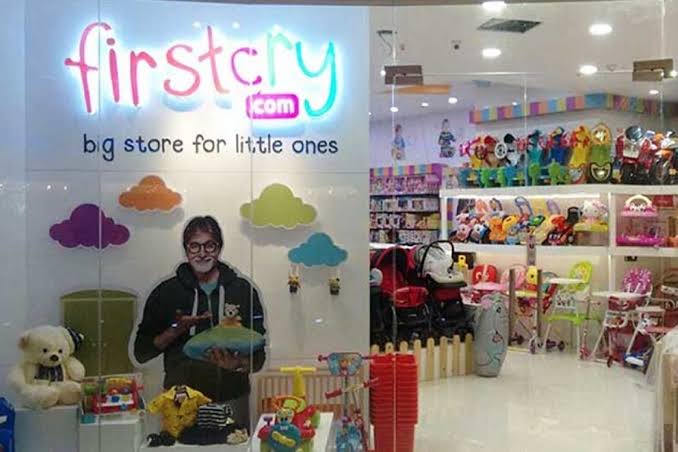
    FirstCry plans to route 10 per cent of its online orders through its rapid-delivery service FC Qwik after multichannel revenue in India rose 17.7 per cent in the first quarter.

    The retailer expanded the service from five cities in March to 12 cities by June, doubling quarterly quick-delivery shipments to 125,000 orders.

    Orders on FC Qwik arrive within two to three hours. Founder and chief executive Supam Maheshwari said the company intends to cut transit times further as the network expands into more urban markets. The service handles urgent replenishment goods like baby formula and diapers, but also ships bulky items including strollers, car seats and ethnic wear.

    Expanding RocketBees across Indian cities

    Deliveries rely on RocketBees, FirstCry’s internal logistics operation that grew from 62 to 72 cities over the past 15 months. The in-house network now handles more than half of the company’s online parcel volume, delivering a 20 per cent performance improvement over third-party couriers.

    The company built RocketBees on an asset-light model using leased vehicles for long-haul routes and local contractors for final deliveries. Maheshwari said managing parcel weights ranging from 10-gram diaper pins to 40-kilogram toy cars forced the retailer to build its own technology after struggling with third-party logistics providers.

    Specialist vertical retailers across Asia are increasingly building dedicated logistics instead of relying on horizontal quick-commerce apps or legacy parcel carriers. By fulfilling orders directly from local hubs and brick-and-mortar shops, FirstCry protects its product margins while defending against fast-delivery aggregators that stock narrower inventories.

    Balancing costs and physical store expansion

    Building the internal courier network and rapid-dispatch service added roughly 60 basis points to operational costs. Maheshwari expects unit costs to normalize once RocketBees captures between 70 per cent and 75 per cent of order volumes within each target city.

    Physical outlets remain central to the fulfillment model. Online orders accounted for 78 per cent of FirstCry’s gross business value in India during fiscal 2026, while physical retail generated 22 per cent. In the top 50 cities, shoppers using both store and digital channels drove 36 per cent of gross sales.

    Store-level gross merchandise value climbed 15 per cent year-on-year, and FirstCry is preparing to open between 90 and 100 physical stores during fiscal 2027.

  • Miniso First-Half Revenue Rises 22% to $1.7 Billion on China and US Gains

    Miniso First-Half Revenue Rises 22% to $1.7 Billion on China and US Gains

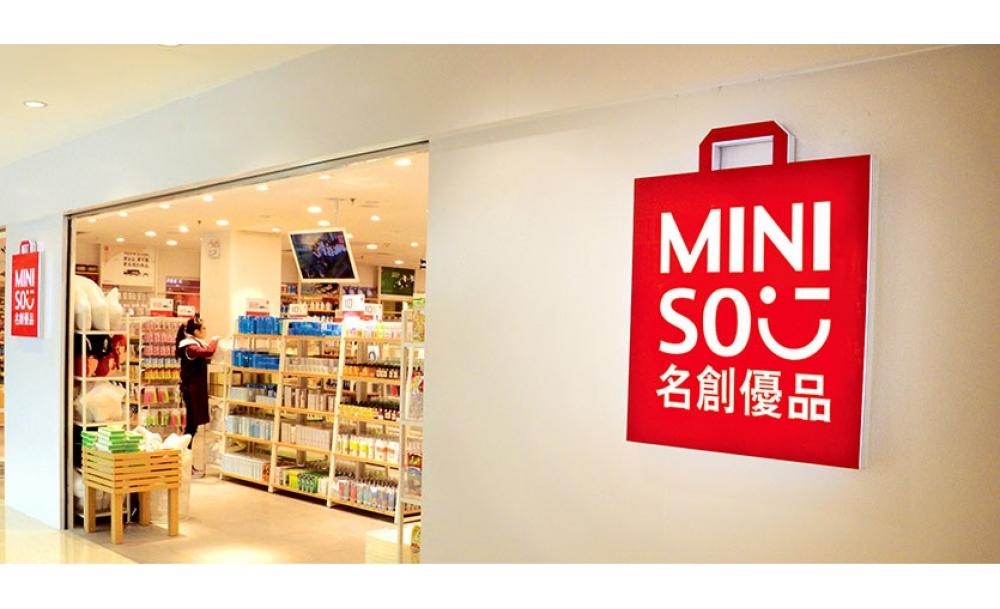
    Miniso lifted its first-half revenue 22.4 per cent to RMB11.5 billion (US$1.69 billion) as Chinese domestic demand rebounded and foreign store openings accelerated. Second-quarter revenue rose 17 per cent to RMB5.81 billion (US$856.4 million) in the three months to June 30.

    Domestic sales supplied the momentum. Mainland China revenue climbed 26.2 per cent during the six months, marking the company’s fastest first-half expansion rate in three years. North American operations posted a 37 per cent top-line increase over the same period, while the Top Toy pop-culture unit grew revenue 32.7 per cent.

    Global Store Count Nears 8,700

    Network growth continued across offshore territories. Miniso finished June with 8,674 stores worldwide, adding 769 doors in 12 months. International locations accounted for almost half of all net-new store openings during the year.

    New market entries pushed the retailer’s footprint to 113 countries and territories after opening its first store in Switzerland. Top Toy also moved past mainland borders, adding storefronts in Taiwan and the US. Domestic registered members reached 130 million, up 31 per cent year on year, while US loyalty members doubled to roughly 5.8 million.

    IP Formats and Capital Allocation

    Value retailers across East Asia face margin pressure from discount e-commerce platforms, pushing operators to rely on licensed intellectual property and larger destination shops to protect transaction values. Miniso has shifted toward branded character goods and blind-box toys to lift average basket spend rather than relying solely on cheap household consumables.

    Founder and chief executive Guofu Ye said the group will keep directing capital toward proprietary IP lines and large-format retail sites while pursuing regional localisation.

    Capital management plans remain active following the June rollout of a HK$2 billion (US$255 million) share buyback program, which runs alongside Ye’s personal commitment to increase his equity stake in the business.

  • Hong Kong Retains Top Billionaire Spot in Asia with 106 Ultra Wealthy

    Hong Kong Retains Top Billionaire Spot in Asia with 106 Ultra Wealthy

    Hong Kong held its position as Asia’s top billionaire city with 106 ultra-wealthy residents last year, ranking second globally behind New York’s 164.

    The city lost two billionaires over the period even as its aggregate billionaire net worth rose, according to data from research firm Altrata.

    San Francisco, London, Singapore and Los Angeles took the third through sixth spots globally. Beijing placed seventh with 61 billionaires, while Shenzhen and Dubai tied for eighth place with 43 each.

    AI Gains Shift Wealth Creation

    New York added 12 billionaires during the year as the artificial intelligence investment boom propelled technology fortunes higher. Global billionaire numbers recorded their fastest pace of expansion since 2020, with the United States and mainland China remaining the only countries holding multiple cities in the top 15 rankings.

    Hong Kong and London were the only hubs in the top 15 to register declines in billionaire headcount. A prolonged downturn in Hong Kong’s real estate sector and relatively limited exposure to direct AI equity gains curbed new entries.

    Asian Hubs Draw Inbound Capital

    Banking and finance accounted for the largest share of global billionaire fortunes at 19.6 per cent, more than double the proportion held by business and consumer services. Across the worldwide cohort, the average age stood at 71, with men representing 86.9 per cent of the total.

    For luxury operators, private banks and commercial landlords across Asia, the shifting balance between property and technology fortunes alters where discretionary capital flows. Both Hong Kong and Singapore continue to draw high proportions of foreign-born billionaires, particularly from mainland China and India, supporting prime retail footfall and asset management inflows despite broader market volatility.

    Attention now turns to whether mainland China’s expanding tech sector can push Shenzhen and Beijing past European wealth centres in Altrata’s next census.