Category: Living

Retail News Asia is committed to providing both local and global retailers with the latest Living news throughout the Asian market. This on a daily base.

  • Koala Revenue Rises 20% to $332 Million as Japan Sales Jump

    Koala Revenue Rises 20% to $332 Million as Japan Sales Jump

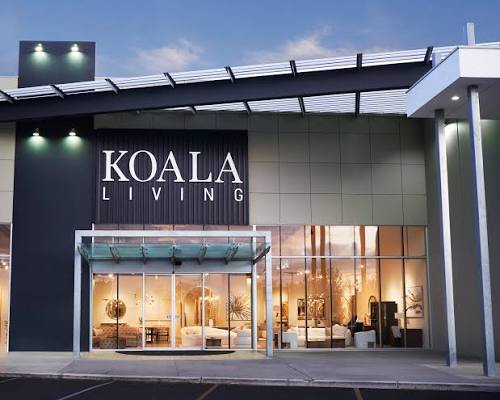
    Australian furniture retailer Koala posted a 20 per cent rise in annual revenue to $332.3 million for the fiscal year ended June 30.

    Growth in overseas markets offset tighter consumer spending at home, lifting pro forma EBITDA by 139 per cent to $27.9 million.

    Japan and American Sales Fuel Expansion

    Domestic sales in Australia rose 10.7 per cent to $166.7 million during the twelve-month period. International divisions expanded at a much sharper clip.

    In Japan, revenue climbed 23.5 per cent to $89.4 million, carried by demand for sofa beds and mattresses. The United States registered the fastest geographic growth, where sales jumped 67.6 per cent to $74.9 million. Koala also entered the United Kingdom during the fiscal year.

    Direct-to-consumer furniture makers across the Asia-Pacific region have spent two years navigating softer home goods demand and volatile shipping rates. Koala’s performance in Tokyo shows that flat-pack formats tailored for compact urban living continue to find traction outside Australia even when consumer sentiment cools.

    Bottom Line and Public Markets

    Operating margins improved across core product lines, supported by new releases in sitting furniture. Constant-currency revenue grew 24 per cent across the group.

    “FY26 was a defining year for Koala,” chief executive and co-founder Dany Milham said, noting the completion of the company’s listing on the Australian Securities Exchange.

    Market attention now shifts to initial sales figures from the United Kingdom and customer uptake of the expanded seating lines in the first quarter of fiscal 2027.


  • Bubs Australia Revenue Reaches $111.9 Million as US Distribution Expands

    Bubs Australia Revenue Reaches $111.9 Million as US Distribution Expands

    Bubs Australia lifted group revenue 9.2 per cent to $111.9 million for the twelve months ended June 30, driven by rapid retail expansion in North America.

    Underlying earnings before interest, tax, depreciation and amortisation climbed 338 per cent to $5.3 million. The top-line gain masked tightening margins at the Australian infant formula maker, where gross profit dropped 9 per cent over the period.

    Expansion in the American market

    Sales growth centered on the United States, where revenue rose 24 per cent across the fiscal year. The company widened its physical retail presence to more than 10,000 American stores, turning the market into its primary growth engine outside Australasia.

    Higher distribution scale helped absorb overheads, but rising costs and shifting regional demand checked profitability across secondary territories.

    Margin pressures and regional divergence

    Results across regional markets outside the United States delivered mixed performances. While volume moved through larger overseas retail networks, gross margins contracted under higher cost pressures across the supply chain.

    For dairy and infant nutrition exporters across the Asia-Pacific region, rapid volume growth in Western supermarket aisles continues to balance uneven purchasing patterns across legacy Asian cross-border channels. Maintaining profitability now depends on turning trial into repeat shelf velocity.

    Attention turns to whether the brand can defend shelf space across its expanded 10,000-store US footprint while repairing gross margins in the next reporting cycle.

  • Philippine Family Income Reaches 411,350 Pesos as Regional Wealth Gap Widens

    Philippine Family Income Reaches 411,350 Pesos as Regional Wealth Gap Widens

    Average annual family income in the Philippines climbed to 411,350 pesos in 2025, according to preliminary data from the Philippine Statistics Authority’s latest Family Income and Expenditure Survey.

    That nationwide figure works out to roughly 34,300 pesos a month, but earnings remain heavily skewed toward Metro Manila and industrial Luzon.

    Makati posted the highest average income among highly urbanized cities at 796,990 pesos per year, or about 66,400 pesos monthly. That is nearly double the national average and 2.5 times higher than Zamboanga City, which ranked lowest among major urban centers at 309,610 pesos. The next four top-earning cities all sit within Metro Manila: San Juan at 735,960 pesos, Parañaque at 711,310 pesos, Mandaluyong at 676,130 pesos, and Quezon City at 648,150 pesos.

    Metro Manila and Northern Luzon Lead

    Only three administrative regions surpassed the national average in 2025. The National Capital Region led with an average annual family income of 574,370 pesos, followed by Calabarzon at 526,070 pesos and Central Luzon at 447,310 pesos. At the bottom, the Bangsamoro Autonomous Region in Muslim Mindanao recorded 246,050 pesos, trailing Zamboanga Peninsula at 286,340 pesos and Soccsksargen at 292,820 pesos.

    Provincial data shows an even wider spread. Ilocos Norte topped all provinces with an average family income of 619,240 pesos, followed by Batanes, Cavite, Rizal, and Batangas. The bottom five provinces were all located in Mindanao, with Maguindanao del Sur recording just 177,750 pesos.

    Ilocos Norte expanded its household income by nearly 70 per cent between 2021 and 2025, rising from 364,800 pesos to 619,240 pesos. Remittances and business proceeds drove that surge. Overseas cash receipts accounted for 20.2 per cent of provincial family earnings, compared to an 8.5 per cent share nationally, while salaries contributed 39.8 per cent against a national average of 54.6 per cent.

    Uneven Growth Across Island Groups

    Retailers sizing up consumer demand outside Manila face sharply different spending trajectories. While high-income enclaves command basket size, secondary provinces are posting faster percentage gains. Cagayan Valley delivered the fastest regional increase between 2023 and 2025, expanding 25 per cent to 388,220 pesos, while Samar recorded a 54.4 per cent provincial jump to 357,340 pesos.

    Contraction hit other pockets. Sultan Kudarat saw average family income drop 8.2 per cent between 2023 and 2025 to 269,610 pesos. Income composition also split along regional lines: wage labor dominated every region except BARMM, where entrepreneurial activity generated 43.8 per cent of total household revenue.

    The statistics agency will publish the final 2025 expenditure tables and poverty threshold estimates in its complete survey release.

  • Singapore Resumes Crow Culling After Removing 9,000 Nests Fails to Halt Attacks

    Singapore Resumes Crow Culling After Removing 9,000 Nests Fails to Halt Attacks

    Singapore resumed shooting house crows across urban estates after contractors removed nearly 9,000 nests in 2025 without curbing bird attacks on pedestrians and cyclists.

    National Development Minister Chee Hong Tat said trapping, tree pruning and nest clearances proved insufficient to control crow numbers across residential precincts.

    Why Nest Clearances Failed

    How Choon Beng, director of wildlife management at the National Parks Board, stated that targeted shooting alongside physical removals aims to achieve a gradual and sustained reduction in the bird population. The city-state previously relied heavily on physical nest removals, but the birds adapted quickly to dense residential architecture.

    Ecologists point out that the boom in house crows, Javan mynas and pigeons stems directly from the built environment. Crows nest in yellow flame trees along roadside corridors, while pigeons and mynas roost on air-conditioning ledges and beneath sheltered walkways in public housing estates.

    Food Waste at Dining Centres

    Hawker centres and open-air food courts provide steady access to food scraps, compounded by illegal bird feeding among residents. Nature Society Singapore conservation official Albert Liu noted that lethal culling functions primarily as a reactive measure that treats symptoms rather than the root cause of abundant food sources.

    For municipal property managers and outdoor dining operators across Southeast Asian cities, wildlife conflicts remain inseparable from waste management protocols. Without tighter containment of food refuse and architectural modifications to sheltered eating areas, culling campaigns typically deliver short-term relief before bird counts rebound.

    Forest clearance for planned public housing projects will expand urban habitats further, leaving municipal teams focused on enforcement against food waste disposal as culling operations continue across affected estates.

  • TikTok Shop Nears €500 Million in European GMV Led by Creator Affiliates

    TikTok Shop Nears €500 Million in European GMV Led by Creator Affiliates

    TikTok Shop generated €498.78 million in gross merchandise value across Germany, France, Spain, and Italy during the second quarter. Independent content creators drove nearly all of that volume.

    Affiliate creators accounted for 69.9 per cent of total sales across the four European markets, according to estimates compiled by Lengow and Kalodata. Direct brand storefronts generated the remainder.

    Shoppable Video Dominates Live Streams

    Short video clips with embedded product links drove 63.8 per cent of all transactions. Live shopping streams generated just 17.2 per cent. The breakdown reveals that European shoppers prefer on-demand video over scheduled shopping broadcasts.

    That pattern contrasts sharply with Southeast Asia, where ByteDance built TikTok Shop through marathon livestreams. Live broadcasts remain the core revenue engine for merchants competing against Shopee and Lazada in Indonesia, Thailand, and Vietnam.

    European Merchant Model Shifts to Creator Networks

    European sellers are moving marketing budgets out of standalone brand accounts and into creator commissions. Instead of managing internal production studios, merchants rely on third-party influencers to post reviews and tutorials linked directly to checkout.

    This model allows ByteDance to scale product listings without holding inventory or funding local customer acquisition campaigns. Brands fulfill orders directly. Creators collect automatic commissions on every item sold through their feeds.

    ByteDance now faces the challenge of sustaining creator-led conversion rates as it expands TikTok Shop into more European Union markets and navigates tighter regulatory scrutiny over platform e-commerce.

  • Ella Baché Deploys AI Across Retail Operations and Supply Chain

    Ella Baché Deploys AI Across Retail Operations and Supply Chain

    Australian skincare brand and salon operator Ella Baché is rolling out artificial intelligence across its buying, inventory forecasting, and customer management systems. The rollout follows a network-wide shift to omnichannel retail.

    Tracing its origins to 1936, the Sydney-headquartered company operates roughly 150 Australian salon locations alongside its digital retail channels.

    Supply Chain and Digital Pivot

    Chief executive Pippa Hallas said the deployment focuses on practical operational tasks. Automated tools now handle routine data analysis in order planning and customer service. That rollout builds on an operational reset that began when pandemic lockdowns forced the temporary closure of the entire 150-store salon network.

    To survive that disruption, the group built 150 digital storefronts for its therapists and franchise partners. That shift converted the legacy salon chain into a blended digital operator. A dedicated research, manufacturing, and distribution facility in Sydney supports the network.

    Local Manufacturing and Category Pressure

    Local manufacturing relies on domestic ingredients to meet consumer demand for traceable Australian skincare. This integrated setup gives the business direct control over formulations and packaging lines without relying on offshore contract packagers.

    Across the Asia-Pacific personal care sector, heritage skincare brands face competition from fast-turnaround cosmetics labels and expanding invasive aesthetic clinics. Newer rivals chase viral social media trends and quick procedures. Ella Baché is instead leaning into proprietary formulation and non-invasive salon treatments to protect its margin profile.

    Work is now underway to integrate these artificial intelligence tools into internal staff training modules and product development workflows ahead of scheduled product releases.

  • Sigma Healthcare Profit Jumps 22 per Cent as Annual Sales Top $10.8 Billion

    Sigma Healthcare Profit Jumps 22 per Cent as Annual Sales Top $10.8 Billion

    Sigma Healthcare posted a 22.3 per cent rise in annual net profit to $732.3 million for the year ended June 30, lifted by pharmacy additions and GLP-1 prescription volumes.

    Group revenue advanced 15.5 per cent to $10.8 billion, while normalised earnings before interest and taxes climbed 20.6 per cent to breach $1 billion.

    The results reflect the first full operating cycle since Sigma combined operations with discount chain Chemist Warehouse. Chief Executive Officer Vikesh Ramsunder told investors the business now oversees nearly 1,000 pharmacies worldwide, supported by supply-chain integration across wholesale and retail divisions.

    Chemist Warehouse Drives Domestic Momentum

    Australia generated the bulk of earnings, lifting revenue 14.9 per cent to $10.4 billion and normalised operating profit by 18.3 per cent. Chemist Warehouse added 24 domestic sites to reach 561 stores, generating network sales growth of 15.9 per cent and same-store sales gains of 13.4 per cent.

    Sales of GLP-1 weight-loss medications contributed heavily to turnover across the network. While the high-cost treatments carry lower percentage returns, Sigma maintained its Australian gross margin at 17.6 per cent by expanding front-of-store retail lines, introducing more than 470 private-label products during the financial year.

    For retail pharmacy chains across the Asia-Pacific region, Sigma’s post-merger run shows how high-volume discount models can protect margins even as prescription product mixes shift toward expensive, low-margin therapies. It also demonstrates how domestic retail density provides cash flow stability after walking away from risky international takeovers, including Sigma’s abandoned $14 billion tilt at Britain’s Boots chain.

    Synergies and Franchise Pipeline

    Sigma captured $32.6 million in operational savings during the year as it works toward an annual cost-reduction target of $100 million by the 2029 financial year.

    Wholesale franchise networks Amcal and Discount Drug Stores are also rebuilding footprint after years of store rationalisation. Management has assembled an opening pipeline of 82 stores, scheduled to return both banner groups to net store count growth during the 2027 financial year.

  • Moshi Moshi Lifts First-Half Profit 21.5% as Thai Network Expands

    Moshi Moshi Lifts First-Half Profit 21.5% as Thai Network Expands

    Thai lifestyle retailer Moshi Moshi increased its first-half net profit by 21.5 per cent to 352.83 million baht, driven by new store openings and stronger gross margins.

    Operating revenue rose 17.3 per cent year on year to 1,654 million baht across the six months, keeping pace with management’s annual growth target of 15 to 20 per cent.

    During the second quarter, operating revenue climbed 17.2 per cent to 956.1 million baht, while net profit gained 20 per cent to 161.86 million baht. Gross margin widened 140 basis points to 56.4 per cent. Same-store sales grew 4.0 per cent in the quarter, building on a 15.2 per cent jump in the prior-year period.

    The company operated 218 stores at the end of June, an increase of 37 outlets over 12 months. Most of Thailand’s 76 provinces and Greater Bangkok now host at least one location. Management plans 35 net new store openings for the full 2026 financial year, having completed roughly half that target by mid-year.

    Inventory Velocity and Mall Pipeline

    Product turnover drives customer traffic across the chain’s 13 merchandise categories, which span stationery, beauty, plush toys, apparel and home accessories. Moshi Moshi manages an inventory catalogue of more than 25,000 stock-keeping units and releases approximately 1,000 new items every month at accessible price points.

    Physical malls remain the core sales channel. Key landlords Central Pattana, Central Retail’s Robinson lifestyle malls, Berli Jucker’s Big C, and CP Axtra’s Lotus’s offer about 500 commercial sites nationwide. The company is also opening stand-alone outlets near some of Thailand’s 150 universities, including a campus branch at Chulalongkorn University in Bangkok.

    Wholesale revenue, which represents 11 per cent of total turnover, expanded at a slower rate during the half. Disruption from bridge construction near Bangkok’s Platinum Fashion Mall cut pedestrian traffic and limited tour bus access to the company’s wholesale unit. Digital channels accounted for just 3 per cent of total sales across Shopee, Lazada and TikTok.

    Regional Competition and Overseas Targets

    Domestic mall coverage will eventually hit saturation as Moshi Moshi fills out second-tier provincial cities and campus locations. Maintaining double-digit annual sales growth beyond Thailand requires entering neighbouring Southeast Asian markets with matching demographics.

    Competitors are already securing positions across the region. Singapore-based lifestyle brand Oh!some operates stores in Cambodia across three Aeon malls in Phnom Penh, runs outlets in Hanoi and Ho Chi Minh City, and trades from three stores inside Bangkok. For Moshi Moshi, replicating its format in Vietnam, Indonesia and Cambodia represents the logical next leg of expansion once Thai site availability narrows.

    The company continues store renovations and floor-space expansions across its domestic mall network while tracking toward its target of 35 net new store additions by December 2026.

  • Real Pet Food Expands Fussy Cat Range with Dental Dry Food

    Real Pet Food Expands Fussy Cat Range with Dental Dry Food

    Real Pet Food Company expanded its Australian cat care line with the release of Fussy Cat Dental Defence Ocean Fish, a grain-free dry formula targeting dental health.

    The product uses an engineered kibble shape designed to prompt chewing and reduce tartar accumulation on teeth. Australian-sourced ocean fish forms the core protein base alongside added calcium for bone and tooth maintenance.

    Oral Care in Pet Grocery

    Specialised pet nutrition remains one of the steadiest sub-sectors in Australasian grocery aisles. Supermarket operators continue giving shelf space to functional lines that address specific conditions such as joint health, digestion, and dental hygiene. Fussy Cat competes directly against established premium dry pet food lines across supermarket networks in the region.

    Sourcing and Format Strategy

    Domestic ingredient sourcing gives local pet manufacturers a clear marketing point against imported dry kibble brands. Real Pet Food Company relies on local fish supply to back its grain-free recipe specifications across Australian grocery distribution.

    Retailers will track sell-through rates as the new dental stock hits Australian pet food fixtures over the coming retail quarter.

  • KKR Agrees to Buy Japanese Beauty Platform Ci Flavours

    KKR Agrees to Buy Japanese Beauty Platform Ci Flavours

    KKR has agreed to acquire Japanese personal care platform Ci Flavours from existing shareholders, including consumer buyout specialist L Catterton.

    The buyout firm will take full ownership from all current equity holders, which include founder Yusaku Horiuchi, Ebeauty Group and Yanagi Capital Partners. Financial terms were not disclosed.

    Horiuchi and Ci Flavours chief executive Yoshiaki Okura will reinvest alongside KKR to retain management stakes in the company. Founded in 2011, the Tokyo-based firm built a retail footprint across Japan and expanded overseas distribution into Asia and North America.

    Brand roster and overseas distribution

    Ci Flavours operates a portfolio spanning haircare, skincare, body care and lifestyle goods. Its primary labels include &Honey, 8 The Thalasso, Unlabel, Theratis and Moroccan Beauty.

    The business handles product lines through multiple channels, including original equipment manufacturing, direct-to-consumer digital storefronts, department store counters and international ingredient sourcing. Mass-market and premium haircare lines in domestic drugstores provided the company with steady cash flow to push into regional export markets.

    Private equity shifts in Japanese consumer assets

    L Catterton backed Ci Flavours in 2022, completing an exit four years later as global private equity funds continue trading established Japanese consumer brands. KKR has actively adjusted its regional consumer portfolio, having completed the sale of supermarket chain Seiyu to Trial Holdings for US$2.55 billion.

    Okura and his executive team plan to deploy fresh capital into foreign market distribution, recruitment and targeted add-on acquisitions in personal care.

  • Asia-Pacific Diaper Market to Reach $19.9 Billion as Pant Formats Gain

    Asia-Pacific Diaper Market to Reach $19.9 Billion as Pant Formats Gain

    The Asia-Pacific baby diaper market reached USD 11.3 billion in 2025, heading toward USD 19.9 billion by 2035. Revenue across the region will hit USD 12.1 billion in 2026, expanding at a 5.9 per cent annual compound rate over the ten-year period.

    Unicharm Corporation led the regional sector with more than 21 per cent market share in 2025. Together with Procter & Gamble, Hengan International Group, Kao Corporation, and Kimberly-Clark Corporation, the top five players controlled 58 per cent of total diaper revenue across Asia-Pacific.

    Shift to Pants and Digital Channels

    Taped diapers generated 52 per cent of sales in 2025, anchored by newborn demand and premium lines such as Pampers Premium Care and Huggies Platinum. Pant-style diapers accounted for the remaining 48 per cent. Rising demand for mobile infant formats will push pant diapers to 56 per cent of the total market by 2035, expanding at a 7.2 per cent annual rate.

    Digital storefronts captured 44.9 per cent of total regional revenue in 2025. Diaper sales through online platforms are climbing at 7.5 per cent annually, led by recurring orders on Tmall, JD.com, Flipkart, Lazada, and Shopee. High price transparency on these marketplaces is forcing brand owners to rely on bundle promotions and subscription models rather than standard shelf markups.

    Volume Split Between East and South Asia

    China remains the largest market by revenue, while India is expanding the fastest. Mature metropolitan markets in Japan, South Korea, and Tier-1 Chinese cities reward high-specification components, including multi-layer superabsorbent polymer cores, breathable backsheets, and wetness indicators. Suppliers in these markets face tighter environmental policy, including South Korean producer-responsibility rules and Japanese resource-circulation guidelines targeting nonwoven plastic waste.

    In contrast, revenue growth across India, Indonesia, Vietnam, and the Philippines relies on converting households from cloth to disposable products. That conversion hits income ceilings in areas where household earnings stay below USD 5 per day. Sourcing volatility in polypropylene nonwovens and elastic attachments leaves little room for price increases in mass-market packs.

    Regional manufacturers are running split production lines to balance these distinct market demands. The strategy separates high-speed, cost-optimized conversion for Southeast Asian distribution networks from thin-core premium lines destined for East Asian e-commerce channels.

    Production economics now hinge on how fast producers adjust material formulations before municipal packaging and nonwoven waste rules take effect in Northeast Asian retail networks.

  • Taiwan Fuel Retailers Freeze Pump Prices for Fourth Week as Currency Offsets Crude

    Taiwan Fuel Retailers Freeze Pump Prices for Fourth Week as Currency Offsets Crude

    CPC Corp and Formosa Petrochemical held Taiwan retail fuel prices steady this week, freezing forecourt rates for a fourth consecutive week despite crude topping US$93 a barrel. The decision leaves domestic transport costs stable across thousands of service stations as logistics networks enter the late-summer freight cycle.

    Retail unleaded gasoline remains at NT$30.5 per liter for 92-octane, NT$32 for 95-octane, and NT$34 for 98-octane at both retail chains. Premium diesel holds at NT$29.3 per liter at state-run CPC stations and NT$29.1 per liter at Formosa pumps.

    Crude Spike Versus Currency Gains

    International crude rallied last week after geopolitical friction between the United States and Iran threatened oil supplies. CPC calculates weekly domestic price adjustments through a floating formula weighted 70 percent to Dubai crude and 30 percent to Brent.

    Under that formula, Taiwan’s baseline import crude basket averaged US$93.01 per barrel last week, up from US$89.84 the week before. Foreign exchange movements absorbed the shock. The New Taiwan dollar appreciated to an average of NT$31.901 against the greenback from NT$32.194 a week earlier, cutting the landed cost of dollar-denominated crude deliveries.

    Pump Rates at the Forecourt

    Price stability at the pump shields commercial delivery fleets and consumers from short-term commodity spikes. Fuel distributors across Southeast and East Asia have faced margin compression over the past two quarters as crude volatility tests state-managed pricing mechanisms and retail price caps.

    Both refiners will review their pricing formula at the close of trading on Friday, with market attention focused on whether the US$93 crude threshold forces an adjustment in next week’s retail slate.

  • Loft Returns to Hong Kong with 3,500-Product Pop-Up at Moko

    Loft Returns to Hong Kong with 3,500-Product Pop-Up at Moko

    Japanese lifestyle chain Loft returned to Hong Kong on August 22, opening a 3,500-product pop-up store at the Moko shopping mall in Mong Kok.

    The one-year temporary location is run by local retail operator Yaichi under a pricing model pegged directly to Japanese domestic rates. The store carries inventory across stationery, cosmetics, homeware, gifts and seasonal items, reviving the Japanese brand’s presence in the territory following an earlier exit.

    Merchandise lineup and price matching

    Yaichi built the retail concept around a Japan Price Match guarantee to counter gray-market importers and cross-border shopping. The outlet stocks exclusive items including the Loft Limited Tote Bag, B-Side Label vinyl stickers, and beauty lines such as Vim Beauty, a cosmetics label developed by Japanese creator Marilyn.

    Alongside shelf pricing, the operator rolled out a dedicated membership tier called Yaichi Loft Tomo. The programme offers members discounted pricing and promotional perks during the pop-up’s stay at the Sun Hung Kai Properties-owned retail complex.

    Testing demand through local franchise partners

    Japanese variety and lifestyle chains have adjusted their overseas playbooks across Greater China, using franchise and distribution partners rather than heavy direct capital investments. Loft previously opened its first direct flagship in Shanghai in mid-2020, but the Hong Kong format relies entirely on Yaichi to manage local stock and lease commitments.

    The Moko pop-up is scheduled to trade through August 2027, giving the brand a 12-month window to gauge consumer response before committing to permanent standalone stores in the city.

  • Adairs Lifts FY26 Revenue to $641.7 Million Despite Furniture Slump

    Adairs Lifts FY26 Revenue to $641.7 Million Despite Furniture Slump

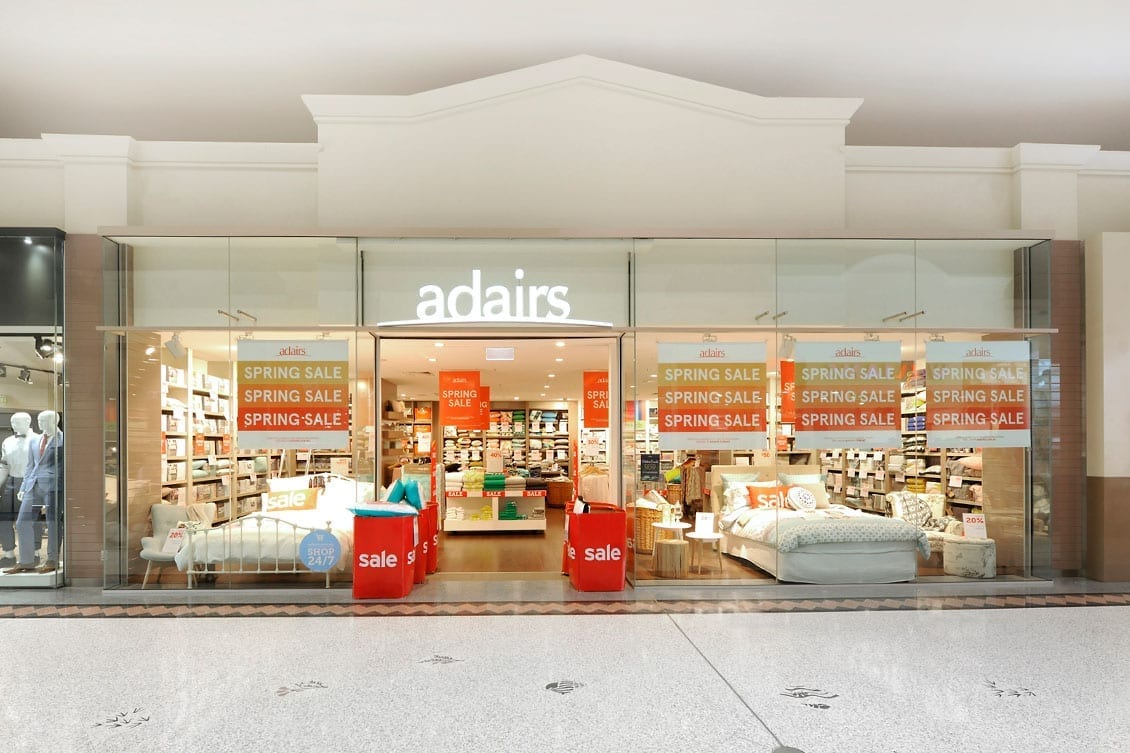
    Adairs Limited lifted group revenue 3.8 per cent to $641.7 million in FY26 as solid sales at its core homewares brand and Mocka offset a furniture slump.

    Underlying net profit after tax rose to $34.6 million, though non-cash impairment charges dragged the Australian retailer to a statutory net loss of $39.4 million.

    The flagship Adairs banner drove the performance. Sales grew 3.9 per cent to $459.2 million, lifting underlying earnings before interest and tax 14.9 per cent to $41.1 million. Gross margin reached 60.9 per cent, while EBIT margin widened 90 basis points to 9 per cent.

    Mocka expanded at a faster clip. Revenue jumped 22.9 per cent to $71.2 million and underlying EBIT climbed 32.1 per cent to $10.1 million, supported by catalogue expansion and pricing adjustments. The brand also opened physical trial stores in June.

    Supply snags hit furniture earnings

    Focus on Furniture weighed on group returns. Sales dropped 5.6 per cent to $111.3 million and underlying EBIT plunged 67.6 per cent after a third-quarter leadership transition disrupted inventory purchasing, thinned showroom floor stock and stretched customer delivery timelines.

    The group installed a new divisional chief executive and restarted supplier ordering in April and May. Inbound stock shipments are scheduled to rebuild availability through the second quarter of FY27, with fresh furniture collections arriving from October.

    Store network plans and debt reduction

    Discretionary retailers across Australasia continue to grapple with uneven consumer sentiment by tightening supply chains and defending gross margins. Adairs countered the furniture drag by trimming net debt by $20 million to $47.6 million, funding a 9.5 per cent increase in full-year dividends to 11.5 cents per share.

    Network changes will remain selective in the year ahead. The group plans to open seven to 10 stores, refurbish four to six, and shut between two and five underperforming sites, while Focus on Furniture will focus on relocations rather than adding new stores before earnings recover across FY28.

  • Ampol Convenience Earnings Rise 12% to $299 Million in First Half

    Ampol Convenience Earnings Rise 12% to $299 Million in First Half

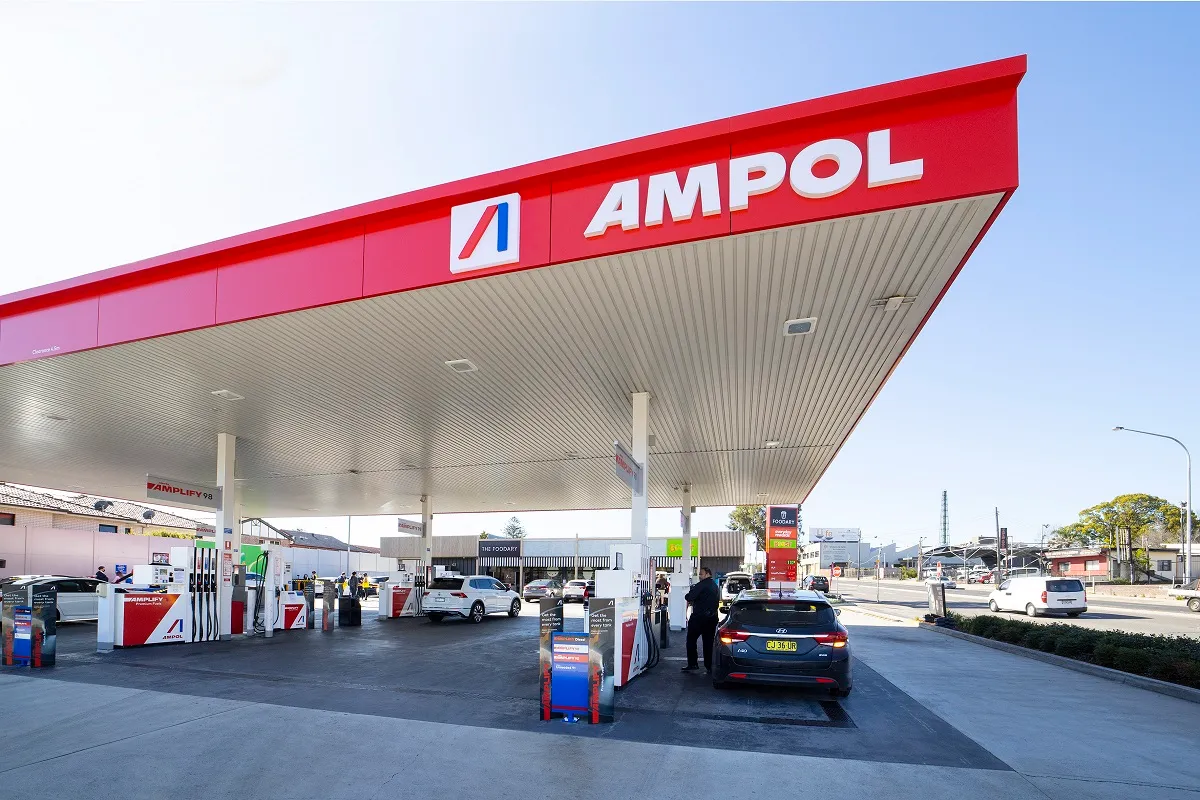
    Ampol Limited lifted its convenience division earnings 12 per cent in the first half of 2026, riding out global oil market volatility linked to Middle East tensions. Adjusted earnings before interest, tax, depreciation and amortisation for the retail network reached $299 million on a replacement-cost basis.

    Earnings before interest and tax in convenience climbed to $204.5 million for the six months ended June 30. Across the wider group, underlying net profit after tax on a replacement-cost basis reached $857.2 million.

    Volume Gains on the Forecourt

    Convenience fuel sales volumes rose 2.4 per cent during the half. Growth centered on base-grade petrol and standard diesel, helped by steady product availability across company-controlled forecourts while wholesale supply chains faced regional shipping constraints.

    Higher pump throughput carried additional foot traffic into store aisles. The shift toward value-oriented base fuels reflects tighter household budgets across Australian metro and regional markets, where motorists continue to trade down from premium fuel grades.

    Shifting Margins Across the Network

    Forecourt operators across Australia and Southeast Asia face a tricky balancing act between volatile wholesale procurement costs and sticky retail shop margins. Competitors such as Viva Energy and standard supermarket-aligned fuel sites have stepped up food and drink promotions to offset lower margins on refined fuel imports.

    Ampol relies on its domestic refining and supply infrastructure to keep supply steady when geopolitical shocks disrupt trade routes. The focus turns to whether retail shop baskets can hold their value into the second half as motorists watch day-to-day spending at the register.