Category: Living

Retail News Asia is committed to providing both local and global retailers with the latest Living news throughout the Asian market. This on a daily base.

  • False Quality Claims Threaten Kimberly-Clarks Diaper Sales in China: Repercussions and Recovery Strategies

    False Quality Claims Threaten Kimberly-Clarks Diaper Sales in China: Repercussions and Recovery Strategies

    Kimberly-Clark, the renowned maker of Kleenex tissues and Huggies diapers, lowered their annual profit and sales projections on Tuesday. This forecasting adjustment comes as a result of continuing challenges related to allegations about the quality of Kimberly-Clark’s diapers in the Chinese market, which have negatively affected sales in the second quarter.

    False claims circulating on Chinese social media accused Kimberly-Clark’s Huggies diapers of containing formamide, causing a significant stir just before the all-important ‘618’ shopping festival in June. Formamide is a toxic substance known to cause skin irritation, eye discomfort, and breathing difficulties if inhaled. Two Chinese brands, Babycare and Bibabebe, faced similar accusations.

    Kimberly-Clark defended its product quality by commissioning an independent test from a government-approved third party. The test results refuted the damaging social media allegations. China’s market regulator initiated an investigation into these claims but has yet to update the public on its findings.

    Kimberly-Clark CEO Mike Hsu commented on the ongoing situation, saying that while he is cautiously optimistic, he acknowledges that incidents like these are occurring more frequently. Hsu noted that consumers are becoming increasingly discerning, and the company will need time to navigate through the current challenges.

    Impact on Sales and Profit Forecasts

    Despite being on course to complete the sizable acquisition of Kenvue worth roughly US$40 billion by the end of this year, Kimberly-Clark has revised its 2026 organic sales growth forecast. The company now predicts this figure to fall about 100 basis points below the average growth of its markets and categories, a departure from previous predictions of in-line growth.

    Furthermore, Kimberly-Clark anticipates a high-single-digit growth rate in annual adjusted earnings per share, down from the previously forecasted double-digit growth. This projection factors in a roughly $150 million impact from rising oil prices.

    Kimberly-Clark COO Russ Torres referred to the disruption in China as a “one-time external impact.” He expects it to decrease the International Personal Care segment’s organic growth by three to four percentage points and restrain operating profit growth by 10 to 12 percentage points this year.

    Looking Ahead

    Despite the unexpected setback in China, Kimberly-Clark is making strides in its cost-saving and transformation efforts. The recent controversy, however, has added another layer of complexity to their operations. The company is now focusing on meeting the demands of economically strained consumers.

    Kimberly-Clark recently completed the sale of a 51% stake in its international tissue business to Suzano, forming a US$3.4 billion Arbex joint venture. This strategic move positions the company to compete with industry giants such as Procter & Gamble and Essity.

    In the last quarter, Kimberly-Clark’s net sales experienced a marginal increase of 0.6% to US$4.19 billion, falling slightly short of the estimated US$4.22 billion. Nonetheless, the company reported a 6.2% increase in adjusted operating profit to US$757 million, a boost facilitated by tariff refunds of about US$45 million.

    Questions & Answers

    What were the allegations against Kimberly-Clark’s Huggies diapers in China?
    False claims suggested that Huggies diapers contained formamide, a toxic substance that can cause skin irritation, eye discomfort, and breathing difficulties if inhaled.

    How has Kimberly-Clark responded to these allegations?
    Kimberly-Clark defended its products by commissioning an independent test from a government-approved third party. The test results refuted the damaging social media allegations.

    What impact has the situation in China had on Kimberly-Clark’s sales and profit forecasts?
    The company has lowered its annual profit and sales predictions due to the ongoing controversy. It now expects a high-single-digit growth rate in annual adjusted earnings per share and predicts 2026 organic sales growth to fall about 100 basis points below the average growth of its markets and categories.


  • Record-Breaking 5-Year High: Q2 Layoffs Surge in Singapore Amid Business Restructuring

    Record-Breaking 5-Year High: Q2 Layoffs Surge in Singapore Amid Business Restructuring

    Between April and June of this year, Singapore experienced a significant wave of layoffs, with approximately 4,500 workers losing their jobs. This figure represents the highest rate of retrenchment in over five years, showing a 17% increase from the prior quarter. The last time layoffs had reached this level was during the final quarter of 2020 when 5,640 workers were let go.

    The Underlying Reasons

    The spike in retrenchment occurred mainly within sectors focused on international operations, such as information and communications and manufacturing. This trend largely resulted from business restructuring processes. Companies within these sectors are particularly susceptible to various factors impacting their operations, including geopolitical tensions, shifts in trade policies, and fluctuations within the global economy. Their dependence on external demand makes them vulnerable and forces them to continuously reassess their operational models, leading to restructuring and rationalization of their workforce.

    Despite the surge in layoffs, it is important to note that the numbers are still lower than those recorded during the global financial crisis in 2009 and the Covid-19 pandemic. Furthermore, Singapore’s broader labor market has shown resilience during this period. Overall employment grew by 10,700, and the unemployment rate remained at a steady 2%.

    Economic Performance and Projections

    Singapore’s economy expanded by 5.7% year-on-year during the same quarter, a rate slightly slower than the preceding three months but exceeding the government’s full-year forecast. This positive economic performance has led several economists to revise their 2026 growth projections upwards.

    With regard to labor market projections, there was a marked improvement in June. Approximately 43.9% of businesses surveyed indicated plans to increase their workforce in the following three months, an increase from 40.6% in May. Additionally, around 29.3% of firms expected to raise wages during the same period, up from 23.7%. The expectation to lay off staff fell to 2.7% from the previous 3.2%.

    Although these indicators demonstrate the resilience of labor demand, expectations remain below the levels seen before the energy shock triggered by the Middle East conflict. This suggests that businesses are likely to adopt a cautious approach to hiring and wage decisions in the near future.

    Questions & Answers

    What sectors were most affected by the wave of layoffs?
    Primarily, the wave of layoffs occurred within sectors focused on international operations such as information, communications, and manufacturing, largely a result of business restructuring processes.

    What factors make these sectors particularly vulnerable?
    These sectors are particularly susceptible to various factors, including geopolitical tensions, shifts in trade policies, and fluctuations within the global economy. Their reliance on external demand often forces them to reassess their operational models.

    How has the broader labor market in Singapore responded to these changes?
    Despite the surge in layoffs, Singapore’s broader labor market has shown resilience. Overall employment grew, and the unemployment rate remained stable. However, projections indicate that businesses may adopt a cautious approach to hiring and wage decisions in the near future.

  • South Korea Plans Tax Hike on Wealthy Homeowners to Stabilize Surging Property Market

    South Korea Plans Tax Hike on Wealthy Homeowners to Stabilize Surging Property Market

    South Korea has put forth a proposal that seeks to introduce amendments to the existing property tax laws to levy higher rates on affluent property owners in an effort to stabilize the country’s overheated housing market. This development was made public on Monday following a confidential discussion led by the country’s President, Lee Jae Myung, who held deliberations on the local stock and property markets. The measures come as the government is attempting to calm public resentment over rocketing house prices and an unpredictable stock market.

    Finance Minister, Koo Yun-cheol, stated, “Our aim is to reform the real estate taxes in a sensible way to establish a housing market that prioritizes residence. It is important to remember that a house is meant for living, not for speculative buying.”

    Key Changes in the Proposed Tax Code

    The proposed revisions in the annual tax code, which were announced on Monday, include various changes. The finance ministry has suggested increasing property tax exemptions for individuals who own and live in a single house, while reducing them for others. The proposal also includes a rise in real estate holding tax rates, which could go up by as much as 2.3 percentage points, depending on the property’s price. Furthermore, the tax burden on multiple homeowners and high-priced houses is set to increase due to other changes in the tax code.

    Koo Yun-cheol further explained: “For households with a single property, if the value of their house is under 3 billion won (US$2.1 million), their tax burden will decrease. From 3 billion won to 4 billion won, the tax will incrementally increase, and it will normalize for properties valued between 4 billion and 5 billion.”

    In the previous month, a series of public discussions were organized by Lee’s administration regarding property market policies. This was in response to a surge in house prices for the 13th consecutive month in June, which marked the highest increase since November 2021.

    Other Measures to Stabilize the Economy

    The Bank of Korea has also raised concerns about the significant profits in the semiconductor industry leading to high inflation and escalated housing prices. As a result, the bank increased interest rates last month for the first time in over three years and signaled further hikes in the future.

    In addition to property tax changes, the ministry is planning to introduce tax exemptions on domestically produced goods for local sales in sectors such as solar energy, wind energy, rechargeable batteries, semiconductors, key materials, and AI robots. The proposed changes are expected to be submitted to parliament by September 3.

    Questions & Answers

    What is the primary aim of the proposed tax code revisions in South Korea?
    The principal goal of the proposed tax code changes is to stabilize the country’s overheated housing market by increasing taxes on affluent property owners.

    How will the tax revisions affect homeowners in South Korea?
    For individuals who own and reside in a single house, their tax burden will decrease if the house is valued under 3 billion won. From 3 billion won to 4 billion won, the tax will incrementally increase. The tax will normalize for properties valued between 4 billion to 5 billion won.

    What other measures are being taken in South Korea to stabilize the economy?
    Apart from the proposed tax code changes, the Bank of Korea has also increased interest rates for the first time in over three years due to concerns about high inflation and escalating housing prices. The finance ministry also plans to introduce tax exemptions on domestically produced goods for local sales in several sectors.

  • Social Media Fuels Australias Product Discovery: A $12 Billion Opportunity by 2030

    Social Media Fuels Australias Product Discovery: A $12 Billion Opportunity by 2030

    Research shows that social media is increasingly shaping consumer behavior in Australia, with 60% of consumers taking some form of action after viewing a product on these platforms. These findings come from the 2026 Marketplace Consumer Report by Pattern.

    The Rise of Social Commerce

    According to Pattern Australia’s Managing Director, Merline McGregor, the country’s social commerce market is slated to grow by an estimated 20 percent annually. It’s projected to reach a staggering 12 billion dollars by 2030. McGregor emphasizes the opportunities this growth presents, urging brands to adjust their strategies accordingly in order to maintain relevance and market share.

    Interestingly, consumers don’t rush to purchase a product immediately after discovering it on social media. Instead, the majority (60 percent) opt to search for additional information on Google. Half of them visit the brand or retailer’s official website, while 41 percent check out the product on Amazon. This behavior indicates that while social media often initiates product discovery, the actual purchasing process unfolds across various channels.

    Over a third of consumers finalize their purchases on the brand or retailer’s own website, 28 percent opt for Amazon, and 19 percent prefer to buy in-store. This suggests that while social media is instrumental in generating demand, transactions are typically completed through other retail channels.

    Influence of Content Creators and Trust

    The impact of content creators on consumer behavior is also evident, although it wanes with age. Overall, 38 percent of consumers are more likely to purchase a product endorsed by an influencer they follow. This percentage soars to 60 among consumers aged 18 to 34 but dips to a mere 8 percent for those 65 years and older.

    McGregor advises brands to transition from sporadic influencer campaigns to sustained, creator-led content strategies. Trust continues to be a significant factor in determining where consumers decide to complete a transaction. Twenty-six percent of Australians save products for further research, and a quarter seek recommendations from friends or family before making a purchase. Additionally, 42 percent choose to shop with retailers they have previously patronized due to their trusted customer service and returns policies.

    McGregor concludes that the findings confirm consumers’ tendency to cross-verify what they see on social media before making a purchase. This is done by conducting further research, seeking recommendations, or purchasing from retailers they are already familiar with.

    Questions & Answers

    What role does social media play in consumer behavior?
    It plays a significant role in product discovery. Around 60% of consumers take some form of action after seeing a product on social media.

    What is the projected growth of Australia’s social commerce market?
    The social commerce market in Australia is expected to grow by approximately 20% annually, reaching around $12 billion by 2030.

    How do consumers respond after finding a product on social media?
    Most consumers don’t buy the product immediately. Instead, they search for more information online, visit the brand’s website, or check the product on Amazon.

  • Thailand Elevates Trade Prospects with $750M Railway Project Boosting Port Connectivity

    Thailand Elevates Trade Prospects with $750M Railway Project Boosting Port Connectivity

    Thailand’s Ministry of Transport has confirmed its dedication to constructing a dual-track railway, a $750 million (27 billion baht) project that is viewed as a critical component in the nation’s logistics chain. Deputy Transport Minister Sanphet Boonyamanee, who talked about the project on Wednesday, highlighted it as a pivotal move towards bridging a “missing link” in Thailand’s nationwide logistics structure. This statement aligns with infrastructure strategies laid out by the government.

    The project in question is a 110-kilometer railway that will connect Chumphon and Ranong Port. This railway will directly link the country’s main rail system to its only deep-sea port, paving the way for a new trade conduit to the Indian Ocean. This railway is intended to facilitate an integrated multimodal transportation network that encompasses roads, railways, seaports, airports, and border crossings.

    Despite being smaller than many of Thailand’s main railway lines, this particular railway is predicted to function as a key land bridge. Once the railway is completed, freight from the agricultural and industrial areas in the north, northeast, central, and southern regions will be able to travel directly to Ranong Port via rail. This would render the need for road transport on the last leg of the journey obsolete.

    Another significant benefit of the new railway is that it will provide direct rail access to both Thailand’s coasts. The existing network links to the Gulf of Thailand ports, including Laem Chabang, Bangkok, and Map Ta Phut. However, the new route will create direct access to the Andaman Sea and the Indian Ocean, thereby broadening access to markets in the Middle East and Africa.

    A Project with Multiple Advantages

    In addition to facilitating international trade, officials also anticipate the project to stimulate economic growth in Chumphon and Ranong. They believe it will attract private investment towards warehouses, distribution centers, and logistics facilities.

    Government agencies are currently assessing the project’s economic, environmental, and social impacts. These studies are also determining whether to extend existing facilities at Ranong Port or to construct a new deep-sea terminal capable of accommodating larger container vessels.

    The State Railway of Thailand has finalized the project’s detailed engineering design and submitted its Environmental Impact Assessment report for review. The construction contract is expected to be up for bidding in 2027, subject to environmental approval later this year.

    The government had initially explored the possibility of this project in 2019 but later postponed it due to economic feasibility concerns.

    Questions & Answers

    What is the purpose of the new railway project in Thailand?
    The new railway is intended to establish a multimodal transportation network integrating roads, railways, ports, airports, and border crossings. It will also open a new trade gateway to the Indian Ocean.

    What benefits does the railway project bring to Thailand?
    The railway project is expected to boost international trade and spur economic growth in Chumphon and Ranong by attracting private investment in warehouses, distribution centers, and logistics facilities.

    When is the construction of the railway expected to start?
    Pending environmental approval, the bidding for the construction contract is expected to commence in 2027.

  • Vietnam’s Fuel Prices Skyrocket to Two-Month Peak amid US-Iran Tensions

    Vietnam’s Fuel Prices Skyrocket to Two-Month Peak amid US-Iran Tensions

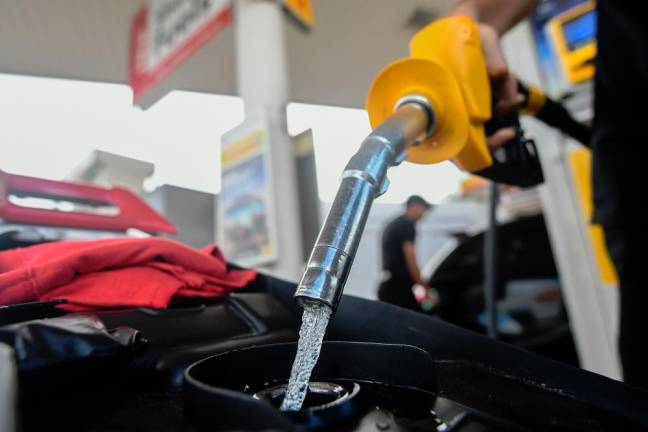
    In Vietnam, gasoline and diesel prices soared to their highest levels since May 28 on Thursday afternoon. The popular fuel E10 RON95 rose by 6.6%, reaching VND22,850 (US$0.87) per liter, while Biofuel E5 RON92 experienced an increase of 7.2%, costing VND22,380 per liter. Diesel prices also jumped by 7.2%, coming in at VND27,620 per liter.

    Global Fuel Prices and Local Shortages

    This surge in fuel prices aligns with a global trend observed over the past week, primarily driven by the escalating conflict between the U.S. and Iran. The Ministries of Industry and Trade and Finance note that RON95 has increased by 5%, costing $121.3 per barrel, and diesel has followed suit with a 5.4% hike, amounting to $159 per barrel.

    Alongside these rising costs, Vietnam has been contending with fuel shortages, particularly of diesel. Fuel retailers across Hanoi, HCMC, and other areas have reported difficulties in stocking enough supplies. Some tanker trucks have had to wait up to four days to collect supplies. Meanwhile, certain gas stations have either limited their sales or temporarily halted operations due to lack of inventory.

    Fuel Procurement and Market Dynamics

    Tran Huu Linh, the director general of the Agency for Domestic Market Management and Development under the Ministry of Industry and Trade, attributes these issues to the Middle East conflict disrupting fuel procurement by petroleum wholesalers. Additionally, amplified demand in certain areas has put a strain on supply, leading wholesalers to ration the volume of fuel distributed to the market temporarily.

    However, Linh maintains that the nationwide fuel supply remains stable, although localized shortages, especially of diesel, may occur. Linh also suggests that some businesses might be withholding inventory, anticipating a potential increase in prices.

    Questions & Answers

    What caused the recent rise in fuel prices in Vietnam?
    The escalating conflict between the U.S. and Iran has driven up global fuel prices, directly impacting prices in Vietnam.

    How has the conflict in the Middle East affected the fuel market?
    The conflict has disrupted fuel procurement by petroleum wholesalers, leading to delays in supply and temporary restrictions on the volume of fuel released to the market.

    What measures are being taken to manage fuel supply shortages?
    Despite localized shortages, the nationwide fuel supply remains stable. Wholesalers are temporarily rationing fuel distribution to the market to manage demand and maintain supply levels.

  • Revolutionizing Health Checkups: Vietnam Embraces AI-Assisted Preventive Screening

    Revolutionizing Health Checkups: Vietnam Embraces AI-Assisted Preventive Screening

    AI-supported comprehensive health screening is becoming increasingly accessible in Vietnam, granting both local and overseas Vietnamese the opportunity to access preventative diagnostic services. In the past, these services were usually sought after in countries like Japan, South Korea, and Thailand, where advanced screening programs were more readily available.

    One factor driving the growing interest in preventative screening, according to healthcare providers, is early detection. Statistics from Nura, an AI-powered health screening center network, show that 73.5% of Vietnamese cancer patients do not survive their illness, compared to around 30% in Japan, where regular screenings are commonplace.

    In Japan, the long-standing ningen-doku program screens approximately 80% of the population annually. In contrast, Vietnam’s screening rate is estimated to be around 3.5%.

    AI-Assisted Screening

    Since July 2024, Nura has been providing AI-assisted full-body screening services in Hanoi and Ho Chi Minh City. The company reports that over the past two years, they have conducted more than 33,000 screenings, identifying over 160 early-stage cancers in asymptomatic individuals.

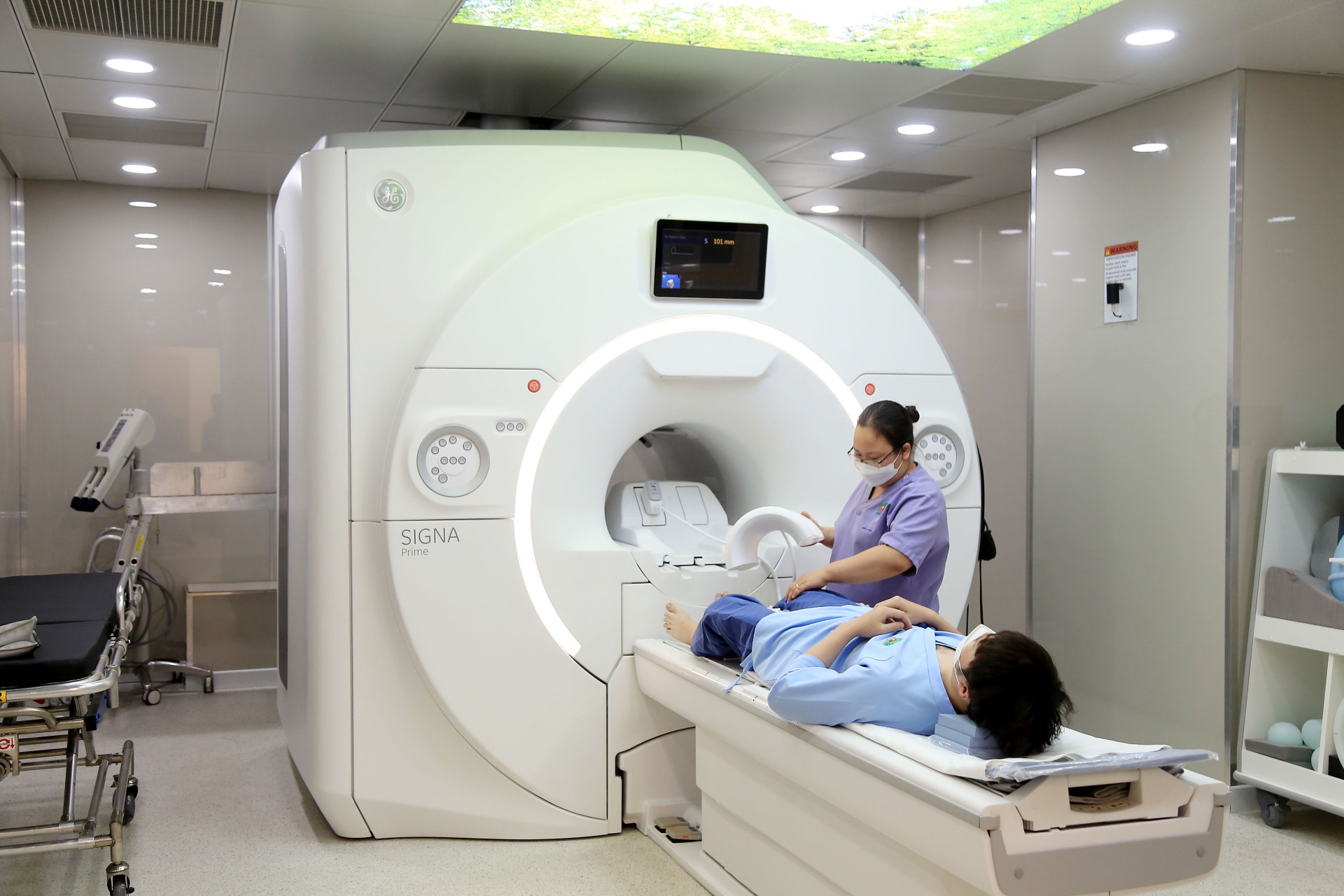
    Nura’s AI system is designed to aid doctors by supporting medical image analysis, not replace them. The platform, developed in conjunction with Fujifilm and partially trained on approximately 400 million medical images from Stanford Medicine, utilizes around 50 AI models to identify various types of abnormalities. Physicians review areas flagged by the AI before finalizing and sharing examination results with patients.

    Supporting Clinical Decisions

    According to Nura, AI-assisted imaging can assist doctors in evaluating complicated cases. In one instance, a 45-year-old man who was initially advised to undergo a lung biopsy after a suspected malignant lesion was detected at another medical facility. After an AI-assisted scan and specialist review, the abnormality was deemed consistent with benign inflammation. The patient was treated for pneumonia and recovered without needing a biopsy.

    Nura’s services are not only convenient for local residents but also for overseas Vietnamese and expatriates living in Vietnam. The company’s AI-assisted screening services provide an alternative for those seeking preventative healthcare without having to travel outside of Vietnam.

    One of the prominent concerns for people considering CT-based screening is radiation exposure. Nura states that its ultra-low-dose CT protocol, cleared by the U.S. Food and Drug Administration (FDA), is aimed at reducing radiation exposure while maintaining image quality through AI-supported image reconstruction.

    Questions & Answers

    What is the main purpose of Nura’s AI-assisted screening?
    The main purpose of Nura’s AI-assisted screening is to facilitate early detection of diseases, such as cancer, by providing comprehensive health screenings.

    How is Nura’s AI system used in clinical decision making?
    Nura’s AI system aids in clinical decision making by supporting medical image analysis, flagging areas of concern for physicians to review and make an informed medical decision.

    What measures has Nura taken to address concerns about radiation exposure during CT-based screening?
    To alleviate concerns about radiation exposure during CT-based screenings, Nura has developed an ultra-low-dose CT protocol, designed to reduce radiation exposure while maintaining image quality. This system has received clearance from the U.S. Food and Drug Administration (FDA).

  • Vietnam Sets Stage for Globally Competitive CEO’s: Launches Trailblazing Leadership Program

    Vietnam Sets Stage for Globally Competitive CEO’s: Launches Trailblazing Leadership Program

    The Vietnam Chamber of Commerce and Industry (VCCI) recently rolled out a leadership advancement initiative aimed at fostering a new cohort of globally competitive CEOs within the nation. The undertaking, dubbed “CEO Vietnam The New Era,” aims to imbue top executives with globally recognized management acumen and ready them for digital metamorphosis, ecological transitioning, and further integration into global supply chains.

    Shaping Leadership for Economic Growth

    This move coincides with Vietnam’s accelerated economic growth ambitions, and an intensified focus on cultivating business leadership that is in sync with governmental priorities of expanding the private sector’s role. Ho Sy Hung, the chairman of the chamber, emphasized at the initiative’s unveiling that Vietnamese enterprises require leaders who possess a future-oriented vision, modern managerial abilities, and the flexibility to navigate swift technological and geopolitical shifts.

    The VCCI has plans to draw on the support of its extensive in-country networks, business organizations, training collaborators, industry experts, international bodies, and the wider business sector to execute this program.

    Educational Collaboration and Curriculum Highlights

    Prof. Dr. Nguyen Thi Thanh Mai, president of Vietnam National University–Ho Chi Minh City, highlighted the program’s goal of fortifying collaboration amongst the government, educational institutions, and businesses in the areas of education, research and knowledge-sharing.

    The university, collaborating with partners such as A11 Management Consulting Vietnam and INSEAD Business School, has developed a comprehensive curriculum suitable for a broad spectrum of participants, ranging from top-tier corporate heads to executives of small to medium-sized businesses, family-run ventures, and startups. Key focus areas of the program will encompass strategic leadership, corporate governance, digital transformation, finance, sustainability, ESG, and international business growth.

    In the words of Professor Sameer Hasija, Dean of Executive Education and Dean of the Asia Campus at INSEAD, as Vietnam maintains its impressive economic stride, the cultivation of future-ready business leaders will be pivotal to sustaining growth and pioneering innovation.

    Questions & Answers

    What is the purpose of the “CEO Vietnam The New Era” program?
    The program aims to equip business leaders with globally recognized management skills and prepare them for digital transformation, green transition, and deeper integration into global value chains.

    Who are the key partners in developing the curriculum for this program?
    The Vietnam National University–Ho Chi Minh City has partnered with A11 Management Consulting Vietnam, INSEAD Business School, and other partners to create the curriculum.

    What will be the primary focus areas of the program?
    The program will cover strategic leadership, corporate governance, digital transformation, finance, sustainability, ESG, and international business development.

  • PapaHome’s Mega Expansion: Unveiling Bigger Flagship Store in Hong Kongs Fashion Walk

    PapaHome’s Mega Expansion: Unveiling Bigger Flagship Store in Hong Kongs Fashion Walk

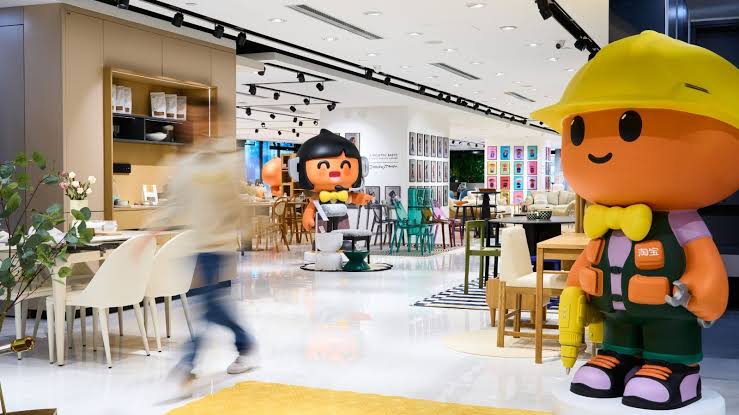
    PapaHome, powered by Taobao, continues its growth in the Hong Kong market by moving its primary store to a bigger location at Fashion Walk, Causeway Bay. The grand opening is slated for October.

    Expansion and Rebranding

    The upgraded flagship store will occupy over 35,000 square feet, spanning two floors, effectively doubling the size of its previous store in Tsim Sha Tsui. This relocation comes following a successful year since PapaHome launched as Taobao’s inaugural physical furniture superstore in Hong Kong. The company cites robust consumer demand and impressive sales performance at the original store as key drivers behind the decision to upgrade to a larger flagship.

    The newly relocated outlet in Causeway Bay will continue to utilize the successful OMO (Online Merges with Offline) model, while also launching the brand’s ‘More Than Home’ concept. In addition to offering a wide variety of furniture and home furnishings, the store will also house a dedicated showroom focusing on home aesthetics. Complementing this, the store will offer bespoke furniture, interior design, and home renovation services.

    Broadening Product Offerings

    With the aim of catering to more diverse lifestyle needs, the flagship store will introduce new lifestyle products. These will include the first-ever PapaCafe and dedicated areas for beauty and wellness. Additionally, it will house a floristry section and a selection of curated lifestyle accessories.

    Questions & Answers

    What prompted PapaHome to relocate its flagship store?
    Robust customer demand and impressive sales performance at their original store prompted PapaHome to relocate to a larger flagship.

    What is the new concept that PapaHome is introducing?
    PapaHome is introducing the ‘More Than Home’ concept, which includes a broader range of furniture and home furnishings, a home aesthetics showroom, and services like custom furniture, interior design, and home renovation.

    What new lifestyle offerings will be available at the flagship store?
    The flagship store will introduce new lifestyle offerings such as the debut of PapaCafe, dedicated spaces for beauty and wellness, floristry, and a selection of curated lifestyle accessories.

  • Global Tensions Fuel Surge in Vietnam’s Gasoline Prices

    Global Tensions Fuel Surge in Vietnam’s Gasoline Prices

    On Thursday, petrol prices in Vietnam saw a significant hike due to a surge in global fuel prices. The country’s most widely consumed fuel, E10 RON95, experienced a 4.28% price rise, bringing its cost to VND21,430 (US$0.81) per litre.

    There were similar increases across other types of fuel. Biofuel E5 RON92 saw a 5.35% increase, raising its price to VND20,880. Diesel prices saw the most substantial jump, with a 10.5% increase taking the cost to VND25,760 per litre.

    Global Market Trends

    These price hikes have been attributed to the shifting conditions of global fuel markets, which have been trending higher in recent times. The surge in global fuel prices has been exacerbated due to escalating political tensions and conflicts, including those between the U.S. and Iran. In addition, the maritime blockade declared by the Houthi movement in the Red Sea has also contributed to the upward price trends.

    The rise in international fuel prices has had a global impact. For instance, RON95 gasoline prices rose by 11.4% to $115.5 per barrel, while diesel saw a 10.8% increase, taking its price to $150.9 per barrel. Fuel oil, also known as mazut, also experienced a significant increase, climbing by 12.3% to a staggering $546.3 per ton.

    Questions & Answers

    What led to the increase in Vietnam’s fuel prices?
    The increase in fuel prices in Vietnam was a direct result of the surge in global fuel prices, which has been driven by escalating political tensions and conflicts.

    How much did the price of the most popular fuel in Vietnam increase?
    The price of E10 RON95, the most popular fuel in Vietnam, increased by 4.28% to VND21,430 (US$0.81) per litre.

    What are the current global market trends for fuel prices?
    Fuel prices are currently trending higher globally, mainly due to escalating political tensions and conflicts, including the U.S. and Iran conflict, and the maritime blockade declared by the Houthi movement in the Red Sea.

  • Ikea Fuels Indian Expansion with $2.2B Investment by 2030

    Ikea Fuels Indian Expansion with $2.2B Investment by 2030

    Swedish furniture giant, Ikea, anticipates a substantial increase in its investment in India, aiming to reach a total of US$2.2 billion by 2030 as part of its aggressive expansion strategy.

    Doubling Investments

    Patrik Antoni, the CEO of Ikea India, revealed that the company has already surpassed the initial commitment of $1.1 billion made in 2013 post the approval to establish single-brand retail outlets in India. He added, “We will likely double this investment in future. By 2030, we should have at least accomplished that.”

    The additional investment is set to be utilized to facilitate the expansion of Ikea’s physical store footprint and develop mixed-use retail centers. Further, it will support increased local sourcing, renewable energy ventures, and advanced technology capabilities.

    Future Expansion Plans

    The upcoming major projects include the inauguration of a large-format store in Noida next year, with another planned in Gurgaon for 2028. In tandem with its retail growth, Ikea also plans to enhance local manufacturing to bolster domestic sales and exports. Antoni concluded by stating, “We plan to produce more and also increase our exports. Thus, we hope to do a lot more.”

    Questions & Answers

    What is Ikea’s investment plan for India by 2030?
    Ikea plans to more than double its investment in India to reach US$2.2 billion by 2030.

    What will the additional investment be used for?
    The additional investment will be used to expand Ikea’s physical store network, develop mixed-use retail centers, increase local sourcing, fund renewable energy projects, and enhance technology capabilities.

    What are Ikea’s future expansion plans in India?
    The company plans to open a large-format store in Noida next year, followed by another in Gurgaon in 2028. It also plans to increase local manufacturing to support domestic sales and exports.

  • Revolutionizing Employee Health: LivWell Broadens Wellness Ecosystem in Vietnam with Innovative InsurTech Solutions

    Revolutionizing Employee Health: LivWell Broadens Wellness Ecosystem in Vietnam with Innovative InsurTech Solutions

    LivWell, a leading Singapore-based InsurTech firm, has announced plans to broaden its OneHealth employee benefits scheme in Vietnam. The expansion includes the development of specialized insurance solutions, focused on various health conditions.

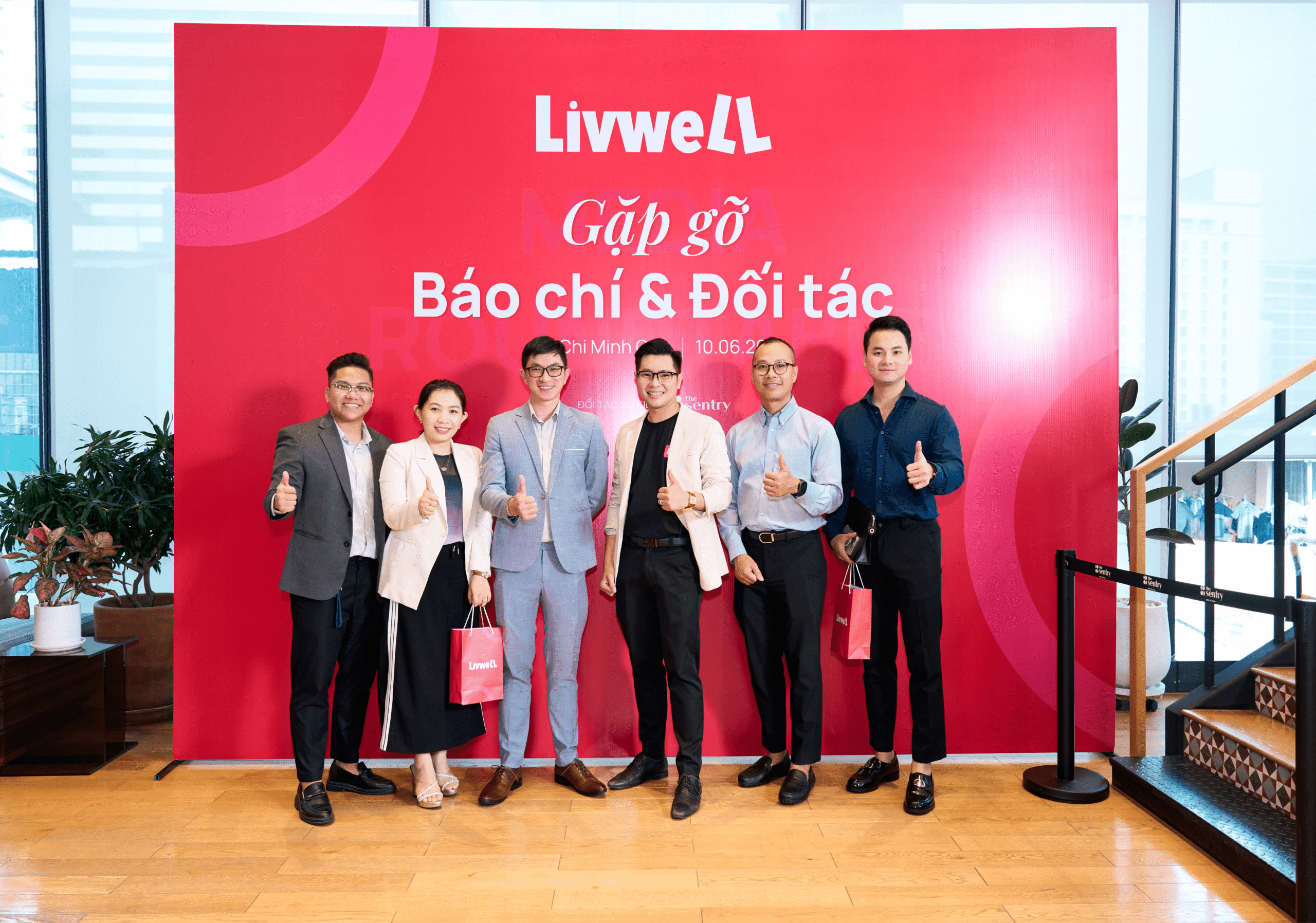
    The company’s decision to expand its services and offerings was announced during a strategic conference held in Ho Chi Minh City, where LivWell also revealed new partnership agreements with InSmart and DiaB.

    Revolutionising Health and Wellness Benefits

    LivWell aims to transform OneHealth from a traditional employee benefits solution, primarily focused on medical expense reimbursement, into a comprehensive healthcare platform. This integrated platform is aimed at consolidating preventive care, financial protection and long-term health support.

    This all-inclusive platform combines numerous elements of health, including insurance, healthcare services, wellness incentive programs, and health monitoring tools, all within a single application.

    For employers, OneHealth delivers a unified view of workforce health and benefits utilization, aiding benefits management. Meanwhile, employees can use the LivWell app to monitor their health indicators while availing themselves of health screenings, workplace wellness activities, and healthcare services.

    Emphasizing the need for proactive health management, Nikhil Verma, Co-Founder and Group CEO of LivWell, said, “We aim to help organizations cultivate healthier workplaces where health is proactively managed and every employee gets the necessary support throughout their wellness journey.”

    Enhancing Workplace Productivity and Reducing Out-of-Pocket Expenses

    LivWell cited studies to illustrate that a staggering 70% of adults believe wellness programs boost workplace productivity. However, Vietnamese households continue to pay nearly 39.5-40% of healthcare expenses out of pocket, despite having public and private health coverage. This figure starkly contrasts with the World Health Organization’s recommended out-of-pocket expenses in the range of 15-20%.

    LivWell’s partnerships with InSmart and DiaB aim to address these issues. The collaboration allows users to submit insurance claims and monitor benefits through the LivWell app, in addition to providing remote consultations, personalized nutrition guidance, and chronic disease management services.

    Additionally, LivWell announced plans to create insurance products specifically for individuals with certain health conditions, starting with cancer. Noting the financial burden of cancer treatment, the company mentioned that patients often pay up to 70% of the treatment cost by themselves.

    Balakrishnan Ambat, Co-Founder and CEO of LivWell Vietnam, reiterated the company’s commitment to not only providing for treatment costs but also encouraging healthier lifestyles to prevent illness.

    LivWell’s expanded ecosystem and future condition-focused insurance products intend to contribute to the evolution of employee health benefits in Vietnam, by aiding businesses in investing in workforce wellbeing and expanding access to healthcare services throughout different life stages.

    Since 2020, LivWell has served over 320,000 users and supported more than 450 businesses, including small and medium-sized enterprises, with employee benefits and wellness programs.

    Questions & Answers

    What is LivWell’s OneHealth?
    OneHealth is an employee benefits solution by LivWell. The company plans to transform it into a comprehensive healthcare platform integrating preventive care, financial protection, and long-term health support.

    What are some of the features of the OneHealth platform?
    OneHealth combines health insurance, healthcare services, wellness incentive programs, and health monitoring tools within a single application. It provides employees with health screenings, workplace wellness activities, and healthcare services.

    What is the aim of LivWell’s partnerships with InSmart and DiaB?
    The collaborations with InSmart and DiaB will allow users to submit insurance claims and monitor benefits through the LivWell app. They will also provide remote consultations, personalized nutrition guidance, and chronic disease management services.

  • Hong Kong’s Luxury Hotels Triumph in Recovery, Surpassing Pre-Pandemic Levels

    Hong Kong’s Luxury Hotels Triumph in Recovery, Surpassing Pre-Pandemic Levels

    The luxury hotel sector in Hong Kong has shown remarkable resilience, bouncing back stronger than the broader hospitality industry in the city. According to the property consultancy JLL, room rates have even surpassed those of 2018, indicating a significant rebound in demand.

    A Robust Recovery for Luxury Hotels

    JLL reports that luxury properties were the only hotel segment to return to their 2018 average daily rates by 2025, reaching HKD2,169 (US$277). This figure represents a 1% increase over rates recorded before 2019 and during the Covid-19 pandemic.

    Meanwhile, the general hotel market in Hong Kong recorded average daily rates of HKD1,263, an 8% decrease from the 2018 level. In the first quarter of this year, luxury hotels maintained their strong performance, with average daily rates rising 12.3% year-on-year to HKD2,452. In contrast, non-luxury segments posted increases between 7% to 8.7%.

    Cleavon Tan, Senior Vice-President of JLL’s Hotels and Hospitality Group in Hong Kong, notes that the luxury hotel segment’s recovery in 2025 was more robust than that of the broader hotel market. He attributes this to the combination of improved demand in conjunction with a constrained supply environment, which allowed luxury hotels to rebuild occupancy while maintaining pricing power.

    Tan suggests that Hong Kong’s hotel recovery and long-term growth prospects will depend on specific segments and assets. Luxury hotels may experience slower physical-supply growth but potentially stronger pricing power, whereas selected mid-market hotels may capture broader visitor growth if their location, product, and cost structure remain competitive.

    Demand Drives Transaction Volumes Across Asia-Pacific

    The demand for luxury hotels across the Asia-Pacific region has also significantly increased. JLL’s report noted that this surge in demand has driven transaction volumes, including sales and acquisitions, up 77% between 2017 and 2025, totalling about US$2.1 billion.

    Luxury hotel transactions accounted for almost 20% of all hotel deals in the region in 2025, a sharp increase from 8% in 2017 and surpassing the previous pre-pandemic peak of 16%.

    In Hong Kong, prime luxury hotel assets are primarily held by local conglomerates, family offices, strategic long-term owners, and high-net-worth investors, resulting in a limited supply. Recent market activity has predominantly focused on refurbishments, repositioning projects, and reopenings rather than adding new supply.

    Noteworthy developments include the 2023 return of The Regent in Hong Kong, the launch of Mondrian Hong Kong, the upcoming Andaz Hong Kong Central, and the recent reopening of The Landmark Mandarin Oriental.

    Questions & Answers

    Why are luxury hotels in Hong Kong experiencing a stronger recovery than the broader hotel market?
    The stronger recovery in the luxury hotel sector is attributed to increased demand in tandem with a constrained supply environment, enabling these establishments to increase occupancy rates while retaining their pricing power.

    What does the future look like for Hong Kong’s hotel industry?
    The long-term outlook for Hong Kong’s hotel industry will vary depending on specific segments and assets. Luxury hotels may see slower growth in physical supply but potentially stronger pricing power. In contrast, selected mid-market hotels could capture more extensive visitor growth if their location, product, and cost structure remain competitive.

    What are some notable developments in Hong Kong’s luxury hotel market?
    Significant developments in Hong Kong’s luxury hotel sector include the 2023 return of The Regent, the launch of Mondrian Hong Kong, the upcoming Andaz Hong Kong Central, and the recent reopening of The Landmark Mandarin Oriental.

  • Gasoline Takes a Dip while Diesel Climbs: Fuel Price Fluctuations Amid Global Tensions

    Gasoline Takes a Dip while Diesel Climbs: Fuel Price Fluctuations Amid Global Tensions

    On Thursday afternoon, fluctuations in global rates resulted in a decrease in gasoline prices and an increase in diesel prices. The popular gasoline variant, E10 RON95, saw a 2.01% drop pricing it at VND20,000 (US$0.76) per liter.

    Diesel Prices Rise as Biofuel Demand Increases

    Contrarily, diesel prices experienced a 2.73% surge, amounting to VND21,740. Despite the recent increase, the cost of diesel has seen a significant reduction, dropping by half from its peak price in April of this year. In addition, Biofuel E5 RON92 saw a 2.69% increase, bringing the price to VND19,190.

    Global fuel prices have been considerably influenced by recent tensions in U.S.-Iran relations, as reported by the Ministry of Industry and Trade and the Ministry of Finance. Over the last week, the price of RON95 fell 2.6% to $97.5 per barrel, while diesel prices increased 4.2% to $116.5 per barrel. The cost of Mazut also decreased by 1% to $428.3 per ton.

    Vietnam’s Fuel Consumption Trends

    Vietnam authorities have announced that they will continue to eliminate fuel-related taxes, excluding the special consumption tax, through the end of September. Following the widespread introduction of E10 gasoline just a month ago, Vietnam has reported a consumption of approximately 980 million liters of biofuel gasoline. Out of this total, E10 gasoline made up for 924 million liters or 96%.

    Questions & Answers

    What changes were observed in the fuel prices recently?
    Gasoline prices fell by 2.01%, while diesel prices increased by 2.73%.

    What factors are influencing the global fuel prices?
    The recent U.S.-Iran tensions have had significant impacts on the global fuel prices.

    What has been the consumption trend for biofuel gasoline in Vietnam?
    In the past month, Vietnam consumed around 980 million liters of biofuel gasoline, out of which E10 gasoline accounted for 96%.

  • Global Uncertainties Trigger Gasoline Price Tumble in Vietnam: Implications for U.S.- Iran Peace Talks

    Global Uncertainties Trigger Gasoline Price Tumble in Vietnam: Implications for U.S.- Iran Peace Talks

    In Vietnam, gasoline prices experienced a minor decrease on Thursday amidst the ongoing global price instability due to the uncertainties surrounding the peace talks between the U.S. and Iran. E10 RON95, a commonly used fuel, saw a 3.73% drop, bringing its price down to VND20,410, or $0.78, per liter.

    The biofuel E5 RON92 also recorded a decline of 5.05%, reducing its cost to VND19,730 per liter. Diesel, another widely used fuel, fell by 3.16% to VND21,170 per liter.

    Global Fuel Price Fluctuations

    Over the past week, global fuel prices have demonstrated mixed trends when compared to the previous week. These fluctuations are, in part, due to the ongoing negotiations between the U.S. and Iran, as stated by the Ministry of Industry and Trade and the Ministry of Finance.

    In an effort to minimize the impact of the escalating conflict in the Middle East on its economy, Vietnam has made a decision to continue its zero-tax policy on petroleum products until the end of September. However, the special consumption tax on gasoline will remain in place.

    Following the introduction of E10 gasoline for mass sale, approximately 980 million liters of biofuel have been consumed across the country in the first month. Out of this total, E10 accounted for a whopping 924 million liters, or 96%, while E5 consumption amounted to about 56 million liters.

    Steps to Ensure Continuous Fuel Supply

    In light of the persistent uncertainty in global energy markets, the Domestic Market Management and Development Agency under the Ministry of Industry and Trade has directed fuel importers and distributors to formulate supply plans. The goal is to ensure a steady availability of fuel across all distribution networks.

    There has also been an instruction for businesses to avoid hoarding fuel in anticipation of price hikes or supply disruption. The businesses are required to guarantee adequate deliveries to retail gas stations, particularly in remote and rural areas.

    Questions & Answers

    What caused the decrease in fuel prices in Vietnam?
    The decrease in fuel prices in Vietnam is due to the ongoing global price instability caused by uncertainties in the U.S.-Iran peace talks.

    How is Vietnam dealing with the impact of the conflict in the Middle East?
    To mitigate the impact of the conflict in the Middle East, Vietnam is continuing its policy of zero tax on petroleum products until the end of September, with the exception of the special consumption tax on gasoline.

    What measures are being taken to ensure continuous fuel supply in Vietnam?
    The Domestic Market Management and Development Agency has instructed fuel importers and distributors to develop supply plans to ensure uninterrupted fuel availability across their networks. They have also been instructed not to hoard fuel in anticipation of price increases or disrupt supply and to ensure adequate deliveries to retail gas stations, especially in remote and rural areas.