Tag: Vietnam

  • Vietnam’s Top Students Choose South Korea over West for Higher Education

    Vietnam’s Top Students Choose South Korea over West for Higher Education

    Elite students from Vietnam are increasingly choosing South Korean universities for their higher education, often prioritizing them over institutions in the United States and Europe. This shift reflects growing interest in advanced technology fields and strong industry connections available in South Korea.

    South Korea has become the leading destination for Vietnamese international students, with 75,198 enrolled last year. This figure surpassed China’s 74,820 students for the first time, according to the Korean Educational Development Institute. The trend is moving beyond language training, with degree programs now accounting for 51 percent of student visas issued to Vietnamese nationals, exceeding language-training visas.

    Rising Interest in Korean Technology

    The appeal of South Korea’s higher education system is particularly strong among science and engineering students. Hoang Huong Giang, who scored first nationwide in Vietnam’s university entrance exam and a perfect 1,600 on the SAT, has chosen to study computer science at KAIST. She cited South Korea’s advanced science and technology and its close ties with industry as key attractions.

    Similarly, Pham Hai Long, a graduate of Hanoi’s National Economics University, received a Global Korea Scholarship (GKS) to attend KAIST’s Graduate School of Global Digital Innovation. He prioritized South Korea due to its significant investments in cutting-edge technologies and the presence of global companies like Samsung and LG. Students are also beginning their preparation earlier, with many now studying for the Test of Proficiency in Korean (TOPIK) during their first or second year of high school.

    Universities and Government Attract Talent

    South Korean universities are actively recruiting gifted students from Vietnam to address domestic talent shortages, particularly in science and engineering. Professors from Seoul National University’s College of Engineering visited Hanoi University of Science and Technology (HUST) to host admissions information sessions. Major Korean universities, including Konkuk, Sungkyunkwan, Chung-Ang, and Hanyang, are also partnering with study-abroad agencies to offer scholarships to outstanding Vietnamese students.

    The Korean government supports these efforts through its Education Center in Hanoi, which provides Korean-language courses at prominent Vietnamese science and engineering universities. This initiative aims to strengthen educational cooperation and foster closer ties between the two nations.

    Retaining Talent Remains a Challenge

    Despite the success in attracting Vietnamese students, South Korea faces challenges in retaining them after graduation. Nguyen Linh, a KAIST computer science graduate and GKS recipient, returned to Vietnam to join Microsoft Vietnam due to difficulties with Korean language skills, residency status, and employment opportunities in South Korea. She noted that peers studying in English-speaking countries found corporate internships more accessible.

    This situation highlights the need for South Korea to improve conditions for highly talented foreign graduates to settle in the country. Other nations have implemented strategies to address this. Singapore’s National University of Singapore (NUS) and Nanyang Technological University (NTU) offer scholarships requiring graduates to work for local companies for three years. France has established the University of Science and Technology of Hanoi (USTH) to facilitate direct progression to master’s and doctoral programs in France. Japan has significantly eased permanent residency requirements for skilled professionals, reducing the eligibility period for some technical talent from 10 years to just one year, leading to a substantial increase in Vietnamese professionals in Japan.
  • Cosco Shipping Sets Sights on Southeast Asia: Plans Expansion in Vietnam and Indonesia Amid Growing Trade Demand

    Cosco Shipping Sets Sights on Southeast Asia: Plans Expansion in Vietnam and Indonesia Amid Growing Trade Demand

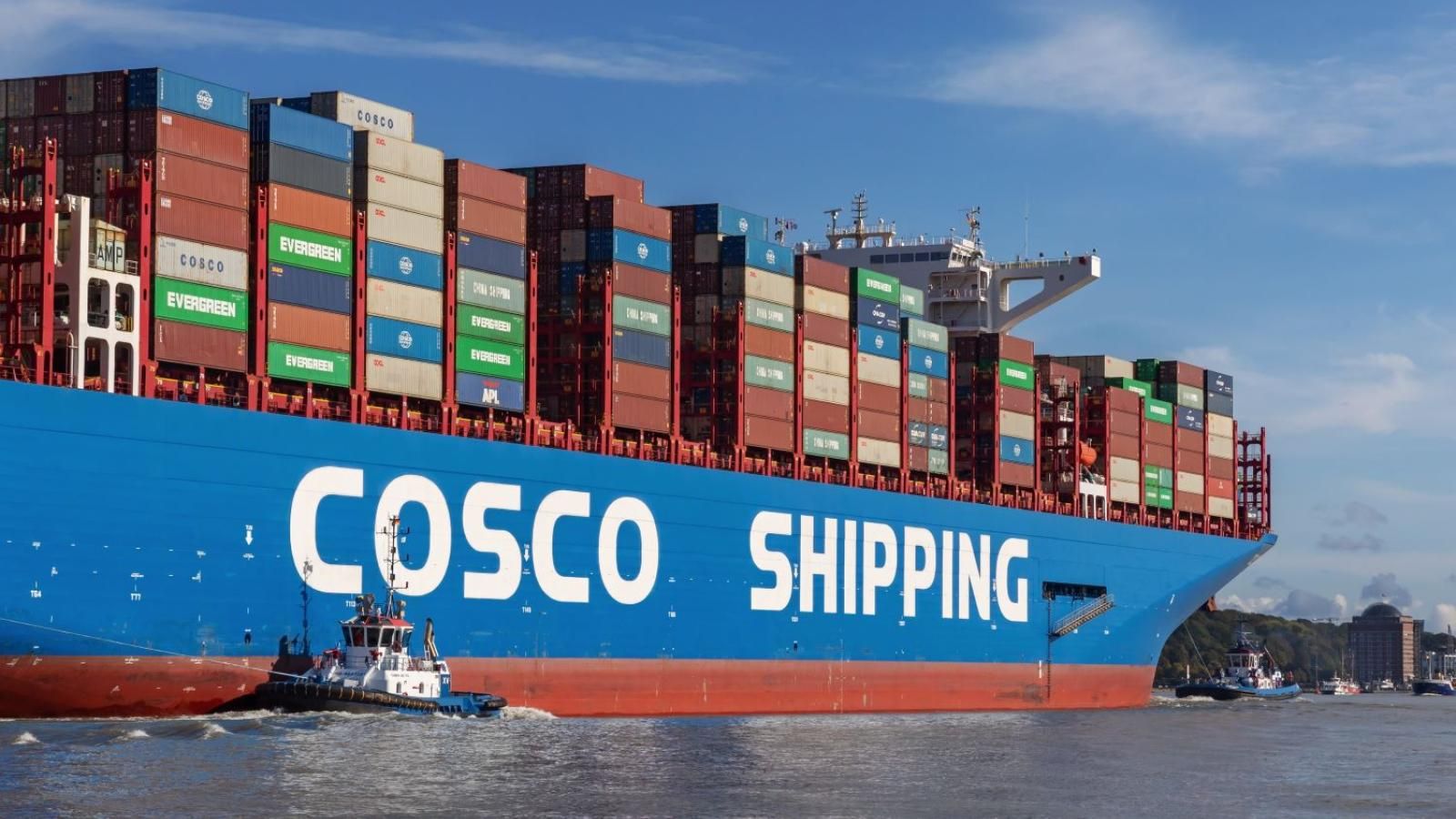
    Cosco Shipping International (Singapore) is setting sights on increased investment in Vietnam, Malaysia, and Indonesia within the next three to five years, in anticipation of a surge in Southeast Asian trade. The firm’s president, Jiang Kai, expresses a robust sense of assurance in the potential of the Southeast Asian market.

    Cosco Shipping International, the logistic subsidiary of the Chinese state-owned maritime behemoth China Cosco Shipping Corporation, is currently listed in Singapore. The company generates its consolidated revenue primarily from its operations in Singapore and Malaysia, with the city-state contributing to approximately 87% of the total. The firm also has a vested interest in logistical enterprises in Indonesia and Vietnam, along with a share in a dry-bulk shipping associate that operates throughout the region. These affiliated firms provide about one-fourth of the group’s pre-tax profit, as witnessed in the latest financial results for the first half of 2026.

    Resilience Amid Global Trade Uncertainties

    Global trade has witnessed a few turbulent years, with factors such as U.S. tariffs and geopolitical instabilities in Ukraine and Iran causing disruptions in shipping routes and supply chains. However, manufacturing activities continue to show resilience in Southeast Asia, notes Jiang. There is also an observed revival in the region’s dry-bulk shipping market, which deals in the transportation of industrial raw materials like coal and iron ore, as manufacturing activities gain traction.

    The demand for specialized cargo shipping, catering to industrial machinery, vehicles, and new energy equipment, is also on the rise, mirroring the region’s progression. “The expansion in Southeast Asia’s shipping industry has resulted in a steady surge in logistics demand,” says Jiang. He adds that many Chinese manufacturing firms, when exploring overseas markets, often consider Southeast Asia as a preferred manufacturing base, a trend that spells long-term benefits for Cosco.

    In the first half of the year, Cosco Shipping International recorded a 6% rise in revenue to SGD96.8 million (US$76 million), propelled by increased contributions from logistics, ship repair, and marine engineering. The company is also expanding its footprint in Singapore. One of its prominent ongoing projects is the Jurong Island Logistics Hub Phase II.

    This project, the company’s most significant investment in Singapore, promises enhanced integrated logistics services and is projected to be completed in the fourth quarter of this year.

    Questions & Answers

    What is Cosco Shipping International’s plan over the next three to five years?
    They are planning to increase investment in Vietnam, Malaysia, and Indonesia in anticipation of a surge in Southeast Asian trade.

    What is the primary source of Cosco Shipping International’s consolidated revenue?
    The majority of the company’s consolidated revenue comes from operations in Singapore and Malaysia, with Singapore contributing about 87%.

    What trends are observed in the Southeast Asian dry-bulk shipping market?
    There is a recovery observed in Southeast Asia’s dry-bulk shipping market, with increasing demand for the transportation of industrial inputs such as coal and iron ore, as manufacturing activity strengthens.

  • US Dollar Ascends Versus Vietnamese Dong Amid Market Stability

    US Dollar Ascends Versus Vietnamese Dong Amid Market Stability

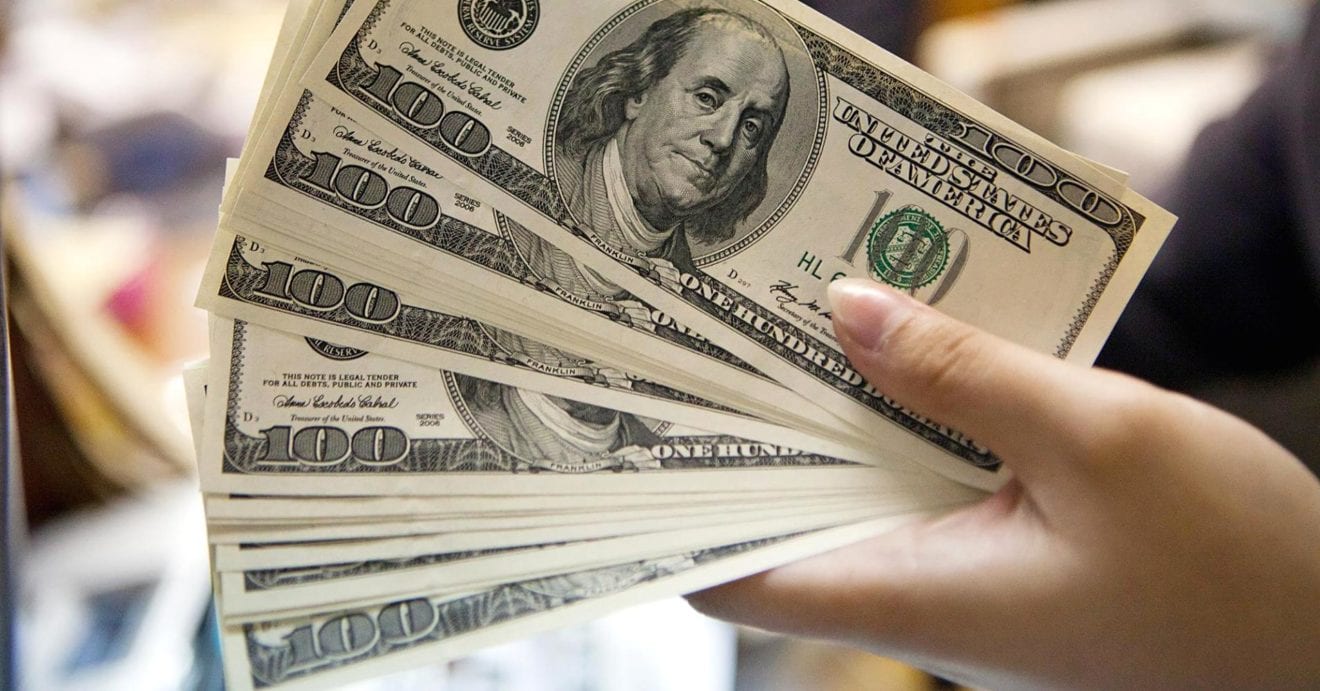
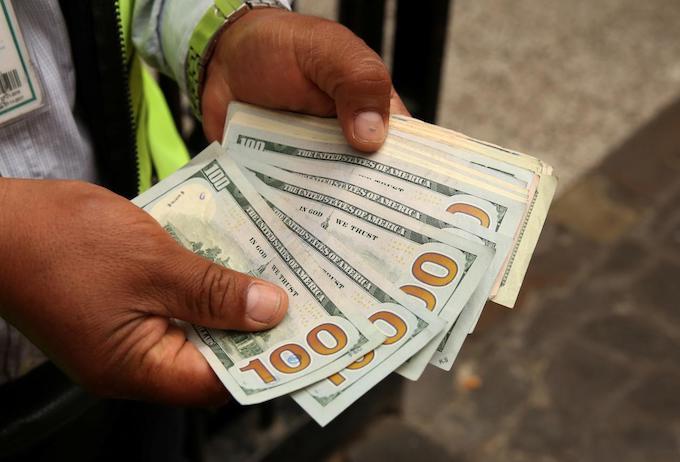
    The U.S. dollar experienced a slight increase against the Vietnamese dong early Friday, while maintaining a stable position against other major global currencies. The uptick saw the dollar traded at VND26,270 by Vietcombank, reflecting a 0.08% rise from the previous day. Concurrently, on the unregulated market, the dollar exchanged hands at approximately VND25,990.

    Vietnam’s Monetary Policy

    The State Bank of Vietnam has responded to these market dynamics by reducing its reference rate by 0.02% to VND25,561. This move is part of its monetary policy to moderate the impact of global economic influences on the local currency.

    In the international arena, the currency market has been relatively stable this week. The U.S. dollar has found support in the backdrop of escalating oil prices and increasing tensions in the Middle East. However, this has been counterbalanced by placid U.S. employment and inflation reports, which have lowered projections for hikes in the U.S. interest rate.

    Global Currency Trends

    Within the week, the euro experienced a slight decrease of 0.2%, taking its value to $1.1536, while the British pound remained static at $1.3489. Meanwhile, the Australian dollar traded consistently at $0.7060.

    The Japanese yen lingered at 159.36 per U.S. dollar, hovering near the crucial 160 level. This critical threshold, according to traders, could prompt another round of yen buying from Tokyo. This comes following a joint intervention by Tokyo and the U.S. last month, which failed to stabilize the weakening currency. The yen has since lost approximately 50% of the gains it initially made following the intervention, declining about 1% this week to 159.43 per dollar.

    South Korea’s won, which had also benefited from official intervention as authorities sold dollars in unison with Japan last month, has remained steadier than the yen. Despite this, the won is predicted to register a marginal loss of 0.6% against the dollar this week.

    Questions & Answers

    What was the trading value of the U.S. dollar against the Vietnamese dong on Friday?
    The U.S. dollar was traded at VND26,270 by Vietcombank on Friday.

    What impact did the State Bank of Vietnam’s reduction in its reference rate have on the market?
    The reduction in the reference rate aimed to moderate the impact of global economic influences on the local currency.

    What has been the performance of the yen and the won in the currency market this week?
    The yen has lost about 1% this week moving to 159.43 per dollar, while the won is predicted to register a marginal loss of 0.6% against the dollar.

  • Booming Demand Boosts Hotel Room Rates in HCMC by 20% in Second Quarter

    Booming Demand Boosts Hotel Room Rates in HCMC by 20% in Second Quarter

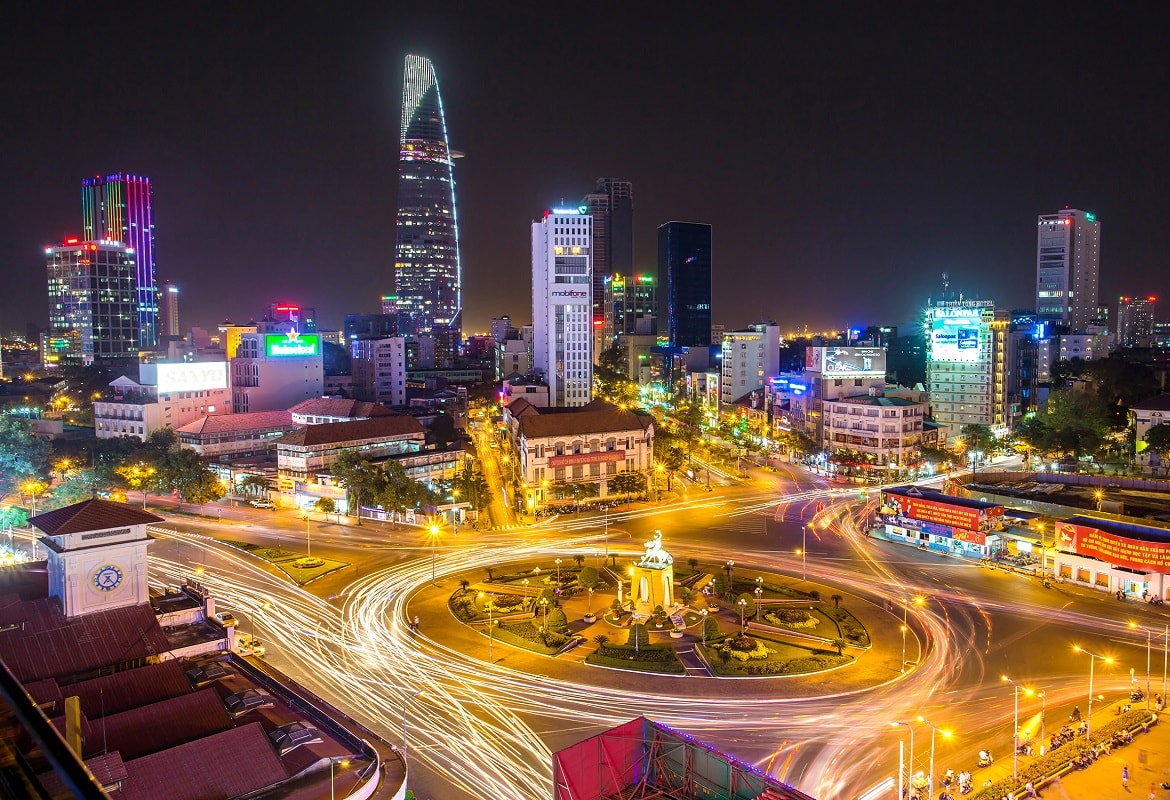
    The average price of hotel rooms in Ho Chi Minh City (HCMC) experienced a 20% increase on a year-by-year basis in the second quarter, reaching VND2.4 million (US$92) per night as a result of robust demand. This surge in demand was largely fueled by international tourists, businesses, and attendees of Meetings, Incentives, Conferences, and Exhibitions.

    Hotel Supply and Demand

    The number of available rooms largely remained consistent at approximately 17,000, with minor increases due to the expansion of some three-star hotels. The market is predominantly seeing upgrades rather than new developments. Despite a 4% decrease in the number of flights to the city, driven by increased fuel costs and airfares, the number of international visitors soared by 50% to 6.4 million in the first six months of the year.

    Luxurious accommodations have maintained a steady demand from international tourists and business customers. The lack of new supply has meant that existing hotels have not faced significant competitive pressure. Average rates for four-star hotels were approximately VND3.5 million with an occupancy rate of 72%-78%. Five-star hotels had an average rate of VND5 million per night and a consistently high occupancy of 75%-80%.

    Future Outlook of the Hotel Industry

    The hotel industry’s future looks promising, supported by growing international visitor numbers and the revival of tourism across the Asia-Pacific. However, not all hotels may benefit from the limited supply as customers increasingly prioritize brands and service quality. Older establishments, self-operated hotels, and those lacking sufficient investment could face increased pressure. To remain competitive, these hotels may need to undergo renovation or repositioning.

    Looking towards the future, the market is expected to attract more international brands. By 2029, nearly 900 new rooms within four- and five-star hotels are projected to be added, mostly in the former District 1. However, in the short term, the supply is expected to remain unchanged, allowing existing hotels to maintain occupancy and room rates.

    In the years 2027-2028, upscale brands such as Nobu Hotel, Four Points by Sheraton, and JW Marriott are anticipated to establish a presence in HCMC. The city hopes to attract 61 million visitors and generate approximately VND330 trillion in tourism revenues in 2026.

    Questions & Answers

    What led to the increase in average hotel room rates in HCMC?
    The hike in hotel room rates can be attributed to a surge in demand from international tourists, businesses, and Meetings, Incentives, Conferences, and Exhibitions attendees.

    What is the expected trend for hotel room supply in HCMC?
    The supply of hotel rooms is expected to remain steady in the short term. However, by 2029, nearly 900 new rooms within four- and five-star hotels are projected to be added.

    What challenges could hotels in HCMC potentially face in the future?
    Older establishments, self-operated hotels, and those lacking sufficient investment could face increased competition as customers increasingly prioritize brands and service quality. These hotels may need to undergo renovation or repositioning to remain competitive.

  • Vietnam’s 2026 GDP Forecast Soars to 8% Amid Robust Economic Performance: Citi Analysis

    Vietnam’s 2026 GDP Forecast Soars to 8% Amid Robust Economic Performance: Citi Analysis

    Citi Research has increased its prediction for Vietnam’s GDP growth in 2026 to approximately 8%, motivated by the country’s better-than-predicted economic performance and sturdy exports. This new forecast was announced during Citi’s economic prospect seminars held for their clients in Hanoi and Ho Chi Minh City on August 11 and 12.

    In the second quarter, Vietnam’s GDP experienced a year-on-year growth of 8.5%, a significant increase from the 7.9% growth in the first quarter. This robust performance has led Citi to adjust its annual forecast upwards to about 8%, a notable change given the previous downscale to the low-7% range following the energy-price shock earlier in March.

    Exports and Trade Relations

    Despite various predictions, Vietnam’s exports have shown more resilience than anticipated. The U.S. alone constitutes about 30% of Vietnam’s exports, with the electronics sector reaping the benefits of considerable global investment in artificial intelligence and digital infrastructure. While exports to the U.S. have decelerated since their peak in 2025, the growth remains significant.

    Trade relations with China have also seen an upswing. Vietnam’s exports of electronics and components to China have sped up, and imports of electronic inputs, energy, and chemicals have increased. This indicates a deeper integration into regional manufacturing and electronics supply chains.

    Domestic Demand and Inflation

    Domestic demand has served to balance out external pressures and those related to energy. Real retail sales dipped in early Q2 due to increasing fuel prices but later regained traction as the prices stabilized. Investment in public infrastructure has stayed strong, while the production of construction materials has continued to grow at a double-digit rate, albeit slower than in Q1.

    However, inflation continues to pose a potential risk. Consumer price inflation reached a high of 4.7% year-on-year in June. Citi anticipates that inflation may have reached its apex, considering the dip in oil prices and government steps to steady fuel costs. However, it could remain above the 4.5% target in the short term.

    Minh Ngo, Citi Country Officer and Banking Head for Vietnam, praised the country’s resilience in the face of a volatile global environment. He emphasized that Vietnam’s expanding trade ties, deeper immersion in global supply chains, and continuous infrastructure investment provide a robust foundation for long-term growth. He assured of Citi’s dedication towards helping clients adapt to changing market trends, access international capital, and seize new cross-border opportunities.

    Questions & Answers

    What has led to the rise in Vietnam’s GDP forecast for 2026?
    This is due to the country’s better-than-expected economic performance and resilient exports.

    How has domestic demand contributed to Vietnam’s economy?
    Domestic demand has proved crucial in offsetting external pressures and those related to energy. Real retail sales have recovered, and investment in public infrastructure remains solid.

    What are the key risks to Vietnam’s economy?
    Potential risks include renewed energy price volatility, weaker global demand, changing international trade conditions, and possible disruption to hydropower generation associated with El Niño.

  • Vietnam Gasoline Prices Drop as Global Oil Market Reacts to Strait of Hormuz Developments

    Vietnam Gasoline Prices Drop as Global Oil Market Reacts to Strait of Hormuz Developments

    On Thursday, gasoline prices in Vietnam experienced a modest decline compared to the previous week. The widely used E10 RON95 gasoline dipped by 0.94%, bringing the price down to VND22,110 (approximately US$0.85) per liter. There was a slightly larger drop in E5 RON92 prices, which fell by 2.26% to VND21,230. Similarly, the cost of diesel also decreased, albeit by a smaller margin of 1.13%, to VND27,230.

    Global Influence on Fuel Prices

    The Ministries of Industry and Trade and Finance in Vietnam have commented that this fluctuation in fuel prices aligns with global petroleum market trends. These markets have been recently impacted by events such as negotiations over the reopening of the Strait of Hormuz and lower demand growth forecasts for oil, released by OPEC and the International Energy Agency. The global price of RON95 gasoline decreased almost 2% to $111.7 per barrel, while diesel prices fell 1.1% to $151 per barrel.

    The Ministries also highlighted that following this latest adjustment, the cost of gasoline in Vietnam remains significantly lower than in neighboring countries, with prices ranging from VND4,600-VND22,000 per liter less.

    Comparative Fuel Prices in the Region

    When compared to the gasoline prices in nearby countries, the lower costs in Vietnam become evident. Cambodia and Thailand have gasoline prices ranging from VND26,800-VND28,400 per liter, significantly higher than in Vietnam. The disparity widens further when looking at China, where the prices exceed VND32,000 per liter, and Laos where prices surpass VND44,000 per liter.

    Questions & Answers

    What is the new price of E10 RON95 gasoline in Vietnam?
    The new price of E10 RON95 in Vietnam is VND22,110 (US$0.85) per liter.

    How have global events influenced the recent fuel price changes in Vietnam?
    Negotiations over the reopening of the Strait of Hormuz and lower oil demand growth forecasts from OPEC and the International Energy Agency have influenced the recent decrease in fuel prices in Vietnam.

    How do fuel prices in Vietnam compare to those in neighboring countries?
    Fuel prices in Vietnam are significantly lower than in neighboring countries, with gasoline prices ranging from VND4,600-VND22,000 per liter less than in countries like Cambodia, Thailand, China, and Laos.

  • Vietnam’s Pepper Exports Soar Past $1B in First 7 Months, Up 10.1% YoY

    Vietnam’s Pepper Exports Soar Past $1B in First 7 Months, Up 10.1% YoY

    In the first seven months of this year, Vietnam experienced a significant boost in its pepper export industry, achieving a total value of US$1.08 billion, which reflects a 10.1% increase from the same period last year. According to data from the Vietnam Pepper and Spice Association, the quantity of exported pepper reached a total of 168,429 tonnes, marking a 16.1% growth year-on-year.

    Global Markets for Vietnamese Pepper

    Asia continued to be the leading buyer of Vietnamese pepper, with imports totalling 76,845 tonnes. This figure represents a 12.3% increase from the previous year and accounts for 45.6% of Vietnam’s total pepper exports. Meanwhile, exports to America surged by 34% to 45,470 tonnes, and exports to Europe grew by 7.5%, reaching 36,140 tonnes. Africa also saw a 10% rise in imports, with a total of 9,964 tonnes.

    Within these regions, the U.S. remained the largest single market, with imports totalling 40,712 tonnes, reflecting a 31.8% increase year-on-year. Following closely behind, China imported 17,110 tonnes, marking a notable 55.8% growth. Other significant importers included the Netherlands and Thailand, which imported 6,136 tonnes and 6,913 tonnes, respectively. However, not all markets showed growth; exports to Germany and India declined by 18.1% and 26.4% respectively.

    On the other hand, Vietnam’s pepper imports reached a total of 48,812 tonnes, valued at $279.3 million. This represents a substantial increase of 55.1% in volume and 43% in value compared to the previous year. The leading supplier was Cambodia, which accounted for a staggering 52.1% of all inbound pepper, with imports increasing by 256.9% to a total of 25,413 tonnes.

    Vietnamese Pepper Industry’s Future Outlook

    Le Viet Anh, chairman of the Vietnam Pepper and Spice Association, anticipates that pepper prices will remain stable in the foreseeable future, assuming there are no major geopolitical disruptions. Despite facing increasing competition for land and stringent regulations, particularly the European Union Deforestation Regulation, the Vietnamese pepper industry remains optimistic.

    The association has suggested that the industry should shift its focus from expanding production to enhancing the quality, branding, and value addition of its products. In response to this, companies are being encouraged to increase investments in certified raw materials, strengthen collaborations with farmers, improve pesticide residue controls, enhance traceability systems, and fulfil all technical standards required by importing markets.

    Moreover, embracing sustainable practices such as regenerative agriculture, circular economy models, lower carbon emissions, and smarter water usage is recommended. These measures align with the rising trend of green consumption and can contribute to the industry’s resilience and future success.

    Questions & Answers

    What was the total value of Vietnam’s exported pepper in the first seven months of this year?
    The total value was US$1.08 billion, a 10.1% increase from the same period last year.

    Which countries are the largest importers of Vietnamese pepper?
    The U.S. and China are the largest importers, with the U.S. importing 40,712 tonnes and China importing 17,110 tonnes in the first seven months of this year.

    What future strategies are being proposed for the Vietnamese pepper industry?
    The Vietnam Pepper and Spice Association recommends enhancing the quality and branding of products, improving controls and traceability systems, fulfilling importing market standards, and embracing sustainable practices.

  • Vietnams Textile and Garment Exports Soar to $27B in First Seven Months

    Vietnams Textile and Garment Exports Soar to $27B in First Seven Months

    In July, Vietnam experienced a significant boost in its textile and garment exports, with an estimated total worth of US$4.7 billion. This figure represents a 4.3% increase compared to the same period in the previous year, per official data. The notable July performance contributed to a total export turnover of $27.02 billion for the first seven months of the year, a 2.7% increase year on year. This growth indicates the industry’s ability to secure orders, expand markets, and enhance production, ensuring Vietnam’s strong presence on the global export map.

    Details of July’s Export Performance

    Apparel exports for July alone are estimated to be around $3.74 billion, an 8.9% increase month on month and a 2.1% increase year on year. The total amount of apparel shipments from January to July reached $21.13 billion, a modest increase of 0.70% compared to the same period in 2025.

    During the first seven months, a noteworthy area was the substantial growth of upstream products and garment inputs. Fiber and yarn exports brought in an estimated $2.730 billion, a year-on-year increase of 11.34%. Textile and garment accessories saw an 11.18% increase, contributing $929 million to export revenue.

    Fabric exports in July were valued at $1.763 billion, a 9.57% increase, while non-woven fabric exports amounted to $471 million, a 6.56% year-on-year increase.

    Vietnam’s Textile Imports and Future Outlook

    In July, Vietnam’s textile and garment imports hit $2.231 billion, a decrease of 6% from June, but an 8.0% increase year on year. For the first seven months of the year, imports totaled $15.255 billion, a 3.27% year-on-year increase.

    Fabric imports made up $8.936 billion of the total imports, a 2.08% increase; textile and garment accessories amounted to $2.605 billion, a 3.60% increase; and cotton imports stood at $1.885 billion, a 1.02% increase.

    Looking to the future, it’s important to note that major import markets are focusing more on sustainable development, raw material traceability, carbon emission reductions, and social responsibility. Vietnamese enterprises have been more proactive in the supply chain and are less dependent on imported raw materials, as evidenced by the strong growth in fiber, fabric, and accessory exports over the past seven months.

    To keep growing and reach their annual targets, companies are advised to embrace green transition, invest in energy-efficient technologies, tap into niche markets, and fully utilize incentives built into free trade agreements.

    In order to maintain growth through 2026, experts recommend that companies stay informed about international trade policy changes, particularly strict European regulations related to the circular textile and garment economy. Creating environmentally friendly fashion items, using recycled fibers, and meeting environmental standards will be key to gaining better access to premium market segments.

    Questions & Answers

    What was the total export turnover for the first seven months of the year?
    The total export turnover for the first seven months of the year was $27.02 billion.

    What contributed to the significant growth of Vietnam’s upstream products and garment inputs?
    The growth can be attributed to Vietnamese enterprises becoming more proactive in the supply chain and reducing their dependence on imported raw materials.

    What strategies are recommended for Vietnamese companies to maintain growth through 2026?
    Companies are advised to stay informed about international trade policies, create environmentally friendly fashion items, use recycled fibers, and meet environmental standards. They should also invest in energy-efficient technologies and diversify into niche markets.

  • Vietnam’s Durian Exports Skyrocket, Dominating Chinas Fruit Imports with Room for Growth

    Vietnam’s Durian Exports Skyrocket, Dominating Chinas Fruit Imports with Room for Growth

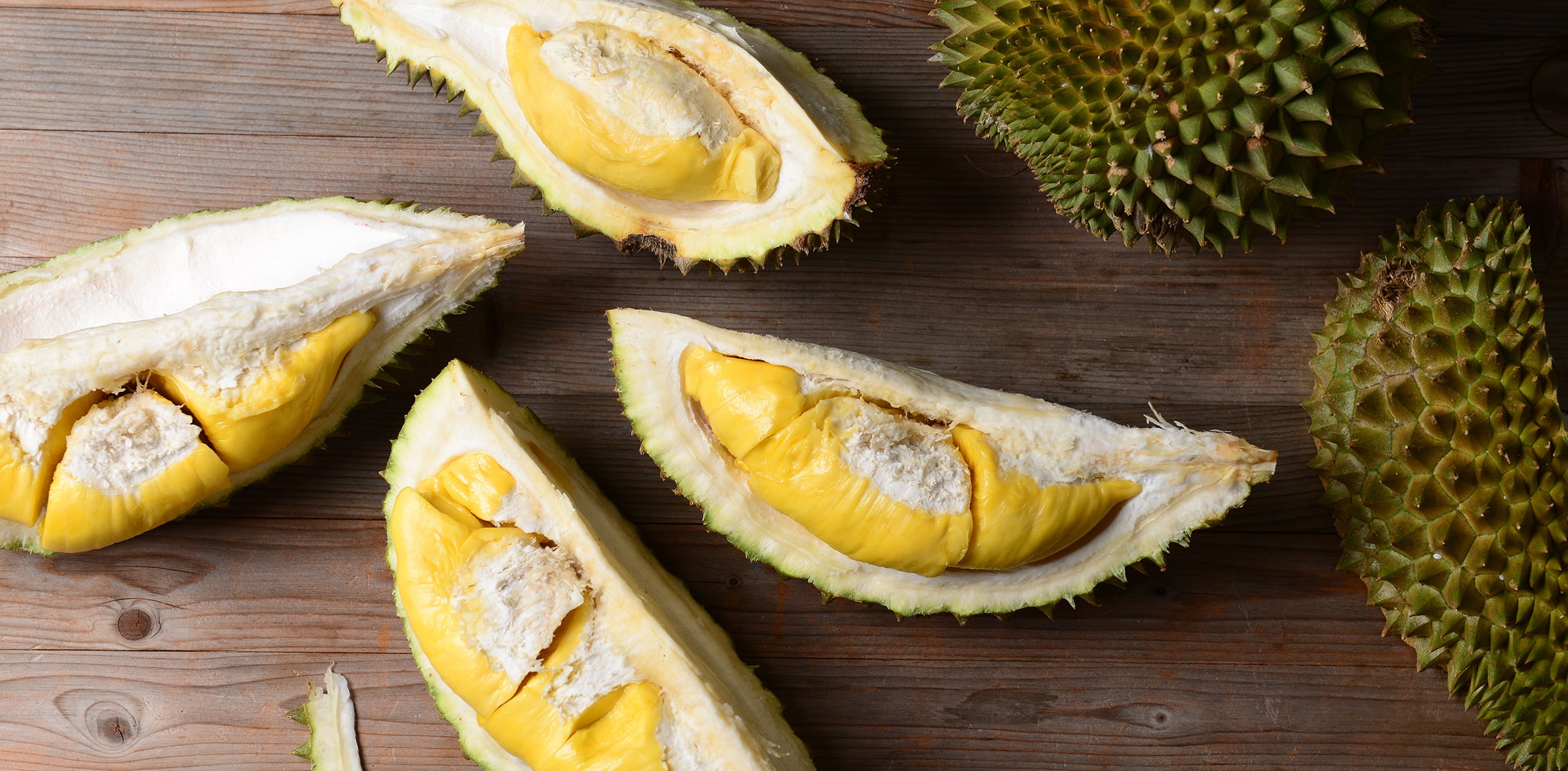
    In the first half of 2026, China increased its durian imports from Vietnam by 43%, reaching a sum of US$988 million. With a promising harvest, this robust growth is anticipated to persist. The General Department of Customs reported that durian represented over 48% of Vietnam’s fruit and vegetable exports to China. While exports of coconuts saw close to a double increase, exports of dragon fruit, bananas, and mangoes experienced a decrease.

    Future Prospects for Durian Exports

    Dang Phuc Nguyen, the Secretary General of the Vietnam Fruit and Vegetable Association, expects the surge of durian export growth to continue into the second half of the year. As the Central Highlands, the largest durian-growing region in the country, recently commenced its peak harvest season, Nguyen predicts that if the current pace of exports persists, durian export growth in 2026 could surpass the 20% rate seen in the previous year.

    The scope of durian exports has begun to broaden beyond China. As of July, fresh Vietnamese durian was granted import approval by India, introducing a new market comprised of a population exceeding 1.4 billion. However, Nguyen cautioned that a sizable population does not necessarily guarantee immediate high sales. As durian is still relatively unknown to the majority of Indian consumers, time would be required for adjustments in dietary preferences and the establishment of distribution systems.

    Nguyen suggested that initial demand for durian could be seen in major cities, imported-fruit stores, luxury retail chains, hotels, restaurants, and e-commerce platforms. He also indicated that exporters from Vietnam might find it useful to test the market using frozen, dried, or processed products. This strategy could alleviate the pressure to sell fresh fruit during the peak harvest season.

    In the first half of the year, China’s total imports of Vietnamese fruits and vegetables were valued at $2.04 billion, marking an increase of nearly 25%.

    Questions & Answers

    What was the growth rate of China’s durian imports from Vietnam in the first half of 2026?
    China’s durian imports from Vietnam increased by 43% in the first half of 2026.

    What is the potential for Vietnamese durian in the Indian market?
    While India has approved the import of Vietnamese durian, widespread success in the market will depend on the adaptation of eating habits and development of distribution systems. Initial demand is expected in major cities, premium retail outlets, hotels, restaurants, and e-commerce platforms.

    How might Vietnamese exporters approach the new Indian market?
    Vietnamese exporters could test the market by introducing frozen, dried, or processed durian products. This move could also relieve the pressure to sell fresh durian during the peak harvest season.

  • US Dollar Climbs Against Vietnamese Dong Amid Globally Awaiting Inflation Data

    US Dollar Climbs Against Vietnamese Dong Amid Globally Awaiting Inflation Data

    The U.S. dollar experienced an increase against the Vietnamese dong on Wednesday morning while remaining largely stable against other major currencies. The greenback was sold at VND26,330 by Vietcombank, marking a slight increase of 0.04% from Tuesday’s rate. The currency also saw an increase of 0.35% on the black market, where it was traded at around VND25,800.

    Vietnam’s State Bank Raises Reference Rate

    The State Bank of Vietnam responded to the changes by adjusting its reference rate upwards by 0.09%, setting it at VND25,539. This is a significant step for the bank as it supports the stability of the Vietnamese dong in the face of global economic changes.

    On the global front, the dollar held steady in the Asian market in the early hours of Wednesday. It successfully weathered recent disturbances such as renewed attacks on shipping in critical Middle Eastern waterways. Market players are now eagerly awaiting the release of inflation data later in the day, which could have a significant impact on the currency’s performance.

    The U.S. dollar index, a measure of the dollar’s performance against a collection of six major currencies, exhibited a marginal increase of 0.1%, reaching 99.858.

    Performance of Other Major Currencies

    In terms of other major currencies, the yen remained steady against the dollar at 159.335 yen. This comes despite recent joint interventions by U.S. and Japanese authorities aimed at bolstering the Japanese currency.

    The euro and the British pound were likewise stable at $1.1537 and $1.3503 respectively. The Australian dollar also held its ground at $0.7064. However, the kiwi dollar experienced a slight dip, falling by 0.1% to $0.5876.

    In the coming week, market attention will be firmly placed on the release of U.S. inflation data. This information will be crucial for providing clues about the future direction of Federal Reserve interest rates. This is particularly relevant given that last week’s softer-than-expected jobs report and a press conference by Fed Chair Kevin Warsh last month have done little to clarify the situation.

    Questions & Answers

    What was the selling rate of the greenback against the Vietnamese dong on Wednesday?
    The greenback was sold at VND26,330 by Vietcombank on Wednesday.

    How did the U.S. dollar perform on a global scale?
    The U.S. dollar traded sideways in early Asian dealings on Wednesday despite recent disturbances in the Middle East.

    What is expected to be the major focus for markets in the coming week?
    The major focus for markets in the coming week is the release of U.S. inflation data which is expected to provide clues about the future direction of Federal Reserve interest rates.

  • Global Gold Rush: Bullion Rates Climb Amid Rising Geopolitical Tensions and Increased Investor Appetite

    Global Gold Rush: Bullion Rates Climb Amid Rising Geopolitical Tensions and Increased Investor Appetite

    On Wednesday morning, gold bar prices in Vietnam observed an increase, correlating with the global surge in bullion rates. The gold bar price, represented by the Saigon Jewelry Company, saw a rise of 0.21%, reaching VND143.8 million (US$5,503.99) per tael. Similarly, the price of gold rings rose by 0.21%, making it VND143.3 million per tael. A tael is equivalent to 37.5 grams or 1.2 ounces.

    Global Market Trends

    Wednesday also witnessed an upward trend in global gold and oil prices, while regional shares cautiously ascended. These changes come amidst escalating geopolitical tensions and in anticipation of crucial U.S. inflation data. Spot gold experienced a gain of 0.46%, valued at $4,387.03 an ounce. U.S. crude also rose by 0.89% to $83.94 a barrel, and Brent crude increased by 0.78% for the day, reaching $89.60 per barrel.

    In recent weeks, gold has surpassed the $4,000-an-ounce mark, driven by investor interest and heightened central bank purchases, with China being a significant buyer. The yellow metal, however, is still in the process of confirming a resurgent bull-market advance, as noted by Ole Hansen, head of commodity strategy at Saxo Bank AS. He added that support around $4,200 is becoming increasingly critical, and the significant upside test is once again focusing on the 200-day moving average, currently just below $4,500.

    Questions & Answers

    What is driving the recent increase in global gold prices?
    The gold prices have been driven by heightened investor interest and increased central bank purchases, with China being a notable buyer.

    Why is the $4,200 mark important for gold prices?
    The $4,200 mark is considered an important support level for gold prices. If the prices can maintain above this level, it could signal a positive market sentiment and possibly drive the prices higher.

    What does the 200-day moving average indicate for gold prices?
    The 200-day moving average is a key metric used by investors to analyze price trends. For gold, it currently sits just below $4,500. If prices can sustain above this average, it may indicate a bullish market.

  • Shein Shrinks Vietnam Operations Amid US Trade Policy Shifts and Local Workforce Challenges

    Shein Shrinks Vietnam Operations Amid US Trade Policy Shifts and Local Workforce Challenges

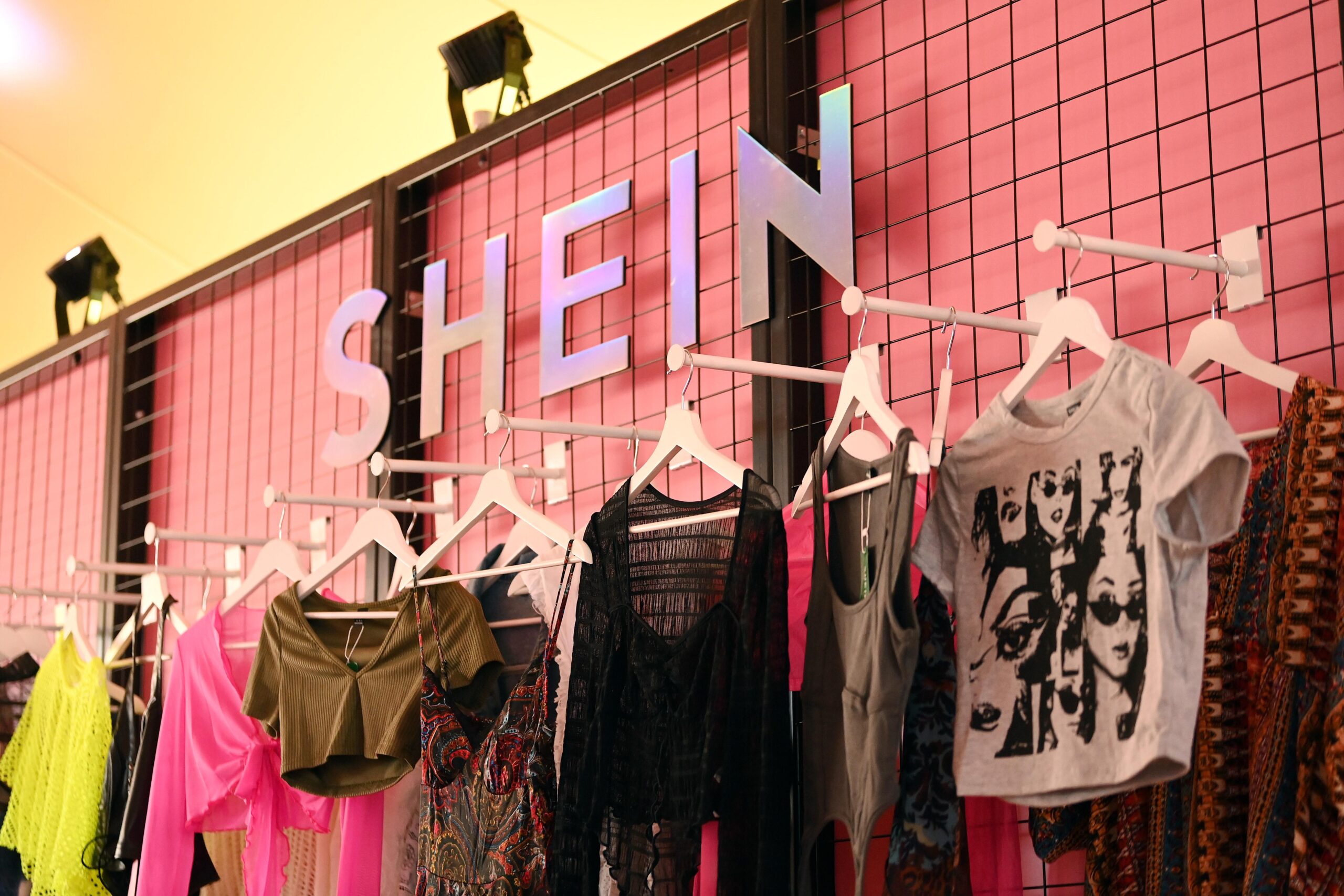
    Over a year ago, Chinese fast-fashion retailer Shein embarked on an ambitious plan to make Vietnam its main export base. Shein started leasing 15 hectares of warehouse facilities near Ho Chi Minh City, which is approximately the size of 21 football pitches. The strategy seemed to be a high-risk, high-reward approach during its conception in late 2024.

    At that time, the US seemed likely to scrap its duty exemptions for small parcels from China, which formed the backbone of Shein’s business model. Simultaneously, the newly re-elected US President Donald Trump was fueling apprehensions about an intensified trade war. By April 2025, US tariffs on numerous Chinese commodities had soared to an astounding 145%. This environment prompted Shein to encourage its major Chinese suppliers to establish manufacturing bases in Vietnam.

    A Sudden Change of Plans

    However, this ambitious plan has not unfolded as Shein had hoped. Presently, Shein, which is preparing for its Initial Public Offering (IPO), has significantly scaled back its operations in Vietnam. The company, popular for its affordable range of apparel, has reduced its leased area to 6 hectares from the original 15, according to insiders familiar with the matter. One individual with direct knowledge of the situation even suggests that only one-third of the initially planned site is currently operational.

    Since April, the company has started massive layoffs, with more expected to follow. Warehouse workers have reported significant downsizing, with some teams retaining only a quarter of their workforce, while others have experienced even more layoffs. During a recent site visit, only a few employees and a handful of trucks were observed, indicating a sharp contrast to the bustling activities in adjacent warehouses.

    Scalability and Speed Over Tariffs

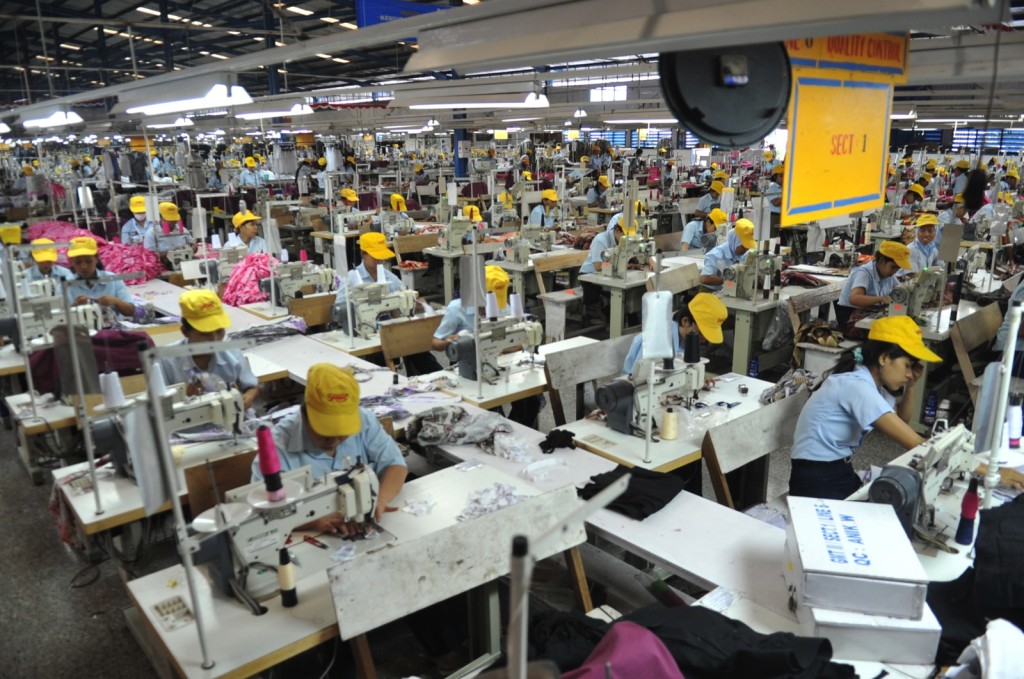
    Contributing factors to Shein’s decision to scale back include abrupt shifts in US trade policies, the company’s heavy reliance on Chinese suppliers, and the realization that manufacturers in other countries may not accept the same supplier conditions. Moreover, Vietnamese workers have shown reluctance to work the long hours for low wages, a business model Shein’s Chinese network of suppliers complied with.

    Shein’s business model depends on speed and flexibility, producing millions of styles in small batches at very low margins. However, manufacturers who moved their operations to Vietnam have found it less viable due to lower efficiency and have subsequently returned to China.

    As a result, Shein is now focusing more on its operations in Guangzhou and the broader Guangdong province. CEO Sky Xu announced a plan to invest 10 billion yuan (US$1.5 billion) in a smart supply-chain system in the region.

    Despite Shein’s recommitment to China, some domestic suppliers are hesitant to reciprocate, as they have experienced stagnation or minimal growth in orders from Shein. Some have begun supplementing their income by opening stores on other e-commerce platforms.

    Questions & Answers

    Why did Shein scale back its operations in Vietnam?
    Shein’s move was influenced by abrupt shifts in US trade policies, the company’s heavy reliance on Chinese suppliers, and Vietnamese workers’ reluctance to work long hours for low wages.

    How was Shein’s business model affected by these changes?
    The company’s business model, which depended on speed, flexibility, and low margins, was disrupted as manufacturers found operations in Vietnam less viable due to lower efficiency.

    What is Shein’s current strategy following this setback?
    Shein has chosen to refocus on its operations in Guangzhou and the broader Guangdong province in China, with plans to invest 10 billion yuan in a smart supply-chain system in the region.

  • Fly High for Less: Vietnams Sky-High Slash in Airfares to Singapore and Thailand

    Fly High for Less: Vietnams Sky-High Slash in Airfares to Singapore and Thailand

    The surge in international flights operated by Vietnamese airlines has led to a reduction in airfare, even during the peak summer travel period. This is evident from the noticeably lower fares to popular destinations like Singapore and Thailand which are currently priced at half of last year’s rates. For instance, Hoang Loan, a resident of Ho Chi Minh City (HCMC), voiced his surprise at the reduced price while booking a flight to Singapore for a business trip, stating it was the lowest since the Covid-19 pandemic. According to him, “Last year, a one-way ticket from HCMC to Singapore cost VND3.2 million (US$122), while this year I paid just over VND1.6 million.”

    Growth in Capacity and Competitive Rates

    The significant rise in capacity by Vietnamese airlines this year has led to increased competition, resulting in lower airfares. Currently, tickets on these airlines for flights from HCMC to Singapore start at VND1.6 million, and VND1.9 million for flights to Bangkok. However, some foreign airlines operating on these same routes continue to charge two to three times these rates. The HCMC-Jakarta route has also seen a decline in fares, dropping from VND7-10 million in the past to VND6.3 million. In addition, airfares from Hanoi and HCMC to destinations in Europe and Northeast Asia have also experienced a 10-15% drop from last year’s prices.

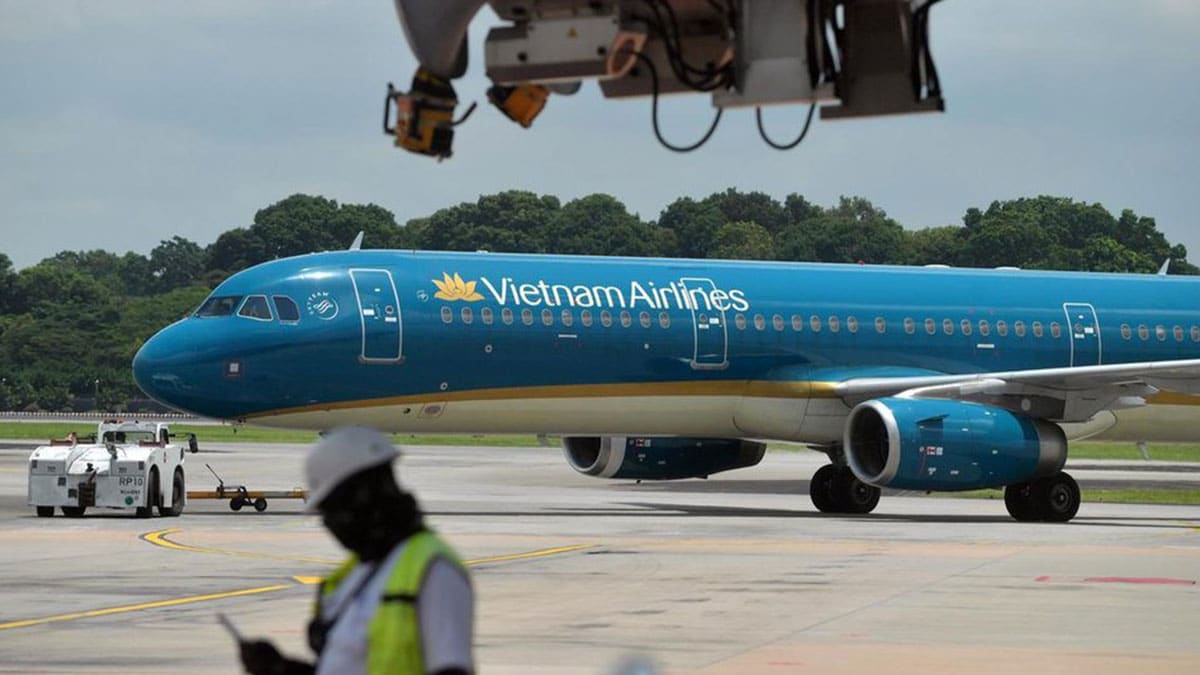
    According to data from the British aviation provider OAG, Vietnam is expected to account for 7.3 million available seats in August, marking a 10% increase from the same period last year. This figure positions Vietnam second in Southeast Asia, surpassed only by Indonesia. Of the total available seats, Vietnam Airlines will account for 2.8 million and Vietjet Air for 2.2 million.

    Increased Flight Frequencies and New Routes

    Additionally, flight frequencies on some international routes have been increased and several new routes are set to be introduced. For instance, Vietjet has announced the increase of frequency on its HCMC-Kuala Lumpur route to seven flights a week during peak season. Furthermore, the budget airline is set to launch the HCMC-Colombo route on August 18 and the Hanoi-Almaty and Hanoi-Prague routes in October.

    Hong Thanh, the owner of a HCMC-based airline ticket agency, attributes the decline in international airfares to the increase in supply and competition among airlines. Particularly as the demand for overseas travel remains diminished this year. Contributing to this cooling is the fact that fuel costs have declined. On July 1, the government reduced preferential import tariffs, environmental protection taxes, and value-added tax policies on gasoline and aviation fuel until September 30, aiding in the reduction of airlines’ costs.

    Questions & Answers

    What has caused the reduction in airfare on Vietnamese airlines?
    Increased capacity and competition among airlines, along with reduced fuel costs, have contributed to the decline in airfare.

    How has the frequency of flights changed?
    Vietjet, for instance, has increased the frequency on its HCMC-Kuala Lumpur route to seven flights a week during peak season.

    What new routes are to be introduced by Vietjet?
    Vietjet plans to launch the HCMC-Colombo route on August 18 and the Hanoi-Almaty and Hanoi-Prague routes in October.

  • Vietnamese Coffee Giant, Cong Ca Phe, Set to Stir Up Indonesian Market with First Jakarta Store

    Vietnamese Coffee Giant, Cong Ca Phe, Set to Stir Up Indonesian Market with First Jakarta Store

    The Vietnamese coffee chain Cong Ca Phe has announced its foray into the Indonesian market, with the opening of its first branch in Jakarta in the forthcoming months. This strategic move aims to cement the Hanoi-based brand’s global presence by penetrating Indonesia’s thriving and highly competitive coffee shop industry.

    A Blend of Heritage and Authenticity

    Cong Ca Phe’s entrance into the Indonesian market, one of the most sought-after by its customers, is a testament to the brand’s dedication to preserving its Vietnamese roots. At the same time, it seeks to engage Indonesian consumers by offering a unique café experience that transcends the typical coffee service.

    The inaugural store in Gandaria City, South Jakarta, will feature Cong Ca Phe’s iconic Vietnamese Coconut Coffee. The menu will also include traditional Vietnamese coffee, a variety of non-coffee beverages, and a selection of Vietnamese-inspired dishes.

    The brand will continue its commitment to quality and authenticity by importing coffee beans and other essential ingredients directly from Vietnam. This initial store will serve as a litmus test for gauging local interest before any wider expansion plans are executed. Subsequent growth within Indonesia will hinge upon the success of this Jakarta-based outlet.

    The Story Behind Cong Ca Phe

    Established in 2007 in Hanoi by performance artist Linh Dung, Cong Ca Phe takes pride in its strong Vietnamese identity. The brand’s concept revolves around Vietnamese coffee culture and a nostalgic café atmosphere that harkens back to Vietnam. Its global presence has grown over the years, with outlets in South Korea, Malaysia, Taiwan, Canada, the Philippines, and France.

    Questions & Answers

    What is Cong Ca Phe’s signature offering?
    Cong Ca Phe is best known for its Vietnamese Coconut Coffee.

    Where will the first Indonesian Cong Ca Phe outlet be located?
    The first Indonesian outlet will be in Gandaria City, South Jakarta.

    What is the expansion plan of Cong Ca Phe in Indonesia?
    The brand’s expansion within Indonesia will largely depend on the performance of its inaugural Jakarta store. Future plans are to be determined based on this initial market response.

  • Hanoi Property Flippers Struggle Amid Market Downturn and High Mortgage Rates

    Hanoi Property Flippers Struggle Amid Market Downturn and High Mortgage Rates

    Property buyers who invested in under-construction apartments in Hanoi are facing difficulties in selling their properties due to falling prices and high mortgage rates. These speculators had capitalized on the previously increasing prices, expecting to make a profit upon re-sale. However, the prices have ceased to rise and have even plunged in some localities, putting these speculators under pressure to sell off their properties.

    Investors who bought early were offered a grace period for their interest rates. This period is now coming to an end, subjecting them to high fluctuating rates. For instance, Thuy Vy, a 35-year-old investor, purchased a one-bedroom apartment in Gia Lam Commune in 2024 for VND3 billion (US$114,300). She planned to sell it for a profit once the construction was completed, but despite reducing the asking price by VND150 million, she is struggling to find a buyer. The situation is similar for other investors who bought apartments during 2024-2025.

    Market Updates

    According to a recent market report by the Vietnam Association of Realtors, many projects are now in the handover phase, and buyers are required to pay the remaining 45% of their investment. Online property platform Batdongsan’s historical data shows that prices in several Hanoi localities have dropped from their peaks by about 8% to 13%.

    Real estate brokers reveal that many speculators are moving away from short-term flipping strategies, focusing on selling their properties as quickly as possible, even if it means incurring losses. Duc Trung, a broker specializing in east Hanoi apartments, noted a 20-30% rise in the number of property owners looking to sell their apartments compared to the start of the year.

    Concerns and Predictions

    Pham Duc Toan, CEO of real estate agency EZ Property, suggested that it’s now challenging to sell apartments, especially those launched during the 2024 market boom. Borrowing costs remain high, making secondary buyers cautious. Vo Huynh Tuan Kiet, Director of the Residential Market at CBRE Vietnam, agreed that as property prices continue to rise, the market could reach a saturation point where sellers are unwilling to lower prices and buyers are wary of risks.

    Several research firms predict that selling pressure from highly leveraged investors will heighten as a large supply of properties is set to enter the market. The situation is exacerbated by high bank lending rates, with mortgage rates now standing at 12-14%, and even 15-16% in many cases. Consequently, market liquidity has taken a hit, with the property absorption rate dropping to 20-30% in the first half of the year, down from 50-60% in the latter half of 2025.

    Questions & Answers

    What is the current state of the Hanoi property market?
    The Hanoi property market has fallen into a slump, with falling prices and high mortgage rates dampening sales.

    How are speculators responding to the current conditions?
    Many speculators who had earlier invested in under-construction properties are now struggling to sell their units. Some are even willing to sell at a loss to offload their properties quickly.

    What is the outlook for the Hanoi property market?
    The outlook remains uncertain. Market liquidity has been hit, borrowing costs are high, and a large supply of properties is set to enter the market, which could further intensify selling pressures.