Tag: Vietnam

  • Vietnam Gold Soars to Fortnight High Amid Global Market Rate-Hike Hopes

    Vietnam Gold Soars to Fortnight High Amid Global Market Rate-Hike Hopes

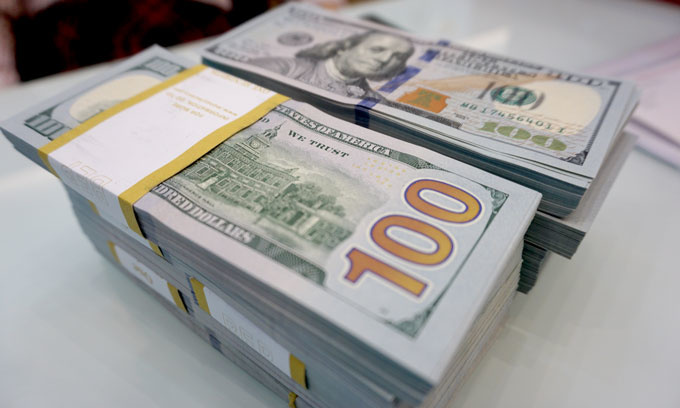
    On Saturday, Vietnam witnessed a surge in gold prices, reaching the highest level since July 22. This rise coincides with the global increase in the value of the precious metal.

    Vietnam’s Gold Market

    Saigon Jewelry Company’s gold bar experienced a price increase of 1.27%, costing VND144 million, equivalent to US$5,495.24, per tael. A tael, a unit of measure commonly used in East Asia, is approximately 37.5 grams or 1.2 ounces. Gold rings, however, maintained their prices at VND145.2 million per tael. Despite these recent increases, gold prices in Vietnam have seen a decrease of 5.8% overall for the year.

    The Global Gold Market

    Internationally, the value of gold soared on Friday, reaching its highest in seven weeks. This sudden escalation came after an unexpected decline in U.S. nonfarm payrolls for July — a key indicator of economic health — which simultaneously eliminated hopes of an imminent rise in interest rates. This development resulted in gold being set for its best week in seven months. Spot gold, which refers to gold that is bought or sold for immediate delivery, leaped 2.3% to $4,336.02 per ounce, a more than 3% increase to its highest value since June 17. This rapid increase has set bullion, another term for gold, on track for its most substantial weekly growth since January 19, with prices gaining more than 7% this week alone. U.S. gold futures also saw an uptick of 2.3% to settle at $4,399.70.

    Questions & Answers

    What caused the recent increase in gold prices in Vietnam?
    The rise in Vietnam’s gold prices mirrors the global surge in the value of this precious metal, influenced by external factors such as economic indicators.

    How much is a tael?
    A tael, a unit of measure commonly used in East Asia, is approximately 37.5 grams or 1.2 ounces.

    What influenced the sudden escalation in the global value of gold?
    The unexpected decline in U.S. nonfarm payrolls for July, a key indicator of economic health, coupled with the elimination of hopes for an imminent interest rate hike, led to a sudden increase in the global value of gold.
  • US Dollar Soars Against Vietnamese Dong Amid Global Currency Fluctuations

    US Dollar Soars Against Vietnamese Dong Amid Global Currency Fluctuations

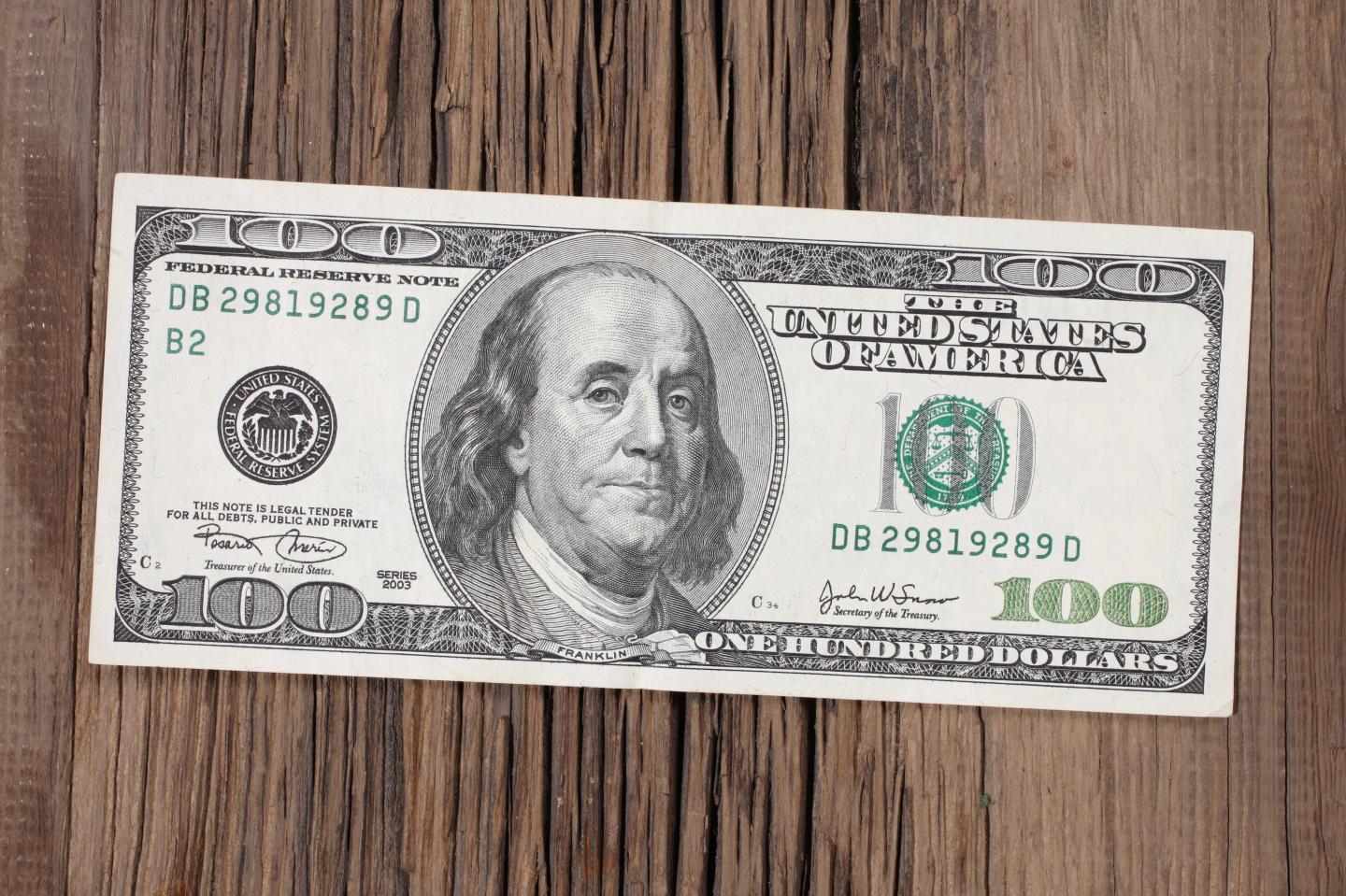
    The US dollar notably strengthened against various major currencies, including the Vietnamese dong, on Friday morning. The upward trend was observed as Vietcombank, a leading Vietnamese retail bank, increased the selling price of the dollar by 0.04% to VND26,430 from Thursday’s rate. Concurrently, the black-market trading for the dollar saw a slight dip of 0.04%, bringing the currency down to VND26,100.

    State Bank of Vietnam’s Reference Rate

    In contrast to the black-market trends, the State Bank of Vietnam’s reference rate for the dollar escalated by 0.12% to VND25,463. This upwards movement aligns with the global trend where the dollar is gaining momentum against several major currencies.

    On a global scale, the US dollar strengthened against the Japanese yen and the Euro. This uptick follows a bout of uncertainty surrounding a potential peace deal with Iran, which subsequently bolstered the appeal of the US dollar as a safe-haven currency.

    Trends in Other Major Currencies

    Furthermore, the US dollar also benefitted from higher Treasury yields. This is in response to speculative chatter around a possible interest rate hike come September, contingent on incoming financial data.

    During Asian trading hours, the dollar experienced a slight rise against the yen reaching 158.505, following a 0.4% increase on Thursday. This places the dollar on track for a weekly rise of around 0.7%.

    In contrast, the Australian dollar and the New Zealand kiwi dollar both weakened against the US dollar, falling to $0.7029 and $0.5866 respectively. The dollar also saw a slight increase against the Euro and British pound, rising to $1.1521 and $1.3449 correspondingly.

    Questions & Answers

    How did the US dollar perform against the Vietnamese dong?
    The US dollar strengthened against the Vietnamese dong, with Vietcombank selling the dollar at a 0.04% higher rate from Thursday. However, the black-market rate for the dollar dipped by 0.04%.

    What is the global trend for the US dollar?
    Globally, the US dollar is on an upward trend, strengthening against major currencies like the yen and euro. Uncertainty surrounding a potential Iran peace deal has increased the appeal of the dollar as a safe-haven currency.

    What factors contributed to the strengthening of the US dollar?
    Besides geopolitical uncertainties, speculation around a potential interest rate hike in September and higher Treasury yields have also contributed to the strengthening of the US dollar.

  • Vietjet Skyrockets in H1 2026 with Soaring Profits and Massive 600-Aircraft Investment for 2030 Expansion

    Vietjet Skyrockets in H1 2026 with Soaring Profits and Massive 600-Aircraft Investment for 2030 Expansion

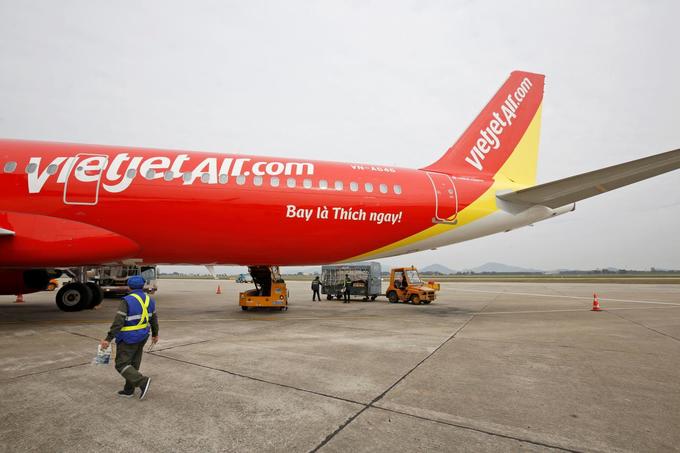
    Vietjet Aviation Joint Stock Company, a leading player in the commercial aviation sector, experienced robust financial and operational outcomes in the second quarter and first half of 2026. This growth was fuelled by stable travel demand, the airline’s ongoing international growth, and its long-term commitment to a order for more than 600 next-generation aircraft, one of the most substantial in the Asia-Pacific region. In addition, Vietjet is creating an all-encompassing aviation ecosystem that includes passenger travel, ground services, air freight, training, engineering, financial services, and technology.

    Strong Performance in the First Half of 2026

    In the second quarter of 2026, Vietjet reported a standalone revenue of VND25.542 trillion (around US$972 million) and a consolidated revenue of VND30.499 trillion (approximately US$1.16 billion), indicating respective year-on-year growths of 44% and 71%. Profits after tax for the standalone and consolidated results were VND204 billion (approximately US$7.77 million) and VND349 billion (around US$13.3 million), respectively.

    For the initial half of 2026, the company achieved standalone revenues of VND45.030 trillion (about US$1.71 billion) and consolidated revenues of VND51.536 trillion (approximately US$1.96 billion), presenting a year-on-year increase of 26% and 44%, respectively. These results accounted for 58.5% and 59.4% of each of the total annual targets.

    The standalone and consolidated after-tax profits for the first half of 2026 were VND1.126 trillion (around US$42.6 million) and VND1.372 trillion (approximately US$52.2 million), respectively, reaching 55.9% and 64.5% of their total annual targets.

    As of June 30, 2026, Vietjet’s total assets were worth VND149.093 trillion (approximately US$5.68 billion). Its net debt-to-equity ratio was maintained at 2.37 times, while the liquidity ratio stood at 1.36 times, both within safe operating levels for the aviation industry.

    Investment in Next-Generation Aircraft and AI Integration

    Vietjet continues to invest in more than 600 Airbus and Boeing aircraft, one of the largest orders in the Asia-Pacific region, to aid its international expansion and global network development through 2030.

    Earlier this year, Vietjet finalized agreements with Pratt & Whitney for GTF engines to power 44 Airbus A320neo-family aircraft and arranged financing for 12 Boeing 737-8 aircraft.

    At the Singapore Airshow 2026, Vietjet and its partners announced the establishment of the Asia-Pacific Aviation Financial Centre, an initiative designed to draw leading financial institutions and aviation companies to Vietnam and bolster the country’s ambition to become a regional aviation hub.

    In addition, Vietjet is integrating artificial intelligence into its operations and management through partnerships with international solution providers, including OpenAirlines and Satair, to optimize fuel consumption, enhance efficiency, and reduce emissions.

    Questions & Answers

    What contributed to Vietjet’s growth in the first half of 2026?
    The growth was driven by stable travel demand, Vietjet’s ongoing international expansion, and its long-term commitment to a large order for next-generation aircraft.

    What major agreements did Vietjet finalize earlier in the year?
    Vietjet finalized agreements with Pratt & Whitney for GTF engines to power 44 Airbus A320neo-family aircraft and arranged financing for 12 Boeing 737-8 aircraft.

    What initiatives is Vietjet implementing to enhance operations and management?
    Vietjet is integrating artificial intelligence into its operations and management through collaborations with global solution providers, OpenAirlines and Satair, to optimize fuel consumption, improve efficiency, and lower emissions.

  • Boeing Veteran Michael Vu Soars to Vice Chairman Role at FLC Group, Eyes Aviation Revamp

    Boeing Veteran Michael Vu Soars to Vice Chairman Role at FLC Group, Eyes Aviation Revamp

    FLC Group, the parent company of Bamboo Airways, has appointed former Boeing Vietnam country director, Michael Vu, as vice chairman. Vu formally assumed his position on Saturday, as announced by FLC, and will supervise the group’s aviation business and airport infrastructure investments.

    In his new position, Vu will work in conjunction with FLC’s board and executive management to develop strategic plans, grow the group’s international partnership network, and engage with investment resources.

    Michael Vu’s Background and Role

    With over four decades of professional experience in the aviation industry, Vu is well-positioned for this leadership role. He is a graduate of the Wharton School at the University of Pennsylvania and has held several distinguished positions. These include chairman of the U.S.-ASEAN Business Council, co-chair of the Vietnam Business Forum, chairman of AmCham Hanoi, and leadership roles in numerous multinational corporations.

    FLC has stated that Vu’s appointment aligns with the group’s strategy to attract top executives with strong leadership abilities and international experience. This decision is expected to bolster the firm’s leadership team and pave the way for its long-term developmental objectives.

    Challenges Facing Bamboo Airways

    Vu steps into his role at a challenging time for Bamboo Airways, which has recently faced considerable operational disruptions, including a drastic reduction in its fleet size and consistent flight delays and cancellations.

    On July 28, the airline expressed an apology to passengers for frequent adjustments and cancellations of flights, launching a dedicated portal to manage refund requests. Although, the majority of flights listed on the airline’s booking website currently display a “no flights available” status beginning next month.

    In September 2025, FLC reacquired Bamboo Airways after selling it to a consortium of private investors. The airline subsequently expanded its fleet to eight planes during Q1 of this year.

    Questions & Answers

    What is Michael Vu’s role in FLC Group?
    Michael Vu, former country director of Boeing Vietnam, has been appointed as vice chairman of FLC Group. He will oversee the group’s aviation business and airport infrastructure investment activities.

    What are the challenges currently facing Bamboo Airways?
    Bamboo Airways has recently been dealing with significant operational disruptions, including a sharp reduction in its fleet size and persistent flight delays and cancellations.

    What is the strategy behind Vu’s appointment?
    The appointment of Vu is part of FLC’s strategy to attract executives with strong management capabilities and extensive international experience. The move aims to strengthen the company’s leadership capacity and lay the foundation for its long-term development goals.

  • Surge in Vietnams Raw Cashew Imports Hits Record $3B in Less than 7 Months

    Surge in Vietnams Raw Cashew Imports Hits Record $3B in Less than 7 Months

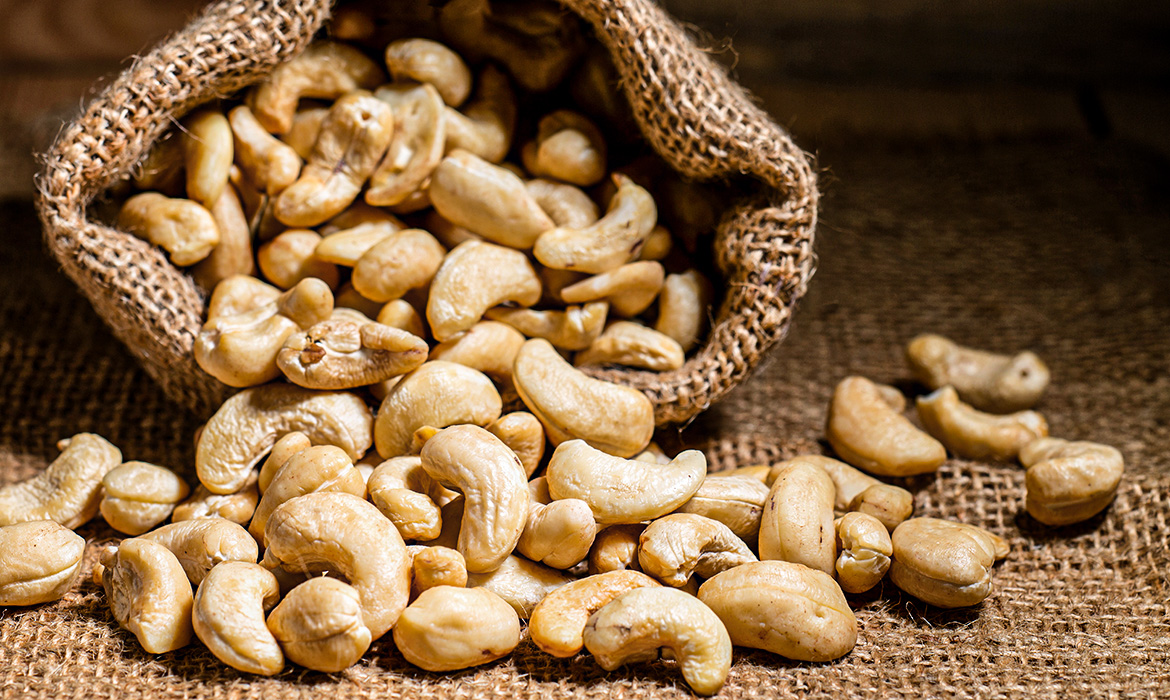
    As of mid-July, businesses in Vietnam have allocated over US$3 billion towards the importation of raw cashew nuts, primarily sourced from Cambodia. This represents the highest recorded amount for the same period. According to customs data, Vietnam had imported 1.81 million metric tons by July 15, reflecting a 4% increase in volume and a 12.3% rise in value compared to the equivalent period in the previous year.

    Cambodia: The Leading Supplier

    Cambodia remains the top supplier of raw cashew nuts to Vietnam, providing 54.2% of the total import volume and 56.3% of the total import value. Vietnam received 980,700 tons of cashews from Cambodia, valued at over $1.7 billion. This constitutes a 10.3% increase in volume and a 25.9% rise in value.

    Though Vietnam is the world’s leading exporter of cashew kernels, the nation’s domestic raw material supplies only satisfy a portion of the processing industry’s needs. This necessitates large-scale importation of raw cashew nuts. Once the nuts have undergone preliminary processing and have been transformed into cashew kernels and other products, they are exported to key markets such as the U.S., China, and Europe.

    Data from the Customs Department reveals that, by July 15, Vietnam had exported nearly 373,800 metric tons of cashew products, generating approximately $2.63 billion in export revenue. Compared to the same period last year, export volumes saw a minor reduction while export value experienced a 3.1% increase.

    An Ongoing Trade Deficit

    Despite being a global leader in cashew kernel exports, Vietnam’s cashew industry continues to experience a trade deficit. The import value exceeds the export value as demand for processing materials persists and the domestic supply fails to meet the country’s processing capacity.

    Questions & Answers

    What is the current situation of cashew nut importation in Vietnam?
    Businesses in Vietnam have spent over $3 billion on the importation of raw cashew nuts as of mid-July, a record high for this period.

    Which country is the primary supplier of raw cashew nuts to Vietnam?
    Cambodia is the leading supplier of raw cashew nuts to Vietnam, accounting for over half of the total import volume and value.

    What is the condition of Vietnam’s cashew industry in terms of trade balance?
    Despite being the largest global exporter of cashew kernels, Vietnam’s cashew industry faces a trade deficit. The import value surpasses export earnings due to a high demand for processing materials and insufficient domestic supply.

  • Indonesia Dominates Gold Market, Outshines Thailand and Vietnam Combined

    Indonesia Dominates Gold Market, Outshines Thailand and Vietnam Combined

    In the first half of this year, Indonesia witnessed a significant surge in sales of gold bars and coins, amounting to 38.1 tonnes, according to the newly-released statistics. This figure surpasses the combined sales of Thailand and Vietnam, which stood at 36.5 tonnes. When compared with the combined figure of Malaysia and Singapore, Indonesia’s demand for gold tripled their total of 12.1 tonnes.

    Indonesia Outperforms in Southeast Asia’s Gold Market

    The second quarter of the year saw Indonesia, the largest economy in Southeast Asia, leading in regional sales with an impressive 14.5 tonnes. The nation also emerged as one of the world’s strongest-performing gold markets, with the demand for gold bars and coins surging by 40% year-on-year.

    The World Gold Council attributes this remarkable performance to several factors. The weakening currency and uncertainties surrounding the domestic economic outlook have emphasized gold’s role as a store of value. To capitalize on this, the Indonesian government launched a strategic initiative called the bullion system roadmap earlier this year. This initiative aims to strengthen the national bullion ecosystem and support the downstream development in the gold sector.

    However, it wasn’t all positive for the gold market in Indonesia. Despite the impressive sales in bars and coins, the demand for gold jewelry took a downturn. The council reported a 10% year-on-year drop to 3 tonnes. This decline marks the thirteenth consecutive year-on-year decrease as consumers, grappling with a challenging economic climate, have started to opt for lower-purity jewelry.

    Gold Market Trends in Southeast Asia and Globally

    Other countries in Southeast Asia, including Malaysia, Singapore, Thailand, and Vietnam, collectively reported gold bar and coin sales of 36.7 tonnes in the second quarter, up 7.6% year-on-year.

    In contrast, the global demand for gold bars and coins in the second quarter fell by 3% to 307.1 tonnes. Despite this, Louise Street, a senior markets analyst at the World Gold Council, projected that bullion investment is likely to drive growth in the second half of the year.

    She further added that the demand mix might shift in the near future. Asian investors and over-the-counter activity are predicted to play a more prominent role, while Western gold exchange-traded fund interest could become more closely linked to real yields, U.S. monetary policy expectations, and the dollar.

    Questions & Answers

    What was the level of gold bar and coin sales in Indonesia in the first half of this year?
    The sales reached 38.1 tonnes, surpassing the combined sales figures of Thailand and Vietnam.

    What initiative did the Indonesian government launch to bolster the gold market?
    The Indonesian government launched the bullion system roadmap, a strategic initiative aimed at strengthening the national bullion ecosystem and supporting downstream development in the gold sector.

    What trends are expected in the global gold market in the second half of the year?
    Bullion investment is predicted to drive growth. There may also be a shift in demand, with Asian investors and over-the-counter activity playing a more prominent role, and Western gold exchange-traded fund interest potentially becoming more closely tied to real yields, U.S. monetary policy expectations, and the dollar.

  • Gold Demand Drops in Vietnam Alone Amid Southeast Asias Rising Market Trend

    Gold Demand Drops in Vietnam Alone Amid Southeast Asias Rising Market Trend

    In the most recent quarter, Vietnam became the only Southeast Asian country to experience a decrease in the demand for gold bars and coins. This drop in interest from consumers is largely attributed to the steep decline in gold prices.

    In the second quarter, the demand for investment gold in Vietnam fell by 31% year-on-year to 6.5 tonnes, according to the World Gold Council. This placed Vietnam third in Southeast Asian sales, following Indonesia, which sold 14.5 tonnes, and Thailand, which sold 10.9 tonnes.

    Factors Influencing the Decline

    According to a recent report by the World Gold Council, several factors contributed to the weakened demand in Vietnam. Lower local prices dampened consumer sentiment, while import quotas distorted market conditions. This made the local price premium high, discouraging potential buyers.

    As of now, Vietnam’s gold bar price has fallen by 7.7% since the beginning of the year, marking a 26% decrease from its peak at the end of January.

    In the first half of the year, Vietnam’s total sales of gold bars and coins amounted to 15.6 tonnes. This figure is considerably lower than that of Indonesia, which sold 38.1 tonnes, and Thailand, which sold 20.9 tonnes.

    Regional Comparison

    In tandem with the decline in gold bar and coin demand, Vietnam also reported the region’s most significant year-on-year decrease in jewelry demand, which fell by 28% to 1.8 tonnes.

    Meanwhile, other countries in the region experienced growth in their gold markets. Indonesia emerged as one of the fastest-growing gold markets globally in the second quarter, with its demand surging by 40% year-on-year.

    Thailand also had a strong second quarter, marking its best since 2019, as the drop in local gold prices stimulated bargain hunting.

    Overall, Southeast Asia – comprising Indonesia, Malaysia, Singapore, Thailand, and Vietnam – saw an increase in gold bar and coin sales in the second quarter, reaching 36.7 tonnes, a 7.6% increase from the previous year. This contrasts with the global demand for bars and coins in the second quarter, which fell by 3% to 307.1 tonnes.

    Questions & Answers

    Why is there a declining gold bar and coin demand in Vietnam?
    The declining demand is largely due to the falling gold prices, which have dampened consumer sentiment. Additionally, import quotas have distorted market conditions, leading to discouragingly high local price premiums.

    How does Vietnam’s gold market compare to other Southeast Asian countries?
    Vietnam ranks third in gold bar and coin sales in Southeast Asia, following Indonesia and Thailand. However, unlike these countries, Vietnam has experienced a decrease in demand for gold bars and coins as well as jewelry.

    What trends are emerging in Southeast Asia’s gold market?
    The region saw an overall increase in gold bar and coin sales in the second quarter, with Indonesia emerging as one of the fastest-growing markets. Conversely, Vietnam experienced a decline in demand across all categories.

  • Rain-Soaked Dragon Fruit Yields Spike Prices Amid Diminished Supply

    Rain-Soaked Dragon Fruit Yields Spike Prices Amid Diminished Supply

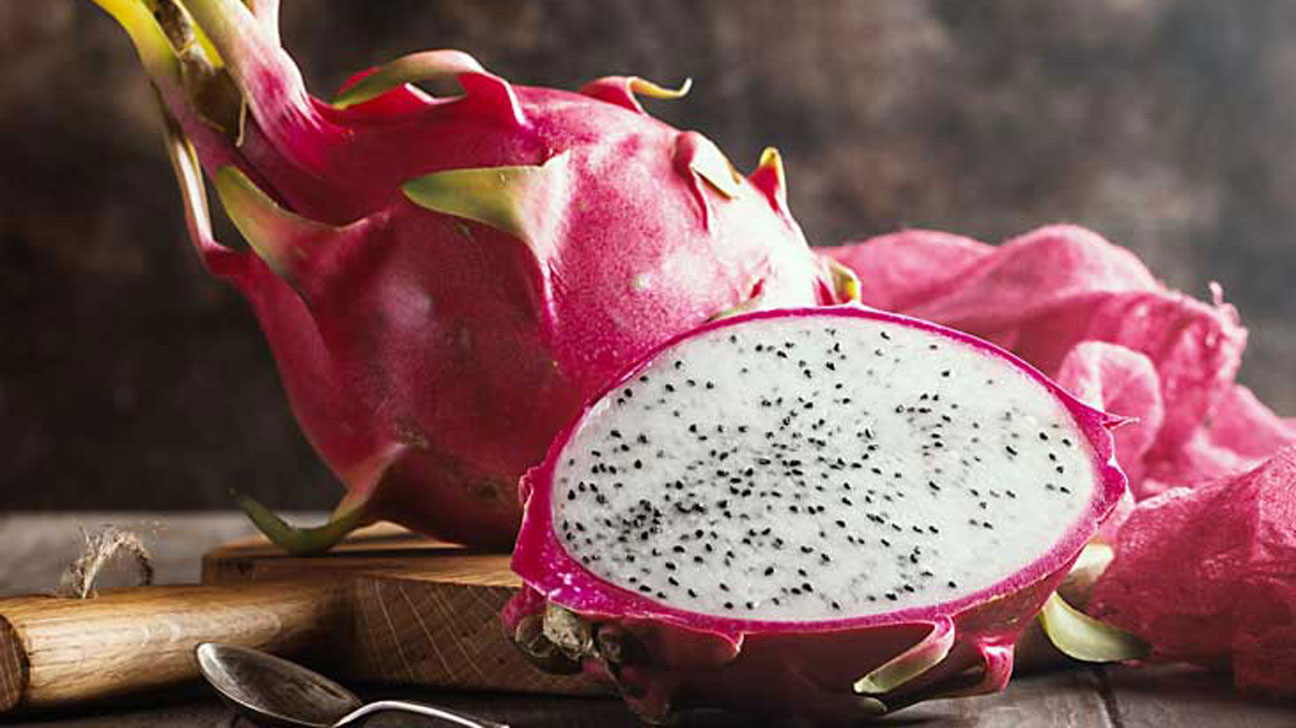
    Extended periods of rainfall have negatively impacted dragon fruit production, resulting in a doubling of farm-gate prices since May to VND15,000 (US$0.57) per kilogram. The price of the red-fleshed variety has seen an increase to VND20,000 in the Central Highlands province of Lam Dong, the current harvesting location for this fruit.

    Impact on Farmers and Retailers

    Back in May, farmers were selling at a loss, but they now report profits of VND3,000-4,000 per kilogram. Retail prices have followed a similar trend, doubling since May. The standard dragon fruit is now retailing at VND25,000 per kilogram while the red-fleshed variety is priced at VND40,000.

    One trader in Lam Dong province, Xuan, mentioned that yields have decreased 10% compared to the previous year due to heavy rains, although demand remains steady. Meanwhile, Canh, the president of the Binh Thuan Dragon Fruit Association in Lam Dong, reported that output has been on the decline in recent years as many farmers have turned to different crops following a long period of low dragon fruit prices.

    Impact on Export and Overall Output

    Canh also stated that weather conditions have decreased the supply available for export. Customs data indicates a 3% year-on-year fall in dragon fruit exports, amounting to $280 million in the first half of the year. Vietnam currently cultivates dragon fruit on 55,000-60,000 hectares, with an annual output of around 1.4 million tons.

    Questions & Answers

    What has been the impact of prolonged rainfall on dragon fruit production?
    The extended rainfall has led to a decrease in the production of dragon fruit, causing farm-gate prices to double and yields to decrease by 10% compared to the previous year.

    How have the changing prices affected farmers and retailers?
    In May, farmers were selling at a loss but they are now seeing profits of VND3,000-4,000 per kilogram. Retail prices have also doubled since May.

    What has been the impact on the export of dragon fruit?
    Due to weather conditions affecting supply, there has been a 3% year-on-year decrease in dragon fruit exports in the first half of the year.

  • Boost for Vietnam Durian Exports as India Welcomes the King of Fruits

    Boost for Vietnam Durian Exports as India Welcomes the King of Fruits

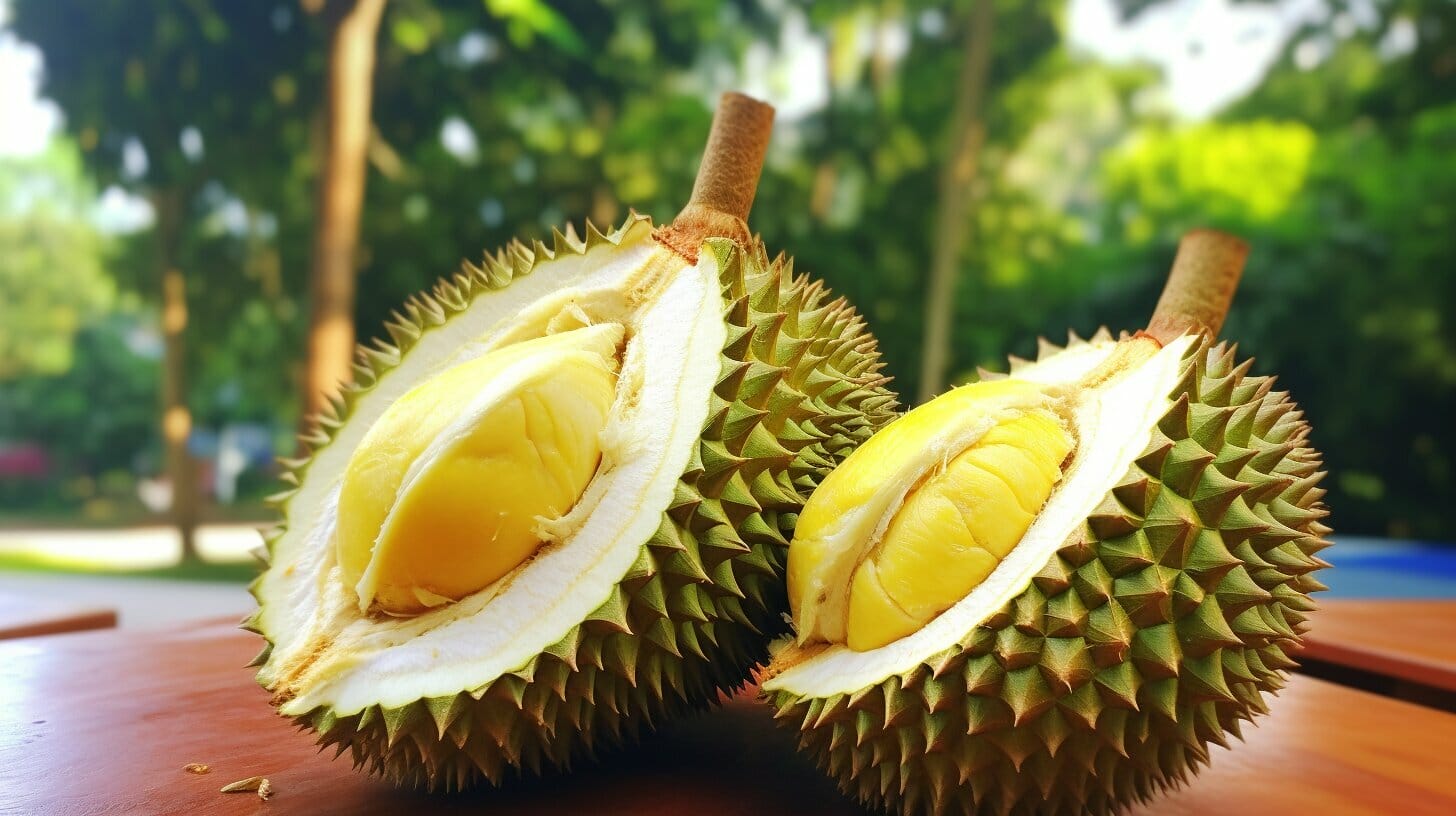
    India recently greenlit fresh durian imports from Vietnam. This move gives exporters the opportunity to tap into a market boasting 1.47 billion consumers, and also offers them an alternative to their traditional target destinations. The decision to include Vietnam in its list of approved countries came in mid-July, as announced by the Department of Crop Production and Plant Protection.

    There are no special import conditions or further phytosanitary declaration requirements imposed by Indian authorities. This comes in the aftermath of successful negotiations between the two nations. However, the department points out that India is still a fresh market. In the preliminary phase, it is expected that Vietnamese durian will predominantly be sold in major cities, through high-end retail chains, eateries, hotels, and online commerce platforms.

    The department has therefore urged exporters to thoroughly research consumer preferences in India, product specifications, transportation logistics, and distribution networks to craft suitable market entry strategies.

    Impact on Vietnamese Durian Exports

    At the beginning of this year, there was a drastic decrease in durian exports to China, Vietnam’s primary market. This was a result of Chinese authorities intensifying quality control measures and traceability requirements, as well as escalating inspections for chemical residue. Many shipments encountered delays due to extended customs procedures, leading to a significant drop in farm gate prices in Vietnam.

    This situation occurred during the peak harvest period, leading to an abrupt increase in the supply of the fruit. The first half of this year saw a rise by 12.7% in output, the highest among any major fruit, totaling 603,300 metric tons.

    Despite the price pressures in China, their main market, Vietnam’s durian exports are projected to exceed $2 billion by the end of July, as reported by the Vietnam Fruit and Vegetable Association.

    Questions & Answers

    What is the potential impact of India approving durian imports from Vietnam?
    The approval opens up a new market of 1.47 billion people for Vietnamese durian exporters, potentially reducing their dependence on traditional export destinations.

    What is the current state of Vietnam’s durian exports?
    Despite stricter quality controls and traceability measures in China, durian exports from Vietnam are projected to surpass $2 billion by the end of July.

    What advice has been given to Vietnamese durian exporters with regard to the Indian market?
    The Department of Crop Production and Plant Protection has advised exporters to study consumer preferences in India, product specifications, transportation logistics, and distribution networks to formulate suitable market entry strategies.

  • Vietnam’s Fuel Prices Skyrocket to Two-Month Peak amid US-Iran Tensions

    Vietnam’s Fuel Prices Skyrocket to Two-Month Peak amid US-Iran Tensions

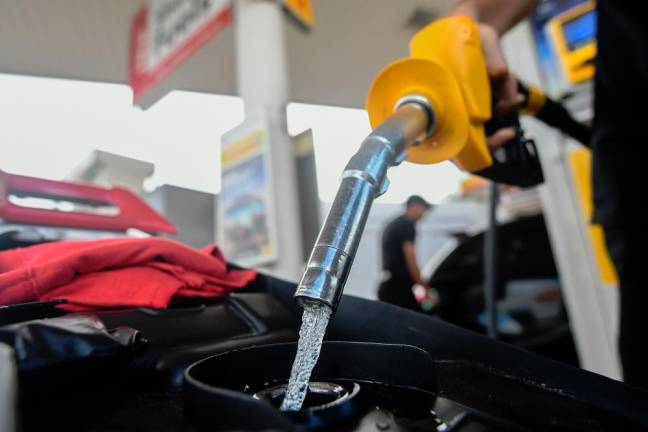
    In Vietnam, gasoline and diesel prices soared to their highest levels since May 28 on Thursday afternoon. The popular fuel E10 RON95 rose by 6.6%, reaching VND22,850 (US$0.87) per liter, while Biofuel E5 RON92 experienced an increase of 7.2%, costing VND22,380 per liter. Diesel prices also jumped by 7.2%, coming in at VND27,620 per liter.

    Global Fuel Prices and Local Shortages

    This surge in fuel prices aligns with a global trend observed over the past week, primarily driven by the escalating conflict between the U.S. and Iran. The Ministries of Industry and Trade and Finance note that RON95 has increased by 5%, costing $121.3 per barrel, and diesel has followed suit with a 5.4% hike, amounting to $159 per barrel.

    Alongside these rising costs, Vietnam has been contending with fuel shortages, particularly of diesel. Fuel retailers across Hanoi, HCMC, and other areas have reported difficulties in stocking enough supplies. Some tanker trucks have had to wait up to four days to collect supplies. Meanwhile, certain gas stations have either limited their sales or temporarily halted operations due to lack of inventory.

    Fuel Procurement and Market Dynamics

    Tran Huu Linh, the director general of the Agency for Domestic Market Management and Development under the Ministry of Industry and Trade, attributes these issues to the Middle East conflict disrupting fuel procurement by petroleum wholesalers. Additionally, amplified demand in certain areas has put a strain on supply, leading wholesalers to ration the volume of fuel distributed to the market temporarily.

    However, Linh maintains that the nationwide fuel supply remains stable, although localized shortages, especially of diesel, may occur. Linh also suggests that some businesses might be withholding inventory, anticipating a potential increase in prices.

    Questions & Answers

    What caused the recent rise in fuel prices in Vietnam?
    The escalating conflict between the U.S. and Iran has driven up global fuel prices, directly impacting prices in Vietnam.

    How has the conflict in the Middle East affected the fuel market?
    The conflict has disrupted fuel procurement by petroleum wholesalers, leading to delays in supply and temporary restrictions on the volume of fuel released to the market.

    What measures are being taken to manage fuel supply shortages?
    Despite localized shortages, the nationwide fuel supply remains stable. Wholesalers are temporarily rationing fuel distribution to the market to manage demand and maintain supply levels.

  • Revolutionizing Health Checkups: Vietnam Embraces AI-Assisted Preventive Screening

    Revolutionizing Health Checkups: Vietnam Embraces AI-Assisted Preventive Screening

    AI-supported comprehensive health screening is becoming increasingly accessible in Vietnam, granting both local and overseas Vietnamese the opportunity to access preventative diagnostic services. In the past, these services were usually sought after in countries like Japan, South Korea, and Thailand, where advanced screening programs were more readily available.

    One factor driving the growing interest in preventative screening, according to healthcare providers, is early detection. Statistics from Nura, an AI-powered health screening center network, show that 73.5% of Vietnamese cancer patients do not survive their illness, compared to around 30% in Japan, where regular screenings are commonplace.

    In Japan, the long-standing ningen-doku program screens approximately 80% of the population annually. In contrast, Vietnam’s screening rate is estimated to be around 3.5%.

    AI-Assisted Screening

    Since July 2024, Nura has been providing AI-assisted full-body screening services in Hanoi and Ho Chi Minh City. The company reports that over the past two years, they have conducted more than 33,000 screenings, identifying over 160 early-stage cancers in asymptomatic individuals.

    Nura’s AI system is designed to aid doctors by supporting medical image analysis, not replace them. The platform, developed in conjunction with Fujifilm and partially trained on approximately 400 million medical images from Stanford Medicine, utilizes around 50 AI models to identify various types of abnormalities. Physicians review areas flagged by the AI before finalizing and sharing examination results with patients.

    Supporting Clinical Decisions

    According to Nura, AI-assisted imaging can assist doctors in evaluating complicated cases. In one instance, a 45-year-old man who was initially advised to undergo a lung biopsy after a suspected malignant lesion was detected at another medical facility. After an AI-assisted scan and specialist review, the abnormality was deemed consistent with benign inflammation. The patient was treated for pneumonia and recovered without needing a biopsy.

    Nura’s services are not only convenient for local residents but also for overseas Vietnamese and expatriates living in Vietnam. The company’s AI-assisted screening services provide an alternative for those seeking preventative healthcare without having to travel outside of Vietnam.

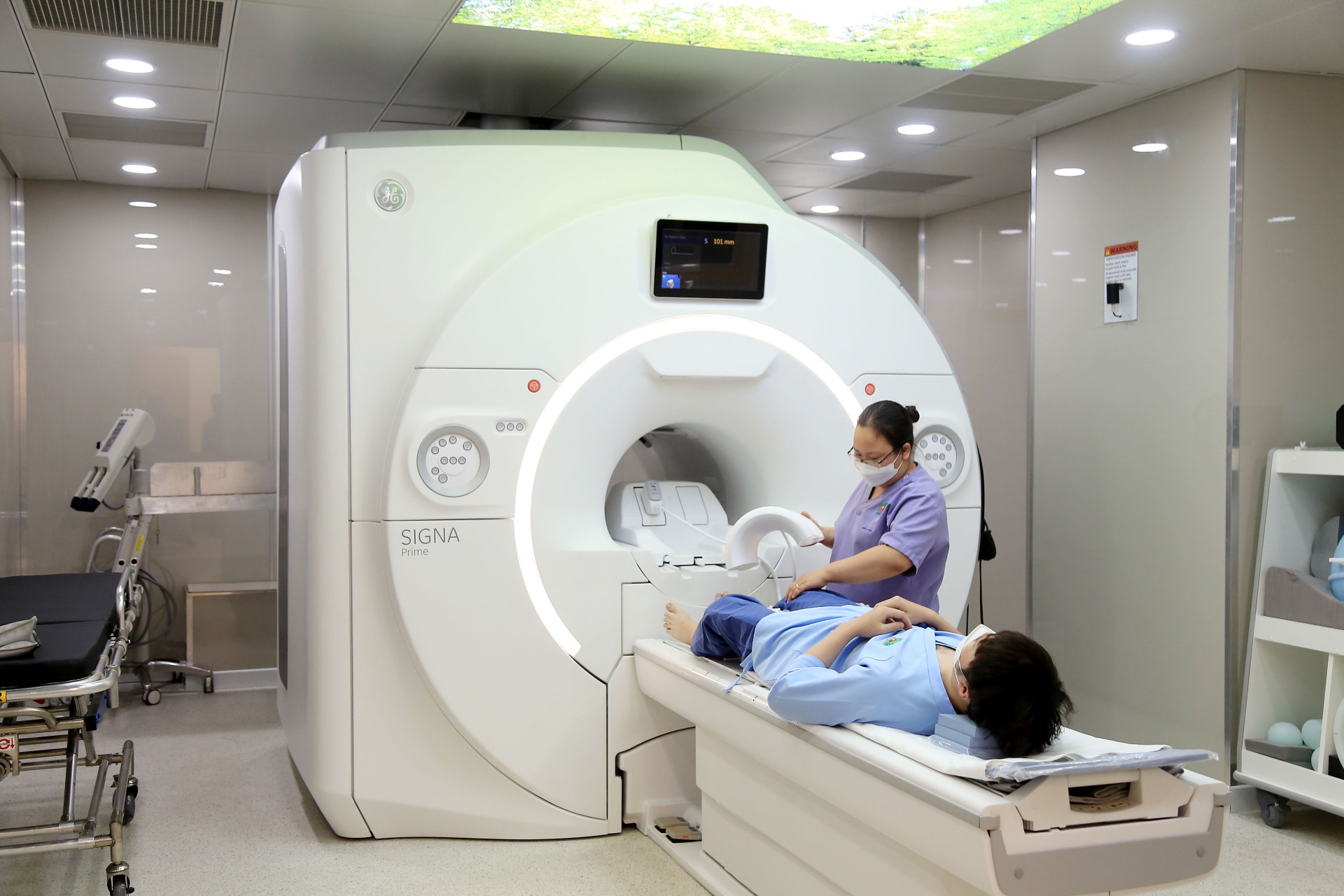
    One of the prominent concerns for people considering CT-based screening is radiation exposure. Nura states that its ultra-low-dose CT protocol, cleared by the U.S. Food and Drug Administration (FDA), is aimed at reducing radiation exposure while maintaining image quality through AI-supported image reconstruction.

    Questions & Answers

    What is the main purpose of Nura’s AI-assisted screening?
    The main purpose of Nura’s AI-assisted screening is to facilitate early detection of diseases, such as cancer, by providing comprehensive health screenings.

    How is Nura’s AI system used in clinical decision making?
    Nura’s AI system aids in clinical decision making by supporting medical image analysis, flagging areas of concern for physicians to review and make an informed medical decision.

    What measures has Nura taken to address concerns about radiation exposure during CT-based screening?
    To alleviate concerns about radiation exposure during CT-based screenings, Nura has developed an ultra-low-dose CT protocol, designed to reduce radiation exposure while maintaining image quality. This system has received clearance from the U.S. Food and Drug Administration (FDA).

  • Vietnam Sets Stage for Globally Competitive CEO’s: Launches Trailblazing Leadership Program

    Vietnam Sets Stage for Globally Competitive CEO’s: Launches Trailblazing Leadership Program

    The Vietnam Chamber of Commerce and Industry (VCCI) recently rolled out a leadership advancement initiative aimed at fostering a new cohort of globally competitive CEOs within the nation. The undertaking, dubbed “CEO Vietnam The New Era,” aims to imbue top executives with globally recognized management acumen and ready them for digital metamorphosis, ecological transitioning, and further integration into global supply chains.

    Shaping Leadership for Economic Growth

    This move coincides with Vietnam’s accelerated economic growth ambitions, and an intensified focus on cultivating business leadership that is in sync with governmental priorities of expanding the private sector’s role. Ho Sy Hung, the chairman of the chamber, emphasized at the initiative’s unveiling that Vietnamese enterprises require leaders who possess a future-oriented vision, modern managerial abilities, and the flexibility to navigate swift technological and geopolitical shifts.

    The VCCI has plans to draw on the support of its extensive in-country networks, business organizations, training collaborators, industry experts, international bodies, and the wider business sector to execute this program.

    Educational Collaboration and Curriculum Highlights

    Prof. Dr. Nguyen Thi Thanh Mai, president of Vietnam National University–Ho Chi Minh City, highlighted the program’s goal of fortifying collaboration amongst the government, educational institutions, and businesses in the areas of education, research and knowledge-sharing.

    The university, collaborating with partners such as A11 Management Consulting Vietnam and INSEAD Business School, has developed a comprehensive curriculum suitable for a broad spectrum of participants, ranging from top-tier corporate heads to executives of small to medium-sized businesses, family-run ventures, and startups. Key focus areas of the program will encompass strategic leadership, corporate governance, digital transformation, finance, sustainability, ESG, and international business growth.

    In the words of Professor Sameer Hasija, Dean of Executive Education and Dean of the Asia Campus at INSEAD, as Vietnam maintains its impressive economic stride, the cultivation of future-ready business leaders will be pivotal to sustaining growth and pioneering innovation.

    Questions & Answers

    What is the purpose of the “CEO Vietnam The New Era” program?
    The program aims to equip business leaders with globally recognized management skills and prepare them for digital transformation, green transition, and deeper integration into global value chains.

    Who are the key partners in developing the curriculum for this program?
    The Vietnam National University–Ho Chi Minh City has partnered with A11 Management Consulting Vietnam, INSEAD Business School, and other partners to create the curriculum.

    What will be the primary focus areas of the program?
    The program will cover strategic leadership, corporate governance, digital transformation, finance, sustainability, ESG, and international business development.

  • Surge in Electric Vehicle Sales: Vietnam Outpaces Southeast Asia with 71% Growth

    Surge in Electric Vehicle Sales: Vietnam Outpaces Southeast Asia with 71% Growth

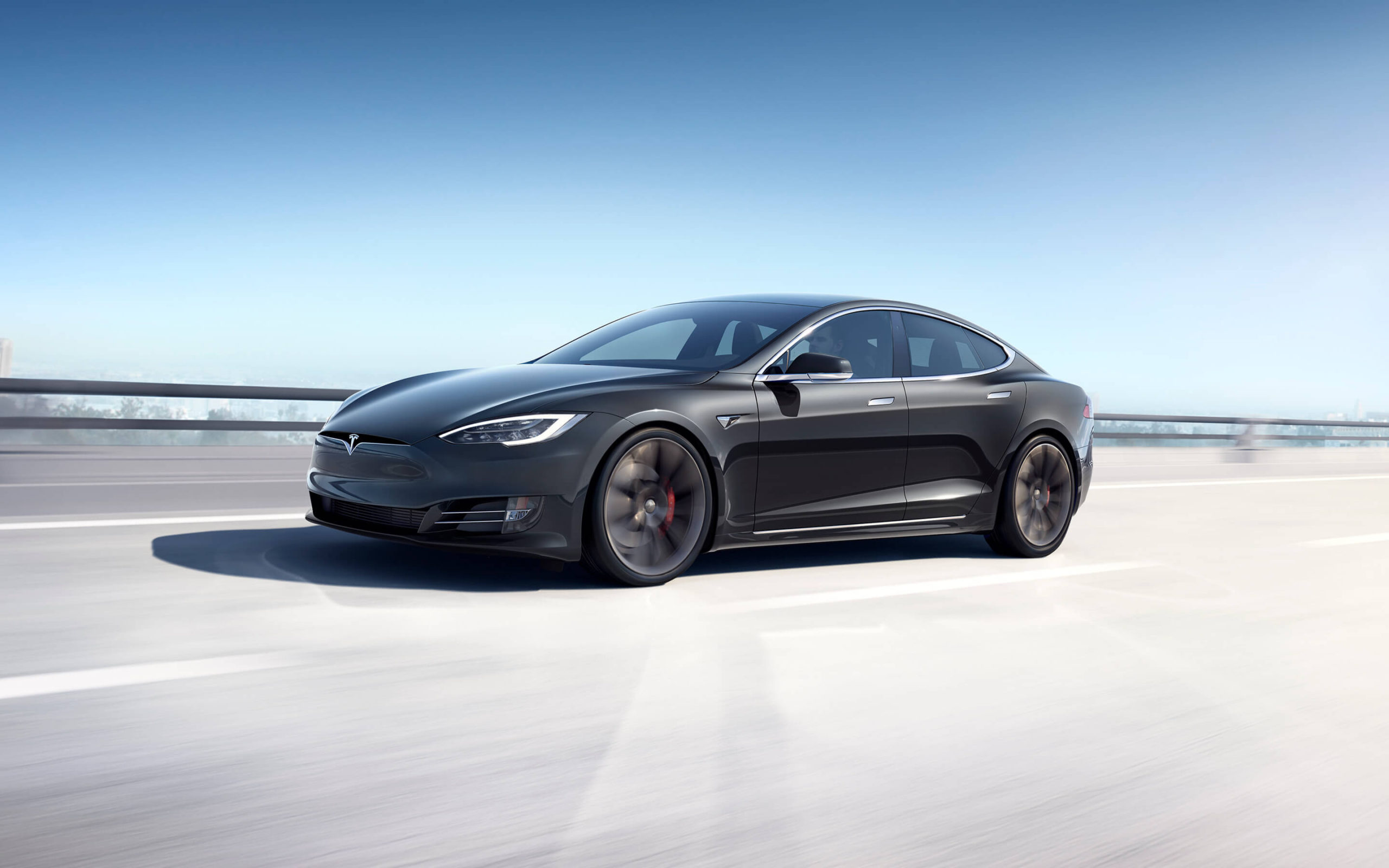
    During the first half of this year, Vietnam emerged as the leader in Southeast Asia for battery electric vehicle (BEV) sales, with 115,986 units sold. This impressive figure marked a 71% increase compared to the previous year. Furthermore, BEVs accounted for 35.3% of all new vehicles sold, thereby claiming the highest share in the region’s four largest automotive markets – Vietnam, Indonesia, Malaysia, and Thailand.

    Leading BEV Players

    VinFast, Vietnam’s top automotive brand across all vehicle categories, was responsible for the vast majority of the BEVs sold during this period. A small number of sales were attributed to Ford’s Mustang, while some electric vehicle manufacturers did not disclose their specific sales figures.

    BEVs, vehicles powered solely by electricity, stand out from hybrids, which utilize both electricity and gasoline. In Vietnam, BEVs are bolstered by an exemption from registration fees and a favorable 3% special consumption tax, both in effect until the end of 2030.

    Regional BEV Market Overview

    Thailand followed closely behind Vietnam in BEV sales, with a total of 104,418 vehicles sold. Nonetheless, it exhibited the quickest growth rate among the region’s four largest markets, posting a 91% increase.

    In Indonesia, which continues to hold the title of Southeast Asia’s biggest auto market, BEVs made up 16% of new vehicle sales in the first half of the year. Chinese auto manufacturers BYD, Aion, and MG collectively boasted the largest share of Indonesia’s BEV market. According to local auto news outlet DetikOto, the top ten best-selling BEV models in the country all originated from Chinese automakers such as BYD, Jaecoo, and Geely.

    Meanwhile, VinFast sold 1,934 vehicles in Indonesia, with their mini SUV VF 3 model accounting for 1,355 of these sales.

    Despite reporting the lowest BEV sales among the four major markets, Malaysia achieved an 85% growth rate, the second-fastest in the region following Thailand.

    Questions & Answers

    Which country led Southeast Asia in BEV sales in the first half of the year?
    Vietnam led Southeast Asia in battery electric vehicle (BEV) sales during the first half of this year.

    What contributed to the substantial growth of BEVs in Vietnam?
    The growth of BEVs in Vietnam can be attributed to the country’s policy incentives, including an exemption from registration fees and a 3% special consumption tax.

    Which country showed the fastest growth rate in BEV sales among the four largest markets in Southeast Asia?
    Thailand posted the fastest growth rate among the region’s four largest automotive markets.

  • Vietnam’s Gold Market Stumbles as Stronger Dollar Devalues Precious Metal

    Vietnam’s Gold Market Stumbles as Stronger Dollar Devalues Precious Metal

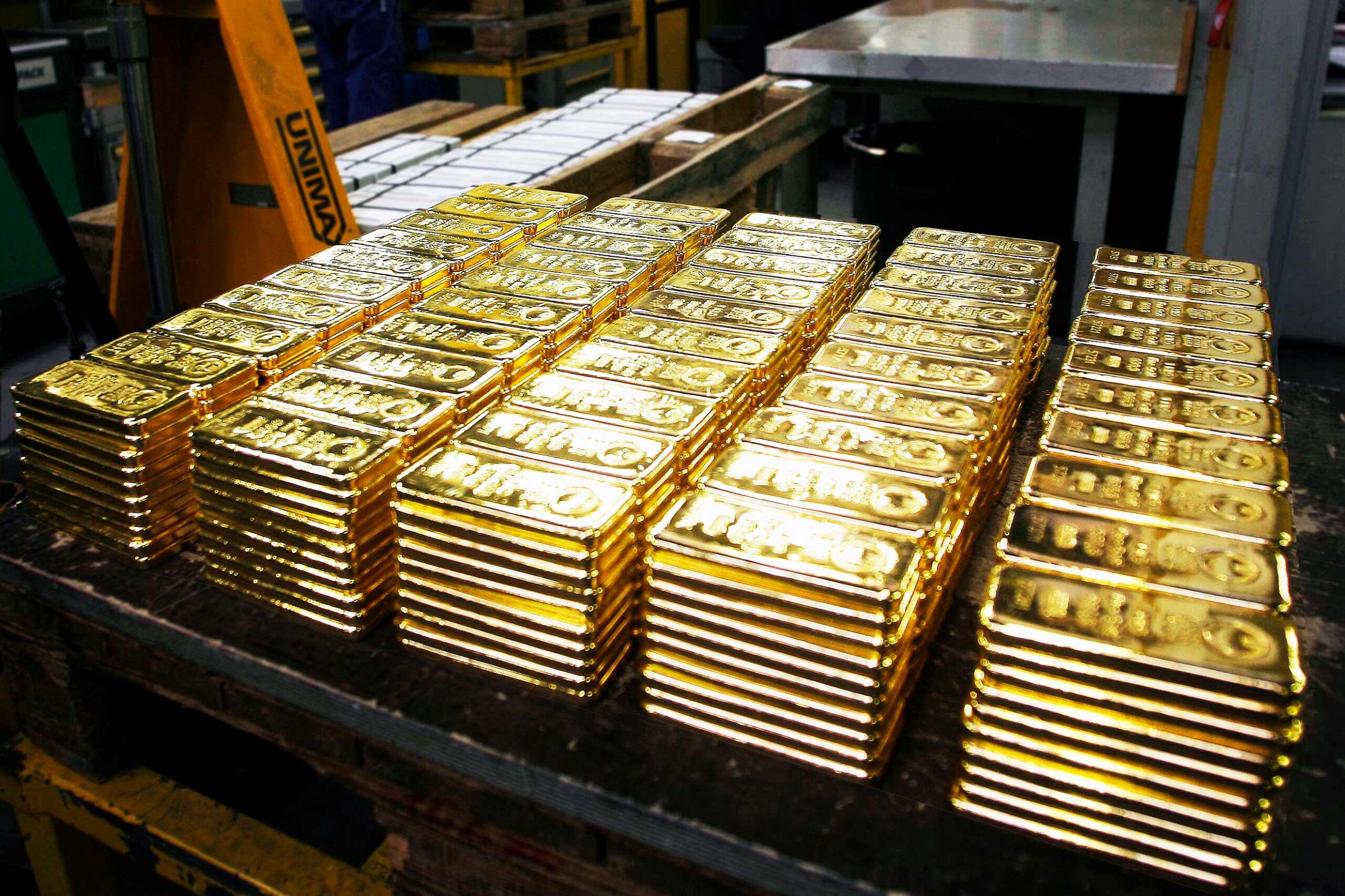
    Gold prices in Vietnam experienced a downturn on Tuesday as the dollar gained strength, affecting the value of the precious metal in global markets. The Saigon Jewelry Company reported a 1.05% decrease in the price of gold bars, now valued at VND141.5 million (US$5,373.89) per tael. It should be noted that a tael is equivalent to 37.5 grams or 1.2 ounces.

    The price of gold rings also plummeted, falling by 1.39% to VND142 million per tael. Thus far, this year has seen a 7.4% decrease in gold prices in Vietnam.

    On the global stage, the value of gold also depreciated. The strength of the dollar played a significant role in this decline, as investors eagerly awaited cues from the Federal Reserve’s imminent policy decision regarding the future of interest rates. Spot gold saw a 0.7% decrease on Tuesday, falling to $4,044.81 per ounce. This came after a potential 1% rise on Monday. U.S. gold futures for August delivery also took a hit, dropping by 0.8% to $4,045.40.

    The dollar’s value remained near a one-month high, making bullion priced in dollars less accessible for holders of other currencies. Ilya Spivak, head of global macro at finance content network Tastylive, commented on the situation saying, “We’re oscillating in this narrow range between $3,950 and $4,200, and I think the market is just waiting for Fed signals.”

    Questions & Answers

    What caused the decrease in gold prices in Vietnam?
    The strengthening of the dollar put pressure on the precious metal on global markets, leading to a decrease in gold prices in Vietnam.

    How much did the price of gold bars and gold rings decline?
    Gold bars decreased by 1.05% to VND141.5 million (US$5,373.89) per tael, while gold rings declined by 1.39% to VND142 million per tael.

    What is the current situation of gold prices on the global stage?
    Gold prices have fallen worldwide, with spot gold decreasing by 0.7% to $4,044.81 per ounce. The rise of the dollar’s value is making dollar-priced bullion more expensive for holders of other currencies.

  • Vietnams Central USD/VND Exchange Rate Soars to All-Time High Amid Rising Dollar Strength

    Vietnams Central USD/VND Exchange Rate Soars to All-Time High Amid Rising Dollar Strength

    The State Bank of Vietnam has adjusted its central USD/VND exchange rate to an unprecedented high, reflecting a strong U.S. dollar in global markets. The central bank’s rate has escalated to VND25,306, marking a 0.05% increase from the previous day. Notably, this surpasses the previous high established in August last year, which stood at VND25,298.

    Vietcombank increased its rate by 0.02%, selling the U.S. dollar at VND26,525. Meanwhile, the black market recorded a steady rate at VND26,420. The State Bank of Vietnam modifies the central exchange rate daily, factoring in the interbank foreign exchange market’s fluctuations, a compilation of currencies from significant trading partners, macroeconomic conditions, and monetary policy objectives. This rate serves as a guide for commercial banks to determine their trading prices within a 5% trading band.

    Global Impact on US Dollar

    Internationally, the U.S. dollar reached a one-month high on Tuesday. Traders are considering the slim yet persistent possibility of a rate hike at the upcoming Federal Reserve meeting. This speculation comes amidst falling oil prices, which have alleviated some inflation concerns.

    The dollar index, tracking the U.S. dollar against a selection of currencies, including the yen and the euro, rose by 0.03% to 101.55. The euro experienced a slight decrease of 0.01%, standing at $1.1366. Against the Japanese yen, the dollar saw a 0.05% rise to 163.82, while the sterling dipped by 0.02% to $1.3284.

    Chris Weston, head of research at Pepperstone, noted that the absence of substantial buying at the Treasury curve’s front end contributed to the U.S. dollar’s robust performance.

    Earlier this month, the State Bank of Vietnam’s Deputy Governor, Pham Thanh Ha, commented during a press briefing about the recent external pressures on the exchange rate and foreign exchange market. These pressures are a result of intricate and unpredictable shifts in international markets, compounded by domestic challenges.

    According to Ha, the central bank’s strategy involves managing the exchange rate flexibly to buffer external shocks. This approach is coupled with the use of a variety of monetary policy tools to stabilize the foreign exchange market, maintain macroeconomic stability, and keep inflation in check.

    Questions & Answers

    What led to the State Bank of Vietnam adjusting the central USD/VND exchange rate?
    The adjustment followed the U.S. dollar’s strengthening in global markets.

    What factors influence the daily modification of the central exchange rate by the State Bank of Vietnam?
    The bank’s daily adjustments consider the interbank foreign exchange market’s changes, a collection of currencies from major trading partners, macroeconomic conditions, and monetary policy objectives.

    What is the State Bank of Vietnam’s strategy in managing external pressures on the exchange rate and foreign exchange market?
    The bank employs a flexible approach in managing the exchange rate to absorb external shocks. Additionally, it uses several monetary policy tools to stabilize the foreign exchange market, maintain macroeconomic stability, and control inflation.