Tag: Japan

  • Japan retail sales slide

    Japan retail sales slide

    Japan retail sales slid two per cent in January according to government data.

    Japan’s Ministry of Economy, Trade and Industry surveys department stores, chain stores, supermarkets and other large-scale stores and convenience stores to compile a monthly trend index.

    Last month’s year-on-year decline was the first in seven months, with commentators citing bad weather and continuing decline in take-home incomes for the downturn.

    However the trend may have been exaggerated due to consumers spending more than usual in the first three months of 2014 to beat an increase in sales tax which took effect in April

    December’s retail sales were up 0.2 per cent year-on-year.

    Charts with full data are available at the Ministry’s website.

  • AirCloset delivers endless wardrobe

    AirCloset delivers endless wardrobe

    A Tokyo subscription service offers time-poor Japanese women hand-picked fashion items, delivered free for a monthly fee.

    Women may love shopping, but for time-starved professional females and housebound new mothers adapting to round-the-clock parenting, finding time to discover new fashion can become a hassle.

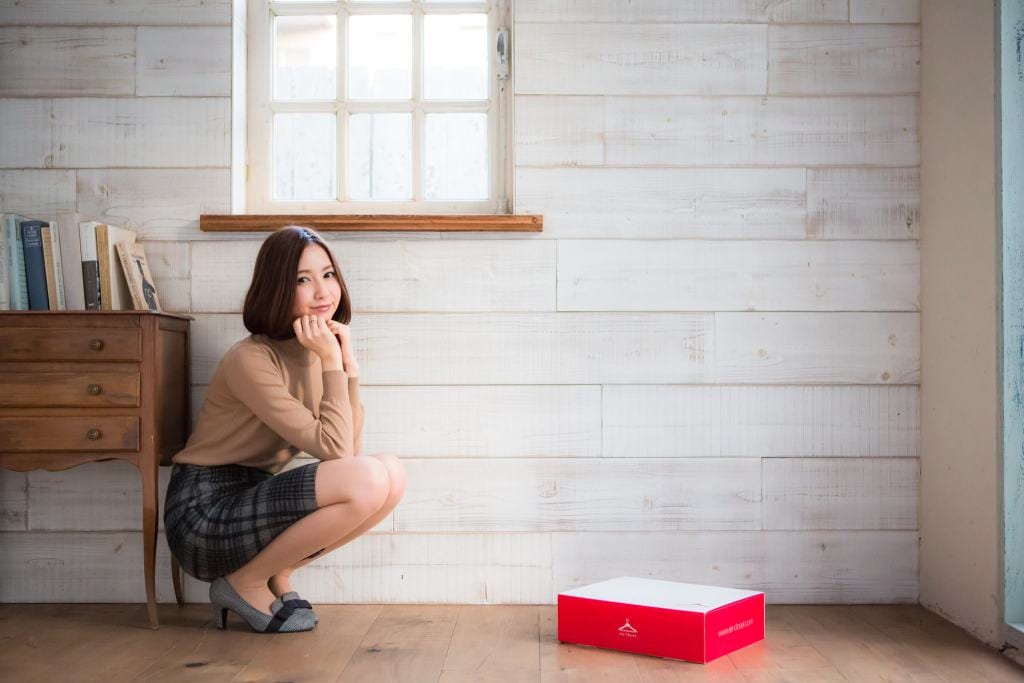
    Enter AirCloset, a new service by Tokyo-based startup Neuer-Sieg. For JPY 6800 (US$57) a month, women can receive a box containing three trendy garments, hand selected by a professional stylist. The subscriber can wear each piece as many times as they like, and return the box whenever they’re ready to try something new. There’s no limit on how often the boxes are exchanged, and if a subscriber happens to find an item that they just can’t live without, it can be purchased at a price point lower than retail.

    While straight-to-your-door fashion boxes are nothing new, the wear-and-return model is unique in Japan – and it’s already seeing strong early traction in the domestic fashion and startup communities.

    “We sent out a press release introducing the service in October and planned to launch in December,” Satoshi “Ash” Amanuma, Neuer-Sieg’s co-founder and CEO, tells Tech in Asia.“Initially, we planned for about 2000 pre-registrations. In reality, we ended up with more than 15,000 by the end of December.”

    Amanuma and his team of five were overwhelmed by the response. They decided to push the launch back to January in order to prepare more clothing and smooth out logistics, but pre-registrations continued to balloon.

    “We had to cut off pre-registrations at the end of January,” he says. “More than 25,000 people signed up.”

    AirCloset works thus: Women sign up on the site with a credit card and are automatically charged 6800 yen per month to receive an unlimited number of fashion boxes, with no minimum sign-up period. Users can sign up for one month and cancel if they wish. During the registration process, users select their style preferences based on photos of models wearing example outfits. Based on those selections, stylists attempt to curate items that suit their tastes – users don’t actually select any of the clothing directly.

    Each box contains three items, which include a combination of tops and bottoms that can be worn together (i.e. a cardigan, a one-piece, and a pair of jeans). If there’s a cute dress or skirt that they absolutely must add to their wardrobe, a subscriber can visit the AirCloset website to see its discounted price (and comparison full retail price). If they opt to hold on to it, they can simply send the remaining pieces back and their card will be charged. A return shipping label is already inside each box. Users are urged to fill out a survey with the return of each box, which allows stylists to tweak future items based on fit, color palette, and so on.

    The founder explains that a large part of the inspiration for AirCloset hits close to home. Amanuma has a three-year-old son and wanted to help his wife stay on top of current fashion trends despite having limited free time to go window shopping downtown. In the planning stages, he even considered launching it as a maternity and children’s clothing service.

    “The first thing we did was interview more than 200 women aged 27 to 35,” Amanuma says. “Our specific target groups are career women and young mothers with children between the ages of zero and three. One thing they all seem to have in common is a lack of time to discover new fashion brands because their focus is on work or raising their kids.”

    After getting a sense of what target users wanted, Amanuma hired a professional stylist and a support group of fashion industry advisors. Brands are selected from those featured in three popular fashion magazines: Oggi and Classy, for career women, and Very, for fashionable young mothers.

    Amanuma wouldn’t disclose the brand names that AirCloset will collaborate with, but he did say that more than 10 Japanese brands are on board with deals in the works to increase that number.

    *Satoshi “Ash” Amanuma.

    Amanuma wouldn’t specify when regular monthly memberships would begin, stating that it all depends on how much clothing his stylists can amass and how much warehousing and shipping his current logistics partner can handle. “We haven’t raised quite enough money for that stage, but we’re trying to speed up that process,” he says. “We need to reassess in a month or two how many brands will be able to provide clothes [in bulk].”

    There’s currently a waiting list for new pre-registrations, but the first wave of AirCloset boxes already shipped to the initial pre-registered users on February 17.

    AirCloset is a simple idea with a complicated process. Beyond clothing curation and an enormous amount of boxing and shipping, garments must be individually dry cleaned when they arrive back in the warehouse. No one wants to receive a box with clothing that looks like it came from a second-hand shop, so each piece must be examined for wear and tear before the boxing and shipping process repeats itself.

    Amanuma explains that, for example, if a white dress comes back with cigarette burns or a red wine stain, it will be returned to the subscriber and they will be charged for it. He’s considering implementing an insurance option that covers the cost of damaged gear, as well as offering deeper discounts to purchase items that have already been shipped out and worn by other users.

    At less than US$60 a month per subscriber, is there any room for turning a profit?

    “If you think of AirCloset as just a rental service, you might assume that the profit margin is very small. But there’s also the eCommerce element – people always have the option to buy.”

    There’s also another, potentially huge, revenue stream: big data. Each box is shipped with a questionnaire about the clothing it contains (which can also be filled out online).

    “Retailers can learn a lot from what users buy and what they send back, but they can learn even more from the wearer’s feedback – current fashion trends, what styles and colors are hot or not, and so on,” Amanuma says. “We hope retailers will pay us for that data.”

    Amanuma’s plans for the future are three-fold: expand to other fashion items (i.e. hats, shoes, accessories), expand to other fashion segments (i.e. men’s, kid’s, maternity), and expand overseas – particularly Southeast Asia.

    “I know that many women in Southeast Asia, especially Thailand, are interested in Japanese fashion,” he adds. “We can bring this same system to other markets, with Japanese brands or international brands [depending on each market’s interest]. I really believe in the idea of the sharing economy, so we’re trying to create something much bigger than a short-lived trend service.”

    Le Tote in the US is doing almost the exact same thing as AirCloset, but with three pieces of clothing and three accessories for US$49 a month. Amanuma says that he hadn’t heard of Le Tote until after launching his own service.

    “AirCloset is from our own idea, we didn’t think about competitors or anyone else doing this, but realized it was a pretty simple idea,” he says. “Later, we found out about Le Tote, which is still new in the US. Of course, there’s nothing like this in Japan.”
  • Uniqlo Japan offers tax-free service

    Uniqlo Japan offers tax-free service

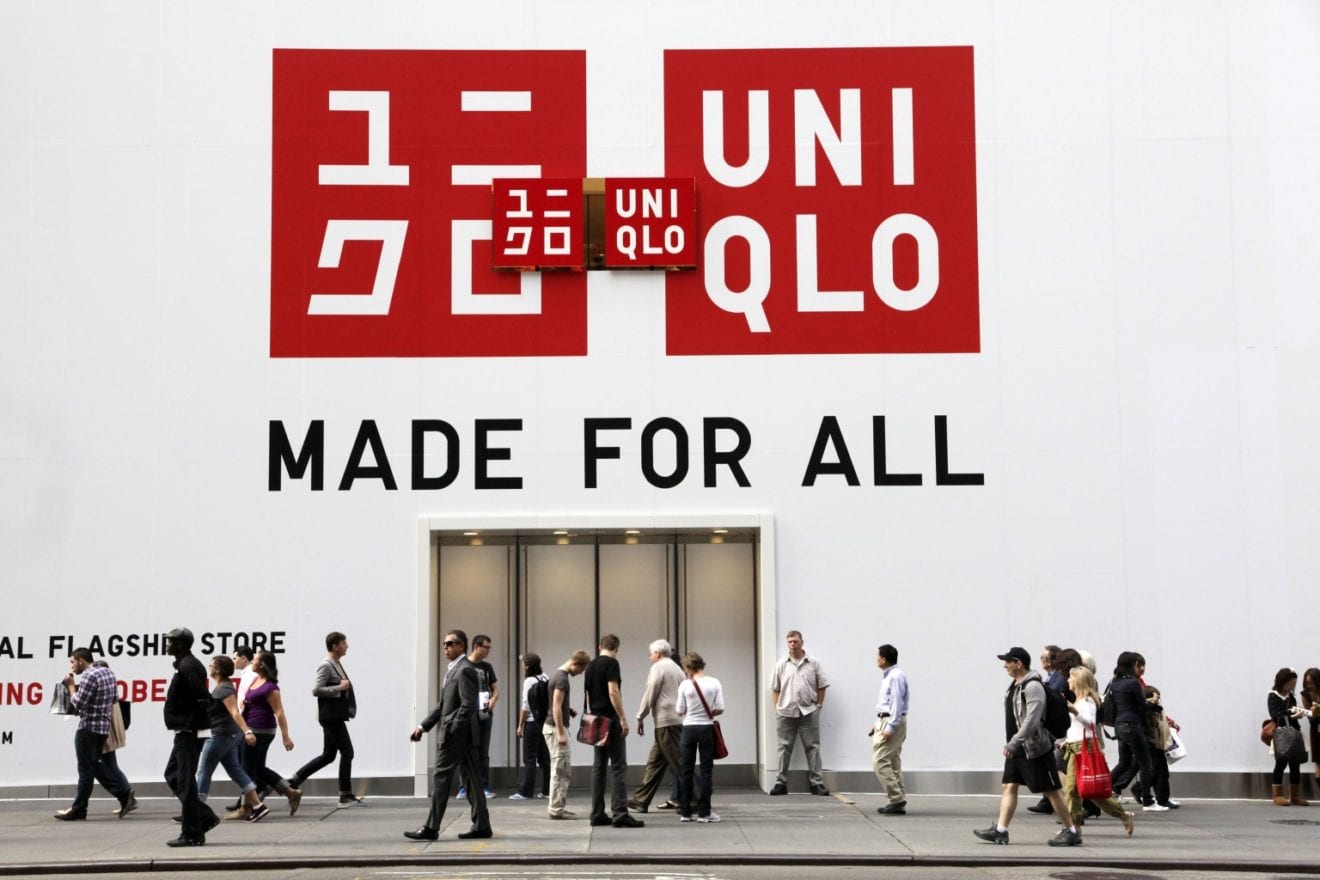
    Uniqlo Japan will offer tax free shopping for overseas visitors to Japan at 31 large stores across the country.

    The service debited last week and allows overseas shoppers to avoid Japan’s eight per cent consumption tax.

    Uniqlo previously offered tax free shopping to overseas tourists at outlets within Haneda and Chubu international airports. But following a Japanese Government revision of the consumption tax exemption system for inbound tourists last October, Uniqlo launched tax free shopping on a trial basis at the Uniqlo Ginza flagship store and Shinjuku East Exit Store in December – including dedicated tax free check out points and increased multilingual staff.

    Uniqlo describes the response as “overwhelmingly positive” encouraging it to expand the service to 31 additional stores popular with tourists. More stores will follow.

    Government data shows the number of inbound tourists into Japan reached a record high in 2014.

    To use the service customers require a non-Japanese passport (a copy or other forms of ID are unacceptable). Foreign residents of Japan are ineligible. Customers must present the purchased items and receipt to be eligible.

  • Topshop in Japan shock

    Topshop in Japan shock

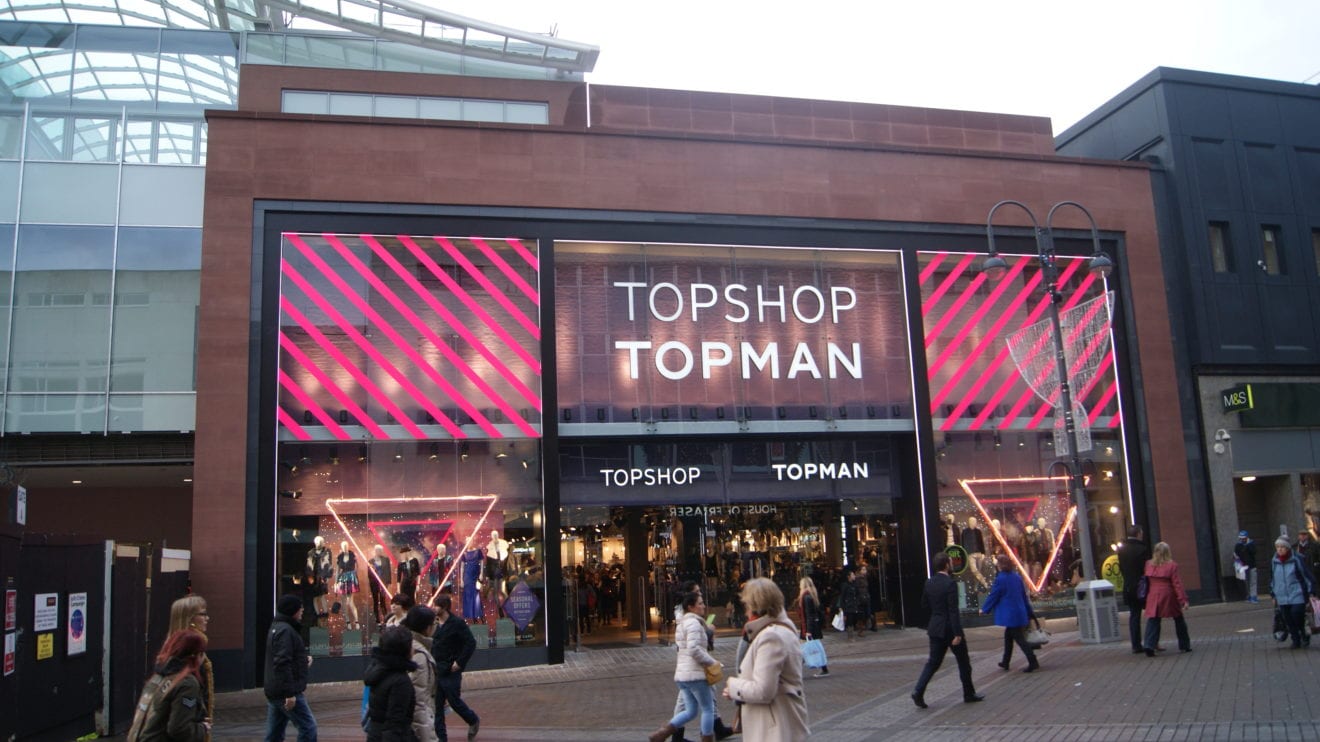
    UK-based fashion group Topshop has shuttered its stores in Japan.

    No explanation has been given for the closure – but it appears Topshop’s parent Arcadia Group is in some form of dispute with its Japanese partners.

    In a statement issued overnight in response to media enquiries Topshop confirmed the stores were operated by a franchise partner.

    “The Japanese market is an important part of Topshop’s business and there are no plans to pull out of this key international territory,” the company said in a statement to Fashionista.

    “We are working hard, and exploring all avenues, to ensure that the brand maintains its presence in Japan.​”

    Topshop launched in Japan in 2006 and later partnered with Mori Building System, a retail real estate specialist which has also worked with Louis Vuitton subsidiaries. However it is not clear who the partner was at the time the stores closed as the association with Mori is reported to have ended last May.

    The Nikkei Asian Review has reported that the Topshop Shinjuku flagship appeared to be fully stocked, but city’s other flagship, in the trendy Harajuku district, had been cleared out.

    Phone calls to all five stores went unanswered.

    The company last posted on its Facebook page on January 7 and its website still lists store locations.

  • Aeon nears Indonesian debut

    Aeon nears Indonesian debut

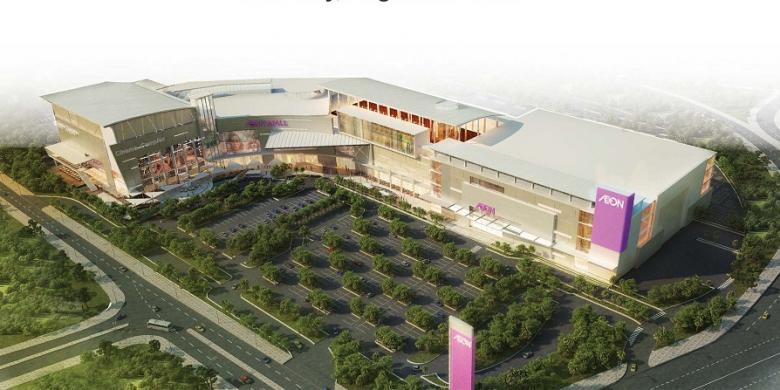
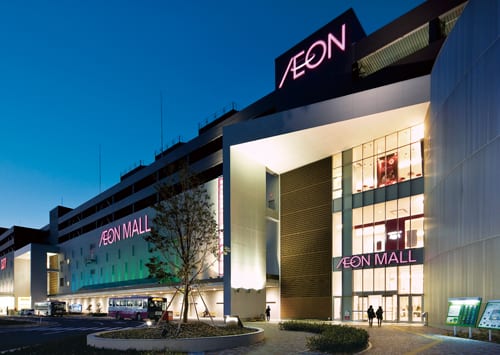
    Japan’s Aeon is completing construction of its first shopping mall in Indonesia.

    Its Indonesia debut follows success in Malaysia and Thailand where it is building strong networks of hypermarkets, supermarkets and mini-markets, and a more recent foray into Vietnam where it has two shopping centres already trading in the south and a third under construction in Hanoi.

    Aeon Mall Sinarmas Land Indonesia, its local arm, is building Aeon Mall Bumi Serpong Damai (BSD) City which will have more than 100,000 sqm of leased area and be one of the largest shopping malls in the city when complete.

    The suburban mall will have have an Aeon general merchandising store as its anchor, and lease space to a broad range of international and local brands, in similar format to its Vietnamese centres.

    It will also feature a food court, cinemas, and an amusement arcade.

    The mall will comprise four stories along with multi-level parking for more than 5000 vehicles.

    This week Aeon contracted NEC Indonesia to provide cashless payment systems for the food court in what will be the first electronic card payment project for NEC in Indonesia.

    The cashless payment system consisting of NEC retail terminals and software will enable cashless transactions for both food court customers and stallholders. Payments for food and beverage will be made via an electronic card, which can be topped up at a central cashier or kiosk.

  • Isetan Mitsukoshi: ‘This is Japan’

    Isetan Mitsukoshi: ‘This is Japan’

    Isetan Mitsukoshi has adopted a new branding positioning – and promises a new in-store concept which will make its debut in Malaysia.

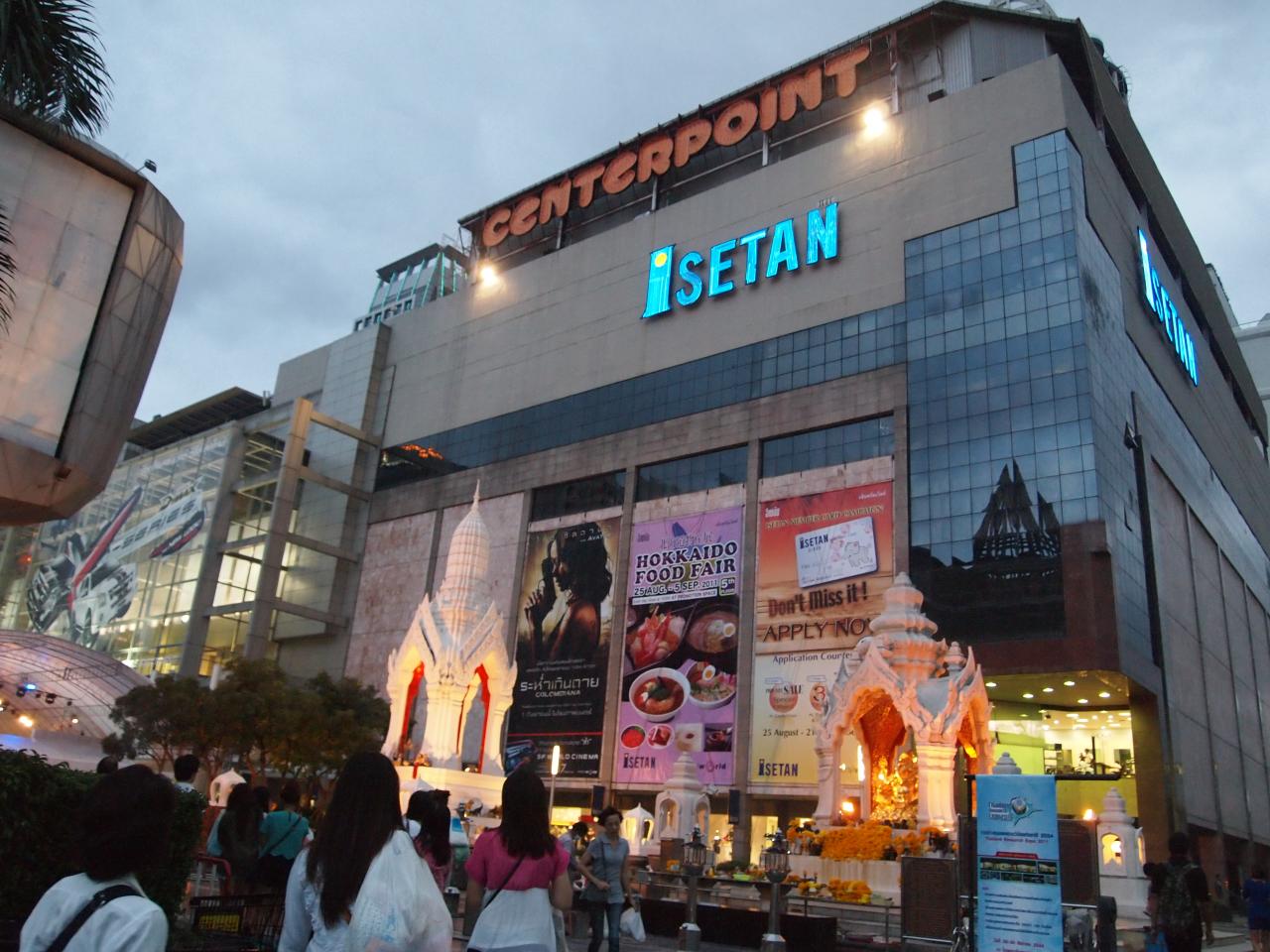
    In a message to shareholders, CEO Hiroshi Ohnishi says the company has adopted a new corporate message for 2015 ‘This is Japan’, which will lead to a new in-store concept shortly to be launched in Kuala Lumpur’s Lot 10 shopping centre.

    “Since generations past when Mitsukoshi and Isetan operated as kimono merchants, we have always had an eye for quality. From the sense of touch as silk meets the skin, the sound as the obi closes, through to the fragrance and taste of the experience – refining the five senses has always been an essential component of our trade.

    “Under our Japan Senses initiative to date, we have also been able to source the very best of Japan’s culture and fine products and deliver this widely to our valued customers,” Ohnishi explains.

    “From now on, we will build on this product range and place a focus on communication in all its forms including the grace and beauty of Japanese omotenashi to present This is Japan as part of our management strategy and further refine our corporate activities.”

    A new ‘Japan mall’ will open inside the Isetan Kuala Lumpur Lot 10 store as part of the company’s overseas launch of This is Japan.

    He explains of the concept: “In 2015, we intend to provide new value and continue to aim toward realising our group vision of being the world’s foremost retail services group.”

    In other moves, in Japan it will remodel the interior and art floor (5F) and baby and childrenswear floor (6F) of its flagship Isetan Shinjuku Main store this spring.

    “We will also open Isetan Salone select stores in Tokyo Midtown, Harajuku Alta in spring, and Japan Duty Free Ginza on the eighth floor of Ginza Mitsukoshi in autumn.”

    Ohnishi says the company’s goal is to create new value to truly move its customers – “by no means an easy task”.

    “Each and every one of our staff must transform themselves to stay ahead of the changing interests of our customers. Because of this, we position employee training and development as the most important action that we can take toward achieving our group vision, and we are reforming our human resource structures with a focus on how our stylists (salespeople), who work in closest contact with our customers, can provide satisfaction and move our customers through the sales experience.

    “In 2015, we will focus even more closely on transforming our storefronts to satisfy our customers.”

    Of 2014, Ohnishi said price levels rose due to the weaker yen as well as April’s sales tax increase.

    “While we have seen signs of recovery in personal consumption in some areas, lacklustre economic conditions are continuing, mainly in the regions.

    “Our business faced reactionary drop-off after the strong demand leading up to the increase in consumption tax; however, the Isetan Mitsukoshi Group has been warmly supported by our customers, and we have turned the corner toward recovery.

    “Nevertheless, we still expect the economic environment to remain severe in the retail industry, and we must further accelerate our corporate reform in order to continue to grow.”

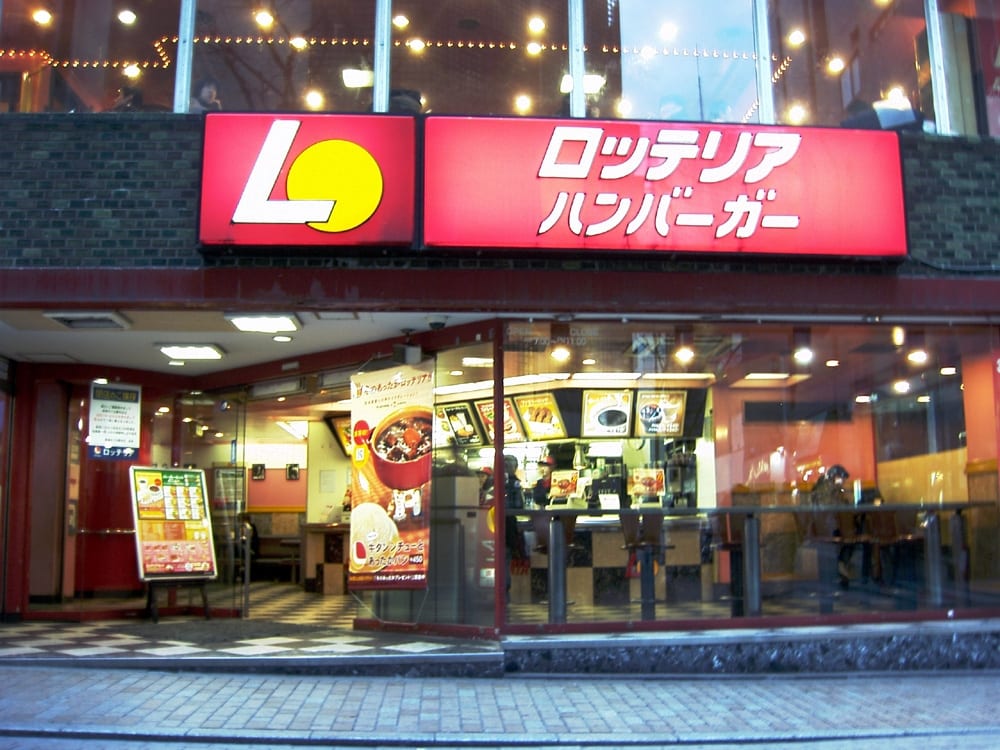
  • Japan’s fast-food chains face new headache

    Japan’s fast-food chains face new headache

    Already reeling from a handful of scandals, Japan’s fast-food industry faces a new problem: diners are no longer heading out for meals like they used to.

    “Japanese consumers are choosing to buy their meals at convenience stores and eat at home,” said Japan Food Analyst Association (JFAA) chairman Hiroyuki Kamiya.

    While the trend started a few years ago as convenience stores introduced new product lines, the consumption tax hike to 8 percent from 5 percent last April that pushed the economy into a technical recession and a string of employee exploitation scandals have accelerated the trend, he said.

  • Aeon teams with two Vietnamese major retailers, to have 200 stores across the country

    Aeon teams with two Vietnamese major retailers, to have 200 stores across the country

    Japanese retail giant Aeon Co. said on Tuesday that it has reached an agreement on a business tie-up with two of Vietnam’s major retailers Fivimart Co. and Citimart Co. in a bid to develop supermarket business in Vietnam.

    Fivimart Co. is the largest supermarket company in Hanoi, operating 20 stores in the capital city. Citimart Co. is the largest supermarket operator in southern Vietnam, operating 27 stores mainly in Ho Chi Minh City, the largest city in the region.

    Aeon Co. has been promoting a “Shift to Asian Markets” strategy, working together with the group companies in China and countries of the ASEAN region. It’s one of the group’s strategies under its medium-term management plan.

    In Vietnam, the company launched Aeon Financial Service Co. in 2008 which made it the first Japanese company to engage in instalment sales in the country. Two years later, Ministop launched its CVS convenience store business in 2011. In January 2014, Aeon opened its first shopping mall in Vietnam, Aeon Mall Tan Phu Celadon, in Ho Chi Minh City, becoming one of the country’s largest shopping mall. This was followed by the second mall, the Aeon Mall Binh Duong Canary, opened in Binh Duong province in November 2014. With the plan to open its third mall in Hanoi this year and other proactive initiatives ahead, Aeon continue to broaden its business in the country.

    “Toward the launch of the ASEAN Economic Community planned at the end of 2015, the ASEAN countries began integrating and further economic growth is expected in the area. Vietnam, in particular is making prominent growth in its market, backed by a population in excess of 90 million and a high economic growth rate that has contributed to an expanding middle class,” the company said in a statement on Tuesday.

    “In order to achieve rapid growth in Vietnamese market as such, we believe the partnerships with Fivimart Co. and Citimart Co.; the companies with strong business foundations in two of the largest cities in north and south of the country as well as knowledge about the varying regionally oriented customer needs, are of great significance,” it added.

    Aeon sees Vietnam as its second most important market in Southeast Asia after Malaysia and plans to have 200 stores across the country eventually and to grow sales to JPY100 billion (USD848 million), according to The Japan Times Online.

  • Michael Kors to open Ginza monster

    Michael Kors to open Ginza monster

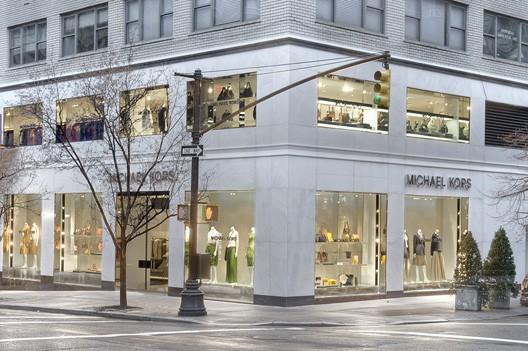
    Michael Kors will open its largest Japanese flagship store this fall, on Chuo St in Tokyo’s Ginza district.

    The store will be the first in the world to carry every category offered by the global luxury lifestyle brand.

    “Japan is a key market for our continued development in Asia,” said Michael Kors.

    “This is a very exciting opening. Ginza is one of the world’s great shopping neighborhoods, in one of the greatest fashion cities, so it’s both exciting and appropriate that we’re debuting this very special store in Tokyo.

    “I look forward to welcoming our customers to the new store, and sharing with them the mix of sophistication, glamour and ease that defines everything we design.”

    The store, which measures approximately 7800 sqft, will reflect the new design concept unveiled last year at the Jing’An Kerry Centre in Shanghai, (pictured above), including the shimmering exterior facade inspired by Michael Kors’ signature use of metallics and texture. The facade, designed by Michael Kors’ in-house design team, consists of luminous screens made of unique, light-reflective facets set within a grid of internally lit recesses.

    Michael Kors, the business, describes the effect is elegant and kinetic, “evoking the light-catching allure of a sequined gown”.

    A large-scale video screen will cover the balance of the second- and third-story facade, while the ground floor features large storefront windows framed in Bianco Dolomiti marble.

    The interior of the store will reflect the signature jet set glamour of the Michael Kors brand, with polished stainless steel fixtures, white marble flooring, Macassar wood and zebra-skin accents used to create a luxurious and inviting atmosphere.

    Women’s ready-to-wear will occupy the upper floor, housed in a sophisticated, exclusive environment designed to complement both the Michael Kors Collection and ‘Michael’ Michael Kors labels. Here shoppers can browse, try on clothes and consult with the store’s personal stylists in an ambience of calm and complete indulgence. This floor will also showcase a grand shoe salon.

    On the ground floor, handbags from Michael Kors Collection and ‘Michael’ Michael Kors will be showcased in a variety of dramatic displays, along with curated presentations of accessories, watches, jewelry and eyewear. The lower level will be dedicated to menswear and men’s accessories, making the Ginza flagship the first freestanding Michael Kors store in Japan to offer menswear.

    “Japan is a key market for our continued development in Asia,” said John Idol, chairman and CEO of Michael Kors.

    “The importance of Tokyo to luxury and fashion retailing makes this the right place and time to open our first store showcasing every facet of the Michael Kors brand. We look forward to offering the full breadth of our product assortment, presented with our signature glamour, chic and superlative service, to our Japanese customers and tourists traveling to Tokyo.”

    Michael Kors, established in 1981, produces a range of products through his Michael Kors and ‘Michael’ Michael Kors labels, including accessories, footwear, watches, jewelry, men’s and women’s ready-to-wear, and a full line of fragrance products. Michael Kors stores are operated, either directly or through licensing partners, in global cities including New York, Beverly Hills, Chicago, London, Milan, Paris, Munich, Istanbul, Dubai, Seoul, Tokyo and Hong Kong.

  • Japan retail sales underwhelm

    Japan retail sales underwhelm

    Japan’s retail sales rose a marginal 0.2 per cent in December – the sixth consecutive monthly year-on-year increase.

    Analysts had expected a stronger one per cent increase, despite challenging economic circumstances largely due to the nation’s declining and ageing population.

    Department stores were the weakest link, with data from the Japan Department Stores Association showing a same-store sales fall of 1.7 per cent year-on-year – the ninth consecutive fall. The fall would have been greater if not for a cushioning effect from increased shopping by Chinese tourists.

    However, contributing to December’s figure was one less Sunday in the month, compared with December 2013, and the association noted that severe severe snowstorms hit northern regions during the month impacting on store footfalls.

    Food and beverage sales in December rose 1.4 per cent, compared with November’s 2.7 per cent. Apparel sales rose 3.1 per cent, down on November’s 4.2 per cent.

    December’s total retail sales of 13.52 trillion Yen marked the highest monthly total since March last year, when shoppers splurged in advance of an April sales tax rise.

    The preliminary data from Japan’s Ministry of Economy, Trade and Industry showed full year figures were more encouraging: an overall increase of 1.7 per cent, compared with a one per cent rise in 2013.

  • Aeon plans 500 Thai stores

    Aeon plans 500 Thai stores

    Japanese retailer Aeon is planning to increase its supermarket network in Thailand to 500 outlets by 2020.

    But this year it has scaled back its expansion plans due to what it considers to be a subdued retail market.

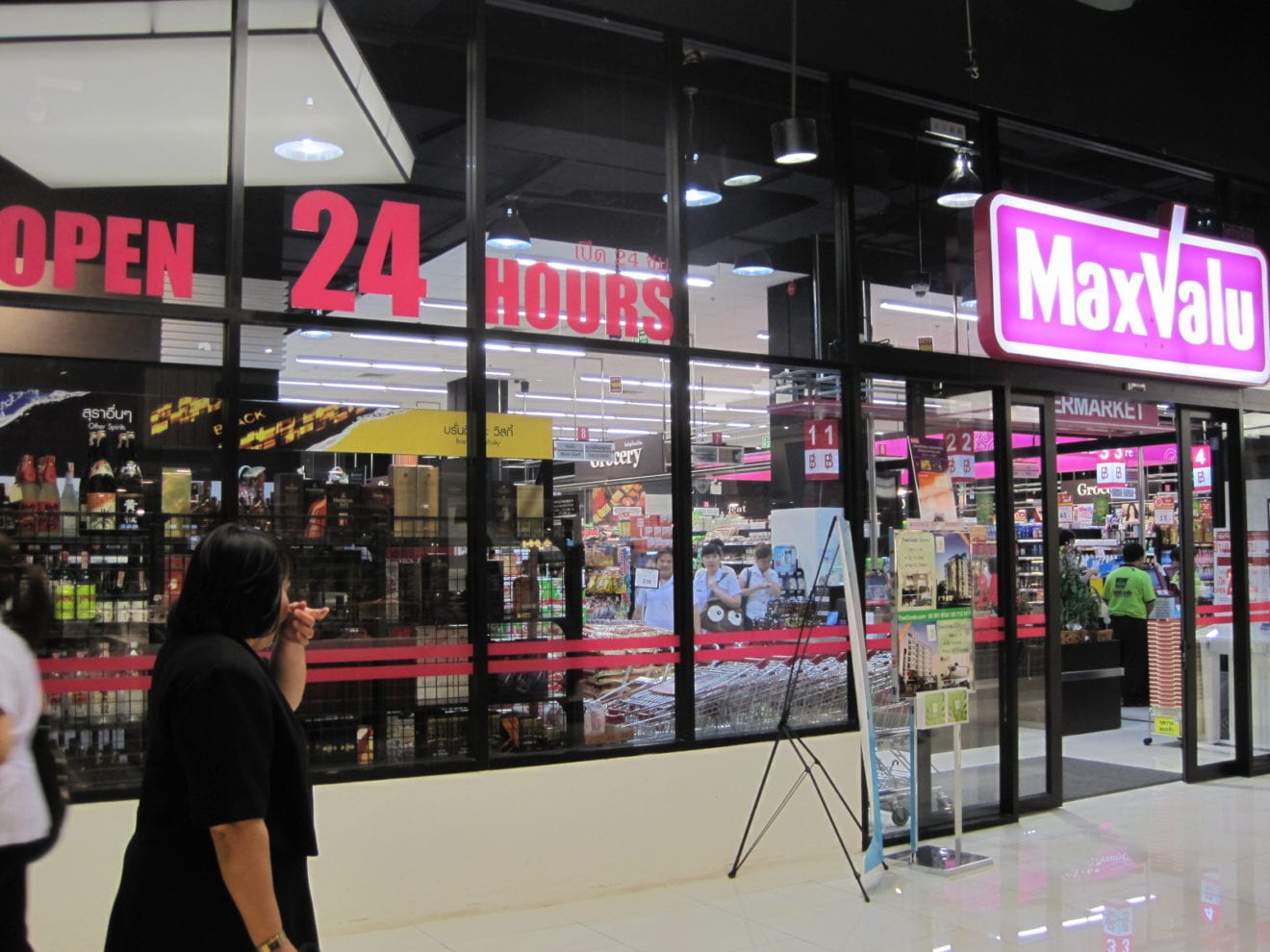
    Aeon currently has 76 supermarkets in Thailand most trading under the MaxValu brand, shops which are larger than convenience stores but smaller than full scale supermarkets. Many trade 24 hours.

    The company had planned to open 30 new stores this year but now says it will open just 15 new ones. Next year will see 40 new stores, and then 100 each year through to 2020. About 80 per cent will be MaxValu stores, the rest full sized supermarkets.

    GM Keiji Ono told the Bangkok Post that Aeon would invest up to 400 million baht (US$12.3 million) on upgrading existing stores and opening new ones.

    “We will penetrate the market in provinces in the Northeast such as Ubon Ratchathani and Udon Thani in order to exploit the expected economic boom from the coming regional pact of the Asean Economic Community,” he said.

    New MaxValu stores will soon open in Laem Chabang and Pattaya.

  • FENDI launches e-commerce globally

    FENDI launches e-commerce globally

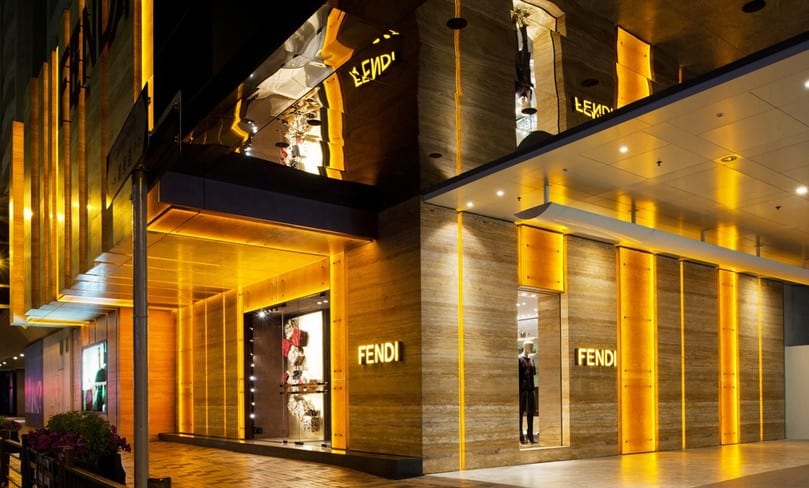
    FENDI (LVMH Group) announces the launch of its e-commerce in 28 European countries starting with this year. Japan will be followed by the US in 2016. The strategic retail approach towards e-commerce follows many other top luxury fashion brands, with several to follow suit by the end of this year.

  • Japanese eyes on California

    Japanese eyes on California

    Japan’s largest eyewear retailer Jins is to launch in the US, opening an inaugural flagship store in San Francisco’s Union Square this spring.

    Tokyo-based Jins launched its first store in 2001 and now operates more than 300 retail locations across Japan and China.

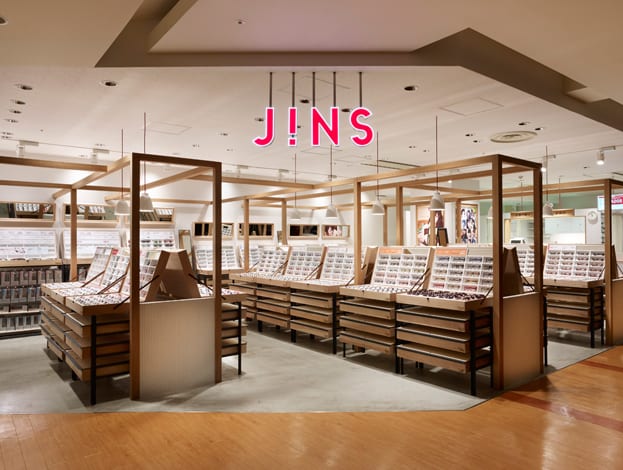
    The 4900 sqft flagship will be located at 151 Powell St and Jins promises it will stock one of the most expansive collections of eyeglasses in the city.

    In tandem with the store, Jins will launch a US eCommerce site in Spring 2015. Customers nationwide will be able to purchase Jins eyewear online with an existing prescription and San Francisco/Bay Area residents will have the opportunity to purchase their glasses online and pick them up in the store on the same day.

    Jins promises to “reinvent the in-store eyewear shopping experience” in the US, offering “unprecedented simplicity and speed”. At the new store, customers can browse, purchase and receive their prescription eyewear with custom fitting all in the same visit. Customers no longer have to wait weeks to receive their glasses in the mail because all Jins’ aspheric prescription lenses are assembled in-store using its Kanna lens lab.

    The company promises customers can receive their glasses from start to finish in approximately 30 minutes.

    The Jins store will house more than 1200 different styles, priced from US$60-120, including premium lenses.

    “We chose the Bay Area as our first stop in the US because it perfectly reflects Jins’’ progressive spirit and passion for innovation,” said Shinsuke Tomita, president of Jins Eyewear US.

    “With the opening of the San Francisco store, we hope to change the way people think about shopping for glasses in the US. Similar to how we shop for shoes or jewellery, we want our customers to explore countless designs and color options without being limited by the unnecessary complexities and inflated prices that are still the norm in the eyewear industry today.”

    Jins describes itself as “an early innovator in creating high-quality, fashion-forward prescription and nonprescription eyewear at affordable prices”.

    Jins’ point of difference is quality craftsmanship. “Jins pioneered the concept of affordable, high-quality eyewear in Japan, and has always believed that quality should never be delivered with an added surcharge for consumers. Every pair of Jins glasses is created with the passion and spirit of Japanese craftsmanship, using only the best materials, and metal frame parts sourced exclusively from Japan.”

  • Marimekko to open two Asian flagships

    Marimekko to open two Asian flagships

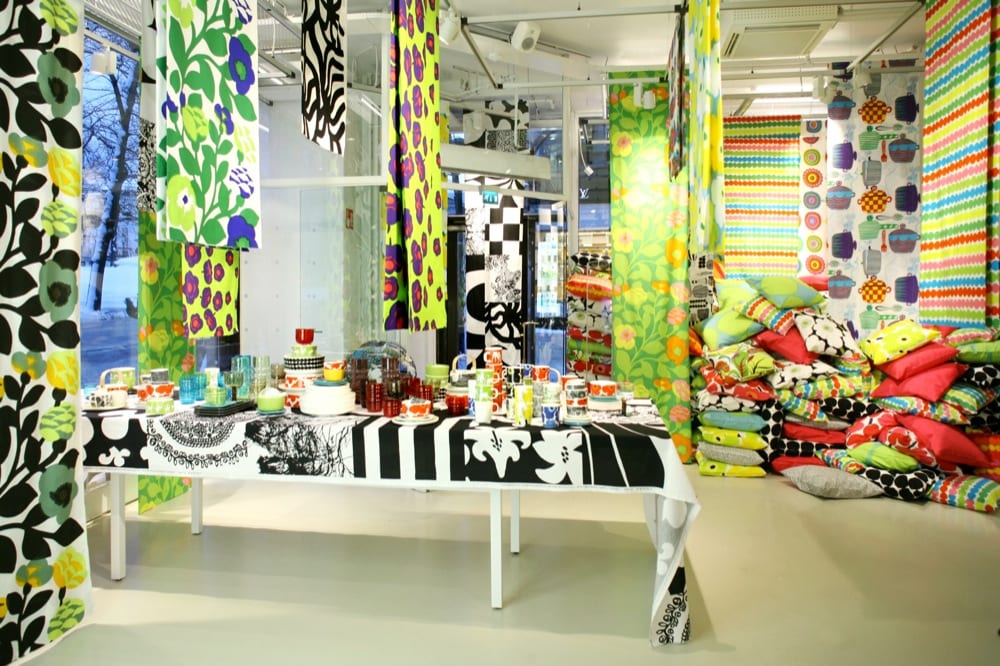
    Finnish homewares specialty retailer Marimekko is to open new flagship stores in Bangkok and Singapore.

    The move marks a continuation of a concerted push into the Asia-Pacific region. Over the last three years Marimekko has expanded into China, Hong Kong, Taiwan, Australia and New Zealand.

    In the first quarter of this calendar year the brand will open company-owned stores in Singapore’s new Capitol Piazza mall and in CentralWorld, Bangkok, which attracts as many as 150,000 shoppers per day.

    In Singapore, Marimekko already has a shop-in-shop which opened last November 2014 inside the Tangs department store on Orchard Rd.

    The company says it will open more stores in Asia over the next few years.

    “The opportunities afforded by the growing consumer markets of Asia play an important role in Marimekko’s internationalisation,” said president and CEO Mika Ihamuotila.

    “In our expansion in the international marketplace, we have focused first and foremost on regions with high growth potential. The Asia-Pacific region is our second-largest market area, and we already have a fairly strong foothold in East Asia. We are now aiming for two new markets in Southeast Asia.

    “Singapore is a modern metropolis and very attractive to us, as it is considered one of the region’s top shopping destinations for tourists. As an aviation gateway it also serves as an access point to many Asian countries and the city receives an enormous number of travellers,” he said.

    “The capital city of Thailand, Bangkok, is in an interesting stage of development from the retail viewpoint. A number of high-class malls have been opened in the city recently, and it is rising to be a noteworthy rival to Singapore and Hong Kong.”

    Half of the new Marimekko stores opened in 2014 were in the Asia-Pacific region: two in Hong Kong, one in Chengdu in mainland China, two in Seoul in South Korea and two in Japan. In Australia, Marimekko opened a company-owned store in Melbourne. One shop-in-shop was opened in New Zealand.

  • Japan Post, Rakuten to offer delivery lockers

    Japan Post, Rakuten to offer delivery lockers

    Japan Post Co. and e-commerce giant Rakuten Inc. are teaming up to offer lockers where customers can pick up items purchased online at their own convenience, sources said on Thursday.

    The new service, being arranged to start in April at about 30 locations including post offices in Tokyo, will allow clients of the major internet mall to have items delivered without revealing their addresses.

    The two firms will consider adding locations across Japan after the limited launch, the sources said.