Tag: Japan

  • Japan convenience stores eat into supermarkets

    Japan convenience stores eat into supermarkets

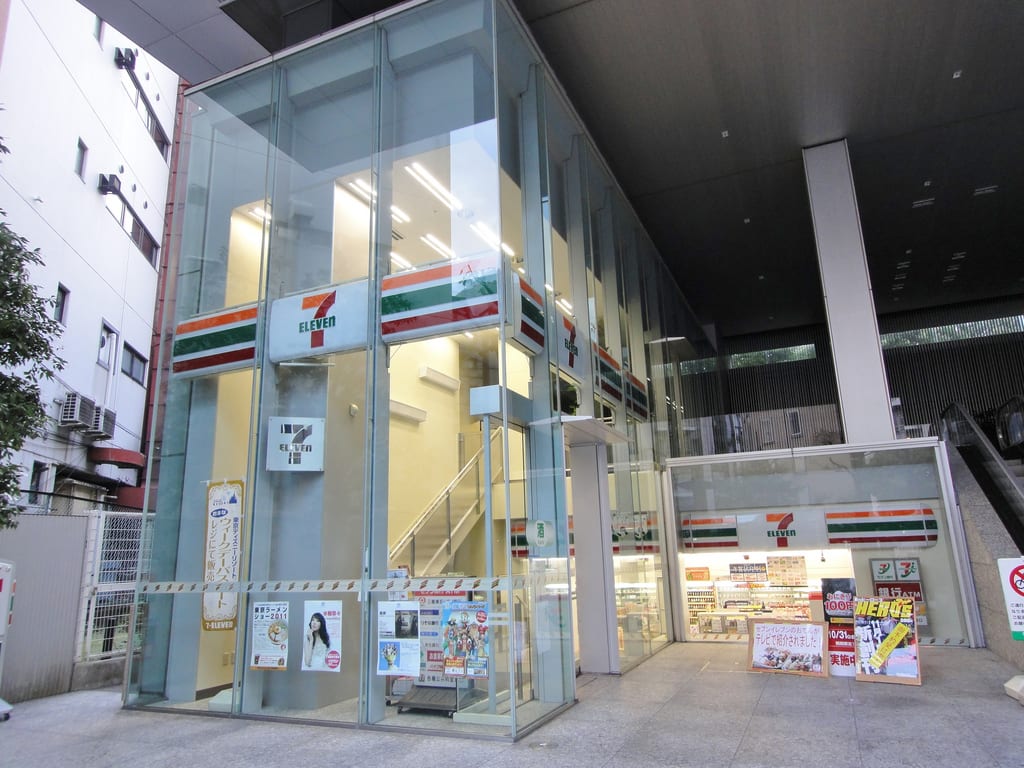
    Established supermarket chains across Japan are feeling the pinch as consumers opt instead for smaller shops at more conveniently located Japan convenience stores.

    A feature in The Japan News, an English language version of The Yomiuri Shimbun, says business performance is deteriorating at Ito-Yokado (not at all ironically part of the Seven & I group, which owns 7-Eleven as well) and Aeon.

    Aeon is actively building its shopping centre and retail reach in other Asian countries, such as Thailand, Malaysia, Vietnam – and most recently Indonesia, as it shores up its growth prospects in the wake of a declining Japanese population and stagnant economy.

    As The Japan News reports, while the supermarkets are reporting almost embarrassing results, sales and profits are booming for the convenience store chain giants, especially 7-Eleven, according to financial statements for the year to February 28.

    “This illustrates how the retail chain sector has been split into two contrasting segments. Such checkered business results are mainly attributed to ever-diversifying consumer preferences, which analysts say major supermarkets – have been struggling to keep up with.”

    The report says Aeon president Motoya Okada had “a grim look on his face” during a news conference last week when he announced his company’s business results for the year were “well below our expectations.”

    The largest supermarket chain operator under Aeon’s umbrella, Aeon Retail, saw its operating profits plunge 90.8 per cent from the previous year. Its supermarket business, including Daiei, posted a loss for the first time since 2008.

    Ito-Yokado’s profit slumped 83.4 per cent year-on-year.

    Seven & i Holdings president Noritoshi Murata told a press briefing earlier this month the Japanese market was “in the process of what you might call an increasingly conspicuous split into two disparate trends in consumer behavior”.

    Murata argued that consumer preferences can now be divided into two basic patterns: opting for big-ticket items or prioritising daily necessities.

  • ValueCommerce and MasterCard to launch inbound B2B marketing service in Japan

    ValueCommerce and MasterCard to launch inbound B2B marketing service in Japan

    ValueCommerce Co., Ltd. and MasterCard have agreed to launch a marketing service that will enable advertisers in Japan to provide reward points and other preferential services when consumers visiting Japan shop at their physical stores beginning from June.

    Advertisers in Japan are expected to use the service to grow their inbound retail businesses by providing international customers with enhanced shopping experiences while traveling in Japan.
    The business-to-business (B2B) service will be offered by ValueCommerce using MasterCard technologies. Currently, advertisers in Japan can only provide such services when shoppers make purchases online, but not in physical stores. This partnership will allow advertisers to close the loop and reward customers for in-store transactions, in order to drive more sales from international shoppers.

    The service will also enable advertisers to send promotional information to customers of Pinpoint Pty. Ltd., a major Australian loyalty-reward service provider acquired by MasterCard last year. Pinpoint manages rewards programs for issuers and merchants throughout Asia-Pacific, including Australia, Greater China, India and Japan.

    Inbound business has been growing in Japan due to fast-rising inbound travel, which has been strongly supported by Japan’s central government. Companies involved in inbound business are becoming increasingly interested in building stronger relationships and offering loyalty rewards to customers who visit Japan.

    Looking ahead, MasterCard and ValueCommerce intend to further leverage their mutual strengths by combining the know-how of ValueCommerce, a pioneer in affiliate marketing, with MasterCard’s global network, extensive experience with loyalty services, analytics capabilities and secure, comprehensive technologies.

    “We are pleased to cooperate with MasterCard to launch a new service in the highly competitive field of inbound business, which is growing as Japan’s inbound tourism continues to rise. In partnership with MasterCard, we aim to maximize the benefits for customers who visit the physical stores of our advertisers. We will leverage our experience and know-how in sending customers from online to offline and O2O solutions,” said Jin Kagawa, Representative Director, President and CEO of ValueCommerce.

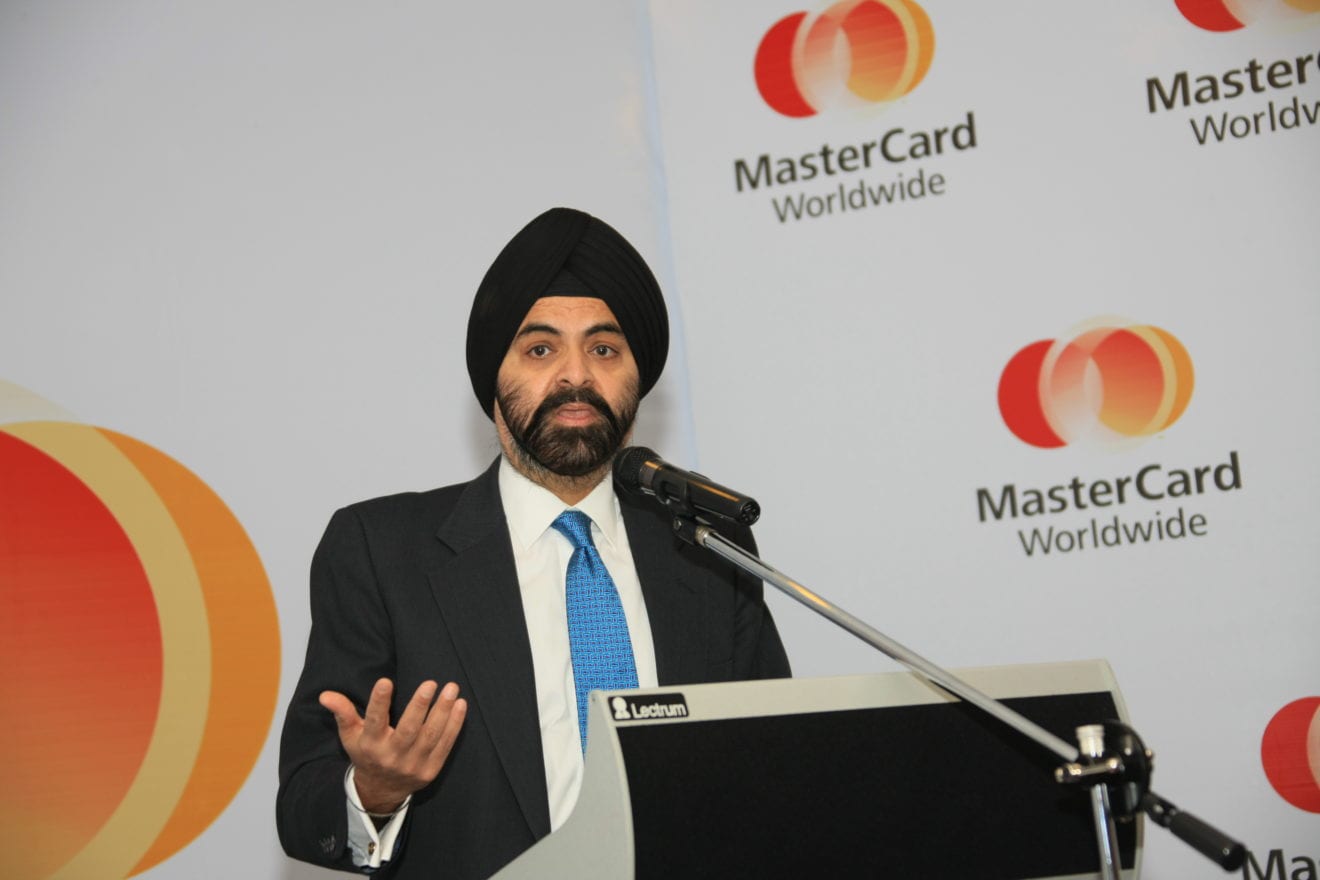
    “Inbound business, a key strategy of the Japanese government, is expected to continue growing as more people from overseas visit Japan. Our new service enables international visitors to benefit from various marketing offerings, such as points and rewards in physical stores when they visit Japan, so businesses can use it to add value to their services. We are pleased to partner with ValueCommerce to support inbound businesses. This is a pivotal moment for MasterCard’s loyalty solutions in Japan. Going forward, we will further leverage our leading technology to support payment-based companies with high-value services, as well as provide MasterCard cardholders with an increasing array of benefits,” said Chris Fendley, Asia-Pacific Regional Lead of Loyalty Solutions at MasterCard and CEO of Pinpoint.

  • Rakuten invests in China online discounter

    Rakuten invests in China online discounter

    Japanese eCommerce titan Rakuten has taken a stake in Chinese online shopping discounts site Fanli.

    The stake, less than 10 per cent, comes in the form of an undisclosed amount of series C funding into the start-up. The announcement states that Fanli is now valued at approximately US$1 billion, making it China’s newest start-up unicorn.

    Fanli is a very minor player among the dozens of well-established eCommerce stores in China, but it claims to be the largest that focuses on rebate-based loyalty shopping. It connects shoppers with discounts on an array of third-party stores, such as Alibaba’s Taobao, JD.com, Ctrip, and the Apple online store.

    Rakuten said in a press release that the stake in Fanli is essentially a strategic way to tie the Chinese start-up to Rakuten’s duo of US-based discount stores, Ebates.cn and Extrabux. Rakuten acquired Ebates – which allows Chinese shoppers to buy things from US ecommerce sites with discounts – last September for US$1 billion.

    Kevin Johnson, CEO of Ebates, will join Fanli’s board of directors.

    “This investment in Fanli reflects Rakuten and Ebates’ ongoing interest in the rapidly evolving Chinese market,” said Johnson.

    “As the market continues to mature we believe consumers will demand world-class shopping experiences. Rakuten and Ebates hope to support Fanli’s vision of fulfilling this role and exploring potential collaborations in China and abroad.”

    Rakuten has long struggled to find a foothold in China up against homegrown rivals like Alibaba and JD. Rakuten’s own China joint-venture store with Baidu was shuttered in 2012.


  • McDonald’s Japan to close 131 stores

    McDonald’s Japan to close 131 stores

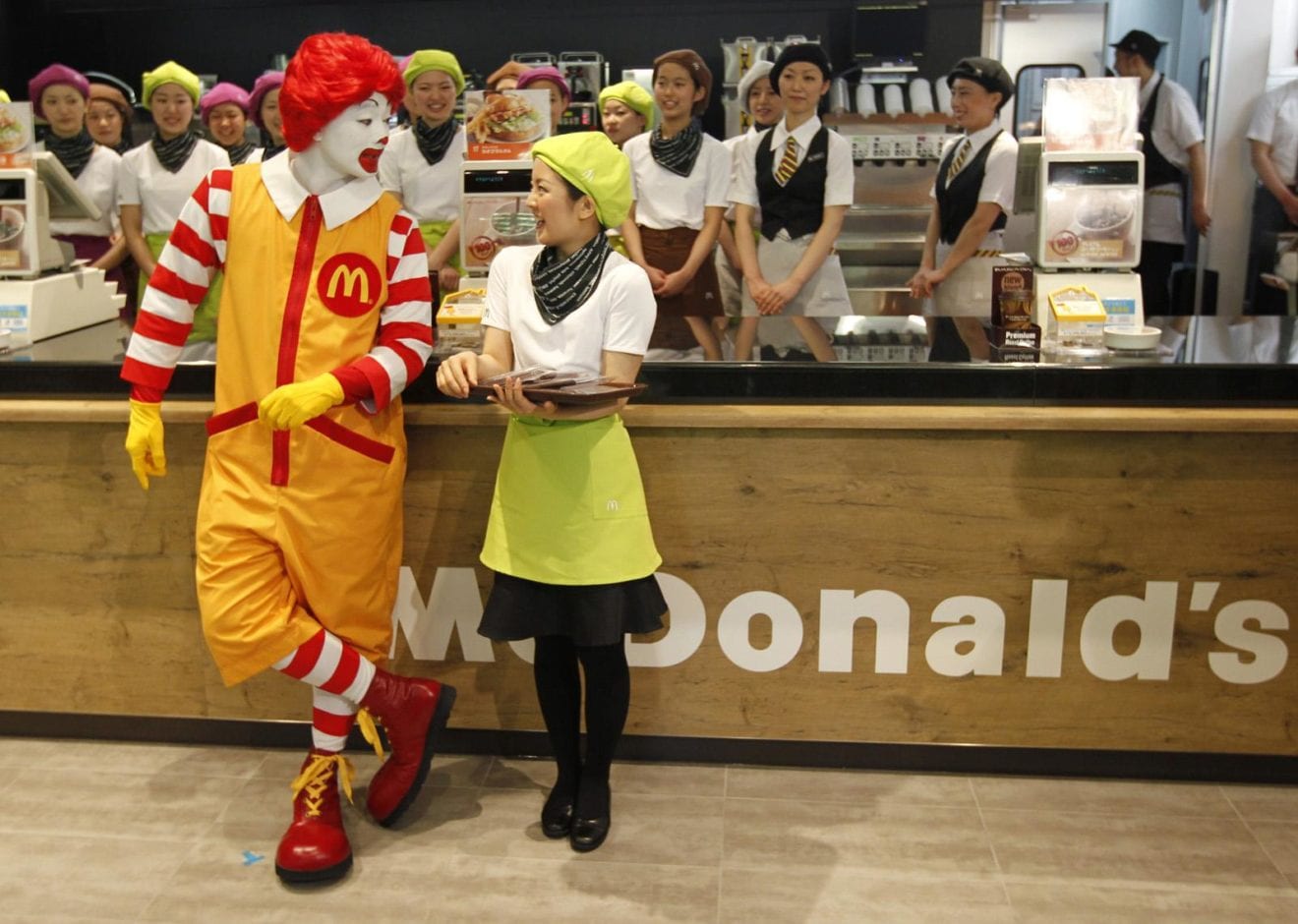
    McDonald’s Japan will axe 131 stores, revamp its menu and refurbish 500 stores this year as it tries to reduce a projected US$319 million loss.

    Listed McDonald’s Holdings Company (Japan) said it expects sales to fall by 14 per cent this calendar (and financial) year. Worse, it projects a loss of 38 billion yen (US$319 million) reflecting the ordinary loss and impairments. System-wide sales combine company sales and those of its franchisees.

    The company says in the year ahead it will implement a Business Revitalization Plan aimed to “bring our customers visible points of change and become a Modern Burger Restaurant that Connects with Customers”.

    The plan has four pillars: New customer focused initiatives, speeding up restaurant revitalisation, localising its business structure and improving cost and resource efficiency.

    McDonald’s Japan outlined the four pillars in a statement:

    • Customer Focused Initiatives

    “We strive to bring more comfortable dining experience for our customers. Some immediate initiatives currently under trial and to be announced in the very near future include:

    ✧ New set menu that provide more customised choice and wider variety for our customers.

    ✧ New Happy Meal options.

    ✧ A new personalised digital loyalty program with relevant coupons.

    ✧ A mobile app which gathers real-time feedback from our customers.”

    • Accelerate Restaurant Revitalisation

    “We will further accelerate remodeling of existing restaurants to provide more modern, clean, inviting restaurants environment for our customers to enjoy their meals. Presently, only 25 per cent of our restaurants fit our vision of a Modern Burger Restaurant; we plan to remodel approximately 2000 restaurants aiming to have 90 per cent of our restaurants upgraded to modern within four years. In 2015, we are targeting to remodel approximately 500 restaurants located in food courts or shopping malls. In addition, we will close 131 underperforming restaurants this year that have no long-term growth potential, and will reallocate resources resulting from the strategic closures to invest in remodeling restaurants with greater growth potential.”

    • Localise Our Business Structure

    “Broad-scale national strategies, such as national marketing, menu development and operation system development, are defined as ‘Big M’, whereas the activities rooted in restaurants and/or local communities are defined as ‘Little M’. We will strengthen ‘Little M’ activities and operate our business in a manner more rooted in local communities and restaurants.

    “In order to realise management from a position that is closer to our customers, we will introduce Regional Headquarters. We will reorganise McDonald’s Japan into three regions. Each region will have business functions such as marketing, HR and finance, and have full business execution responsibility for their region, which will enable each region to reduce the layers within organisation and to implement activities rooted in the local community and customers. Also, we will further strengthen Marketing activities to meet the demands of the local communities and customers.”

    • Improve Cost and Resource Efficiency

    “To concentrate our resources into investments for long-term business growth, we will effectively allocate our resources such as people and capital, and drastically transform our cost structure.

    Accelerate Restaurant Revitalisation: New restaurant development will be very carefully selected and we are shifting our resource from new store openings to remodeling existing stores. We will prioritise remodeling of existing restaurants rather than new opening to offer great restaurant experiences and bring our customers visible points of change.

    On the other hand, we will secure capital for investment through strategic closures. Strategic closures are expected to incur non-recurring cost of approximately 4 billion yen and improvement in profitability of about 2.4 billion yen (annualised).

    Re-engineer our costs structure: To maximise the effect of the regional HQ structure, we will review and reprioritise the HQ functions and operations and will put the right people into the right jobs. This involves the offering of voluntary early retirement packages to approximately 100 permanent positions in our Tokyo HQ and the field.

    We have identified more than 12 billion yen in cost saving potentials across food & paper, logistics and labor and we will promote cost optimisation.

    Financial support to franchise owners: We will continue to provide financial support to franchise owners this year to offer continuous great restaurant experiences to all of our customers.

    Borrowing facilities: To secure capital required to execute our Business Revitalization Plan, we have increased borrowing facilities and borrowed 22 billion yen.

    McDonald’s Japan said the board accepts responsibility for recent results and the disappointing forecast, so will reduce the pay of its board and senior executives by between 10 and 20 per cent.

    “We expect to post a huge loss for FY2015 impacted by non-recurring one-time cost and investments associated with the above-mentioned Business Revitalization Plan. However, by executing this Business Revitalization Plan, we expect to return to profitability in FY2016.”
  • Lawson, SG Holdings to offer new delivery service

    Lawson, SG Holdings to offer new delivery service

    Retailer Lawson Inc. and logistics company SG Holdings Co. are to begin a delivery service under a new alliance pitched at time-deprived workers and seniors.

    Lawson, a Tokyo-based convenience store operator, said on Tuesday that it will take a 51 percent stake in the new company to be created in June, with Kyoto-based SG Holdings, which runs Sagawa Express Co., holding the remaining 49 percent.

    They will work together to expand their customer base as demand for home delivery increases with a growing number of elderly people and more women opting to work rather than stay at home.

  • Shopping app Origami lands $13m

    Shopping app Origami lands $13m

    Tokyo-based shopping app Origami today announced a JPY 1.6 billion (US$13.3 million) series B funding round led by SoftBank Group, Credit Saison, and angel investor Makoto Takano.

    In addition to the new investment, the eCommerce startup has also partnered with SoftBank Group and Credit Saison to boost its online-to-offline (O2O) focused mobile shopping experience.

    Origami unveiled its mobile app in April 2013. It allows users to follow their favorite retailers, receive updates on new releases in a personalised feed, and ultimately purchase products in-app or in-store. Already, more than 800 brands feature and sell their wares on Origami. The number seems a bit small after launching two years ago, but the startup appears focused on high-end and lesser-known boutique outlets.

    “We are thrilled to have such world-class investors joining us,” he says. “Our goal has always been to make the shopping experience more seamless and social, and these new partners understand the importance of this in the global commerce world. We will continue to focus on recruiting to create a great team, and build the next generation of product that we’re excited about.”

    Within SoftBank Group, Origami will be working directly with group companies SoftBank Mobile and Generate, both of which are experienced in digital marketing and the implementation of O2O shopping experiences. Each company has been involved in O2O initiatives that use the parent company’s CouponGate technology. With CouponGate terminals installed at more than 40,000 retail locations in Japan, Origami’s own O2O push is set to benefit.

    The alliance will create campaigns using Origami that allow users to claim sample products and discount coupons when they visit retail stores, the company said in a statement.

    “Authentication of store visits will be conducted using the CouponGate technology which will also allow for the accumulation of data with a view to offering tailored content in line with each user’s interests and preferences.”

    The partnership with Credit Saison will not only give Origami access to new payment solutions, but will also provide assistance with acquiring new partner shops and gathering big data about users. Credit Saison operates two popular credit card brands, Saison Card and UC Card, with more than 35 million cardholders (11 million of which are registered online).

    Origami, available for iOS and Android, raised US$5 million in series A funding from Japanese telco KDDI and Digital Advertising Consortium (DAC) back in 2013. The startup also previously partnered with Conde Nast Group, publisher of Vogue Japan, GQ Japan and Wired.

  • Muji confirms Sydney

    Muji confirms Sydney

    Japanese retailer, Muji, has confirmed it will open its first Sydney store at The Galeries shopping centre, on May 14.

    The Galeries’ store will be Muji’s third store in Australia, with the first launching in November 2013 at Chadstone Shopping Centre, followed by Emporium Melbourne in April 2014.

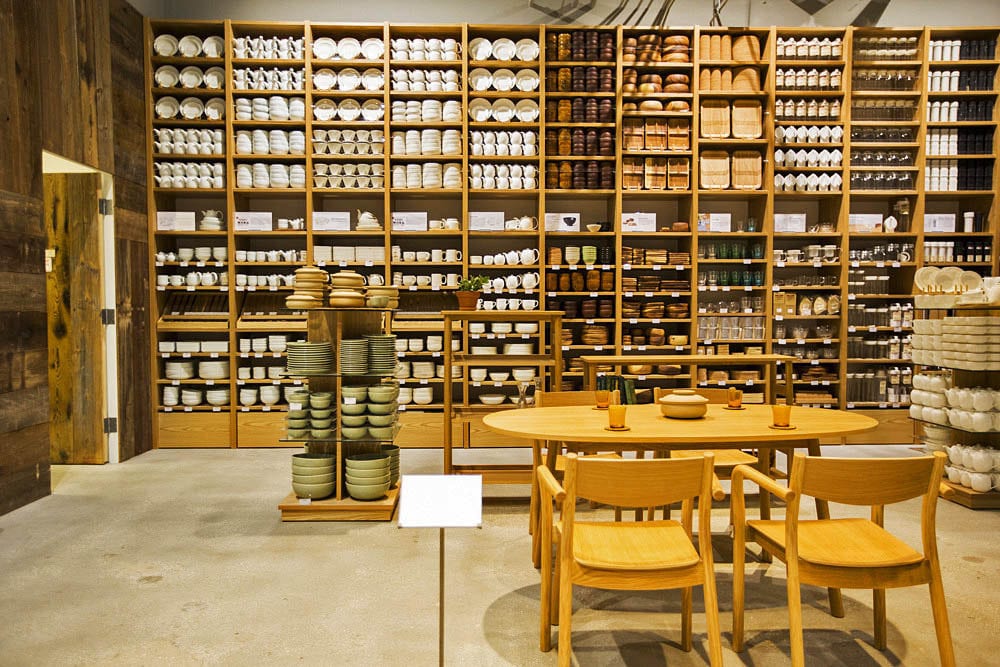
    The new store covers a total space of 1344.62sqm with 1022.84sqm floor space, and will stock Muji’s range of men’s, women’s and children’s apparel, and accessories, furniture, homewares, skincare products, stationery, bedding, and travel goods.

    Victor Gaspar, GM of Ipoh Management Services, is thrilled to welcome Muji to The Galeries.

    “The much anticipated flagship Sydney store reinforces The Galeries’ ongoing pursuit of an unique, world class cultural offering. This is the first of a number of new openings planned at The Galeries this year, which promises to enhance the unique retail experience already offered to our customers.”

    Muji Australia’s MD, Takuo Nagahara, says he looks forward to the launch in Sydney and expanding Muji nationwide.

    “We look forward to further developing and sharing our brand concept and activities with people across Australia.” Nagahara says.

    The Galeries’ store will bring Muji to a total of 703 stores worldwide.

    The company is planning to open additional stores in Australia as well as an online store in the future.

    In 1980, Muji was established as a private brand of Seiyu, beginning with a limited range of 40 products.

    These products were the antithesis to the trend at that time, when Japanese consumers placed too much emphasis on brand name products, paying premium price for the brand name rather than the value of the product itself.

    Muji is derived from its Japanese name, ‘Mujirushi Ryohin’, which means ‘no brand quality goods,’ and the products are characterised by their simple aesthetic and eco friendly minimal packaging.

  • Uniqlo founder tops Japan’s rich list

    Uniqlo founder tops Japan’s rich list

    Retail mogul Tadashi Yanai has topped Forbes magazine’s list of the richest people in Japan.

    The Uniqlo founder is reported to have a net worth of US$21.1 billion.

    Last year, Yanai, 66, whose company Fast Retailing also owns a raft of other apparel brands including GU, was ranked second. But Forbes says soaring sales of his clothing empire have added $3.3 billion to his net worth.

    Last year’s list topper, internet pioneer Masayoshi Son, who owns Softbank, was displaced into second, his net worth now estimated at $13.9 billion.

    The nation’s richest family is that of Nobutada Saji, of beverage giant Suntory, with Saji himself ranking third and worth $10.9 billion.

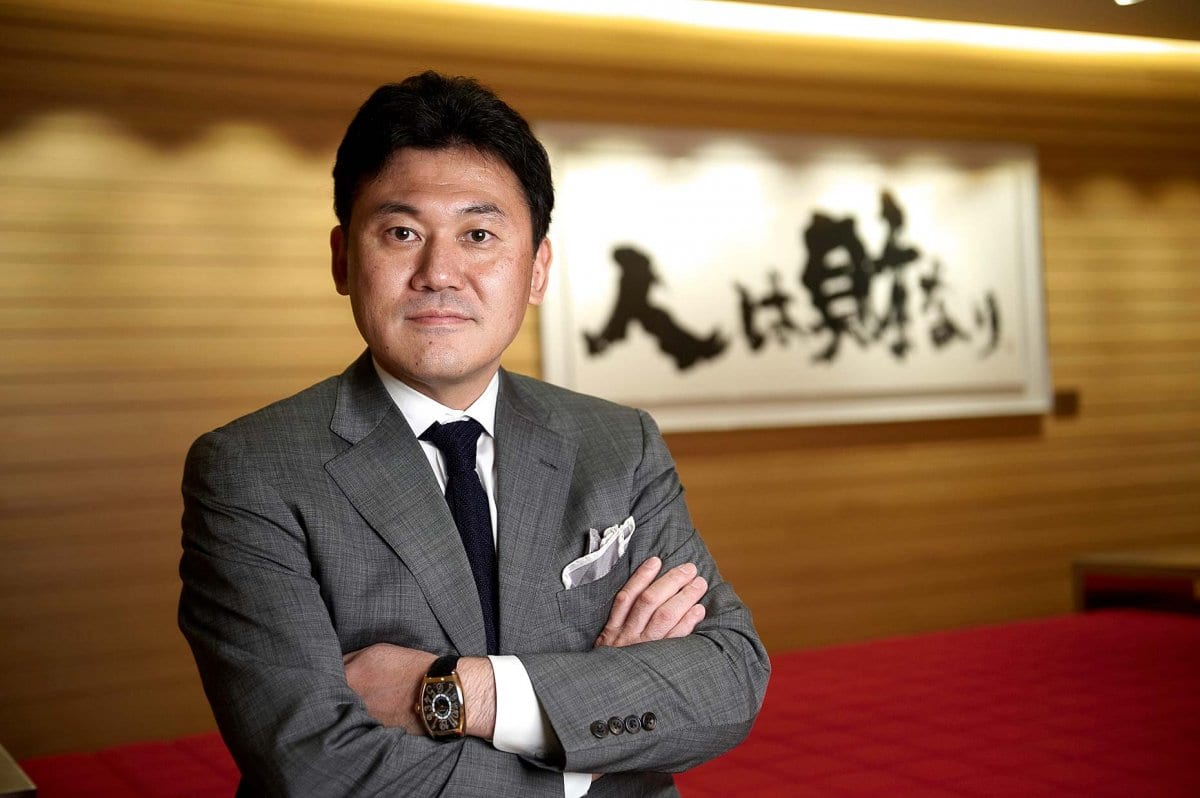
    Hiroshi Mikitani, the founder of online retail powerhouse Rakuten, is ranked fourth at $10.5 billion. His fortune soared 36 per cent in the last year alone, partly due to acquisitions of US website Ebates and investment in Uber rival Lyft.

    The other retailer to make the top 10 is Masatoshi Ito, founder of the Ito-Yokado Group, parent of 7-Eleven, the Ito-Yokado supermarket chain, department stores, restaurants and speciality shops. His estimated worth is $3.8 billion.

  • Taco Bell Japan makes comeback

    Taco Bell Japan makes comeback

    US fast food brand Taco Bell is to make a comeback in Japan.

    Restaurant chain operator Asrapport Dining Co has partnered with the Taco Bell brand’s parent Yum! Brands and will open the first store in Shibuya, Tokyo, on April 21.

    It will be the brand’s first outlet in Japan in more than 20 years.

    Taco Bell Japan will serve the staples of the US fast food menu – burritos, tacos and quesadillas, along with items unique to the Japanese market, to suit the local population: a shrimp and avocado burrito and something called ‘taco rice’.

    “Taco rice will be a plate of taco meat and vegetables served on top of rice,” a spokeswoman told Japanese media.

    An unspecified number of stores is planned, with a distinct layout including an open kitchen where customers can see food being prepared.

    A combination meal is likely to be priced at about ¥800 ($US6.70).

    Taco Bell originally entered Japan in the 1980s but its foray was short lived, its Mexican style cuisine failing to excite the Japanese palate.

    Some Taco Bell outlets operate in Japan within US military bases, inaccessible to the general public.

  • DAISO Japan under investigation, say Taipei prosecutors

    DAISO Japan under investigation, say Taipei prosecutors

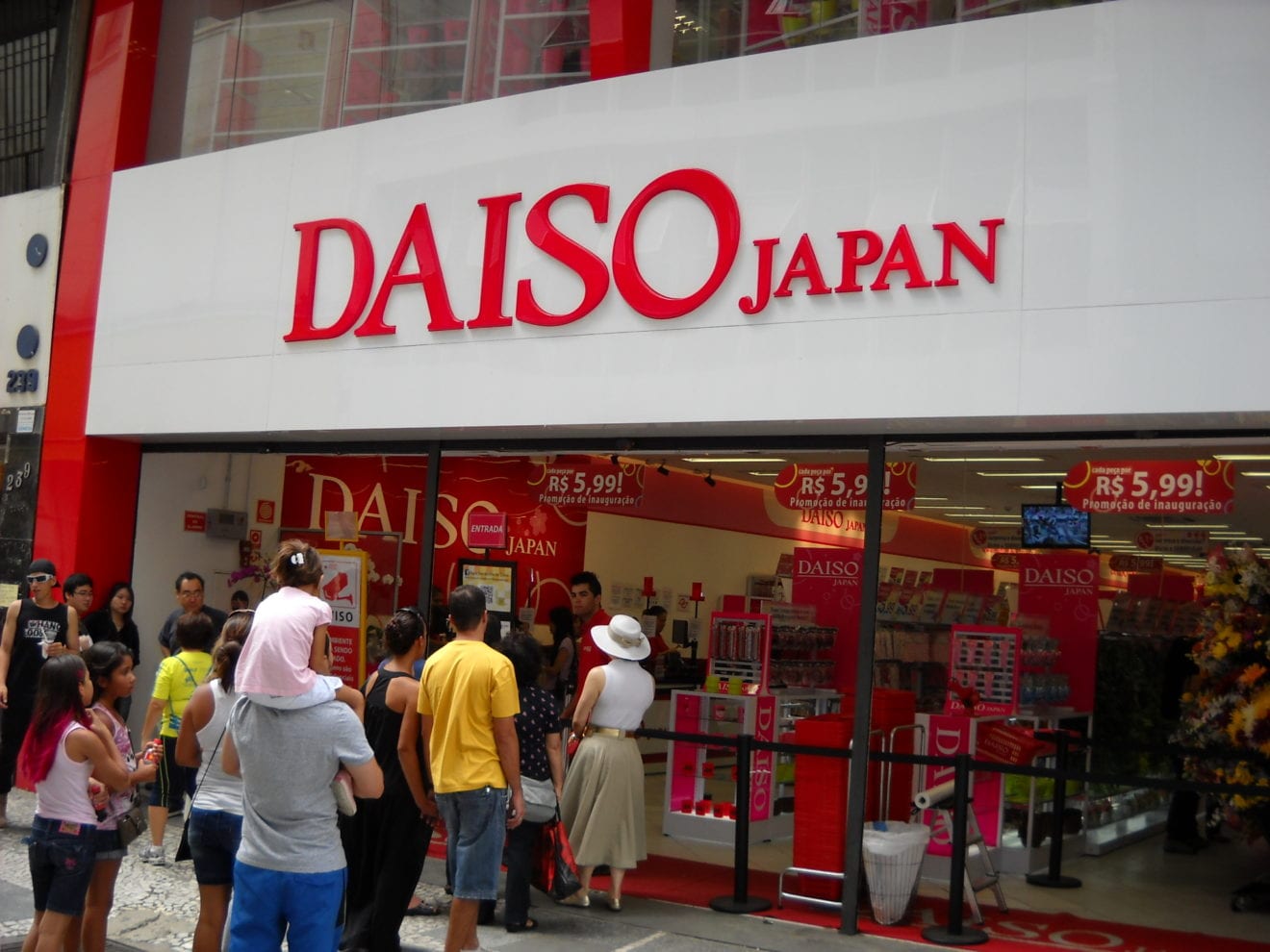
    Well-known Japanese store, DAISO Japan (大創), was raided by investigators yesterday for failing to report its mislabeled Japanese food products back to the government, according to the Taipei District Prosecutors Office.

    Taipei City’s Health Bureau sent officials to investigate DAISO Japan headquarters yesterday, after Taoyuan’s Health Burearu discovered restricted products in the city’s Luchu District (桃園市蘆竹區) warehouses on Saturday.

    Taipei officials report having uncovered 28 products at the headquarters, among which 13 are said to come from nuclear-stricken areas and 15 are of unknown origin.

    Investigation teams found 13 products that came from nuclear-stricken prefectures in the Luchu District warehouses. DAISO Japan had silently pulled restricted products from shelves, but never reported back to the government, officials said.

    Taipei Department of Health official Wang Ming-li (王明理) said they are inspecting DAISO Japan’s headquarters and chain stores. Penalty fines will be discussed once its import declarations are finalized.

    No High-level Residue Detected in Japanese Food Products: AEC

    Atomic Energy Council (AEC, 原能會) Deputy Minister Huang Tsing-tung (黃慶東) said at the Legislative Yuan yesterday that among the 451 food products that passed radiation residue tests, he also promised not a single imported product was detected to have exceeded radiation standards.

    “200 becquerels (BQ) was the highest detected radiation residue level, but none of the products since 2011 had exceeded the international standard 370 BQ” Huang said, emphasizing that most detected products had relatively low residue levels and were harmless to human beings.

    Lift Ban on Nuclear-stricken Products?

    Minister for Health and Welfare (MHW, 衛福部) Chiang Been-huang (蔣丙煌) said that Japan had proposed Taiwan lift restrictions on products from at least four of the radiation-stricken areas from the Fukushima nuclear disaster. This proposal is under further discussion, Chiang said.

    The lifting of restrictions on food products from the five nuclear-stricken areas in Japan could be discussed, said DPP Legislator Chao Tien-lin (趙天麟) during a meeting of the Legislative Yuan’s Social Welfare and Environmental Hygiene Committee (立法院衛環委員會).

    Apart from the continual restriction on nuclear-stricken prefectures, the plan to require Japan to provide product origin and radiation testing results is undergoing debate, but Chao points out this plan could hinder trade with Japan.

    Chao proposed that Japan should only provide the necessary documents of products from the five disaster-stricken areas. Importing products from nuclear-stricken areas could be discussed by referring to international practices.

    While high-risk areas should still be prioritized and bad suppliers will always exist, Taiwan should not damage friendship ties with Japan by insisting on trade obstacles, Chao stressed.


  • FamilyMart in talks to buy Cocostore

    FamilyMart in talks to buy Cocostore

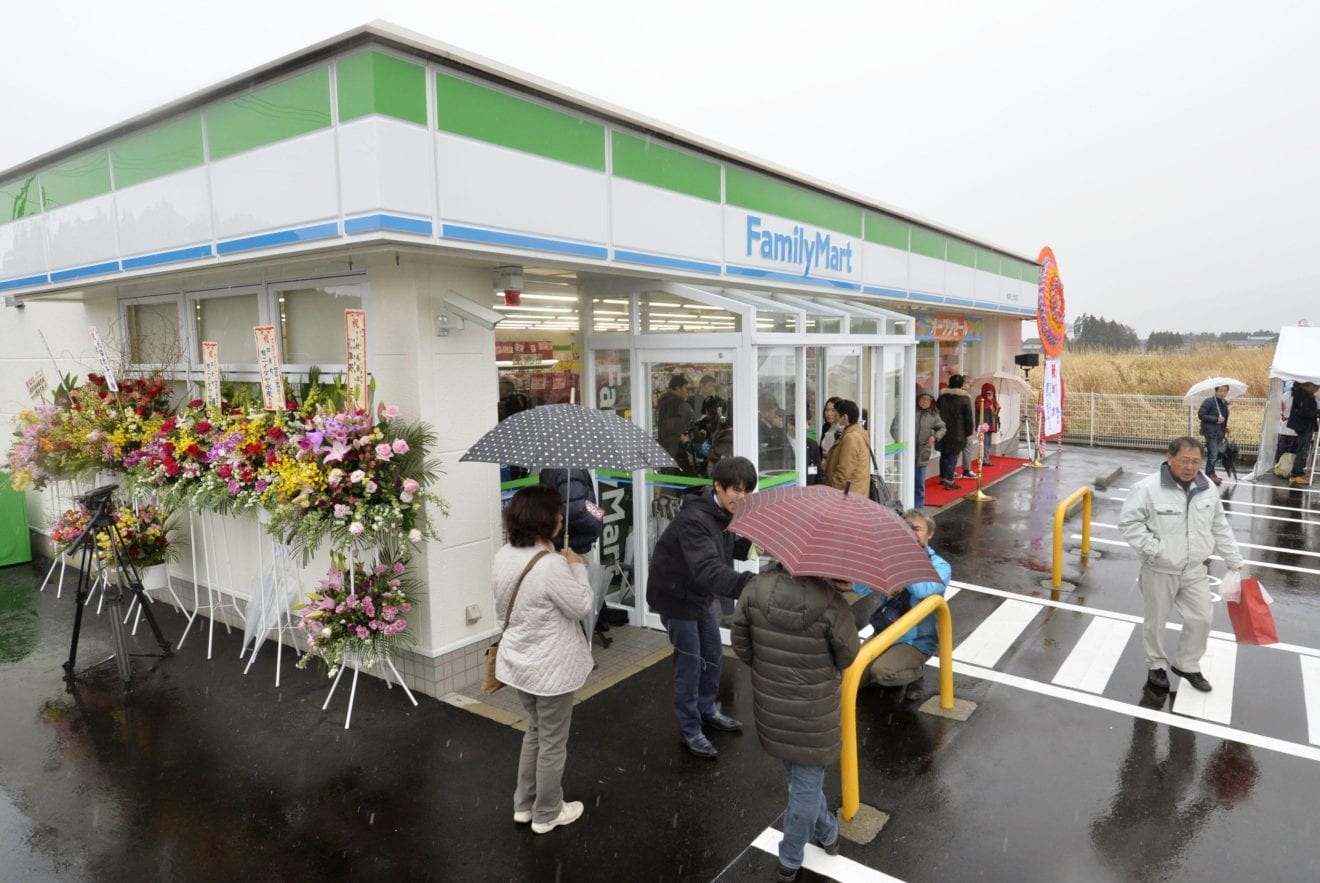
    FamilyMart Co. is in talks to buy Cocostore Corp., which operates convenience stores in central and western Japan, sources familiar with the matter said on Friday.

    FamilyMart, Japan’s third largest convenience store chain, recently announced it is negotiating with the smaller rival operating Circle K Sunkus stores, Uny Group Holdings Co., in an attempt to obtain the number two position behind industry leader Seven-Eleven Japan Co.

    If the integration is realized, FamilyMart’s acquisition of Cocostore will add momentum to moves toward the reorganization of the domestic convenience store industry.

  • Bitcoin breakthrough

    Bitcoin breakthrough

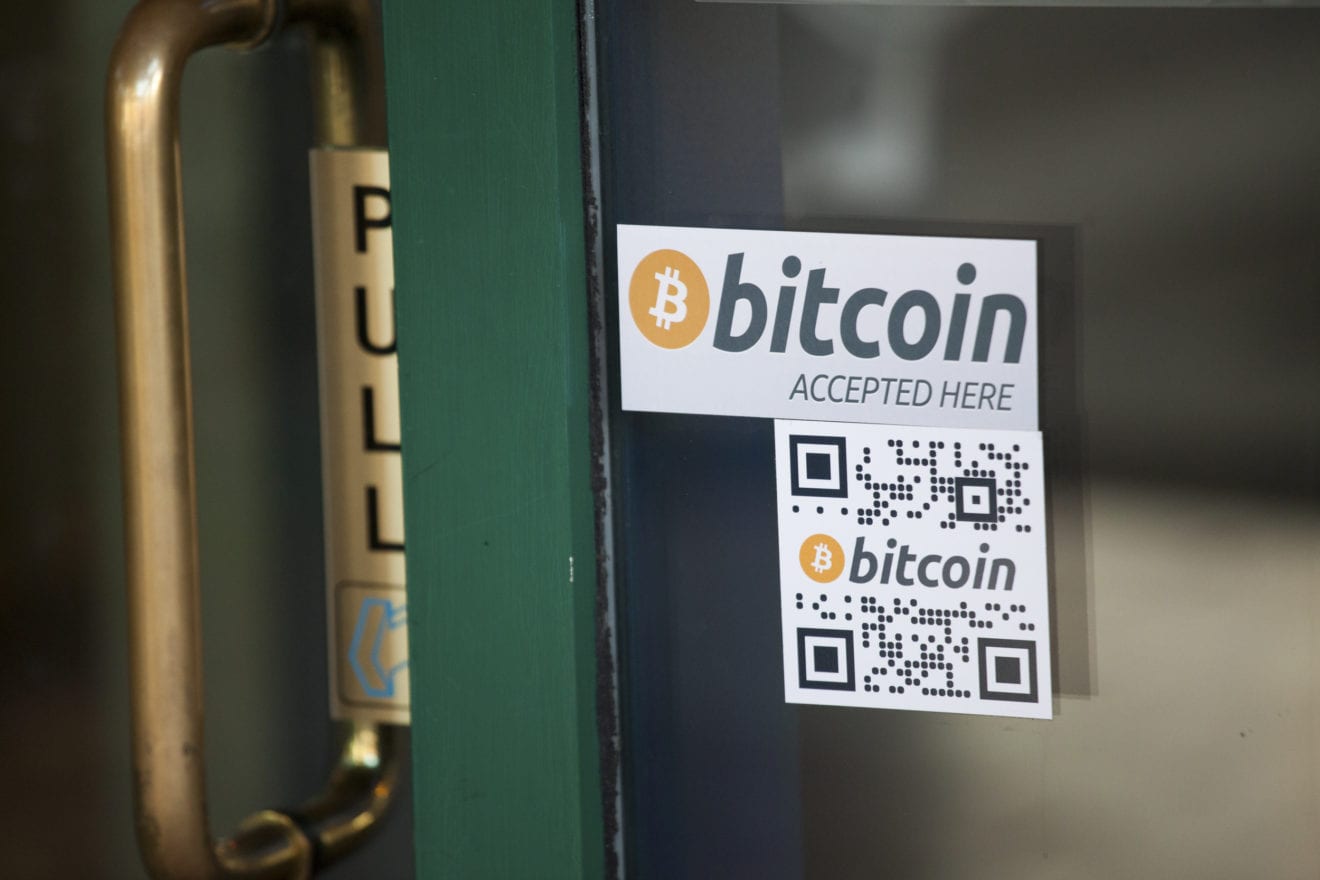
    Japanese eCommerce giant Rakuten will start to accept bitcoin, the ‘cryptocurrency’ on its global marketplaces.

    TechinAsia.com reports the payment format will begin its roll out in America and then spread to Rakuten Germany and Rakuten Austria.

    Bitnet, an enterprise-focused developer that creates bitcoin platforms, is Rakuten’s partner in the rollout. Bitnet is a young company, founded in January 2014, but it is not your average startup. The team behind the firm also created CyberSource, a payment gateway sold to Visa for US$2 billion.

    “Rakuten’s mission is to empower the world through the Internet,” commented Yaz Iida, president of Rakuten US in a statement. “Not only can Bitcoin support this vision by helping our merchants better compete globally, but it also has the potential to benefit society by enhancing the security, privacy, and convenience of financial transactions. This is one of the reasons why we invested in Bitnet last year and we look forward to working with them on our US marketplace.”

    Rakuten’s move indicates that it is moving closer and closer to accepting Bitcoin. Already, its American logistics subsidiary accepts the currency. With its core ecommerce operations now getting integrated, it could just be a matter of time before the Japan office follows suit, writes David Corbin of TechinAsia.com

    It would not be the first Japanese tech titan to accept Bitcoin. GMO Internet set that precedent last September. However, Rakuten’s integration of bitcoin domestically could be the sort of move that pushes the currency into the mainstream. Rakuten is used by almost every adult in Japan. It has over 97 million registered users while Japan itself has a population of 127 million. Those users drove US$16.5 billion worth of sales last year.

    For Japanese bitcoin enthusiasts, the march towards widespread acceptance in their country is a long slog. With Rakuten’s latest signal of support, the goal becomes less of a mirage and more of an steadily approaching reality.

  • Rakuten buys eBook business

    Rakuten buys eBook business

    Japanese eCommerce giant Rakuten is to pay US$410 million in cash to buy OverDrive, a leading eBook and audiobook content marketplace and sharing economy pioneer.

    Cleveland, US-based OverDrive was founded in 1986 and supplies the world’s largest catalog of eBooks, audiobooks, music and streaming video to 30,000 libraries, schools and retailers around the globe.

    “OverDrive’s deep content library and relationships with publishers, libraries, schools, and retailers will allow Rakuten to extend our mission of empowerment to new market segments and accelerate the growth of our digital contents businesses,” said Takahito Aiki, head of Rakuten’s global eBook business.

    “OverDrive is a widely-respected pioneer in digital content and the sharing economy. Long before even Kobo emerged onto the global stage, OverDrive had already seen the future and was working with publishers to digitise their content to share with the world, building one of the most comprehensive online digital marketplaces in the process,” he said.

    “OverDrive’s deep content library and relationships with publishers, libraries, schools, and retailers will allow Rakuten to extend our mission of empowerment to new market segments and accelerate the growth of our digital contents businesses.”

    With the top rated eBook & audiobook app for libraries and schools and OverDrive Read, the ePub and HTML5 browser-based reading experience, OverDrive supports all major computers and devices, including iOS, Android and Kindle (in the US only). OverDrive delivers all digital media on a single platform, and offers APIs to streamline a seamless user experience. Recent innovations include in-library touchscreen stations for browsing and instant sampling, multi-lingual user interface, and eReading Rooms for kids and teens..

    OverDrive Founder and CEO, Steve Potash, said Rakuten’s vision of empowerment is perfectly aligned with OverDrive.

    “Since 1986, our vision has been to advance digital publishing and content to connect readers with books and information. We’re passionate about working with publishers, libraries, schools and retailers… and we are very excited to join an innovative company that shares and supports our vision.”

    As Rakuten expands its global Internet services ecosystem, digital content represents one of Rakuten’s three key strategic pillars, alongside eCommerce and finance. Since first acquiring eReading company Kobo in 2012, Rakuten has continued to grow its digital contents businesses, adding video streaming service Wuaki.tv in 2012 and global TV and video site Viki in 2013. The acquisition of OverDrive adds a digital distribution platform, more than 2.5 million titles, and relationships with 5000 publishers and 30,000 libraries that will strengthen Rakuten’s eBook and digital contents businesses globally.

    OverDrive returned a pre-tax profit of US$25 million in 2014. With the addition of OverDrive, Rakuten expects its global eBook business will come close to breaking even in 2015.

    The deal will close in April.

  • Burberry Japan opens Osaka flagship

    Burberry Japan opens Osaka flagship

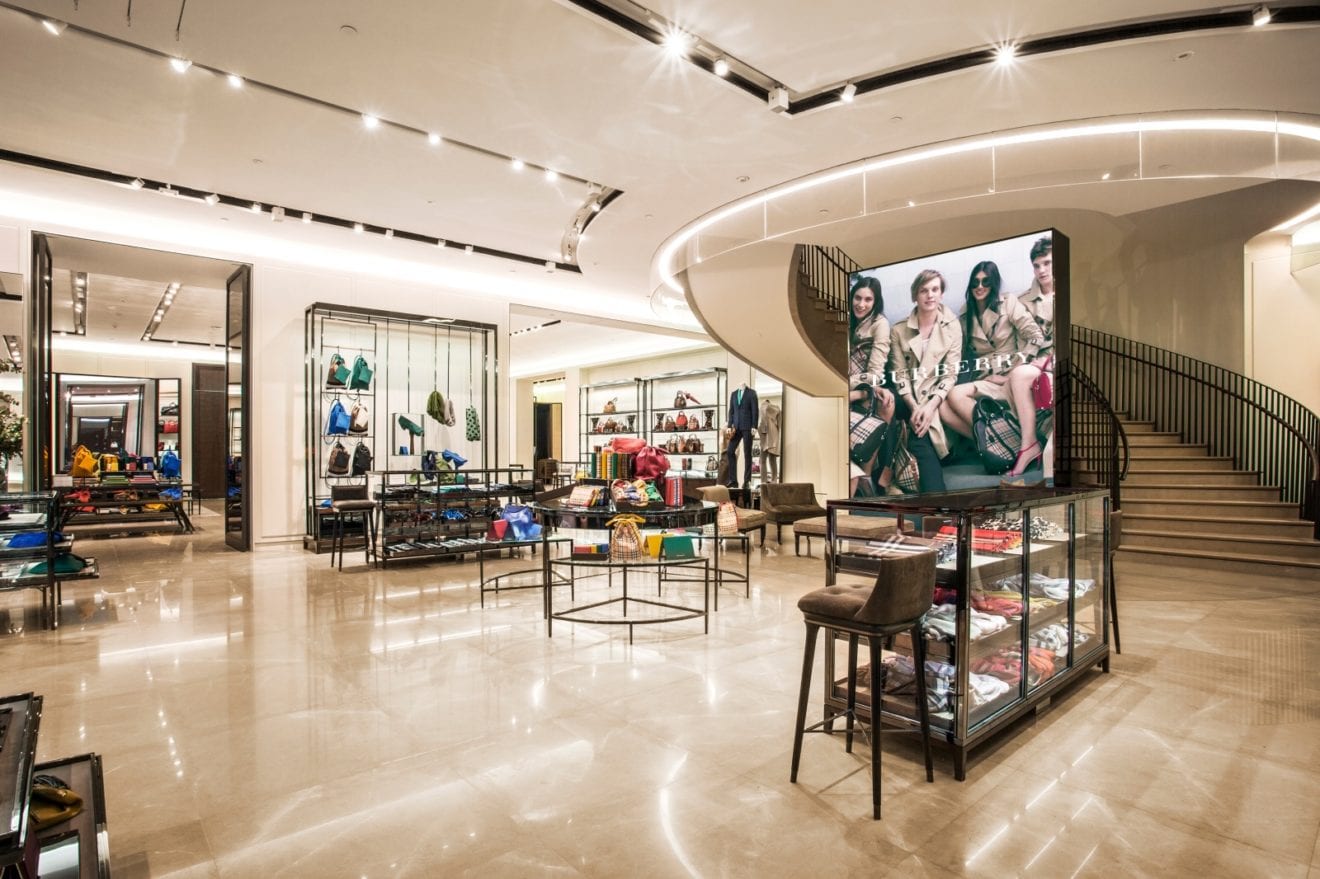
    Burberry has opened its first freestanding store in Shinsaibashi, Osaka.

    Set over two floors, the new flagship store houses the largest Burberry product assortment in Osaka, including the brand’s collection of Made in England trench coats.

    In-store digital screens showcase Burberry content and broadcast live events directly from the brand’s global headquarters in London, enabled by the Burberry retail theatre concept.

    The store showcases the Burberry Prorsum, Burberry London, Burberry Brit, Heritage, Accessories and Burberry Osaka Exclusive Collections and stocks womenswear, menswear, accessories, eyewear and watches.

    Burberry Japan Osaka 315

    To celebrate the opening, an exclusive range of men’s and women’s accessories was designed just for the Burberry Osaka store. This collection includes limited edition versions of key Burberry bag styles – The Mini Bee bag and The Petal bag for women.

    Burberry has a long-term commitment to Japan where it currently has four mainline stores and 13 concessions in locations including Omotesando, Kobe, Ginza Marronnier Dori and Roppongi.

    Burberry says it is beginning “a new chapter in Japan” in 2015. From June, the brand’s licensed products will be replaced with the Burberry global product offering including its British made heritage trench coats manufactured at its facilities in Yorkshire in the North of England and its scarves made in Scotland.

  • Airweave heads to bed in the US

    Airweave heads to bed in the US

    Airweave, Japan’s top selling brand of premium bedding toppers and pillows, has opened its first store in the US.

    The flagship officially opens its doors today, February 27, at 498 Broome St in the trendy SoHo district of Manhattan, New York City. Airweave says the store will introduce US consumers to the brand’s “luxury, innovative, high performance bedding toppers” designed from ongoing research into sleeping comfort.

    Created with Japanese technology, airweave products are made of three-dimensional, entwined resin fibers, allowing air to occupy more than 90 per cent of the material. Airweave says its products offer comfortable support and improves sleep quality through ergonomic, breathable design and highly resilient materials which allow users to roll over easily and maintain a deep and restorative sleep.

    The new, two-story airweave SoHo store features about 2400 sqft of space and will offer guests an intimate introduction to Airweave’s collection of bedding toppers.

    The store employs three “sleep counselors” who will serve as brand ambassadors, along with sales associates trained to educate customers on the products’ features.

    “The store’s simple, clean and contemporary design will work in tandem with the brand’s mission to redefine and refine quality of sleep, so the customer sleeps deeper and awakens invigorated,” the company said in a statement.

    The store will also feature a private room for select customers to undergo sleep assessments and offer a personal shopping experience with airweave.

    President and CEO of Airweave, Motokuni Takaoka, said the company wants to personally connect with Airweave customers and introduce them to the brand’s innovative construction.

    The company also sells its products online in the US, with prices ranging from $190 to $1570. Airweave was founded in 2004 by Takaoka. Its products have been endorsed by a raft of sports and entertainment personalities, are used on Japan Airlines international flights in First and Business classes and found in hotels including the Four Seasons Hotel, Tokyo, the Ritz Carlton Shanghai Pudong and the Park Hyatt Shanghai.