Retail News CRM

Tag: Japan

  • JD.com launches Japanese Mall

    JD.com launches Japanese Mall

    JD.com has launched a Japanese Mall – a brand new channel on the corporate’s JD Worldwide cross-border platform devoted solely to gross sales of genuine imported Japanese merchandise.

    JD.com launched Japanese Mall at an occasion in Tokyo the place JD Mall CEO Haoyu Shen was joined by Katsutoshi Takeda, director basic of the Japan-China Friendship Middle, and senior administration from Rakuten, Sumitomo, and different key Japanese companions.

    “Our new Japanese Mall supplies Chinese language shoppers with a trusted supply for purchasing imported Japanese merchandise,” stated Shen.

    “Japanese Mall will give extra Japanese manufacturers larger publicity to China’s quickly rising demand for imported items, and can additional solidify JD.com’s status as China’s on-line chief for assured genuine merchandise.”

    JD says it’s working to simplify cross-border transactions by offering suggestions on operational and worldwide logistics companions that Japanese companies can use to scale back prices and enhance the effectivity of promoting via the JD Worldwide platform.

    Japanese Mall will give attention to satisfying the fast-growing demand amongst Chinese language shoppers for genuine Japanese merchandise in a variety of classes together with gadgets for maternity, infants, meals, private care, cosmetics, attire, baggage, house ornament, electronics and residential home equipment from common Japanese manufacturers.

    Along with Japanese Mall, JD Worldwide additionally hosts French Mall and Korean Mall, each of which launched earlier this yr, and the corporate stated it might proceed looking for different alternatives to supply channels devoted to different nations’ merchandise in response to buyer demand.

  • Japan retail gross sales rebound

    Japan retail gross sales rebound

    Japan retail gross sales bounced again in April based on commerce ministry knowledge.

    Rising 5 per cent within the month, yr on yr,  the determine reversed a 3 month lengthy downward development and gave the Financial institution of Japan room for cautious optimism on the general state of the nation’s struggling financial system. In March, retail gross sales fell 9 per cent, though that was largely as a result of an irregular March 2014 when shoppers introduced ahead spending previous to a gross sales tax improve on April 1.

    The BoJ says the retail figures present shoppers are extra assured, easing the strain on the financial institution to extend a stimulus program.

    Based mostly on a seasonally adjusted  month on month foundation, Japan retail gross sales rose zero.four per cent in April following a drop of 1.eight per cent in March.

    The Japanese financial system expanded on the quickest fee in a yr within the first quarter, lastly rising from the 2014 recession.

  • Uniqlo opens main Australian retailer

    Uniqlo opens main Australian retailer

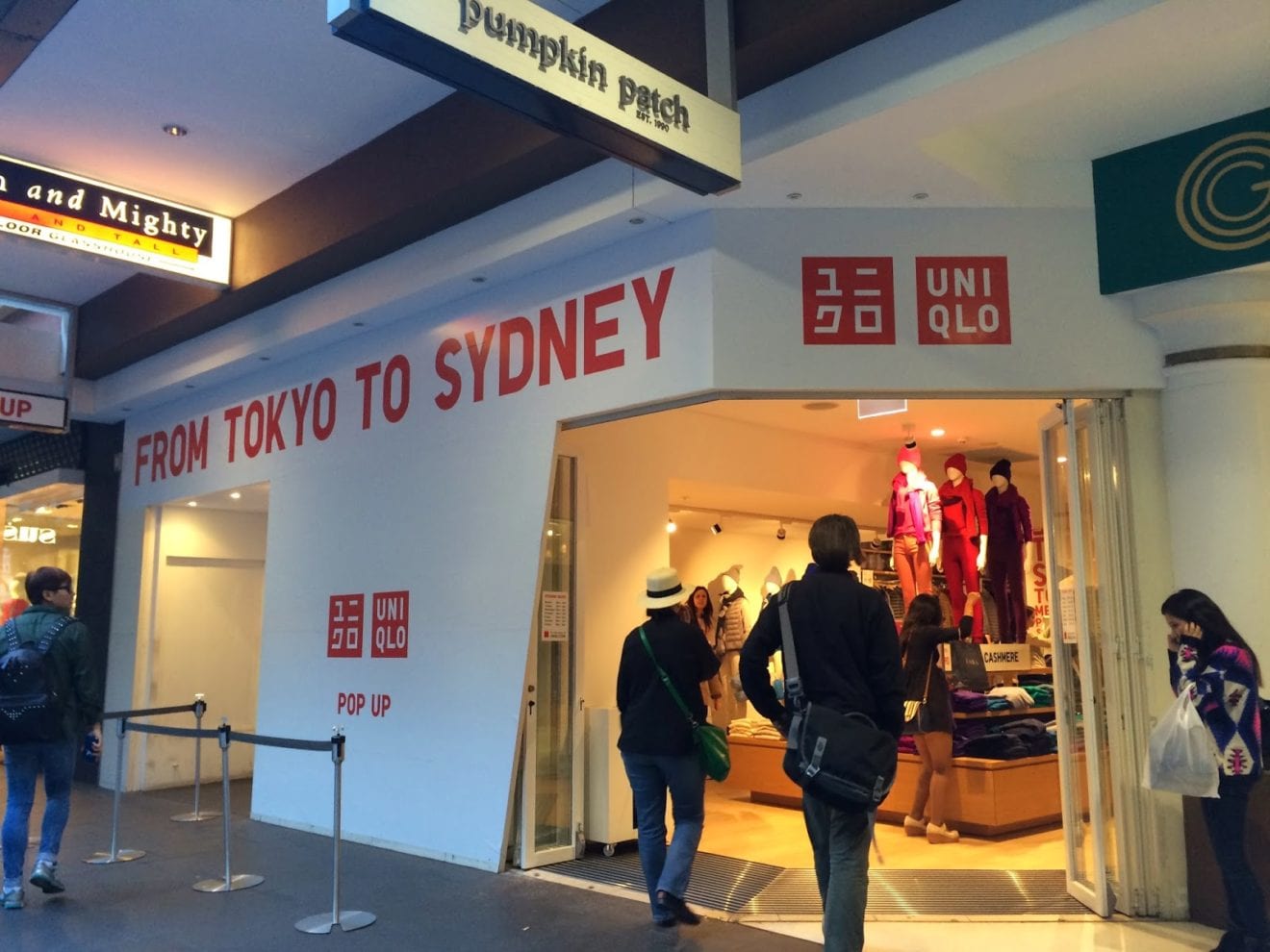
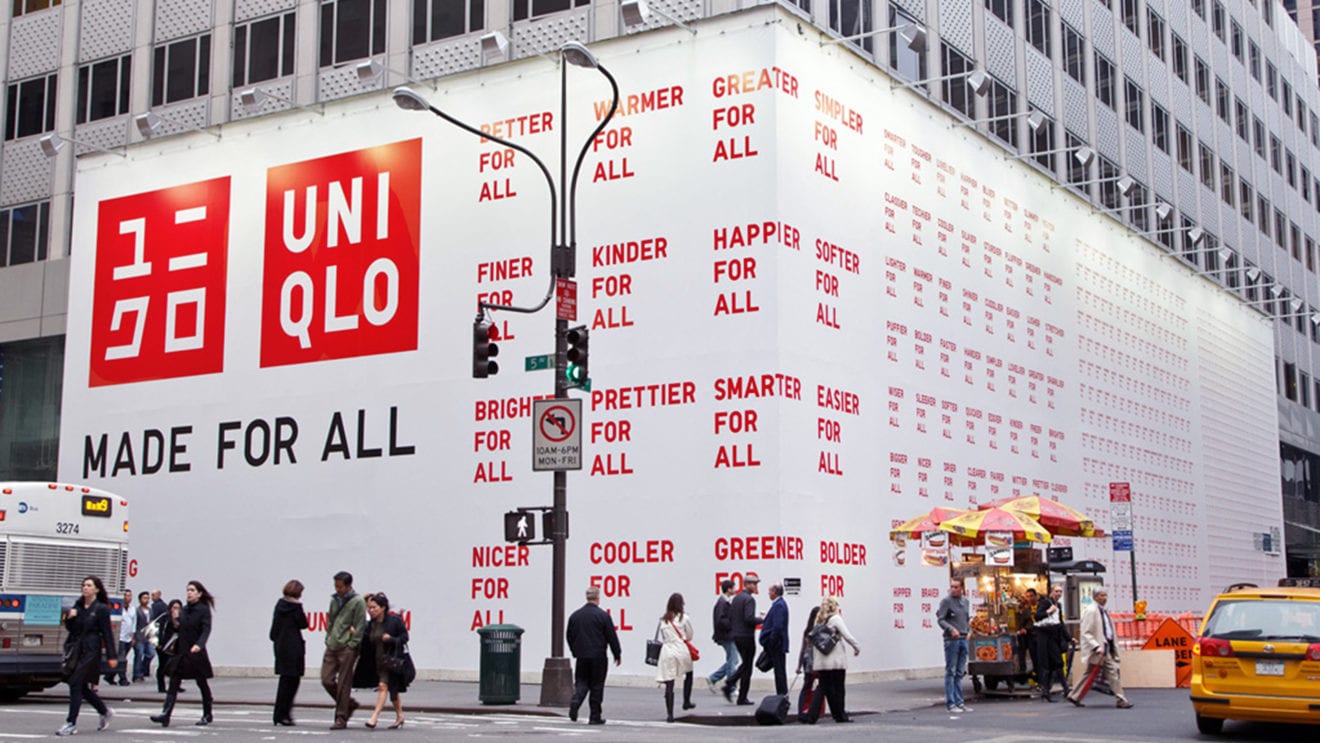
    Uniqlo has opened its latest Australian retailer – within the Sydney suburb of Parramatta, regionally generally known as the town’s “second CBD”.

    The brand new 1090sqm retailer anchors the Westfield Parramatta purchasing centre.

    The store is Uniqlo’s third retailer in Sydney and its fifth in Australia, a promote it entered final yr.

    “We’re excited to open the doorways to Uniqlo Parramatta, and to be sharing our merchandise with native consumers,” stated Uniqlo Australia CEO Shoichi Miyasaka.

    “We’re devoted to creating our merchandise extra accessible to all Australians, and our latest retailer opening is a show of our dedication to the native suburban Australian market.”

  • Beneath Armour Asia plans enlargement

    Beneath Armour Asia plans enlargement

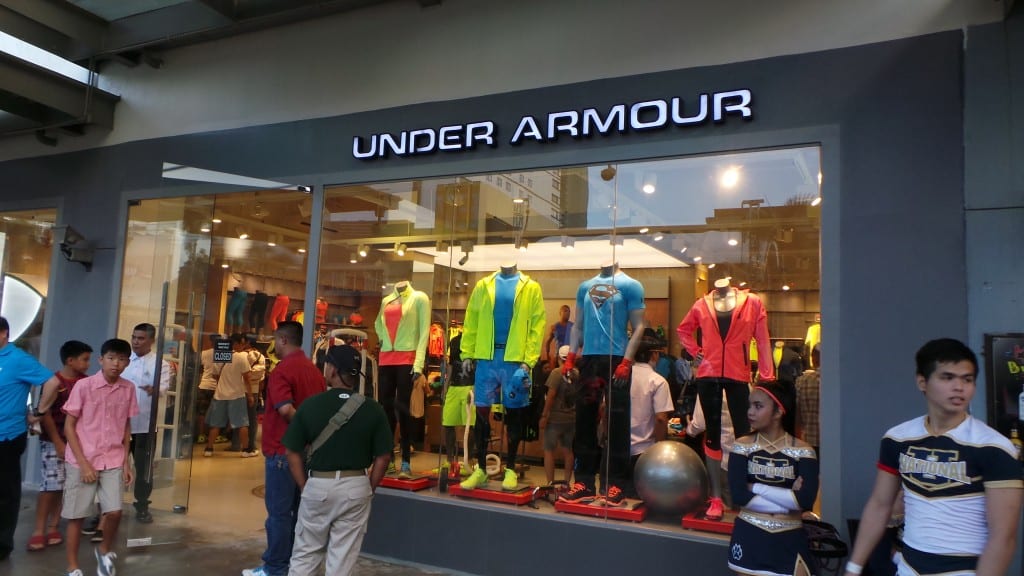
    Japanese buying and selling firm Mitsui & Co has purchased a stake in Singapore-based Triple, which runs Underneath Armour Asia.

    Triple thus far has 5 Beneath Armour shops and concessions in Singapore, three within the Philippines and three in Malaysia. One other 4 shops are deliberate for this yr, together with the primary in Thailand, and one other 5 or 6 in 2016. The corporate additionally plans to enter Vietnam, Indonesia and Brunei with a objective of 35 shops throughout Southeast Asia by the top of 2018.

    Mitsui, a common buying and selling enterprise, has been negotiating a stake for about eight months. It was interested in the enterprise by its robust eCommerce focus.

    Triple CEO, Michael Binger, says Mitsui and Triple hope to leverage on their new partnership to broaden the retailer’s eCommerce base throughout Asian markets, from a Singapore hub.

    Toshi Sakurai, GM of shopper service with Mitsui Asia Pacific, stated his firm’s present technique focuses on model advertising in downstream sector, amongst which sports activities and way of life is the important thing class judging from the worldwide development.

    “Establishing the retail community in quickly rising market reminiscent of Southeast Asia is considered the important thing aspect to leverage this model advertising technique.

    “Triple’s participation is the perfect match to those factors.”

    Mitsui’s funding may also assist Triple develop partnerships with different manufacturers, capitalising on its present relationships with retail landlords.

    Stated Binger: “Triple sees Mitsui as a robust long-term strategic companion with good complementary strengths. Mitsui has a community of relations with manufacturers that aren’t but represented in Southeast Asia, and with the extensive enterprise pursuits of Mitsui and Triple’s speedy progress, there might be different areas of cooperation, together with logistics.”

  • 9 keys to reaching Asian shoppers

    Whether or not they’re searching on-line or shopping for in-store buyers have extra selection than ever, forcing retailers and malls to get artistic to draw their consideration.

    With the area’s center class predicted to double to 1.32 billion by 2020, Asian shoppers – and their expectations – are altering quickly.

    Adam Prepare dinner, retail undertaking and improvement providers lead with JLL Asia Pacific, explores a number of the rising developments altering the best way retailers are connecting with shoppers:

    1. The brand new digital buying actuality

    Know-how is now probably the most dynamic pressure within the retail business, opening up new channels and interesting new audiences whereas concurrently feeding new ranges of competitors. Digital Actuality (VR) could also be progressing slowly within the shopper area, however the tipping level of adoption in retail is quick approaching. The 2015 Way forward for Retail Research from Walker Sands discovered that round a 3rd of shoppers would store extra on-line if they might work together with merchandise nearly first. VR know-how is now permitting buyers to expertise a digital trend present, wander round a digital retailer and discover a digital mall with many different improvements to return as retailers experiment with the know-how. It’s poised to generate a completely new sale channel for retailers within the subsequent few years.

    1. Enhanced buyer relationship administration (CRM) know-how

    Because the battle for the buyer greenback intensifies, loyalty will develop into the brand new foreign money of commerce – with slightly assist from know-how. Digital cost strategies akin to Apple Pay and AliPay are getting used together with more and more refined location-based providers like iBeacon – Apple’s indoor positioning system – to provide new ranges of perception into shopping for behaviour. Retailers can now present buyers with real-time info based mostly on their consumer profiles and engagement historical past.

    ShopperTrak just lately introduced a partnership with Shopkick for a purchasing app permitting retailers to work together in real-time with clients whereas they’re buying. There are already 10 million customers on the Shopkick app and greater than 8000 shopBeacons deployed in retail shops. Insights assist retailers join with related shoppers at a precise location and in real-time, which in flip could be refined to take care of loyalty.

    1. Robots in disguise

    Whereas some manufacturers are experimenting with improvements comparable to drone supply, laws are more likely to floor most business drone concepts within the short-term. As an alternative we’ll see the continued rise of robots and humanoids in retail conditions. Already a function in lots of Japanese shops, robotic know-how is enhancing at a meteoric fee. And with rising labour prices, it isn’t onerous to think about a close to future when primary retail duties similar to making espresso or manning an experiential retailer is dealt with by a humanoid. Nippon Enterprise Capital just lately launched a $42 million fund in Japan by to speed up and commercialize humanoid know-how and neuroscience purposes, lots of that are being designed for the retail business.

    1. Cross-border purchasing

    Shoppers are flocking to digital retail markets which are more and more nation agnostic to hunt out the perfect product and one of the best offers. Asian shoppers already spend greater than the worldwide common on cross-border purchasing, and that is solely more likely to improve as a brand new era of shoppers look to spend their disposable revenue.

    1. Model extensions

    Experiential shops reminiscent of Google’s new (and thus far solely) buying expertise in London permit shoppers to play with merchandise earlier than shopping for them, often on-line. However this will typically have the unintended consequence of showing the restrictions of the model’s core merchandise. Thus, one other means for manufacturers to distinguish themselves is to increase their attain past their core providing. Meals extensions have turn into widespread just lately as retailers search to diversify and develop. Ideas such because the bar and cafe inside Alfred Dunhill outlets are a very good instance of clothes manufacturers shifting into the meals and beverage area. Anticipate this development to collect tempo because the battle to maximise dwell time and share of the buying basket heats up.

    1. Menswear

    Traditionally, males are extremely underserved within the style business – and there’s proof that their shopping for preferences are evolving. Bain & Firm estimates menswear progress has outpaced womenswear for the final six years, rising at between 9 and 13 per cent yearly – virtually double that of womenswear. As manufacturers search to take care of progress, we’ll see a re-focusing of the retail business to focus on males. Model partnerships, notably in athletic and sportswear, will proceed to develop and can develop into a key function of retail plans within the brief to medium-term.

    1. The rise of the Asian trend home

    European and American dominance in Asian excessive style has been the norm for a few years, and the overwhelming majority of luxurious manufacturers with robust Asian gross sales are owned by Western companies. Because the retail market continues to develop in Asia, we anticipate to see the rise of an Asian luxurious model -most in all probability within the style area – which can equal or exceed the recognition of Asian-American style icons comparable to Alexander Wang, Vera Wang and Philip Lim.

    With Western designers utterly absent from Shanghai’s Trend Week in 2014, trend critics targeted on rising Chinese language designers, and it’s doubtless that many of those manufacturers will develop loyal clients past China and meet the worldwide trend business by way of the important thing markets of Hong Kong, Tokyo and Seoul. Asian trend designers will quickly be on par with the likes of style homes resembling LVMH, Prada and Michael Kors, and can kick-start a brand new period of Asian retail innovation and management.

    1. The brand new flagship

    Intricately related to the emergence of the experiential development is the resurgence in retailers working flagship shops. Pushed by a want to reconnect with shoppers and the necessity to evolve from a static entity to an attractive expertise, the brand new flagship will re-imagine a retail retailer. It is going to be a press release, a model ambassador. More and more these areas will blur the road between retail and leisure, and develop into locations the place buyers are inspired to play and keep. This development is most noticeable in main markets like New York, Japan, and even Sydney the place single-brand luxurious and quick trend retailers are signing bigger leases and investing extra into the in-store surroundings.

    1. 3D Printers

    We’re on the tipping level of 3D printing and really quickly it’ll grow to be the norm in each facet of our lives. The primary 3D printed constructing was just lately unveiled in China and every thing from automobiles to weapons has adopted. For consumers on the lookout for a personalised expertise on their very own phrases, 3D printing gives an virtually limitless array of choices. Jewellers are already permitting clients to print their very own designs, whereas everybody from cooks to cycle outlets are experimenting with the know-how’s software within the retail area. That is genuinely game-changing know-how, and one that may definitely come to outline retail within the coming years.

  • Artsy coffee chain Blue Bottle brews long queues in Tokyo

    Artsy coffee chain Blue Bottle brews long queues in Tokyo

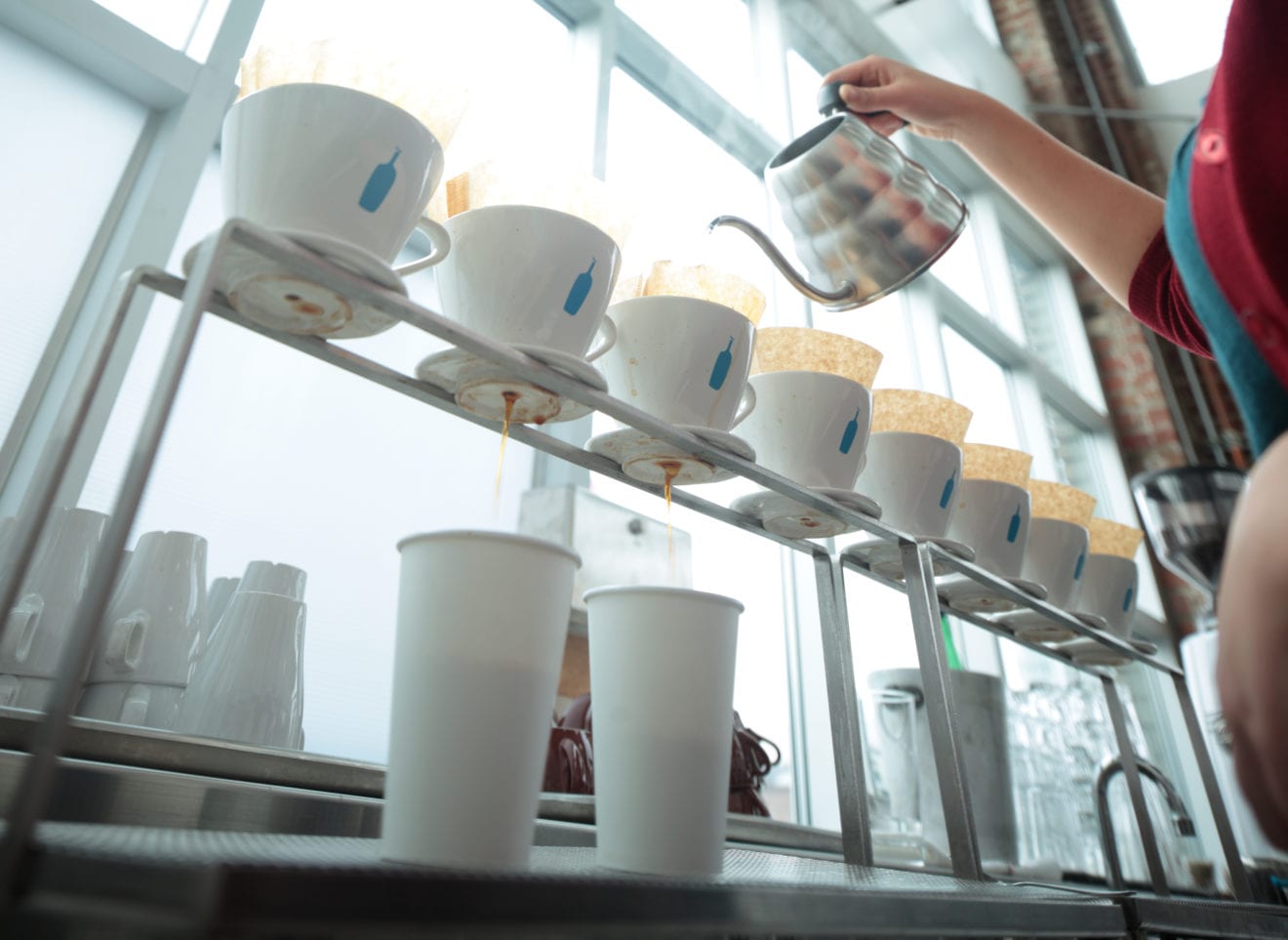
    Japan, famous for green tea, is welcoming artisanal American coffee roaster Blue Bottle with long lines that have at times meant a four-hour wait for a cup.

    The company, which began in Oakland, California in 2002, hopes its early popularity is more than a passing fad. Japan’s consumer culture is littered with manias for Western food imports: pancakes, popcorn, doughnuts, even Taco Bell.

    Success in Japan is important for Blue Bottle, which operates 17 cafes in the San Francisco Bay area, New York and Los Angeles. Japan is its first foray outside of the U.S. Blue Bottle raised nearly $26 million last year to invest in expansion, including financing from Silicon Valley executives, setting the stage for a test of whether an artsy gourmet coffee chain can go big.

    Founder James Freeman, a musician, was inspired by Japan’s old-style “kissaten” coffee-shops: tiny dimly-lit establishments, with good music and a barista behind a wooden counter. Think places for quiet serious thinking and real drip coffee, not sweet, frivolous drinks.

    “We care about every part of the coffee. We call it from seed to cup,” said Saki Igawa, the business operations manager for Blue Bottle in Japan.

    Attention to detail that dovetails with aspects of Japanese culture accounts for part of the coffee chain’s early popularity. The spread of Starbucks internationally, which has created a cookie-cutter coffee culture that some people want to trade up from, is another factor. Blue Bottle is also benefiting from the image problems in Japan of fast food chains and highly processed foods.

    “It’s a new era in eating out,” said food industry consultant Jotaro Fujii who contends that Blue Bottle’s arrival and the decline of McDonald’s in Japan is part of a bigger trend of consumer interest in the safety and quality of the entire food supply chain.

    McDonald’s is suffering declining popularity in Japan, a problem exacerbated after plastic pieces, and even a tooth, was found in its food last year, setting off an outrage among consumers.

    Upscale burger chain Shake Shack, which started as a hot dog stand in New York, is expected to arrive in Japan soon, said Fujii.

    Such chains, including Blue Bottle, are likely to aim for 50 or at most 100 outlets in Japan, not the thousands that fast-food eateries, such as McDonald’s, has achieved here, he said.

    Instead, they will focus on fortifying a brand image, which can lead to other kinds of lucrative businesses.

    Although the prevalent image of Japan might be tea, it has long had plenty of affection for coffee.

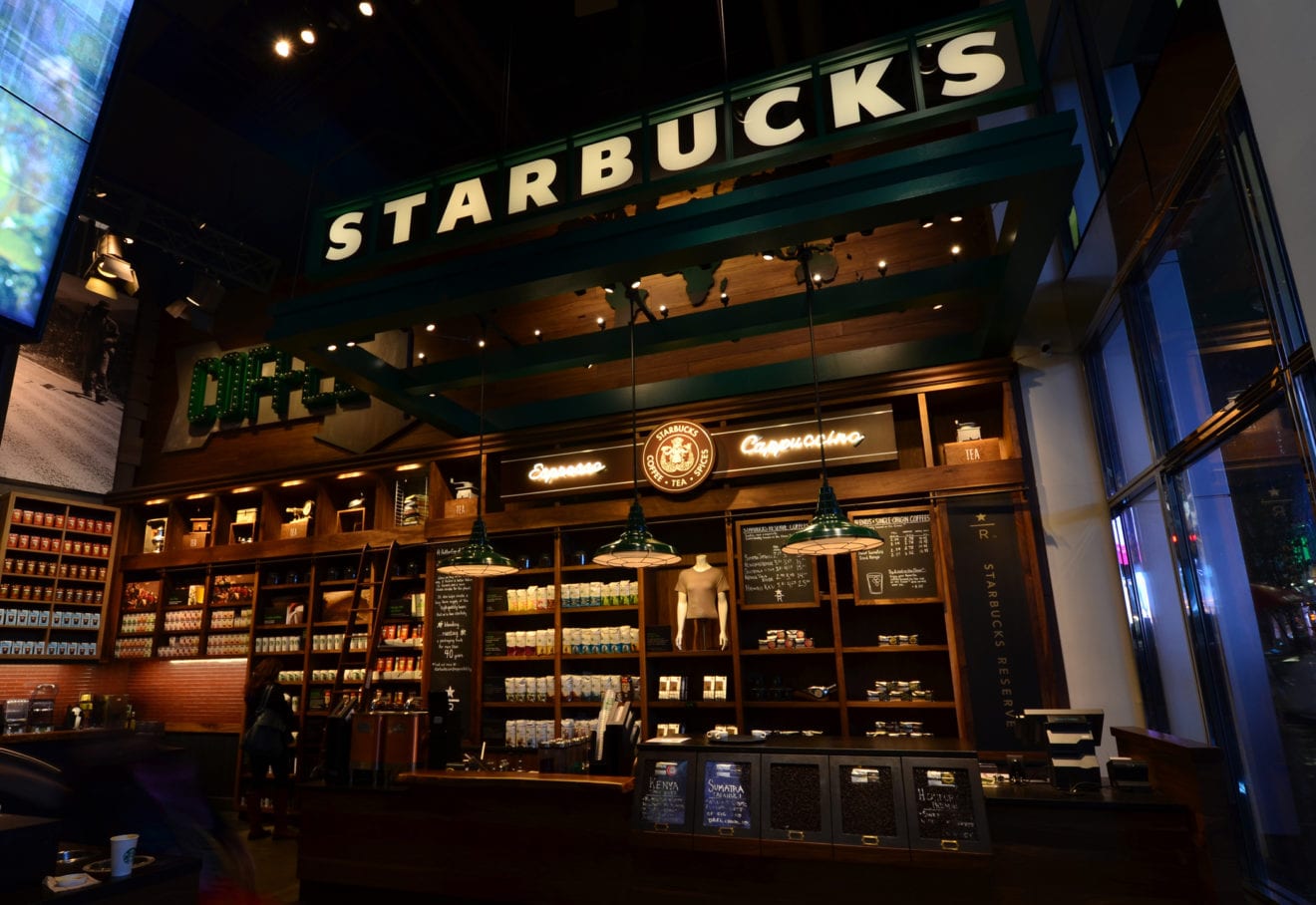
    Starbucks has been a hit since arriving in 1995. It now has more than 1,000 shops in Japan. Not a single prefecture (state) is without a Starbucks with one opening in holdout Tottori Prefecture this month — not surprisingly, welcomed with long lines.

    Even convenience stores are serving freshly brewed coffee. Japan also invented “manga-kissa,” or a cafe-cum-library, where you can curl up with a comic book and sip on coffee for hours.

    Such newcomers have hammered the once omnipresent kissaten. Their numbers have dropped by half from the 1980s, or to 77,000 in 2009, according to a Japanese government study.

    But Blue Bottle’s popularity is part of a rediscovery of cafes serving carefully prepared, quality coffee, a trend already long evident in the U.S.

    Blue Bottle’s first Japan shop, which has a roaster, is in Kiyosumi, an older part of Tokyo, chosen because it reminded Freeman, the founder, of Oakland. It opened in February. The second shop, in a backstreet of Tokyo’s fashionable Omotesando, opened in March.

    A third, likely opening later this year in Tokyo’s Daikanyama shopping area, will feature a menu that reflects Blue Bottle’s recent acquisition of San Francisco-based Tartine Bakery, which serves croissants, sandwiches and pastries.

    Blends such as “Giant Steps,” combining African and Indonesian-grown beans for a chocolate taste, sell for 450 yen ($3.75) a cup. A latte costs 520 yen ($4.30).

    On a recent day, the Blue Bottle shop in Kiyosumi, Tokyo, was filled with sunlight pouring through huge windows, the hum of a giant roaster, the fragrant aroma of fresh coffee and a crowd of people.

    Takuya Nakagawa, a 39-year-old hairdresser, who came all the way from rural Toyama Prefecture (state), was impressed with the coffee’s taste and the store’s stylish stark decor. He bought granola and coffee beans as souvenir gifts.

    “I just love the taste,” he said. “This kind of place doesn’t exist in Toyama.”

    True to its inspiration, Blue Bottle is learning from Japan, said Andrew Smith, 29, of San Francisco, a barista and one of three Americans who came to work for the chain in Japan.

    “People here have different ways of conceptualizing about coffee so they taste things differently,” Smith said.

    “They are looking for different kinds of things in coffee. And that is a fun way to learn how everyone in the world perceives coffee differently.”
  • Tottori Starbucks opening draws 1,000 people

    Tottori Starbucks opening draws 1,000 people

    About 1,000 people lined up Saturday for the opening of the first Starbucks outlet in Tottori Prefecture.

    Japan’s least populated prefecture was the last in which the coffee chain lacked a presence.

    The outlet, near a train station in the city of Tottori, the prefectural capital, started forming lines from around noon Friday. About 150 people had gathered by midnight to camp out for the opening.

    College student Atsushi Miyagawa, 19, was first in line. “It tastes good. It’s unlike any other coffee I know,” he said.

    An established coffee shop nearby, named Sunaba Coffee, gave away free mugs and offered a full refund to any customer who thought that Starbucks coffee tasted better.

    Sunaba Coffee was launched in April last year partly to mock Starbucks and partly to promote Tottori’s famous sand dunes. The Japanese word for sand issuna.

    The nation’s first Starbucks opened in Tokyo’s Ginza district in 1996. Although Starbucks has become a major player in Japan’s coffee market, major convenience store chains recently jumped into the fray by offering improved coffee products.

  • McDonald’s revives free smiles, launches month-to-month occasions

    McDonald’s revives free smiles, launches month-to-month occasions

    McDonald’s Holdings Co. (Japan) on Monday revived its “smile for zero yen” marketing campaign and stated it can designate the 25th day of every month as a “mac smile day.”

    On every “smile day” this yr, McDonalds will maintain occasions in its retailers aimed toward recovering buyer belief, broken by a collection of blunders, together with the invention of overseas objects in its merchandise.

    The corporate held ceremonies for its first smile day at six retailers throughout Japan, together with in Tokyo and Osaka. On the hamburger chain’s Nakano Central Park outlet in Nakano Ward, Tokyo, singers Might J. and Chris Hart carried out a music that includes smiles and have been named honorary store managers for the day.

    McDonald’s additionally revised its menu, providing clients salads as a part of its set menus.

  • Asian cities top rankings for global brands

    Asian cities top rankings for global brands

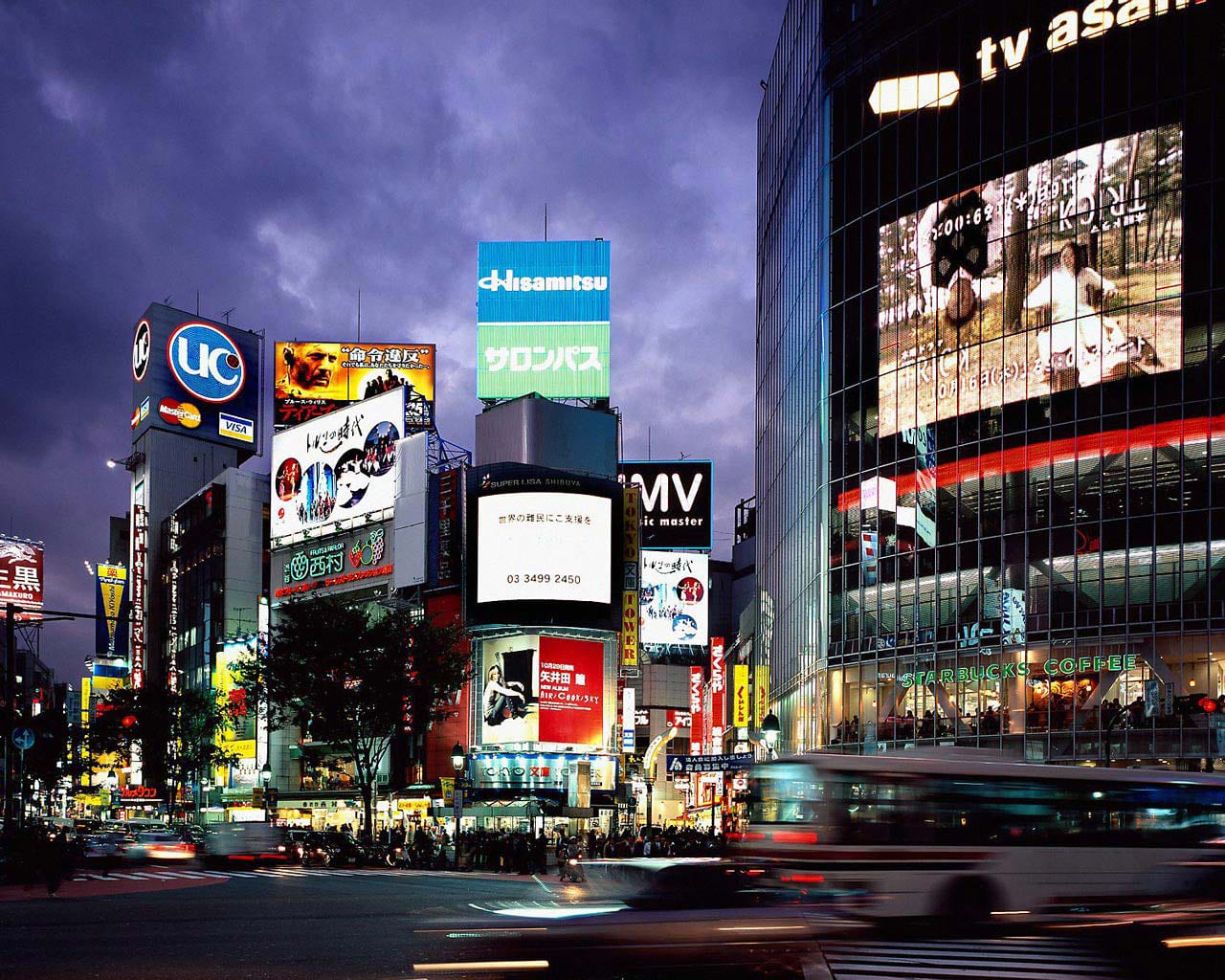
    Tokyo is the world’s hottest market for retail expansion, attracting 63 new global brands last year as leasing momentum in core areas remained strong.

    In a list dominated by Asia and Middle East cities, Singapore ranked second with 58 new entrants, outshining Hong Kong which tied for fifth with Dubai (45 each) in the CBRE Group’s report How Global is the Business of Retail?

    Singapore’s new entrant count was double the number of 2013 – with entrants largely in the food and beverage sector, with apparel and accessories chains a little further behind.

    While Hong Kong finished fifth equal with Dubai on the list, it was still a respectable showing given CBRE surveyed 164 cities in 50 countries. In between Singapore and Hong Kong came Abu Dhabi and Taipei.

    For foreign retailers entering Singapore for the first time, the Shoppes at Marina Bay Sands ranked as their top choice f destination, largely due to the steady flow of affluent customers streaming to and fro the connected casino facilities.

    Globally, mid-range fashion retailers are the most active category looking at new market expansion, accounting for 21 per cent of activity, just a little more than luxury brands at 21 per cent.

    In Asia, luxury and business fashion retailers drove 24 per cent of the region’s business expansion, followed by coffee and restaurant retailers at 22 per cent.

    Meanwhile, the report found that the primary expansion targets for America’s retailers are Asia (41 per cent) Europe (33 per cent), and the Middle East and Africa (12 per cent).

  • NZ Mad Group sure for Japan, US

    NZ Mad Group sure for Japan, US

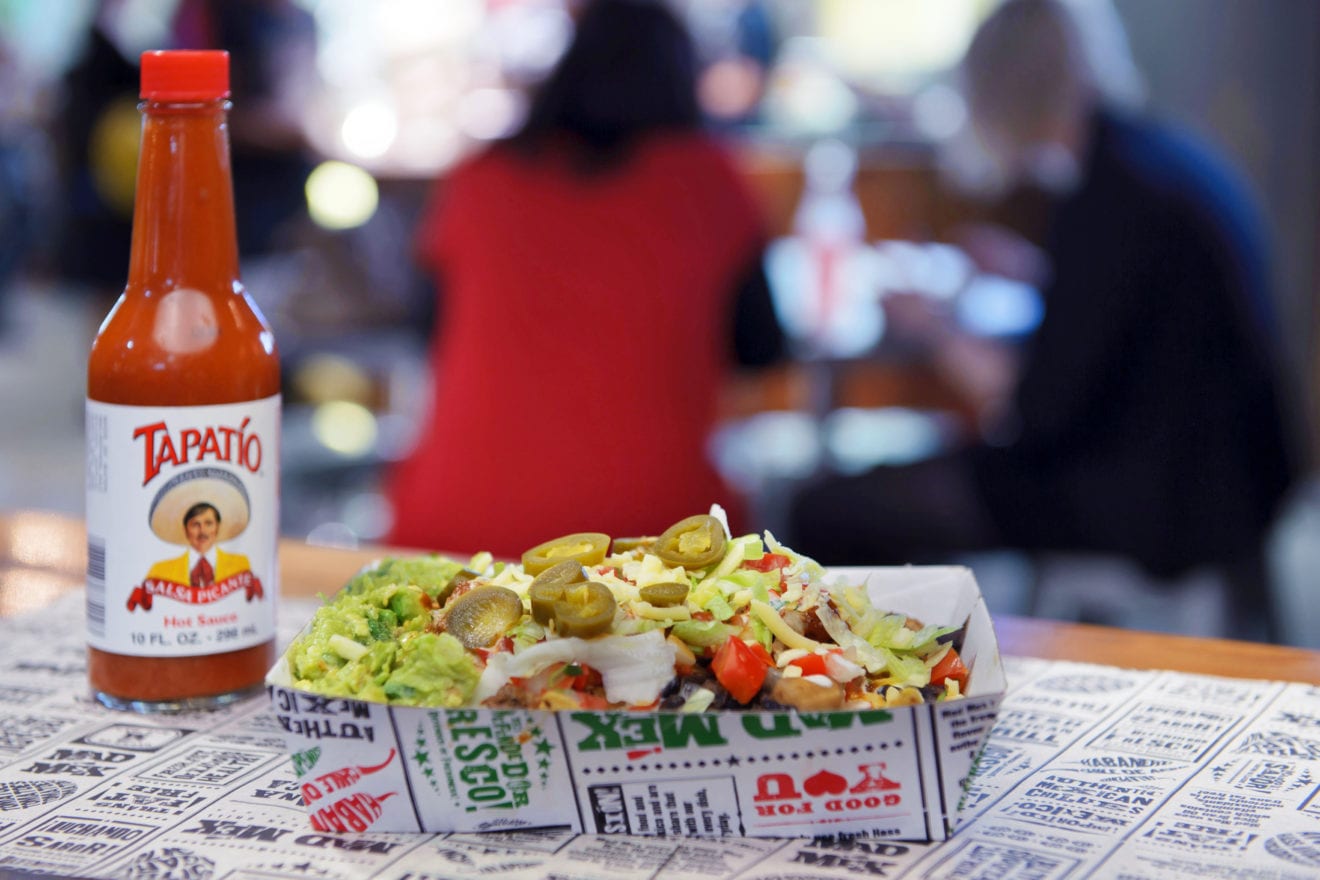
    New Zealand restaurant idea Mad Group, says it has signed Memorandums of Understanding to enter Japan and the US.

    Mad Group runs the Mad Mex Mexican fast service restaurant idea and Ordinary Repair, which specialises in wholesome wraps, salads, smoothies and juices.

    A 10-year Memorandum of Understanding (MoU) has been signed with an nameless American associate to launch 30 Ordinary Repair restaurant chains within the US beginning in Los Angeles in 2016. The deal is value over NZ$6 million in franchise royalties over the preliminary time period and could be renewed for an additional 10 years after the preliminary time period expires at a franchise royalty fee of greater than $1 million per yr. The corporate plans to have Ordinary Repair places in at the least 5 totally different US states inside 5 years.

    Mad Group has additionally signed a separate MoU with one other as but unidentified companion in Japan, however not but launched additional particulars about plans for that market..

    The enlargement of the wholesome consuming ideas follows a worldwide development towards more healthy consuming of high quality recent meals, for which Mad Group is famend. Only recently McDonald’s added kale to its menu to maintain up with altering dietary preferences.

    The corporate lately raised fairness in a crowdfunding marketing campaign to develop the Mad Mex enterprise regionally, rolling out each manufacturers round New Zealand and aiding within the gross sales and advertising of worldwide franchise licences for Ordinary Repair.

    Ordinary Repair eating places are to date situated in Auckland and Wellington and can doubtless quickly be coming to the South Island as properly.

  • Japan retail sales rebound

    Japan retail sales rebound

    Reported sales from Japanese department stores suggest a significant improvement in spending in April.

    Japan retail sales, based on department stores data, lept 13.7 per cent on a same store basis compared with the same month in 2014.

    The Japan Department Stores Association said a major part of the reason for the increase is that Japanese consumers restrained their spending last year following the increase of the national sales tax to eight per cent.

    Official figures for Japan retail sales in March showed a plunge of nearly 10 per cent, year-on-year. But when that data was released last month, analysts cautioned that in March 2014, sales were artificially high as Japanese brought forward spending to avoid a sales tax increase that took effect on April 1.

    That decrease was the worst March fall since 1998.

    This year, however, tourism is proving a boon to at least some of Japan’s retailers. Foreign tourists are spending more: their purcashes more than trebled for the third month in a row, the most popular items being cosmetics and luxury watches.

  • 4G, Asia lead smartphone sales rise

    4G, Asia lead smartphone sales rise

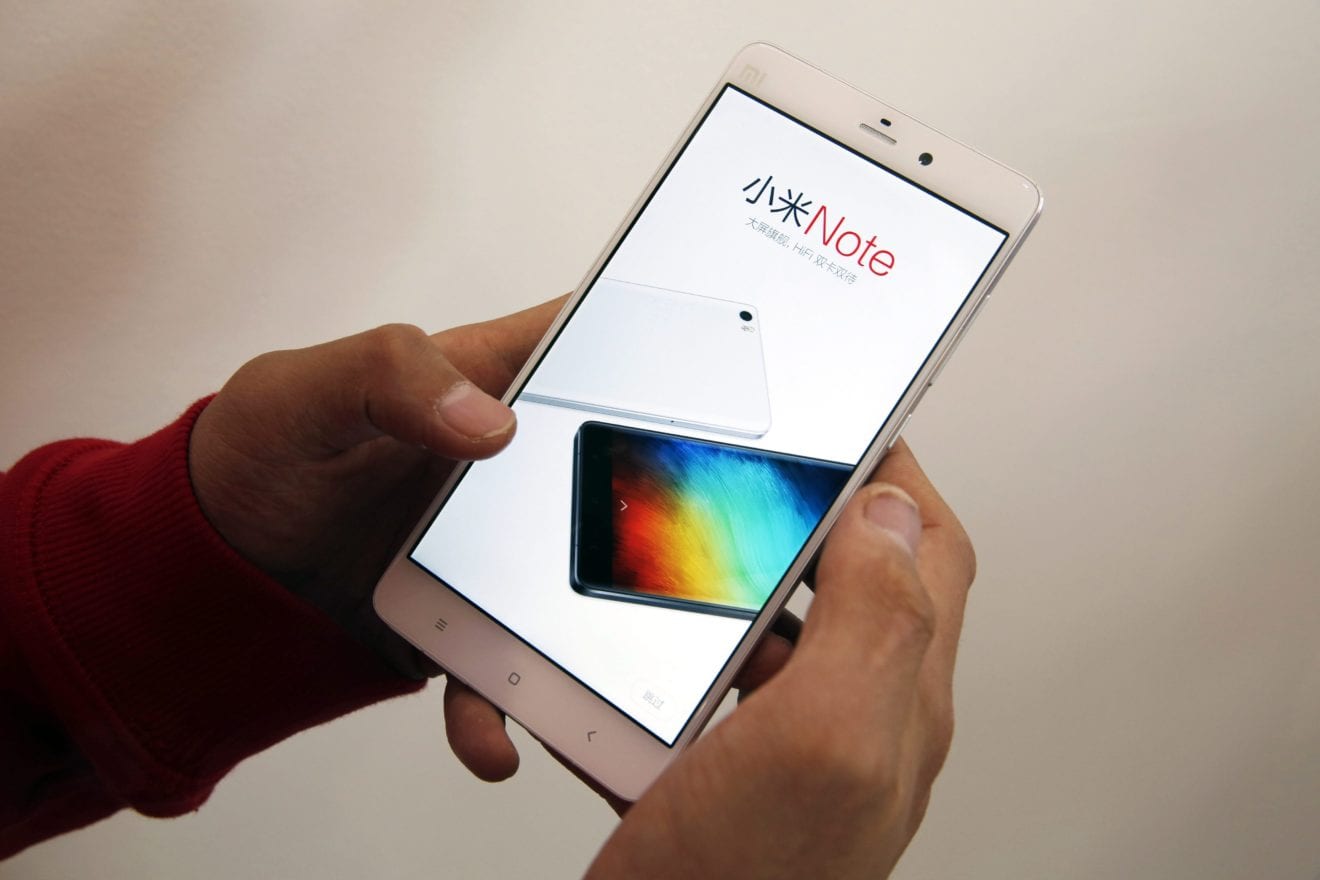
    Global smartphone sales rose by eight per cent in value terms in the first quarter of this year.

    Sales of larger screen devices (5″ and higher) continued to drive year-on-year growth according to data from GfK.

    But while handset demand increased seven per cent to 310 million units, a slowdown in demand in China and developed Asian nations dragged down growth, from 19 per cent year-on-year in the fourth quarter of 2014.

    GfK says 4G compatible phones are rapidly gaining share – surpassing 50 per cent of the global handset market for the first time. It predicts a 4G ramp-up in China in the second half of 2015 to drive incremental demand.

    Kevin Walsh, director of trends and forecasting at GfK, said the weakness in China was caused by a significant slowdown in 3G demand, which was not offset by 4G growth.

    “We forecast China to return to growth in the second half of the year, driven by a continued 4G ramp-up. In Developed Asia, the year-on-year decline was caused by tough comparisons with Q1 2014, when demand was pulled forward in Japan due to an upcoming VAT increase in April. We forecast unit demand in Developed Asia to grow by three per cent year-on-year in 2015, driven by Japan and South Korea, which are expected to return to growth in 2Q15.”
    Smartphone growth in India and Indonesia is also expected to be helped by an expanding 4G network. In Q1 2015, 4G share in both countries was well below the global average, at four per cent and seven per cent, respectively. GfK forecasts 4G unit share within smartphones to reach seven per cent in India and 10 per cent in Indonesia in 2015.

    Q1 2015 saw a continued shift towards larger screen sizes, with sales of 166 million units equating to 47 per cent of the global smartphone market, up from 32 per cent in Q1 2014. In China, where the 4G trend is particularly pronounced, the growth in share to 57 per cent – from 32 per cent in Q1 2014 – was driven by cheaper large screen models flooding into the market.

    GfK forecasts this screen size migration to continue in 2015, with global demand for large screen devices increasing by 30 per cent year-on-year to account for 69 per cent of total smartphone unit demand this year.

    Low-end smartphones – those priced in the region of $0-250 – increased share to 56 per cent, up from 52 per cent in Q4 2014, at the expense of the high-end models ($500+), whilst mid-range ($250-500) share remained stable.

    GfK forecasts low-end smartphones to gain further share in 2015, helped by continued price erosion in emerging markets.

    Walsh added: “GfK forecasts global smartphone unit demand to grow 10 per cent year-on-year in 2015, a slowdown from the 23 per cent growth experienced last year. Emerging Asia is forecast to be the fastest growing region, driven by India and Indonesia, where low smartphone penetration leaves plenty of room for growth.”

  • Maisen Tonkatsu heads to Philippines

    Maisen Tonkatsu heads to Philippines

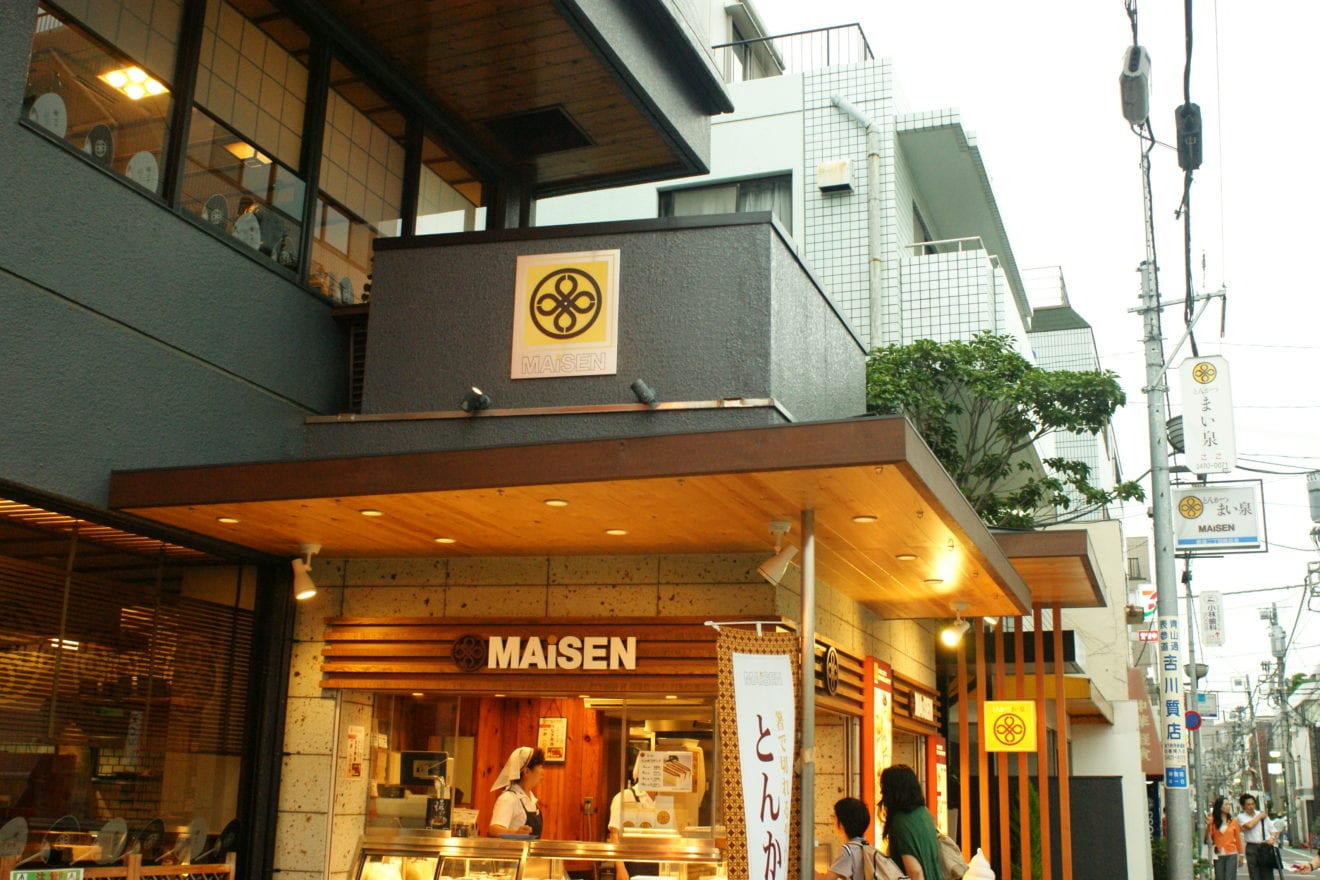
    Maisen Tonkatsu, described as Japan’s “greatest tonkatsu restaurant”, is to open a sequence of eating places within the Philippines.

    The primary restaurant, described as a flagship, will open at SM Megamall by the third quarter of 2015.

    Maisen Tonkatsu, based in 1965, will increase into the Philippines underneath Katsucuisine Inc, a subsidiary of its Japanese father or mother Suyen Company.

    Thought-about the market chief in its class in Tokyo, the restaurant model is steadily increasing in Asia. It has six branches in Bangkok, Thailand, a part of a community now numbering 1100 worldwide.

    Foodies and vacationers alike typically queue outdoors the Tokyo eating places whose profile has been boosted by in depth reward on social media and by skilled reviewers.

    The restaurant’s positioning slogan is: “Tender tonkatsu you’ll be able to minimize with chopsticks.”

  • Uniqlo companions with French style home

    Uniqlo companions with French style home

    Japanese quick style model Uniqlo and France’s Lemaire have introduced a worldwide collaboration.

    The 2 manufacturers will launch an unique vary branded ‘Uniqlo and Lemaire’, a model identify the 2 corporations say displays Uniqlo and Lemaire’s “real partnership and customary philosophy”.

    “The gathering represents merchandise that embody the lifewear idea – easy made higher – underlying each manufacturers. Each merchandise combines magnificence with average rest and luxury, for contemporary, superior wardrobe mainstays,” the businesses stated in a press release.

    “The collaboration showcases Uniqlo’s top quality supplies and uncompromising give attention to high quality on the good worth. Refined but accessible, it gives a timeless and targeted shade palette of greens, navies, whites, and reds.”

    The lads’s and ladies’s collections might be obtainable worldwide in Uniqlo shops, together with Uniqlo’s on-line retailer, from fall winter 2015.

    Uniqlo and Lemaire consider their collaboration gives “timeless magnificence to on a regular basis necessities” manufactured from rigorously chosen supplies.

    “The gathering brings a way of refined, but pleasant confidence to items you can put on daily on any event. That is lifewear elevated with fashion that absolutely respects the person.”

    Designers Christophe Lemaire and Sarah-Linh Tran stated the gathering is predicated on the philosophy of creating high-quality clothes for on a regular basis life.

    “We targeted not merely on enhancing design, however insisting on top quality within the supplies as nicely, with the purpose of making clothes that’s easy, lovely and cozy.

    “Every merchandise incorporates a number of concepts, and a single piece exhibits a unique side relying on how it’s worn. This assortment has been a worthwhile expertise for us because the designers, and an distinctive collaboration. We hope that this assortment shall be part of everybody’s life,” the pair stated.

  • Japanese to launch Singapore Asahi Bar

    Japanese to launch Singapore Asahi Bar

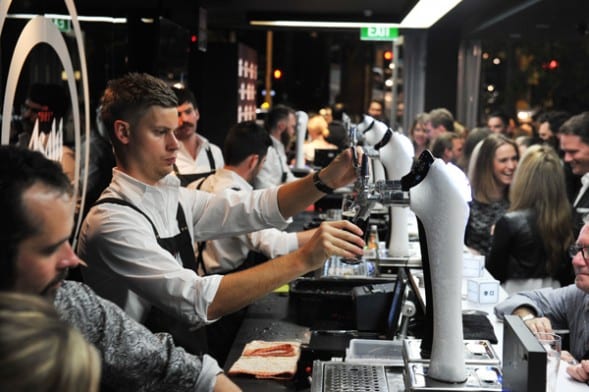
    A Japanese entrepreneur is elevating money to open the primary Asahi Tremendous Dry Additional Chilly Bar in Singapore by the yr’s finish.

    Seiki Takahashi, who has beforehand opened and managed greater than 50 eating places globally, is looking for to boost US$10 million to broaden Japanese restaurant and bar ideas into new markets.

    Final December, Takahashi launched the GP Asia Pacific Hospitality & Way of life LP fund, which owns the franchise rights to the ASahi bar idea, the place the Japanese brewer’s beer is served at under zero temperatures.

    The Singapore Asahi Bar is predicted to seek out comparable favour with clients as namesake bars in Japan and South Korea, in line with studies.

    Analysis carried out by the Japan Tourism Company exhibits foreigners rank consuming Japanese meals because the most-liked exercise within the Asian nation – forward of even sightseeing. Takahashi is one among a rising group of entrepreneurs who needs to take genuine Japanese eating and consuming experiences into different nations.

    “Japanese manufacturers are appreciated in Asia. We need to convey these valued meals and drinks as contents of way of life to different nations.”

    His fund will prolong past the Asahi idea. He informed Bloomberg in an interview that he would would spend money on “no less than 5 offers in Singapore, the US and Hong Kong”. One is the Miyabi Steak & Seafood Home a Teppanyaki type restaurant idea he’ll open in Denver, Colorado.