Tag: Philippines

  • Ice Cream and Food Drive 45 Percent Surge in Philippine Convenience Store Sales

    Ice Cream and Food Drive 45 Percent Surge in Philippine Convenience Store Sales

    Philippine convenience store sales jumped 45 percent year on year in January, propelled by heavy consumer spending on food and packaged goods, according to Kantar Worldpanel data.

    Food purchases accounted for 59.3 percent of all fast-moving consumer goods transactions across the format, up from 58.8 percent in the previous year.

    Ice cream retained the top spot among individual product categories, followed by milk, packaged snacks, and alcoholic beverages. Beverages accounted for 23.8 percent of overall basket value, dipping from 25.6 percent in 2014. Personal care items captured 13.5 percent of sales, marking the largest category share expansion with a 2.2 percentage point gain. Household care products took a 4.3 percent share, up from 3.5 percent.

    Shifting Baskets and Fast Growth

    Consumer baskets also showed new priorities during the tracking period. Diapers, bottled water, and fabric cleaners entered the top ten bestselling categories by sales value, while coffee and hair care products dropped out of the list. Diapers climbed straight into fifth place, sitting just behind alcoholic beverages and ahead of biscuits, soft drinks, bottled water, fabric cleaners, and fruit juice.

    The convenience channel outpaced every competing modern trade format in the country over the 12-month period. Convenience store sales growth reached 45 percent, compared with 31 percent for direct sales and 11 percent for drugstores.

    Regional Shopper Divergence

    Household penetration widened alongside value growth. Kantar tracked 3,000 urban and rural households and found that 18.5 percent bought goods from convenience stores, up from 16.1 percent a year earlier. That shift brought an estimated 566,991 new families into 24-hour retail chains such as 7-Eleven, Ministop, and FamilyMart.

    Shopper behaviour varies sharply by geography. The National Capital Region accounts for the highest shopper volume, with 34 percent of homes using convenience stores, but residents there visit only five times a year on average. Mindanao holds fewer total convenience shoppers, yet those households visit nine times annually, making them the most frequent spenders in the country.

    Format Expansion Pressures

    Operators face higher inventory management demands as convenience stores shift from late-night snack stops into daily grocery replenishment hubs. Stocking bulky items like diapers and laundry detergents requires tighter shelf space allocation in stores that average only one to two checkout counters. Chains that fail to optimize their stock mix risk losing margin to traditional sari-sari neighbourhood stores that hold lower overheads.

    Philippine operators are matching this shift by accelerating store expansion beyond Metro Manila into secondary cities in South Luzon and Mindanao. Kantar new business development head Lourdes Deocareza attributed the channel expansion to faster consumer lifestyle routines across urban centers.

    Store counts across the major three chains continue to rise toward regional footprint targets, with full-year channel penetration and repeat trip frequency serving as the key benchmarks to watch.

  • Alipay+ Links to QR Ph to Connect 2.5 Million Philippine Merchants to Global Wallets

    Alipay+ Links to QR Ph to Connect 2.5 Million Philippine Merchants to Global Wallets

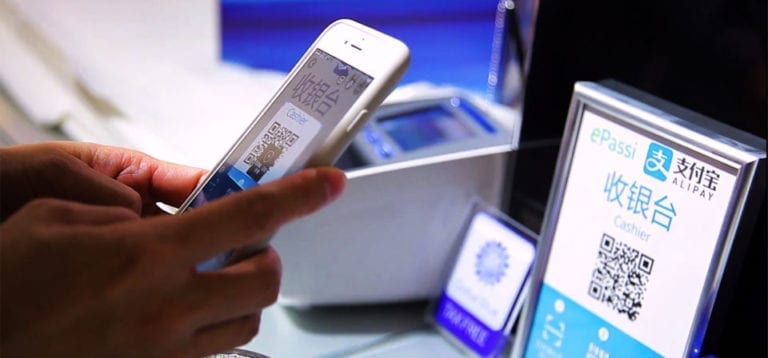
    Philippine Payments Management Inc. And Ant International have integrated Alipay+ into QR Ph, opening the country’s standardized merchant network to international digital wallet users across 2.5 million businesses.

    The integration connects arriving tourists directly to local point-of-sale systems after QR Ph transaction volumes jumped more than thirteenfold in 2025.

    Under the rollout, overseas visitors pay by scanning existing merchant QR Ph counter stands with their home banking applications and digital wallets. Filipino merchants receive payments in Philippine pesos through their standard settlement accounts without installing separate point-of-sale hardware or signing individual foreign merchant contracts. Bangko Sentral ng Pilipinas figures show digital channels handled 64.69 percent of total retail transaction volume nationwide in 2025.

    How the Cross-Border Routing Works

    Ant International operates Alipay+ as an aggregation switch connecting more than 50 e-wallets, bank apps, and domestic clearing systems covering two billion accounts globally. The Philippine Payments Management Inc., established under the National Payment Systems Act to oversee retail clearing houses PESONet and InstaPay, acts as the local operational counterparty under central bank supervision.

    Transactions clear instantly over the domestic interbank infrastructure. By routing foreign user credentials through the standardized QR Ph matrix, independent grocers, transport operators, and shopping mall tenants process foreign spend through their existing merchant acquiring banks.

    Through our partnership with Alipay+, we are extending that connectivity beyond our borders, enabling Filipino merchants, particularly SMEs, to serve international customers.

    Carmelita Araneta, general manager of Philippine Payments Management Inc., confirmed the system enables local micro, small, and medium businesses to capture inbound tourist spending directly without upgrading terminal hardware.

    Regional QR Linkages Across Southeast Asia

    Central banks across the Association of Southeast Asian Nations spent five years connecting national QR systems through bilateral central bank arrangements, including links between Singapore, Thailand, Malaysia, and Indonesia. Ant International has taken a parallel commercial route by plugging its private wallet switch directly into ten national QR schemes across Asia, the Middle East, and Latin America.

    Retailers benefit immediately from broader payment acceptance, yet the shift consolidates settlement traffic onto private gateway protocols rather than public central-bank settlement rails. For merchant acquirers and payment processors in Manila, merchant acquisition margins face pressure as payment routing shifts toward high-volume, low-margin standard QR processing.

    Central Bank Mandates and the Next Phase

    The Bangko Sentral ng Pilipinas designated PPMI as the country’s official payment system management body under Circular 980 in 2018, mandating standardized QR codes to eliminate proprietary closed-loop merchant terminals. That policy push cleared the ground for interoperability between competing domestic mobile wallets before enabling cross-border integrations.

    Ant International is now rolling out artificial intelligence analytics and fraud screening modules across its regional merchant network to manage currency conversion risks and transaction disputes. The Philippine clearing body will monitor cross-border settlement volumes through InstaPay as inbound tourist arrivals ramp up across provincial retail corridors.

  • Jollibee to List 7,251-Store International Unit in Hong Kong

    Jollibee to List 7,251-Store International Unit in Hong Kong

    Jollibee Foods Corporation is preparing to separate and list its international business in Hong Kong instead of the United States, carving out an overseas network of 7,251 restaurants across 33 countries.

    Shares in the Manila-listed parent rose 1.87 per cent following the move, which replaces a plan announced on January 6 to float the international arm on an American exchange.

    Richard Chong Woo Shin, currently chief executive of Jollibee Foods Corporation International (JFCI), will lead the standalone entity full-time once the separation concludes. Shin previously held senior roles at William Grant & Sons, Ralph Lauren, Bacardi and Altria. Jollibee Foods Corporation said the international business will operate with a lean corporate structure focused on capital allocation, investment opportunities and portfolio priorities, subject to listing committee approval from the Hong Kong stock exchange.

    Portfolio Tilt Toward Asian Beverages

    JFCI functions largely as a multi-brand operator with heavy exposure to Asian beverage chains. The international business holds full ownership of Smashburger, Tim Ho Wan, Yonghe King and Hong Zhuang Yuan, alongside controlling stakes of 80 per cent in The Coffee Bean & Tea Leaf, 70 per cent in South Korea’s Compose Coffee, 60 per cent in Highlands Coffee operator SuperFoods Group and 51 per cent in Milksha.

    Jollibee Foods Corporation ended June with 10,767 outlets worldwide under 19 brands, with overseas locations accounting for nearly 70 per cent of the total network. International system-wide sales climbed 25.4 per cent in the second quarter, while overseas same-store sales rose 4.4 per cent.

    Regional momentum is heavily concentrated in Asian markets. In Vietnam, system-wide sales jumped 47.6 per cent in the second quarter on same-store sales growth of 17.9 per cent. South Korea’s Compose Coffee added 145 stores during the first half, opening roughly 30 outlets a month. In China, Yonghe King reached 537 restaurants, with 65 per cent operating under franchise agreements and a target to reach 70 per cent by the end of the year.

    Shifting Away From Capital-Heavy Expansion

    Listing in Hong Kong aligns JFCI’s capital structure with where its physical earnings actually compound. While the flagship Jollibee fried chicken brand commands strong name recognition in Western markets, its North American presence remains tiny and capital-intensive compared to its Asian coffee and fast-casual footprint. The group ended June with 340 North American outlets, down from 357 a year earlier. Of those, the Jollibee banner ran 108 stores, including 106 company-owned sites and just two franchised locations.

    That balance sheet model is changing slowly. Jollibee launched its US franchising programme in March 2025 and secured seven multi-unit development groups by July, aiming for 330 franchised American locations by 2030. In the second quarter, US Jollibee stores posted a 9.8 per cent gain in same-store sales, marking 66 consecutive months of growth. Smashburger increased same-store sales by 7 per cent, though its store count fell from 203 to 180 as underperforming units were shuttered.

    Since the announcement on January 6, 2026 to list our international business, we have been doing the detailed work required to establish two strong, independent companies. That work has reinforced our conviction in the listing and has led us to conclude that Hong Kong is the market best aligned with JFCI’s business, geographic footprint, and long-term ambitions.

    The Path to Hong Kong Trading

    The pivot to Hong Kong coincides with a sharp rebound in the city’s equity fundraising. Hong Kong Exchanges and Clearing chief executive Bonnie Chan stated that new listings in 2026 had raised more than US$40 billion, surpassing the roughly US$37 billion collected during all of 2025. Hong Kong has actively courted Southeast Asian consumer groups, with more than 150 regional issuers already listed, representing over US$4.3 billion in capital raised.

    Group president and chief executive Ernesto Tanmantiong has set a target to position the flagship Jollibee brand among the top five restaurant operators globally, up from its current 18th position on Brand Finance’s global ranking with a valuation of US$3.3 billion.

    Before JFCI begins trading in Hong Kong, Jollibee must resolve the composition of its portfolio assets. The parent group is currently evaluating a separate initial public offering in Vietnam for Highlands Coffee, which has grown from 56 outlets in 2012 to approximately 1,000 stores, with a target listing date in the first quarter of 2027 that could raise up to US$400 million.

  • Eastern Communications Targets Regional Enterprise Deals at BATIC 2026

    Eastern Communications Targets Regional Enterprise Deals at BATIC 2026

    Eastern Communications pitched its enterprise connectivity portfolio to regional partners at the Bali Annual Telkom International Conference in Nusa Dua, Indonesia, seeking cross-border deals across Southeast Asia. The four-day summit brought together regional operators and digital infrastructure providers to negotiate wholesale bandwidth, enterprise links, and cloud interconnects.

    The push comes as Philippine telecommunications operators prepare more than USD 2.2 billion in capital expenditures for 2026 network upgrades. Eastern Communications, which is approaching its 150th year of operations, wants to capture more corporate traffic flowing between Manila and regional hubs like Singapore and Jakarta.

    Enterprise Focus in Bali

    Company co-coordinators Atty. Aileen Regio and Jaeson Evangelista led discussions at the Bali International Convention Center from August 25 to 28. Management focused talks on international enterprise clients that require dedicated bandwidth and cross-border connectivity across the Philippine archipelago.

    “Technology may connect the world, but it is people who make those connections meaningful,” Regio said, pitching the company’s customer support and service model to international carriers looking for local landing partners.

    Regional Wholesale Traffic

    Competition for regional enterprise traffic has intensified across Southeast Asia as businesses digitize supply chains and shift workloads to distributed data centres. Philippine carriers are actively securing bilateral agreements with regional telcos to defend enterprise margins against domestic rivals and international network providers.

    Eastern Communications plans to roll out additional enterprise data products and international partner links before the end of the year.

  • Okada Manila and Dior Lead Philippine Customer Service Rankings

    Okada Manila and Dior Lead Philippine Customer Service Rankings

    Okada Manila topped a Philippine customer service study across 78 categories with a score of 96.87, leading a field led by luxury hospitality and global retail brands.

    Grand Hyatt Manila followed in second place at 95.57, while French fashion house Dior ranked third overall at 95.12. The benchmark, compiled by data portal Statista and the Philippine Daily Inquirer, evaluated both physical and digital operations using more than 90,000 customer reviews collected between February and April 2025.

    How the scores were calculated

    Researchers weighted the final scores equally between a respondent’s likelihood to recommend a brand and five direct performance metrics. Those five criteria, each carrying a 10 percent weighting, covered accessibility, customer focus, quality of communication, professional competence and range of services.

    Participants evaluated companies they had transacted with, visited or researched over the previous three years. The survey spanned five broad sectors: brick-and-mortar stores, online retailers, digital services, hospitality and general consumer services.

    Top performers across retail and hospitality

    Homegrown luxury furniture maker Philux placed fourth with a score of 94.88 in the home goods retail division. Shangri-La Hotels took fifth at 94.81, followed by serviced apartment operator Ascott at 94.41.

    Consumer technology and fast-moving retail also secured spots in the upper tier. LG Electronics Philippines led online home goods with 94.33, while bakery chain Red Ribbon scored 93.5 in the restaurant and leisure bracket. Japanese apparel giant Uniqlo took the final two spots in the top ten, scoring 93.38 for its physical stores and 93.30 for its Philippine e-commerce operation.

    The strong showing of physical flagships alongside digital channels mirrors a broader shift across Southeast Asian retail, where omnichannel consistency dictates customer loyalty. Premium hospitality operators and luxury apparel labels continue to command the highest marks because their operating models justify higher floor staffing and dedicated post-purchase support.

    Statista and local partners plan to track category shifts through the next evaluation cycle, where rising store automation and digital checkouts face direct consumer assessment.

  • Southeast Asia Targets USD 11 Billion Subsea Cable Expansion for Route Redundancy

    Southeast Asia Targets USD 11 Billion Subsea Cable Expansion for Route Redundancy

    Telecommunications operators and infrastructure investors are committing USD 11 billion between 2026 and 2035 to build new subsea cable systems across Southeast Asia. The spending will expand the number of active intra-Asian cable lines from 14 in 2025 to 19 by 2035, securing international data bandwidth for regional digital economies and hyperscale cloud providers.

    Submarine cables handle more than 99 per cent of international communications traffic in hubs such as Singapore. Under the city-state’s Digital Connectivity Blueprint, authorities plan to double the volume of subsea cable landings over the next decade, backed by an estimated SGD 10 billion (USD 7.4 billion) in predominantly private sector capital.

    Rerouting Around Maritime Chokepoints

    Engineering plans for newly announced trans-Pacific and regional cables increasingly avoid traditional, direct passages through the South China Sea. Systems including Apricot, Echo, and Bifrost run alternative paths through Indonesian and Philippine territorial waters to connect Southeast Asia directly with North America, Japan, and South Korea. Taking longer perimeter paths increases capital costs and latency, but operators accept the trade-off to shield data links from geopolitical exposure and congested straits.

    For enterprise users and cloud operators across Asia-Pacific, these southern corridors remove single-point failure risks that have historically disrupted regional supply chains. Financial platforms, retail marketplaces, and cloud providers gain lower downtime risks during localized outages, while secondary telecom operators in Jakarta and Manila secure direct wholesale access without routing entirely through Singapore.

    Equipment Supply and Infrastructure Competition

    The supply chain for physical infrastructure remains divided among a handful of global manufacturers. Japan’s NEC and France’s ASN maintain strong market positions in island networks across Indonesia and the wider archipelago, while Chinese suppliers have expanded cable contracts in Cambodia and selected Indonesian domestic systems.

    This supplier spread gives regional governments room to balance national security requirements against procurement costs. At the same time, physical reliability remains a constant operational bottleneck. International Telecommunication Union data indicates that human activity, mainly commercial fishing and vessel anchoring, causes 86 per cent of all subsea cable faults, requiring more than 200 offshore repair operations worldwide each year.

    Coordinated Regional Master Plans

    The push for network redundancy builds on policy commitments laid out in the ASEAN Digital Master Plan 2030, which directs member countries to coordinate subsea repair approvals and landing permits. Previous repair timelines often stretched for months due to overlapping maritime jurisdictions and strict cabotage restrictions in archipelagic waters.

    Attention now turns to the planned commissioning of major multi-terabit links, including the Apricot and Bifrost systems, which are scheduled to land initial capacity phases before 2027.

  • Philippine Telcos Commit over USD 2.2 Billion in 2026 Capital Spending

    Philippine Telcos Commit over USD 2.2 Billion in 2026 Capital Spending

    Philippine telecommunications operators have budgeted more than USD 2.2 billion in capital expenditure for 2026 to expand mobile networks, fiber connectivity and digital infrastructure across the country.

    Filings and guidance compiled by the Department of Information and Communications Technology put the combined baseline for the three largest networks at USD 2.21 billion. Total industry spending will rise to between USD 2.4 billion and USD 2.45 billion once DITO Telecommunity figures are added.

    Carrier Budgets and Network Expansion

    Globe Telecom leads the spending group with a guidance ceiling set below PHP 59.4 billion for 2026. PLDT has committed approximately PHP 55 billion to fund its mobile and fixed-line networks, while Converge ICT Solutions plans to deploy between PHP 17 billion and PHP 20 billion for fiber rollout.

    DITO Telecommunity plans to scale back outlays from its 2025 level of PHP 15 billion to PHP 18 billion. DICT did not release a specific 2026 allocation for the third major mobile operator, but department officials confirmed the group will maintain active network expansion.

    “Crossing the USD 2 billion mark sends a clear message: the telecommunications industry believes in the Philippines,” said DICT Secretary Henry Aguda. He noted that the capital programmes will direct resources toward data centers, cloud platforms, e-commerce support and artificial intelligence capacity.

    Policy Shifts and Network Competition

    For consumer brands and retailers across Southeast Asia, sustained telecommunications spending underpins the shift toward digital payments, omnichannel commerce and last-mile logistics. Carriers in Manila spent heavily over the past five years to establish basic 5G footprints, and the 2026 budgets shift capital toward data density, subsea links and enterprise connections rather than speculative coverage builds.

    The investment cycle aligns with market reforms under the Konektadong Pinoy Act alongside public investment in the National Fiber Backbone. The next milestone for the sector comes with third-quarter company earnings reports in November, when operators will release finalized 2026 project timelines and vendor procurement contracts.

  • Philippine Airlines Adds Cats to Domestic In-Cabin Flights for 2,500 Pesos

    Philippine Airlines Adds Cats to Domestic In-Cabin Flights for 2,500 Pesos

    Philippine Airlines opened its domestic passenger cabins to cats on September 5, charging 2,500 pesos per one-way flight under its expanded FurPAL pet scheme. The service allows passengers to bring one small dog or cat inside the cabin, provided the animal and its carrier weigh no more than 10 kilograms combined.

    Pets must be at least 12 weeks old and fully weaned. The airline requires animals to travel in soft-sided carriers measuring no more than 45 by 25 by 28 centimetres, sized to slide underneath the seat while allowing the animal space to stand, turn, and lie down.

    Carrier Rules and Paperwork

    Passengers cannot buy an extra seat for a pet or remove the animal from its carrier during flight. Dogs must wear diapers throughout the journey, while cats require absorbent pads inside their carriers. Feeding during the flight is barred, though water is permitted.

    Boarding requires four distinct documents presented at check-in: a signed declaration and waiver, a veterinary health certificate dated within five days of departure, an anti-rabies vaccination certificate, and a local shipping permit issued by the Bureau of Animal Industry.

    Fleet Restrictions and Capacity

    Capacity limits remain tight across the network. Most eligible aircraft can accommodate a maximum of three pets per flight, requiring passengers to book and pay at least 48 hours prior to scheduled departure.

    The service applies only to select aircraft types, including PAL’s De Havilland Dash 8-Q400 turboprops, Airbus A320s, A321ceos, specific A330s, Boeing 777s, and Airbus A350s.

    Southeast Asian carriers have long restricted live animals to cargo holds due to cabin cleanliness standards and biosecurity regulations. By expanding cabin access to cats alongside dogs, PAL is testing revenue potential in a domestic consumer market where pet spending and companion travel continue to gain traction.

    Bookings remain governed by the 48-hour advance cut-off, leaving seat inventory and carrier approvals strictly capped on high-frequency provincial routes.

  • Lumio Solar Raises US$900,000 for Plug-and-Play Solar Appliances

    Lumio Solar Raises US$900,000 for Plug-and-Play Solar Appliances

    Lumio Solar raised US$900,000 in pre-seed funding in August 2026 to build a distribution and service network for solar-powered appliances across the Philippines.

    The investment round was led by 100×100, the Southeast Asia climate venture builder formerly known as Wavemaker Impact, to back the Pampanga-based startup’s rollout of solar fans, lights, freezers, and portable power stations.

    Replacing Rooftop Panels with Standalone Units

    Lumio sells appliances that generate and store their own electricity without requiring roof installation, property ownership, or utility permits. The company targets households, micro, small and medium enterprises, and agribusinesses that are often priced out of rooftop solar. According to Lumio, its equipment cuts operating costs between 10 per cent and 90 per cent compared to standard alternatives while reducing electricity-related emissions by at least 50 per cent.

    Rey Sunglao, founder and chief executive officer of Lumio Solar, leads the venture after more than two decades in Philippine retail and commercial operations, including senior roles at SM Malls Online. Capital from the funding round will go toward widening the startup’s product range, strengthening regional hubs, and establishing localized after-sales repair points.

    The Retail Distribution Hurdle

    The operational test for Lumio lies in logistics and servicing rather than basic hardware manufacturing. Portable power stations from global brands like EcoFlow, Bluetti, and Jackery already sell across Southeast Asia, but they target affluent consumers and outdoor enthusiasts through digital storefronts. Lumio is attempting a traditional retail route, placing inventory and technician support into secondary cities and agricultural areas where power grids remain unstable and diesel generators drive up overhead.

    For independent shopkeepers and food vendors in provincial markets, energy costs represent a daily margin calculation. Commercial rooftop installers such as Solar Philippines, Buskowitz Energy, and Solaric focus heavily on large commercial roofs, industrial compounds, and high-income residential properties. By shrinking the hardware transaction to the size of a single chest freezer or shop fan, Lumio avoids long financing approvals, though it assumes the operational burden of warranty claims and replacement parts across an archipelago.

    Expanding from Central Luzon

    High retail power tariffs in the Philippines have accelerated private generation projects, with national solar capacity projected to expand 17.4 per cent annually through 2050. Lead investor 100×100 launched a US$100 million second fund in 2026 to back 50 climate enterprises across Southeast Asia and India, targeting scalable businesses in high-emission sectors.

    Initial commercial rollouts will concentrate on Central Luzon and Metro Manila before expanding into provincial hubs in the Visayas and Mindanao, where Lumio plans to deploy its first batch of regional service centers.

  • Weak Peso Pushes Philippine Supermarkets Toward Cheaper Stock

    Weak Peso Pushes Philippine Supermarkets Toward Cheaper Stock

    Philippine manufacturers and retailers face severe cost pressures after the peso slid past 62 per US dollar. The slump drives up import expenses for raw materials, machinery, and store inventory.

    The currency touched an all-time low of 62.265 against the greenback on August 28. That drop amplified imported inflation after domestic headline inflation reached 6.2 percent in July.

    Warnings from the Federation of Philippine Industries indicate that higher landed input costs will cascade through wholesale channels onto retail shelves. Raw materials, intermediate goods, capital equipment, and mineral fuels make up more than 85 percent of total Philippine imports, according to government trade data. Domestic producers must spend more pesos to secure ingredients and packaging. At the same time, higher diesel and electricity charges lift distribution expenses across store networks.

    Supermarket Shelves and Downgraded Goods

    Consumer goods companies also face steeper capital expenditure hurdles. Machinery and equipment account for nearly 28 percent of inbound shipments. Meanwhile, a 25-basis-point interest rate increase by the Bangko Sentral ng Pilipinas has pushed commercial borrowing rates higher.

    If brand owners pass cost increases to retail buyers, store operators will adapt by altering product selections. Grocers may have to stock cheaper, lower-grade alternatives to maintain transaction volumes as household budgets tighten, warned Steven Cua, president of the Philippine Amalgamated Supermarkets Association.

    Retailers across Southeast Asia have confronted similar currency depreciation cycles by shrinking pack sizes and expanding private-label ranges. Remittances from overseas workers normally cushion Philippine consumer spending. However, sustained food and energy inflation threatens to cancel out those remittance gains by eroding baseline purchasing power.

    Input Clearances and Inflation Watch

    To ease cashflow strains on domestic factories, manufacturing lobbies are pressing government agencies to fast-track customs clearance for industrial inputs. Expedited releases would cut storage and port fees that accumulate during administrative delays.

    Market watchers now look to the upcoming official August inflation print. Central bank officials must decide whether further interest rate adjustments are needed to stabilise the peso.

  • Philippine Seven Corp to Open 5,000Th 7-Eleven Store in Cebu

    Philippine Seven Corp to Open 5,000Th 7-Eleven Store in Cebu

    Philippine Seven Corp will open its 5,000th 7-Eleven store in Lapu-Lapu City, Cebu on Dec. 3, completing an expansion of 1,000 outlets in two years.

    The convenience chain closed June with 4,650 branches nationwide after net profit climbed 3.8 per cent to 1.84 billion pesos in the first half. System-wide sales rose 15.1 per cent over the same six months, with locations opened within the period generating more than 6 per cent of total turnover.

    Franchise Split and Store Economics

    Half of the 350 outlets needed to hit the year-end target will be company-owned, with franchisees taking the remainder. The rapid buildout follows the opening of store number 4,000 in 2024, four decades after 7-Eleven entered the Philippine market.

    PSC chair Victor Paterno told reporters that unit economics improved despite rising electricity, fuel and labor expenses. Cashless checkout terminals installed across tourist destinations and higher-income districts lifted average spend by enabling credit card transactions.

    The operator is also adjusting its merchandise mix to attract younger shoppers while brushing off competition from fast-spreading hard discounters. Paterno noted that discount grocers stock minimal immediate-consumption items, leaving local convenience formats largely insulated from their price pressure.

    Next Targets in Mindanao

    Across Southeast Asia, convenience store chains are racing to build dense logistics networks outside capital cities to capture rising provincial purchasing power before regional competitors establish dominance. PSC is mirroring strategies used by convenience operators in Thailand and Indonesia, where rural expansion delivers higher sales gains than saturated tier-one metros.

    PSC plans to open approximately 600 additional stores in 2027, subject to broader macroeconomic conditions. Distribution routes will push deeper into Western Mindanao, with Zamboanga City designated as a key focal point for logistics development.

  • Ghost Month Slows Philippine Property Deals and Major Consumer Purchases

    Ghost Month Slows Philippine Property Deals and Major Consumer Purchases

    Philippine consumers are postponing major property purchases and business launches until Ghost Month ends. That pushes transaction volumes into the fourth quarter.

    The seventh lunar month prompts households across the country to delay home handovers, wedding bookings, and commercial openings. Sales inquiries continue. However, buyers hold off on signing binding contracts or moving into finished properties.

    How Cultural Timing Alters Buying Cycles

    This pattern stems from Chinese traditions of ancestor remembrance that remain influential across Southeast Asian commercial centers. Families view big financial commitments as major life transitions. Avoiding perceived risk carries more weight than closing a deal early.

    For retailers and property developers, the slowdown represents delayed demand rather than lost sales. Companies frequently realign marketing budgets and inventory releases. This prevents spending during weeks when buyers intentionally freeze final decisions.

    Aligning Sales Plans with Seasonal Shifts

    Cultural calendars dictate revenue spikes and lulls across other Asian retail sectors as well. Brands routinely adjust operations around the Lunar New Year gift cycle, Ramadan shopping windows, and Christmas retail surges.

    Strategists Josiah Go and Chiqui Escareal-Go will outline consumer decision frameworks for regional operators at the 3rd Marketing Plan Summit on Sept. 22 and 23, focusing on the commercial impact of behavioral timing.

  • Philippine Retailers Seek Abolition of P10,000 Import Tax Exemption

    Philippine Retailers Seek Abolition of P10,000 Import Tax Exemption

    Philippine retail groups are demanding the complete abolition of the country’s 10,000-peso duty-free import threshold ahead of peak holiday shopping.

    The Philippine Retailers Association estimates that 57.4 billion pesos ($1.02 billion) in cross-border parcels entered the country tax-free in 2023 out of a 287 billion peso total e-commerce market. Under current customs regulations, commercial shipments valued below 10,000 pesos avoid all import duties and local taxes, giving offshore digital storefronts a structural pricing edge over domestic brick-and-mortar operators.

    Tax exemptions under fire

    PRA chair Roberto Claudio Sr., founder of sporting goods chain Toby’s Sports, said the association has petitioned the Department of Finance, the Department of Trade and Industry, and Congress to eliminate the exemption for commercial cargo. The group previously favored reducing the threshold value, but Claudio noted that partial cuts fail to curb the influx of untaxed and counterfeit inventory flooding local online marketplaces.

    Domestic retail accounts for 16 percent to 18 percent of Philippine gross domestic product, pays 780 billion pesos in annual taxes, and employs up to 12 million workers. PRA president Alice Liu acknowledged that removing the duty exemption could lift prices on small consumer parcels, but argued the revenue loss and employment risks for domestic operators outweigh individual transaction savings during the critical year-end sales cycle.

    Regional crackdown on cross-border parcels

    The push reflects a broader regulatory shift across Southeast Asia, where finance ministries have steadily dismantled low-value import exemptions to protect domestic supply chains. Indonesia banned direct cross-border trade below $100 on e-commerce platforms and tightened customs clearance on imported apparel, while Malaysia and Thailand introduced value-added taxes on low-value imported goods to close similar digital loopholes.

    Economic managers at the Department of Finance have not yet scheduled formal hearings on the PRA submission, leaving the 10,000-peso de minimis threshold in place as fourth-quarter import volumes begin to climb.

  • Philippines to Drop VAT on Power System Loss Charges by November

    Philippines to Drop VAT on Power System Loss Charges by November

    Philippine authorities plan to eliminate the 12 percent value-added tax on electricity system loss charges from consumer and commercial utility bills as early as November 2026.

    The Energy Regulatory Commission issued Resolution No. 26, which reclassifies transmission and distribution losses as pass-through costs rather than taxable revenue for power generators, grid operators and distribution utilities.

    Energy Regulatory Commission Chairperson Francis Saturnino Juan confirmed during a Department of Energy budget hearing that the Bureau of Internal Revenue is drafting the required revenue memorandum circular. The tax agency plans to release the circular following a mandatory 15-day publication window, clearing distributors to update their billing systems.

    Bureau of Internal Revenue Commissioner Charlito Martin Mendoza stated that the adjustment ensures consumers no longer pay taxes on electricity that never reaches homes or businesses.

    The Seven Billion Peso Cleanup

    Lifting the tax does not remove the underlying system loss charges, which continue to appear on Philippine power bills. Energy Secretary Sharon Garin told lawmakers that eliminating the actual loss charges requires a phased program and significant capital expenditure across regional grids.

    System losses divide into technical and non-technical categories. Non-technical losses cover meter tampering, power theft, defective metering equipment and administrative billing errors. Department of Energy estimates indicate that eliminating non-technical loss allowances will require approximately 7 billion pesos in enforcement, meter replacements, database cleanups and cooperative management overhauls.

    Technical losses occur naturally across cables and transformers during transmission. Fixing them requires electric cooperatives and private utilities to replace ageing lines, upgrade substations and redesign local grid architecture.

    Legislative Limits and Network Audits

    Philippine commercial operators face some of the highest electricity tariffs in Southeast Asia, where utility line items consistently eat into store operating margins and household discretionary spending. While cutting the 12 percent tax offers immediate margin relief, dismantling the base charge faces statutory limits under the Electric Power Industry Reform Act, which permits distribution utilities to recover system losses up to regulatory caps.

    Electric cooperatives will take roughly six months to complete physical grid assessments before regulators can adjust allowable technical loss caps. Garin said the government expects to deliver its formal progress report on technical losses in the first half of 2027.

  • KDDI Expands Starlink Direct Satellite Access to the Philippines and New Zealand

    KDDI Expands Starlink Direct Satellite Access to the Philippines and New Zealand

    Japanese carrier KDDI and Okinawa Cellular expanded their au Starlink Direct satellite service on August 31 to cover the Philippines and New Zealand.

    The cross-border rollout adds two Asia-Pacific destinations to an international coverage footprint that previously included only the United States and Canada.

    Direct satellite links for travellers

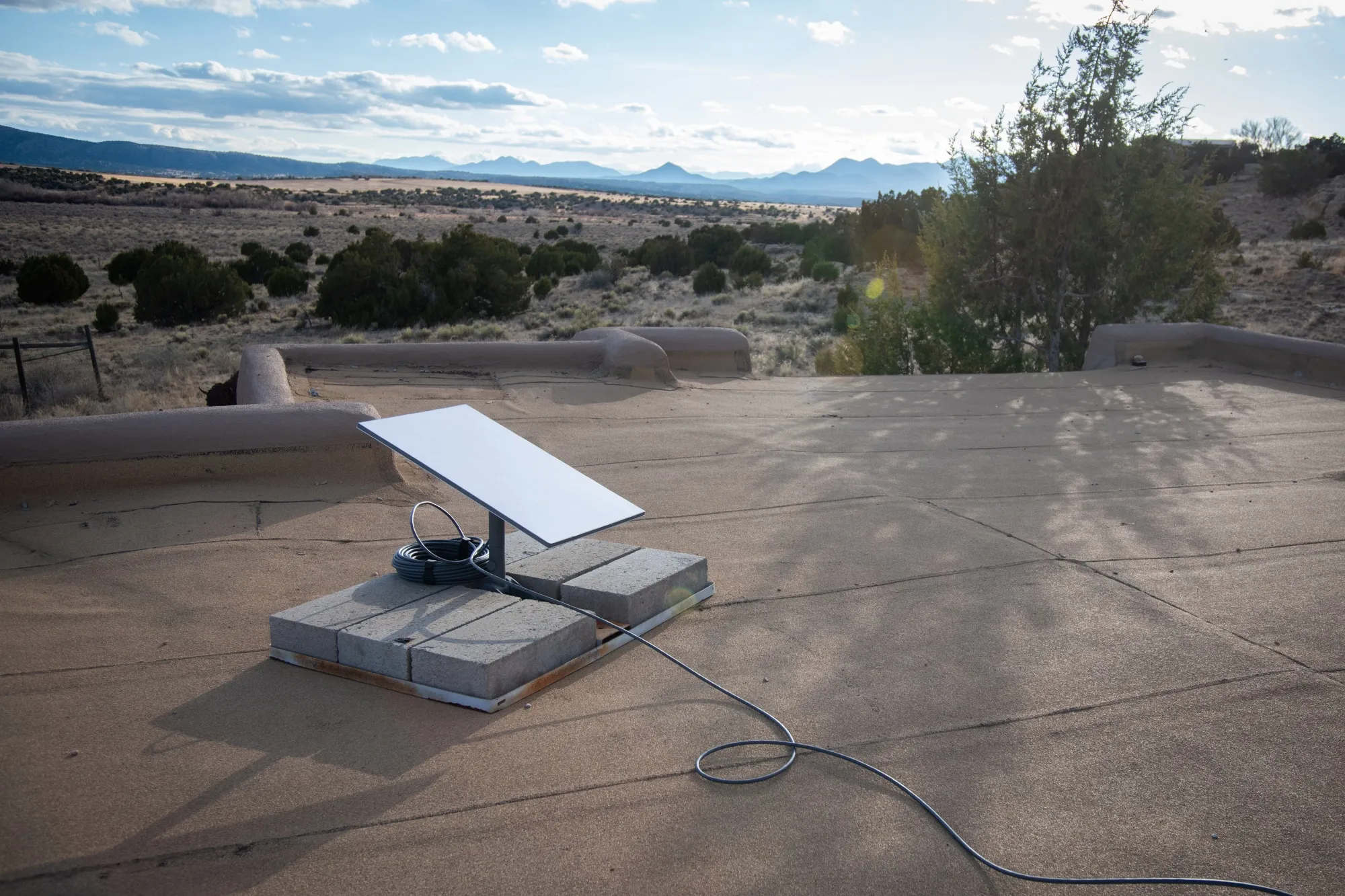
    Subscribers to KDDI’s satellite service in Japan can now access low-Earth orbit connectivity in remote areas across both partner markets without paying extra fees or filing advance applications. The service links directly with Starlink Mobile technology when users have a clear view of the sky, enabling text messaging, location sharing, and supported light data applications in regions where terrestrial cellular networks do not reach.

    Local carriers Globe Telecom in Manila and Spark in Auckland are serving as the operational partners for the rollout. Philippine coverage targets remote island corridors and dive destinations such as El Nido on Palawan Island, while New Zealand access focuses on national parks and backcountry wilderness areas.

    “By enabling access to Starlink Mobile’s satellite-powered text and light data services when overseas, we’re helping travelers stay connected in places where traditional mobile coverage isn’t available,” Spark Chief Customer Officer Mark Beder said.

    Regional race for direct-to-cell coverage

    Mobile operators across the Asia-Pacific region are increasingly turning to low-Earth orbit satellite constellations to eliminate dead zones across archipelagos and rugged terrain without building expensive land towers. By routing signals directly between standard consumer smartphones and satellites in orbit, carriers can maintain emergency contact channels for inbound tourists and rural communities without requiring dedicated satellite handsets.

    Globe and Spark are working to expand two-way satellite roaming for their own domestic customers as Starlink prepares broader direct-to-cell capabilities across the wider region.