Tag: Philippines

  • Jollibee Shifts International Spinoff Listing to Hong Kong

    Jollibee Shifts International Spinoff Listing to Hong Kong

    Jollibee Foods will list its overseas business in Hong Kong instead of the United States, carving out its international restaurant operations into an independently traded entity.

    The unit, named Jollibee Foods International (JFCI), will hold all network operations outside the Philippines, while parent firm JFC keeps domestic stores and its listing on the Philippine Stock Exchange.

    Carving Out the Global Assets

    Splitting the operations creates two separate public companies with independent capital allocation and operating targets. Jollibee said Hong Kong provides direct access to Asian and global institutional funds as the chain builds its presence across North America and regional markets outside its home base.

    Hong Kong recorded $22.45 billion in initial public offerings during the first half of the year, a 57 per cent increase from the previous year and the exchange’s strongest first-half performance in five years.

    Richard Chong Woo Shin will lead JFCI as chief executive officer once the corporate separation finishes. Shin currently serves as chief financial and risk officer for Jollibee Group and will retain those duties until the restructuring concludes.

    Shifting Listing Destinations

    Consumer brands across Southeast Asia have long weighed New York listings against regional venues when seeking deeper international liquidity. By picking Hong Kong over a US exchange, Jollibee joins Asian consumer groups that favor regional trading hours and institutional investors familiar with Asian quick-service restaurant networks over the regulatory friction and compliance overhead of American bourses.

    The company is setting up internal governance, financing facilities, and operating systems for JFCI. The deal still requires formal shareholder and regulatory clearances before the company files its listing timetable with the Hong Kong stock exchange.
  • SM Supermalls Revenue Rises 8% to $667M on Record Occupancy

    SM Supermalls Revenue Rises 8% to $667M on Record Occupancy

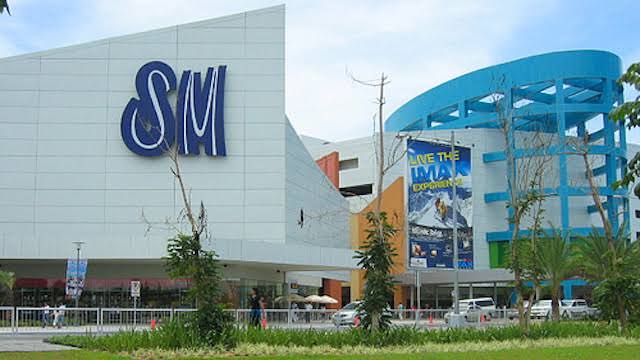
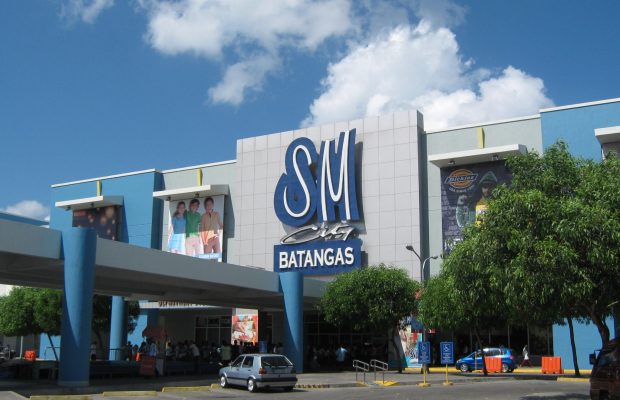
    SM Supermalls lifted first-half revenue by 8 per cent to US$667 million across the Philippines as mall occupancy reached a record 96 per cent.

    Same-store sales rose 4.8 per cent to 41.8 billion Philippine pesos during the six-month period, driven by steady foot traffic and resilient food spending.

    Vacant floor space dropped to 4 per cent across the network, with the operator attributing most empty units to planned tenant relocations rather than lease cancellations. President Stephen Tan said shoppers have grown more deliberate about where they spend, favouring better quality and experiential formats over basic discount hunting.

    Casual dining led tenant performance, according to executive vice president for marketing Joaquin San Agustin, who noted that trading held steady across nearly all retail categories.

    Shifting space from apparel to leisure

    To keep mall floors full, the group is reallocating square footage away from traditional apparel racks toward sports, entertainment and social concepts. Recent additions include pickleball courts, running hubs, food halls, game parks and combined dining-and-gaming venues.

    “A mall can’t stay the same,” Tan said. “You have to keep introducing new tenants and new experiences to keep customers coming back.”

    Across Southeast Asia, mall operators face a split market. While department stores in older suburban centres lose ground to online shopping, dominant prime developers in the Philippines, Indonesia and Thailand are converting excess retail capacity into recreational destinations to protect dwell times and rental yields.

    Provincial expansion pipeline

    Growth is now concentrated outside the capital. The company opens SM Nuvali in Laguna this November, installing the country’s first direct-view LED cinema screen to replace traditional projection booths.

    Further openings scheduled in the pipeline include new regional developments in Tagum, General Trias, Bohol and Malolos.

  • Philippine Mall Rents Reach P1,783 per Sqm as Retail Real Estate Leads Market

    Philippine Mall Rents Reach P1,783 per Sqm as Retail Real Estate Leads Market

    Philippine retail rents rose 1.4 percent year-on-year to 1,783 pesos per square meter a month in the second quarter of 2026, keeping prime shopping malls ahead of hotels and data centers.

    The property market absorbed 26,000 square meters of new space during the three-month period, according to JLL data, while quarter-on-quarter rents edged up 0.4 percent.

    Foot Traffic and Large Formats

    Physical mall visits remain the core driver of commercial retail space across the country. SM Supermalls logged 1.4 billion total visits in 2025, reaching 153 million in December when holiday crowds averaged 5.5 million visitors per weekend day and 4.6 million on weekdays.

    Operators continue to anchor their portfolios around these consumer flows. SM Mall of Asia spanned about 497,000 square meters of gross floor area by 2025, while competing networks from the Ayala group and grocery operators like Puregold hold steady tenant rosters in key commercial corridors.

    Supply Pipeline and Experiential Shift

    Across Southeast Asia, mall landlords have struggled with digital channel shifts, but Philippine operators have protected yields by converting floorplans toward dining, entertainment and social spaces. Cushman & Wakefield ranked retail ahead of hotels and data centers in the Philippine commercial real estate market in 2025, noting steady leasing demand from international brands entering prime locations.

    The sector faces an influx of new physical inventory before January, with developers scheduled to complete another 160,000 square meters of retail space by the end of 2026.

  • Regatta Opens Refreshed Flagship at SM Mall of Asia

    Regatta Opens Refreshed Flagship at SM Mall of Asia

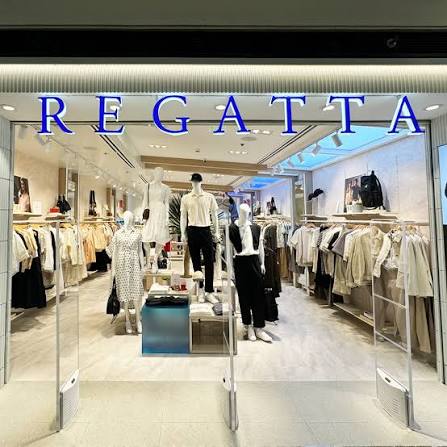
    Filipino lifestyle apparel brand Regatta opened a refreshed flagship store at SM Mall of Asia in Metro Manila, expanding its footprint inside one of the country’s largest retail centers.

    The store occupies space on the third floor of the South Main Mall, introducing an updated coastal retail layout paired with a new apparel sub-category.

    Inside the unit, merchandise is organized into dedicated product zones. A central accessories display carries lifestyle goods, including fragrances, headwear, drinkware, and towels, while an entire wall shows the retailer’s core polo shirt collection next to a customer lounge section.

    Athletic range expands casual lineup

    Alongside the store launch, Regatta introduced Regatta Sport, a product line targeting daily activewear. The collection includes quarter-zip pullovers, polo dresses, sweat shorts, lightweight nylon shorts, and jackets designed to bridge classic country club styling with functional athletic wear.

    The apparel rollout gives the brand broader coverage across technical fabrics and leisure categories as consumer demand for hybrid sportswear grows across Southeast Asia.

    Mall footprints anchor local brands

    Domestic apparel brands in the Philippines continue to renovate key metro flagships to hold floor space against competing international fast-fashion chains. High-traffic centers such as SM Mall of Asia serve as testing grounds for local operators seeking to expand product categories into lifestyle accessories and performance apparel.

    Regatta will monitor sales performance from the sports range at the South Main Mall location before rolling the inventory across its wider domestic store network in subsequent seasons.

  • Philippine Family Income Reaches 411,350 Pesos as Regional Wealth Gap Widens

    Philippine Family Income Reaches 411,350 Pesos as Regional Wealth Gap Widens

    Average annual family income in the Philippines climbed to 411,350 pesos in 2025, according to preliminary data from the Philippine Statistics Authority’s latest Family Income and Expenditure Survey.

    That nationwide figure works out to roughly 34,300 pesos a month, but earnings remain heavily skewed toward Metro Manila and industrial Luzon.

    Makati posted the highest average income among highly urbanized cities at 796,990 pesos per year, or about 66,400 pesos monthly. That is nearly double the national average and 2.5 times higher than Zamboanga City, which ranked lowest among major urban centers at 309,610 pesos. The next four top-earning cities all sit within Metro Manila: San Juan at 735,960 pesos, Parañaque at 711,310 pesos, Mandaluyong at 676,130 pesos, and Quezon City at 648,150 pesos.

    Metro Manila and Northern Luzon Lead

    Only three administrative regions surpassed the national average in 2025. The National Capital Region led with an average annual family income of 574,370 pesos, followed by Calabarzon at 526,070 pesos and Central Luzon at 447,310 pesos. At the bottom, the Bangsamoro Autonomous Region in Muslim Mindanao recorded 246,050 pesos, trailing Zamboanga Peninsula at 286,340 pesos and Soccsksargen at 292,820 pesos.

    Provincial data shows an even wider spread. Ilocos Norte topped all provinces with an average family income of 619,240 pesos, followed by Batanes, Cavite, Rizal, and Batangas. The bottom five provinces were all located in Mindanao, with Maguindanao del Sur recording just 177,750 pesos.

    Ilocos Norte expanded its household income by nearly 70 per cent between 2021 and 2025, rising from 364,800 pesos to 619,240 pesos. Remittances and business proceeds drove that surge. Overseas cash receipts accounted for 20.2 per cent of provincial family earnings, compared to an 8.5 per cent share nationally, while salaries contributed 39.8 per cent against a national average of 54.6 per cent.

    Uneven Growth Across Island Groups

    Retailers sizing up consumer demand outside Manila face sharply different spending trajectories. While high-income enclaves command basket size, secondary provinces are posting faster percentage gains. Cagayan Valley delivered the fastest regional increase between 2023 and 2025, expanding 25 per cent to 388,220 pesos, while Samar recorded a 54.4 per cent provincial jump to 357,340 pesos.

    Contraction hit other pockets. Sultan Kudarat saw average family income drop 8.2 per cent between 2023 and 2025 to 269,610 pesos. Income composition also split along regional lines: wage labor dominated every region except BARMM, where entrepreneurial activity generated 43.8 per cent of total household revenue.

    The statistics agency will publish the final 2025 expenditure tables and poverty threshold estimates in its complete survey release.

  • Philippine Central Bank Lifts Key Rate to 5% to Tackle Sticky Inflation

    Philippine Central Bank Lifts Key Rate to 5% to Tackle Sticky Inflation

    The Bangko Sentral ng Pilipinas raised its benchmark policy rate by 25 basis points to 5 per cent on Thursday. The decision targets persistent price pressures across consumer staples and fuel.

    Overnight deposit and lending facilities climbed to 4.5 per cent and 5.5 per cent. That brings a third straight quarter of tightening, following rate increases in April and June.

    Headline inflation dropped to 6.2 per cent in July from 6.4 per cent in June, easing for a third consecutive month. Core inflation, which strips out volatile energy and food items, edged down to 4.2 per cent from 4.4 per cent. Both figures remain above the government target corridor of 2 per cent to 4 per cent.

    Pressures across food, fuel and wages

    Monetary officials warned that broader price pressures continue to build across supply networks. Volatile global oil benchmarks, potential crop losses from El Niño, and rising agricultural input costs threaten retail food prices nationwide.

    Labor expenses also sit high on the central bank’s monitoring list. A pending minimum wage increase for Metro Manila remains frozen in court. Even so, authorities noted that higher payroll expenses will filter into consumer prices if businesses pass on the cost.

    Bank of the Philippine Islands lead economist Emilio Neri Jr. Pointed out that monetary tightening cannot fix supply bottlenecks. Extreme weather, elevated fertilizer costs, and currency weakness threaten to drive import bills higher for retail operators and food manufacturers.

    Slower growth tests consumer demand

    Higher borrowing costs arrive at a delicate moment for consumer spending and commercial investment. Philippine gross domestic product expanded by 2.3 per cent in the second quarter, decelerating from 2.8 per cent in the first quarter. Gross capital formation shrank 9.2 per cent year-on-year.

    Across Southeast Asia, central bankers are balancing household purchasing power against softening corporate investment. While regional peers have paused rate adjustments to protect domestic commerce, Manila is prioritizing price stability. The focus is on preventing inflation expectations from taking root in retail checkouts.

    Average inflation will exceed the 4 per cent upper boundary through both 2026 and 2027 before settling near the 3 per cent target in 2028, according to central bank forecasts.

  • Makro Returns to Philippines with Four Greater Manila Outlets

    Makro Returns to Philippines with Four Greater Manila Outlets

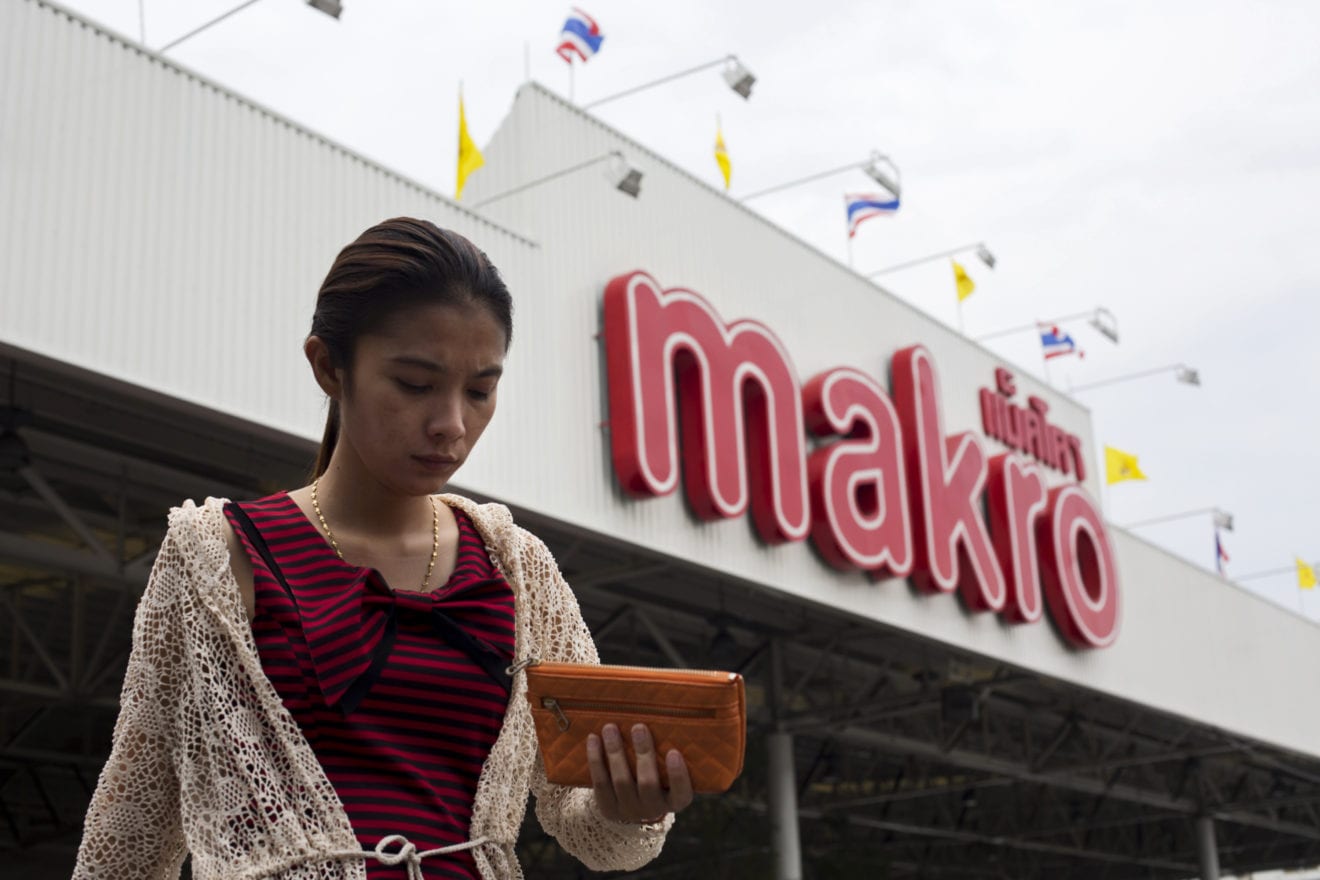
    Thai wholesale operator CP Axtra has partnered with Ayala Corporation to bring Makro back to the Philippines across four commercial estates in Greater Manila.

    Under the deal, the joint venture signed lease agreements with Ayala Land for sites in Quezon City, Taguig, Laguna, and Cavite. The cash-and-carry brand returns nearly two decades after its original footprint was sold off and absorbed by rival operators.

    Four Hubs Across Greater Manila

    All four locations sit inside key transport corridors and commercial zones. In Quezon City, Makro will open at Cloverleaf at the intersection of EDSA and the North Luzon Expressway. In Taguig, the retailer will take space inside Ayala Malls Arca South to serve the capital’s southern gateway.

    Two other branches target corridors south of Metro Manila. Broadfield in Biñan, Laguna, puts Makro inside a dedicated commercial and logistics campus. Meanwhile, Evo City in Kawit, Cavite, places the brand in a fast-growing residential and commercial district.

    Rebuilding an Old Partnership

    Makro first entered the Philippine market in March 1996 through a joint venture among Dutch retailer SHV, Ayala, and the SM Group. Ayala sold its 28 percent stake in 2004. SM took full control five years later, converting all existing branches into SM Hypermarkets by 2009.

    Today, the partnership pairs Ayala with CP Axtra, the retail arm of Thailand’s Charoen Pokphand Group, which operates Makro wholesale centres and Lotus’s supermarkets. The Philippine market offers a strong base of small merchants, food service businesses, and bulk-buying households that CP Axtra targets across Southeast Asia.

    Makro Philippines plans to open its first two stores at Cloverleaf and Arca South between the fourth quarter of 2026 and the first quarter of 2027. Openings in Cavite and Laguna will follow.

  • Robinsons Malls Adds Accessibility Upgrades Across Philippine Network

    Robinsons Malls Adds Accessibility Upgrades Across Philippine Network

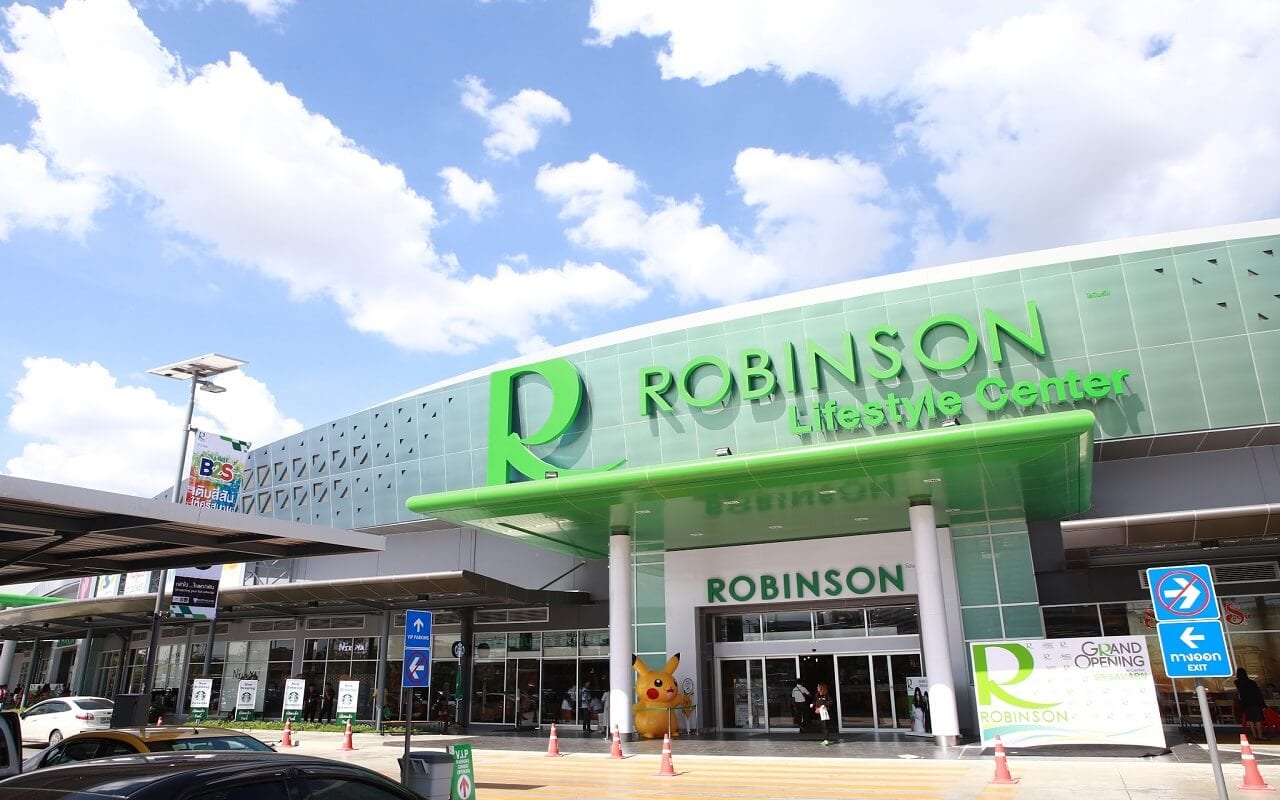
    Robinsons Land Corp. Is rolling out accessibility retrofits across its retail portfolio after Robinsons Las Pinas won a bronze award at the 31st Apolinario Mabini Awards. The recognition evaluated commercial premises on physical design adjustments and day-to-day facilities tailored for persons with disabilities.

    Organised by the Philippine Foundation for the Rehabilitation of the Disabled, the Mabini awards evaluate physical infrastructure, barrier-free pathways, operational assistance, and staff readiness across commercial properties. Robinsons Las Pinas took the Bronze Award in the Disability-Friendly Establishment category.

    Portfolio Retrofits and Building Standards

    Design teams at Robinsons Land Corp. Are adapting architectural layouts across existing properties to align with updated accessibility targets. The program covers ramps, accessible rest areas, dedicated parking bays, transit access points, and service counters designed for wheelchair users and visitors with mobility limits.

    Operational protocols also involve coordination with local community organizations and government agencies to ensure frontline mall personnel handle customer assistance requests correctly. Two other portfolio properties, Robinsons Magnolia in Quezon City and Robinsons Galleria South in San Pedro, Laguna, previously earned Mabini awards under similar operational audits.

    Commercial Footprint in Greater Manila

    Philippine mall developers face rising pressure to modernize older suburban assets as shopping centres evolve into community service centres handling government agencies, clinics, and everyday retail. Metro Manila shopping complexes compete intensely on basic convenience and universal access to retain family foot traffic.

    Property owners that neglect universal design risk losing footfall from multi-generational shopping groups, particularly as suburban transit links bring older shoppers and mobility-impaired visitors directly into retail corridors. Robinsons Malls plans to maintain these design standards as baseline criteria for upcoming renovations and new mall openings across regional provinces.

  • SM Retail Revenue Hits 223.6 Billion Pesos as Network Expands Beyond Manila

    SM Retail Revenue Hits 223.6 Billion Pesos as Network Expands Beyond Manila

    SM Retail posted first-half 2026 revenues of 223.6 billion pesos ($3.7 billion), up 5.6 per cent from a year earlier. Regional consumer spending gathered pace across the Philippines.

    Net income rose 6.0 per cent to 8.9 billion pesos ($270 million). Same-store sales grew 2.9 per cent across a nationwide network of 4,837 stores.

    Food and Speciality Stores Drive Turnover

    Food retail generated roughly 60 per cent of total sales across 2,824 points of sale. It rose 6.1 per cent with same-store gains of 3.3 per cent. SM Store, the group’s 79-location department store chain, grew revenue 3.2 per cent. Speciality store sales expanded 5.9 per cent, even after the operator closed a net 73 outlets to trim marginal locations.

    The company relies on an asset-light format by leasing space within sister developer SM Prime’s commercial properties. Of the 490 physical stores opened over the past year, 80 per cent sit outside Greater Manila. These target provinces where modern retail still represents less than half of household shopping spend.

    Mall Developer Backs Bay Reclamation

    SM Prime lifted first-half revenue 5.3 per cent to 71.7 billion pesos ($1.2 billion). The developer operates 90 malls across the Philippines and nine in mainland China. Rental income provided more than 60 per cent of that total. Revenue from leisure facilities, including cinemas and ice-skating rinks, rose by more than 10 per cent during the same period.

    Expansion into secondary provinces mirrors retail decentralisation across Southeast Asia, where operators such as Central Group in Thailand and Vincom Retail in Vietnam build commercial centers ahead of rising provincial incomes. Remittances from overseas workers feed directly into these regional retail hubs. They underpin Philippine private consumption at 75 per cent of gross domestic product.

    Work continues on Pasay 360, a 360-hectare Manila Bay reclamation joint venture with local authorities. The project will expand the Mall of Asia complex with new commercial, hotel, and residential districts over multiple development phases.

  • Ayala Land Signs Makro Wholesale for Four Mixed-Use Luzon Estates

    Ayala Land Signs Makro Wholesale for Four Mixed-Use Luzon Estates

    Ayala Land Inc. Signed long-term lease agreements with Makro Philippines to open four large-format wholesale stores across its master-planned estates in Luzon.

    The rollout puts the wholesale brand into Cloverleaf in Quezon City, Arca South in Taguig, Broadfield in Laguna, and Evo City in Cavite.

    Lease Terms and Property Footprint

    Under the agreement, Ayala Land retains land ownership across the standalone sites in Broadfield, Evo City, and Cloverleaf. Makro will finance, construct, and operate those three locations. At the 74-hectare Arca South development in Taguig, the retailer will take space directly inside the local Ayala Mall.

    Makro Philippines operates as a joint venture between conglomerate Ayala Corp. And Thailand-based CP Axtra Public Co. Ltd., the wholesale and retail arm of Charoen Pokphand Group. The stores will sell fresh produce, dry groceries, imported lines, and nonfood merchandise to commercial buyers and retail households through physical warehouses and an integrated digital ordering platform.

    Wholesale Expansion Across Growth Corridors

    Wholesale clubs and membership formats across Southeast Asia have accelerated their push beyond central business districts to capture rising suburban grocery spend. CP Axtra has pursued international growth outside Thailand to scale its cash-and-carry model, while Ayala Land gains steady rental yields and anchor foot traffic across its mixed-use land bank.

    Development schedules now shift to site preparations at Broadfield and Evo City as Makro begins construction across the three standalone suburban plots.

  • Doris Magsaysay Ho Becomes First Woman to Win RVR Nation Building Award

    Doris Magsaysay Ho Becomes First Woman to Win RVR Nation Building Award

    Doris Magsaysay Ho has received the Ramon V. Del Rosario Nation Building award in Manila, making her the first woman to win the business honour since its creation in 2010.

    Ho leads the Magsaysay Group of Companies, a Philippine shipping, human resources, and logistics group operating in a sector where Filipino seafarers account for more than 25 percent of the global maritime workforce.

    Workforce Equity in Transport and Logistics

    Women represent only 6 percent of the Philippine seafaring workforce, according to data from UP-CIFAL Philippines, with most concentrated in passenger catering and hospitality rather than technical posts. Under Ho, Magsaysay secured EDGE Assess certification for gender equity after lifting female representation in junior management roles to 45 percent.

    Her group also set up internal support systems for crew members. The company operates Fundamayan for family emergency aid and MATTERS, a dedicated program handling healthcare, financial literacy, and career planning for Filipino crews deployed globally.

    Training Capacity and Regional Board Leadership

    To secure skilled labour for international routes, Magsaysay partnered with Japan’s Mitsui O.S.K. Lines in 2018 to establish the MOL Magsaysay Maritime Academy, a facility built to train up to 1,000 cadets annually.

    For supply chain operators across Southeast Asia, crewing and vessel management remain critical bottlenecks as global fleets push for higher compliance and skilled technical crews. Previous recipients of the award include SM Group founder Henry Sy Sr., Jollibee Foods founder Tony Tan-Caktiong, and Ayala Corporation chairman Jaime Augusto Zobel de Ayala.

    The award is administered by the PHINMA Group, De La Salle University, the Asian Institute of Management, and Junior Chamber International Manila, with candidate evaluations conducted annually.

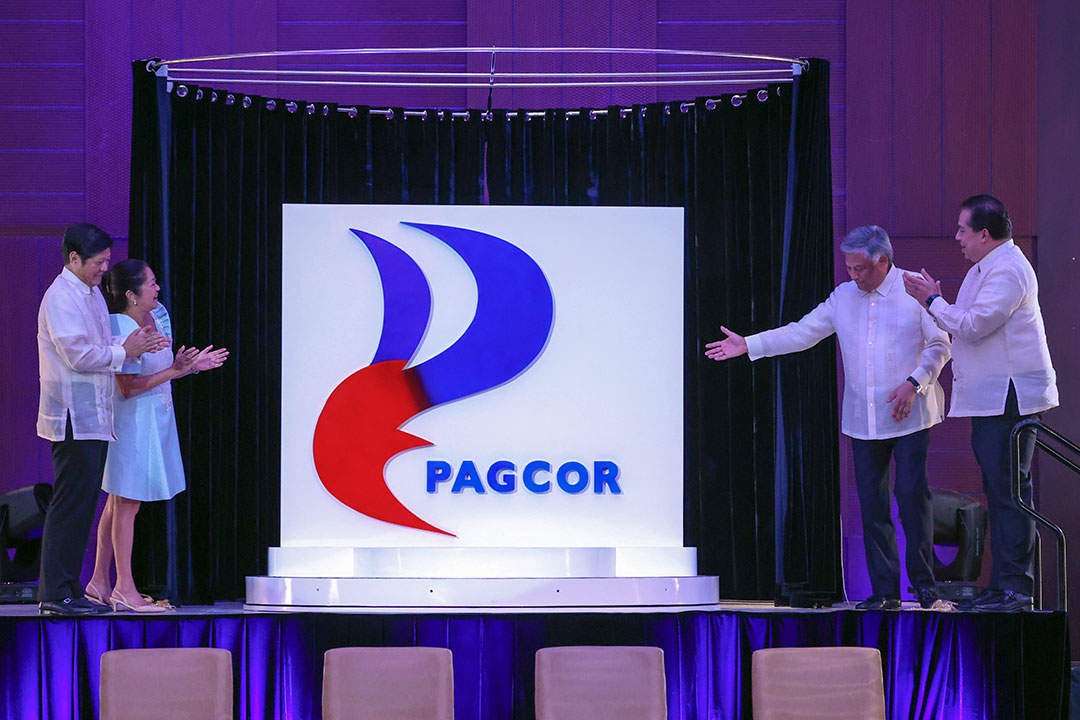
  • Pagcor Fines Gambling Firm P1 Million over Ivana Alawi iPhone Promotion

    Pagcor Fines Gambling Firm P1 Million over Ivana Alawi iPhone Promotion

    Philippine gaming regulator Pagcor fined an online gambling operator 1 million pesos ($17,700) for running an unapproved 100-unit iPhone giveaway with celebrity influencer Ivana Alawi.

    The social media promotion involved 4.28 million pesos worth of iPhone 17 Pro Max handsets distributed across Alawi’s digital channels in July without regulatory clearance. Prospective winners had to follow her affiliated gaming group and leave comments on promotional posts to enter the draw.

    Unauthorised Promotions Draw Scrutiny

    Pagcor chairman and chief executive Alejandro Tengco disclosed the financial penalty during a 2027 House of Representatives budget hearing in Manila. Lawmakers raised concerns after Kamanggagawa party-list Representative Elijah Fernando questioned the expanding marketing ties between digital influencers and gambling operators.

    Alawi maintains an official brand ambassadorship with online operator Casino Plus. Tengco confirmed the fine was accompanied by an explicit warning that repeat infractions would trigger license suspensions and outright cancellations.

    Enforcement Across Digital Platforms

    Regulators estimate that illegal operators make up roughly 50 per cent of the country’s online gaming ecosystem, operating beyond state oversight and consumer protection rules. Pagcor works alongside the Department of Information and Communications Technology, the National Telecommunications Commission, and the Cybercrime Investigation and Coordinating Center to pursue cases against unlicensed platforms and their celebrity endorsers.

    For consumer brands and digital marketing agencies across Southeast Asia, the action shows tighter oversight of influencer-led giveaways and promotional sweepstakes. Regulators in Manila now require promotional campaigns tied to licensed gaming entities to secure prior clearances from both Pagcor and the Ad Standards Council.

    Several content creators have cancelled promotional contracts with unlicensed gambling entities following the initial enforcement drive. State agencies are preparing further takedown requests and legal filings against operators that continue running unregistered social promotions.

  • Philippine Fuel Retailers Raise Diesel by P2.31 per Liter

    Philippine Fuel Retailers Raise Diesel by P2.31 per Liter

    Philippine fuel retailers will raise pump prices on August 25, adding P2.31 per liter to diesel and P1.08 per liter to gasoline.

    The adjustment extends a second consecutive week of increases across Metro Manila and provincial networks, following a sharp rise on August 18 when diesel jumped P3.84 and gasoline gained P2.49. Kerosene will also climb by P0.95 per liter for the week of August 25 to 31, according to Department of Energy pricing data.

    What Drives the Regional Surge

    Dubai crude climbed roughly $8.90 per barrel during trading between August 10 and 14, driving refined product benchmarks higher across Asia. International diesel prices climbed $11.40 per barrel over the same period, while international gasoline rose $6.50 per barrel.

    Shipping constraints through the Strait of Hormuz contributed to the tighter supply outlook. Tanker transits through the passage dropped from 17 vessels on August 10 to 16 on August 11, reflecting persistent friction between Iranian and US-Israeli forces.

    Transport Costs and Supply Chains

    Rising pump prices squeeze operating margins for regional delivery fleets and retail logistics networks across the archipelago. The Philippines imports almost all of its fuel requirements, making freight and retail transport immediately sensitive to movements in global oil benchmarks and foreign exchange rates.

    Current retail levels sit well above baseline figures recorded in February. Prior to the escalation in Middle East maritime disputes, common retail prices in Metro Manila stood at P55.00 per liter for diesel and P56.00 per liter for RON95 gasoline.

    Russia also maintained its export ban on diesel during the August trading cycle, limiting replacement cargoes for Asian buyers and keeping regional diesel prices firm.

    Energy authorities will monitor crude throughput and tanker traffic through the Persian Gulf during the next trading window to assess adjustments for the first week of September.

  • SM Retail’s First-Half Profit Rises Amid Strong Consumer Demand and Store Expansion

    SM Retail’s First-Half Profit Rises Amid Strong Consumer Demand and Store Expansion

    SM Retail achieved a 5% rise in net income during the first half of 2026, reaching US$143.8 million (PHP8.9 billion). The Philippine retail giant attributed this performance to sustained consumer demand for daily necessities and the ongoing expansion of its physical store footprint.

    Operating income saw an even stronger increase, climbing 12% to US$226.2 million (PHP14.0 billion). This indicates the company’s effective management of operational costs, even in a period of higher inflation. SM Investments Corporation President and CEO, Frederic DyBuncio, highlighted the resilience of the Filipino consumer despite recent economic challenges, noting the robust performance of their consumer-led businesses and the contributions from a diversified portfolio.

    Diverse Growth Across Segments

    The company’s food retail sector demonstrated consistent sales growth across its supermarket and minimart chains. Specialty retail also saw higher sales, particularly in the Home, Other Fashion, and Kids categories. The Home category’s growth was fueled by continued demand for alternative power sources, while the Other Fashion segment was boosted by brands like Kultura and Crocs. The Kids category benefited from increased spending on toys, pet supplies, and stationery.

    SM Retail’s strong showing contributed significantly to SM Investments’ overall consolidated net income, which reached US$741.7 million (PHP45.9 billion) for the first half, an 8% increase from the previous year. Retail accounted for 15% of SM Investments’ net income, following banking (47%) and property (27%). The group’s mall business also reported an 8% revenue increase to US$675.5 million (PHP41.8 billion), a result of higher occupancy rates, stronger tenant sales, and improved operational efficiency.

    Strategic Outlook for Continued Expansion

    Looking ahead, SM Investments CEO Frederic DyBuncio expressed optimism for the second half of the year, while acknowledging potential macroeconomic uncertainties. He stressed that the company’s diversified portfolio, prudent balance sheet, and disciplined approach to capital allocation position it well to continue investing in the Philippines. This strategy aims to create long-term value for customers, communities, and shareholders.

    The emphasis on physical store expansion and diversified retail formats aligns with broader trends in Southeast Asia, where companies often combine digital strategies with a strong brick-and-mortar presence to capture varying consumer preferences and reach underserved areas. Retailers across the region are increasingly focusing on everyday essentials and adapting their offerings to meet shifting consumer priorities, especially after periods of economic fluctuation.

  • Digital Payments Now Comprise over 64% of Philippines Retail Transactions

    Digital Payments Now Comprise over 64% of Philippines Retail Transactions

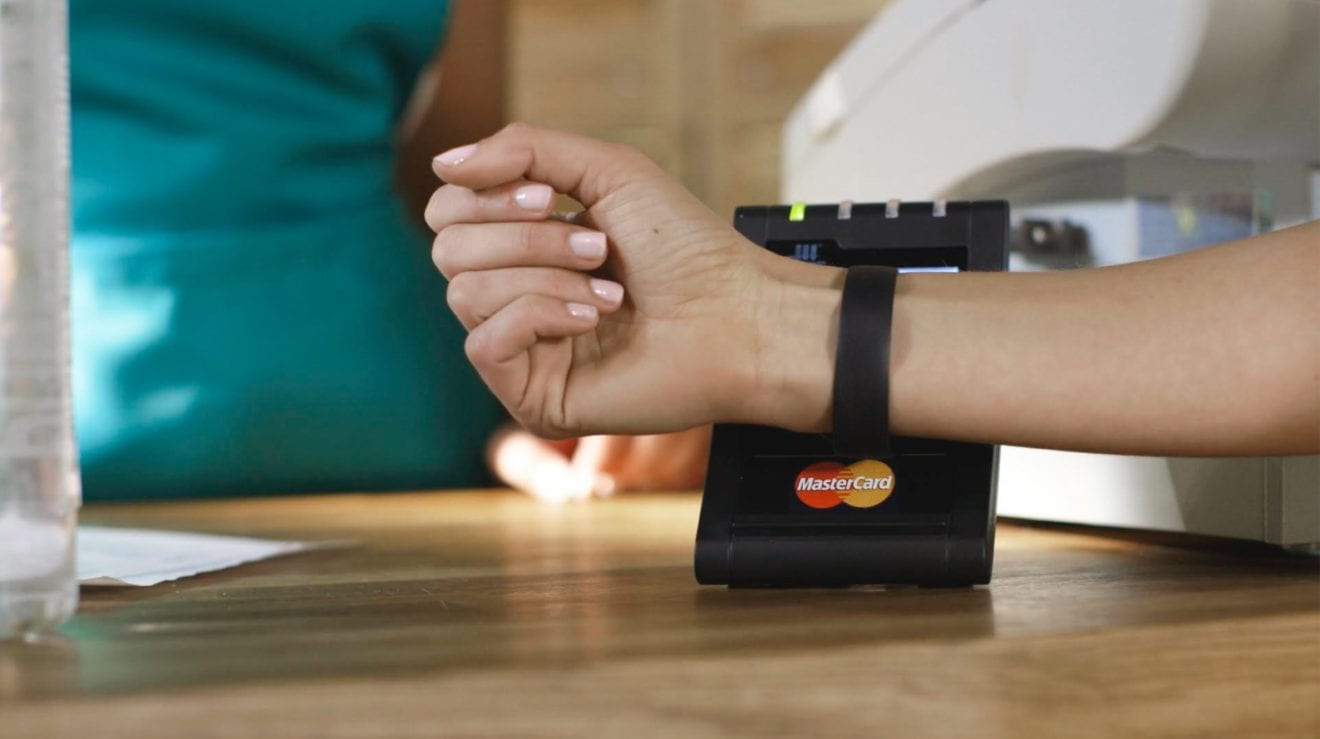
    Digital payment methods have significantly surpassed traditional cash transactions in the Philippines, now representing 64.7 percent of all retail transactions by volume in 2025. This figure is a notable increase from 57.4 percent in the previous year, demonstrating a rapid adoption of electronic payment channels across the archipelago.

    The Bangko Sentral ng Pilipinas (BSP) reported that this growth has exceeded its target of 50 to 54 percent. The central bank credits its efforts towards interoperability, ensuring that a broad range of businesses and service providers operate within a unified payment system. This integration enhances the value proposition for all participants, including consumers, businesses, banks, and e-wallets, by expanding the network’s reach and utility.

    Accelerated Digital Shift in Retail

    The rise of digital payments in the Philippines has been dramatic, climbing from just 20.1 percent of retail transactions in 2020. The share grew to 30.3 percent in 2021, 42.1 percent in 2022, and 52.8 percent in 2023, before reaching the current level. This sustained momentum underscores a fundamental change in consumer behavior and retail operations across the country.

    Key drivers behind this acceleration include a 69.4 percent increase in digital payment accounts and a 36.3 percent expansion in the number of merchant locations accepting digital payments. QR Ph transactions, the national QR code standard, surpassed both debit and credit card transactions for the first time in 2025. A total of 2.47 billion QR Ph transactions, valued at P1.16 trillion, were processed during the year, reflecting a growing preference for interoperable, account-based payments among Filipinos. This wider adoption generates network externalities, where the convenience and value of electronic payment channels increase as more entities join the ecosystem.

    Broader Financial Inclusion and Future Outlook

    Beyond retail transactions, the push for digital payments aligns with the BSP’s broader goal of deepening financial inclusion. The number of basic deposit accounts reached 27.9 million as of March, up from 27.6 million at the end of 2025, with 177 banks now offering these accessible accounts. The central bank has also welcomed initiatives by several banks to reduce or waive interbank digital transaction fees, anticipating that lower costs will make electronic fund transfers more affordable and accessible for households and small businesses.

    For retailers and consumer brands operating in the Philippines, this trend necessitates continued investment in digital payment infrastructure and smooth integration of various e-wallet and QR code solutions. The rapid adoption seen in the Philippines mirrors similar patterns across Southeast Asia, where countries like Indonesia and Vietnam are also experiencing significant shifts towards cashless economies. This transformation offers opportunities for businesses to streamline operations, enhance customer experience, and reach a wider, digitally-savvy consumer base.