Tag: Philippines

  • Philippines Under Pressure to Close Vape Tax Loophole Hurting Retailers, Boosting Illicit Trade

    Philippines Under Pressure to Close Vape Tax Loophole Hurting Retailers, Boosting Illicit Trade

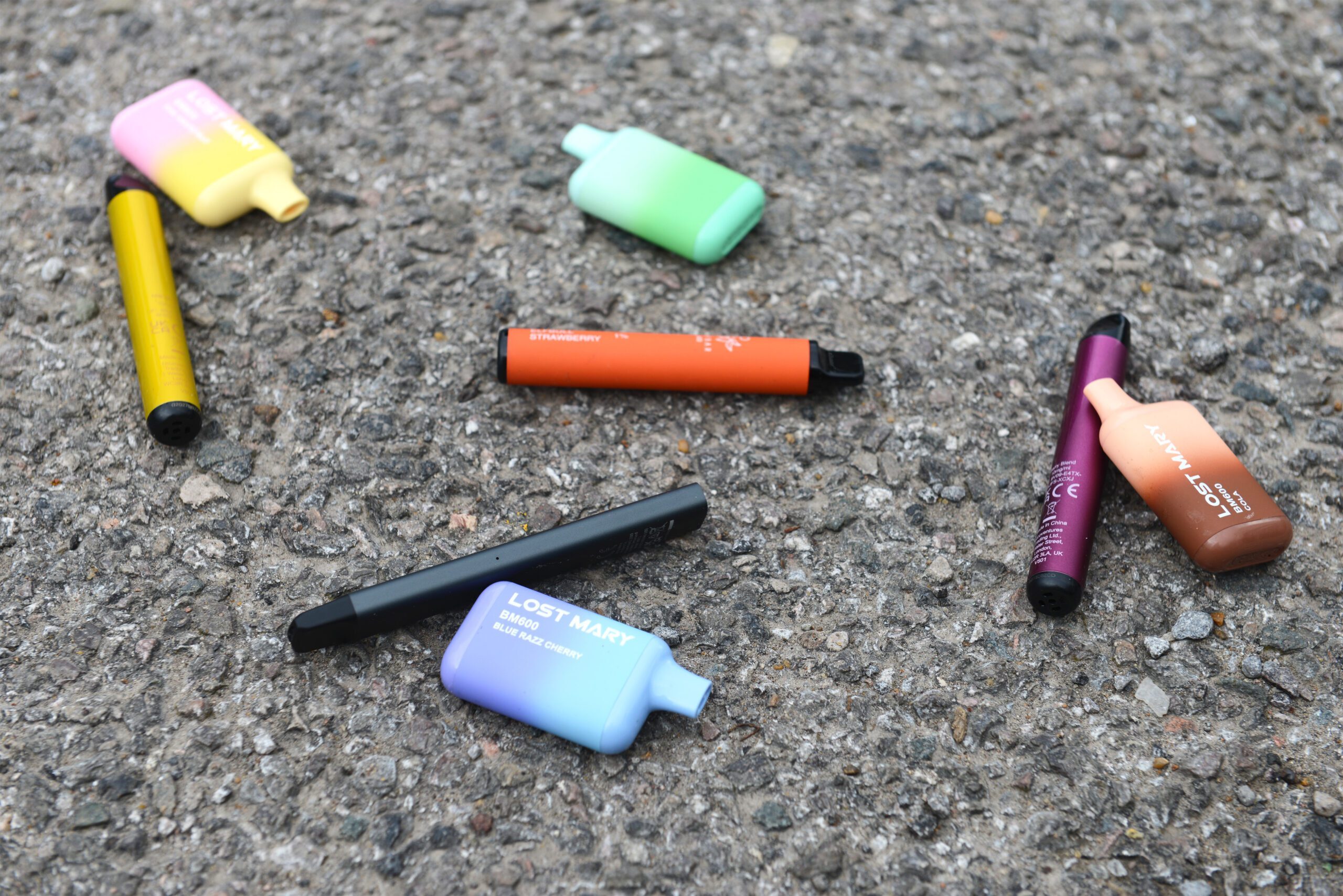
    Consumer advocacy groups in the Philippines are pressing Congress to revise the nation’s vape excise tax system, asserting that its current design encourages illicit trade. They contend that the significant tax disparity between nicotine salt and freebase nicotine products creates opportunities for misdeclaration, resulting in substantial revenue losses for the government and unfair competition for legitimate retailers.

    Under the existing tax framework, a 10-milliliter nicotine salt vape product incurs a tax of P602, while an equivalent freebase product is taxed at P69.46. This P532.54 difference, where nicotine salt products are taxed almost nine times higher, provides a strong incentive for operators to misdeclare their goods. This issue has been brought to the attention of the House Committee on Ways and Means, which is reviewing several bills aimed at amending excise taxes on tobacco and vapor products.

    Tax Disparity Fuels Illicit Market

    Representative Miro Quimbo, chair of the House Ways and Means Committee, has noted a concerning disconnect between rising vape consumption and declining tax collections, pointing to a growing illicit market. Orlando Oxales, convenor of CitizenWatch Philippines, stated that the problem stems not just from weak enforcement but from a tax system vulnerable to manipulation. Products that appear and are used similarly but are taxed differently based on characteristics difficult for regulators to verify on-site become prime targets for misdeclaration, transforming it into a business opportunity for unscrupulous players.

    Several legislative proposals before the committee suggest replacing the current two-tier system with a single excise tax rate for all vapor products, irrespective of their nicotine formulation. These bills highlight the risks of mislabeling and misdeclaration inherent in the existing framework. Marc Gamboa, convenor of Progreso Para sa Bayan, emphasised that simpler regulations would allow enforcement agencies to concentrate their resources more effectively on combating actual tax evasion. He noted that the Philippines’ specific tax distinction between nicotine salt and freebase formulations is unusual internationally, adding complexity and potential loopholes.

    Unified Rate Proposed For Fairer Trade

    Support for a unified vape tax rate has also come from key government agencies, including the Bureau of Internal Revenue, Bureau of Customs, and the Department of Trade and Industry. These bodies cite enforcement difficulties and potential revenue leakage as major concerns under the current setup. Oxales stressed that tax systems should aid enforcement, not create avenues for illicit operations, arguing that regulatory complexity makes abuse easier.

    While advocating for simplification, the groups acknowledge that different product categories may warrant varying tax treatments. Their primary goal is for Congress to establish a system that is easy to administer, resistant to manipulation, and aligns with broader fiscal and regulatory goals. A streamlined tax regime would not only help stem the flow of illicit products but also create a more level playing field for legitimate retailers and brands operating within the Philippine vape market. Other Southeast Asian nations are also grappling with effective taxation of novel products like vapes, with varying approaches to product classification and excise duties often impacting market dynamics and the prevalence of illicit trade.

  • Filipinos Tighten Belts as Financial Pressures Mount, Study Finds

    Filipinos Tighten Belts as Financial Pressures Mount, Study Finds

    Filipino households are exercising greater caution in their spending habits, as global and political instability intensifies pressure on family finances. This trend is leading consumers to prioritize cheaper products and purchase smaller quantities, according to the Shopperscope 2026 study by Worldpanel by Numerator.

    The study indicates that Filipinos anticipate a decline in their financial and socioeconomic conditions over the next year. This marks a reversal from 2025, when there were indications of improvement. Many households are now concerned about simply covering daily expenses.

    Shifting Consumer Sentiment And Spending

    Laurice Obana, Worldpanel’s shopper insights director, noted that Filipinos are reverting to a state of financial constraint after a brief period of improvement. This pressure is widely felt across various financial segments: those who are comfortable may see their buffers shrink, managing households could face shortfalls, and struggling families may fall deeper into debt. This increased caution is already evident in consumer spending, with the local fast-moving consumer goods sector showing no growth from March to May compared to the previous year.

    To manage their budgets, consumers are actively looking for promotions and discounts, opting for more economical items, and reducing the size of their purchases. Shopping behaviors are also adapting across different retail channels. Discounters are seeing increased sales of frozen meats and non-sweet snacks, while online platforms are key for baby diaper purchases. Convenience stores, however, experienced double-digit growth in sales of snacks, ice cream, and bread.

    Retailers Must Adapt To New Demands

    For retailers, mere proximity is no longer sufficient to retain customers. Shoppers are now carefully evaluating a store’s product range and the value it offers. This shift necessitates a deeper understanding of how and why Filipino consumers make their purchasing decisions for essential goods.

    Retailers across Southeast Asia frequently encounter similar shifts in consumer sentiment during periods of economic uncertainty. Tracking these changes in purchasing priorities and channel preferences is vital for brands and operators in markets like the Philippines, Vietnam, and Indonesia, which often show parallel trends in consumer resilience and adaptability. Understanding these local nuances allows for more targeted strategies and product offerings.

  • Prolonged Rains Slow Philippine Retail, Construction, and Logistics Sector

    Prolonged Rains Slow Philippine Retail, Construction, and Logistics Sector

    Extended monsoon rains are anticipated to negatively affect the third-quarter operations of consumer-facing companies and the construction sector in the Philippines. Logistics and mining firms may also experience higher costs and delays due to the persistent wet weather.

    Toby Allan C. Arce, head of sales trading at Globalinks Securities and Stocks, Inc., noted that the prolonged monsoon is likely to exert a moderate but discernible drag on corporate activity during the third quarter. The severity of the impact will depend on how long the challenging weather conditions last and if they cause significant damage to infrastructure or supply chains.

    Recent heavy rainfall and widespread flooding have disrupted transportation in Metro Manila and Luzon, leading to road closures and suspensions of work and classes.

    Retailers Face Reduced Foot Traffic

    Retailers, mall operators, and restaurants are likely to see a decrease in customer traffic as heavy rains discourage travel and discretionary spending. Companies like SM Prime Holdings, Inc., Robinsons Land Corp., Ayala Land, Inc., SM Investments Corp., Robinsons Retail Holdings, Inc., and Puregold Price Club, Inc. Are among those that could experience softer physical sales.

    Large destination malls and retailers selling non-essential goods are more susceptible to consumers postponing visits. Supermarkets and essential retailers, however, tend to be more resilient as purchases are necessities and consumers can adjust their shopping times rather than cancel them entirely.

    John Tristan D. Reyes, President of BDO Securities Corp., confirmed that retailers could face weaker foot traffic and sales. Transportation issues could also disrupt store operations. Philippine Seven Corp. (PSC) reported that same-store sales at some 7-Eleven branches dropped by up to 20% on particularly rainy days recently, though overall sales momentum for July remained strong, partly thanks to the 7-Eleven Day promotion. The geographic diversity of 7-Eleven stores helped cushion the impact, with reduced traffic in some areas offset by activity in residential locations.

    Restaurants might see fewer dine-in customers, although delivery and takeout services could offer some mitigation. Food manufacturers are less exposed in the short term, as consumers continue to buy staple products. However, prolonged heavy rainfall could affect agricultural output, potentially leading to higher raw material costs and impacting food manufacturers and restaurant operators.

    Construction And Logistics Suffer Delays

    The construction and property development sectors are facing more direct operational challenges. Persistent rainfall reduces the number of workable days, which can delay project completion and property turnover. Outdoor activities like excavation and concrete work are particularly affected, and flooding can hinder worker access and material deliveries.

    Companies such as Ayala Land, SM Prime, Megaworld Corp., Filinvest Land, Inc., and Vista Land & Lifescapes, Inc. Could experience project delays. While this might not result in permanent revenue loss, it could shift revenue recognition to later periods. Infrastructure contractors and construction material suppliers face similar timing risks, with fewer workable days impacting project progress and third-quarter billings. Extended delays could strain companies that still incur fixed costs despite slower construction activity. In the long run, severe weather might also create demand for repairs, drainage, and flood-control projects.

    Logistics companies are also seeing increased operating expenses. Flooding and traffic congestion prolong delivery times and boost fuel consumption. Disruptions at ports and airports can also temporarily delay the movement of goods. For retailers and consumers across Asia, such weather-related disruptions highlight the critical need for resilient supply chains and diversified retail strategies to mitigate the impacts of increasingly unpredictable climate patterns.

  • Chip Boom Pushes Vietnam, Philippines Towards High-Income Status

    Chip Boom Pushes Vietnam, Philippines Towards High-Income Status

    Economic development in Southeast Asia is being significantly reshaped by the growth of the semiconductor industry. This expansion is now positioning both Vietnam and the Philippines to potentially achieve ‘high-income’ country status, a classification currently held only by Singapore and Brunei among the 11 ASEAN members.

    Semiconductors Drive Economic Ascent

    The semiconductor sector is increasingly viewed as a critical pathway for these nations to overcome the ‘middle-income trap,’ a challenge where countries struggle to transition from industrial economies to knowledge-based, high-value ones. This strategic focus on advanced manufacturing is attracting substantial foreign investment and fostering technological advancements.

    For retailers and consumer brands operating in these markets, an upgrade to high-income status would signal a significant increase in purchasing power and a more sophisticated consumer base. This could lead to shifts in demand for premium products, advanced electronics, and a wider array of services, prompting businesses to adapt their strategies for product sourcing, pricing, and distribution.

    Implications for Retail and Consumer Markets

    The economic growth spurred by the chip industry is expected to boost average incomes, translating into greater disposable wealth for consumers in both Vietnam and the Philippines. This change will likely lead to an expansion of the domestic consumer market, making these countries even more attractive for international brands and investors looking for new growth opportunities.

    RetailNews Asia has been closely monitoring the strategic investments in the tech and manufacturing sectors across Southeast Asia, noting how such shifts often precede significant changes in consumer spending patterns and retail infrastructure development. The potential for Vietnam and the Philippines to join the ranks of high-income nations underlines a broader trend of economic diversification and upward mobility within the ASEAN bloc, promising a dynamic future for the region’s retail and consumer landscape.

  • Court Overturns Permit Revocation for Villar’s SIPCOR Power Firm

    Court Overturns Permit Revocation for Villar’s SIPCOR Power Firm

    The Philippine Court of Appeals has reversed the Energy Regulatory Commission’s (ERC) 2025 decision that revoked the operating permits of S.I. Power Corporation (SIPCOR). The court found that the ERC denied SIPCOR procedural due process when it ordered the power generator to halt its operations on Siquijor island.

    However, the appellate court’s July 24 ruling does not absolve SIPCOR of responsibility for the operational failures that caused Siquijor’s power crisis. It also does not automatically authorize the company to resume operations. The court stated that while the power situation in Siquijor required swift action, due process cannot be sacrificed for expediency.

    Procedural Flaws Cited

    The Court of Appeals found that the ERC used a fact-finding investigation to revoke SIPCOR’s operating authorities without formally notifying the company that its permits were at risk. The court noted that the ERC never issued the required show-cause order, which should have specified the alleged violations, their legal basis, and potential penalties.

    The ERC’s proceedings, which included a public hearing in July 2025 following prolonged outages in Siquijor that disrupted businesses and tourism, were consistently framed as fact-finding. The court also highlighted that the ERC relied on documents submitted after the July hearing, such as a letter from the energy secretary and an audit report, without giving SIPCOR an opportunity to contest them.

    The appellate court questioned the implementation of the shutdown. The ERC had already issued provisional operating authorities to a replacement generator before its decision against SIPCOR was promulgated. SIPCOR was then ordered to cease operations on August 29, 2025, just hours after being served the decision, despite ERC rules typically allowing 15 days before a decision becomes final.

    Uncertainty For SIPCOR’s Future Operations

    The Court of Appeals decision essentially voids the ERC’s permit revocation, but it does not guarantee SIPCOR’s immediate return to Siquijor’s power grid. The ERC may still pursue further legal action, including seeking reconsideration from the appellate court or elevating the case to the Supreme Court.

    SIPCOR itself acknowledged this uncertainty in a disclosure to the Philippine Stock Exchange (PSE) by Premiere Island Power REIT (PREIT). PREIT, which owns and leases assets to SIPCOR, stated that SIPCOR is awaiting further developments before attempting to resume operations. Trading in PREIT shares was subsequently halted following the disclosure. SIPCOR is wholly owned by Prime Asset Ventures Inc., the infrastructure arm of the Villar family, and was a significant source of rental income for PREIT before its operations were suspended.

  • El Niño Threat Looms: Philippines Continues Rice Imports to Mitigate Shortage Fears

    El Niño Threat Looms: Philippines Continues Rice Imports to Mitigate Shortage Fears

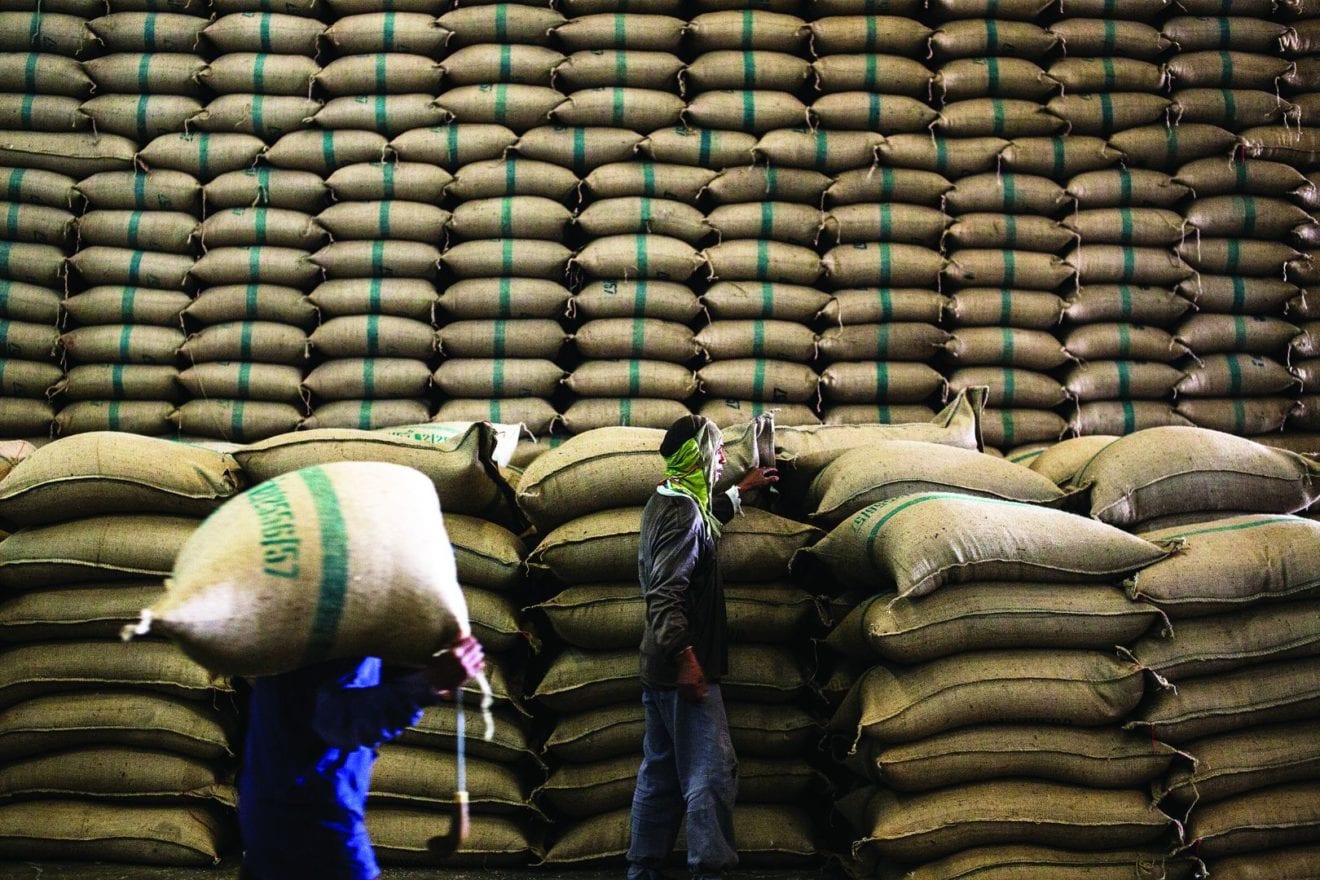
    In preparation for a potential reduction in domestic supply due to the expected El Niño weather event, the Philippines will not enforce a prohibition on rice imports this year. The possible upcoming strong El Niño, according to the nation’s Department of Agriculture, may diminish the national paddy yield by an estimated 750,000 metric tons. This could exacerbate the risk of supply shortages prior to the dry-season harvest in the early part of 2027.

    Rice Demand Outweighs Domestic Supply

    The consumption of rice in the Philippines exceeded the domestic supply by over one million metric tons last year. The country’s demand was 13.57 million metric tons, greatly surpassing the domestic yield of 12.40 tons. Francisco P. Tiu Laurel Jr., the Secretary of Agriculture, has stated the government’s intention to ensure large rice reserves are held prior to the upcoming harvest in order to preempt potential supply shortages.

    This strategic decision marks a deviation from the previous year’s approach, during which the Philippines halted rice imports between September and December. This move was implemented to bolster domestic paddy prices during the primary harvest season. This interruption to the importation process impacted delivery schedules for numerous Vietnamese exporters. Consequently, several companies had to seek orders from Africa and the Middle East.

    Impact on International Trade

    By August 3rd of this year, the Philippines had imported 3.3 million tons of rice. To lessen the impact of ongoing imports on local rice farmers, the government has directed the National Food Authority to procure 500,000 metric tons of paddy during this year’s wet-season harvest.

    A rice exporting enterprise in Vietnam’s Dong Thap Province has indicated that the Philippines’ decision to persist with imports will facilitate more straightforward negotiations of contracts for future deliveries this year. The Philippine market’s demand for Vietnam’s fragrant rice varieties remains steadfast due to their competitive pricing and unwavering quality.

    Vietnam exported a total of 5.5 million tons of rice in the first seven months of the year, generating $2.64 billion in revenue. In terms of volume, this figure represents a 0.5% increase year-on-year, although overall exports have declined by 6.7%. The Philippines continues to be Vietnam’s largest market, accounting for 45% of total exports.

    El Niño is a naturally occurring climate phenomenon characterized by unusually warm Pacific Ocean temperatures. This weather pattern can disrupt global weather patterns and often results in droughts in Southeast Asia, thereby reducing agricultural yield.

    Questions & Answers

    What is the expected impact of El Niño on the Philippines’ paddy yield?
    The strong El Niño weather event expected later this year could decrease the country’s paddy output by approximately 750,000 metric tons.

    How is the Philippines preparing for potential rice supply shortages?
    The Philippine government plans to maintain substantial rice reserves in anticipation of the next harvest to mitigate potential supply shortages.

    How have the Philippines’ import decisions impacted Vietnam’s rice exporters?
    The previous year’s suspension of rice imports disrupted delivery schedules for Vietnamese exporters. However, the decision to continue imports this year is expected to ease contract negotiations for future deliveries.

  • Globe Joins Forces with e& to Boost International Voice Services, Ensuring Secure, High-Quality Traffic

    Globe Joins Forces with e& to Boost International Voice Services, Ensuring Secure, High-Quality Traffic

    Globe, a prominent name in the telecommunication industry, recently revealed a strategic collaboration with e& Carrier & Wholesale Services (C&WS), internationally recognized as the global technology group e&’s wholesale division. The primary objective of this partnership is to supervise Globe’s international voice traffic.

    Enhancing Global Voice Services

    Under the terms of this agreement, e& is set to be Globe’s preferred partner for international voice services, providing a safe, reliable, and superior entry point for voice traffic aimed at the Globe network. e&’s international voice network, routing expertise, and security capacities will couple with Globe’s extensive market influence to offer carrier partners a safe and efficient route to the Globe network.

    Nabil Baccouche, e&’s Group Chief Carrier & Wholesale Officer, stated that this collaboration will not only enhance service quality but also ensure traffic protection and support future growth. Real-time monitoring and AI-enabled fraud detection will bolster these services.

    On the other hand, Darius Delgado, Chief Commercial Officer of Globe, expressed that the partnership signifies a significant leap in solidifying Globe’s international voice business. By collaborating with a global technology leader like e&, Globe aims to improve service quality, bolster fraud protection, and offer more value to international carrier partners.

    Prioritizing Security and Efficiency

    The service will benefit from e&’s voice security features, which include a voice firewall, AI-driven fraud prevention, real-time traffic monitoring, advanced analytics, and SIM-box detection. These features will play a crucial role in ensuring revenue protection, maintaining traffic integrity, and minimizing fraud on international voice routes.

    Globe’s strong presence in the Philippine market paired with e&’s extensive global carrier network and wholesale expertise will offer international operators an efficient connection to the Globe network. Carrier partners are expected to benefit from intelligent routing, improved traffic visibility, and consistent service management through e&.

    Questions & Answers

    What does the strategic partnership between Globe and e& aim to achieve?
    The partnership aims to supervise Globe’s international voice traffic and improve service quality, bolster fraud protection, and offer more value to international carrier partners.

    What security features will the service leverage?
    The service will leverage e&’s voice security features, including a voice firewall, AI-driven fraud prevention, real-time traffic monitoring, advanced analytics, and SIM-box detection.

    What benefits will carrier partners potentially gain from this partnership?
    Carrier partners can expect benefits such as intelligent routing, improved traffic visibility, and consistent service management through e&.

  • Jollibee Billionaire-Backed Hotel101 Pours $200M into Thai Hotel Expansion

    Jollibee Billionaire-Backed Hotel101 Pours $200M into Thai Hotel Expansion

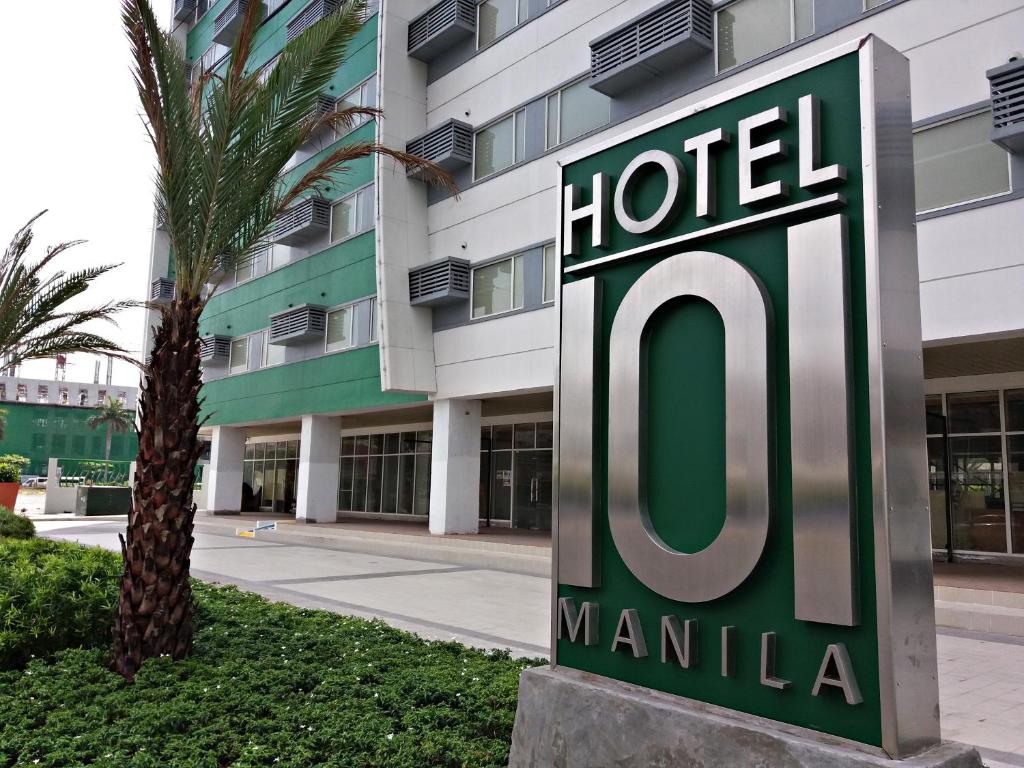
    Hotel101 Global, a venture supported by Jollibee Foods founder Tony Tan Caktiong, is marking its expansion into Thailand with an investment of US$200 million. This investment is aimed at the development of three new hotels in Southeast Asia’s top tourist destination.

    Expansion and Development Plans

    The company plans to launch these developments over the next three years. The first hotel will be situated in Bangkok, with the subsequent projects planned for Pattaya and Phuket. Collectively, these three hotels are expected to provide over 2,000 rooms.

    Hotel101 Global is a division of DoubleDragon, a collaborative enterprise between Caktiong, who has a net worth of $1.1 billion, and property tycoon Edgar Sia II, who holds $310 million in assets.

    Hotel101-Bangkok is projected to produce 1.9 billion baht ($57 million) in sales once all units are sold. This hotel is set to be completed by 2029 and will occupy an 8,336-square-meter site on Phahon Yothin Road, close to Don Mueang International Airport. Guests can expect a variety of amenities, including meeting spaces, a conference center, modern rooms, all-day dining, a swimming pool, a full-size gym, a business center, a children’s pool, parking, and luggage storage.

    Hotel101, which inaugurated its first property in the Philippines in 2016, joined Nasdaq in July of the previous year. This listing is anticipated to aid Sia in his ambition of constructing 1 million hotel rooms across 100 countries by 2050.

    Existing Ventures and Future Projects

    At present, the company runs two hotels in the Philippines, which together comprise 1,124 rooms. As part of its global expansion, Hotel101 unveiled its first international property, the 680-room Hotel101-Madrid, in March. The 482-room Hotel101-Niseko in Hokkaido, Japan, is set to open in December.

    This year, the company is also planning to launch the 519-room Hotel101-Davao and the 548-room Hotel101 Cebu in the Philippines. According to Hotel101, these new additions, along with Hotel101-Niseko, will introduce a record 2,229 new hotel rooms by 2026.

    In addition to these, Hotel101 is working on projects in Los Angeles and Saudi Arabia, where it aims to construct 10,000 rooms worth $2.5 billion across several cities.

    The company’s approach is centered on building a global hotel network characterized by identical, standardized rooms at all of its properties to enhance efficiency and affordability.

    Questions & Answers

    What is the investment plan of Hotel101 for their expansion into Thailand?
    Hotel101 Global plans to invest US$200 million to develop three hotels in Bangkok, Pattaya, and Phuket.

    What amenities can guests expect at the new hotels?
    Guests can anticipate amenities such as meeting spaces, a conference center, modern rooms, all-day dining, a swimming pool, a full-size gym, a business center, a children’s pool, parking, and luggage storage.

    What is the company’s long-term goal?
    The long-term goal of Hotel101 is to develop 1 million hotel rooms across 100 countries by 2050, as facilitated by their listing on Nasdaq.

  • Manila’s Record-Breaking 12% Minimum Wage Boost Benefits Over a Million Workers

    Manila’s Record-Breaking 12% Minimum Wage Boost Benefits Over a Million Workers

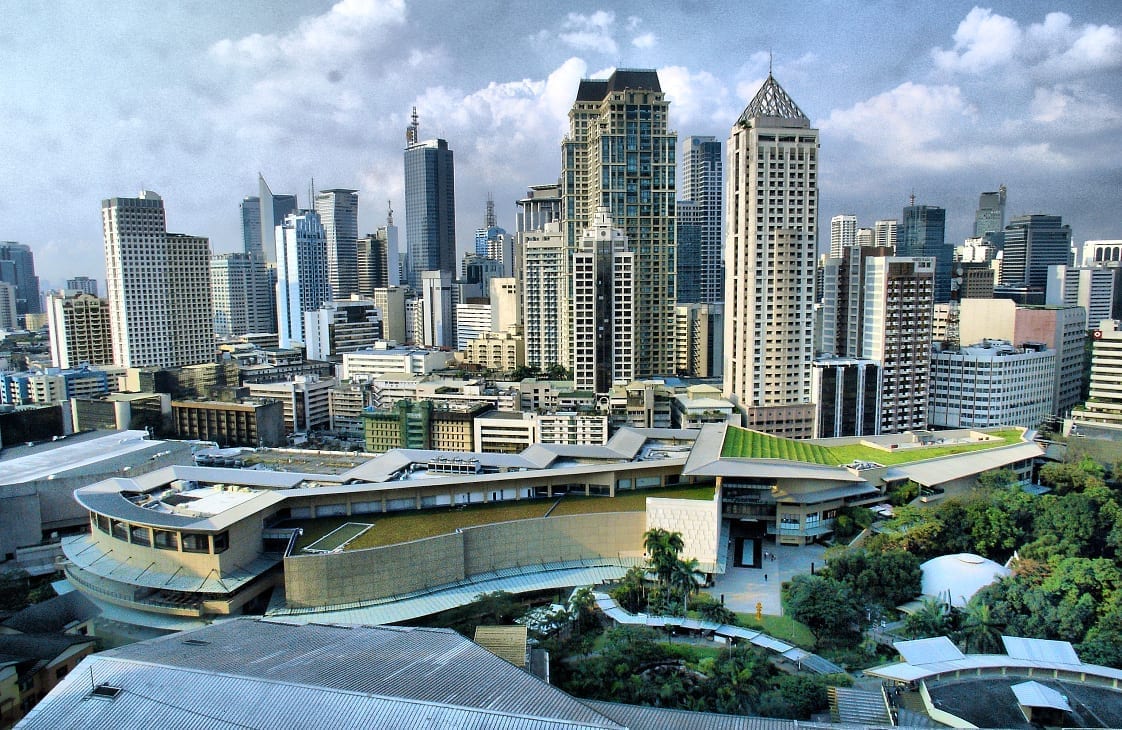
    The Philippine government has sanctioned an unprecedented 12% increase in the daily minimum wage for Metro Manila, providing an additional 85 pesos (US$1.4) in two separate instalments beginning later this month. This decision is set to impact over 1.1 million minimum wage workers in Metro Manila with the largest single wage adjustment ever made in the capital region.

    Increased Wages and Phased Approach

    The wage hike will be implemented in two parts, with an initial 60 pesos increase on July 19, and a follow-up rise of 25 pesos on January 20, 2027. Once both increases have been fully enacted, non-agriculture workers will earn a daily minimum wage of 780 pesos (US$12.73). The hike also extends to other sectors, with workers in agriculture, service and retail establishments employing 15 or fewer staff, and manufacturing companies with fewer than 10 workers experiencing a 13% increase to their daily minimum wage, reaching 743 pesos.

    The adjustment comes at a time when the price of fuel and basic goods in the Philippines have surged since March, due to the conflict between the U.S. and Iran. This has consequently escalated inflation and diminished consumer purchasing power.

    Inflation in the Southeast Asian nation decreased to 6.8% in May from a three-year peak of 7.2% in April, though it still considerably surpasses the central bank’s maximum target of 4%.

    Metro Manila: Highest Minimum Wage in the Country

    Metro Manila, which is composed of 16 cities, currently holds the record for the country’s highest legislated daily minimum wage. According to research, the living wage for an average family of five in the capital region is 1,289 pesos.

    John Paolo Rivera, a senior research associate at the government-operated Philippine Institute for Development Studies, has expressed that the wage increase will provide “meaningful relief” to workers by “boosting purchasing power in a high-inflation environment and facilitating household consumption.” However, he also cautioned that it could elevate costs for small and medium-sized businesses, which may respond by increasing prices or slowing recruitment.

    “The overall effect will hinge on the adaptability of firms and whether productivity improvements accompany higher wages,” he stated. The Trade Union Congress of the Philippines, however, has criticized the two-part implementation and characterized the increase as “grossly inadequate considering the erosion of workers’ purchasing power.”

    Questions & Answers

    What is the new minimum wage for Metro Manila?
    The new minimum wage for non-agriculture workers in Metro Manila will be 780 pesos (US$12.73) once both increases have been fully implemented.

    When will the wage increase take effect?
    The wage increase will be implemented in two stages, with the first increase of 60 pesos starting on July 19, and the second increase of 25 pesos on January 20, 2027.

    What are the potential impacts of this wage increase?
    While the wage hike is expected to provide “meaningful relief” to workers by boosting purchasing power in a high-inflation environment, it may also raise costs for small and medium-sized enterprises, potentially leading to higher prices or slower hiring.

  • Hollister Brings California Cool to the Philippines with First Store Debut at SM Mall of Asia

    Hollister Brings California Cool to the Philippines with First Store Debut at SM Mall of Asia

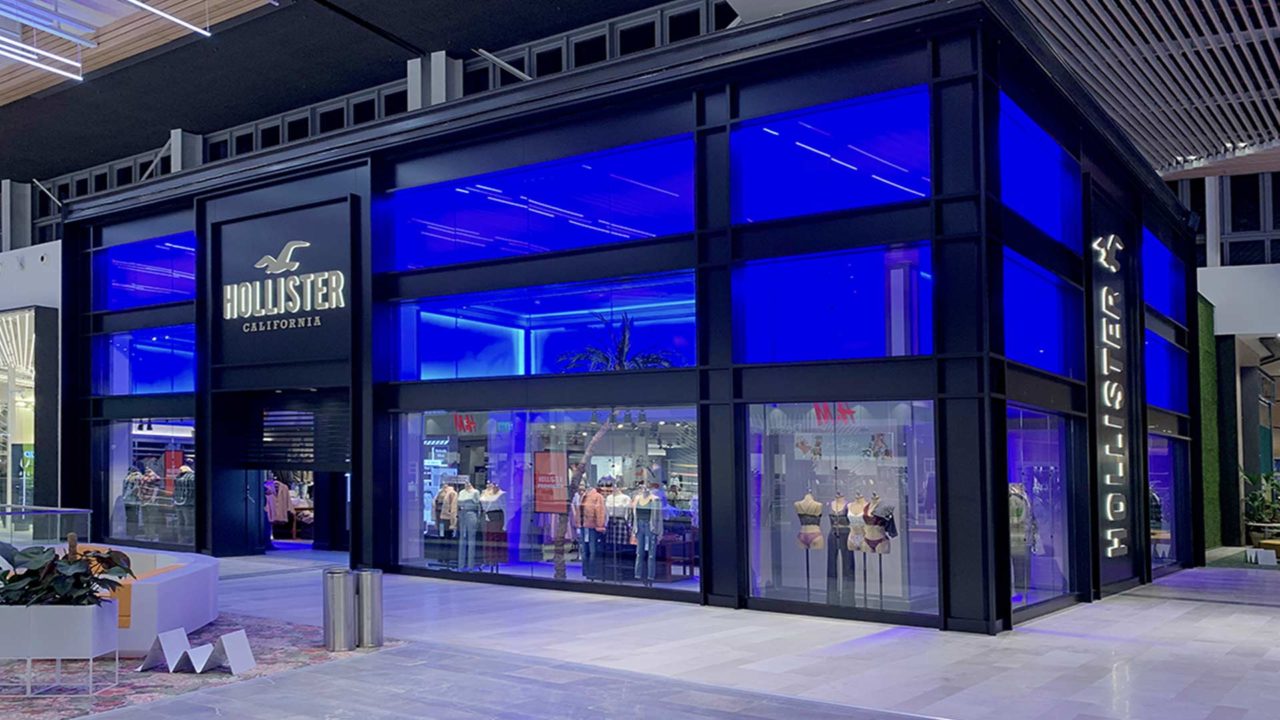
    Following closely on the heels of Abercrombie & Fitch’s entrance into the Philippine market, Hollister, the popular American lifestyle brand, has also opened its doors at the SM Mall of Asia.

    Partnership with PT Mitra Adiperkasa

    The grand unveiling was made possible through a collaboration with PT Mitra Adiperkasa Tbk (MAP). MAP is an Indonesian lifestyle retail giant that holds the reins of more than 150 global brands under its umbrella.

    Hollister, renowned for its relaxed, eclectic style influenced by Californian casual chic, will be offering a wide array of clothing options. Customers can look forward to browsing through a diverse assortment of denim, dresses, woven tops, shorts, and other accessories.

    Expanding its reach further, Hollister is also launching its Summer Essentials collection for kids. This range boasts of lightweight garments, tailor-made for active children and designed with warm weather in mind.

    Introducing Hollister’s Unique Style to the Philippines

    Representatives for Hollister expressed their eagerness to introduce the brand’s unique fashion sense to the Filipino market. “We couldn’t be more excited to introduce Hollister’s unique vibe to the Philippines,” shared Steven Sare, the MD of Apac for Hollister.

    He added, “The energy in this country is truly phenomenal, and our partnership with MAP has allowed us to create an immersive space where customers can fully experience our brand’s youthful clothing line, designed to capture moments, create memories, and promote an unapologetic self-expression.”

    In addition to Hollister and Abercrombie & Fitch’s recent launches, MAP is also reviving the presence of Marks & Spencer in the country.

    Questions & Answers

    What is Hollister’s style influence?
    Hollister’s style is heavily influenced by California’s casual and relaxed fashion.

    Who facilitated the launch of Hollister in the Philippines?
    The launch of Hollister was facilitated by PT Mitra Adiperkasa Tbk (MAP), an Indonesian-based lifestyle retailer.

    What else is Hollister introducing in the Philippines apart from its standard clothing line?
    Apart from its standard clothing line, Hollister is also introducing its Summer Essentials collection for children in the Philippines.

  • SSI Group Sees Profits Plunge as Luxury Spending Goes Out of Style in the Philippines

    SSI Group Sees Profits Plunge as Luxury Spending Goes Out of Style in the Philippines

    In the first quarter of 2021, SSI Group, a leading luxury retailer in the Philippines, witnessed a significant drop in profits. The company reported a decrease of 58.5 per cent in net income to US$2.4 million (PHP$152.9 million), even though revenue increased by 11.4 per cent to $123.8 million. This decline in earnings is attributed to consumers prioritizing essentials over luxury goods.

    Financial Performance and Consumer Behavior

    A more promotional business environment impacted SSI’s profitability, shrinking the merchandise gross margin from 44.6 per cent the previous year to 42.6 per cent. The main reason for this change is the growing price sensitivity among consumers due to inflation and escalating living costs. Operating expenses also increased by 15.8 per cent to $48.3 million, due to inflationary pressures and store network expansion, which led to a decrease in EBITDA by 18.4 per cent to $12.3 million.

    During this same period, consumer demand was primarily focused on the essential and lifestyle categories with a 48.5 per cent sales increase in SSI’s ‘others’ segment, which includes personal care, food, and home products. Footwear, accessories, and luggage also experienced a 32.7 per cent increase in sales. However, the group’s core luxury and bridge segment witnessed a 1.7 per cent drop in sales, indicating decreased spending on premium discretionary items.

    Online Sales and Store Operations

    E-commerce sales reached $9.1 million, making up 7.4 per cent of total revenue, while rental income from its Central Square property saw an 8.1 per cent increase to $387,270.

    SSI Group also made adjustments to its physical stores. The company closed 14 underperforming stores permanently, opened five new locations, and renovated 12 stores during the quarter. At the end of the quarter, SSI Group operated 631 stores nationwide.

    SSI Group’s portfolio includes a broad range of brands, from luxury labels like Hermès, Cartier, and Salvatore Ferragamo to fashion and lifestyle brands such as Zara, Bershka, Stradivarius, Pull&Bear, Gap, Old Navy, Lacoste, and Muji. The retailer also offers beauty brands like Mac, Lush, and Beauty Bar; home retailers like Pottery Barn and West Elm; and dining concepts like Shake Shack, SaladStop!, and Venchi.

    In February, the retailer announced the termination of its franchise agreement with Marks & Spencer, which had been in operation since 1980.

    Questions & Answers

    What contributed to the decline in SSI Group’s profits for the first quarter of 2021?
    Consumers shifting their priorities from luxury goods to essentials, coupled with inflation and increased living costs, resulted in the decline of SSI Group’s profits.

    How has SSI responded to this change in consumer behavior?
    In response to changing consumer behavior, the group has focused on promoting essential and lifestyle categories more. It has also optimized its physical store network by closing underperforming stores and opening new ones.

    What is the future of SSI’s relationship with Marks & Spencer?
    SSI Group has decided to end its franchise agreement with Marks & Spencer, which had been operational since 1980. The future of this relationship is not clear at this point.

  • SM Home Revolutionizes Retail with Innovative Store Concept in Makati Flagship Overhaul

    SM Home Revolutionizes Retail with Innovative Store Concept in Makati Flagship Overhaul

    SM Home, the popular home and living subsidiary of Philippine retail giant SM, is set to unveil its freshly redesigned Makati flagship store this week. This debut also marks the commencement of a wider overhaul of SM Home’s retail format.

    Innovation in Store Design

    The Makati branch is the pioneer location to be revamped under SM Home’s novel framework, with plans to apply the same blueprint to SM Home Aura and SM Home Megamall stores in the near future.

    The redesigned stores feature a meticulously reconfigured layout, segmenting the store into dedicated zones for kitchen, dining, living, bedroom, bathroom, storage, laundry, cleaning, and a gift registry. This restructure aims to offer a streamlined, efficient shopping experience for customers.

    Beyond Visual Appeal

    Janice Yang, Business Unit Head at SM Home, emphasized that the modifications extend beyond mere aesthetic enhancements. These changes include thorough product curation, brand identity revamp, and a comprehensive transformation of the overall in-store experience.

    The innovative concept keenly blends core household essentials with more “aspirational products”. This fusion allows customers to make everyday purchases and more significant, higher-value investments within a single retail environment.

    Commitment to Customer Satisfaction

    Yang added, “We are rebuilding SM Home, starting with Makati, because Filipinos deserve a home store that is built for real life.” This statement resonates with SM Home’s commitment to offering its customers a retail experience tailored to their real-life needs and preferences.

    With over 70 nationwide locations, SM Home aims to gradually extend this novel retail format to its other stores nationwide.

    Questions & Answers

    What is the new store layout of SM Home’s redesigned stores?
    The newly designed stores are divided into dedicated zones for kitchen, dining, living, bedroom, bathroom, storage, laundry, cleaning, and a gift registry.

    What changes were made in the SM Home’s store redesign?
    The redesign includes a complete overhaul of the store layout, product curation, brand identity revamp, and an overall transformation of the in-store experience.

    What is the objective behind SM Home’s store redesign?
    SM Home aims to offer Filipinos a home store experience that is built for real life, combining everyday household essentials and higher-value aspirational products in a single retail environment.

  • Jollibee’s Record-Breaking Q4: Global Sales Soar, Boosted by Impressive Coffee and Tea Segment Growth

    Jollibee’s Record-Breaking Q4: Global Sales Soar, Boosted by Impressive Coffee and Tea Segment Growth

    In a solid display of global retail growth, Jollibee Group (JFC) concluded its financial year of 2025 with impressive fourth-quarter earnings and continued expansion worldwide. The group successfully enhanced its store network and achieved robust growth in both domestic and international markets.

    Driving Factors behind Growth

    JFC’s CEO, Ernesto Tanmantiong, credited the sturdy consumer demand as a key element propelling growth. The company saw a considerable rise in its consolidated revenue, with a 9.8 per cent increase in the fourth quarter and a 13 per cent upturn for the entire financial year.

    Tanmantiong noted, “The impressive sales momentum we experienced during the fourth quarter led to an even more significant expansion in our operating income, which saw a 41.9 per cent growth for the quarter. This signifies our strongest fourth-quarter operating performance in JFC’s history.”

    The company’s systemwide sales for the whole year exhibited a 16.6 per cent growth, with notable contributions stemming from both the Philippine and international businesses.

    Performance of Different Segments

    The coffee and tea segment played a pivotal role in driving growth, recording a 44.9 per cent surge in revenue. This was mainly backed by successful brands such as Highlands Coffee, The Coffee Bean & Tea Leaf, Milksha, and Compose Coffee.

    Vietnam, being JFC’s biggest overseas market in terms of store count, reflected a substantial sales growth of 40.4 per cent and a same-store sales growth of 23.9 per cent.

    Additionally, other international markets demonstrated significant gains, including Jollibee in the US with a 17.3 per cent growth, and the EMEAA region, where Philippine brands saw a 22.1 per cent increase.

    In the domestic market, the Philippines, JFC marked a sales surge of 9.6 per cent, bolstered by core brands such as Jollibee, Chowking, and Mang Inasal, which grew 10.4 per cent, 6.1 per cent, and 15.6 per cent, respectively.

    Expansion of Store Network

    Over the course of the past year, JFC launched 1126 new stores, elevating its total store count to 10,341.

    Looking ahead, Tanmantiong expressed the group’s commitment to maintaining profitable growth, enhancing operational efficiency, and generating long-term value for stakeholders in the forthcoming fiscal year.

    Questions & Answers

    What contributed to Jollibee Group’s growth in FY25?
    Steady consumer demand, an expanded store network, and growth in both domestic and international markets contributed to Jollibee Group’s growth in FY25.

    Which segment played a pivotal role in driving Jollibee Group’s revenue growth?
    The coffee and tea segment was a key driver of Jollibee Group’s revenue growth, with successful brands like Highlands Coffee, The Coffee Bean & Tea Leaf, Milksha, and Compose Coffee leading the way.

    What is Jollibee Group’s focus for the upcoming fiscal year?
    Jollibee Group aims to sustain profitable growth, enhance operational efficiency, and create long-term value for its stakeholders in the upcoming fiscal year.

  • Vietnam’s Rice Exports Surge 5% in Early 2026: Philippines, China Lead Demand

    Vietnam’s Rice Exports Surge 5% in Early 2026: Philippines, China Lead Demand

    In the first two months of 2026, Vietnam saw a 5% increase in rice exports from the previous year, amounting to about 1.3 million tonnes. Despite the increase in quantity, the total value of these shipments experienced a year-on-year decrease of 11.2%, bringing the total value to $599.3 million. This data was reported by the Ministry of Agriculture and Environment.

    Average Export Price

    The average export price for the period was measured at an estimated $464.1 per tonne, which represents a 15.4% decrease from the previous year.

    Major Markets

    The primary market for Vietnam’s rice exports was the Philippines, which accounted for almost half of the total exports (47.6%). China and Ghana were the subsequent importers, contributing 18.3% and 8.9% respectively to the total rice exports.

    In the first two months, exports to the Philippines grew by 17.6% and shipments to China witnessed a surge of 5.8 times. However, exports to Ghana declined by 31%.

    Export Growth and Decline

    Out of the 15 largest export markets, the most substantial export growth was recorded in China, where shipments increased by 5.8 times. On the other hand, exports to Côte d’Ivoire experienced the most significant drop, with a decrease of 90.9%.

    Current Rice Prices and Trading Activity

    Vietnam’s 5% broken rice is reportedly priced at up to $365 per tonne, which is consistent with the price last week. Trading activity has seen a slowdown as buyers anticipate a further decline in prices. Concurrently, domestic supply has been increasing due to the peak harvest of the winter-spring crop.

    Southern Ports and Global Factors

    Preliminary data indicates that southern ports managed over 382,000 tonnes of rice in February, with the majority being shipped to the Philippines and African markets.

    Although the conflict in the Middle East has not directly impacted Vietnam’s rice shipments to Africa, traders have reported a surge in freight costs due to elevated insurance premiums and fuel prices.

    Questions & Answers

    What was the percentage increase in Vietnam’s rice exports in the first two months of 2026?
    There was a 5% increase in rice exports from Vietnam in the first two months of 2026.

    Which country remained the top market for Vietnam’s rice exports?
    The Philippines remained the top market for Vietnam’s rice exports, accounting for 47.6% of total exports.

    How has the conflict in the Middle East affected Vietnam’s rice exports?
    While the conflict in the Middle East has not directly influenced Vietnam’s rice shipments to Africa, it has led to a surge in freight costs because of higher insurance premiums and fuel prices.

  • Marks & Spencer Reinforces Commitment to Philippines: New Franchise Partner on the Horizon

    Marks & Spencer Reinforces Commitment to Philippines: New Franchise Partner on the Horizon

    British retailer Marks & Spencer (M&S) has reassured its commitment to the Philippine market, despite the termination of its long-standing franchise agreement with SSI Group. This comes in response to speculations that the retailer was planning to withdraw from the country after over three decades of operation.

    M&S’s New Strategy

    The retailer’s continued stay is a part of a redefined strategy to accommodate a new local franchise partner, aimed at broadening its regional growth. M&S is focused on enhancing its global reputation by delivering quality products and services to customers worldwide, including the Philippines.

    A spokesperson from M&S reaffirms the company’s commitment by stating, “Our objective is to build a trusted global brand by bringing the best of M&S to customers around the world. We remain committed to the Philippines and the growth opportunity in the region.”

    This change follows more than two decades of partnership with the SSI Group. M&S decided to switch to a new franchise partner to buttress its ambitious growth plans in the region and announced the contract with SSI would conclude in May. The company expressed its gratitude to SSI for their years of collaboration.

    Upcoming Plans

    While M&S has not revealed details regarding the new partner or future plans for stores, it has promised that further announcements will be made in due time.

    M&S has been operating in the Philippines since the late 1980s, initially under the Rustan’s Group of Companies, which SSI Group acquired last year.

    SSI disclosed in a February 25 Facebook post that it would cease operations of M&S stores in the country, with May 2 earmarked as the last day of trading.

    Dubai-based Al-Futtaim Group, which manages the M&S franchise in Hong Kong and Singapore, also distributes footwear brands such as Reebok, Rockport, and Umbro in the Philippines through a subsidiary.

    Questions & Answers

    Why is M&S ending its contract with SSI Group in the Philippines? M&S is ending its 20-year contract with SSI Group as part of its regional growth strategy, which includes transitioning to a new local franchise partner.

    Who will be the new franchise partner for M&S in the Philippines? M&S has not disclosed details about its new franchise partner but has assured that announcements will be made in due course.

    What is M&S’s future plan for its business in the Philippines? While M&S has not detailed its future plans, it has affirmed its commitment to the Philippine market as part of its broader regional growth strategy.