Category: General

Retail News Asia is committed to providing both local and global retailers with the latest General Retail news throughout the Asian market. This on a daily base.

  • Unresolved Scams Hit 45% Across Southeast Asia as Losses Mount

    Unresolved Scams Hit 45% Across Southeast Asia as Losses Mount

    Nearly half of all reported scam cases across Southeast Asia remain unresolved, leaving consumers without financial recovery and triggering account churn for digital service providers. Research from the GSMA released in Kuala Lumpur shows 82 per cent of victims who lost money recouped nothing, while only 10 per cent recovered their funds in full.

    The findings, drawn from the GSMA ASEAN Consumer Scam Report 2026, cover Indonesia, Malaysia, the Philippines, Singapore, Thailand and Vietnam. Across these six economies, eight per cent of surveyed consumers fell victim to scams during the previous 12 months. When fraud occurred, 68 per cent of targets suffered direct monetary losses.

    Financial Losses and Platform Churn

    Unresolved fraud is creating direct commercial consequences for digital operators. Consumers who suffered a scam incident were more than twice as likely to switch accounts or abandon service providers compared to unaffected users. The research revealed that 96 per cent of consumers in the region actively worry about fraud and unauthorized account breaches.

    For consumer brands, e-commerce marketplaces and digital banks, this churn represents an unbudgeted retention cost. When fraud dispute mechanisms fail, the merchant or carrier bears the brand damage, regardless of where the vulnerability originated. Retailers relying on app-based checkouts and instant digital payments face the immediate threat of shoppers retreating to cash on delivery or narrowing their transaction volumes.

    Network operators face a parallel squeeze on connectivity revenue. As subscribers associate incoming communications with financial danger, answer rates collapse and push marketing loses value. The commercial risk sits with consumer-facing platforms that fail to isolate malicious actors before transactions clear.

    Access alone is no longer enough. As ASEAN’s digital economies become more sophisticated, people must have confidence that digital services are secure, reliable and accountable.

    Messaging Apps Drive Fraud Encounters

    Messaging applications now serve as the primary channel for fraudulent outreach in Southeast Asia, accounting for 41 per cent of all recorded scam interactions. Fraud patterns have shifted away from crude automated calls toward targeted investment schemes, cryptocurrency pitches, bogus job offers and fake online shopping storefronts where victims transfer funds voluntarily.

    Artificial intelligence tools are accelerating these schemes. Nearly nine in ten surveyed consumers recognized at least one form of AI deployed in fraudulent attempts, ranging from deepfake media and voice cloning to automated phishing scripts. While 69 per cent of affected individuals reported the incidents to authorities or service providers, 45 per cent of those complaints concluded without resolution.

    A companion report, Digital Nations 2026: Building Trusted Digital Ecosystems in ASEAN, identifies four structural requirements to counter the surge: identity verification, authenticated communications, resilient network infrastructure and shared fraud intelligence across commercial borders.

    Cross-Border Identity Enforcement

    The spike in digital deception follows five years of rapid mobile wallet adoption and instant payment integration across ASEAN member states. National real-time payment links between Singapore, Malaysia, Thailand and Indonesia lowered transaction frictions for commerce, but also allowed illicit funds to move faster across jurisdictions before local compliance teams could freeze beneficiary accounts.

    Industry discussions on unified digital identity frameworks and mandatory scam reimbursement guidelines continue on September 10 at the M360 ASEAN summit. Delegates will review regional enforcement strategies during sessions with Malaysian Minister of Communications Fahmi Fadzil, ASEAN Secretary-General Kao Kim Hourn, and GSMA Director General Vivek Badrinath.

  • UGREEN Launches Local AI Smart Home Hubs and Liquid-Cooled Wireless Chargers

    UGREEN Launches Local AI Smart Home Hubs and Liquid-Cooled Wireless Chargers

    UGREEN unveiled its first smart home ecosystem and liquid-cooled magnetic chargers at Gillette Stadium in Massachusetts on September 1. Pre-orders opened ahead of a formal crowdfunding drive in October 2026.

    The Shenzhen-headquartered hardware manufacturer wants to shift smart home processing away from third-party cloud platforms. Running workloads on local hardware eliminates recurring subscription fees for end users.

    Local Processing and NVIDIA Silicon

    Hardware in the new lineup includes the HomeAgent HA100, the HA100 Pro, and the MasterAgent MA100. The MasterAgent runs on NVIDIA’s Jetson Thor T5000 processor and delivers up to 2,070 FP4 TFLOPS of local computing power. That lets it manage multi-device task coordination and voice interactions locally. Household data never routes through external servers. Both HomeAgent models support the Matter interoperability protocol. They connect accessories such as SynCare indoor and outdoor cameras, the Uliya smart speaker, and digital display frames.

    Alongside the computing hubs, the company introduced three 25W magnetic wireless charging devices under its MagFlow badge. A 10,000mAh magnetic power bank priced at $149.99 uses a micro-pump liquid cooling system to control heat during fast charging. Other products include a three-in-one desktop charging stand for $159.99. A foldable two-in-one travel charger sells for $59.99 on Amazon and direct retail channels.

    Hardware Margins Versus Subscription Revenue

    Consumer electronics makers across Asia face slowing replacement cycles for basic charging accessories and cables. Moving upmarket into local computing hubs lets hardware vendors capture higher initial ticket prices. However, this strategy cuts off the recurring software subscriptions favored by Western competitors like Amazon Ring and Google Nest. UGREEN expects customer fatigue with monthly cloud storage fees will drive hardware sales.

    Engineering risks center on software execution. Local AI models demand sustained developer support and reliable edge performance across third-party Matter devices. If on-device image parsing and voice recognition lag behind cloud alternatives, buyers will balk at the upfront hardware premium.

    Expanding Beyond Commodity Accessories

    Founded in 2012, UGREEN built retail distribution across more than 180 countries on fast chargers, cables, and storage enclosures. The push into AIoT hardware follows a rollout of high-end network-attached storage units earlier this summer. The firm also signed an official partnership with the NFL’s New England Patriots in April.

    Pre-orders for the HomeAgent and MasterAgent hubs opened September 3. A $50 deposit locks in a 50 per cent discount before the full Kickstarter campaign launches on October 27, 2026.

  • Goldman Raises Asia Pacific Ex-Japan Index Target to 1,120

    Goldman Raises Asia Pacific Ex-Japan Index Target to 1,120

    Goldman raised its forecast for the MSCI AC Asia Pacific ex-Japan Index to 1,120 from 1,080, projecting a 26 per cent upside driven by higher earnings expectations in Korea and Taiwan.

    Second-quarter earnings across the benchmark grew 102 per cent, with 44 per cent of companies beating forecasts compared with 27 per cent that missed.

    Earnings growth was led by Singapore, Taiwan and Indonesia, while Australia, Malaysia and India lagged, with Singapore and Taiwan recording the highest number of firms exceeding expectations.

    North Asian Tech Dominates the Rally

    The bank assigned an overweight rating to Japan, South Korea, Taiwan and mainland China A-share equities. South Korea’s benchmark Kospi received a revised 12-month target of 12,000, representing a 79 per cent upside from current trading levels, underpinned by heavyweight chipmakers Samsung Electronics and SK Hynix.

    By contrast, Hong Kong, Singapore, Malaysia, India and offshore Chinese equities remain rated at market weight. Southeast Asian markets face a split outlook, with Thailand, Indonesia and the Philippines assigned underweight ratings alongside Australia.

    Consumer Retail and Hardware Divergence

    Sector allocations show a sharp divide between capital-intensive tech manufacturing and consumer-facing retail. Goldman designated tech hardware, semiconductors, capital goods, healthcare and non-Australian, non-Chinese lenders as its most favored sectors.

    Consumer retail, media and property remain ranked at market weight across the region, reflecting steady but unspectacular domestic consumer demand. Transportation, utilities and automotive manufacturers received underweight ratings.

    Earlier Forecast Trajectory

    The revised projections build on earlier upgrades from May, when Goldman set an initial 12-month Kospi target of 9,000 before tech earnings accelerated. The broader index target of 1,120 reflects cleaner investor positioning following recent portfolio unwinds across regional exchanges.

    Investors now track third-quarter tech hardware order books and upcoming United States midterm election policy rhetoric, which remain key external risks alongside elevated bond yields and Middle East tensions.

  • Philippine Regulator Clears GCash Parent Mynt for $1.48 Billion IPO

    Philippine Regulator Clears GCash Parent Mynt for $1.48 Billion IPO

    The Philippine Securities and Exchange Commission has approved the initial public offering of Mynt, Inc, the parent company of GCash, for up to $1.48 billion (P92.32 billion).

    The company will list on the Philippine Stock Exchange with an expected initial market capitalization of $10.71 billion (P668.96 billion) under regulatory guidelines established in 2026 for large-scale issuers.

    Under the approved terms, Mynt will issue up to 1.61 billion primary common shares, while a selling shareholder will offer up to 6.42 billion shares, alongside an overallotment option of up to 1.20 billion shares priced at up to $0.16 (P10) each.

    Share structure and float relief

    Regulators granted Mynt permission to list with a 12 percent initial public float rather than the standard 15 percent requirement. SEC Memorandum Circular No. 11 allows this lower threshold for issuers valued above $3.2 billion at listing. With an anticipated market capitalisation of 668.96 billion pesos, Mynt easily surpassed that statutory mark.

    That regulatory waiver protects existing shareholders from heavy dilution while injecting fresh liquidity into the local bourse. The secondary share sale gives early backers a clean exit route. It also keeps excess cash off the operating balance sheet.

    Valuation and market impact

    A $10.71 billion listing immediately reshapes index weightings on the Philippine Stock Exchange, where conglomerates, real estate developers, and traditional lenders dominate trading. The float gives fund managers a direct, liquid proxy for domestic consumer spending and fintech transaction volumes. It also tests local capital depth by absorbing funds that might otherwise flow across regional equities.

    Across Southeast Asia, the float provides a pricing benchmark for consumer fintechs moving from venture capital to public markets. Digital payment operators in Indonesia, Vietnam, and Thailand face similar profitability pressures. Yet Mynt’s multibillion-dollar domestic valuation shows local exchanges can absorb large tech listings when profitability metrics line up.

    Path to the trading floor

    Clearance follows years of rapid expansion for GCash, which grew from a basic telco money transfer tool into an everyday payment utility for Philippine merchants, transit routes, and small businesses. Backed by Globe Telecom and Ant Group, the platform built a lead over domestic rivals by capturing both banked and unbanked retail transactions during the pandemic shift to digital settlement.

    Bookbuilding and domestic retail offer periods will set the final strike price within the approved 10-peso ceiling before trading begins in Manila.

  • TCL Picks up over 30 Product Awards at IFA 2026 Across Displays and Hardware

    TCL Picks up over 30 Product Awards at IFA 2026 Across Displays and Hardware

    TCL secured over 30 product awards at IFA 2026 in Berlin. Its flagship SQD-Mini LED television line and connected smart home hardware led the haul. The Chinese consumer electronics manufacturer operates in more than 160 markets worldwide. It holds the top global market position in Mini LED and displays measuring 85 inches and above.

    Judges awarded the group seven IFA Innovation Award Honoree titles alongside five Global Product Technology Innovation Awards. Consumer tech publications gave top hardware prizes to the TCL X11L SQD-Mini LED television. The companion C8L model and the X3 Series OLED gaming monitor won separate honors for high refresh rates and panel contrast.

    Display Standards and Visual Certifications

    Beyond consumer televisions, the Shenzhen-headquartered group pushed into commercial display validation. TCL and testing agency TÜV Rheinland released a joint SQD-Mini LED Display Industry White Paper in Berlin. The document establishes testing parameters for real-world ambient lighting conditions. Testing firm SGS also granted visual comfort verification under a co-developed natural light standard.

    On the mobile and wearable side, the slim TCL P80 series led the phone division. The P80 Ultra model took an innovation honoree prize for its camera and screen setup. TCL’s augmented reality unit picked up hardware recognitions for two optical products. These included the RayNeo iO smart glasses with built-in voice assistance and the RayNeo GT Max AR glasses with Dolby Vision certification.

    Expanding From Screens into Connected Appliances

    For appliance retailers and electronics distributors across Asia-Pacific, the product spread shows a supplier determined to lock consumers into a broader ecosystem rather than selling standalone television screens. East Asian display makers face tighter margin pressure in budget segments. Proprietary white goods and connected home robotics provide a necessary volume buffer.

    That strategy directly challenges entrenched regional rivals who built their retail dominance on comprehensive living room and kitchen lineups. Competing on standalone panel specifications is no longer enough. Brands need broader catalogs to command prime floor space in modern department stores and multi-brand regional retail chains.

    Smart Home Ecosystem Rollout

    White goods featured heavily in the European show. Honors went to the TCL Solar Series air conditioner, the TwinMag Prime Fresh series refrigerator, and the heyAiMe companion robot. The TCL 5G AI CPE X5 router links the fleet. It took a dedicated innovation prize for automated network management features.

    Chinese hardware manufacturers continue an aggressive multi-year push to trade up from entry-tier pricing into premium display and connected home categories. Retail buyers across European and Asian distribution networks now await commercial release schedules and regional pricing sheets for the X11L display and RayNeo optical lines ahead of peak fourth-quarter consumer shopping cycles.

  • Spate and Vogue Business Track Top 5 Beauty and Wellness Trends

    Spate and Vogue Business Track Top 5 Beauty and Wellness Trends

    The Vogue Business Beauty Tracker, produced in collaboration with Spate, tracks the top 5 brands, trends, and ingredients driving significant year-on-year growth.

    Haircare search data from August 2025 to July 2026 highlighted growing interest in active follicle health solutions, including redensyl, peptide serums, and rice water hairspray.

    Clinical scalpcare leads hair category

    Brand interest centered on science-backed and premium solutions, with Labo-H trending for Korean scalpcare and hair loss prevention, alongside Bare Anatomy, UltraSwim, Iso Beauty, and Bvlgari Beauty.

    Swimming-specific cleansers from UltraSwim and salon-grade styling tools from Iso Beauty recorded steady increases, alongside luxury hybrid cleansers from Bvlgari Beauty. On TikTok, content centered on practical styling and protection gathered engagement, with hashtags for fast curly hair routines and freshwater mineral protection drawing steady viewership.

    Bodycare shifts to clinical active ingredients

    In body treatments, consumer preference moved toward exfoliating and brightening actives typically used in facial skincare during the July 2025 to June 2026 period. Alpha hydroxy acid body lotions, kojic acid formulations and hand exfoliators logged steady volume gains, alongside muscle recovery products such as epsom salt lotions.

    Brand interest concentrated on sensitive skin and barrier support lines. Australian brand QV Skincare recorded rising interest for barrier-repair lotions, while Curology drew search gains for dermatologist-led body acne treatments. Naked Bee expanded visibility for honey and oatmeal formulas, while Luna Daily captured queries for microbiome-balanced intimate care products.

    Functional delivery formats reshape wellness

    Wellness searches reflected demand for targeted, screen-free and non-pill formats over the 12 months to June 2026. Wearable dopamine patches for focus, acupressure wristbands for motion sickness, and screenless fitness trackers outpaced standard health devices in monthly search acceleration. Liquid zinc and male fertility nutritional supplements recorded higher query volumes across preventive health channels.

    Specialist wellness labels captured the shift toward single-benefit nutrition. Artemis Tea gained traction for organic herbal infusions, Nancy’s Probiotic logged search growth for cultured nutrition, and Sparkle Wellness grew search share through collagen powders targeting skin and joint vitality.

    For retailers across the Asia-Pacific region, the data confirms that personal care margins are shifting away from generic beauty counters toward specialized, clinical formulations. Department stores and health-and-beauty chains that allocate shelf space to dermatological actives and targeted scalp solutions will capture higher spend per basket than those relying on standard mass-market shampoos and washes.

    The risk sits with legacy beauty manufacturers that depend on generalized marketing claims without published active percentages. Consumers now search directly for specific compounds such as redensyl and kojic acid, leaving little room for unformulated private-label products to compete on price alone.

    This search acceleration builds on a two-year migration toward functional personal care across Asian metropolitan hubs, where scalp clinics and derma-skincare lines have steadily replaced multi-step cosmetic routines. Retail buyers in Seoul, Singapore and Mumbai spent late 2025 rebalancing shelf inventory toward pharmacy-adjacent brands.

    Merchandisers now look to fourth-quarter procurement orders to see whether high search volumes for topical actives translate into sustained reorder rates across regional drugstores through the first half of 2027.

  • Starbucks Expands in East Asia as Walmart Unwinds Suburban Hypermarkets

    Starbucks Expands in East Asia as Walmart Unwinds Suburban Hypermarkets

    Starbucks continues to scale its store footprint across East Asian metros while Western big-box operators like Walmart have spent years unwinding their suburban hypermarket networks.

    The divergence reveals how high-density Asian urban layouts reward high-frequency beverage retail while penalizing large-format car-dependent grocery models.

    Western retail expansion into East Asia split along structural lines over the past two decades. Big-box hypermarkets required expansive floor plates, suburban road infrastructure, and weekly bulk purchasing routines that never fully aligned with daily fresh food shopping habits in cities across China, Japan, and South Korea. Coffee chains, by contrast, secured small-footprint real estate embedded directly into transit nodes, office towers, and dense residential clusters.

    Urban Density And Real Estate Economics

    Hypermarket operators faced escalating commercial rents on massive suburban plots that could not generate the sales density required to offset real estate overhead. Local convenience store chains and neighborhood wet markets retained daily foot traffic, while domestic e-commerce platforms quickly captured non-perishable consumer goods.

    Starbucks structured its expansion around rapid footfall and premium beverage margins. Store units occupy high-traffic ground-floor positions in office complexes and transit hubs, turning compact footprints into reliable daily transactions. The company positioned its locations as functional meeting spaces for urban workers living and working in tight quarters.

    Localization Of The Consumer Experience

    Walmart relied heavily on centralized global procurement systems and standard supply chains designed to lower unit costs through sheer volume. That formula failed to dislodge regional grocery competitors who maintained direct, daily ties with domestic produce distributors and localized supply channels.

    Beverage operators adapted their product menus and store concepts far more quickly. Seasonal product launches, integration with regional digital payment apps, and localized delivery partnerships allowed coffee chains to embed themselves into daily consumer routines across tier-one and tier-two cities.

    Supply Chains And Digital Delivery Channels

    The rise of on-demand quick-commerce platforms in East Asia further eroded the traditional hypermarket advantage of wide product selections under one roof. When consumers can order household staples on mobile apps for delivery within thirty minutes, the incentive to drive to an out-of-town warehouse store disappears.

    Coffee retail adapted directly to this shift by integrating order-and-pay apps and motorcycle courier fleets into store operations. Compact urban kitchens double as mini-fulfillment nodes for instant delivery without adding significant real estate overhead.

    Western multi-brand retailers entering East Asia now structure their market entries around small-format, experience-driven spaces rather than sprawling suburban warehouses. The next operational test centers on maintaining beverage gross margins as domestic discount coffee brands add thousands of low-cost kiosks across the region.

  • Petrovietnam and KEPCO Speed up Talks on Ninh Thuan 2 Nuclear Project

    Petrovietnam and KEPCO Speed up Talks on Ninh Thuan 2 Nuclear Project

    Petrovietnam and South Korea’s Korea Electric Power Corp have accelerated negotiations to construct Vietnam’s Ninh Thuan 2 nuclear plant. Workers have already cleared 97.5 per cent of the site land.

    Chief Executive Le Manh Cuong met KEPCO President Kim Dong-cheol in Seoul on Tuesday. They met to advance technology, investment, and project financing frameworks for the commercial nuclear facility.

    Land Clearances and Financing Talks

    Hanoi assigned Petrovietnam to lead development of the Ninh Thuan 2 station to revive nuclear power generation. In July, the Ministry of Industry and Trade confirmed KEPCO as the primary foreign partner candidate following preliminary discussions with Vietnamese authorities.

    Site preparation in Ninh Thuan province is almost complete. Petrovietnam confirmed that remaining clearance operations will finish shortly. That clears a key requirement before commercial construction agreements can proceed.

    South Korean Reactor Push in Southeast Asia

    KEPCO presented its delivery of the Barakah nuclear power plant in the United Arab Emirates as an operational blueprint for Vietnam. The four-reactor Barakah complex represents Seoul’s main export reference. It gives KEPCO an edge in discussions over procurement models and long-term project debt financing.

    Choosing KEPCO creates a deliberate split in Vietnam’s nuclear procurement program. Hanoi previously designated Russia’s state atomic agency Rosatom to develop the separate Ninh Thuan 1 project. The strategy distributes technological reliance across competing nuclear suppliers rather than committing to a single foreign vendor.

    Power Demand and Grid Readiness

    Vietnam shelved nuclear power planning in 2016 because of cost constraints and fiscal discipline. Rising baseload electricity demand from industrial clusters has forced trade officials to bring atomic power back into the long-term national power development master plan.

    Factories and industrial operators in Vietnam face ongoing grid capacity constraints as export manufacturing expands. High-capacity nuclear baseload addresses supply reliability. However, commercial terms and safety licensing still require bilateral government approvals.

    Next, Hanoi and Seoul will run financial structuring reviews while Petrovietnam finishes the final 2.5 per cent of site clearance work.

  • Informa Opens Restaurant, Bar & Café 2026 with 400 Brands in Hong Kong

    Informa Opens Restaurant, Bar & Café 2026 with 400 Brands in Hong Kong

    Informa Markets opened the 2026 edition of Restaurant, Bar & Café Hong Kong on September 1. More than 400 commercial brands across 11 countries and regions are taking part. The trade exhibition runs for three days at the Hong Kong Convention and Exhibition Centre. Organisers expect to draw over 9,000 commercial buyers, operators and hospitality suppliers.

    Eight commercial sectors are represented, spanning food and beverage, coffee, hospitality equipment, natural products and front-of-house technology. Informa co-located the show with the Retail Asia Conference and Expo. That pairing links traditional foodservice procurement directly to retail automation, point-of-sale software and artificial intelligence systems.

    Equipment Debuts and Dedicated Sourcing Zones

    Exhibitors are using the floor to debut equipment and raw ingredients in Asian commercial channels. Hardware displays include the FSWAAI automated packing and labelling scale, as well as robotic dispensing units from Tao Bin Smart Beverage Machine (HK) Limited. Food suppliers brought premium lines such as Marble King Full Blood Wagyu and Kochi Prefecture chicken from Japan. These items target upscale restaurant buyers looking for differentiated menus.

    Dedicated sourcing zones divide the floor to speed up buyer meetings. The Japan Sake & Spirits Pavilion groups regional distillers and brewers. Nearby, the Eco-Innovation Hub concentrates on biodegradable packaging and certified organic food products. The Specialty Coffee Corner features live demonstrations at a dedicated Brew Bar, connecting green coffee importers with independent café chains.

    Retail Technology and Automation Take the Floor

    Hong Kong restaurant operators face heavy margin pressure from high rents and kitchen staffing shortages. Automation is no longer optional. Dining chains must automate basic prep work, weighing, inventory control and beverage delivery to protect their margins. Suppliers displaying self-service beverage dispensers and automated packaging systems are pitching directly to quick-service operators seeking to trim back-of-house headcount.

    Landlords and food hall operators face equal pressure to refresh tenancies with destination dining concepts. Store layouts increasingly require digital ordering kiosks, automated inventory integration and rapid takeaway counters. The commercial risk falls hardest on small operators. Many face steep capital costs when adopting proprietary smart kitchen tech that takes years to deliver a return.

    Demographic Shifts Drive Sourcing Priorities

    Consumer demographic shifts across East Asia shape this year’s conference programme. Organised with KPMG, the Retail Asia Conference focuses on artificial intelligence adoption and younger consumer engagement. On the final day, the IFSA Food Safety Symposium addresses nutrition and texture formulations tailored specifically to an ageing population.

    Local trade shows are working to rebuild international exhibitor numbers following years of travel disruptions and tighter regional budgets. Earlier editions saw smaller regional turnouts. Drawing 11 exhibiting jurisdictions sets a benchmark for the city’s cross-border hospitality trade recovery.

    Events wrap up on September 3 with the Hong Kong Coffee Challenge finals, the Pairing Sensations Awards and the release of final verified trade buyer attendance figures.

  • Eddie Ong Raises Hextar Retail Stake to 35.42%, Triggering Mandatory Offer

    Eddie Ong Raises Hextar Retail Stake to 35.42%, Triggering Mandatory Offer

    Hextar Retail Bhd major shareholder Datuk Eddie Ong Choo Meng has triggered a mandatory takeover offer for the company after his investment vehicle, Hextar Portfolio Sdn Bhd, raised its stake to 35.42 per cent.

    Hextar Portfolio acquired 22.41 million shares at prices not exceeding the cash offer price of 43 sen per share, increasing the collective stake held with Ong to 164.7 million shares from 142.29 million shares on Sept 1.

    Crossing the 33 per cent threshold requires Ong and parties acting in concert with him to make a mandatory offer for all remaining shares, following a conditional voluntary takeover offer announced on Aug 10.

    Crossing the mandatory threshold

    Filings from principal adviser RHB Investment Bank show the group held 30.6 per cent, or 142.29 million shares, on Sept 1. By 5pm on the transaction date, the offerors also secured valid acceptances for 0.15 per cent of the company, with another 0.08 per cent under verification. That brought their confirmed stake to 35.57 per cent.

    Hextar Portfolio confirmed the offer price will stay at 43 sen. Neither the offeror nor concert parties bought shares above that price during the reference period, exempting them from an upward price revision under Malaysian takeover rules.

    Expansion beyond picture frames

    Tighter control lets the sponsor group speed up capital reallocation inside an operating business that has shifted far from its roots. For minority investors, the cash offer sets a firm price floor.

    Heavy ownership concentration also centralises supply chain decisions between manufacturing and consumer-facing units. Controlling shareholders can route procurement internally through existing logistics, chemical inputs and retail channels, though public investors remain exposed to governance and allocation risks across disparate divisions.

    What happens next on Bursa Malaysia

    Hextar Retail started as Classic Scenic, a wooden picture frame moulding manufacturer running nine production facilities across Rawang in Selangor and Bidor in Perak. The business later diversified into food and beverage operations and apparel retailing, taking the Hextar name to align with Ong’s wider corporate stable.

    The offerors plan to maintain Hextar Retail’s listing on the Main Market of Bursa Malaysia. They will not take the company private if the required public shareholding spread stays intact.

    Independent advisers will dispatch the formal offer document detailing closing dates, verification tallies for the pending 0.08 per cent stake, and the final deadline for shareholder acceptances.

  • Hisense Extends UEFA Partnership Through 2028 European Championship

    Hisense Extends UEFA Partnership Through 2028 European Championship

    Hisense extended its sports sponsorship portfolio on September 3, 2026, signing on as an official partner for the UEFA EURO 2028 tournament.

    The agreement secures the Chinese consumer electronics manufacturer its fourth consecutive European championship contract since its tournament debut in 2016.

    Announced during the IFA consumer technology trade show in Berlin, the agreement retains Hisense as UEFA’s dedicated display technology partner. The Chinese appliance maker has integrated display hardware across match operations and fan venues while operating marketing zones at European and global football events.

    Expanding Global Screen Presence

    Chinese television manufacturers continue to channel marketing budgets into high-profile athletic tournaments to dislodge South Korean and Japanese incumbents across Western retail channels. Hisense, which took the top global market share position in television sets sized 100 inches and above between 2023 and the first quarter of 2026 according to Omdia data, relies heavily on large-format sports broadcasts to move premium RGB MiniLED sets.

    Rival panel manufacturers TCL and Skyworth deploy similar sporting playbooks across basketball and regional leagues, but Hisense holds the most extensive European football footprint among Asian consumer electronics brands. The commercial payoff rests entirely on whether Western consumer demand for premium home theatre setups offsets the escalating rights fees charged by international sports federations.

    Sponsorship Track Record

    The company became the first Chinese brand to sponsor the UEFA EURO tournament during the 2016 event in France, subsequently renewing for the 2020 and 2024 competitions. Outside European continental football, Hisense backed the FIFA World Cup tournaments in Russia in 2018 and Qatar in 2022.

    As the first Chinese sponsor of the UEFA EURO, over the past decade we have grown beyond pure brand sponsorship to become UEFA’s dedicated display technology partner, progressing hand-in-hand.Catherine Fang, Vice President of Hisense Group and President of Hisense Global Commercial Center

    Football investments sit at the core of the group’s overseas expansion strategy, which now reaches retail channels across more than 180 countries. UEFA reinvests 97.5 per cent of its total commercial revenue back into football development, providing top-tier brand partners with year-round visibility across 55 national member associations.

    Hardware Deliveries for 2026

    Commercial execution now shifts to the FIFA World Cup 2026, where Hisense serves as an official sponsor ahead of the 2028 European tournament. Retail inventory planning across European retail chains for the company’s next-generation RGB MiniLED lineup begins in early 2027.

  • NIQ and Similarweb Partner to Launch AI Commerce Measurement in Q4 2026

    NIQ and Similarweb Partner to Launch AI Commerce Measurement in Q4 2026

    NIQ and Similarweb are collaborating on an Agentic Commerce Measurement solution to help brands, retailers and technology platforms track purchases made through artificial intelligence, with an initial version scheduled for Q4 2026.

    The collaboration combines NIQ’s product intelligence, consumer behavior data and retail sales measurement with Similarweb’s digital signals across generative AI platforms. Together, the two New York Stock Exchange-listed companies will connect AI discovery to measured sales outcomes.

    Five tracking pillars

    The planned solution will initially focus on 5 areas across the buying journey: consumer intent, agentic shelf visibility, product content readiness, AI-driven traffic and AI-driven conversion into verified omnichannel purchases.

    Initial monitoring will cover major generative tools including ChatGPT, Gemini, Google AI Mode, Perplexity and Claude. These analytics feed directly into NIQ’s Commerce Intelligence ecosystem, which links brand product catalogs with enterprise retail operations.

    AI is becoming a new commerce channel, and NIQ intends to make it measurable. Our clients want to know where AI is already influencing their business, how quickly that influence is growing and what they should do about it.

    The shift to agentic checkouts

    Protocols such as Google’s Universal Commerce Protocol and OpenAI’s Agentic Commerce Protocol prompted the project. Both frameworks allow autonomous software agents to research, evaluate and purchase merchandise inside a single chat window without redirecting the shopper to a traditional storefront.

    For consumer brands and multi-brand merchants, automated shopping removes the classic digital shelf where banner placements and search bidding drove conversion. Brands drop out of the basket entirely if an AI agent filters options down to two choices based on structured technical metadata they lack.

    Catalog hygiene and algorithmic bias pose immediate hurdles for suppliers. A brand cannot buy sponsored placement inside an autonomous agent if the underlying Large Language Model cannot parse the product description or confirm inventory in real time.

    Platform coverage and next stages

    Integration relies on NIQ’s existing enterprise analytics tools, Optiq and ConnectAI, which feed commercial data directly into corporate workflow software. Similarweb previously built out dedicated digital footprint tools to capture referral traffic from generative artificial intelligence search portals.

    NIQ and Similarweb plan to reveal initial product categories and regional test markets ahead of the fourth-quarter rollout in 2026.

  • EU Warns Pakistan That GSP Plus Benefits Cannot Be Taken for Granted

    EU Warns Pakistan That GSP Plus Benefits Cannot Be Taken for Granted

    The European Union has warned Pakistan that trade preferences under the Generalised Scheme of Preferences Plus cannot be taken for granted as the current framework expires at the end of this year.

    EU Ambassador Raimundas Karoblis told Dawn that Islamabad must address compliance issues under 27 international conventions before reapplying for the successor regime ahead of the Dec 31, 2028 transition deadline.

    Tariff Exposure for Apparel Suppliers

    European buyers take roughly 28 per cent of Pakistan’s total exports. Nearly 90 per cent of those shipments qualify for duty relief under the Generalised Scheme of Preferences Plus framework, known as GSP Plus.

    Textile and apparel factories generate between 70 per cent and 76 per cent of sales to the European market. Leather goods, processed foods, and beverages also rely on zero-tariff access. Without it, local producers struggle against rivals in South and Southeast Asia.

    Pakistan has held GSP Plus status since 2014. The current regulation expires at the end of this year, but existing beneficiaries receive a transition window running until December 31, 2028. European officials stress that the transition does not guarantee automatic inclusion in the next cycle.

    The situation is not certain. And, of course, GSP+ preferences cannot be taken for granted.

    New Benchmarks and Regional Competition

    For European fashion brands and sourcing heads, losing preferential tariffs on Pakistani cotton and knitwear would shift costs overnight. Standard tariffs would add immediate import duties on garments. That would wipe out margins against competitors in Bangladesh, India, and Vietnam.

    Brussels has stripped trade perks before. Sri Lanka lost its GSP Plus standing in 2010 over human rights issues, forcing clothing exporters there to renegotiate pricing across European retail accounts. Pakistan faces partial or full suspension during the transition window if regulators find compliance failures.

    Stricter Conditions for Islamabad

    A European Commission review covering the 2023 to 2025 period cited compliance problems in Pakistan, noting regression on forced labour, judicial independence, and civil rights. Outgoing Foreign Office spokesperson Tahir Andrabi stated that the report understates the country’s reform progress across international treaties.

    The successor framework expands qualifying criteria from 27 international conventions to 32. Islamabad has ratified the five additional treaties. Still, European monitors require a detailed action plan with verified metrics before granting approval under the new system.

    Formal European Commission monitoring reviews will run ahead of the December 31, 2028 transition deadline. Those findings will determine whether Pakistani garment manufacturers retain zero-tariff access to European ports.

  • Tetra Pak Names Michael Wu Managing Director for Oceania Operations

    Tetra Pak Names Michael Wu Managing Director for Oceania Operations

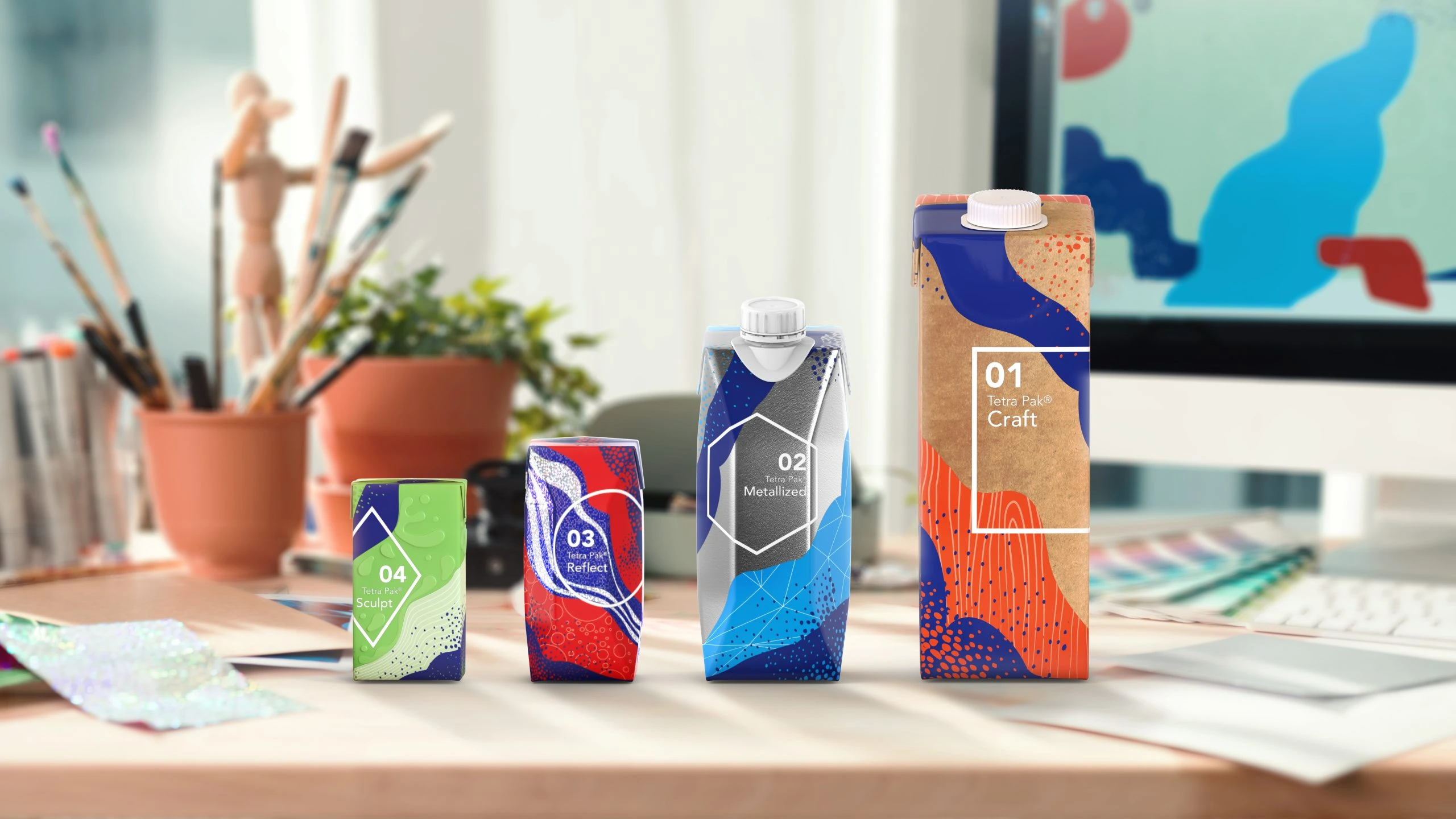
    Tetra Pak appointed Michael Wu as managing director of its Oceania business, taking charge of operations across Australia and New Zealand effective September 1.

    Wu brings 18 years of executive experience across the Swiss-Swedish packaging giant, stepping into the role after serving as market operations quality and sustainability director.

    Leadership Track Across Southeast Asian Markets

    Before his latest global role, Wu led Tetra Pak businesses across Malaysia, Singapore, the Philippines and Indonesia. His appointment shifts an executive with deep Southeast Asian operating experience into the mature Oceania dairy, beverage and liquid food packaging market.

    Food manufacturers across Australia and New Zealand face tight regulatory mandates on packaging circularity and emissions reductions. Placing a former quality and sustainability lead in charge of Oceania reflects packaging producers aligning commercial leadership directly with compliance demands from major supermarket chains and brand owners.

    Shifting Packaging Demands in Oceania

    For beverage processors and dairy co-operatives in the region, processing and packaging machinery upgrades require heavy capital expenditure. Wu inherits client relationships across Australia and New Zealand where processors are balancing automation investments against shifting retail carton consumption.

    Competition from alternative barrier packaging and local carton converters adds pressure on supply agreements. Tetra Pak has relied on integrated equipment and service contracts across Australasia to protect its volume footprint against cheaper imported carton blanks and plastic formats.

    Regional Supply Chain Realities

    Wu oversaw rapid packaging volume growth across Southeast Asian beverage markets before his transition into global sustainability and operations quality management. That background gives him direct insight into regional raw material flows and converting plant efficiency.

    His immediate focus turns to commercial execution across key Oceania accounts as dairy and beverage brand owners finalise processing equipment budgets for the coming operating cycle.

  • Oh!Some Scales Back in Vietnam 16 Months After Opening Flagship

    Oh!Some Scales Back in Vietnam 16 Months After Opening Flagship

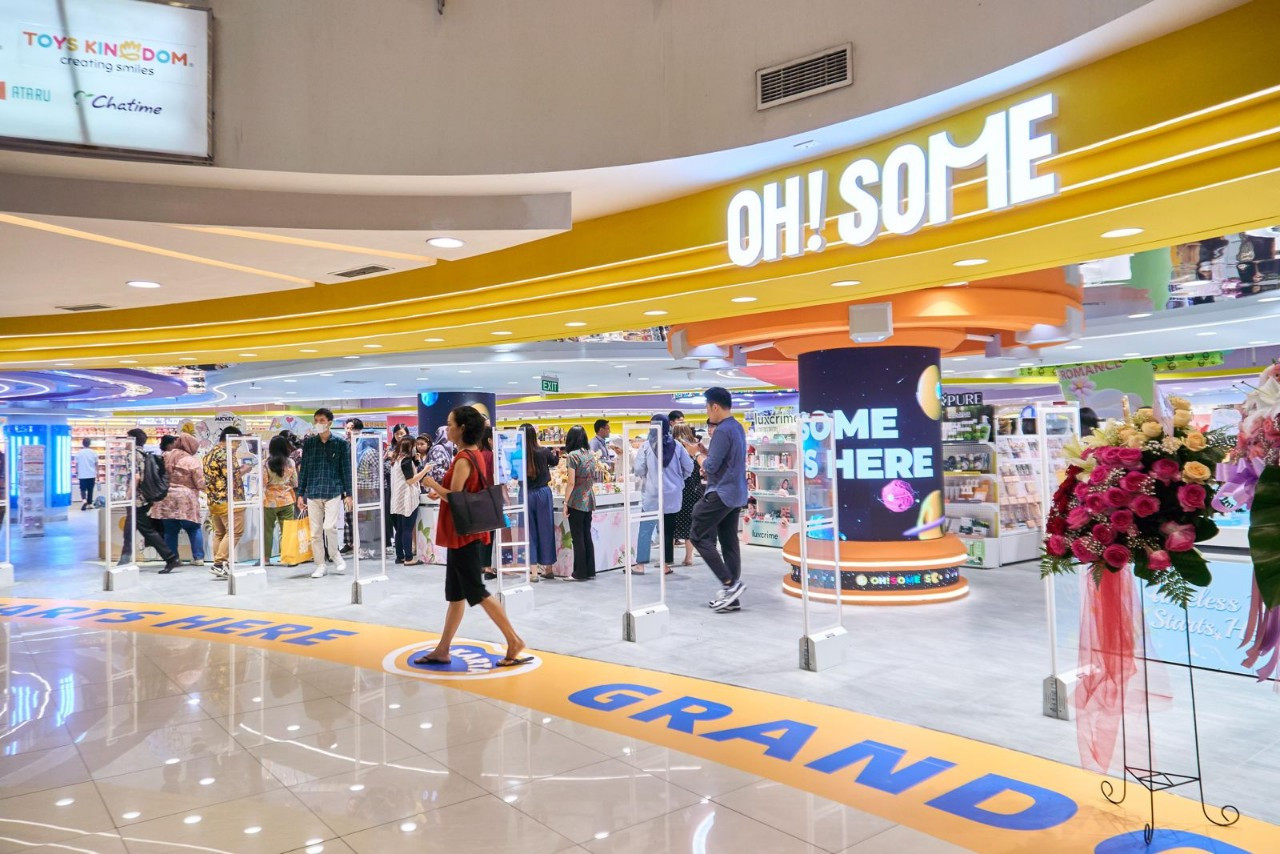
    Chinese lifestyle chain Oh!Some is closing stores across Vietnam. The closures come 16 months after it opened a 2,000-square-metre flagship in central Ho Chi Minh City.

    The retailer entered Vietnam in April 2025 and expanded quickly. Mounting losses soon forced a reassessment. High mall rents, logistics expenses and rising wages squeezed margins across its Vietnamese outlets, according to people familiar with the operations.

    Retreat across regional hubs

    Vietnam is not the only market where the chain has pulled back. Oh!Some has already shut all stores in Singapore, where parent firm Blue Origin Group is based. Its only branch in Hong Kong also closed recently.

    Oh!Some sells beauty products, homeware, accessories, toys and daily essentials. The group had targeted Southeast Asia for rapid expansion. It drafted launch roadmaps for Thailand and Cambodia, and named Indonesia as its main regional engine.

    High overheads pinch lifestyle chains

    Budget lifestyle chains across Southeast Asia face stiff competition from rivals like Miniso and local value merchants. Massive central footprints make the problem worse. Oh!Some took a multi-level site at Vincom Center Dong Khoi, leaving the low-margin business exposed when basket sizes failed to cover prime leasing costs.

    Blue Origin Group has not stated whether it will exit Vietnam entirely or keep a smaller store footprint in secondary shopping centres.